Tag: Logistics

  • J&T Express Expands Global Network Coverage to Include Mexico

    J&T Express Expands Global Network Coverage to Include Mexico

    J&T Express, an international express logistics company, announced last week that it has officially entered the Latin American market and successfully launched its network in Mexico.

    This latest expansion brings J&T Express’ global network coverage to a total of eleven countries, enabling the logistics leader to support its customers to further tap into the e-commerce boom by reaching global markets beyond Asia.

    With 12 sorting centers and 26 distribution centers in Mexico, the network covers key regions in all 32 Mexican states. As an important aspect of its courier service, the Mexican version of the J&T Express mobile application will also be launched soon.

    “As part of a new generation of express logistics companies with increased focus on internationalization, J&T Express attaches significant importance to the Latin American market,” said Charles Hou, Group Vice President of J&T Express. “The launch in Mexico is an integral step in the expansion of our global network, which further demonstrates the benefits of the regional sponsorship model in our global expansion. In the future, we hope to continue building our competitive advantage through refined local operations, our unique management model and technological improvements, to provide customers with quality logistics experience.”

    Ryan Zhang, Head of J&T Express Mexico, said, “Mexico is a logistics hub in Latin America, and home to the headquarters of many Latin American companies. It serves as an important strategic channel for J&T Express to continue its expansion in the market. This network launch is another milestone in J&T Express’ international strategy, and we hope to create a pleasant courier and shipping experience for our Mexican customers through efficient and high-quality services.”

    Previously, J&T Express’ delivery network covered ten countries and regions including China, Indonesia, Malaysia, Thailand, the Philippines, Cambodia, Singapore, the UAE and Saudi Arabia. Following the successful launch of the network in Mexico, J&T Express’ first stop in Latin America, the company aims to further cultivate emerging markets and expand its global footprint in the future to connect the world with greater efficiency and bring the benefits of logistic services to all.

    Andrew Sim, CEO of J&T Express Singapore, said, “With e-commerce becoming more cross-border, the expansion of J&T Express’ global network coverage to include Mexico will bring greater opportunities for J&T Express customers in Singapore. Alongside strengthening our international delivery capabilities here, our expanding network will enable our customers to ride a growing wave of e-commerce internationally by opening new doors to reach wider markets beyond Asia.”

    This milestone is one of several strategic initiatives undertaken by J&T Express recently as it aggressively expands its global coverage to offer customers extensive e-commerce reach. In Singapore, as the one-stop e-commerce solutions expert, J&T Express has built its current suite of offerings including last-mile delivery, fulfilment, sales channel management, and international shipping which has been enhanced to cover over 220 countries and regions worldwide. The newly launched warehouse at Changi Airfreight Center will ensure greater efficiency and security of quality international delivery services offered to both local and regional customers.
  • Hellmann responds to the global eCommerce boom: Easy eComm

    Hellmann responds to the global eCommerce boom: Easy eComm

    Hellmann Worldwide Logistics introduces a new cost-effective and seamless solution facilitating order fulfillment for international businesses who wish to enter the US market without the need for a domestic fulfillment center or storefront presence. The new Easy eComm model, which is slated to launch this month, serves as a turn-key solution that makes it possible for businesses to fulfill their customer’s online purchases in the US, swiftly and cost-efficiently.

    Operating as a virtual order fulfillment center, this market entry solution developed by Hellmann requires no capital investment or local distribution center set-up for customers. It utilizes the new informal “Type 86” customs entry that enables importing of merchandise valued up to USD 800. In this way, the new solution allows manufacturers of fashion apparel and fast-moving consumer goods to leverage the global freight forwarder’s gateway and warehouse network to expand their reach to a customer base of over 320 million US consumers.

    The Easy eComm solution is ideal for online merchants of lower-value goods to test the US market space without the need for local presence. The model employs a three-phased approach that makes it possible for new importers to scale their business gradually, with Hellmann’s established team of experts managing the implementation of each phase of the US market entry strategy. Launching with international fulfillment from the point of origin and returns logistics in phase one, the inbound journey continues with the set-up of an international returns consolidation center in phase two. It culminates with the establishment of a full-fledged US distribution center in phase three. The Easy eComm implementation process is designed to activate US market fulfillment in just a few weeks, with the ability to reach full deployment of in-market operations within twelve months of inception.

    “Our Easy eComm Solution enables international businesses to easily reach US customers. As part of the full-service offering, we handle the entire process and provide customized solutions – from the consolidation of the goods in the country of origin to door-to-door delivery in the USA. By providing our local expertise and infrastructure, we support our customers to successfully implement and evolve their business plan in the US market,” says Patrick Oestreich, Chief Commercial Officer, Hellmann Worldwide Logistics.

    “We are here to welcome new companies to the US. Our team is looking forward to assisting them in their transition into the US market, and we will work very closely with each business to understand where Hellmann as a partner can further support their journey to reaching this US customer base,” adds Peter Huewel, Regional CEO North America, Hellmann Worldwide Logistics.

  • J&T Express celebrates two years of strategic growth and expansion in Singapore

    J&T Express celebrates two years of strategic growth and expansion in Singapore

    International express logistics company J&T Express celebrated its second anniversary in Singapore on 9th January 2022, recording two years of exponential growth and progress, including a year-on-year double digit growth for parcel volumes, and an approximately three-fold increase in the total size of all its warehouses.

    Tapping into Singapore’s potential as a regional logistics hub, J&T Express established its operations in the country in January 2020, and has since accelerated its growth plans and invested significantly into its infrastructure. Starting off with just one sorting hub, the company now operates two sorting hubs across Singapore, a fulfilment centre at Penjuru and a warehouse at the Changi Airfreight Centre, and has also expanded its fleet four-fold.

    In addition to its infrastructure development, J&T Express has been actively growing its talent pool across the various departments in Singapore to continue driving success, including building new roles and upskilling employees through regular training programmes. Since 2020, J&T Express’ Singapore team has grown six-fold across a diverse range of roles such as software development, data analytics and automation.

    Andrew Sim, CEO of J&T Express Singapore, said, “J&T Express is in a unique position of not only playing the role of a logistics provider, but also serving as a one-stop e-commerce specialist across each and every touchpoint in the supply chain. Our tremendous growth and fast-paced expansion in Singapore reflects the shift we have seen in the market with an increasing number of Singaporeans embracing e-commerce.”

    With technology and innovation as its strategic priorities, J&T Express continues to strengthen its capabilities to improve operational efficiency and service quality. This includes upgrading its system of operations management, enhancing the technology support for seamless e-commerce experiences, and further optimising its fulfilment and warehousing solutions. In May 2021, the J&T Express mobile app was also launched to enable consumers and small business owners to arrange for door-to-door delivery in just a few clicks.

    J&T Express is also committed to supporting the growth of its e-commerce partners and Singapore’s e-commerce industry as a whole. As part of its efforts, the company launched its inaugural virtual J&T Fashion Week in August 2021 to provide a public platform for local e-commerce businesses to reach a wider audience, successfully helping them reach 3 million Singaporean consumers through online platforms.

    Looking ahead, as e-commerce becomes more cross-border, J&T Express aims to invest further in growing its network to help its customers reach wider markets, building on its current suite of offerings which includes international shipping to over 220 countries and regions worldwide.

    Mr Sim noted that as customers increasingly expect businesses to adapt to their needs and challenges, it is crucial that J&T Express continues to introduce new services and solutions that can meet the latest market demands.

    He added, “We are proud to be one of the key partners of Pick Network and the Locker Alliance, which will help us further enhance our last mile delivery services. We are also excited to have launched J&T Points, an island-wide network of service points that provides sellers greater flexibility by enabling them to drop off parcels at their own convenience and receive real-time tracking. Moving ahead, we look forward to expanding this network to provide even greater access to all Singaporeans.”

    Reflecting on J&T’s achievements over the last two years in Singapore, Mr Sim said, “J&T Express prides itself in being at the forefront of the industry, enabled by our focus on leveraging technology to advance our offerings, as well as our customer-first approach to be the partner of choice. We look forward to further driving our efforts in the market, strengthening our position as a one-stop e-commerce solutions specialist and constantly evolving and improving our services with a focus on agility and innovation.”

  • DB Schenker and Lufthansa Cargo welcome Lenovo on their CO2-neutral flights

    DB Schenker and Lufthansa Cargo welcome Lenovo on their CO2-neutral flights

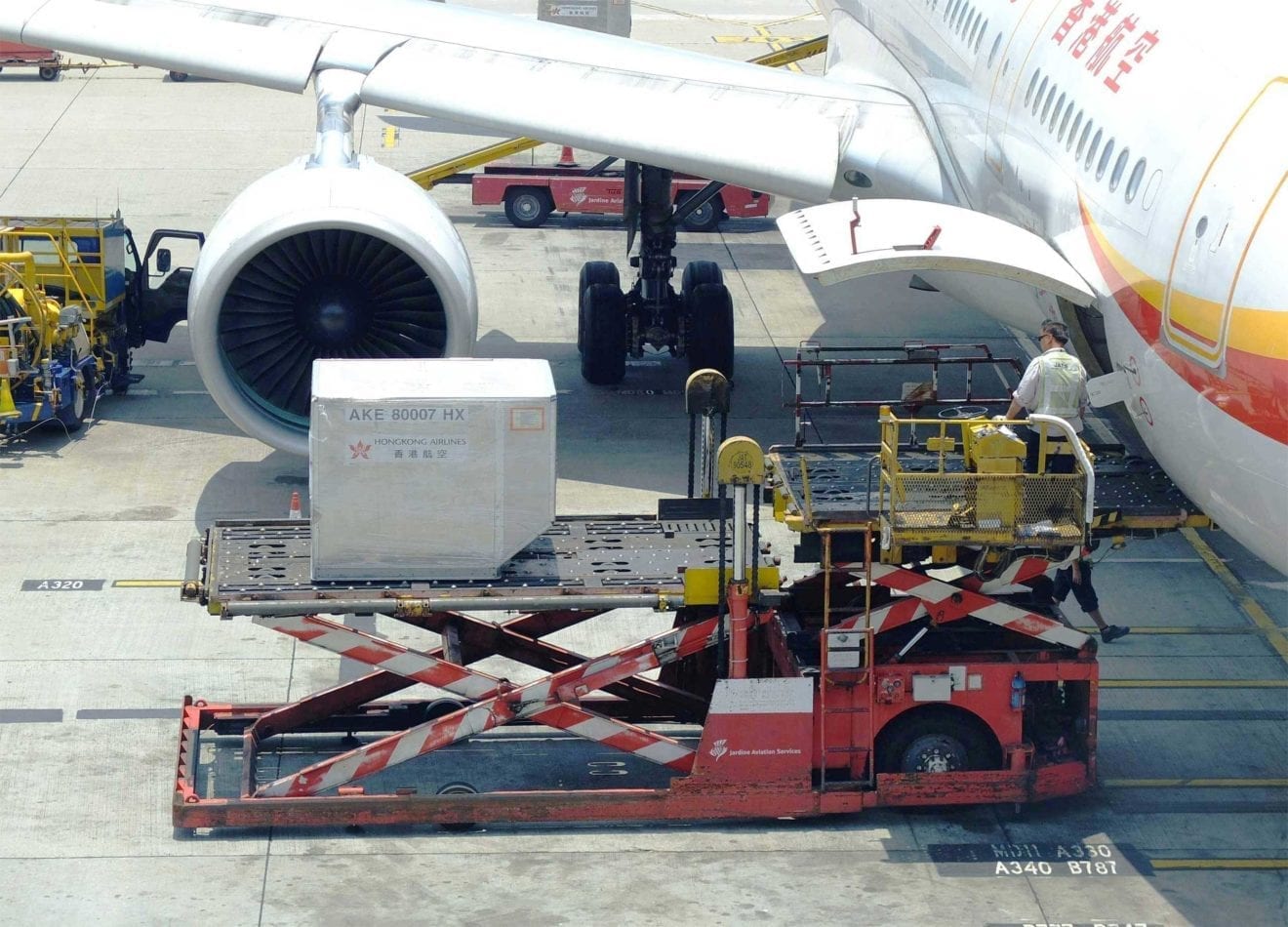
    Another major global player joins DB Schenker and Lufthansa Cargo on their way towards greener supply chains: Global hardware technology provider Lenovo decided to let fly 20 tons of chargeable weight per week from Shanghai (PVG) to Frankfurt (FRA). The carbon-neutral freighter flight is the only regular full charter connection worldwide which is 100 percent covered by sustainable aviation fuel (SAF). SAF is produced out of renewable waste and residue raw materials such as used cooking oils. The transported Lenovo products include laptops, notebooks, and PCs for both private and corporate clients. 

    Thorsten Meincke, Global Board Member for Air & Ocean Freight at DB Schenker: “Our unique SAF full charter flights help corporates to make their shipments more sustainable. Lenovo is a major customer for this game-changing initiative and an example how shippers are keen for real change towards greener transports. We look forward to seeing further companies who would like to prioritize decarbonizing their supply chains together with us.”

    Gareth Davies, Head of Global Logistics at Lenovo: “Sustainability is critical to our business and mission of delivering smarter technology for all. We are proud that we are further enhancing our solutions through this collaboration with DB Schenker and Lufthansa Cargo. For all businesses and individuals, adopting programs that improve sustainability is incredibly important and we are delighted about this new partnership.”

     Ashwin Bhat, Chief Commercial Officer at Lufthansa Cargo: “Our joint effort with DB Schenker to avoid CO2 emissions is continuously growing stronger. An increasing number of customers realizes that we need to work together across industries to achieve our shared goal. Only together, we can make a real difference. With our SAF-covered flights, we are doing pioneer’s work.”

    DB Schenker and Lufthansa Cargo started the world’s first regular SAF-covered full charter air cargo connection between Frankfurt and Shanghai in April 2021 and extended the joint mission throughout the entire winter flight schedule. The CO2 released during combustion in the engine is only the CO2 removed from the atmosphere during the photosynthesis phase of the plants that were utilized to produce the oils SAF is refined from.

    By opting for the SAF based way of transportation offered by DB Schenker in cooperation with Lufthansa Cargo, Lenovo saves around 20 tons of conventional kerosene per flight and, thus, 62 tons of greenhouse gases (CO2e Well-to-Wheel) weekly. In addition, the around 16 tons CO2e resulting from the production and transport of the SAF (upstream emissions) are offset by compensatory measures. Overall, full carbon neutrality is achieved.


  • Supply chain issues to worsen as virus impacts transport sector

    Supply chain issues to worsen as virus impacts transport sector

    Thanks to the rollout of coronavirus vaccines, the global economy is slowly starting to emerge from the pandemic.

    But Covid-19 has left one very destructive economic issue in its wake: disruption to global supply chains.

    The rapid spread of the virus in 2020 prompted shutdowns of industries around the world and, while most of us were in lockdown, there was lower consumer demand and reduced industrial activity.

    As lockdowns have lifted, demand has rocketed. And supply chains that were disrupted during the global health crisis are still facing huge challenges and are struggling to bounce back.

    This has led to chaos for the manufacturers and distributors of goods who cannot produce or supply as much as they did pre-pandemic for a variety of reasons, including worker shortages and a lack of key components and raw materials.

    Different parts of the world have experienced supply chain issues that have been exacerbated for different reasons, too. For instance, power shortages in China have affected production in recent months, while in the U.K., Brexit has been a big factor around a shortage of truck drivers. The U.S. is also battling a shortage of truckers, as is Germany, with the former also experiencing large backlogs at its ports.

    Unfortunately, experts like Tim Uy of Moody’s Analytics say that supply chain problems “will get worse before they get better.”

    “As the global economic recovery continues to gather steam, what is increasingly apparent is how it will be stymied by supply-chain disruptions that are now showing up at every corner,” Uy said in a report last Monday.

    “Border controls and mobility restrictions, unavailability of a global vaccine pass, and pent-up demand from being stuck at home have combined for a perfect storm where global production will be hampered because deliveries are not made in time, costs and prices will rise, and GDP growth worldwide will not be as robust as a result,” he said.

    “Supply will likely play catch up for some time, particularly as there are bottlenecks in every link of the supply chain—labor certainly, as mentioned above, but also containers, shipping, ports, trucks, railroads, air and warehouses.”

    Supply chain bottlenecks — congestion and blockages in the production system — have affected a variety of sectors, services and goods ranging from shortages of electronics and autos (with problems exacerbated by the well-known semiconductor chip shortage) to difficulties in the supplies of meat, medicines and household products.

    Amid higher consumer demand for goods that have been in short supply, freight rates for merchandise coming from China to the U.S. and Europe have soared, while a shortage of truck drivers across both the latter regions has exacerbated the problem of getting goods to their final destinations, and has led to high prices once those products hit store shelves.

    The pandemic has only served to highlight how interconnected, and how easily destabilized, global supply chains can be.

    At their best, global supply chains lower costs for businesses, often due to reduced labor and operating costs linked to the manufacturer of the products they want, and can spur innovation and competition.

    But the pandemic has highlighted deep fragilities in these networks, with disruption in one part of the chain having a ripple-down effect on all parts of the chain, from manufacturers to suppliers and distributors with disruptions ultimately affecting consumers and economic growth.

  • Germany’s DB Schenker To Order 1,500 Electric Trucks From Sweden’s Volta

    Germany’s DB Schenker To Order 1,500 Electric Trucks From Sweden’s Volta

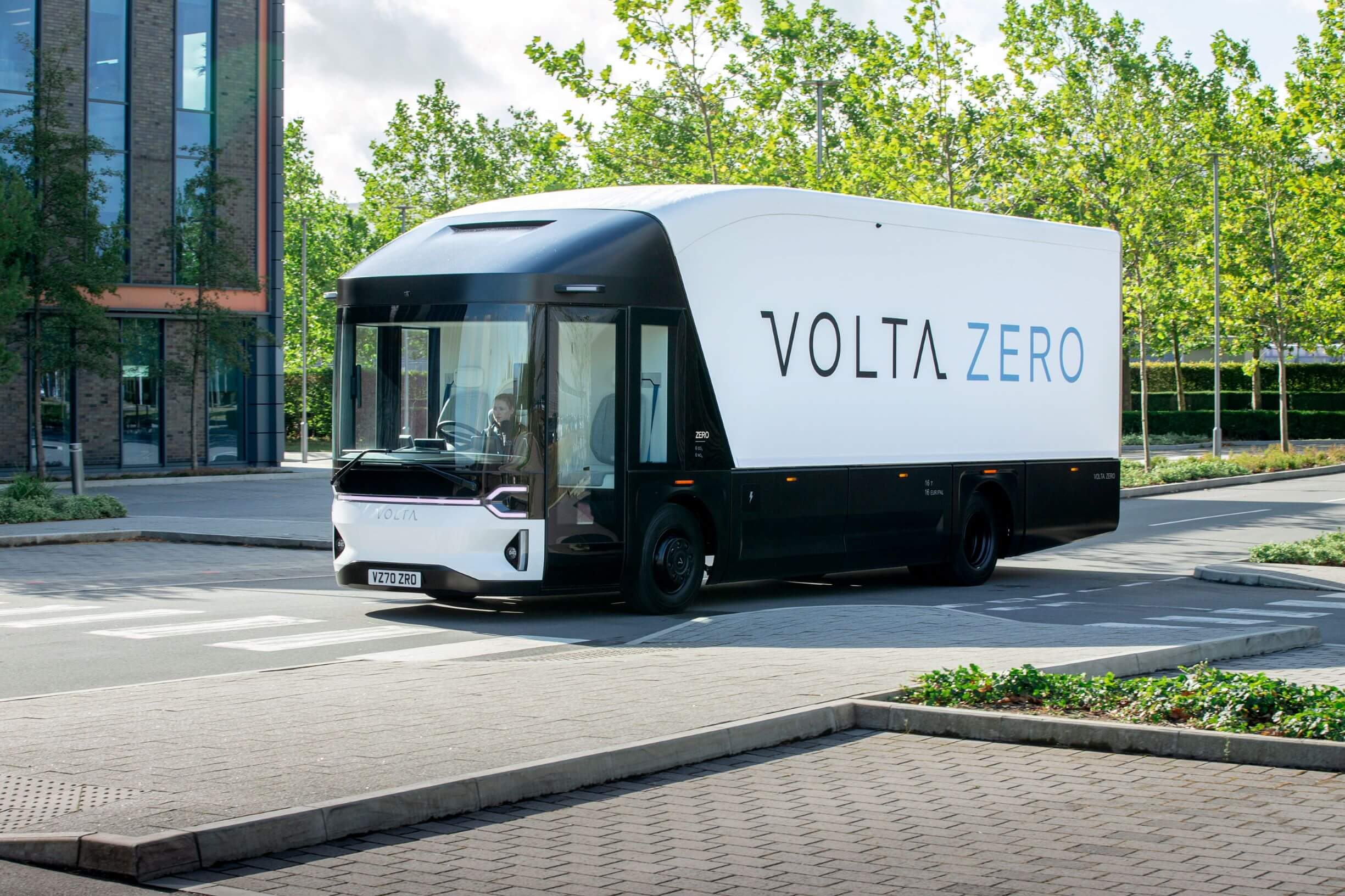
    Deutsche Bahn’s logistics unit Schenker will order almost 1,500 electric trucks from startup Volta Trucks to transport goods from European terminals into city centres and urban areas, the companies said on Tuesday. DB Schenker will use prototype electric trucks in the spring and summer of 2022 in distribution operations, findings from which will be used in the production of 1,470 electric trucks. Those trucks will be made at a former MAN truck plant in Austria that was taken over by Steyr Automotive. The electric trucks will operate at 10 DB Schenker locations in five countries.

    The companies didn’t immediately provide details on the transaction’s value.

    Stockholm-based Volta Trucks, which also operates in the UK, plans to start production of the Volta Zero, a 16-tonne electric truck, in 2022. Bans on fossil-fuel commercial vehicles will take effect in some European cities over the next few years, putting pressure on logistics providers to find zero-emission alternatives.

    “The large-scale partnership with Volta Trucks allows us to significantly increase the pace of electrification of our fleet and invest in greener transport solutions,” Cyrille Bonjean, DB Schenker’s executive vice president for land transport in Europe, said in a statement. DB Schenker has around 74,200 employees in over 130 countries. The latest order brings Volta Trucks’ order book to around 4,500 electric trucks. It previous biggest public order was for 1,000 trucks, from French refrigerated truck firm Petit Forestier.

  • DB Schenker celebrates 30th anniversary in Vietnam

    DB Schenker celebrates 30th anniversary in Vietnam

    DB Schenker has opened a new office in Vietnam to mark 30 years of orchestrating the logistics industry in the country.

    A ceremony took place on Nov. 23 to celebrate the 30th anniversary of DB Schenker in Vietnam and the opening of its new corporate office at the Viettel Complex Tower A in Cach Mang Thang 8 Street, District 10, Ho Chi Minh City.

    Commenting on the event, Andy Lim, CEO of DB Schenker in Vietnam, said: “We are proud and grateful to be one of the main logistics providers in the country today and to play such an important role during the pandemic when the market conditions we operate in continue to be disruptive and far from normal. Our logistics experts have been working hard to keep the supply chains moving and helping to deliver essential goods across the country via land, air and ocean, as well as by continuing to provide warehousing activities.”

    Josefine Wallat, Consul General of Germany in Ho Chi Minh City, expressed her delight at seeing a German company operating for a long time and constantly growing in Vietnam. “The pandemic has been a challenge worldwide for everyone, including German companies in Vietnam. But I trust that companies in Vietnam will come out of this challenge faster than others. What we are seeing at the moment is just a setback and Vietnam will be back on track very, very quickly,” she said.

    During the pandemic, provinces and cities went into lockdown, air and ocean carriers were restricted to a few cargo freighters a week due to port control and commercial flights ceased operation. Strict preventive and control measures caused delivery delays and cost of shipping increased to historical heights.

    “At first, we thought the pandemic would have a tremendous impact on our business, but things were actually different. Covid-19 has highlighted the urgency of the need for smooth transportation of goods more than ever. It is a challenge but also an opportunity for DB Schenker to showcase our capability and adaptability during such critical times,” said Lim.

    All key services provided by DB Schenker, including Air, Ocean, Contract Logistics and Land Transport, were in full operation during the pandemic.

    Hundreds of warehouse employees have been away from their families for many months. Customer service representatives worked around the clock, including weekends, regardless of time zone differences. Drivers were required to get tested for Covid-19 every 72 hours and had to wear personal protective equipment (PPE) while making deliveries. Most of DB Schenker employees have been working from home during the pandemic. However, there were also colleagues who had to come to the office, spent time on the road for deliveries, or stayed on site in the warehouses.

    To meet customer demand during this critical period, DB Schenker had to adapt and come up with logistics and supply chain alternatives to keep the business of its customers moving. The company also had to manage escalating fuel costs, price increases for Air and Ocean and invest in health and safety measures for the employees.

    In 1991, DB Schenker was one of the first international logistics companies entering Vietnam. From one representative office in Ho Chi Minh City with only three employees, DB Schenker now has over 1,000 employees, more than 100,000 square meters of warehouse space and 21 offices and warehouses across the country with key ground operations at key ports and terminals.

    The company’s growth is in line with the massive expansion of Vietnam’s logistics industry. “Information technology and innovation are the key drivers of the Vietnamese freight and logistics market. Today’s industrial parks have the highest security, environmental and health standards in place. We continue to develop and introduce new technologies to provide the best supply chain experience to our customers and make DB Schenker their first choice,” said Lim.

    After 30 years, DB Schenker has grown to become one of Vietnam’s leading logistics and forwarding service providers and a strategic partner to many air and ocean carriers. The company not only transports goods via air and ocean but also provides domestic land services and offers an efficient LANDbridge cross-border trucking solution connecting Singapore, Malaysia, Thailand, Cambodia, Laos, Myanmar, and China.

    This year, DB Schenker in Vietnam also started offering rail services between Ho Chi Minh City and Hanoi, in addition to the existing EurAsia LANDbridge Rail service. The EurAsia LANDbridge Rail service is an alternative for the transportation of goods between Europe and Southeast Asia.

  • Vietnam shipping company begins service to Malaysia, India

    Vietnam shipping company begins service to Malaysia, India

    The Vietnam Maritime Corporation has launched a container shipping route to Malaysia and India.

    The route from Vietnam’s Hai Phong Port to Malaysia’s Port Klang, India’s Calcutta, Port Klang, and SP-ITC International Container Terminal in HCMC takes 10 days less than foreign shippers’ itineraries, VIMC said.

    It is the first time Vietnamese container ships are sailing through the Malacca Strait to the Indian Ocean to transport cargo to Malaysia and India, both large import and export markets for goods and raw materials for Vietnamese enterprises.

    VIMC said it plans to expand its large-tonnage container ship fleet and operations in the region as well as globally.

    Amid the Covid-19 outbreak, Vietnam’s importers and exporters have been hit by the high freight rates demanded by foreign shipping lines and finding it hard to book their services.

    Freight rates to Europe and North America have surged by four to eight times to around $20,000 for a 40-foot container.

    Many Vietnamese shipping companies saw profits surge in the third quarter as a result of the rising freight rates.

    VIMC reported revenues of VND4.127 trillion ($179.4 million), up 71 percent year-on-year, and profits of VND760 billion, compared to a loss of nearly VND30 billion in the same quarter last year.

    According to the Vietnam Maritime Administration, the country’s ports handled over 535 million tons of cargo in the first nine months of this year, a year-on-year rise of 3 percent.

  • Cold storage rent soars as supply dwindles

    Cold storage rent soars as supply dwindles

    Rent for cold storage in the south stands at $87 per ton in Q4, up 1.67 times against Q1 last year due to limited availability.

    Vietnam’s e-commerce boom amid the Covid-19 outbreak has fueled demand for cold storage facilities, according to the latest report on the cold supply chain released by real estate consultancy Savills Vietnam.

    According to the cold storage warehouse report by real estate services provider JLL, more consumers have opted for online shopping during Covid-19, leading to bigger demand for cold storage warehouses mainly located in the south and managed by medium- and small-sized suppliers. Foreign investors currently hold a share of some 60 percent in the local cold storage market.

    Trang Bui, JLL senior director in charge of the Vietnamese market, predicted demand for cold storage warehouses would increase sharply in the next five years, opening opportunities for investors.

    The country currently has a meager 48 cold storage warehouses with some 600,000 shelves, and over 700 refrigerated trucks.

    The local cold storage warehouse market is projected to annually grow 12 percent to reach $295 million in 2025, stated Savills Vietnam.

  • European business sentiment inches up

    European business sentiment inches up

    The Business Climate Index of European companies rose 3 percentage points to 18.3 in Q3, showing improving perceptions on Vietnam’s economic outlook.

    The rise from the historic low of 15 points in September came as business leaders were more optimistic about Vietnam’s business environment as the country relaxed social distancing measures and aimed toward a new normal, according to a survey of European businesses by EuroCham.

    Forty-nine percent of business leaders and investors predicted a stabilizing and improving economic outlook next quarter, compared to less than 19 percent in the second quarter.

    “With the pandemic now back under control in Vietnam, the confidence and optimism of European business leaders should continue to climb as companies get back to normal and consumer confidence rises,” said EuroCham chairman Alain Cany.

    However, despite this positive progress, business leaders are still encountering challenges in their commercial operations, he added.

    Sixty-six percent of businesses were affected by staff leaving work after the fourth wave lockdown.

    Thirty-nine percent of respondents said they saw a reduction in operations after reopening.

    Prolonged international travel restrictions affected almost two-thirds of European businesses in Vietnam.

    The online survey polled 154 executives of European companies in Vietnam.

  • Tiki raises $258 mln from global investors

    Tiki raises $258 mln from global investors

    E-commerce company Tiki raised $258 million in its latest funding round as it eyes a U.S. IPO.

    The Series E funding round was led by AIA Insurance, and included UBS AG London Branch, Mirae Asset-Naver Asia Growth Fund, and Taiwan Mobile Co.

    Tiki had planned to list in the U.S. by 2025, but it now plans to do so in a year’s time, Tiki founder and Chief Executive Officer Tran Ngoc Thai Son said in an interview.

    The company expects revenue growth of 40-50 percent in the next few years, he added.

    Vietnam is expected to have 53 million online consumers, or 71 percent of its population aged 15 and older, by the end of this year, an 8 percent rise from 2020, according to a report in August by Facebook and Bain & Co.

    Tiki in June raised VND1 trillion dong ($44 million) from bonds issuance.

  • ZIM buys 7 ships in move from charters to owning vessels

    ZIM buys 7 ships in move from charters to owning vessels

    In a clear move away from chartering to owning ships, Israeli carrier ZIM Integrated Shipping Services announced the acquisition of seven secondhand vessels – five 4,250 TEU vessels and two 1,100 TEU vessels – for a consideration of approximately $320 million.

    “Since going public our focus has been to allocate capital to strengthen our commercial prospects and create long-term shareholder value,” Eli Glickman, ZIM President & CEO, said. “With the opportunistic acquisition of these much-needed vessels, we have drawn on our strong cash position and our agile approach to maintain and expand our operating fleet to meet growing customer demand, while remaining committed to delivering industry superior profitability.”

    Glickman said ZIM will continue to complement the primary strategy of chartering in the vast majority of vessels by selectively acquiring second-hand tonnage.

    ZIM had earlier this month announced the launch of Ship4wd, a digital freight forwarding platform to offer end-to-end shipping solutions.

    NYSE-listed ZIM had reported a revenue of $4.1 billion for the first half of 2021, an increase of over 150 percent from $1.6 billion in the corresponding period of 2020. Net income had zoomed to $1.5 billion from $13 million.

    For the second quarter, ZIM had reported a revenue of $2.4 billion and net income of $888 million. ZIM carried 921,000 TEUs in the second quarter of 2021, a year-over-year increase of 44 percent. Average freight rate ($/TEU) more than doubled in Q2 to $2,341 from $1,071. For the first half of the year, the average freight rate ($/TEU) nearly doubled to $2,145 from 1,081.

    “Our outlook for the remainder of 2021 and into 2022 is very positive and we are excited about our strategy to further enhance our position as an innovative digital leader of seaborne transportation and logistics services,” Glickman had said while announcing the results.

    ZIM is expecting second-half 2021 results to exceed first-half results.

  • Singaporean logistics unicorn eyes Vietnam as key expansion market

    Singaporean logistics unicorn eyes Vietnam as key expansion market

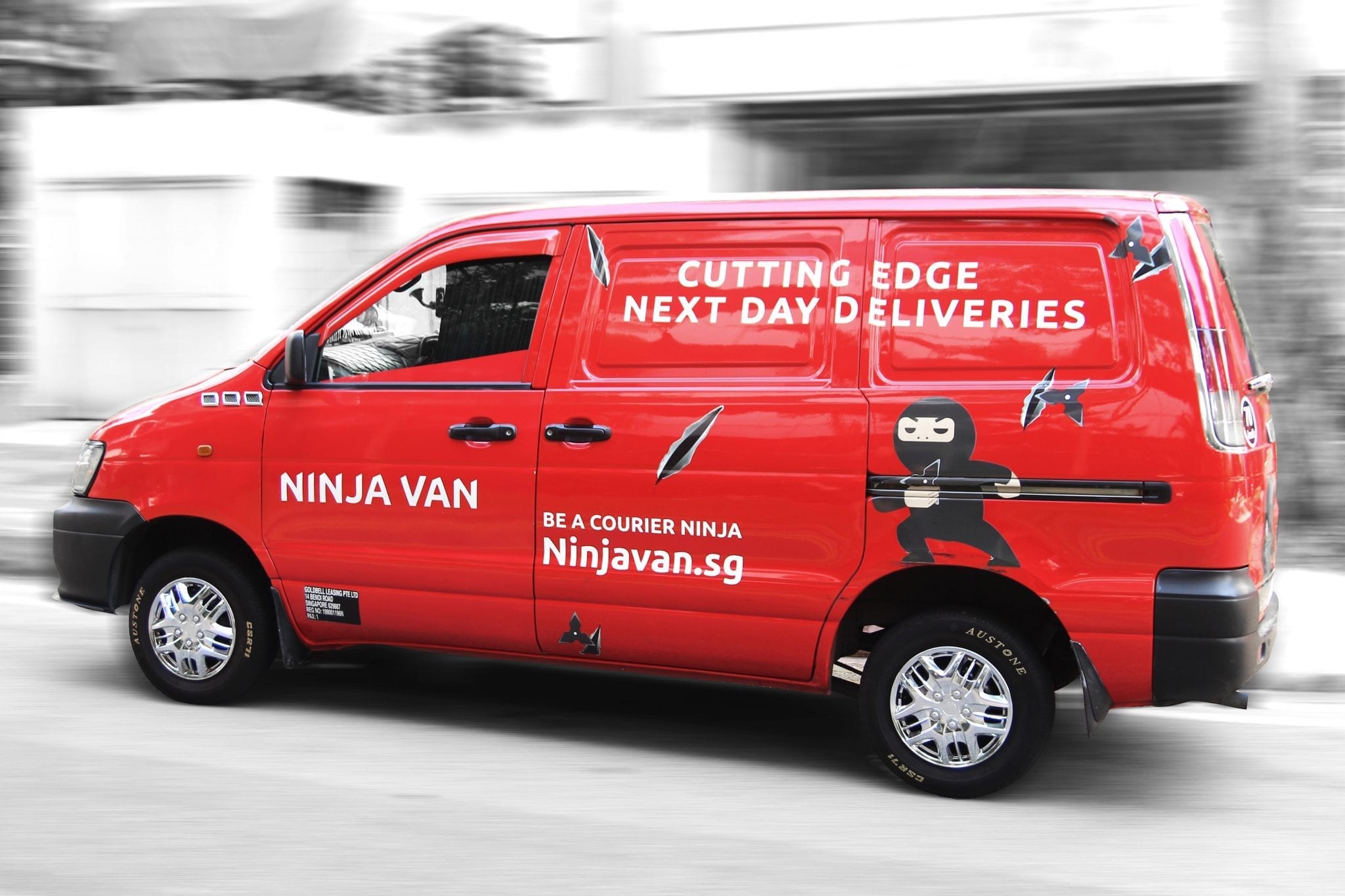
    Ninja Van, a Singaporean logistics startup and new ASEAN unicorn, is set to drive a broad strategy in Vietnam to benefit from the country’s strong e-logistics market growth.

    After successfully raising $578 million in Series E funding, Ninja Van has officially become an ASEAN “unicorn,”.Dzung Phan, president of Ninja Van, said while revealing the startup’s expansion plans for Vietnam and his assessment of its e-logistics market.

    Why did Ninja Van choose Vietnam as a key investment market?

    We believe Vietnam is ready for a new phase of growth in e-logistics. According to Agility, Vietnam ranks 8th among the top world’s fastest-growing logistics markets and 3rd among ASEAN in 2021. Vietnam E-commerce Association (VECOM) also stated the number of postal parcels sent through express delivery services shot up by 47 percent last year.

    Also, e-logistics is strongly driven by the rapid growth of e-commerce. Vietnam’s e-commerce market expanded an average of 30 percent per annum during the period 2016-2019, from $4 billion (2015) to $11.5 billion (2019). According to VECOM, the market will grow at 29 percent annually in 2020-2025, to reach $52 billion (2025).

    The strong potential of Vietnam’s e-logistics market is a good foundation for our ambitious plan. A market with 600,000 sellers and 49.3 million buyers across e-commerce platforms and social networks will generate significant demand for logistics.

    Leading a new unicorn in the e-logistics industry, how do you assess its competitive advantage in Vietnam?

    The domestic e-logistics market is competitive with several “deep pocket” players. The market comprises three main segments: local shipping companies, international shipping companies, and e-commerce platforms with their own in-house shipping ecosystems.

    Domestic enterprises only account for 20 percent of the logistics market share; the remaining 80 percent belongs to international firms with strengths in capital, technology, and experience. Local firms may be backed by international groups, including GHTK by Kerry and AhaMove by Temasek.

    Although the e-logistics market is vibrant, its growth potential is not fully invested in. A survey showed that 60 percent of sellers and 80 percent of buyers are not satisfied with the current quality of express delivery services. Buyers are frustrated by late delivery or the inability to track the flow, while sellers expect more parcels to be delivered.

    Is pricing a major competitive edge in the current e-logistics market?

    Except for the inhouse shipping units of e-commerce platforms, domestic and international players are using price competitiveness to acquire customers quickly. Whenever there is a “newcomer”, delivery costs will drop significantly to maintain the market share and retain customers. Notable discounts were given at the entry of J&T in 2018 and Best in 2020.

    The average shipping price in the Vietnam market fell continuously by 15-20 percent per year from 2017 to 2020. The trend has a negative impact on smaller domestic players, for example, GNN in 2017 suffered a sharp drop in revenue that led to its liquidation. Even international players without strong financial support cannot survive this market, with DHL e-commerce ceasing operations in Vietnam during 2021.

    How does Ninja Van improve the customer experience? Ninja Van focuses on providing a quality and authentic service experience to customers, rather than on pricing alone. Parcel tracking and recovery services for lost or damaged parcels need to be improved.

    Given a tech-enabled personalization of the customer experience, Ninja Van’s nationwide personal delivery service on the Grab app has stepped up during the Covid-19 pandemic. Additionally, we are strengthening our partnership with e-commerce giants including Shopee, Lazada, Tiki, and Sendo.

    With more than 300,000 orders per day, Ninja Van is among the top three partners on all major platforms in Vietnam. These collaborations brought Ninja Van into the top growth 15 companies in the Asia-Pacific region in 2021 as reported by Financial Times.

    To gain trust, we do all possible to help our customers succeed, such as ensuring timely pickup, prompt delivery without loss. In addition, we understand that our partners are working at a large scale, so we do our utmost to optimize our cost structure and provide an attractive rate.

    As a result, we became the most active provider by offering various value-added services, such as return pickup to Lazada, bulky and super bulky delivery for Tiki, or installation services for Shopee.

    With an additional $578 million in Series E, what is the level of ambition in terms of your expansion strategy?

    – Ninja Van is committed to driving a broad strategy in Vietnam in particular and in ASEAN in general. This strategy will cover all three sectors: operations, technical systems, ecosystems for small and retail customers.

    Specifically, Ninja Van will increase its coverage in 63 cities and provinces to reach 100 percent of the Vietnamese population. We will also prepare an automatic sorting system with a capacity of two million packages at five major cities to increase delivery speed.

    We will build and improve web and mobile application platforms to enhance customer experience. We seek to enable both sellers and buyers to track parcels and make inquiries in real-time.

    Notably, we will broaden our cross-border delivery with two new services: Ninja Direct, which helps Vietnamese sellers look for better sourcing with better rates in multiple countries; and Ninja Crossborder, which helps Vietnamese manufacturers reach out to buyers all over the world.

    Moreover, we will complete business activities for the fourth quarter of 2021. For example, based on our big data analytics, we have opened training courses to detect anomalies and outliers to provide timely resolutions for all customers. In 2020, we created 40 different training modules for our shippers and warehouse staff to avoid recalcitrant buyer behavior on COD free delivery services.

    Ninja Van will launch a promotional campaign in Vietnam “Giao thong suot, Nhan ven nguyen” (Smooth delivery, Parcel intact) to support sellers in the fourth quarter. With all staff vaccinated against Covid-19, Ninja Van will maintain its service delivery price during the pandemic to support hard-hit customers.

  • Amazon, Ikea commit to using zero-carbon shipping fuels by 2040

    Amazon, Ikea commit to using zero-carbon shipping fuels by 2040

    Nine big companies including Amazon, Ikea and Unilever have signed up to a pledge to only move cargo on ships using zero-carbon fuel by 2040.

    They hope the “aggressive” target will push the heavily polluting shipping industry to decarbonize faster.

    Cargo shipping produces one billion tonnes of climate pollution each year – as much as the country of Germany.

    But critics say shipping firms are not doing enough to meet Paris Agreement goals on emissions.

    The Aspen Institute – the non-governmental Organization coordinating the campaign – expects other retailers and manufacturers that rely on maritime shipping to sign up.

    “Maritime shipping, like all sectors of the global economy, needs to decarbonize rapidly if we are to solve the climate crisis, and multinational companies will be key actors in catalyzing a clean energy transition,” said president Dan Porterfield.

    “We urge other cargo owners, value chain actors, and governments to join forces with us.”

    The companies pledging zero-carbon shipping by 2040 are:

    • Amazon
    • Brooks Running
    • Frog Bikes
    • Ikea
    • Inditex (owner of Zara)
    • Michelin
    • Patagonia
    • Tchibo
    • Unilever

    With about 90% of world trade moving by sea, maritime shipping accounts for 3% of all global emissions. That could rise to 10% by 2050 if the industry continues to rely on carbon-intensive fuels, experts say.

    The shipping industry also produces 10-to-15% of the world’s manufactured sulfur oxide and nitrous oxide emissions, which can cause respiratory illness.

  • Korean firms to use petrol stations as logistics hubs

    Korean firms to use petrol stations as logistics hubs

    With the expansion of the ‘quick commerce market’, which offers guaranteed delivery within an hour, South Korean firms are employing gas stations as warehouses and logistics hubs.

    It has become a new alignment of interest between the quick commerce industry that needs logistics hubs in the heart of the city, and gas stations in search of a breakthrough as they struggle from dwindling sales with the emergence of eco-friendly cars.

    Shinsegae Property, property development unit of retail giant Shinsegae Group, signed an agreement with Koramco Energy Plus REITs to begin the development of gas station sites. The plan is to turn idle spaces at 187 gas stations owned by REITs into logistics hubs.

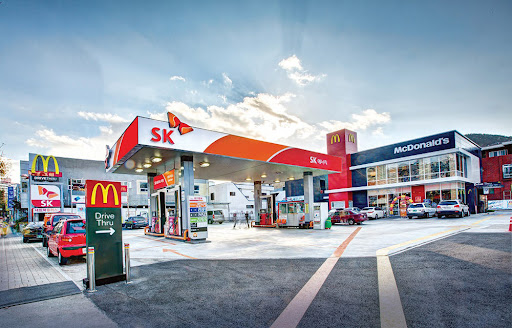
    Major logistics company CJ Logistics also signed an agreement with oil refinery and gas station operator SK Energy late last month to use their gas stations as logistics hubs.

    The plan is to set up small to medium-sized warehouses at these gas stations to keep stock of popular consumer goods to ship them out as soon as an order is placed.

    GS Caltex, South Korea’s second-largest refiner by sales, teamed up with local food delivery firm Mesh Korea last year to come up with plans for establishing logistics hubs at gas stations nationwide that will focus on short-range deliveries.

    This trend is partially the result of gas stations struggling to remain profitable. There were 11,290 gas stations in South Korea as of May and 109 gas stations had closed down in the first five months of the year, according to the Korea Oil Station Association.

    The Korea Energy Economics Institute said in a report published in January that number of gas stations in the country has been shrinking by an average of 1.3 per cent annually in the last 10 years, claiming that only 3,000 gas stations will be operational by 2040.