Tag: Logistics

  • Vietnam posts trade surplus of $3.6B in January

    Vietnam posts trade surplus of $3.6B in January

    Despite decreases in both imports and exports, the country still enjoyed a trade surplus of $3.6 billion in the first month of 2023, according to the General Statistics Office (GSO).

    The office reported that in the month, total import-export turnover reached $46.56 billion, with exports dropping 21.3% to $25.08 billion, and imports falling 28.9% to $21.48 billion.

    While the domestic sector saw a trade deficit of $1.04 billion, the foreign-invested sector (including crude oil) posted a surplus of $4.64 billion.

    Experts attributed the result to the long New Year and Lunar New Year (Tet) holidays, which were all in January, reducing the number of working days. Last year, the Tet holiday fell in February.

    The GSO reported that the manufacturing-processing sector earned the highest export revenue with 22.32 billion USD, accounting for 89% of the country’s total.

    Meanwhile, there were three goods groups with imports of over $1 billion.

    In January, the U.S. remained the biggest importer of Vietnamese goods with a revenue of about $7.6 billion, while China was the biggest exporter to Vietnam with $8.1 billion.

    The GSO held that many countries are facing the threat of inflation and economic recession, leading to reduction in global consumption, thus affecting Vietnam’s import-export activities.

    Export activities showed signs of slowing down from the fourth quarter of 2022 with fewer orders, it said, adding that 2023 is likely to be a tough year for Vietnam’s import-export.

    In 2023, the MoIT sets a target of a 6% rise in goods export revenue, with trade surplus maintained.

  • Thien Long Group further invests in production and distribution

    Thien Long Group further invests in production and distribution

    Thien Long Group has inaugurated its Clever Box store chain, put into operation a new plant and distribution center in the final quarter of 2022.

    According to a representative of Thien Long, the group had set a plan years ago to upgrade shopping experiences by building a store chain that brings customers many personal experiences like in well-known stationary store chains in Asia as well as the world.

    The target was partly reached as Thien Long Group opened Clever Box stores in October and November this year. The store chain offers stationeries and creates a world of creative toys, and souvenirs through DIY and STEAM items.

    Aside from a wide range of products and creative toys with high educational values, Clever Box provides unique experiences to customers.

    The stores have cozy spaces featuring eye-catching designs and arrangements that inspire customers of all ages to discover “a creative world.”

    Clever Box also has a high-tech platform offering a quick transaction experience to customers. In the coming time, the group will expand the store chain’s online channel cleverbox.vn, e-commerce platforms, and offline channels.

    The Clever Box store chain has further improved the distribution system of Thien Long. The group currently manages 55,000 selling points and channels from GT to MT and B2B and e-commerce channels.

    In the final quarter of 2022, Thien Long Group also put into operation Thien Long Long Thanh Factory in the southern Dong Nai Province and a distribution center in Le Minh Xuan Industrial Zone in HCMC’s Binh Chanh District.

    The new factory covering nearly 10,000 square meters has a capacity of 739 million products per year. The project required a total investment of VND230 billion. The Thien Long Long Thanh Factory plays a role of helping the group diversify products and increase sales.

    Once the new factory is completed, the Thien Long Long Thanh factory complex will have a total area of 28,450 square meters. The new plant and the current Nam Thien Long factory covering 15,750 square meters in Tan Tao Industrial Park in HCMC will help raise the group’s production capacity to meet the market demand and contribute to the growth of Thien Long.

    In mid-October, Thien Long Group opened the distribution center in Le Minh Xuan 3 Industrial Zone in HCMC’s Binh Chanh District. Work began on the project in December 2021. The five-story facility covering 14,000 square meters can handle 14,000 tons of goods and 1,000 orders from e-commerce channels each shift.

    Recently, Thien Long Group was also named one of the Top 100 Sustainable Businesses by Vietnam Chamber of Commerce and Industry (VCCI) and Vietnam’s 50 Best-Performing Companies by Nhip Cau Dau Tu Magazine.

  • Vietnam poised for record trade

    Vietnam poised for record trade

    Vietnam’s foreign trade is set to exceed US$700 billion this year, the highest ever, the customs department said.

    It has risen steadily from $500 billion in 2020 and $600 billion last year.

    In the first 11 months exports rose bviy 13.4% from a year earlier to $342.2 billion, and imports were up 10% to $331.6 billion, resulting in a surplus of $10.6 billion.

    Exports to the U.S. alone, the largest export market, were worth $101.5 billion. Imports from China, the
    country’s biggest source, topped $109.9 billion.

    According to the General Department of Vietnam Customs, the country’s global import-export ranking
    will go up this year.

    In 2021 the World Trade Organization had ranked Vietnam 23rd in terms of exports and 20th in imports.

    In the 10-member ASEAN, Vietnam ranked second behind only Singapore.

  • Malaysia to test air cargo community system at KUL

    Malaysia to test air cargo community system at KUL

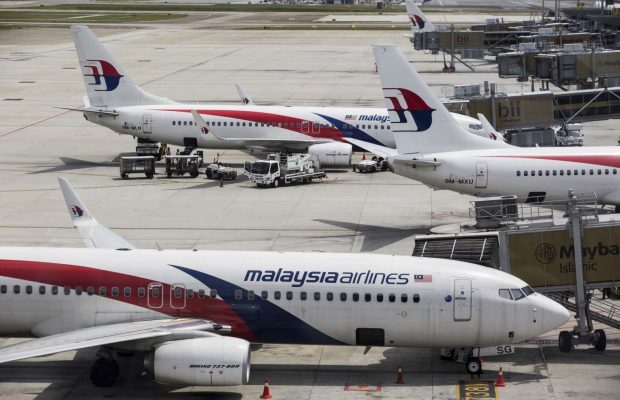
    Efforts are coming in all forms to support Malaysia’s competitiveness in its transport and logistics sectors as plans to introduce a platform that will connect stakeholders of Kuala Lumpur International Airport are underway.

    Air cargo software provider Kale Logistics Solutions and tech company Dagang NeXchange (DNeX), through its subsidiary Dagang Net, have signed a partnership agreement to introduce the Airport Cargo Community System (ACS) platform in Malaysia.

    The ACS is a neutral and open platform, enabling intelligent and secure information exchange between public and private stakeholders and is planned to be integrated with other community systems such as the National Single Window (NSW) and Port Community Systems (PCS) for trade facilitation.

    Vineet Malhotra, co-founder and director at Kale Logistics Solutions, said the latest development presents a powerful case that cargo community platforms need to integrate to bring greater value. And the plan is to create a global network of smart logistics hubs, starting in Malaysia.

    “Our role is to support businesses, especially SMEs, by providing an efficient and comprehensive global logistics network that can serve a larger international customer base and reduce trade barriers.”

    DNeX says the partnership with Kale complements Dagang Net’s capability to grow trade facilitation e-services for air mode through the ACS platform.

    “The ACS enables seamless electronic transactions, equipped with intelligent and secure information exchange among stakeholders to enhance the airport community competitiveness,” commented Tan Sri Syed Zainal Abidin Syed Mohamed Tahir, Group Managing Director.

    “This, in turn, can contribute to efforts in improving Malaysia’s competitiveness in its transport and logistics sectors as well as overall operational efficiency, connectivity, and productivity across the country’s supply chain,” he noted.

    Dagang Net has been using electronic Customs-related services to ease trade facilitation and streamline international trading processes for imports and exports, trade and logistics industries, and this initiative is aligned with the company’s direction, he added.

    Both Kale and Dagang Net are part of the Pan Asia e-Commerce Alliance (PAA), a 16-member regional e-commerce alliance in Asia that aims to promote and provide secure, trusted, reliable and value-adding IT infrastructure and facilities for efficient global trade and logistics.

  • DB Schenker to deploy robots for Prague facility

    DB Schenker to deploy robots for Prague facility

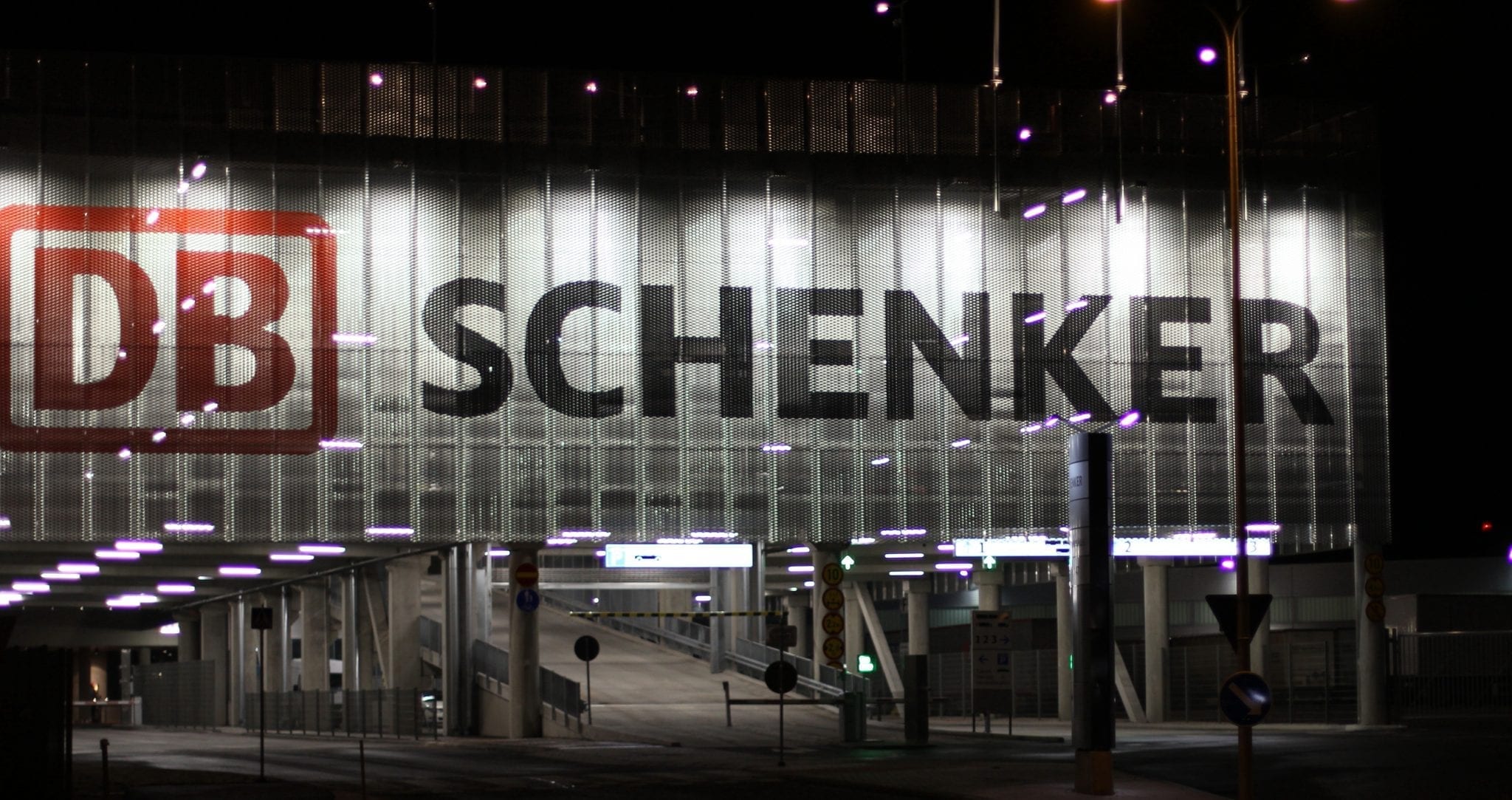
    DB Schenker is set to open a new automated fulfillment warehouse in the Prague region next year.

    Along with retail operations, the new 55,000-sqm distribution center will manage B2C e-commerce activities, including an extensive value-added services area addressing the demand for personalized products requested by consumers.

    The fulfilment center, which will be located near Prague Airport and a major highway that runs to Germany, is schedule to begin operating in the summer of 2023 to serve Central and Eastern Europe.

    DB Schenker said the current distribution center, also located in the Prague region, cannot accommodate the future demands of the customer. The current site will not be closed but used for reverse logistics services.

    The new distribution center will feature a highly scalable, modular G-T-P (goods-to-person) system combined with an extensive conveyor system and a high-performance cross-belt sorter provided by partner Körber.

    The facility will also feature one of the largest deployments of autonomous mobile robots in Eastern Europe. Körber’s software solution will control more than 100 AMRs that will be part of the highly automated logistics ecosystem.

    Despite the high automation level, the distribution center will require more than 1,000 operators at peak times, DB Schenker noted.

  • FedEx drafts on-ground team in Cambodia

    FedEx drafts on-ground team in Cambodia

    Recent data show that economic recovery in Cambodia is gathering speed with first-half exports up 20 percent over the same period last year, reaching US$27 billion.

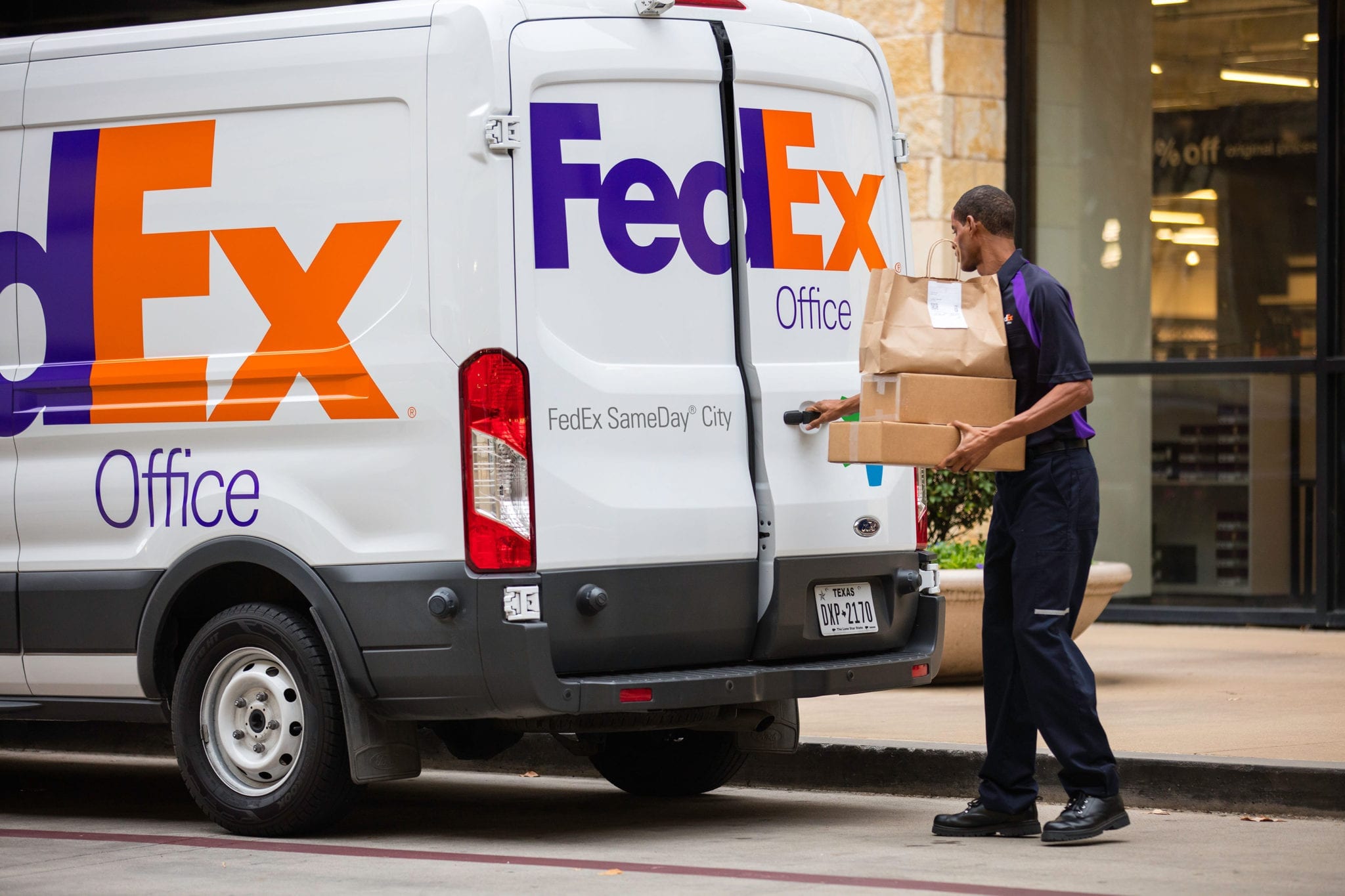
    With this, FedEx Express is establishing a direct commercial presence in Cambodia, to meet the country’s growing international shipping demands.-

    FedEx has been operating in Cambodia since 1994, offering international shipping services through local company TSP Express.

    With a direct presence in the country, local customers will now have access to a range of digital tools for easier and more efficient shipping through the FedEx website. This includes opening a new account, tracking shipment status in real time, creating shipping air waybills, scheduling courier pickups, and managing billing.

    FedEx will now have dedicated sales and customer service team members on ground to interact and provide enhanced logistics expertise to help local businesses grow their cross-border trade.

    “FedEx continues to enhance its presence and services in emerging Southeast Asia markets like Cambodia to support the growth of small and medium sized enterprises (SMEs),” said Kawal Preet, president of the Asia Pacific, Middle East, and Africa at FedEx Express.

    “Many of Cambodia’s biggest trading partners are located beyond the Asia region, in North America and Europe making a network like ours essential to provide greater access to international markets.”

    “We’re making shipping easier for Cambodian customers as they look to export to more international markets,” added Hardy Diec, managing director, FedEx Express Indochina.

  • DHL Supply Chain launches direct-to-consumer solution

    DHL Supply Chain launches direct-to-consumer solution

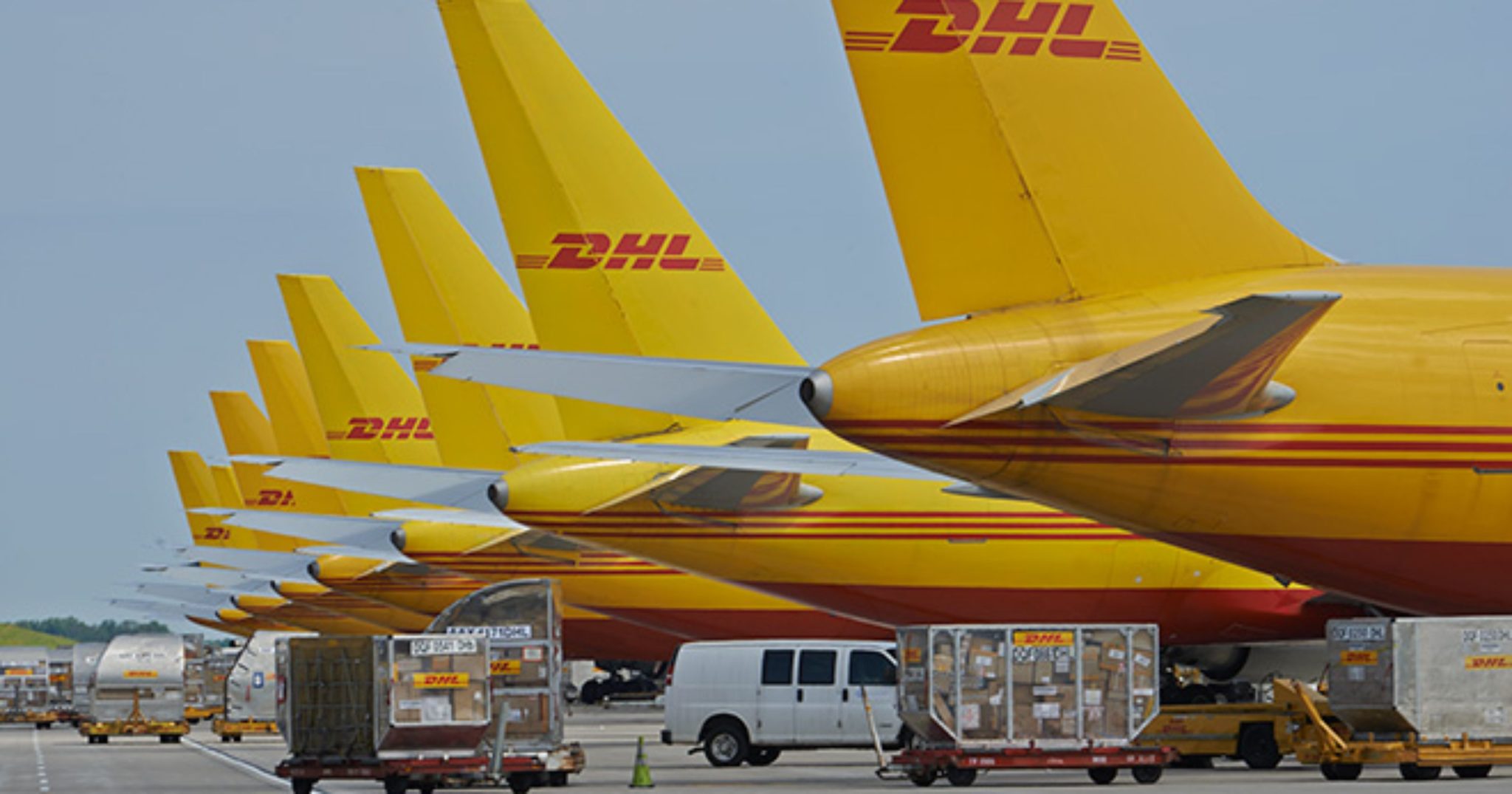
    DHL Supply Chain has partnered with digital commerce agency Tryzens, to offer brands a rapid-start, scalable and cost-effective direct-to-consumer (D2C) route to market.

    The solution, named ConsumerDirect, was created to simplify access to digital and supply chain capabilities. It is intended to make entry into D2C simple and low risk for established brands that are currently selling through wholesale or retail channels. From consultation and initial setup, through to navigating the hurdles of acquiring a direct customer base, the partners will launch digital storefronts and reconfigure the supply chain to help brands launch D2C solutions that can scale with them as they grow. In addition, Tryzens and DHL will support the growing demand for capabilities such as subscriptions, personalization of products and packaging and sustainable solutions.

    The solution is intended to enable brands to operate a D2C solution through DHL’s infrastructure and range of services, alongside its wholesale B2B supply chain. With low entry costs and a pay-as-you-grow mechanism, the solution is expected to diminish the pain of investment risk, especially while the D2C channel is being established.

    Since 2018, the companies have observed an increasing number of consumer and retail brands establishing direct e-commerce channels to reach their customers, ensure supply, increase customer loyalty, understand consumer behavior and improve margins. The ConsumerDirect proposition from DHL and Tryzens enables brands to reach their customers across the world with a high-quality end-to-end experience, without great commercial risk or investment.

    Alex Hislop, chief customer officer of DHL Supply Chain UK and Ireland, said, “We are delighted to be partnering with Tryzens, who bring further strength to our one-stop-shop, local and global fulfillment solution. In the market, there is often a misconception that for established consumer goods brands the transition to selling direct is simple, but compared with pureplay online retail, it can be a real challenge to reconfigure supply chains to improve agility and flexibility, build brand loyalty and deeper customer relationships, and maintain important wholesale and retail channel relationships. That’s why we’ve established our partnership with Tryzens; both businesses understand that complexity and bring complementary expertise to guide brands on the entire digital and physical journey.”

    Andy Burton, CEO of Tryzens, said, “The ability for brands to directly engage with consumers not only provides an additional means of selling their products but enables real insight to be gleaned and customer loyalty maintained. D2C provides a channel for building brand reputation and controlling the narrative in differentiating a brand’s products from others in the mind of the consumer. The consumer promise is made up of online shopping, the real-world fulfillment experience and the product quality experience, so we at Tryzens are truly proud to be working with DHL as global leaders in supply chain management to offer the market a comprehensive and cost-effective solution for brands to launch swiftly and scale their D2C capability with the full assurance that the promise they provide to market can be fulfilled.”

  • DHL allots €500m to boost contract logistics in India

    DHL allots €500m to boost contract logistics in India

    DHL Supply Chain (DHL) plans to invest €500 million in India over the next five years as it looks to grow its warehousing capacity, workforce and sustainability initiatives in the country.

    The company plans to own and operate large multi-client sites in India, adding 12 million square feet of warehousing space, to cater to growing sectors like e-commerce, retail, consumer, life sciences, technology, engineering and manufacturing as well as automotive.

    These warehouses will feature tech solutions like assisted picking robots, indoor robotic transport, intelligent process automation, wearable devices, voice picking, inventory management robots and algorithmic optimization..

    DHL will add 12 million square feet of capacity across wholly owned sites in key cities like Bangalore, Chennai, Kolkata, Mumbai, National Capital Region (NCR) and Pune. The company said multi-client sites are also being built in fast-growing state capitals and tier 2 cities like Ambala, Baddi, Cochin, Coimbatore, Guwahati, Sanand, Hyderabad, Jaipur, Indore, Lucknow, Bhubaneshwar, Hosur, and Visakhapatnam.

    DHL Supply Chain India will also open two new business support centers (BSC) in Bangalore and Pune within the next 12-18 months to support customer demand. The company runs three BSCs in Mumbai, Gurgaon and Chennai, providing 24/7 value-added services.

    “Asia Pacific currently accounts for about 15 percent of DHL Supply Chain’s global revenue but is among the fastest growing regions, with India being a key contributor to this growth. The Indian logistics market, worth over US$200 billion now, is expected to grow at about 10% per year in the next five years to reach around US$330 billion. We take a long-term view in India with businesses here having reasons to be optimistic,” said Terry Ryan, CEO, DHL Supply Chain Asia Pacific.

  • Shipping firms report double-digit growth

    Shipping firms report double-digit growth

    Shipping companies have had one of their best quarters in years with most reporting double-digit growth thanks to high rates.

    Vinalines, the country’s biggest shipper, saw a near doubling of its profits year-on-year to VND1.43 trillion (US$61.19 million) in the second quarter.

    Private player Gemadept reported an 87 percent increase in profits to VND334 billion, the highest since the second quarter of 2018.

    Hai An Transport and Stevedoring made it to the top three after profits rose 3.3 times to VND324 billion.

    It was its most profitable quarter in nearly six years.

    Vietnam Ocean Shipping JSC (Vosco)’s profits were only up 7.5 percent to VND260 billion, but it was its most profitable quarter in 14 years.

    The Petrovietnam Transportation Corp (PVTrans)’s gross profit rose to a 15-year high of VND440 billion, but net profit fell 16 percent to VND265.5 billion as financial income decreased.

    The industry attributed growth to high freight rates, which have quadrupled since 2020 to $8,000 for a 40-feet container, according to data brokerage Bao Viet Securities compiled from Bloomberg.

    But market research firm FiinGroup warned that in the second half of this year the rates would fall and costs, especially of fuel, would rise.

    It also expected China to continue with its zero-Covid strategy, which could drag demand down.

    China accounted for a fourth of global goods throughput last year, according to data from its Ministry of Transport and German data portal Statista.

  • Innovative logistics models in great demand

    Innovative logistics models in great demand

    Hardy Diec, Managing Director of FedEx Express Indochina, predicts greater demand for innovative logistics models to enhance online to offline customer experience and support swift pivot businesses.

    What’s the status quo with the logistics industry?

    Supply chains have never been more important. More than that, reliability and accuracy in these supply chains have now become even more paramount. During this pandemic, the logistics industry has proven to be vital, whether in delivering critical healthcare shipments including vaccines and medicine, or delivering huge volumes of e-commerce shipments to end consumers.

    The pandemic has shifted consumer behavior greatly. The boom in e-commerce will continue to be a powerful engine of the global economy. We’re witnessing how essential supply chains are to business survival, success and growth – they are not just an opportunity to reduce cost.

    Businesses are rethinking their supply chains, moving to a “just in case” approach for inventory management to counter unplanned scenarios. Being able to receive products and critical components either by 10:30 a.m. or noon from overseas suppliers means businesses can now improve their competitiveness in the marketplace. In turn, it is driving demand for early-in-the-day delivery of time-sensitive shipments services like FedEx International Priority Express (IPE).

    Demand for cross-border e-commerce is expected to grow even post-pandemic in Vietnam and the region. Vietnam’s e-commerce market is forecast to grow by a staggering 300 percent, from $13 billion in 2021 to $39 billion in 2025, with more consumers shopping online. There will be greater demand for innovative logistics models for a seamless online to offline customer experience and to support the swift pivots businesses are taking to sell online, in step with customer demand.

    What solutions does FedEx provide, given the above insights?

    Firstly, investing in our air network enables us to move quickly to changes in supply chains. When we saw high demand for express air cargo, we were able to add six new flights, starting in August 2021, to enhance connectivity to Europe and the U.S. for customers in Asia Pacific -including Vietnam businesses – adding nearly 2,700 tons in capacity every week.

    To cater to different e-commerce shipping needs, we’re offering businesses in Vietnam more options using different modes of transport through our air, sea and road networks. This includes connecting regional and domestic cities through our FedEx Asia Road Network (ARN) – spanning more than 7,000 km – delivering to eight major locations: Hanoi, Guangzhou, Bangkok, Da Nang, Ho Chi Minh City, Penang, Kuala Lumpur and Singapore.

    We continue to enhance our regional and global network to enhance connectivity with other competitive markets for our customers to access and we are building solutions that will empower Vietnamese businesses to participate in cross-border trade particularly in the dynamic e-commerce marketplace.

    What advice do you have for business owners in Vietnam? What are the opportunities at the moment?

    Firstly, take advantage of free-trade agreements such as the Comprehensive and Progressive Agreement for Trans-Pacific Partnership (CPTPP), the Vietnam – EU (EVFTA), and the Regional Comprehensive Economic Partnership (RCEP), the world’s largest free trade agreement, which can boost investment access and freer trade with these trading partners. These FTAs enable Vietnam businesses to take advantage of reduced tariffs and at the same time attract companies to relocate or expand manufacturing in Vietnam and export to partners. Improved trading access will offer greater opportunities to grow cross-border trade for Vietnam.

    E-commerce and digitalization are key opportunities for Vietnam businesses particularly for small and medium-sized enterprises (SMEs) to spur growth. Vietnam has more than 870,000 enterprises, with SMEs accounting for more than 98 percent. While SMEs have been some of the hardest hit during the pandemic, by shifting to online business models and digitalization they have also been the community who stand to benefit the most and stay ahead and boost competitiveness.

    A key factor to winning in e-commerce, identified in our FedEx whitepaper “E-commerce Megatrends to watch” is making online shopping a more “connected” experience across platforms. This requires a smooth end-to-end shopping experience from the moment they enter the website or social channels all the way to fulfillment and finally delivery.

    To help Vietnam’s businesses, including SMEs, deliver a seamless e-commerce experience from online to offline, we’ve teamed up with more than 20 e-commerce platforms and marketplaces. Enabling customers and e-tailers to select our range of shipping capabilities and easily generate FedEx shipping labels or use additional specialized FedEx features without leaving those e-commerce platforms has become our priority.

    Moreover, we’re using digital solutions to make shipping smarter and easier. Our goal in digitization is to give greater control and visibility for businesses to manage e-commerce shipments. For instance, FedEx Delivery Manager International allows e-tailers to offer their customers the freedom to customize their delivery preferences. In addition, we improving easy-to-use online tools like FedEx ship manager, manager, online billing (FedEx Billing Online); FedEx electronic trade documents, helping both e-tailers and consumers save time when preparing shipments and stay competitive.

    What is the FedEx vision for the future?

    Trade, while being an important driver of Vietnam’s remarkable economic growth over the past two decades, is carbon-intensive – accounting for one-third of the country’s total greenhouse gas emissions. Addressing climate challenge is a very real need today, and an important and collective effort which will impact the future of the country and the health of our communities.

    That’s why we’re using our expertise in logistics to build more sustainable transportation solutions. In fact, we’re working our way toward delivering a more sustainable future including our goal of carbon neutral operations by 2040, which will outpace the targets set by the Paris Climate Agreement by a decade. To achieve this ambitious goal, we’re investing US$2 billion into three key areas that matter the most – vehicle electrification, sustainable energy, and carbon sequestration.

    At the same time, we’re looking to innovative technologies and Artificial Intelligence, including robotics and unmanned vehicles – to reduce road transportation costs and help tackle traffic congestion in cities. For instance, we’re testing zero-emissions autonomous delivery vehicle in China through collaboration with Neolix and battery powered robotics Roxo™, the SameDay Bot® to explore new ways of delivering to our customers’ door-step more sustainably. We will continue to look at ways to connect the world responsibly and resourcefully.

    As one of the world’s largest transportation providers, what role does FedEx play in terms of social responsibility?

    Using our network to deliver for good is what we do and who we are. Not only are we connecting trade and moving the world forward every day, but one of our most important roles is delivering critical aid. Since the start of the pandemic, we have transported more than 14,000 Covid-19 humanitarian aid shipments throughout the world including moving vaccines and test kits to support Vietnam’s fight against Covid-19. Most recently, we delivered 76 tons of critical medical aid for Ukrainian refugees to Poland via a FedEx humanitarian relief flight in March.

    Fostering future entrepreneurs in Vietnam is important to us because we see small business as a driver to creating new jobs, support their families and contribute to thriving communities. For more than a decade, we’ve been inspiring the next generation of leaders in Vietnam through the FedEx/Junior Achievement International Trade Challenge (FedEx/JA ITC) program. FedEx was founded by an entrepreneur with an innovative business idea, which is why we believe in giving resources to people with great ideas that have the potential to change the world for the better.

    Moreover, we support improving healthcare access for remote areas in Vietnam. Through the FedEx delivery heartbeats outreach clinic program, in collaboration with VinaCapital Foundation (VCF), we are bringing free specialty healthcare and medical treatment for congenital heart disease to children in rural areas of the country. We’re proud that our efforts are improving the lives of more than 200,000 children. To add, in May, we’re teaming up with Orbis to train eye care professionals across Vietnam on ways to prevent the worsening of vision loss due to glaucoma in our new virtual Flying Eye Hospital project. By combining online and practical training, we will enable more skilled eye care professionals to offer access to quality eye care for patients particularly in rural areas.

    Through collective efforts we will continue to deliver positive changes to help local communities, businesses and economies prosper.
  • Kerry Logistics Network posts 102% growth in Core Net Profit

    Kerry Logistics Network posts 102% growth in Core Net Profit

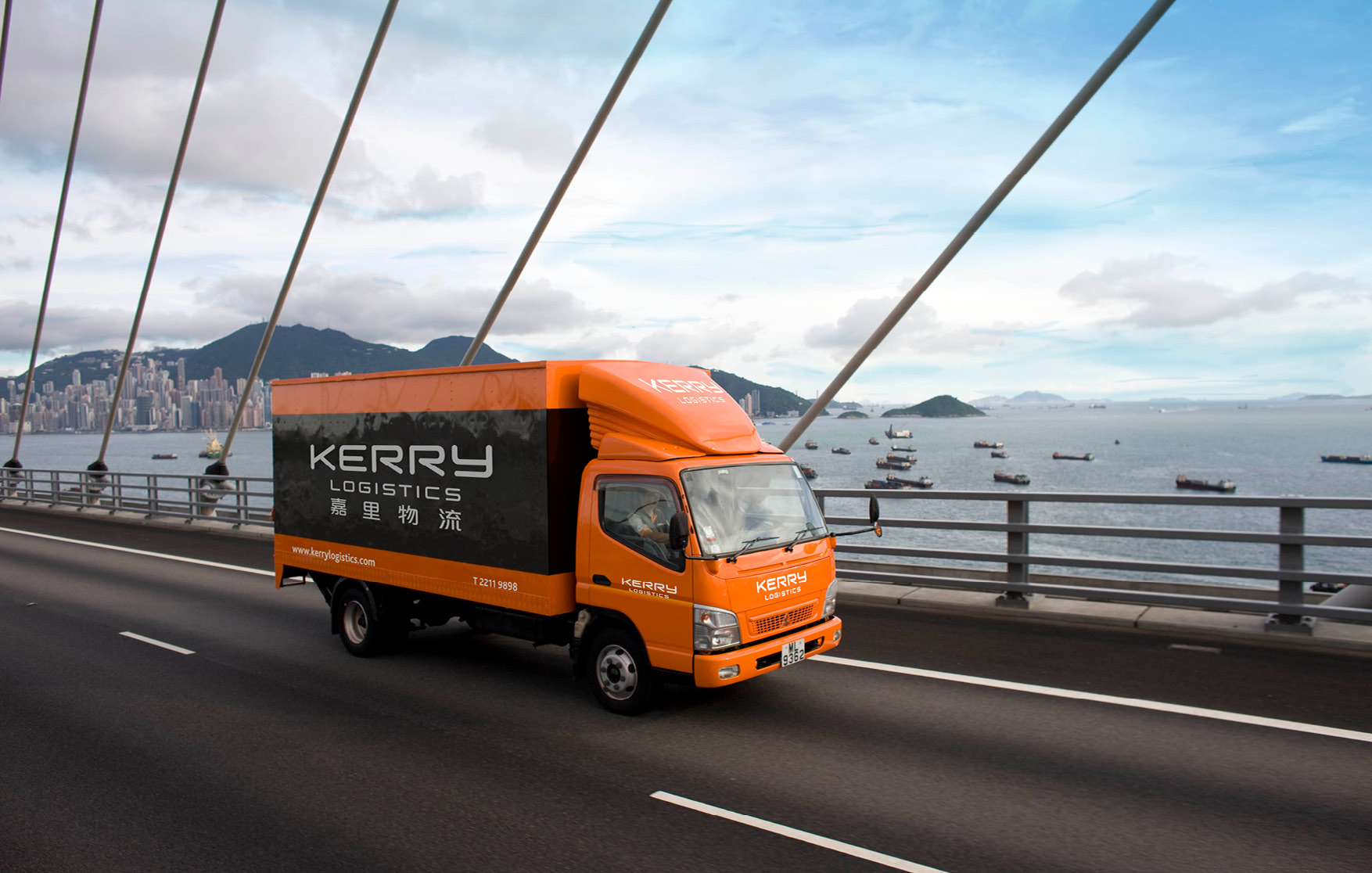
    Kerry Logistics Network Limited (‘Kerry Logistics Network’ or together with its subsidiaries, the ‘Group today announced the Group’s annual results for 2021.

    Group’s Financial Highlights

    • Revenue (including revenue generated from discontinued operations) increased by 53% to HK$81,771 million (2020: HK$53,361 million)
    • Core operating profit increased by 88% to HK$6,229 million (2020: HK$3,320 million)
    • Core net profit increased by 102% to HK$3,692 million (2020: HK$1,828 million)
    • Profit attributable to the Shareholders was HK$7,939 million (2020: HK$2,896 million), which represents a year-on-year growth of 174%
    • Integrated Logistics (IL) business recorded a segment profit of HK$1,868 million (2020: HK$2,642 million), which represents a decrease of 29%, partly due to the disposal of the Group’s Hong Kong Warehouse and the Taiwan businesses during the year
    • International Freight Forwarding (IFF) business recorded a segment profit of HK$4,860 million (2020: HK$993 million), which represents a growth of 389%
    • Proposed final dividend of 50 HK cents per Share, to be payable on Wednesday, 8 June 2022

    William MA, Group Managing Director of Kerry Logistics Network, said, “In 2021, supply and demand mismatch, logistics bottlenecks, congested ports, labour shortage and pandemic related lockdowns and measures continued to cause endless disruptions in the global supply chain. Thanks to the unwavering support from our colleagues and partners, we managed to deliver efficient and consistent services to our customers in the face of complex and relentless challenges. We achieved a record-high revenue of HK$81.8 billion and a core net profit of HK$ 3.7 billion in 2021.”

    IL Shrank

    The segment profit of KLN Group’s IL business did not grow in line with the other segment, mainly due to a weak Asian market brought about by a series of prolonged lockdowns and other pandemic measures across Southeast Asia, severely disrupting both manufacturing and consumption related activities, as well as the required disposal of the Group’s Hong Kong Warehouse and businesses in Taiwan.

    In Hong Kong, the Group’s IL business reported a 14% contraction, with logistics operations decreasing by 4%. This was mainly due to the disposal of warehouses in Hong Kong at end-September 2021 as well as the implementation of pandemic-induced social distancing measures which has caused a depression in particular retail activities.

    In the Mainland of China, the Group’s IL business grew by 33%, mainly from the increase of manufacturing activities as purchase orders shifted back to the Mainland from many Asian countries, boosting its production and export of both components and finished products.

    In Asia, the IL division went down by a large extent. This was mainly due to prolonged lockdowns across many countries in Asia, which depressed manufacturing activities. Furthermore, pricing pressure and fierce competition experienced by Kerry Express Thailand in Thailand have also impacted on the Group’s results. The Group is expected to reclaim its dominance in key Asian markets, where profitability will gain traction starting in 2022 2H.

    Strategic Partnership with S.F. Holding

    KLN Group’s strategic partnership with S.F. Holding will give it an unparallelled advantage as Asia’s largest 3PL provider to tackle the uncertain market challenges ahead. The two parties are already collaborating in the Mainland of China to serve S.F. Holding’s clients’ overseas business needs. By 2022 Q2, KLN Group will serve as the exclusive cargo General Sales Agent (GSA) for S.F. Airlines, as well as the principal service provider outside the Mainland of China for S.F. Holding’s international express business, firmly establishing KLN Group’s position as S.F. Holding’s international arm.

    William Ma concluded, “The complex dynamic system of the global supply chain will remain sensitive to an array of different pandemic responses and measures as well as geopolitics. International freight will face another year of price, volume and capacity volatility. Inflationary pressures and material shortages along the supply side will continue to disrupt global trade for a prolonged period. Although onshoring and reshoring have been discussed widely, it is highly likely that Asia, the manufacturing base of the world, will continue to hold its ground in the next five years. KLN Group and S.F. Holding’s strategic cooperation has opened a new page for both sides. Unique yet competitive service offerings have been co-developed through the ongoing business and operation integrations. As the world is moving faster and further away from the pre-COVID market conditions, we are confident that the new KLN Group is empowered to advance through it.”

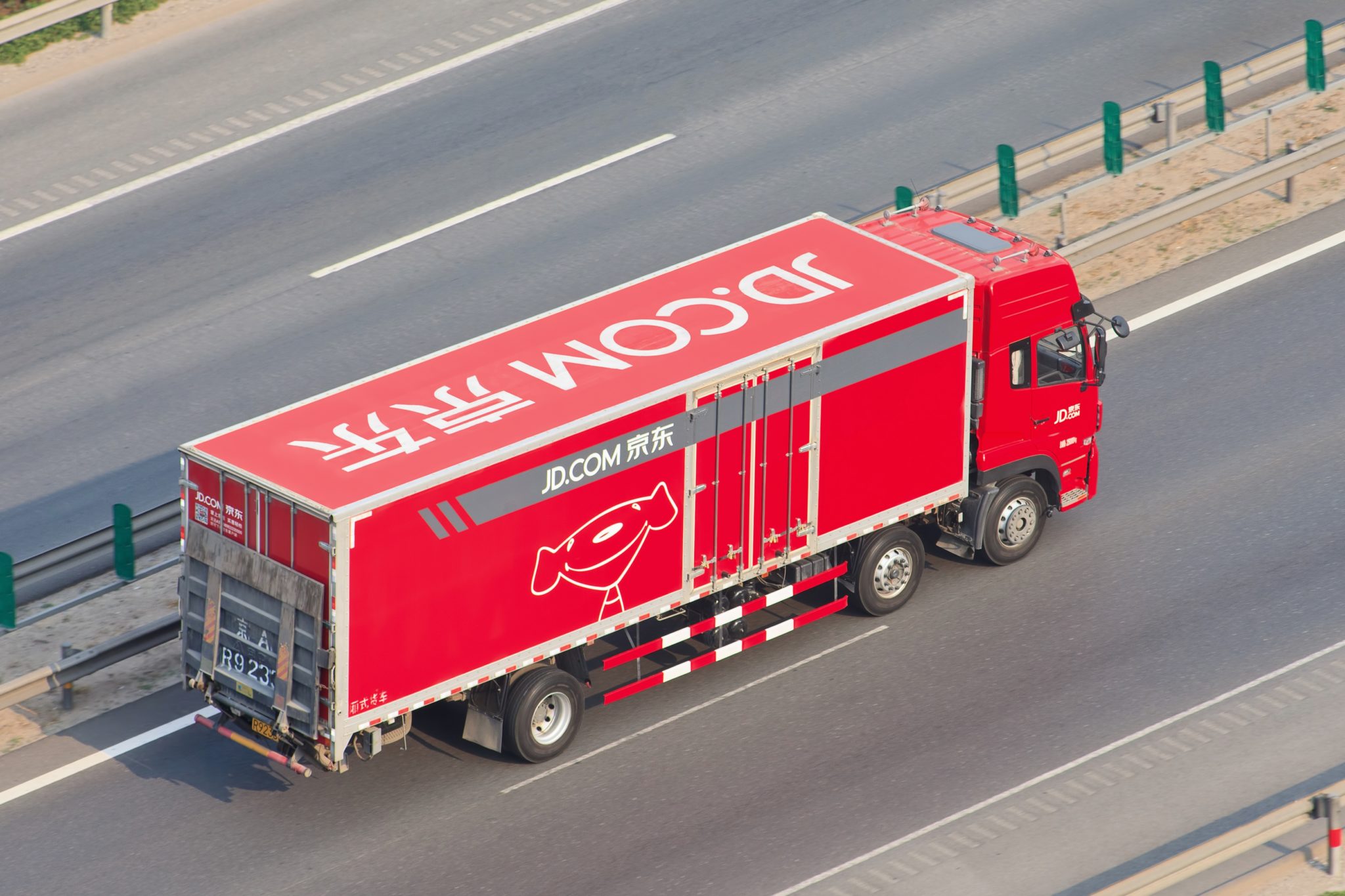
  • China’s JD Logistics seals US$1.1bn capital increase, stock drops

    China’s JD Logistics seals US$1.1bn capital increase, stock drops

    China’s JD Logistics priced new shares issued on Friday (Mar 25) in a US$1.1 billion capital increase at a steep discount to their previous close, triggering a slump in its stock early in the Kong Kong trading session.

    According to a Hong Kong Stock Exchange filing, JD Logistics priced the shares at HK$20.71 each, a discount of about 10 percent to Thursday’s closing price, to raise HK$8.53 billion (US$1.09 billion) on Friday. The stock fell by up to 11 percent on Friday in early trade to HK$20.35.

    The deal consisted of a placement of about US$700 million worth of shares to its parent company JD.com, and about US$400 million in a primary share sale, according to filings on Thursday.

    It was the first follow-on share sale in Hong Kong since Feb. 21, and the biggest since Sunac China carried out a US$580 milllion top-up placement in early January.

    It was also the third-largest follow-on deal in Asia and fifth globally this year, according to Refinitiv data.

    The share sale came despite ongoing volatility in regional equities markets, with Hong Kong’s Hang Seng Index down 6.5 percent this year.

    The top 15 investors who bid during the bookbuild were allocated 80 per cent of the stock that was on offer, according to a source with direct knowledge of the matter, who declined to be identified because he was not authorised to discuss the deal.

    JD.com did not immediately respond to a request for comment on the deal’s composition.

    JD Logistics said it would use the money raised to help fund potential acquisitions and build up its cash reserves.

  • Pinduoduo named top logistics company for farm-to-fork innovation

    Pinduoduo named top logistics company for farm-to-fork innovation

    Chinese agriculture platform Pinduoduo was named one of the top 10 innovative logistics companies in Fast Company’s 2022 annual rankings for its work on a new logistics system for handling agricultural products.

    Pinduoduo operates an e-commerce platform that serves more than 850 million buyers and over 16 million agricultural producers. Its Duo Duo Grocery service matches orders and producers in the same geographical region to cut down on transportation time.

    “Pinduoduo has re-architected China’s hub-and-spoke-style delivery infrastructure, with the help of third-party logistics providers, and built out new cold-chain transportation routes to eliminate unnecessary transit points, which slow down delivery, diminish freshness, and increase food waste,” Fast Company wrote in its citation.

    The company has also been proactively investing in research and development to benefit China’s rural population and farmers, the publication noted.

    Pinduoduo’s journey to becoming a leader in logistics has its roots in an early setback in 2015, back when it was an online fruit seller. Back then, the lack of a comprehensive front-to-end order fulfillment system led to the team missing most of its deliveries after an unexpected surge in orders and resulted in many customers receiving rotten fruits.

    That episode highlighted the inadequacies of the fledgling company at that point in its development. It also laid bare the limitations of the logistics infrastructure, which was built to funnel parcels from tens of thousands of collection points to a centralized distribution system to maximize efficiency. However, what worked for transporting durable goods was also less suited for fragile agricultural products.

    About half of China’s annual food loss and waste takes place soon after harvest when the agricultural produce is being processed, stored and transported, according to a study published in Nature. Minimizing the loss not only reduces the environmental footprint of agriculture, but it also boosts farmer livelihoods and improves consumer welfare through fresher food.

    Since then, Pinduoduo has taken upon itself to develop a more flexible logistics infosystem and agriculture-focused infrastructure that reduces the need for multiple transshipments and enables more point-to-point deliveries.

    The new agri-friendly logistics system is built on the back of advanced calculations that take into consideration multiple factors such as the timing of truck deliveries, warehouse location and route planning. Computing power has also advanced to the point where making sense of the vast amounts of real-time supply chain information is now technologically possible.


  • Importance of On-Demand Spare Parts Logistics (SPL)

    Importance of On-Demand Spare Parts Logistics (SPL)

    Armstrong & Associates estimates that the global spare parts logistics (SPL) market rakes in over $52 billion every year, representing about 7% of total 3rd party logistics (3PL) revenue. Since its last case study on this logistic sector, the global spare parts logistics market between 2008 and 2016 saw a compound annual growth rate (CAGR) of over 5%.

    The report outlines the global spare parts logistics estimates, which are further magnified to the region/country level and for many crucial market segments. The SPL market is driven by high-value manufactured goods and their servicing, specifically in the technological, industrial, and automotive verticals.

    The automotive segment accounts for more than $18 billion, or around 34% of total spare parts logistics revenue. This is followed by the tech sector at $17.7 billion, or around 33.5%. The industrial segment accounts for about $11 billion, or around 21% of total spare parts logistics revenue. Healthcare and elements constitute smaller portions of the total revenue: $2.1 billion—4.0 percent and $3.9 billion, or 7.4 percent.

    Shippers depend on 3rd party logistics company to fulfill short turn-around inventory supply order while reducing costs. To aid shippers’ spare parts management needs, 3PL companies provide services like warehouse management, transportation, parts and network planning, reverse logistics, inventory management, order fulfillment, and parts distribution. On top of this, some companies provide value-added services like field technician training, call center staffing as well as refurbishment and repair services. 3PLs meet shippers’ needs with their standardized processes, scalability, flexibility, analytics and reporting, value-added services, integrated IT solutions, and strategically positioned global networks.

    For each of the 8 leading companies mentioned in the report – CEVA, SEKO, Ryder, Dachser, DB Schenker, DHL, FedEx, and UPS – the report describes cases studies, customers, technology supporting SPL activities, as well as industries and markets serviced. Network scope is also highlighted, with forward stocking locations and control towers.

    UPS, for instance, has more than over 23,000 global UPS Access Points (with over 7,500 of these locations in the US), 5 global control towers, and over 1,000 forward stocking locations. Forward stocking locations are usually located within 2 hours from around 80% of the population. In Europe, about 99% of businesses are located within 4 hours of a UPS forward stocking location. Courier services can be used for next-flight out and same-day deliveries as needed.

  • China’s JD Logistics agrees to buy courier company Deppon

    China’s JD Logistics agrees to buy courier company Deppon

    Chinese e-commerce giant JD.com on Sunday said that its subsidiary JD Logistics has agreed to buy domestic courier Deppon Logistics.

    Under the deal, JD Logistics will acquire 99.99% equity stake in Deppon Holdco for a total consideration of about 9 billion yuan ($1.42 billion). Deppon Holdco owns a total of about 66.50% of Deppon Logistics.

    JD Logistics will then make an offer for all the issued shares of Deppon Logistics not held by Deppon Holdco, for 13.15 yuan per share.