Retail News CRM

Tag: Logistics

  • Australia Post Metro next day delivery service launches in Adelaide

    Australia Post Metro next day delivery service launches in Adelaide

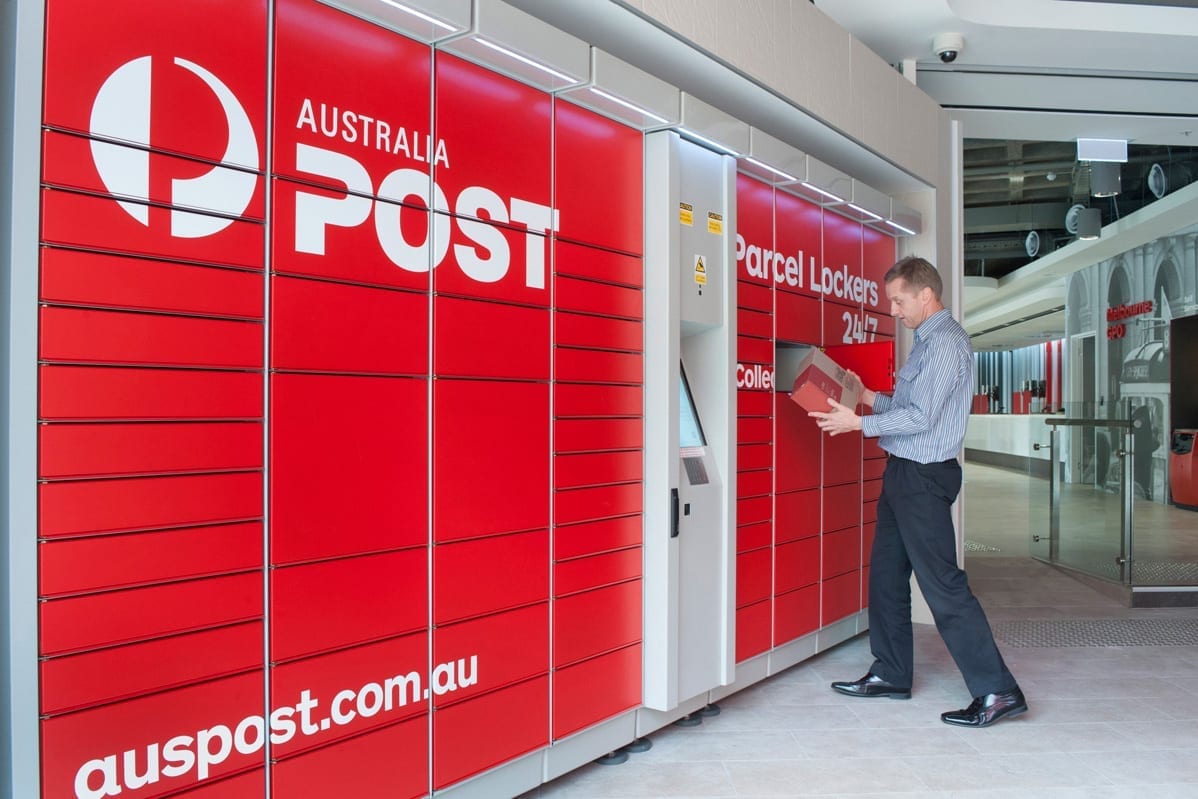
    Australia Post has just expanded its next-day delivery service, Australia Post Metro, to Adelaide. This delivery service provides eligible retailers and their customers with speed and more certainty when they shop online.

    The launch of the new service is a direct response to the Adelaide community continuing to embrace the online shopping trend with consistent year-on-year eCommerce growth with online purchases 15.2% higher than in 2019 and nearly 500,000 households shopping online in the past year.

    Recent data found that 68% of online shoppers are likely to abandon their shopping cart if they feel the delivery method is too slow.

    Australia Post Metro addresses these changing consumer needs and helps retailers entice customers to finalise their online purchase.

    Gary Starr, Australia Post Executive General Manager Parcel, Post and eCommerce Services said the flexibility and reliability that next-day delivery provides customers was becoming increasingly important, as the desire for fast fulfilment continues to be a key factor in online sales.

    “We’ve been listening to our customers, and know they expect more certainty, simplicity and speed when ordering online. The Australia Post Metro service raises the bar for customers – prioritising next day delivery in metropolitan areas enabling us to respond to that demand and deliver parcels to customers’ doors sooner.

    “We already have some of the country’s largest retailers using the Australia Post Metro service covering the lifestyle, fashion, beauty and FMCG space, with more retailers coming online every month. This new service provides a more agile, flexible delivery option as we head into our busiest time of year.” Mr. Starr said.

    Jo-Ann Hicks, Director of BIG W’s Ecom and Digital business says, “BIG W is excited to offer Australia Post’s next day delivery service to our Adelaide customers, giving them the opportunity to receive their BIG W shopping quickly by ordering online. Next day delivery joins many convenient ways to shop at BIG W including Pick up and Direct to Boot services.”

    In less than a year since the launch of Australia Post Metro across Australia, more than 2.6 million parcels have been delivered and this is expected to continue growing strongly as demand for this product increases, and new retail partners come on board.

  • FedEx appoints Sandeep Shahi as Chief Information Officer in Asia Pacific

    FedEx appoints Sandeep Shahi as Chief Information Officer in Asia Pacific

    Federal Express Corporation, one of the world’s largest express transportation companies, announced the appointment of Sandeep Shahi, CIO Asia Pacific. He will drive the company’s technology operations in Asia Pacific.

    Sandeep started his career in Germany with SAP AG before joining the logistics industry to lead digital transformation and the adoption of digital solutions playing a key role in the modernization of integrated IT architectures.

    Operating at the intersection of the physical and digital worlds, FedEx’s business strategy in the Asia Pacific region is deeply rooted in innovation. The company is dedicated to making supply chains smarter by deploying technology to enhance the service experience, automate processes, and improve efficiency for customers.

    Some examples include FedEx Dataworks which harnesses the company’s rich data ecosystem to help optimize internal operations, fuel innovation, and build more intelligent supply chains around the globe. FedEx new digital platform called fdx, will offer end-to-end e-commerce solutions for businesses of all sizes.

    This first-of-its-kind data-driven commerce platform will connect the entire customer journey and make it easier for SMEs to manage their supply chain. To enable transparency in sustainable reporting, FedEx has also introduced FedEx® Sustainability Insights. This innovative cloud-based data engine allows customers to measure the carbon footprint of their shipments using near real-time FedEx network data to estimate CO 2 e emissions.

  • DHL Express adds innovative feature on AI-powered platform to help businesses access new markets

    DHL Express adds innovative feature on AI-powered platform to help businesses access new markets

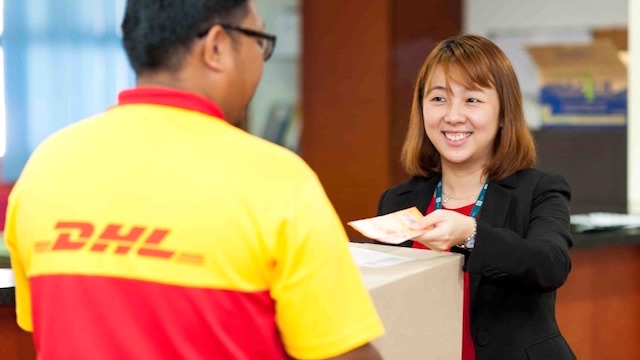
    DHL Express, the world’s leading international express service provider, has further enhanced its AI-powered platform, “My Global Trade Services” (MyGTS), with a new “trade lane comparison” feature. This feature enables businesses of all sizes to find references to existing trade lane regulations and requirements between the exporting and importing country or territory. With this, companies planning a market expansion strategy can leverage the solution to make well-informed decisions to maximize efficiency and gain competitive advantage.

    MyGTS is an online self-serve portal that helps users easily retrieve customs information to pre-plan shipments as they access new markets or launch new products. The new feature uses artificial intelligence and machine learning to provide an overview of the trade agreements in place and estimated duties/taxes which are included in the landed cost of the different trade routes. Landed costs can be defined as the total cost of getting a product from the factory to a customer’s door. Besides shipping fees and insurance, it includes estimated customs duties and taxes for cross-border shipments.

    On the platform, users will simply need to indicate the product they are shipping and the desired exporting and importing country or territory. This is especially useful to small and medium enterprises (SMEs), often challenged by a lack of internal resources, knowledge, and expertise to navigate a complex landscape of customs regulations and procedures.

    “Companies including SMEs are doing what they can to boost business resilience and global presence. However, SMEs tend to be impeded by the intricacies of trade regulations and processes, slowing down their expansion plans,” said Yung C. Ooi, Asia Pacific Senior Vice President for Commercial, DHL Express. “The new trade lane comparison capability helps SMEs enhance the understanding about customs requirements and landed cost. It aligns with our commitment to providing innovative solutions to help SMEs lower major trade barriers and become more confident in cross-border trade activities.”

    With this information, businesses can analyze and identify routes that offer the most favorable import and export conditions, leading to potential cost savings and increased profitability. When sourcing or procuring materials from different factories or vendors, importers can identify references of where import license or permits are required for entry. On the other hand, exporters will be informed about the import customs requirements for the products that they want to ship to the destination country or territory. This valuable insight helps businesses to define their go-to market strategy, strategically positioning themselves in new markets.

    With a heightened focus on risk mitigation and resilience, companies can leverage this feature to reduce reliance on single-sourcing locations. Moreover, businesses can tap into the burgeoning Asia market, which presents immense market opportunities fueled by many manufacturing powerhouses and emerging consumer markets. The latest DHL Global Connectedness Report shows that corporate globalization is rising, as companies invest in overseas markets, and expand their international presence.

    MyGTS is part of DHL’s Global Trade Services, which contains a suite of capabilities that help shippers easily navigate the increasingly complex customs regulations and requirements. Besides the new trade lane comparison feature, MyGTS also includes a pre-shipment planner tool that helps businesses know the import/export requirements regulations and calculate landed costs.

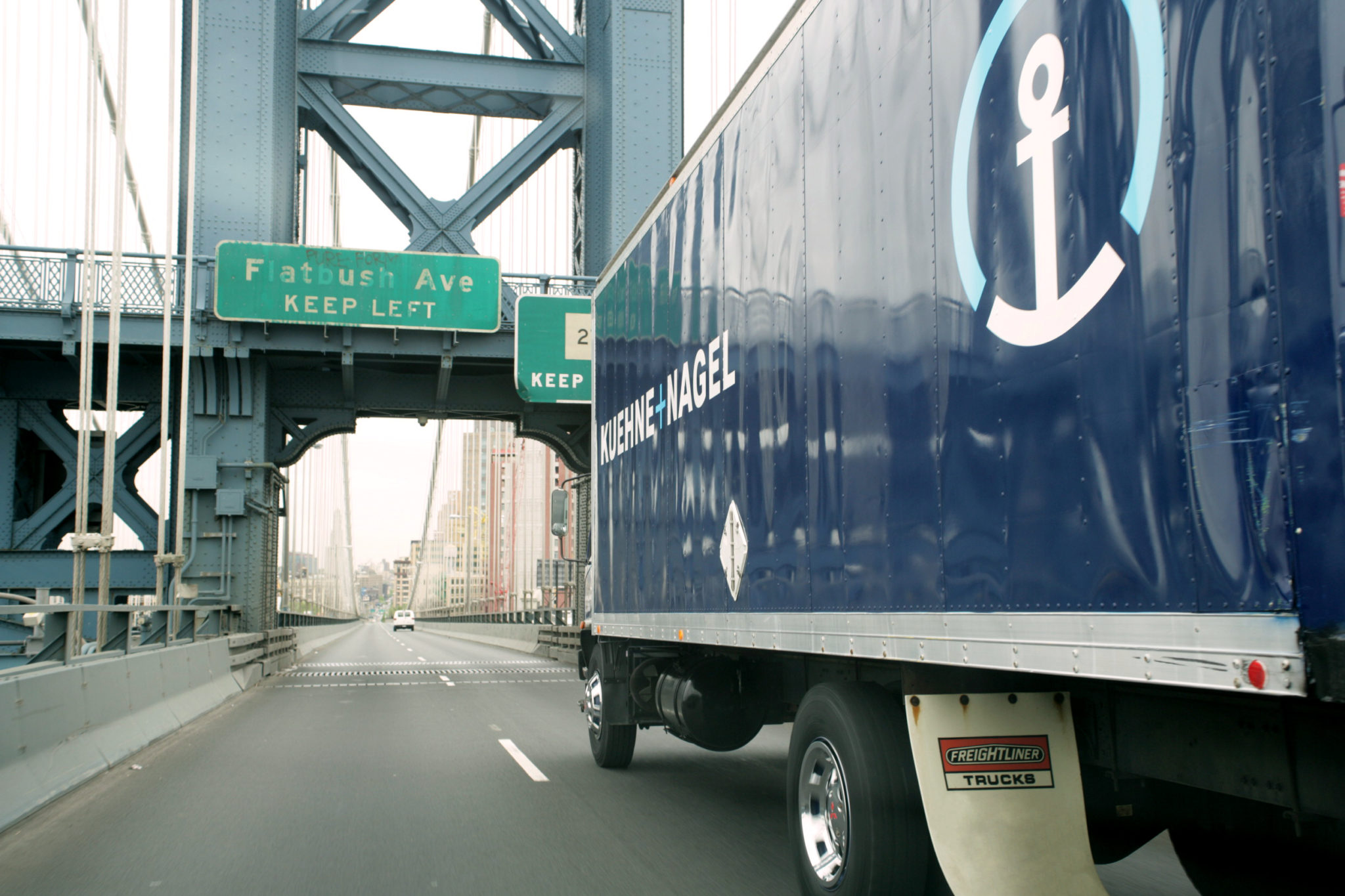
  • Kuehne+Nagel launches specialised road logistics services for the MedTech industry in Europe

    Kuehne+Nagel launches specialised road logistics services for the MedTech industry in Europe

    Kuehne+Nagel accommodates the MedTech industry by launching new service options for the transportation of medical technology devices as part of its road freight offering in Europe. The MedTech industry continues to grow due to the introduction of innovative technologies that address the needs of aging populations and patients with increasingly prevalent diseases like diabetes, hypertension, asthma, and heart failure.

    The extended offering answers a demand for logistics services that do not have to fulfil GxP requirements but still meet the elevated safety and quality requirements of high-value medical and diagnostics devices. It is available in Germany, France, the UK, the Netherlands, Spain and Italy.

    As part of the service, products are transported with special handling within Kuehne+Nagel’s reliable network. Trained experts in MedTech competence centres provide a centralised customer service and proactively handle unexpected deviations.  Depending on the service option—MedTech or MedTech+—customers can also count on regular consignment inspections, end-to-end visibility, and white glove deliveries, including device installation and removal of packing material.

    “What is exceptional is that customers can also choose this service option for groupage shipments, in addition to LTL and FTL. We can guarantee the quality through focused investments in safety procedures, skilled staff and specially equipped cross-docks and stations,” said Joerg Woyke, Global Head of Road Logistics Healthcare. “Even when GxP compliancy is not required for medical devices, sensitive handling is highly important.”

    Developing new solutions for healthcare customers is in line with Kuehne+Nagel’s Roadmap 2026, with Healthcare being a growth area.

  • DHL Group gets off to a solid start in 2024

    DHL Group gets off to a solid start in 2024

    The logistics company DHL Group got off to a solid start to the new fiscal year in 2024. As expected, there was no significant upturn in the global economy in the first quarter of 2024. Despite these conditions, the Group generated revenue of EUR 20.3 billion (Q1 2023: EUR 20.9 billion). As anticipated, the operating profit (EBIT) of EUR 1.3 billion was below the previous year’s level (Q1 2023: EUR 1.6 billion) but exceeded the same period of the pre-pandemic year 2019 (Q1 2019: EUR 1.2 billion).

    “We are in an unusually long phase of low momentum in global trade. In this environment, we continue to focus on consistent capacity and cost management. However, we also see further growth potential. The demand for omnishoring and e-commerce solutions remains high and our customers are becoming increasingly aware of sustainable logistics – we can clearly see this in the demand for GoGreen Plus. With our portfolio, we are ideally positioned to benefit from an upturn in global trade. Despite all the challenges, 2024 is a year of opportunities.”

    Measures to safeguard earnings and cash flow show an impact

    DHL Group had already anticipated the slowdown in global economic momentum in 2022 and successfully introduced appropriate measures to safeguard earnings and cash flow. These measures include consistent capacity and cost management as well as price adjustments. In the first quarter of 2024, gross investments (capex) amounted to EUR 483 million (Q1 2023: EUR 569 million).

    The Group continued to make targeted investments in the quality of its services and in structural growth trends such as omnishoring, e-commerce, sustainability, and digitalization. Free cash flow was EUR 608 million (Q1 2023: EUR 983 million; Q1 2019: EUR -256 million).

    In total, DHL Group generated consolidated net profit after non-controlling interests of EUR 743 million in the first three months of 2024 (Q1 2023: EUR 911 million). In the same period, basic earnings per share amounted to EUR 0.63 after EUR 0.76 in the first quarter of 2023.

    Group confirms forecast for 2024

    As expected, a broad and dynamic economic upturn failed to materialize in the first three months of the year. DHL Group continues to expect more positive global economic momentum in the second half of 2024. Overall, the Group confirms its forecast for the 2024 fiscal year and expects EBIT of between EUR 6.0 billion and EUR 6.6 billion and free cash flow, excluding acquisitions and divestments of around EUR 3.0 billion.

    In its medium-term forecast for 2026, DHL Group continues to expect an operating profit of between EUR 7.5 billion and EUR 8.5 billion.

    Express: Continued focus on revenue and cost management 

    At Express, the expected continued weak demand led to a slight decline in shipment volumes. The division is countering the sluggish market environment with productivity improvements, network optimizations, effective yield, and cost management.

    Global Forwarding, Freight: Decline in revenue due to lower freight rates

    The decline in revenue at Global Forwarding, Freight is primarily due to lower freight rates. The division once again recorded volume growth in air and ocean freight compared to the weak prior-year period. Air freight volumes rose by 5.1 percent, with the improvement primarily attributable to trade routes between Asia and Europe. Ocean freight volumes increased 6.6 percent compared to the same quarter of the previous year, with the volume of trade routes from Asia increasing in particular.

    Supply Chain: Stable revenue and earnings growth 

    The Supply Chain division recorded revenue growth in all regions and across various sectors, supported by new business wins, contract renewals and growing e-commerce business. Additional contracts with a volume of EUR 3.5 billion were concluded in the first quarter of 2024. In addition to the energy, retail, life sciences, and healthcare sectors, e-fulfillment solutions accounted for an important part of this. The annualized contract renewal rate remained at a consistently high level.

    eCommerce: Revenue surpasses prior-year level 

    The eCommerce division maintained its revenue growth trend. The EBIT development in the first quarter primarily reflects higher costs due in part to the ongoing investments in the expansion of the networks.

    Post & Parcel Germany: Strong parcel business ensures revenue and earnings growth 

    Although the reporting period contains 1.6 fewer working days, Post & Parcel Germany registered an increase in revenue. The positive development was solely attributable to Parcel, while the postal business continued to decline as expected. Due to the parcel business, the division’s operating profit was significantly higher than in the same quarter of the previous year, which was burdened by additional staff costs due to the wage dispute. The regulated mail business continues to suffer from the regulatory framework.
  • DB Schenker names new Asia Pacific chief

    DB Schenker names new Asia Pacific chief

    DB Schenker has named Vishal Sharma as its new CEO for the Asia Pacific Region, taking over the duties of Dr. Niklas Wilmking who will now represent the contract logistics and supply chain management division as board member.

    The 52-year-old brings more than 30 years of experience in the logistics sector and has been serving as CEO for DB Schenker’s Greater China cluster since 2021. He joined the German forwarder in 2018 as the CEO of the Indian subcontinent cluster.

    Before joining DB Schenker, Vishal has held various executive leadership positions in several forwarding companies in the US, Singapore, India and Denmark. He assumed the new role on 1 February.

  • JD.com partners with parcel company Evri in the UK

    JD.com partners with parcel company Evri in the UK

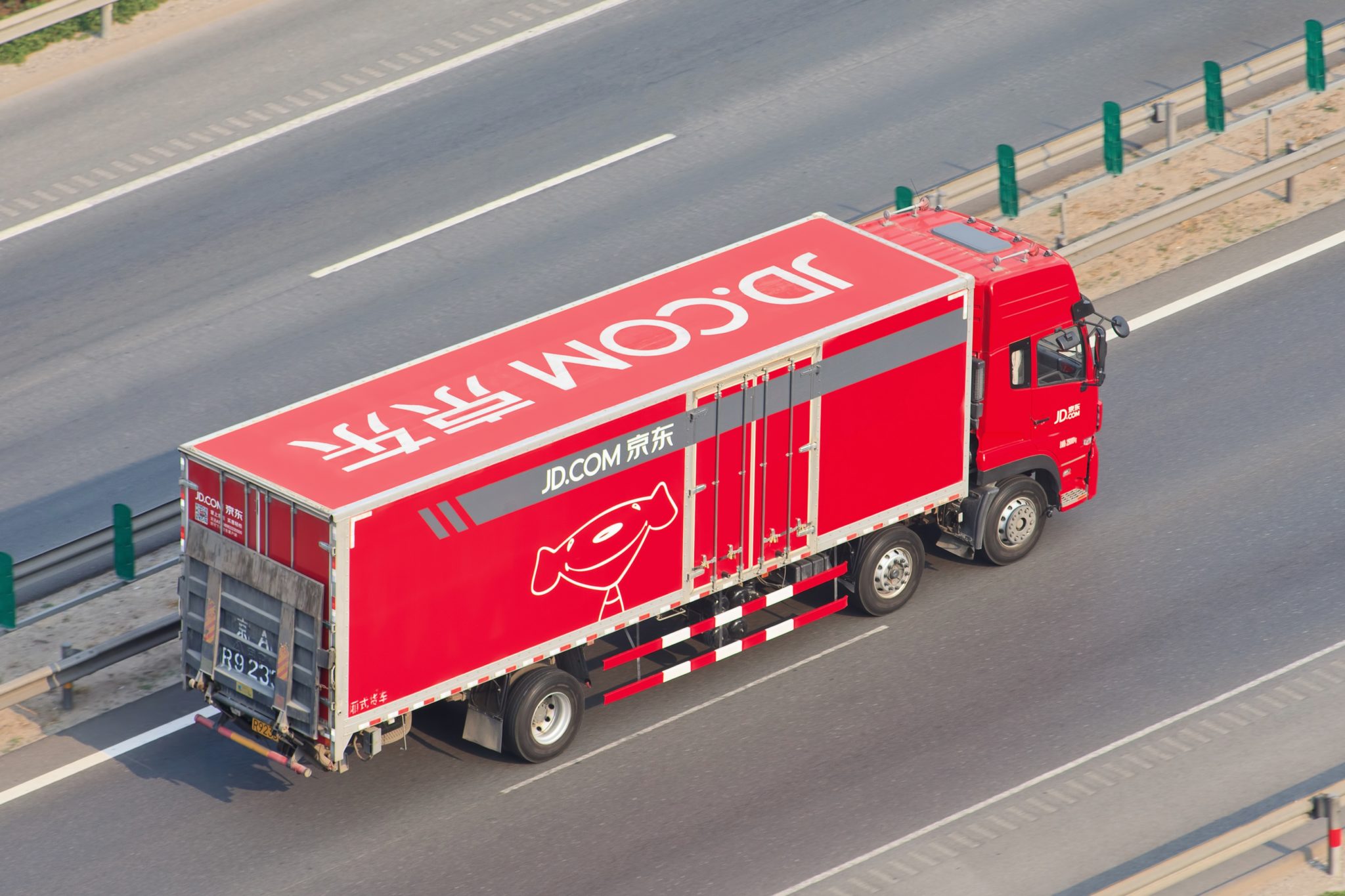
    JD.com is supporting the growth of British businesses in the Chinese market as it partnered with parcel delivery company Evri to combine their expertise and resources in e-commerce and logistics.

    The partnership will combine JD.com’s advanced e-commerce capabilities with Evri’s extensive delivery network across Europe. The services will include local pickup, warehousing, international transportation, access to Chinese bonded warehouses, customs clearance, and comprehensive delivery across China.

    The team-up will initially focus on the beauty and apparel sectors, where JD.com has substantial insights, including consumer behaviour, marketing and pricing strategies, product selection advice, and online operational strategies specific to the Chinese market.

    The collaboration will also enable JD Logistics to offer integrated warehousing and comprehensive delivery solutions to European clients by leveraging its self-operated overseas warehouses and Evri’s local distribution network.

    Qun Xue, Vice President of JD.com and Head of JD Logistics International said: “This partnership underscores our dedication to building a robust global logistics network and our commitment to the success of international brands.”

  • DHL Express adds more capacity on Singapore-US route

    DHL Express adds more capacity on Singapore-US route

    DHL Express and Singapore Airlines welcomed the final Boeing 777 freighter as part of a 5-aircraft deal signed in 2022 that will add further add capacity between Asia Pacific and the Americas via the DHL South Asia Hub in Singapore. 

    The aircraft, sporting a dual DHL-SIA livery, joins four other B777F, providing 1,224 tonnes of payload capacity to accomodate international express shipments on the US-Asia route.

    As early as December 2023, three of the five freighters were operated on the Singapore-Bangkok/Taipei-Incheon/Nagoya-Cincinnatti-Honolulu-Sydney-Singapore route seven times a week. The other two cover the Singapore-Nagoya-Los Angeles-Honolulu-Singapore route five times a week.

    DHL is capitalising on Singapore’s main hub status and location to cut the delivery times between Asia Pacific and the US West Coast to one day for time-sensitive shipments.

    In March 2022, DHL Express and SIA signed the crew and maintenance agreement, where the airline would operate and oversee the maintenance of the five Boeing 777 freighters deployed at the South Asia Hub. These five freighters are part of the express operators’ 28-unit order of the type since the first purchase was made in 2018. The first freighter as part of the deal saw its debut in August 2022.

  • DHL Express makes management changes in Asia Pacific

    DHL Express makes management changes in Asia Pacific

    DHL Express has announced several retirements and strategic appointments for Asia Pacific, including Hong Kong and Macau, South Korea and Taiwan.

    Yung C. Ooi, most recently country manager for Taiwan, has been elected as Asia Pacific’s senior vice president for commercial. He will take over the responsibilities of Yasmin Khan, who retires after 23 years at the DHL Group. Appointed in Yung’s place is Chee Choong, who was managing director for  Hong Kong & Macau.

    30-year veteran Andy Chiang, former head of global strategic finance for DHL Express, has moved to a new position as managing director for Hong Kong & Macau.

    In North Asia, Ji Hun (Michael) Han will be the new managing director for DHL Express Korea, succeeding Byung Koo Han, who has retired after 16 years at DHL Group.

    DHL Express is present in more than 40 countries and territories in Asia Pacific with a market share of 57 percent in time-definite international (TDI) revenue. In December 2023, the express operator signed a long-term contract with Japan Airlines to utilize the latter’s first freighter, a Boeing 767-300, to add more connectivity to and from Japan.

  • JD Logistics launches express service to North America, Europe

    JD Logistics launches express service to North America, Europe

    JD Logistics has launched an international express delivery service on 15 December for one-way deliveries from China bound for North America and Europe.

    The new service will initially cover 23 countries across North America and Europe and will be available in Shenzhen and Guangzhou with plans to expand its availability throughout China.

    Leveraging the company’s robust express delivery network, customers in China can book doorstep pick-ups through the JD Express mini program on WeChat and expect one-hour pickup by in-house couriers, complete with real-rime parcel tracking.

    The new service marks a significant milestone for JD Logistics, representing both an expansion of its renowned logistics services to the global stage and a key phase in the company’s broader international market expansion.

    The company’s overseas warehousing operations already offer same-day fulfillment services in key European markets, including Germany, The Netherlands, France, the UK, Spain, and Poland, with two- to three-day delivery services across 90 percent of the regions in the United States.

  • FedEx speeds up Vietnam-Singapore service with B767F

    FedEx speeds up Vietnam-Singapore service with B767F

    FedEx Express is further enhancing its services between Vietnam and Singapore as well as the wider Asia, Middle East, Africa (AMEA) and Europe market, with the introduction of a new flight offering expedited delivery times.

    The new service will use a dedicated B767 freighter starting October 31 to fly four times a week in the evenings from Ho Chi Minh City to Asia and Europe through the FedEx hub in Guangzhou, China.

    Exporters shipping from Southern Vietnam will benefit from faster transit times for shipments to Singapore and major Asian markets in just one business day, and two business days to Europe.

    These new flights offer additional capacity on top of the current five flights to Asia, Europe, and the US. These include four daily morning services through the FedEx hub in Singapore and the existing evening flight through the Guangzhou hub.

    FedEx has been supporting cross-border trade to and from Vietnam since it established operations in the country in 1994.

  • JD Logistics rolls out express parcel service in Hong Kong, Macau

    JD Logistics rolls out express parcel service in Hong Kong, Macau

    JD Logistics is strengthening its presence and operations in the Greater Bay Area by expanding its self-operated express delivery business in Hong Kong and Macau via JD Express.

    The enhanced delivery network will comprise several operations centres and offer intra-city and cross-border express delivery between Hong Kong, Macau, and China.

    In Hong Kong, the company promises expedited intra-city deliveries as fast as 4 hours and nighttime extended delivery hours until 10:00 PM. In Macau, intra-city packages can arrive as soon as the following day.

    JD Logistics has provided B2B and B2C warehousing and distribution logistics solutions across Hong Kong and Macau for over five years, and the company’s newly launched self-operated express delivery services will enable online shoppers in Hong Kong and Macau to enjoy the same convenience found in the mainland.

    “With our recent expansion of delivery services into Hong Kong and Macau, we are proud to bring JD Express’ quality service, honed over a decade, to these regions for the very first time,” said Wei Ma, General Manager of JD Logistics Express Business Hong Kong.

    “With a humble and practical approach, we are committed to providing our customers in both cities with a reassuring and worry-free express delivery experience.”

  • DHL Supply Chain earmarks €350m for Southeast Asia network

    DHL Supply Chain earmarks €350m for Southeast Asia network

    DHL Supply Chain plans to invest EUR350 million in Southeast Asia over the next five years to expand its warehousing capacity, workforce and sustainability initiatives.

    With this investment, DHL Supply Chain will increase its current 1.6 million square meters of warehouse space in Southeast Asia by 25 percent, or 400,000 square meters. This is part of a series of strategic investments by DHL Supply Chain over the past year, which have already added up to EUR1.35 billion globally. These included investments in infrastructure, hiring and development, as well as automation, digitalization and sustainability in India, Latin America and Southeast Asia.

    “Companies are looking at diversifying their supply chains. Southeast Asia, with its efficient work environment and effective trade agreements such as the China-ASEAN FTA, stands to benefit the most.

    “These are strategic investments we take – despite the generally softer market environment – because we invest in the future growth of our business and strongly believe in the strategic expansion and diversification of our regional businesses,” said Oscar de Bok, CEO, DHL Supply Chain.

    The company added that it will continue to develop its warehouse management systems (WMS) and introduce technology in selected markets, such as auto-stores, automated storage and retrieval systems (ASRS) for pallets and large goods, and automated guided vehicles (AGVs).

    “We are not just increasing our capacity, but we are building logistics centers that can cater to future demand for our customers through robotics and sustainability initiatives,” noted Javier Bilbao, CEO, DHL Supply Chain Asia Pacific.

    For example, he highlighted the upcoming fifth facility in Penang – PLH5, which will feature state-of-the-art automated pallet storage and retrieval system and goods-to-person robotics technology to handle small parts picking.

    Looking ahead, the contract logistics unit shared a broader strategy to nurture talent and meet evolving customer demands in automation, digital analytics, electric vehicle (EV) handling, reverse logistics, and solution design. It also plans to double its EV fleet in Southeast Asia over the next five years.

    DHL Supply Chain is also championing sustainability in the sector as it committed to having carbon-neutral facilities for all new buildings, like what it has done in its facilities in Singapore and Malaysia.

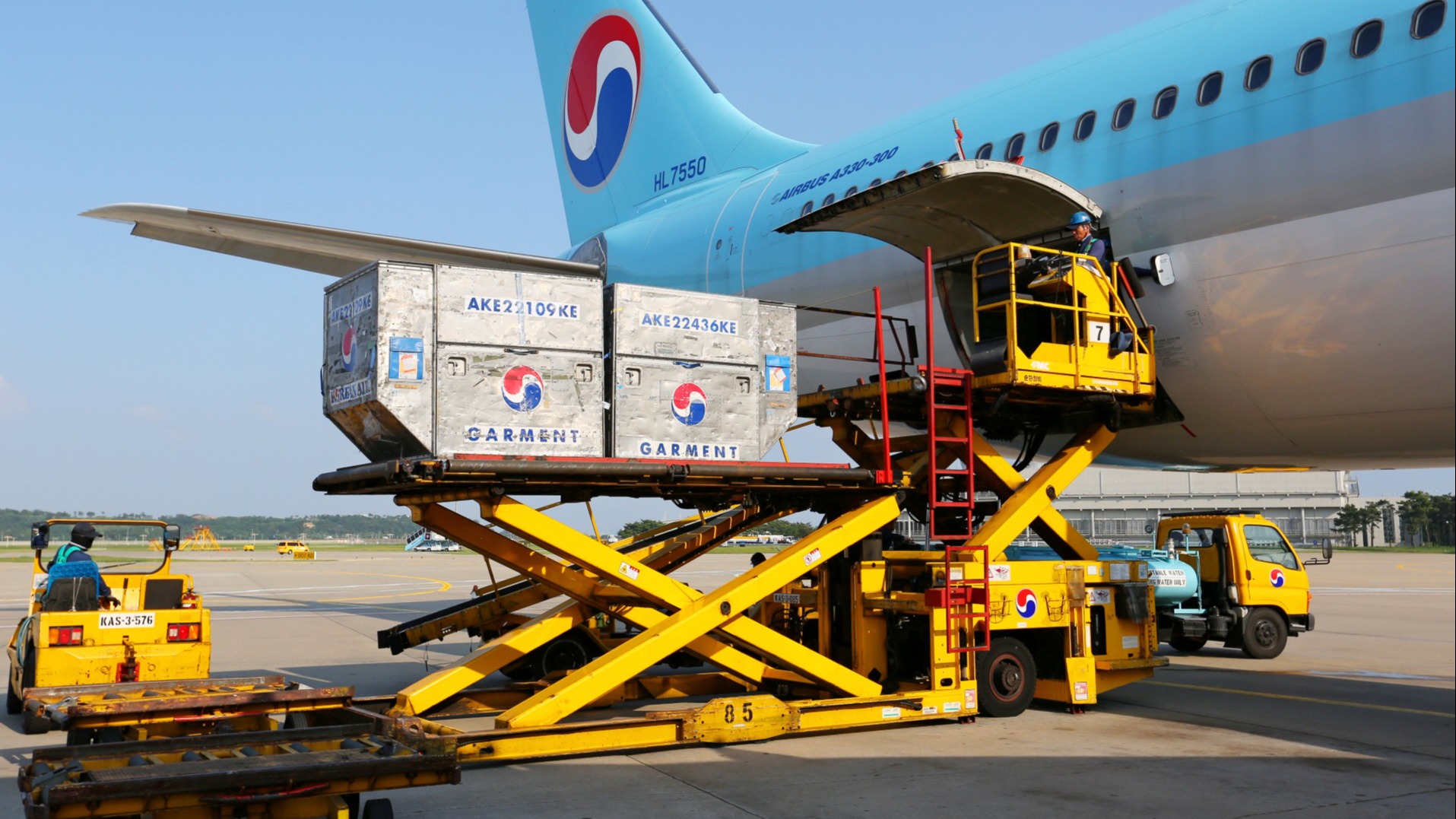
  • Korean Air mandates e-AWBs for general cargo starting January

    Korean Air mandates e-AWBs for general cargo starting January

    Korean Air will begin its full-scale digital transition to electronic air waybill (e-AWB) to replace conventional paper documents and will apply to general cargo departing from Korea bound for North America, Europe, Japan and other select markets.

    The airline said the paperless transition will streamline the entire process from reservations to final delivery and enhance data quality and accuracy. It will also enable the airline to practice its ESG initiatives.

    Korean Air held consultations and completed trial operations with all stakeholders, cargo clients and forwarders to prepare for the transition. The airline will mandate e-AWB for Korea-outbound cargo starting January next year, with plans to include all loaded cargo departing from global stations in due course.

  • DHL Express transforms Incheon gateway facility

    DHL Express transforms Incheon gateway facility

    DHL Express is confident about the upward trajectory of cargo demand in South Korea and has commenced full-fledged operations at the newly expanded Incheon gateway. 

    The enhanced Incheon gateway is now three times the size of its predecessor with 59,248 square metres of floor area. It can also handle 3.5 times as much capacity, complete with a 5.5-kilometer-long conveyor belt and 19 automated X-ray inspection machines to ensure safety and compliance. It pledged €131 million (KRW 175 billion) to expand the cargo gateway in 2019, marking its largest investment in South Korea to date.

    “Between 2011 and now, the transit cargo handling volume we handled in the country grew more than threefold,” Sean Wall, Executive Vice President of Network Operations and Aviation, Asia Pacific, DHL Express. The opening of the expanded Incheon Gateway arrives at a right time as it plays an important role to facilitate regional and intra-Asia trade, particularly for the Northeast Asian region, including Dalian, Qingdao, Wuxi, Ulaanbaatar, and Guam.” 

    DHL cited growing international express imports and exports with Asia-Pacific neighbours like Singapore, Japan, China, Australia, and Taiwan as contributor to the increasing cargo demand seen at Incheon. To move import and export shipments efficiently at the Incheon Gateway, DHL Express will utilise a fully automated sorting and handling system that can process over 10,000 parcels an hour. The company connects other hubs via Incheon with seven dedicated DHL aircraft and 40 aircraft from partner airlines. 

    DHL Express added that the facility is partly powered by solar energy with a 1-mW solar power generator installed on the entire rooftop area (5,700 square meters). The solar generator can produce energy that covers roughly 30 percent of the facility’s consumed energy, reducing around 650 tonnes of carbon emissions annually. This marks the first instance among cargo terminals within Incheon International Airport to use solar energy. 

    ByungKoo Han, Country Manager of DHL Express Korea, said, “The Incheon Gateway serves as a strategic facility that connects South Korea and the Asia Pacific region to the world. Since its initial opening in 2009, the volume of imports and exports at Incheon Gateway has increased by more than 90% in 2022. With this expansion, we are confident that we can adeptly manage the surge in shipment volume and cater to the increasing demand for international express delivery over the coming decade.”