Retail News CRM

Tag: Logistics

  • DHL Global Forwarding Japan and Nippon Cargo Airlines successfully complete charters for semiconductor manufacturing equipment to Hokkaido

    DHL Global Forwarding Japan and Nippon Cargo Airlines successfully complete charters for semiconductor manufacturing equipment to Hokkaido

    DHL Global Forwarding Japan, the freight specialist of DHL Group, and Nippon Cargo Airlines (NCA) have successfully transported semiconductor manufacturing equipment via four charters aimed at significantly reducing transit time from Amsterdam Schiphol Airport (AMS) in the Netherlands to New Chitose Airport in Japan.

    To support this process, a main deck loader specifically designed for unloading and loading semiconductor equipment was transferred from Narita Airport to New Chitose Airport. Additionally, onsite personnel have been trained to take all necessary precautions to ensure smooth operations.

    Flexible measures, including regular cargo temperature checks and close collaboration with ground handling and logistics shed companies, have been implemented to minimize temperature fluctuations, even in winter conditions. Efforts have also been made to shorten the time between aircraft and truck loading.

    “As Japan experiences a strong 17.3% year-on-year growth in semiconductor equipment sales from January to August 2024, it has also maintained a 30% market share in the sector, second only to the United States. This remarkable growth reflects the country’s strength in advanced manufacturing and innovation,” said Karsten Michaelis, President/Representative Director, DHL Global Forwarding Japan.

    “It also underscores the importance of efficient and reliable transportation solutions to support the semiconductor industry. Our collaboration with Nippon Cargo Airlines is a key step in ensuring that Japan continues to lead in this critical sector.”

    In the year leading up to the four charters, DHL Global Forwarding’s local semiconductor specialist teams worked closely with NCA and customers to plan the necessary infrastructure requirements and strategize the safe, efficient transport of semiconductors. This ensures the transportation process adheres to the strictest requirements, even in Hokkaido’s severe winter weather.

    “This charter was very challenging for us under severe weather and constraints of operations in Chitose, and we could never achieve to success without cooperation of our reliable partner, DHL Global Forwarding Japan. I am honored that we could build our collaboration and to be a part of this national project. I would like to express my sincere appreciation to the great efforts of DHL Global Forwarding Japan and partner companies. NCA will keep on serving to meet customers’ requirement”, said Hitoshi Watanabe, Executive Officer, Nippon Cargo Airlines.

    As global competition and geopolitical pressures intensify, Japan is shifting its focus towards its semiconductor industry, emphasizing growth and localization. The goal is to triple semiconductor sales from 2020 until 2030, reaching over US$108 billion. Hence, establishing efficient transportation for sensitive semiconductors is crucial in supporting market growth.

    DHL Global Forwarding Japan and NCA will support the further development of Hokkaido and the Japanese manufacturing industry by exploring ways to strengthen transportation for the local semiconductor sector.


  • DHL acquires reverse logistics leader, Inmar Supply Chain Solutions

    DHL acquires reverse logistics leader, Inmar Supply Chain Solutions

    DHL Supply Chain, the world’s leading contract logistics provider, announced the acquisition of Inmar Supply Chain Solutions, a division of Inmar Intelligence and a leading returns solutions provider for the retail e-commerce industry. The strategic acquisition will make DHL Supply Chain the largest provider of reverse logistics solutions in North America.

    The acquisition will result in 14 return centers and around 800 associates joining the DHL Supply Chain business expanding the company’s North American footprint which currently stands at over 520 warehouses supported by 52,000 associates. Additionally, DHL Supply Chain will now strengthen its returns capabilities to include product remarketing, recall management, and supply chain performance analytics. Inmar Intelligence will retain its pharmaceutical reverse distribution business.

    In the light of a rapidly growing e-commerce market and changing consumer behavior, returns are an increasingly important touchpoint for retail customers, both in store and online. These solutions will expand the value-added services available to DHL customers and create a more strategic delivery of holistic solutions for their most complex supply chain needs.

    “DHL Supply Chain’s market-leading logistics expertise and the addition of Inmar’s suite of returns services and its talented workforce will enable us to provide best-in-class logistics services to our industry customers. Together, we will create a returns business in North America that is unmatched in its depth, breadth, capabilities, and talent to fuel long-term growth,” said Oscar de Bok, Global CEO of DHL Supply Chain.

    “As companies strive to simplify their supply chain strategies and enhance their operational agility, DHL Supply Chain continues to innovate to provide comprehensive and integrated solutions. This acquisition strengthens our existing capabilities, allowing us to offer our customers a single-source solution for their entire supply chain, including the critical and complex area of returns management. This enhances the value we deliver to our customers by streamlining their operations, reducing complexity, and improving their overall supply chain efficiency,” said Patrick Kelleher, CEO of DHL Supply Chain, North America.

    He further added that, “The strategic growth opportunities that the returns market brings will enhance the success of DHL Supply Chain. It also puts us on the right path to support DHL Group’s plan to achieve 50% revenue growth by 2030 compared to 2023 as outlined in our recently announced Strategy 2030.”

    “Inmar Intelligence and DHL share a deep commitment to customer-focused innovation. Because of that, we are confident that DHL will build even greater things on top of the Inmar Supply Chain Solutions foundation that we developed over time. As well, we are thrilled that Inmar associates will have an even broader set of supply chain experiences available from which they can continue to learn and develop over time at DHL. For Inmar Intelligence, this deal sets the stage for us to apply an even deeper level of focus and investment into our core businesses that are expanding rapidly,” said Spencer Baird, CEO of Inmar Intelligence.

    Consumers expect retailers to provide a seamless returns process while retailers are faced with new challenges such as returns abuse and rising operational costs. Thus, the acquisition marks a logical step to foster DHL’s customer centric approach that involves collaboration, expertise, and integration to solve the greatest supply chain challenges.

    The acquisition of Inmar Supply Chain Solutions will also contribute to DHL’s strategic goal of decarbonizing its business by 2050. In the company’s recently announced Strategy 2030, sustainability is a strategic priority, recognizing its growing role as a key differentiator in the logistics sector. Assisting global customers to become carbon neutral is crucial, and DHL Group aims to achieve this by remaining the frontrunner in low-carbon logistics operations.

    At the core of returns management is the need to drive sustainability, and Inmar’s technology-driven reverse logistics solutions are recognized across the industry for reducing cost and eliminating the waste generated from returned consumer goods. Emphasis is placed on recommerce, which has diverted 99% of consumer returns from reaching a landfill; an approach that aligns with DHL’s commitment to make customers’ supply chains more sustainable.

  • J&T Express reports 32.5% parcel volume growth in Q4 2024

    J&T Express reports 32.5% parcel volume growth in Q4 2024

    J&T Global Express Limited announced its key operating data for the fourth quarter and full year of 2024. The company achieved a total parcel volume of 7.39 billion in Q4, a 32.5% year-over-year (“YoY”) increase, with an average daily volume of 80.3 million parcels. For the full year 2024, J&T Express handled 24.65 billion parcels, representing a 31% YoY increase and a 30.7% increase in average daily volume to 67.3 million parcels.

    Q4 growth was primarily driven by Southeast Asia and China, coinciding with the peak e-commerce season in these key markets. In Southeast Asia, J&T Express saw parcel volume jump 62.5% YoY to 1.4 billion in Q4. Full-year parcel volume in the region reached 4.56 billion, a 40.8% YoY surge, significantly exceeding market expectations of industry growth.

    In China, Q4 parcel volume grew 27.4% YoY to 5.91 billion. Full-year volume reached 19.8 billion, a 29.1% increase, outpacing industry growth in the first eleven months of the year.

    Parcel volume in New Markets (including the Middle East and Latin America) reached 74.4 million in Q4, a marginal 0.1% YoY increase. Full-year volume grew 22.1% to 280 million parcels.

    Throughout 2024, J&T Express continued to invest in infrastructure, expanding its transportation fleet and deploying automated sorting equipment. The company’s line-haul vehicles grew by 1,300 vehicles in Southeast Asia and 900 vehicles in China, reaching totals of 4,600 and 7,100 vehicles, respectively. The number of automated sorting machines across all markets increased by 45 to 279.

    J&T Express also strategically optimized its network partnerships and outlets, upgrading sorting centers to enhance operational efficiency. As of year-end 2024, the company operated 19,100 outlets and 238 sorting centers.

    “J&T Express delivered strong growth in Q4 2024, fueled by robust performance in Southeast Asia and China,” said Dylan Tey, Chief Financial Officer of J&T Express. “The over 60% surge in Southeast Asia’s Q4 volume, in addition to a low base from the same period last year, was driven by strong shipments from major e-commerce clients during peak shopping festivals like Double 11, as well as our continued expansion of parcel volume from non-e-commerce platforms. In China, we capitalized on the continued rapid growth of the express delivery industry, strengthening our market position with key e-commerce platforms. Our strategic focus on reverse logistics and individual parcels also contributed to strong results. With our robust network, high-quality service, and diversified growth strategies, J&T Express is well-positioned to benefit from the continued rapid growth of the e-commerce market.”

  • DHL integrates the groundbreaking GEN3 Evo race car into its Formula E logistics

    DHL integrates the groundbreaking GEN3 Evo race car into its Formula E logistics

    DHL, the Official Founding and Logistics Partner of Formula E, is enabling the delivery of the 11th season of the ABB FIA Formula E World Championship. This coming season, as a special highlight, DHL is handling the transport of the new GEN3 Evo race cars. These groundbreaking vehicles set new standards: accelerating from 0 to 60 mph in just 1.82 seconds, 30% faster than a Formula 1 car and 36% faster compared to the original GEN3 model.

    DHL transports the GEN3 Evo cars in specially designed crates, tailored to securely accommodate this highly valuable and delicate cargo. The crates are carefully packed to ensure every component is correctly placed, immobilized, and protected from damage.

    “As the trusted logistics partner for Formula E, DHL is proud to transport the new GEN3 Evo cars from race to race, delivering innovation and high performance with every journey,” says Manuela Gianni, Head of Motorsports Italy at DHL Global Forwarding. “These vehicles are redefining what’s possible in motorsport, and DHL is committed to ensuring that every car and piece of essential race equipment arrives exactly when and where it’s needed.”

    DHL has been an integral part of the world’s first all-electric motorsport championship since 2013. Drawing on 40 years of global motorsport experience, DHL has played a crucial role in bringing the championship to cities worldwide.

    DHL offers Formula E logistics with a focus on low-carbon services, utilizing multimodal transport solutions, including both sea and road freight, to maximize efficiency. Formula E uses sustainable fuels in these transport modes, which can cut GHG emissions around 80% compared to traditional fuels. This effort aligns with Formula E’s long-term commitment to the Science Based Targets initiative, aiming for a 45% reduction in absolute GHG emissions by 2030, compared to Season 5 levels. Additionally, Formula E has reduced the volume and weight of aviation freight by one-third, significantly lowering air freight emissions in season 11.

    The season opener in São Paulo on December 7, 2024, will be followed by races in major global cities, including Miami, Tokyo, Shanghai, Berlin, and London. DHL will manage the transportation of around 400 metric tons of essential freight per race, ensuring the smooth delivery of race cars, batteries, charging units, broadcast equipment, and hospitality materials.

    In addition to providing logistical support, DHL is launching its new “Positive Power” campaign, celebrating the unstoppable impact of Formula E. The campaign emphasizes the passion of the sport and its global fanbase. DHL’s founding sponsorship aims to ignite enthusiasm for Formula E, showcasing the speed and innovation of the series, especially with the new GEN3 Evo car.

    DHL was the first logistics company to set a measurable carbon efficiency target: improve efficiency by 30% compared to 2007 levels by 2020. This goal was achieved four years ahead of schedule, in 2016. In 2017, DHL committed to an even greater sustainability goal: to achieve net-zero emissions by 2050. As part of this sustainability approach, DHL Group aims to reduce logistics-related GHG emissions to less than 29 million metric tons by 2030 and implement decarbonization measures across all modes of transport, which includes the electrification of 66% of the first and last-mile fleet.

  • airBaltic Cargo partners with cargo.one to accelerate and enhance its digital sales

    airBaltic Cargo partners with cargo.one to accelerate and enhance its digital sales

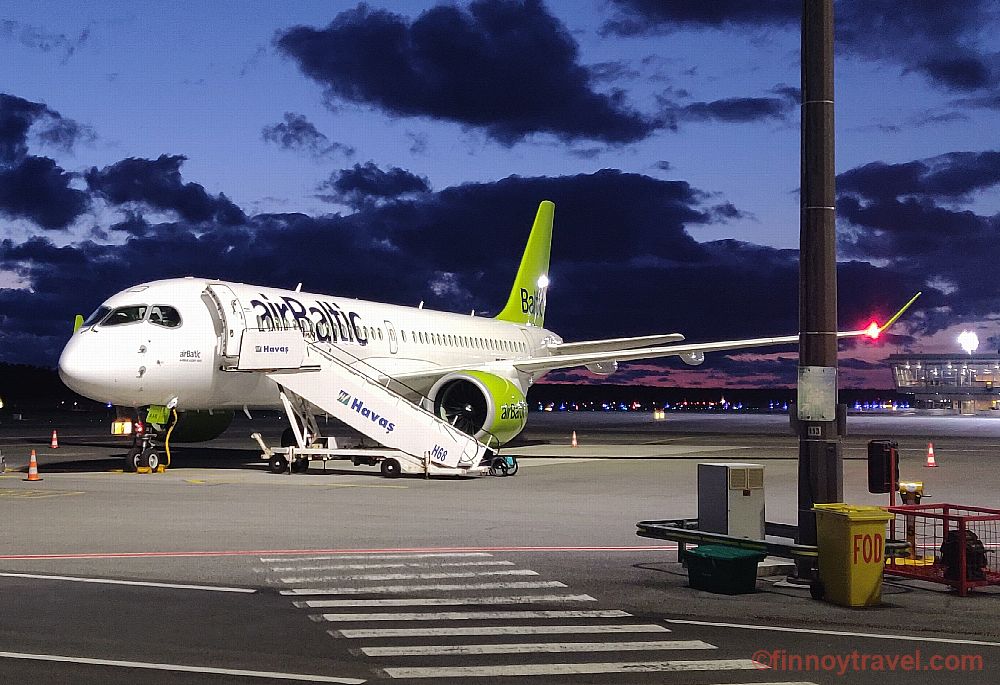
    airBaltic Cargo, the cargo division of the Latvian national airline, has joined forces with cargo.one to soon offer its services upon the air freight industry’s go-to procurement platform. airBaltic Cargo is partnering with cargo.one as part of plans to expand its market presence globally and boost revenues. cargo.one will offer airBaltic Cargo customers the most convenient and user-friendly booking method, and will enable the airline to market its services to a footprint of freight forwarders across 134 countries.

    Headquartered in Riga, Latvia, airBaltic Cargo offers freight forwarders modern and flexible belly capacity on more than 100 routes throughout Baltics, Europe, the Middle East, North Africa, and the Caucasus. Leveraging its main hub in Riga and additional bases in Tallinn, Vilnius, Tampere, and seasonally Gran Canaria, airBaltic Cargo flies into many shorter runway destinations that other airlines often do not. airBaltic Cargo also boasts one of the youngest and most efficient fleets in the world, consisting of 49 Airbus A220-300 aircraft, and planned to expand to 100 aircraft by 2030.

    The partnership coincides with airBaltic Cargo’s exciting program of expansion, having recently invested in The Baltic Cargo Hub – soon to be the largest dedicated air cargo handling center in the Baltics, and will further enhance airBaltic Cargo’s import, export and transit capabilities at RIX Riga Airport. cargo.one will soon deliver thousands of forwarders a step-change in access to airBaltic Cargo capacity for its entire network – with the ability to discover, quote, book and track its capacity in seconds. The addition of airBaltic Cargo is the latest example of cargo.one’s uniquely strong depth and diversity of global supply options.

    Iļja Seļiverstovs, VP Cargo at airBaltic, commented, “Digital sales is a vital driver of our cargo growth plans. It makes every sense to leverage cargo.one to expand our market reach and sales, and ensure airBaltic Cargo services remain front of mind with thousands of forwarders using the platform daily. Working alongside cargo.one, we will ensure that every customer receives the best possible end-to-end experience.”

    Moritz Claussen, Founder & Co-CEO of cargo.one, added, “We are thrilled to enable airBaltic Cargo to take its digital sales strategy to the next level, and our collaboration will capitalize upon its strengths in relevant markets. Forwarders rely upon cargo.one’s comprehensive global market view to discover, quote and book their air shipments, and the addition of airBaltic Cargo capacities will provide a strong option for many.”

    Accelerating its digital distribution with cargo.one allows airBaltic Cargo to better scale sales across a truly global footprint, build its brand presence within thousands of forwarding branches, lower its cost of sale, and boost sales efficiency and market responsiveness. cargo.one is the industry leader for optimizing the digital distribution progress of all sizes of airline.

    airBaltic Cargo’s partnership with cargo.one strengthens the airline’s digitalization program, ensuring that a greater proportion of customers benefit from digital speeds, accuracy and convenience. Booking on cargo.one also equips airBaltic Cargo customers with cutting-edge tools for winning and processing air shipments.

    From Winter 2024, freight forwarders using cargo.one will be able to book airBaltic Cargo capacity for general cargo, perishables and temperature sensitive pharma shipments, across its entire network.

  • Kerry Logistics Network appoints Wong Siew Loong as Chief Commercial Officer for the group

    Kerry Logistics Network appoints Wong Siew Loong as Chief Commercial Officer for the group

    Kerry Logistics Network Limited announced the appointment of Wong Siew Loong as its Chief Commercial Officer for the Group and Managing Director for South East Asia. The appointment is a key step in accelerating KLN’s growth strategy and advancing its development plan across the globe.

    With more than 25 years of experience in the global transportation and logistics sector, Siew Loong joins KLN from Kuehne+Nagel where he last served as President of the Asia Pacific region and brings extensive international experience and a proven track record. Based in Singapore, Siew Loong will lead KLN’s global commercial growth strategies and operational advancement efforts to unlock new opportunities and drive greater growth.

    Vic Cheung, Executive Director and CEO of KLN, said, “We are delighted to welcome Siew Loong to our leadership team. His vision for commercial excellence, along with his strong understanding of market dynamics and customer needs, will be invaluable as KLN continues to innovate and deliver exceptional value to our customers across regions and markets.”

    Wong Siew Loong commented on his new appointment, “I am excited to be joining KLN and bringing my commercial experience and insights to contribute value to its strategic development and long-term growth. I look forward to working collaboratively with the talented team across the network to drive success.”

  • FedEx strengthens healthcare capabilities in Asia Pacific with expansion of its Life Sciences center in Korea

    FedEx strengthens healthcare capabilities in Asia Pacific with expansion of its Life Sciences center in Korea

    Federal Express Corporation (FedEx), one of the world’s largest express transportation companies, has expanded its state-of-the-art Life Science Center in Gimpo, Gyeonggi-do, Korea. This strategic enhancement, along with FedEx Life Science Centers in Singapore and Japan, is addressing the rising demand for a robust logistics network with advanced capabilities to support the rapidly growing healthcare industry across the Asia Pacific region.

    The advanced FedEx Korea Life Science Center spans 2,288 square meters – almost triple the size of the previous facility. The new operation includes five temperature-controlled areas for temperatures ranging from -150°C to +25°C, which are monitored 24/7 to ensure continuous compliance with pharmaceutical cold chain requirements. The facility is also Korea Good Supply Practice (KGSP)-certified, in accordance with market-specific quality and regulatory requirements for the healthcare industry. Along with temperature-controlled Inventory management capabilities, the Korea Life Science Center is equipped to support both domestic and international transportation needs.

    By expanding its capacity, FedEx is strengthening its life sciences logistics expertise, ensuring seamless and reliable transportation of critical healthcare shipments including investigational medicinal products (IMP), biological samples, and biopharmaceutical product lines while enabling pharmaceutical and clinical trials customers to prioritize patient care.

    The pharmaceutical market in Asia Pacific is projected to reach USD 290 billion by 2028. Additionally, the region accounts for approximately 50% of global clinical trials, highlighting its increasing role in global pharmaceutical research and development. Customers in the healthcare and pharmaceutical sector need precise, temperature-controlled services to preserve product efficacy. With decades of experience, FedEx provides expertise in specialized healthcare and clinical trial solutions, enabled by its international Express network, customized Time Critical Special Services (SpS), and a global network of Life Science Centers with locations in Korea, Singapore, Tokyo (Japan), Mumbai (India), Memphis (United States), and Veldhoven (the Netherlands). The company’s extensive healthcare infrastructure also includes 130+ cold-chain facilities worldwide, ensuring continuous temperature integrity for shipments moving through our domestic and international networks.

    “Asia Pacific’s healthcare sector is evolving at an unprecedented pace, driven by demographic shifts, infrastructure investments, and rapid tech advancements,” said Kawal Preet, president, Asia Pacific at FedEx. “At FedEx, we are leveraging our decades of healthcare expertise, extensive global network and differentiated solutions to propel this growth. Through strategic investments in cutting-edge facilities and AI-driven smart logistics, we are reshaping healthcare supply chains and enabling the future of life sciences research and business innovation across the region.”

    FedEx Clinical Care, part of the company’s portfolio of dedicated healthcare transportation solutions, provides end-to-end delivery capabilities for time and temperature-sensitive healthcare shipments. This service ensures expedited delivery within 24 to 48 hours, leveraging specialized features including temperature-controlled packaging, priority handling and clearance, and 24/7 monitoring and intervention using sensor-based real-time tracking.

    Recently, FedEx was recognized for ‘Innovation in Clinical Supply Chain Logistics’ at the Korea Biopharma Excellence Awards 2024 for exceptional contribution to clinical supply chains in Korea. In August, the company introduced FedEx Surround®, an innovative monitoring and intervention solution for enhanced control and visibility for healthcare and other critical shipments.

  • Lufthansa Cargo starts transpacific flight from Vietnam to the USA

    Lufthansa Cargo starts transpacific flight from Vietnam to the USA

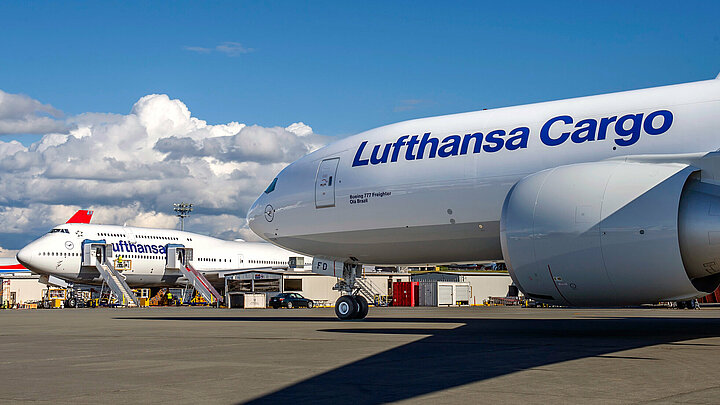
    With the start of the winter flight schedule last weekend, Lufthansa Cargo has inaugurated its first direct transpacific freighter service from Asia to North America. On Sunday, 27 October 2024, flightLH8019 took off from Ho Chi Minh City (SGN) in Vietnam to Los Angeles (LAX) in the United States, operated by its JV subsidiary AeroLogic. The aircraft with the identification D-AALO had previously taken off from Frankfurt (FRA) for Vietnam on Saturday, 26 October 2024. It had then flown back from Los Angeles on Sunday, 27 October 2024, and had arrived at the carrier’s home hub on Monday, 28 October 2024.

    “This new freighter connection highlights our commitment to connecting economies by responding to the demand of the rapidly growing economy in Vietnam, which can now be seamlessly connected to the U.S. even faster. This service reinforces our purpose of enabling global business, which is why we are continuously examining the possibilities of establishing new routes and growing in dynamic market environments,” explains Ashwin Bhat, CEO of Lufthansa Cargo.

    With the new flight schedule, Lufthansa Cargo is now offering its customers 89 weekly B777F freighter connections worldwide. This includes 50 frequencies to 17 destinations in Asia, reflecting the strong demand in the region. The growing e-commerce industry, in particular, is driving this development, to which Lufthansa Cargo is able to respond quickly and flexibly thanks to its early preparations. With its own A321 freighter fleet for short and medium-haul routes, as well as additional cargo capacities marketed on the extensive network of Lufthansa Airlines, Austrian Airlines, Brussels Airlines, Discover Airlines and SunExpress, Lufthansa Cargo is able to offer its customers capacities to over 350 destinations in 100 countries in its winter flight schedule

  • DHL Global Forwarding China introduces cross-border e-commerce solution ahead of peak season

    DHL Global Forwarding China introduces cross-border e-commerce solution ahead of peak season

    DHL Global Forwarding, the freight specialist of DHL Group, is introducing a variety of cross-border e-commerce solutions ahead of the year-end holiday shopping season globally. The solutions will offer cross-border shipping from China to the world with different service levels and features, as well as an integrated tracking platform for end-to-end visibility.

    China’s e-commerce sector has continued to grow despite a mixed global economic sentiment. In the first half of 2024, China’s cross-border e-commerce trade totaled 1.22 trillion yuan (EUR155 billion), a 10.5% growth year-on-year.

    “Chinese companies like Shein, Temu, AliExpress and Tik Tok Shop are gaining popularity globally. While the U.S. remains the primary export market, Europe is fast catching up as a critical region for these e-commerce platforms.  In DHL’s recent Global Shopper Trends Report, 53% of European online shoppers purchase goods from China,” said Aditi Rasquinha, CEO of Greater China, DHL Global Forwarding.

    “Cross-border e-commerce business can face many hidden obstacles, especially for small- and middle-sized customers who are not yet familiar with customs and logistics regulations at destination markets. DGF can be a strong and reliable partner for them. Our solution provides Chinese e-commerce companies with a simple and affordable cross-border shipment solution with returns, with full and semi-tracking options,” said Robin Li, Vice President, Global E-commerce Development, DHL Global Forwarding.

    The e-commerce solutions from DHL Global Forwarding China will offer:

    • End-2-End ONE DHL solution in all key markets
    • Fast and Reliable transit time with full track and trace functionality
    • Access to over ten thousand certified e-commerce specialists across the globe with local market expertise
    • Simple IT integration options including APIs, web portals, major marketplaces and e-commerce platforms
    • Different options to cater to the needs of large e-commerce platforms right down to local sellers/Direct-To-Consumer (DTC)

    One of the major advantages of the solution is the direct market access into Europe through the DHL network. The solution will feature:

    • End-to-end fast delivery within 4-5 days from China to Germany
    • Fully managed customs clearance
    • Fast & reliable transit time and doorstep delivery with delivery confirmation
    • End-to-end shipment visibility for senders and recipients via a 24/7 DHL customer portal

    The e-commerce solution will also offer expedited service to other markets such as the rest of Europe, the United Kingdom and the U.S.

    “We are making it easier for our customers to focus on what they do best: bringing their products to a global audience. This solution is designed to help them maximize their reach while minimizing their effort.

    It is particularly timely with the year-end holiday season fast approaching and we are ready to serve the peak season demand,” added Aditi.

  • DHL Express to triple its shipping capacity at Porto Airport with EUR 25M investment

    DHL Express to triple its shipping capacity at Porto Airport with EUR 25M investment

    DHL Express Portugal has inaugurated a new facility at Francisco Sá Carneiro Airport in Porto, Portugal. With an investment of more than €25 million, this significant expansion underlines DHL’s commitment to the Portuguese market and strengthens its support for the growing export industry in the North and Central regions of the country.

    With a total footprint of over 18,000 square meters, the new facility triples DHL’s operational capacity at the international airport, allowing it to process up to 6,500 pieces per hour for imports, an increase of 150%, and 5,000 pieces per hour for exports, a rise of 300%. The terminal is equipped with advanced automation systems, such as X-rays and automatic weighing and measuring equipment, enabling fast, efficient, and secure handling of shipments. The capacity expansion will allow DHL to support annual volume growth in the double-digit range, which will further consolidate its leading position in the logistics sector in Portugal.

    In parallel with the capacity expansions, DHL is also reaffirming its commitment to sustainability. The new facility will feature 130 loading bays for DHL vans, 119 of which are prepared for electric vehicles. The building is equipped with solar panels, advanced lighting and ventilation systems, further reinforcing the company’s efforts to increase the carbon efficiency of its transportation and warehousing operations.

    “Portugal has been one of the strongest performers in Europe in terms of economic growth in recent years, supported by healthy demand for Portuguese exports, and DHL Express is fully committed to enabling the country’s further trade development over the long-term,” said Mike Parra, CEO of DHL Express Europe. “As usual, we are combining our investments in capacity with the addition of new technology that improves efficiency and reliability and supports increased sustainability, which we expect to significantly enhance the competitiveness of our customers in Portugal in their export and import activities.”

    “The inauguration of this new terminal at Francisco Sá Carneiro Airport in Porto marks an important milestone for DHL in Portugal. It is a renewed commitment to innovation, sustainability and economic growth in the North of Portugal,” said José Reis, CEO of DHL Express Portugal. “We are proud to contribute to the development of this region, supporting the small and medium-sized enterprises that are the foundation of our economy. With this investment, we are prepared to continue connecting people and improving lives, while raising the standards of efficiency and sustainability in the logistics industry.”

    The DHL Express executives were joined at an inauguration ceremony for the facility by António Tiago, Mayor of Maia, and Julia Monar, German Ambassador to Portugal.

  • FedEx expands International Connect Plus service to the U.S. and Europe, boosting growth opportunities for Asian SMEs

    FedEx expands International Connect Plus service to the U.S. and Europe, boosting growth opportunities for Asian SMEs

    Federal Express Corporation, one of the world’s largest express transportation companies, is expanding FedEx® International Connect Plus (FICP), its international, day-definite, e-commerce shipping service. Already available for e-tailers to send shipments within Asia Pacific markets, the expanded service will now connect to destinations in the U.S. and Europe. Initially, this service expansion will be available to e-tailers operating in China, Hong Kong SAR, and Japan, with other Asia Pacific markets being added later this year.

    The expanded coverage of FICP is the company’s latest effort to support the growth of cross-border e-commerce from Asia to the U.S. and Europe. E-commerce sales in Asia are projected to reach $13,209 billion by 2030, growing at a CAGR of 17.6% from 2023 to 2030. China and Japan remain the largest Asian Pacific markets with robust cross-border e-commerce activity, providing extensive business opportunities for SMEs. With this expansion, e-commerce merchants in these markets can now offer their customers an international shipping solution with prices that offer greater value, while ensuring most shipments will be delivered between two to three business days to the U.S. and Europe.

    Greater value – The FICP allows businesses to enjoy greater savings at competitive day-definite transits and provide their customers greater value by matching attractive prices with their specific delivery needs.

    Flexibility and control – Besides home delivery, the FICP service enables e-tailers to give their end customers the flexibility to pick up their package from hundreds of available pick-up locations, and the option to change delivery date and location.

    Seamless Integration – Both online and offline shipping automation solutions are available for e-tailers to enjoy a paperless experience.

    Peace of mind – FedEx extensive parcel tracking capabilities gives e-tailers and customers visibility throughout the entire delivery journey.

    “FICP has been received enthusiastically by our e-commerce customers who value it as the optimal balance of expedited delivery and cost-effectiveness,” stated Salil Chari, senior vice president, Marketing & Customer Experience, Asia Pacific, FedEx. “At FedEx, we are focused on providing businesses with a comprehensive range of shipping solutions tailored to their specific requirements. The expansion of FICP, in conjunction with our other digital offerings, enhances our ability to support our customers and facilitate the continued growth of cross-border e-commerce from this dynamic region.”

    FedEx provides end-to-end e-commerce solutions that make order fulfillment easy and efficient for merchants while providing convenience and reliability for customers receiving deliveries. It recently launched cross-border e-commerce handbooks for merchants looking to expand in China and Japan. FedEx Picture Proof of Delivery was introduced to bolster e-commerce residential deliveries, in the company’s continued efforts to digitize its services and improve the customer experience while supporting e-commerce growth in the region.

    FICP also comes with the reliability of FedEx international, day-definite delivery service, coupled with its customs clearance expertise. It is further supported with capabilities including tracking, sending notifications to recipients, and flexible delivery options and visibility features via FedEx Delivery Manager® International.

  • DHL Express and CIMB join forces to reduce CO₂e through sustainable aviation fuel

    DHL Express and CIMB join forces to reduce CO₂e through sustainable aviation fuel

    DHL Express has signed an agreement with CIMB Group Holdings Berhad (“CIMB” or “the Group”) to welcome the banking group onboard its GoGreen Plus programme.

    The partnership enables CIMB to leverage the use of sustainable aviation fuel (SAF) to mitigate the CO2e emissions associated with its international shipments. Through the partnership, CIMB will deploy the programme across Malaysia and Singapore.

    CIMB recognises the importance of aligning business interests with climate practice. In September 2022, the Group announced a net-zero by 2050 goal for Scope 3 emissions, emphasising the indirect greenhouse gases generated through transportation and distribution activities. DHL’s GoGreen Plus service helps to facilitate a pathway towards cleaner operations and contributes to scaling the wider SAF ecosystem.

    SAF is considered the aviation industry’s most promising means of decarbonisation. Made from alternative raw materials such as used cooking oil, waste, and hydrogen, SAF cuts approximately 80 percent of carbon emissions for air transport shipments over its lifecycle compared to conventional jet fuel. In collaboration with DHL Express, CIMB expects to lower the carbon emissions of its time-definite international air shipments from Malaysia and Singapore by 20 percent via DHL. An independent auditor, Société Générale de Surveillance, verifies the greenhouse gas emission reductions to be counted against CIMB’s Scope 3 carbon emission footprint.

    “Many of our customers look at sustainability as a business imperative today. In Asia Pacific alone, more than 12,000 customers have signed up for our GoGreen Plus service and this number continues to grow consistently,” said Ken Lee, CEO DHL Express Asia Pacific. “As a leading express logistics company, we always connect people and businesses across borders. GoGreen Plus serves as a vital avenue for businesses to cut carbon emissions, and we are convinced more will come on board.”

    “SAF is widely acknowledged as a truly viable route to decarbonising the aviation sector. There is still significant progress to be made, as SAF makes up only 0.1 percent of aviation fuel consumed today. We are impressed with the leadership CIMB has demonstrated in the sustainability space and we are delighted to have CIMB partner us for this important initiative. This motivates us to accelerate efforts to promote SAF availability, accessibility, and affordability so that our customers realise their environmental ambitions,” said Julian Neo, Managing Director of DHL Express Malaysia and Brunei.

    “Sustainability is a key focus at CIMB and central to that are our 2050 net-zero commitments. In our roadmap to achieve these targets, we have long advocated the need to strategically partner and drive innovative solutions. CIMB is pleased to be partnering DHL in their sustainable fuel proposition that will help us mitigate our Scope 3 carbon emissions and in that regard, help us get closer to our 2050 net-zero commitments. DHL’s innovative solution in bringing such an option to its key clients is commendable and will accelerate the commercialisation of such technology,” said Gurdip Singh Sidhu, Chief Executive Officer of CIMB Malaysia and CIMB Bank Berhad.

    Launched in February 2023, GoGreen Plus is among the DHL Group’s initiatives to achieve net-zero missions by 2050, which is made possible by three of the most significant SAF agreements with bp, Neste, and World Energy. The air freight network accounts for around 70 percent of the company’s carbon footprint, so sustainable air transportation solutions are crucial for greener logistics.

  • DHL Express leads the way in electrification of ground fleet at Brussels Airport

    DHL Express leads the way in electrification of ground fleet at Brussels Airport

    As part of the Stargate project of Brussels Airport, DHL Express leads the way in the field of electric ground-handling equipment. Following a successful test phase, one in three tractors and loaders of DHL Express that sorts and transports time-critical shipments from Brussels Airport, will be fully electric this summer. The cargo transporter’s crew buses and tarmac cars are already one hundred percent electric. This investment is a first step for DHL Express towards reducing its CO2 footprint on the ground by more than half. The necessary charging infrastructure will be provided, both on the tarmac, by Brussels Airport, and at its own buildings.

    Over the past days and weeks, express carrier DHL has put eleven electric tractors (which can tow up to four cargo containers) and thirteen electric container lifts, belly loaders and pushbacks into operation at Brussels Airport.  And that is just the beginning, for in the coming months and years, DHL Express aims to develop a fully electric ground fleet in phases at the airport, with machines that are both more sustainable and quieter than their diesel counterparts. And of course, the electric charging stations will follow.

    ‘Electrifying a third of the ground equipment in just a few weeks – that’s quite a feat by our technical department. A heavy electric tractor or a high loader for an aeroplane are not exactly the kind of vehicles you take along to the garage. All the maintenance and training is carried out by DHL employees, now including that of the new electric tractors and chargers. From now on, we will continue to expand our electric ground fleet in phases; the fossil fuel machines will be systematically phased out and will soon be a minority.’ – Kirsten Carlier, CEO of DHL Aviation.

    DHL Express is being supported in the investments by the Stargate project, a Brussels Airport project with a consortium of 21 partners, including DHL Express, which has been awarded subsidies under the European Green Deal to develop projects for greener aviation.  In a first phase, DHL Express committed itself under the Stargate project to invest in a test project for electrical ground-handling equipment. The company has now significantly stepped up this effort, by electrifying a third of its ground-handling equipment in one go, intending to remain a leader in the electrification of its ground fleet at Zaventem in the coming years.

    ‘We are pleased that we are taking the next important step in the electrification of ground-handling equipment within our Stargate project, and that DHL Express is taking the lead. This can drastically reduce both CO2 emissions and the noise impact of ground operations, which is important for both staff and local residents. We will, of course, help to provide the necessary charging points on the tarmac. We will also be testing hydrogen-powered ground handling equipment within Stargate, in order to see which infrastructure is needed for this too, so that we can support all our partners in their evolution towards more sustainable ground handling equipment,’ says Arnaud Feist, CEO of Brussels Airport.

    With the commissioning of eleven tractors and thirteen loaders and lifts, DHL Express already has by far the largest electric ground fleet at Brussels Airport. Emissions from ground-handling equipment account for 55 percent of the total CO2 footprint of DHL Express ground operations. Full electrification therefore means halving their CO2 emissions.

    Electric ground handling equipment may be available fully electrically powered, but what about the aircraft themselves? That’s a very logical and important question, according to DHL, which has an ambitious sustainability programme underway to make both time-critical shipments and last-mile deliveries greener.

    ‘Our focus is very clear – to reduce CO2 emission. Can it be done tomorrow? No, it needs to evolve, while we are making every effort worldwide to make aviation greener. We believe in a pragmatic approach, with honest and clear communication. An electric cargo plane, such as a Boeing 777 or Airbus A350, is still a long way off. Probably not even for the next decade, unfortunately. The problem is that the batteries would be too heavy for a cargo plane. The development of alternatives will require research and time. What is possible in the short term are smaller types of aircraft, for shorter distances. According to the current planning, DHL will put twelve e-cargo air freight planes into service in 2027. Who knows, maybe these electric planes may soon be flying at Brussels Airport too.’ – Kirsten Carlier, CEO of DHL Aviation.

  • DHL identifies four ways for companies to bolster supply chain resilience in latest Trend Report “Supply Chain Diversification”

    DHL identifies four ways for companies to bolster supply chain resilience in latest Trend Report “Supply Chain Diversification”

    Amidst the recent developments such as geopolitical crises, attention is increasingly turning to supply chain diversification. Yet, until now, there has been no clear definition and comprehensive framework for this approach. Rising to the challenge, DHL and leading academics have presented a new definition and a versatile model to explain this important and holistic concept in the latest DHL Trend Report, “Supply Chain Diversification”. Supply chain diversification is defined here as a proactive approach where companies incorporate one or several dimensions into their supply chains to minimize risk. This includes multi-shored supply networks, multi-sourcing, parallel modes of transportation, and concurrent or redundant logistics operations. The report also provides tangible customer case examples, enabling companies to assess their diversification level and devise a suitable strategy.

    “The events of the last years have shown us the importance of resilient supply chains and companies adapting their global supply networks accordingly,” says Katja Busch, Chief Commercial Officer and Head of DHL Customer Solutions & Innovation. “At DHL we are committed to supporting our customers in staying resilient in a sustainable way by providing tailored solutions, sharing best practices, and facilitating collaborative initiatives.”

    “This latest DHL Trend Report underscores our aim to be at the forefront of supply chain trends to empower our customers but also businesses across industries,” adds Klaus Dohrmann, Vice President and Head of Innovation and Trend Research at DHL Customer Solutions & Innovation. “We equip companies with the latest research, our industry expertise, tools and logistics solutions needed to bolster resilience, drive agility, improve sustainability, and thus grow their competitive advantage.”

    Illustrative model of the dimensions of supply chain diversification.

    In the novel model developed by DHL in collaboration with Emeritus Professor Richard Wilding OBE, one of the world’s leading experts in Logistics and Supply Chain Management, four dimensions of supply chain diversification are illustrated:

    Dimension 1 – Multi ShoringThis involves spreading manufacturing and supplier locations across different regions or countries to mitigate risks. It includes duplicating manufacturing capabilities and using the same supplier in different locations.

    Dimension 2 – Manufacturing & Supplier NetworkExpanding the network to include redundant suppliers and manufacturing capacities to address financial and operational risks.

    Dimension 3 – Mode of transportation: Utilizing multiple transportation modes simultaneously, covering all stages of transport, including first mile, long haul, and last mile, to diversify routes and reduce risk.

    Dimension 4 – Logistics OperationsExpanding logistics infrastructure to include additional functions like hubs, warehouses, and distribution centers. This may involve adding redundant capacity nearby and outsourcing certain logistics activities for diversification.

  • DB Schenker officially opens state-of-the-art facility in Manchester

    DB Schenker officially opens state-of-the-art facility in Manchester

    DB Schenker has officially opened its new, recently purchased purpose-built facility at Trafford Park. The £11 million freehold building provides a significant boost to the local economy and is a testament to the company’s commitment to the Greater Manchester area. Located on a 2.3 acre site, this project underscores DB Schenker’s strategic expansion across the UK & Ireland cluster alongside a dedication to sustainable development.

    Spanning some 47,500 square feet of warehousing and 7,500 square feet of office space, this modern hub has been designed with efficiency and sustainability in mind, and is a TAPA A, AEO and customs approved warehouse facility. It aims to support the diverse needs of DB Schenker’s operations and client base across the region.

    Aaron Scott, CEO UK & Ireland cluster says: “This investment reflects our long-term commitment to the region and will support a broad range of industry verticals, highlighting our dedication to providing comprehensive solutions for our customers.  Our team in the north have worked tirelessly to bring this multi-modal hub of innovation and efficiency to fruition.”

    The new building was opened by Councillor Tom Ross, leader of Trafford Council who said: “I would like to welcome DB Schenker to Trafford. It was an honour to be invited to open this new multi-million-pound transportation and contract logistics hub here in Trafford. This is a momentous occasion that will attract millions of pounds of investment into the borough – and it is also testament to the company’s commitment to the Greater Manchester area.

    “I’m delighted that DB Schenker has chosen Trafford Park for its strategic UK expansion given it is already home to numerous world-famous names across the business sector. We have a strong and thriving business community in Trafford, with great transport links and a skilled workforce making it one of the most successful and economically competitive areas within Greater Manchester. I will look forward to working alongside DB Schenker in the near future.”

    Touching on the advantages for the local community, Scott states, “We are pleased to contribute to the economic development of the region, creating job opportunities and fostering growth. Our new facility will not only enhance our operational capabilities but also reinforce our position as a key player in the market. We look forward to the continued success and growth this investment will bring, benefitting both DB Schenker and the wider community”.

    Scott adds, “As part of our commitment to the future, we continue to invest in young talent, providing opportunities and training for the next generation. Moreover, many of our employees have been with us for over 30 years, demonstrating our dedication to nurturing long-term careers and the wealth of experience within our team.”

    The new building features solar panels on the roof, significantly reducing its carbon footprint and reliance on non-renewable energy sources. Additionally, the site is equipped with electric vehicle charging stations for use by DB Schenker vehicles, colleagues and visitors. It is also equipped with an x-ray machine for local airfreight screening, to allow cargo to depart from Manchester Airport.

    The Manchester facility serves as a key facility for various diverse industry verticals including industrial, aerospace, retail, healthcare and renewables.