Tag: Logistics

  • German companies in Vietnam look to diversify supply chain due to Covid

    German companies in Vietnam look to diversify supply chain due to Covid

    Ninety percent of German companies in Vietnam are seeking new or additional suppliers in Asia Pacific due to mobility restrictions in the country.

    The majority of respondents, 83 percent, reported supply bottlenecks and price increases caused by transport problems, according to a survey by the Association of German Chambers of Industry and Commerce (DIHK).

    What has led to the current transport problems is a lack of freight capacity and containers.

    Other issues that caused supply bottlenecks are increased demand or insufficient production capacity (67 percent) and halted supplier production (58 percent).

    The impacts of supply bottlenecks on German companies are longer waiting times, higher purchase prices, and production halts or downsizing, according to 58 percent of respondents.

    Half of the respondents have no choice but to either increase or plan to increase the manufacturing prices of their products.

    Two-thirds of German companies are also considering relocating their production to the E.U.

    The Vietnam survey is part of the global inquiry by DIHK, which polled 3,000 business leaders from Jul. 22 to Aug. 9.

  • AusPost secures record revenue

    AusPost secures record revenue

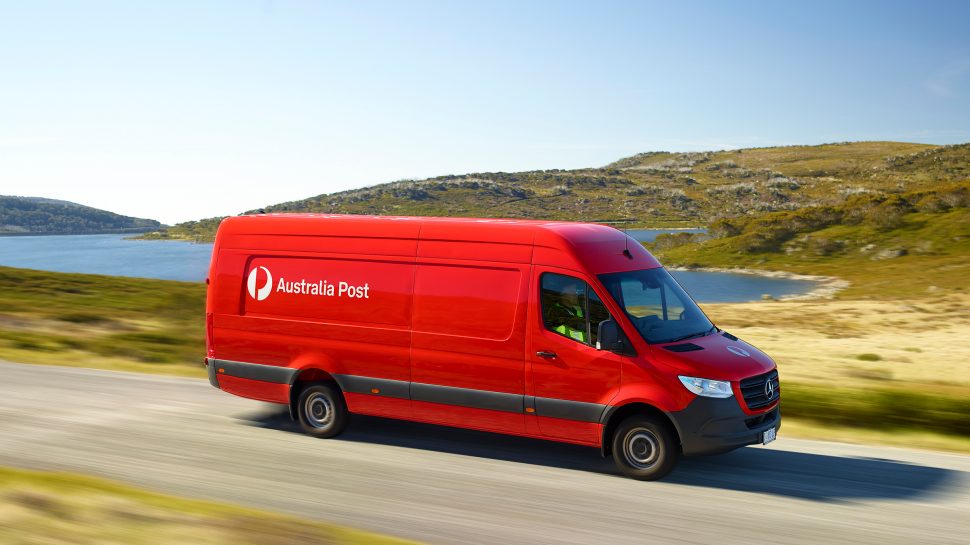
    Australia Post has announced its group revenue of $7.499 million, a new record up seven percent, and a profit before tax of $53.6 million. The Group credits its revenue was boosted by further eCommerce growth during COVID-19.

    Growth in e-commerce has been a strong driver behind Australia’s Post 2020 financial result that was released on Thursday, August 27.

    While total revenue grew by more than $500 million during the period, boosted by a boom in e-commerce, growing losses in the letters business and increased network costs resulted in a profit before tax result up only $13 million compared to FY19.

    Australia Post’s parcel and services revenue at $5.503 million was up 15 percent, adding $729 million to the full-year result, highlighting that 73 percent of total revenue is now generated from highly competitive markets.

    Domestic Australia Post branded parcels rose 25 percent to $2,456 million. In the second half of the year parcel revenues were boosted by the continued growth of eCommerce as consumer demand grew as families adapted to lockdown restrictions and more businesses went online as their physical stores hibernated.

    Costs increased over the period by $477 million including higher operational network costs to support growth in parcels and AP Global, additional processing facilities and chartered air freight to meet customer demands, as well as personal protective equipment for workers.

    Australia Post Group Chief Executive Officer and Managing Director Christine Holgate said the result highlighted the critical need for temporary regulatory relief announced by the Federal Government in April this year, as the business quickly adapts to changes in consumer behavior accelerated by COVID-19.

    “We understand the important role our Posties and Post Offices play in serving Australia.  Protecting their roles, whilst meeting new community and business expectations, is critical as our business adapts to significant market changes,” Christine stated.

    “And while the growth in eCommerce has been a strong driver behind this year’s financial result, we have had to make changes to ensure our workforce and network can operate as efficiently and safely as possible.”

    Christine said the pandemic has also severely impacted the Group’s ability to deliver across the country on time.

    “We had to make temporary changes, including new parcel pop-up facilities and chartering planes for air freight, to continue to serve the country during what has been a very uncertain year,” she said.

    Letter revenues were $2.0 billion for the period, down $220 million or 10 percent for the full year.

    “Although traditional services such as letters, passports and Billpay fell in the period, due to travel restrictions and as businesses switched to digital communications, parcel revenues grew and have become their most important income source.  Over-the-counter parcel transactions have increased as people looked to send care packages and parcels to stay connected with loved ones through the COVID-19 crisis.”

    Christine said international business has been impacted by global conditions, due to a significant fall in air freight capacity to and from Australia, as well as many countries closing their borders in the second half of the financial year.

    “Although international letters and packets volumes were down 16 percent year on year, the strong performance of AP Global, our cross-border eCommerce business, saw revenue grow by $146 million to $225 million, ensuring our total international portfolio remained strong,” she said.

    Christine highlighted that domestically, the Group’s focus on investment in growing capacity in the parcels network has “served us well”.

    Australia Post opened the largest parcel processing facility in the Southern Hemisphere opening last October in Brisbane.

    “This facility, along with 16 temporary smaller sites, has ensured we were able to support small and large businesses in connecting them with their customers, proudly contributing $2.4 billion in eCommerce economic activity in the fourth quarter,” she said.

    “Of course, this result would not have been possible without the continued hard work and dedication of our people – particularly our posties, delivery drivers, parcel and mail processors, contact center and both corporate and licensed Post Offices teams. They continued to show up for work each and every day through uncertain times and worked hard to ensure the community had sustained access to essential goods and services.”

    The 2020 Annual Report will be tabled in Federal Parliament in October 2020.
  • Alphabet Owned Wing Has Over 100,000 Drone Deliveries In Two Years

    Alphabet Owned Wing Has Over 100,000 Drone Deliveries In Two Years

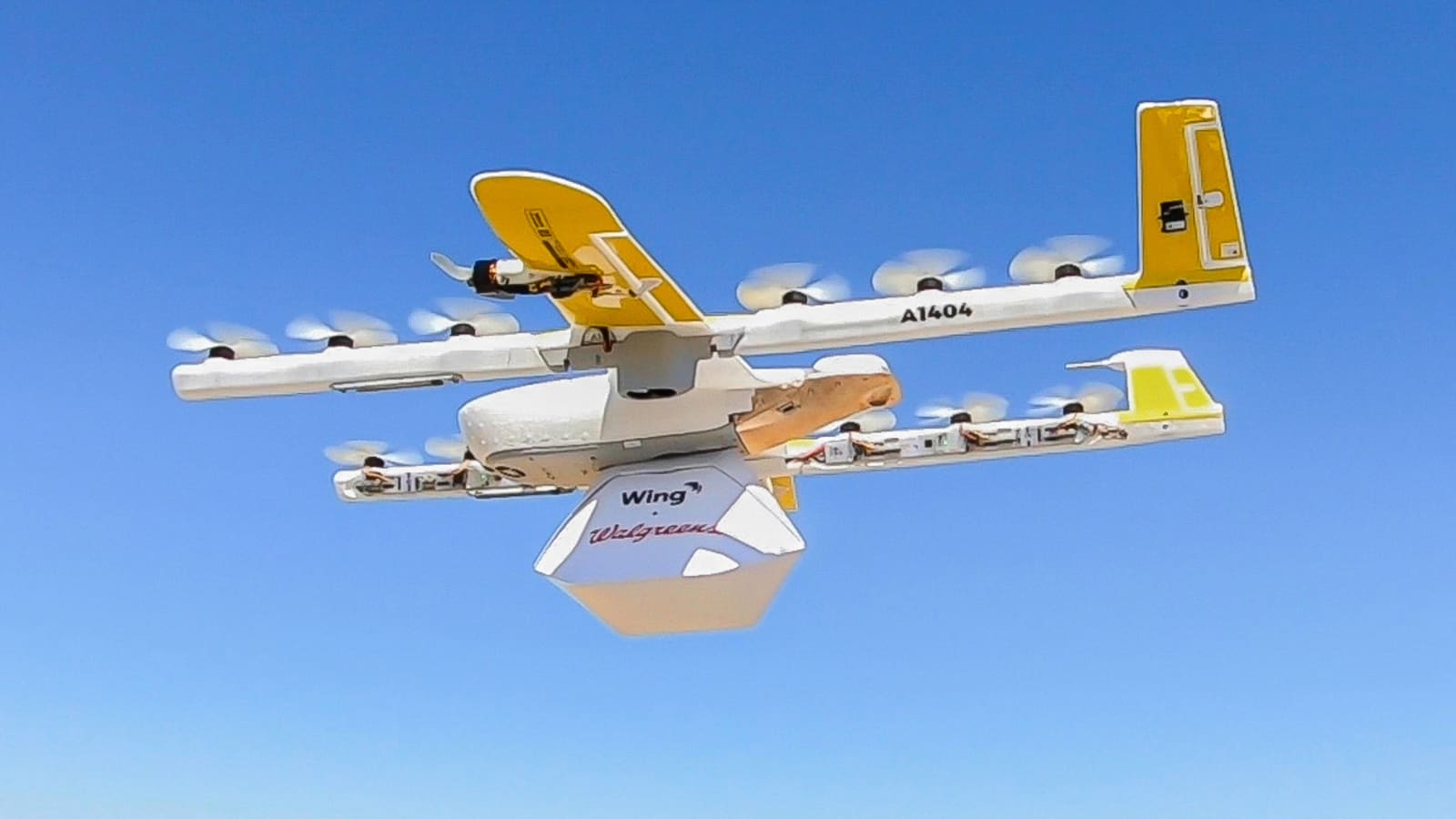
    Alphabet-owned Wing has said that it will hit a landmark of 100,000 drone deliveries over the weekend. This news comes after two years of the launch of service in the Australian city of Logan which only has 300,000 people. This is happening at a time where there are reports stating that Amazon’s plans of drone deliveries are collapsing. Wing has said that it will be entering new markets in the coming months.

    “I think we’ll expand quite a bit. I think we’ll launch new services in Australia, Finland and the United States in the next six months. The capabilities of the technology are probably ahead of the regulatory permissions right now,” said Jonathan Bass, the comms head at Wing.

    Of all the deliveries more than half were completed in Logan itself in the last eight months. In the first week of August customers have placed orders for over 4,500 deliveries that works out to be one order every 30 seconds during its delivery window. Over 10,000 cups of coffee have been ordered, alongside 1,700 children’s snack packs, 1,200 hot chooks, 2,700 sushi rolls, and 1,000 loaves of bread.

    These drones have a range of 9.6 kms as they are limited by the capacity of their batteries and larger batteries are not possible because that will inhibit their ability to fly. This means the short trips are ideal for food delivery which happens in a package that resembles a McDonalds happy meal. Batteries add weight but apart from that, even parcels add weight, so these drones cannot carry anything more than 1.36 kg. But the system works well with fragile objects like eggs which don’t break.

    The drones cruise at a height of 100 to 150 feet in the air and lower down to about 23 feet when they reach the destination. There is a tether that lowers the package to the ground which is unhooked. No person is required to receive the package, something that Amazon’s solution needed.

  • Lazada merges logistics divisions under new name

    Lazada merges logistics divisions under new name

    E-commerce player Lazada, which is now majority-owned by Alibaba, is confident that its expertise in Southeast Asian markets can counter the looming threat from Amazon’s much-anticipated entry into the region, a top executive said.

    Last year, TechCrunch reported that Amazon had planned to launch local e-commerce services in Singapore in the first quarter of 2017. But earlier this year, the news site cited sources and said Amazon’s much-anticipated entry was postponed.

    Aimone Ripa di Meana, co-founder and chief marketplace officer at Lazada, said the company’s on-the-ground knowledge about each of the six regional markets in which it operates, its logistics network, and the backing from Jack Ma’s Alibaba Group will be advantageous in the face of competition.

    “We feel very confident about what we’ve built so far — we have a very unique approach to business,” Meana said. “Having built teams that have been with us for a long time that function in a very organic way that knows the markets, know the complexities that are in each market, which can’t easily be replicated. I don’t think knowing how to do (business in) Singapore is in any way relevant to how you build your business in the Philippines or Indonesia.”

    He explained that the differences in each Southeast Asian market went beyond people and languages spoken. It involved things including the infrastructure set-up in each country to facilitate logistics and delivery, how the syntax of each local language affected the way search worked and also the behaviors of small and medium enterprises in listing their products and structuring their catalogs.

    But the region is still lucrative for e-commerce as millions of first-generation internet users embrace online shopping. A frequently cited study from Google and Singapore investment firm Temasek Holdings predicted the region’s internet economy to grow to $200 billion by 2025, driven mostly from growth in e-commerce. Meana said Alibaba’s investments into Lazada, and the speculation surrounding Amazon’s eventual push into the market, underscored the potential of the region.

    “We are in a market that is at the beginning of its curve,” said Meana. “While obviously the numbers are vast and exciting, I think the opportunities that lie ahead are much larger than anything that’s been built behind us.”

    To be sure, Amazon has aggressively invested in markets outside the U.S. to grow its stake. For example, reports in India said Amazon has invested more than $2 billion to-date to compete with local e-commerce players Flipkart and Snapdeal.

    Earlier this year Alibaba upped its stake in Lazada from 51 percent to about 83 percent, with over $2 billion invested into the company. Its affiliate Ant Financial, earlier this year, merged with Lazada’s helloPay platform to bolster payments processing capabilities.

    The backing allowed Lazada to move into Alibaba’s ecosystem and make use of all of the innovation and features for sellers on their platform, said Meana. Those include offerings like a business intelligence portal and new promotional features that allow sellers to create shop decorations in the same way they would’ve done for an offline business.

    To offer consumers more variety, Lazada launched its Taobao Collection store that curates and sells about 4 million products in English from Alibaba’s Taobao marketplace — which is inaccessible to many non-Chinese speaking consumers in Southeast Asia.

    Logistics operations, which Meana said is a key differentiator for Lazada, also benefit by tapping into Alibaba’s technology, processes and approaches to delivery. Currently, Lazada has about 100 logistics partners in the region and its operations are split into two areas of business: last-mile delivery and a control tower that coordinates the most effective means of delivering parcels from merchants to customers.

    “For a consumer or merchant, this is completely seamless. They don’t need to make decisions or choices — all that is done by us, and in turn what that means is, a number of players that were maybe too small to catch the trend, that weren’t able to enter e-commerce, are now being able to leverage our infrastructure and be part of this phenomenal growth that we’re seeing in e-commerce,” he said.

    Delivery speed is another way that many online retailers attempt to differentiate themselves. For a region like Southeast Asia, Meana explained that fast delivery was not always feasible. That is, cross-border e-commerce, a growing part of Lazada’s business, means consumers are more willing to wait for their parcels, he said.

    Ultimately, Meana said, it’s about maintaining a balance between being local and nimble — required for most online marketplaces — in multiple countries and having a regional structure to grow the business.

    “That’s clearly one of the great learnings of having built Lazada over the past five years — the interplay between having this regional structure and the economies of scale and scope to get there and then maintaining the nimbleness of the market,” he said.

    “It’s not an easy balance, but it’s something that we’ve invested a lot of time to get to and I don’t think it’s acquired or built in a day.”

  • Fees for transporting goods to HCMC nearly quadruple

    Fees for transporting goods to HCMC nearly quadruple

    Many HCMC residents have reported paying higher fees for transporting goods from their hometowns to the city compared to the pre-Covid period.

    Hoa in Ho Chi Minh City’s Go Vap District said that amid the city’s strict social distancing order, she had recently told relatives in the Central Highlands province of Kon Tum to send her a 15-kilo parcel of groceries including vegetables, meat and fish through an interprovincial coach company.

    The fee for transporting the parcel from Kon Tum to a coach station in HCMC was VND200,000 (nearly $8.77), instead of the typical VND50,000. On arrival, the coach company hired a shipper to transport the parcel to Hoa’s home for VND150,000, instead of VND50,000.

    An in HCMC’s Binh Thanh District said she had to pay total transport fees of VND600,000 for a 20-kilogram parcel sent from Kon Tum to her home in the city. “I have lived in HCMC for 10 years, and have never seen such high transport fees,” she said.

    Traders also have to pay higher fees to interprovincial coach firms. “Sometimes the value of goods is over VND1 million, but the transport fee is nearly half of that,” said Loan, a seafood trader in the central province of Phu Yen.

    Mai, a potato trader in the central highlands region, said transport fees for goods from the region to HCMC have surged four times to VND800,000 from VND200,000. There are fewer interprovincial coaches running between the region and HCMC, so coach firms have increased their fees, she explained.

    Tan Anh Coach Company in Kon Tum said passenger coaches are banned from running to HCMC, so lorries are used to transport goods with longer travel times and larger freights. “In the past, it took vehicles 10-12 hours to run from Kon Tum to HCMC. Now, it takes 18-20 hours. We have to cover Covid tests, and more expensive fuel,” the coach company revealed.

    Coach firms in other provinces, including Phu Yen and Khanh Hoa also said goods-transporting vehicles consume more fuel than passenger coaches.

    Meanwhile, shippers in HCMC explained that tightened social distancing, including travel restrictions, upped transport fees. “Each shipper is allowed to operate in a certain district, passing through many checkpoints,” Thanh from Go Vap District said.

    Ho Chi Minh City has recorded nearly 135,500 local Covid-19 cases since the fourth coronavirus wave hit Vietnam in late April. It is now the country’s pandemic epicenter.

  • Seaport, maritime transport firms more profitable

    Seaport, maritime transport firms more profitable

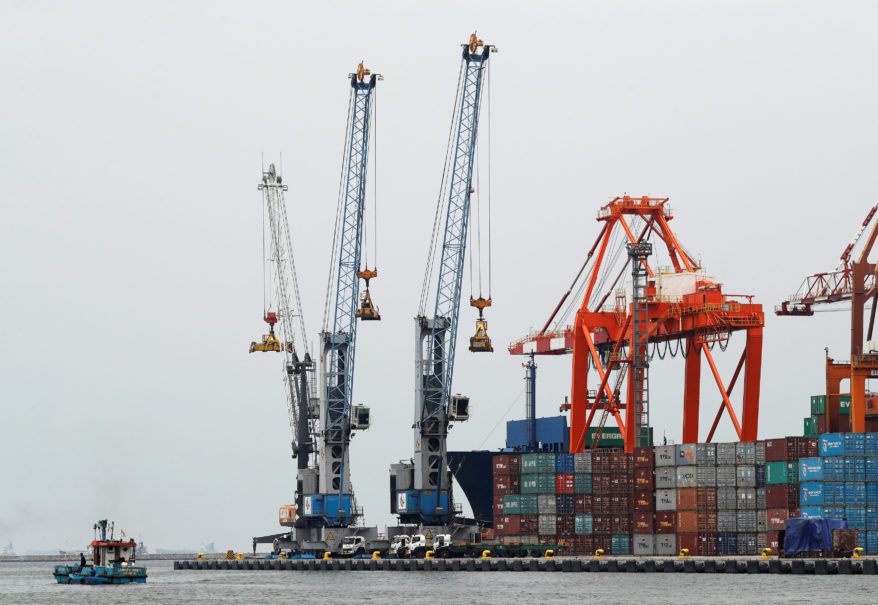
    Market recovery and larger freights helped Vietnamese seaport and maritime transport enterprises, both state-owned and private, gain bigger profits in the first half of this year.

    Vietnam National Shipping Lines (VIMC) made consolidated revenues of more than VND6.2 trillion (nearly $269.6 million), a 20 percent increase, and consolidated profits of over VND1.1 trillion, doubling against the same period last year.

    Meanwhile, net profits of HCMC-based Saigon Port JSC surged 155 percent year-on-year. The company currently runs many ports in the city, including Tan Thuan, Tan Thuan 2, Nha Rong, Khanh Hoi and Sai Gon-Hiep Phuoc.

    Dong Nai Port JSC in the southern province of Dong Nai saw revenues and profits increase 38 percent and 35 percent, respectively between January and June.

    Profits of Cam Ranh Port JSC in the central province of Khanh Hoa, and of Quy Nhon Port JSC in the central province of Binh Dinh surged 118 percent and 93 percent, respectively.

    Gemadept Corporation’s management board estimated its first-half revenues at over VND1.4 trillion, up 19 percent, and pre-tax profits of some VND390 billion, up 38 percent. The firm owns four ports in the northern region, one port in the central area and three ports in the south. It plans to increase its share in the Vietnamese port market from 11 percent in 2020 to 19 percent in 2021, and 23 percent in 2025.

    Like seaport operators, maritime transport service providers turned profits in the first half of this year, mainly thanks to market recovery and larger freights.

    Maritime transport units of VIMC started making profits after a long period of losses. Vietnam Ocean Shipping JSC (Vosco), which suffered losses of nearly VND120 billion in the first half of last year, recorded after-tax profits of more than VND220 billion in the first half of this year, the highest since 2009.

    Meanwhile, Hai An Transport and Stevedoring JSC, has been estimated to see pre-tax profits in the first half of this year more than double.

    According to VIMC, the quick recovery of Chinese, U.S. and European economies amid Covid-19 outbreaks led to bigger demand for goods and materials, positively affecting the international sea transport market.

    Data from the General Statistics Office showed Vietnam’s import-export turnover stood at nearly $320 billion in the first half of this year, increasing over 32 percent against the same period last year. The volume of goods through seaports surged, with container outputs rising 24 percent.

    In early July, Drewry World Container Index (for container freight) stood at $8,399, surging 346 percent against the same period last year.

    According to the Vietnam Association of Seafood Exporters and Processors, at some ports, freight in mid-2021 doubled that of late 2020 and rose nearly six times against early 2020.

  • Foreign shipping lines impose irrational fees

    Foreign shipping lines impose irrational fees

    Foreign shipping lines have irrationally imposed several fees and created headaches for domestic exporters, an inspection team has concluded.

    The Vietnam Marine Administration has reported the findings to the Transport Ministry.

    The inspection team studied the practices of 10 foreign shipping lines – MSC, OOCL, CMA – CGM, Hapag – Lloyd, ONE, Evergreen, HMM, Maersk Lines, and Yangming – between March and May after they rampantly increased freights and surcharges.

    According to the administration, sea freight started to surge in October 2020, especially on routes to Europe and North America. In April 2021, the freight for a 40-foot container from Vietnam to Europe was $6,500-8,000, and for a 20-foot container to America, $6,000-7,000; an increase of 5-7 times over late last year.

    The key reason for the hike was China’s economic recovery after being hard hit by Covid-19. A large number of empty containers were booked by China, resulting in reduced supply and increased demand, and in turn, higher freight.

    The shipping team found that the shipping lines listed freight on their websites but did not display the time of listing, so it was impossible to know when those came into force. The shipping firms even applied floating freights for small customers without long-term contracts.

    In addition to increasing freights, the shipping lines applied 3-5 surcharges for goods loading and unloading, container cleaning, documentation and lead sealing. Up to 9 shipping firms imposed loading and uploading surcharges of $100-170 per container. Some firms applied feels like petrol surcharges infrequently.

    The team said the shipping lines imposed surcharges without agreements with customers, and without explaining the reason or announcing a time frame it.

    The firms also applied a Verified Gross Mass (VGM) fee of $30-50, but they did not have to pay it the inspection time found.

    It is difficult to monitor surcharges because shipping lines do not have to declare these to agencies.

    “Shipping lines decide freights and surcharges themselves. Small and seasonal Vietnamese customers have no plans to sign long-term shipment contracts, so they face many risks amid volatile markets,” the inspection report said.

    Shipping lines do not have to register transport routes, so they are free to add or remove ships from them, which poses a risk to local exporters.

    The administration has proposed the Finance Ministry to consider amending regulations on freights and surcharges of shipping lines imposed at Vietnamese ports. It has also proposed the Transport Ministry to issue new regulations on registering transport routes, schedules and cargo volumes in Vietnam to prevent shipping lines from unilaterally delaying or quitting voyages, or canceling space bookings, and increasing punishments for freight listing violations.

    Some 40 shipping lines frequently operate in Vietnam, securing a lion’s share of 95 percent of the country’s import-export transport. Vietnamese shipping firms have not been able to run routes to Europe and North America.

    Nine shipping lines inspected by the teams currently run routes from Lach Huyen Seaport in the northern city of Hai Phong and from Cai Mep-Thi Vai Seaport in the southern province of Ba Ria Vung Tau to Europe with 2 voyages a week, and 18 voyages to North America.

    Foreign shipping lines typically have representatives in Vietnam in the form of wholly foreign-owned enterprises.

  • Kerry Logistics recognised as “Most Honoured Company” for sixth year in a row

    Kerry Logistics recognised as “Most Honoured Company” for sixth year in a row

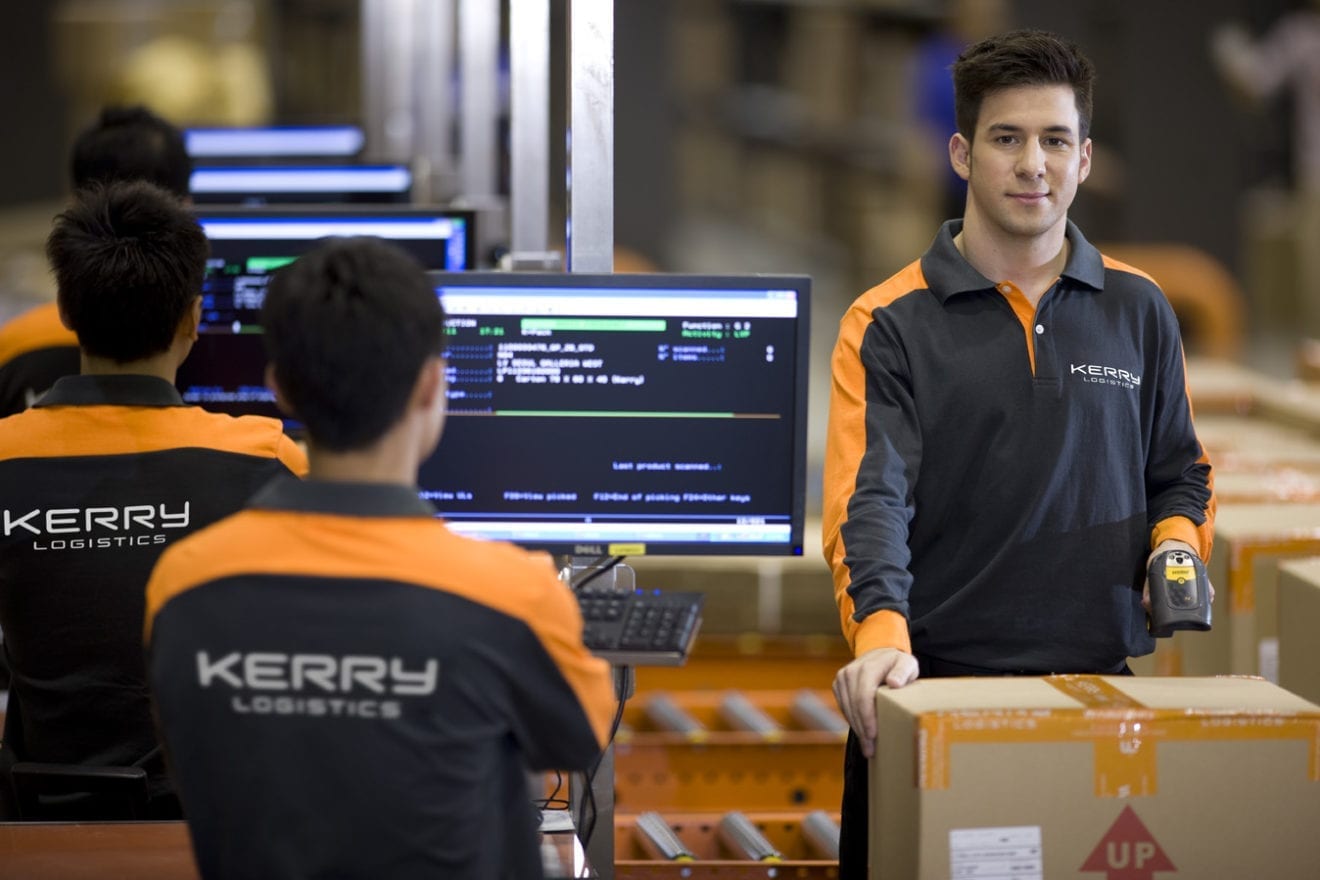
    Kerry Logistics Network Limited (‘Kerry Logistics Network’; Stock Code 0636.HK) is honoured to be recognised as one of the “Most Honored Companies” in Institutional Investor’s annual All-Asia (ex-Japan) Executive Team rankings for the sixth consecutive year. It was also ranked in the top three in five categories under the Transportation sector.

    Kerry Logistics Network and its key executives secured top three in the following categories, based on votes from buy-side analysts, money managers, and sell-side researchers at securities firms and financial institutions that cover the Asian region:

    • Best CEO – William Ma
    • Best CFO – Ellis Cheng
    • Best Investor Relations Professional – Iris Tsang
    • Best Investor Relations Program
    • Best ESG

    William Ma, Group Managing Director of Kerry Logistics Network, said, “We are honoured to be recognised once again for our commitment to a proactive investor relations strategy. While it has been imperative to respond to the challenges brought by the pandemic, in terms of investor relations, we have remained steadfast in maintaining our transparency, stepping up communication with the investment community and addressing investors’ concerns. Despite all the difficulties, we believe it is of paramount importance for us to keep our shareholders and investors up to date, particularly on Kerry Logistics Network’s latest corporate developments, while providing comprehensive disclosure to our stakeholders to ensure we create value for all. We are grateful to Institutional Investor and the investment community for the long-term support, and we will continue doing our best in applying global best practices in our investor relations programme.”

    Kerry Logistics has received the “Most Honored Companies” accolade since 2016. The 2021 All-Asia (ex-Japan) Executive Team rankings were determined by the votes from over 4,000 investment professionals across 1,285 financial services firms. The survey covered several core areas, including “Financial Disclosure”, “IR Services & Communications”, “COVID-19 responses”, “ESG”, “CEO”, “CFO” and “IR Professional”.

  • AirAsia to add first dedicated freighter in 3Q21

    AirAsia to add first dedicated freighter in 3Q21

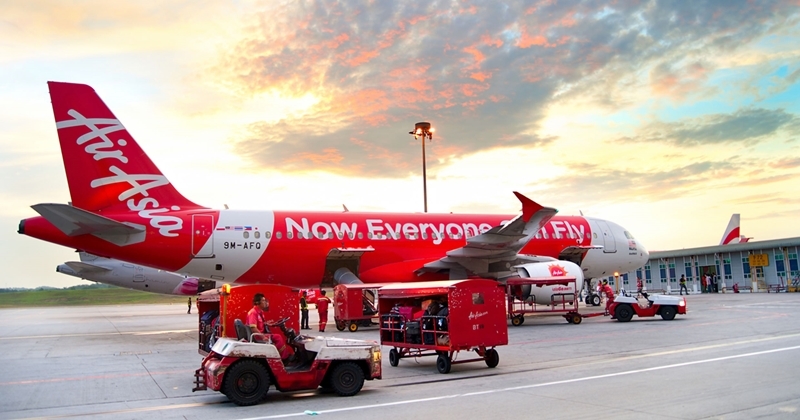
    AirAsia Group has announced it would significantly expand its presence on the cargo market with the planned addition of its first dedicated freighter, a B737-800(F), in the third quarter of 2021.

    The Boeing dedicated freighter will be based out of Bangkok Suvarnabhumi from where it will operate on behalf of Air Asia’s logistics arm, Teleport, to regional destinations in South-East Asia, India, Korea, Japan, Taiwan, China, and Hong Kong Int’l. The group did not disclose the identity or the exact variant of the aircraft. It also did not specify the Air Operator’s Certificate (AOC) on which the aircraft would be placed. ch-aviation has reached out to the group for comment.

    “It was evident at the end of last year that the demand for cargo capacity was not going to be served with passenger belly capacity alone in the long run. So, we evaluated the option to utilize dedicated freighters to transport cargo. This is also part of our strategy to build the capacity and connectivity to offer 24 hours door-to-door delivery across all of Southeast Asia,” Teleport’s Chief Operating Officer Adrian Loretz said.

    Teleport’s spokesperson Jessica Tan told ch-aviation that the aircraft will be operated by a third-party cargo airline on behalf of the logistics arm of AirAsia Group and not by any of AirAsia-branded airlines. She did not, however, disclose the identity of the operator just yet.

    The group will also remove seats from two A320-200s to use them as makeshift freighters on behalf of Teleport. One of the pair of Airbus narrowbodies will be based out of Bangkok Don Mueang and the other out of Kuala Lumpur Int’l.

    The first dedicated freighter and the two makeshift converted aircraft will complement the existing fleet of non-converted passenger aircraft used by AirAsia Group for Teleport’s operations. The holding said that last month, it had operated two A320-200s and six A330-300s for cargo-only flights on behalf of its in-house logistics arm.

  • New cargo airline to advance Vietnam logistics

    New cargo airline to advance Vietnam logistics

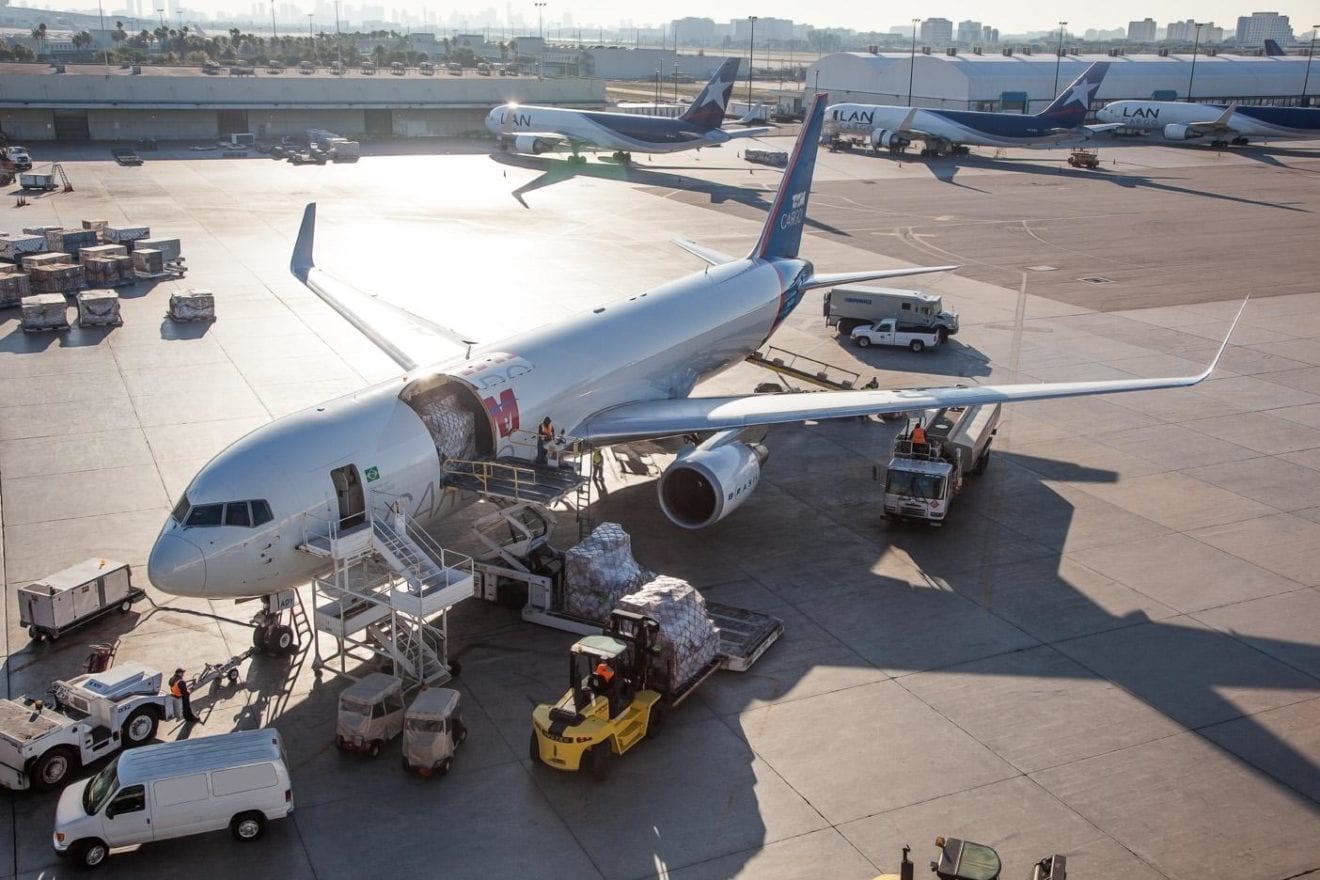
    A fully-fledged cargo airline in Vietnam would boost logistics development and stir up competition in the aviation sector amid an e-commerce boom, experts say.

    “Vietnam needs a cargo airline to boost the transport of goods domestically and internationally. It will bring about many economic benefits,” said aviation expert Nguyen Thien Thong.

    He was commenting on a proposal by retail company Imex Pan Pacific Group (IPPG) to establish a cargo airline by next year, the first fully-fledged such company in Vietnam.

    With an initial investment of VND2.4 trillion ($103.6 million), IPP Air Cargo will start with five freighters. It estimates revenues of $71 million in the first year of operation.

    It would be the only cargo-dedicated airline in Vietnam, where all six carriers prioritize passenger transport.

    Vietnam ranks eighth among the top 10 emerging logistics markets globally, but 80 percent of the market is in the hands of foreign companies, according to the Vietnam Logistics Association.

    Logistics costs in Vietnam account for over 20 percent of its GDP, while the global average is 11 percent.

    This shows that there is a need for domestic companies to step up and take over the industry from foreign companies and reduce costs, experts say.

    Former Prime Minister Nguyen Xuan Phuc had in September last year ordered the Ministry of Transport to research the possibility of establishing a cargo airline to help distribute agriculture and electronic goods.

    In 2008, Trai Thien Air Cargo had received a permit for domestic and international transport, but it was not active for three years and the permit was canceled in 2011.

    IPP Air Cargo seeks to be the cargo airline the country needs. IPPG chairman Johnathan Hanh Nguyen said that the company will focus exclusively on cargo and not branch into passenger transport, avoiding competition with other airlines.

    Nguyen, a professional with experience in logistics and aviation, said he targets claiming 38 percent of Vietnam’s logistics market.

    The company will negotiate with foreign airlines to establish linked routes to 16 airports in Vietnam which will help transport goods directly from localities of origin instead of through big airports, he said.

    He also told the Thanh Nien newspaper that he had been developing a logistics network over the past year to prepare for the airline.

    However, his airline will not be the only cargo carrier in the sky. Vietnam Airlines has long been eyeing the establishment of its own cargo fleet, and during the pandemic, it removed seats from 12 wide-bodied aircraft and converted them into cargo carriers.

    Both Bamboo Airways and Vietjet have also mentioned plans to develop their own cargo fleet, but neither has made any concrete move towards this.

    Tong said that there could be competition in the industry, but eventually, it will benefit the development of e-commerce when a network of air cargo transport is established.

    “Coffee from the central highlands, lychee from the northern province of Bac Giang and seafood from the Mekong Delta region can be transported within a day to any locality if cargo air routes existed,” he said.

    Having a cargo airline is a necessity as most countries have at least one, and the recent boom in e-commerce means there is high demand for such transportation. This is the right time, therefore, for Vietnam to establish its own cargo airline, he added.

  • E-commerce boom triggers cold storage shortage

    E-commerce boom triggers cold storage shortage

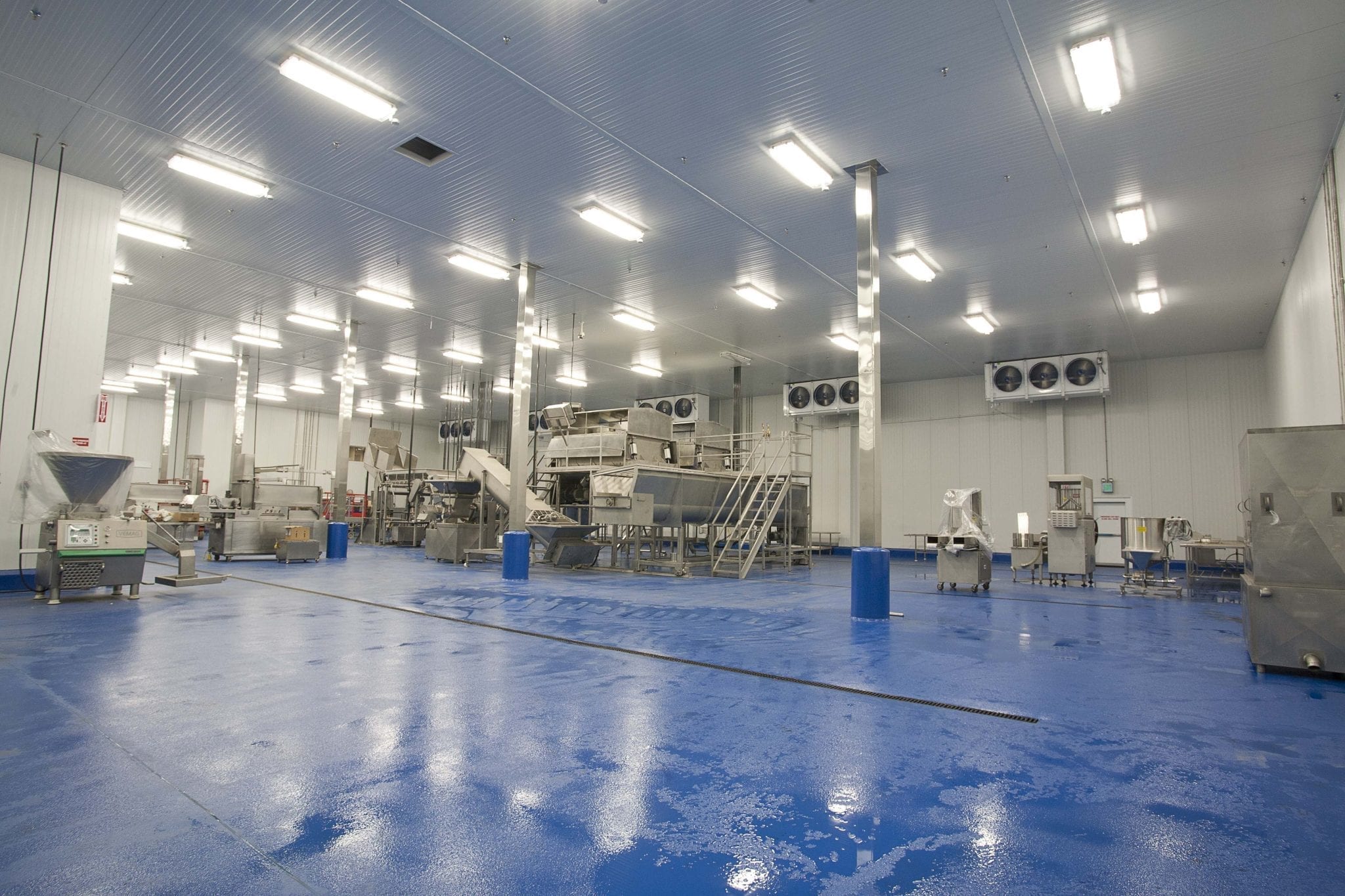
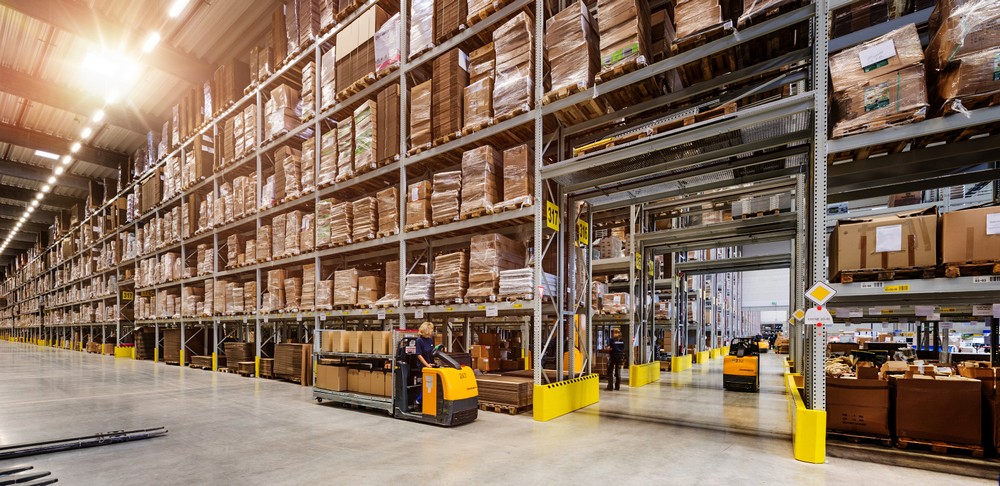
    Vietnam is facing a shortage of cold storage facilities as demand for fresh food preservation rises with the ongoing e-commerce boom.

    The nation’s cold storage facilities had to operate at maximum capacity during the Covid-19 period last year after 30-50 percent of seafood orders were canceled, said Trang Bui, head of markets at real estate consultancy JLL Vietnam.

    Vietnam is the world’s third-largest seafood exporter.

    The country’s cold storage facilities are mostly located in the southern region because of the large demand there, and 60 percent of the market share is owned by foreign investors, according to JLL.

    One reason for the limited supply of such facilities is that their construction takes more time and costs more than that of other asset types.

    A cold storage investment is two to three times that of a normal storage facility and construction takes up to six months longer.

    The leasing period for such facilities typically ranges from 15-20 years, which makes supply even lower, Trang said.

    Michael Ignatiadis, JLL Asia Pacific’s head of supply chain and logistics solutions, said the fast-expanding middle class in Asian countries is pushing up demand for fresh food delivery and therefore the need for cold storage.

    Demand for grocery deliveries is set to rise 30 percent annually in the Asia Pacific region until 2024, according to market research company Forrester.

    Despite the surging demand there are very few companies participating in Vietnam’s cold storage market, and none has provided a complete supply chain, Trang said.

    “As Vietnam’s cold supply chain is decentralized and mostly operated by small and medium suppliers, cold storage facilities are major investment opportunities,” he added.

  • High costs a drag on domestic logistics industry

    High costs a drag on domestic logistics industry

    High costs and delivery failure rates continue to plague local logistics companies, which are unable to compete with foreign-owned rivals.

    Dao Trong Khoa, vice president of the Vietnam Logistics Business Association (VLBA), said the cost of logistics in Vietnam is equivalent to 20 percent of GDP while the global average is around 11 percent.

    The delivery failure rate is around 10 percent, adding to the cost of logistics as businesses have to bear additional expenses for storage and inventory management.

    The vast majority of domestic logistic companies are small ones that primarily provide low-value-added services and intensely compete among themselves.

    The lack of coordination among them means they are unable to compete with multinational companies, who have grabbed an 80 percent market share.

    Deputy Minister of Industry and Trade Tran Quoc Khanh said local logistics companies have to find new spaces to grow.

    Tran Trung Hung, general director of Viettel Post, warned they would continue to languish if there is no technical innovation, especially in digital transformation.

    Do Huy Binh, director of the digital solutions provider Smartlock, said digital transformation is key to reducing costs, and logistics companies could cut up to 30 percent of their costs. “Investment in technology is a no-brainer for logistics companies; it is a step into the future.”

    According to the VLBA, there are around 30,000 logistics companies in the country, 4,000 of them foreign-owned.

    The industry is growing at 12-14 percent annually and is now worth $40-42 billion.

  • Rhenus Logistics opens free zone warehouse in Bangkok

    Rhenus Logistics opens free zone warehouse in Bangkok

    Global logistics service provider Rhenus Logistics has opened a new free zone warehouse in Bangkok, Thailand, as it aims to serve a wider range of industries.

    The warehouse is strategically located within a 10-kilometre radius of three existing warehouses that house general cargo and dangerous goods.

    Rhenus says the facility, located within Bangkok’s free trade zone, will offer a wider range of services to key industries like manufacturing, medical devices and healthcare, whilst offering better value for customers, including duty exemptions.

    “The warehouse provides added convenience to customers who conduct business in the nearby Bangkok metropolitan city, with its close proximity to key freight hubs at Suvarnabhumi Airport and Thailand’s major sea ports,” the company said.

    Rhenus noted that the facility features its latest in-house technology and an ecofriendly design. Customers in electronics and medical devices with specific storage requirements can safely and securely tap on its 450-sqm temperature and dust-free controlled room, ambient storage facilities and the anti-static testing room.

    The warehouse supports pallet storage for standard cargo and block space for oversized cargo up to 3 tonnes, offers flexible in-transit capacity for large shipments, with comprehensive 24-hour security measures within and around the facility.

    “With its strategic proximity to the Bangkok Free Trade Zone, we hope to better support evolving warehousing needs by providing more space options, improving quality and all while reducing operational costs for our customers,” said Tim Burger, director warehousing and transport, Rhenus Logistics Thailand.

  • Suez blockage threatens Vietnam trade with Europe, US

    Suez blockage threatens Vietnam trade with Europe, US

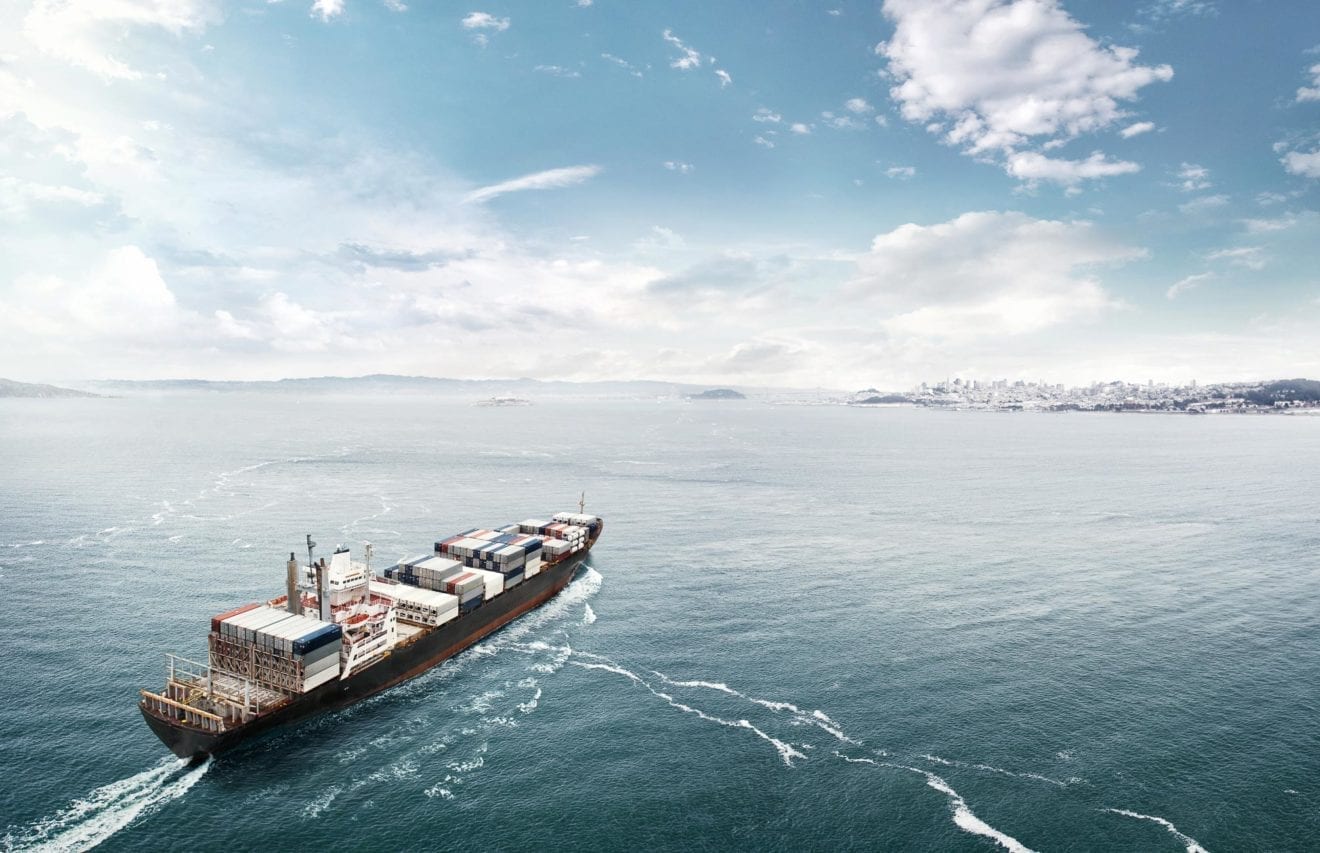
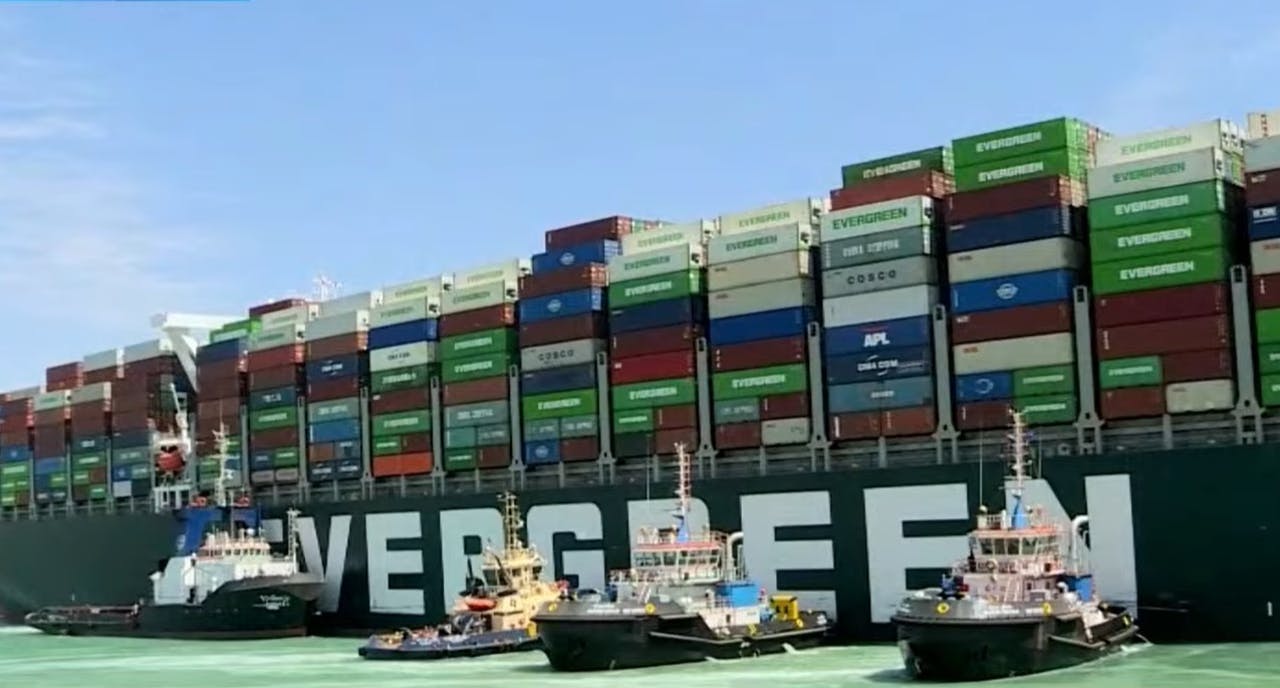
    The Suez Canal blockage caused by the Taiwanese container vessel Ever Given is threatening to delay some of Vietnamese exports and imports.

    The longer it lasts the more losses Vietnamese seafood exporters would suffer since they are the one in charge of shipping seafood to their partners, according to Truong Dinh Hoe, general secretary of the Vietnam Association of Seafood Exporters and Producers (VASEP).

    “Vietnam and many other countries are short of containers for exports and face surging freight rates. The Suez blockage could make freights rise even higher, putting Vietnam’s seafood export firms in difficulty,” he told local media.

    The blockage would temporarily increase Vietnamese exports’ transportation time to the U.S. and Europe by at least one to two weeks since ships have to go around the southern tip of Africa.

    Maersk, a Danish shipping company, said it has three vessels stuck in the canal and 27 others waiting to enter, with two more expected to reach the site on March 28.

    The company has decided not to wait for Ever Given to be extracted and instead redirected its vessels around the Cape of Good Hope, adding 10-14 days to their itinerary to U.S. ports.

    “In Vietnam, shipping route TP17 from the Cai Mep-Thi Vai Port in the southern province of Ba Ria-Vung Tau to the U.S’s east coast, which goes through the Suez Canal, is affected,” a spokesperson for a Vietnamese logistics firm said.

    Multinational electronics companies in Vietnam will be affected if the blockage prolongs since it will delay imports of components.

    Tran Thanh Hai, deputy director of the Agency of Foreign Trade, said the impact of the blockage on Vietnam-Europe trade would depend on the time it takes to dislodge the ship.

    The Ministry of Industry and Trade has instructed Vietnam’s trade office in Egypt to keep it updated on the extrication of the ship.

    On March 23 Ever Given ran aground in one of the world’s busiest waterways. According to the Suez Canal Authority, the ship was unable to keep a straight trajectory due to high winds and a sandstorm that reduced visibility.

    In the morning of March 29, Ever Given was wrenched from the shoreline and set partially afloat again after six days in the ground, according to Inchcape, a British provider of marine services.

  • Kerry Logistics Network posts 30% growth in revenue core net profit increased by 33%

    Kerry Logistics Network posts 30% growth in revenue core net profit increased by 33%

    William MA, Group Managing Director of KLN Group, said, “The COVID-19 pandemic has brought unprecedented challenges to everything from global public health to people’s livelihoods. The stop-and-go momentum of the global economy has caused severe disruption to the global supply chain. With human mobility severely curtailed, the role of logistics has become ever more paramount. Every link in the supply chain from sourcing and manufacturing to the distribution of finished products must still be maintained. Even as the pandemic forced millions of corporate employees around the world to work from home, our teams have been working tirelessly on the frontline, maintaining 24/7 services across some 150 international hubs to support various industries and sustain people’s daily lives. In 2020, thanks to the collective efforts of our colleagues and business partners, KLN Group achieved record growth in both revenue and core net profit, clearly demonstrating the Group’s resilience and capability to evolve through the pandemic.”

    IL Growth Sustained

    KLN Group’s IL division recorded a normalised segment profit growth of 8% in 2020, mainly driven by the strong performance in Hong Kong and Taiwan.

    In Hong Kong, the IL division grew by 10% in 2020, benefitting from the rise in demand for home-delivered daily necessities, electronic goods and pharmaceutical logistics. The Hong Kong warehouse business contracted in 2020 compared with 2019 mainly due to the disposal of two warehouses in 2019 1H.

    In Mainland China, the segment profit for the IL division bounced back in 2020 2H, offsetting the 37% drop in 2020 1H. This was due to the resumption of manufacturing activities, recovery of local consumption and the rapid growth of the e-commerce market in Mainland China.

    In Taiwan, the IL business expanded by 19% year-on-year in segment profit, capitalising on the growth of semi-conductors and electronics manufacturing, the increasing demand in pharmaceutical logistics as well as the rise in e-commerce business. The robust performance of Science Park Logistics’ bonded operations was another driver for its growth.

    In Asia, the IL business sustained despite severe lockdowns across the region, driven by the switch from consumer goods business to the essential supply sectors. The Group expanded its express business to the Philippines through the establishment of a joint venture company in 2021 Q1 in which the Group has a 51% interest.

    IFF Thrived

    The IFF division was the powerhouse of KLN Group’s business in 2020, accounting for 28% of the total segment profit, with its segment profit for the full year increasing by 64% year-on-year compared to a 40% growth in 2020 1H. The growth was mainly driven by a high global demand for pandemic-related goods as well as production and exports from Mainland China. It created the favourable conditions for the Group to capture opportunities from the unprecedented volatile global freight market, in terms of rates, capacity and equipment availability.

    Kerry Apex recorded an increase in volume of 17%, strengthening its Trans-Pacific market position. It was the number one NVOCC from Thailand, Vietnam, Indonesia and Malaysia to the US, the number two NVOCC from Asia to the US for 2020.

    Facility Portfolio Updates

    In Mainland China, the 340,000-sq-ft chemical logistics centre in Cangzhou commenced operation in 2021 Q1. Construction of the 827,000-sq-ft logistics centre in Qingdao is expected to complete in 2021 Q2. The 1,043,000-sq-ft logistics centre in Guangzhou, the 305,000-sq-ft chemical logistics facility in Zhangjiagang, the 

    644,000-sq-ft hub and logistics centre in Zhuhai and the 545,000-sq-ft bonded logistics centre in Hainan are expected to complete construction in 2022.

    Proposed Strategic Investment from S.F. Holding

    On 10 February 2021, a Joint Announcement was made amongst S.F. Holding (acting through its wholly-owned subsidiary), the Company and Kerry Properties Limited, a Controlling Shareholder and substantial shareholder of the Company. Pursuant to the Joint Announcement, S.F. Holding will make a voluntary conditional cash offer to shareholders to acquire a controlling stake in the equity interest of the Company. The proposed transaction is subject to satisfaction of certain pre-conditions. These pre-conditions include certain inter-conditional special deals, including the disposals of certain Hong Kong warehouses and the Company’s Taiwan businesses, being entered by the Company with Kerry Holdings Limited, the substantial shareholder of the Company. If the proposed transaction does not proceed, these special deals also will not proceed.

    William Ma concluded, “Scale and technological advances are crucial for any company in this industry to retain its competitiveness over its peers and drive changes in the global logistics arena. To this end, the proposed strategic cooperation with S.F. Holding will scale up KLN Group, extending its reach and enhancing its R&D capabilities. The Group’s performance in 2020 stands as testament to the capability in devising creative and efficient logistics solutions, which were in high demand when the global supply and logistics infrastructure suffered damage. KLN Group is prepared to seize any opportunity that may arise, as well as to enhance its value for stakeholders.”