Tag: Lotte

  • Chinese officials close Lotte Group stores amid political issue

    Chinese officials close Lotte Group stores amid political issue

    Following inspections, Chinese authorities have closed nearly two dozen Lotte Group stores.

    Lotte says that 23 of its supermarkets in its biggest overseas market have been shuttered, reaching from Dandong on the North Korean border to the east coast and southern Changzhou.

    Workers at three stores say the closures are temporary and fire-safety related. Its its Sina Weibo microblog, the Anhui fire department says it temporarily shut two Lotte Mart stores because of fire risks, part of a broader regional sweep over the past month that had led to the closure of 30 stores belonging to a range of companies including Lotte.

    However, the Lotte closures follow a series of incidents affecting South Korean companies in China, including cyber attacks and a ban on sales of travel tours to South Korea, Reuters reports. Lotte Mart had 115 stores in China as of January, its biggest overseas market, and had group sales there of more than 3 trillion won (US$2.6 billion) in 2015.

    Problems started for Lotte after it approved a land swap outside Seoul last month so South Korea could install a defence system in response to missile threat from North Korea.

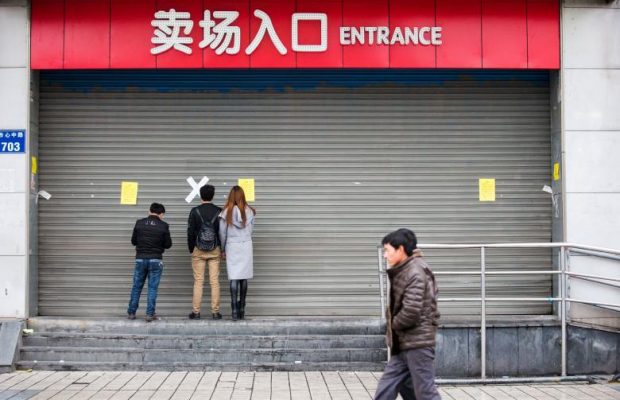
    Meanwhile, photos and videos are circulating on Chinese social media of protests outside Lotte stores, while others show Lotte outlets with their steel grates pulled shut. Outside one store, a red banner reads: “South Korea’s Lotte has declared war on China … Get the hell out of China”.

    Lotte Duty Free is back online after a cyber attack last week from Chinese IP addresses crashed its website, and the group is seeking help from the South Korean government regarding the issues it is facing in China, where it employs about 20,000 people – a third of its overseas staff.

  • Closing shop on China’s e-commerce platforms

    Closing shop on China’s e-commerce platforms

    The closures of a number of retail and luxury brand giants on China’s e-commerce platforms indicate that retail competition is no less fierce online than offline.

    It is old news that the Chinese market is highly competitive and unlike any other market in the world. What may sell on the high street in London is not guaranteed to sell in China. The rainbow-lensed promises of e-commerce seem to be an easy way to access China’s 770.4 million working population, 0.2 per cent or over 1.5 million of which have an average income of US$500,000.

    Political concerns and falling sales: Lotte

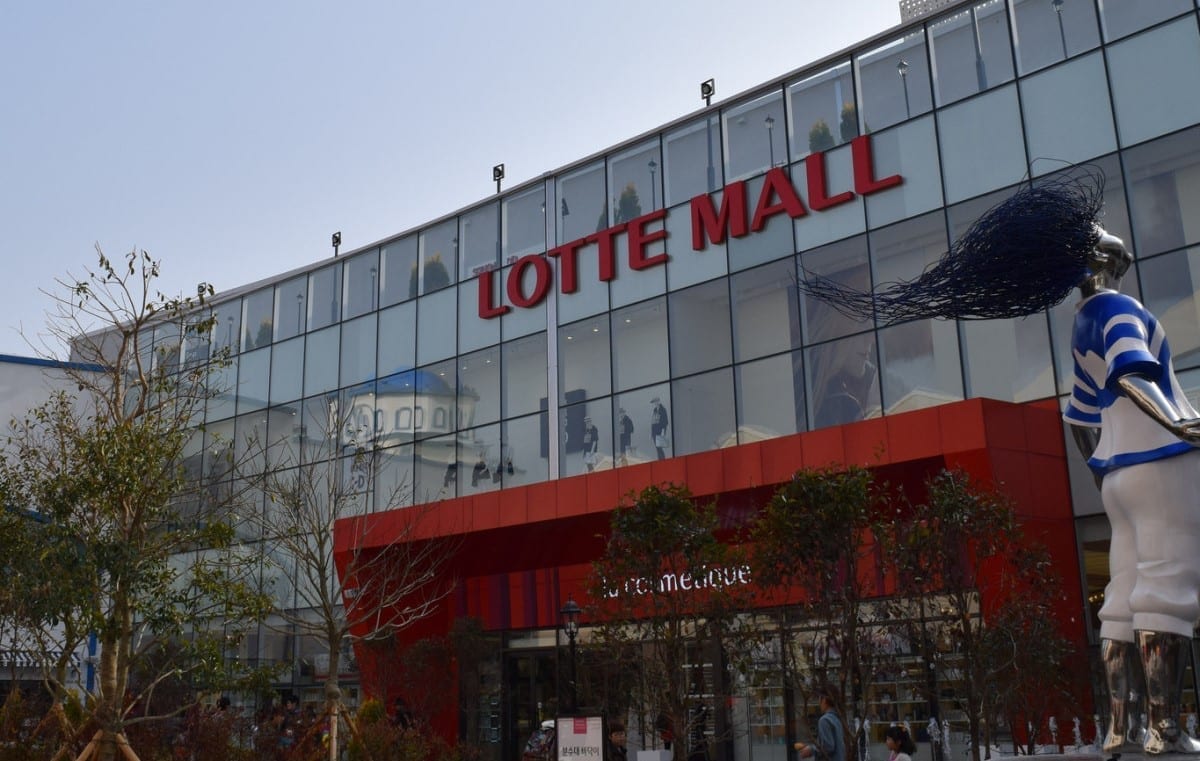
    In 2015, Lotte Group Retail opened a Tmall store, hoping to widen its reach in China, where over 60 per cent of its overseas stores are located. The large South Korean multinational conglomerate has had a presence in China for over 20 years, with 115 supermarkets and five shopping malls.

    But on January 12 this year, Lotte closed its Tmall store – along with three brick-and-mortar stores in Beijing – after rising political tension between China and South Korea. In December, Lotte’s China headquarters admitted that the company was facing investigations for tax, fire control and safety issues. However, the closure of its Tmall store seems to have stemmed also from the fact that China is Lotte’s only international market where growth is stymying. Sales fell during the last three months of 2016, year-on-year.

    While Lotte remains in the market through its physical shopping malls and supermarkets, and on the JD.com website, the company has not announced whether it will be reopening its Tmall store at any future date.

    Heavy local competition: Asos

    Asos, the UK’s largest online fashion retailer, entered China in 2013 with high expectations. The company announced it was investing RMB 100 million (US$14.5 million) towards the market, importing British styles and developing a sales force. Its business model relied exclusively on e-commerce, with its own website, as well as a Tmall store.

    However, Asos failed to attract enough customers and was running a loss of GBP 4 million (US$5 million) by April of 2016, when it announced that it was shutting down its China operations.

    Asos faced a number of problems in the Chinese market, from operations to marketing. When it first started, the company encountered issues with shipping though China Post, with customers paying import taxes on clothes. Eventually, Asos obtained a local warehouse, but then it encountered complex clothing trade regulations in China, particularly in regards to correct labelling. As a result, Asos had to spend additional funds on restitching to comply with local code, contributing to higher than expected start-up costs.

    Effective marketing was also a major issue for Asos, with the company failing to distinguish itself from local, more affordable brands. While it may be a major player in the US and Europe, Asos was relatively unknown to Chinese millennials, its target consumer base.

    Tmall concerns for luxury brands: Coach

    Coach was one of the first US luxury handbag brands to launch a Tmall store, creating a pop-up store from December 2011 to January 2012, and then an official one in 2015. However, citing a shifting operational strategy, Coach announced that it was leaving the platform just one year later in September 2016.

    China is a critical market for luxury goods, as sales in the US and Europe steadily decline. Many brands see e-commerce as a way to directly access customers and receive greater exposure, which is why many have moved onto online platforms en masse. Despite this, online platforms have always been a concern for luxury brands, who fear appearing too mass market. Moreover, Alibaba has been criticised by brands for not doing enough to remove fake goods, despite a counterfeit removal program. In 2016, Gucci and Michael Kors quit the anti-counterfeit coalition as protest against the program’s inefficacy.

    Coach still remains in the Chinese market through its WeChat account, an avenue that is growing in popularity amongst luxury brands. Cartier, Longchamp, and Montblanc all have WeChat shops with WePay functions. Some companies believe that WeChat offers a more personalised shopping experience, as well as greater control over its brand.

    For many luxury brands, online platforms are more for marketing and building brand image, rather than sales. However, official Tmall flagship stores do not receive priority listing on searches. In fact, according to a 2016 study by L2, only 12 per cent of first page Tmall search results were through the official Coach shop. The only luxury brands that controlled more than 80 per cent of first page search results were Ports 1961, Burberry, Tommy Hilfiger, Calvin Klein, and Tumi.

    Key Takeaways

    E-commerce is a high-growth sector, with online retail sales totaling US$581.61 billion in 2015, and it is estimated to grow 20 per cent annually by 2020. China is now the biggest online retail market in the world, and Chinese consumers make up almost half of all online sales globally.

    Companies looking to take advantage of China’s market size and sell to Chinese consumers often mistakenly believe that e-commerce offers a shortcut to success. While a misconception, this idea is understandable. There are fewer licensing requirements to operate through e-commerce, and customs clearance is faster.

    However, as has been demonstrated through high-profile store closures in 2016, e-commerce requires extensive pre-entry knowledge of current regulations, a realistic logistics plan, and a local marketing strategy. Those who enter the market blindly do so at the risk of expensive learning curves and wasted efforts.

    • This article was first published on dezshira.com.  Since its establishment in 1992, Dezan Shira & Associates has been guiding foreign clients through Asia’s complex regulatory environment and assisting them with all aspects of legal, accounting, tax, internal control, HR, payroll, and audit matters. For inquiries, email info@dezshira.com.
  • Fintrax and Lotte form JV to boost tax-free shopping in Korea

    Fintrax and Lotte form JV to boost tax-free shopping in Korea

    Eurazeo Capital portfolio company Fintrax Group has formed a joint-venture (JV) with The Lotte Group subsidiary Lotte Data Communications Corporation (LDCC).

    Fintrax will join Lotte as shareholding partners in CubeRefund, an existing refund operator in Korea and will drive the business forward together.

    Fintrax Group is the second largest tax-free operator in the world with over 150,000 retail outlets including leading luxury and retail brands such as Dior, Gucci, Dolce and Gabbana. The JV will firmly establish CubeRefund, which will use the Fintrax Group’s tax-free subsidiary Premier Tax Free’s name and logo, as the leading VAT refund company in Korea.

    The JV project will contribute to the expansion of Lotte Group’s sales as well as the economy by increasing visits to overseas tourists through duty-free shops, department stores, and outlets in the mid to long-term.

    CubeRefund is recognised for its innovative technology, which aligns with Fintrax Group values. Through this agreement, CubeRefund (t/a Premier Tax Free) will provide high-quality tax refund services to foreign tourists visiting Korea. In addition, the company plans to become more active in expanding its business by promoting international joint marketing, increasing the luxury goods tax refund business, and establishing a bridgehead for overseas market entry.

    Fintrax CEO Patrick Waldron commented: “We are delighted to invest in this joint venture with CubeRefund. We have a great partner in the Lotte group, who is one of Asia’s leading companies. This latest investment underpins our commitment to Asia as a growth strategy for our Group.”

    Waldron will be joined on the board of the JV operation by Gary Byrne, head of New Markets at Fintrax, who leads the Asian strategy and led the deal on behalf of Fintrax. Byrne added, “We are pleased to begin our operations in Korea, this is increasingly an important market for our international brands.”

    “CubeRefund is the first successful case to attract foreign investment as an excellent venture company discovered by LDCC,” said LDCC CEO Yong-deuk. “We will continue to explore various win-wins. I will take the lead in spreading the culture of mutual growth.”

    The tax refund market in Korea has grown almost 10 times since 2010 from circa W41.7bn to  circa W413bn in 2017 and is expected to grow in the future in line with the continued growth of overseas tourists. Tax-free shopping is a fundamental part of the country’s Government strategy to attract Chinese and other international tourists.

    Fintrax were advised by Natixis and LDCC were Advised by PWC Korea.

  • Lotte plans second Hanoi mall

    Lotte plans second Hanoi mall

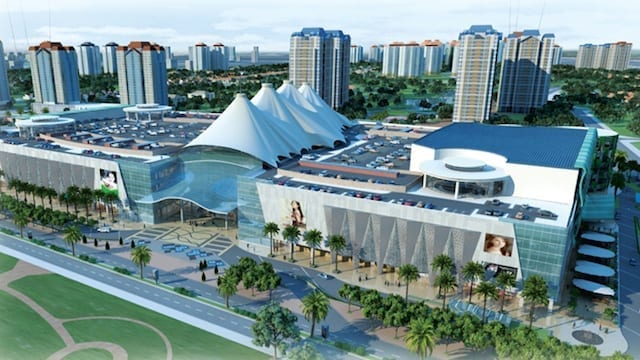
    South Korean conglomerate Lotte is to build a second Hanoi mall.

    It will be in a 200,000 sqm complex near West Lake in the Vietnamese capital, The Korea Heraldreports.

    Included in the mall will be a department store, supermarket and a cinema, all to be directly run by Lotte affiliates.

    Construction is set to start within the next couple of months for completion in 2020.

    It has been reported that the project, previously known as Ciputra Ha Noi Mall and owned by the Citra West Lake City Development Company, was acquired by Lotte this year.

    Started in 2007 with an estimated investment of US$2 billion, the project has been stalled for various reasons.

    The total investment capital of the new Lotte project is expected to reach nearly $300 million.

    The Lotte Group invested $400 million in the 65-storey Lotte Center Ha Noi mall, currently the second-tallest building in the city.

    The Korean giant plans to expand its retail network in Vietnam through mergers and acquisitions, and plans 60 shopping malls in the country by 2020 – a five-fold increase, reports Nikkei.

    Lotte has 285 shopping centres in Asian countries including China, Indonesia and South Korea, and views Vietnam as one of the fastest-growing retail markets in the region. In October, Lotte Mart launched its e-commerce channel in Vietnam following the introduction of Lotte Shopping TV in 2012.

    As well as providing South Korean products to Vietnamese consumers, Lotte plans to export Vietnamese products like coffee, dried fruit, wooden artifacts and ceramics back to its home market.

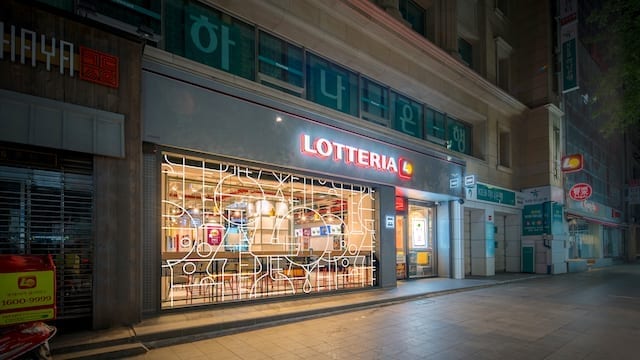
  • Lotteria Burger Laboratory concept to open Korea-wide

    Lotteria Burger Laboratory concept to open Korea-wide

    London-based consultancy JHP Design has created a fast-dining experience for Asian fast-food restaurant group Lotteria.

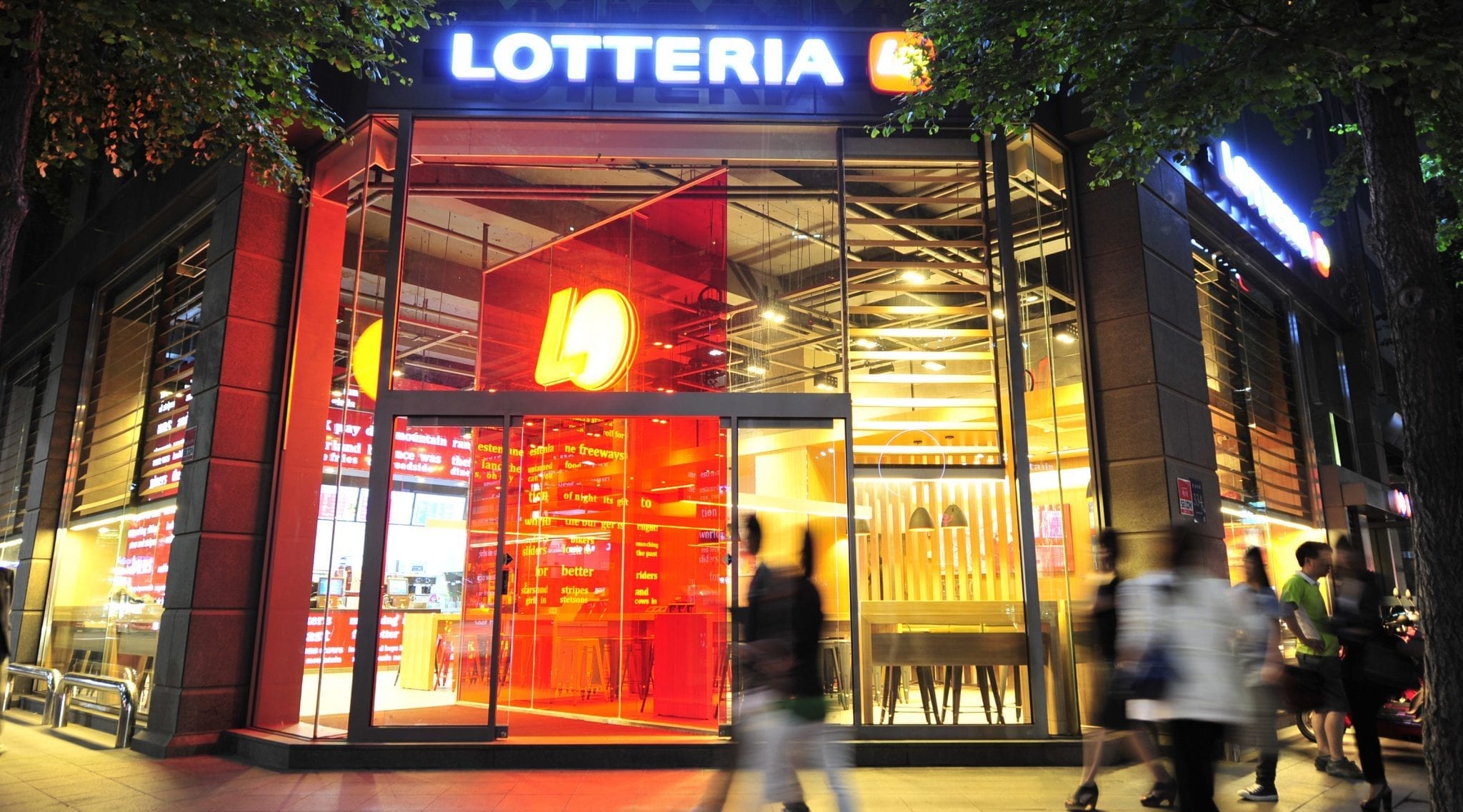
    The new concept, called the Lotteria Burger Laboratory, features an open kitchen combined with a made-to-order system, so customers can watch the “burgerista” preparing every stage of their meal.

    Customers can place orders via an app before arriving, or in store through bespoke tablets as well as at the counter.

    Lotteria Burger Laboratory Korea 6

    A science and experimental theme in the restaurant is reflected in every aspect of the customer experience. A red industrial ceiling-mounted pipe snakes from the front of the “laboratory” to the back, guiding the customer journey. The ceiling also features an illuminated digital clock indicating how long customers need to wait for their order to be ready.

    Lotteria Burger Laboratory Korea 5

    Science icons

    The walls are decorated with periodic tables, food-assembly diagrams and science-based icons. The chairs have chemical-resistant wire frames and the tables offer power plugs for charging mobile devices.

    The seating area offers individual code-writing tables, laboratory benches and breakout booths as found in high-tech start-ups.

    Lotteria Burger Laboratory Korea 4

    A stainless-steel drinks machine enables customers to mix and refill their own beakers.
    With “radioactive” yellow and black doors and frames, the restrooms have acid-resistant white glazed tiles.

    Lotteria Burger Laboratory Korea 3

    All materials used have low environmental impact. Recycled strawboard, reclaimed porcelain and salvaged waste pipes have all been combined in an environment lit entirely with low-energy LED bulbs, and the kitchen uses hyper-efficient induction cooking equipment. All packaging is recycled and biodegradable.

    Lotteria Burger Laboratory Korea 2

    The first Burger Lab opened in Seoul last November, built in just four weeks at a total cost of US$480,000. The concept is now being rolled out across the company’s 3000 outlets throughout Asia.

    Lotteria Burger Laboratory Korea 1

    The Lotteria Burger Laboratory sources its ingredients solely from Lotteria’s own vertically integrated sustainable farms. As well as beef, chicken and shrimp burgers and fries, the new outlet offers local specialties and vegetarian options.

    Lotteria is owned by Lotte, a conglomerate established in 1948 with headquarters in Japan and South Korea.

  • Lotte looks to US to boost sales of 3 drinks

    Lotte looks to US to boost sales of 3 drinks

    The Korean energy drink Hot 6 will take on Red Bull and Monster in the American market from this month.

    Lotte Chilsung Beverage said Thursday, it will start selling the caffeinated drink from this month in the U.S., starting in on the West Coast.

    The company said it has already shipped 2,000 boxes of 30 units each.

    Korea’s energy drink industry saw a boom in the early part of this decade and became a 100 billion won ($87.3 million) market. Pioneers Red Bull from Austria and California-based Monster were followed by the launch of Hot 6, which sells for a cheaper price.

    But growth has stalled in recent years with the number of health-conscious consumers rising in Korea. Health authorities have also warned the public not to drink too many caffeinated drinks.

    According to industry sources, the energy drink market in Korea has slipped to 70 billion won and Hot 6 has a 60 percent market share.

    Its U.S. marketing will begin at the Genesis Open 2017 PGA golf tournament in California, which will be held from Feb. 13 to 19.

    Lotte Chilsung Beverage said it will introduce the drink with the slogan “Brand New No. 1 Korean Energy Drink” and emphasize its natural caffeine extracted from guarana.

    Lotte’s global ambition will continue by expanding U.S. retail sales of its Milkis and Chilsung Cider soft drinks. Milkis was introduced in 1989 and has loyal customers fond of its unique, yogurt-like flavor. Chilsung Cider was a pioneer in Korea’s soft drink industry when it was launched in 1950.

    Until now, Milkis, a white opaque fizzy drink, and Chilsung Cider, a Korean version of Sprite, have been only available online or in small retailers and Korean markets in the United States.

    “There are five flavors of Milkis being sold in Korea, including strawberry and melon. If the local response is good, the possibility of launching different flavors in the U.S. also exists,” the company spokesman said.

    The company said two of its drinks will be retailed at 2,000 branches of Kroger, the No. 1 supermarket chain in the U.S., from March.

    “Lotte Chilsung Beverage aims to create a ‘Hallyu beverage’ in the U.S. by expanding retail channels to appeal not only Koreans but Americans as well. Hot 6, Chilsung Cider and Milkis will be at the forefront,” the beverage subsidiary said in a statement.

    Lotte Chilsung Beverage’s foray into the U.S. is part of the group’s effort to expand beyond Asia. To become more global, Lotte Group has been holding the LPGA Tour Lotte Championship in Hawaii since 2012 and acquired the New York Palace Hotel located in Manhattan in 2015, renaming it the Lotte New York Palace Hotel.

  • Lotte Group in China suffers from Korea’s missile plan

    Lotte Group in China suffers from Korea’s missile plan

    Hit by fallout from the Korean government’s plan to deploy a US-made missile shield, the Lotte Group is shutting three retail shops near Beijing.

    Korea’s fifth-largest conglomerate, Lotte was hit by a series of regulatory investigations into its China business in December after striking a deal with the Korean government a month earlier to relinquish one of its golf projects to accommodate the anti-missile system.

    South Korean companies have discovered themselves in China’s crosshairs since Seoul’s determination in July to deploy the Terminal High Altitude Area Defence (THAAD) platform, reports News on Hand. Beijing opposes the move, fearing the US will use the platform’s radar to probe deep into Chinese territory.

    Lotte says it has been restructuring its loss-making China enterprise for a few years, but the work has been spurred by the deteriorating bilateral relations because of the THAAD deployment. The retailer has already closed some of its unprofitable outlets in China.

    Lotte has also been opening shops in China, but has put the brakes on this following officials conducting security, tax and other investigations. Having entered the market in 1994, the group has 99 stores and 16 Lotte Super shops in China.

    Also in retaliation to THAAD, Beijing has blocked imports of high-tech bidets and a range of cosmetics, cancelled shows by Korean pop groups and restricted Chinese flights and tourism to Korea.

  • Lotte may close three retail stores in China’s capital

    Lotte may close three retail stores in China’s capital

    “Three of Lotte Super’s 16 branches in Beijing are considering shut-downs,” said a spokesman for Lotte Mart, which oversees Lotte Super’s overseas business.

    “The final result is scheduled to be announced within this month,” the spokesman added.

    The company denied any connection with the ongoing Terminal High Altitude Area Defense (Thaad) anti-missile system controversy.

    “This is just the result of an annual management checkup,” said the spokesman.

    “The three branches have posted weak operating profits in recent years. This is not the first time we have closed down branches that didn’t generate enough profit. There were shutdowns last year and the year before that as well.”

    Beijing’s hostility towards Korean business in China has been growing over the past three months, and especially to affiliates of Lotte Group, which is providing the land on which the missile defense system will be deployed in Seongju, North Gyeongsang.

    In November, Beijing rolled out unprecedented tax audits and safety check of some 150 factories, storage facilities and store branches of Lotte affiliates, including Lotte Department Store, Lotte Confectionery and Lotte Super. At the time, a group spokesman said it was “unusual” for the Chinese government to conduct inspections simultaneously on multiple affiliates.

    In fact, one of the Lotte sites that was subject to an abrupt safety inspection had been given an award by the local fire department for its first-rate safety systems.

    In the face of such retaliation against its businesses, Lotte Group has been delaying final approval of swapping a golf course, which will be the Thaad battery’s home, for a plot of land in Namyangju, Gyeonggi, currently owned by the Korean military.

    Board members of Lotte International, which owns the golf course, held a meeting on Feb. 3, which delayed a final decision. The company said it would hold another meeting soon.

    Maintaining good relations with the Chinese government is crucial for Lotte because it operates many retail operations in China and gets much of its business in its duty free shops from Chinese customers.

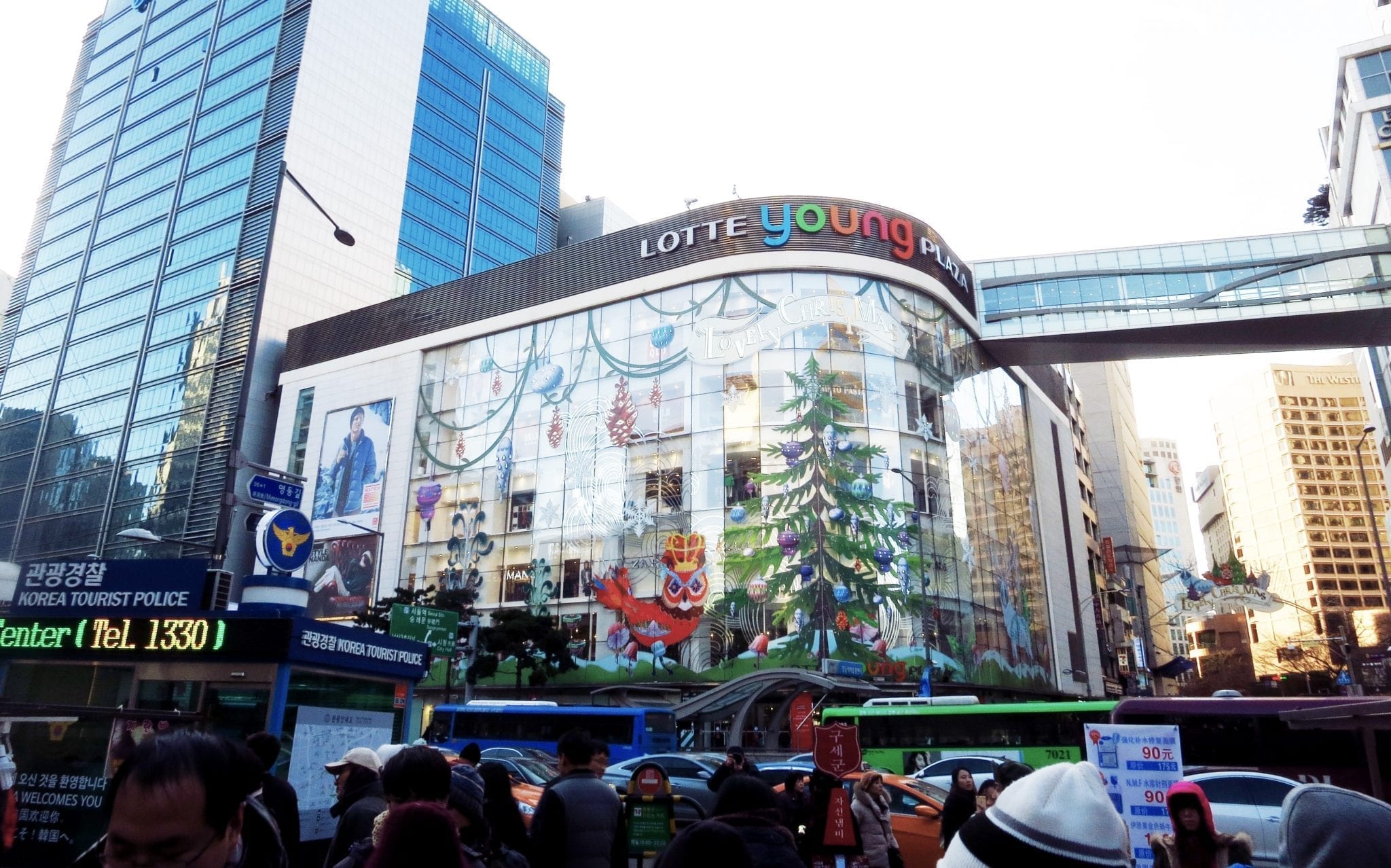
    Lotte Department Store set up a joint venture with China’s state-owned Citi Group in October to advance into Shanghai, a new market for Lotte affiliates. The department store held a business fair on Jan. 20 to attract Korean brands that wish to go into Shanghai.

  • Cosmetics sales surge as Korean duty free market rockets

    Cosmetics sales surge as Korean duty free market rockets

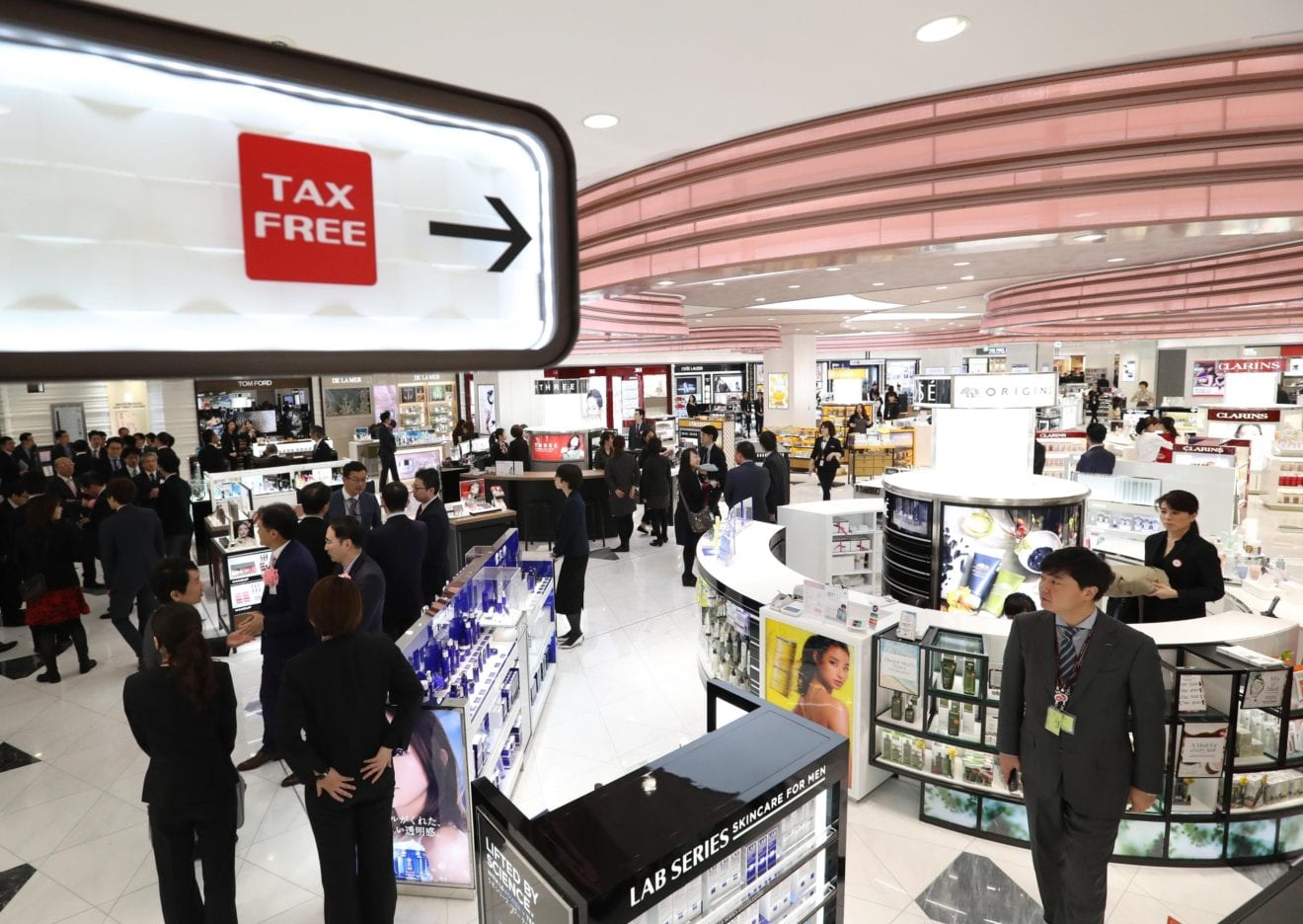
    The Korean duty free market surged by 33.5% year-on-year in 2016 to KW12.2 trillion (US$10.5 billion), according to new figures from Korea Customs Service.

    The results reflect a strong bounce-back from the MERS-ravaged 2015, allied to booming Chinese visitor numbers last year.

    Chinese arrivals for 2016 rose +34.8% to 8,067,722, according to Korea Tourism Organization figures published today, a 46.8% share of total visitors. Japanese arrivals also rose sharply, up +25% to 2,297,893, a 13.3% share of total arrivals. Korean departures rose +15.9% in the year to 22,383,190

    Duty free sales to foreigners (dominated by the Chinese followed by Japanese) rose +44.1% to KW8.8 trillion (US$7.5 billion)

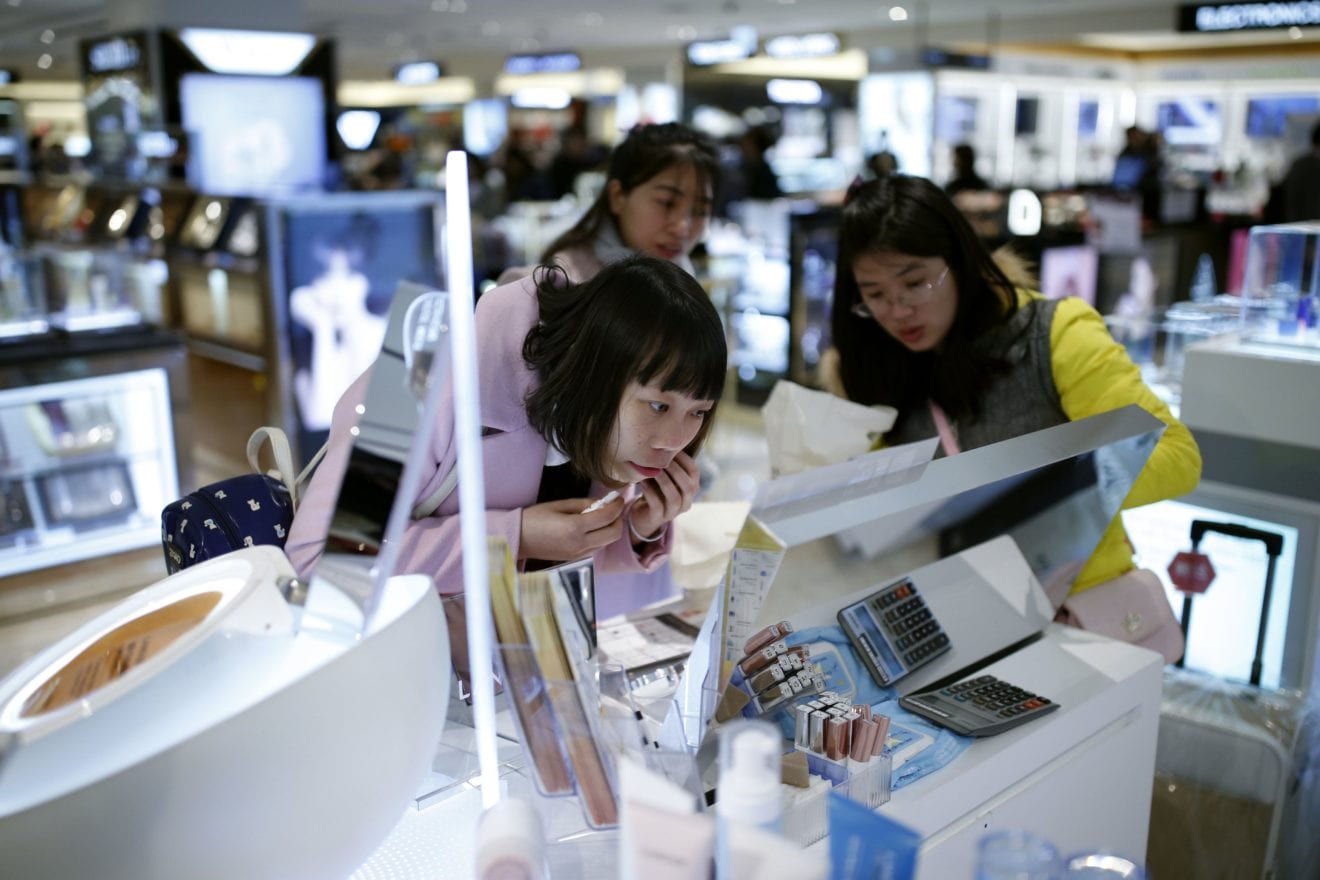
    Cosmetics, driven by booming sales of skincare (particularly Korean brands), accounted for 51.2% of turnover. Here are the leading categories:

    Korea_Table_600

    Lotte Duty Free stretched its lead as the dominant force, racking up a +26% increase in sales to KW5.973 trillion (US$5.1 billion), a stunning performance given that the retailer had to close down its Lotte World Tower Duty Free store in late June.

    Lotte’s nearest rival, The Shilla Duty Free, posted a +31.5% increase year-on-year to KW3.405 trillion (US$2.9 billion). Its Seoul flagship generated revenues of KW1.739 trillion (US$1.49 billion) while its Incheon International Airport stores posted sales of KW0.697 trillion (US$596.7 million)

    Fast-rising Shinsegae Duty Free posted sales of KW0.9608 trillion (US$822.4 million). Its new store in Myeong-dong, Seoul, which only opened on 1 May, generated sales of KW0.349 trillion (US$298.7 million). Its downtown Busan store (relocated in March to Centum City) posted revenues of KW0.336 trillion (US$287.8 million). Dongwha Duty Free in Seoul posted sales of KW0.3547 trillion (US$306 million)

    Of the recent sector newcomers HDC Shilla generated sales of KW0.3971 trillion (US$340 million); Galleria 63 Duty Free reached KW0.224 trillion (US$191.7 million), Doota Duty Dree KW0.111 trillion (US$95 million) and SM (Hana Tour) KW0.056 trillion (US$47.9 million).

  • Lotte World Tower duty free store has reopened

    Lotte World Tower duty free store has reopened

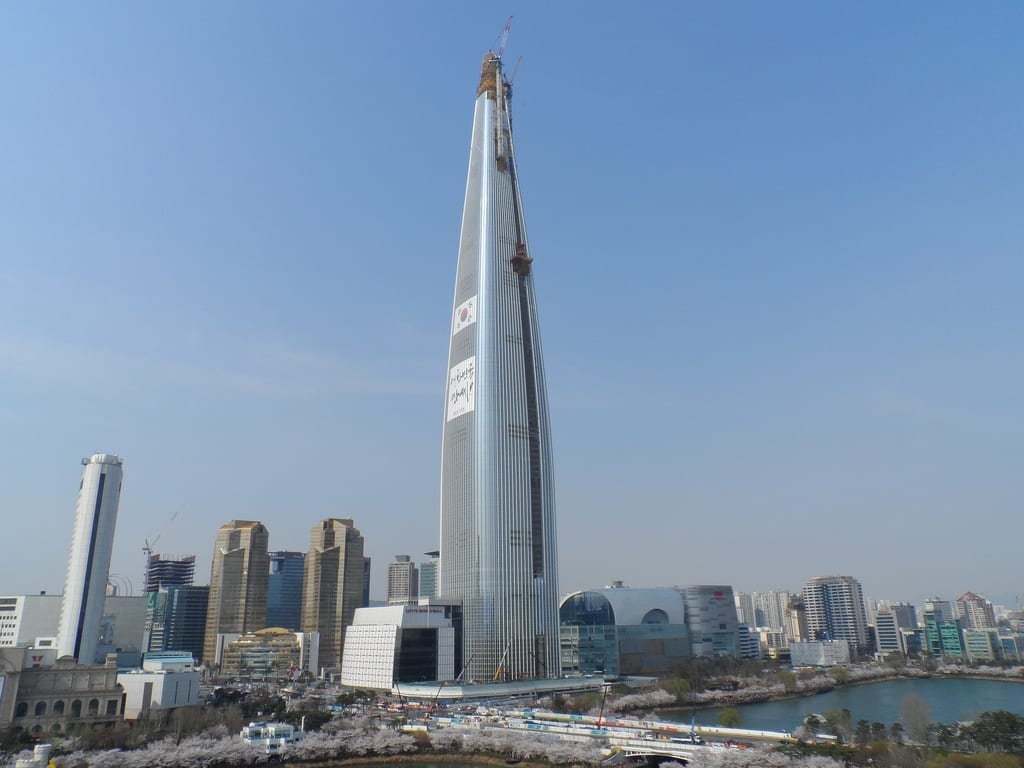
    As expected, Lotte Duty Free opened its World Tower flagship duty free outlet yesterday, following a six-month period of uncertainty caused by last June’s closure of the duty free section in the building.

    The opening follows the well-publicised and controversial shock loss of Lotte’s duty free operating license for this store back in November 2015.

    As reported, the Korea Customs Service (KCS) awarded the 10-year duty free license to Lotte Duty Free on 17 December 2016. However, it has clearly stated since that if the operator is subsequently found guilty of any wrongdoing in its ongoing investigations related to a contributions scandal, then it will revoke the award.

    INVESTIGATIONS CONTINUE OVER ALLEGED CASH FOR FAVOURS

    As reported, this ongoing investigation surrounds requests for multi-million dollar equivalent monetary contributions for foundations, which were made to Lotte and other companies by President Park Geun-hye’s former close friend Choi Soon-sil, who is presently under arrest.

    Park’s relationship with Choi – a friend for 40 years – was also one of the key factors which led up to her impeachment last month, although Choi denies all the charges related to abuse of power and fraud.Park also maintains that she has not been involved with Choi in any wrongdoing, although she has publicly expressed regret at allowing Choi to get too close to matters of government.

    Meanwhile, Lotte has given several bold undertakings to attract foreign tourists and create new jobs alongside the award of this new contract, which the Korean Customs Service – itself under pressure – will doubtless expect it to meet.

    MASSIVE INVESTMENT PROMISES

    As reported earlier this month, Lotte has pledged to invest Won2.3 trillion ($1.97bn) on tourist-related investments in the upmarket Gangnam quarter of Seoul between 2017 to 2021.

    Lotte Duty Free spokesman Jihyun Ethan Choi also formally confirmed to TRBusiness (2 January) that the duty free reopening has naturally come as a huge relief to Lotte’s staff.

    They have had to endure a six-month wait to find out whether they would have jobs or not at the World Tower – subject to winning the license or not. (Lotte employs around 1300 individuals at the World Tower).

    CHINESE TOURIST ARRIVALS CONCERNS

    At this time, Lotte and all other duty free operators in South Korea will also be keenly monitoring the levels of Chinese tourist arrivals over the next few months, since their biggest overseas duty free customers (in sheer spending power terms) registered only +1.8% growth – or 516,956 visitors – in November 2016. This was a big drop from previous double-digit numbers, according to the Korea Tourism Organization (KTO).

    Many commentators are not surprisingly pointing to pressure on Chinese tourists to cool their enthusiasm for South Korea in the wake of its government decision to site a US-built missile defence system on the border with North Korea. China says this system has the ability to gather data on surrounding terrain in the region.

  • Lotte Duty Free re-launches at Gimhae airport

    Lotte Duty Free re-launches at Gimhae airport

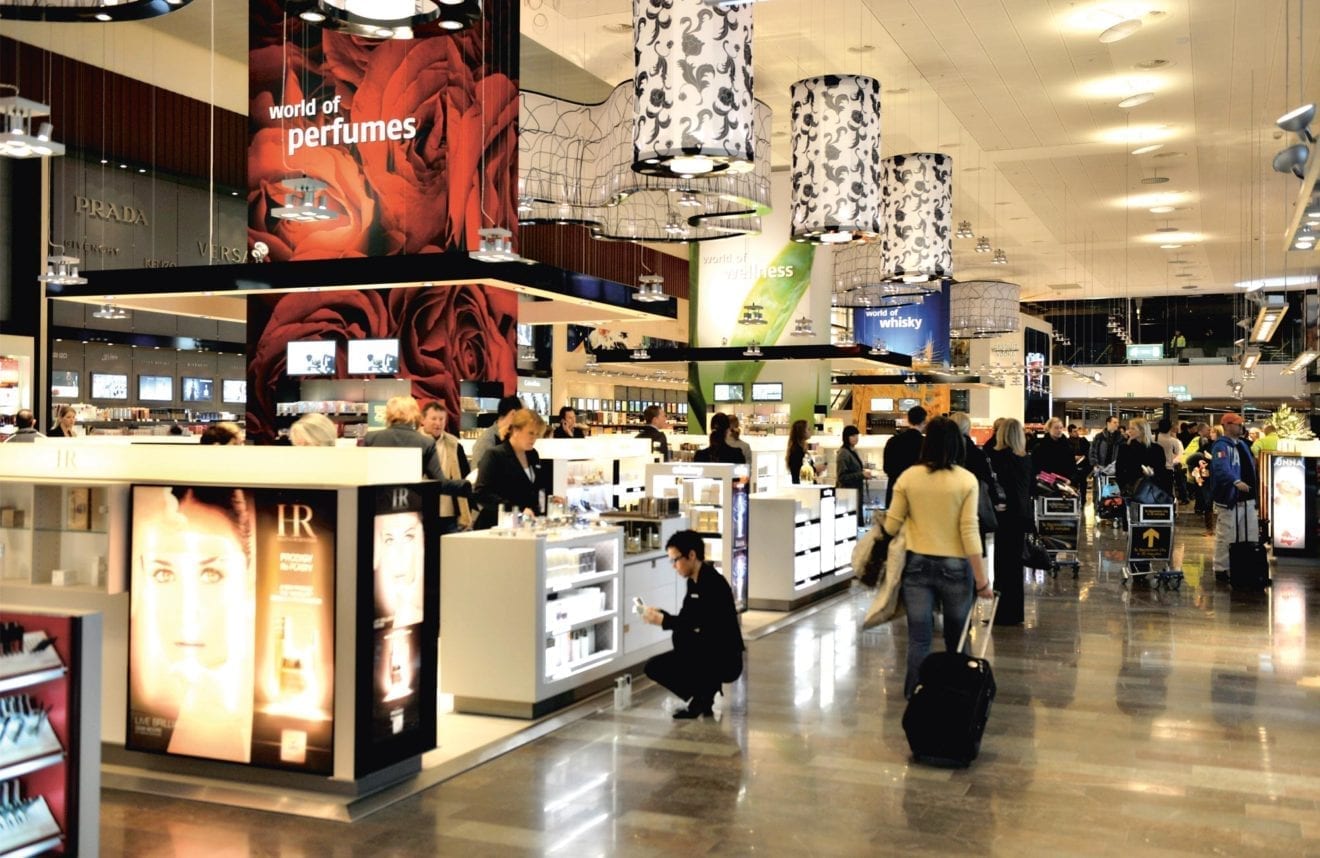
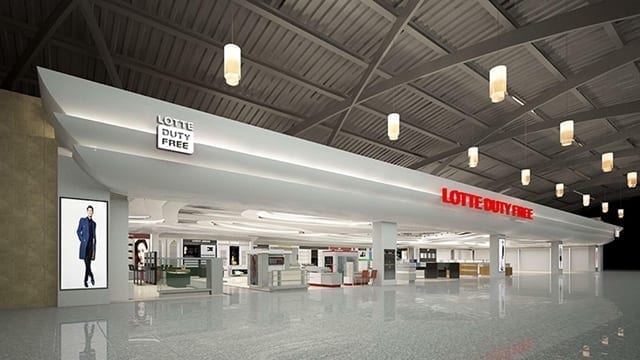
    After winning a Korea Airports Corporation (KAC) tender, Lotte Duty Free has officially re-launched at Gimhae airport.

    The retailer now has 980.44 sqm of space, an increase of 329.2 sqm over its area last year. Lotte Duty Free had a 158.34 sqm presence at the terminal when it opened in 2007 until early 2014.

    Fellow Korean retailer Shinsegae, which was at the airport until last month, is believed to have terminated its contract to focus on the city – it plans to open a 13,350 sqm store in the city centre – and its Incheon airport outlets.

    Meanwhile, Lotte is targeting sales of W120 billion ($US99.2 million) at the airport this year with daily sales of W200 million.

    Following an analysis of consumer shopping trends at Gimhae airport, the cosmetics area has been expanded by 40 percent with the introduction of such brands as Giorgio Armani, Jo Malone and Tumi.

    In its entirety, the Lotte offers more than 120 food, electronics and accessories brands at the airport, along with fragrances and cosmetics labels such as Chanel, Dior and Sulwhasoo.

    A special promotion to commemorate the grand opening at the airport offers as a grand prize for each of 30 Korean nationals and their partners a trip to Okinawa to watch the Lotte Giants baseball team train.

    Other customers can win pre-paid shopping cards, movie tickets, drinks coupons and gift certificates.

    Dufry Group also runs a duty-free concession at the airport.

  • Aeon Vietnam launches online store

    Aeon Vietnam launches online store

    Aeon Vietnam has launched an online store, AeonEshop.com, offering discounted Japanese goods and local brands.

    The Japanese-headquartered retailer says its AeonEshop.com B2C platform in Vietnam will stock a majority of Japanese and imported products, along with Aeon’s own brand Topvalu which has been available at its physical stores nationwide.

    Products span various categories, including fashion, cosmetics, furniture, electronics, household items, food and office stationery.

    Similar to Aeon’s other eCommerce sites in the region, AeonEshop will provide discounts up to 50 per cent for specific product types.

    Ho Chi Minh City is the first market for AeonEshop with other Vietnamese cities to follow in the near future. The company plans to develop an English-language version and mobile app by mid-2017.

    Male hands using touch screen device for online shopping

    Vietnam is the third market where Aeon has established online retail, after Japan and Malaysia.

    At the end of 2016, Korean retail giant Lotte also launched its online store Lotte.vn, targeting a share of the US$4 billion local online retail market.

    Fabrice Carrasco, MD of market research house Kantar World, predicts the figure will grow five-fold by 2020 thanks to the development of smartphone usage and consumer convenience.

  • Lotte agrees to leverage IBM’s Watson for retail

    Lotte agrees to leverage IBM’s Watson for retail

    IBM has signed an agreement with the Lotte Group to provide cloud-based IBM Watson solutions to help the Group deliver innovation across the business and become a world-class retail company.

    Lotte Group represents the country´s largest retailer in a highly competitive retail market and is one of Korea´s top five companies, providing products and services to its customers through online channels, mobile services and offline department stores, marts, convenience stores and duty-free shops.

    Lotte Group will use Watson technologies to maximize insights from the huge amount of structured and unstructured customer data collected through its various channels, including the Lotte Members program, deriving valuable learnings about customer preferences and product feedback. With a deeper understanding of its data, Lotte will be enabled to offer more personalized services to customers, consistent product information and expert advice tailored to individual customer needs.

    This agreement prioritizes two “Artificial Intelligence Innovation Themes” for which to apply Watson. Lotte and IBM will team to create an ´Intelligent Shopping Advisor´ for customers and an internal employee ´Cognitive Business Decision Advisor´ for the Group´s retail affiliates.

    The ´Intelligent Shopping Adviser´ will be first introduced to Lotte´s department stores. Customers will have their own virtual personal assistant offering help from product recommendations, shop location guidance, to support for online pickup service. Customers will benefit from greater convenience and an enhanced customer experience as they interact, in natural language, with a service that understands the questions asked, in the context of the individual shopper´s needs.

    IBM will collaborate with teams from the Lotte Information & Communications and the Lotte Members affiliates for IT system support services, data integration and data analysis. Within the next five years, Lotte plans to build and upgrade its artificial intelligence-based application for business innovation to support personalized services throughout the customer life cycle. These initiatives are part of Lotte Group´s technology roadmap to expand the introduction of IBM Watson to all affiliates from retail to food, chemical, tourism and finance.

    Lotte is based in Korea and has nine affiliates and 120,000 employees.

    Watson represents a new era in computing called cognitive computing, where systems understand the world in a way more similar to humans: through senses, learning, and experience.

  • A look at 5 richest conglomerate families in South Korea

    A look at 5 richest conglomerate families in South Korea

    A total of 33 relatives from the families that control Samsung, Hyundai Motor, SK, LG, Lotte and other conglomerates dominate the country’s wealthiest list. Unhealthy ties between Korean conglomerates and the government have long been cited as a factor that prevents Korea from moving forward.

    A recent comment by a chaebol chief at a parliamentary hearing over the alleged connections between businesses and the presidential office was a reflection of the reality.

    “It was near impossible to reject such a demand (from Cheong Wa Dae). That’s what it’s like in Korea,” said Huh Chang-soo, head of GS Group and chairman of the Federal of Korean Industries, at the hearing on December 6.

    He was responding to lawmakers’ questions on why the FKI helped coerce conglomerates to donate funds to two foundations controlled by Choi Soon-sil, confidante of impeached President Park Geun-hye.

    Another reflection of the business climate in Korea was that most of the chaebol leaders seated at the hearing were second to third-generation heirs of the conglomerates – not self-made businessmen.

    They are also in the top tier of a list of Korea’s 100 wealthiest people compiled by The Superrich Team. Joining them on the list are their relatives. Only 10 self-made entrepreneurs made it to the list in the past year.

    A total of 33 relatives from the families that control Samsung, Hyundai Motor, SK, LG, Lotte and other conglomerates dominate the country’s wealthiest list. The figure excludes the heads of major business groups.

    The combined private assets of the business moguls stands at 39 trillion won (S$47.1 billion), higher than the annual budget of the Seoul Metropolitan Government at 27.5 trillion won.

    Samsung Group

    Lee Jae-yong, vice chairman of Samsung Electronics, and 10 other Samsung family members own 22.6 trillion won in total assets.

    The assets of Lee Kun-hee, the bedridden chairman of Samsung Group, is 15.64 trillion won, accounting for the largest portion of the assets. His wealth includes real estate in Hannam-dong, one of the richest districts in Seoul.

    Outside of the capital, Lee Kun-hee also owns a considerable amount of land in Yongin City in Gyeonggi Province, where the Samsung-made amusement park Everland and Ho-Am Art Museum are located. His properties there sit on 8,712 square metres of land.

    In total, Lee owns 14 real estate assets nationwide, worth 938.9 billion won.

    The women of the Samsung family also own a colossal amount of assets. The senior Lee’s wife Hong Ra-hee, director of Leeum Samsung Art Museum, and her two daughters Boo-jin and Seo-hyun, who lead Hotel Shilla and the fashion business at Samsung C&T, respectively, own 1.7 to 1.8 trillion won each. Lee Kun-hee’s sister Myung-hee, chairman of Shinsegae Group, holds 1.3 trillion won.

    Hong’s siblings also dominate Korea’s business landscape including areas such as media, retail, investment capital and art.

    Hong Seok-hyun, chairman of Joongang Media Network, a parent company of Joongang Daily Newspaper and television network JTBC, is one of Ra-hee’s brothers most known to the public.

    Other siblings include BCG Retail Chairman Seok-jo, Bokwang Investment Corp. Chairman Seok-joon, and Leeum Samsung Art Museum Vice Director Ra-young. The combined value of the Hong family – excluding Hong Ra-hee – is estimated at around 1.24 trillion won.

    Hyundai Group

    The family of Hyundai Group may hold a smaller fortune than the Samsung family, but 12 of them are included on the 100 wealthiest people list, the largest number among the top five conglomerates.

    Chung Eui-seon, vice chairman of Hyundai Motors and son of Chairman Chung Mong-koo, owns the largest value of assets at 2.32 trillion won. Hyundai Motor Group chairman’s younger brother Chung Mong-joon, the biggest shareholder of Hyundai Heavy Industries, follows with 1.17 trillion won.

    Other assets of the Chung family surpass 500 billion won. Other family members include KCC Chairman Chung Mong-jin, Hyundai Development Chairman Chung Mong-kyu, Hyundai Marine & Fire Insurance Chairman Chung Mong-yoon and Hyundai Department Store Chairman Chung Ji-seon.

    Hyundai Group Chairwoman Hyun Jeong-eun is also included in Korea’s top 100 wealthiest list, with 240 billion won. Hyun is the wife of the late Chung Mong-heong, the former chairman of Hyundai Asan.

    Hyun was recently accused of intentionally omitting several Hyundai Affiliates on a list of companies subject to cross investment. The antitrust regulator Fair Trade Commission pressed charges against Hyun in October.

    SK Group

    SK Group, the country’s third-largest business group, has two businesspeople listed on the Superrich Team’s top 100 wealthiest list.

    Chey Ki-won, a director of the board at SK Happy Nanum Foundation and younger sister of SK Group Chairman Chey Tae-won, is the richest SK Group family member.

    Chey holds more than 1 trillion won worth shares in listed SK affiliates. In addition to the stock assets, she was paid an additional 18.75 billion won in dividends. The value of her paid dividends is the largest among the 125 relatives of the nation’s 17 superrich on a list by Forbes Magazine.

    Chey’s massive real estate assets include a building that was the former headquarters of JYP Entertainment in Cheongdam, southern Seoul. Chey purchased the around 1,085 square-meter building for 7.6 billion won in 2014.

    Another Chey family member, Chang-won, vice chairman of SK Gas and SK Chemical, was listed among Korea’s top 100 richest with 370 billion won of assets.

    LG

    LG has seven family members on the Superrich Team’s top 100 richest list.

    Chairman Koo Bon-moo’s brother Bon-sik, who leads Heesung Group as its vice chairman, is the wealthiest among them with assets of more than 1 trillion won.

    Another brother, Bon-neung, chairman of Heesung Group follows with 904.8 billion won. He is also head of the Korea Baseball Organisation.

    The remaining five LG family members on the list include Chairman Koo’s wife Kim Young-sik. The combined assets of the five members are estimated to be worth around 2.5 trillion won.

    Lotte

    Lotte Group has two of its business moguls on the top 100 richest list.

    One of them is Lotte Group founder Shin Kyuk-ho’s eldest son Dong-joo, who is the chairman of SDJ Corp.

    While still in turmoil over power succession, Dong-joo stands strong, backed by 1.64 trillion won of publicly traded stock assets. Added to this, he also owns 27 billion won of assets from unlisted firms.

    His father Shin Kyuk-ho’s wealth follows with 270.5 billion won, according to public data.

    The value of real estate assets under the founder is astronomical. His land assets were estimated to be worth 18.6 trillion won in 1988. Shin was then picked as the world’s fourth-richest man by Forbes magazine.

    Shin’s 15 real estate assets in Korea sit on over 1 million square meters of land worth 305 billion won. Apart from Shin Kyuk-ho’s private land assets, Lotte affiliates are known to own 5.7 million square metres of land in the country, a size that nearly doubles that of Yeouido in Seoul.

    Prices of the land have seen a jump of 14 trillion won since Lotte Group purchased them. An industry source, on condition of anonymity, said following Shin Kyuk-ho can help “find gold in the real estate business.”

    Out of the 125 rich businesspeople on the list of Korea’s wealthiest, 89 of them boosted their wealth through their family connections, while only 36 were self-made entrepreneurs.

     

  • Lotte Mart opens 46th store in Indonesia

    Lotte Mart opens 46th store in Indonesia

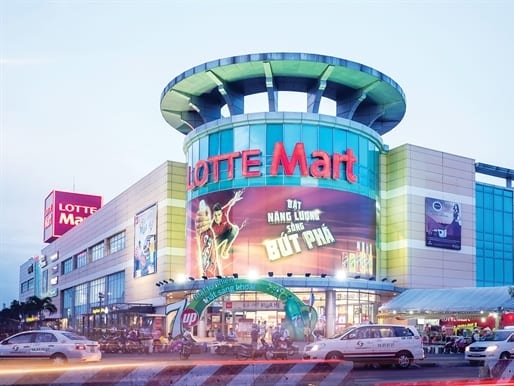
    Lotte Mart, a discount store chain operated by retailer Lotte Group, said Wednesday it has opened its 46th store in Indonesia in line with its global growth strategy.

    With floor space of 5,572 square meters, the Pramuka shop opened on the underground floor of a commercial-residential building in Jakarta with some 7,000 households.

    Lotte Mart’s 16th retail outlet in Indonesia has a health and beauty section, as well as young children and fresh food corners, the company said.

    Lotte Mart also operates 26 wholesale stores and two supermarkets in the world’s fourth most populous nation.

    Currently, Lotte Mart runs a total of 290 stores in South Korea, China, Indonesia and Vietnam, and plans to raise the number of shops to over 300 next year.