Retail News CRM

Tag: Lotte

  • Lotte, Shinsegae and Hyundai win 10-year licenses

    Lotte, Shinsegae and Hyundai win 10-year licenses

    The Korea Customs Service awarded the three biggest remaining 10-year downtown duty free licenses in Seoul to Lotte Duty Free, Shinsegae DF and the Hyundai Department Store yesterday.

    At the same time, ‘Top City’ won the one small, medium enterprise Seoul contract, while the two remaining provincial licenses were gained by Busan Duty Free and Alpensia.

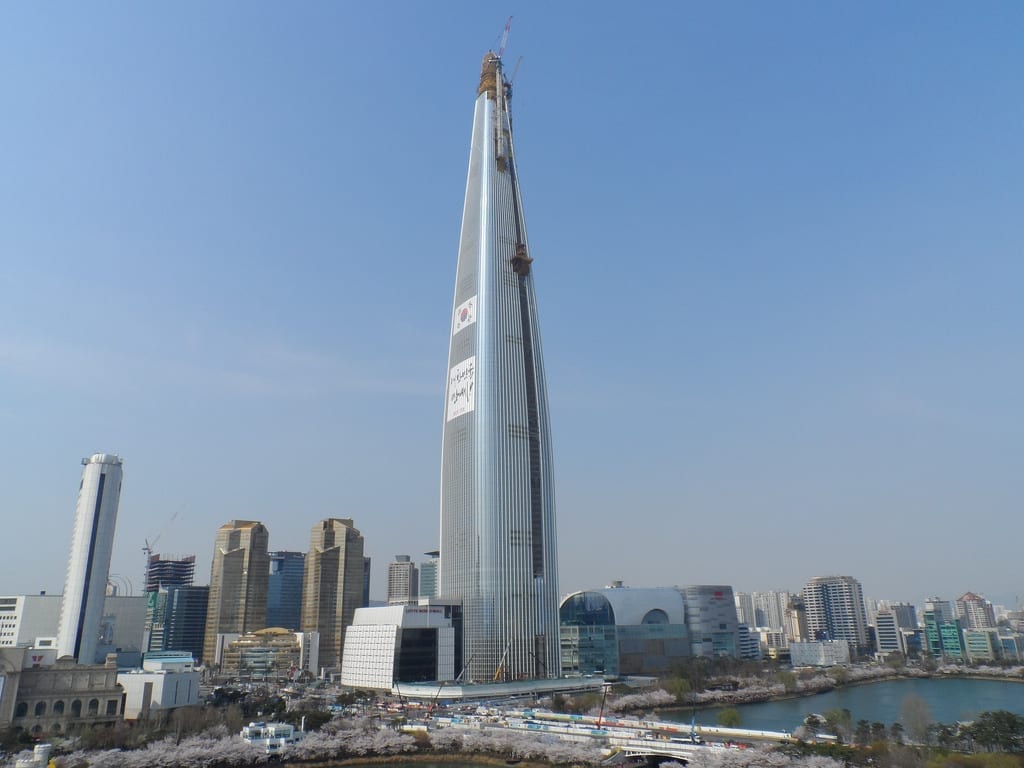
    These results follow the submission of substantial business plans by all parties from last October and an unprecedented and intense effort by South Korea’s market leading duty free retailer Lotte Duty Free. This follows its deep disappointment at losing its duty free license at its Lotte World Tower store last November.

    ALL OR NOTHING BID PAYS OFF FOR LOTTE

    Lotte’s intense last-ditch campaign included a pledge to invest Won2.3 trillion ($1.97bn) on tourist-related investments in the upmarket Gangnam quarter of Seoul between 2017 to 2021.

    In addition, it promised to support small and medium-sized business partners and to attract more than 17m foreign tourists. [Financial criteria was one of the main criteria in the offer evaluations-Ed].

    The operator also gave an unprecedented undertaking to create 34,000 direct and indirect jobs, while creating substantial foreign exchange income.

    The Korean Customs Service (KCS) will now fall under both regulator and media spotlights to make sure these and all other promises by other winning retailers are kept – and especially considering KCS itself has also been the subject of investigations into its conduct recently.

    SOME BIDDERS WILL BE VERY DISAPPOINTED

    There are also some significant losers in this process, with neither SK Networks or Shilla Duty Free’s bids proving successful for any of the big Seoul downtown contracts.

    This will be particularly disappointing for SK, which has long been known for its downtown WalkerHill Duty Free operation which lost its duty free license at the same time as Lotte last November.

    Meanwhile, the ‘soap opera’ continues which has effectively cost President-Park-Geun-hye her job after so enraging the South Korean people.

    All eyes will now be on the ongoing investigation into the activities of Park’s associate Choi Soon-sil, who remains under house arrest charged with abuse of position and attempted fraud.

    Choi is alleged to have ‘persuaded’ various businesses into paying millions of dollars to supposedly government-linked foundations, in return for favours – including some allegedly linked to duty free licenses.

    SK Group head Chey Tae Won and Lotte Group Chairman Shin Dong-bin were both questioned on national television at Seoul’s National Assembly earlier this month – along with several other heads of major companies – but all denied they were ‘persuaded’ to pay monies in return for any favours.

    PUBLIC RELATIONS REPAIR WORK

    Meanwhile, Lotte Duty Free has expressed its thanks for being awarded this latest concession.

    In a statement entitled ‘Adoption of patent company selection‘ which was forwarded to TRBusiness, it said: “First of all, I am most fortunate to have been able to return to my original job with about 1,300 employees who had been in deep anxiety as I waited for work at World Tower in the past six months.

    ‘HEARTFELT GRATITUDE’ EXPRESSED

    “I would like to express my heartfelt gratitude to the jury members for their fair and objective examination to enhance the competitiveness of the duty free industry in Korea, despite the fact that the psychological burden was not so small.

    “We are also grateful to all of our employees who have devoted themselves to the growth and development of Lotte Duty Free as a global duty-free enterprise for the past 36 years.

    “Lotte Duty Free will do its best to faithfully fulfil the contents of the business plan submitted to the KCS in the future. Through aggressive investment and development of Korean Wave content, we will be able to attract foreign tourists and create jobs, as well as coexist with small and medium-sized enterprises, thereby fulfilling our social responsibilities and becoming a more mature company contributing to the local economy and the national economy.

    “Most of all, Lotte Duty Free will do our best to open up the future of tourism in Korea by raising the global competitiveness of domestic tourism industry with greater responsibility.”

  • Lotte promises +$2bn in World Tower support

    Lotte promises +$2bn in World Tower support

    Ahead of this Saturday’s highly anticipated downtown duty free license awards in Seoul, South Korea, Lotte Duty Free has promised to invest Won2.3 trillion ($1.97bn) on tourist-related investments in the upmarket Gangnam quarter of Seoul between 2017 to 2021.

    It has also pledged to include support for small and medium-sized business partners while finding ways to attract more than 17m foreign tourists.

    This unprecedented offering from South Korea’s biggest duty free operator also includes an undertaking to create 34,000 direct and indirect jobs, while creating substantial foreign exchange income.

    UNPRECEDENTED SUPPORT PACKAGE FROM LOTTE

    Lotte has also promised to contribute substantially to social needs, while offering ‘win-win management’ arrangements and solutions for small and medium business partners.

    In a lengthy communication, Lotte Duty Free adds that all of these promises and much more are ‘included’ within the business plan it has already submitted to the Korea Customs Service on October 4.

    As such, it is obviously hoping this will be enough to secure one of the Seoul downtown duty free store licenses which now comprise 10 years in length, rather than five.

    SK GROUP ALSO HOPES FOR A LICENSE ‘REPRIEVE’

    Needless to say, Lotte is not the only company looking to secure a downtown license since there are three on offer in the capital Seoul, with SK Networks also hopeful that it will win a license and be able to restore its duty free offer at the WalkerHill casino and hotel in Seoul.

    Another three licenses are also expected to be offered to retailers operating in smaller South Korean cities, including Busan.

    SK Networks (part of the SK Group) lost its Seoul license last November at the same time as Lotte Duty Free, although Lotte holds other licenses in downtown Seoul and at Incheon Airport.

  • Cross-border eCommerce ‘set to skyrocket’ in China

    Cross-border eCommerce ‘set to skyrocket’ in China

    Cross-border eCommerce (CBEC) is set to skyrocket in China according to a new report from international think tank Fung Global Retail & Technology.

    To capitalise on this, international retailers need to complement their existing expansion strategy with online sales platforms, says Fung Global MD Deborah Weinswig.

    Cross-border eCommerce is the most efficient platform to reach increasingly affluent and sophisticated Chinese shoppers seeking products from overseas, says the report, The International Retailers’ Guide to Cross-Border E-Commerce in China.

    With Chinese authorities relaxing the rules, online purchases of overseas products are expected to increase to US$285 billion in value in 2018, up from US$136 billion last year.

    As well as authenticity being less of a concern, eCommerce purchases attract less taxes so are cheaper for consumers, writes Weinswig. As a result, it is projected that a quarter of the population will shop on foreign sites or through third parties in 2020, up from 15 per cent this year.

    “We expect CBEC will drive the next leg of eCommerce growth as Chinese eCommerce companies and international retailers launch globalised versions of their portals. By selling through CBEC, international retailers can reach Chinese shoppers regardless of whether or not they have a physical presence in China.”

    China is already the largest eCommerce market in the world, with the use of CBEC via such marketplaces as JD Worldwide and Tmall Global being attributed to the continuing rise of the upper middle class with its growing use of the internet and belief that international brands are of higher quality.

    Regulations formalised

    Most shoppers seek items related to wellbeing such as cosmetics and organic foods, expensive or hard to find domestically, says the report. Many foreign eCommerce companies have launched Chinese websites, and since late 2014 authorities have been formalising regulations including tax reforms and expediting customs clearances.

    Japanese companies in particular are targeting Chinese CBEC shoppers, using mobile apps such as Rakuten and China’s Wandou.

    Choosing the right platform is crucial, writes Weinswig. Options include…

    • Online marketplaces such as Alibaba’s Tmall Global, a third-party eCommerce platform that lets brands open a storefront. International distributors using this platform include Macy’s, Metro, Shiseido and Uniqlo.
    • Online direct sales such as Amazon.cn, Jumei Global Store, Kaola.com (for smaller brands) and Vipshop. Distributors buy from the retailers to resell to consumers.
    • Hybrid eCommerce platforms such as JD Worldwide that combine elements of an online marketplace and online direct sales. JD Worldwide partners include eBay, Lotte, Rakuten and Unilever.
    • Overseas shopping platforms.

    “To succeed in the Chinese market, international retailers are advised to have a strategic plan for CBEC that complements their China strategy,” writes Weinswig. “International retailers will need to decide which cross-border channels to sell on, driven by considerations of each platform’s targeted clientele and product category, costs, track record and suite of value-added services.”

    Fung Global Retail & Technology is based in Hong Kong, London and New York.

  • South Korean department stores set to smash sales record

    South Korean department stores set to smash sales record

    South Korean department stores are tipped to chalk up sales of more than 30 trillion won (US$25.6 billion) for the first time this year.

    That would make if 86 years since the country’s first department store opened in 1930.

    Industry commentators say the figure reflects the retail category’s emergence from “years of stagnation” to return to growth as they pursue new alliances, an expanded food offer and eCommerce.

    Lotte, Hyundai and Shinsegae account for 80 per cent of the Korean department stores market with Galleria, AK Plaza and smaller brands hold the remainder.

    Just seven years ago, department store sales surpassed the 20 trillion won barrier – this year’s projection is 31 trillion, a remarkable growth rate by any measure, especially considering sales stagnated at 29 trillion won for the last four years.

    “Despite the prolonged economic slowdown and changing consumption trend, the domestic department store market is expected to post growth this year thanks to new concept stores and the expansion of online channels,” a Shinsegae Department Store official said.

  • Incheon negotiates e-commerce law for T2 tender

    Incheon negotiates e-commerce law for T2 tender

    Kim Bum Ho, Deputy Executive Director of IIAC’s Commercial Marketing Group, said this morning that although Incheon Airport has planned to issue its T2 tender on schedule [in the first week of December], there could be a delay if the debate surrounding a change in e-commerce regulation – among a few other issues – continues.

    Operators at South Korea’s Incheon International Airport (ICN) are currently not permitted to offer online duty free shopping due to regulation that stipulates that downtown DF operators alone command this privilege.

    But Kim is all too aware of the increasing importance of e-commerce in South Korea, confirming that online sales growth continues to soar. “In South Korea the increased rate of online duty free shopping is now almost 50%-60% year-on-year…it’s so huge.”

    Kim says that many local residents now prefer to only shop online. “So if you go to the downtown duty free store at this hour (evening in South Korea) you will only see Chinese people; no Koreans, no local people. Local people like to shop online. It’s such a big trend.”

    In order to attract the most competitive bids (and retailers), Kim is trying to get the current e-commerce regulation for airport duty free operators changed…but it’s not been easy.

    A-large-jewellery-and-watches-counter-at-Incheon-International-Airport
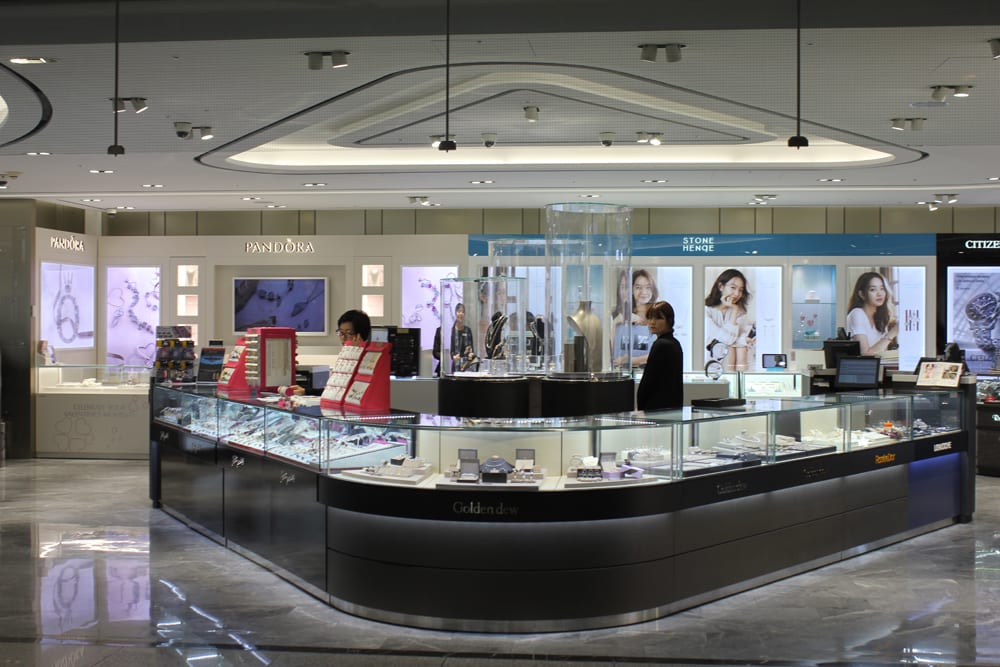
    A large jewellery and watches counter at Incheon

    “The duty free sales do not match the passenger growth rate unfortunately, but we think at this moment the duty free business has increased by 15% compared to last year,” says Kim.

    “We are now talking…it is one of the issues we need to talk with the government about…So we are trying to [eliminate] the barriers to have e-commerce for airport duty free operators. I do think we can solve the problem for T2 operators…We have officially asked the Korean Customs office to permit the e-commerce business for airport duty free operators.”

    Kim reveals that IIAC should find out if this is possible in two weeks time. In fact, he plans to write this into the terms of the T2 tender, if negotiations with the Korean Customs Service (KCS) go to plan.

    TERMINAL 2 TERMS

    “I think it will be determined in two weeks. It’s one of the conditions for the bidding. So yes we are planning to open the tender in early December, but we have to negotiate with the Korean Government Customs office before it opens…if it is takes longer we’ll need more weeks before we open. Anyway, our target date is early in December.”

    Kim confirms that most local Korean operators such as Lotte, Shilla, Shinsegae, Hanwha and Doosan are interested in the Terminal 2 tender. Regarding the international operators he admits that two have already approached him, but he cannot reveal the company names at this stage.

    T2 TO OPEN IN LATE 2017

    Of course once the results have been announced, the retailers can begin to fit out the stores ready to commence trading in late 2017 when the new $5bn terminal opens.

    “T2 will be opened late in 2017,” confirms Kim. “We spent almost $5bn on constructing it. It’s a totally new and unique place…we have centralised the duty free shops more…and it will be a more market and customer-oriented place. We can provide a good business environment.”

    This year Incheon Airport says it has witnessed a very healthy increase in passengers of around 19%, however unfortunately duty free sales have not kept pace, as Kim concedes.

    “The duty free sales do not match the passenger growth rate unfortunately, but we think at this moment the duty free business has increased by 15% compared to last year.”

    Of course, Kim says that it’s difficult to make a direct comparison with last year, as the airport and the whole country suffered from the impact of MERS.

    “It’s not best to compare directly with last year, but when we compare with two years ago (2014) we had about 10% increase in duty free sales.”

    Incheon-International-Airport
    This year Incheon Airport says it has witnessed a very healthy increase in passengers of around 19%.

    $2BN SALES TARGET STILL IN SIGHT

    Kim also strongly believes that the airport can still achieve the $2bn sales total it predicted earlier this year. “We can hit $2bn again. Last year in 2015, we couldn’t because of the MERS…but this year in 2016 I think we can hit $2bn again.”

    As the world’s biggest duty free market, many are interested to see what sort of sales South Korea can register in 2016. As reported, duty free sales rose +36% to $7.9bn in the first nine months of this year.

    Kim gave us his updated forecast this morning: “I think the duty free business can hit about $9bn or $10bn in South Korea this year, so there is amazing growth actually.”

    However, Kim also admits that for the last few months – maybe even as early as April this year – the growth in the number of Chinese inbound visitors has decreased, for which Kim says ‘there are many reasons’.

    CHINESE INBOUND GROWTH SLOWS

    One of these could be the new luxury goods import tax introduced by the Chinese Government earlier this year in a bid to protect home-grown businesses. Of course political tension could also be a factor.

    [There were earlier concerns that the South Korean Government’s plan to plug into the US’ Terminal High-Altitude Air Defence (THAAD) system by the end of 2017 might cause a drop off in Chinese visitors, considering Beijing’s stiff opposition to the deployment].

    LOTTE WILL BID AGGRESIVELY

    “Duty free operators, including Lotte and Shilla are worrying about the Chinese changes…they spend less and they visit less.”

    Kim believes this is more of a problem for the downtown duty free business and maintains that ‘the airport business is very stable compared to the downtown business’.

    “Incheon is the gateway to South Korea and almost all the Chinese visitors have to come through Incheon Airport. It’s the national gateway…so it’s very stable, though their spending per passenger is now decreasing.”

  • Lotte Shopping profit soars 203 per cent

    Lotte Shopping profit soars 203 per cent

    While revenue for its third quarter rose 2 per cent year-on-year, South Korea’s Lotte Shopping Companysaw its net profit soar 203.9 per cent to KRW78.2 billion (US$68 million).

    The retail giant says these are preliminary figures yet to be independently audited.

    Third-quarter revenue rose 2 per cent to KRW7.9 trillion. Domestic department stores maintained solid same-store sales growth (SSSG) of 2.2 per cent, while hypermarket SSSG faded 2.4 per cent in the face of a sluggish industry and the impact of renewal construction.

    Internationally the company had strong sales growth, apart from weakness for its China hypermarkets because of competition. Department store SSSG rose 9.2 per cent while hypermarkets declined 5.1 per cent.

    Lotte’s third-quarter operating profit dipped 10.1 per cent to KRW176 billion, both for department stores and hypermarkets domestically.

    On the international market there was an improvement in operating loss thanks to enhanced efficiency in all stores, plus there was an increased profit contribution from its cinema and electronics businesses.

    There was an increase in labour costs because of a one-off special incentive paid to all Lotte employees.

  • Retailers need to embrace changing Chinese tourist demographics

    Retailers need to embrace changing Chinese tourist demographics

    Increasing numbers of Chinese tourists are travelling alone – and retailers in Asia seeking to cash in on their growing spawning power need to find ways to embrace the trend.

    Traditionally, Mainland Chinese tourists have travelled in groups – sold packages before they leave home and effectively herded into shopping destinations, often with commissions paid to tour organisers or guides.

    But that is set to change soon with the Beijing-based government tightening the rules on cheap package tours.

    South Korea is a case in point where the trend has been identified early and active work is underway to appeal to the new demographic.

    Duty-free operators and department stores have stepped up customised marketing targeted at shoppers in their 20s and 30s and deep-pocketed travelers from China, as they have become the main customers over the past few years.

    The shifting focus took on a new urgency as the Chinese government has been moving to tighten regulations on cheap tour packages, raising concerns among South Korean businesses relying on them as the biggest source of travel income.

    Out of 5.98 million Chinese nationals who visited South Korea last year, nearly 60 per cent were independent travelers, according to the state-run Korea Tourism Organization.

    Lotte Duty Free, which is operated by Hotel Lotte, offers a “personal shopper service” for VIP customers to pair them up with stylists who give advice and suggest products that may suit their needs.

    The nation’s largest duty-free operator has about 600,000 customers registered for VIP programs and also provides airport pick-up services for those who spend a certain amount of money.

    Shilla Duty Free, which is operated by Hotel Shilla, said it regularly holds “beauty classes” to advise on the best cosmetic products and offer makeup services to attract Chinese customers in their 20s and 30s.

    Tourism officials stress efforts to develop a wider array of options for Chinese travellers to encourage them to revisit in the future.

    “We have focused on attracting more independent travelers over the past years not only from China and Japan but also Southeast Asian nations and the Middle East to meet their diversifying needs and upgrade the tourism industry’s competitiveness,” Hwang Myung-seon, a senior official at the Ministry of Culture, Sports and Tourism, said.

  • Lotte to launch Lotte.vn in Vietnam

    Lotte to launch Lotte.vn in Vietnam

    Korean retailer Lotte is entering the Vietnam eCommerce market with Lotte.vn after six months’ preparation.

    By launching its first online shopping website on October 28, the Korean retailer is expecting to acquire 20 per cent of the online market. And it sees Lotte.vn as completing the full spectrum of retail services: physical stores, TV shopping, mobile shopping and now online.

    Despite joining the market a little later than other eCommerce sites such as adayroi.com and tiki.vn, Lotte.vn has some advantages such as its products being available – and sourceable – from its local Lotte Department Stores.

    According to Lotte.vn GM Seo Tae Ho, all products from the department store will be sold online, with cosmetics and apparel expected to be the two most popular categories.

    Furthermore, Lotte is planning to encourage more purchasing by developing a shopping app for Android and iOS.

    Vietnam is still seen to be a leader in the Southeast Asian eCommerce market in the next five years along with Indonesia.

  • South Korea prosecutors to indict Lotte chairman, father and brother in corruption probe

    South Korea prosecutors to indict Lotte chairman, father and brother in corruption probe

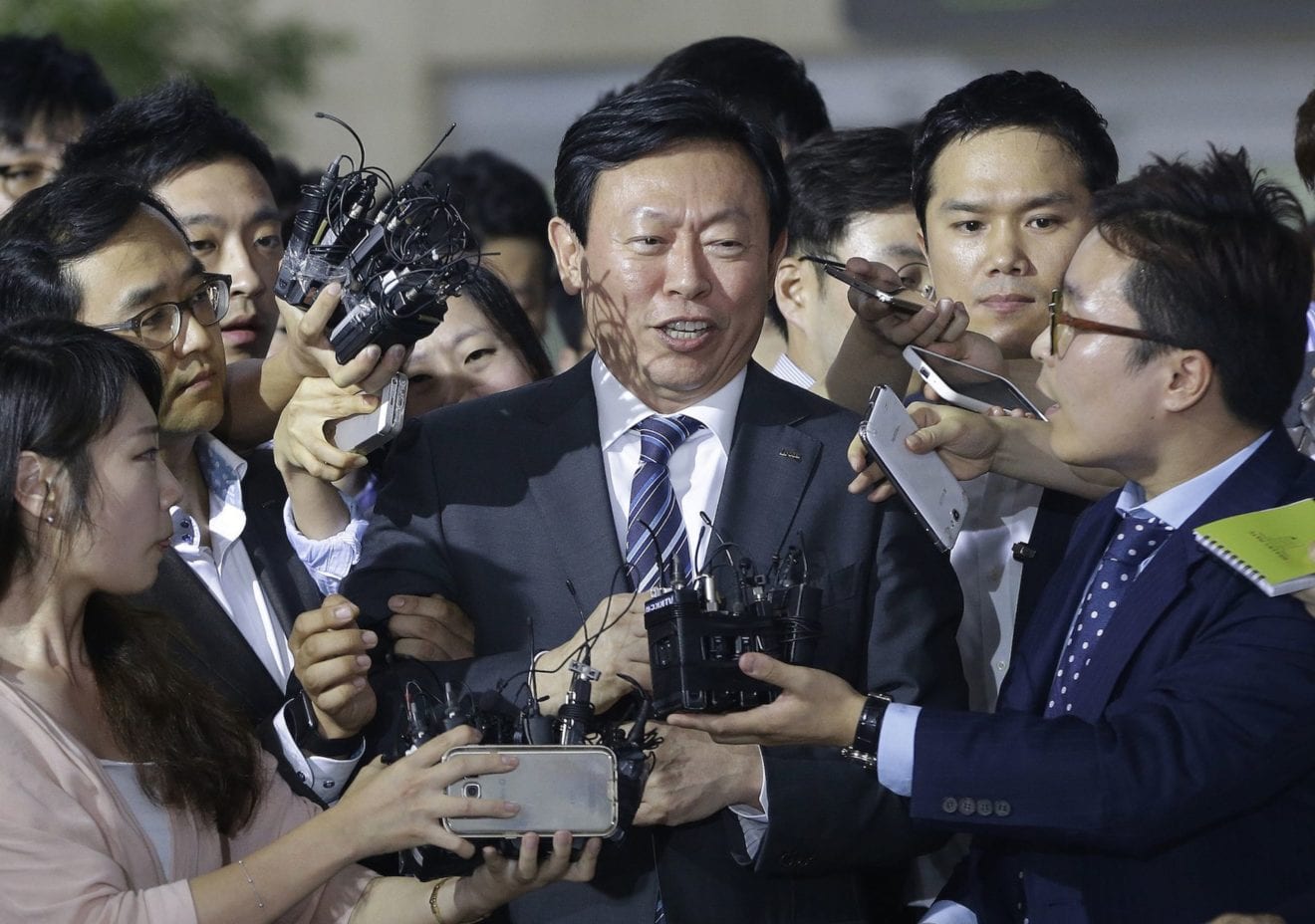
    South Korean prosecutors will file charges on Wednesday against Lotte Group’s chairman, Shin Dong-bin, father and brother alleging they committed offences such as embezzlement and breach of trust worth hundreds of millions of dollars at the family-owned conglomerate, as reported on Tuesday.

    Closing a wide-ranging probe into corruption that has convulsed Korea’s fifth-largest conglomerate, prosecutors will announce the results of their investigation into the retail-to-chemicals group on Oct. 19, a prosecution source with direct knowledge of the matter told Reuters.

    The person, who requested anonymity as he was not authorized to speak to the media, declined to comment on whether Shin, 61, will be indicted.

    Shin’s father, the 93-year-old Lotte Group founder Shin Kyuk-ho, and his brother Shin Dong-joo, will also be charged with offences such as tax evasion and breach of trust.

    A Lotte Group spokeswoman declined to comment.

    The probe has constricted management at Lotte, a household name in Korea, since it flared into public in June, derailing plans for billion-dollar deals and freezing expansion of a group with assets worth 103 trillion won (US$92 billion). It also served as the backdrop to the apparent suicide of a leading executive at the group.

    While Shin would be charged with embezzlement of about 50 billion won and breach of trust involving about 175 billion won, he would not be arrested.

    Last month the Seoul Central District Court turned down prosecutors’ request for an arrest warrant for Shin after he appeared at a court hearing, saying it didn’t view detaining the executive as necessary.

    Once indicted, appeals processes could mean Shin potentially faces trial in court for many months.

    A spokesman for the Seoul Central District Prosecutors’ Office could not be immediately reached for comment.


  • Lotte, Shinsegae address Korean gender employment issues

    Lotte, Shinsegae address Korean gender employment issues

    Korean retail giants Lotte and Shinsegae are competing to improve employment conditions for women.

    The two companies are pushing forward with efforts to provide more opportunities for women to move up in their corporate hierarchies and implementing women-friendly systems as part of their company policies. Korean gender employment issues are of growing concern in a traditionally male-dominated business culture.

    According to industry watchers, Shinsegae’s discount store franchise E-Mart instituted a shortened work-hour system for all of its pregnant employees starting in April, with employees eligible regardless of whether they apply for the benefits or not, and offering them 100 per cent of their wages. Under the arrangement, pregnant employees have their work day shortened by two hours.

    The system had been difficult for female workers to take advantage of given both the company atmosphere which tended to discourage the practice, as well as reduced wages, said a company official.

    In addition, E-Mart announced in March a new leave of absence policy for employees having difficulties with pregnancy, and it also plans to implement its own maternity leave system that allows employees to take up to a year of maternity leave, on top of the legally-guaranteed period of 20 months (eight months for maternity, 12 for childcare). The latter has already been implemented by another Shinsegae franchise, Shinsegae Department Store.

    In contrast, Lotte’s women-friendly policies focus more on employing a greater number of women as new recruits.

    Since 2006, Lotte has been increasing the number of female employees at its affiliate enterprises by hiring more women through its recruiting process. In 2015, 35 per cent of new recruits were women, a rate that the group plans to increase to 40 per cent this year.

    Furthermore, Lotte also operates a special recruiting platform specific to retired female officers from the military, an endeavor which took off in 2011 with cooperation from the defense ministry.

    As a result, the number of women at Lotte with positions as section chiefs or higher now stands at 870, an increase from 95 in 2008, and 19 of the group’s board members are also female.

    Meanwhile, Lotte established eight additional daycare centers for its employees in the first half of 2016 for working mothers, while allowing women to automatically take their year-long childcare leave right after their maternity leave, so they won’t have to face unnecessary guilt or unwelcome comments from colleagues or bosses.

    “Chairman Shin Dong-bin seems to be taking extra attention to nurture female employees and their talent,” said a Lotte official. “Our goal is to create a work environment where women can work without facing gender discrimination.”

  • Lotte forecasts $5bn for 2016 after first-half surge

    Lotte forecasts $5bn for 2016 after first-half surge

    South Korean duty free and travel retailer, Lotte Duty Free Group, is targeting a +20% increase in total duty free revenue to reach just over $5bn in 2016 after first half growth of +25%. Driving the big increase have been high-spending Chinese visitors shopping in its stores.

    First half sales reached almost $3bn, a senior Lotte Duty Free source said on condition of anonymity. The sales boost comes at a time when the company was preparing to close its Lotte World Tower store in June after failing to renew the shop’s licence.

    “Chinese tourist numbers are very strong (and) we are forecasting a +20% increase in total revenue for 2016. Sales have increased a lot (so far) this year because in 2015 we had the MERS epidemic problem,” the source said. “Last year, our total revenue in South Korea was $4.2bn.”

    Lotte-World-Tower-hero-P&C

    Chinese travellers continue to boost sales.

    Sales in the second half of 2016 also got off to a good start with July revenue climbing +45% as the summer peak season got underway, the source noted.

    To cope with the closure of the Lotte World Tower store the company has expanded its Sogong downtown flagship unit in central Seoul. The shop has been expanded to occupy four floors in the Lotte Sogong department store building – adding floor 12 to floors nine to 11.

    The duty free shop took over the 12th floor in February which has been converted to the new perfume and cosmetics space and opening in June. It replaces the food court that was previously there.

    BEAUTY GETS ITS OWN FLOOR

    Moving beauty to the 12th floor from the 9th floor has increased the total duty free beauty area by around +35% to 3,500 sq m. In addition, Lotte will use about one third of its 11th floor retail area to display mid-priced South Korean cosmetics brands which are also popular with Chinese visitors.

    Space for the South Korean cosmetics brands zone on the 11th floor is being created by moving some fashion brands from this level to the ninth floor area where perfume and cosmetics were located previously. The ninth floor area is being developed as an open display fashion floor and Lotte plans to bring in a number of new South Korean and international fashion brands as well for the first time.

    The group has taken over the Seoul Gimpo Airport beauty and general merchandise licence, previously operated by Shilla Duty Free, which was recently retendered by Korea Airports Corporation (KAC).Meanwhile, responding quickly to the loss of its Lotte World Tower store licence, Lotte has recently acquired two new airport duty free licenses, emphasising the company’s intention to retain its leading position in  Korea’s DF&TR market.

    SME operator City Plus was awarded the Gimpo liquor, tobacco and general merchandise licence, that was previously operated by Lotte, after KAC reserved the concession for SME bidders only.

    Elsewhere, Lotte Duty Free has also taken over the Gimhae Airport perfume and cosmetics licence in Busan, after Shinsegae Duty Free decided to give up after losing money and it was retendered.

    FIGHTING ON FOR LOTTE WORLD

    Meanwhile, Lotte is aiming to reopen its Lotte World Tower store and has set its sights on winning one of four new duty free licenses for downtown shops in Seoul that Korea Customs Service is due to tender towards the end of 2016.

    “The 7th floor is being used for the Lotte Internet duty free centre and the customer lounge. As the government recently issued new duty free licenses, we will do our best to acquire a licence to repay the love our customers have shown to us. Thank you.”Following the World Tower closure: Lotte posted the following announcement on its website: “We express our deep thanks to our customers for shopping at Lotte World Tower. Due to the expiry of our duty free shop licence, Lotte World Tower store was closed on 26 June, 2016.

    Of the four new downtown duty free shop licenses that KCS will award, three are for large conglomerates and one for SME operators. In addition to Lotte, Shilla Duty Free and Shinsegae Duty Free may make bids even though both companies have already opened new downtown stores in Seoul this year.

    Newcomer Hyundae Department Store is another likely bidder, as is WalkerHill Duty Free which had to close its newly-rebuilt downtown store after losing its licence. It is keen to re-open its now empty shop.

  • Korean department stores trigger restaurant battle

    Korean department stores trigger restaurant battle

    Korean department stores have become the new battleground for Korean restaurant chains.

    Restaurants have long been a lucrative business for department store operators – accommodating hundreds of weary shoppers every day, they have sometimes been referred to as a ‘goose that lays a golden egg’.

    However, until now, opening such a restaurant had been a near-impossible task without deep connections to the store’s higher-ups.

    According to retail industry sources, several new restaurants are set to open next month in the food court section of Lotte’s flagship department store in Myeongdong, which is currently being renovated. Of note, the new owners didn’t have to lobby Lotte management or be a member of a Lotte family to open their establishments.

    Lotte faced significant criticism in June when the media spotlighted Seo Mi-kyung, Lotte founder Shin Kyuk Ho’s third wife, and her company Yuki Co, which operates a bibimbap restaurant (Yukyung),  naengmyeon restaurant (Yuwonjeong) and coffeehouse (Margaret) at the Lotte’s Myeongdong store.

    “We’re in the middle of clearing up our business with Seo’s company,” said the department store official. “We plan to operate our food court based on the popularity of restaurants and their competitive advantage.”

    A high-end sushi restaurant, Sushi Chohi, Chinese restaurant Luii, and European casual restaurant Elbon Grand Cafe operated by chef Choi Hyun-seok are among the new eateries that will open in mid-September.

    Hyundai Department Store, once criticised for giving favors to its subsidiary Hyundai Green Food, is also rearranging the food courts at its stores to accommodate popular restaurants from across Korea. And although it still operates Hyundai Green Food-owned restaurants like Bonga Sushi and Hansol Naengmyeon at its branches, it’s now focusing its efforts on attracting other popular restaurants.

    “Bonga Sushi and Hansol Naengmyeon have made a name for themselves, and their inclusion is not necessarily due to the Hyundai family relationship,” said a Hyundai Department Store official. “We’re concentrating more on attracting well-known restaurants to our food courts, because restaurants with no competitive edge aren’t likely to survive.”

    Italian restaurants Le Jiu and Signature Lab opened their latest locations at the Samseong-dong branch, while Amorino, an Italian gelato franchise, opened a new eatery at Hyundai’s Apgujeong branch.

    Shinsegae Department Store also introduced new restaurants this year. Youth-driven restaurants from Gangnam and Hongdae, including Chinese cuisine franchise Choma, steakhouse restaurant Fukuoka Hambageu, and premium tteokbokki restaurant Villa de Spicy, according to Shinsegae, were met with high acclaim.

    Shinsegae also said that new restaurants tend to attract more customers to its stores.

    “Department stores are no longer solely a place for shopping. They’re transforming into one integrated living space for consumers to spend their free time,” said a retail industry official. “Given the circumstances, the stores will continue with their efforts to accommodate more popular and competitive restaurants.”

  • Heat Wave Boosts Retail Sales

    Heat Wave Boosts Retail Sales

    A prolonged heat wave in South Korea is boosting sales of local retailers, cafes, hotels and theaters as people flock to those air-conditioned places to get relief, industry sources said Tuesday.

    The entire country has been hit by the scorching weather for the past two weeks, with daytime highs soaring above 35 degrees in Seoul and most other regions and the mercury staying above 25 C even at night.

    According to Lotte Department Store, its same-store sales climbed 4.1 percent between July 25 and Sunday from the corresponding period a year earlier.

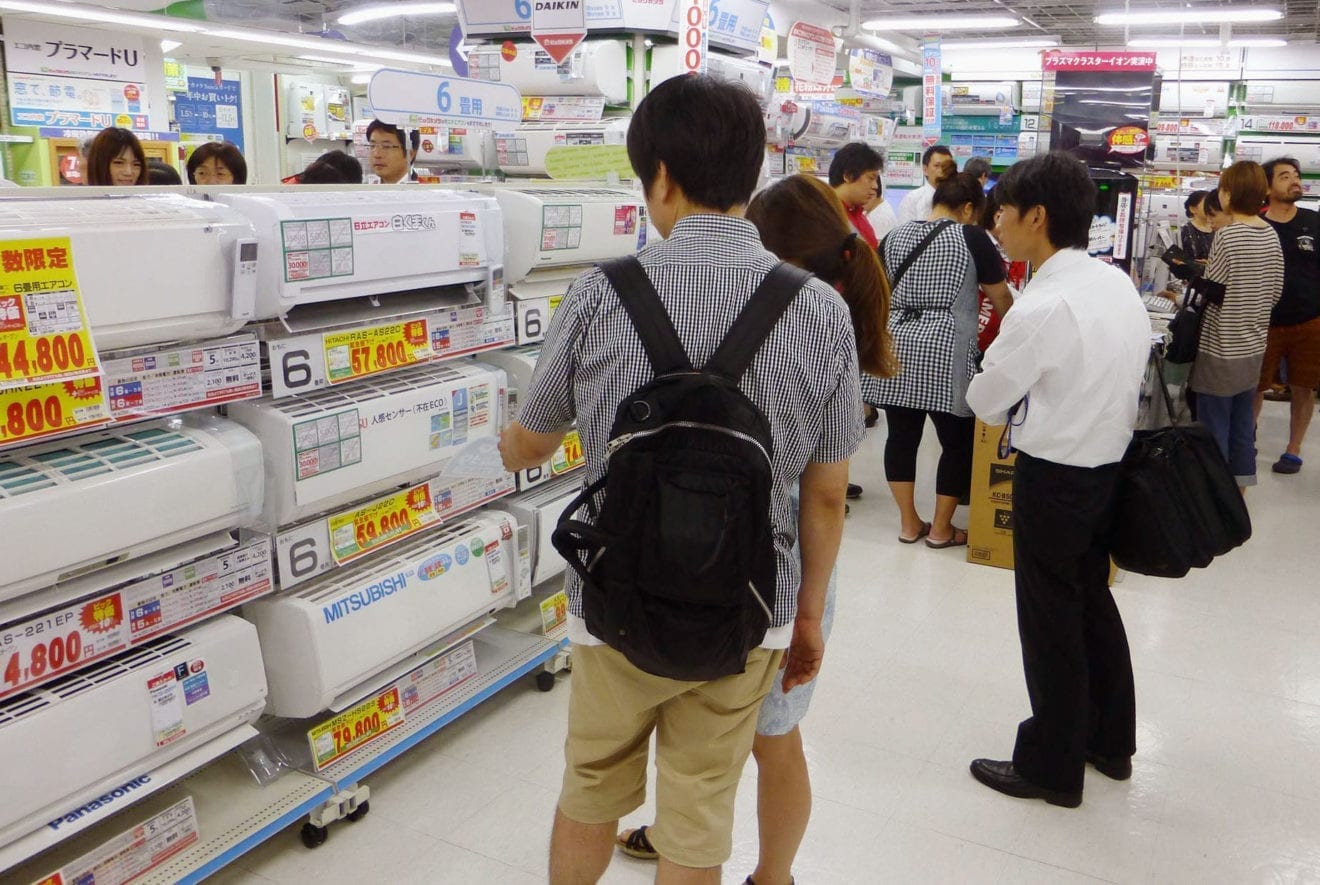
    Sales of consumer electronics products rose by the highest rate of 24.5 percent, with those at food courts expanding 14.1 percent.

    “Sales of air conditioners and electric fans recorded a strong on-year increase, leading the overall gain in shipments of home appliances,” a Lotte Department Store official said.

    Discount giant E-Mart estimated its July sales have gone up 8 percent from the same month a year ago. In the first seven days of this month, sales of air conditioners soared 53 percent on-year with peaches and other fruits also chalking up brisk sales.

    The heat wave also comes as a boon to Seoul’s luxury hotels with swimming pools as an increasing number of people spend their summer vacations there instead of going to the beach or other places.

    Lotte Hotel Seoul, one of the country’s best luxury hotels, said sales of its “summer package” doubled between July 25 and Sunday from the same period a year earlier. The Plaza Hotel Seoul also posted a 40 percent surge in sales of its summer package.

    In addition, coffee shops and cinemas have enjoyed booming trade for the past several weeks as more people visited them to seek relief from the searing heat, according to the sources. “More people are expected to flock to air-conditioned places to cool off as the heat wave is forecast to last for some time,” an industry official said.

    The Korea Meteorological Administration forecast the heat wave gripping the country is likely to continue till mid-August with daytime highs hovering around 35 C.

  • Retail giants seek to cash in on hallyu

    Retail giants seek to cash in on hallyu

    The leading retailers in Korea are seeking to cash in on the global popularity of hallyu by sealing strategic tie-ups with entertainment companies to sell exclusive merchandise.

    Products bearing the images of popular K-pop artists and actors have largely been available only online. However, the success of a small store at Lotte Department Store’s Young Plaza in Myeong-dong, Seoul, appears to have caught the fancy of the retailer.

    The store dedicated to K-pop stars saw sales grow fivefold this year, half of which were accounted for by Chinese customers.

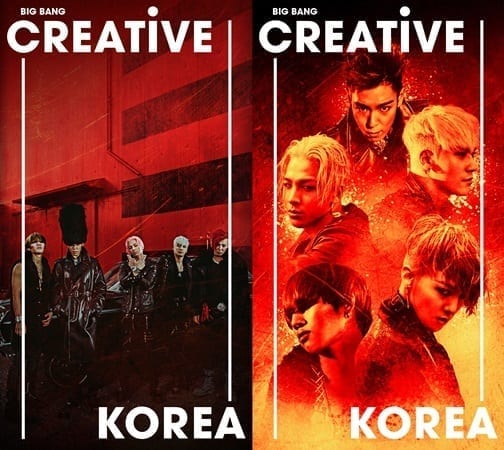
    This has prompted Lotte to join hands with YG Entertainment — home to some of the biggest K-pop acts such as Psy, Big Bang and 2NE1, as well as actors and actresses — to open a larger store on Aug. 12 where fans can now touch and try the goods before they pull out their credit cards.

    Big Bang.

    Lotte will offer officially endorsed celebrities goods available in over 100 categories, ranging from the mandatory clothing and stuffed toys to scented candles and cosmetics.

    Earlier in March, Korea’s top retail chain E-mart teamed up with SM Entertainment to introduce its private brand products bearing the name and face of its artists such as EXO Sonjjajang and Shiny Sparkling Water.

    Meanwhile, the two entertainment giants are also tapping into the restaurant business. SM is running tapas restaurant SMT Seoul in Cheongdam-dong, while YG opened YG Republique in Myeong-dong and Yeouido.

    By the end of this year, both will expand out of the country: SM will branch out into Tokyo and Los Angeles while YG will branch out in LA and Bangkok.


  • Thailand’s Central declares $89.6 mln tax on Big C Vietnam deal

    Thailand’s Central declares $89.6 mln tax on Big C Vietnam deal

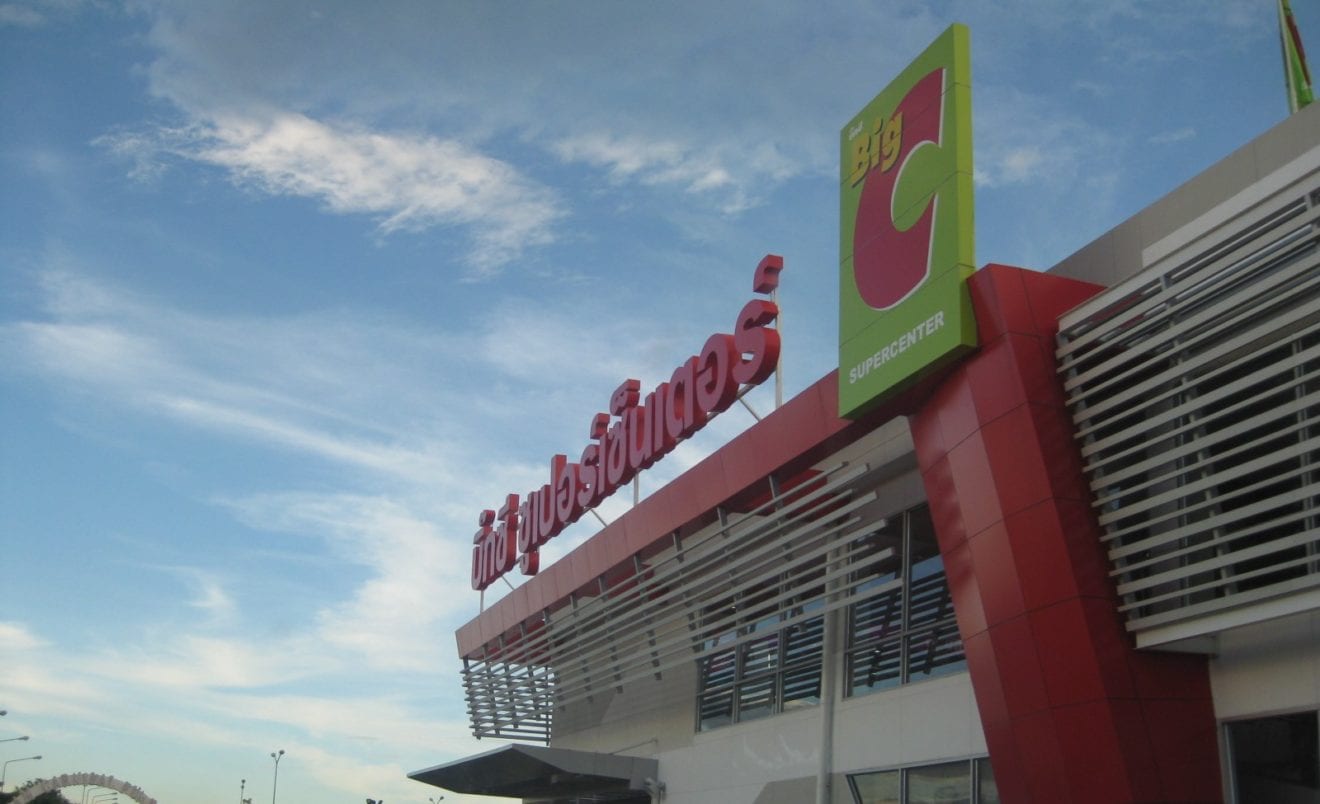
    Thai retail giant Central Group has declared around VND2 trillion (US$89.6 million) in tax on its acquisition of Vietnam’s biggest foreign-owned supermarket chain Big C, local media reported.

    Big C Vietnam, which declared the tax on behalf of its new owner, has paid VND380 billion ($17.03 million) of the amount, Tuoi Tre newspaper said on Monday, citing an unnamed source from the Ministry of Finance. The rest is expected to be collected later.

    The source did not comment on why the sum was much lower than the official estimate of VND3.6 trillion ($159 million) by the ministry’s General Department of Taxation.

    In June the department sent letters to Central Group and France’s Casino Group, the chain’s former owner, demanding them to pay tax on the $1.04 billion deal and threatening to block the ownership transfer.

    It reportedly said in the letters that the companies were far behind their tax obligation. According to the department, Vietnam’s laws stipulate that businesses have 10 days to pay taxes on the sale of their holdings after their negotiation is completed. The Big C deal was made public on April 29.

    At the end of last month, the tax authority reminded the companies of the tax again, saying they will be fined 0.05-0.07 percent per day for late payment.

    Big C is the largest foreign-owned retail chain in Vietnam with 33 supermarkets and 11 convenience stores. Many big players such as Vietnam’s largest retailer Co.op Mart, Japan’s Aeon, Thailand’s TCC and South Korea’s Lotte were interested when Casino announced its sale plan at the end of last year.

    Vietnamese electronics retailer Nguyen Kim, 49 percent owned by Central Group, also joined the Thai conglomerate in the acquisition of Big C. Their respective stakes have not been disclosed.