Tag: luxury

  • MCM Philippines opens first store, at SM Mall of Asia

    MCM Philippines opens first store, at SM Mall of Asia

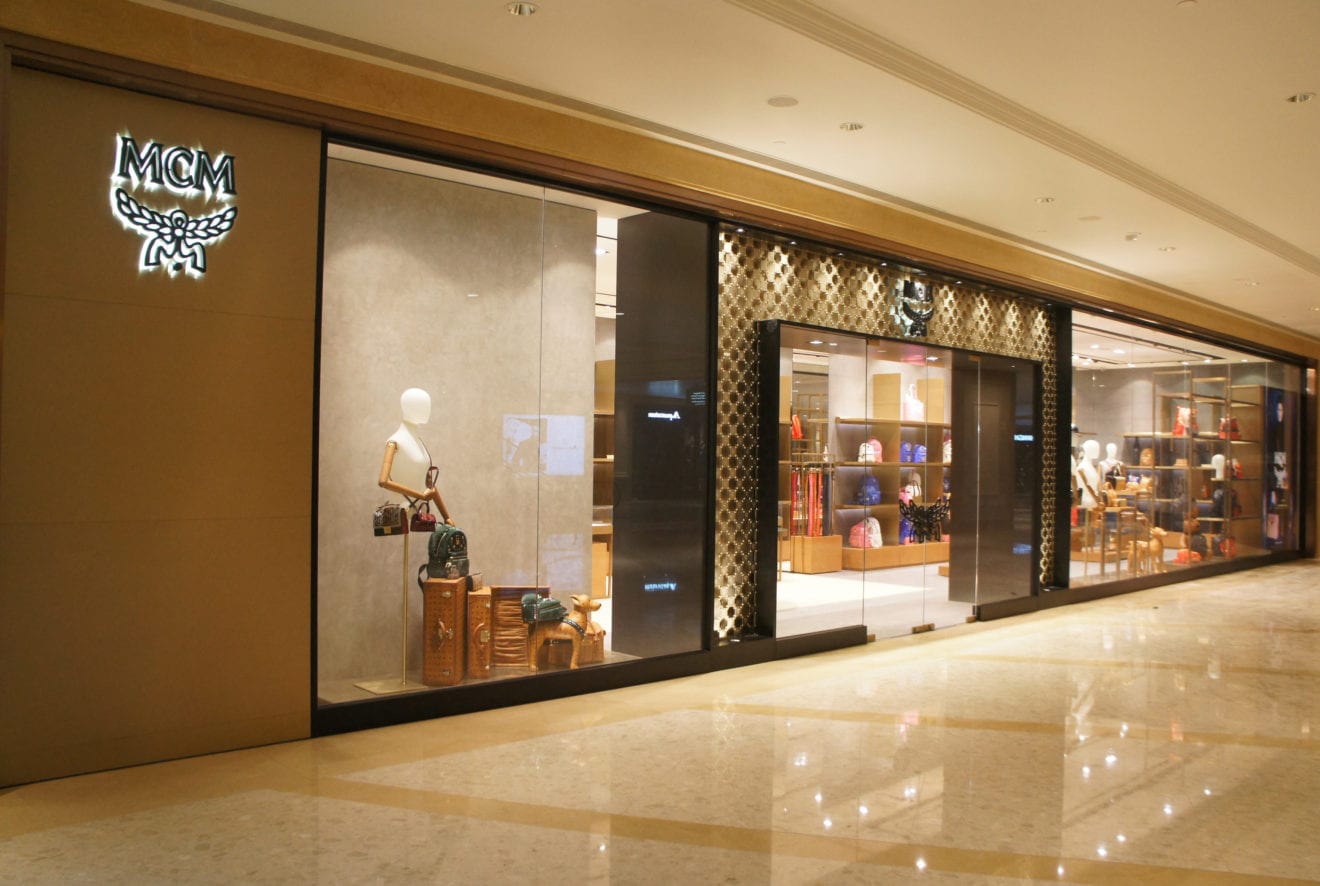
    The first MCM Philippines store has opened its doors, at the giant Mall of Asia complex in Metro Manila.

    The German luxury leather accessories brand MCM Worldwide store is located inside the Luxe Duty-Free precinct in the mall.

    The MCM Philippines boutique offers leather handbags, luggage and accessories and the store open featuring the Spring/Summer 2020 collection.

    Vicente Pelagio Angala , COO, Duty-Free Philippines Corp (DFPC) said the opening of MCM complements the DFPC’s aim to always be the first Philippine retail brand to bring new luxury labels to the market.

    MCM Worldwide is a leather luxury goods brand founded by Michael Cromer in 1976. The brand’s signature logo-printed material, called Cognac Visetos is being showcased on some of the products. It has a brass plate insignia that can be found on all the heritage collection bags and most of its products.

    In 2005, the company was acquired by Sungjoo Group, a South Korean retail business founded by Kim Sung-joo.

    Kim re-launched the brand in 2006 with a new store in Berlin and currently has 650 stores worldwide including in Hong Kong, New York, Toronto, Paris, London, Singapore, Tokyo, China and the Middle East.

  • Luxury Real Estate in Singapore Draws Rich Chinese

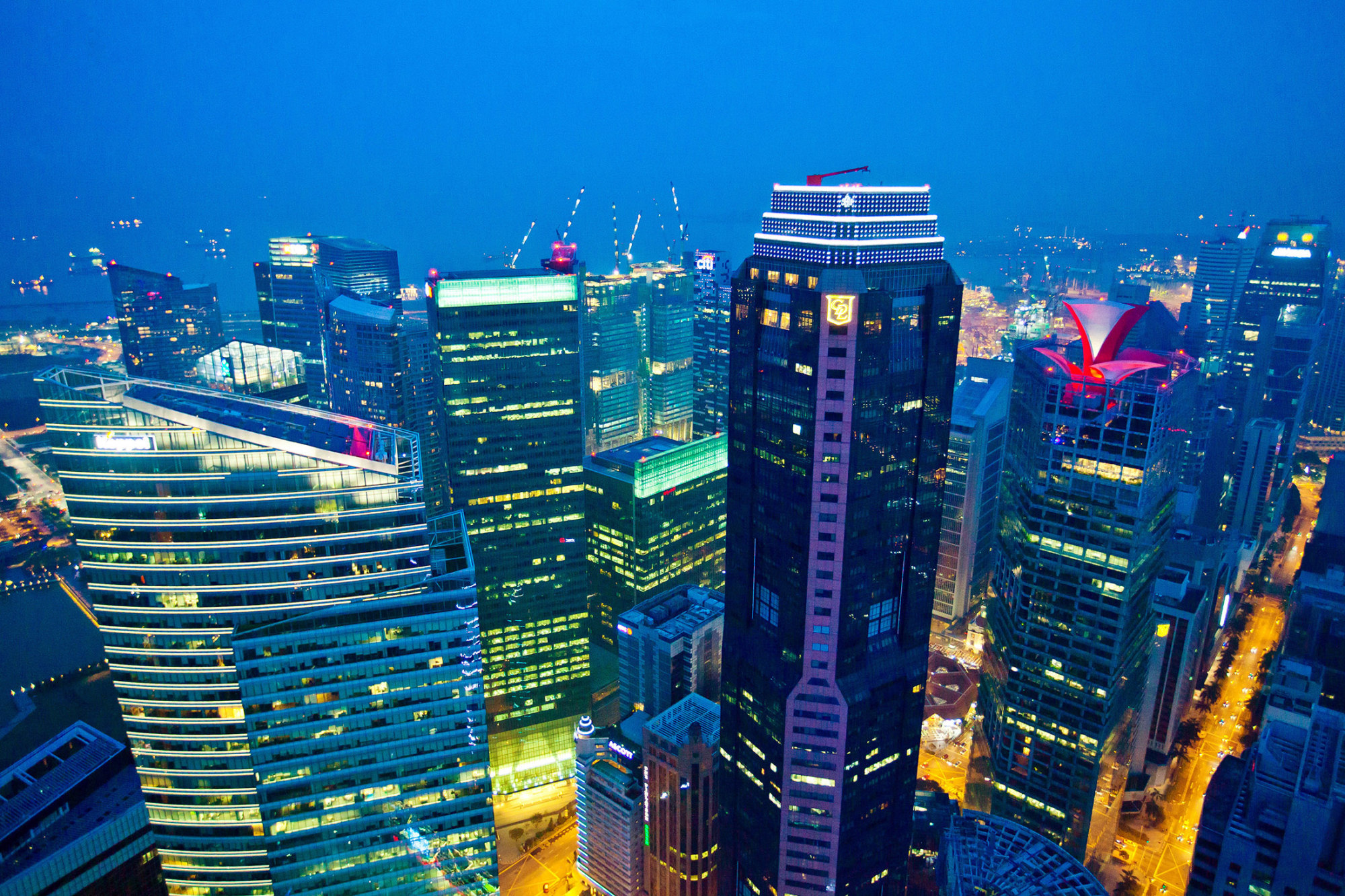
    Luxury Real Estate in Singapore Draws Rich Chinese

    Rich Chinese continue to snap up luxury homes in the city-state as they seek a safe and calm offshore location to park their wealth.

    Protests in Hong Kong are driving rich Chinese property buyers away from the special administrative region to relatively calm and stable Singapore.

    The Lunar New Year period is a particularly busy period for property agents in Singapore catering to this group of buyers – three interviewed by the publication said inquiries among mainland Chinese in the lead up to this period typically jump by 15 percent, with demand intensifying in the past two years.

    Property cooling measures, which raised the additional buyer stamp duty on foreigners buying any residential property to 20 percent in July 2018, up from 15 percent, have had little effect on the demand for luxury apartments in Singapore – Chinese buyers of apartments S$5 million ($3.7 million) or more doubled in the third quarter of 2019 from the same period the year before, the report said.

    Most buyers purchase properties as an investment and prefer those near landmark locations, according to realtors interviewed by the publication. However, they noted that a growing number of buyers are also buying apartments with the sole purpose of parking their wealth here.

  • Drivers more geared towards luxury cars

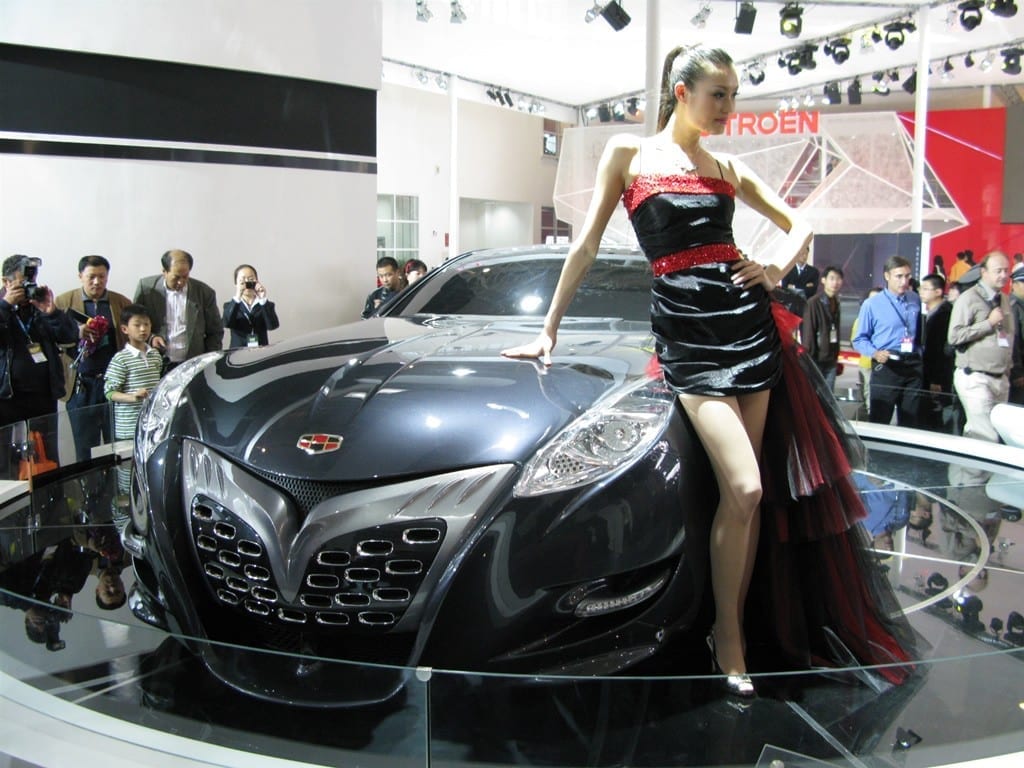
    Drivers more geared towards luxury cars

    Sales of luxury cars in Vietnam surged in 2019 with the rich showing greater preference for premium vehicles in a fast-growing economy. Mercedes-Benz sold the highest number of luxury cars at 6,800 units, up 8 percent from 2018.

    The imported crossover SUV Mercedes-Benz GLC 300, priced at VND2.56 billion ($110,600), was the best-seller, accounting for 40 percent of the number of units sold by the German brand.

    With 20 models, many assembled in Vietnam, Mercedes-Benz created sales gap with the rest of the luxury market.

    Toyota’s luxury brand Lexus recorded a sales surge of 157 percent year-on-year to 1,511 units in 2019.

    Sales of the only Asian luxury brand rose after plummeting in 2018 due to a government decree limiting car imports.

    Swedish brand Volvo recorded sales of 500 units last year, up 250 percent from 2018, with the most in-demand model being the compact crossover SUV Volvo XC60 priced at VND2.85 billion ($123,200).

    Sources said most other German brands like Porsche and BMW recorded increasing sales. Audi was the only brand with decreasing sales due to import challenges, a representative confirmed.

    Insiders say Vietnam’s fast-growing economy and expanding middle class, along with rising car discounts led to the sales surge last year.

    Manufacturers plan to export new models this year to Vietnam, giving customers even more luxury options.

    Auto sales in Vietnam last year rose 11.6 percent from 2018 to 322,322 units, with 58.8 percent of them locally-assembled, according to Vietnam Automobile Manufacturers Association.

  • Cartier flagship opens on Tmall Luxury Pavilion

    Cartier flagship opens on Tmall Luxury Pavilion

    Cartier flagship has opened on Alibaba’s premium Tmall Luxury Pavilion, becoming the first Richemont-owned business to launch a standalone boutique on the site.

    “The Tmall Flagship boutique marks a milestone within the Maison’s longstanding presence in China, reflecting the inheritance of the pioneering spirit embedded in the Maison’s DNA,” said Cyrille Vigneron, president and CEO at Cartier International.

    He said the Cartier flagship’s launch will provide significant opportunities for the brand to embrace China’s fast-moving retail environment in order to further strengthen its commitment to Chinese clients, given the increasingly complex e-commerce landscape of the market.

    Besides a wide collection of jewelry, timepieces, and accessories, the Cartier flagship on Tmall features the global debut of two exclusive collections: the Juste un Clou small model bracelet with diamonds and the Guirlande chain wallet bag.

    The brand offers special services including red box engravings and door-to-door Cartier Bellboy delivery services for the first 288 clients.

    To celebrate the launch, Cartier Tmall has created a hashtag #Let’s Cartier on Weibo and unveiled its grand opening ceremony this February with Tmall Super Brand Day.

  • Japanese used luxury-goods chain Komehyo opened in Bangkok

    Japanese used luxury-goods chain Komehyo opened in Bangkok

    Japanese used designer products retailer Komehyo has launched in Bangkok.

    The CentralWorld shopping complex outlet opened on Friday in cooperation with local partner Saha Group. It is part of the firm’s drive to expand throughout Southeast Asia.

    “With no other major competitors having a presence, Thailand offers hidden opportunities for Komehyo,” said president Takuji Ishihara.

    Komehyo has set up a purchasing office near its Bangkok location to facilitate sourcing used fashion products.

  • Japanese used luxury-goods chain Komehyo has opened in Bangkok

    Japanese used luxury-goods chain Komehyo has opened in Bangkok

    Japanese used designer products retailer Komehyo has launched in Bangkok.

    The CentralWorld shopping complex outlet opened on Friday in cooperation with local partner Saha Group. It is part of the firm’s drive to expand throughout Southeast Asia.

    “With no other major competitors having a presence, Thailand offers hidden opportunities for Komehyo,” said president Takuji Ishihara in a Nikkei report.

    Komehyo has set up a purchasing office near its Bangkok location to facilitate sourcing used fashion products.

  • Why brands should embrace the second-hand luxury market

    Why brands should embrace the second-hand luxury market

    New research shows that global sales in the second-hand luxury market are expected to grow at an average rate of 12 percent year-on-year, compared to a 3 percent average for the core luxury market.

    The figures were released in a Boston Consulting Group (BCG) and Vestiaire Collective survey, entitled “Why Luxury Brands Should Celebrate the Pre-Owned Boom”, revealing three key drivers behind the rapid growth and detailing how luxury brands can benefit from the explosion of the resale market.

    According to the survey, the resale industry is forecast to increase turnover from US$25 billion in 2018 to $36 billion in 2021, representing around 9 percent of the luxury market.

    Millennials and Gen Z are disrupting the market and placing greater importance on the social and environmental impact of their purchases than previous generations.

    The BCG-Altagamma study revealed that the purchasing behavior of 59 percent of luxury customers in both the primary and secondary markets is influenced by sustainability, while 17 percent of customers in the second-hand market purchase pre-owned because they consider it “truly sustainable behavior.” The survey of Vestiaire Collective customers reveals similar data, with more than 70 per cent trying to shop ethically and 13 per cent saying that sustainability is extremely important to them. Of those that shop ethically, 57 percent say that environmental impact is their primary concern.

    Most second-hand luxury clients are attracted by affordable prices: 96 per cent of Vestiaire Collective members surveyed said they buy second-hand luxury pieces partly because they are looking for value for money. Another major advantage of the second-hand market is that 62 percent of buyers are searching for pieces that are either out of stock, from previous season collections, or from limited-edition releases, while 83 percent stated they are drawn by the wide selection of products and brands which may no longer be available in the firsthand market.

    Brick-and-mortar lagging online

    The traditional brick-and-mortar luxury resale industry has produced very few players of any significant size as they focused on a specific product category or geographic footprint. By contrast, online resale platforms have won over consumers by offering far greater brand and product assortment.

    In addition, each platform has developed a series of unique services such as curation, authentication and personalized marketing strategies driven by data insights. The increased professionalization of the market has also attracted major venture capital investment.

    Pre-owned luxury buyers are usually consumers who don’t have access to the primary luxury market, as 71 percent of the pre-owned buyers surveyed lean towards items and brands they could not afford firsthand.

    The second-hand market is thus a powerful way for luxury brands to connect with and anchor their brand in the minds of potential future primary customers. As second-hand luxury customers mature, their purchasing power tends to increase, making them ready to shift to the primary market. Of those surveyed, 62 percent said that they bought a brand they like for the first time second-hand on Vestiaire Collective, and almost all of that 62 per cent said they would consider buying that brand again. Research also shows that 57 percent would either definitely buy or would consider buying the item first-hand – making them solid prospects for the first-hand market.

    Second-hand sellers typically use resale to recoup some of their money back on firsthand purchases, often so they can reinvest in new, full-priced luxury products. Of those sellers surveyed, 32 per cent said they were primarily selling because they wanted to purchase new firsthand goods. In addition, most pre-owned sellers do not tend to make many second-hand purchases.

    For example, of total pre-owned sales on the Vestiaire Collective platform, 70 per cent are generated by sellers who rarely purchase second-hand. Forty-four percent of sellers stated that they purchase more expensive luxury items than they would have bought without a resale market.

    Furthermore, customers purchase more frequently, investing around the same amount on individual items but buying again once they free up their budgets. Pre-owned sales clearly boost these sellers’ purchasing power for new items and therefore create an opportunity to increase primary market sales, benefiting luxury players.

    The pre-owned market extends the lifetime of luxury products – most products sold o
  • Fenty Beauty by Rihanna launched in Hong Kong

    Fenty Beauty by Rihanna launched in Hong Kong

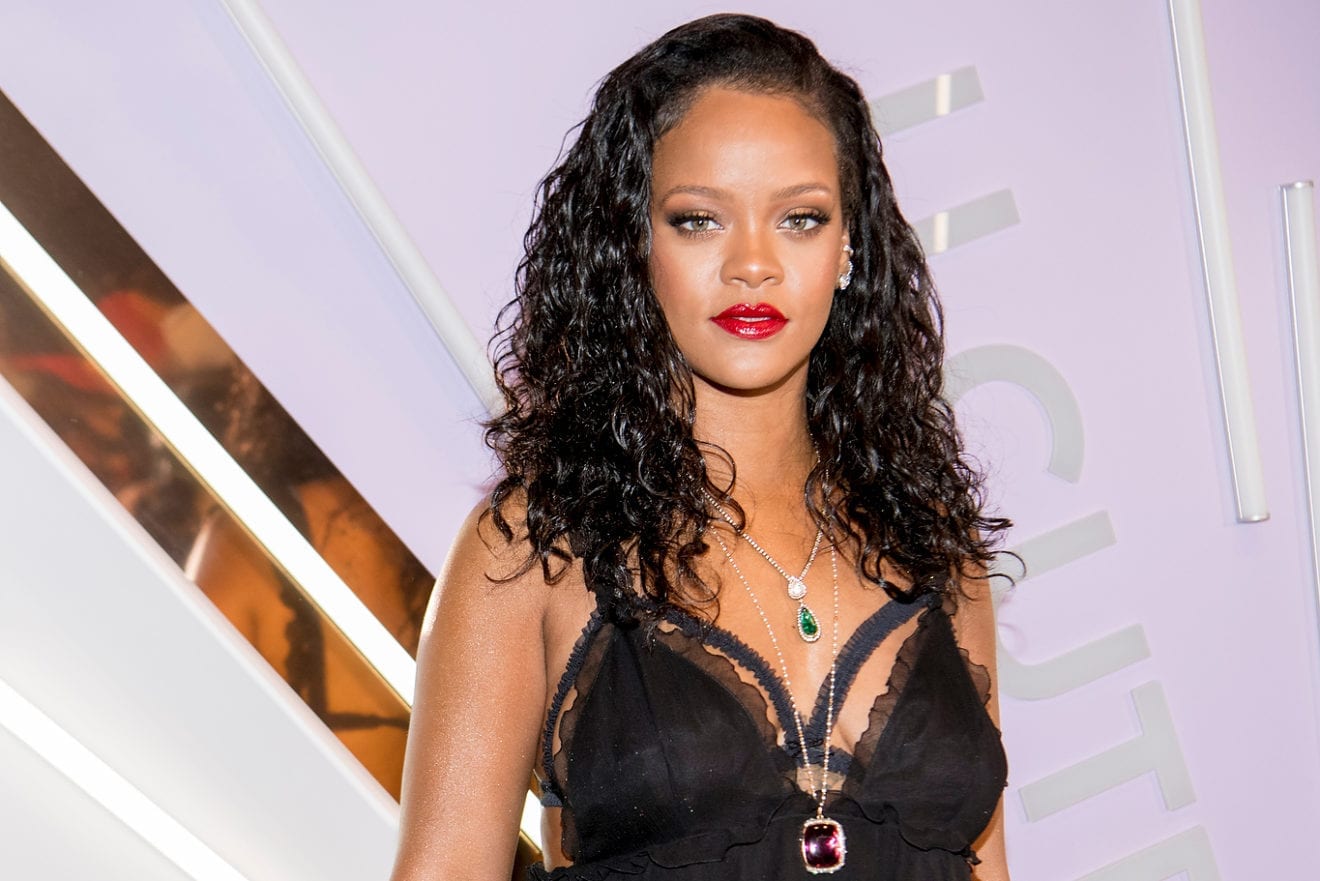
    Luxury travel retailer DFS will debut cosmetics brand Fenty Beauty by Rihanna in downtown T Galleria locations in Hong Kong and Macau today.

    DFS will stock Fenty Beauty by Rihanna exclusively in Macau and be one of the first retailers in Hong Kong to introduce the brand.

    Singer Rihanna developed her global makeup line in partnership with Kendo Brands, an LVMH-owned beauty developer, in 2017. Now the company has created a full Maison for Fenty.

    The range of artistry-quality products are inspired by Rihanna’s vision of ensuring people everywhere feel included, with a focus on skin tones that have been traditionally underrepresented in the beauty industry.

    “I created Fenty Beauty because I wanted to make a beauty brand that is inclusive for people everywhere,” said Rihanna. “I want everyone to feel beautiful, recognized and empowered, no matter their ethnicity, culture, skin tone or style.”

    DFS Group chairman and CEO Ed Brennan described Rihanna as a “multi-talented entrepreneur who embraces diversity, applauds curiosity and instills playfulness – qualities that we at DFS also value and promote”.

  • China key driver for Hermes sales growth

    China key driver for Hermes sales growth

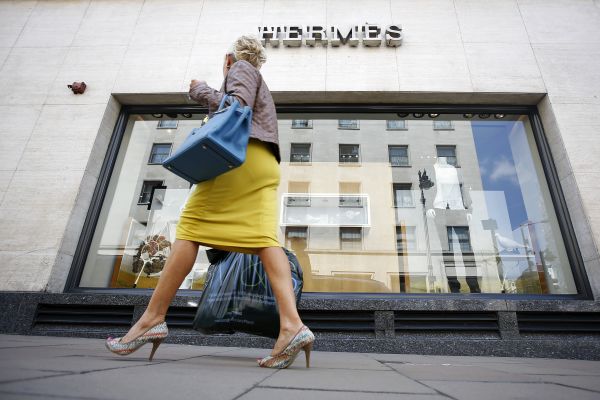
    Chinese consumers have been credited with driving a 14.7 per cent rise in Hermes’ sales in the June quarter.

    While the Sino-US trade war may have been impacting on many brands, subduing consumer confidence and generating uncertainty, the French luxury leather retailer seems immune to the tempest.

    Sales reached €1.67 billion, exceeding analysts forecasts, with first-half sales totalling €3.28 billion.

    “Hermes sales were very dynamic in the first half of 2019, in all regions and in all business lines,” said CEO Axel Dumas.

    The fastest-growing region, however, was Asia (excluding Japan) where sales soared 18.6 per cent in the second quarter, excluding currency effects. Hermes referred to “positive momentum in continental China and double-digit growth in all other countries in the area” in a statement.

    Eric du Halgouet, Hermes’ finance director, said sales in Hong Kong rose by a double-digit rate during the first half year, despite the impact of June’s pro-democracy demonstrations when two of the company’s stores had to close briefly.

    Sales in Japan rose by nearly 10 per cent.

    Sales of the company’s core business lines, including handbags, rose by 12.2 per cent, while ready-to-wear fashion and accessories achieved 16.9 per cent growth.

    Jewellery and homewares posted the highest growth, at 21 per cent.

    In the statement, Hermes said that despite growing economic, geopolitical and monetary uncertainties around the world, the group confirms an ambitious goal for revenue growth in the medium term, at constant exchange rates.

  • Luk Fook sales drop 10 per cent as trade war bites

    Luk Fook sales drop 10 per cent as trade war bites

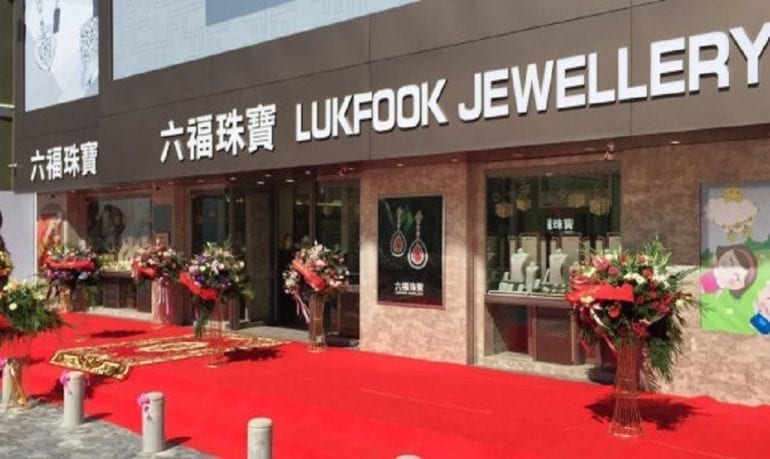
    The trade war between the US and China has been partially blamed for a 10 per cent fall in Luk Fook sales.

    In a quarterly sales update, the Hong Kong-listed jewellery retailer said a relatively higher base in the comparable period also contributed to the decline.

    First-quarter same-store Luk Fook sales were down 10 per cent with the overall same-store sales of gold products down 19 per cent. Gem-set jewellery sales rose 4 per cent.

    In Hong Kong and Macau, sales of gold products fell by 20 per cent while gem-set jewellery sales rose 6 per cent.

    “The favourable sales performance of lower-value items resulted in a double-digit drop in the average selling price of gem-set jewellery products,” said chairman and CEO Wai Sheung Wong. “However, due to the remarkable increase in sales volume, the same-store sales of gem-set jewellery products still recorded positive growth given a high base.”

    Sales on the mainland fell 7 per cent, with gold products down by 4 per cent and gem-set jewellery down by 7 per cent. However, mainland licensed shops recorded a low single-digit same store sales growth.

    Luk Fook added a net 35 new Lukfook stores in the mainland during the quarter. As at June 30, the company operated 1861 worldwide, 1790 of those on the mainland.

  • Bleak reaching for Hong Kong luxury goods market

    Bleak reaching for Hong Kong luxury goods market

    Analysts are warning of challenging times ahead for the Hong Kong luxury goods market.

    In a research note, Kathryn Parker and Flavio Cereda, equity analysts at Jefferies, say sentiment within Hong Kong has almost unanimously worsened since March due to the lingering effects of the trade war reducing high-quality tourism traffic into the territory, the rebalancing of prices after Mainland China’s VAT cut, ongoing Hong Kong protests and closer monitoring of the daigou by the central government.

    “We are concerned that there is an elevated reliance on mainland Chinese consumers within luxury stores in Hong Kong,” the pair said.

    Luxury-goods stores in Hong Kong commonly receive as much as 60 percent of their sales from mainland visitors – yet more and more mainlanders are choosing to shop at home where tax cuts have seen prices ease.

    “We were concerned to see further investment such as the opening of the new K11 Musea mall [in Kowloon], rather than a contraction of the retail footprint,” the analysts said.

    “Discussions with mainland Chinese consumers, particularly those in Shanghai, showed continued optimism in terms of both sales data and wider sentiment, which is despite the record-breaking first half.

    “An abundance of new malls within Hong Kong, Shanghai and Beijing means rents are not going up, but it is imperative that brands keep their store footprints dynamic and have a presence in the lux malls with the most traffic,” said Parker and Cereda.

    “All malls are increasing the proportion of food and beverage and experiences, such as cinemas and wellness, to drive footfall so there is relatively less space for retail.”

    While the Hong Kong luxury goods market suffered a downturn in the second half of last year, official retail sales figures for the first five months of this year show a modest 1.8 per cent decline against a higher base last year. But the latest figures are from May, prior to the acceleration of street protests in June and reflecting the later timing of the Mainland China Labour Day holiday period.

  • Luxury restaurant Lawry’s wins significant Rent Reduction

    Luxury restaurant Lawry’s wins significant Rent Reduction

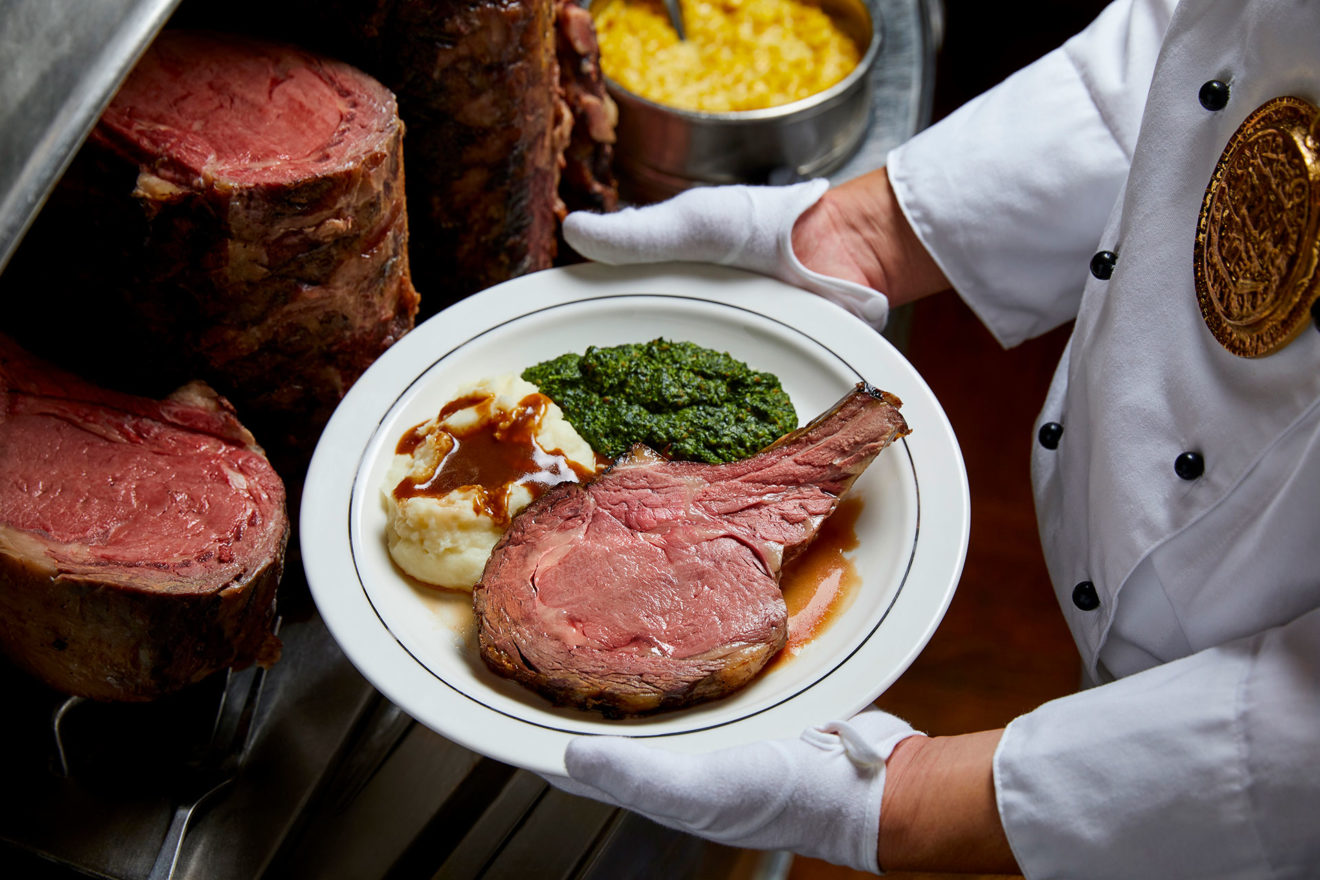
    High-end US restaurant Lawry’s The Prime Rib, will pay 80 per cent less rent for its new location than the previous tenant who vacated the premises three years ago.

    The leased 6500sqft venue is located on the third floor of The Galleria in Central on the corner of Queen’s Road and Ice House Street, with a HK$150,000 (US$19,155) per month rental, or HK$23/sqft.

    News of the rent deal was broken by a local Chinese-language news media outlet and has not been verified. However it appears to suggest the reduction reflects an overpricing of the previous tenant’s deal rather than a true reflection of the decline in retail rents in premium Hong Kong retail strips, especially given the site has been empty for three years.

    The restaurant Lawry’s is considered a heritage dining brand with premium locations in several US cities, as well as a presence via franchisees in Singapore, South Korea, Taiwan and Japan. A point of difference is that food is taken to diners’ tables on silver carts as part of a theatre experience.

  • Global personal luxury goods market growth endures

    Global personal luxury goods market growth endures

    Global personal luxury goods market growth has reached a “new normal” pattern, following back-to-back years of strong performance in 2017 and 2018, according to the luxury goods industry advisory service Bain & Company.

    Last year, 6 per cent global growth* led to €260 billion (US$292 billion) in sales, which is expected to balloon to €271–276 billion ($304.3–310 billion) this year, registering an expected 4-per-cent to 6-per-cent growth at constant exchange rates.

    According to Bain, the growth has been driven primarily by the acceleration in domestic spending of mainland Chinese consumers and an increase in European tourism, which, despite socio-political turmoil in countries like the UK and France, fuelled positive growth in the region through last year’s holiday season.

    Meanwhile a temporary weakening of consumer confidence in North America, as well as a decrease in traffic to malls and department stores, negatively impacted personal luxury spending during last year’s holidays stateside.

    The findings were part of the Bain Luxury Goods Worldwide Market Study, Spring 2019 presented this week in collaboration with Fondazione Altagamma, the Italian luxury goods manufacturers’ industry foundation.

    “This year looks to be on par with our new normal of growth in the market,” said Bain & Company partner and lead author of the study Claudia D’Arpizio. “China continues to dominate the luxury scene. Elsewhere we are continuing to see geopolitical uncertainty shape and reshape tourism spending patterns, with Chinese consumers choosing to spend domestically with more frequency. Overall we are seeing moderate growth in most markets.”

    The report showed that mainland Chinese consumers are demonstrating a strong preference for purchasing luxury goods at home thanks to price harmonisation, consumer-centered strategies, and governmental initiatives. Solid consumer confidence and willingness to buy, especially among young generations, are expected to drive year-over-year growth of 18–20 per cent* in the region.

    Japan remains an exclusive and attractive market for luxury brands, with forecasted growth of 2–4 percent* in 2019. Tourist spending is expected to rise ahead of the Tokyo Olympics in 2020, with Chinese consumers already confirming their interest in the area.

    Across the rest of Asia the outlook is positive, apart from Hong Kong and Macau, which continue to lose out to Mainland China. Bain & Company asserts that the luxury market in the region is set to grow by 10–12 percent*. An expanding middle class with increasing disposable income is fueling growth in Indonesia, Philippines and Vietnam, while sustained growth in South Korea is the result of local consumers and a mild rebound of tourism.

    The rest of the world is expected to be flat or see a slight decrease of 2 per cent*, with the Middle East remaining stagnant as domestic consumer spending begins to flow outside of the region.

    “We expect stable growth in 2019,” said D’Arpizio.  “But under the surface of this new normal, the future of luxury is taking shape with a number of key characteristics, including Chinese Generation Z, access, ownership, sustainability and social responsibility, the impact of digital across the entire value chain, preference for luxury experiences over products, and consumer networks as a new measure of value.”

  • Honey Birdette opens second US store

    Honey Birdette opens second US store

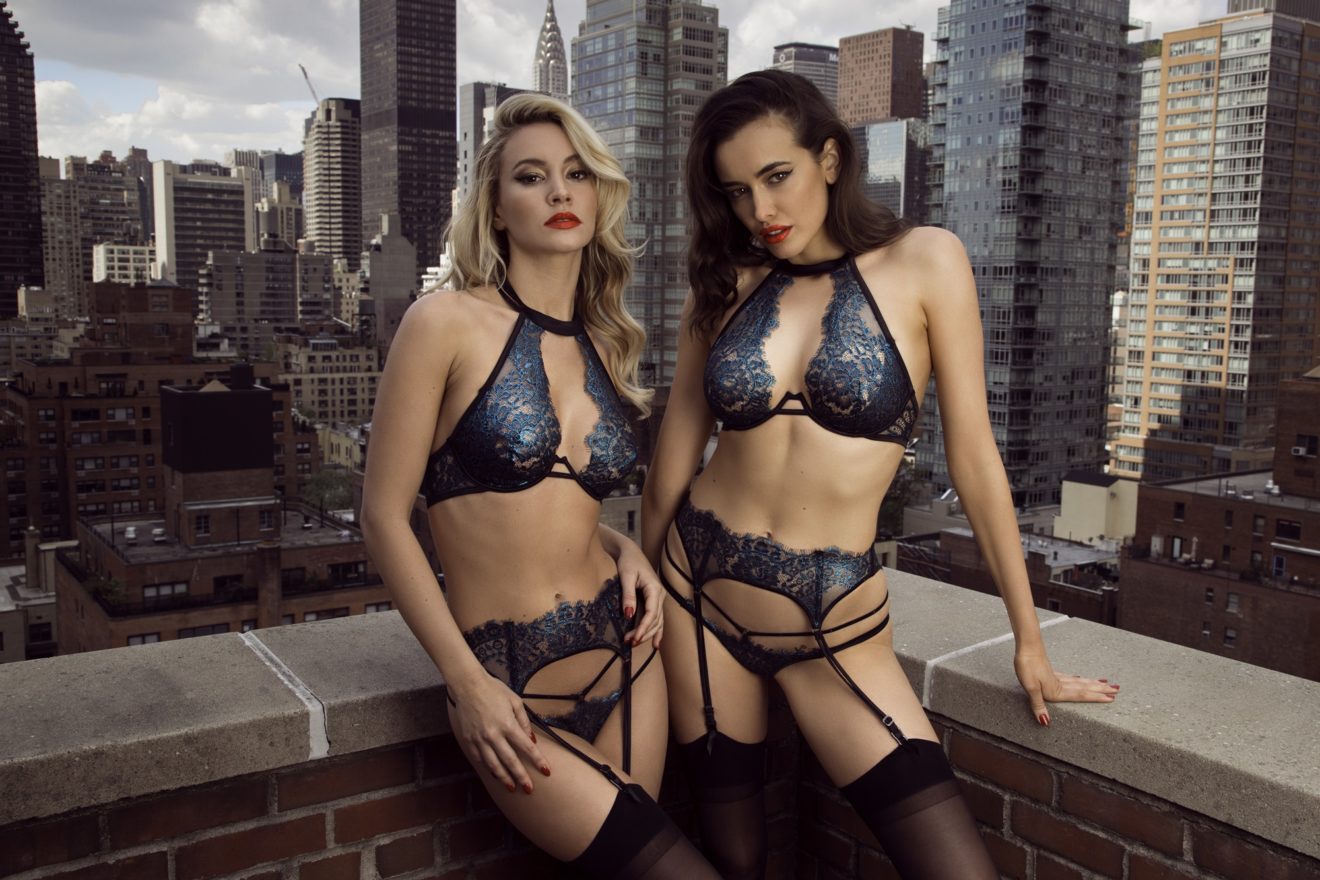
    Australian luxury lingerie retailer Honey Birdette has opened its second US store in San Diego, California, saying two more stores will be opened in the state in the coming months.

    The newly opened 74sqm store is located on the ground level of Westfield UTC and features Honey Birdette’s complete range of lingerie, bondage, latex, accessories and toys.

    The store has an ornate gold-tiled arch to welcome guests, with an individually cut-Italian glass mirrored storefront, and a salon inside.

    It includes two private dressing rooms fitted with ‘press for champagne’ buttons and custom-made whisky bar carts to offer customers a VIP experience.

    The new store also displays a limited-edition rose gold, rope and leather sex swing, which, according to the retailer, has not yet been seen at any other Honey Birdette boutique.

    “We are focused on creating individual design concepts for all of our future boutiques and each footprint will have its own unique element,” said Eloise Monaghan, Honey Birdette managing director.

    “Some might have a champagne bar for example, a private salon in one, a stage in another or a catwalk.”

    Two Honey Birdette stores will open in California soon and are currently under construction. One will be in Westfield Valley Fair and will open in July, and the other in Brea Mall will open in August.

    The retailer also announced they plan to open one more store in the state and another one on the East Coast but have yet to confirm the locations.

    Last year, the retailer said it will open 15 stores in the US over the next 12 to 24 months.

    The lingerie brand now has 57 stores across Australia, three in the UK and two in the US.

  • Global personal luxury goods market growth endures

    Global personal luxury goods market growth endures

    Global personal luxury goods market growth has reached a “new normal” pattern, following back-to-back years of strong performance in 2017 and 2018, according to the luxury goods industry advisory service Bain & Company.

    Last year, 6 per cent global growth* led to €260 billion (US$292 billion) in sales, which is expected to balloon to €271–276 billion ($304.3–310 billion) this year, registering an expected 4-per-cent to 6-per-cent growth at constant exchange rates.

    According to Bain, the growth has been driven primarily by the acceleration in domestic spending of mainland Chinese consumers and an increase in European tourism, which, despite socio-political turmoil in countries like the UK and France, fuelled positive growth in the region through last year’s holiday season.

    Meanwhile a temporary weakening of consumer confidence in North America, as well as a decrease in traffic to malls and department stores, negatively impacted personal luxury spending during last year’s holidays stateside.

    The findings were part of the Bain Luxury Goods Worldwide Market Study, Spring 2019 presented this week in collaboration with Fondazione Altagamma, the Italian luxury goods manufacturers’ industry foundation.

    “This year looks to be on par with our new normal of growth in the market,” said Bain & Company partner and lead author of the study Claudia D’Arpizio. “China continues to dominate the luxury scene. Elsewhere we are continuing to see geopolitical uncertainty shape and reshape tourism spending patterns, with Chinese consumers choosing to spend domestically with more frequency. Overall we are seeing moderate growth in most markets.”

    The report showed that mainland Chinese consumers are demonstrating a strong preference for purchasing luxury goods at home thanks to price harmonisation, consumer-centered strategies, and governmental initiatives. Solid consumer confidence and willingness to buy, especially among young generations, are expected to drive year-over-year growth of 18–20 per cent* in the region.

    Japan remains an exclusive and attractive market for luxury brands, with forecasted growth of 2–4 percent* in 2019. Tourist spending is expected to rise ahead of the Tokyo Olympics in 2020, with Chinese consumers already confirming their interest in the area.

    Across the rest of Asia the outlook is positive, apart from Hong Kong and Macau, which continue to lose out to Mainland China. Bain & Company asserts that the luxury market in the region is set to grow by 10–12 percent*. An expanding middle class with increasing disposable income is fueling growth in Indonesia, Philippines and Vietnam, while sustained growth in South Korea is the result of local consumers and a mild rebound of tourism.

    The rest of the world is expected to be flat or see a slight decrease of 2 per cent*, with the Middle East remaining stagnant as domestic consumer spending begins to flow outside of the region.

    “We expect stable growth in 2019,” said D’Arpizio.  “But under the surface of this new normal, the future of luxury is taking shape with a number of key characteristics, including Chinese Generation Z, access, ownership, sustainability and social responsibility, the impact of digital across the entire value chain, preference for luxury experiences over products, and consumer networks as a new measure of value.”