Tag: luxury

  • Hyundai Motor introduces Kona Iron Man edition

    Hyundai Motor introduces Kona Iron Man edition

    Hyundai Motor said Friday that it will begin sales of its limited Kona Iron Man Edition in the Korean market from Jan. 23. The superhero edition of the SUV was developed over two years with Marvel and is the first production car to feature Marvel characters. The vehicle includes headlamps similar to the Iron Man helmet’s visor, a Marvel logo on its hood and design features from the superhero’s suit.

    According to the carmaker, the new limited edition comes in matte metallic grey, inspired by Iron Man’s original suit featured in a 1963 Marvel Comics series.

    The edition sports a 1.6-liter turbocharged engine and a seven-speed dual-clutch transmission.

    Of the total 7,000 Iron Man edition Kona’s to be sold globally, 1,700 of the units are in Korea.

    For local buyers, the limited-edition model will cost 29.45 million won ($26,420).

  • BMW adding Tmall genie to connected-cars in China

    BMW adding Tmall genie to connected-cars in China

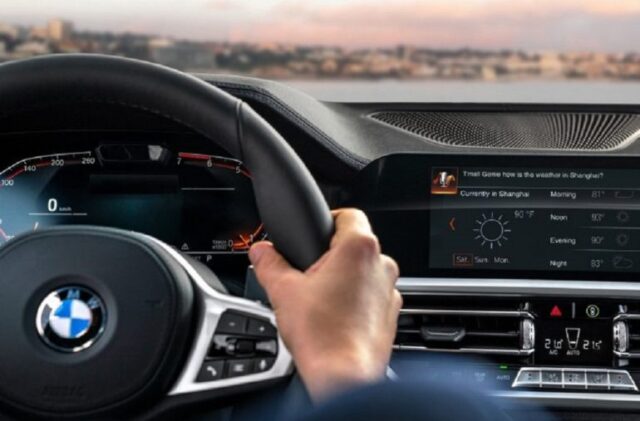
    Alibaba Group’s smart assistant, Tmall Genie, will launch in select vehicles from the BMW Group in China by the end of the year, the two companies announced at CES in Las Vegas. Tmall Genie, a product made by Alibaba’s artificial-intelligence research division, A.I. Labs, will be fully integrated in BMW vehicles, offering drivers a number of in-car entertainment and shopping options while on the road, the companies said.

    As Chinese consumers have come to expect a seamless, digital experience both at home and at brick-and-mortar retail spaces, they should expect the same experience in their car, said Dieter May, senior vice president of Digital Services and Products at BMW Group.

    “With the integration of Alibaba’s Tmall Genie in BMW vehicles in China we are adding a digital ecosystem, which will open up new possibilities that customers can access quickly and safely from the car,” May said. “This development sees BMW reaching a new milestone in China in terms of intelligent connectivity between the customer’s vehicle and their digital touchpoints.”

    The global connected-car market is expected to grow 270% by 2022, with more than 125 million connected passenger cars to be shipped between 2018 and 2022, according to a report from market research firm Counterpoint Insights. The report, released last year, pointed to the technology’s rapid uptake in China as one of the key drivers.

    Monday’s announcement follows the integration last year of “BMW Connected,” the German automaker’s connected-car app, with Tmall Genie. Consumers with Tmall Genie in their home could perform functions such as double checking to make sure the doors and windows of their BMW were open or closed. Now, they will be able to operate vehicle functions through the in-car Tmall Genie.

    Drivers can also use Tmall Genie to place online orders, view cinema listings, listen to their favorite playlist or check the weather at their destination, as well as access information from Tmall Genie via audio output or in text and image form on the BMW Display Screen. And they can use Tmall Genie to call up appointments saved in BMW Connected.

    “We launched the ‘AI+Car’ solution last year to provide a more-intelligent and connected experience for Chinese car users through Tmall Genie’s AI-powered voice interaction and service capabilities for cars,” said Alibaba Group Vice President Miffy Chen, who serves as general manager of Alibaba A.I. Labs.

    “Among our collaboration with premium automakers, we are very glad that BMW will be the first premium auto brand to bring selected car models that fully integrate Tmall Genie to the China market,” she said.

    The deal with BMW Group is just the latest involving Tmall Genie’s integration with automobiles. In September, A.I. Labs said it would integrate Tmall Genie into some vehicles made by Gothenburg, Sweden-based Volvo Cars, giving drivers the ability to monitor and control their smart home devices from their cars. Tmall Genie is also compatible with Volvo’s connected-car app, as well as those of Germany’s Daimler and Audi.

    Elsewhere in the autos sector, Alibaba Cloud in September said it would collaborate with German engineering and electronics company Robert Bosch GmbH on a self-parking feature in select sites in China that is powered by cloud software. At the same time, Alibaba also unveiled the latest model of its internet car in partnership with U.S. automaker Ford, which was part of a tie-up signed by the two companies in 2018. Ford Kuga SUV customers now can order a 10.4-inch center screen and software powered by Alibaba-designed operating system AliOS.

  • BMW Korea fined $13M over emissions

    BMW Korea fined $13M over emissions

    A Seoul court fined BMW Korea 14.5 billion won ($12.9 million) for manipulating documents on emissions to sell some 29,000 vehicles in Korea. The Seoul Central District Court announced Thursday that the local unit of BMW is guilty of violating customs law. The automaker was found guilty of forging emissions test papers from 2011 to obtain certification from the National Institute of Environmental Research under the Environment Ministry that its cars meet local emissions standards. Roughly 29,000 cars were certified this way, according to the court.

    “The automaker has undermined government efforts to improve air quality in Korea,” the court said in a statement. “This also damaged local customers’ trust in BMW.”

    The court also added that BMW Korea took substantial profits over the years due to the manipulation, showing no effort to abide by local laws.

    “The reason for making [carmakers go through] a stringent certification process is because car emissions have substantial impact on air quality,” the court said.

    The Seoul court also found six former and current executives of the automaker involved in the case guilty. Three executives were sentenced to eight to 10 months in jail, with three others given a four to six month suspended sentence with probation.

    On Thursday’s ruling, BMW Korea said in its official statement that the company “will respond following an appropriate legal process after thoroughly reviewing the case,” adding that it cannot give a “detailed answer yet.”

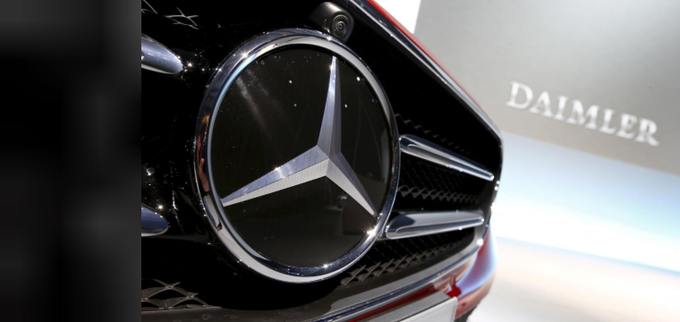
    Last month, the Korean unit of rival German automaker Mercedes-Benz was also found guilty of violating the emissions certification process. The court gave Mercedes a 2.81 billion won fine and handed down an eight-month jail sentence to the executive in charge of emissions certifications. The carmaker was charged for failing to get new certifications after changing some emissions-related parts. Mercedes said it will appeal the ruling.

    In its official statement last month, Mercedes said it was an administrative mistake, adding that it was unintentional.

  • Burberry and Louis Vuitton lose counterfeiting appeal in Singapore

    Burberry and Louis Vuitton lose counterfeiting appeal in Singapore

    Burberry and Louis Vuitton have lost their appeal in a trademark dispute against local transport company Megastar Shipping. The luxury brands alleged that Megastar Shipping had handled counterfeit goods in Singapore that were headed for Indonesia, citing the Trade Marks Act that states a trademark is infringed by any person found to import or export goods using that mark without the proprietor’s consent.

    The upper division of the Singapore Supreme Court found this week that Megastar was not the importer of counterfeit goods shipped from China that were seized in March 2013, and was only intended to handle the goods in transit to their final destination in Indonesia. Megastar Shipping had been listed on seaway bills and arrival notices as the consignee of the goods.

    The appeals court ruled that the protection of IP rights had to be balanced against extending liability for infringement to “honest commercial persons who happened to be tangentially involved” in the shipping of counterfeit goods.

  • Samsung ranks second in 2018 U.S. patent grants

    Samsung ranks second in 2018 U.S. patent grants

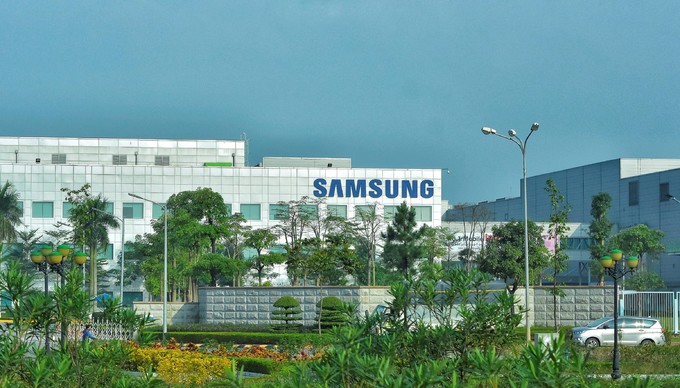
    Samsung Electronics grabbed the No. 2 spot in U.S. patent grants among global corporate giants in 2018, industry data showed Thursday. Samsung Electronics, the world’s top smartphone and memory chip maker, received 5,850 U.S. patent grants last year, up 13 from the previous year, according to the data from IFI Claims Patent Services, provider of a top global patent data platform.

    IBM topped the list with 9,100 grants, up 1 percent from a year earlier, maintaining the U.S. company’s position as top patent leader for a 26th consecutive year.

    Canon followed Samsung with 3,056. Intel came next with 2,735 then LG Electronics with 2,474. All registered declines from a year earlier.

    Other Korean firms included Samsung Display, which ranked 14th with 1,948 grants. Hyundai Motor placed 19th with 1,369.

    Last year, U.S. patent grants totaled 308,853, down 3.5 percent from the previous year.

    By country, the United States took up the largest share, at 46 percent, followed by Japan with 16 percent, Korea with 6.5 percent, Germany with 5 percent and China 4 percent.

    China was the only major patenting country to report an on-year increase in the 2018 patent grants.

  • Korea’s Beyond Closet confirms strong potential at Pitti Uomo

    Korea’s Beyond Closet confirms strong potential at Pitti Uomo

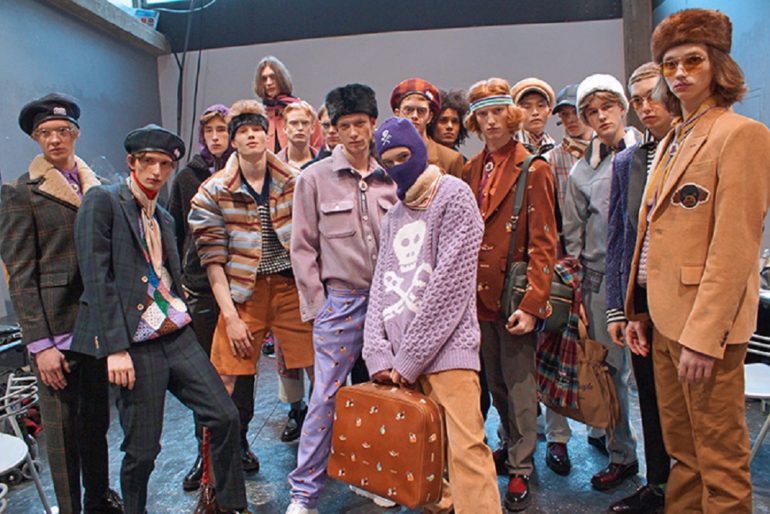
    Korean label Beyond Closet, showing for the third time at Pitti Uomo for the ‘Concept Korea’ project, won over the audience with a stylish, highly colourful catwalk show.bThis season perhaps even more so than in the past, Beyond Closet’s self-taught designer Taeyong Ko proved he is truly well-versed in his craft. It is surely not by chance that his menswear label, whose style is defined as “classic, with a twist,” managed to double its multibrand clients from one season to the next, growing from 15 to 30, chiefly in South Korea.

    Taeyong Ko, who in his younger years was a swimming enthusiast, and cut his fashion teeth working in a clothes shop, has managed to create a highly distinctive, recognisable style through a classic wardrobe with a preppy vibe, infused with a touch of slightly humorous extravagance that is never excessive.

    Taeyong Ko’s main strength is his ability to subtly blend genres and to create looks that are as original as they are attractive. His style is all about the way he plays with the accessories and the details which spice up Beyond Closet’s looks, as well as how he mixes and matches materials and registers. As he quipped backstage: “I dress men whose uniqueness lies in their own style.”

    The show’s setting was reminiscent of a military encampment, with tents erected in a desert-like environment, and you could hear a motorbike revving up as the first models strutted out on the catwalk to the notes of Lou Reed’s ‘Walk on the Wild Side’. Trousers gathered at the ankles, woollen check shirts and oversize parkas alternated with Price of Wales suits and navy-style looks, a nod to the theme chosen by Taeyong Ko this season, translating into sailor-style pea-jackets with golden buttons worn over striped tops, small scarves knotted around the models’ necks.

    The mood was both relaxed and elegant, as in the case of the dandy ambling around in tracksuit bottoms and furry mules, sporting a classic tweed jacket, or in tartan trousers and a navy-style cardigan.

    There was an emphasis on snug, ultra-warm items for protection against the cold, like plush coats and boiled-wool tops, fleece sweaters worn under jackets, oversize turtlenecks and curly-wool tracksuit bottoms, not to mention sundry jackets with generous collars and lapels, all strictly fur-lined, and an assortment of quilted trousers and jackets, featuring colourful patchwork fabrics in menswear’s classic printed motifs, like checks and houndstooth patterns.

    The whole collection is made even sharper by the great attention paid to details and colour combinations. For example, the back of a khaki jacket is embellished with a vertical string of golden buttons. Elsewhere, in the guise of knee or elbow pads, Taeyong Ko opted for a kind of rectangular fitted panel, while some of his grey felt shirts featured ample pockets in brightly coloured nylon fleece, gloves in bright yellow leather were matched with a Prince of Wales checks look, and royal blue or velvet flaps livened up a classic trench coat.

    The designer also played with layering and trompe l’oeil effects, as with the Teddy-style sweater whose back morphs into a grey nylon jacket, or the pinstripe jacket which strays into baseball kit territory, sporting the number 27 on the reverse side. Other examples are the overcoat which unexpectedly turns into a wind-breaker or the jacket which becomes an orange waxed top.

  • Shilla duty free open new store

    Shilla duty free open new store

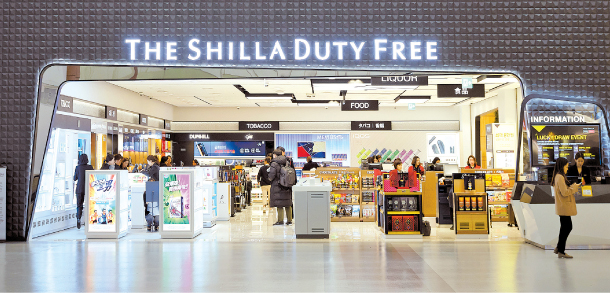
    Shilla Duty Free opens at Gimpo International Airport’s international terminal on Wednesday. The duty-free store run by Hotel Shilla was approved by the government in June last year in a bid against Lotte Duty Free. The duty-free store is renting the place for five years.

  • Hyundai Mobis shows off futuristic concept self-driving car

    Hyundai Mobis shows off futuristic concept self-driving car

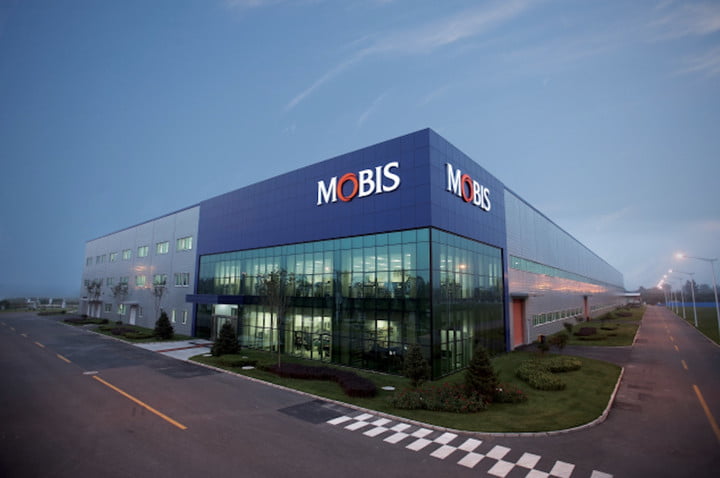
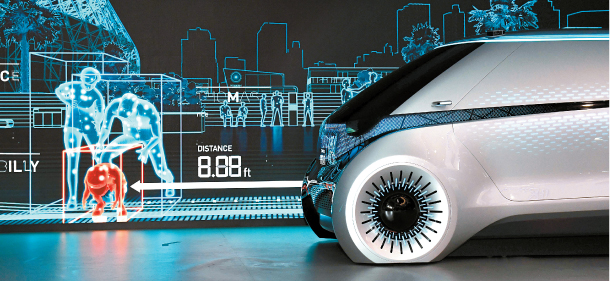
    Hyundai Mobis introduced its concept autonomous car equipped with 26 sensors and a special lighting system that enables cars to communicate with pedestrians at the Consumer Electronics Show (CES) in Las Vegas on Tuesday.

    The auto parts maker said it is the first time it has unveiled a concept car with at least Level 4 self-driving capability, which means cars can drive themselves without being actively monitored by the driver.

    The car comes with a modular self-driving kit comprised of various sensors – which function as eyes for the car – on the roof as well as lamps that can send messages to nearby pedestrians or cars. Mobis calls all of the technologies and parts used on the autonomous vehicle M.Vision.

    The kit on the roof – comprised of four lidar sensors, or laser-based radar, and five multifunctional camera sensors – are key strengths of M.Vision, according to Mobis.

    The modular kit can simply be mounted on the roof, so it can easily be used on different vehicles. The Korean company said it is best to put sensors on the car’s roof, considering that sensors can better detect the surrounding environment when they are placed higher above the car. To complement the kit on the roof, Mobis also installed five radar sensors and 12 ultrasonic sensors on the car’s lower body.

    The Korean company is on its way to make all sensors used in the kit with its own technology by 2020.

    The so-called communication lighting technology is a new innovation that Mobis thinks will greatly reduce fatal accidents involving autonomous cars and pedestrians.

    The company said it will use lighting to indicate to pedestrians and other drivers when the car is driving in self-drive mode. Autonomous cars will be able to detect a pedestrian from more than 450 feet away. Once someone is detected, car headlamps will project a red warning symbol to warn people it’s not safe to move around the vehicle.

    “Light has been used as a conduit for communication among vehicles and pedestrians for almost as long as the automobile has existed, so we are excited to lead the evolution of this technology to save lives and offer peace of mind to all that use the road,” said Mirco Goetz, director of lamp engineering at Hyundai Mobis.

    “Our primary focus on the safe progression to future mobility will enable our industry to continue the advancement of autonomous vehicle technology while helping to keep pedestrians and drivers out of harm’s way.”

  • Hyundai puts holograms on road to help with navigation

    Hyundai Motor Group unveiled a holographic AR navigation system, the first of its kind, in collaboration with start-up WayRay at the Consumer Electronics Show (CES) in Las Vegas on Tuesday. Hyundai partnered with the Switzerland-based start-up that specializes in AR technology and demonstrated the navigation system on the group’s luxury sedan, the Genesis G80.

    While conventional head-up displays (HUD) project a reflected image through a liquid-crystal display screen installed on the dashboard, the new holographic AR system displays what appear to be 3-D images on the road through the windshield and automatically adjusts the displayed information to the driver’s viewing angle.

    The AR navigation system, demonstrated at WayRay’s CES booth, also takes up considerably more real estate compared to existing HUDs, typically relegated to a small corner of the windshield, and displays a variety of driving information that includes navigational features and safety warnings.

    Information such as lane guidance, destination points and the current speed is shown along with advanced driver-assistance system features including lane departure warnings and forward collision warnings.

    Hyundai said an image size of 3.15 meters (10.33 feet) by 1.31 meters will be visible from the driver’s perspective, despite the actual projected image being just 310 millimeters (12.2 inches) by 130 millimeters. The company’s existing HUD was changed to incorporate WayRay’s system.

    Hyundai promised that the technology will bring changes to the conventional concept of a windshield.

    “Future mobility windshields will be more than just a piece of glass,” said Hwang Yun-seong, director of Hyundai Motor Group’s Open Innovation Business Group. “AR holographic powered glass will serve as a platform to provide new services and open up new in-vehicle experiences”

    Hyundai said that the two companies will continue to cooperate to expand the technology to display information that identifies objects on the road such as buses and crosswalks.

    The two companies also plan to incorporate real-time data such as traffic signals, surrounding vehicle information and road or weather conditions into the technology.

    Hyundai has worked on holographic technology since 2017 and invested in WayRay last September.

  • Kutchina opens second store in Nepal

    Kutchina opens second store in Nepal

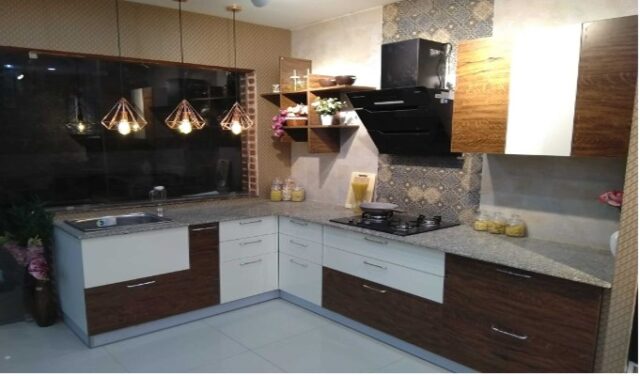
    Kutchina has opened its second store in Kathmandu spanning across 500 sq.ft. Targeting middle and higher income group customers, the store offers complete kitchen solutions including entire range of big appliances and modular kitchen. Look and feel of the store is a mixture of Kutchina’s modern concept with a traditional touch of Nepal’s rich culture. The walls of the store are given a look of Brick Mounting which resembles traditional houses of Nepal and adds that wow factor to the store.

    Designed by in-house designers, the store highlights all the elements of the products with the use of LED and Track lights. At present, the brand has 20 stores in India and 2 in Nepal.

  • Restaurant association questions deep discounts on Swiggy, Zomato

    Restaurant association questions deep discounts on Swiggy, Zomato

    The National Restaurant Association of India (NRAI) on Tuesday said it has raised concerns over deep discounting and data masking by food ordering and delivery startups such as Swiggy, Zomato and Ola’s Foodpanda. According to a report, The restaurants’ body said it flagged issues regarding misuse of dominant position, in a meeting with the app-based food ordering and delivery startups.

    “NRAI delivery task force had its first meeting with Swiggy, Zomato, Uber Eats and Foodpanda today (Tuesday). Concerns of the standalone and chain business operators regarding deep discounting, data masking, right to use own logistics, private labels and ad hoc campaigns were put forth,” NRAI president Rahul Singh said in a statement.

    Stating that the “concerns have been well taken”, he said, “we aim to continue these meetings on a bi-monthly basis for communicating feedback from the restaurant industry to the aggregators to ensure a healthy business environment for all stakeholders.” NRAI is the apex body of the Indian restaurant industry, representing over one lakh restaurants across the country.

  • Samsung plans to release robots this year

    Samsung plans to release robots this year

    Samsung robots are coming this year. Kim Hyun-suk, president and head of Samsung Electronics’ consumer electronics division, said the company has been conducting research on the robotics market and is now preparing to launch several robots this year during a press conference with reporters on Monday, a day prior to the opening of the Consumer Electronics Show (CES) in Las Vegas.

    Until now, Samsung Electronics has stayed mum on whether it is making robots. “To develop robots, it’s important to have an artificial intelligence [AI] platform ready [to mount on the robots],” Kim said. “That AI platform is almost ready.”

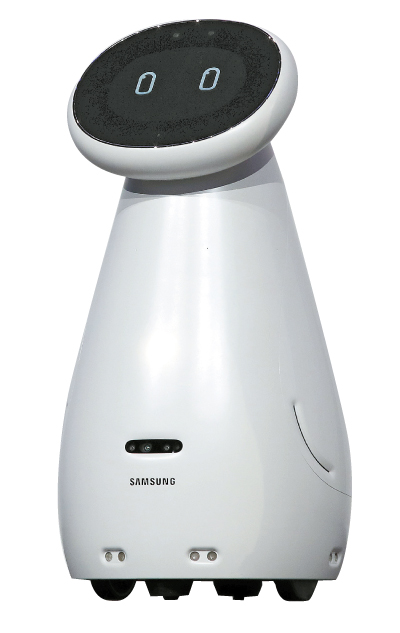
    Samsung unveiled three variations of its AI-based robot, dubbed Samsung Bot, at the briefing, revealing its robotics technology for the first time.

    The three Samsung Bots, labeled Care, Air and Retail, are designed to aid people’s health, and improve air quality and retail shop management. Samsung Bot Care, for instance, monitors users’ vitals like blood pressure and heartbeat and helps people take medicine at the right time. The robot can also call 119 and contact family members when it senses an emergency such as a heart attack.

    The electronics giant also introduced its wearable robot, dubbed GEMS. It assists people with difficulty walking due to weak muscles or injuries and reduces physical pain in the knees and ankles.

    “I can’t say for sure when the products introduced today will be commercialized,” Kim said. “There are possibilities that robot products not introduced yet could be commercialized first.”
    Kim added that demand for robots is expected to increase, especially due to societal aging, pointing out that robots like Samsung Bot Care will be useful for the elderly.

    “By exploiting Samsung’s know-how in AI, Internet of Things and developing multiple devices, we are considering our options for various types of robots,” Kim said.

    On concerns of whether Samsung’s own AI engine Bixby is losing ground due to the company’s AI partnerships with tech giants like Google and Amazon, Kim said that is a “misunderstanding.”

    Though Amazon’s Alexa AI assistant and Google Assistant may be a step ahead of Bixby in terms of technology and presence in the global market, Kim said partnerships make Bixby stronger, not weaker.
    The important thing, according to Kim, is that when people ask Bixby a question, the AI will be able to give out answers based on its own knowledge or by utilizing data from Google or Amazon.

    “No company has strengths in every aspect of business,” Kim said. “Though Bixby is a latecomer [to the AI assistant market], Samsung has relative strength in making devices compared to other tech companies, and Google and Amazon will focus on what they are good at.”

    Kim also commented on LG Electronics’ rollable TV that made headlines globally. LG’s rollable TV prototype can roll itself into a storage box that becomes a table with speakers.

    According to the Samsung president, there needs to be considerations on whether the product can be “economical.” He added that without the economic feasibility to commercialize the product, the prototype is a lot less meaningful.

    Brian Kwon, head of LG’s home entertainment division, said in a separate press briefing Tuesday in Las Vegas that the company will make rollable TVs its future growth engine.

    On concerns about the product’s cost, Kwon said while the price may be a barrier in widely expanding sales of the product right after launch, the company will strive to quickly improve the TV’s cost competitiveness.
  • 2018 a record-breaking year for Mercedes Malaysia

    2018 a record-breaking year for Mercedes Malaysia

    Mercedes-Benz Malaysia (MBM), the distributor of Mercedes-Benz marque in Malaysia, posted a record-breaking performance in 2018 spurred by the consumption tax holiday and customer-centric strategy. President and CEO Dr Claus Weidner said vehicle sales grew 9% to 13,079 units from 12,045 units recorded in the previous year, lifting the company’s market share to 2.4% from 2.3%, previously.

    “Our efforts to invigorate the brand experience for our increasingly diverse fans have been fruitful and we are happy to retain our position as the number one premium brand in Malaysia,“ he said at the company’s briefing on the 2018 full-year performance and outlook for 2019.

    In June last year, the first month of the tax holiday period following the government’s move to abolish the goods and services tax, MBM posted the highest monthly sales in the company’s history at 1,750 units.

    Weidner said other areas of business also showed improvement with total vehicles serviced last year growing by 16% from the previous year to 148,800 units and in-house financing increasing by 23% year-on-year to RM2.7 billion.

    “Four out of every 10 cars sold were financed by our in-house financing,“ he said.

    Five out of every 10 cars sold, meanwhile, were insured by its in-house service.

    A total of 20 new and facelift models were launched last year to further complement the company’s extensive product line-up, he said.

    Going forward, Weidner said MBM was confident of surpassing last year’s performance driven by demand for compact and premium sport utility vehicles as well as the company’s holistic approach and customer-centric strategy.

    “We will also continue to rejuvenate our models portfolio to continue making it desirable to customers,“ he said.

    On the number of launches for this year, he said it would be around last year’s figure.

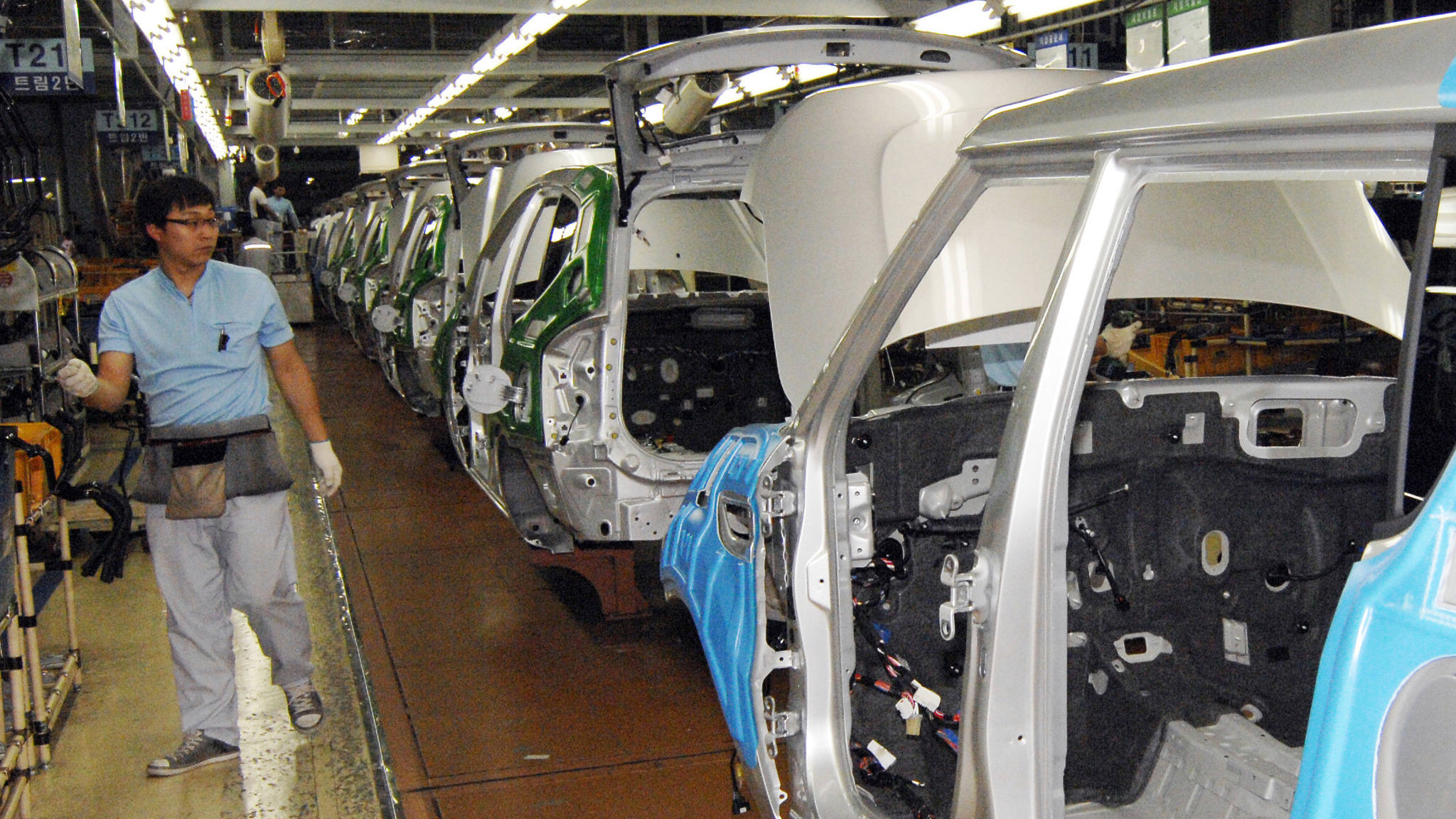
    Weidner disclosed that the company planned to restructure its plant in Pekan, Pahang to increase the localisation of components and upgrade the technology to improve efficiency and quality.

    However, he did not disclose the amount of investment for the plant restructuring.

  • United Colors Of Benetton appoints new Artistic Director

    United Colors Of Benetton appoints new Artistic Director

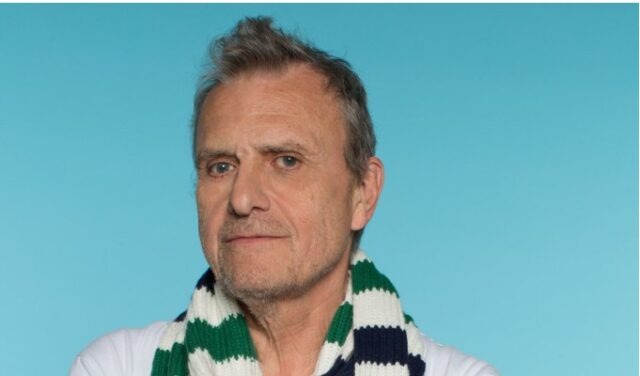
    Fashion designer Jean-Charles de Castelbajac has been appointed artistic director of the United Colors of Benetton men’s and women’s collections. “We are happy to welcome Jean-Charles de Castelbajac into our big family,” announced UCB Chairman Luciano Benetton.“His experience, charisma and ability to forecast tomorrow’s social and fashion trends will constitute a great asset for our brand.”

    Castelbajac has a long career that spans from design to painting, advertising and street art. He debuted in the fashion world in 1968, when he launched a brand created in collaboration with his mother. He then went on to inspire fashion trends such as the ‘anti-fashion’ movement and the alternative use of objects to decorate garments.

    In 1974 he co-founded Iceberg. In 1978 he founded maison Jean-Charles de Castelbajac, which he left in 2016. Over the years he has also collaborated with Max Mara, Ellesse, Courrèges, Rossignol, and Le Coq Sportif. Born from a mix of punk and pop, his style is characterized by the use of strong colors and pop icons, the mix of old and new and a whimsical and irreverent touch.

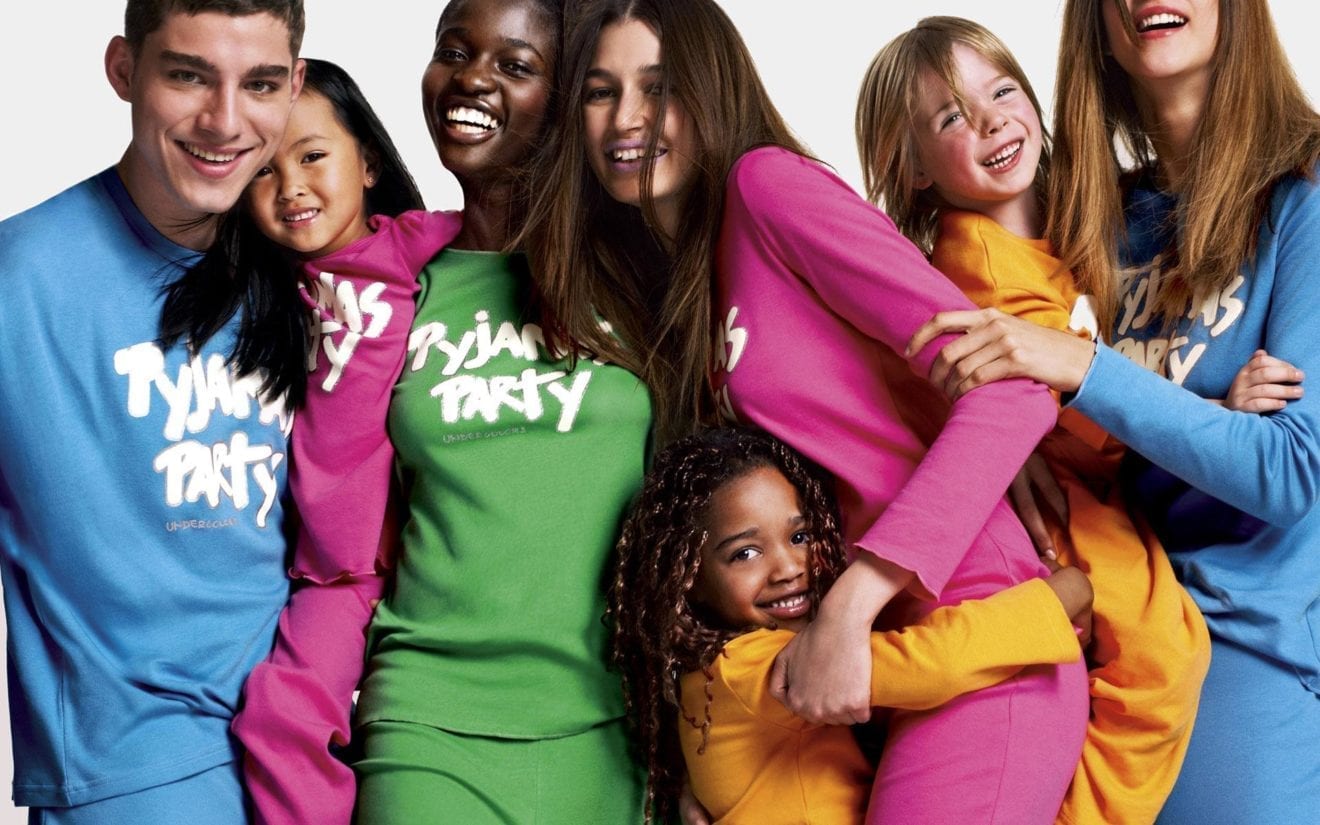
    “An iconic brand, United Colors of Benetton envisioned the world of today: a pop, colorful, affordable and universal fashion, enhanced by Oliviero Toscani’s powerful images,” commented Castelbajac. “United Colors of Benetton and I have always had a similar take on fashion, characterized by the passion for knitwear and the love of pop and rainbow colors.”

    Castelbajac and Benetton also share a passion for contaminating fashion with art. In his career, the French designer befriended and worked with artists such as Andy Warhol, Miguel Barcelo, Keith Haring, Jean Michel Basquiat, M.I.A and Lady Gaga. His creations have been displayed at New York’s Institute of Fashion and Technology, London’s Victoria & Albert Museum and the Galliera Museum in Paris. In 2018 he was guest artistic director at the Paris Biennale.

    “Thanks to social networks, fashion today is visible to everyone. But it remains affordable only to a few,” Castelbajac said, adding: “Together, United Colors of Benetton and I will seek to create tomorrow’s wardrobe, bringing beauty and style to everyday life, at prices that everyone can afford.”

  • Rimowa opens in Tokyo first stand-alone store in Japan

    Rimowa opens in Tokyo first stand-alone store in Japan

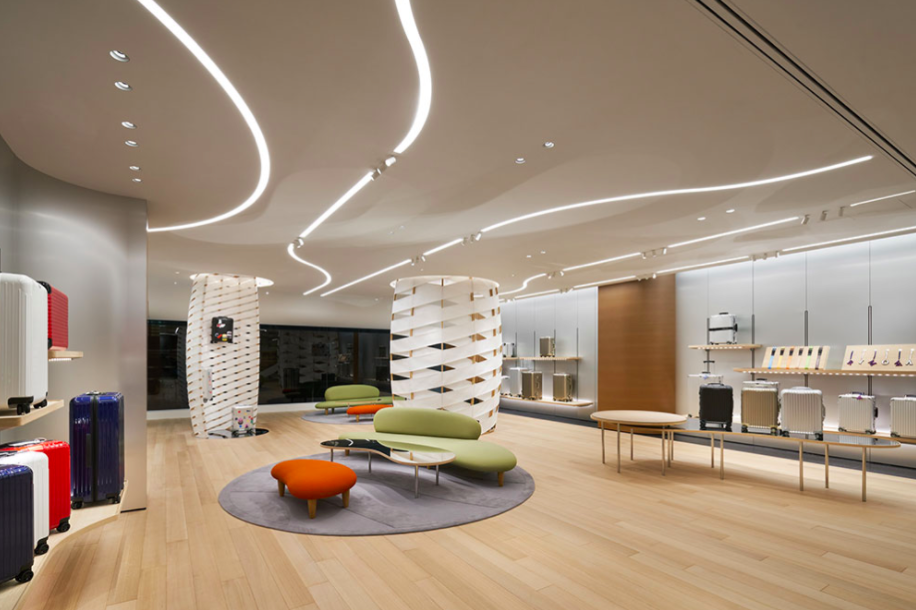
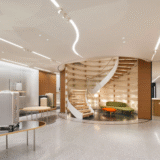
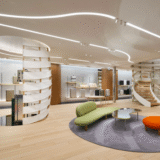
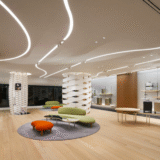
    Rimowa Japan has opened its first standalone store in Tokyo. The luxury luggage brand’s new 900sqm outlet in Ginza features a minimalist decor focused on a spiral staircase backed by a backdrop of basketweave, recalling a traditional Japanese craft design aesthetic. Rimowa Japan says the store is equipped to perform simple repairs, with staff speaking both English and Chinese, to cater for the tourist market.

    A heritage brand founded in Cologne, Germany, more than a century ago, the brand is primarily known for its aluminium and polycarbonate suitcase lines. LVMH owns a controlling 80 per cent stake in the brand.

    Browse the gallery below :