Tag: luxury

  • Proton aims to double exports in 2019

    Proton aims to double exports in 2019

    Proton Holdings Bhd aims to double the export of its cars to at least 3,000 units this year from 1,388 units in 2018. “In 2017, we exported 248 units. This year we want to export more,” its CEO Li Chunrong said. With the support from the Malaysian government, he said, the group could export up to 4,000 to 5,000 units this year. Asked on the group’s plans to enter the Pakistani and the Middle Eastern markets, Li responded by saying that Asean will remain as the group’s focus for its export business, but it does not intend to abandon other markets.

    “We don’t want to forget the other markets (as well). We are trying our best to enter other markets,” he added.

    On response to the Proton X70 that was officially launched on Dec 12, 2018, the group said bookings for the sports utility vehicle have exceeded 15,000 units, with over 2,000 units delivered so far.

    Earlier, Proton deputy CEO Datuk Radzaif Mohamed said the group expects to bring an initial investment of RM47 million into the country through the second set of collaboration agreements between its vendors and their overseas counterparts.

    On Oct 10, 2018, Proton hosted its first signing ceremony where eight colla-boration agreements were signed and they are expected to help bring in an initial investment of RM170 million into the country.

    Radzaif said the collaborative agreements will range from technical tie-ups and joint ventures to 100% foreign direct investments with foreign vendors investing into the Malaysian economy.

    Aside from the investments in facilities and technology, he said, the collaborations are also expected to create about 450 new jobs in the automotive industry that range from assembly to design engineering.

    Additionally, these vendors will supply parts to Proton’s manufacturing facility in Tanjung Malim, which is undergoing expansion at a cost of RM1.2 billion.

    Meanwhile, Deputy International Trade and Industry Minister Ong Kian Ming, who witnessed the signing ceremony, said the government is targeting RM15 billion from exports of local automotive components and spare parts by 2020.

    Malaysian Automotive, Robotics and IoT Malaysia (MARii) CEO Datuk Madani Sahari shared that the value of exports for automotive components and parts could have easily touched the RM12 billion mark by end of December 2018.

  • DJI Introduces A Smart Remote Controller With Built-In Display at CES 2019

    DJI Introduces A Smart Remote Controller With Built-In Display at CES 2019

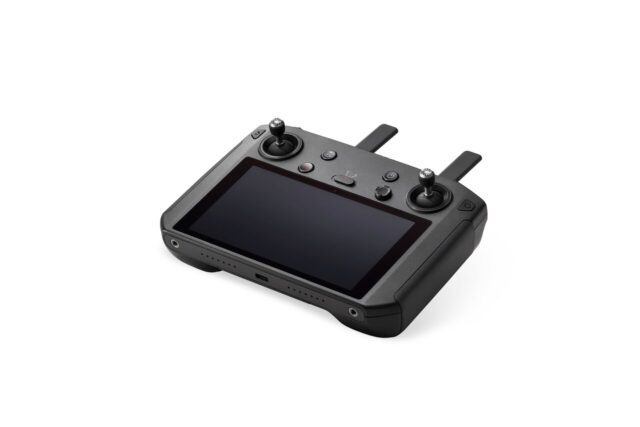
    DJI, the world’s leader in civilian drones and aerial imaging technology, continues its tradition of making aerial technology accessible to everyone by introducing a powerful new remote controller for its drones at CES 2019. The Smart Controller features an ultra-bright display screen and controls optimized for DJI drones, allowing pilots to fly the newest drones without using a smartphone or tablet. DJI will also be exhibiting its full lineup of consumer drones and handheld imaging products at its booth at CES 2019, including the new Osmo Pocket stabilized camera, and will host exciting workshops, hands-on product demonstrations and more. Attendees can find DJI in the South Hall of the Las Vegas Convention Center.


    Smart Controller Expands Pilot Options The DJI Smart Controller expands the ecosystem of accessories built around DJI’s industry leading drone technology. Using a crisp 5.5” screen built into the controller itself, the Smart Controller allows pilots to quickly get their drone in the air without the need to connect a mobile device. It can be paired with DJI’s newest drones including Mavic 2 Zoom and Mavic 2 Pro1 which use DJI’s OcuSync 2.0 video transmission system, displaying vivid images in Full HD resolution. Drone pilots can take advantage of its compact, highly portable design that has been optimized for use in direct sunlight. It features an ultra-bright display with an output of 1000 cd/m2, twice the brightness of standard smart phones. A customizable Android dashboard supports DJI GO 4, DJI Pilot2, along with various third-party apps such as editing programs. The DJI GO 4 app also touts several new features including SkyTalk, that allows pilots to livestream the drone’s camera feed to social channels including Facebook, Instagram and WeChat so that anyone can experience the thrill of flying a drone. Another new feature is DJI GO-Share which easily transfers imagery from the Controller to your mobile device. The DJI Smart Controller brings a new level of reliability when flying, with 2.5 hours of battery life and the ability to operate in adverse temperatures as cold as -4° Fahrenheit and as hot as 104° Fahrenheit.

  • Chow Tai Fook sales slip amid consumer uncertainty

    Chow Tai Fook sales slip amid consumer uncertainty

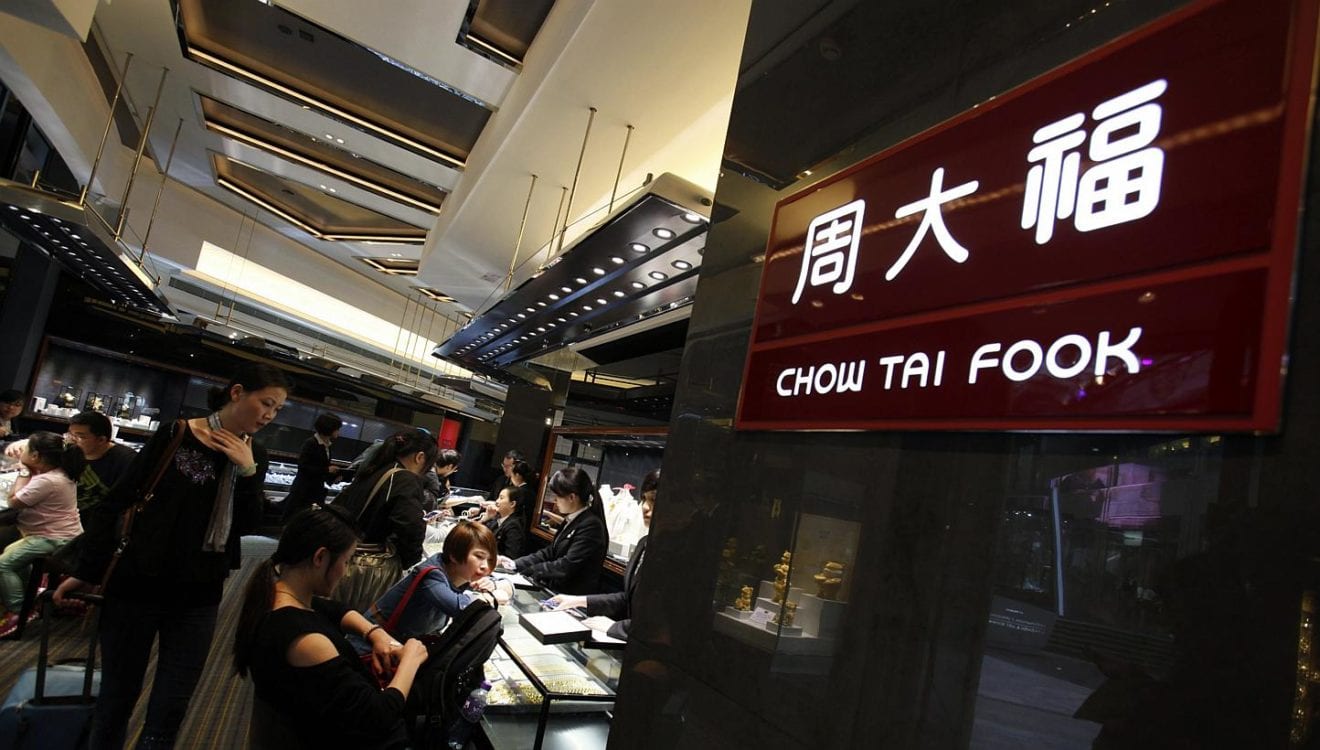
    Chow Tai Fook sales declined by 11 per cent in same-store sales volume in both Mainland China and Hong Kong & Macau in the December quarter. However the decline in value was less, at 7 per cent in Mainland China and 6 per cent in Macau. Retail sales on the mainland rose by 1 per cent, which seems a modest rate given the company opened 259 new points of sale there during the quarter. Total retail sales value in Hong Kong fell by 1 per cent, despite five new stores opening there.

    In a stock exchange filing, the company said the decline in same-store sales came “amid an uncertain macro environment”.

    In Mainland China, same-store sales of gem-set jewellery declined by 5 per cent, while the average selling price (ASP) fell from HK$6900 in the preceding quarter to $6600.

    In Hong Kong and Macau, gem-set jewellery sales fell by 8 per cent and the ASP from $11,800 to $11,500.

    Sales of gold products in both markets was affected by a decline in volume growth as the gold price strengthened, the company reported. That drove the ASP from $7000 to $7400 in Hong Kong and Macau and from $3900 to $4300 in Mainland China.

  • Luxottica and CDFG/Sunrise launch new Miu Miu colour

    Luxottica and CDFG/Sunrise launch new Miu Miu colour

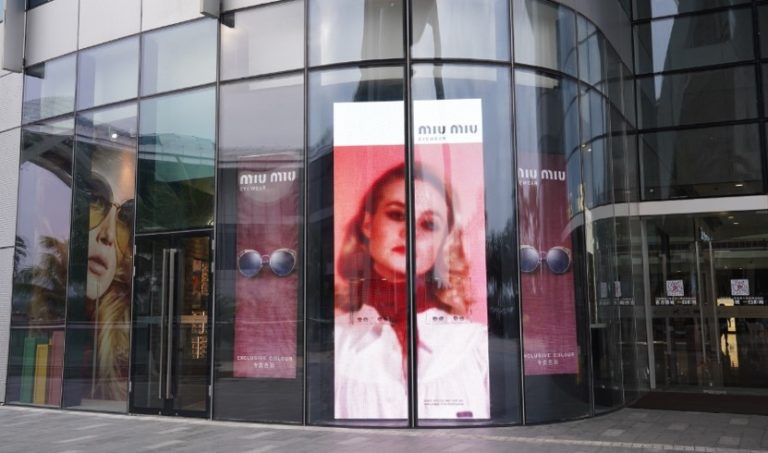
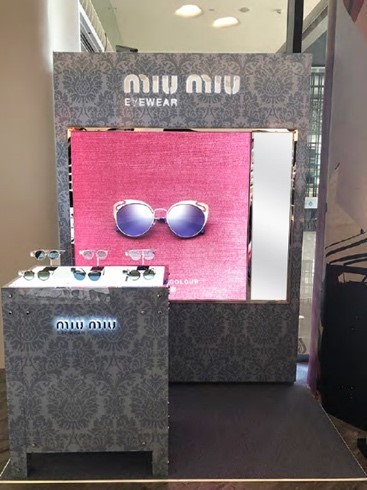
    Italian eyewear firm Luxottica Group has entered its second partnership with China Duty Free Group and Sunrise Duty Free to offer the latest Miu Miu sunglasses collection. The travel retail exclusive has opened in selected airports and other Chinese travel retail stores, trading a reinterpreted version of Miu Miu’s Noir collection. Pop-up sites and personalised backwalls have been prominently installed in the selected locations amplified by customised brand furniture and trained staff.

    “It is a privilege to partner with China Duty Free Group and Sunrise Duty Free on a second China travel retail exclusive color from Miu Miu,” said Luxottica’s travel retail director Enrico Destro. “Both retailers bring our brands to the heart of the Chinese travelling consumer, presenting the opportunity to collaborate on projects to truly capture Chinese spending power and sophisticated appetite for luxury brands, as well as respond to these consumers increasing demand for unique and exclusive products.”

    “At CDFG, our sunglasses category is growing in sophistication very quickly,” added China Duty Free Group’s fashion department director Lee Meili. “We see a large growth opportunity for the category and we will continue on our path to bring newness and exclusivity to our offer … This exclusive Miu Miu color was specially selected with Chinese travellers in mind, and has been presented in a very compelling launch package.”

  • Jaguar’s first electric car roars into Korea

    Jaguar’s first electric car roars into Korea

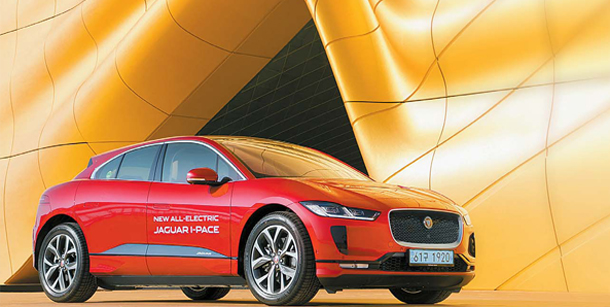
    Luxury carmaker Jaguar introduced the I-Pace, its first electric vehicle (EV), to the Korean market Monday at the Paradise City hotel in Incheon, joining a growing number of EV automakers in the country. The luxury brand’s all-electric sport-utility vehicle (SUV) sports an electric powertrain that produces up to 400 horsepower and a 333-kilometer (207-mile) driving range.

    “The I-Pace is a high-performance electric car that has battery and electric motor technology developed from our experience in electric motor sports Formula E,” said Baek Jung-hyun, CEO of Jaguar Land Rover Korea. “Jaguar will lead the future of premium electric cars through the I-Pace.”

    The vehicle, originally unveiled in the global market early last year, was delayed for launch in Korea due to the certification process, according to Jaguar Land Rover Korea.

    The automaker has prepared charging infrastructure for the product’s launch, installing 52 charging stations in 26 of its showrooms. The company has also installed 52 chargers and 26 fast-charging stations in its service centers.

    The fast-charging stations can charge vehicles to up to 80 percent in just 40 minutes.

    For maintenance, the carmaker promised to establish 10 new service centers so that there will be a total of 37 by the end of this year.

    Jaguar Land Rover Korea is also promising an eight-year or 160,000-kilometer warranty for its battery system and will install home-charging systems for free for those customers who receive their vehicles by March 31 this year.

    The luxury brand’s all-electric car enters the budding local EV market that has seen rapid growth over recent years.

    A total of 21,375 EVs were sold between January and September last year, up from 13,826 sold in 2017. The Ministry of Environment plans to have 350,000 EVs and 10,000 fast-charging stations in the country by 2022.

    Jaguar’s newest offering joins the short list of electric SUVs in Korea, which include Tesla’s Model X and Hyundai Motor’s subcompact SUV Kona EV, both released last year in the local market.

    The I-Pace will be sold from Jan. 23 with a starting price of 110.4 million won ($98,300) that climbs to 128 million won for its highest trim, the EV400 First Edition.

  • H&M Tested New Concept and Digital Developments

    H&M Tested New Concept and Digital Developments

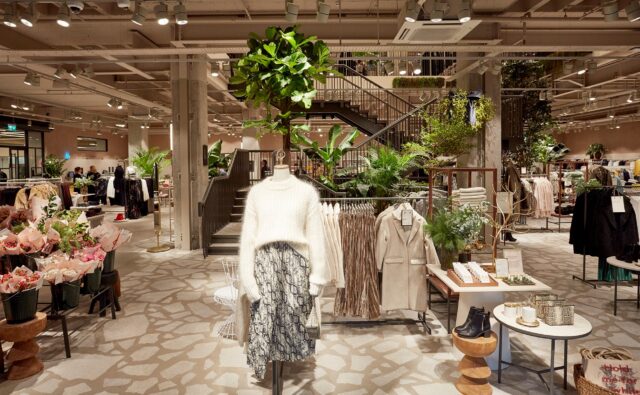
    Global fast-fashion retailer H&M plans to introduce further digital services and features to improve its customer experience both in physical stores and online. The brand launched a series of tests in selected stores last year while rolling out digital features and services to boost its customer offer, experimenting with factors such as the interior and exterior, the product range and the overall look and feel of its stores. The firm also introduced technical solutions to make it easier for both staff and customers to navigate stores and identify fashion favourites.

    H&M plans to continue that work this year in line with the firm’s omnichannel strategy. Testing this year will include cafe concept It’s Pleat, a florist shop-in-shop, self-service checkouts, monogramming services and repair services as well as a digital wall where customers can share their H&M favourites under the #HMxME tag.

    “These stores give us a chance to try out and explore new concepts and activities to make our stores more inspiring and offer customers a great experience,” said H&M MD Fredrik Olsson.

    “We are looking forward to continuously evaluate these tests where we are exploring the strength of a global brand in combination with a more personal touch and local relevance. We are also rolling out digital services and features to offer fashion fans inspiring and seamless shopping in line with our omni-channel strategy.”

  • L’Occitane adds Elemis to portfolio

    L’Occitane adds Elemis to portfolio

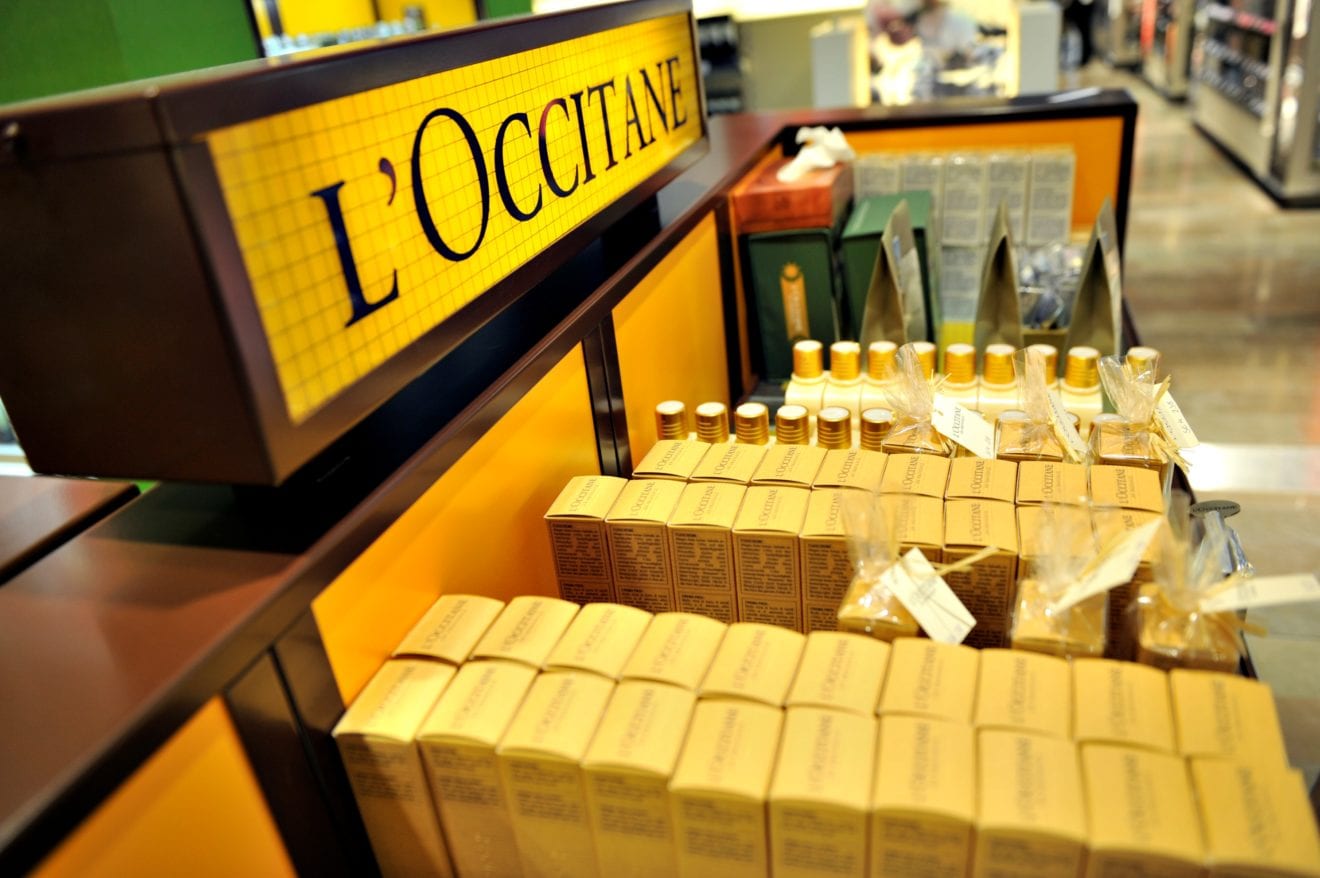
    Hong Kong-listed cosmetics retailer L’Occitane International is to buy privately owned beauty and skincare brand Elemis for about US$900 million. “This is L’Occitane’s largest acquisition since listing and a major step forward in building a group of premium beauty brands,” said CEO Reinold Geiger in a statement.

    The move is part of a strategy to boost L’Occitane’s sales in the UK and the US. In a statement, the company said the the deal will allow Elemis to expand into new markets and boost L’Occitane’s business in markets in which it is not so strong as yet.

    L’Occitane has agreed to buy the Elemis brand from Steiner Leisure, which owns the US business, and Nemo UK, which owns the European business.

    The deal, to be funded by cash and bank loans, will be closed in the first quarter of this year.

    L’Occitane, which listed in Hong Kong in 2010, currently has 3285 outlets in 90 countries, including 1555 stores it owns and operates directly. Last financial year it achieved a profit of €141 million on sales of €1.3 billion.

  • Samsung to introduce S10 on Feb. 20

    Samsung to introduce S10 on Feb. 20

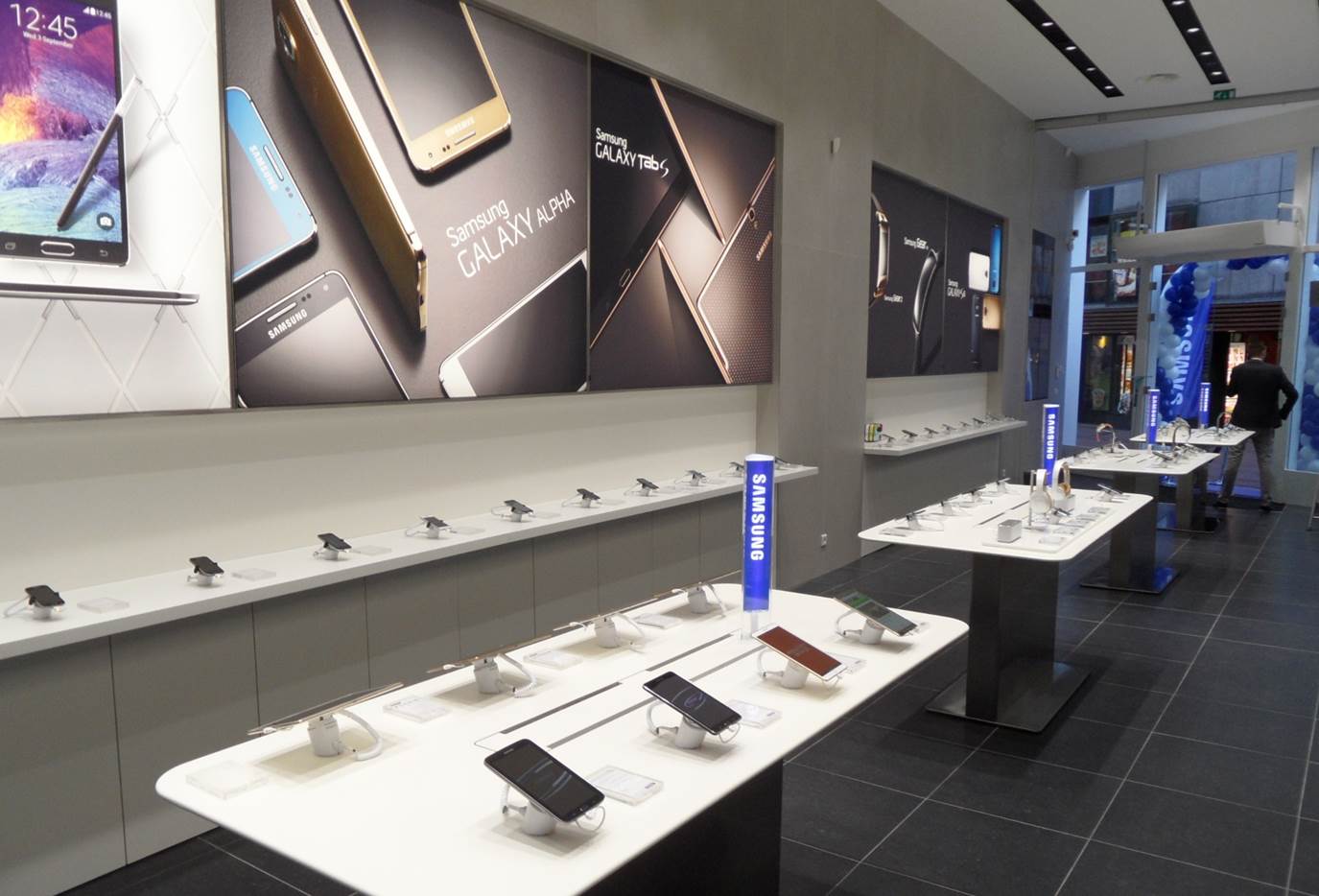
    Samsung Electronics on Friday sent out invitations to its next unpacking event, where it is widely expected to unveil the next model in its Galaxy S smartphone series, the S10. The event is taking place on Feb. 20 at 11 a.m. at the Bill Graham Civic Auditorium in San Francisco. Samsung noted that it will “unveil new devices that promise to usher in new Galaxy experiences based on 10 years of innovations” in a press release, without detailing what phones will be showcased.

    The major question is whether the phone maker will unveil details of the foldable phone that it has been developing for the last few years. According to an article by the Wall Street Journal, the tech company plans to show a “fully functional foldable-screen handset” during the unpacking event. Samsung declined to confirm the claim.

    There is a possibility that the model could be briefly shown, like at the Samsung Developer Conference in November last year. A proof-of-concept version of its foldable phone was briefly introduced on stage at the event. The phone is often referred to as the “Galaxy Fold” and “Galaxy F,” but the electronics giant has yet to confirm the actual name for the highly anticipated product.

    Some leaders of Samsung’s mobile carrier partners said they have already seen the company’s foldable phones in closed door meetings at the Consumer Electronics Show that ended Friday.

    SK Telecom CEO Park Jung-ho said during his press briefing at the electronics exhibition that “Samsung did not open up the foldable phone to general visitors, but showed the phone to me,” adding “the phone is in good shape.”

    Park said the phone will be able to offer an improved media consumption experience.

    LG U+ CEO Ha Hyun-hwoi also said he had seen two foldable phones during his visit to CES booths, though he did not say whether they were from Samsung. Ha said they come in “various shapes” and added that they seem to be “early stage phones that will enable customers to experience various video and gaming contents newly offered on the 5G network.”

    Some other media reports, however, suggest Samsung may only show off three variants of its Galaxy S10 and hold off on its foldable phones until the Mobile World Congress (MWC) in Barcelona, which kicks off five days after the unboxing event.

    The Galaxy S10 is expected to come in a basic 6.1-inch screen version, a plus model with a larger 6.44-inch screen and a budget model with a 5.8-inch screen. A fourth variant equipped with 5G connectivity is expected to hit the market later in the year. The 5G-connected model is rumored to come with four cameras on the back.

    The Korean electronics giant unveiled its latest Galaxy S series a day before the massive mobile trade show held in Spain, but this year’s event comes about a week earlier than usual.

    It may be a move to put the spotlight on its S10 models for a few days before they get drowned out by stories about the foldable model they may intend to show off at MWC.

    The unpacking event in San Francisco, where its rival Apple is based, is expected to attract 3,000 people from global companies and the media, according to Samsung. A localized unpacking event will also be held simultaneously in London.

    Attracting global attention by coming up with an innovative design and feature upgrades is crucial for Samsung, which reported a sharp decline in earnings in the fourth quarter last year.

    Its operating profit in the October-December quarter fell 28.71 percent on year to 10.8 trillion won ($9.6 billion), according to a tentative earnings report the company released earlier this month.

  • Starbucks opens its Coffee Sanctuary in Bali

    Starbucks opens its Coffee Sanctuary in Bali

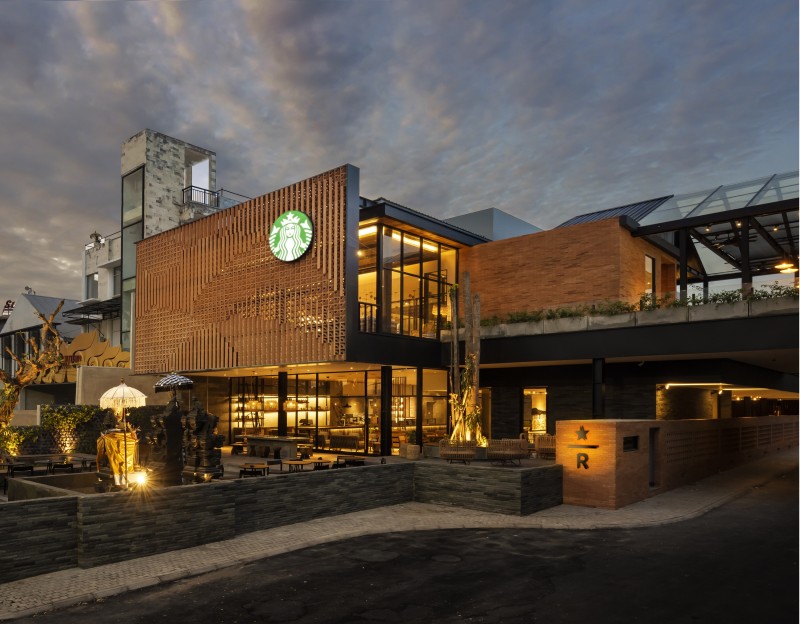
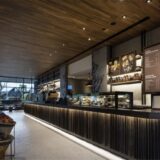
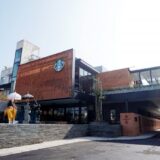
    Starbucks has opened its largest Southeast Asian location in Bali. The 20,000sqft Starbucks Dewata Coffee Sanctuary builds on 16 years of innovation in design, customer experience and community impact for the brand in Indonesia, where there are 370 Starbucks outlets nationwide. Customers can enjoy Starbucks handcrafted core and Reserve beverages within the store’s locally-inspired design that celebrates Indonesian tradition.

    The store pays tribute to the role that Indonesia, the fourth largest Arabica coffee-growing region in the world, plays in the Starbucks business. Sumatran coffee has been a staple offering at Starbucks since 1971.
    “We began sourcing Indonesian coffees more than four decades ago and have always been struck by the sense of community and care for the coffee journey at every step,” said Starbucks Coffee Company CEO Kevin Johnson.

    View the gallery of the new outlet below (8 images) :

    “The Starbucks Dewata Coffee Sanctuary amplifies our passion for the coffee journey, our ongoing commitment to Indonesia’s rich coffee culture, and our tireless pursuit of fostering moments of connection between our partners and customers. The Coffee Sanctuary marks the 10th Starbucks Reserve Bar store in Indonesia, one of 185 stores around the world, with the majority in Asia. This is Starbucks at its best, and we are proud to open the doors of this unique experience in one of Southeast Asia’s most dynamic markets.

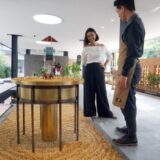
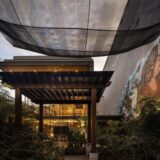
    Visitors enter the store through an arabica coffee farm, try their hand at coffee bean de-pulping and washing during harvest season, dry and rake green coffee beans, visit budding seedlings in the nursery, take in the store’s locally-inspired design featuring traditional Balinese craft and Indonesian art, and enjoy the more than 100 Dewata-exclusive handcrafted beverages, food and merchandise, including the Lavender Latte.

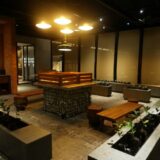
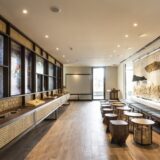
    The  Starbucks Dewata Coffee Sanctuary store’s expansive interior is inspired by traditional Balinese houses with free-flowing, connected rooms designed to promote discovery from one space to the next.

    “Bali has an envied reputation as one of Asia’s top travel destinations and Indonesia is one of coffee’s most extraordinary coffee origin regions,” said Starbucks Indonesia director Anthony Cottan said.

    “So we’re excited to invite customers here to ignite their senses and explore the seed-to-cup coffee journey at this unique Coffee Sanctuary. We’re very pleased to further strengthen the longstanding partnership between Starbucks and [licensee] PT Sari Coffee Indonesia with this truly one-of-a-kind Starbucks store, inspired by and filled with the finest examples of Indonesian art, design and craftsmanship.”

    To support the future of coffee, Starbucks Indonesia has committed to donating 100,000 coffee seedlings to farmers annually.

  • Look more inside to Shanghai Tang Pacific Place

    Look more inside to Shanghai Tang Pacific Place

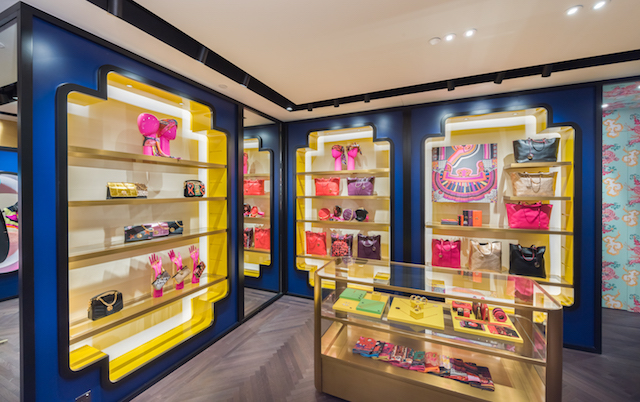
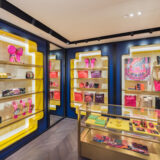
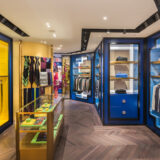
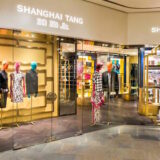
    A “plethora of paints and fabrics that radiate warmth” are at the core of the redesigned Shanghai Tang Pacific Place boutique. Design house Stefano Tordiglione Design (ST) oversaw the executive design and project management of the revamped 154sqm space, which opened last November. The project took six months to complete. Shanghai Tang is a privately owned, modern luxury brand which fuses current fashion design concepts with Chinese-inspired elements steeped in history. It is renowned for its use of bold colours, often contrasting, in fashion and homewares.

    Taking the lead in fine tuning the selection of materials, fabrics and colours, the design team created what creative designer Carlotta Turini describes as “a multi-sensory shopping experience to mirror the richness and beauty of Chinese culture”.

    Among the features are the changing rooms and home section, with the use of famed Jim Thomson wallpapers, giving the design an ‘Asiatic flavour’, with alternative wall coverings and racks fine tuned to create a sense of comfort within the shopping centre.

    The womenswear area has curved walls and a soothing beige fabric contrasted with bright paint, while the menswear area is elegant, warm and cozy, designed with dark brown wood and clean lines.

    These areas are united through a relaxed central seating area featuring art deco furniture.

    “To promote fluid movement through the space, the walls have niches features to provide attractions to the eye throughout the corridor as customers move between retail sections,” says Turini.

    The team had to interpret the original design drawings, developing a unique concept that is now demonstrated throughout the store.

    Efficient project management was vital to the success and on-time completion of the Shanghai Tang Pacific Place redesign.

  • LG claims to have wowed the industry at Vegas’ CES

    LG claims to have wowed the industry at Vegas’ CES

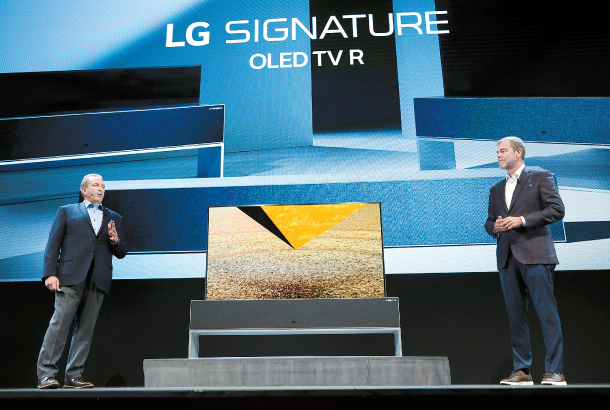
    LG Electronics, one of the leading home appliance manufacturers in the world, said Sunday it received a total of 132 awards at this year’s Consumer Electronics Show (CES) in Las Vegas. It said its products received the coveted CES top innovation title announced by the Consumer Technology Association. LG, which has been a major player in big-screen TVs and is a global leader in the field of organic light-emitting diode (OLED) screens, unveiled the world’s first mass production-capable rollable TV at the gathering that ran from Tuesday through Friday.

    The LG Signature OLED TV R received considerable attention, with Engadget, a multilingual blog network and the official award partner at CES, naming it Best TV Product.

    The innovative TV that allows the big OLED screen to vanish into a long box with embedded speakers was also noted by some 50 media outlets, such as the Wall Street Journal and Cnet.

    The company said its 8K resolution OLED TV and Super Ultra HD TV, as well as an artificial intelligence-equipped TV set, were praised by tech experts from around the world.

    Media outlets and online publications like USA Today and TechRadar, also gave LG HomeBrew, a craft beer making machine, their highest awards, while the waterfall OLED display at the entrance of the company’s booth – made up of 260 flexible panels – won recognition from numerous international IT outlets.

    Beside such products, the company’s LG SuitBot, an exoskeleton that can help physical laborers, and Styler, a clothing care system, received praise at this year’s CES.

    Song Dae-hyun, who heads LG’s home appliance business, said in a press conference over the weekend that the company is aiming expand its presence in the United States through the marketing of premium products.

    He said in the built-in appliance market in North America, LG is targeting high income earners.

    “If LG competes in mid-range consumer appliances, it will struggle and not turn a lot of profit so it makes sense to shift to premium products,” the senior executive said.

    He said that, in particular, the U.S. market is attractive because it has considerable growth potential.

    The executive said to better engage prospective clients, LG opened its first overseas Signature Kitchen Suite showroom in California’s Napa Valley.

    The Experience and Design Center is the second of its kind after one in southern Seoul, with another to be built in New Jersey.

    Unlike other countries, the United States has always been a so-called builder’s market with the customer having greater say in what kind of appliances go into a home, making it ideal for high-end products.

  • How Richemont is plotting Yoox Net-a-Porter’s expansion with Alibaba

    How Richemont is plotting Yoox Net-a-Porter’s expansion with Alibaba

    While 2018 saw several luxury conglomerates consolidating their empires through brand acquisitions, others like Yoox Net-a-Porter looked to strategic partnerships. With the new Richemont and Alibaba deal, the company is now able to better bring its retail offerings to the world’s largest luxury audience: China.

    As Richemont’s takeover of e-commerce giant Yoox Net-a-Porter has come to a completion, the Swiss-based luxury group is mapping out its growth ambitions for the platform and working towards solidifying its leadership position in the online space.

    Among Richemont’s top priorities: Tapping into the China opportunity.

    Yoox Net-a-Porter’s presence in the region has been limited to date, as the company lacks the logistical tools to service the market. But as Richemont is looking to scale YNAP post-takeover, China – which is expected to account for half of the global luxury market share by 2025 – can no longer be ignored and provides a viable avenue to achieve the kind of growth the group is looking for.

    Richemont Partnership

    That’s why Richemont formed a strategic partnership with Alibaba earlier this year, that will enable the company to bring all of Yoox Net-a-Porter’s retail offerings to Chinese consumers.

    As part of the joint venture, Alibaba will provide the technology infrastructure, marketing support and payment logistics to power the launch of two new apps, for Net-a-Porter and Mr. Porter.  In addition, both Net-a-Porter and Mr. Porter will open online stores within Alibaba’s Tmall Luxury Pavilion.

    The venture is focusing on YNAP’s on-season, premium luxury sites for the moment. But the company added that in the future Yoox and the Outnet, which sell off-season, discounted stock, and Watchfinder which sells second-hand watches online, will also be able to benefit from the tie-in.

    Johann Rupert, Richemont’s chairman, said that the venture recognizes the growing importance of Chinese consumers both at home and abroad, and readies the company to build up its China business, which is currently still “in its infancy.”

    “We believe that partnering with Alibaba will enable us to become a significant and sustainable online player in this market,” said Rupert, adding that the investment costs of the deal were relatively small and that the company sees clear potential in the tie-in, despite the stagnation in consumer growth in China and the brewing trade war with the U.S. “We would not have done this deal if we could not see potential in the medium and long-term future. Everybody is excited about China and Chinese travellers, and we thought this was the best way to go. We don’t have the tools for China, but Alibaba is a vast ecosystem and marketplace.”

    “Plug and Play” Approach

    The deal has received positive feedback from retail analysts too, who see potential in the strategic marrying of YNAP’s strong brand relationships and curated approach, with Alibaba’s e-commerce leadership in the region, as well as its logistical, technological and marketing capabilities.

    “It’s a sensible move with an obvious appeal, of tapping into Alibaba’s pool of 600 million potential customers,” said Paul Thomas, retail consultant at the U.K.-based firm Retail Remedy, adding that Alibaba’s anti-counterfeiting efforts across all platforms are also more closely aligned with YNAP’s values than other Chinese e-commerce players.

    According to Thomas, partnering with a local player and adopting a “plug and play” approach into China’s bigger digital ecosystem is the best way to go, even for established e-commerce companies.

    “This deal should accelerate YNAP’s top line development in Asia, which only accounted for the group’s sales in 2017,” added Royal Bank of Scotland retail analyst Rogerio Fujimori, explaining that the company is more likely to see sales growth in the long term, given the increasing competition in the e-commerce space.

    The E-commerce Market in China

    Other players like Farfetch, have also been making waves in China.

    The online marketplace – which was valued at $5.8 billion following its IPO – scored a $397m investment from JD.com last year, to help expand its China business. It also purchased Chinese marketing platform CuriosityChina to add to its branding services and be better positioned to help fashion houses amplify their presence in the Chinese market via local social media platforms and digital marketing initiatives.

    “YNAP’s long-term sales potential looks compelling but the increasing competition in the e-commerce space means that higher investment power will be required,” added Fujimori.

    Mario Ortelli, partner at consultancy Ortelli & Co, seconded his thoughts saying that Richemont’s targets to expand into new territories and become more agile are still “a work in progress” and it will take some time until the group can increase value for its shareholders and ensure YNAP becomes profitable.

    For YNAP, the Alibaba deal will also provide an important new growth avenue that will help outweigh the recent loss of a significant portion of its online flagship business. Kering ­– rival luxury group to Richemont – has pulled out of its joint venture with YNAP, through which the company was powering the online platforms of Kering-owned labels such as Alexander McQueen, Bottega Veneta, Balenciaga and Saint Laurent.

    In the longer term, the deal could also provide a gateway into China for Richemont-owned brands such as Cartier, Piaget, Jaeger-LeCoultre and Vacheron Constantin, which have slowly been embracing the world of online commerce joining the carefully curated fine jewellery and watch hubs of Net-a-Porter and Mr Porter – a new, growing category for the platforms that is also providing another additional means of achieving scale.
  • Hyundai Motor sells more than 10 million cars in China

    Hyundai Motor sells more than 10 million cars in China

    Hyundai Motor, Korea’s largest carmaker, said Sunday that accumulated sales of its vehicles in China surpassed the 10 million unit mark in 2018. The milestone was reached 16 years after the company entered the key neighboring country, which has since become the largest market for new cars in the world.

    Hyundai first sold the midsize Moinca, a localized version of the Sonata, in the first year, which was followed by the Elantra. By 2008, it had increased its lineup to six, with sales exceeding 1 million units. In 2013, the carmaker said it sold 1 million vehicles in the world’s most populous country, with some 5 million cars being sold overall. Up until 2016, annual car sales exceeded the 1 million mark, although this plunged 31.3 percent on year to 785,000 units in 2017, amid a diplomatic dispute over the deployment of a U.S. missile defense system in Korea.

    For 2018, the carmaker said Hyundai sales edged up 0.6 percent from a year earlier to a little over 790,000, with numbers for this year not looking too promising.

  • Nike appoints new Converse CEO

    Nike appoints new Converse CEO

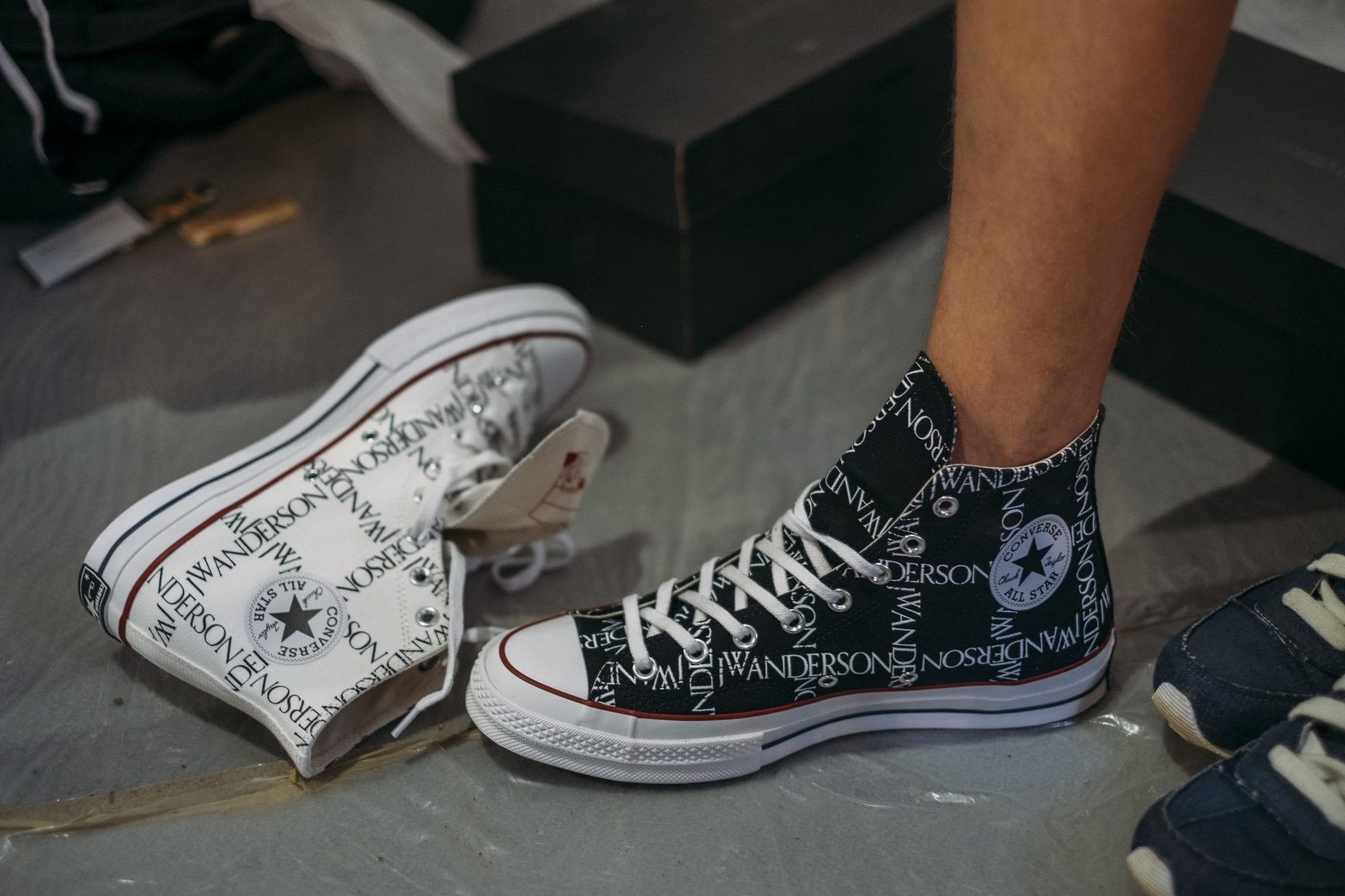
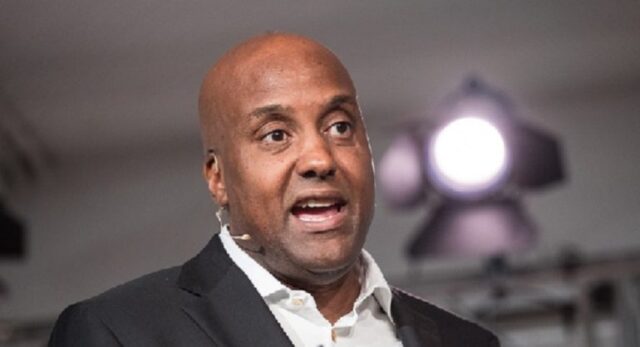
    In the week leading up to Christmas 2018, Nike Inc. said it has recruited a new leader for its Converse brand, naming G. Scott Uzzell as its president and chief executive officer, to helm the heritage sneaker company in the New Year. Uzzell replaces Davide Grasso who has decided to retire at the end of this calendar year. He will report directly to Michael Spillane, President, Categories and Product, Nike Inc.

    Effective January 22, 2019, Uzzell’s new appointment comes at a time when the brand is setting “the stage to move into new spaces by reconnecting to its heritage in sport,” according to a press release in December from Nike Inc.

    “Scott’s unique blend of experience driving both strategic business growth and strong brand development is well-suited to help unlock the full potential of the Converse Brand and lead its next phase of growth globally,” said Michael Spillane, President, Categories and Product, Nike Inc.

    Uzzell comes to Converse from The Coca-Cola Company, where he most recently served as President, Venturing & Emerging Brands Group (VEB).

    As head of Coca-Cola’s VEB Group, the consumer goods executive led a portfolio of high-growth brands for The Coca-Cola Company, including Honest Tea, ZICO Coconut Water, Fairlife Milk and Suja Juice.

    Uzzell began his career within sales and marketing for companies such as Procter & Gamble, Coca-Cola and Nabisco, before returning to Coca-Cola in 2000 in the Strategy & Planning division. Since then, he has held a number of leadership positions across its business including McDonald’s U.S. Division, Global New Business Development, Global Marketing, ZICO and VEB.

    In addition, he is a member on the boards of State Bank and Trust Company; Fairlife and Suja Juice Company, as well as being a member of the Florida A&M University Foundation Board and is part of the Executive Leadership Council (ELC).

    Founded in 1908, Boston-based Converse is today owned by Nike. Converse shoes are sold globally in over 160 countries.

  • Starbucks’ Lucky Bags entice customers in Korea

    Starbucks’ Lucky Bags entice customers in Korea

    Lee Min-joo, a 43-year-old cram school teacher, made it a point to be at the Starbucks outlet near her house last Thursday at 6 a.m. She wasn’t there for the coffee – she was waiting to buy a limited edition “Lucky Bag.” Lee said she has bought Starbucks Lucky Bags for nine years in a row. She confessed that two years ago, she was in line at 5:30 a.m.

    “I am a collector of diverse Starbucks products,” Lee said. “And I always get curious as to what’s in the bag.”

    This year, Starbucks’ Lucky Bags are bigger than ever.

    Lucky Bags were the most-searched term on the internet in Korea last Thursday and social media was abuzz with people posting pictures of the products they got in their Lucky Bags.

    Four stores near Seosomun, central Seoul, were sold out before 10 a.m.

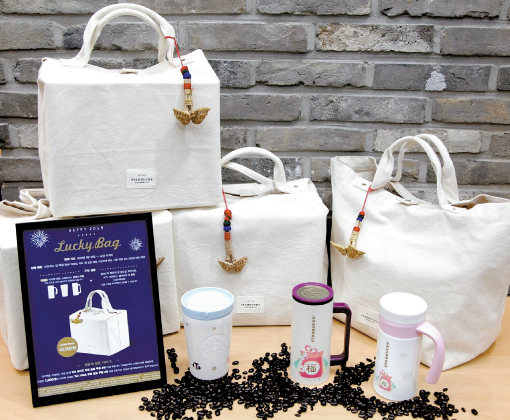
    Lucky Bags are mystery bags sold at a given price, 63,000 won ($56) this year. The products contained in the bags are unknown to the customers who buy them. The value of the goods inside exceed the selling price.

    Starbucks introduced its Lucky Bags in 2007 and they have become the chain’s unique annual New Year’s ritual in Korea and Japan.

    One of the reasons Starbucks’ Lucky Bags sell out so quickly is their limited supply.

    The total number of Lucky Bags prepared in Korea is 17,000 and each store only get 15 or so -there are over 1,200 Starbucks in Korea.

    In 2016 the bags sold out in just five hours nationwide. In 2017, that time was shaved down to 4 hours and 40 minutes.

    Each customer is only allowed to buy one Lucky Bag.

    Lucky Bag devotees have now become a tribe with their own nickname. They call themselves “Sudeok,” which combines the first Korean syllable of the chain’s name as pronounced by Koreans, “Su,” with “deok,” a shortened version of deokhoo, Korea’s own version of otaku, Japan’s term for a person with obsessive interests.

    The Sudeoks who purchase Lucky Bags even swap items to get the items they really want.

    In 2007, the Lucky Bags were sold for 28,000 won and the price has continued to climb. The value of the things inside is said to be more than 100,000 won.

    The bags often have tumblers, water bottles and coffee mugs, as well as gift coupons. This year, 1,000 Lucky Bags contained four additional free coupons.

    “It’s a good marketing strategy that combines a limited edition appeal and the emotional appeal of winning a jackpot,” said Lee June-young, a professor who studies consumer trends at Sangmyung University.

    But not every Lucky Bag fan is satisfied with their haul.

    On social media, one disappointed fan posted a message reading, “It is not a Lucky Bag, it is an unlucky bag.” Another wrote, “The only lucky one is Starbucks.”

    “I have been buying the Lucky Bags for three years, but this year I decided not to because of the 60,000 won price tag,” said Lee Hyun-jeong, a 29-year-old office worker.