Tag: luxury

  • Asia curbs Richemont sales

    Asia curbs Richemont sales

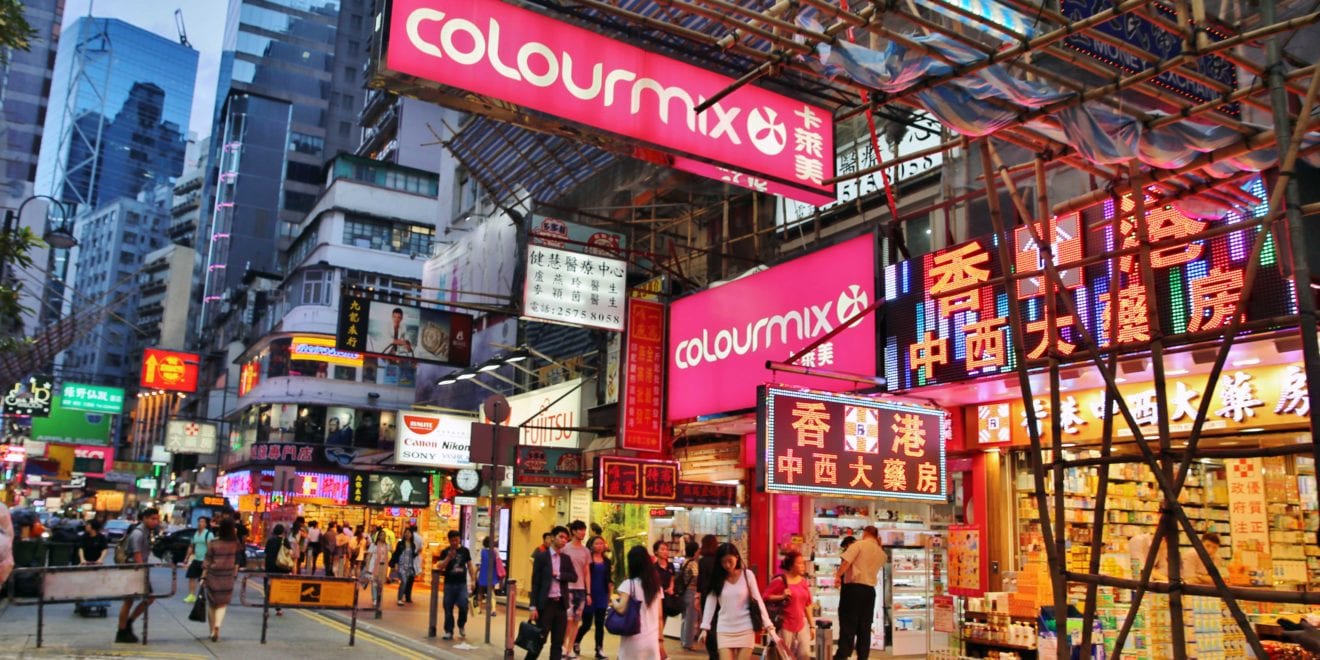
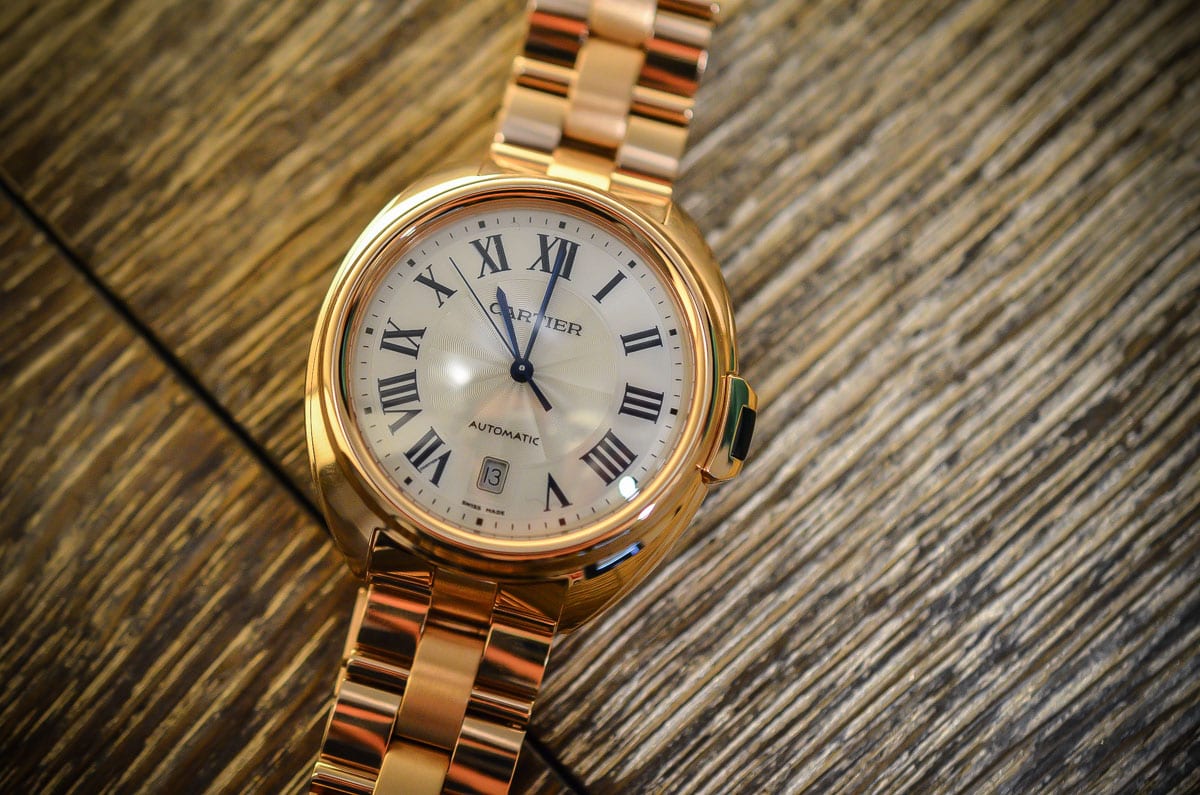
    Richemont – Swiss parent of luxury brands like Cartier, Dunhill and Montblanc – is blaming a Hong Kong sales slump for a tough half year ahead.

    Reporting its half year figures on Friday, the company said it expected a “challenging second half” which led to an immediate nine per cent fall in its share price.

    Hong Kong accounts for about 16 per cent of Richemont’s global sales and the Mainland a further eight per cent. Asia, excluding Japan, accounted for 34 per cent of the group’s total revenue.

    “The significant sales decline in Hong Kong and Macau during the period was partly offset by positive developments elsewhere. In particular, Mainland China resumed growth with strong retail sales, largely offsetting challenging wholesale sales,” the company said in its trading statement.

    Japan reported strong momentum, both from local and tourist demand, helped by the favourable exchange rate movements.

    Richemont said its global sales through its company-owned stores – which account for just over half its turnover – rose 13 per cent in the first half year at constant currencies. However, wholesale sales fell six per cent. Combined sales increased by 15 per cent at actual exchange rates or by just three per cent at constant exchange rates.

    Shipments of Swiss watches to Hong Kong fell 20.5 per cent in the first nine months of this year, due to falling demand. And Richemont, with such a large part of its global operations in the territory, is very exposed to such a drop.

    The company’s CGO Gary Saage said its margins had fallen in the first half to September – and in October demand had slowed even further. However there was a small upturn in the mainland last month

    “It’s been a long time coming. Mainland China in total grew one per cent and, clearly, within that our own retail grew significantly,” he told analysts in a briefing.

    “Wholesale is still extremely challenging and we don’t know when that will get better, but we take comfort in that our retail networks in both watches and jewellery are performing.

    “Headline numbers in watches will take time to recover,” Saage said.

    Gross profit increased by 13 per cent and accounted for 65 per cent of sales. The 100 basis points margin decrease versus the prior period largely reflected the impact of the Swiss franc’s appreciation and lower capacity utilisation, partly offset by the positive effects of other exchange rates and the growing proportion of retail sales, the company reported.

    Richemont also owns the Baume & Mercier, IWC International Watch, Jaeger-LeCoultre, Piaget, Roger Dubuis and Vacheron Constantin.

  • Chinese account for 31% of global luxury sales

    Chinese account for 31% of global luxury sales

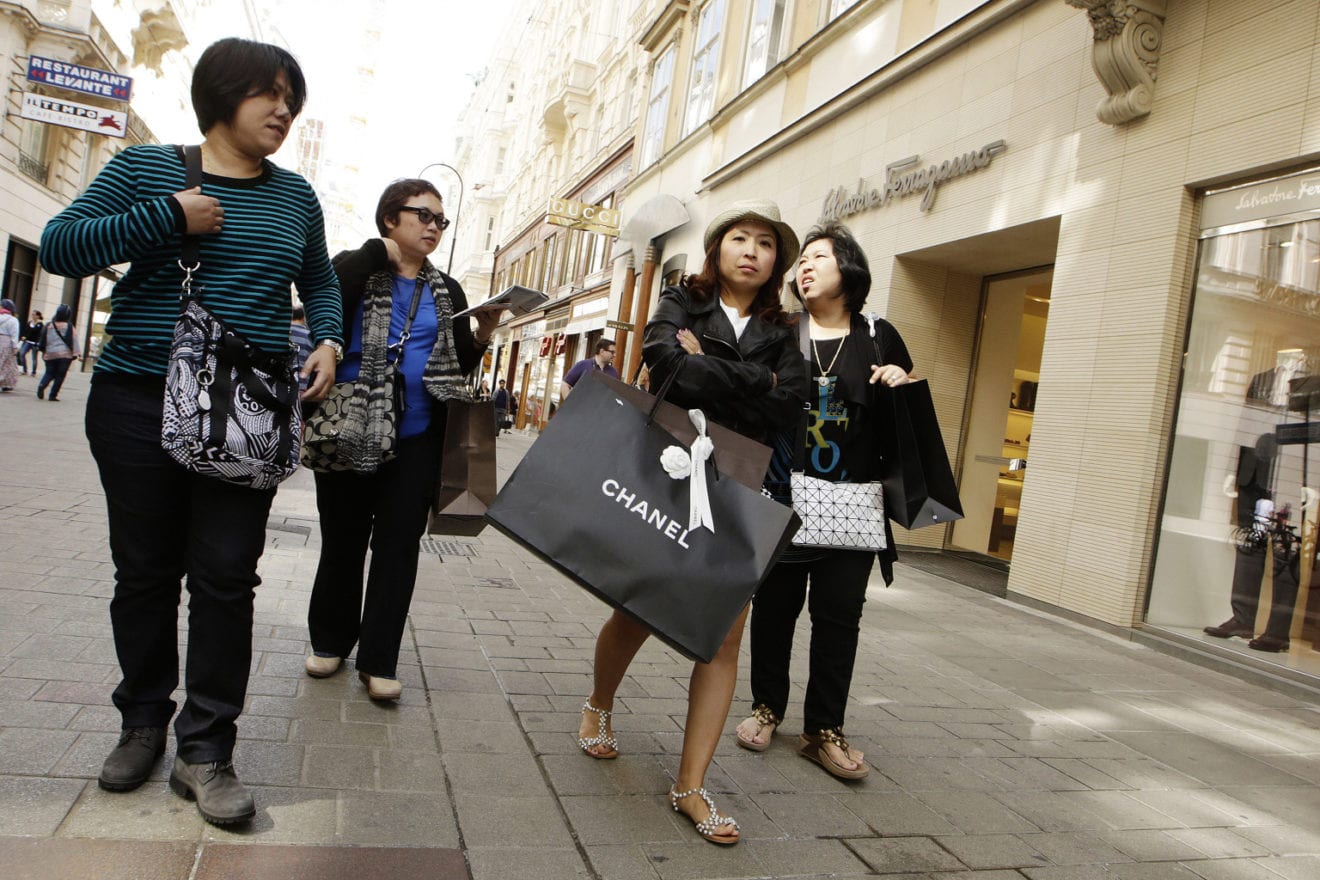
    Chinese shoppers now account for 31 per cent of the world’s annual luxury sales.

    According to Bain & Company’s 2015 Worldwide Luxury Report, the overall luxury industry will surpass €1 trillion in retail sales value in 2015.

    The market delivered healthy growth of five per cent year on year (at constant exchange rates), driven primarily by luxury cars (eight per cent), luxury hospitality (seven per cent) and fine arts (six per cent).  Aided by global currency fluctuations and continued jet-setting of “borderless consumers,” the personal luxury goods market ballooned to over a quarter trillion euros.

    That sector – including leather accessories, fashion, hard luxury and fragrance & cosmetics – reached €253 billion in 2015. This represents 13 per cent growth at current exchange rates, while real growth is significantly slowing to between one and two per cent.

    But the report warns that luxury brands will need the right pricing model to win against hard to predict currency volatility in the year ahead, which has impacted heavily on luxury retailers especially.

    While global tourists flocked to Europe and Japan to capitalise on a weak euro and yen, the Americas region, stagnant in real terms, was strongly inflated by the super dollar, thus capturing more than a third (34 per cent) of the global market spend in 2015.

    Meanwhile, Asia registered the worst historical performance (at constant exchange rates), driven by the lacklustre trend of Mainland China and the sharp drop in sales in Hong Kong and Macau.

    “For the last several years, we’ve referenced ‘luxury’s new normal’ with a deceleration of the personal luxury goods market. Now, we are starting to feel the impact of that slow-down,” said Claudia D’Arpizio, a Bain partner in Milan and lead author of the study.

    “The challenge for luxury brands in this environment is how to successfully navigate through hard-to-predict volatility.”

    According to Bain’s research, Chinese consumers continue to spend the largest share of luxury purchases (31 per cent) globally, followed by Americans (24 per cent) and Europeans (18 per cent).

    Chinese consumers are flocking to mature markets in droves, especially Europe, where an analysis of European tax-free shopping data, conducted in partnership with Global Blue, shows Chinese tax-free purchases increased by 64 per cent, particularly among the accessible and aspirational luxury segments, thanks to a weak euro.

    Americans also increased their tax-free spending in Europe by 67 per cent, aimed largely at the high end of the luxury spectrum.  Meanwhile, Russians cut their European spending by 37 per cent, and spending among the Japanese in Europe withered by 16 per cent.

    “Undoubtedly, Chinese consumers play a primary role in the growth of luxury spending worldwide,” said Federica Levato, principal at Bain and co-author of the study.

    “For years, we have known that they spend far more abroad than in Mainland China, but what’s changing is that they’re spending little money in historically popular destinations, such as Hong Kong and Macau, and are instead gravitating to new locales, such as Europe, South Korea or Japan, to benefit from currency fluctuations that drive favorable price gaps.”

    In terms of constant exchange rates, the US market did not deliver.  The “super dollar” was too expensive for many global tourists and though local consumption is growing, it was barely sufficient to offset the lost tourism revenue. Nevertheless, the US is the confirmed largest luxury market in terms of global luxury value, reaching €79 billion; New York City alone outweighed all of Japan.

    Another trend evident this year is the impact of eCommerce, which grew to seven per cent market share in 2015, nearly double its penetration since 2012. Luxury globetrotters have also fuelled the performance of airport retail, which posted 29 per cent growth in current exchange rates (18 per cent in constant exchange rates) and now accounts for six per cent of the global luxury market.

    With the growing middle class in economies such as China seeking good quality and good value, the off-price channel has more than doubled to nearly €26 billion.  Mark-downs are also increasing in prevalence across more than 35 per cent of the luxury market, with a strong relevance in department and specialty stores, as well as online.

    The Price of Luxury

    According to Bain, the number one challenge facing most luxury brands is establishing the right pricing model.

    The rise of eCommerce and global tourism growth create greater transparency around international price differentials. Additionally, price-conscious luxury shoppers are struggling to reconcile the price of luxury products with their real value. As a result, luxury brands must assess how to mitigate volatility and how best to deliver at local and global levels. This includes managing inventory to accommodate fluctuations in tourism and coordinating pricing and mark-downs across markets and channels.

    Luxury brands also face a host of tough issues such as rethinking their store footprint and the role of their stores in a world of growing digitalisation, as well as figuring out how to delight local customers even as masses of tourists flock to stores in mature markets.

    “Relentless price increases over the last decade, aimed at creating a more exclusive position in the market and maximising touristic flows are now starting to backfire on luxury brands,” said D’Arpizio.

    “They face the long-term challenge of rebuilding credibility and trust among consumers, rather than simply making shortsighted, tactical pricing adjustments to benefit from market fluctuations.”
  • Asia luxury retail revival ahead

    Asia luxury retail revival ahead

    While Asia Pacific may be experiencing a slowdown in luxury retailing right now, three key trends will fuel a renaissance in coming years.

    That’s the core finding of a research report by property specialist CBRE, The Future of Luxury Retail in Asia Pacific: New Demand Drivers and Shifting Occupier Requirements, which promises property owners can expect “a solid new stimulus for demand” in the coming years.

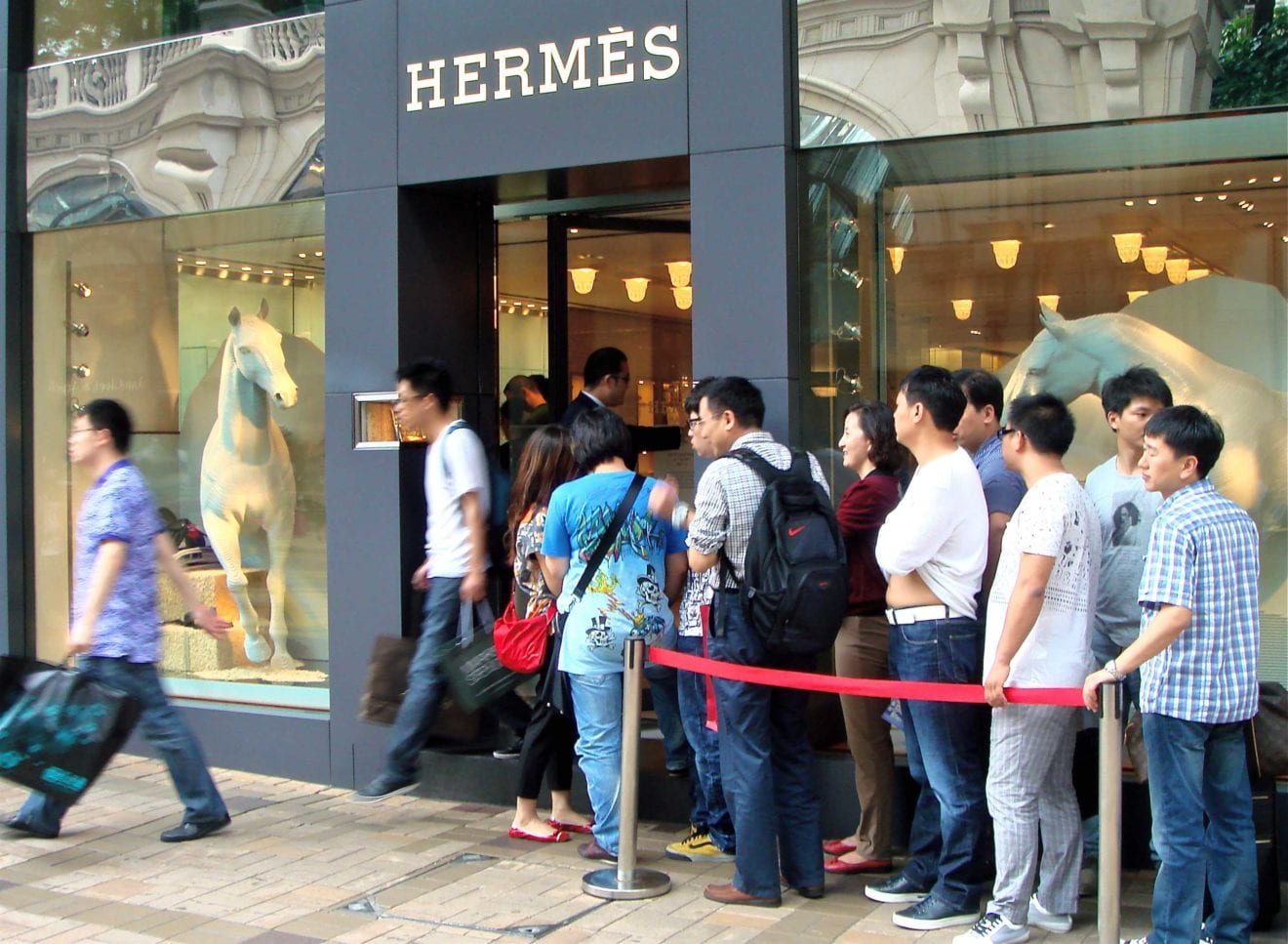
    Most major luxury retailers are now well established in Asia Pacific – their with China and Hong Kong penetrations already at 89 per cent and 81 per cent, respectively. And after several years of rapid expansion, these markets are approaching saturation point.

    “Accounting for one-third of personal luxury goods sales globally in 2014, Asia Pacific is a key region for international luxury brands with key markets including China, Hong Kong, Japan, Singapore, South Korea and Taiwan. However, the high growth period for luxury retailers in the region is gradually coming to an end,” commented Dr Henry Chin, head of research, CBRE Asia Pacific.

    ”Over-saturation, surging operational costs and weaker retail sales – especially in Hong Kong due to the slowing mainland China economy – have prompted retailers to consolidate their existing store networks and slow their rate of entry into new markets focusing on operational efficiency,” said Chin.

    But here is where there is hope: CBRE has identified three emerging trends which will partially offset some of the negative effects arising from the slowdown and compensate for the loss of demand.

    • The Emergence of Affordable Luxury

    Often referred to as bridge brands, affordable luxury retailers – for example Michael Kors – provide high quality branded goods at a lower price tag than top-tier luxury retailers. Several top-tier luxury brands are already so well established in the region that they are at risk of overexposure, a trend which is prompting many consumers to look for differentiation.

    • Inclusion of F&B

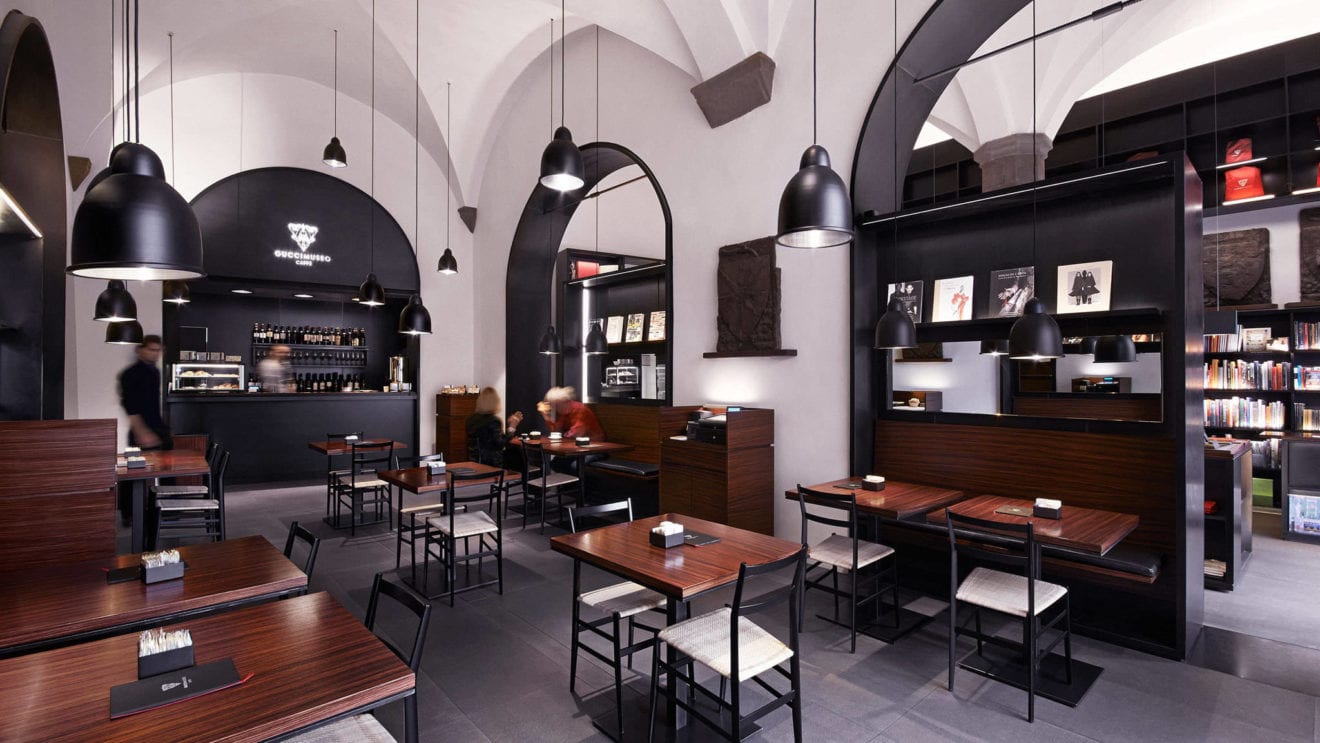
    Recent years have seen luxury brands begin to expand beyond their core fashion businesses into the F&B sector – examples include 1921 Gucci in Shanghai iAPM and Cafe Dior by Pierre Hermé on the top floor of Christian Dior’s flagship store in Seoul – transitioning their brand from being totally fashion-oriented to more lifestyle-driven. Including an F&B component in stores enables luxury retailers to provide their consumers with a more complete experience in which they can shop, relax and socialise.

    • Growth of Luxury Childrenswear

    As of 2014, Asia Pacific was home to 807 million people aged below 14, representing more than 20 per cent of the total population, offering an enormous opportunity for growth in this segment. The emergence of luxury childrenswear brands has been welcomed by landlords as many of them are looking to expand their offering into toys, bookstores and playrooms in order to attract and retain foot traffic amid competition from online retail.

    “With the momentum behind these trends, this will account for a bigger slice of leasing demand for prime retail space,” says Joel Stephen, senior director, head of retailer representation, CBRE Asia.

    “Retailers and landlords can benefit from the projected growth in these market segments.”

    Changes in Luxury Retailers’ Real Estate Requirements

    The emerging retail trends – combined with changing tourism patterns and the ongoing slowdown of the region’s luxury retail sector – are already impacting luxury retailers’ real estate requirements, resulting in new, and in some cases, weaker demand for different types of retail property.

    “The change in shopping behavior among mainland Chinese tourists – who are demonstrating a stronger preference for shopping in Europe and Japan – has prompted luxury brands to review their expansion and rationalise their real estate portfolios, strategies and requirements. Since most luxury retailers remain cautious towards expansion, especially in China, retailers are now focusing on consolidating their footprint into a solid network of stores in high quality locations, as opposed to expanding rapidly and opening many smaller stores, in order to extract the highest value from their sales network,” says Chin.

    Some of the key trends that CBRE have identified include:

    • Weaker interest in department stores despite continued interest in prime locations;
    • Stronger focus on flagship stores, displaying more product lines, thus making a stronger statement in the market;
    • Increased popularity in short-term opportunities for brands to set up exhibitions, pop-up and concept stores, and workshops, to generate greater consumer awareness;
    • Affordable luxury brands continuing to drive demand, encouraging more shopping center landlords to offer them anchor tenant space; and
    • More interest in upper floor retail space, but limited to top-tier malls and driven by F&B and childrenswear segments.

    Says Stephen: “Driven by the emergence of affluent consumers and the rise of the number of millionaires in the region, Asia Pacific will remain a hugely important market for international luxury brands with new names entering the region.

    “Even though leasing demand will slow to a more sustainable level, prime space in core areas will continue to be keenly sought after.”

    Penetration of luxury retailers into Asia-Pacific.

  • Online, mobile luxury spending rises in China

    Online, mobile luxury spending rises in China

    Online and mobile commerce for luxury brands in China has risen at an exponential pace while smartphone penetration continues to grow rapidly, results of a recent survey shows.

    The new study of online spending in the country was conducted by KPMG in partnership with Mei.com, a China-based online luxury flash sales retailer, and Weibo, an online social media platform in China.

    Among the key findings is that 45 percent of respondents said they purchased most of their luxury items through online options, and the maximum amount they felt comfortable paying online for a single item is RMB4,200 ($660.8), far higher than the RMB1,900 ($298.9) they indicated in a similar survey in 2014, or an increase of 121 percent.

    The average spend levels also went up about 28 percent compared to the previous 2014 survey.

    China’s consumers are spending close to one-third more on online purchases – averaging around RMB2,300 ($361.9) on each single luxury transaction.

    The top driver for purchasing online remains pricing and better deals, however, close to one-third of respondents had made luxury online purchases at the full, non-discounted price.

    “Price is becoming less of a driver. But value remains important as customers are well informed about global prices since most of them travel physically or digitally,” said Thibault Villet, CEO of Mei.com.

    The survey likewise points to an increase in the average amount spent on luxury purchases in most product categories.

    A higher amount was spent on average for popular categories such as bags (109 percent), women’s apparel (58 percent) and cosmetics (18 percent), and also noted a significant increase in spending on categories such as watches (126 percent) and jewelry (65 percent) that accounts for a relatively smaller share of total online luxury sales.

    Cosmetics is the most popular product bought online, followed by women’s shoes, bags and leather goods, women’s apparel and accessories.

    The survey finds that among the key online triggers to purchase luxury e-commerce, the most persuasive one is reading about a product on a blog or social site and seeing the product in an online shop.

    While online shops are setting up temporary or pop-up stores, most luxury brands are also increasingly developing their China websites and shops on popular e-commerce platforms.

    “The pace of change in today’s marketplace in China is taking retailers and brands by surprise. This change is unrelenting and now outrunning the company strategy in many cases,” Egidio Zarrella, Clients and Innovation Partner, KPMG China, noted.

    In addition to luxury items, the survey finds increased numbers of luxury services purchased online, including online hotel and restaurant bookings, followed by domestic and overseas trips.

    Forty-eight percent of respondents said they had bought items overseas over the previous 12 months, close to a majority. More than two-thirds of these claimed they increased their overseas online luxury purchases in the past 12 months.

    The survey sees a near doubling of Chinese luxury online consumers planning to buy overseas trips online – from 35 percent who indicated they bought an overseas trip online during the past 12 months, to a forecast 61 percent during the next 12 months, or a growth of more than 70 percent.

    “Chinese consumers have a significant propensity to spend, they are technology savvy and want the best quality. Therefore, both new and existing entrants to China must expect to compete in a dynamic and fast-paced market. They must develop the right strategies to survive and thrive in an increasingly disruptive environment,” Zarrella concluded.

  • Girard-Perregaux Singapore flagship

    Girard-Perregaux Singapore flagship

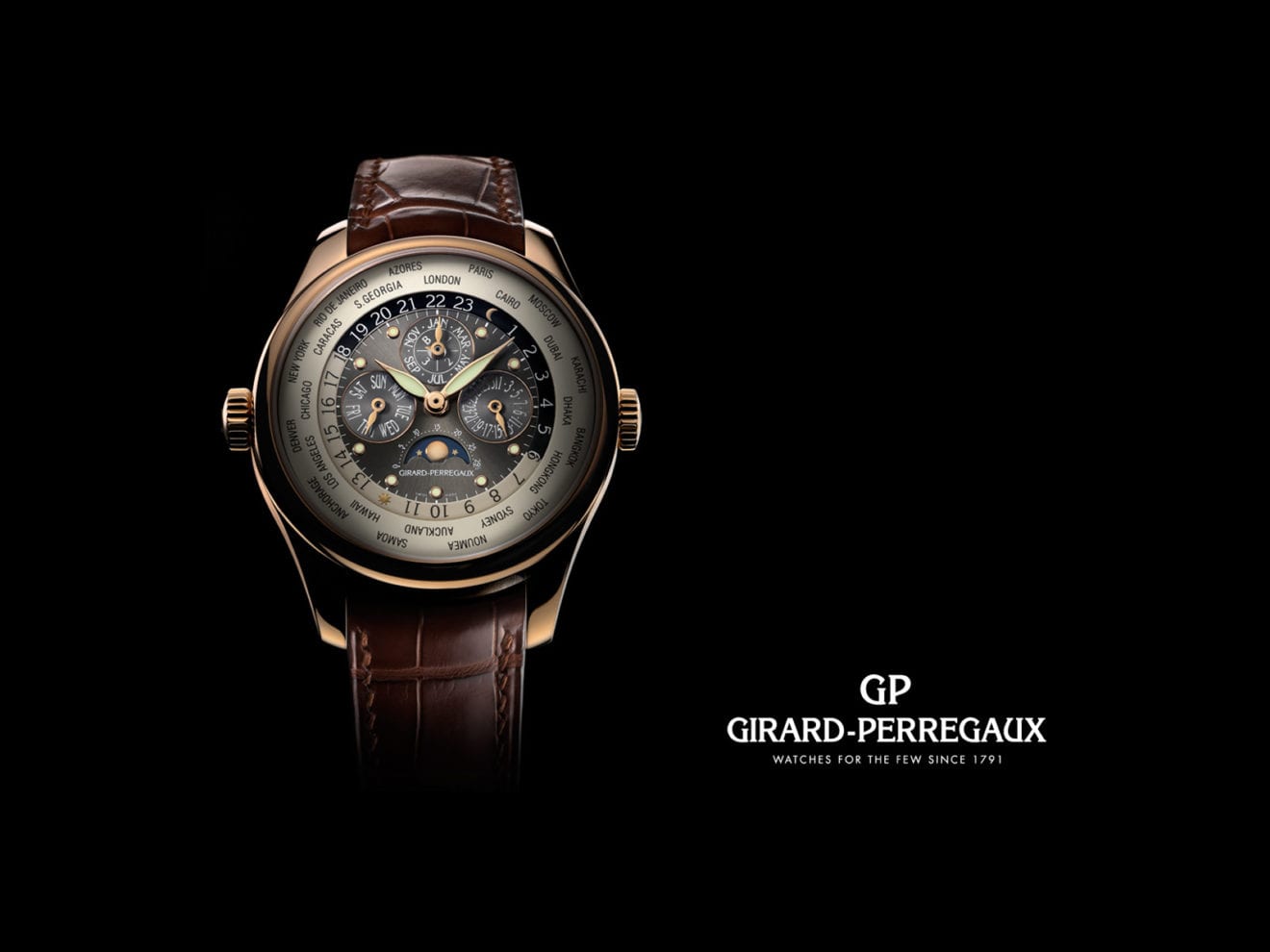
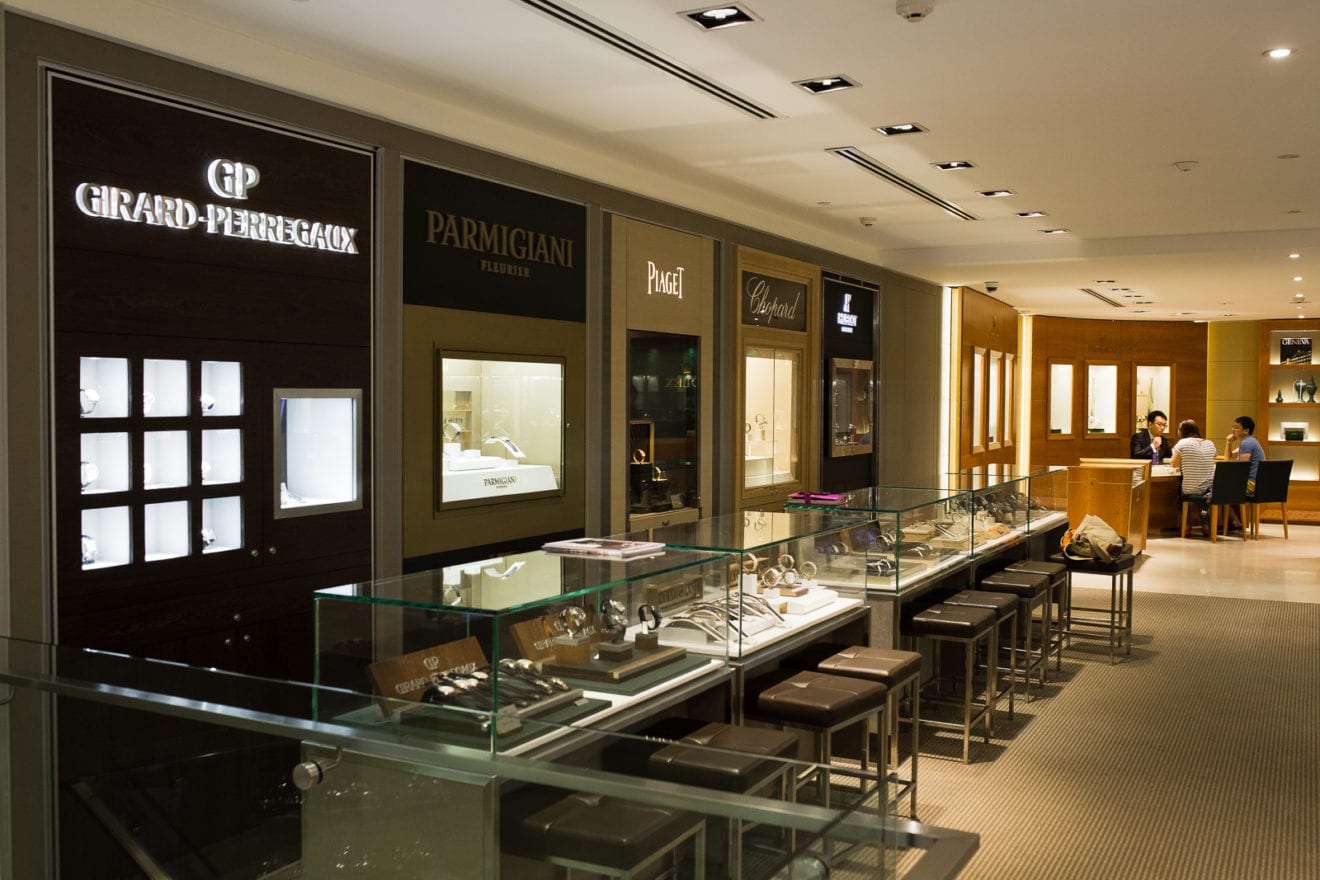
    The new Girard-Perregaux Singapore boutique is the Swiss watchmaker’s first Southeast Asian flagship.

    The Girard-Perregaux Singapore boutique is a partnership with The Hour Glass, Singapore’s exclusive distributor of Girard-Perregaux in Southeast Asia.

    The boutique has opened at The Shoppes at Marina Bay Sands.

    “Girard-Perregaux is honoured to celebrate its exclusive partnership with The Hour Glass, with the opening of its first flagship boutique in Singapore. It is indeed a privilege to be the new addition to the prestigious lineup of luxury brands retailing at Marina Bay Sands. This is a significant milestone and a hallmark of the manufacturer’s watchmaking evolution and heritage,” said Antonio Calce, CEO of Girard-Perregaux.

    The Girard-Perregaux boutique houses the most comprehensive collection of Girard-Perregaux timepieces yet in Singapore. Unveiling the core collections in dedicated sections within the boutique, watch aficionados will be enticed by Girard-Perregaux timepieces ranging from Haute Horlogerie, to iconic collections such as GP 1966, the seductive feminine Cat’s Eye collection and the Vintage 1945 which celebrated its 70th anniversary this year, to name a few.

    Upon entering the boutique, customers’ attention will be caught by the Parisian custom-made chandelier cascading from atop, evoking a touch of lightness and artistry to the boutique environment. The interior décor of the Girard-Perregaux boutique features precious wood furnishing, emanating modern and discreet sophistication.

    “Girard-Perregaux is one of the rare manufacturers today who have amassed a rich heritage and watchmaking expertise of over two centuries. This is a rare gift. The partnership between The Hour Glass and Girard-Perregaux shares a common passion for respected watchmaking codes, combined with forward-thinking innovations.We are proud to unveil the authentic world of Girard-Perregaux in one of Singapore’s most dynamic retail landscape at Marina Bay Sands,” said Wong Mei Ling, MD of The Hour Glass.

    Girard-Perregaux by The Hour Glass is located on the Bay Level of The Shoppes at Marina Bay Sands.

  • Chinese millennials: the new big spenders

    Chinese millennials: the new big spenders

    Chinese millennials – China’s new rich – are looking to spend double the Asia-Pacific average on luxury items in the next year.

    The millennials – those aged 18 to 29 – are already China’s biggest spenders on luxury goods in Asia Pacific, followed by those in South Korea and Hong Kong.

    According to research from MasterCard, the most popular luxury items are high-end tech gadgets, with 25 per cent of millennials in Asia Pacific planning to buy an item such as a smartphone or tablet computer in the next year. This is followed by designer clothes and leather goods (17 per cent) and jewellery (17 per cent).

    Overall, most millennials in the region take approximately a month to consider and research their luxury purchases. More millennials in Asia Pacific (a quarter) buy on impulse than those aged over 30 (a fifth).

    Meanwhile, over a third of millennials in the region prefer Western brands over regional or local, however there is a marked difference across the region. While more than half of millennial shoppers in China, Vietnam, South Korea and Hong Kong prefer Western brands, the majority in India and Indonesia would rather buy local. The top three reasons for preferring Western brands were reliability of quality, followed by value for money and brand loyalty.

    When choosing where to buy luxury goods from, the majority of millennials still prefer purchasing from local brick and mortar stores (64 per cent), instead of local eCommerce sites (nine per cent). Meanwhile a fifth prefer to buy luxury items in-store when travelling overseas, this is especially true of Chinese millennials, 51 per cent of whom are most likely to buy a luxury item in-store while travelling.

    The results are based on interviews that took place between May and June 2015 with 2272 millennials across 14 Asia Pacific markets.

    More findings:

    • Millennials from China intend to spend on average US$4362 on luxury goods over the next year, nearly double that of the Asia Pacific average of US$2584. South Korea (US$2638) and Hong Kong (US$2584) round off the top three.
    • Overall, the majority of millennials in the region will take under a month to research and consider a luxury item before buying it (44 per cent), led by those in India (64 per cent), China (51 per cent), South Korea (48 per cent) and Taiwan (48 per cent).
    • Thai (60 per cent) and Indonesian (50 per cent) millennials are the most impulsive shoppers in the region with at least half buying luxury goods on impulse, above the regional average of 26 per cent.
    • The most careful millennial shoppers are from Vietnam – the majority will only buy a luxury item after two to six months of extensive research (45 per cent), more than the regional average of 20 per cent.
    • Over one-third of millennials across the region prefer western brands to local and Asian brands. More than one in two millennials in China (66 per cent), Vietnam (60 per cent), South Korea (59 per cent) and Hong Kong (52 per cent) would pick a western luxury brand over a local or Asian luxury brand. However, in Indonesia (61 per cent) and India (50 per cent), a large majority of millennials would rather buy luxury goods from a local brand.
    • Most millennials in the region purchase luxury goods in-store rather than online – this is especially so when they are on sale locally (43 per cent) compared to when they are at full price (23 per cent). Only a small percentage of millennials in the region shop for luxury goods on local (nine per cent) and overseas sites (four per cent).
    • Chinese millennials are the most likely to buy luxury goods in-store when travelling overseas (51 per cent), whereas the majority of consumers in India (81 per cent) and Indonesia (50 per cent) buy luxury goods locally in-store at full price.
    • Millennials in Indonesia are the most likely to spend more on luxury goods in the next year than the year before (47 per cent). Across Asia Pacific, most consumers (40 per cent) intend to spend the same amount as they did the year before, 22 per cent plan to spend less while 19 per cent plan to spend more.
  • Chinese shoppers still spending on luxury goods

    Chinese shoppers still spending on luxury goods

    China’s share market plunge and currency devaluation have not resulted in Chinese shoppers cutting back their spending on luxury goods as had been feared, a top-ranked HSBC analyst said this week.

    Mr Erwan Rambourg, HSBC Global’s co-head of consumer and retail, said the declines in stock prices and in the yuan need to be put in context.

    “The Shanghai composite index has been down roughly 40 per cent since its peak. On a 12-month view, if you had invested 12 months ago, you would still be up about 30 per cent,” he said.

    And while the yuan’s devaluation of about 2 per cent last month instantly made everything more expensive for travelling Chinese shoppers, the currency is still up in value relative to the euro compared with last year, he noted.

    “Purchasing power of the Chinese in Europe is still a lot stronger today than it was just 12 months ago,” said the Hong Kong-based Mr Rambourg, who has been covering the luxury and sporting goods sectors for 10 years.

    “The reason we look at euro-yuan and not (the US) dollar-yuan is because Chinese consumption abroad is mostly taking place in continental Europe, places like France and Italy. So obviously I don’t see that as a big negative.”

    It is the appreciation of the euro that could be a bigger issue than the decline in Chinese equity markets, Mr Rambourg said.

    He said the recent correction of the equity markets in Asia “has had a much bigger impact on Hong Kong than it has had on mainland China”.

    Reuters reported last month that Hong Kong retail turnover fell for the fifth straight month in July, as a slowdown in tourist arrivals further battered sales of big-ticket items such as jewellery and watches, while a plunge in the stock market hurt consumer sentiment.

    Mr Rambourg believes that luxury sales fell in Hong Kong because Chinese spenders have moved to more “fashionable” destinations such as Japan, South Korea and Taiwan.

    HSBC Global Research’s latest report estimated about 70 per cent of luxury revenue in Hong Kong comes from Chinese consumers.

    One of the issues in Hong Kong and Macau is the lack of diversity – Hong Kong is all about shopping, Macau is all about gaming, and there is not a lot that is offered beyond that, said Mr Rambourg.

    But when Chinese tourists go to Japan, they return home to tell people about the culture, creating a snowball effect which goes beyond just the price arbitrage, where some destinations become fashionable and other destinations become less fashionable.

    About 10 per cent of luxury revenue in Japan now comes from Chinese tourists and Mr Rambourg believes this figure will rise as it did in South Korea, which saw an increase from 10 per cent to 30 per cent.

    About 25 per cent of luxury revenue in Singapore comes from Chinese tourists.

    Mr Rambourg suggested that Singapore should look at providing more diversity in terms of the brands represented here in order to draw in more Chinese shoppers.

    While there will be ups and downs, he foresees Chinese consumers becoming dominant over the next decade.

    About 35 per cent of today’s luxury consumers come from China and the figure could double over the next 10 years, he said.

  • Hong Kong retail ‘moves to the middle’

    Hong Kong retail ‘moves to the middle’

    Hong Kong retail is moving from its traditional luxury focus to the mid market and the demographics of shoppers change, according to a report from CBRE.

    Mid-market retail brands are set to overtake luxury brands  as the main driver of retail demand in the territory, according to the report, The Changing Retail Landscape: How to Survive the  Slowdown in Hong Kong?.

    The Hong Kong retail sector outperformed over the last decade with strong sales growth for high-end products. This generated an increase of 213 per cent in average rents from 2003 to 2014 for core street shops in Causeway Bay, Tsim Sha Tsui, Mong Kok and Central.

    “But the tailwind for luxury retailers has slowed since 2014 hindered by a range of factors including Chinese government’s anti-corruption measures, milder GDP growth in China, weakening Asian currencies and the loosening of policies on travel for mainland Chinese,.” says CBRE in a summary of the report.

    These are all unfavorable factors for Hong Kong’s tourism and retail sales. The total retail sales in Hong Kong from January to July 2015 edged down by 1.8 per cent year on year, while sales of watches and jewellery plunged 15 per cent in the first seven months of this year.

    “Despite the gloomy outlook  for the retail sector, opportunities are emerging for mid-market retailers.”

    “The retail sector is experiencing a structural change,” said Joe Lin, executive director, retail services, CBRE Hong Kong.

    “Over the past decade, high-street shop landlords have reaped the benefits of strong demand from luxury retailers and massive rental growth. Landlords must now be more realistic on rental negotiations, as luxury retailers are adjusting their leasing strategies to save costs, and more mid-range brands are looking to tap into prime locations at relatively affordable rental levels. This opens the door for mid-market brands to expand. In the last quarter, we saw prime street shops leased to mid-market brands following the lease expiry of the previous luxury goods retailers.”

    To cope with the slowdown, luxury retailers are consolidating their second-tier shops, which will increase space availability in the market. Some high-end fashion, cosmetics and watch and  jewellery retailers have either stopped renewing leases or surrendered spaces well ahead of  expiry. However, they will still strive to secure flagship premises in strategic locations with  prominent addresses and good visibility, which means a higher marketing value. They may also introduce secondary lines at accessible prices, targeting young consumers with a growing  demand for mid-market products.

    Consolidation by luxury retailers in Hong Kong implies that the tenant composition in some prominent retail locations will gradually change. Meanwhile, mid-range retailers previously not able to afford to lease a space in prime locations are now looking to take up vacant space  surrendered by luxury brands. Landlords are more willing to negotiate with tenants for more  affordable terms. While rents are generally falling, shops in the most strategic locations with  good footfall and visibility are not expected to run into high vacancy risks as long as landlords are prepared to be flexible in leasing terms.

    “The sales performance of luxury products is heavily reliant on the external factors mentioned,” said Marcos Chan, head of research, CBRE Hong Kong, Macau and Taiwan.

    “In contrast, the demand for mid-market goods from both tourists and local consumers is relatively steady.”

    CBRE foresees three trends in the next five years:

    • The main driver of demand for retail space are shifting from high-end consumer goods to mid-market brands;
    • Local demand will gradually regain a bigger share in total retail sales compared with tourist spending; and
    • Decentralised areas will provide a significant proportion of new retail space, offering more leasing options.

    “These trends suggest that retail market stakeholders, including  luxury and mid-market brands, and street shop and shopping mall landlords, will have to reconsider their business strategies,” said Chan.

    “Structural changes in the retail landscape will ultimately result in a more balanced and sustainable retail market in Hong Kong,” added Lin.

    “The tenant mix of both core areas and sub-markets will become more diverse, enabling both high-end and mid-market brands to offer a broader range of products to consumers. Domestic spending will get retailers’ attention and the mid-market sector will see healthy growth potential.

    “We would recommend mid-market retailers to continue to explore opportunities in emerging districts. This will ensure they obtain first-mover advantage. Meanwhile, street shop landlords should lower their rental expectations and consider leasing to mass-market brands to avoid long-term vacancy.”

    The lack of supply in the market is another reason for pushing retail rents to a high in past years. CBRE believes that supply in the next five years will ease some pressure on retailers on rental expense but new options in the core shopping districts will continue to remain limited.  The development of several new towns in more remote districts will result in substantial growth  in residential and working populations that will need to be served with by shopping facilities.

    CBRE estimates that in the next five years, 70 per cent of the new supply will be in non-core districts and 5.6 million sqft of retail space will be shopping arcades for residential estates.

    “This will provide opportunities for mid-range retailers to expand their store networks targeting the mid-to-high income households. Government statistics suggest that the catchment areas of these regional malls usually have an above-median household income.”

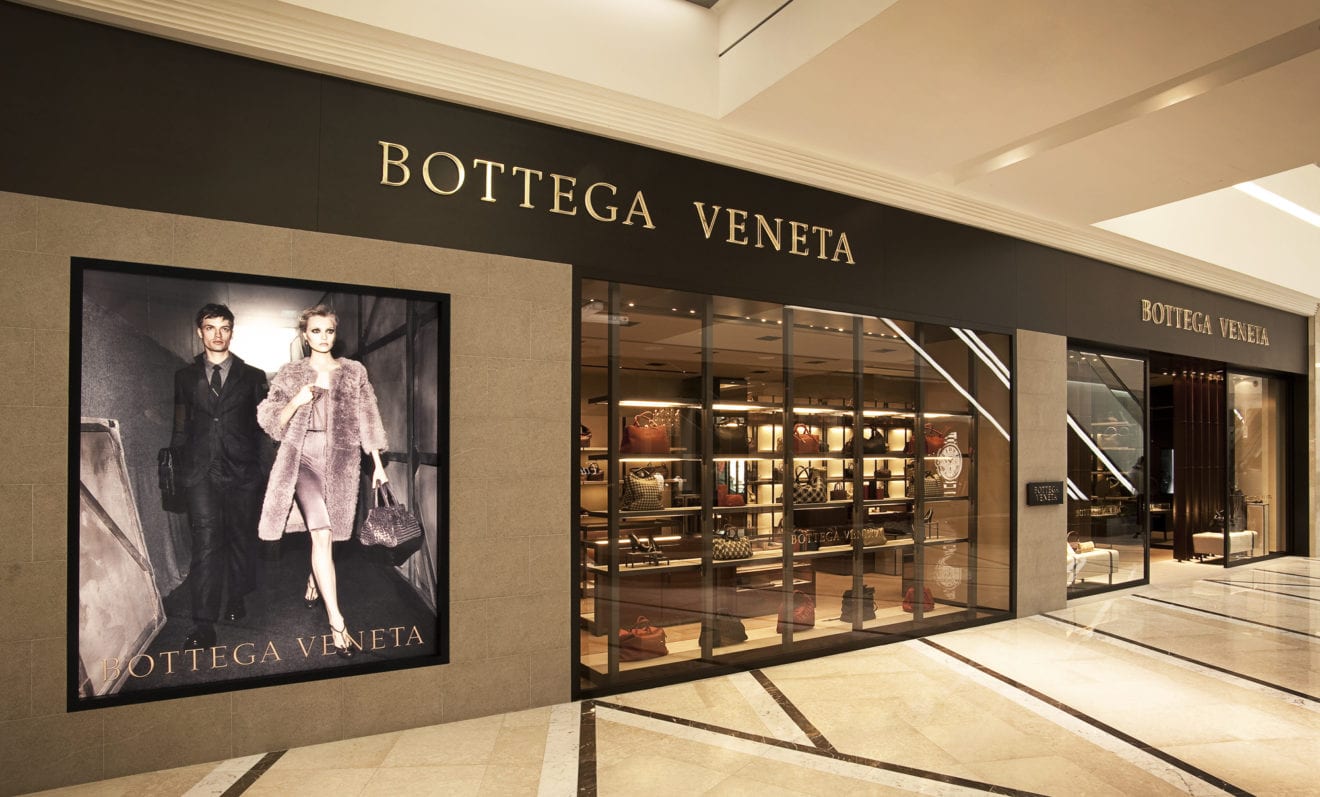
  • Bottega Veneta May Close Hong Kong Stores

    Bottega Veneta May Close Hong Kong Stores

    Retail rents in Hong Kong have long been among the most expensive in the world, but for years the high operating costs have been worthwhile. Luxury brands could capture not only the highly sophisticated local shoppers, but also mainland Chinese and other foreign tourists. That was, until recently.

    Sales have slowed markedly for luxury brands in Hong Kong over the last two years. As a result, Kering—the parent company of Gucci, Bottega Veneta, and Yves Saint Laurent—is considering closing some stores.

    Political and economic changes in mainland China, acerbated by the umbrella movement of mass civil disobedience in Hong Kong, have had a negative impact on Hong Kong’s economy. After China’s new leader Xi Jinping launched a crackdown on extravagant spending and corruption in 2013, mainlanders have been spending less.

    Kering confirmed that it has started negotiating rents with landlords in Hong Kong.

    According to Kering’s first half results for 2015, “the downward trend in Asia-Pacific” (excluding Japan) was entirely due to the ongoing decline in consumer spending in Hong Kong and Macau.” Sales in mainland China were up year on year, and South Korea and Australia reported solid sales performances in line with the rise in tourist numbers, the report stated.

    The company confirmed that it has started negotiating rents with landlords in Hong Kong, and also Macau, mainland China, and other international locations.

    “We are very lucid about the situation in Hong Kong where we didn’t see any improvement during Q2 2015. Depending on the outcome of the discussions with the landlords and the business situation, we may consider closing stores in Hong Kong in the mid-term,” a Kering spokesperson said in a statement.

    The company has 58 retail locations in Greater China (mainland China, Hong Kong, Macau, and Taiwan).

    Kering’s revenue in Japan increased 7.4 percent during first-half 2015, driven by increased tourism from mainland China and local clientele.

    The Asia-Pacific region (excluding Japan), again accounted for more than 90 percent of Bottega Veneta’s business in emerging markets. “Sales in this region dropped 4.3 percent year on year, weighed down by a lacklustre luxury goods market in Greater China during the period, despite the very positive trends seen in South Korea, Taiwan, and Australia, where purchases by Chinese tourists increased significantly,” according to Kering’s first half report.

    Other luxury brands are also feeling the pinch in Hong Kong. Burberry has said it is attempting to negotiate rents with landlords in Hong Kong because the U.K.-based company’s sales there have dropped to a two-year low, according to Bloomberg.

    “Asia Pacific experienced a low single-digit percentage comparable decline, impacted by the continued challenging environment in Hong Kong, which decelerated further to a double-digit percentage decline in comparable sales. Mainland China comparable sales grew by a low single-digit percentage and Japan saw exceptional growth, albeit off a small base,” according to Burberry’s first quarter trading update.

    Faith Hope-Consolo, chairman of The Retail Group at Douglas Elliman real estate, said Hong Kong’s market is inundated with luxury brand stores with labels such as Gucci, Prada, Louis Vuitton, and Burberry owned by the likes of The Kering Group, Richemont and LVMH.

    She said, “There has been an introduction of more affordable lines to each brand to address and absorb the consumer choices and support a market whose tourist numbers fluctuate with an ever-changing economy.”

  • Hong Kong retail sales fall for fourth month as tourism slows

    Hong Kong retail sales fall for fourth month as tourism slows

    Hong Kong retail sales fell for the fourth straight month in June as a drop in tourist arrivals continued to hit sales of big-ticket items such as jewellery and watches.

    Retail sale slipped 0.4 per cent from a year earlier in value terms to HK$37 billion ($4.8 billion) in June. That followed a revised 0.1 per cent decline in May, 2.1 per cent drop in April and 2.9 per cent slide in March. In volume terms, sales rose 4.4 per cent in June, against revised growth of 4.7 per cent in May.

    The city’s retailers have been hammered by slowing mainland tourist arrivals and high operating costs in rent and labour.

    “The near-term performance of retail sales is still subject to uncertainties, depending on inbound tourism growth and any spillover to consumption sentiment from the recent stock market volatility,” the government said in a statement.

    For the first six months, the value of retail sales fell 1.6 per cent from a year earlier, while volume was up 1.7 per cent.

    China’s slowing economy and volatile stock markets have hit retail spending and tourism.

    The Hong Kong Retail Management Association said the majority of its members forecast that the declining trend in retail sales will continue in the third quarter with no particularly favourable factors in sight.

    Visitor numbers to Hong Kong fell 2.9 per cent in June on the year, compared with year-earlier growth of 6.9 per cent, Hong Kong Tourism Board data showed. Mainland tourist numbers in June slid 1.8 per cent, against 7.8 per cent growth a year earlier.

    In June, sales of jewellery and watches fell 10.4 per cent by value, compared to a 14.9 per cent fall in May. Medicines and cosmetics declined 4.2 per cent, against 1.9 per cent fall in May.

    Last week, luxury retailer Emperor Watch warned of turning in a loss for the first half as foot traffic dropped due to a strong Hong Kong dollar and unfavourable tourism environment after protracted political unrest last year.

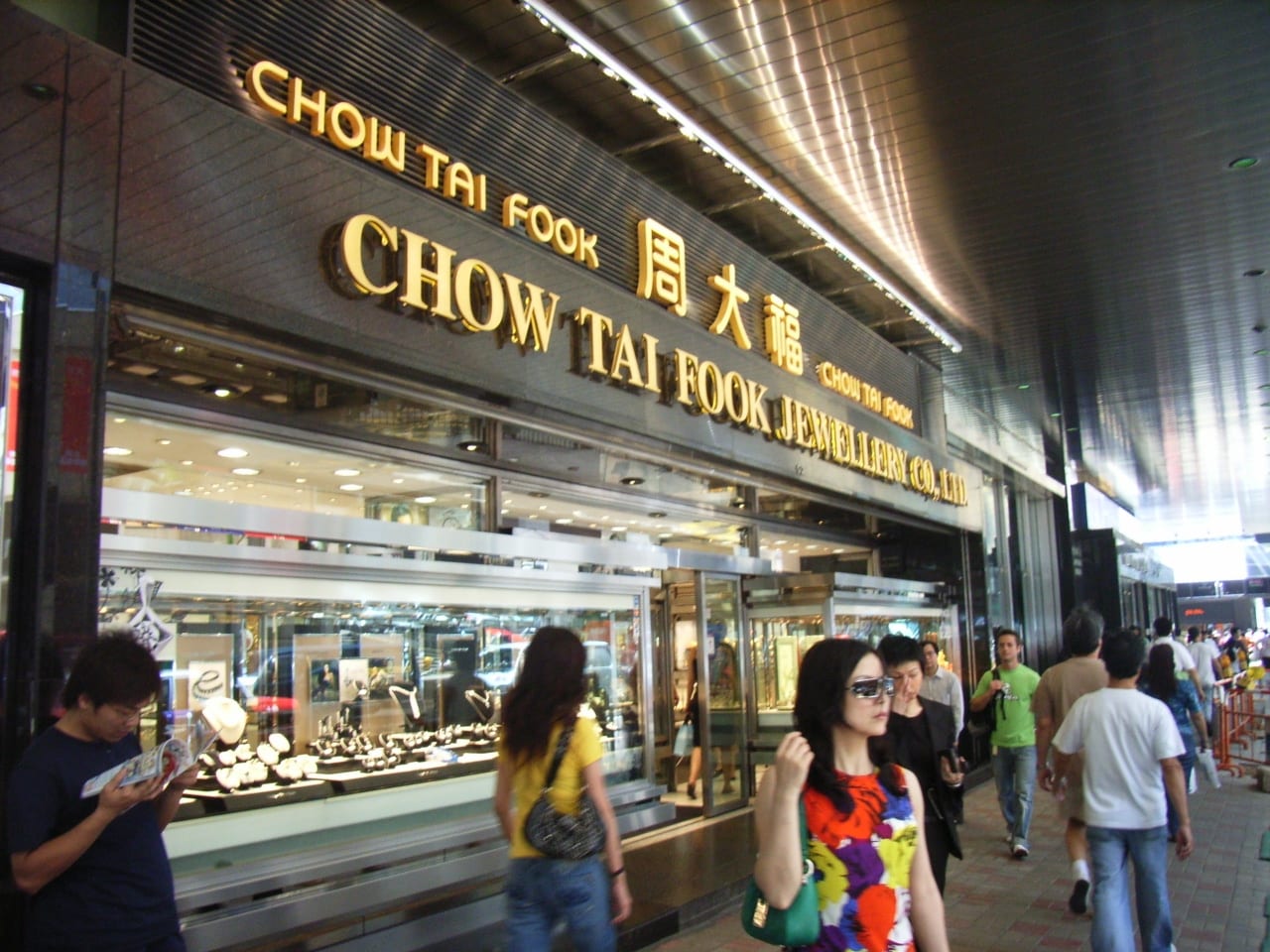
    The world’s biggest jewellery retailer Chow Tai Fook Jewellery saw its retail sales fall in the April-to-June quarter, while cosmetic chain Sa Sa saw a dip in its turnover for the quarter ended June. .

    Like rivals Burberry and Gucci’s parent Kering , the world’s No.1 luxury goods group LVMH said it was in talks with mall owners in Hong Kong to renegotiate prices amid falling sales.

  • Asia slowdown hits Burberry sales

    A decline in the number of shoppers from mainland China travelling to Hong Kong to buy luxury goods has continued to be a drag on Burberry, the British retailer best known for its trenchcoats and cashmere scarves.

    Burberry said on Wednesday that comparable sales in Hong Kong were hit by a “double digit decline” in the three months to June 30, its first quarter, as fewer Chinese mainlanders headed to the city because of political tensions or hostility from locals.

    The British group, like many other retailers, suffered during last year’s lengthy pro-democracy protests in Hong Kong but has seen no pick-up in trading as mainland Chinese take advantage of changing exchange rates to travel to other destinations such as Japan and South Korea for shopping trips.

    Burberry said sales at its stores in mainland China still rose by a “low single-digit percentage” during the first quarter, but the problems in Hong Kong pushed down sales in the Asia-Pacific region overall by a “low single-digit”. In Japan, the retailer reported “exceptional growth” during the quarter, although from a low base.

    Carol Fairweather, Burberry’s chief financial officer, said the group was trying to target local Hong Kong residents through marketing events in an attempt to stabilise sales in the city. But she insisted all stores in Hong Kong remain profitable.

    Chinese shoppers — who account for 30 to 40 per cent of Burberry’s revenues globally — are still spending during trips to other parts of the world, Ms Fairweather said, despite concerns over weakening consumer sentiment in the world’s second-biggest economy following a period of dramatic stock market upheaval.

    “We still saw growth from the Chinese consumer in China and globally,” Ms Fairweather said.

    The problems in Hong Kong weighed down overall sales growth at Burberry during the quarter. Excluding the effects of currency movements, underlying retail revenue rose 8 per cent to £407m. This was in line with analysts’ forecasts but was lower than the 14 per cent growth recorded during Burberry’s last financial year. Comparable sales for the group as a whole rose 6 per cent, again lower than for the year to March 31 but slightly higher than analysts’ forecasts.

    Burberry said foreign exchange movements were in its favour during the first quarter, pushing it to upgrade its latest forecast for full-year profit at its core retail and wholesale business by £10m. This would, however, be offset by a “more adverse geographic mix” because of the challenges in Hong Kong, resulting in no overall change to group profit forecasts.

    Christopher Bailey, Burberry’s chief executive and chief creative officer, said the first-quarter performance was pleasing in light of “challenging” conditions.

    “We are pleased with our performance in this first quarter,” he said. “While mindful that the external environment remains challenging, we will continue to focus on growth opportunities across channels, regions and products, with exciting plans for the year ahead.”

    Burberry’s trading update came ahead of its annual meeting on Thursday.

    The luxury retailer is no stranger to revolts over Mr Bailey’s pay. At the 2014 annual meeting, almost 53 per cent of votes cast were against the directors’ remuneration report in protest at Mr Bailey’s £20m package.

    There have also been rumblings of a potential rebellion at this year’s meeting. Mr Bailey, who took up the dual role of chief executive and chief creative officer on May 1, 2014, banked almost £8m in pay and benefits for the year to March 31, 2015.

  • Macau luxury slump projected

    Macau luxury retail sales are in free fall after the downturn in gambling.

    The Macau Importers and Exporters Association has estimated a slump in luxury retail sales of between 30 and 50 per cent in the first half of 2015.

    The association’s director, legislator Sio Chi Wai, told a media conference the fall was due to the downturn in visits to the territory for gaming, suggesting the vast majority of the downturn is from mainland Chinese spending less in stores.

    Sio did not estimate the value of first-half year luxury goods sales.

    But he did say he expected that the downturn would gradually level out.

  • Jewelry and watch companies prime performers in luxurious area

    Jewelry and watch companies prime performers in luxurious area

    India has bounced again and is confidently rising within the luxurious markets as different BRIC nations wrestle to collect tempo, says Deloitte’s annual International Powers of Luxurious Items report. By the top of final fiscal, world’s 100 largest luxurious items corporations had generated gross sales of $214.2 billion regardless of foreign money headwinds and intense technological disruption. Developed economies just like the US and Europe look like on the rebound, thus, boosting the buying energy of upscale clients.

    The Indian financial system, too, is recovering from its stoop.Jewelry and watch corporations are prime performers, producing the second-largest share of the posh items sale. Corporations like Titan, Gitanjali Gems and PC Jeweller all make the minimize as newcomers within the Deloitte’s prime 100 luxurious manufacturers. The research additionally established that the channels on which luxurious shoppers store are always evolving, making it crucial for corporations to know the altering wishes and shopping for behaviours.

    “A number of key points of the posh sector shall be unrecognisable within the subsequent few years. The travelling luxurious shopper will change the idea of nationwide boundaries; millennial shoppers will characterize a big proportion of gross sales quantity in luxurious; and the aggressive forces pushed by know-how will proceed to disrupt at a quicker tempo.” stated Gaurav Gupta, senior director, Deloitte, India.

  • Indonesia luxury tax scrapped

    Indonesia luxury tax scrapped

    Indonesia is to axe luxury taxes on most goods to encourage wealthy consumers to shop at home and boost the local economy.

    Finance Minister Bambang Briodjonegoro announced Thursday the move would put luxury goods pricing in the nation on a par with that in neighbouring countries.

    Luxury goods taxes – while seen by many as a fair means of extracting extra tax from the consumption of wealthier consumers, actually backfire in today’s world where people travel frequently and brands offer similar goods in a variety of markets. Locals with spending power tend to buy overseas instead of at home and tourists will buy luxury goods in locations where prices are lower and VAT cash back schemes are easy to use.

    The scrapped taxes apply to electrical goods, apparel and accessories. Importers will now have to pay 10 per cent of the price as “income tax” – up from 7.5 per cent.

    The government says the Indonesia luxury tax – typically around 20 per cent or more – will most likely be removed next week. Cars, boats and residential properties valued at over about US$150,000 will still be subject to ‘luxury’ taxes.

    Bambang says the move will encourage shoppers to buy at home rather than in neighbouring destinations like Singapore.

    “This aims at boosting people’s purchasing power. It makes the prices not expensive that it could ease people’s tendency to buy goods in foreign countries,” he said.

    “The removal of luxury tax policy is also expected to keep economic stability and raise tax earning,” said Bambang.

    There are few Asian countries now with high taxes on luxury goods – and Indonesia’s move will put pressure on them to follow suit and maintain competitiveness.

  • Indonesia targets higher taxes for imported luxury goods

    Indonesia targets higher taxes for imported luxury goods

    Indonesia is planning to impose a higher luxury tax for imported retail goods in its latest attempt to dampen domestic consumption in Southeast Asia’s biggest economy, an official at the finance ministry said today.

    The G20 economy has been struggling to stabilise its external balance sheet, due to persistently high imports and weak structural reforms, which is putting downward pressure on the ailing rupiah currency.

    “For our luxury tax, there are other goods that will be subject for harmonisation — consumer goods,” Deputy Finance Minister Bambang Brodjonegoro said on the sidelines of a Thomson Reuters conference.

    The government in August announced a fiscal package, which include a higher luxury tax on imported cars, to reduce imports.

    The new increase would be significant, said Brodjonegoro, who was unable to give further details on current or the new luxury goods tax plans.

    “Likely, clothes (and) bags,” he added, when asked which luxury items would be hit by the new tax.

    Since June, Bank Indonesia has raised its benchmark reference rate by a total of 175 basis point to discourage lenders from expanding too aggressively.

    Despite intervention by the central bank, the rupiah fell to above 12,000 per dollar in today’s trade.

    Indonesia’s finance ministry is expected to announce further details on the new import taxes soon, including increasing taxes for certain foodstuffs and goods.