Tag: luxury

  • Luxury Brands Advised to Reassess Physical Store Strategy

    Luxury Brands Advised to Reassess Physical Store Strategy

    Luxury brands looking to assess their global brick-and-mortar strategies would do well to remember it’s not a one-size-fits-all approach.

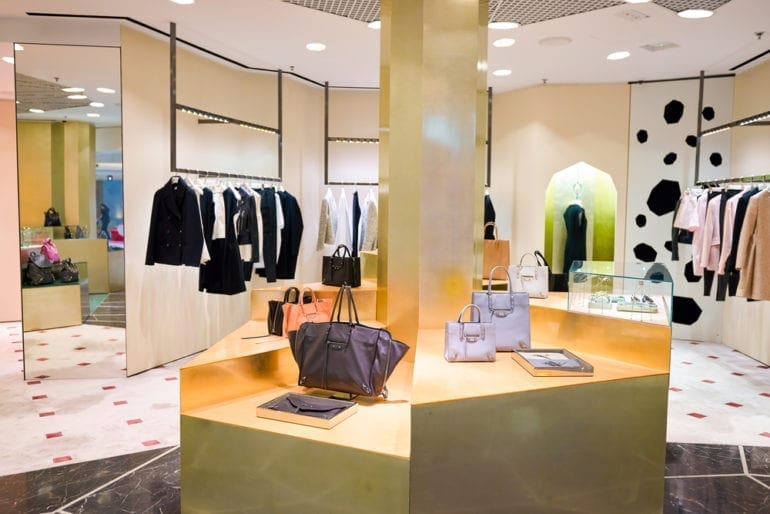
    A recent study by management consulting firm Boston Consulting Group and Bernstein research advises luxury labels to optimize existing physical locations, determine how best to cater to both tourists and locals, and consider streamlining stores in cases for which ecommerce would suffice.

    Looking at retail geographically, the report says some regions are oversaturated while others are ripe for expansion. For luxury brands with multiple stores in New York, Tokyo, London, Paris, Seoul and Hong Kong, the findings show retail is poised to remain strong, as tourists and locals support flagships and secondary locations, respectively.

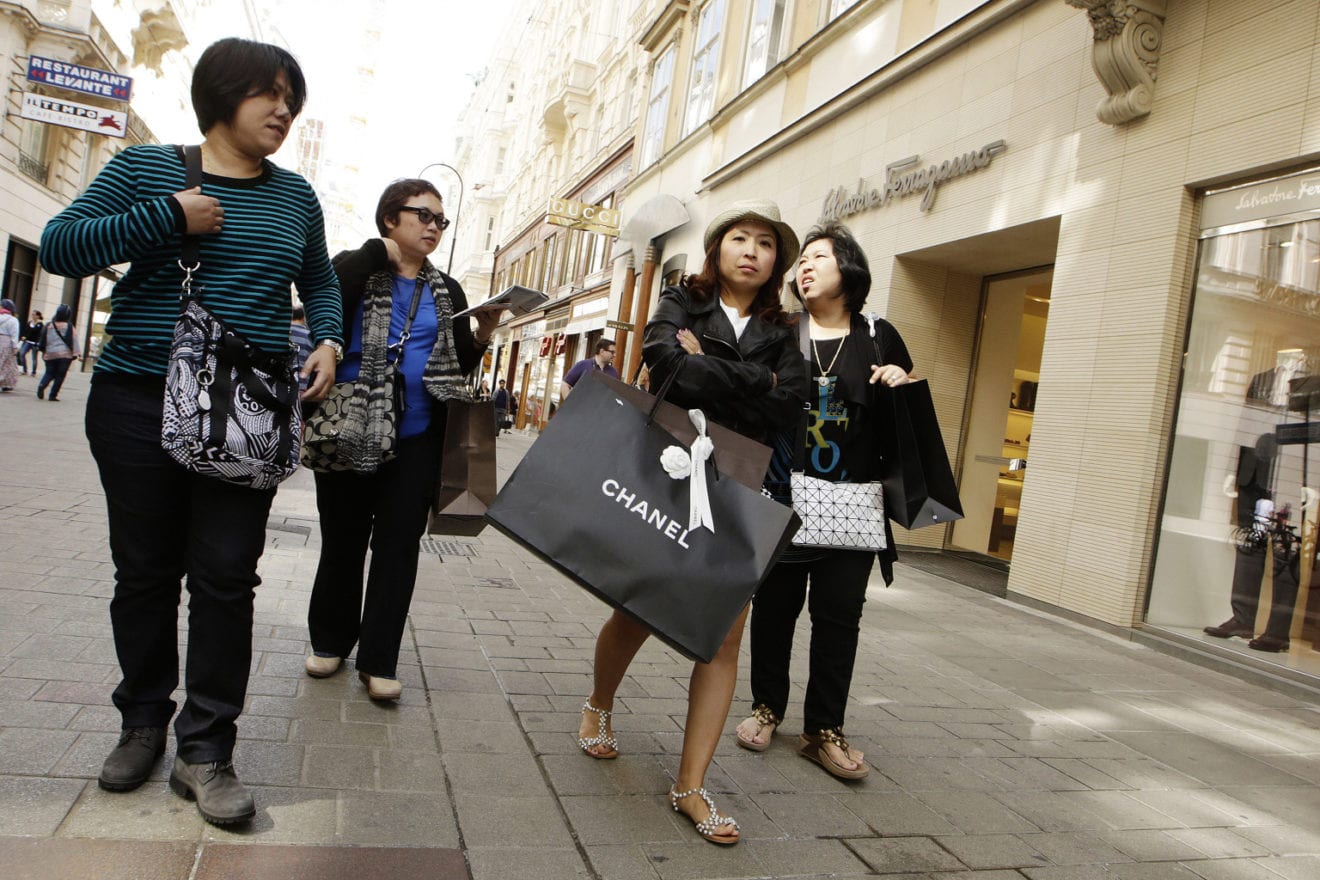
    The report cautions against adding new doors in top Asian cities like Tokyo, Seoul, Hong Kong, Shanghai, Beijing, Singapore and Taipei where there are already too many locations and the size of the footprints outstrip demand.

    For brands looking to expand, research shows that the U.S. is still a solid market. While luxury companies may find opportunities for new locations in key hubs, the focus in those cities should be on drawing more shoppers into stores, the report said. Opening new stores could be the best approach in second-tier cities where the local population could offer consistent traffic and sales. But first, it’s up to brands to determine which cities represent their best prospects.

    “Brands must continue to invest in the tools and techniques that help them get better and better at segmenting markets and uncovering pockets of demand,” said Oliver Abran, a partner and managing director at BCG’s Paris office and the global leader of the firm’s luxury, fashion and beauty topic area. “Analytics software can be invaluable but it still needs the talent to make it effective and the processes to properly gauge potential markets.”

  • Nissan halts joint development of luxury cars with Daimler

    Nissan halts joint development of luxury cars with Daimler

    Nissan is halting joint development of luxury cars with Daimler’s Mercedes-Benz, sources close to the companies told Reuters, suspending a key project in their seven-year partnership and potentially hitting profitability at a new shared factory in Mexico.

    Nissan (7201.T) decided in October its premium Infiniti brand would not use “MFA2”, an upgraded Daimler (DAIGn.DE) car platform that the companies have jointly funded, in part because Infiniti was not performing well enough to absorb Mercedes technology costs, the sources said.

    “It wasn’t possible to close a deal on the basis of MFA2,” said one of the people. “The targets set by Infiniti were too difficult to achieve.”

    The move could reduce efficiency at a $1 billion shared factory opening this year in Aguascalientes, Mexico, where the companies had planned to use the same compact car architecture to cut complexity and production costs, two of the sources said.

    It could also ultimately force Nissan to write down part of a 250 million pound ($306 million) investment at its UK plant that included Mercedes-based tooling, they added.

    Daimler and Nissan pursue joint programs only when “beneficial for both sides”, the companies said in separate statements to Reuters, without directly addressing emailed questions about their plans for MFA2 vehicles.

    Projects are constantly reviewed against targets to account for “developments beyond the control of management”, they added, and discussions about joint development of future premium compact cars are ongoing.

    Nissan’s decision deals a blow to the broad cooperation deal struck between Renault-Nissan boss Carlos Ghosn and his Daimler counterpart Dieter Zetsche in 2010.

    It also underscores the mixed results of Nissan’s battle over almost three decades to transform Infiniti into a significant global player in the lucrative luxury car market.

    The decision predates Donald Trump’s election as the next U.S. president, the sources said, and was unrelated to campaign vows to penalize Mexican imports that have rattled the auto industry. Ford (F.N) on Tuesday scrapped a planned compact car plant in the country.

    Nissan and Daimler are pushing ahead with Aguascalientes, where they will build Infiniti and Mercedes models for the U.S. and other markets from a single assembly line opening in 2017.

    The project nonetheless faces weakening U.S. demand for smaller cars that contributed to Ford’s cancellation and has further raised profitability hurdles for new Infiniti compacts.

    Persistently low oil prices accelerated the market shift to larger vehicles in 2016, Ford sales chief Mark LaNeve said on Wednesday. “All the growth was SUVs and trucks.”

    PREMIUM STRUGGLE

    Infiniti has struggled outside the United States, last year selling 16,000 vehicles in Western Europe and 230,000 globally – less than 5 percent of Nissan’s overall tally and barely one-tenth of Mercedes’s expected 2 million deliveries.

    The first Infiniti appeared in 1989, the same year as the launch model for Toyota’s (7203.T) upscale Lexus brand – which has since grown three times bigger by sales.

    Modern carmakers pursue economies of scale by increasing the number of models built on each underlying platform – an adaptable chassis accommodating different body sizes, engines and alternative component sets for every part of the vehicle.

    The retreat on luxury compacts leaves intact the sharing of engines between Infiniti and Mercedes, and small cars between Renault and Daimler’s Smart. The three groups also collaborate on vans and pickups.

    But joint premium car development for Mexican production was “one of the largest projects between the Renault-Nissan alliance and Daimler”, Ghosn said when unveiling the program in 2014.

    A year later, after upgrading its plant in Sunderland, England, Nissan began building the Infiniti Q30 hatchback on the current MFA architecture developed for the Mercedes A-Class and derivatives. The plant added the QX30 SUV in 2016, extending Infiniti’s push into smaller vehicles.

    Nissan has now ditched plans to use the updated Mercedes platform for successors to those models planned for Aguascalientes, the sources said – or for any future Infinitis. Other cancellations include a compact Mercedes-based Infiniti Q40 sedan earmarked for the plant in 2018.

    Instead the single, less efficient assembly line will build Mercedes cars including an A-Class sedan and subsequent mini-SUV alongside Infiniti vehicles based on Renault-Nissan architecture, starting with a new QX50 SUV this year.

    PRICING POWER

    Nissan was forced to conclude that the Infiniti brand would not command the higher prices required to turn a profit on vehicles stuffed with Mercedes technology, one source explained.

    “One of the lessons learned is that if you have the costs of a luxury vehicle but not the pricing, it’s hard to be profitable,” he said.

    Nissan may end up writing down some Sunderland investment in Mercedes-based tooling that had been intended to outlast the current Q30 and QX30, people with knowledge of the matter said.

    The company is still paying its share of MFA2 development costs running to hundreds of millions of euros for a platform it no longer plans to use, they said, but will leave Daimler with a higher share of some production costs in Aguascalientes.

    The setback may also show the limits of Ghosn’s consensual approach to economies of scale as head of both Renault (RENA.PA) and Nissan, whose 18-year-old alliance is underpinned by significant cross-shareholdings.

    The slow pace of integration has contributed to upheaval at the recently created alliance powertrain division, charged with converging Renault and Nissan engineering.

    Plans to build Infinitis on Mercedes technology had encountered resistance at Nissan from the start, one source said. “Once again, Ghosn has been unable to break through the wall of engineers to force commonality.”

  • Balenciaga opens Osaka pop-up

    Balenciaga opens Osaka pop-up

    French fashion maison Balenciaga has opened a new pop-up store in Osaka, adding to the five standalone boutiques already retailing in the Japanese city.

    The Parisian label has its sights set on pushing its newest ‘it’ handbag – the Bazar Shopping Bag – onto the Japanese clientele.

    The new Osaka pop-up shop will house the original Bazar Shopping from the latest collection, as well as holiday and resort versions. Also for sale are pouch and wallet versions of the bag.

    The colourful tote bag, designed by Demna Gsvalia, featured in Balenciaga’s Autumn/Winter 2016 collection. The Bazar Shopping Bag — already a hit with fashionistas such as Pernille Teisbaek, the co-founder and creative director at Social Zoo Direct — is part of Gvsalia’s first accessory line since taking the helm of Balenciaga this year.

    Despite being compared to a heavy-duty laundrette carryall, the Balenciaga accessory retails for a whopping £975 per unit and has been hailed a best-seller on major fashion e-platforms Net-a-Porter and MatchesFashion.com.

    Balenciaga is known for ‘it’ bags, since the Arena handbag, designed by Nicholas Ghesquire over ten years ago.

    The pop-up shop is located within a portion of the Hankyu department store in Osaka. It is open from now until the end of December.

  • Luxury goods feature in UK accord for South Korea trade talks

    Luxury goods feature in UK accord for South Korea trade talks

    The pending talks with South Korea follow similar dialogues the UK has opened with Australia, China, the Gulf Cooperation Council, India, New Zealand and Norway

    London: The UK and South Korea are set to to begin regular trade talks, with luxury brands a particularly promising topic, as Britain prepares to expand its commercial reach once it has left the European Union.

    A formal working group of ministers from the two countries will meet as many as four times a year to discuss removing barriers to commerce and prospects for “future, ambitious trade opportunities” after the UK exits the EU, the British government said in an statement on Sunday.

    Prime Minister Theresa May has promised to make the UK a leader in liberalising trade around the world after Brexit. Yet Britain is unable to strike its own free-trade deals — or even being formal negotiations — while still a member of the EU.

    “We want to take advantage of all the opportunities available to us to ensure that Britain becomes a global leader in free trade,” UK International Trade Secretary Liam Fox said in an emailed statement. “The agreement of this latest trade dialogue shows that government is preparing for Brexit, not prevaricating.”

    The pending talks with South Korea follow similar dialogues the UK has opened with Australia, China, the Gulf Cooperation Council, India, New Zealand and Norway in the six months since voters chose in a referendum to leave the EU. Trade and investment between the UK and South Korea is worth about 10.9 billion pounds ($13.6 billion) a year, according to British estimates. The UK is the fifth-largest foreign direct investor in South Korea.

    The UK government said in its statement that South Korea is an especially promising market for luxury brands such as Burberry Group Plc, which has 70 stores in the country, and high-end automakers Jaguar Land Rover and Bentley. Other sectors with strong potential include renewable energy and nuclear decommissioning.

    “What we’re doing is putting in place plans to ensure the UK remains open for business and trade links continue to strengthen,” Fox said. “Important like-minded free trading partners like Korea and others are telling us they’ve heard that message loud and clear. Korea itself is a prime example to the world of how free and open trade can lift countries out of poverty to prosperity.”

  • Now you can book a cook on Singapore Airlines

    Now you can book a cook on Singapore Airlines

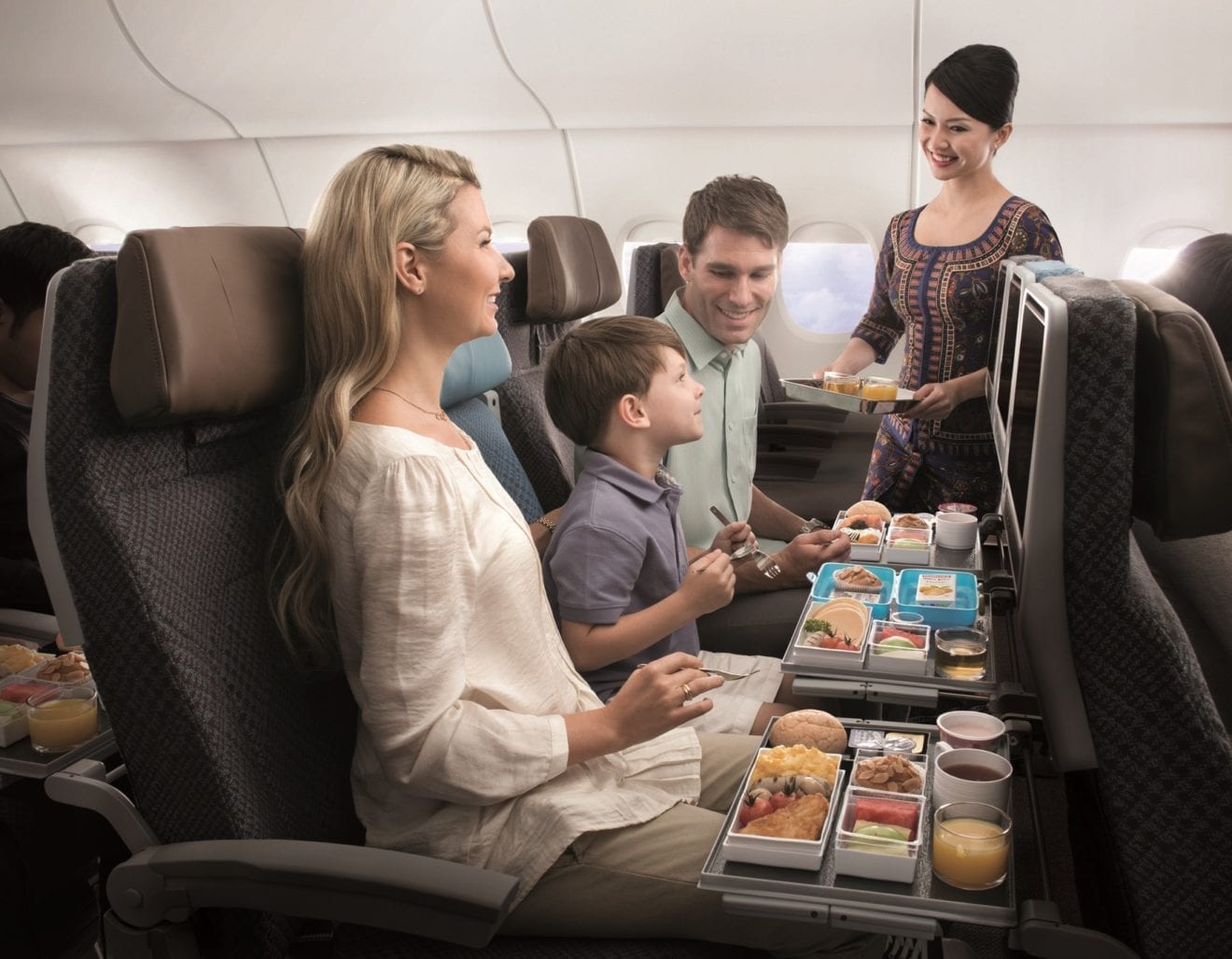
    It’s like dining a la carte 34,000 feet above sea level. That’s the “Book the Cook” experience that you get when you fly Singapore Airlines. It’s an exclusive advance inflight meal-ordering service that allows passengers in Suites, First Class, Business Class and Premium Economy Class to pre-select a gourmet dish of their choice before their flight.

    “It’s a departure from our regular meal service,” says Hermann Freidanck, food and beverage, inflight services manager. “You get to order your main course from a wide selection in a specially prepared menu up to 24 hours before your flight. Now you won’t have to settle for a dish that is not your choice.”

    At the exclusive meal presentation before local media recently at Singapore Airline’s new-concept Silver Kris Lounge in NAIA3, we got to experience firsthand what this was like. A couple of days before the event, we were sent a special menu to choose from, which included beef tenderloin steak, roasted rack of lamb, slow-cooked marinated duck leg with mushroom risotto, marinated free-range chicken, and baked herb-marinated salmon.

    The sit-down meal included an appetizer of marinated lobster with Mediterranean vegetable salad and balsamic dressing, as well as roasted pumpkin soup or snow fungus chicken soup with Chinese mushroom and quail egg. The salad was spinach and green frisée garnished with cherry tomatoes and olives with a choice of balsamic vinegar and extra-virgin olive oil or honey-mustard dressing, while dessert was a choice of  either chocolate and banana cake with vanilla ice cream and raspberry coulis or fresh mango tiramisu with verbena mango compote and biscotti by three-Michelin-starred chef Georges Blanc.

    As part of the Book the Cook service, passengers can choose from a menu of ICP dishes. “These are dishes created by Singapore Airline’s esteemed International Culinary Panel (ICP), which is a team of celebrated Michelin chefs who have restaurants or groups of restaurants in our main destinations in Europe, America and Asia,” Freidanck explains. “They work closely with our own chefs to develop unique dishes that we serve on board.” The panel includes Alfred Portale (United States), Carlo Cracco (Italy), Goerges Blanc (France), Matt Moran (Australia), Sanjeev Kapoor (India), Suzanne Goin (United States), Yoshihiro Murata (Japan), and Zhu Jun (China).

    “Our menus are planned four to five months ahead of time, on a four-month cycle. First Class and Business Class have four different main courses, while Premium Economy Class has a third choice in addition to the usual two choices,” Freidanck shares. “The way we do our menus is what we call ‘destination-specific.’ If you are going to Frankfurt, for example, you’ll have a German dish. In First Class and Business Class, you will always have  an ICP dish. Seasonal ingredients would also affect which dishes would be available.  The Japanese, as well as the Chinese dishes, go by the seasons. A bestseller is the Maine lobster, but not every country has it. It is difficult to get lamb, for instance, but because you can order in advance, you are guaranteed your main course.”

    “And then we have the Asian dishes. We look at the passenger profile, and if it’s predominantly Singaporean, for example, we try to put a Singaporean dish. We emphasize that we must represent the cuisine properly. It always has to be authentic. It must be traditional,” Freidanck adds. ‘There are also what we call the special meals which address certain conditions of the passenger, either due to religious beliefs, dietary or allergy restrictions. You can order them and we will serve you according to what you order. It’s not like other airlines where one menu fits all.”

    Singapore Airlines also launched a new “Deliciously Wholesome” program catering to the needs of an increasing number of health-conscious travelers.

    Preservation of freshness is an important consideration. Dishes are cooked with the reheating process in mind. “There is a fine line because we have to follow the hygiene regulations,” Freidanck explains. “Steak, for instance, has to be seared from the outside, so when it’s reheated on board, it’s just right. Sushi has to either be grilled or pickled or smoked. Nothing is raw. Oysters have to be cooked, following hygiene regulations.” Certain dishes can be a challenge. “Not impossible, but difficult,” Freidanck says. Dim sum, like pasta, does not reheat very well. The texture of risotto can be less appealing when overdone.

    The dishes are cooked in the kitchen, then kept in the chiller below 10 degrees so no bacteria can thrive, until it goes on board. The dishes are deconstructed and put into different containers. On board, it goes in the oven where the heat is calibrated to a certain temperature. “There is a training center in Singapore where the crew learn to do this. It’s very specific. There’s a lot of details which they have to go through,” Freidanck says. The crew gets a plating guide, which they must follow when they assemble the dishes.  First Class passengers get their meals served on real plates with fine cutlery.

    “Complementing Singapore Airline’s World Gourmet Cuisine is a selection of the finest wines from the very best vineyards, selected by some of the world’s most educated and sought-after palates. These wines are handpicked by world-renowned wine experts and blind-tasted under simulated cabin pressure, since our taste buds are affected by the cabin pressure,” notes Carol Ong, Singapore Airlines general manager for the Philippines, Guam and USTT. The Singapore Airlines Wine consultants include three Masters of Wine: Michael Hill-Smith, Jeannie Cho-Lee, and Oz Clarke.

    “So, you have just flown First Class, basically,” Freidanck says, addressing the intimate media group of happy diners at the end of the meal. The only thing missing was the altitude.

  • Combine all your rewards points and get more out of your luxury shopping

    Combine all your rewards points and get more out of your luxury shopping

    Shoppers can now save money on luxury brands by combining reward points from their different Visa credit cards.

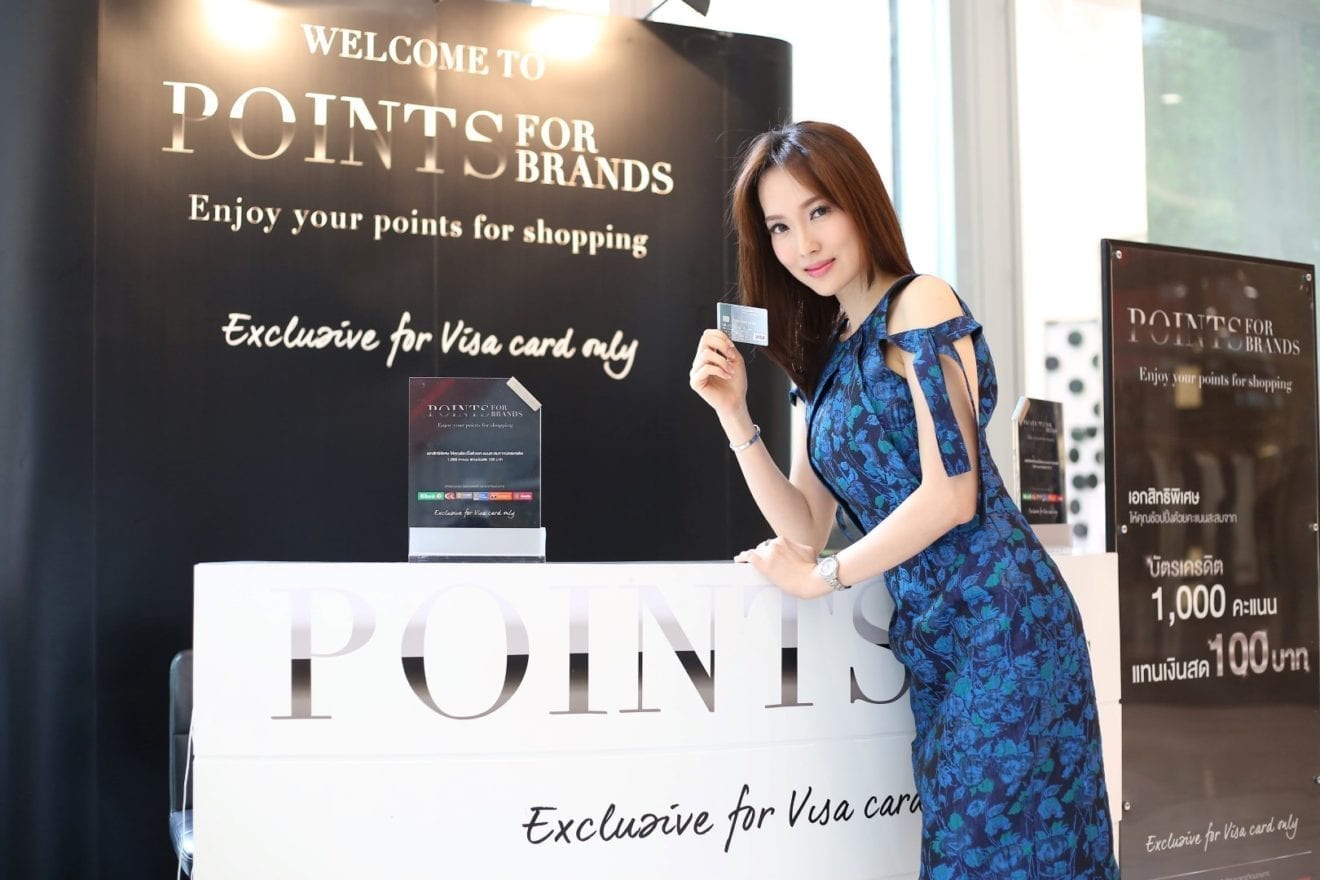
    The “Points for Brands” campaign enables customers with Visa credit cards issued from leading financial institutions in Thailand, including Kasikornbank, Bank of Ayudhya (Krungsri), Krungthai Bank, Krungsri First Choice, Government Savings Bank, and Thanachart Bank to pool reward points for purchase of goods at selected luxury brands at a rate of 1,000 points for THB 100.[1] 

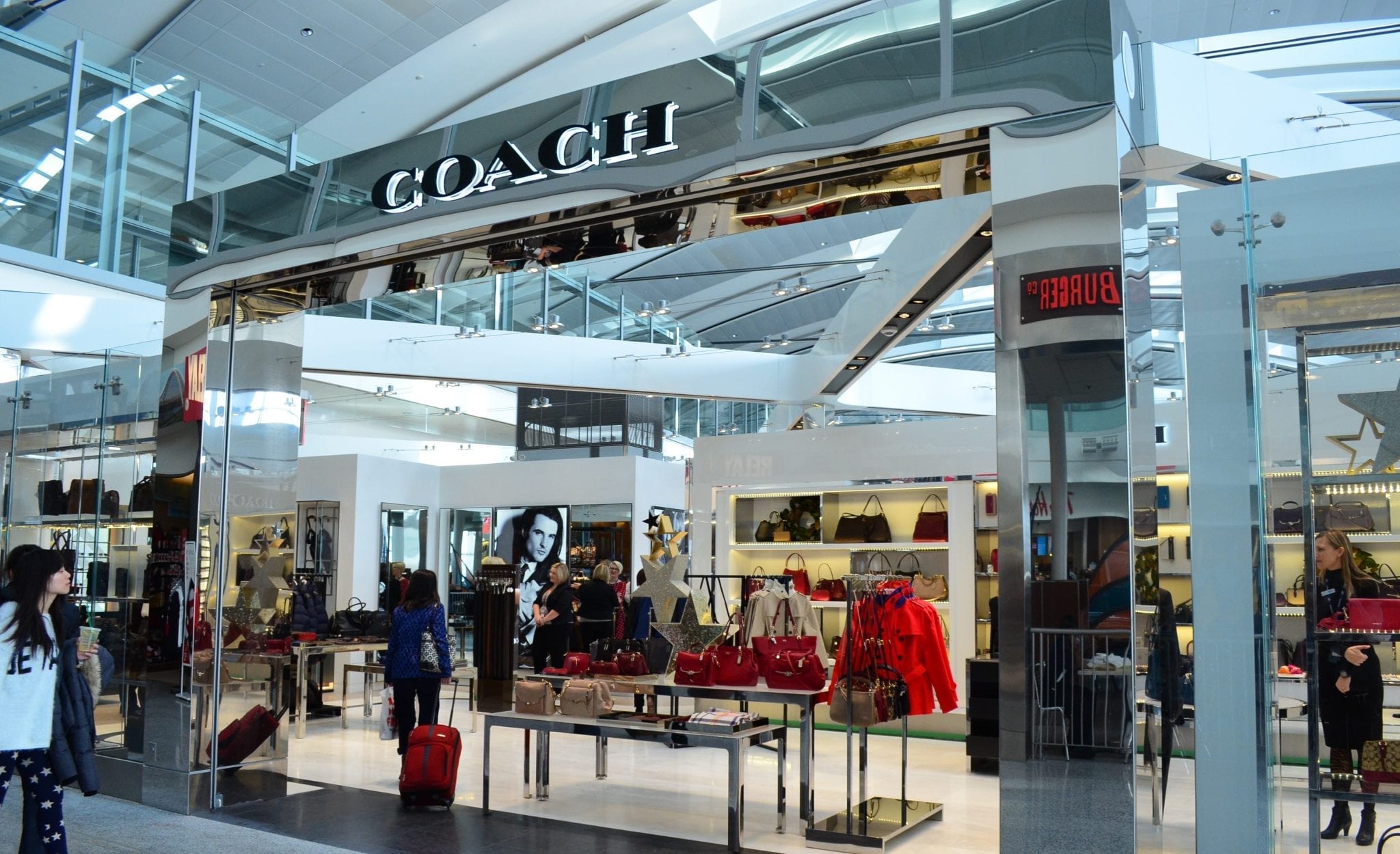
    There are more than 70 participating brands at The Emporium and The EmQuartier, including Coach, Kate Spade, DKNY, DVF, Proenza, COMME des GAçONS, Jimmy Choo, Valentino, EMPORIO ARMANI, Balenciaga, Calvin Klein, Hugo Boss, MCM, and Club 21.

    “This is the first time our cardholders can purchase luxury brands by redeeming points from across their portfolio of Visa credit cards, a rarity for premium categories,” said Suripong Tantiyanon, Visa Country Manager, Thailand.

    Exclusive to Visa cardholders, more information, along with help on how to redeem reward points, can be found at Points for Brands booth on M Floor at EmQuartier

  • High-end luxury car market hit hard

    High-end luxury car market hit hard

    The bottom may already be falling out of the high-end luxury car segment because of the gloomy economy, but Indonesia’s tax amnesty scheme seems to be exacerbating the situation.

    This segment groups super sports car and ultra luxury limousine brands, namely Ferrari, Lamborghini, McLaren, Aston Martin, Rolls-Royce and Bentley.

    From January to August this year, a total of 91 of these cars were registered here, according to the Land Transport Authority. This is down 27 per cent or about a quarter from the 125 units registered in the same period last year.

    This is in stark contrast to the total year-to-date registrations for the overall car market, which soared 71 per cent from 33,673 to 57,468.

    According to some dealers, the high-end luxury car segment has been particularly quiet in the past couple of months since the start of the Hungry Ghost Festival, a period when prospective buyers traditionally refrain from making big-ticket purchases.

    Pang Cheong Yan, managing director of Wearnes Automotive, said: “Generally, people are becoming more cautious as they are not sure how long this current economic climate will continue.”

    Mr Pang, who is in charge of the Aston Martin and Bentley brands, added that it did not mean that this group of buyers is “less rich”.

    “They are just not willing to spend on discretionary items.”

    Melvin Goh, chief executive officer of EuroSports Global, said that the wealthy are being “more careful with their spending”. EuroSports distributes Lamborghini and Zonda, among other brands.

    Mr Goh said: “Business sentiment is weak and this has affected the Lamborghini business. Fortunately though, we have the LP580-2 Coupe and Spider priced below S$1 million and these are still selling.”

    Mr Goh explained that the S$1 million mark is a psychological barrier for many people, so anything just below it becomes a “magic number”.

    Besides the economy, however, some dealers said that Indonesia’s tax amnesty scheme is also hurting their business.

    The director of a high-end luxury brand, who declined to be named, said that as many as 30 per cent of his customers are wealthy Indonesians and “this group is gone”.

    He said that many are “scrambling for cash” to pay the taxman after having declared their assets to the authorities.

    “As for the rest who still have spare cash, they won’t spend until they are in the clear.”

    The head of another high-end luxury dealership agreed. He said that while the large majority of his customers – up to 90 per cent – are Singaporeans, some of the remaining 10 per cent are also feeling the heat from the tax amnesty issue.

    “For now, they are not going to be seen spending any of their money on expensive cars.”

  • Rich Indonesians snapping up Singapore luxury homes as taxman calls

    Rich Indonesians snapping up Singapore luxury homes as taxman calls

    Never mind that Singapore is experiencing one of the worst property slumps in its history, demand for luxury housing is suddenly coming from an unexpected group: wealthy Indonesians.

    This year’s purchases by Indonesian nationals of homes valued at S$5 million or more have already nearly quadrupled from last year’s total.

    The stepped-up buying coincides with the passage of a law in Jakarta aimed at getting Indonesians to repatriate or pay taxes on an estimated US$300 billion that had fled to Singapore during previous periods of unrest, lest those who took their money out be found out for tax evasion – a reason cited by three property agents as a primary reason behind the purchases.

    Indonesians were the top foreign buyers at the luxury OUE Twin Peaks tower, which went on sale in July.

    “We’re seeing a big increase in Indonesians buying the most expensive property,” said Ang Kok Leong, a senior agent at SLP Realty Pte, who cited Indonesians’ concerns about Singapore’s upcoming move to share financial information as the single biggest motivation for his Indonesian clients. “These people are generally in tune with this kind of situation back home, so if I’m not about to let the Indonesians know what I have, I will buy in Singapore.”

    Indonesia, Singapore and other countries are adopting global tax reporting requirements to tell each other about nationals holding assets abroad. Indonesians moving money into property are counting on only assets held in banks, not in real estate, being shared, agents and brokers say.

    While the numbers in the official data are small, they show surging demand that likely understates the real total. Indonesians bought 30 Singapore properties valued at S$5 million or more between the start of the year and Aug 17, compared with only eight such deals for all of 2015, according to the Urban Redevelopment Authority. Disclosure of nationality is voluntary.

    During the first half of this year, Indonesians bought 189 properties of all values in Singapore, 23 per cent more than in the same period last year, data from Cushman & Wakefield Inc show. While purchases from Chinese and Malaysians declined during the second quarter, transactions by Indonesians rose 19 per cent.

    Not all Indonesians buying real estate are seeking to avoid taxes, of course, and some may see value in a market that bottomed out in prime areas at the end of 2015. Indonesians are drawn to property in Singapore’s center, especially the Orchard Road area where the OUE Twin Peaks towers are located. Apartment prices there have risen 0.6 per cent since their low at the end of 2015, according to Cushman & Wakefield.

    At the OUE Twin Peaks development, where luxury condos in the second tower of the 36-story high rises went on sale in July, the developer sold almost half the first batch of 86 units with price tags of as much as S$4 million, with Indonesians the top foreign buyers, according to Propnex Realty Pte, a company handling sales for the project.

    A Propnex agent who asked not to be identified said the strong demand from Indonesians came as a surprise. It’s a marked change from past sales of downtown luxury homes, such as the Marina One Residences last year, when Indonesian buyers accounted for just three of about 200 units sold, Cushman & Wakefield data show.

    Indonesian President Joko Widodo’s ambitious tax amnesty plan, under discussion since earlier this year and ultimately passed in June, is aimed at repatriating Indonesian cash stashed overseas while giving evaders a way to come clean.

    Under the amnesty, Indonesians are to pay a tax rate starting at 4 per cent on declared property or funds left overseas. It increases in stages to 10 per cent as the amnesty period draws to a close in March. Those who send their money home and keep it in Indonesia for at least three years pay 2 per cent and are offered a wide range of possible investments. Those who don’t declare and are found out face paying 200 percent of the tax owed.

    The tax amnesty deal may attract S$5 billion to S$9 billion of Indonesian funds deposited in Singapore, Sanford C Bernstein & Co analysts Kevin Kwek and Norbert Topouzoglou wrote in a July 21 report. Most of the assets are probably invested in properties, securities or businesses, and are thus less likely to be repatriated quickly, they said.

    Wealthy clients typically allocate about 20 per cent of their assets to property, according to Evrard Bordier, Singapore-based managing partner of Swiss private bank Bordier & Cie. That percentage might increase because of the new tax transparency standards from the Organization for Economic Cooperation and Development that both Singapore and Indonesia have agreed to, he said. They currently don’t include reporting on real estate holdings.

    “This global shift into increased transparency will no doubt result in subtle yet important changes in the portfolio allocation of a typical high-net-worth individual,” said Bordier, noting that the global trend toward sharing information across jurisdictions eventually will make hiding money in property difficult.

    In response to a request for comment, the Monetary Authority of Singapore and the country’s Ministry of Finance said Singapore is ready to help in “any case of suspected cross-border tax evasion.”

    Singapore and Indonesia have yet to agree to the mechanisms needed for the automatic exchanges of information under OECD tax standards, due to come into effect by 2018. Until then, information transfers including information on property ownership take place upon request between the two tax authorities.

    “Expectations of motivating substantial repatriation whilst there are still doubts/lack of clarity may be overly optimistic,” Vishnu Varathan, an economist with Mizuho Bank Ltd., said by e-mail. “Declaring taxable monies to be repatriated could subject their accounts/finances to more scrutiny.”

    Singapore is currently mired in its most prolonged housing slump on record. Home prices in the city-state fell for the 11th straight quarter in the three months ending June 30, posting the longest losing streak since records started in 1975.

    Singapore’s government is holding steadfast on cooling measures it has rolled out since 2009, for fear of inflating a property bubble. The measures, including a stamp duty on foreign buyers, limit the investment appeal of what is still a key high-end housing market in Asia. Wealth advisers and property agents say property is often seen as a conservative investment option and a way to store wealth at a time of economic uncertainty and mediocre returns in financial markets.

    “Indonesians see Singapore as a politically stable safe haven,” said Jasslyn Yeo, Singapore-based global market strategist for JPMorgan Chase & Co’s asset management unit. “This is an important factor, especially at this time when you see so much instability in the region.”

    Indonesian wealth fled the country as far back as the 1960s when violence against ethnic Chinese was part of a campaign by President Sukarno to stamp out Communism. Other periods of instability include 1998, when anti-Chinese riots coincided with the ouster of President Suharto, and thousands of ethnic Chinese took refuge in Singapore and elsewhere.

    Many Indonesians travel to Singapore for medical checkups and procedures, so locations near hospitals are at a premium, agents say. Indonesian citizens bought 42 of 211 apartments in the range of S$1 million to S$4 million earlier this year in the Cairnhill Nine condo development, within walking distance of two hospitals, Cushman & Wakefield data show. The second-largest group of foreign buyers was Malaysians, with 16 units.

    Unlike Singaporeans, who mostly buy to reside in properties and take time to decide, Indonesians often close deals in a matter of days and aren’t picky about details, the agents say. They typically look for amenities such as hot tubs and swimming pools, as well as private elevator entrances, a feature that has become popular in recent years.

    “This kind of buyer, sometimes they will come wearing big sunglasses if they’re famous, so you don’t recognize them, and often they come with their own family agent,” said Kent Tan, an agent with realtor Home Guru Pte, who has seen a recent uptick in the number of queries by Indonesians. “These buyers know Singapore’s market very well and have known it for many years.”

  • Hilton hotel chain steadily expanding operations in Indonesia

    Hilton hotel chain steadily expanding operations in Indonesia

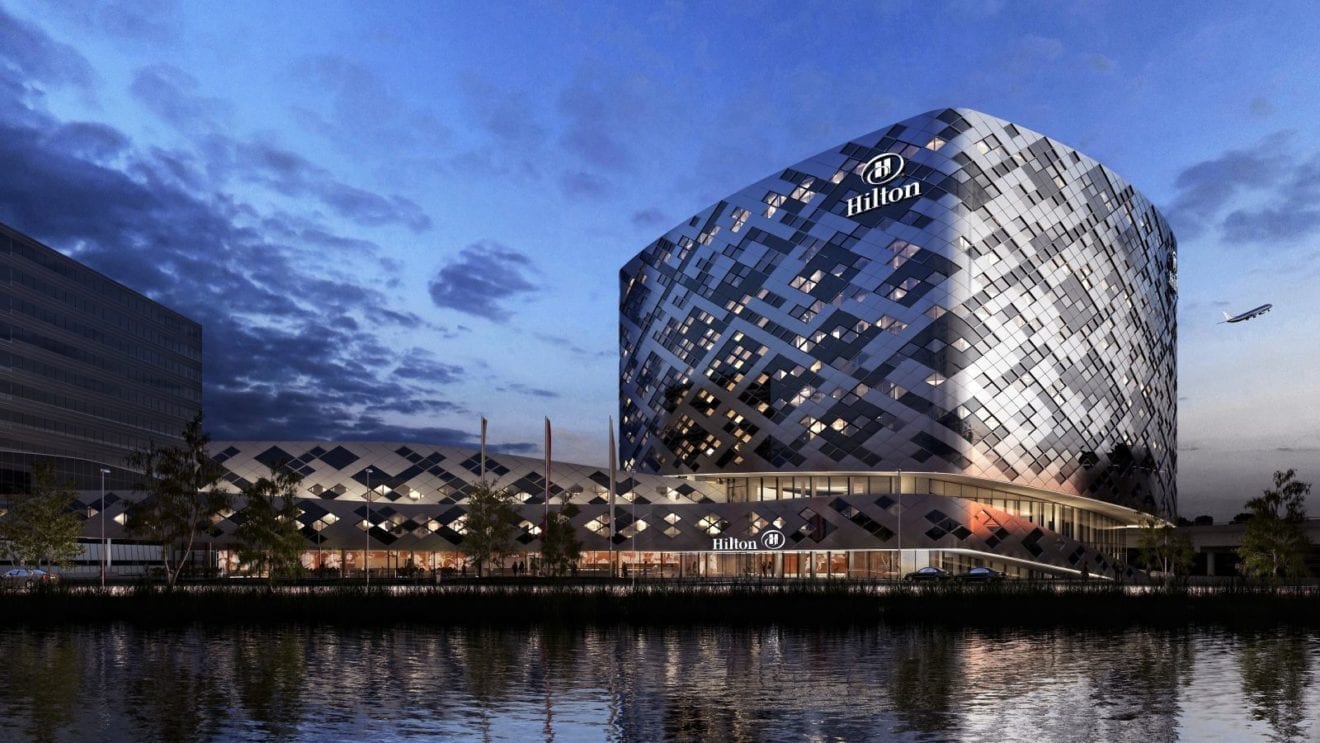
    Hilton Worldwide, a US-based global hotel chain, has steadily been expanding its operations in Indonesia to tap new market opportunities in a hospitality industry that is thriving on the back of steady economic growth and the free visas being offered to the citizens of most of the countries in the world.

    “We already have four properties under our management and eight others, which are under construction in Jakarta, Tangerang, Surabaya and Bali, will open within the next two years”, Hilton’s vice president for Southeast Asia and India William Costley told The Jakarta Post on Wednesday.

    The four properties already in operation are the Double Tree by Hilton in Jakarta, the Hilton in Bandung, the Conrad and the Hilton Garden Inn, both in Bali.

    Hilton, which manages more than 4,600 properties in 103 countries, is also looking for new opportunities in Lombok, Medan in North Sumatra, Balikpapan in East Kalimantan and Palembang in South Sumatra, Costley said.

    It is mostly a matter of finding the right partner for promoting Hilton service standards because Hilton has many brands to fit in with different locations, he said.

    “But we are always directly involved together with the owners in the process of designing and constructing every hotel we will manage and in training its human resources,” he added.

    Costley said the steady growth of Southeast Asia’s largest economy and the ASEAN open skies policy would boost business travel and the whole hospitality industry in many other cities across the vast archipelago.

    “We are quite excited about the prospect of the tourism industry, especially after the launching of the visa-free facility,” he said. “And I think the target of 20 million tourist arrivals in 2020 is not impossible.”

    He sees great potential for developing Indonesia into one of the most favorite tourist destinations and tourism is also the right kind of industry Indonesia needs because of its labor intensive, multiplier impact and, most importantly, this industry is friendly to the environment and earns a lot of foreign currency.

    “Take for example this Double Tree by Hilton hotel here, which has 253 rooms. It employs only two expatriates and the rest of the staff are locals,” Costley pointed out.

    Hilton Worldwide has a portfolio of 13 brands, including the Waldorf Astoria, the Conrad, the Hilton, the Double Tree by Hilton and the Hotel Garden Inn, which are promoted as landmark properties in Indonesia.

    Costley said the Waldorf Astoria, Hilton’s most luxury brand, which will be housed in a 74-story mixed-use building currently under construction on Jl. MH Thamrin in Jakarta, will open in 2018 with 181 rooms.

    Two other properties under construction in Ubud and Seminyak, both in Bali, will operate within the next two years and are also under the Waldorf Astoria brand, while the Hilton Bali (formerly the Grand Nikko) will operate later this year with 408 rooms, he added.

    The other four hotels in Hilton’s management portfolio that will open within the next two years are the Double Tree by Hilton in Surabaya and Karawaci in Tangerang and the Hilton Garden Inn in Kemang, Jakarta, and Karawaci.

    Costley said the Hilton group is strongly committed to strengthening and expanding its growing portfolio of landmark properties in such key destinations as Indonesia.

    Our Hilton Honors loyalty program has 55 million members around the world, and this huge data bank is surely an effective means of promoting Indonesia globally,” Costley added.

  • Strong yen could send Chinese spending back to Hong Kong

    Strong yen could send Chinese spending back to Hong Kong

    Chinese tourists’ consumption in Japan has begun to wither in the face of a strengthening yen, setting up Hong Kong to recapture spending that has moved elsewhere in recent years.

    Affordability is key

    A country appeals more to foreign travelers as its currency weakens, making shopping and food more affordable than in other destinations. This is doubly true for Chinese travelers, who tend to spend heavily while abroad.

    Such was the case for Japan from mid-2014 onward. The yen moved from the level of 16 to the yuan back then to between 19 and 20 in less than a year. Chinese tourism there more than doubled from the previous year to 4.99 million visitors in 2015, with per-visitor spending growing 20%.

    Hong Kong was on the other side of the shift. Mainland visitors dropped 3% in 2015, while retail sales fell 3.7% in a second straight year of decline. Emperor Watch & Jewellery, a seller of luxury watches from such brands as Audemars Piguet and IWC Schaffhausen, reported a 25% drop in sales for the year ended Dec. 31. It blamed a “strong local currency” and an unfavorable tourism environment.

    Chinese buyers’ spending in 2015 accounted only for around 1% of Japan’s retail market excluding such goods as automobiles and gasoline, Nomura International has calculated. That share was 50% in Hong Kong and 30% in Macau, exposing retailers dependent on mainland consumption to heavy damage as spending slipped away.

    Trouble returns

    Yet the landscape is shifting once again as the yuan weakens against the yen. 1 yuan now fetches around 16 yen, compared with 18 yen at the start of the year. Chinese tourists’ spending in Japan came in 10% below the year-earlier level for the January-March quarter. The total value of retail sales shrank 0.8% for April, Japan’s Ministry of Economy, Trade and Industry said Monday — a second straight month of year-on-year drops.

    Retail sales in Hong Kong fell 9.8% for March, indicating improvement following February’s 20.6% tumble. Visitors from mainland China were still 6.9% below the year-earlier level. But overnight visitors declined only 0.8%, compared with a 20%-plus fall in February. Tourism from the mainland over the holidays surrounding Labor Day on May 1 swelled more than expected. While challenges continue, headwinds are gradually weakening.

    Shifts in the Hong Kong dollar compared to the yen bolster this view. According to the Nikkei Currency Index, the Hong Kong dollar became stronger than the yen overall in September 2014, just as Chinese visitors’ so-called explosive buying of goods was taking off in Japan. The yen then continued to weaken while the Hong Kong dollar appreciated.

    But the yen’s value hit bottom in May 2015, with the Japanese currency’s overall strength overtaking the Hong Kong dollar’s in April. The yuan, meanwhile, strengthened through the summer of 2015, only to weaken around 5% to its current level, the index shows.

    Close to home

    Changes in a locale’s exchange rate alter the affordability of goods there. An HSBC index tracking prices of 38 luxury items in various places compared with their home markets of France and Italy demonstrates this for top-of-the-line goods.

    The Japanese market overall rated 121 on the index in February, with home-market prices serving as the baseline of 100. By mid-May, the figure had risen to 127. Hong Kong, meanwhile, has fallen from 119 to 116 over the past three months. The mainland-market figure has dipped slightly as well, from 137 in February to 135.

    Chinese tourists will now feel less benefit from buying luxury brands in Japan as opposed to elsewhere. So while the Hong Kong figure has changed little in absolute terms, shopping here as compared with Japan has taken on fresh appeal, HSBC said. Some goods can even be found more cheaply here than in their home markets.

    Bain & Co. sees Japan’s luxury goods market growing 5% in 2016 — the most among major countries. But a strengthening yen and shrinking Chinese tourism hint at a coming deceleration, according to the U.S. consulting firm.

    Some 120 million Chinese headed abroad in 2015, plunking down more than $200 billion at their destinations. More detailed patterns of consumption will inevitably shift as the focus of spending turns from goods to services. But exchange rates will remain a key factor in these travelers’ buying power worldwide.

  • Hyundai raids Bentley to turbo-charge Genesis luxury drive

    Hyundai raids Bentley to turbo-charge Genesis luxury drive

    After poaching Bentley’s design chief last year, Hyundai Motor said on Monday that it has also secured the services of the luxury marquee’s exterior designer.

    Hyundai issued a statement saying Sangyup Lee will start work next month as its head of design, after Reuters reported the hiring of the Korean designer by the South Korean auto giant.

    Lee is being brought in to work with Luc Donckerwolke, a Peruvian-born Belgian, to lead Hyundai’s development of its Genesis premium car brand – a project driven by Chung Euisun, heir-apparent to the Hyundai Group.

    “Lee will help…enhance the design competitiveness of both the Hyundai and Genesis brands with his abundant experience in designing high-end luxury vehicles,” Hyundai said in its statement.

    “His challenging and innovative design languages fit well with the DNA of Hyundai Motor.”

    Hyundai Motor, which sells some 8 million cars a year, sees limited growth unless it breaks into new markets, a person close to the automaker told Reuters. For the South Korean firm, that means premium cars and maybe pick-up trucks and parts of Southeast Asia.

    Lee said he has joined Hyundai Motor as a vice president in charge of Hyundai and Genesis design, reporting to Donckerwolke, who will head up Hyundai’s new Prestige Design Division, as well as being global head of Hyundai design – a reporting arrangement that Hyundai also confirmed on Monday.

    Bentley spokesman Andrew Roberts confirmed Lee “has resigned from Bentley to take a position at another brand.”

    Lee, 46, ran Bentley’s exterior design since 2012 having previously worked at Volkswagen group’s design center in California, and General Motors. He played a lead role in designing the Chevrolet Corvette, Stingray and Camaro – which featured in the “Transformers” movies – and Bentley’s Bentayga SUV.

    “CLEAN SHEET”

    Lee told Reuters the ex-Bentley design duo aim to make Genesis a recognized global premium brand as new disruptive technologies such as autonomous, connected cars and alternative propulsion systems alter the auto design landscape.

    “Because of these technologies, the car industry is about to hit a crossroads. The future is truly open,” he said. “It’s difficult to say if all the prestigious brands today will still be around in 10-20 years.”

    Lee, who says he was first approached by Hyundai two years ago, said he and Donckerwolke plan to design Genesis cars from a “clean sheet of paper”.

    “For decades, luxury brands such as Bentley, Aston Martin and Maserati have been about possession,” he said. “In the future, as disruptive technologies kick in, luxury is going to be about experience. People are going to look for a special experience rather than something special to own.”

    GLOBAL LEGACY

    As “mobility on demand” – the once futuristic concept of calling up a robot-car by smartphone – takes hold, Hyundai predicts many households in the United States, its biggest market, will no longer own two, or three cars, but spend more on one car, said the person close to the company.

    “That means upscale cars,” he said, adding “profitability-wise, the luxury segment is much better, too.”

    That fits with Chung’s aspiration to not just drive the Genesis brand but elevate the Hyundai name to an elite global corporate league alongside the likes of BMW, Boeing and Apple.

    “That’s his legacy. ES (Euisun) wants to make Hyundai a truly globally recognized and respected company,” the person said.

    Chung was involved with hiring both Donckerwolke and Lee, as well as Manfred Fitzgerald, former brand and design director at Lamborghini who was named earlier this year as head of Genesis, said another person with knowledge of the matter.

  • HKIA issues T1 luxury boutique tender

    HKIA issues T1 luxury boutique tender

    HKIA T1Hong Kong International Airport (HKIA) has issued an invitation to tender for a luxury brand boutique concession.

    The proposition is for a global luxury brand retailer to operate a 170sqm unit, located airside in the T1 East Hall, Level 6.

    In the first two months of 2016, HKIA handled 11.6 million passengers and 67,820 flight movements, up 9% and 5% from the previous year respectively.

    On a rolling 12-month basis, HKIA has handled 69.5 million passengers and 409,255 flight movements, marking year-on-year increases of 8.4% and 3.8%, respectively.

    In February Airport Authority Hong Kong (AA) opened nine new retail shops and a café in the recently-inaugurated Midfield Concourse at HKIA. Additionally, eight retail and three catering outlets are soon to be opened at the 105,000sqm concourse, including a new multi-category store concept from DFS.

    HKIA said this new tender “presents a unique business opportunity for global luxury brand retailers to operate luxury brand boutique in this prestigious aviation hub in Asia”.

    The tender closing date is 28 July 2016 at 2.30 pm (Hong Kong Time).

  • Luxury prevails in Dubai’s retail space

    Luxury prevails in Dubai’s retail space

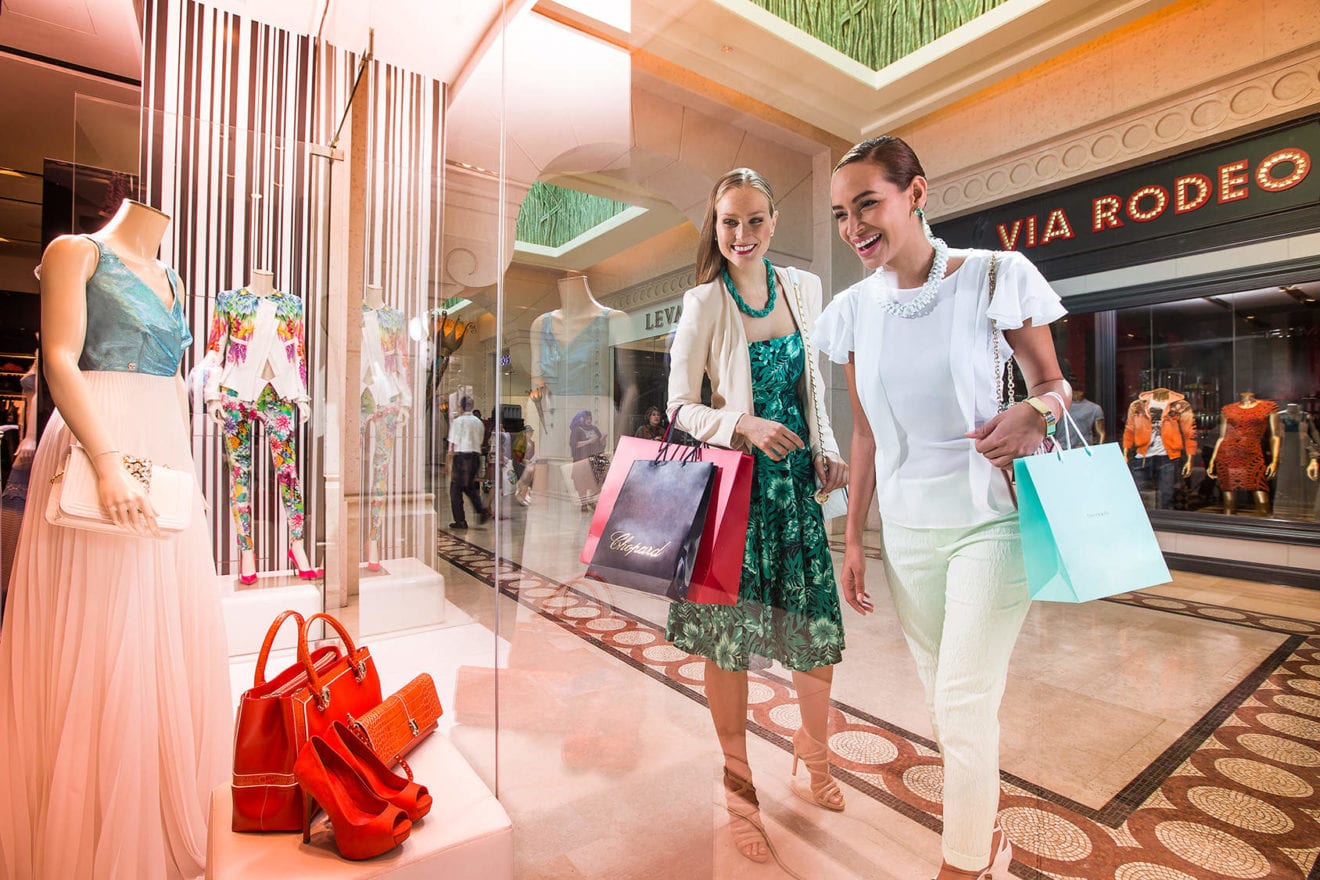
    Despite suggestions to the contrary, luxury retail spending is still rising in the UAE, albeit at a slower pace.

    Dubai, in particular, is leading the way. In a survey carried out before the World Retail Congress last month, Dubai Chamber said the retail sector in the emirate was expected to grow by 5 percent annually until 2017, by which point it was forecast to reach $55bn in value.

    The research, based on data from Euromonitor and an AT Kearney Research study, suggests luxury retail still offers multiple opportunities in the UAE.

    “There is growth of wealthy and ultra-rich consumers, the main potential customers of the luxury segment. All in all, consumption is going up and retailing in the UAE is a major sector, which is supportive of economic growth and offers a lot of business opportunities,” the analysis says.

    The research is supported by Savills, which ranked Dubai at number four in the world in its Global Retail Destination Index 2016, behind New York, London’s West End and Hong Kong.

    The report focused on Dubai Mall, and ranked it higher than London’s Regent Street, New York’s Fifth Avenue and the Champs-Elysees in Paris in terms of the overall quality of its retail facilities and amenities. Further enhancing Dubai Chamber’s findings, the Savills report says, “Dubai is forecast to report the strongest growth in retail sales over the next five years of the seven Global Cities examined, potentially challenging London’s West End’s current global position.”

    The growth is supported by a strong tourism sector, with 14.3 million overnight visitors to Dubai last year, according to the Mastercard Global Destination Cities Index 2015, which led to a total spend of $11.7bn, an average of $819 per visitor.

    “Dubai is now perceived as a top global retail destination,” says David Godchaux, CEO of Core Savills, the UAE associate of Savills. “But this is only the tip of the iceberg as we now start seeing developers trying to improve the shopping experience not only for tourists as in the past 15 years, but also for residents.

    “This trend of moving away from the ‘bigger is better’ approach, to more user and resident friendly retail developments, bringing a real city experience and European-style shopping to areas of Dubai similar to those found in London, Paris and Milan, is something that was much awaited by the market and that we see finally happening.”

    Dubai Chamber estimates the emirate’s retail market reached $35.4bn last year, and says it is expected to grow by 7.7 percent in 2016 and an average 8.1 percent annually between 2017 and 2020, when retailing sales turnover are expected to surpass $52bn.
     This predicted growth comes despite the backdrop of uncertainties surrounding economic conditions due to the drop in oil price, and the obvious currency effects of a strong dollar and a weak rouble affecting the number of high-spending visitors coming to the emirate.

    That effect was reflected in last year’s Luxury Goods Worldwide Market Monitor, compiled each year by Bain & Co, which said the luxury goods retail market in the Middle East had plateaued, driven by a reduction in tourism spending.

    However, the report’s author Cyrille Fabre, partner and head of Bain’s Retail and Consumer Products practices in the Middle East, said at the time the report was released: “Going forward, we expect the Middle East market to show new signs of life driven by mall openings, but the region’s growth will occur at a much slower level versus the last five years.

    “A sustainable high single-digit growth rate will become a new normal for the market with important implications of the required capabilities for success.”

    Knight Frank’s head of commercial and retail, Matthew Dadd agrees: “At the moment in the UAE, we’re not seeing much take-up of new luxury retail space.”

    The confidence in the luxury retail market, however, has been fairly evident at the city’s two key shopping malls, he says, with other cities keen to develop their luxury retail offerings as well, which have continuously lagged behind Dubai in the luxury segment.

    “Within the major malls there is the configuration-extension of the luxury segment offering, both within Mall of the Emirates and Dubai Mall,” he says. “Also, when you look regionally, there is the provision of quality, prime retail centres such as Mall of Qatar or the forthcoming Majid Al Futtaim centres in Riyadh regarding new luxury space for the market segments which have traditionally been under-served.”

    Looking to the year ahead, Dadd says the single-figure growth is quite likely, but confidence remained high. “It’s going to remain fairly stable in its current state, which has been more subdued than it has been in previous years,” he says.

    “We’ve still got a high GDP per capita for locals across the GCC. There is still a lot of personal wealth that can be spent in the luxury segment. You will see the mall developers looking to position themselves as the focal go-to destination of luxury spend and the access and the add-on amenities in terms of leisure that really make the mall appealing for the whole family will be paramount to obviously increasing the spend per head in these malls and retaining that spend within Dubai, UAE or the region rather than going internationally.”

    That confidence is also reflected in the ability of some malls to increase their rent.
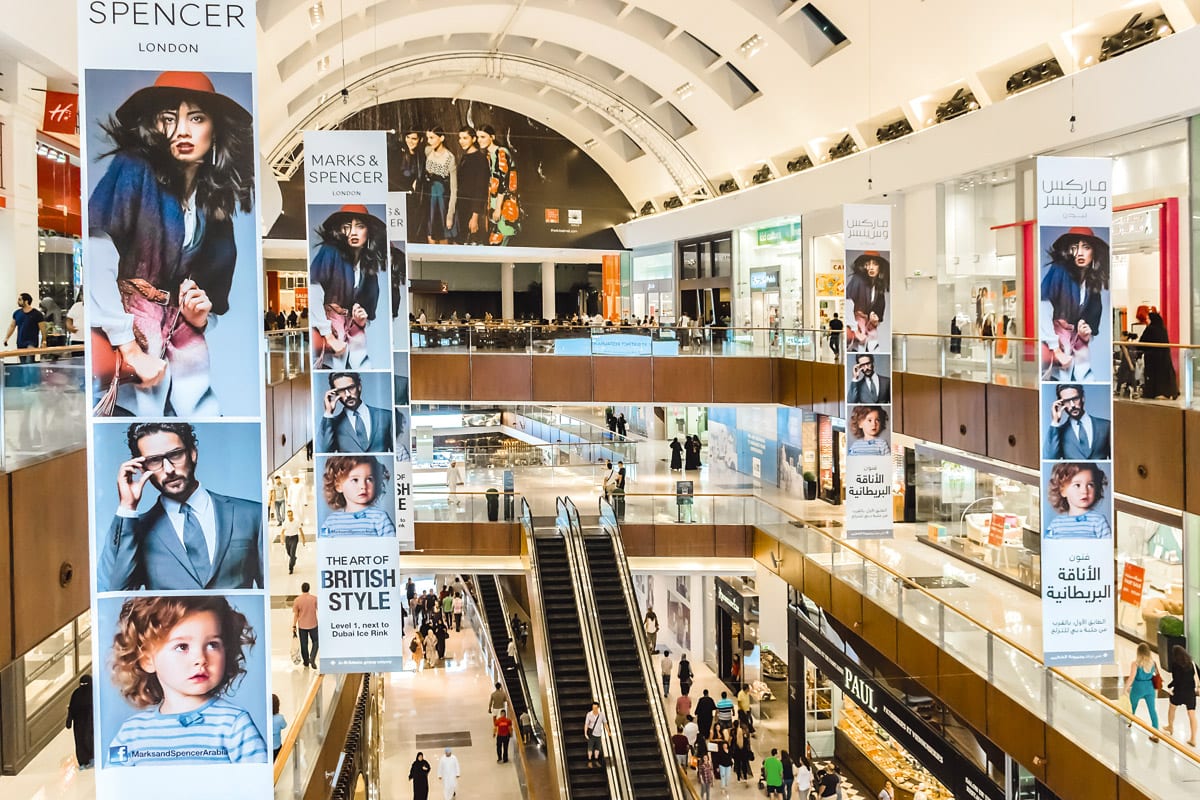
    According to Knight Frank, Emaar Malls Group has 18.5 percent of the emirate’s 3 million square feet (sq ft) of retail gross leasable area. The publicly-listed company, 84 percent owned by Emaar Properties, said it raised rent prices for renewals by 25 percent in 2015. It is also planning to add 92,900 sq ft to its “trophy asset” Dubai Mall this year, further underlining its confidence in luxury retail.

    “The Dubai Mall, our trophy asset, is today the first choice for luxury retail for high net worth individuals [HNWIs] from a wider catchment area of the Middle East, Africa, South Asia and China, thus serving over 2.5 billion people,” chairman of Emaar Malls and Emaar Properties, Mohamed Alabbar said while announcing Emaar Malls’ annual figures for 2015. The division recorded a $451m net profit and rental income growth of 11 percent to $815m.

    However, Dadd says the rental increases have been limited to “the core markets”.

    “Across the markets, you’re not seeing exorbitant rent increases,” he says. “I think the market is being more realistic in terms of where spend is and it has got to be truly reflective of the overall performance of the mall before they can actually start putting in any increments.”

    The perennial issue for luxury retailers is exodus of HNWIs from the Gulf region to cities in Europe and the US, as they escape the desert summer.

    The Saudi government estimated that in 2014, tourists travelling outside the kingdom spent at least $20bn on shopping trips abroad every year.

    A report towards the end of last year, by the Travel & Tourism Intelligence Centre, said GCC outbound expenditure would reach $100bn by 2018, up from $65bn in 2013.

    Knight Frank’s recent wealth report emphasised the seasonal fluctuations of multi-millionaire ($10m-plus) populations around the world, showing a 571 percent difference in the number of multi-millionaires in Dubai between the winter and summer months (10,470 at peak, 1,560 at low).

    Maintaining brand loyalty has been an important facet when it comes to luxury retailers. Luxury brand public displays and activations are a weekly occurrence in Dubai’s malls. Dadd says it is important to enhance customer consumer experience in order to develop brand loyalty.

    “When you go into any shop, it doesn’t matter if it’s luxury or mainstream trade, your experience is paramount to your return visit,” Dadd says. “When you look at international brands that have local stores that experience has got to be the same level of standard and quality [as the home market] in terms of customer experience with the staff and the shop, the fit-out, the apparel or the merchandise that are being sold. So you’ve really got to ensure that is kept to a high standard when you’re talking about an international brand.”
    An extension of the brand loyalty is the need for luxury retail brands to implement an omni-channel experience into their customer engagement strategies, which means engaging in e-commerce.

    “If you’re looking at the base case scenarios of where online trends are at the moment, they’re obviously coming from a very low base,” Dadd says. “I think they are picking up and if you look at where the UAE is in terms of digital accessibility, it’s number three in the world after UK and US, so when you look at where the take-up is in terms of mobile access and access to retail platforms, that is growing very quickly.”

    While still in its infancy in the region, recent moves by high profile companies based in the Middle East have underlined the need to develop and grow an online presence.

    “You can look at where Marka VIP have launched their new online portal and obviously we see Mohamed Alabbar taking a stake in [European online luxury fashion site] Net-a-Porter to expand that across the Middle East. It’s showing how the market is developing, maturing and following the trends that we’re seeing in Europe, US and Asia.

    “But I still don’t think it will necessarily be of concern yet to any of the bricks-and-mortar of the retail industry, because it’s still very much an experience when you’re going to buy a luxury product.”

    A natural extension of that has been social media, in particular Instagram, which has become one of the most influential online tools for luxury brands.

    “Instagram is obviously a visual tool and when you’re looking at the luxury segment — IWC or Prada — these brands can very much sell a lifestyle through images which is a very quick and easy way of targeting large proportions of the population which has access to social media,” Dadd says.

    “The influence of Twitter can’t be underestimated in Saudi Arabia, which has the highest penetration of Twitter followers.”

    At the heart of brand loyalty — online or in the malls — is the customer.

    “Customer experience is paramount and it has to transcend everything — online or in-shop,” Dadd says. “The brand is core to any business, and in the luxury segment it is key. Brands have got to work a little bit hard to make sure they position themselves correctly throughout all platforms.”

  • Indonesia welcomes first Hilton Garden Inn

    Indonesia welcomes first Hilton Garden Inn

    Hilton Garden Inn, Hilton Worldwide’s upscale global brand of hotels, today announced its entry into Indonesia with the opening of Hilton Garden Inn Bali – Ngurah Rai Airport in Bali. Owned by PT. Anggada Duta Realty Tbk., the hotel brings 291 new rooms to the Hilton Garden Inn brand.

    ‘We are proud to open our first Hilton Garden Inn in Bali, Indonesia – one of the most popular business and leisure destinations – and welcome it to our global portfolio of over 665 hotels,’ said John Greenleaf, global head, Hilton Garden Inn. ‘We are committed to growing our presence in Asia Pacific and to providing a welcoming and dependable hotel experience for every guest, every time. Hilton Garden Inn Bali – Ngurah Rai Airport will do whatever it takes to ensure every guest to Bali is satisfied, or they don’t pay – that’s our Satisfaction Promise.’

    Only 500 meters away from the island’s international airport, Hilton Garden Inn Bali – Ngurah Rai Airport is situated at a prime location to offer travelers a great launch pad to discover Bali from the moment of arrival. Conveniently located at Jalan Legian, the hotel is approximately five kilometers’ drive away from the well-known Kuta beach precinct which boasts a wide array of retail, dining and entertainment options. Hotel guests arriving from the airport can expediently check in and immediately head out to Kuta, and the other famous enclaves such as Ubud, Nusa Dua and Seminyak, to explore the beauty of Bali.

    ‘Marking our fourth brand in Indonesia, the opening of Hilton Garden Inn Bali – Ngurah Rai Airport perfectly complements our existing portfolio in the country,’ said William Costley, vice president, Southeast Asia and India, Hilton Worldwide. ‘I am excited that Hilton Garden Inn has made its debut in this world renowned destination and am confident that the hotel will offer visitors to this vibrant island a peaceful and energizing stay experience.’

    Guests can dine on-property at The Garden Grille and Bar, which offers a full cooked-to-order breakfast and dinner, cocktails*, and evening room service. The Pavilion Pantry is open 24 hours and features a complete selection of salty snacks, sweet treats, cold beverages, and ready-to-cook meals.

    Outfitting to business purposes and MICE, the hotel also features a total of six small- to medium-sized meeting rooms, one multi-function hall, and one ballroom. Hilton Garden Inn guests will see why Life’s Better at the Garden through amenities and services offered at each location, including complimentary Wi-Fi throughout the hotel, 24-hour business center with Print Spots remote printing, a state-of-the-art fitness center, a bar and an outdoor pool.

    All 291 guest rooms boast the brand’s signature bedding featuring fresh, white duvets and crisp linens; a spacious and clutter-free work desk with an ergonomic desk chair; and an in-room ‘hospitality center’ with a mini fridge and coffee/tea maker.

    Hilton Garden Inn Bali – Ngurah Rai Airport participates in Hilton HHonors the only hotel loyalty program that allows members to earn Points & Miles on the same stay and No Blackout Dates on reward stays. To celebrate the hotel’s opening, Hilton HHonors members will receive Double Points per stay on the best available rate through stays completed between May 1 and July 31, 2016. HHonors members always get the lowest price with its Best Price Guarantee, along with HHonors Points, free Wi-Fi, digital check-in and no booking fees only when they book directly through Hilton.

  • Singapore start-up betting on more luxury consumption

    Singapore start-up betting on more luxury consumption

    The global economic chill may have helped cool the runaway growth in luxury brands as consumers start to think twice before splurging. One e-commerce player, however, is hoping for an Indian summer.

    Daniel Lim, one of the co-founders of Reebonz, said the “aspirational middle class” – particularly in Asia – will underpin demand for personal luxury products.

    Reebonz sells new and pre-owned designer bags, shoes and other personal luxury items on its website and mobile app. It has a service, Reebonz Closet, available in selected markets, that lets users buy and sell directly to one another.

    Merchants from around the world are also able to list their items on Reebonz Marketplace, creating variety in selection. The company also has in-store presence in Australia and pop-up stores in Singapore.

    Aspiring toward luxury

    Lim’s forecasts come at a somewhat challenging time for personal luxury goods. A study by management consulting firm Bain & Company released in December showed the real growth in the global personal luxury, at constant exchange rates, was only 1 to 2 percent in 2015. This compared with a 3 percent growth in 2014 and 7 percent in 2013.

    Bain said in the report that a combination of currency fluctuations, contracted local spending, government reforms against graft, and tourist arrivals influenced regional performances in 2015.

    “Macroeconomic factors will always be there,” said Lim in an exclusive interview with CNBC. However, “luxury is one of the few classes of products, where people aspire to constantly upgrade,” he said.

    Erwan Rambourg, global co-head of consumer and retail research at HSBC echoed the sentiment, telling CNBC that luxury demand is “often driven by social, cultural and fashion trends rather than by mere financial means.”

    Unlike other purchases, luxury items have great resale value, the Reebonz co-founder added.

    Online shopping has seen rapid growth over the last several years, underpinned by emergence of e-commerce giants such as Amazon and Alibaba. Euromonitor data showed in 2015, internet retailing totaled $990.7 billion worldwide, up from $851.20 billion in 2014.

    Luxury players have been relatively slow to adopt e-commerce due to fear among brands of not being able to replicate the experience of in-store buying, according to Lim.

    Data from Bain showed online shopping currently comprises only 7 percent of the luxury market, with 93 percent of market share still resting with brick-and-mortar stores.

    But Lim expects more innovation to take place as more players explore online options and models to sell to customers. “We have only touched the tip of the iceberg,” he said.

    Since its foundation in 2009, Reebonz has expanded into several developed and developing markets in Asia Pacific, including Australia and Indonesia among others. While the company is still focused on Asia Pacific, it delivers to 30 countries worldwide, including the United States.

    Tackling China

    Last April, Reebonz entered Asia’s largest luxury consumption market: China.

    Lim said Reebonz’s decision to enter China was influenced by favorable cross border e-commerce tax policies, the huge market for luxury, and strong local partnerships the company has forged.

    Even though some of the tax policies that attracted his company to China are now being reversed, Lim remains unfazed.

    Last week, China announced it will charge imported retail items purchased online in the same way as any other imported goods, scrapping a provision that enabled e-commerce companies to import goods more cheaply, reported China’s Xinhua news agency. The changes will be effective from April 8, said Xinhua.

    The move will see many e-commerce retailers experience a cost increase through higher taxes, according to Yating Xu, an economist at IHS Global Insight. Xu told CNBC the tax reform is designed to level the playing field for traditional retailers, who have, in recent years, been hurt by the tax benefits enjoyed by e-commerce players.

    He acknowledged, however, the steep competition Reebonz faces from local players in China.

    Many luxury brands, such as Burberry, Estee Lauder, and Calvin Klein, have launched e-boutiques on Alibaba’s Tmall platform to penetrate broader areas of China, according to Hui Wan, research team lead at Euromonitor International.

    Other brands such as Alexander McQueen and Balenciaga have established official websites “to present their brand image, launch their new collections and sell products as well,” she said.

    Wan told CNBC, currently “Chinese consumers prefer to browse online but buy at the stores, especially for luxury goods purchases.”

    Lim is banking on Reebonz’s strong reputation for selling authentic products, wide range of options and good customer service to make headway into the biggest luxury market in Asia Pacific.

    “Penetrating China obviously will take a bit of time but I think we see a great opportunity there.”