Tag: luxury

  • Hong Kong Recovery Boosts Jewelry Sales

    Hong Kong Recovery Boosts Jewelry Sales

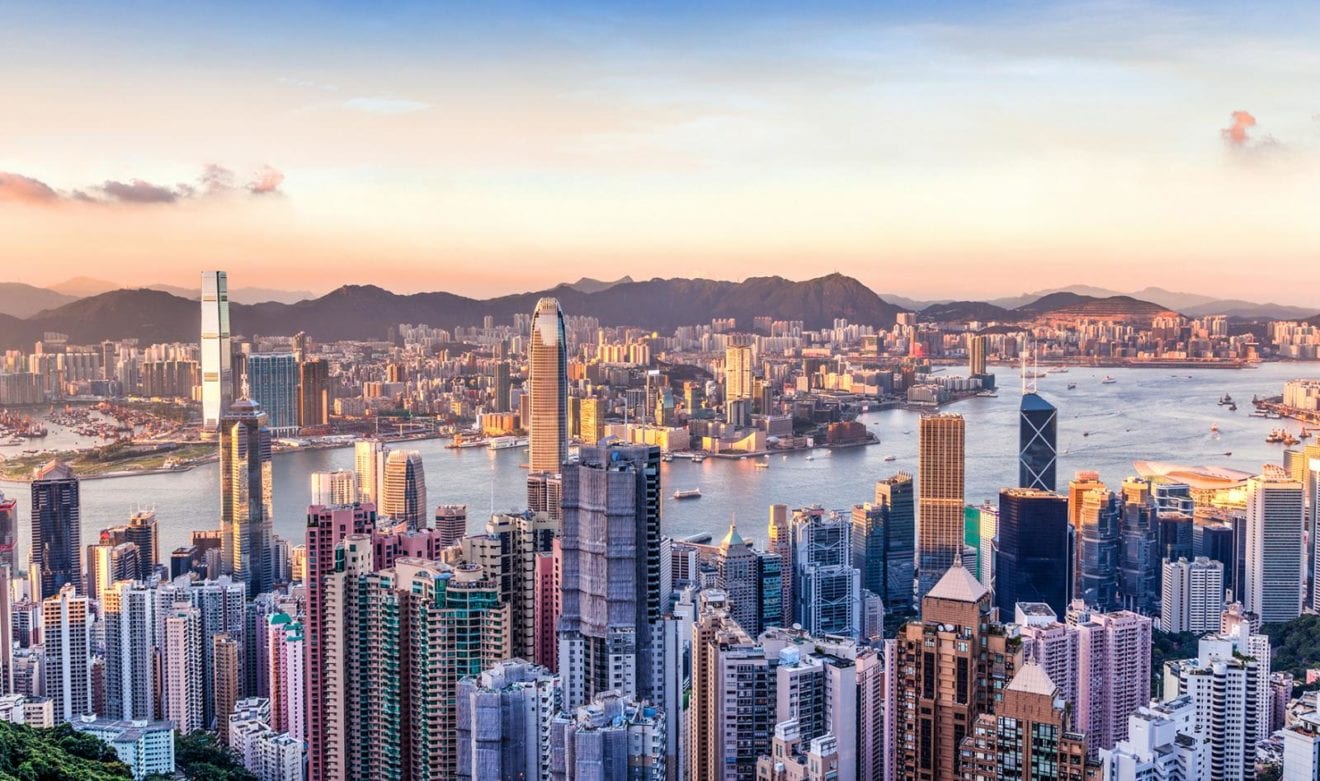
    Sales of jewelry, watches and other luxury items in Hong Kong rose in the first 11 months of 2017 as tourists returned and local consumer sentiment recovered, the city’s official data authority said.

    Retail sales for the category grew 5% year on year to $8.49 billion (HKD 66.35 billion) for the January-to-November period, Hong Kong’s Census and Statistics Department said in a statement Wednesday. November proceeds jumped 8% to $783.1 million (HKD 6.12 billion), it added.

    Sales across all retail products rose 1.8% for the first 11 months, and climbed 7.5% in November, reflecting the “visible growth in visitor arrivals and the [optimistic] consumer sentiment during the period,” a spokesperson for the Hong Kong government said.

    Hong Kong’s luxury retail sector is largely reliant on purchases by tourists from mainland China. A slump in visitors from that location hit Hong Kong’s retail industry over the last two to three years, with sales of jewelry and other luxury items sliding 17% in 2016. However, the tourist sector recovered this year: Visitors from mainland China rose 3.6% from January to November, to a total of 40.2 million, according to the Hong Kong Tourism Board.

    Meanwhile, the total number of tourists arriving in Hong Kong from all locations jumped 7% to 5 million in November compared with the same month last year. During the first 11 months of 2017, the figure climbed 3.1% to 52.9 million.

    As a result, Hong Kong jewelry retailers saw significant improvements in their 2017 performances. Chow Tai Fook’s same-store sales jumped 9.5% in Hong Kong and Macau in the six months ending September 30, while Luk Fook recorded 13% growth in retail sales for the same region.

    “The near-term outlook for retail sales remains positive, as consumer sentiment is buttressed by the favorable employment and income situation, and as inbound tourism continues to recover,” the government spokesperson noted.

    The upturn in 2017 also affected the diamond trade, with imports of polished stones into Hong Kong growing 7% to $14.07 billion in the first nine months.


  • Ermenegildo Zegna presents a multisensory experience

    Ermenegildo Zegna presents a multisensory experience

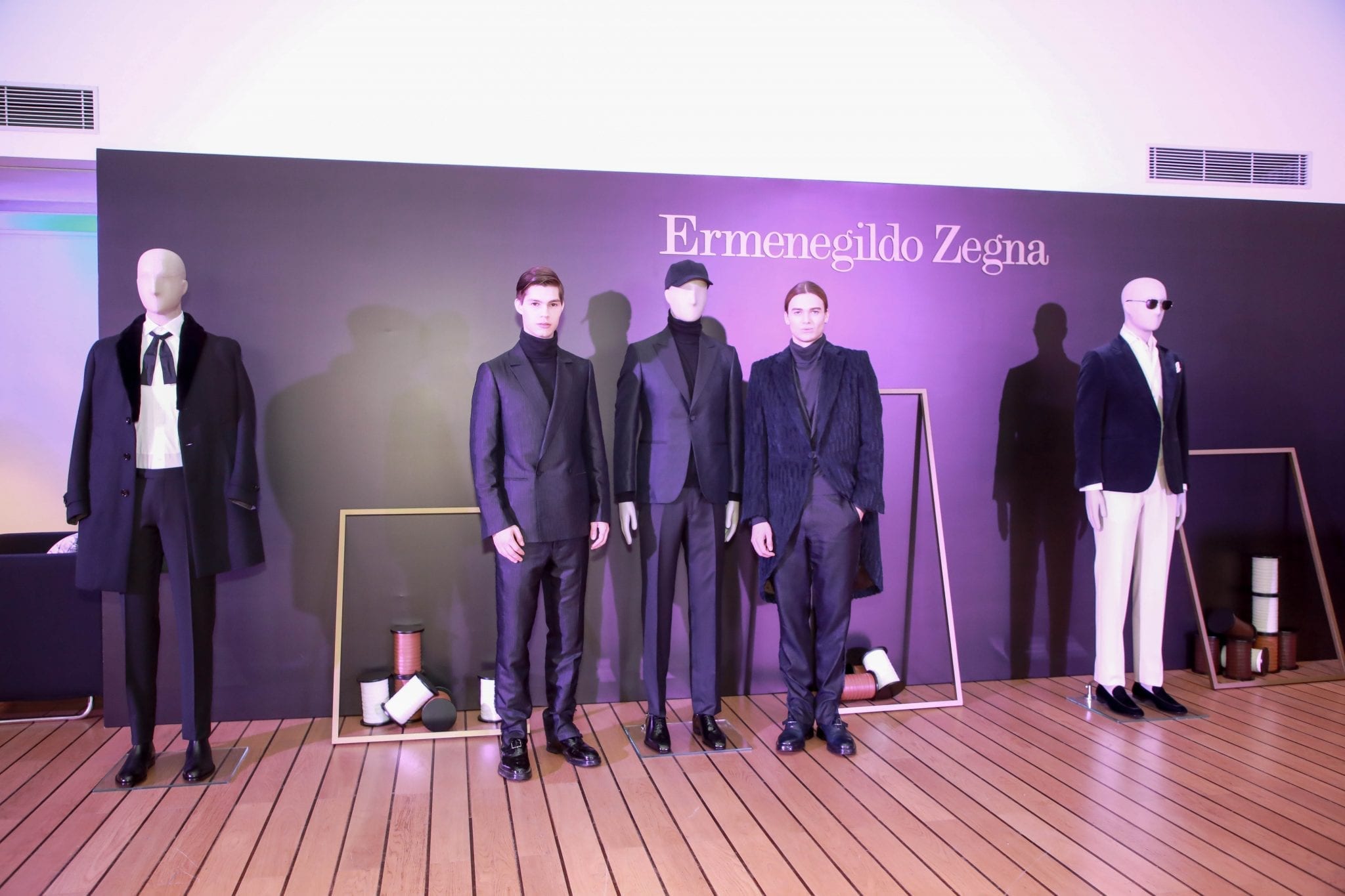
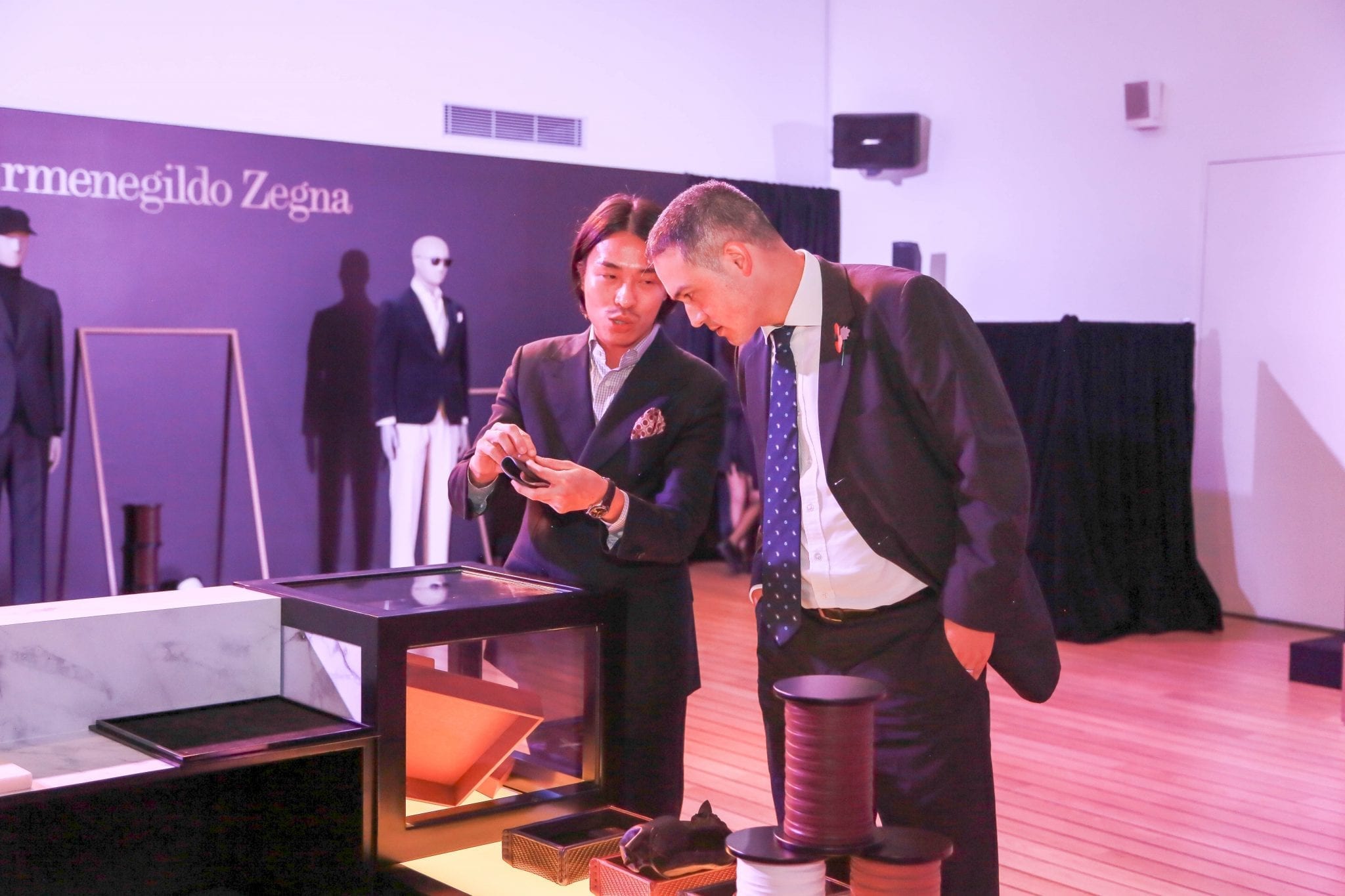
    Ermenegildo Zegna, one of the most luxurious  Italian fashion houses for modern gentlemen, hosted an experiential cocktail event “Crafting Modernity” at the Hong Kong  Maritime Museum.

    The event was an interactive, multisensory celebration where guests were guided through an intimate look into Ermenegildo Zegna’s creativity and artisanship, as well as their latest offerings – from the iconic PELLE TESSUTA Leather Collection, to the new arrivals of Zegna Toyz Collection which is also exclusively made in PELLE TESSUTATM.

    Renowned actors Sean Lau and Moses Chan joined the evening to share some of the key defining moments in their life that have made them who they are today. Both embody the mature elegance of the sophisticated gentleman, their successes mirror Ermenegildo Zegna’s continuous pursuit of excellence and innovation.

    Up and coming singers Tim Wong and Alfred Hui also joined the event to provide a dynamic equation to the evening, as their contemporary music reflects the spirit of modern young men today.

    Undoubtedly though, the star of the show was the brand’s PELLE TESSUTA collection. Famous for its premium fabrics, Ermenegildo Zegna has taken leather to a new level, and the PELLE TESSUTA collection is the latest innovation, replicating the traditional method of weaving cloth to recreate precious fabric using extremely thin strips of select nappa leather.

    The Zegna Toyz Collection, which was officially launched in Hong Kong at the event, features a wide range of home, travel and gaming products all made in PELLE TESSUTATM. The items are dedicated to the modern man for three different moments of his life: “Essential” is a collection of small leather goods for the gentleman’s business life and includes, among other things, a coin case, a business card case and a sunglasses case. “Toys” is a selection of leisure and entertainment travel games, which includes a domino set, a playing card set and a game cube. The “Technological” offer consists of a series of multimedia accessories, such as headphones and turntable, created in collaboration with Master & Dynamic, the premium audio brand known for its sophisticated sound tools.

    At the event multisensory experience was created to stimulate the senses and guide each guest to connect with the brand on a deeper level and to truly experience and appreciate the innovation of the PELLE TESSUTA and the Zegna Toyz collection. Guests were invited to record a personalised audio message that can be immediately stored and also realized in a soundwave art on a plastic card, and when given to a loved one, can be played back by scanning the QR Code on the card face.

    Another highlight of the evening was  the headphone and vinyl record player created through a special collaboration with Master & Dynamic, resulting in a beautiful set of  top-of-the-line music gear that stands out with its timeless design that is both elegant in its lines and sophisticated in its bearing.

    To celebrate the collections, award winning bartender James Barker tailor –made 3 different signature cocktails inspired by Ermenegildo Zegna and its latest collections.

  • Victoria’s Secret unveils its Champagne Nights Fantasy Bra

    Victoria’s Secret unveils its Champagne Nights Fantasy Bra

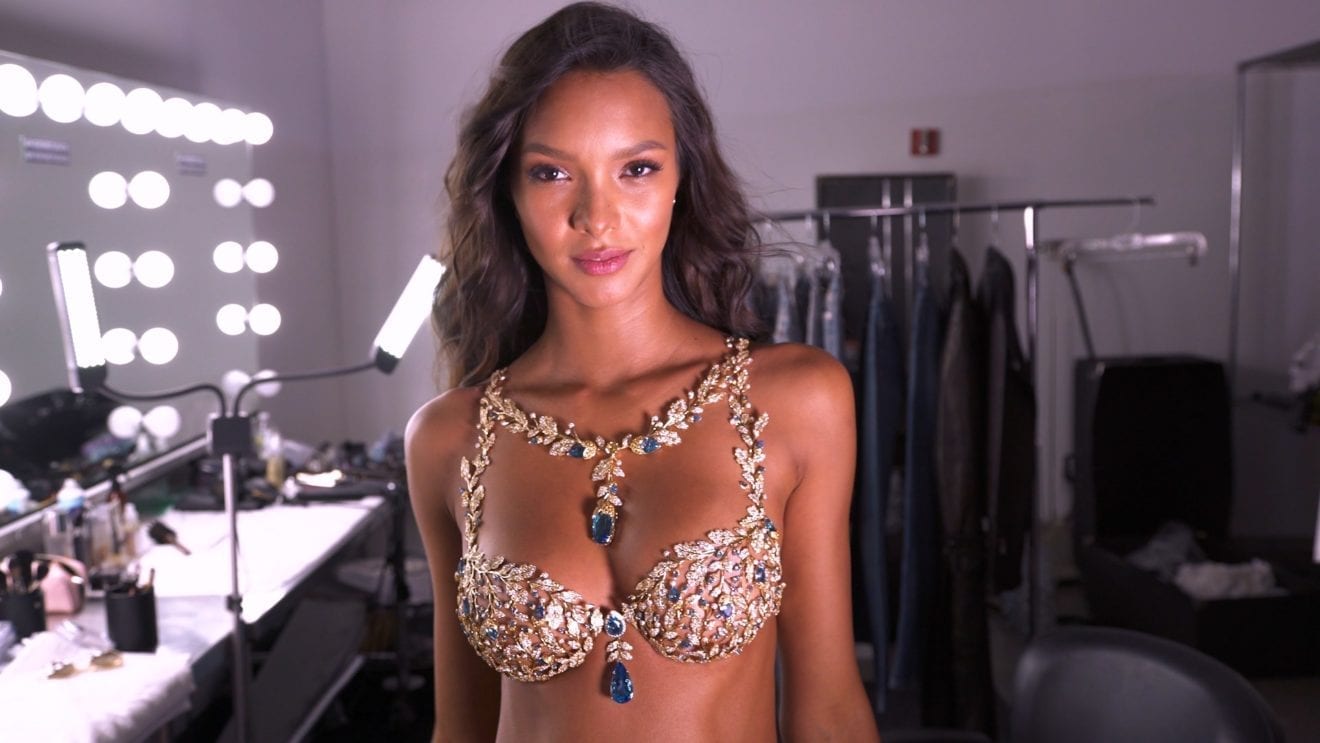
    US lingerie company Victoria’s Secret has unveiled its 2017 Champagne Nights Fantasy Bra, designed by luxury jeweller Mouawad.

    Brazilian model Lais Ribeiro will wearing the US$2 million bra at this year’s Victoria’s Secret Fashion Show in Shanghai in three weeks’ time.

    It is the first time the Victoria’s Secret Angel will showcase the brand’s annual fantasy bra. Other supermodels who have worn Mouawad’s showpieces over the years include Lily Aldridge, Adriana Lima, Alessandra Ambrosio, Candice Swanepoel, Selita Ebanks, Gisele Bündchen, Tyra Banks, Heidi Klum and Karolina Kurkova.

    Mouawad’s latest creation features a suite of contrasting gemstones. The bra and matching belt took more than 350 hours of labour to be handset with nearly 6000 white diamonds, yellow sapphires and blue topazes, totalling more than 640 carats and all set in 18-karat yellow gold.

    Mouawad Jewelry first teamed with Victoria’s Secret in 2001, since designing 10 fantasy bras. His 2003 masterpiece, the Very Sexy Fantasy Bra, was awarded a Guinness World Record as the most expensive bra ever made.

    Founded in 1890, the Mouawad brand is led by fourth-generation co-guardians Fred, Alain and Pascal Mouawad. The family firm designs, makes and sells exclusive jewellery and timepieces.

    Victoria’s Secret is known for its fashion-inspired collections, fragrances and bodycare products as well as its lingerie, but perhaps is more famous for its runway shows and supermodels, not to mention its fantasy bras. It is owned by Limited Brands and has more than 1000 stores internationally.

  • Chinese millennials driving luxury goods sales

    Chinese millennials driving luxury goods sales

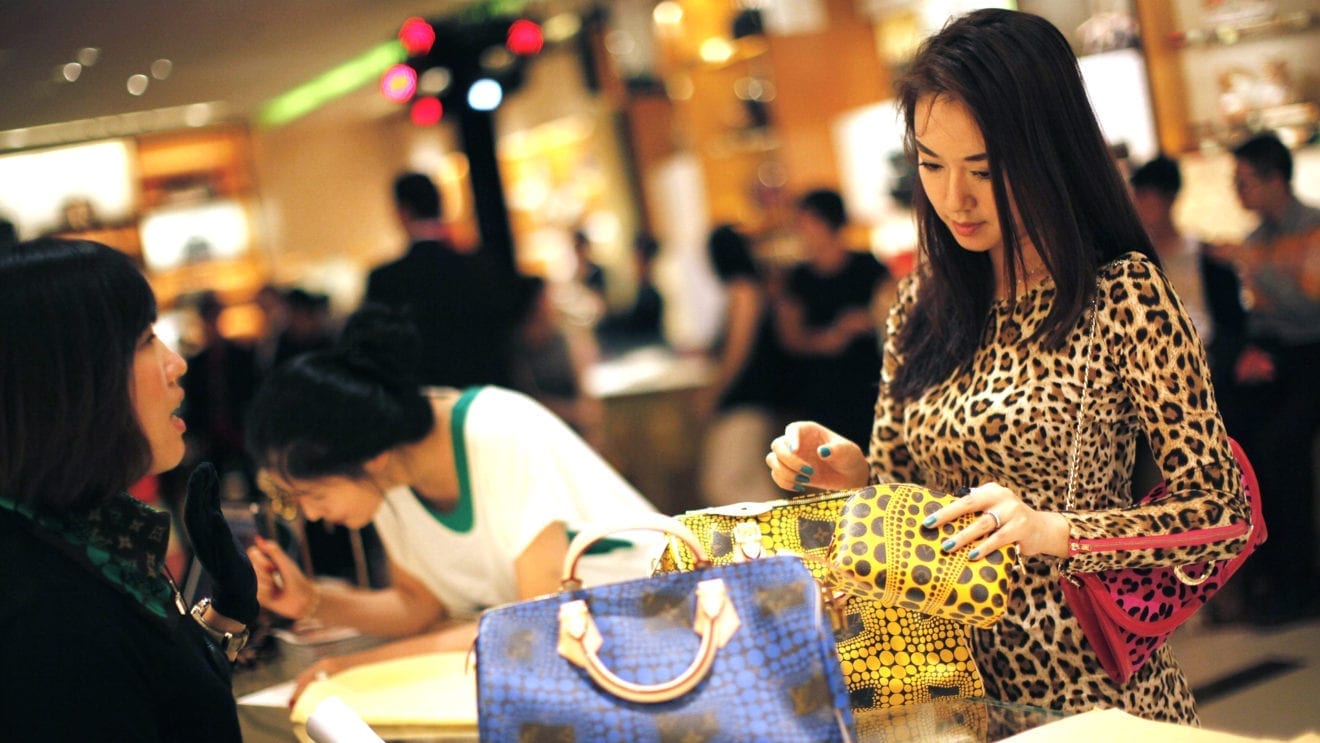
    Chinese millennials are driving faster growth than expected for worldwide sales of luxury goods, says consultancy Bain & Co.

    It says there is a thriving demand in China for items such as high-end handbags, shoes and jewellery.

    After stalling in 2016, revenues from personal luxury goods are set to rise 6 per cent at constant exchange rates this year to €262 billion (US$308 billion), Bain forecasts in an annual report compiled with the help of Altagamma, the trade association for Italian luxury brands. Earlier projections were for 2 to 4 per cent growth.

    Already, stronger earnings are being reported by luxury retailers including Brunello Cucinelli and LVMH, which owns Bulgari and Louis Vuitton.

    Bain says retailers’ efforts to connect with younger buyers and to bridge a price divide between Europe and Asia (more expensive) were also paying off.

    “Luxury goods companies have rethought strategies and are now regaining the trust they lost from customers,” says Bain partner Federica Levato, who co-authored the report.

    She says this year’s growth is “healthier”, being driven by a rise in volumes rather than in prices, and is balanced between tourist purchases and local buyers.

    Chinese buyers now make up 32 per cent of the luxury goods market, more than any other nationality, thanks to increased purchases in both their home market and abroad.

    As a whole, the industry could notch up annual growth rates of 4 to 5 per cent until 2020, says the Bain report, with online sales growing steadily and expected to reach a quarter of all sales by 2025, up from the present 9 per cent.

    Millennials already represent a third of the market, with the later “generation Z”, which grew up with smartphones, starting to make a dent in the luxury market, says Bain.

    Brands have been increasingly turning to social media or pairing up with pop stars and influencers, and branching into casualwear and streetwear, with t-shirts, sneakers and denim.

    However, while 65 per cent of luxury firms will grow sales this year, only 35 per cent will manage to increase their operating profit, says the report.

  • Wines and spirits hiccup for LVMH luxury business

    Wines and spirits hiccup for LVMH luxury business

    It has been a bubbly nine months for the LVMH luxury business – with the exception of its wines and spirits division, which was hampered by supply constraints.

    Revenue grew by 14 per cent for the period to reach €30.1 billion (US$35.4 billion).

    With organic revenue growth of 12 per cent, the third quarter continues the trend for the year, says the group. The revenue increase was despite a negative currency impact of 5 per cent and a positive structural impact of 7 per cent, reflecting the integration of Christian Dior Couture.

    All business groups recorded double-digit organic growth, with the exception of wines and spirits where growth was 8 per cent. Champagne volumes were up 4 per cent, with particularly strong demand in Europe and Japan. Hennessy cognac had a volume increase of 9 per cent despite a third-quarter decline related to limited supply.

    LVMH’s selective retailing business group had organic revenue growth of 12 per cent. Online sales grew at a steady pace, and DFS had sustained growth, particularly in Hong Kong and Macau. The T Galleria store in Cambodia has also developed well, says the group.

    Organic growth of 14 per cent was recorded by the fashion and leather goods business group. It attributes this to innovation, such as the launch of Louis Vuitton’s first smartwatch.

    “The qualitative development of the distribution network continues, as illustrated by the opening of the Maison Louis Vuitton Vendome in Paris, which brings together under one roof all the savoir-faire of the maison,” says the group.

    Highlights during the period included Fendi opening stores in the US and Rimowa being consolidated. Donna Karan was sold at the end of last year.

    There was also 14 per organic growth in perfumes and cosmetics. Perfumes benefitted from the launch of the eau de parfum Miss Dior. Guerlain rolled out Mon Guerlain fragrance internationally, and Fenty Beauty by Rihanna had an “exceptional” start.

    Watches and jewellery had 13 per cent organic revenue growth, with Bulgari achieving “a remarkable performance” with the rapid growth of its signature jewellery collections Serpenti, Diva and B.Zero1.

  • Natuzzi Announces Consolidated Results for the Second Quarter and First Half of 2017

    Natuzzi Announces Consolidated Results for the Second Quarter and First Half of 2017

    The Board of Directors of Natuzzi S.p.A. has approved second-quarter and half-year 2017 consolidated results. Consolidated net sales for the second quarter of 2017 were €117.9 million, up 7.3% from €109.9 million reported in 2016 second quarter. Revenues generated by core business (sofas, beds and furnishings) were €109.1 million, up 5.0% compared to the second quarter of 2016.

    In particular, furnishings net sales increased by 15.3% over prior year same quarter at €7.4 million and represented 20.2% of the Natuzzi Italia branded sales.

    Natuzzi branded revenues increased 4.1% to €79.6 million, also due to an increase of 5.2% of the average price per seat. Within Natuzzi branded sales, we saw an increase from the Americas (+6.5%), and Asia-Pacific region (+13.8%). EMEA reported a decrease in sales (-1.1%) over the same period of last year, mainly due to our Italy-based Divani&Divani by Natuzzi network.

    Our direct retail operations (DOS) generated sales of €15.1 million during the second quarter of 2017, increasing by 32.3% over the same period of last year. These sales represented 13.8% of our core business, compared to 11.0% of one year ago.

    The actions implemented over the past few quarters on the Company’s owned stores have produced good results. In particular, during the second quarter of 2017, sales generated by our DOS network on a like-for-like basis have shown an increase both versus first quarter of 2017 (+17.7%) and second quarter of last year (+6.1%). Furthermore, considering the same like-for-like parameter, the DOS operating result for the second quarter of 2017 was positive (+€0.8 million), improving with respect to both 2017 first quarter (when we reported an operating loss of -€0.3 million) and 2016 second quarter (with an operating income of +€0.3 million). We saw improvements in our DOS in the UK, China, USA, Spain and Switzerland, while our Italy-based Divani&Divani by Natuzzi retail network is still under a restructuring phase. The recently acquired Mexican stores were still in the start-up phase in second quarter 2017.

    More recent sales data for DOS confirm the positive trend experienced in the first part of the year: our order flow through the third week of September on a Like-for-Like store basis increased 3.4% over the same period of last year. When we include sales from our new stores, the increase over last year is 38.3% in DOS.

    Consistent with the Group’s strategy to expand its presence in the direct-retail market to better control the entire value chain, we opened one DOS in West Palm Beach, Florida, USA, and acquired three Natuzzi Italia stores in Mexico, during the second quarter. Two directly operated Natuzzi Editions stores also opened in China in the second quarter of 2017. As of the date of this press release, the number of DOS is 60.

    We already have plans to open five new-generation stores, three in the last quarter of 2017 and two in the first quarter of 2018.

    Sales from our Softaly Division were €29.5 million, up 7.6% compared to the second quarter of 2016, as a result of the 15.2% increase in the Americas and 4.5% increase in EMEA. Sales from Asia-Pacific decreased by 31.2% in the second quarter of 2017, after increasing by 101.7% in the first three months of this year. In spite of such positive results in the quarter, Softaly “Private Label” division of the Natuzzi Group is still challenged by the limited number of accounts on the North American market which has caused a reduction of the volumes. We will present an extended program at the coming High Point market in October with the aim of adding new major Accounts. Europe keeps growing while in the APAC market the activities planned should bring the targeted results during the current year.

    In the second quarter of 2017 the Group increased the industrial margin to 35.1% from 34.2% reported in the second quarter of 2016. The slight decrease in upholstered seats sold was more than offset by a better mix and by the double digit increase in furniture sales.

    Transportation costs as percentage of net sales also improved to 8.9% as opposed to 9.8% in 2016 second quarter.

    Over the past few quarters the Company started implementing its retail strategy in priority markets, such as North America and China. The execution of this strategy has required investments in the organization, which resulted in increased SG&A. We expect that such investments, whose return started to appear in second quarter 2017, will support additional turnover in the future.

    For the reasons highlighted above, in spite of the overall improvement of the business, the Company reported a net operating loss of €2.9 million versus net operating loss of €1.0 million in the second quarter of 2016.

    The Group reported a net loss for the second quarter of €4.0 million, from a loss of €0.8 million in the same period of last year.

    For the first half of 2017, the Group reported a net loss of €14.7 million. Excluding €9.3 million as extraordinary accrual accounted for in the first quarter of 2017, net loss for the first semester would have been €5.4 million, from a net loss of €1.1 million in the same period of last year.

    The Group’s Net Financial position was positive at €13.6 million, up from a €12.8 million reported at the end of first quarter of 2017.

    Chairman and CEO Pasquale Natuzzi said, “Despite the troubles confronting our industry and retail in general, I am pleased to report the Natuzzi grew both revenues and industrial margin in the second quarter. This is a direct result of the work we are doing to grow our direct retail network through which we are generating sales of higher end product as well as more complete home furnishing packages. Focus on continuing to build for this growth is our highest priority. At the same time, we are taking steps to strengthen management in critical areas and are managing closely our administrative expenses during this period of rapid investment. Our brand has never been stronger and our drive never more directed. All indications are that our strategy is and will continue to succeed.”

    Chief Financial Officer Vittorio Notarpietro added: “We have continued with the execution of the direct retail expansion program to boost our branded sales and the scale of the entire value chain. This has resulted in the opening of new points of sales, acquisition of existing stores and reinforcement of the retail organization, both at central and regional levels.

    “All these activities require, by their nature, start up investments. We are just in the initial phase of such programs, and first results from our retail business model are emerging.

    “We’ll continue to pay attention in managing capital needs for investments and working capital in order to successfully accomplish the DOS development program globally so to benefit from higher margins.”
  • Premium outdoor brand ‘Gregory’ to open its first flagship store

    Premium outdoor brand ‘Gregory’ to open its first flagship store

    Under the unique brand philosophy of ‘Backpacks should be as easy to wear’, Gregory has opened the first flagship store in Sangsu dong, Seoul.

    Based on its ergonomic design and state-of-the-art technology, Gregory has been becoming a brand with a new category of ‘Outdoor Lifestyle Backpack’.

    Since Gregory offers a total of three product lines including functionality, lifestyle, and business line, the brand is widely loved by a wide range of customers from college students in twenties who pursue athletic lifestyle to office workers in thirties who place on functionality and quality.

    Gregory’s “Fit Jig” service is the best example of this brand identity. When choosing a backpack, it is important to consider a variety of factors such as gender, body size, amount of baggage, and purpose, and choose a product that provides a comfortable fit without feeling uncomfortable to the body.

    The Gregory Sangsu flagship store offers a service that recommends an optimal model based on your body size and usage, using a body meter.

    In addition, as it is the only flagship store in Korea, customers can try out the most various products. The Gregory flagship store also offers ‘Old Logo’ products, which are available only here.

    It sells a variety of products that can look at the history and identity of the brand from the vintage items with the old logo to the limited edition. Also from the August 25th, Gregory will show apparel products with its sensitivity.

    The Gregory Flagship Store also attracted visitors with a variety of cultural experience events.  In particular, it celebrated its opening in March last year, and its stores were decorated like galleries.

    Gregory’s early products, founded in 1977 in San Diego, USA, have provided a variety of information related to the brand’s history for 40 years. A Gregory official said, “The Gregory Flagship Store is a place where you can meet all of Gregory’s products that symbolize outdoor and lifestyle.”

  • Australia, major destination for luxury brands in APAC

    Australia, major destination for luxury brands in APAC

    Luxury international brands are looking to open flagship stores on the east coast of Australia in the coming months, as the nation’s capital cities remain one of the safest investment destinations in the Asia-Pacific region.

    Italian designers Brunello Cucinelli and Roberto Cavalli are looking for space to rent, as are French leather goods house Goyard, shoe empire Hogan and fashion and jewellery brand Marni, according to CBRE.

    Moreover, Venezuelan-American designer Carolina Herrera, known for designing wedding dresses for Caroline Kennedy, is also said to be hunting a space.

    The global brands are looking to bow retail stores in Melbourne and Sydney — starting with whichever offers the first leasing opportunity, CBRE head of Victorian retail leasing Zelman Ainsworth told the Australian.

    “The feedback’s been that Australia’s one of the only markets in Asia-Pacific that’s consistently growing year on year,” Ainsworth told reporters.

    “It’s a politically and economically safe country to do business in. The Chinese tourists coming to Australia, which is the primary luxury customer, has consistently been growing at double digit levels each year.”

    The news comes as the local arm of British clothing chain Topshop went into voluntary administration in May. Topshop has already confirmed five stores will close this year as administrators try to salvage the chain.

    Several Australian fashion chains have also fallen prey to administrators in 2017 including Rhodes & Beckett, Herringbone, Payless Shoes and Pumpkin Patch.

    Adding extra pressure to the local retail scene, especially physical stores, is the impending entry of US-based e-commerce giant Amazon.

    Australia is also facing flat retail sales growth and a rather stagnant consumer confidence, as residents grapple with large personal debt and mortgages.

    However, luxury retailers can still profit from being in Australia. CBRE said prices for retail space in Australia look affordable compared to other global cities, another attraction for offshore brands.

  • Alibaba denies links to luxury e-tailer Yoox Net-A-Porter

    Alibaba denies links to luxury e-tailer Yoox Net-A-Porter

    the Chinese conglomerate, led by founder and chairman Jack Ma, had contacted Yoox Net-a-Porter over possible capital cooperation or even a takeover, adding it had not ruled out buying shares. This news was quickly denied by sources in the company, who stated this was “not true”.

    The suggested tie-up between Alibaba and YNAP comes just days after a mega deal that saw JD.com spend a whopping US$397 million on luxury fashion e-commerce site Farfetch.

    Dubbed by some the Amazon of fashion, YNAP saw its shares jumped 9.24 per cent on Monday and Tuesday on the back of the Alibaba rumour – its biggest two-day rise since last September.

    The rally was just in time to mitigate investor concerns over mounting short interest in the stock, as the luxury e-commerce market became increasingly crowded.

    “Alibaba should still be looking into cultivating its luxury e-commerce businesses at home,”said Tang Xiaotang, founder of luxury retail consultancy Nofashion. “The market is overwhelmed by noise right now.”

    YNAP is the result of a merger between Yoox and Net-A-Porter, two of the biggest Western online luxury fashion retailers, boasting of a client base of more than 2.9 million high-splenders.

    It booked a 16 per cent increase in adjusted net profit of €69 million (US$77.6 million) last year, with a market capitalisation of 3.48 billion euros.

    Online luxury sales are predicted by Bain & Co to be the fastest-growing channel for retailing of premium goods, and top luxury fashion houses such as Prada and Burberry have been scrambling to ramp up their own online offerings.

    The most notable of all is 24 Sevres, a multi-brand online retailer launched in June by LVMH, the world’s largest luxury conglomerate that owns Louis Vuitton and Dior.

    Competition has also heated up with an influx of new market share grabbers including Shopbob and Zalando, both of which are gaining popularity for their designer fashion clothing offerings.

    However, analysts believed Alibaba could still be eyeing overseas deals in an attempt to build up a global logistics network, following the move to set up an e-hub in Kuala Lumpur as well as the buyout of Southeast Asian e-commerce operator Lazada, last year.

    “After all, Alibaba still has a ‘go global’ agenda, which can be pursued through M&As”said Ray Zhao, an analyst with Guotai Junan Securities.

  • Why Hong Kong’s handover could be an opportunity for luxury retail

    Why Hong Kong’s handover could be an opportunity for luxury retail

    On Saturday, Hong Kong kicks off a series of 320 events celebrating the anniversary of the region’s handover from British to Chinese governance of Hong Kong in 1997. With president Xi Jinping making his first official visit since taking office in 2013, over $80 million is being invested in the celebrations by the Chinese Government.

    Driving this investment is the promise of an influx of tourists from China’s Mainland, spelling an opportunity for luxury brands operating in the market. A potential economic boost sparked by the handover anniversary celebrations cannot come soon enough for Hong Kong. Luxury sales have been in steep decline, falling by as much 9 percent in 2016.

    Several international luxury brands, including Ralph Lauren, Prada and Tag Heuer shut stores in Hong Kong last year. Meanwhile, Burberry halved the size of its flagship in the city’s Pacific Place complex, while Gucci publicly demanded lower rents, threatening to close several stores.

    Recent accounts show that Hong Kong’s technology and property shares have risen, however, suggesting a renewed confidence in the market. Significant infrastructural developments are also underway. The Hong Kong International Airport is undergoing an $800 million expansion, adding a third runway, to bolster crucial tourist flow into the city — a move projected to boost Hong Kong’s economy by $235 billion by 2030. And the New World Development group has announced a $2.6 billion development, Victoria Dockside, which will span three million square-feet and aims to reinvigorate the Kowloon Waterfront.

    “We can see that Hong Kong is doing slightly better, but we can’t forget that, compared to its heyday in 2012 and 2013, it’s still very depressed,” warns Mario Ortelli, senior research analyst for luxury goods at Sanford C. Bernstein. “All the luxury companies are cautious about Hong Kong. Going forward, they are planning more store closures, not store openings.”

    Mainland Chinese Tourists

    Hong Kong’s struggle to maintain its position as one of the region’s most profitable luxury retail destinations is inextricably linked to tourism from Mainland China. Mainland Chinese tourists represented 76 percent of all visitors to the city in 2016, a significant drop of 6.7 percent from 2015. Mainland Chinese consumers are taking more overseas trips than ever before, and what they buy has evolved beyond Hong Kong’s retail offering.

    “For a younger crowd, they naturally relate more to contemporary fashion, and are more informed in making consumer choices,” says Anais Mak, who co-founded Hong Kong-based womenswear label Jourden in 2012, and counts luxury department store Lane Crawford among her stockists. “I also see more curiosity [among tourists] to discover many other aspects of the city apart from the sought-after luxury fashion products,” she adds.

    Competition from rival markets in the region continues to grow, despite Hong Kong’s key draws: prime geographical location and tax-free shopping. “Macau is currently more dynamic than Hong Kong because it’s cheaper,” explains Ortelli. “South Korea and Japan are also attractive alternative regional destinations, and there are many others that are growing, like Taiwan and Singapore.”

    Tourists have also been deterred by political tensions between the Chinese government and Hong Kong citizens, which hit boiling point in 2014. Meanwhile, the continued sabre-rattling by China and South Korea, surrounding the installation of an American missile defence system in the latter, has also impacted touristic flow.

    In Hong Kong, the attitude is positive. “The general cool down of domestic political tension as well as mixed sentiments between Hong Kong and Mainland China will account for an uptick [in tourist spending in Hong Kong],” says Mak. “Times have been tough in 2015 and 2016, but it seems people are experiencing a natural progression to regain confidence in the environment.”

    However, due to continuing store closures, it’s clear that international luxury brands continue to be far more cautious about Hong Kong’s potential for a turnaround. “There is potential for disruption,” insists Ortelli. “The celebrations are an opportunity for the luxury companies that could, perhaps, become another Occupy Hong Kong.”

  • Sun Group to launch luxury resort in Ha Long Bay

    Sun Group to launch luxury resort in Ha Long Bay

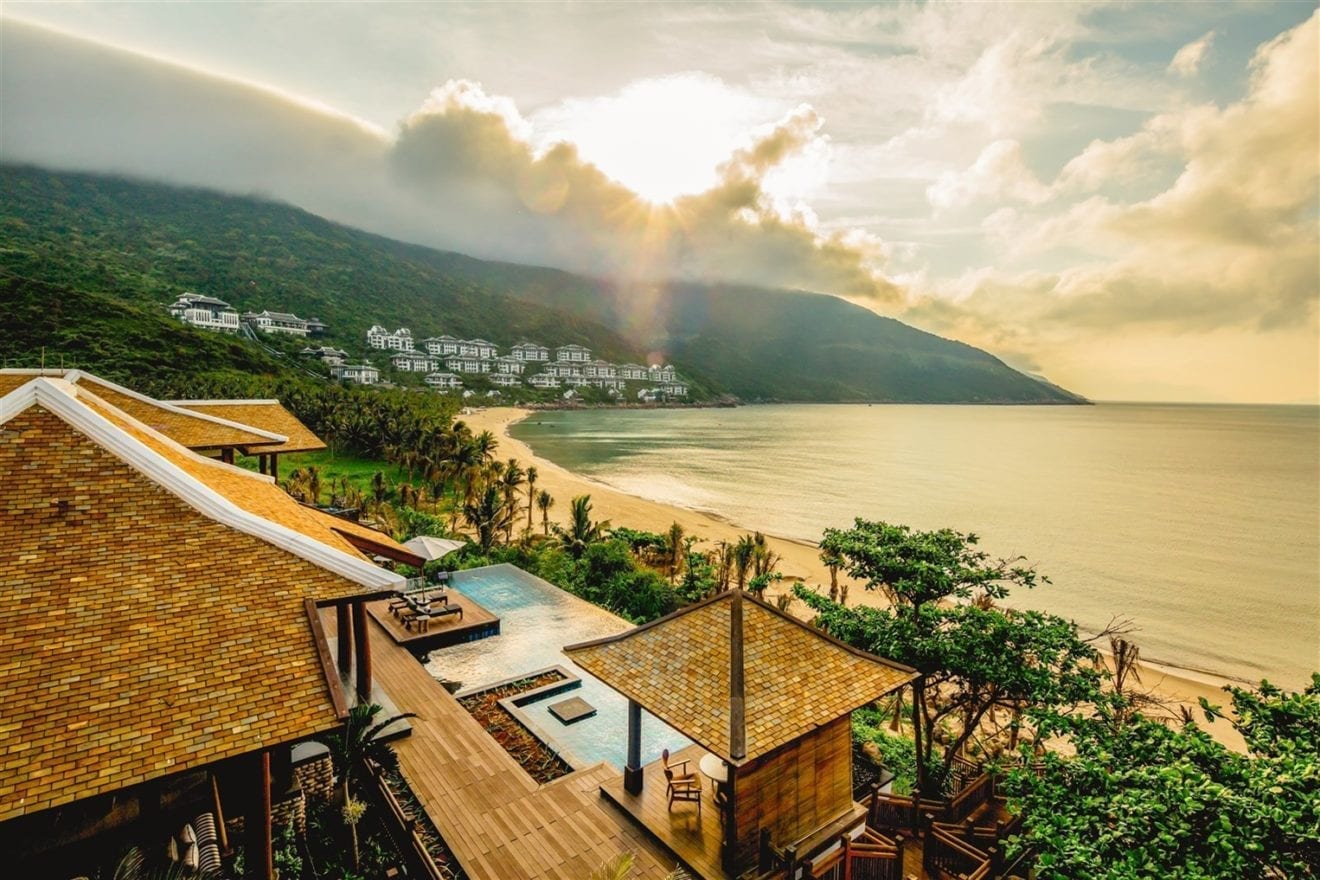
    The developer expects the project, designed by renowned experts, to stimulate tourism in Quang Ninh Province. Sungroup plans to open its luxury resort complex Sun Premier Village Ha Long Bay at Wyndham Legend Halong Hotel in the northern province of Quang Ninh on July 1.

    The developer expects the project to stimulate tourism in the province, the home of the world-famous Ha Long Bay.

    Carrying the luxury resort brand name, Sun Premier Village Ha Long Bay with resort villas and shophouses is among the first beach-view resorts of international standards in the northern region and is guaranteed to make profits.

    Sungroup offers buyers many attractive financial support programs, such as a preferential interest rate of 9 percent on loans within 15 years. Additionally, buyers who register to buy villas at the opening ceremony of the project will enjoy incentives of up to 5 percent off the selling price, excluding VAT.

    When buying resort villas, investors will be entitled to a special interest rate of zero percent for loans of up to 70 percent of the selling price.

    Villa owners will be issued long-term ownership certificates, in addition to enjoying 225 night stays free of charge at their properties, which can be exchanged with any hotel or resort developed by the Sun Group across Vietnam. These include InterContinental Danang Sun Peninsula Resort, Premier Village Danang Resort, Novotel Danang Premier Han River and JW Marriott Phu Quoc Emerald Bay Resort & Spa.

    They also have the opportunities to become members of the SOL Club for Sun Group’s investors, which will allow them to use golf courses and recreational parks built by the developer.

    Customers who own a shophouse will have two attractive financing options, which are zero percent interest rate subsidy for a loan of up to 70 percent of the value. It will come with a grace period of up to 12 months or they can get a discount of up to 3 percent on the shophouse at the time of signing sale contracts.

    Shophouse buyers who make the payment earlier than the schedule will be entitled to a preferential rate of up to 10 percent per year. Customers who pay up to 95 percent before July 30 will receive a payment voucher equivalent to 5 percent of the shophouse value.

    Designed by Australia’s renowned Dark Horse Architect and landscape experts from Hong Kong-based landscape design company, AEDAS, each villa includes a secluded space surrounded by lush tropical gardens. Sun Premier Village Ha Long Bay offers beach villas, ocean villas, garden villas and lake villas in a simple but delicate architectural style.

    Sun Premier Village Resort Ha Long Bay is located right next to the Sun World Halong Complex, which according to Duong Thuy Dung, Director of Research and Consulting, CBRE Viet Nam, “will help real estate investors increase their value.”

  • Gogoboi teams up with foreign brands to sell luxury on WeChat

    Gogoboi teams up with foreign brands to sell luxury on WeChat

    There is no need to elaborate on the importance of Chinese fashion bloggers in educating affluent consumers on the latest fashion trends and luxury items. For international luxury brands that hope to gain a share in China’s competitive retail scene, the real challenge for them is how they can best use these bloggers’ online fame to boost their sales prospects.

    A recent collaboration between Thomas Ye Shi, aka Gogoboi, and a number of Western luxury e-commerce sites and department stores may offer a clue. Last week, Gogoboi announced the official launch of his WeChat boutique, called “Bu Da Jing Xuan (不大精选)”, on his WeChat account. This is not the first time that he has turned the app into a mobile store. Gogoboi sold lifestyle products, such as Gucci fragrances and Keecie bags, to his followers in the past.

    The new boutique that will sell a curated selection of luxury goods, however, creates a new business model that is different from Gogoboi’s previous partnerships with a variety of monobrands. The blogger said in a statement that all of the products on his Bu Da Jing Xuan WeChat store would come from international luxury e-commerce retailers including Yoox, Net-A-Porter, Farfetch, Revolve, Mytheresa.com, and SSENSE, as well as department stores such as Harrods and Luisa Via Roma.

    As China’s top fashion blogger on Weibo according to an Exane BNP Paribas ranking, Gogoboi built up his fame with his harsh and acerbic comments on Chinese celebrities’ fashion tastes and luxury apparel. His sharp personality, which is deemed as candid and humorous by many Chinese online users, has helped him quickly gain a significant following on both Weibo and WeChat. This has led many prestigious luxury brands, such as Louis Vuitton and Fendi, to come to him to form partnerships in recent years, which in turn, boosted his popularity further among the luxury and fashion circles.

    Gogoboi has more than 7 million followers on Weibo and the viewership of his posts on WeChat can exceed 100,000 on average. The blogging style of Gogoboi has changed significantly as he has become more famous and developed closer relationships with brands. He is now much less harsh than he was before.

    On WeChat, his posts embrace a wide range of topics to cater to different interests and tastes of readers, which include fashion trends, popular luxury items, mix-and-match tips as well as celebrity gossip. As an opinion leader in this field, luxury items that get mentioned and recommended by Gogoboi have great potential to become the most coveted products among Chinese affluent consumers.

    As a result, the new WeChat boutique that supports a “see now, buy now” model is a smart way for international luxury e-commerce retailers to connect with wealthy consumers directly. As readers go through Gogoboi’s articles on WeChat, they can directly place an order for the items they like. The mobile store also promises customer service from 8 am to midnight everyday. To celebrate the launch, consumers currently can get a 15 percent discount on Yoox products.

    The transparency and authenticity supported by Gogoboi’s new business can also pose a challenge to the daigou market in China, which is good news for luxury brands that have been plagued by this issue for years. As shown in the image above, Gogoboi will list the official sources of each product along with the shipping and customs information on the app. In contrast, Chinese daigou dealers tend to be vague and opaque about this information.

    In addition, the pricing of Gogoboi’s products (excluding shipping and customs costs) is sometimes even lower than the prices on the original websites. For example, Jimmy Choo’s Petite Locket Shoulder Bag (image above) costs 8,729 RMB (approximately US$1,268) on Gogoboi’s WeChat store, while it is sold for $US1,350 on Farfetch.

    With all of the benefits and potential of this WeChat store, Gogoboi’s new business does not come without challenges. It remains to be seen how the sales will perform in the next couple of months and whether it can offer affluent Chinese consumers with a smooth cross-border shopping experience. Gogoboi’s position is also not irreplaceable—it’s very possible that blogger competition like Mr. Bags and Shi Liu Po Report could put a greater emphasis on e-commerce in the future.

  • Luxury spenders defy Japan’s tight-fisted reputation

    Luxury spenders defy Japan’s tight-fisted reputation

    Tight-fisted shoppers, unsteady economic growth and a shrinking population: Japan doesn’t exactly fit the image of a spending powerhouse these days.

    But you would never know it in Ginza — Tokyo’s answer to the Champs-Elysees or Fifth Avenue — where a new 13-storey upscale mall is proving that Japan is still a whale in the luxury business. The country logs some $22.7 billion in annual spending on top-end goods made by brands including Chanel, Dior, and Prada, ranking it as the world’s number two luxury market behind the United States.

    “Luxury products may be more expensive, but they are very well-made,” said 79-year-old Toshiko Obu, carrying her longtime Fendi bag outside the Ginza Six building, which has been drawing big crowds since last week’s opening.

    Japan is renowned among the world’s priciest retailers for its discriminating clientele — Chanel tries to keep local customers physically separated from tourists packing more cash than class.

    “You shouldn’t forget that a big portion of the luxury clientele is here in Japan,” Sidney Toledano, chairman and CEO of Christian Dior Couture, told at the opening of the 241-store building.

    “It remains a strategic market for luxury and, I’d say, true luxury.”

    – ‘Biting their fingernails’ –

    Dior is counting on Japan’s luxury market to rise this year, while rival Chanel is also expecting an upbeat 2017, after global sales of personal luxury goods barely grew last year.

    “We did not lose our character,” said Richard Collasse, head of Chanel in Japan. “There are brands that are suffering — the ones that at some stage stopped investing in Japan because China was the new El Dorado. And today they are biting their fingernails.”

    Few brands predicted that deep-pocketed Chinese shoppers visiting Japan would support its luxury market — tourists account for about one-third of top-end spending.

    Japan is hoping to land 40 million visitors in 2020, the year that Tokyo hosts the Olympics. Last year, some six million Chinese visited, compared with 2.4 million in 2014.

    “Historically, (Japan has) been a very insular luxury market where 90 to 95 percent of the spending was by locals,” said Joëlle de Montgolfier, Paris-based director of consumer and luxury product research at consultancy Bain & Company.

    But now some 30 percent of sales are generated by foreign visitors owing to tourism, she added. A stronger yen dented visitors’ purchasing power last year, with luxury sales down one percent, after a 9.0 percent rise in 2015.

    Dior’s Toledano said it is an opportunity to refocus on Japanese clientele. “We don’t ignore tourists, of course, but we’re not a duty-free shop,” he added.

    – ‘Touching everything’ –

    Some other Chanel shops in Tokyo have a separate cosmetics and perfume section reserved for top Japanese customers, in a bid to keep them away from the nouveau riche crowd.

    It also tips off local clientele about the expected arrival time of tourist buses so they can avoid them.

    “The loyal Japanese clients tend to run away from customers who were not very well raised and are wearing whatever or lying all over the sofa, touching everything,” said Chanel’s Collasse.

    Dior’s haute couture show at the new mall’s opening featured Japanese-inspired dresses, underscoring a focus on the local market. But warning signs lurk behind smiling clerks and glitzy interiors at the new property on one of the world’s priciest shopping streets.

    Japan has struggled to reverse a decades-long economic slump while a falling population continues to shrink its labour force — and the pool of future luxury consumers.

    Younger people, many on tenuous work contracts, don’t have the money or the same interest in luxury brands anymore, especially since top-end goods can now be rented online instead, said Naoko Kuga, a consumer lifestyle analyst at Tokyo’s NLI Research Institute.

    “When you look at consumer purchasing behaviour, younger people put less value on luxury brand products” than previous generations, she said.

  • Pick-up in Chinese luxury spending won’t save traditional retailers

    Pick-up in Chinese luxury spending won’t save traditional retailers

    Chinese consumers are buying more luxury items at home, but it may not be enough to save struggling department stores – particularly those that don’t boast a restaurant, cinema or ice rink.

    Offline shops may benefit from a recovery in domestic luxury spending, but the future is still gloomy for traditional retailers that have been increasingly losing out to e-commerce platforms, according to analysts at Fitch.

    The stores need to focus on providing a ‘shopping experience’ in order to win over the country’s internet-savvy consumers and survive the fierce competition, said analysts Yee Man Chin and Cathy Chao.

    “The previous few years have been difficult for Chinese brick-and-mortar retailers, who had to grapple with increasing competition both offline and online as well as changing spending patterns, with consumers choosing experiences over shopping,” they wrote. “The pick-up in luxury spending could provide some relief, particularly for mid-to-high end retailers.”

    China’s domestic luxury sales have been recovering recently due to the ‘wealth effect’ from higher property prices – meaning homeowners spend more since they feel more secure about their wealth – and a drop in overseas purchases, the analysts said.

    Weak consumer sentiment and the government’s anti-corruption crackdown had caused a slump in luxury spending in the last five years, while a gulf between prices at home and abroad prompted many to shop in places such as Hong Kong, Japan and Europe.

    To encourage people to spend at home, the Chinese government has cut import taxes and allowed more duty-free stores. Some global luxury brands have cut their prices in China amid sluggish demand.

    A weaker yuan against the Japanese yen and US dollar, and a series of high-profile terrorist attacks in Europe, have also encouraged Chinese buyers do their shopping on home turf.

    International brands have recently reported improving growth momentum in China. Coach said its Greater China local-currency sales rose 6 per cent in the last quarter of 2016, while Swatch spoke of “very good growth” in mainland China sales from November to January, according to Fitch.

    This trend could boost sales growth at department store operators Golden Eagle Retail Group and Parkson Retail Group, as well as watch retailer Hengdeli Holdings, Fitch said. All three have seen their profit margins shrinking in the past few years.

    However, the boost from luxury sales is no long-term solution to the threat from online stores and fancy shopping malls.

    Consumers are choosing e-commerce. Even when they buy offline, people go to shopping malls rather than department stores/

    In November, the credit rating agency issued a “negative” rating for China’s 2017 retail sector outlook. Parkson was in January downgraded to B- as its profitability worsened, while Golden Eagle Retail was downgraded to BB- last year due to changes in consumer behaviour.

    “Consumers are choosing e-commerce. Even when they buy offline, people go to shopping malls rather than department stores,” Chin said. “The amount of retail space has also increased, so there is much more competition.”

    Analysts said offline retailers need to offer food and beverage, lifestyle and entertainment options to attract China’s young consumers who are increasingly demanding a full shopping experience.

    Although young consumers have been buying more online, they still go to physical shopping centres to relax and socialise, according to property consultancy CBRE.

    A 2015 survey of 1,000 Chinese millennials showed they ate out an average of 5.9 days per month and went to the cinema or live events on four days, according to CBRE.

    A quarter of the respondents said they considered “seeing and feeling the products” as the primary reason for shopping in physical stores.

    Chin said many traditional department store chains were adding restaurants and cinemas to their portfolios.

    “They don’t necessarily get people to shop, but they at least get people to go in those places,” she said.

  • ‘Affordable’ brands replacing top luxury shops

    ‘Affordable’ brands replacing top luxury shops

    There will be a rise in “affordable luxury,” a manpower agency said yesterday, while predicting a pay rise of 3-5 percent for employees this year, the same estimate as last year.

    Adecco said as mainland tourist numbers and spending fall, some luxury retail shops are being replaced by affordable luxury brands in busy districts. The human resources solutions firm published its Greater China Salary Guide 2017 yesterday.

    From its database of vacancies it received from clients – about 600 companies in accounting, finance and banking, office, sales and marketing, retail, merchandise and logistics, pharmaceuticals, information technology and technical engineering sectors in Hong Kong – Adecco said companies are adopting a relatively conservative approach to employee salaries.

    It found that adjustments tend to fall into the usual range of 3-5 percent this year, which is the same as last year.

    “While hiring more talent who are familiar with new technology to meet the digitalization needs, enterprises have to at the same time bridge the value gap between new and old generation employees,” said Audrey Low, managing director of Adecco in Hong Kong and Macau.

    “This led to a more cautious approach in searching for the right talent. Apart from making the interviewing process more complex and raising the standards for the skills and attitude to work required, this has also led to an increasing number of enterprises choosing not to fill their vacancies.”

    In retail, Adecco said a lot of luxury brands such as Prada and Coach moved from busy districts because mainland tourists are increasingly visiting other destinations and because of weak economic sentiment. Salespeople in some luxury brands who do not meet targets are redundant.

    Henry Chu, practice manager of the retail sector at Adecco, said: “A lot of salespeople in the luxury brands told me in 2016 that they are pressurized into meeting sales targets and some have to meet 2015 targets.” He also said a small number of sales managers in the luxury sector went into insurance.

    Although a lot of luxury brands are closing their stores in business districts, Adecco found that they are being increasingly replaced by affordable luxury brands such as Tory Burch, Michael Kors, Lululemon and Kate Spade as consumers are switching their focus and these brands will need to hire more frontline salespeople.

    “Instead of selling their products through distributors like Lane Crawford, some of these brands have decided to go for their own stores. We have a number of affordable retail brand clients planning to expand in 2017,” Chu said.

    “They are also looking for talent who have experience in e-commerce and customer relations management.”