Tag: luxury

  • Local Milan Station revenues plunge 81 pct in 2015

    Local Milan Station revenues plunge 81 pct in 2015

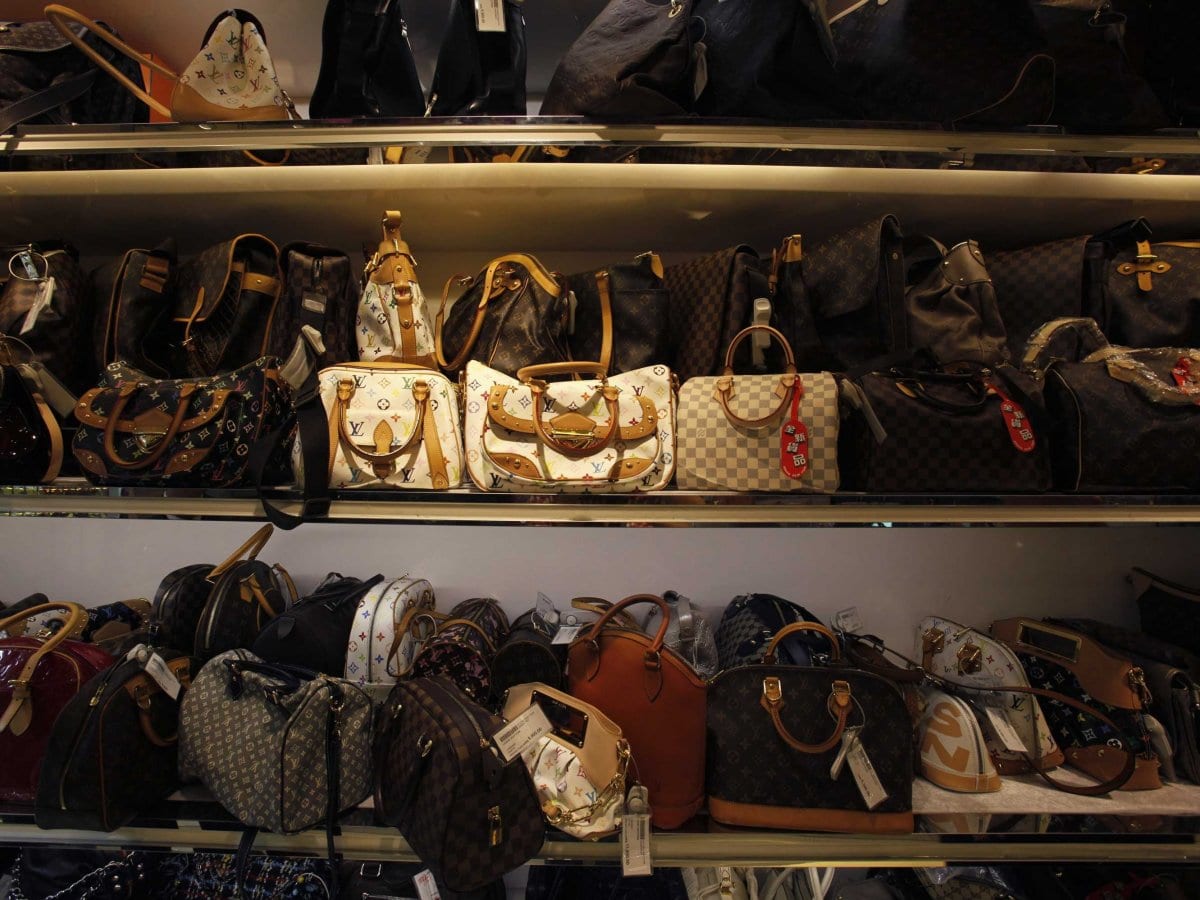
    Luxury branded handbag store chain Milan Station Holdings Ltd. saw its revenues plunge by 80.8 per cent year-on-year to HK$15.6 million (US$1.94 million) in Macau for 2015, following its closure of retail stores in the territory, according to its filing with Hong Kong Stock Exchange on Wednesday.

    ‘The gaming industry and tourism industry in Macau shrunk in recent years, which greatly bombarded the Group’s business locally. During the year, the Group closed the retail stores in Macau, while the points of sale in exclusive clubhouses also performed unsatisfactorily,’ the retailer noted in the filing.

    The company said it would adjust the product mix for its current sales points in local exclusive clubhouses as well as focusing on selling mid-priced brands in order to improve its revenues in the Special Administrative Region.
    For last year, the company generated total revenues of HK$400 million, a 35 per cent year-on-year drop compared to the HK$616 million it made in 2014. Meanwhile, it posted a narrowed net loss of HK$48 million for the year, some 9 per cent lower than the HK$53 million loss suffered one year ago.

    In addition to the sales drop in the city, Milan Station’s Hong Kong sales also fell 23.9 per cent year-on-year to HK$343.9 million. The company explained that the decline is due to the decreased number of Mainland China tourist visits to the HKSAR, weakening per capita consumption, and exchange rate fluctuations.

  • Tod’s Hong Kong may close stores

    Tod’s Hong Kong may close stores

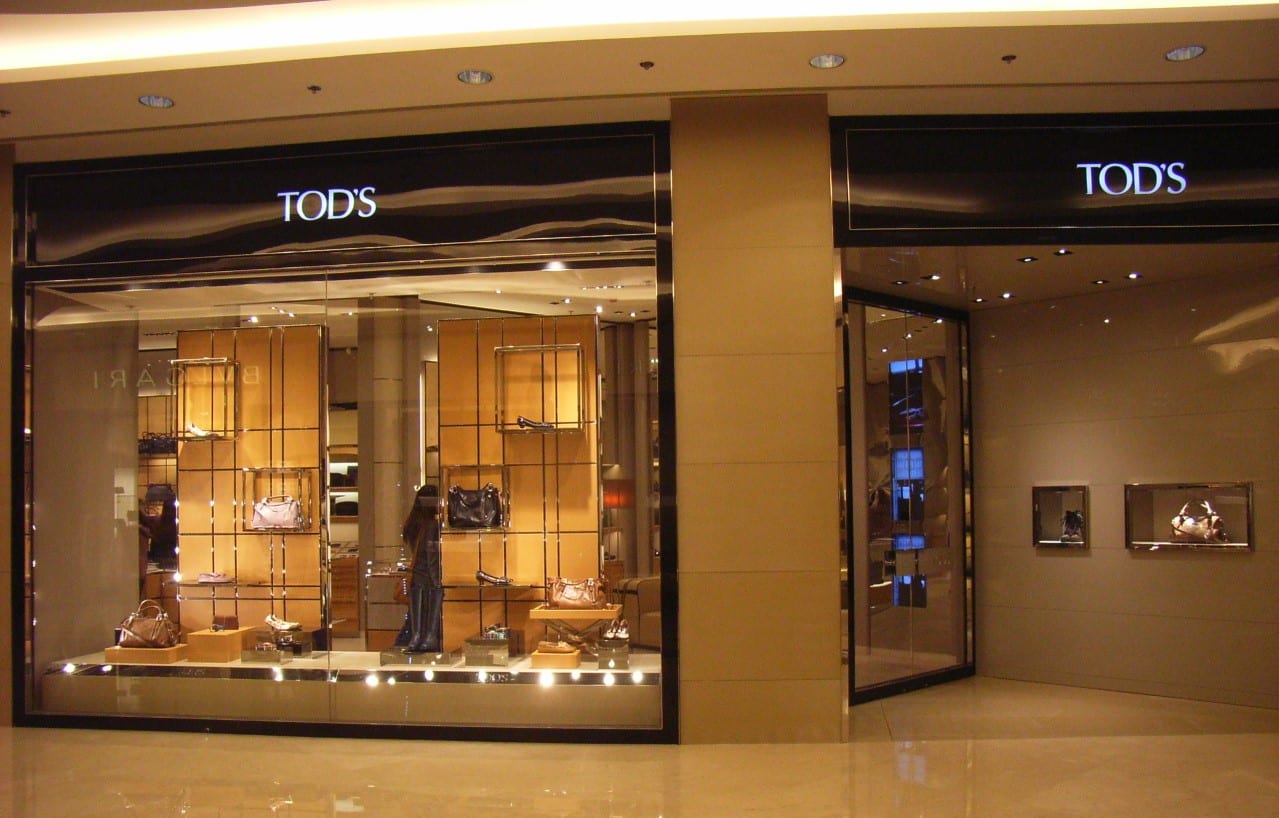
    Tod’s Hong Kong is continuing to suffer from the luxury spending downturn – and may close some stores.

    Milan-based luxury goods brand Tod’s says while the Mainland China market “has stabilised” there has been “no improvement in Hong Kong”.

    The company was commenting with the release of its 2015 trading figures, reassuring shareholders that despite the Hong Kong woes it remained on track to deliver a 5 per cent rise in revenue this year, despite falling same-store sales since January 1.

    Tod’s Hong Kong has 14 stores.

    CFO Emilio Macellari said during an analysts call the company had been unable to renegotiate any of its rents in the territory – but had avoided rent increases at two malls. As a result it may close one or two stores.

    Globally, it plans to reduce the number of new store openings from 31 last year to between 15 and 20 this year, recognising slowing growth worldwide.

    More than 20 per cent of Tod’s global sales are in Greater China – but they shrank 12 per cent last year on a constant currency basis, with Hong Kong and Macau accounting for a majority of the decline.

    Sales in Japan and the US are also declining but the brand was holding its own in Europe, especially its home market Italy.

    Despite declining sales, the company reported a 5 per cent increase in earnings for 2015. Macellari said the company’s strategy of widening its product range to include handbags and apparel would help restore growth and meet forecasts.

  • Trump’s luxury hotels in Indonesia could face backlash over his anti-Muslim remarks

    Trump’s luxury hotels in Indonesia could face backlash over his anti-Muslim remarks

    Few villagers living near a half-built golf course in Indonesia’s West Java province know the name Donald Trump, and fewer still are aware that one of his firms will be managing a six-star hotel and luxury resort in their backyard.

    But in the capital, Jakarta, a growing number of Indonesians want the U.S. presidential candidate and his businesses banned from the world’s most populous Muslim-majority nation after Trump pledged to temporarily bar Muslims from entering the United States if elected.

    The anger simmering across the Pacific is a likely preview of the strained relations a Trump presidency could expect from the Muslim world.

    Indonesia, whose more than 200 million Muslims largely practice a moderate form of Islam, has close relations with the United States. Many Indonesians think highly of President Barack Obama, who spent part of his childhood in Jakarta.

    “If (Trump) continues his racist position, it will bring danger to American assets,” said Hasanuddin, a parliamentarian who is also a member of the assembly’s commission overseeing foreign policy. “Donald Trump’s arrogance could be harmful for U.S. citizens around the world.”

    Fadli Zon, the deputy speaker of the house, said he would seek restrictions on U.S. trade and investment if Trump became president.

    The United States is Indonesia’s second-largest export market, worth about $16 billion last year, and is a popular study destination with children of the elite.

    An online petition, set up anonymously, is urging Indonesian President Joko Widodo to ban the billionaire and his businesses from the country and has received more than 45,000 signatures.

    “Donald Trump doesn’t want Muslims of the world to enter the United States . . . so we should do the same to him,” signatory Ayu Dyah wrote on the petition website. “Condemn, refuse and boycott every Donald Trump business and his affiliations. . . . We should prove that we have power.”

    Widodo has not responded to the petition.

    Trump’s comments on Muslims have already provoked strong reactions elsewhere, with British politicians in January debating barring the real estate tycoon from entering the country, where he also has business interests.

    The hostility toward Trump could threaten his company’s expansion efforts into Southeast Asia’s largest economy, Indonesian lawmakers and government officials said.

    “It’s just his statement hurts many people in this Muslim-majority country,” said Edy Putra Irawady, Indonesia’s deputy chief economic minister. “Surely it will be a black shadow for his business.”

    Trump Hotels Collection last year announced a partnership with Indonesia’s PT Media Nusanta Citra (MNC) to manage new luxury hotels on Bali and in West Java, the Trump unit’s first foray into Asia.

    In Bali, one of Asia’s most popular holiday destinations, Trump Hotels will operate a six-star hotel atop a cliff overlooking the Indian Ocean and Tanah Lot, a popular sea temple on a small rock formation.

    MNC, which will be building both resorts, declined to comment on Trump’s politics.

    “Business is business. The implication for wider Indonesia, we have to see later,” said Syafriel Nasution, corporate secretary of MNC Group, adding that he had not seen any damage to the company’s brand due to its relationship with Trump.

    MNC Group is controlled by billionaire Hary Tanoesoedibjo, Indonesia’s 28th-richest person, who also owns four national television stations and last year launched a new political party.

    A senior member of Muhammadiyah, Indonesia’s second-largest Muslim organization, said protests are possible if Trump becomes president, though none were yet planned.

    “Indonesian Muslims are very strongly united,” said Abdul Mu’thi, the group’s secretary general. “If he is elected, there will be a strong reaction from Indonesian communities to any business that is run by Donald Trump.”

    In West Java, near where Trump’s golf resort will be built, one villager said he had never heard of Trump and wouldn’t be protesting against him. “If we protest, he will likely close his business,” said Agus, who owns a small mobile phone shop. “And for the time being, earning money is hard.”

  • Swiss luxury retailer Kirchhofer for sale

    Swiss luxury retailer Kirchhofer for sale

    Swiss luxury watch and jewellery retailer Kirchhofer is up for sale, Reuters reports.

    The family owned company, with annual sales of about US$302 million, is thought to produce a net profit of around $60 million annually.

    Reuters reported that three independent sources confirmed Credit Suisse has been engaged to sell the business.

    Kirchhofer sells most famous Swiss watch brands along with jewellery, cosmetics and leather goods. These days it focuses especially on Asian customers.

    Estimate of the value of the company range between five and 10 times the net profit, which calculates at between $300 million to $600 million.

    Likely suitors would include luxury retail giants Kering, LVMH and Richemont, along with private equity investment companies interested in expanding the brand internationally.

    The business is currently owned by Juerg Kirchhofer, the son of founder Fritz Kirchhofer who started the retailer in 1944. It has 10 stores, mostly in tourist cities in Switzerland.

    In a statement to Reuters, Kirchhofer’s finance head, Hans Wolf said no decision had been made to sell the company as yet.

    “Mr Kirchhofer has reached retirement age, which does not necessarily mean he wants to retire soon. Different options are being reviewed and analysed at the moment for the future of the company,” he said.

  • China’s move to curb grey market for luxury goods may have opposite effect

    China’s move to curb grey market for luxury goods may have opposite effect

    Given the still significant price gap between high-end goods inside and outside of China, parallel imports are big business. The key players in this grey market are cross-border traders known in Chinese as daigou, and they sometimes double-deal in genuine goods and fakes. While the country’s customs service has taken steps to curb the re-selling of luxury goods sourced from overseas, some evidence suggests that those measures have driven business toward daigou by making legitimate online purchases more difficult. Both trends should be considered by brands tailoring their retail and enforcement strategies to the Chinese market.

    Driven by high taxes, tariffs and the impact of different retail strategies, price differentials for luxury goods between China and developed markets like Europe and North America make buying through daigou a compelling option for many consumers. According to Fortune Character’s 2015 China Luxury Report, the average price difference last year was between 25% and 33% depending on the category of goods. For watches, certain models were nearly 90% more expensive in China.

    These disparities make it a no-brainer for Chinese consumers to look for alternatives to their local retail outlets. One result is the huge amount spent by Chinese tourists on trips abroad. But for those who are not travelling overseas in the near future, and cannot ask a friend or relative to pick up goods for them, daigou have emerged as an alternative. Often coordinating through messaging app WeChat, Chinese buyers pick up specific items for Chinese customers and ship them to China in what Bain & Company says is a 43 billion Rmb per year business in the luxury segment alone. But the introduction of this unknown third party also creates an opportunity for dishonest traders to introduce fake goods into the mix, meaning daigou customers may be getting less than they bargained for.

    Chinese shoppers do have another option – buying online direct from the brand. While only 4% of consumers told Fortune Character that e-commerce was their preferred channel for buying luxury items, more opportunities are opening up. Among these is Alipay’s ePass, introduced about a year-and-a-half ago. The service allows brands to sell directly into China through their existing online outlets by providing both Rmb payment settlement and a delivery network in China. Cutting out the middleman gives customers more confidence that the products they order are the real deal, and Bain says this option is already hurting parallel traders’ bottom line: cross-border e-commerce accounted for 48 billion Rmb in luxury sales in 2015 – a shade higher than the figure for daigou business.

    China has also introduced measures specifically aimed at curbing grey market imports and thus allowing the government to recover more tax and tariff revenue. Last summer, the Ministry of Finance cut tariffs on cosmetics, fur products and suits. It followed up in December by announcing reduced duties on sunglasses, handbags and clothing.

    So far, this sounds like good news for brand owners. But a recent report in Business of Fashion suggests that tougher customs controls – intended to check parallel traders – are instead hampering legitimate e-commerce, and may even be driving customers back to daigou sellers.

    China’s General Administration of Customs (GAC) has stepped up scrutiny of small shipments with high declared values as part of the country’s wide-ranging anti-graft campaign. That’s problematic for some consumers who prefer to buy big-ticket luxury goods directly from overseas brands. A woman named Gao described to Business of Fashion her experience of having two DHL parcels from a UK luxury retailer turned around at customs, saying: “If they’re more than 1,000 Rmb, your parcels will be returned. So I have to either order them separately and pay double DHL overseas shipping fees, or use a daigou.” Unlike legitimate sellers, daigou can attempt to get around this by not declaring an accurate value. An e-tailer who provides a legitimate platform for Chinese consumers to buy directly from brands including Chloé and Lanvin said the complaint was a common one among his customers, with many saying their parcels had been rejected “for no reason”.

    Asked why they think luxury goods cost so much more in China, 24% of people told Fortune Character it’s because “Chinese commerce channels are unduly complex”. For brands looking to sell directly into China via e-commerce, GAC may be complicating their efforts to give customers there a simple and reliable way to buy authentic products. According to Bain, the market share of luxury parallel importers contracted last year, but if cross-border e-commerce gains a reputation as unreliable and the price gap persists, the daigou could prove more resilient than brand owners would like.

  • 2016, a crunch year for China luxury retail

    Fears of an economic slowdown in China, the devaluation of the yuan, and persistent turmoil in the stock market throughout January have grabbed media headlines.

    All raise questions about the continuing strength of demand for luxury goods among Chinese consumers in the year ahead.

    Global Blue data for December shows growth in Tax Free Shopping (TFS) spend by Chinese shoppers worldwide slowed to 16 per cent, after a peak of 42 per cent in November. Despite concerns around Chinese luxury spending worldwide, however, there are positive signs for luxury brands in 2016, provided they respond to modern consumer preferences and behaviour.

    Slower growth, continued travel

    China’s economy grew 6.9 per cent in 2015, following a 7.3 per cent rise in 2014, according to the Wall Street Journal. Economists predict growth of more than 5 per cent in 2016.

    “[This] may seem weak compared to the past, but it is still far above what other countries are experiencing,” said Philip Guarino, European director at China Luxury Advisors.

    “More people are becoming part of the country’s middle class every day, and millions more Chinese are travelling abroad each year, learning about new brands and purchasing luxury goods,” he added.

    According to a Consumer Life survey by market research firm GfK, more than 109 million Chinese travelled overseas in 2015, up from 100 million the previous year. By 2020, this figure is set to rise to more than 200 million.

    Travel bookings for the upcoming Spring Festival 2016 (Lunar New year) in February indicate strong demand from Chinese travellers. Online travel service Ctrip reports that more than 60 per cent of those Chinese taking holidays during the festival will do so overseas.

    Spending in China

    Despite expectations of a slowdown in global luxury sales and the impact Chinese consumers may have on worldwide sales, analysts at Goldman Sachs have backed the luxury market, upgrading investor advice on global luxury conglomerates LVMH and Kering, according to the Financial Times.

    One of the themes driving Goldman Sachs’ endorsement of the global luxury market is spending in China.

    Recent trading updates by luxury brands show a rebound in demand within mainland China. In Q3 trading, both Burberry and Richemont Group highlighted a reversal in the decline of luxury sales in China, attributed in part to a new breed of middle-class shoppers.

    Luxury spending in China should rise by 6 per cent in 2016, noted Goldman Sachs, the slowest rate since the Chinese luxury market opened up a decade ago, and less than the 10 per cent of 2015.

    Despite slower growth, the investment bank said: ”The emerged and emerging middle class have a lower propensity to spend on luxury, but the desire for branded, status luxury brands remains unchecked.”

    This means a greater focus on affordable luxuries to a more mass customer base, reducing the emphasis on status-driven purchasing. Three quarters of total growth in 2016 is expected to come from 70 million middle-class consumers in China with an annual disposable income of US$30,000-$65,000.

    Chinese consumers are also starting to buy more frequently, something that should benefit brands with a strong footwear, cosmetics and ready-to-wear offering, said Paul Swinand, analyst at investment firm Morningstar.

    “We believe Chinese consumers will behave more like their Western counterparts, with more frequent lifestyle purchases of aspirational luxuries on a per household basis and fewer purchases of status symbol goods that were often a store of wealth,” said Swinand.

    SHANGHAI, CHINA - MAY 28: Nanjing Road street night view on May 28, 2012 in Shanghai, China. Nanjing

    Chinese millennials

    Chinese outbound travel is dominated by millennials. More than 50 per cent of Chinese outbound travellers are aged between 15 and 29, according to GfK, while 37 per cent are aged 30 to 44, and just 10 per cent are aged 45 to 59.

    The behaviour of millennial travellers differs from that of older generations. They are increasingly likely to be looking for travel and dining experiences as well as products, especially as their income rises. This has given rise to a number of designer brand/gourmet crossovers within mainland China itself, as well as in other Asia tourist hotspots.

    Sharing on social media is central to any overseas travel experience for young Chinese travellers and is an opportunity that luxury brands are yet to fully leverage.

    Luxury purchases remain a big part of overseas trips, with just over half (51 per cent) of Chinese millennials aged 18-29 likely to buy luxury goods when travelling overseas, according to MasterCard research. This group is the biggest purchaser of luxury goods in Asia Pacific, and its members are set to spend an average of US$4362 per head on luxury goods in 2016, twice as much as the average across nationalities.

    Global Blue believes that despite concerns around Chinese luxury spending worldwide, there are positive signs for luxury brands in 2016, provided they adjust to modern consumer preferences:

    • A growing Chinese middle class and a shift away from conspicuous luxury consumption is opening up opportunities for affordable luxury goods purchases. Chinese millennials are the dominant age group for overseas travel and for luxury goods purchases on trips.
    • Luxury brands should not underestimate the quickly changing behaviours and preferences of millennial travellers; a desire for unique cultural experiences combined with luxury lifestyle opportunities is high on their agenda.
    • 2016 is an important year for luxury brands as they reexamine how they engage with Chinese consumers both at home and abroad.
  • Is HK still a ‘cool’ place for luxury shopping?

    Is HK still a ‘cool’ place for luxury shopping?

    Retailers in Hong Kong preparing to welcome Chinese mainland tourists over the Lunar New Year festive period face a real crisis: Canny shoppers don’t think the special administrative region is cool enough.

    HSBC’s global co-head of consumer and retail research, Erwan Rambourg, said luxury goods are now cheaper in other markets, bringing the wealthy, sophisticated Chinese travelers to places such as Japan, Korea, and Australia.

    “There were a lot of attractions in Hong Kong for mainlanders to come in and purchase here,” Rambourg told CNBC’s “Squawk Box”. “It used to be cheaper than a lot of other places in the region. That’s not the case anymore, given the strength of the Hong Kong dollar.”

    The Hong Kong dollar is pegged to the U.S. dollar, which implies if the latter strengthens, the former follows.

    “Price arbitrage doesn’t work anymore [in Hong Kong],” Rambourg said. “It’s actually cheaper to buy in Seoul, in Tokyo, and elsewhere.”

    Between Hong Kong and Japan, and the strength of their respective currencies, he said “the difference is you reclaim VAT [Value-added tax] when you go to Japan,” which makes luxury goods slightly cheaper there.

    Retail sales were also battered in Hong Kong as a result of lower consumer spending, mostly from mainland Chinese tourists. Sales were down 8.5 percent on-year in December to HK$43.7 billion ($5.62 billion) in value terms, the biggest percentage decline since January 2015. In volume terms, sales declined by 6.1 percent.

    Hong Kong’s lack of entertainment and diversity outside of shopping is also an issue as it sends wealthy tourists to other, more exciting locations, added Rambourg.

    A quick look at tourism numbers in Hong Kong show tourist arrivals fell 2.5 percent in 2015 to 59.32 million.

    Chinese mainlanders, who comprise a bulk of Asia’s luxury consumers, purchase mostly personal items such as handbags and apparels, according to David Dubois, an assistant professor of marketing at business school INSEAD.

    “This is because of the importance of luxury as a social signal, which puts focus on a product’s conspicuous features – example, it’s logo,” Dubois told CNBC by email. “The strong gift-giving culture also fuels such a drive for highly recognizable goods.”

    Rambourg noted in a recent report there are several factors that propel Chinese shoppers to make their luxury purchases abroad, instead of at home. Consumption taxes, moves in the foreign exchange market, and price differences in different geographies for a single product are motivations for travel.

    Most luxury companies have wide pricing discrepancies, the report noted, and on average, prices in mainland China are at a 37 percent premium compared to euro zone prices.

    For example, data compiled by HSBC show a Hermes plain silk twill tie costs 160 Euros ($177.69) in France and Italy; it costs 1,600 Yuan in China ($243.37) – a 36.9 percent premium -, $180 in the United States, 25,920 yen ($219.74) in Japan, and HK$1,650 ($211.79) in Hong Kong.

    HSBC also calculated how different products cost across regions relative to the euro. Here’s how a few of them stack up:

    Many brands are dealing with price gaps through new products whose prices will not vary much among regions. “The Prada brand, for instance, is set to launch collections for the spring, which will have prices in mainland China at a [estimated] 10 [percent] premium to Italy vs. a current [estimate of] 40 [percent],” the HSBC report said.

    There are non-economic considerations too.

    Easing of travel regulations, authenticity of the product, validation – such as buying a Hermes tie in Paris instead of Kunming – and perception that in-store experience will be better also factor in, the HSBC report noted.

    But overall luxury consumption in China, Dubois said, has slowed in the last two years over weaker growth prospects while luxury consumers from newer engines of growth such as Malaysia, Vietnam, and Thailand are emerging with better access to luxury products.

    “This was expected as there is a well-known correlation between GDP growth and luxury consumption,” he said.

  • Starwood Hotels & Resorts to Debut Ultra-Luxury St. Regis Brand in Jakarta

    Starwood Hotels & Resorts to Debut Ultra-Luxury St. Regis Brand in Jakarta

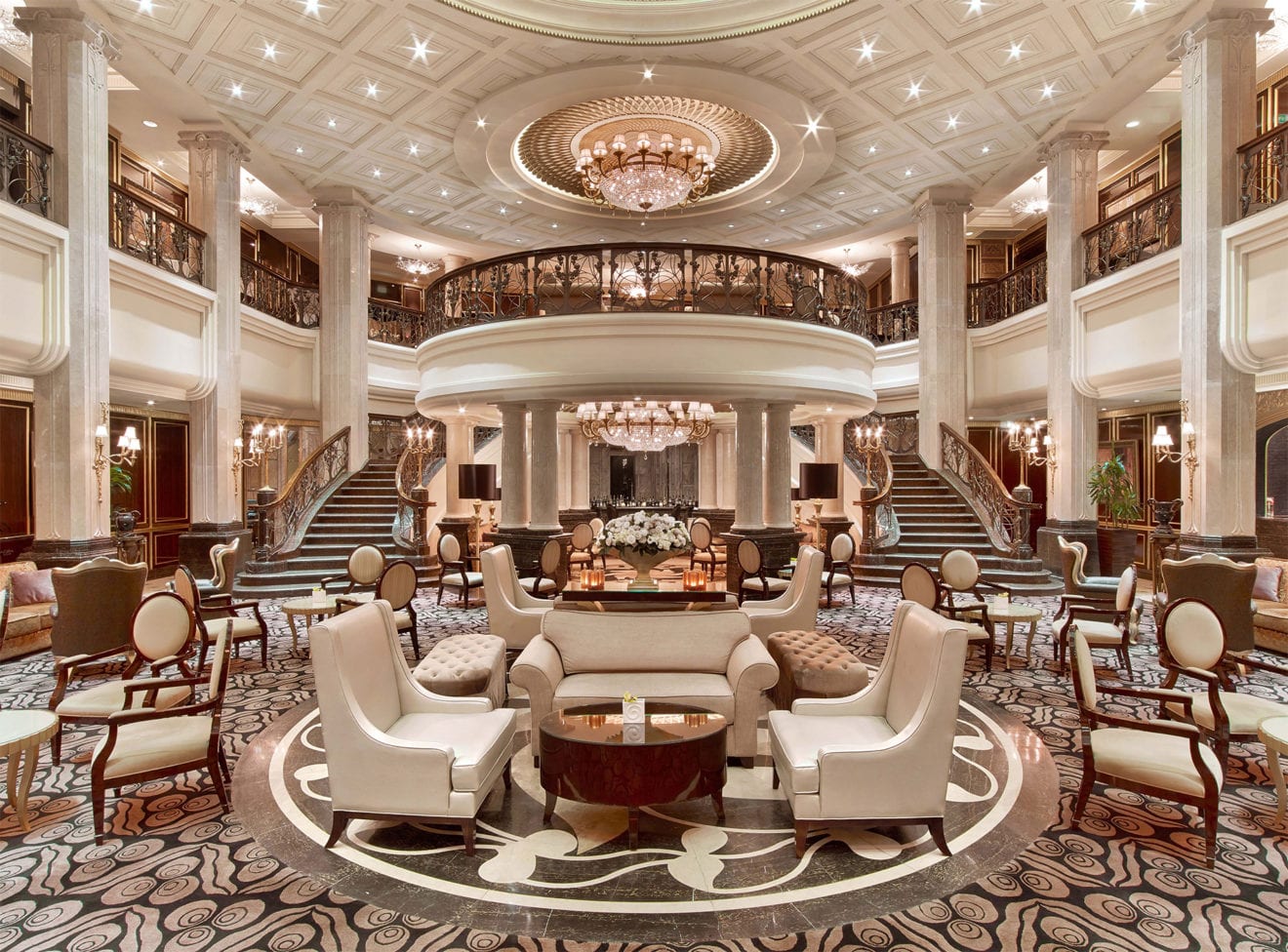
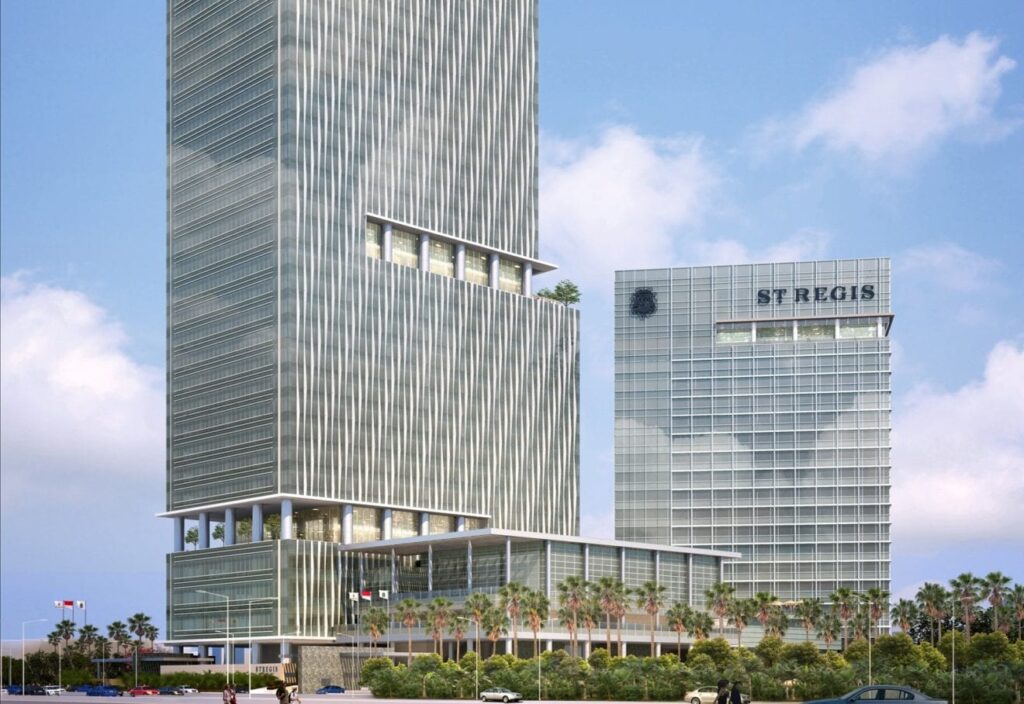
    Starwood Hotels & Resorts Worldwide announced today that the company has reached a management agreement with Rajawali Property Group to open The St. Regis Jakarta and The Residences at The St. Regis Jakarta. Centrally located on Jalan H.R. Rasuna Said, Kuninganin in South Jakarta, the hotel and residences will be part of a new mixed-use development, which will also feature a commercial office tower that will serve as the headquarters of Rajawali Property Group. Slated to open in 2019, The St. Regis Jakarta and The Residences at The St. Regis Jakarta are poised to become the premium address for well-heeled travelers and residents.

    “The St. Regis Jakarta and The Residences at The St. Regis Jakarta are a great testament to the growing wealth and appetite for luxury in Indonesia’s capital,” said Stephen Ho, President, Starwood Hotels & Resorts Asia Pacific. “We are delighted to foster our relationship with Rajawali Property Group by bringing the St. Regis brand’s bespoke service, contemporary design and refined elegance to the ever-bustling city of Jakarta.”

    Shirley Tan, CEO of Rajawali Property Group, added, “Jakarta currently features some upscale residences that are located above or next to hotels, but few offer the heights of refinement tied to the St. Regis name. Today’s signing with Starwood is part of Rajawali’s greater residential strategy to develop a collection of truly branded residences with unique ownership privileges in Southeast Asia, including The Residences at The St. Regis Langkawi in 2016 and The Residences at The St. Regis Jakarta in 2019.”

    The St. Regis Jakarta will offer 280 luxuriously-appointed guestrooms and suites, all bearing elements of the brand’s rich heritage infused with modern inspiration. The hotel will feature four distinctive restaurants, including an all-day dining venue, a fine dining restaurant, The Deli, and the signature St. Regis bar. For meetings and events, the hotel will offer expansive function space that spans 3,600 square meters. Guests will also be able to indulge in world-class leisure facilities, including a spa with six treatment rooms, a fitness center and a swimming pool. To further enhance the guest experience, The St. Regis Jakarta will provide signature St. Regis Butler Service, offering guests 24-hour anticipatory service that customizes each stay to specific needs, tastes and preferences, allowing guests to savor the rarest luxuries of all time.

    153053019

    Following the success of the residences at St. Regis hotels in Singapore and Bangkok, and the soon-to-open St. Regis Kuala Lumpur, The Residences at The St. Regis Jakarta will set new standards for luxury living in Jakarta. Located in a separate tower adjacent to the hotel, the 164 branded residences will offer homeowners and investors refined luxury and privacy, with each home expressing a sense of intimacy, grandeur and panoramic views of the vast city skyline.

    The Residences at The St. Regis Jakarta will feature three types of apartments: a 3-bedroom Sky Residence occupying 355 to 373 square meters; the Sky Villa, a 750 square meter, 4-bedroom unit; and the Sky Palace, featuring over 1,250 square meters. Residents will enjoy exclusive concierge service, a multi-function room and wine room, private garden pool, private dining and library lounge, fitness center and dedicated car parking space. Residence owners will also be able to enjoy the renowned St. Regis services at their doorstep, including St. Regis Butler Service, as well as access the hotel’s fitness and dining facilities.

    “Starwood is pleased to expand its portfolio of St. Regis residences in Asia Pacific, as we see strong continued growth opportunities in this area,” said Rajit Sukumaran, Senior Vice President, Acquisition & Development, Starwood Hotels & Resorts, Asia Pacific. “The Residences at The St. Regis Jakarta will cater to the lifestyle needs of the increasingly affluent and appeal to luxury property investors, while remaining deeply rooted in St. Regis’ distinctive legacy of uncompromising elegance and the ability to provide the finest experiences imaginable.”

    st-regis-jakarta-indonesia-landscape

    The announcement further strengthens the partnership between Starwood and Rajawali Property Group, which currently owns eight Starwood properties, with a total of more than 1,500 rooms throughout Malaysia and Indonesia. This distinguished portfolio includes The St. Regis Bali Resort and the all-suite St. Regis Langkawi Resort. The latter is on track to open in April 2016, as part of an integrated complex comprising The Westin Langkawi Resort & Spa and the ultra-modern Langkawi International Convention Centre (LICC), both owned by Rajawali Property Group.

    Starwood currently operates 18 hotels in Indonesia, five of which are located in Jakarta. The company is accelerating its growth in the country and is on track to open 13 additional hotels in the next three years. In addition to The St. Regis Jakarta, Starwood’s pipeline also includes Aloft hotels in Kebon Jeruk and Wahid Haysyim, The Westin Jakarta and W Jakarta.

  • Is Time Running Out For Luxury in China?

    Is Time Running Out For Luxury in China?

    In 1992 Louis Vuitton made its debut in China with a store in Beijing’s bustling shopping district of Wangfujing, becoming the first luxury brand to set foot in the Middle Kingdom. The timing was perfect. The Chinese economy was just coming into its own, embarking on a spectacular journey of double-digit economic growth. This was the start of the consumerist boom that would shape the fortunes of many Western brands in China.

    Louis Vuitton’s signature monogram soon became ubiquitous in China as the company expanded its footprint across the country, first in all the major cities like Beijing, Shenzhen and Guangzhou, and then in second and third-tier cities. Gradually China became a big contributor to Louis Vuitton’s revenues globally. In a 2009 interview with Reuters, Jean-Marc Lacave, the then North Asia chief executive for LVMH Watches & Jewelry, said that the company aimed to strengthen its presence in China’s third- and forth-tier cities and gain market share.

    Several years have gone by, and now the legendary Louis Vuitton monogram seems to be losing some of its sheen in China.

    In 2015, Louis Vuitton closed three of its stores in China, including its flagship store in Guangzhou. Rumor has it that the Paris-headquartered company will continue to shutter more stores in the country.

    Louis Vuitton is not the only luxury brand that has run into rough weather. For most luxury brands, China is no longer the cash cow it once was. Multiple reports suggest that the luxury retail business in China is shrinking, leaving several big brands in a quandary.

    Two decades ago, when the likes of Louis Vuitton and Prada entered China, they had the much-coveted first-mover advantage in a market that was just starting to come into its own. Data from Euromonitor shows that the retail luxury market in China has grown from a very low base to $135 billion by 2013. But the tide seems to be turning. The size of the retail luxury market in China contracted slightly to $134 billion in 2014. And by all indications, this is just the beginning of a bigger slump.

    The top 10 global luxury brands as per market research company Millward Brown’s latest BrandZ report—a list that includes names like Louis Vuitton, Hermes, Gucci and Chanel—saw 6% of their total brand valuation evaporate in 2015. “Following a strong recovery from the global financial crisis, the pace of sales flattened for several reasons, including the economic slowdown in China, Brazil and Russia. In addition, China’s anti-corruption regulations trimmed luxury gift giving in that country,” the report said.

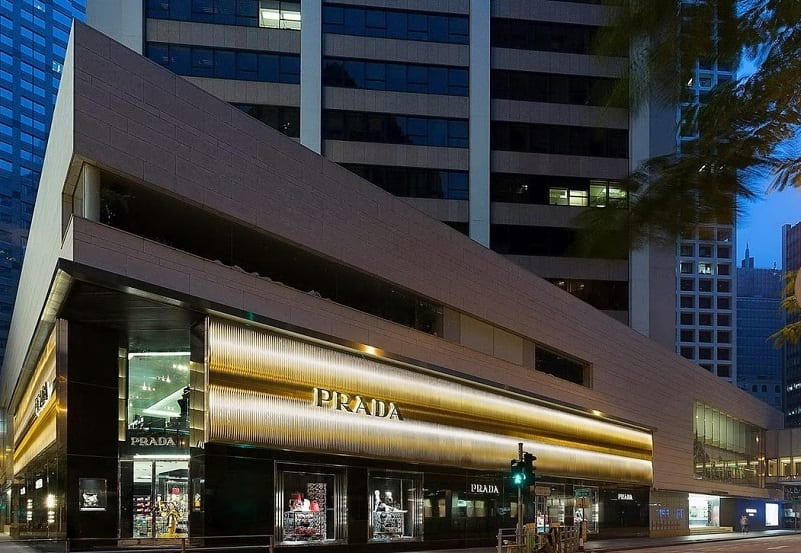
    In the first quarter of 2015, Italian luxury brand Prada experienced a 19% slump in sales from the Greater China region. The group also reported a 23% plunge in net profit in the first half of 2015. Similarly Burberry has hit upon hard times. According to a Financial Times report, the Greater China area contributes 25% to the classic English luxury brand’s sales numbers. But in 2015, demand in China (and from China) has been hit. “Burberry’s like-for-like sales in Hong Kong fell by more than 20 per cent in the three months to the end of September as fewer Chinese shoppers travelled to the region. Like-for-like sales in China fell by a mid single-digit percentage in the quarter,” said the report. The company blames the overall disappointing performance to an “increasingly challenging environment for luxury, particularly Chinese customers”.

    Confronted with an unstable market performance, several luxury companies have started shrinking their store numbers. In the past two years Burberry, Armani and Prada have reportedly shut down four, five and 16 stores respectively. Hugo Boss shut seven stores in China and Chanel is down to 11 stores in China, half the number it had during the good days.

    End of a Dream Run?

    Some of the reasons for China’s luxury slowdown are obvious, such as the Chinese government’s crackdown on corruption under President Xi Jinping’s regime. Cases of bribery, gifting, lavish purchases and ostentatious show of wealth have come under the scanner hurting luxury good manufacturers. The overall slowdown in the Chinese economy is also leading to belt-tightening measures further slowing luxury sales.

    But there’s another less obvious reason for the slowdown in China’s luxury market, according to Benoit Garbe, Senior Partner at Millward Brown. Till the slowdown hit China, this was a market on steroids and brands were expanding like crazy resulting in oversupply. “It’s been an easy ride for many luxury brands over the past 5-10 years when there was fast growing demand. [For brands] it was all about growing their distribution footprint, opening new stores. Now the market is a real market with more intense competition, more sophisticated demand,” says Garbe. “The best brands would think strategically in terms of differentiation and building relevance, and will be the brands that win.”

    As Chinese luxury buyers become more sophisticated, they don’t want to have the same luxury brand being used by every second person on the street. They are looking for more exclusivity. Adds Timothy Coghlan, Associate Director of Luxury Retail at Savills, “There’s a lot of evidence that the Chinese customer isn’t loyal. They will change between brands depending on which brand is trendy.”

    Another big factor that has been denting the China sales numbers is the trend of consumers shopping for luxury overseas in order to avoid paying high import taxes in China. “High import taxes within China are a big incentive for shopping abroad—the same luxury handbag can often cost a third more in Beijing than in Paris, for example. But, holidays also encourage more extravagant spending habits,” writes Fflur Roberts, Head of Luxury Goods at Euromonitor, in an email response. If you look at the annual reports of several luxury brands, you may find weakened sales performance in China, but improved performance in neighboring countries like Japan and Korea, or even the brands’ countries of origin, such as France. Some of this is due to demand from Chinese travellers. Roberts adds that “wealthy Chinese tourists have been key drivers of global luxury goods sales for more than a decade. According to Euromonitor International, the Chinese made over two million trips to the US in 2014, an increase of almost 12% on 2013 and a massive 286% increase since 2009….”

    However, getting a good bargain doesn’t always require travel. Thanks to China’s e-commerce revolution, haitaos and daigous, or cross-border buying agents, have become popular. In the case of daigous (literally translated as “substitute buyers”), individual professional buyers usually stationed abroad can fulfill customized orders for consumers in China. Usually the daigous are Chinese students studying overseas, tour guides or air hostesses, in short, people who fly in and out the country frequently. Professional daigous will usually first take orders from customers and then procure and send the goods to China. In the case of haitaos, instead of individuals, companies do the buying. According to a report from Bain & Company, luxury purchases through daigous amounts to up to 15% of Chinese consumers’ total spending on luxury.

    Daigous and haitaos exist in a legal grey area as they skirt the government’s tariff regulations. The goods they ship to China somehow skirt Chinese import tax regulations. Daigous are not licensed sellers, which leaves issues of consumer rights in a grey area as well. While the Chinese government is starting to crack down on daigous, it will be a while before it has any serious impact on luxury sales via the proper channels.

    Luxury market infographoic

    Engineering a Bounceback

    Clearly, the problems luxury brands are facing in the Chinese market aren’t going away anytime soon. So what can brands possibly do to ease the pain? A few suggestions:

    Narrow the Price Differential:

    In March 2015, Chanel shocked onlookers by announcing its decision to increase prices in Europe by 20% and reducing them by a similar percentage in China. Prada was quick to follow suit by lowering prices in China. While it is hard to predict the impact this will have, it can be safely assumed that it will undo some of the damage done by high import taxes in China, and hence, help brands narrow the price differential between China and overseas. After all, in some cases, goods are 60% more expensive in China than they are in Europe. This will also help brands counter daigous who have been undercutting them with a vengeance.

    Customized Offerings:

    For the super rich price may not matter all that much. Some Chinese customers probably don’t feel that they are being overcharged: as long as they enjoy good customer service here, they won’t bother going overseas for a better bargain. “Buying a luxury product is more emotional than functional,” says Millward Brown’s Garbe. As Chinese customers become mature, they want exclusivity, privacy and service, and it’s not so much about price anymore. This is where brands need to think in terms of tailoring the experience accordingly. As Garbe puts it: “How do you make sure you know the customer very well, and then you deploy strategy and operations that allow you to, in-store, instantly recognize them? So they walk in the stores, [and] automatically on your iPad you know them, you know what they’ve bought, and you can really tailor your offer.”

    Adds Coghlan from Savills, “One of the things that I think is very important for brands is to set up a CRM program so they can track their customers globally. They can do it to some degree through WeChat or things like that.”

    Abroad at least, some brands are going out of the way to make important customers feel special. In some US stores, brands like Gucci, Prada and Louis Vuitton have created a special space for important customers. One of the Louis Vuitton outlets has “a rooftop area where guests can sun themselves and enjoy Champagne”.

    ‘Affordable’ Luxury:

    High net worth individuals are a very small group of people but the biggest consumers of luxury brands. There’s another demographic that cannot be categorized as super rich but is affluent nevertheless and aspires for luxury. Luxury brands can think of catering to this target group by rethinking their portfolio. The big three luxury groups, LVMH (owner of Louis Vuitton and Moët & Chandon Champagne), Richemont Group (owner of Cartier and Chloe) and Kering Group (owner of Gucci and Yves Saint Laurent) have all created or acquired lower profile brands for those who still want luxury, but a little more affordable and understated. Affordable luxury brands include the likes of Baume & Mercier (Richemont), Pomellato (Kering) and Loewe (LVMH). Another benefit of having a diversified portfolio, apart from profits coming from different streams, is offering the customer greater exclusivity. A Miu Miu, after all, can be far more exclusive than a Prada.

    Aligned Businesses:

    Some brands are going a step further and tapping into new categories altogether. Gucci, for instance, opened a full-service restaurant  in Shanghai. 1921 Gucci Café, as the restaurant is called, is connected to the Gucci store in the mall by an elevator. After browsing in the store, customers can stop by for an Italian lunch or dinner. Globally, Prada and Chanel have tapped into food as a category too. In 2014, Prada bought a stake in iconic Milan cafe Pasticceria Marchesi. The café “serves everything form breakfast and lunch to aperitifs, with custom-made fine china, it aims at creating a very luxurious experience for its customers.” Restaurants and cafes might help improve the customer experience or add to the brand, though not everyone agrees with this view.

    Tapping E-Commerce:

    A couple of years back the widespread notion was that e-commerce is not for luxury, mostly because e-commerce was associated with discounts, something that doesn’t go with the idea of luxury. “For many years there was this belief that digital was not for luxury brands… and there [was] a lot of resistance to it,” says Garbe. Also, shopping online almost certainly meant sacrificing the customer experience. As Garbe puts it, for lots of luxury brands “digital and e-commerce was all about price and discounts, it [was] not experiential as a store experience”. The tide, however, is starting to turn.

    The reality is that given Chinese customers penchant for shopping online, luxury brands can no longer afford to ignore e-commerce. According to a Bain study on luxury behavior, 73% of luxury buyers search online before they purchase. “If you think of Tmall or how consumers actually behave, they really seek for peer inducement or they seek for recommendation or reviews. In a way e-commerce is very important because consumers now shop based on the reading or what is being said on the brand. You need to start those conversations as well to be able to get the positive review from people.” says Garbe.

    The e-commerce or digital space also give brands opportunities to experiment with different scenarios. “I think Tmall or any online platform allows you to try different things, some of which will be added value offers, some of it will be experiential offers, maybe pricing. But again you try multiple ones and you see what works and you adapt and you change. That’s the beauty of online platforms: that you can really learn and experiment,” says Garbe.

    Once a luxury brand sets up an online shop, the physical and online stores will play separate roles in tandem with each other. “One of the opportunities is making your retail (physical store) as a full experiential center, where consumers get to touch, feel, be transported,…. Maybe you don’t need to have as much inventory in the store, you use the store as a brand building platform where people can go and buy online, but it should be the same price (as the physical store), and vice versa people could go screen [the] shop [online], but they still want to touch the product and then they can go and pick it up at a store and make sure this is what they want.”

    Tailor to China:

    For some brands, tailoring their products or experiences to China might work wonders for their sales. Tiffany has a “tailor for China” strategy. “The Tiffany Keys Collection, a jewelry collection tailored for China, [has] been one of their fastest growing items [here]. Again it’s tapping into that Chinese value of the key representing the possibility to unlock which is very relevant to many women who want to wear the keys for what it means and what it stands for in the mind of Chinese consumers.”

    Relating your products to Chinese culture is another way to get Chinese customers interested. Dolce and Gabbana (D&G) did this in their 2016 Spring & Summer collection, which was inspired by Chinese motifs from the 17th century. “They were using all those visual Chinoiserie or Chinese motifs to really bring into the DNA of D&G. In a way it’s a European brand saying: ‘How do we win in China?’” Designers of Burberry were also inspired by Chinese culture, and customized their products especially for the Chinese consumers. During the 2015 Spring Festival, they launched a scarf collection with the Chinese character for ‘prosperity’ embroidered on it. That move, however, backfired as Chinese consumers felt it made the scarf look like a knockoff. So while tailoring for China is great in theory, it needs to be done carefully.

    The bottomline is that the Chinese market is too big for luxury brands to ignore. They just need to find new ways to tap the opportunity here.
  • Mihaibao Brings Luxury Brands to China

    Mihaibao Brings Luxury Brands to China

    Luxury retail tech start-up Mihaibao is looking to disrupt how Chinese consumers shop for luxury goods and how Western brands reach Chinese markets. And investors are certainly taking notice.

    Although still in a beta testing phase, the company is making waves due in part to the big-name participants in its $1.6 million seed round. Investors at this stage include Alibaba angel investor and former CTO John Wu, the UK Government and Royal Family, PayPal and more.

    “Chinese people are obsessed with Western luxury goods,” said Mihaibao co-founder Jacqueline Lam. “But on international websites, Chinese customers are dealing with language barriers, multiple shipping fees, and foreign currencies and payments.”
    Mihaibao co-founder Jacqueline Lam.Mihaibao co-founder Jacqueline Lam.
    Furthermore, while Western brands are eager to tap the Chinese market, “many do not understand the Chinese culture, shopping behaviour and trends, making China a high-risk investment,” said Lam.

    While many luxury brands have launched bricks-and-mortar stores in China, the taxes and mark-ups are high and the ranges often limited. Many such stores have been forced to slash prices, according to Bloomberg, due in part to online competition. China also has a massive ‘grey market’ for luxury goods fuelled by shopping agents who make a living moving Western luxury goods into China and reselling them.

    All of this means that there is massive demand in China for luxury goods but no real simple or satisfactory way of connecting consumers with the brands they want. And that is what Lam and Mihaibao are trying to do.

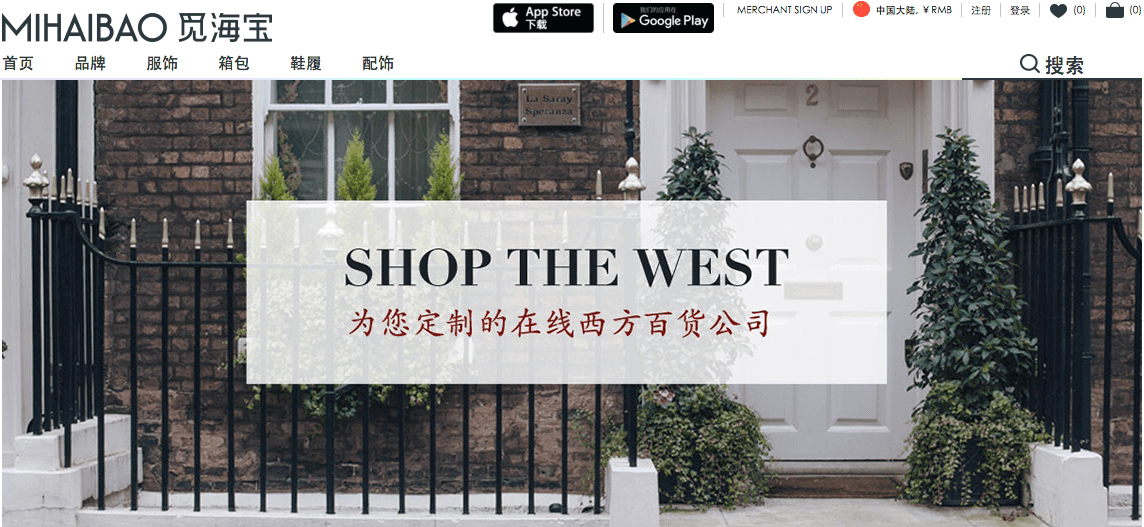
    Mihaibao is essentially a tech company. It has partnered with more than 200 Western luxury brands — including the likes of Chanel, Dolce & Gabbana, Gucci, Jimmy Choo, Valentino and many more — which are featured on the Mihaibao website. Shoppers pick what they want from the website and Mihaibao calculates prices and shipping costs via live currency conversion and deals with any tax or customs issues, for a percentage of the sale.

    As a tech company, Mihaibao is also focusing on its data capabilities, which it’s using to analyse key trends in the Chinese market to help its brands bring the right products to Chinese consumers.

    “Not only can we tailor the Chinese shopper’s experience but we can also help brands target the people that have created demand for a particular product — we know how the Chinese shopper thinks,” Lam told CNN.

    Together with streamlining the shopping process for Chinese consumers, Mihaibao is also working to establish consumer trust with buying luxury Western goods online. Many consumers have trust issues with major marketplaces, like China’s Tmall, which often sell counterfeit luxury goods side-by-side with the real thing.

    Whether Mihaibao can bridge the gap between Western luxury brands and eager Chinese consumers remains to be seen. But this young start-up’s powerful backers are certainly making people sit up and take notice.

  • Chinese demand to drive growth in Australian luxury

    Chinese demand to drive growth in Australian luxury

    A surge in demand for luxury goods has seen Chinese-led spending overwhelmingly turn to international markets including Australia, according to the latest research from property group CBRE.

    According to the latest report, Luxury Retail 2015, 70 per cent of all Chinese-led luxury purchases are now transacted overseas, resulting in increased sales across the world, including Australian markets.

    “Chinese purchasers account for 30 per cent of the luxury spend worldwide and 70 per cent of these purchases take place overseas, showing that the downward shift in their economy has prompted Asian consumers to rethink their purchasing habits,” said CBRE head of research and consulting EMEA, Andrew Phipps.

    “The advent of the new ‘anti-extravagance legislation’ in China and their consumers’ growing awareness of price differentials of up to 70 per cent has led to many preferring to make their purchases overseas, where the prices are far more attractive,” said Phipps.

    CBRE head of retail brokerage leasing, Australia, Leif Olson said international brands were looking to capitalise on the uptick in demand for luxury goods by securing a presence in Australia’s biggest fashion hubs.

    “In 2015, the Australian retail landscape has transformed significantly, with a plethora of global brands lining up to open stores across the country,” said Olson. “This momentum shows no sign of slowing down, with affordable luxury brands to lead the charge in Australia over the next year, while top tier brands will look at securing flagship assets in core locations.”

    Olson said the next wave of growth in Australia’s luxury retail market would be centred on the expansion of retailers in Brisbane, Perth and Adelaide; the addition of food and beverage to luxury retail; and growth of premium childrenswear.

    “The addition of food and beverage to luxury retail stores is an untapped market in Australia, and a widespread concept already seen in the world’s largest fashion meccas, including Hong Kong and Macau,” said Olson.

    “Not everyone is in a position to splash out on a luxury branded handbag or wallet, but being able to have a coffee or meal at Armani, for example, broadens the brand’s appeal and makes it more accessible for everyone.“

    Luxury childrenswear represents another opportunity for growth in Australia says Olson.

    “Shifting the appeal of a brand from adults to families will be a major focus of retailers expanding in Australia, with this helping them to engage and reinforce relationships with their key clients – the parents – while building their future consumer base from the next generation.”

  • China’s Slowdown Is Killing Its Luxury Market

    China’s Slowdown Is Killing Its Luxury Market

    Many investors are unfamiliar with the Chow Tai Fook Jewellery Group, but it is in fact the world’s largest publicly traded jewelry chain.

    The company reported its first half profit for 2015 plunged 42 percent due to weak demand in Hong Kong and Macau and an economic slowdown, Macau Daily Times noted.

    Chow Tai Fook’s net income fell to HK$1.56 billion ($201 million) for the six-month period ending in September. In the same period a year ago, the company’s net income was HK$2.69 billion. Sales for the six-month period fell 4.1 percent from a year ago to HK$28.1 billion, while same-store sales fell 18 percent in Hong Kong and Macau, but rose 0.1 percent in mainland China.

    The company warned investors back in early November that its profits are expected to decline due to the weakness in Hong Kong and Macau, along with an unfavorable sales mix of lower-margin gold products and unrealized hedging losses.

    Is Tiffany Winning Where Chow Tai Fook Is Failing?

    Tiffany & Co. reported its third quarter results on Tuesday. Commenting on the Asia-Pacific region, the company said that total sales rose 6 percent in the third quarter and comparable store sales rose 2 percent. Total sales and comparable store sales in the year-to-date period rose 6 percent and 4 percent, respectively.

    On a constant-exchange-rate basis, Tiffany said that it saw “healthy sales growth” in China, but sales declined again in Hong Kong and Macau.

    Tiffany also announced a total sales and comparable store sales growth in Japan of (FX-neutral) of 34 percent and 24 percent, respectively. According to a report by Bloomberg, Tiffany is “eating Chow Tai Fook’s breakfast” as Chinese tourists accounted for a “significant” portion of the growth Tiffany experienced in Japan.

    Bloomberg also noted that Chinese goods don’t have a “particularly good” reputation among Chinese shoppers, which might also explain why Tiffany is seeing success in a region where Chow Tai Fook “should be cleaning up.”

  • Louis Vuitton looks for shops to close in China

    Louis Vuitton looks for shops to close in China

    Louis Vuitton is about to get smaller in China, and other luxury goods makers might follow as the heady days of expansion in that market are over.

    The French maker of monogrammed luggage is reviewing eight stores in second-tier cities, or about a fifth of the total in China, according to a source familiar with the situation.

    While some might be moved or refurbished rather than closed outright, the Chinese store count will drop, said the source, who asked not to be identified as the plans are private and no final decision has been made.

    Vuitton is closing stores “to avoid being overexposed” as market dynamics change and more Chinese shop abroad, said Mario Ortelli, an analyst at Sanford C. Bernstein in London. “This is something that is quite normal when you have a fast expansion of a store network.”

    Vuitton is evaluating its exposure to China as consumers shift more of their spending to Japan and Europe, where the weak yen and euro make it even cheaper to shop. A government campaign against extravagance has also weighed on demand in China and neighboring markets. Watchmaker TAG Heuer shuttered a store in Hong Kong in August and Burberry Group PLC said earlier this month it would reduce the size of its largest store in the territory.

    Vuitton has 41 stores in China out of 453 worldwide, according to Exane BNP Paribas. A spokesman for parent company LVMH said Vuitton would continue to invest in its retail network in China, adding that the company would open two stores and refurbish two there next year. He declined to comment on closures.

    Closures by other luxury goods makers might follow, Exane analyst Luca Solca said.

    Kering SA-owned Gucci and Burberry, both of which have also struggled in China, have more stores there than Vuitton, Exane said.

    Chinese consumers account for about a third of global luxury sales. Gucci has 57 stores in China, while Burberry has 55.

    “As more sales move abroad on the back of large price gaps, mainland China stores risk poor space productivity, hence the adjustment,” Solca said.

    A Burberry spokesman said: “There is no change in our plans as we continue to evolve our Chinese store network.”

    A spokesman for Kering declined to comment on store plans in China.

    LVMH chief financial officer Jean-Jacques Guiony last month said that Vuitton might shut a couple of boutiques in China where it has two in second-tier cities. Its Chinese store count should remain “reasonably flat for the years to come,” he said.

    Globally, the market for personal luxury goods is set to grow as little as 1 percent this year, the weakest rate since 2009, Bain & Co estimates.

    LVMH, whose full name is LVMH Moet Hennessy Louis Vuitton SE, reported third-quarter fashion and leather goods sales that rose 3 percent on an organic basis, trailing estimates.

  • Billionaire lifestyle of Hong Kong’s coloured diamonds collector

    Billionaire lifestyle of Hong Kong’s coloured diamonds collector

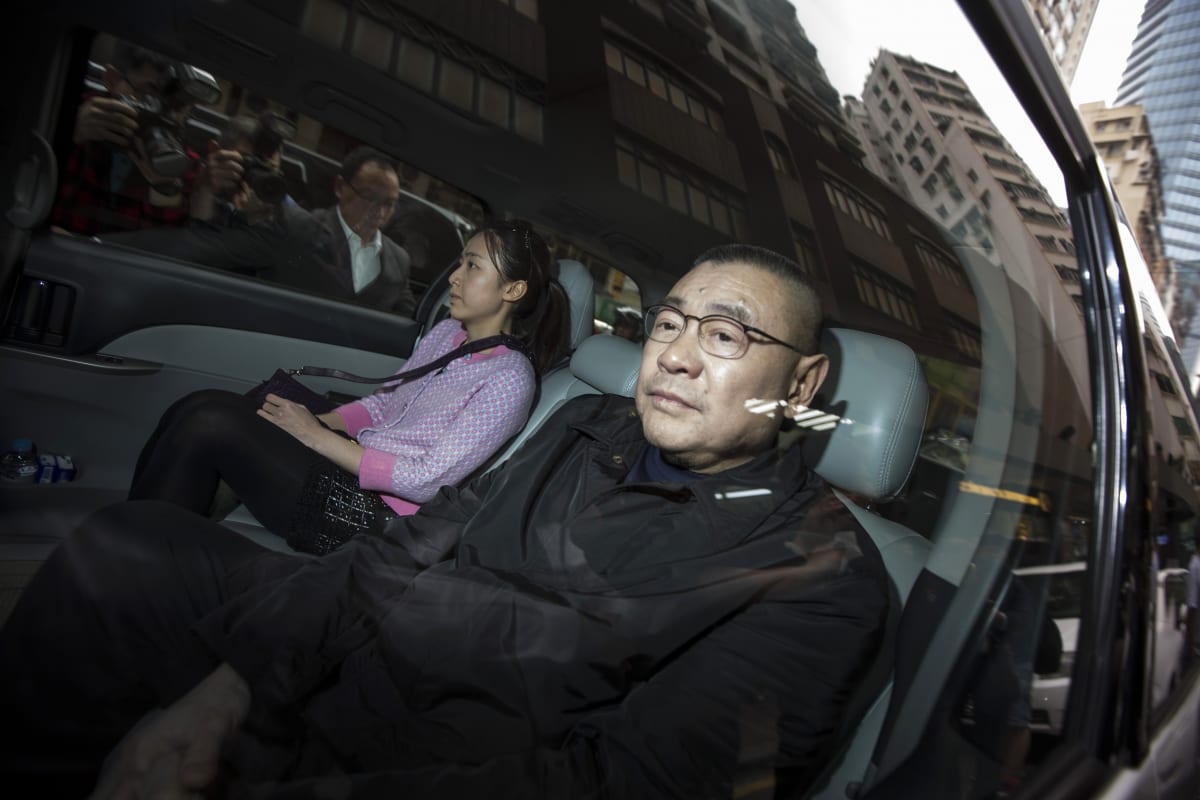
    Hong Kong property tycoon, Joseph Lau, has snapped up two rare diamonds this week for his seven year old daughter, Josephine.

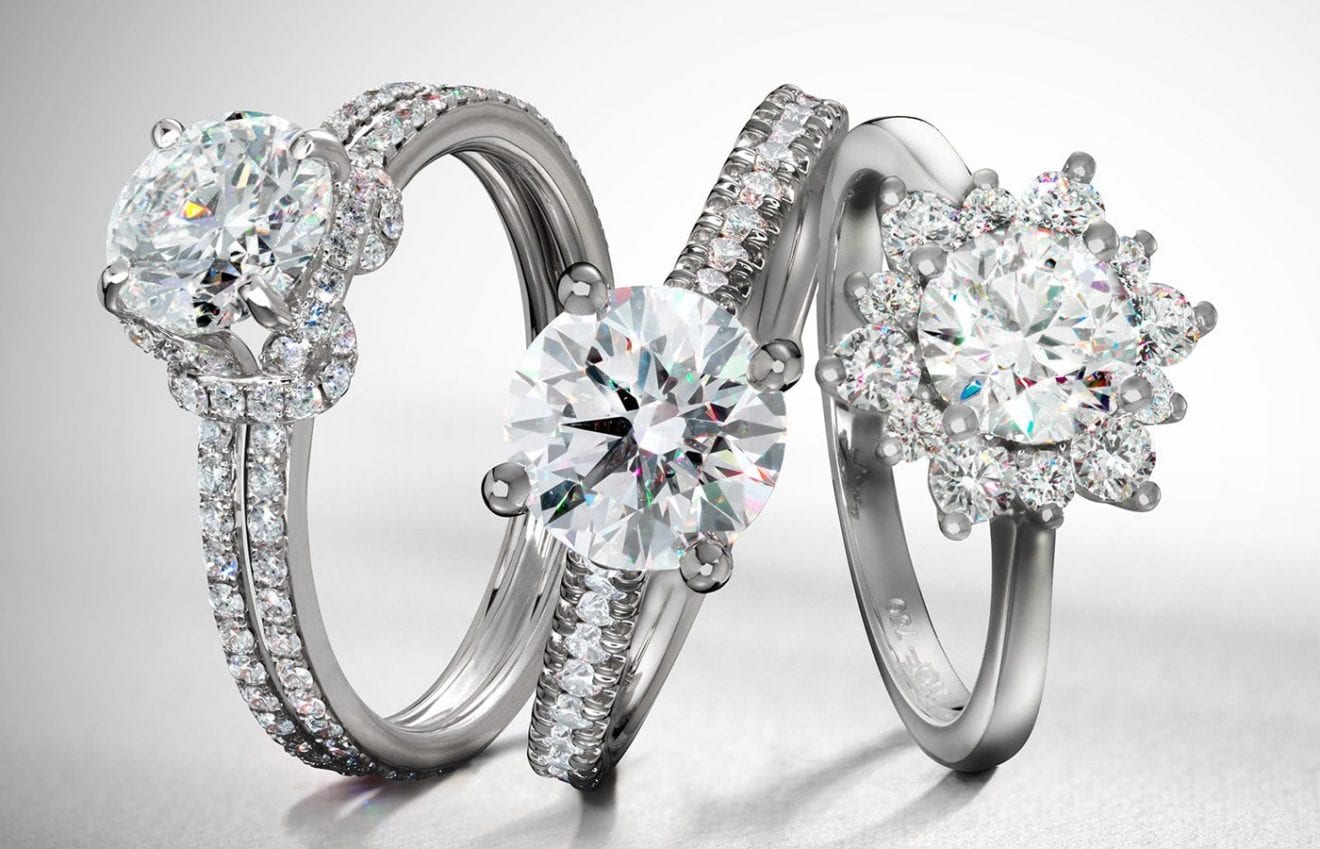
    Joseph Lau is now the proud owner of the record breaking auction jewel, the Blue Moon sold at Sotheby’s Geneva, and the 16.08ct fancy vivid pink diamond auctioned at Christie’s.

    The billionaire made his fortune as the founder of the property firm Chinese Estate Holdings.

    Lau paid £19m for the rare, pink diamond on sale at Christie’s on November 10 and named the stone Sweet Josephine. It seems the pink gem wasn’t enough though and a day later he paid a record breaking £32m for the 12.03ct blue diamond which he has now christened the Blue Moon of Josephine. These stones will join a 7.03ct rectangular blue diamond named the Star of Josephine which was purchased for his daughter in 2009 when she was just a year old.

    Blue diamonds certainly seem to catch Lau’s eye as last November he bought a $33m (£21.6m) 9.75ct blue diamond for another daughter, Zoe, 13. This stone has been named Zoe Diamond and joins a $8.4m (£5.4m) ruby and diamond brooch weighing a total of 10.10cts called Zoe Red.

    For his eldest son, Lau Ming-wai, 34, his jewels come in the form of the family business. After studying at the London School of Economics at King’s College London, Lau Ming Wai took over as non-executive chairman of Chinese Estate after his father was convicted for crimes of money laundering and bribery in 2014. Although sentenced in Macau to five years, he was saved from jail time as Hong Kong does not have an extradition treaty with Macau.

    Lau is known as one of Asia’s richest men. In addition to a large diamond collection Lau is the proud owner of a Boeing 787 Dreamliner, over 10,000 bottle of fine wines, a wide range of fine art (including a £11.4m Andy Warhol portrait of Mao Zedong) and a £70m home in Belgravia, West London, complete with a gold-lined swimming pool. Lau also owns three quarters of Chinese Estates and is one of Hong Kong’s largest real estate investors.

    In Hong Kong Lau constantly makes the headlines, often referred to as Big Lau. He is known in the media for building Hong Kong’s tallest retail complex and charming several actresses and beauty queens following his divorce from his wife in 1992. Lau is the father of six children and is currently with his former assistant, Kimbie Chan.

    According to Forbes, Lau is the 114th richest person in the world with an estimated net worth of $9.8 billion.

  • Kingsmen Q3 profit falls 84% on softer demand from high-end retailers

    Kingsmen Q3 profit falls 84% on softer demand from high-end retailers

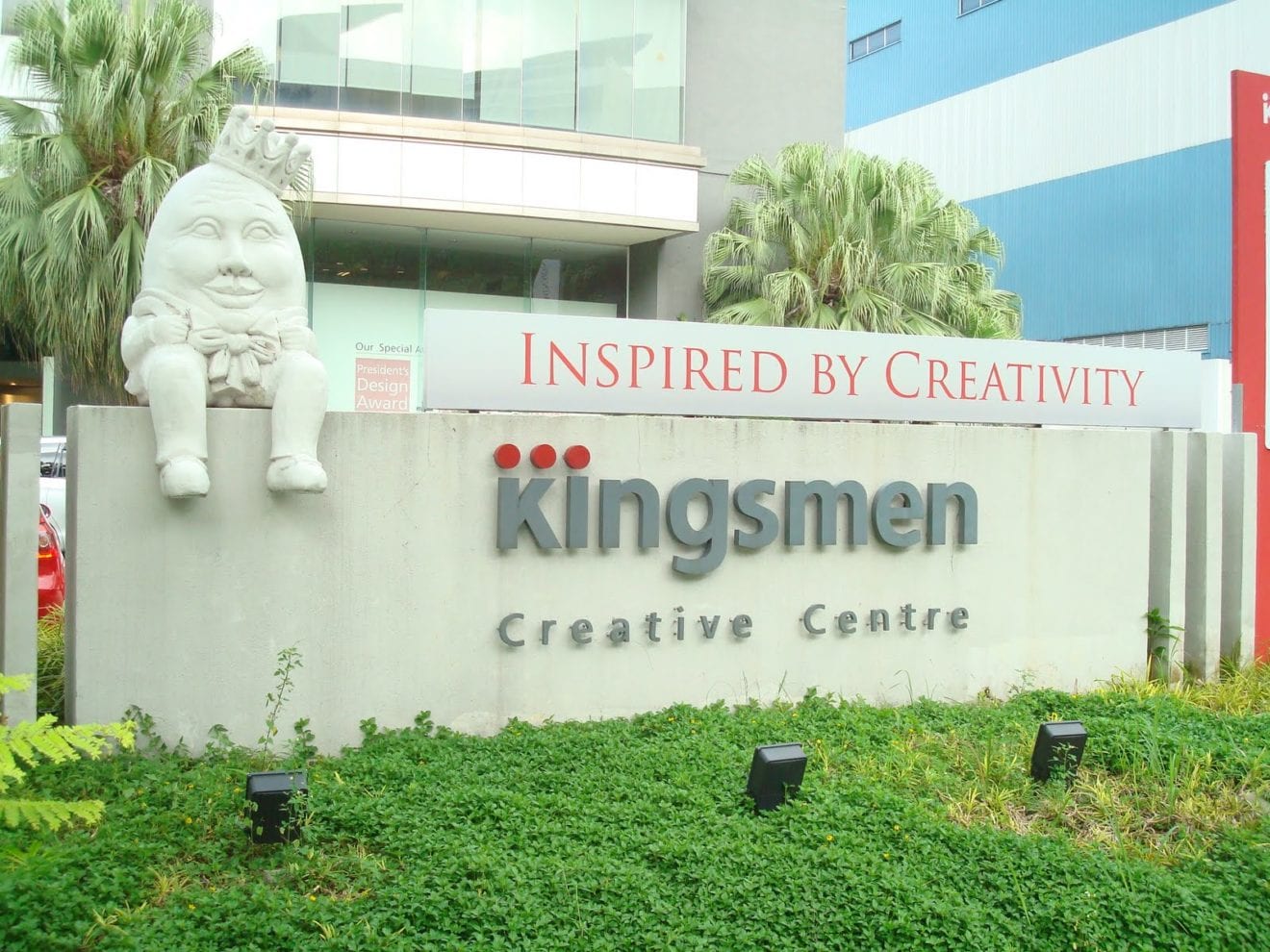
    Kingsmen Creatives’ net profit fell 83.6 per cent in third quarter as the retail and corporate interiors business slowed for the maker of physical displays.

    Kingsmen posted earnings of S$566,000, or 0.29 Singapore cent per share, for the three months ended September. Nine-month profit haved to S$4.4 million, or 2.26 Singapore cents per share. Kingsmen shares did not trade on Thursday, but were bid at 77.5 Singapore cents and offered at 78.5 Singapore cents at the close.

    Revenue fell 11.8 per cent to S$76 million during the quarter as sales from retail and corporate interiors dropped 10.2 per cent to S$37.9 million amid soft demand from the high-end luxury retail segment. The affordable-luxury and travel retail segment, however, continues to provide demand.

    The exhibitions and museums business also saw revenue decline by 7.8 per cent to S$30.7 million.

    Kingsmen guided for demand in the high-end luxury retail segment to remain soft. The company had contracts worth S$348 million as at Oct 31, 2015, of which about S$305 million was expected to be recognised in 2015.