Tag: luxury

  • Samsung factories ready to make 5G and foldable phones

    Samsung factories ready to make 5G and foldable phones

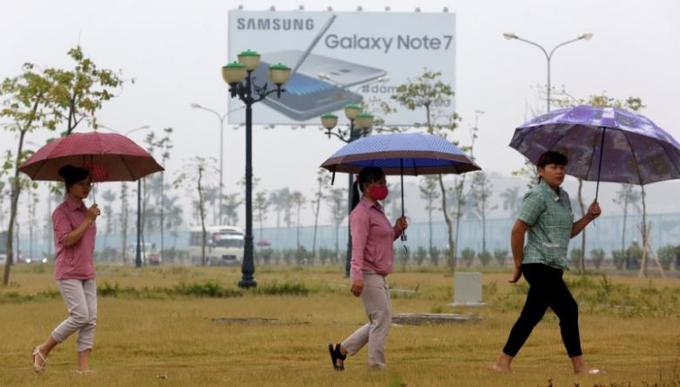
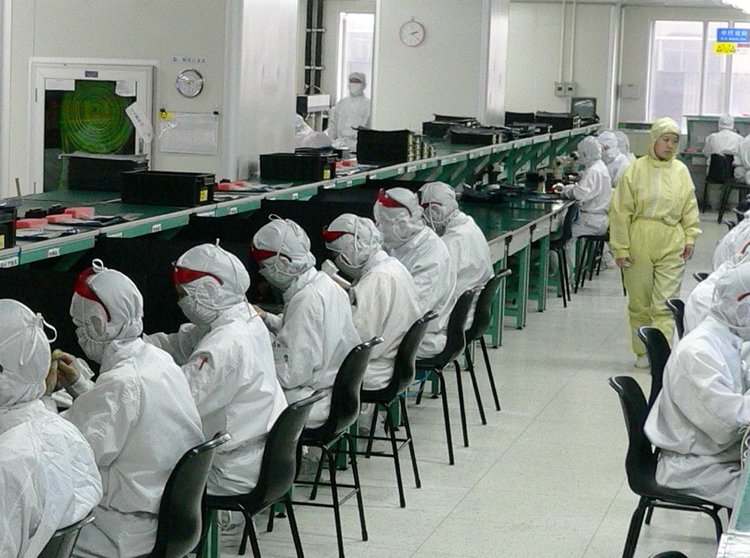
    Samsung Electronics is ready to roll out both 5G and foldable phones, two of most highly-anticipated products from the electronics company. While Samsung has already announced a plan to introduce new Galaxy phones at an unpacking event next month in San Francisco, it is confirmed on Tuesday that Samsung’s global production base in Vietnam has completed preparation to mass-produce 5G phones.

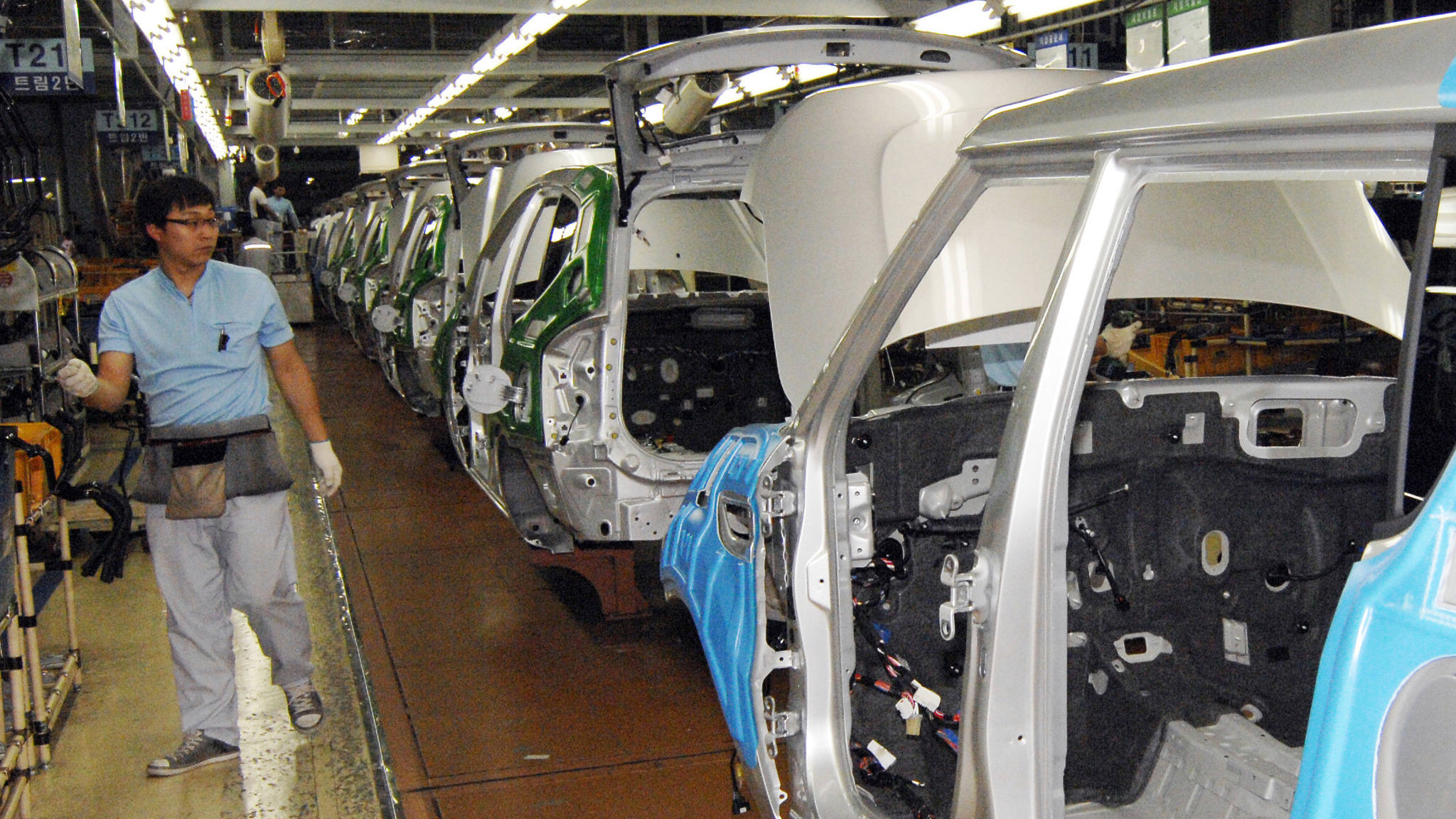
    The 5G phone is tentatively called “Galaxy S10 X.” Two Samsung factories, located in the provinces of Bac Ninh and Thai Nguyen, both north of Hanoi, produce 150 million smartphones a year. The 5G-enabled version of Galaxy S10 produced in Vietnam will be exported globally, starting with the United States. The first one million units of Samsung’s first foldable phone will be produced at the company’s production plant in Gumi, North Gyeongsang.

    The 5G phone “will roll out three to four weeks after the basic Galaxy S10 model hits the market. However, we have finished all preparations to mass produce a 5G phone,” a source from Samsung Electronics said.

    The phone will likely be introduced during the unpacking event on Feb. 20 along with three other versions of Samsung’s 10th-generation Galaxy family: S10, S10+ and S10 light.

    Phones that can connect to the 5G network are expected to bring revolutionary changes in media consumption habits. A 5G phone can download a 1.5 gigabyte movie in under a second.

    Samsung’s first 5G phone is likely to come with a 6.7-inch screen, larger than the 6.1-inch screen of S10 or 6.4-inch screen of S10+.

    The 5G-connected S10 will be powered by the Exynos 9820 chipset.

    Though it is designed for 5G connections, the phone will still be able to connect to 4G LTE as 5G infrastructure development is still underway. Even in Korea, where 5G infrastructure is quickly being built, next-generation connectivity is a work in progress.

    Samsung will first supply 5G phones to five telecom companies, including Verizon, AT&T and Sprint, all in the United States, and SK Telecom and KT in Korea

    Although the 5G phone will be introduced at the unpacking event, the actual launch of the model will come a bit later than the new S10s.

    While basic versions will be released in early March, the actual 5G-capable models will be available at the end of March.

    Samsung has greatly tightened security at its S10 production sites in Vietnam factories after a picture of the Galaxy S10 was leaked online.

    As for the company’s foldable phone, tentatively dubbed the “Galaxy F,” initial production will take place at the Gumi plant. Industry sources project that Samsung is likely to introduce the foldable phone at the unpacking event as well, but will release the phone April at the earliest.

    Federico Casalegno, head of the Samsung Design Innovation Center in North America, said “the foldable phone is a breakthrough in technology innovation,” during a press briefing last week.

    Industry insiders say the main reason for making foldable phones at the local Gumi plant is to prevent technology leaks and better control the initial production volume of the phone.

    “We are not yet ready to mass-produce foldable phones as well in Vietnam,” a spokesperson from Samsung said. “The first one million units of foldable phones and 5G phones to be sold in the Korean market will be produced at the Gumi plant, which is in charge of producing our premium products.”
  • KT, Hyundai Mobis join to develop connected-car tech

    KT, Hyundai Mobis join to develop connected-car tech

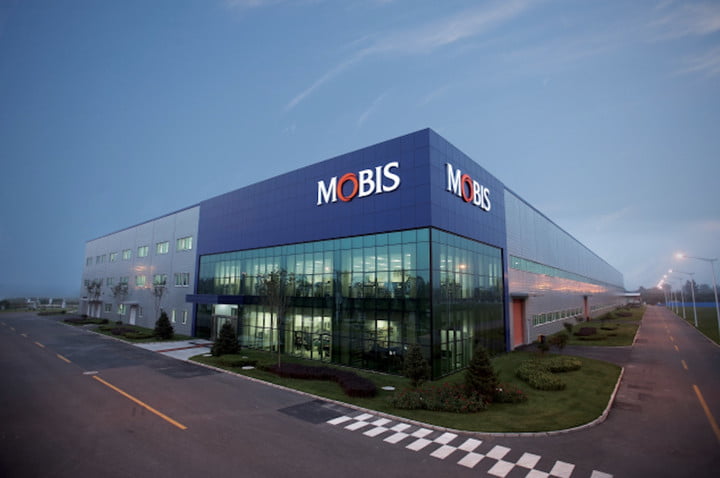
    KT said Thursday that it will collaborate with Hyundai Mobis to develop self-driving and connected-car technology.  The two companies agreed to work on real-time navigation technology and vehicle-to-everything technology, which will allow cars to communicate with connected devices. To enable development, the telecommunications company said it will install 5G infrastructure at the Hyundai Mobis test-drive course in Seosan, South Chungcheong.

    The fast 5G network will allow sensors on a Hyundai Mobis self-driving car to send significant amounts of data to servers immediately to allow for accurate real-time traffic navigation. The process takes minutes in existing 4G networks.

    The cooperation comes as the two prepare for the fast-growing connected car market. Industry researcher IHS Markit predicted connected-car sales to reach 72.5 million units by 2023 from 24 million units in 2015.

  • Vietnam’s first casino for locals opens on three-year trial basis

    Vietnam’s first casino for locals opens on three-year trial basis

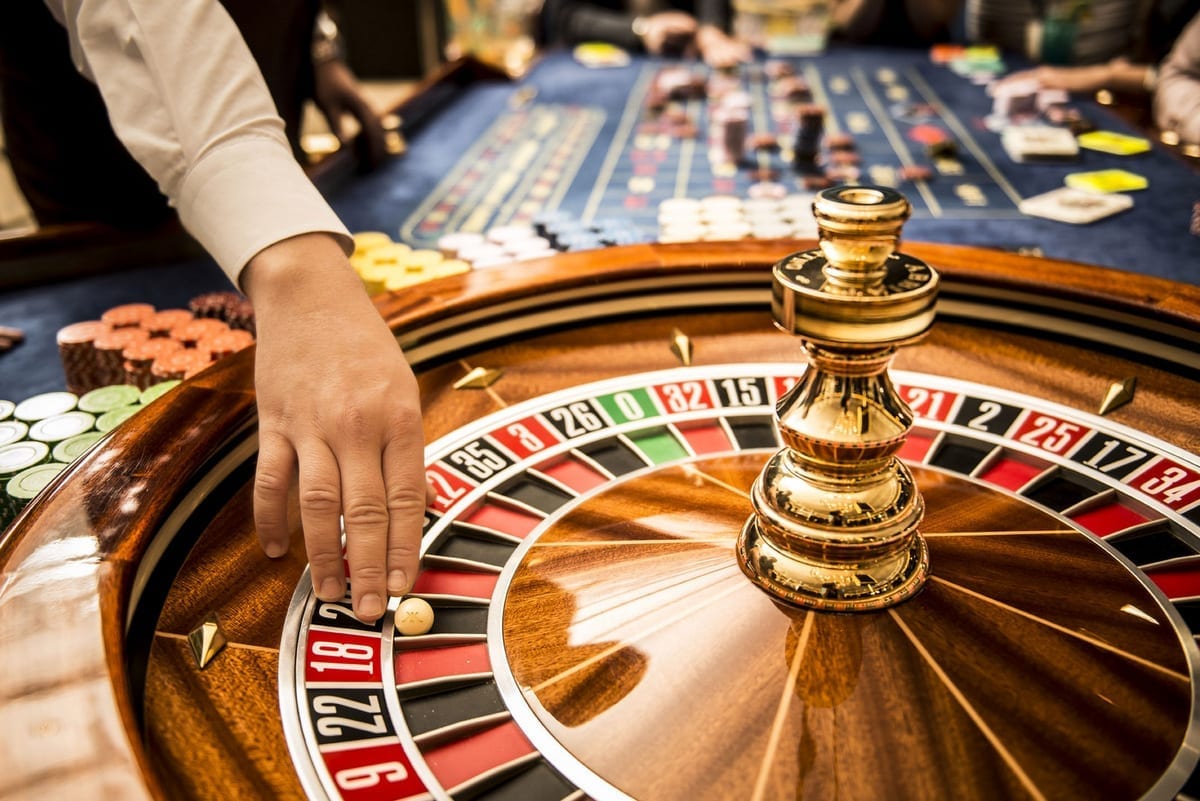
    The first casino in Vietnam that allows locals to gamble has opened in Phu Quoc Island off the country’s southern coast. The Corona Resort and Casino is part of an ecotourism and amusement complex built by Phu Quoc Tourism Investment and Development JSC at a cost of VND50 trillion ($2.15 billion). The casino will remain open 24 hours a day during a three-year pilot, and Vietnamese who want to gamble must be over 21, earn a minimum of VND10 million ($430) a month and have no criminal record or objections from family.

    The entry fee is VND1 million ($43) for 24 hours or VND25 million ($1,000) a month (with a maximum play time of 720 hours). Three months ago the government approved the three-year trial period allowing Vietnamese to enter the casino.

    Vietnam, which treats gambling as a “social evil”, has hitherto prohibited locals from gambling in the seven casinos around the country. Only foreign passport holders can enter them.

    Vietnam’s per capita income was around $2,500 last year.

    One of Vietnam’s biggest real estate developers Sungroup is currently building another casino in Van Don in northern Quang Ninh Province, home of popular Ha Long Bay.

    Phu Quoc, Vietnam’s largest island, is one of the top holiday destinations in the country.

  • Samsung spent $3.12M lobbying in U.S. last year

    Samsung spent $3.12M lobbying in U.S. last year

    The American subsidiary of Korean tech giant Samsung Electronics spent $3.12 million on lobbying U.S. politicians and officials last year, the second-largest amount following 2017, data from a Washington-based research group showed Monday. Samsung Electronics’ lobbying expense was the ninth largest among electronics companies operating in the United States, moving up two notches from a year earlier, according to the Center for Responsive Politics (CRP).

    Microsoft spent the most with $7.18 million, followed by Qualcomm with $6 million, Oracle with $5.47 million and Apple with $5.09 million, said the nonprofit research group, which tracks the effects of money and lobbying on elections and public policy.

    Among foreign companies, Samsung Electronics was the second-biggest lobbying spender after German engineering group Siemens.

    The Korean tech conglomerate has been intensifying its lobbying efforts in its key market since U.S. President Donald Trump took office in 2017 and advocated more protectionist trade policies.

    Samsung’s lobbying expenses over the past two years amounted to $6.62 million, far surpassing $6.04 million spent during former President Barack Obama’s second term from 2013-16, data showed.

    Trade-related issues were Samsung’s main lobbying target in the United States last year, with 13 cases out of 81 total in this area.

    The company also made extensive lobbying efforts for the telecommunication sector as it has been exploring ways to expand its foothold in the 5G network equipment market.

    Last month, Samsung and American telecommunication company Verizon announced their plan to launch 5G-compatible smartphones in the U.S. market in the first half of 2019.

  • Starbucks India showcases coffee craft and innovation with ‘Starbucks Barista Pride’

    Starbucks India showcases coffee craft and innovation with ‘Starbucks Barista Pride’

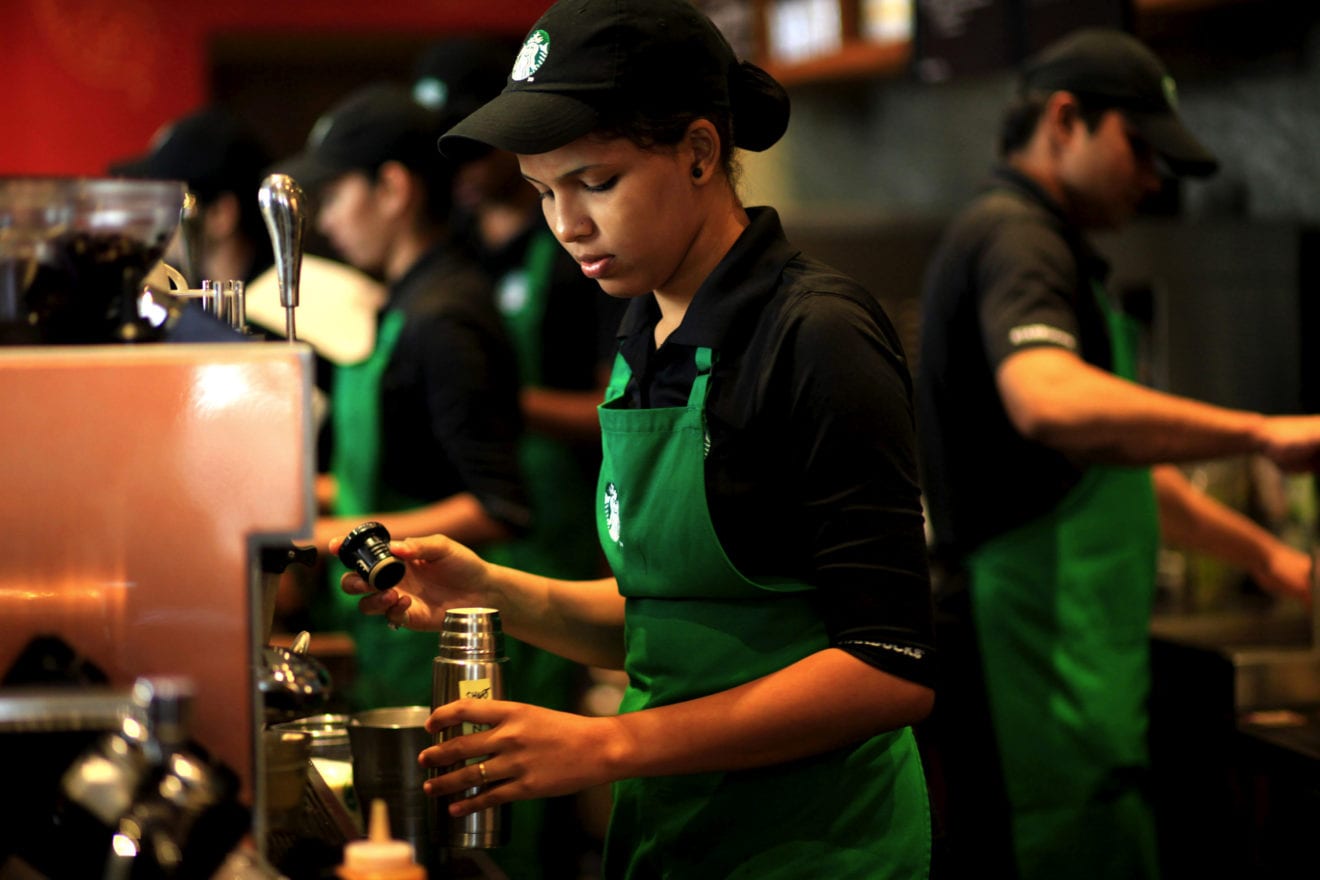
    Starbucks is taking beverage innovation to new heights with the simultaneous launch of 134 new, crafted beverages. Delivering on the iconic ‘Third Place’ experience, while strengthening commitment to innovation and coffee passion, the global coffee chain has introduced a new initiative called Starbucks Barista Pride where baristas from each Starbucks store will feature a beverage unique to their store, conceptualized and created by themselves.

    Till the end of February, all Starbucks stores across India will serve a specially curated beverage, enabling customers to ‘coffee hop’ and try 134 unique beverages across the 134 Starbucks stores in India.

    Based on the idea of customization and personalization, while celebrating the heart and soul of the signature Starbucks Experience, Starbucks Barista Pride is here to showcase the talent and innovation the Starbucks baristas have to offer.

    The wide range of unique beverages includes Turkish Espresso Praline available at the Chapel Road store in Mumbai, Chai White Chocolate Mocha available at the Vega Mall store in Bangalore and Winter Chocolate Cream available at the DLF Hub store in Delhi.

    “Starbucks is committed to delivering an unparalleled, unique experience for every customer. We are delighted to introduce ‘Starbucks Barista Pride’- a new coffee forward initiative which highlights the exemplary coffee skills of our Starbucks baristas and brings to our customers a wide range of artisanal beverages. At Starbucks, we believe in celebrating each customer’s individual coffee preference and profile. For us each cup of coffee is unique and especially suited to the coffee palette of our customer. With a deep understanding of coffee, our Starbucks baristas personalize each cup to perfection,” said Veetika Deoras, Head – Marketing, Category, Digital and Loyalty at Tata Starbucks Pvt. Ltd.

    “We are humbled to lead specialty coffee in India and initiatives like Starbucks Barista Pride are a tribute to our customers and reflect the Starbucks 47-year legacy of sourcing, roasting and serving world’s top Arabica coffee,” she added.

  • Vietnam liquor maker makes a loss, 4 years in a row

    Vietnam liquor maker makes a loss, 4 years in a row

    Nation’s leading liquor maker Halico has reported a loss of VND75 billion ($3.22 million) for 2018. With Vietnamese consumers moving towards foreign brands, the 120-year-old liquor maker, in which Vietnam’s second biggest brewery Habeco has 54.29 percent ownership and British multinational Diageo holds a 45.5 percent stake, Halico has reported losses for the fourth year in a row.

    It reported a loss of over VND20 billion ($859,780) in the fourth quarter of 2018, raising the total annual loss to VND75 billion ($3.22 million).

    In its annual statement for 2018, Halico’s board expressed doubts that the company can continue operating, with Vietnamese consumer tastes shifting to imported beer and foreign alcoholic products. It conceded that it has failed to capture younger consumer segments.

    In addition, Diageo has been unable to negotiate any substantial supply contracts with foreign partners, so the company has not been able to do well in exports.

    Furthermore, management costs have risen to over 60 percent of revenue. Despite a 30 percent rise in sales in 2018 (VND155 billion or $6.66 million), the difference was not able to compensate for expenses incurred.

    The Hanoi Liquor Joint Stock Company was originally a Hanoi winery, founded in 1898 and equitized in 2004 with initial charter capital of nearly VND50 billion ($2.15 million).

    In early 2011, Diageo Plc, a British multinational alcoholic beverages company, acquired an 18.67 percent stake in Halico for a total of VND800 billion ($34.4 million) from investment fund VinaCapital.

    Diageo is the world’s biggest liquor company, owning famous brands such as Johnnie Walker, Bailey and Smirnoff. It bought another 26.83 percent stake in 2012, hoping to cash in on the growing consumer market.

    Halico’s accumulated losses at the end of last year topped VND330 billion ($14.19 million), 1.6 times higher than its current charter capital at VND200 billion ($8.6 million).

  • Mercedes EV to launch in Korea

    Mercedes EV to launch in Korea

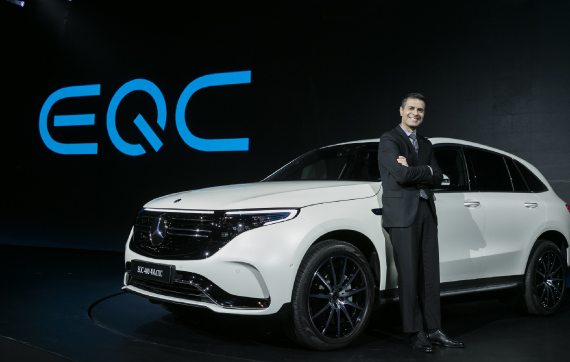
    Mercedes-Benz Korea is setting its sights on the local eco-friendly auto market with the introduction of an all-electric vehicle (EV) along with hybrid offerings this year. The Korean unit of the German brand announced Thursday that it will be introducing 14 new models to the local market this year including the EQC, the first model under its electric EQ brand, as well as four plug-in hybrid EVs at a New Year’s press conference at the Hotel Shilla in central Seoul.

    “2019 will be the year of the EQ,” said Dimitris Psillakis, CEO of Mercedes-Benz Korea. “We will do our utmost to provide the best products and services in the upcoming era of future mobility.”

    The premium electric SUV EQC, unveiled globally last September, is the German automaker’s current flagship EV. The promised hybrid models will range from SUVs to sedans, according to the automaker.

    Along with its entry into the local EV market, the German brand announced that it is also preparing its charging infrastructure.

    Mercedes-Benz Korea said EQC buyers will have access to its combined charging network, which will offer a wide range of charging stations nationwide. EQC drivers will also have access to a one-on-one concierge service that will recommend the nearest charging station to drivers.

    Mercedes-Benz Korea’s push into eco-friendly vehicles comes as it was embroiled in controversy last year regarding its vehicles’ emissions certifications.

    Last month, the automaker said it will appeal a court decision after it was found guilty of violating environmental and customs laws regarding the emissions certification process. The company was fined 2.81 billion won ($2.5 million) and an employee in charge of certifications was handed an eight-month sentence.

    Regarding the legal action, Psillakis promised that the company is following up on the newest regulations.

    “We have a very different changing and toughening regulatory environment around us,” said Psillakis. “We place processes to safeguard so that we can adapt to the new regulations as fast as possible.”

    The company also addressed concerns surrounding recall plans for its vehicles equipped with faulty Takata airbags, saying that it is planning a mass recall in the second quarter of this year of around 30,000 vehicles.

    The German automaker was the best-selling imported brand last year, selling 70,798 vehicles in the country.

    With last year’s sales, the Korean market is the fifth-largest market for the brand after China, the United States, Germany and Britain.

  • Hyundai develops safer airbag deployment system

    Hyundai develops safer airbag deployment system

    Hyundai Motor Group, Korea’s biggest carmaker by sales, said Monday it has developed a safer airbag deployment system to better protect people from multiple crashes. The advanced airbag system immediately prepares for additional crashes once it recognizes an initial collision, in cases where the collision is not serious enough to warrant a deployment, the conglomerate said in a statement.

    “If the first collision is a minor one, but the vehicle continues on and collides with something else, such as trees or street lamps, the airbag system optimizes itself to prepare for additional crashes,” a company spokesman explained to reporters over the phone.

    It is the first time a Korean carmaker has developed such a multi-crash airbag system, the statement said.

    Existing airbag systems do not inflate once they determine the initial collision is minor, even if subsequent impacts involve greater force and can lead to serious injury, it said.

  • Calvin Klein seeking a New Creative Lead

    Calvin Klein seeking a New Creative Lead

    Less than a month after announcing the departure of Raf Simons, Calvin Klein is looking for a new creative lead, said a person with knowledge of the business. Chief executive officer Steve Shiffman said in a separate statement on Thursday that the brand will close its 654 Madison Avenue flagship store, which Simons renovated in 2017, relaunch its ready-to-wear line and consolidate some teams in North America.

    Shiffman said the brand will relaunch the 205W39NYC ready-to-wear line under a different name and a new creative direction. He kept the details vague, stating that the business will be “designed to evolve the traditional luxury fashion model by connecting with a diverse range of communities, offering an unexpected mix of influences and moving at an accelerated pace.”

    Some had speculated after Simons’ departure that Calvin Klein would not hire another creative face of the company, but instead take a collaboration approach similar to Moncler‘s recent strategy. But the search for a new design lead indicates otherwise.

    The source with knowledge of the business also said that several of Simons’ longtime collaborators have exited the business, specifically Pieter Mulier, creative director, and Matthieu Blazy, the design director of women’s ready-to-wear. Michelle Kessler-Sanders, president of the 205W39NYC business, will stay on in an executive position.

    Shiffman’s statement also announced the formation of a new consumer marketing division focused on consumer engagement and shopper experience. According to the source, this department is led by chief marketing officer Marie Gulin-Merle.

    Calvin Klein in North America will see further changes: Shiffman said the brand will consolidate the men’s sportswear and the Jeans businesses, and also integrate the retail and e-commerce teams.

    “Our industry is witnessing a historic transformation in consumer behavior which presents a significant growth opportunity as we look to grow the brand to $12 billion in global retail sales over the next few years,” said Shiffman.

  • Rihanna to launch a fashion house with LVMH

    Rihanna to launch a fashion house with LVMH

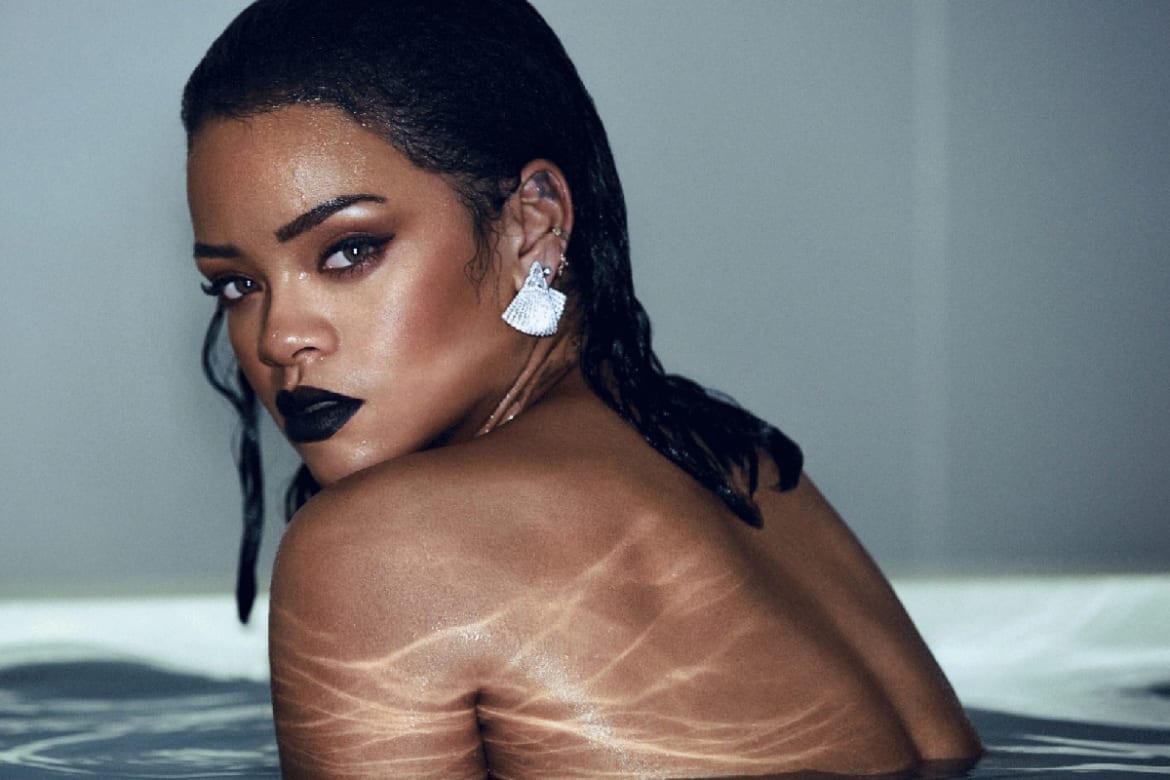
    WWD reported that, according to multiple sources, the Rihanna is working with French luxury conglomerate LVMH to launch a luxury house under her name. It would be the first time LVMH has launched a brand new label since Christian Lacroix in 1987. No word on an official launch date, but perhaps that is why Rihanna is suing her father now over the ‘Fenty’ name as he could be holding up proceedings with LVMH.

    The pairing makes sense. In 2015, Rihanna appeared in Christian Dior’s “Secret Garden IV” ad shot at Versailles, the first Black woman to front a campaign for the French fashion house. She also created a line of Dior sunglasses in 2016.

    What is more, she launched Fenty Beauty by Rihanna under the Kendo, LVMH’s incubator to produce products that ultimately end up in Sephora, or in this case, change the way beauty products are marketed.

    WWD reported that Fenty Beauty made close to $100 in a matter of weeks — a great sign for Rihanna’s impending luxury offering.

    Sources tell WWD Rihanna is a “hands-on type” who is very involved in the range’s product development (she was reportedly said to be the same way while creating for Puma and Savage x Fenty).

    It is believed LVMH started forming a team six months ago, handpicking employees from Louis Vuitton and Celine to work on the fashion house’s ready-to-wear, leather goods and accessories. And hold on to your Fenty x Savage hats here, the line is to be released in tandem with her ninth album expected to drop later this year.

    We already cannot wait to be fresh off of Rihanna’s runway.

  • Tiffany sales reported drops

    Tiffany sales reported drops

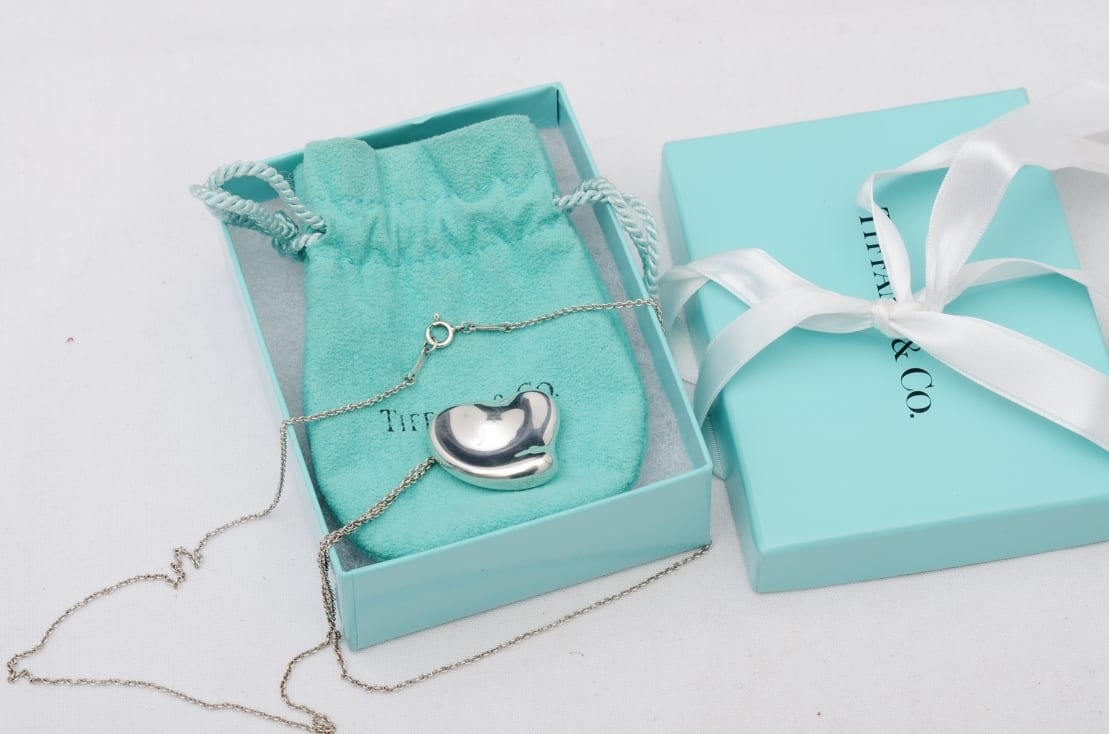
    US jewellery retailer Tiffany & Co has reported a 1 per cent drop in worldwide net sales and 2 per cent drop in comparable sales for the two months to December 31. While Tiffany sales grew strongly in China over the holiday period, softening in other markets that are more dependent on foreign tourist spending led total net sales across Asia Pacific to fall 3 per cent from the prior corresponding period to US$226 million. Comparable sales in the region fell 4 per cent.

    “With continued strong sales growth in mainland China (by a double-digit percentage), solid results in Japan and healthy growth in e-commerce sales, overall holiday sales results came in short of our expectations which had called for modest year-over-year growth,” Tiffany CEO Alessandro Bogliolo said.

    “We attribute the difference partly to lower sales to foreign (primarily Chinese) tourists globally, and to softening demand attributed to local customers in the Americas and Europe, which we believe may have been influenced more than expected by external events, uncertainties and market volatilities.”

    Total sales across the Americas declined 1 per cent to US$514 million, while Europe dropped 4 per cent to US$132 million.

    Japan, however, saw positive growth over the period of 4 per cent – increasing to US$150 million, attributed to higher spending by local customers.

    Based on these results, the business now expects worldwide net sales for fiscal 2018 will increase by 6 to 7 per cent compared to the prior year, as opposed to the high-single digits previously expected.

    “Now the focus is to grow to new heights,” Bogliolo said. “To this purpose, we will continue to pursue the six key strategic priorities we introduced earlier in 2018 … which will require our ongoing effort and commitment for years to come.

    “We acknowledge that external pressures, difficult year-over-year sales comparisons and annualised internal spending are expected to have some negative effects on fiscal 2019 results, mostly in the first half of the year, but we believe Tiffany is on a solid path for improved sales, margins, earnings and cash flow generation over the long term.”

  • Vans, The North Face boost parents sales

    Vans, The North Face boost parents sales

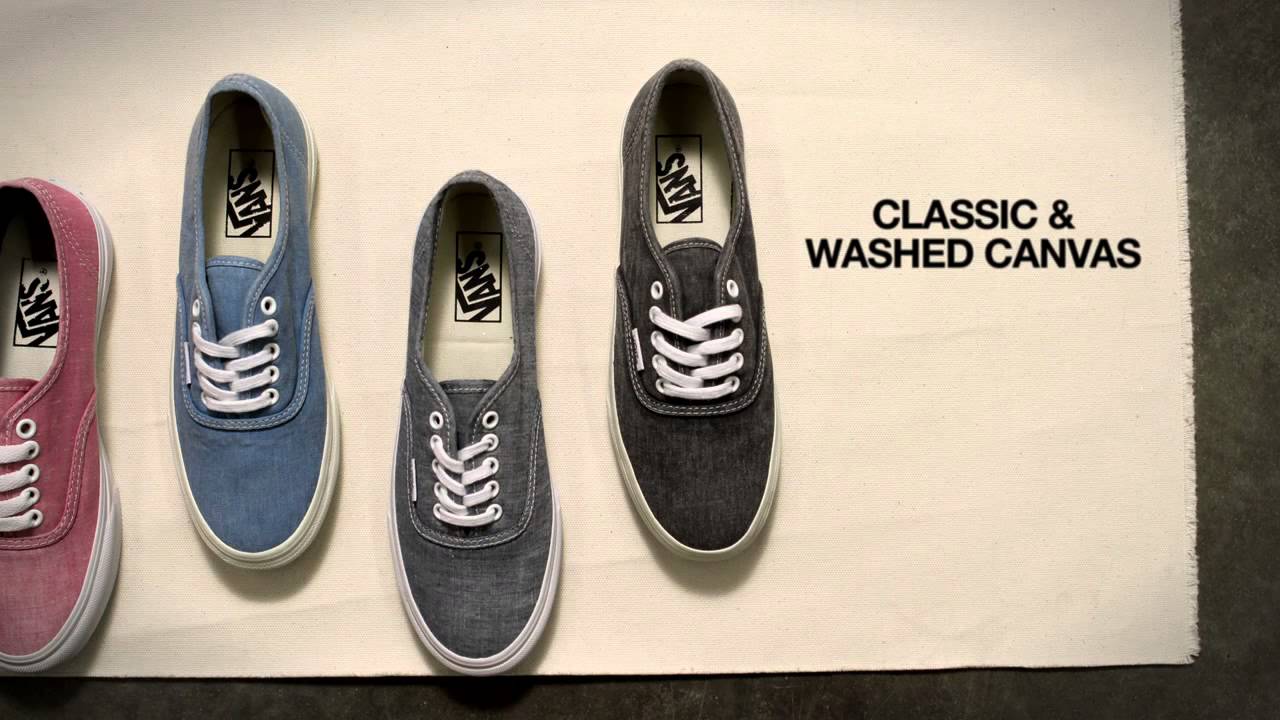
    VF Brands has posted strong third-quarter results, with balanced growth across its entire portfolio. The US-listed apparel company, which owns and operates Vans, The North Face, Timberland, Wrangler and Lee, among others, says sales grew 8 per cent in the third quarter, to US$3.9 billion. Its share price soared 12.39 per cent after the announcement on Friday (US time) to $82.47.

    Vans sales soared 25 per cent and The North Face’s, by 14 per cent.

    “VF’s third-quarter results were fuelled by strong growth in our largest brands and balanced growth across the core dimensions of our portfolio,” said VF Brands president, chairman and CEO Steve Rendle.

    Revenue from VF’s ‘active’ segment, which includes brands such as Vans and JanSport, increased 16 per cent, while revenue from its ‘outdoor’ segment, which includes brands such as The North Face and Timberland, increased 11 per cent.

    VF reported $592 million in operating income, 22 per cent up on the prior year. Net income for the period was $463 million, a 613 per cent increase over the $90 million loss posted in the same period last year.

    “Based on the strength of our third-quarter performance and the growth trajectory we see for the remainder of fiscal 2019, we are again increasing our full year outlook,” Rendle said.

    The business expects revenue from its ‘work’ segment, which includes brands such as Dickies, is expected to increase 39 per cent, while revenue from its ‘active’ segment is expected to increase 16 per cent and revenue from its ‘outdoor’ segment is expected to grow 8 per cent.

    VF expects revenue from its ‘jeans’ segment, which includes brands such as Wrangler and Lee, to decline 3 per cent, while direct-to-consumer revenue is expected to increase 13 per cent, and digital revenue is set to increase by more than 30 per cent.

  • Hyundai takes top honors at Nactoys

    Hyundai takes top honors at Nactoys

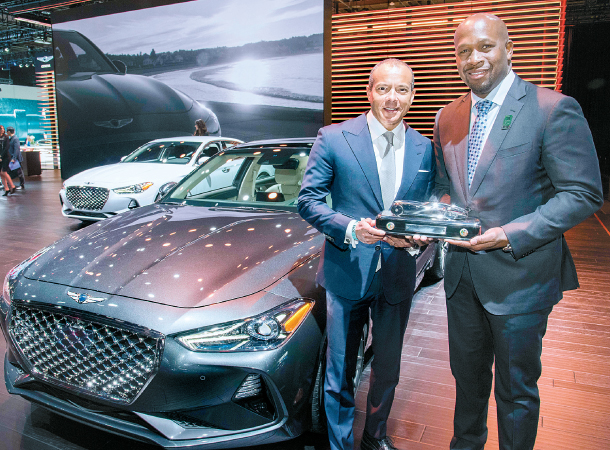
    Hyundai Motor Group took home the top prizes in two of three categories at the 2019 North American Car, Utility and Truck of the Year Awards (Nactoy), the company said last Tuesday. It is the first time a Korean carmaker has won in two categories at the annual awards. Hyundai Motor’s Kona and Kona Electric crossover utility vehicle won in the utility category, while the G70 sedan sold under the carmaker’s Genesis brand won in the car category.

    A jury consisting of journalists and analysts based in the United States and Canada voted for the winners of each category, choosing between three finalists. This year, 54 journalists from print, online and broadcast media participated in the assessment.

    The award organizer said in a press release that jurors voted on the finalists based on segment leadership, innovation, design, safety, handling, driver satisfaction and value for the dollar.

    Hyundai’s Kona competed with Honda’s Acura RDX and the Jaguar I-Pace.

    “The Kona Electric is the first mass-market electric car that truly works for the mass market,” said Jamie Page Deaton, executive editor at U.S. News & World Report Best Cars. “A livable EV range, affordable price and practical cabin combine with lively driving dynamics to make the Kona EV a true pleasure.”

    The G70 competed with the Honda Insight and Volvo S60. The Genesis-brand was evaluated to exceed luxury segment mainstays like the BMW 3 Series, Audi A4 and Mercedes-Benz C-Class in driver engagement and value for the dollar.

    The last Hyundai car to win top honors at the awards was the Avante sedan, sold as the Elantra in North America, in 2012.

    Previously the award only had two categories – car and truck – however, utility vehicles earned an independent category from 2017, considering the rising popularity of the segment.

    A Hyundai spokesperson said it will market the Kona and G70 more actively in the North American market with boosted presence from the awards.

    The winners were announced at the North American International Auto Show in Detroit on Monday. Hyundai also introduced its Veloster N TCR high-performance racing car at the show, while Kia Motors premiered its Telluride SUV. The SUV will only be sold in the North American market.

  • ‘KAWS:HOLIDAY’ lands in Taipei

    ‘KAWS:HOLIDAY’ lands in Taipei

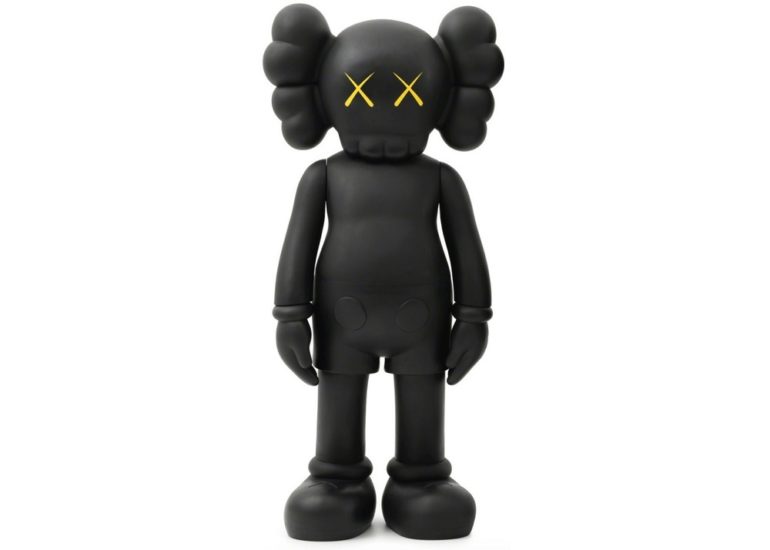
    After KAWS announced that a massive 36-meter-long COMPANION piece would be making its debut in Taipei, the collaborative project with creative studio AllRightsReserved has finally been revealed to the public. The largest sculptural work by the artist to date, KAWS:HOLIDAY depicts the recognizable COMPANION character in a seated position, overlooking Liberty Square in front of the famed Chiang Kai-shek Memorial Hall.

    Teaming up with Singaporean singer JJ Lin’s JFJ Productions, the exhibition kicked off with a grand opening event Friday evening, coupled with an exclusive merch release.

    The items include a range of vinyl figurines, ceramic plates, tees and tote bags that are available online and offline at the exhibition’s pop up shop.

  • The Seiko Dream Square opens in Tokyo

    The Seiko Dream Square opens in Tokyo

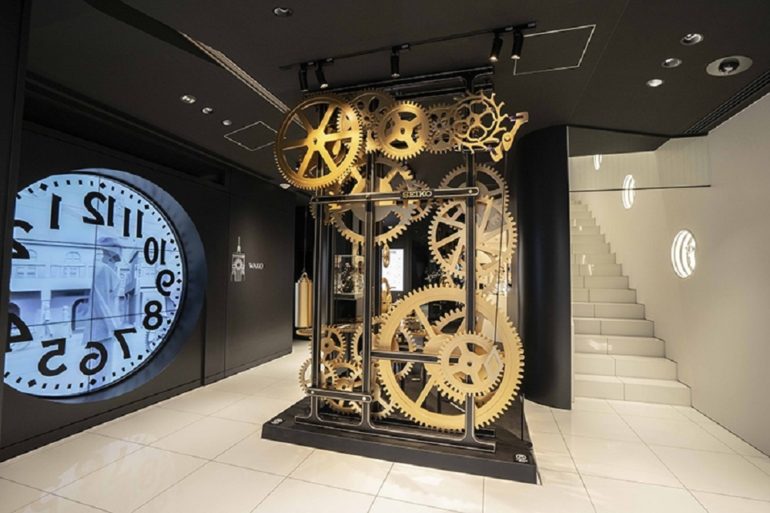
    Seiko Watch Corporation has opened an interactive hub of its watchmaking to allow visitors to “look, feel and experience” the rich history and heritage of the brand. The Seiko Dream Square is a new four-story retail complex in the heart of the watch brand’s birthplace in Tokyo’s Ginza district and showcases its heritage of watchmaking since 1881 with a museum, showrooms and entertainment areas.

    The aim of the new retail complex is to become a “point of destination” for visitors as well a centre for communicating the brand’s story globally said the watchmaker in a statement.

    It features a small museum on the first floor in the image of the symbolic Wako clock tower’s interior, a historic symbol of Seiko and a proud landmark of Ginza in which Seiko founder Kintaro Hattori placed its headquarters.

    On the other levels, visitors can shop Seiko’s leading collections, Prospex, Presage, Lukia, and Astron, with each displayed in a “refined setting” based on the particular brand’s unique identity.

    Commenting on the opening, Seiko Watch Corporation chairman and chief executive, Shinji Hattori said: “A Seiko watch is not merely an industrial product. It can be a partner to one’s life journey and story. It is our dream that Seiko Dream Square be the place where visitors from around the world would want to find this particular partner.”