Tag: luxury

  • Burberry unveils first-ever Chinese New Year campaign

    Burberry unveils first-ever Chinese New Year campaign

    British luxury fashion house Burberry has unveiled its first Chinese New Year campaign, celebrating family traditions and togetherness. The commercials, shot and directed by photographer Ethan James Green, star Chinese actresses and Burberry brand ambassadors Zhao Wei and Zhou Dongyu, who make their Burberry campaign debut. Inspired by classic portraiture, the campaign has been reimagined in an informal urban environment, and features classic Burberry pieces including archive-print scarves, the trench coat and tailoring, contrasting with urban staples including hoodies, t-shirts and joggers, all of which are now available globally online and in-store.

    “The campaign draws on the concept of families reuniting for the most important holiday of the year, and represents a sense of belonging, but in a very fresh way,” explains Zhao Wei. “It was great fun being back on set with Zhou Dongyu – I enjoyed it very much!”

    Gallery of the campaign (4 images) :

    Zhou Dongyu added: “A family portrait is a very simple concept, but the ceremonial sense behind it holds so much more. For me, being able to go home once a year to spend quality time with my family is something I value above all else, and I wouldn’t trade it for anything.”

    For the campaign, Zhao Wei wore a sleeveless keyhole detail top, reissued Society-print silk scarf and gold plated link drop earrings. Zhou Dongyu wore a vintage check wool jacket with palladium plated link drop earrings.

  • Ermanno Scervino opened store in Chinese Hangzhou

    Ermanno Scervino opened store in Chinese Hangzhou

    Italian fashion house Ermanno Scervino is launching a new boutique in Chinese Hangzhou. The 140sqm store, located inside the Hangzhou Tower shopping centre, houses the brand’s womenswear and menswear pret-a-porter and accessories collections. Its interior design follows the style of the maison’s flagship store inaugurated in Florence last June, with large surfaces featuring industrial concrete flooring and concrete wall finishing punctuated by inlaid and laminated gold frames. The store showcases wooden furnishings with stucco decorations and retro-inspired details.

    “The growth and development of our brand in Far East has been proceeding systematically and consistently since a few years now,” said Ermanno Scervino Group CEO Toni Scervino.

    “After Shanghai and our recent opening in Hong Kong, Hangzhou is now a further step forward. The Chinese clientele is proving more and more its passion for the tailoring and Made in Italy proposal of our Maison. In collaboration with our partner Riqing we are therefore working to be more and more present on the territory”.

  • FitFlop flagship opens in Philippines

    FitFlop flagship opens in Philippines

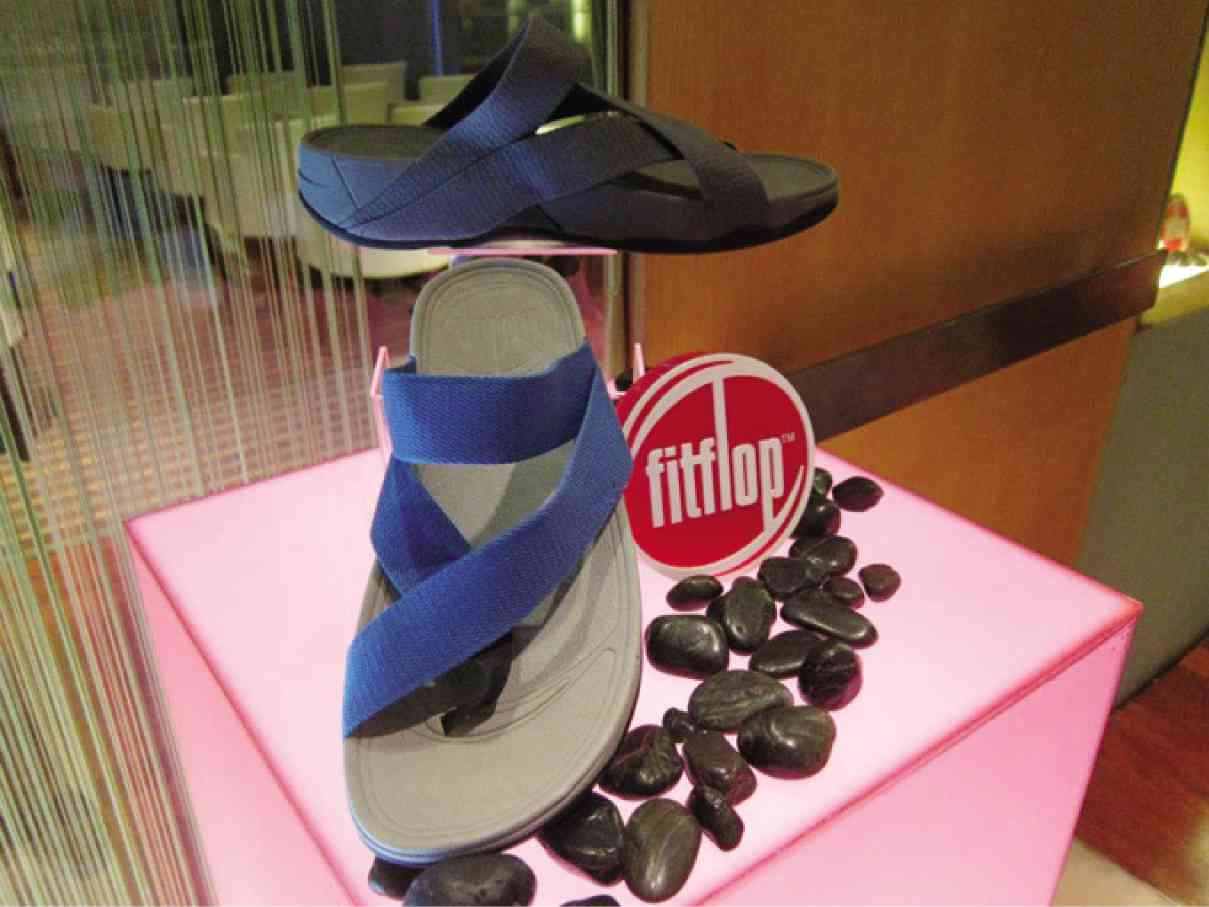
    London footwear brand FitFlop has opened a new flagship store in SM Mall of Asia, Philippines. The new FitFlop Galleon store is the largest FitFlop store in the world to date and now serves as the brand’s global flagship. It is operated by The Primer Group of Companies, the brand’s exclusive distributor in the Philippines. According to a press release, “FitFlop is confident that it will be able to reach and inspire more superwomen to seize life’s opportunities and take on whatever comes their way.”

    The brand’s product line is designed to combine precision ergonomics with functional design, specialising in comfortable footwear for women.

    FitFlop Galleon is currently offering its Spring/Summer 2019 line, inspired by exotic destinations and bustling bazaars, as well as athleisure fashion that features its proprietary Anatomicush sole.

  • Korean imported vehicle sales up 11.8 percent last year

    Korean imported vehicle sales up 11.8 percent last year

    Sales of imported vehicles in Korea continued to rise last year, aided by firm demand for foreign brands and the resumption of sales by Audi Volkswagen, industry data showed Friday. The number of newly registered foreign vehicles reached 260,705 last year, up 11.8 percent from a year earlier, the Korea Automobile Importers & Distributors Association said in a statement.

    The total number of imported cars sold in 2018 is an all-time record.

    The market share of foreign cars rose to a record high of 16.7 percent last year, shattering the previous all-time high of 15.5 percent in 2015, the data showed.

    The three best-selling models were the Mercedes-Benz E 300 (8,726 units sold) and E 300 4MATIC (9,141 units) and the Lexus ES300h (8,803 units).

    Mercedes-Benz became the first imported cars to sell more than 70,000 vehicles. It took the No. 1 spot among imported cars.

    BMW, despite controversy of its engine catching fire, kept its second spot by selling 50,524 vehicles.

    Toyota took third place with 16,774.

    Seven out of 10 imported vehicles sold in Korea last month were from Germany, the statement said.

    In December alone, however, the sales of foreign vehicles fell 8.7 percent on year to 20,450, it said.

    In 2017, imported vehicle sales reached 233,088 units, up from 225,279 a year earlier.

  • Coupang to become an authorized Apple retailer

    Coupang to become an authorized Apple retailer

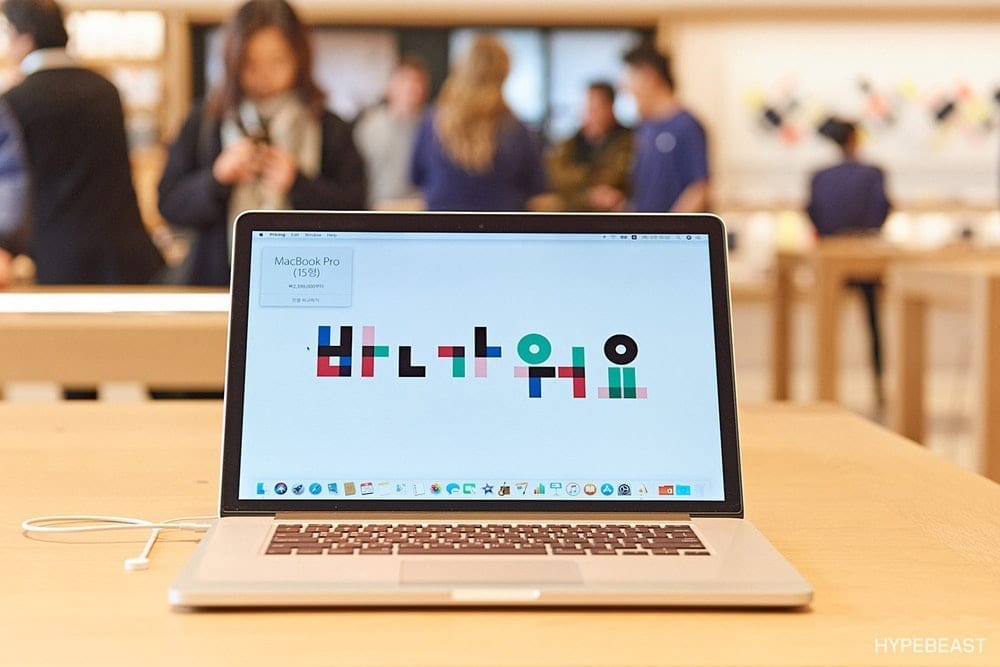
    Coupang, Korea’s top e-commerce platform, has been selected as an authorized retailer to sell Apple products, the company announced Friday. It said that the e-commerce giant was selected to become an authorized reseller of Apple products, and the service will begin sometime this month. The products that will be offered include iPad Pros, MacBooks and Apple Watches, as well as related accessories.

    Coupang said that its shoppers can get access to Apple products that carry a full Apple warranty and come with after-sales customer services from Apple.

    “Coupang will be an attractive purchase channel for customers who love or want to experience Apple products,” said Navid Veiseh, Coupang’s senior vice president of global e-commerce. “We will continue to expand the range of premium electronics brands like Apple, which, when combined with our Rocket delivery and RocketPay services, make Coupang the first place for customers to turn when shopping for premium electronics.”

    Coupang is known for its fast Rocket delivery service that sends items purchased the following day.

  • Canada Goose opens store in Beijing

    Canada Goose opens store in Beijing

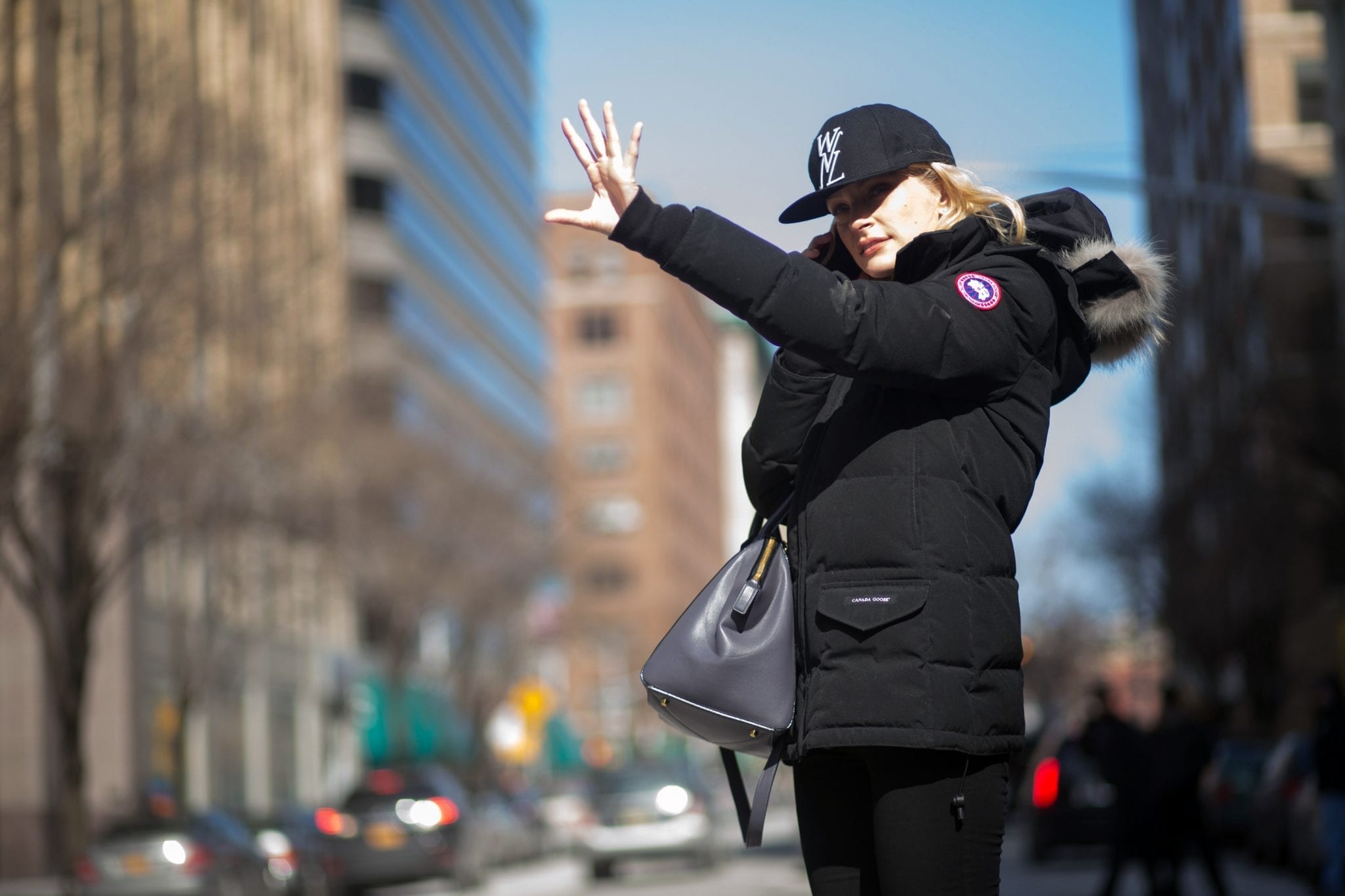
    Winter clothing firm Canada Goose has finally opened its first Mainland Chinese store in Beijing. In a launch rumoured to be delayed due to political tensions between China and Canada – and dismissed by the firm as the result of construction delays – extensive queues saw shoppers waiting for over an hour for the opportunity to purchase the CNY9000 (US$1300) parka jackets.

    The brand has previously enjoyed significant popularity in Hong Kong.

    An email from the firm to news agency Reuters read “We are proud of our newest store in China and look forward to welcoming our fans”.

    Calls to boycott the brand were made on social media following Canada’s arrest of Huawei Technologies’ CFO Meng Wanzhou, a situation that has sparked a 37 per cent drop in the value of Canada Goose shares in Toronto.

  • Hong Kong November retail sales almost stagnant

    Hong Kong November retail sales almost stagnant

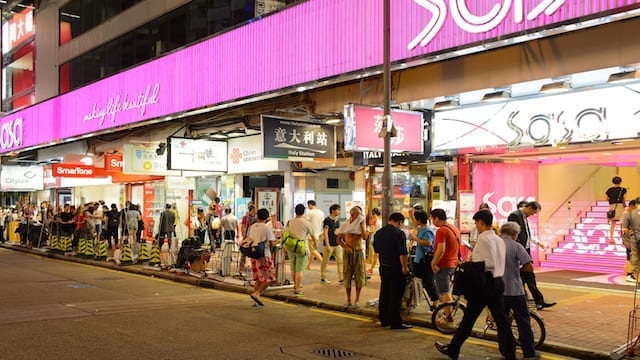
    The growth of Hong Kong retail sales in November slowed to a crawl according to Census and Statistics Department figures just released. After a 6 per cent year-on-year increase in October, the value of sales in November rose just 1.4 per cent to an estimated HK$39.2 billion. That is well below the 9.7 per cent year-to-date rise for the first 11 months of the year.

    And after netting out the effect of price changes over the same period, Hong Kong retail sales in November rose by just 1.2 per cent year on year.

    A spokesman for the C&SD said the “generally moderated growth in retail sales in recent months” reflected more cautious consumption sentiment in the face of various external uncertainties such as the US-Mainland trade tensions and volatilities in the global financial markets.

    “Looking forward, while the favourable local job and income conditions and continued expansion in inbound tourism should still provide some support to the retail sector in the near term, consumer sentiment could be affected by weaker asset prices and the external uncertainties.”

    The overall figure was affected by soft sales of the key jewellery and watches category, down by 3.9 per cent, and of electronics, down by 4.9 per cent. Clothing sales fell by 3.6 per cent.

    Countering those falls were department store turnover, up 3.9 per cent; medicines and cosmetics up 10.1 per cent; food, alcoholic drinks and tobacco up 1.9 per cent; and other consumer goods, not elsewhere classified by 14.3 per cent. Optical store sales rose by 5.4 per cent and books and stationery by 6. 2 per cent.

    Quarter on quarter, Hong Kong retail sales receded during the three months to November by 2.7 per cent, compared with the preceding three months, with the volume of sales (after factoring in inflation) falling 1.8 per cent.

    For the first 11 months of last year, the volume of retail sales increased by 8.4 per cent.

  • Pooey Puitton toy purse makers file lawsuit against Louis Vuitton

    Pooey Puitton toy purse makers file lawsuit against Louis Vuitton

    Toy company MGA Entertainment has preemptively sued Louis Vuitton in an attempt to prevent the fashion house from taking actions that might impact sales of its slime-filled children’s purse Pooey Puitton. Filed 28 December 2018 in Los Angeles federal court, the lawsuit aims to prevent any potential claims of trademark infringement that Louis Vuitton might have against the plastic, poop-shaped purse.

    Instead, it asserts that the product is a “protected parody” of Louis Vuitton’s luxury handbags.

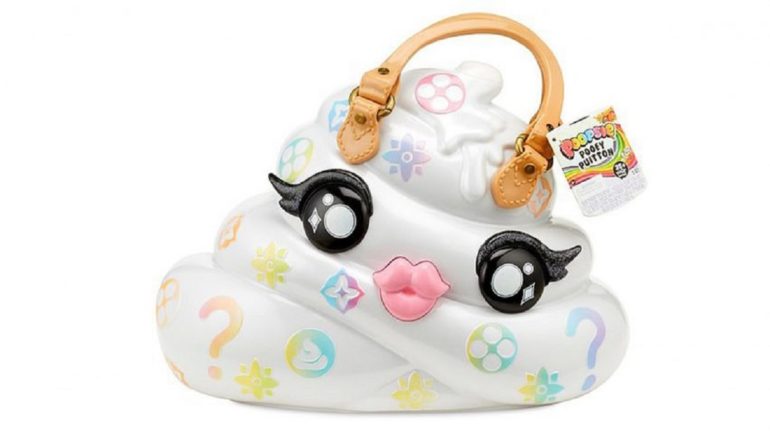
    The Pooey Puitton plastic purse takes the shape of a poop emoji with a handle and sparkly eyes. It is printed with a colourful, printed monogram, similar to the floral trademark pattern found on Louis Vuitton products, particularly the Spring/Summer 2003 collaboration with Japanese artist Takashi Murakami.

    Intended as a children’s toy, the purse is designed to store “unicorn poop”, a glittery toy slime.

    The children’s toy manufacturer launched the lawsuit in response to a claim that Pooey Puitton’s name and image violates the fashion label’s intellectual property rights.

    But MGA Entertainment asserted that “no reasonable consumer would mistake the Pooey product for a Louis Vuitton handbag”, citing the difference in material, price, marketing and stockists.

    According to the toy giant, the product is actually a parody of the luxury fashion brand, “designed to mock, criticise, and make fun of the wealth and celebrity” associated with Louis Vuitton products.

    “The use of the Pooey name and Pooey product in association with a product line of magical unicorn poop is intended to criticise or comment upon the rich and famous, the Louis Vuitton name, the ‘LV’ marks, and on their conspicuous consumption,” the statement reads.

    The interlocking “L” and “V” floral monogram pattern was designed by Louis Vuitton’s son, Georges Vuitton, in 1896.

    This is not the first time that MGA Entertainment has found itself in legal battles. The brand was famously sued by Barbie-manufacturer Mattel for allegedly stealing the idea behind its Bratz doll franchise.

    Elsewhere, Virgil Abloh – who was appointed artistic director of menswear for Louis Vuitton in March 2018 – unveiled his polychromatic menswear collection for the brand during Paris fashion week.

  • Cathay Pacific to honor premium Vietnam-US tickets sold by mistake

    Cathay Pacific to honor premium Vietnam-US tickets sold by mistake

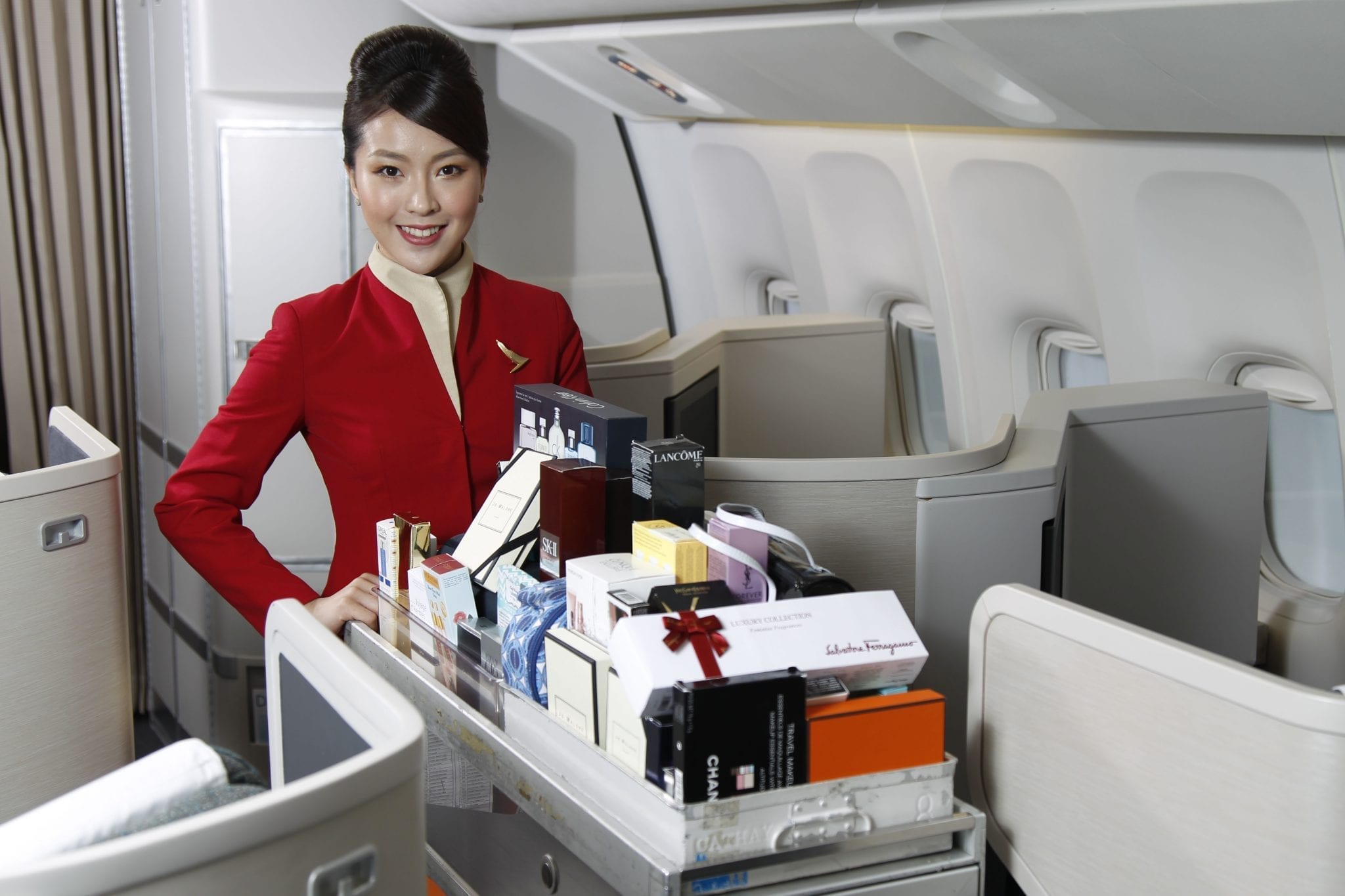
    Cathay Pacific Airways mistakenly sold Vietnam-U.S. first class and business class tickets at economy prices, but will honor them. The Hong Kong flag carrier made this announcement in a Twitter post Wednesday after customers reported Tuesday that they were able to purchase first class and business class tickets at unusually cheap prices from Vietnam to North American destinations such as San Francisco and New York in the U.S. and Vancouver, Canada.

    Cathay, Asia’s largest international airline, offered return business and first seats from Vietnam’s central city of Da Nang to New York at the price of $650 and $845 respectively, while typically these tickets cost $16,000 and $31,000.

    Hanoi-based pastor Jacob Bloemberg was one of the lucky customers who were able to purchase the tickets, which only lasted “for minutes.”

    “My wife and I travel from Hanoi to the U.S. every year, but we are very excited this time as we enjoy business class seats at the price of an economy seat,” he said.

    The number of tickets sold during the computer error is believed to be several thousand. Cathay Pacific blamed the mistake on an individual entering the wrong fares into the company’s system. Although Cathay has not revealed the cost of this error, it is calculated that the airline should have collected at least $685,800 from 11 customers that it spoke to.

    However, Cathay said it hoped the move would make this year special for its customers.

    “Yes – we made a mistake, but we look forward to welcoming you on board with your ticket issued. Hope this will make your 2019 ‘special’ too!,” the airline said on its Twitter account.

    It added #promisemadepromisekept, and #lessonlearnt at the end of the post.

    Last summer, a similar situation happened with Hong Kong Airlines when business class tickets were sold for $587, much lower than the usual price of $3,800. The airline honored its mistakes and covered all bookings.

    Bloemberg said that Cathay’s move was “honorable.”

    “If there are similar errors in the future, I’d like to find out right away.”

  • AirAsia targets 100 million passengers in 2019

    AirAsia targets 100 million passengers in 2019

    AirAsia Group is out to monetise its digital businesses and broaden the group’s digital footprint this year but has no plan to open more new airlines over the next three years. The airline wants to focus on growing its existing business especially in Indonesia and Philippines. “As 2019 approaches I would like to confirm that AirAsia will not be opening up any more new airlines for the next 3 years,’’ AirAsia Group chief executive officer Tan Sri Tony Fernandes (pic) said in his series of posts on Twitter yesterday.

    He added that “after Vietnam, we will focus on what we have. Focus this year is to make Indonesia and Philippines very profitable.’’

    There is where “all the major population and growing economies (are), coupled with two great countries (India and China) to enable us to cover the world,’’ he added.

    Fernandes added that he was confident the airline’s operations in India and Japan would be profitable in 2021.

    This year Fernandes is hoping that his airline group would be able to carry over 100 million passengers.

    When contacted he merely said it is “around there”.

    In the first nine months of 2018, the airline group carried 61.4 million passengers across its network. The target set for 2018 was 90 million passengers.

    “We are on track to achieve a group load factor target of 85%,’’ Fernandes had said earlier.

    With fuel prices falling, the airline also expects to maintain its cost this year and hopefully offers more low fares to travellers. It was reported that AirAsia group has hedged 48% for Brent at US$67.24 bbl for the first quarter (1Q19) and 27% for 2Q19 at US$65.40 bbl to manage volatility of fuel prices.

    Turning to the digital side of the business, Fernandes said in a tweet “this is the year people will begin to see our strength in digital’’.

    He would not go into details but earlier he has been talking about the BigPay app, which is a digital alternative to bank accounts and it comes with a card that allows users to use and spend it anywhere in the world.

    AirAsia Group has in mid-December completed the transfer of its non-digital businesses to Redbeat Ventures, its wholly owned subsidiary. The digital-related services include AirAsia BIG Loyalty, BigPay, travel360, ROKKI, Ourshop, RedCargo Logistics, RedBox Logistics, Vidi and RedTix.

    That is the first step towards monetising the digital business and allow AirAsia to broaden the digital footprint.

    In an announcement to Bursa Malaysia earlier, AirAsia deputy group CEO (digital, transformation and corporate services) Aireen Omar said that by placing the digital assets under Redbeat Ventures, they hope to more effectively expand and monetise the digital businesses and broaden AirAsia’s digital footprint.

    The vision for Redbeat Ventures was to connect with the start-up community globally through collaboration to foster entrepreneurship and stimulate market-driven innovation that would benefit not just AirAsia’s ecosystem but help lead the digital economy and lifestyle in Asean.

    Redbeat Ventures will work with tech start-ups and look out for investment opportunities in the high-tech and digital space to remain competitive and relevant in these rapidly changing commercial and technological environments.


     

  • Honey Birdette debuts in US

    Honey Birdette debuts in US

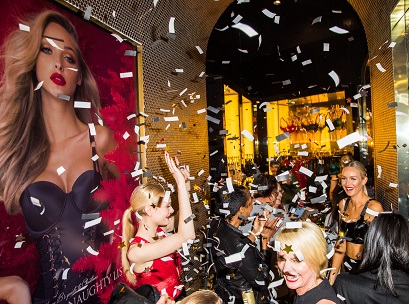
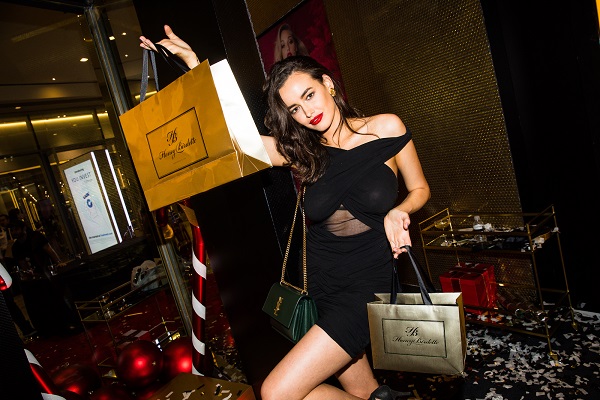
    Australian Lingerie brand Honey Birdette has launched its first US store in Westfield Century City, Los Angeles, focused on a unique design including whisky bar carts and ‘press-for-champagne’ buttons. The store will offer exclusive and limited-edition products, and is fronted by a glass mirrored store front centred by a gold tiled entry arch.

    “We are focusing on unique designs concepts for all of our future boutiques and each footprint will have its own unique element,” Honey Birdette founder and managing director Eloise Monaghan said.

    “Some might have a champagne bar for example, a private salon in one, a peep show in another, a stage or a catwalk.”

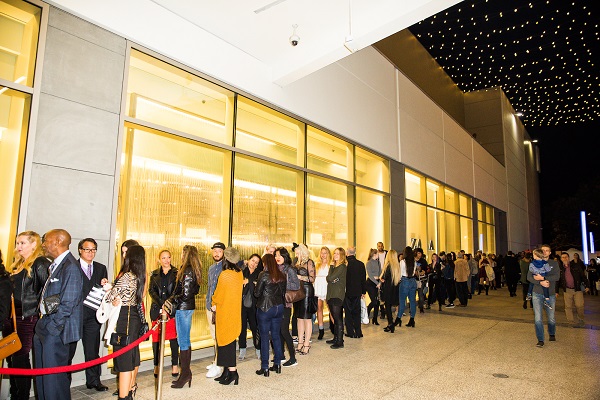
    The store opened to more than 500 shoppers who lined up to shop the brand physically for the first time in the US, and featured a DJ, champagne towers and confetti cannons.

    The brand currently trades within 57 locations in Australia, as well as across three locations in the United Kingdom.

  • Knows more : Rahul Singh, Founder & CEO, The Beer Café India

    Knows more : Rahul Singh, Founder & CEO, The Beer Café India

    With multiple awards like; Images Coca Cola Golden Spoon Award, India Restaurant Congress Award, Times Nightlife Award and ET Now Business and Service Excellence Award, the consumer and industry has recognized this startup as a blockbuster. Singh is the recipient of the TiECON 2010 Entrepreneurial Award for Excellence and holds the position of the Honorary Secretary for the NRAI (National Restaurant Association of India). He was also bestowed with the Prestigious Entrepreneur India 2015 Award in F&B services.

    Before he started The Beer Café, Singh was CEO, Greg Norman Collection India from 2007-09. In that role he spearheaded the brand’s operations involving sales, marketing and manufacturing.

    Prior to 2007, he was the Executive Director at Reebok India for 8 years and was a part of their leadership team, also setup a robust sourcing base for exports from South Asia.

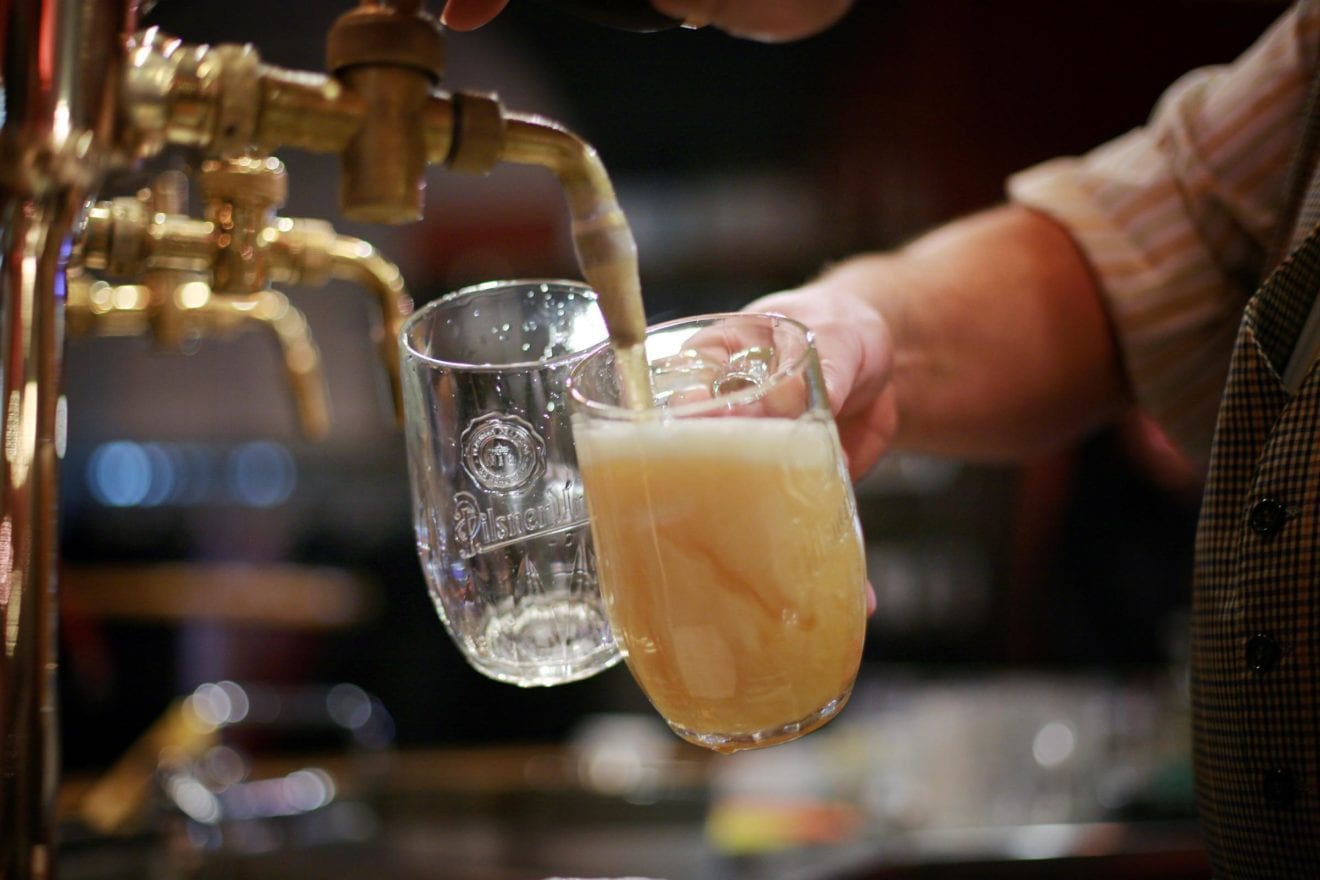
    As a textile engineer, he brings in an analytical approach to each line of enterprise that he gets into. He has undergone training in draught beer technology at Micromatic Institute in Florida, USA.

  • 2018 : Alibaba’s news about F&B, starting from Starbucks’ partnership

    2018 : Alibaba’s news about F&B, starting from Starbucks’ partnership

    Starbucks launched its first virtual store in China powered by technology from Alibaba Group, providing a unified, one-stop digital experience across the Starbucks app and mobile apps within the Alibaba ecosystem, including Taobao, Tmall, and Alipay. The first-of-its-kind virtual store leverages an online management hub developed specifically for Starbucks by Alibaba. It provides consumers integrated access to Starbucks’ digital offerings, including “Starbucks Delivers,” “Say it with Starbucks” social gifting and merchandise available from Starbucks’ Tmall flagship store.

    Alibaba’s technology streamlines the shopping process, pulling offers that were available in multiple digital apps into a single access point. Adopting a centralized approach to its mobile presence enabled by the Alibaba ecosystem, Starbucks now has a complete overview of its consumers’ actions online. Moreover, the integration of membership between Starbucks and the range of Alibaba apps is expected to fuel strong growth in Starbucks Rewards membership in China.

    The new virtual store steps up the collaboration announced by Alibaba and Starbucks in August 2018, when the companies agreed a deep, strategic “New Retail” partnership. Ele.me, China’s leading on-demand food delivery platform, owned by Alibaba, provides Starbucks delivery service for 2,000 stores across 30 Chinese cities.

    In October 2018, Starbucks also piloted its first “Star Kitchens” within two FRESHIPPO (previously known as Hema) supermarkets in Shanghai and Hangzhou. As the first retail brand to establish a dedicated back-of-house presence in FRESHIPPO locations, each Star Kitchen utilizes the distinct fulfilment and delivery capabilities on-site to complement the handcrafted beverages offered through existing Starbucks stores.

    The launch of Starbucks’ virtual store is also the latest example of how the so-called “Alibaba Operating System” empowering traditional retailers. After years of development in this digital age, Alibaba has created a unique system to support enterprises in the process of digital transformation that covers critical areas such as retail, marketing, finance and logistics.

  • Thailand’s Supersports stores rebranded as fashion shops

    Thailand’s Supersports stores rebranded as fashion shops

    Thailand’s CRC Sports has rebranded its Supersports business as a sports fashion store in a move targeting millennials. Last month’s rebranding modernises the business’s image and transforms the performance store model into the fashion world. The logo has also been revised with green motifs to suggest environmental awareness.

    Three Supersports stores have already been updated with the new look, including the CentralWorld location, with 50 stores scheduled to follow early next year.

    President Tony Morton said: “Our new motto is ‘The new Supersports, where Sport is fashion’, in response to the trend of millennials being fashion-conscious, cool, healthy and cheerful.”

    The firm will also expand its online sales efforts in the coming year, with the total market size for sporting goods in Thailand expected to be worth THB30 billion (US$916.3 million) by the end of this year.

    Supersports drew in THB300 million ($9.163 million) in online sales last year – 3.5 per cent of Supersports’ THB8.5 billion ($259.78 million) total revenue – and expects online sales to reach THB500 million ($15.28 million) next year.

  • Miu Miu Siam Paragon boutique reopened

    Miu Miu Siam Paragon boutique reopened

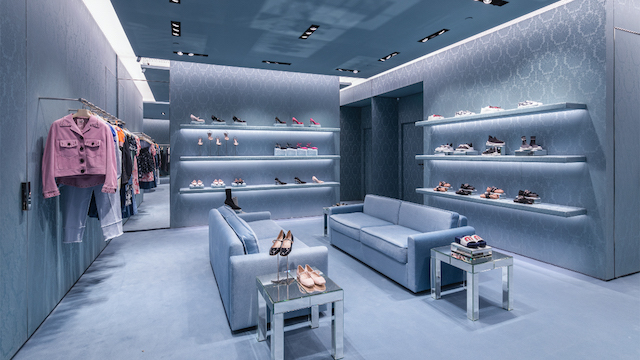
    Italian fashion brand Miu Miu is reopening its Siam Paragon boutique as the first Thai location to introduce its new concept store. The new 140sqm outlet strengthens the brand’s presence in Bangkok with a refreshed interior design and new collections of its signature accessories, bag, shoe and ready-to-wear collections.

    Among Miu Miu’s current offerings are evening dresses enhanced by Swarovski crystals and garments featuring 60’s-inspired elements.