Tag: luxury

  • Poor customer experience costs retailers in Asia

    Poor customer experience costs retailers in Asia

    Nearly two-thirds (63 per cent) of consumers in Asia will no longer shop with a retailer after just one poor customer experience. That is one of the conclusions of a research study conducted by unified commerce provider Tofugear in partnership with Rakuten Insight. Based on a survey of 6000 shoppers across 12 countries in Asia, the research underlines the importance of delivering on experience for retailers.

    Top frustrations with stores included products being out of stock, long checkout queues and poor service from staff. When it comes to online shopping, consumers were turned off by high shipping costs, inaccurate product information and slow fulfilment speeds.

    Philip Wiggenraad, head of research at Tofugear, says: “The connected consumer in Asia is empowered and not afraid to look elsewhere when their needs are not being met. Retailers need to understand that they often only have one chance to get it right.”

    E-commerce is popular with consumers in the region: 59 per cent prefer to shop online rather than in stores.

    However, there were considerable variations depending on the country. China led the way (88 per cent), while markets such as Hong Kong and Singapore (both 51 per cent) were more evenly split in their preferences between online or stores.

    While millennials are the most prolific online shoppers, with more than half (55 per cent) doing so at least once a week, Gen Z also has a definite lean towards the online channel.

    “Physical retailers expecting a resurgence of the store driven by Gen Z should think twice and continue to look at ways to make their stores relevant in the digital age,” says Wiggenraad.

    Respondents to the survey showed a strong willingness to engage with store technologies in order to make their shopping journey more frictionless. Two-thirds (65 per cent) would use their mobile phone for self-checkout, while 62 per cent were open to using apps in stores as part of a connected retail experience.

    Access the full findings of the Digital Consumer in Asia 2018 report by downloading the PDF here.

  • Snapdeal unveils ‘Brand Shield’ to help firms fight counterfeits

    Snapdeal unveils ‘Brand Shield’ to help firms fight counterfeits

    India’s e-commerce major Snapdeal Monday said it has launched ‘Brand Shield’, an anti-counterfeiting programme to help brands report counterfeit products being sold on its platform. The programme has been designed based on the inputs received from various brand owners, Snapdeal said in a statement.

    The programme is aimed at enabling a structured interaction between the platform and brands with regard to any intellectual property (IP) issues flagged by the brand, it added.

    Under Brand Shield, there will be an online, triple-check point process for brands to report any violation of their IP rights in terms of trademark, copyright, patent or concerns related to design.

    Brands can also list specific issues relating to unlawful copying of logos, brand images, design features and packaging by sellers listed on Snapdeal’s platform. Brands will be required to establish their ownership of the IP, identify the listing of concern through proof and state their claim of infringement.

    The statement said designated teams at Snapdeal will review every report of IP infringement submitted through Brand Shield. Upon verification of the accuracy and adequacy of the information provided by the brand, Snapdeal will take down the listing within one business day, it added.

    In continuation of current practice, Snapdeal will also continue to de-list products/ listings in compliance with any directions or orders passed by the courts and other relevant authorities, the statement said.

    “The issue of unscrupulous sellers misusing online marketplaces to sell fake goods is a global problem. Brand Shield is part of our ongoing initiatives to collaborate with brands owners to combat counterfeits and infringement offences,” a Snapdeal spokesperson said.

    Snapdeal, an online marketplace, acts as an intermediary connecting buyers and independent third party sellers. It also prohibits the sale of counterfeit products on its marketplace and any sellers found in violation are penalised as per the terms of agreements with the sellers, the statement said.

  • Luxury footwear label A.Testoni bought by Hong Kongese group Sitoy

    Luxury footwear label A.Testoni bought by Hong Kongese group Sitoy

    Hong Kong leather goods manufacturer Sitoy Group has acquired Italian luxury brand A.Testoni. Sitoy’s investment allows A.Testoni to maintain its brand identity and maximise on its artisanal heritage in a long-term strategy to drive the brand’s ongoing development.

    Sitoy’s chairman Michael Yeung Wah Keung said: “We are very pleased to welcome A.Testoni as a part of the Sitoy Group and work together to realise the full potential of the brand. As we celebrate our 50th anniversary this year, the acquisition marks an important milestone in the transformation of our retail and brand management business into a global dimension.”

    CEO of A.Testoni Bruno Fantechi said the acquisition comes after many years of fruitful partnership in Mainland China, where Sitoy has been a key partner in developing the brand’s distribution.

    “It recognises the inherent value in the brand’s unique levels of quality, craftsmanship and innovation which will drive significant future growth and development.”

  • Roger Dubuis appointed new CEO

    Roger Dubuis appointed new CEO

    Effective December 1, Nicola Andreatta will be the new Chief Executive Officer of Manufacture Roger Dubuis. Nicola comes with 20 years of experience in the management of luxury and watch industries. In 2013, Nicola was appointed Vice President and General Manager of the Swiss entities of Tiffany & Co.

    Prior to that, Nicola founded N.O.A. Watch Company in Ticino, Switzerland, which he developed during more than 10 years. And before founding his own company as an entrepreneur, Nicola held various roles in Asia in the watch and luxury industries, as Managing Director, COO and CFO, with the companies, AC Services Ltd, Harwood Investments Ltd and Art Concord Ltd, where he has started his career in 1998.

  • DFS Group Kicks Off Its Seasonal Gifting Campaign

    DFS Group Kicks Off Its Seasonal Gifting Campaign

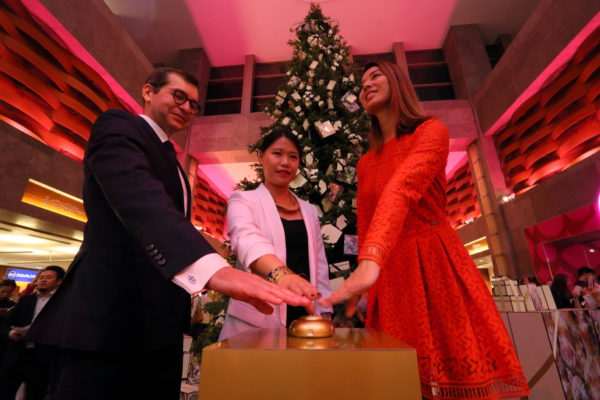
    DFS Group has kicked off its annual gifting campaign at T Galleria by DFS in Okinawa. The “Give Joy”-themed campaign opened on November 24, showcasing DFS’s first ever “Personalisation Gift Shop” concept, where an assortment of specially curated luxury gifts can be personalised, along with services. The concept will now be rolled out in T Galleria by DFS stores in Hong Kong’s Canton Road and Macau’s City of Dreams, along with stores in Singapore, Angkor (Cambodia), Saipan, Bali, Guam, Okinawa, Hawaii and Sydney.

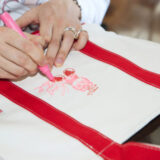
    The store was transformed into a “gifting wonderland” at the launch as guests were invited to try the personalisation services – monogramming leather goods, and adorning t-shirts and tote bags with Foxy’s six DFS exclusive emoji iron-on patches.

    DFS Group executive VP merchandising Ariel Gentzbourger said: “Thanks to our unique approach to gifting, and our understanding of what our customers are seeking, we have created a shopping experience that is a joy in itself.”

    Gifting-themed entertainment at the event included a life-size advent calendar overflowing with holiday treasures, a special visit from Santa Claus and a “candygram” corner for guests to pick and mix sweet treats.

    View the gallery below for the report of the event (11 images) :

  • Genting sues The Walt Disney Co for cancelled theme park contract

    Genting sues The Walt Disney Co for cancelled theme park contract

    Genting Malaysia Bhd’s share price fell as much as 18.6% today on news that it is suing Twenty-First Century Fox Inc and The Walt Disney Co for more than US$1 billion (RM4.19 billion) for terminating their contract to develop a Fox-branded theme park at Resorts World Genting in Malaysia. The Fox theme park is a key selling point of the Malaysian casino resort group’s multi-billion ringgit Genting Integrated Tourism Plan.

    Genting Malaysia told Bursa Malaysia today it is suing Fox Entertainment Group, LLC, Twentieth-Century Fox Film Corp, FoxNext, LLC (collectively known as FOX), Twenty-First Century Fox, Inc (21CF) and The Walt Disney Co for the termination of a memorandum of agreement (MoA) relating to the theme park project.

    The Walt Disney Co is in the process of acquring Twenty-First Century Fox.

    Genting Malaysia was the most actively traded counter on the local stock market today, closing 16.7% lower at RM3.00 with some 276.3 million shares traded. It opened lower at RM3 and fell as much as 67 sen from its last adjusted closing price of RM3.60, to trade at a low of RM2.93.

    In a filing with Bursa Malaysia, Genting Malaysia said it has filed legal proceedings in the US against FOX, 21CF and Walt Disney, in response to a notice issued by FOX in which it terminated the MoA and claimed about US$46.2 million (about RM193.6 million) in accelerated payments.

    “Genting Malaysia denies that FOX had grounds to terminate the MoA, denies any liability resulting therefrom, and has pursued cause of action against FOX for breach of contract, and breach of the implied covenant of good faith and fair dealing, among others,” it said.

    The group has also pursued cause of action against Disney and 21CF for inducing breach of contract and for interference with contract.

    The group said it intends to fully enforce its rights under the MoA, claim for the cost of its investments and consequential and punitive damages that in total will exceed US$1 billion, and such other reliefs to be determined by the court.

    Genting Malaysia said the litigation is not expected to impact its current business operations. It said the validity of the causes of action as well as the availability and extent of Genting Malaysia’s damages cannot be ascertained at this juncture.

    To recap, Genting Malaysia entered into the MoA dated June 1, 2013 with Twentieth-Century Fox Licensing & Merchandising, a division of Fox Entertainment Group, Inc. Genting Malaysia was granted a licence to use certain intellectual property rights associated with Fox theatrical motion pictures in connection with the design, development, construction and operation of what was to be called the Twentieth-Century Fox World Theme Park. The MoA was subsequently amended on June 10, 2014 and June 9, 2017.

  • Online Black Friday runs lackluster campaign in Vietnam

    Online Black Friday runs lackluster campaign in Vietnam

    Online Black Friday retailers failed to enthuse customers with usual discounts, while brick and mortar stores saw heavy traffic. E-commerce giant Lazada combined its Black Friday and Cyber Monday into a four-day promotional event, offering discounts of up to 70 percent, mostly on cosmetics and fashion items.

    New items were discounted by 15 percent, and the strongest price reductions were offered on low-value items of unpopular brands.

    Other e-commerce services claimed to offer bigger discounts, of up to 91 percent on Tiki and 99 percent on Shopee, but these were restricted to a particular time frame after which the discounts passed on to other items.

    However, such “flash sales” are familiar to online shoppers as daily offerings made by most e-commerce services.

    Thus, retailers failed to enthuse customers with the discounts.

    Minh Tien, an office worker in Ho Chi Minh City’s District 1, said that he regularly checks flash sale items on these websites. “It’s the same method this time, and I’m in no rush as the event will last three to seven days.”

    Market observers said another reason that Black Friday online sales in Vietnam failed to catch fire was the Chinese Singles’ Day promotional event held earlier this month and the upcoming Online Friday hosted by the Vietnam E-commerce and Digital Economy Agency (iDEA), under the Ministry of Industry and Trade, on December 7.

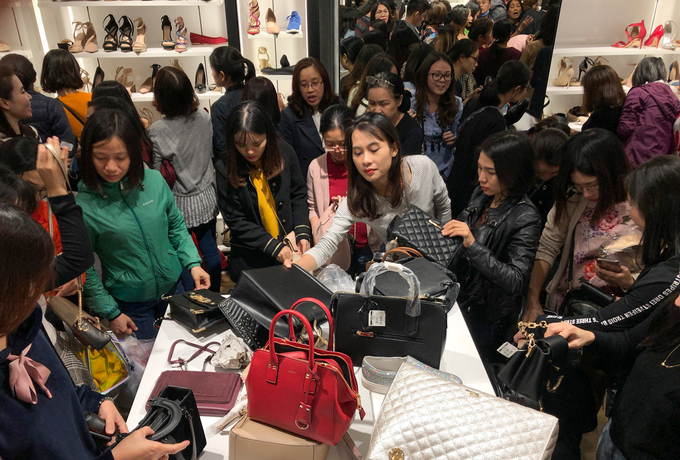
    But in contrast to the online market, the shopping atmosphere was vibrant at brick-and-mortar stores. People started to queue up at large shopping centers in Hanoi and HCMC early Friday.

    A large fashion store on Ba Trieu street in Hanoi offered a discount on all items for five hours, attracting a large number of customers.

    In other stores, customers had to wait for up to two hours to buy household items. Office workers joined the shopping frenzy at lunch time, only to find out they were late because shops stopped letting new customers after 11 a.m.

    As of 10 p.m. Friday night, customers were still queuing up at major shopping malls in Hanoi.

  • Samsung Galaxy A9 to debut in Indian market

    Samsung Galaxy A9 to debut in Indian market

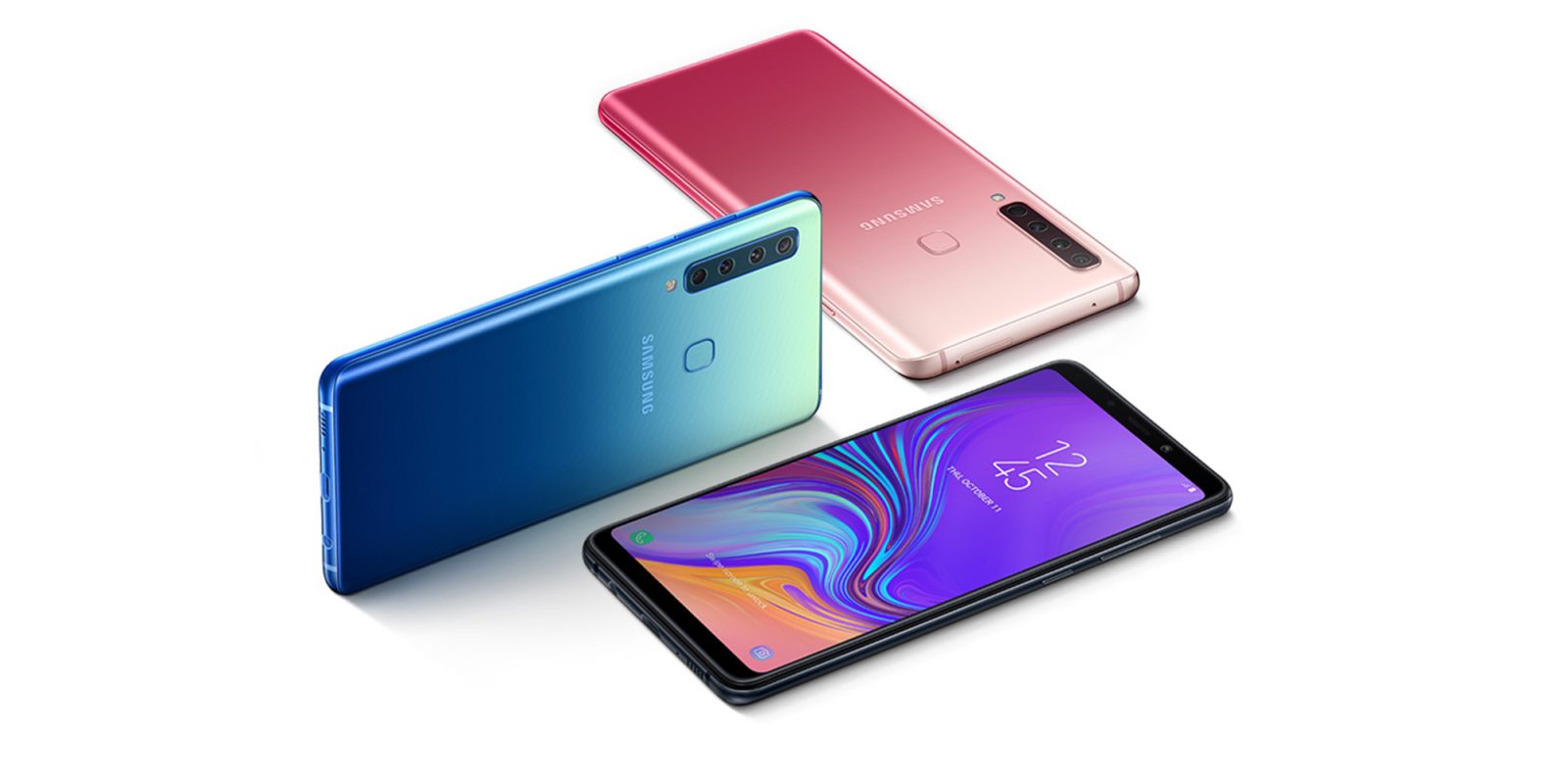
    Samsung Electronics has chosen India as the first country in which to release its Galaxy A9 mid-range smartphone. The company is set to begin sales of the model on Nov. 28.  The A9, introduced on Oct. 11 in Kuala Lumpur, in the presence of some 1,000 journalists and businessmen, is the first Samsung smartphone with four cameras on the back.

    “We are beefing up the smartphone lineup and marketing activities in India,” a Samsung spokesman said. “We plan to churn out smartphones best optimized for the Indian market at the newly established factory in India and supply directly to the local market.”

    In July, Samsung completed the expansion of its smartphone factory in Noida, south of the Indian capital of New Delhi. Work began on the 800-billion-won ($707,780) project in June 2017.

    Once the No. 1 smartphone vendor in India, Samsung has been overtaken by Chinese rookie Xiaomi, the world’s fourth-largest smartphone vendor. India is the world’s third-largest smartphone market.

    According to Counterpoint Research in October, Xiaomi accounted for 27 percent of the India smartphone market, up 5 points year on year, whereas Samsung captured 23 percent, the same share as a year earlier.

    India is a crucial market for Samsung, given that the company lost China to Chinese players. According to Strategy Analytics, Samsung’s market share in China slumped to a mere 0.8 percent in the second quarter, with Huawei taking 27 percent.

    Samsung launched eight models in its low-end Galaxy J series alongside premium models, such as Galaxy S9 and Note9, in India this year. The J series is the company’s the most popular lineup in India

    The A9 is a part of the trend of adding as many cameras as possible to smartphones. Its four cameras on the rear boast four different resolutions – 24, 10, eight and five megapixels. The first one is regular, the second has a telephoto lens and the third is for ultra-wide angle shots. The fourth, with the lowest resolution, serves as a depth camera that gives users the ability to manually adjust the depth of field of their images. That helps create so-called bokeh-effect photos, whereby the subject is in focus but the background is blurred.

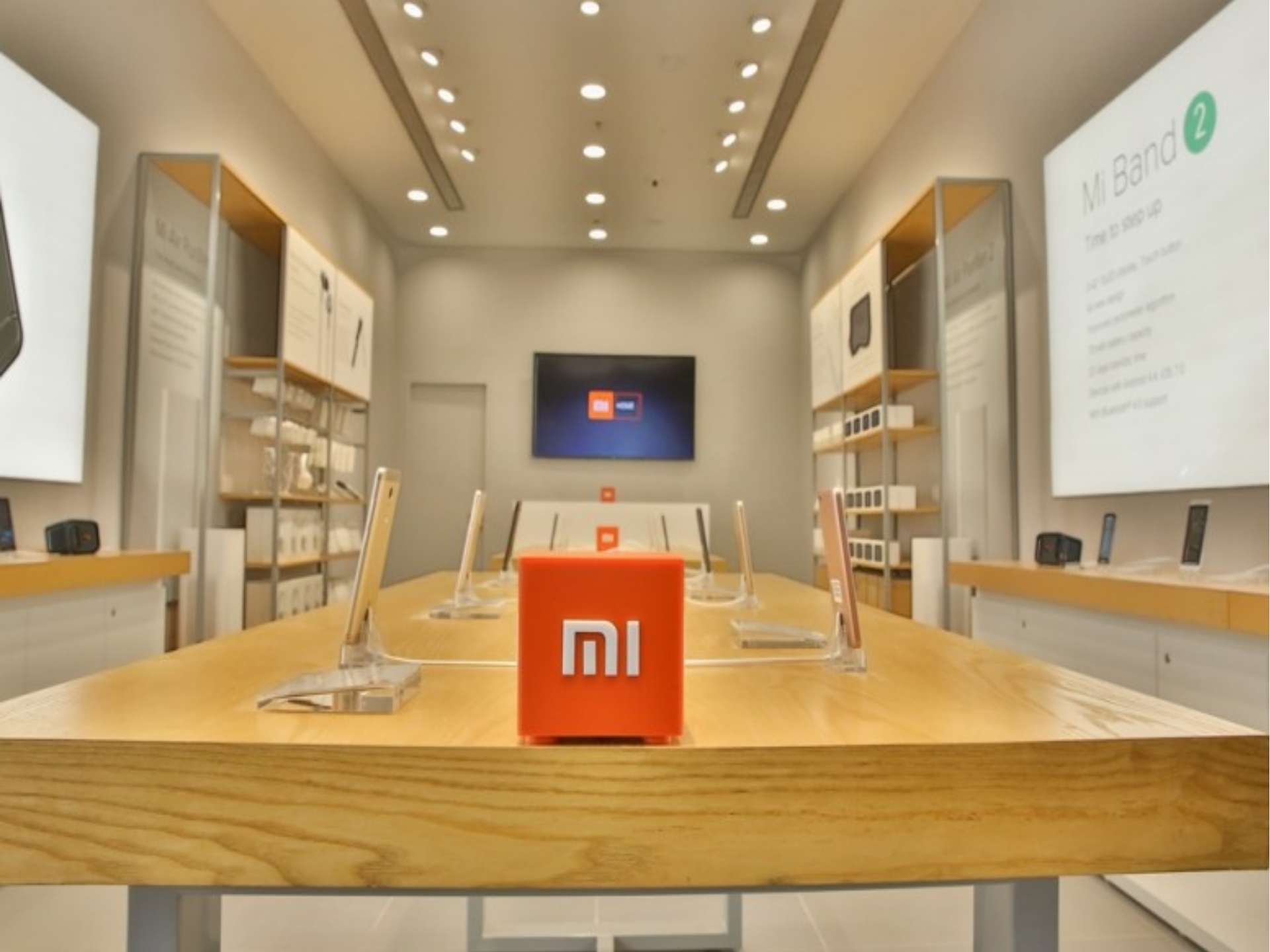
    Xiaomi is betting aggressively on India. Its Indian unit promised to open 500 offline stores under the Mi brand and hire more than 15,000 staff by the end of 2019. Huawei followed suit, vowing to expand production facilities and open over 1,000 stores.

  • Xiaomi aims at 5,000 stores in India by the end of 2019

    Xiaomi aims at 5,000 stores in India by the end of 2019

    Chinese tech giant Xiaomi is looking to cement its status as India’s leading smartphone provider by opening thousands of stores before the end of 2019. The company announced it would increase its presence in India from 500 retail stores to 5,000 by 2020. “It’s been over a year since we started offering our products through offline retail and we have seen strong growth there,” said Manu Jain, Xiaomi vice president and managing director for India.

    “Offline retail is a huge segment in our country with nearly 40 percent of the offline market focused in rural regions, and all of this should increase our offline sales and account for 50 percent of the company’s revenue by the end of next year.”

    In a Twitter post, the smartphone maker invited people to apply to run one of the franchised stores, which will be based on its Mi retail model.

    “It’s been over a year since we started offering our products through offline retail and we have seen strong growth there,” – Manu Jain

    “Mi store is the ‘new retail’ model for rural India that gives flagship store experience to our rural customers,” Xiaomi said on Twitter, adding that the new stores would generate more than 15,000 jobs.

    India is one of Xiaomi’s fastest-growing markets, according to Reuters, where it has had success with its budget Redmi phone series.

    The firm is the country’s leading smartphone provider, with 30 percent of market share. It entered the market in 2014 as an online-only retailer, before opening physical stores across India. Samsung and Vivo are its closest competitors there.

    Xiaomi was awarded a Guinness World Record on Tuesday for opening the largest number of retail stores in India simultaneously. The company also operates in Asia, Europe, the Middle East, Africa, and Mexico.

  • All Starbucks in Korea to get paper straws from yesterday

    All Starbucks in Korea to get paper straws from yesterday

    Starbucks Korea is stocking all 1,225 of its stores nationwide with paper straws in a bid to cut down on its plastic usage. Starting last Monday, Starbucks began stocking all of its stores with white paper straws, which it found during trials to be more popular than green ones. The paper straws will also be coated with soy oil both inside and outside in response to customer complaints that its original trial straws were too flimsy.

    Starbucks trialed paper straws at 100 stores in Seoul, Busan and Jeju Island over the last two months.

    Though all stores now have paper straws, some branches will continue to offer customers plastic ones until they deplete existing stocks.

    Additionally, on Monday Starbucks began stocking all of its stores with plastic cup lids that don’t require straws. These special lids, which resemble those used with hot drinks that come in paper cups, will be provided for take-out orders of regular cold drinks. Paper straws and regular lids will be provided for specialty cold drinks like Frappuccinos and drinks topped with whipped cream that are difficult to drink without straws.

    “We developed the plastic cup lids to minimize disposable waste consumption and also offer an alternative to customers who prefer drinking without straws,” said a Starbucks spokesman.

    Starbucks will also remove the straws and stirring sticks it previously left out for customers and instead place them behind counters and only provide them on request. It will replace all plastic stirring sticks with wooden ones as well.

    Last year, Starbucks Korea used 180 million plastic straws, nearly enough to circumnavigate the earth if laid end-to-end.

    “With the adoption of paper straws we will be able to prevent consumption of at least 180 million plastic straws from next year,” said a Starbucks spokesperson.

  • Sydney to be home for Lindt’s  first “premium chocolate” store

    Sydney to be home for Lindt’s first “premium chocolate” store

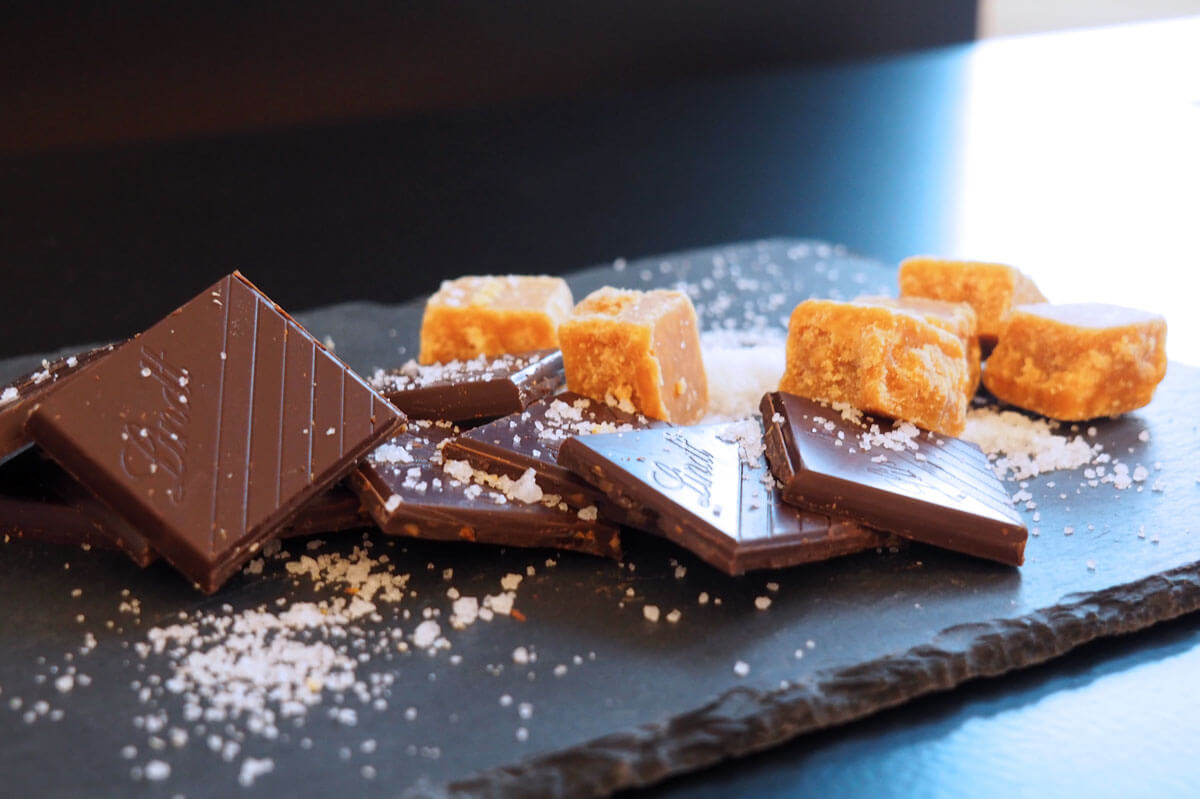
    Swiss chocolatier Lindt is ramping up its Australia retail expansion with the opening of its latest chocolate boutique in Sydney. Located in Sydney’s Macquarie shopping mall, the new boutique-style shop is filled with Lindt’s complete luxury chocolate range. However, with five stores already operating in the city, the new location is the first of its kind to offer a more “premium chocolate shopping experience”.

    The premium aspect includes an exclusive range featuring a new Gourmet Selection, which comes in seven flavours of premium roasted nuts and fruit coated in Lindt Chocolate.

    Likewise, the new shop offers a selection of specialty-crafted chocolate slabs with gourmet ingredients and a wide variety of Lindt’s signature pralines.

    Inside, Australian shoppers are encouraged to browse from the gift boxes on offer, which vary across three different sizes, before filling each with an assortment of Lindor balls and other Lindt chocolates, creating a quasi ‘Pick and Mix’ concoction, so each purchase can be custom made.

    There is also a Lindt Chocolate Bar, which offers a range of takeaway hot and cold drinks made with pure Lindt chocolate.

    “It is a great addition to our NSW Lindt Chocolate Shop locations and we know the shoppers at Macquarie Centre will enjoy indulging in the exclusive gourmet ranges on offer,” CEO Lindt Australia Stephen Loane told local media.

    The boutique store is surrounded by close to 400 international and national retailers to be shopped at Sydney’s Macquarie Centre, located in Sydney’s northern suburb of North Ryde.

    Lindt’s expansion comes at a time when rival chocolate retailer and café Max Brenner and its Australian arm has filed for bankruptcy.

    Max Brenner Australia, which was started in 1999 and is owned by Tom and Lilly Haikin, appointed voluntary administrators in early October citing rising costs and sluggish retail trade.

    On October 8, administrators McGrathNicol closed 20 of Max Brenner’s 37 stores.

  • Dolce & Gabbana chaos continues

    Dolce & Gabbana chaos continues

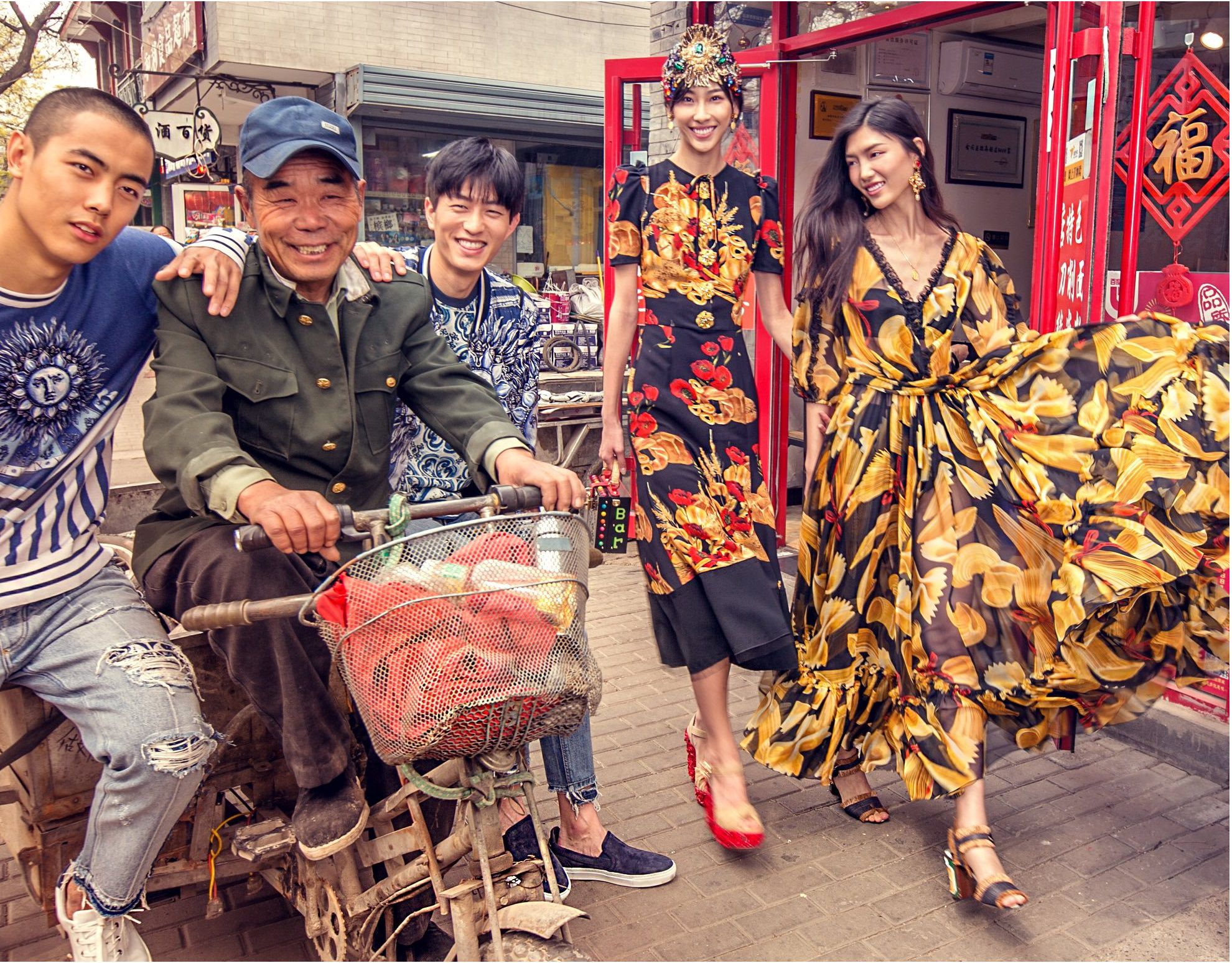
    Dolce & Gabbana has cancelled a high-profile catwalk show in Shanghai following an outcry over what many in China perceived to be a racist marketing campaign. The Italian brand products have now been dropped by e-commerce giants Alibaba, JD and Yoox Net-A-Porter. Leading Chinese e-commerce platforms Alibaba and JD.com were joined by Suning, VIPshop, Secoo and Netease in dropping the Italian fashion house’s products from sale.

    Hong Kong-based luxury department store operator Lane Crawford has also joined Chinese retailers in dropping Dolce & Gabbana products after it offended Chinese partners and internet users this week.

    Andrew Keith, president of Lane Crawford, told the Post: “With respect to our customers, we have taken the decision to remove Dolce & Gabbana from all stores in China, online and in Hong Kong.”

    The decision would take effect at 1pm on Friday, Lane Crawford said.

    Amazon China and Yoox Net-A-Porter have also removed products, with the latter dropping the brand from its Net-A-Porter, Mr Porter and Yoox.com platforms.

    Meanwhile, high-profile Chinese celebrities and KOLs including actors Li Bingbing, Chen Kun, Diliraba, Zhang Ziyi and actor-singer Huang Xiaoming were among a host of stars distancing themselves from the brand and vowing not to buy D&G products.

    A video posted on Weibo Monday of a Chinese model attempting to eat Italian food with chopsticks was taken down after less than 24 hours, but widely shared on both Chinese social media platforms and Instagram.

    The social media storm was made worse by comments attributed to Stefano Gabbana and Dolce & Gabbana’s official Instagram accounts on Wednesday, the day the brand’s #DGTheGreatShow catwalk presentation was scheduled to take place in Shanghai.

    In what Dolce & Gabbana claims was the result of a hack, the brand’s social media accounts featured derogatory comments about China and Chinese internet users.

    Though quickly removed, screenshots of the comments were widely shared on Chinese social media, along with the trending hashtag #BoycottDolce. The Weibo hashtag #DGTheGreatShowCancelled has been read 540 million times, and mentioned in 74,000 discussions.

    Show invitees have been informed that the 500-look runway event will no longer go ahead.

    China Bentley Modelling agency released an official statement saying 24 of their models who were booked to walk in D&G’s first Shanghai fashion show were boycotting the event.

    The Chinese government also stepped in with the Cultural and Tourism Department ordering Dolce & Gabbana to cancel the event just a few hours before it was scheduled to take place.

    Chinese consumers have flooded social media platforms Weibo and WeChat criticising the brand and posting videos and images of D&G products being destroyed, burned and used to clean floors and line animal litter trays. Security guards and police officers have been stationed outside Dolce & Gabbana stores in Beijing and Shanghai.

    This marks the second high-profile outcry over racist messaging from Dolce & Gabbana in only 18 months. A previous #DGLovesChina campaign depicted Beijing in a way that Chinese internet users felt looked backwards and underdeveloped.

    Both Gabbana and co-founder Domenico Dolce have been accused of making politically insensitive statements, from referring to babies conceived by in vitro fertilisation as “synthetic”, to refusing to support the right of gay parents to adopt.

    The duo has also described gladiator sandals as “slave sandals” and were quick to endorse First Lady Melania Trump.

    Gabbana in particular has a history of posting insensitive comments on social media, and came under fire for calling Selena Gomez “ugly” on Instagram in June, and the Kardashian family “the most cheap people in the world” in July.

    Though the designer duo have been known for using social media to voice their controversial opinions, upsetting Chinese consumers could have far-reaching commercial consequences.

    According to Bain & Company’s latest report on the luxury market, Chinese consumers account for an estimated 33 percent of global luxury goods spend, a share that is likely to hit 46 percent by 2025.

    Seeing as Chinese support can make or break a brand’s performance, how the label manages the controversy will be critical for its future success in the market.

    Dolce & Gabbana could not yet be reached in China or Milan for comment.

    According to a post published on Dolce & Gabbana’s Weibo account on November 21, the event has been rescheduled, and the brand has apologised for the inconvenience caused.

    Dolce & Gabbana reposted Gabbana’s ‘Not Me’ screenshot on its Weibo account, accompanied by the following statement, which mirrors the brand’s post on Instagram: “Our Instagram account has been hacked. So has the account of Stefano Gabbana. Our legal office is urgently investigating. We are very sorry for any distress caused by these unauthorised posts, comments and direct messages. We have nothing but respect for China and the people of China.”

    Last Friday, Dolce & Gabbana released a video of apologies, but the situation is not getting any better. The video was received as a way for the brand to preserve their own economic interests.

    Now, increasing attention has been given to similar episodes related to other brands, and media are populated with advertising campaigns, which show how while targeting overseas markets, lack of knowledge of local culture could be fatal to a business.

    Among the cases mentioned over the weekend, Chanel and its luxury boomerang, and Dior and Jennifer Lawrence featuring Mexican heritage without Mexican women (cultural appropriation), Zara and Nazi symbolism, and many more. However, Dolce & Gabbana case has been the first one with such global economic consequences.

  • FILA India collaborates with Streetwear Label Norblack Norwhite

    FILA India collaborates with Streetwear Label Norblack Norwhite

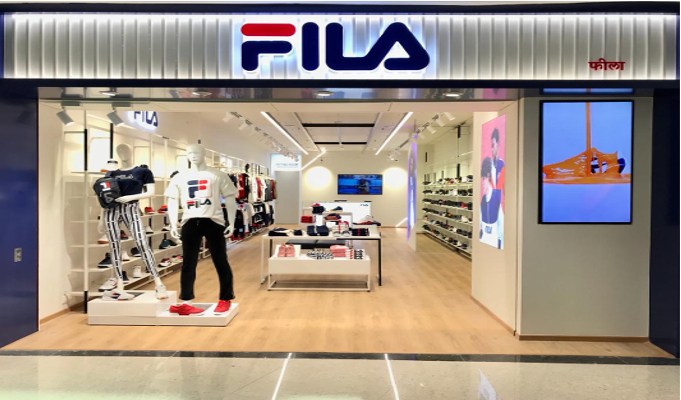
    The Italian sports-fashion brand Fila has announced its first ever Heritage collaboration with indie streetwear brand Norblack Norwhite which are now available in its stores. FILA India’s partnership with Norblack Norwhite pays homage to a heritage of textiles from Italy and to the age-old traditions of Indian textile makers, debuting with this India-only exclusive collaboration.

    Fila India’s Creative Director, Abdon Lepcha worked closely with NBNW for almost a year to design a limited edition collection that fuses iconic FILA silhouettes with their signature prints and patterns. The collaboration is a fusion of Indian streetwear with sports fashion. The collection was created applying the NBNW love for pattern and color, keeping it breathable within the sporty space. The styles focus on comfort, playing off some of Norblack Norwhite’s textile styles applied in a new way to work with Fila fabrics.

    Speaking on the collection, Mriga Kapadiya & Amrit Kumar said, “NBNW celebrates textiles and colors and patterns so creating within the FILA form and brand has taken us out of our comfort zone and pushed the boundaries on our design capacity. Fila is a brand we grew up on and we were super excited when Fila India approached us to collaborate on this capsule collection. We’ve never got to design athletic wear and it’s been super fun and also challenging to apply our style and aesthetic in this form! It’s important for our process to stay true to things we feel comfortable and empowered in while balancing the visual story of our favorite elements of India combined with our guiding feelings of classic streetwear.”

    Rohan Batra, the MD of Cravatex Brands, the Licensee for Fila in India, says, “This collaboration is one that is very special for us. It is the first time a global brand has collaborated on an entire collection with an Indian streetwear label. The limited India-only drop for the collaboration is part of our commitment to building and nurturing the streetwear fashion culture in India.”

    The collection comprises of baseball jerseys, tracksuits, fanny packs, tees and a special edition Disruptor. The price points for apparel, footwear and accessories start from Rs 1,999 and go up to Rs 8,999.

  • Apple pilloried over display model policy

    Apple pilloried over display model policy

    Just before the Fair Trade Commission comes to a decision on whether Apple has violated domestic fair trade laws, Korean phone distributors are calling the tech giant out for being the only phone manufacturer in the country that makes them pay for display phones in their stores.

    The Fair Trade Commission (FTC) is due to hold a meeting in mid-December after two years of investigating accusations against Apple and finally decide whether the company indulged in unfair practices. Some complaints are that Apple charges mobile carriers for repair and advertising costs of Apple products.

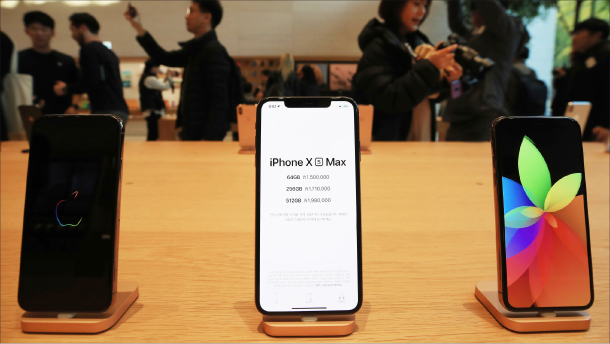
    On Wednesday, the Korea Mobile Distributors Association (KMDA) accused the company of doing something that no other handset maker did in Korea. “Apple doesn’t let us sell iPhones at all if we don’t purchase the demo phones needed for store displays,” read a statement from the KMDA. “Other manufacturers provide the display phones themselves, and come to collect them later.”

    According to the association, Apple even charged retailers for the costs of building shelves for display models and controlled where the promotional posters for new products were placed. Most of the demo devices are priced at around 70 percent of the market price. Distributors say they also had to purchase demo iPads and Apple Watches.

    iPhones are getting more costly, which could be a factor in the distributors going public with complaints against the company.

    In the past, Apple phones cost no more than 1 million won ($883). Last November, the iPhone X launched just three weeks after the iPhone 8 with a 1.42 million won price tag for a 64 gigabyte model. With the release of the iPhone XS, XS Max and XR on Nov. 2, iPhone prices have reached new highs. The iPhone XS Max is selling for more than 30 percent higher than the iPhone X at 1.97 million won for a 512 gigabyte model.

    “Previously, I spent around 1.1 million won on demo devices for Apple’s new products,” said a 53-year-old owner of a wireless store in Jongno District, central Seoul.

    Branches of the three major mobile carriers – SKT, LG U+ and KT – are the main distributors of mobile phones in Korea.

    “But recently, with Apple products becoming more expensive, the costs I have to bear have risen tremendously,” he said.

    The owner estimated that he spent nearly 5 million won on purchasing demo phones for Apple’s newest models.

    According to industry estimates, each mobile retailer spends around 2.9 million won a year purchasing Apple demo phones. This means that Apple will earn around 25.5 billion won in total sales of demo phones from the country’s 8,800 wireless stores.

    “We are not trying to sue Apple right away at this point, but rather figure out who holds responsibility,” added a KMDA spokesman. “Mobile carriers may be responsible for allowing Apple to pursue such unfair practices, leaving distributors to pay for the costs.”

    Korea is not the only country that has investigated Apple for unfair practices. This July, Japanese authorities called out the tech giant for antimonopoly practices that included forcing local mobile carriers to subsidize iPhone prices to boost sales. In 2016, France sued Apple for $55 million over unfair practices that also involved unfair contracts.

    Apple has not released an official response to the KMDA’s complaints.

    Sales of Apple’s new products have been less than stellar, which is also fueling dissatisfaction among distributors. According to industry estimates, the number of customers buying Apple’s three newest models between Nov. 2 and Nov. 7 was only 60 percent of the number that purchased Apple’s iPhone X and iPhone 8 in their first week last November.

  • HCMC to not build high-rise apartment until 2020

    HCMC to not build high-rise apartment until 2020

    The Ho Chi Minh City administration has decided that no high-rise apartment projects in the dowtown will be approved until 2020. Instead, priority will be given to repair and renovation of old apartment buildings. According to the housing development plan for 2016-2020 with orientation until 2025, that was approved by the HCMC People’s Committee on November 19, the city will not approve construction of new high-rise apartments in inner city areas (District 1 and 3) until 2020.

    Projects already approved and under construction will continue as usual.

    The city will also prioritize projects repairing or renovating 50 percent of 474 old apartment complexes constructed before 1975.

    It will continue to relocate households living along canals; construct new or renovate old, degraded condominiums; upgrade existing residential areas; continue developing new urban centres, and prioritize the development of social housing.

    The city will also focus on completing unfinished projects in some uptown districts and refrain from approving new housing projects if there are no plans to build adequate technical and social infrastructure in the area.

    The focus on completing existing projects will also apply to outlying districts. Housing in rural communes will be prioritized and high-rise apartments will be focused along major transport corridors or where technical infrastructure can support new housing.

    In particular, Ho Chi Minh City will invest in and prioritise the development of social housing projects to meet the needs of eligible residents, and for those who are resettled by urban beatification projects.

    The plan aims to free up more land for social housing projects in the 2021-2025 period.

    It envisages raising total living space in the city by 40 million square meters and per capita housing area to 19.8 square meters by 2020.

    To implement the housing development plan, the city estimates a budget of over VND310 trillion ($13.27 billion), of which investment capital for commercial real estate will amount to VND82 trillion ($3.51 billion), residential housing VND210 trillion ($8.99 billion), and rest for social housing.