Tag: luxury

  • Full service eateries threaten fast food in Vietnam

    Full service eateries threaten fast food in Vietnam

    A survey has found full service restaurants outshining the quick service segment in Vietnam since 2017’s third quarter. Full service restaurants (FSR) or sit down eateries where food is served directly to the customers’ table, have been far better patronized than quick service restaurants (QSR), where table service is minimal and the typical fare is fast food.

    In fact, the QSR segment has been dropping quarter after quarter, according to a report released this week by the HCMC-based market research firm Decision Lab.

    It found that the growth of full service restaurants has been fueled mostly by women, and consumers above 35 years of age.

    The FSRs and QSR are the two most important channels for manufacturers of various product categories, with the other five channels being street food, bars, convenience stores, hotels, and canteens.

    Together, they currently account for the majority of out-of-home visits by consumers across all demographic groups in Vietnam.

    The falling of QSR

    Quick service outlets have been suffering from declining visits from all consumer groups, male and female of all ages from 15 upwards in all the three major cities, the report said.

    Among various types of quick service outlets, cafes, bakeries and juice, smoothie shops are those that have witnessed the biggest drop in visits, by 29 percent, 22 percent and 30 percent respectively.

    They have switched to other channels to consume these daily products likes street food, full service restaurants and convenience stores.

    But this does not mean Vietnamese are cutting down on these products. Vietnamese consumption of coffee, juice and smoothies actually increased in the past year.

    Since April 2016, Decision Lab had tracked the out-of-home eating and drinking market in Hanoi, Ho Chi Minh City and Da Nang, Vietnam’s three biggest cities of Vietnam.

    It tracked all food and drink consumed out of home on a daily basis with an annual sample size of 15,000 completed interviews.

    The respondents were Vietnamese consumers aged above 15, who also reported on consumption by children (under 15 years) present when eating out.

    Nghiem Vu Huong Linh, head of Foodservice at Decision Lab, said the findings suggest that consumers have become very selective in their choice of outlets to visit and that not all outlets can benefit from the increasing demand without making significant efforts to become attractive and worth trying.

  • Gentle Monster opens second store in Singapore

    Gentle Monster opens second store in Singapore

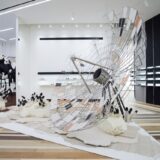
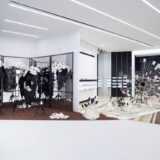
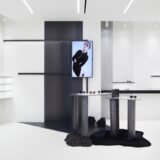
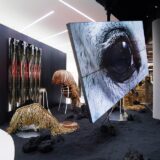
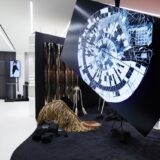
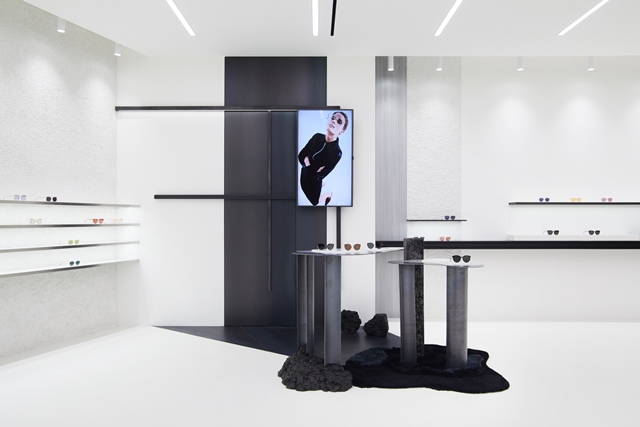
    South Korean eyewear brand Gentle Monster has opened a second store in Singapore at Marina Bay Sands. The launch, coming more than a year since the opening of Gentle Monster’s first store in Southeast Asia at Ion Orchard, is part of the brand’s “13” project. According to the brand, the project is “based on a story of an extreme ecological change the Earth would have to endure in the future due to a tilt of its axis, caused by the Moon being pushed farther away from planet Earth.”

    The concept serves as a metaphor to describe modern-day people who seem “obsessed and overwhelmed by the invalid information they receive daily.”

    To celebrate the opening of the new location, Gentle Monster has teamed up with fashion blogger Yoyo Cao to come up with a special edition of the brand’s popular Cobalt sunglasses model. The limited edition eyewear features a trendy tear drop-shaped frame along with details such as a twisted bridge and an inner template engraved with the word “Yoyokulala”.

    The Gentle Monster x Yoyokulala eyewear will retail at S$368.

    Find out the interior of the store below (5 images) :

  • High tech Nike NYC store opens

    High tech Nike NYC store opens

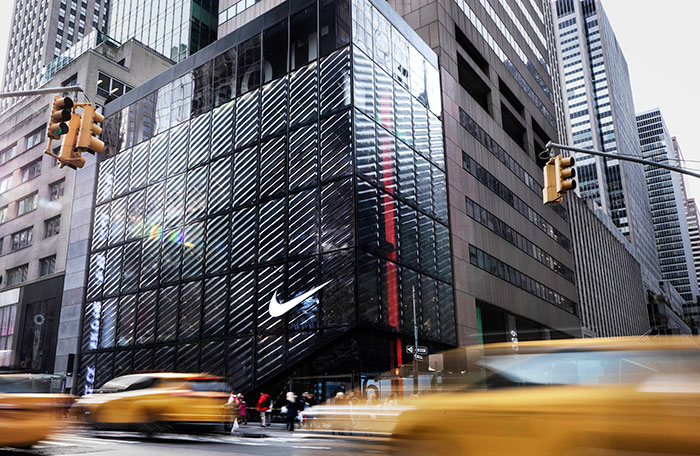
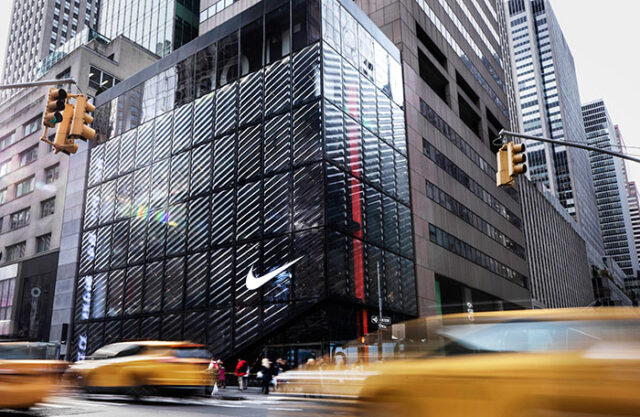
    Nike opened its newest Nike House of Innovation overnight, a 68,000sqft, six-storey store on Fifth Avenue.

    Nike NYC is described by the sportswear brand as a cross-category premium store, “the pinnacle expression of modern retail, representing the best of Nike global product, experiences and sport innovation”.

    “Nike NYC is designed to be a dynamic store environment, that is just as personal and responsive as digital,” said Heidi O’Neill, Nike Direct president. “This premium destination gives consumers an authentic, immersive and human connection to the Nike Brand.”

    The store is packed with technology, interactive experiential features and zones for both professional athletes and amateurs.
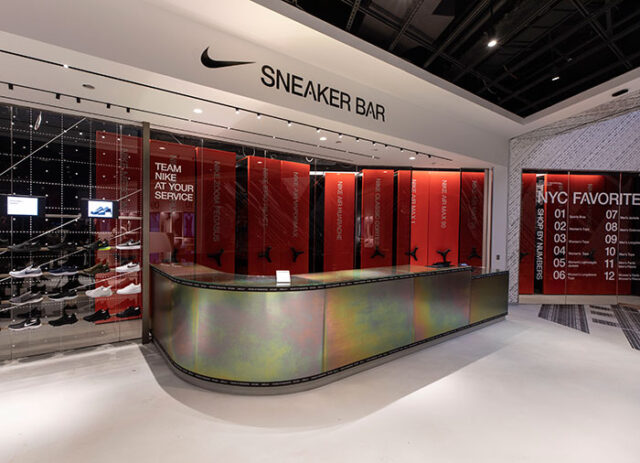
    Nike NYC uses the Nike App to create digitally connected journeys for consumers to discover, learn about and find the products they want quickly and easily. New and expanded Nike App in-store features include Shop the Look, Instant Checkout and updated functionalities with Scan to Try which the company says will give consumers greater opportunity to shop in-store displays, checkout in-store or request to try-on items throughout the store.

    The store is planned as something of a testbed for Nike’s digital service offerings which will “continue to evolve … giving NikePlus members even more choice in their shopping journey”.
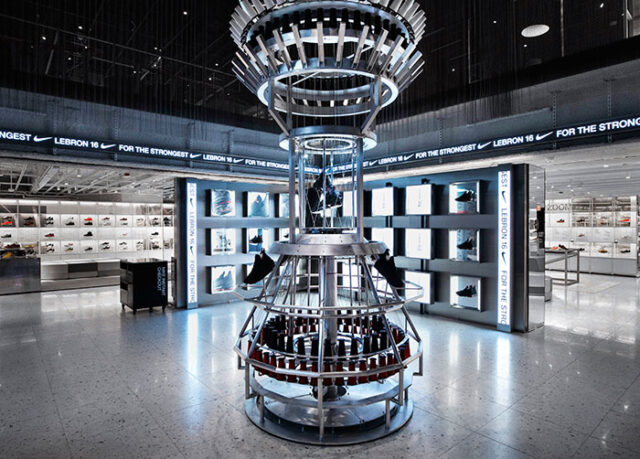
    “Powered by digital commerce data and inspired by Nike’s newest retail concept, Nike Live, the ground floor of Nike NYC features the new Speed Shop – offering on-the-go access to the products local members know and love most,” the company said.

    Consumers can shop these curated New York City favourites alongside seasonal picks, visit the Nike Sneaker Bar or reserve items in the Nike App and pick them up in the Speed Shop digital lockers.

    On the fifth-floor is the Nike Expert Studio – the company’s first dedicated floor to provide even more personal service to NikePlus members, including bookable sessions with Nike Experts and the Nike by You Studio, offering members-only exclusive seasonal products, one-on-one styling sessions and even create personalised products.
    Nike NYC features separate product floors for men, women and kids. On the fourth floor is the Nike Sneaker Lab, billed as home to the largest concentration of seasonally current Nike footwear anywhere in the world.

    The entrance to the store – dubbed the Nike Arena – showcases the most immersive seasonal and sport-inspired storytelling moments from the brand.

    The store’s exterior features slumped and carved glass designed to “reflect and create motion that mirrors the movement of athletes”, elevates the Nike Swoosh logo and reflects “the iconic aesthetic of Nike Air”.

    Technology at Nike NYC

    Here’s a quick rundown of the new and existing technology featuring in the new flagship:

    Shop the Look: By scanning a QR code on an in-store mannequin, consumers can browse every single item on the mannequin, check to see if their size is available in-store or online and see available colours. Then with just a tap, they can request for select products to be sent to a fitting room of their choice or receive the items from a store athlete at a designated pick-up spot.

    Nike Instant Checkout: Using Nike Scan, NikePlus members can skip the line and easily checkout from within their Nike App using stored or new payment methods. Members can scan the product(s) of their choice, check out like a traditional Nike App purchase and receive their payment receipt within the app. Nike Instant Checkout stations are positioned throughout Nike NYC so that shoppers can fold and bag products if they choose before leaving the store.

    Nike Scan to Try: While this technology was released earlier this year it has now been refined and expanded. After discovering any product in the store and scanning the item to learn more, shoppers can now simply tap “request to try-on” for various items. Requested products can then be collected at designated pick-up areas in Nike NYC, or they can be reserved to a fitting room location of the consumer’s choice.

    Nike Reserve: Using the Nike App, NikePlus members can reserve product at home to pick up in store. They can shop the product they want in the Nike App and then complete their purchase with an in-store athlete or with Nike Instant Checkout.

    Retail Home: When entering Nike NYC, members will gain access to an array of new features and content via their Nike App homepage.

    NikePlus Unlocks: NikePlus Member Unlocks are delivered through the Nike App to reward the best of Nike product, to deliver immersive brand experiences, to award activity achievements and to share partner rewards with members. Member Unlocks can be given directly from a Nike Expert in-store or targeted to consumers based on their sport and style interests. Select Member Unlocks may also be delivered to consumers outside of Nike NYC, which they can redeem in-store with an athlete.

    Product Concierge: If a product is unavailable in Nike NYC, an in-store staff member can search inventory across the entire marketplace – online or offline in Nike-owned stores, as well as its reseller network. If found, and available to ship or reserve, customers can have the item held at a local store or have it delivered. This service will be exclusively available on the fifth floor Nike Expert Studio Service Desk.
  • The Longines Masters of Hong Kong is back

    The Longines Masters of Hong Kong is back

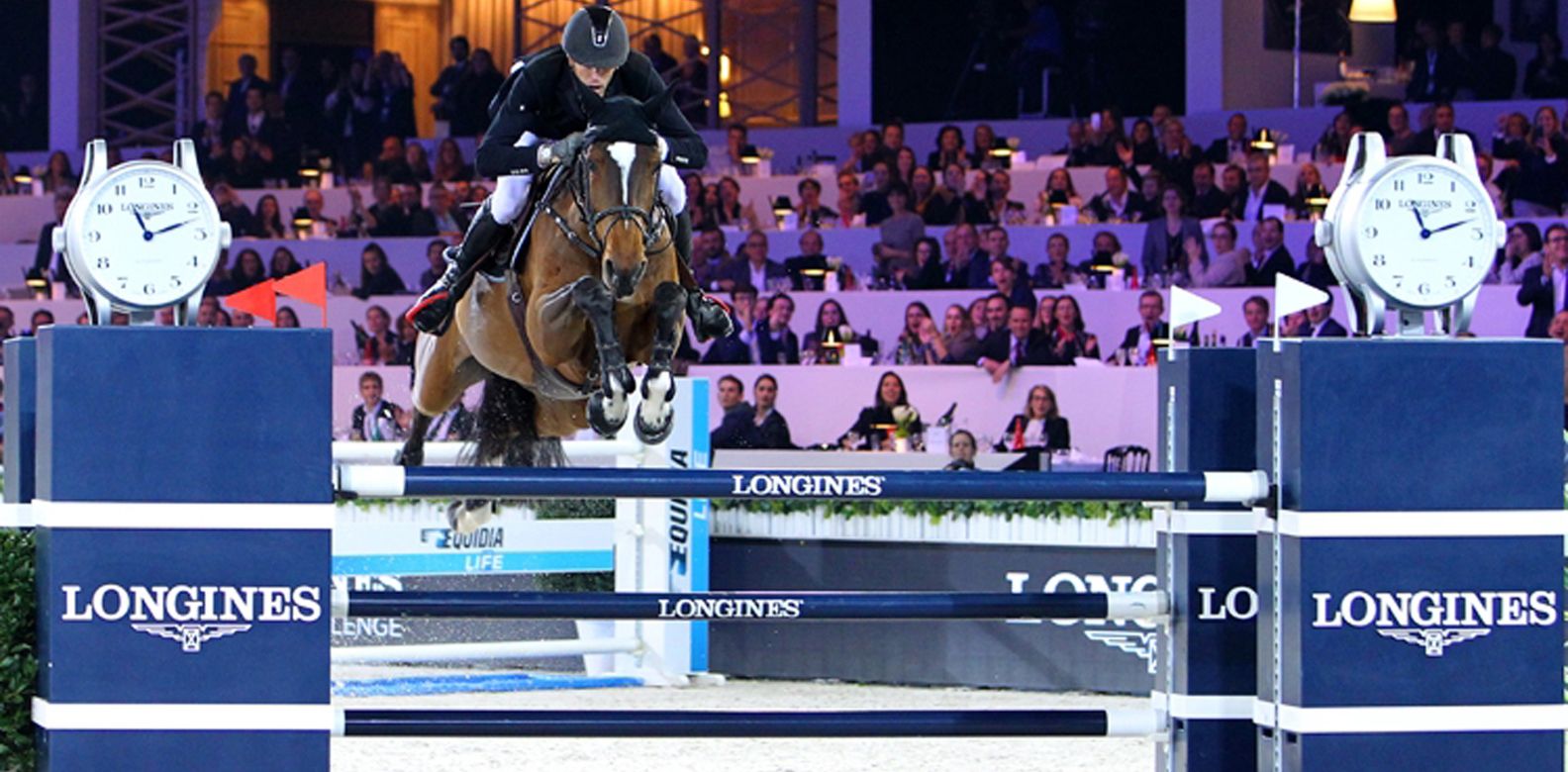
    Anticipation is building as the countdown to the new Season of the Longines Masters Series enters its final stage. The new season of the international Show Jumping Series will start in Paris, home to the European leg of the Grand Slam Indoor of Show Jumping, on November 29 – December 2, 2018 before it continues its journey across continents to Hong Kong on February 15 – 17, 2019, at AsiaWorld Expo and New York on April 25 – 28, 2019.

    Together with Title Partner and Official Timekeeper Longines and hosted by Founding Partner the Hong Kong Jockey Club, EEM held a Press Conference in Hong Kong this week to kick off the seventh edition of the Longines Masters of Hong Kong, alongside its official partners.

    The Longines Masters of Hong Kong attracts each year the best Show Jumping horses and riders on the planet for three days in six competitions, created course designed by Frank Rothenberger, for a total prize money of US$ 680,620.

    For the first time, show jumping riders from Asia will compete in a world class event alongside the international stars of the sport.

    An array of exhibitors will be present from the likes of Longines who will present time pieces at their boutique.

    A dedicated equestrian corner will bring together the likes of Kingsland, Fieldstone, Horse Pilot and Equict.

    Hermès Sellier will invite visitors to experience the brands historic equestrian goods.

    Technology and art will also be featured with the Maserati Simulation Driving Experience

  • Vietnam’s 2018 monthly car sales highest in October

    Vietnam’s 2018 monthly car sales highest in October

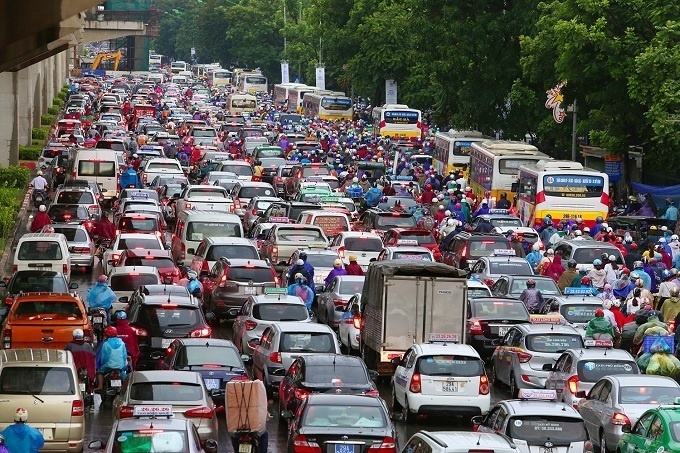
    October sales of 28,899 cars made it the best month of the year so far, according to Vietnam Automobile Manufacturers’ Association (VAMA). This was 3,811 cars more than the 25,088 sold in September or a 15 percent rise, a VAMA report says.

    October sales of passenger cars by VAMA members climbed 25 percent month-on-month to 21,288.

    During the same period, sales of commercial vehicles dropped 7 percent to 7,096 and that of special-purpose vehicles were up 31 percent to 515, the report says.

    While 17,599 domestically assembled cars were sold in October, up 2 percent, the number of imported completely built units (CBUs) sold was 11,300, up 46 percent over September.

    Toyota remained the leading brand last month, with sales rising 30 percent over the previous month to 8,426 units.

    Truong Hai (Thaco) group, local assembler and distributor of brands such as Kia, Mazda, Peugeot and Hyundai, and a significant player in the commercial vehicle segment, reported a 29.2 percent rise over September in group sales to 8,175 units.

    Compared to September, Ford’s sales were 9.2 percent higher at 2,574 units; while Honda sales rose 12.4 percent to 3,475 units.

    In the first 10 months of the year, VAMA members sold a total of 223,326 vehicles, up one percent over the same period last year.

  • Dolce & Gabbana’s Christmas pop-up at Galaxy Macau

    Dolce & Gabbana’s Christmas pop-up at Galaxy Macau

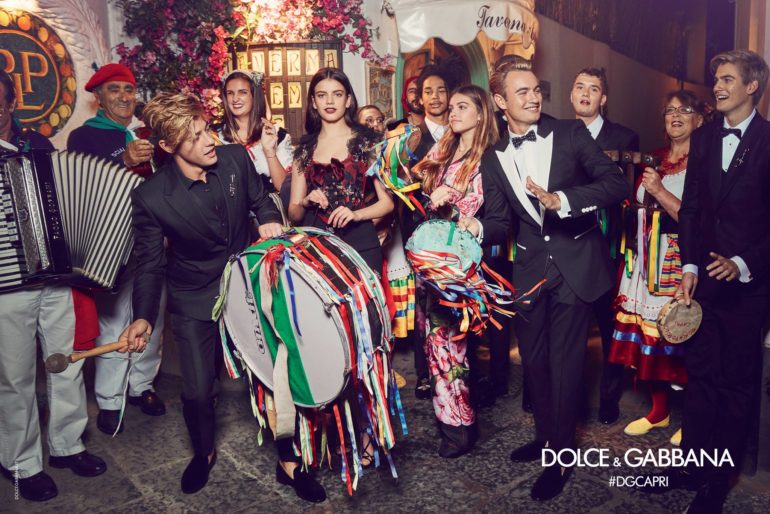
    Dolce & Gabbana is launching a new Pop Up at The Promenade Shops, Galaxy Macau, featuring its iconic colorful Christmas characters and festive decorations. Inspired by traditional Sicilian parades, the exclusive-to-Asia pop-up store features the brand’s latest collections and inventive installations.

    Shoppers will be the first to experience the pop-up at the Pearl Lobby of The Promenade Shops from 16 November 2018 through 6 January 2019.

    The italian brand will light up the Pearl Lobby with luminaria (festive lights) and ornate, hand-painted Sicilian carreto (carts).

    The craft of making carreto has been handed down from generation to generation and is often a focal point of Dolce & Gabbana’s aesthetics.

    At The Promenade Shops, they will carry the latest men’s, women’s and children’s prêt-à-porter and accessories collections, as well as an exclusive, Chinese-inspired collection featuring the beloved and playful panda.

    Shoppers purchasing at the pop-up will be entitled to various customization activities for personalized Dolce & Gabbana gifts.

    Hazel Wong, Senior Vice President of Retail for Galaxy Macau, said, “We are excited to host an unmissable, Sicilian-style Christmas celebration with delightful Chinese accents courtesy of legendary Italian fashion brand Dolce&Gabbana.”

  • Cluse opened a new store in Singapore

    Cluse opened a new store in Singapore

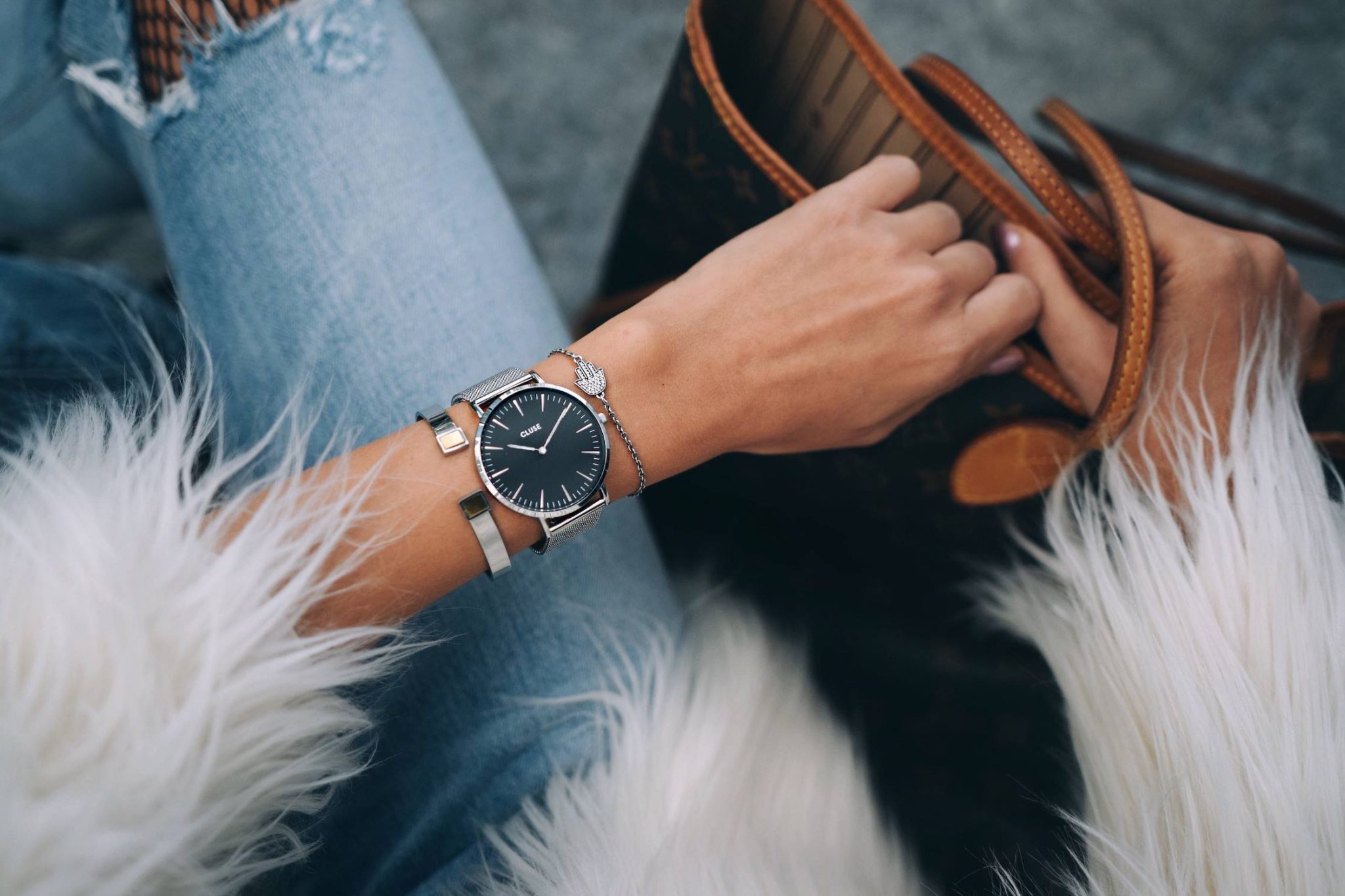
    CLUSE opened a new store in Singapore, in Takashimaya Shopping Centre on 15th November, with the leading Asian brand curator Bluebell Group. CLUSE is an Amsterdam based watch and jewellery brand, risen to fame for fashionable watches inspired by minimal French design.

    Ever-since, CLUSE has expanded their collections to host a range of both watch and jewellery lines with the ambition to create pieces for every woman, in a celebration of the uniqueness of everyone who wears the brand.

    The new store in Singapore holds classic collections by CLUSE.

    From their original La Bohéme collection of women’s watches with oversized dials and minimalist features, to their La Vedette collection with small dial sizes, inspired by starlets of the past.

    The store also features their iconic collection of square watches, named La Garconne, as well as their other most popular watch collections, Minuit, Triomphe, and La Roche.

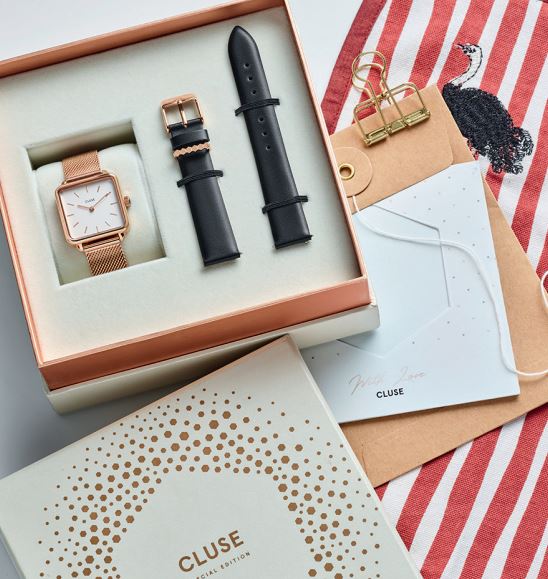
    Usually focusing on women’s accessories, this time a year CLUSE revealed both a feminine gift box, including their bestselling La Garçonne with an additional strap, and a first-time ever masculine gift box – featuring the  company’s classic La Bohème design, with an additional nato strap large enough to fit a bigger wrist.

    Both of these festive season sets are packaged in new, specially designed gift boxes which hint to the style of the watches inside.

  • Palace set collaboration with Polo Ralph Lauren in Seoul

    Palace set collaboration with Polo Ralph Lauren in Seoul

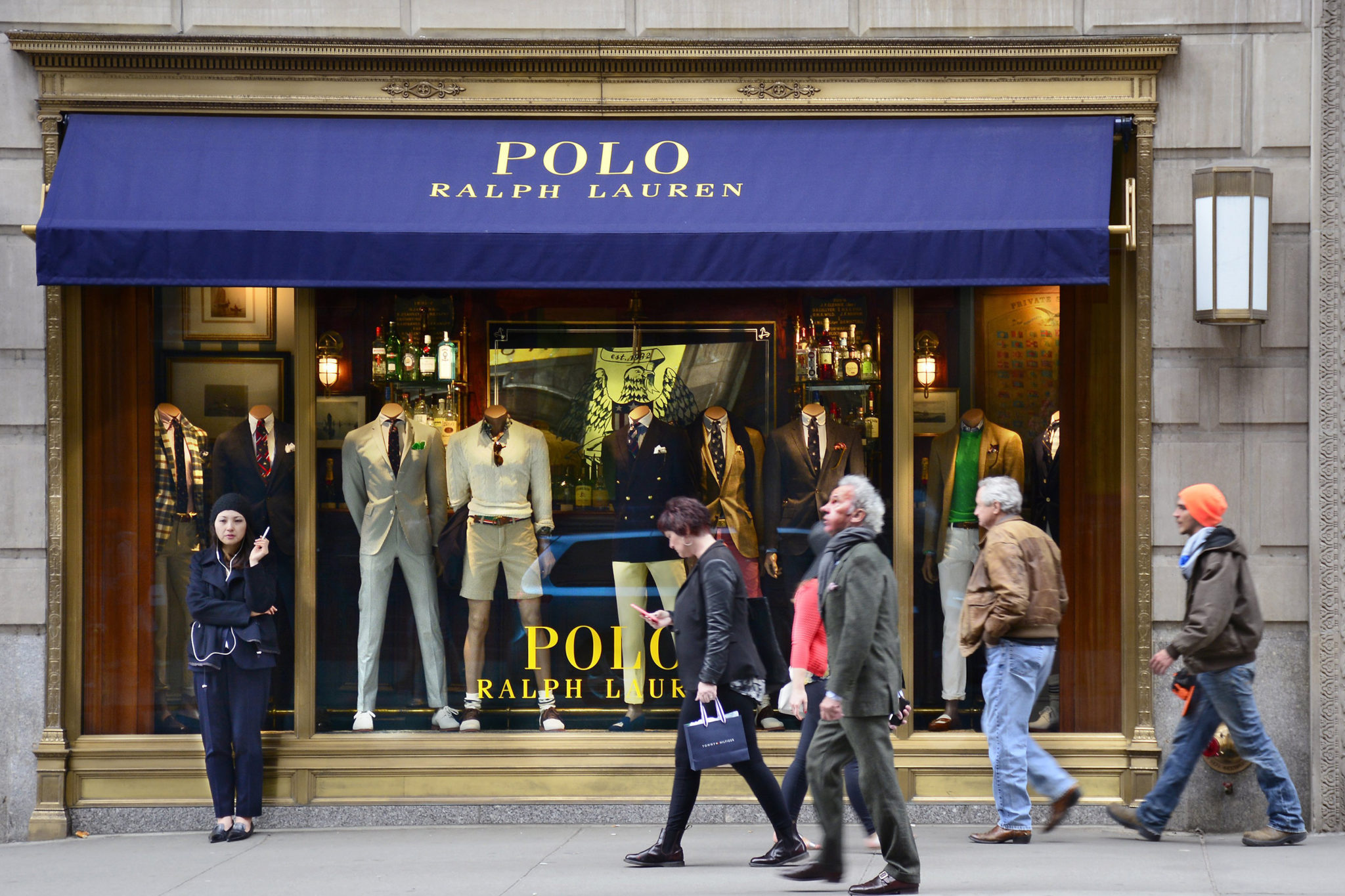
    Streetwear label Palace and Polo Ralph Lauren, the luxury fashion brand, have brought their recent collaboration to Seoul after a show in London. The hotly anticipated crossover saw queues forming from the night before its Saturday morning release at the RL Garosu store to secure purchases of premium limited-edition items.

    Popular products included a Kickflip Polo Bear knit sweater and teddy bear, both of which were posted online within an hour of selling out at sizeable markups.

    Buyers were limited to purchases of one item per product and up to 10 products in total.

  • Farfetch’s CEO calls for an industry-wide halt on discounts

    Farfetch’s CEO calls for an industry-wide halt on discounts

    Fashion brands need to put their foot down and take action to prevent “a race to the bottom” in terms of discounts as they threaten the survival of the whole fashion retail eco-system, Farfetch Chief Executive and Founder José Neves said.

    Online and offline retailers are resorting so much to promotions there are only two months in the year during which there aren’t any: September and February.

    “So, the system is really crumbling,” Neves said. “The industry needs to think very strategically about how they are going to avoid a race to the bottom in terms of promotions and discounts.”

    He recommended that fashion brands turn into concessions those wholesale accounts, both online and offline, that do the most visible and damaging discounts.

    He suggested brands follow the example of Chanel, which last week, announced it was going to turn into concessions its wholesale distribution accounts in the United States with department stores such as Bergdorf Goodman, Neiman Marcus, Bloomingdale’s, Saks Fifth Avenue and Nordstrom.

    Chanel said the move was intended to better control interaction with its customers.

    “The cycle of discounts is getting earlier and earlier,” Neves remarked. “If you speak to the CEO of any brand they will all say the same thing: we don’t let them do that, we shout at them, if you do it next time, we will stop working with you. And guess what, next season it is the same thing again and again, so their threats are useless. This is a preoccupation for the whole industry. People know what is happening. People talk about it and no-one does anything.”

    Heavy discounts at department stores started with the 2008-2009 financial crisis and have never really stopped since.

    Retailers have a herd mentality: if one discounts, the others follow. And no big department store will stop doing discounts by its own initiative for fear of losing business to rivals.

    Neves foresaw that the only way for the industry to get out of this conundrum was for brands to step in and take concrete action.

    However, on a brighter note, Neves foresaw solid growth in demand for fashion in the medium to longer term, in part because consumers increasingly feel they need to invest in fashion to differentiate themselves and look good on their social media accounts.

    He also predicted consumers would have more disposable income due to changing spending patterns.

    “People are not buying cars anymore because they have Uber, they are not buying houses because they were priced out of the property market in most big cities because they need a 40 percent deposit and they will never be able to save that much. They do not buy holiday houses because they have Airbnb, so there is more disposable income to buy fashion,” Neves said.

    In September, Farfetch completed an initial public offering in New York that raised its profile and gave it a cash pile of more than $1 billion. Neves said its funds would be used to finance growth, win market share and make acquisitions “on an opportunistic” basis.

    Neves said Farfetch would only make acquisitions in areas in which it did not have expertise. In July, Farfetch acquired CuriosityChina, a marketing firm specialized in WeChat, the popular Chinese social media.

    In terms of geographic spread, Neves said India and South East Asia were among those regions Farfetch wished to expand into, but for now, the company needed to consolidate its recent expansion efforts which stretch from China, Japan and South Korea to Mexico, Russia, Brazil and the Middle East.

    “At the moment, it is a pause in oxygen for strategy,” Neves said. “But eventually, we will be in every major luxury market in the world.”

  • Japan’s Shiseido formed Philippine unit with Luxasia

    Japan’s Shiseido formed Philippine unit with Luxasia

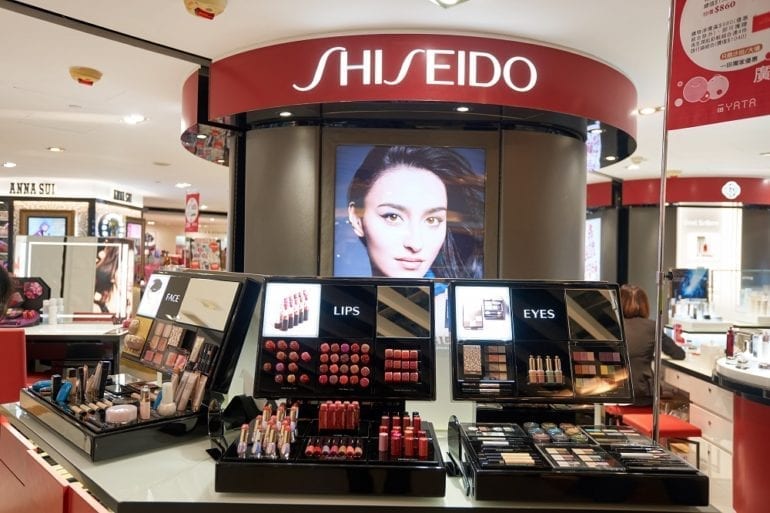
    Japanese beauty products firm Shiseido is partnering with Singaporean cosmetics agent Luxasia to expand into the Philippines market. The two firms will be setting up a partnership in the form of Shiseido Philippines Corp this December. Shiseido will retain the majority shareholding in the business, which will start operations next July once the sales channels of two local agents are integrated.

    According to the firm, the Philippine joint venture will enhance the product lineup of its prime brands in the market, Southeast Asia’s third-largest in the industry representing around US$3 billion in annual sales.

  • Apple concerns hit supplier stocks

    Apple concerns hit supplier stocks

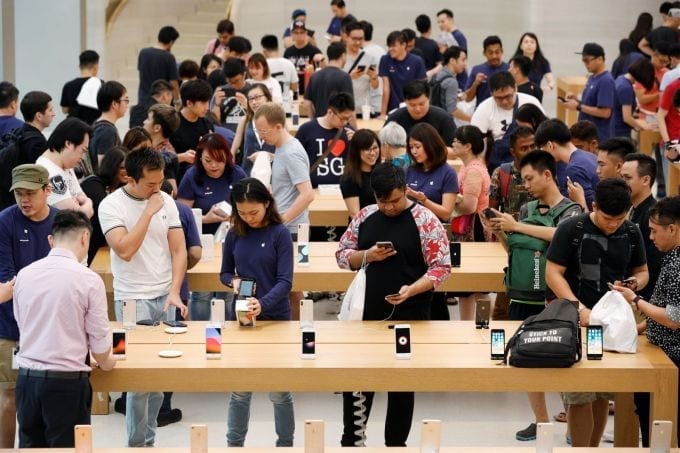
    Shares in Asian suppliers and assemblers for Apple fell on Tuesday after several component makers warned of weaker than expected results, leading some market watchers to call the peak for iPhones in several key markets. Following a poor forecast earlier this month, analysts and investors voiced concern over the state of Apple’s business, contributing to growing worries that iPhone sales were stagnating and could hurt suppliers.

    Fresh warnings on Monday from screen maker Japan Display, British chipmaker IQE and Lumentum Holdings, the main supplier of the Face ID technology in the latest generation of iPhones, hurt technology stocks in Asia on Tuesday.

    Taiwan-based assembler Hon Hai Precision Industry (Foxconn) dropped more than 3 percent. Rival Pegatron fell more than 5 percent but later recouped losses. Both companies count Apple as a major customer.

    The world’s largest contract chipmaker, Taiwan Semiconductor Manufacturing, fell 2.6 percent, while Flexium Interconnect was down 1.5 percent. The Taiwan Weighted Index was down around 1.6 percent.

    “Apple’s iPhone weakness has been a long-term issue for the Asia supply chain,” said Arthur Liao, an analyst at Fubon Research in Taipei.

    “For Apple, iPhone shipment has reached its peak. For tech suppliers facing the future, they have no other big client like Apple.”

    The company’s shares fell to their lowest level in more than three months on Monday.

    Last week, a media report saying the iPhone maker had told its smartphone assemblers to halt plans for additional production lines dedicated to its new lower-priced iPhone XR had pressured supplier stocks.

    Analysts said the lack of technological breakthroughs had put a cap on demand.

    “With no new technology in sight next year for the supply chain, this is not ideal for the companies involved,” said Nicole Tu, a Taipei-based analyst at Yuanta Investment Consulting.

    “Up through the first half of 2019, we likely won’t see any breakthrough.”

    Lumentum on Monday slashed its profit and revenue forecast for the current quarter, while IQE warned that current-year results would be lower. Japan Display lowered both sales and margin outlook for the year as well.

    Apple warned earlier this month that holiday sales would miss Wall Street expectations due to weakness in emerging markets.

  • JD.com’s First Robot Restaurant Now Open in Tianjin

    JD.com’s First Robot Restaurant Now Open in Tianjin

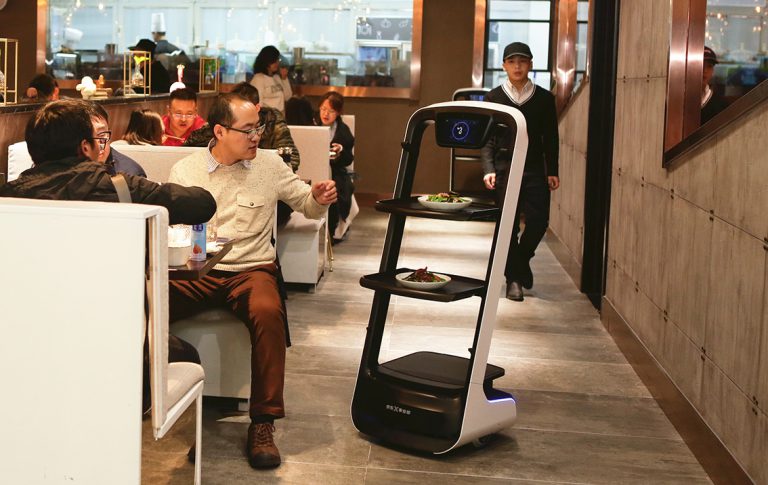
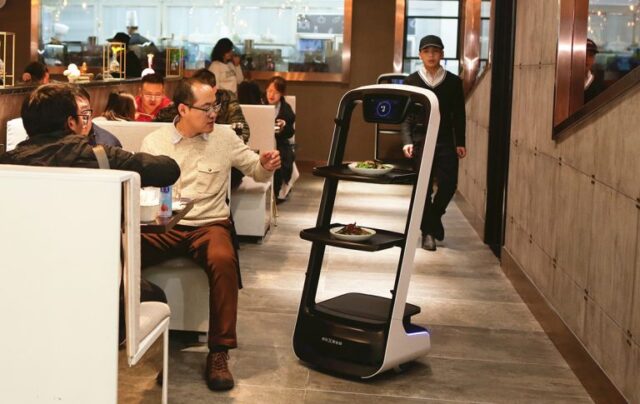
    Chinese online retailer JD has opened its first fully automated robot restaurant in Tianjin. The 400sqm venue has opened as “XCafe” at the Sino-Singapore Tianjin Eco-city, an area of Tianjin dedicated to environmental sustainability. XCafe is the first fully-automated restaurant in China, with all aspects of ordering, preparing, cooking, plating and serving performed by robots, which can work a full day on a single charge. Five or six human staff are still required to refill and position ingredients for the robot chefs.

    XCafe’s manager Tang Siyu said the restaurant can seat about 300 guests for dinner, with a table turnover rate of three turns per table during the lunch or dinner hour. It currently serves around 40 predominantly stir-fry dishes, with a potential full menu of more than 200 offerings.

    The restaurant also features VR interactive games and immersive dining experience areas.

    JD plans to open 1000 robot restaurants by 2020 and is seeking to promote the technology to other catering firms.

  • A look into Furla recent success strategy

    A look into Furla recent success strategy

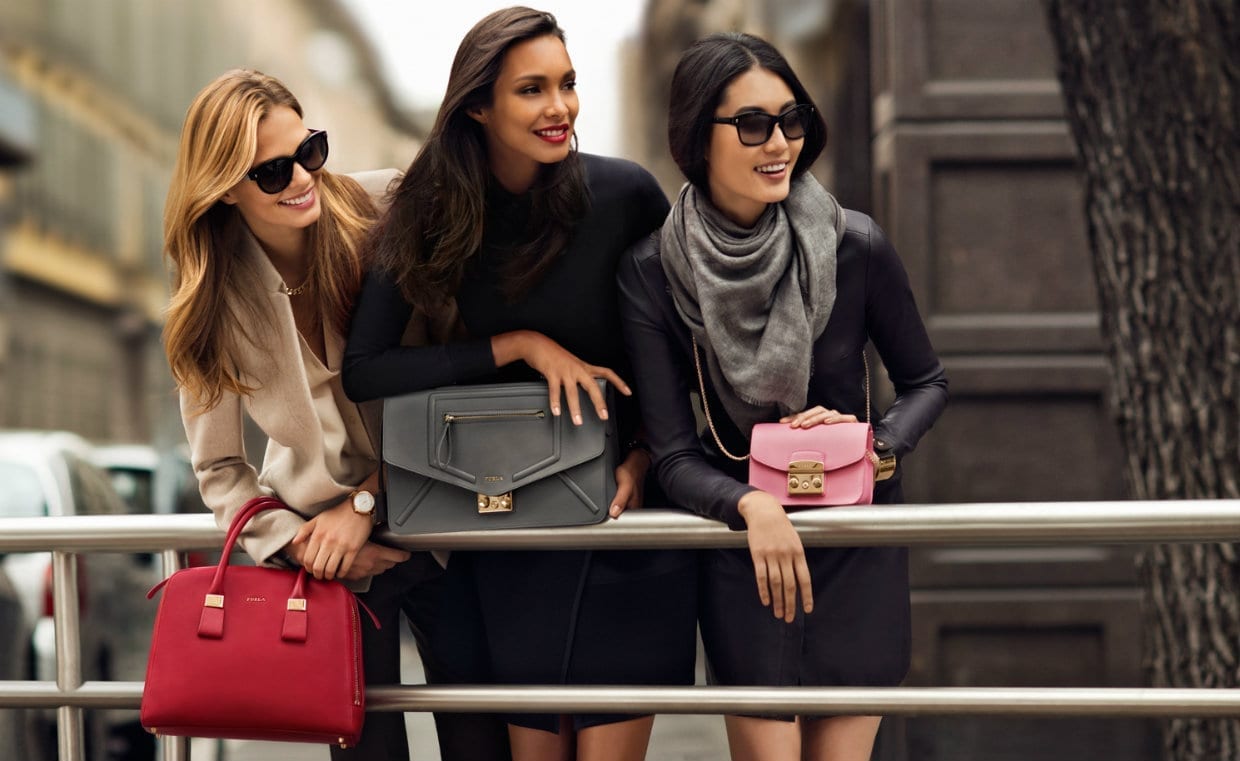
    Furla Group continues to grow, with 252 million euros in turnover in the first half of 2018, a 10.6% increase at constant exchange. Turnover increased in the first part of the year across all markets. In particular, the Asia Pacific region registered a 28.6% increase at constant exchange, while Japan saw a 9.5% increase. The United States also registered an excellent performance, with a 24.2% increase.

    Figures from the first half of the year reveal that Italy now accounts for 15% of total turnover; the EMEA region (excluding Italy), 28%; the APAC region, 27%; Japan, 23%; and the U.S., 7%.

    Extensive worldwide distribution continues to be among the Italian company’s strong points: Furla is present in 100 countries, with 471 monobrand stores situated in the most prestigious international shopping streets. It also has over 1.200 multibrand and department store sales points.

    Over the past several months, Furla Group has assumed full control of its retail distribution in China, Hong Kong and Macau.

    Travel retail played a fundamental role in the company’s growth, with year-on-year sales up by 23% in the sector, which accounts for 8% of Furla Group’s total turnover.

    The company is present in the travel retail channel in 64 countries, with a total of 298 sales points, including boutiques, corners, shop-in-shops, aircraft and cruise ships.

    Furla is carrying out a major investment plan that aims to consolidate its impressive growth trajectory over the past several years and make it sustainable.

    Significant resources are being directed toward strengthening the supply chain through the implementation of a more sophisticated information system better suited to the company’s current size.

    The selection process for suppliers is ongoing and crucial to guarantee continued high-quality, on-time manufacturing.

    The company has also paid great attention to its new e-commerce platform, which saw sales increase by 24.1% in the first half of this year.

    Continual investments in human resources have allowed Furla Group to create new positions: today, the number of employees worldwide is 2.514, compared with 2.362 in December 2017.

    The company is also boosting its investments in marketing and communication, with ever-greater emphasis on digital and social media.

    A new, elegant monogram inspired by Furla’s “F” was created and introduced in Milan during the city’s women’s fashion week in September 2018.

  • Retail rents in Causeway Bay are the world’s most expensive

    Retail rents in Causeway Bay are the world’s most expensive

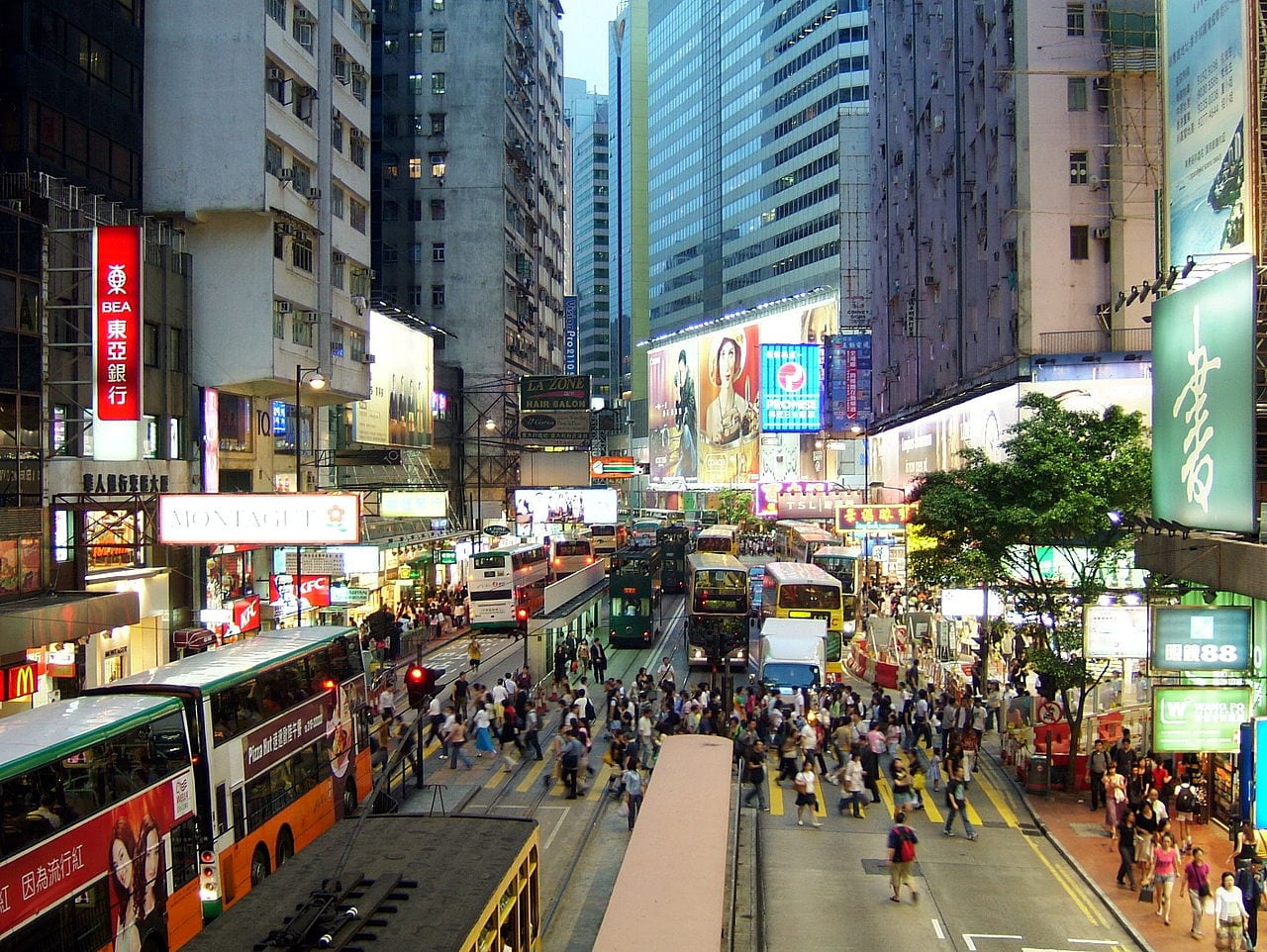
    Causeway Bay in Hong Kong is now home to the world’s most expensive retail space. According to the annual Cushman & Wakefield survey of high-street retail rents, Causeway Bay has overtaken New York’s Fifth Avenue for the top spot, with rents of US$2671 per sqft per year, or €24,606 per sqm per year.

    The calculations were completed during the second quarter of this year.

    What makes Causeway Bay’s performance on the list even more remarkable is that it was achieved as the retail rent market bottomed out after some three years of pressure from falling retail sales in the city. While that decline has turned around into positive growth over the past year, most property industry sources have said retail rents have not yet begun to climb again.

    Third place on the list of the world’s most expensive retail space – and the most expensive strip in Europe – is London’s New Bond Street.

    Of the Asia-Pacific locations, Japan’s Ginza takes sixth place this year, Sydney’s Pitt Street Mall seventh and Seoul’s Myeongdong district eighth. Those places are the same as last year. The only other change in the top 10 was Avenue des Champs Elysees in Paris overtaking Milan’s Via Montenapoleone into fourth place.

    The annual Main Streets Across The World report, celebrating its 30th anniversary, tracks 446 of the top retail streets around the globe and ranks the most expensive in 65 countries by prime rental value using Cushman & Wakefield’s proprietary data.


  • “Pink Legacy” diamond is sold at 50 million USD

    “Pink Legacy” diamond is sold at 50 million USD

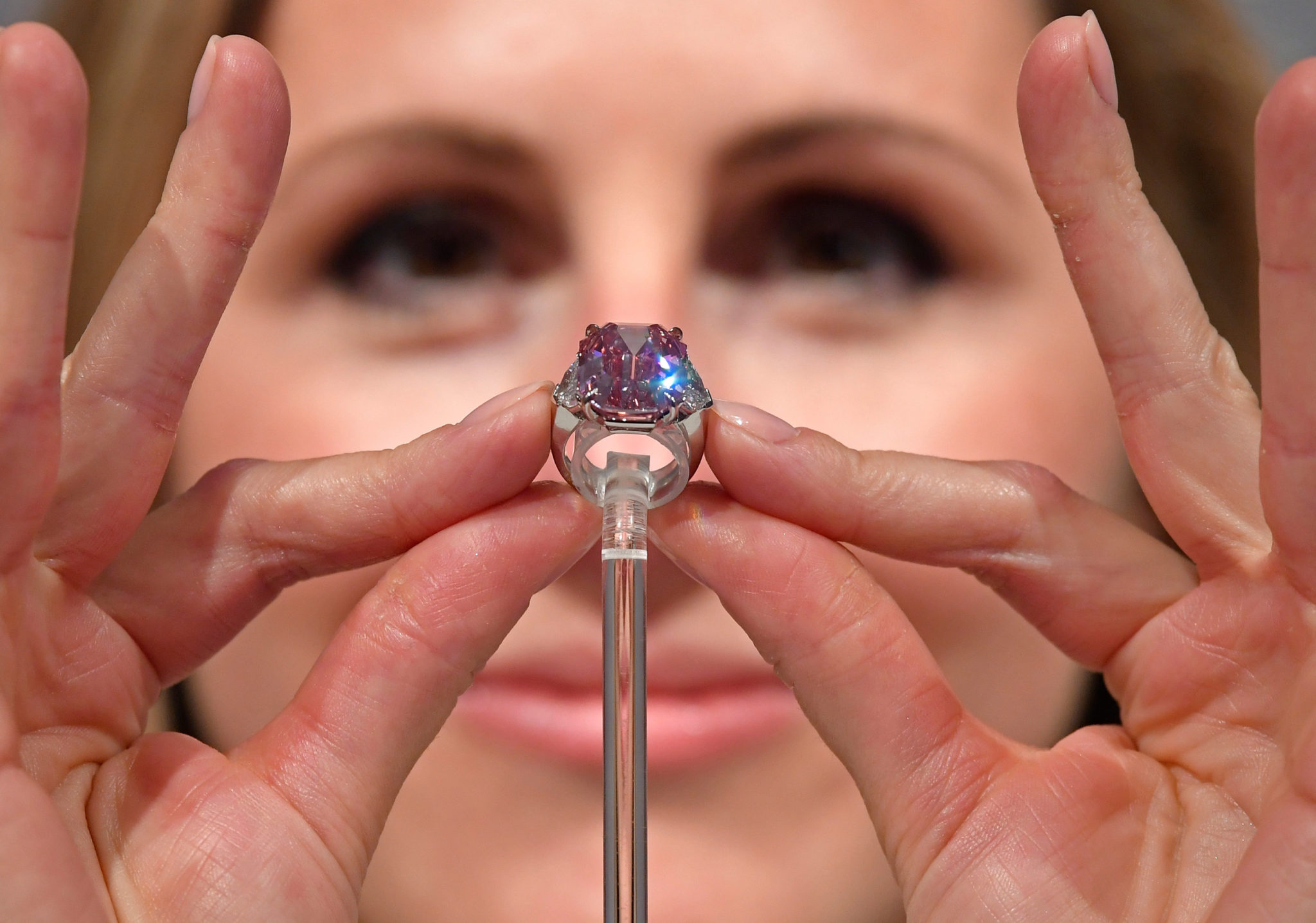
    An unusually large pink diamond sold for a record-breaking $50 million (about 50.3 million Swiss francs) this week at Christie’s auction house in Geneva. After five minutes of bidding, the 18.96-carat Pink Legacy became the world record holder for price paid per carat for a pink diamond at auction.

    Christie’s international head of jewelry, Rahul Kadakia, said it was purchased by American luxury brand Harry Winston, and will be renamed the Winston Pink Legacy.

    “You have to acknowledge first that the Pink Legacy diamond was a very special diamond,” Kadakia said. “It is one of the best and finest examples of pink diamonds at this size and color and it proved it with a new world record price per carat.”

    The diamond went under the hammer as part of the annual Magnificent Jewels auction and attracted a huge amount of interest because of its large size and impressive color grading.

    Pink Legacy is categorized as a “Fancy Vivid” diamond, the highest grade of color intensity. Only 1 in 100,000 diamonds receives the grading.

    The diamond is an even rarer find because of its size, as Fancy Vivid Pink diamonds larger than 10 carats are “virtually unheard of,” according to Christie’s.

    “This record-busting price fetched suggests the diamond trade is in good health and signals the market’s sensitivity to Australia’s Argyle mine’s imminent closure in 2020,” Eddie LeVian, CEO of jewelers Le Vian, said in a statement. “With Argyle producing 90% of the world’s pink diamonds, what do you think the value of this diamond will be in five years from now?”

    Christie’s did not identify the jewel’s latest owners but it once belonged to the Oppenheimer family, who ran the De Beers diamond mining company for three generations until selling their stake in 2011.

    The sale is the latest in a booming market for large pink diamonds.