Tag: luxury

  • Hyundai to offer connected cars in Europe

    Hyundai to offer connected cars in Europe

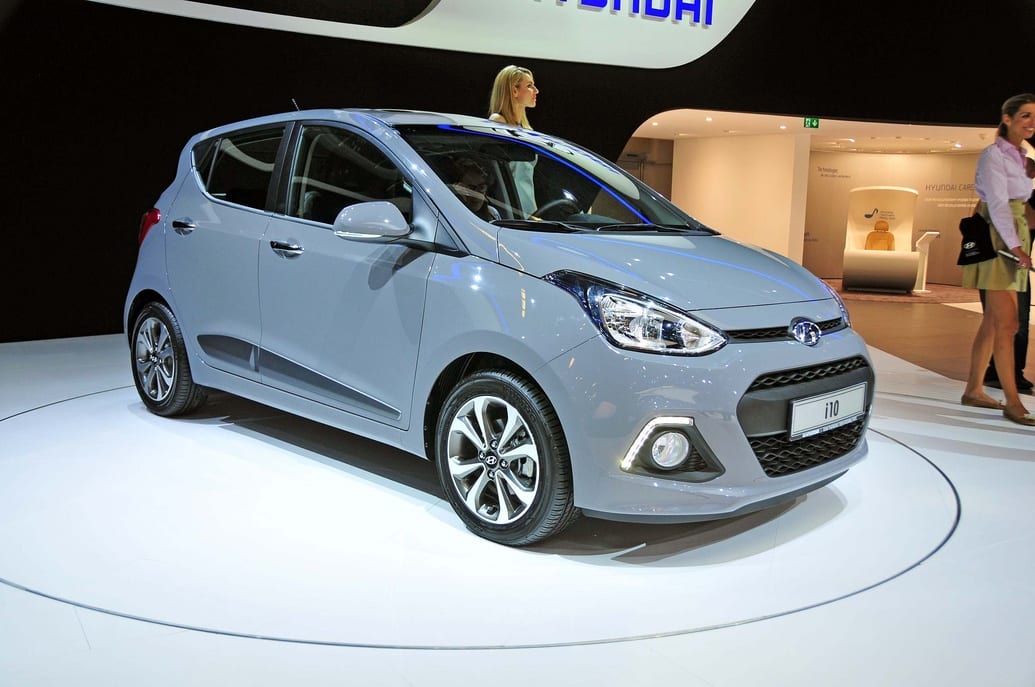
    Hyundai Motor is introducing its connected-car system in Europe in partnership with Vodafone next year. The carmaker and affiliate Kia Motors signed a memorandum of understanding with Vodafone at the company’s British headquarters on Monday to roll out the service, Hyundai Motor said.

    Its Blue Link connected-car platform will be available in cars launching in Europe in the latter half of next year. The system will utilize Vodafone’s network. Kia’s Uvo connected-car system will be available in new cars sold in Europe in the first half of 2019.

    The connected-car service will offer real-time traffic information as well as information about nearby parking lots. It will also enable the remote detection of the car’s location as well as anti-theft features.

    Voice-recognition will be available in partnership with Nuance, a U.S. company. In Korea, that service is available in partnership with Kakao.

    Vodafone is one of the leading telecom companies in Europe, with 120 million users on the continent. It is established in 51 countries globally.

    The Blue Link service offered in collaboration with Vodafone will be available in eight European countries, including Britain, Germany, France and Spain. Ultimately, it will be available in 32 European countries.

    Europe is the fifth region where Hyundai Motor has introduced its connected-car service. It is already available in Korea, the United States, Canada and China.

    In July, Hyundai Motor partnered with Chinese IT firm Baidu for the introduction of connected-car services. In the United States, it is working with AT&T, and in Canada it utilizes the Bell network.

    “The latest collaboration will enable European customers to use the high-tech service,” said Suh Jung-sik, senior vice president of Hyundai Motor’s ICT department in a written statement. “The connected-car service will launch from early next year and be expanded in the future.”
  • Victoria’s Secret apologises for ‘insensitive’ transgender model comment

    Victoria’s Secret apologises for ‘insensitive’ transgender model comment

    Following the backlash on social media, the chief marketing officer of L Brands, parent company of Victoria’s Secret and Bath & Body Works, has posted an apology on Twitter for comments he made about transgender models. Ed Razek, L Brands’s CMO, released a statement on Twitter clarifying a comment he made in an interview with Vogue magazine, which read:

    “To be clear, we absolutely would cast a transgender model in our show. We’ve had transgender models come to castings… And like many others, they didn’t make it.”

    Razek and Monica Mitro, vice president of public relations for Victoria’s Secret, sat down in an interview with Vogue which touched on the topic on the casting team’s choices. Razek, who is part of the casting team, mentioned the company had considered putting plus-sized models and transgenders in the show but had not acted on it, since the company “did not market to the whole world.”

    L Brands has recently announced it is expecting a third quarter loss per share of about US$0.17.  The reported loss per share includes a total charge of about US$0.32 per share, which consists of an approximate pretax cash charge of US$20 million related to the closure of its Henri Bendel business, and an approximate pretax non-cash impairment charge of US$80 million related to certain Victoria’s Secret store assets.

    Excluding the charges mentioned, the company expects adjusted third quarter earnings per share to be approximately US$0.15, compared to its previous guidance of US$0.00 to US$0.05, principally driven by outperformance at Bath & Body Works.

    The company has recently reported an 8 per cent increase in sales of US$860.5 million for the four weeks ending November 3 and a 4 per cent increase in same-store sales for the period. It has seen a 6 per cent increase for the 13 weeks ending November 3 of US$2.78 billion compared to the previous corresponding period.

    L Brands, is scheduled to report third-quarter earnings on November 21.

  • Shiseido establishes joint venture in the Philippines

    Shiseido establishes joint venture in the Philippines

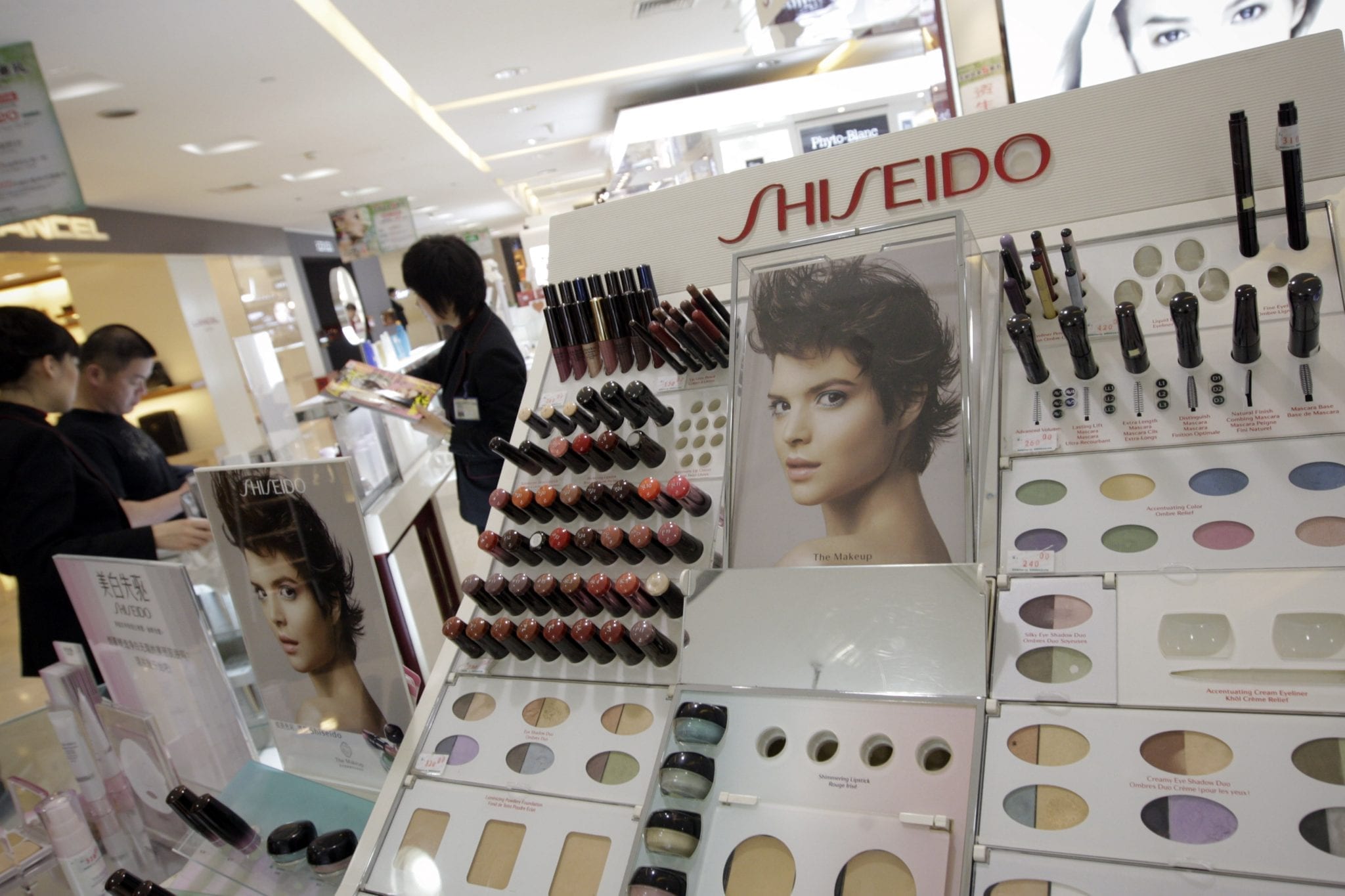
    Shiseido plans on establishing a joint venture, Shiseido Philippines Corporation, to strengthen its cosmetics business in the Philippines. Shiseido Asia Pacific Pte. Ltd. signed a contract for the joint venture with a Singapore based distributor, Luxasia Partners Pte. Ltd.

    The new company will start operations in July 2019, and Shiseido Asia Pacific will hold the majority stake in the company.

    Currently, Shiseido has two authorized distributors in the Philippines.

    However, the newly established Shiseido Philippines will sell products from all of Shiseido’s business categories across Prestige, Fragrance, Cosmetics & Personal Care to accelerate investments in marketing and increase sales.

    Under its “Prestige First” strategy, as part of the medium-to-long-term strategy “VISION 2020,” Shiseido is now aiming for global growth through marketing, with top priority placed on the prestige field.

    The Philippines boasts a population of more than 100 million, a high percentage of young people, and the third largest cosmetics market in rapidly growing Southeast Asia (approximately USD three billion based on our estimate).

    The prestige market is expected to continue its double-digit growth until 2020, and it has been undergoing a rapid expansion in the makeup category in particular.

    In addition, with the expanded rising middle class, Japanese brands have gained an advantage in the country, branding the market as one with high potential.

    The group plans on strengthening prestige brands such as “SHISEIDO,” “NARS,” and “Laura Mercier,” and roll out its cosmetics and personal care products that are popular in Asian countries at outlets including drugstores that have risen in the ranking of cosmetics sales channels for the middle-income class.

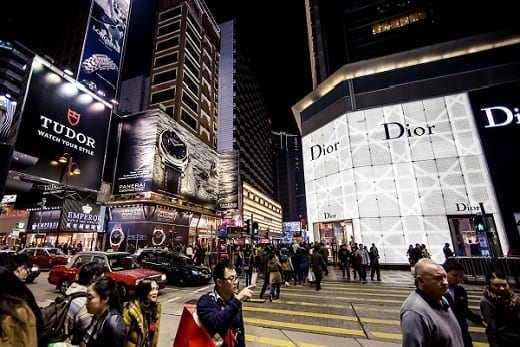
  • Hong Kong retail up in September despite massive growth slowdown

    Hong Kong retail up in September despite massive growth slowdown

    Retail sales in Hong Kong rose 1.4% year-on-year in September, signalling a considerable retail sales slowdown in the Asian economy, following a downwardly revised 7.9% increase in August. According to industry figures released on November 1, the September uptick is the smallest annual gain in Hong Kong retail sales since June 2017.

    The Census and Statistics Department (CENSTAD) attributed the slowdown to two factors, with the first being the temporary drag on inbound tourism from typhoon Mangkhut.

    Also, local consumer spending was reportedly hindered by negative sentiment, in light of the US-China trade conflicts and stock market corrections.

    Looking at the results closer by category, September food, alcoholic drinks and tobacco retail sales fell 0.8%, compared to an increase of 2.4% in August.

    Hong Kong fuel sales were down 2.9%, widening in terms of loss, compared to a 0.6% decline in the month prior.

    Hong Kong’s clothing and footwear retail sales figures fell a whopping 6.5%, compared to 3.4% in August, with growth stalling in September at department stores, up 1.1% compared to 11% in August.

    Likewise, jewellery, watches and clocks gained 5.3%, but proved to be a soft growth result, compared to the 22% lift last month.

    But not all categories in September underperformed.

    Retail sales at supermarkets swung to a 0.6% increase, compared to a decrease of 3.4%, while consumer durable goods gained 3.3% compared to 2.1% last month.

    Based on seasonally adjusted data, retail sales decreased by 3% in the third quarter, compared to the second quarter.

    Hong Kong retail sales have been on annual upward trajectory since 2005.

    For the last thirteen years, sales have gained on average 5.67%, with a high of 30.6% in February 2010.

    The lowest recorded result was an 18.5% downswing in February 2016.

  • Italian Motorcycle Makers Tease Indonesian Enthusiasts With New Models

    Italian Motorcycle Makers Tease Indonesian Enthusiasts With New Models

    Italian motorcycle manufacturers are hoping the release of new or updated models would be enough to reinvigorate interest among Indonesian enthusiasts and boost sales, which have been subdued in the past few years amid a weakening currency and slowing economic growth in Southeast Asia’s biggest economy.

    From household names such as Ducati, Piaggio and Vespa, to niche brands like Motto Guzzi and Italjet, displayed their latest models at the International Motorcycle and Accessories Exhibition in Milan last week. Thousands of visitors from across the globe, including a dozen importers from Indonesia, attended the world’s most famous exhibition dedicated to two-wheelers.

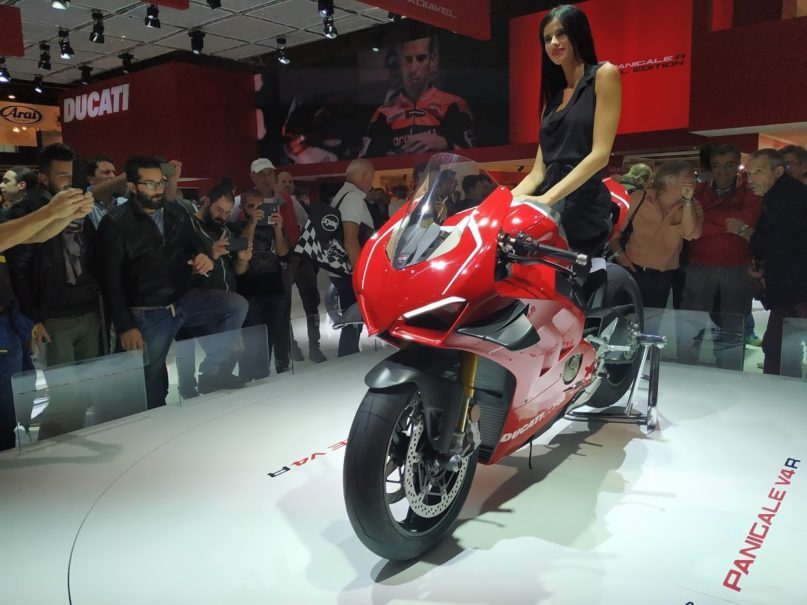
    Ducati featured the Panigale V4R, its latest road-legal competition bike, along with its new Hypermotard 950 and Diavel 1260. The company also introduced updated versions of its Scrambler and Multistrada ranges.

    Moto Guzzi showed off its new adventure bike, the V85 TT, while Vespa introduced updates to its GTS and Primavera ranges, while also launching a new electric scooter, the Elettrica.

    The new models have invoked confidence among importers looking at expanding the luxury motorcycle market in Indonesia after years of slowing demand.

    “We are ready to bring the new Ducati motorcycles to Indonesia, including the three new ones,” said Faby Tsui, marketing director of Garansindo Euro Sports, the sole authorized distributor of Ducati in Indonesia.

    Next year, the company plans to add three Ducati stores from just one currently in Jakarta. “We are looking at opening another shop in Jakarta, one in Surabaya and one in Bali,” Faby said.

    Italjet Moto, a small motorcycle manufacturer based in Castel San Pietro Terme in Bologna, aired a similar sentiment. The company has just revived its iconic Dragster scooter with a new sporty design unique to its class.

    “We would like to enter the Indonesian market. It’s an exciting market, which I believe has many scooter enthusiasts. Indonesia will be the first country outside Europe for us to market the Dragster,” Italjet Moto managing director Massimo Tartarini said.

    The company has also laid out a long-term plan for Indonesia, viewing it as a production base in the Asia-Pacific region.

    “We will start production in April or May next year. For the first year, we want to produce it in Italy. For the second year, we want to start manufacturing it in Indonesia for the Asia-Pacific market,” Tartarini said.

    However, some importers were less optimistic, pointing out that demand for luxury motorcycles has yet to return to what it used to be several years ago, when the Indonesian economy still enjoyed a windfall from a commodity boom and a strong currency.

    Indonesia’s imports of motorcycles, spare parts and accessories from Italy only amounted to $1.3 million last year, half what it was in 2012, according to data compiled by UN Comtrade, the commodity trade section of the United Nations’ statistics division.

    The Indonesian economy has yet to return to the growth levels of above 6 percent it used to see between 2010 and 2012. The rupiah now trades at 16,700 to the euro, having depreciated more than 36 percent from the 2012 level, according to Bank Indonesia.

    Meanwhile, Indonesia’s efforts to root out corruption have effectively curbed the practice among officials of collecting luxury motorcycles over the past few years.

    “I used to see government officials in store bringing all cash in backpacks to buy luxury motorcycles. Today it’s not the case anymore,” one motorbike importer said.

    Other importers pointed to the government’s recent decision to raise import taxes on luxury motorcycles and accessories as part of the country’s broader efforts to curb a widening current-account deficit.

    Many view the move was ineffective to achieve the goal, considering the relatively small size of the luxury motorcycle market in Indonesia. Italian motorcycles and accessories, for example, only accounted for a tiny part of Indonesia’s $535 million imports of bikes and accessories last year, mainly from China, Thailand and Vietnam.

    “We hope the tax will only be temporary and that conditions would return to normal soon,” Faby said.

  • UK Mulberry sales drop rescued by Asia growth

    UK Mulberry sales drop rescued by Asia growth

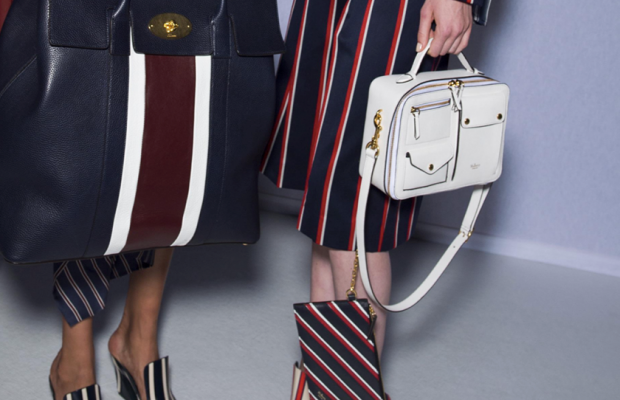
    Strong Asia performances helped mitigate falling UK Mulberry sales in the latest half year. While the UK fashion house’s total revenue was down 8 per cent to £68.3 million, international sales were up 13 per cent. Within that figure, new entities in South Korea and Japan saw the company’s retail chain expand to 29 stores, compared with just one a year earlier.

    And new digital partnerships in China with Toplife, Secoo and VIP.com also boosted sales. Mulberry says further such reseller agreements are planned.

    The core UK business was profitable, but the company was affected by the administration of House of Fraser and “soft retail conditions” in its home market. Overall UK retail sales were down 11 per cent during the six months.

    Globally, e-commerce sales rose 5 per cent and now representing 17 per cent of Mulberry sales, up from 14 per cent the same period last year.

    The company posted an underlying loss before tax of £3.6 million, compared with a £600,000 loss the previous year.

    However, after one-off costs for House of Fraser (£2.1 million) and the South Korea launch (£2.5 million), the company reported a loss pre-tax loss of £8.2 million.

    CEO Thierry Andretta said the company is delivering on a strategy to develop Mulberry as a global luxury brand and the new South Korean and Japan businesses, along with the creation of the China digital partnerships were big steps on that pathway.

    “We are confident that our focus on international growth is the correct strategy to develop Mulberry.”

  • Yoox Net-A-Porter acquisition boosts Richemont sales

    Yoox Net-A-Porter acquisition boosts Richemont sales

    Richemont sales in Asia Pacific surged 20 per cent in the first half of this year with the region the group’s single-largest market, accounting for 37 per cent of total sales.

    The increase was fuelled by the inclusion of the Yoox Net-A-Porter (YNAP) business into the Swiss-headquartered multibrand luxury retailers figures for the first time. Excluding YNAP and Uk online retailer Watchfinder, sales rose 14 per cent, driven by a net 20 new store openings and “high single-digit growth” in Mainland China and double-digit growth in Hong Kong, Macau and Korea.

    “Both the retail and wholesale channels saw double-digit growth, with strong performances in jewellery and watch sales,” the company said in a statement.

    In Japan, a 14 per cent growth in sales was driven by higher domestic and tourist spending, which benefited from a comparatively weaker yen. Excluding online distributors, sales in the region increased by 8 per cent, led by a double-digit growth in watch sales and the net opening of five directly operated boutiques. Japan represents 8 per cent of overall sales.

    Group-wide global sales rose by 21 per cent at actual exchange rates to €6.808 billion and by 24 per cent at constant exchange rates. Online retail sales, now reported separately following the e-commerce acquisitions, amounted to 14 per cent of group sales.

    Excluding YNAP and Watchfinder, sales rose by 6 per cent at actual exchange rates and by 8 per cent at constant exchange rates.

    Operating profit of €1.130 billion was down €36 million due to acquisition and disposal-related charges of €159 million, the company said. Excluding the impact of first-time consolidation of YNAP and Watchfinder, operating margin improved to 21.1 per cent. Profit for the period rose to €2.253 million primarily due to a post-tax non-cash gain of €1.378 billion on the revaluation of YNAP shares held prior to buy-out.

    Chairman Johann Rupert said offline Richemont sales growth was primarily driven by strong performance of the jewellery maisons and double-digit increases in the maisons’ directly operated boutiques and online stores.

    “Robust retail sales in jewellery and watches more than offset a 2 per cent decline in wholesale sales, which was mainly due to the specialist watchmakers’ ongoing prudent inventory management and upgrade of the wholesale distribution network,” said Rupert.

    “In our jewellery maisons, watch sales grew strongly in Cartier’s stores, benefiting from the successful Panthere and relaunched Santos collections. Jewellery pieces continued to outperform, notably with the iconic Cartier Love and Van Cleef & Arpels Alhambra collections.”

    He said while growth was muted for specialist watchmakers, retail was strong and there was good momentum at Vacheron Constantin, Roger Dubuis and JaegerLeCoultre.

  • Coach enters KL’s SkyAvenue Genting

    Coach enters KL’s SkyAvenue Genting

    U.S. luggage, leather goods and accessories maker Coach has unveiled a new Malaysian boutique at Kuala Lumpur’s SkyAvenue, Genting Highlands. Located inside the Malaysia capital’s innovative shopping precinct on Level 2, Coach’s SkyAvenue store spans approximately 2,002 square-feet and stocks the New York brand’s ready-to-wear collections for both women and men, as well as its iconic hand bags, small leather goods, footwear, accessories and jewellery.

    Coach Creative Director Stuart Vevers in partnership with William Sofield, designer and president of Studio Sofield, were the talent behind the store layout.

    Embellished in modern luxury, as seen in the leather and natural wood finishes that reflect the sophisticated yet playfulness of Coach, the Kuala Lumpur store boasts custom-made cabinets – made from natural and ebonised ash.

    Other texture and material plays come via the use of blackened steel, vintage bronze and wood trimmings.

    Customers will also appreciate the pinewood floor, made of custom wool carpeting, and the tasteful mid-century furniture.

    The new Kuala Lumpur store even has a ‘Craftsmanship Bar’, offering personalised monogramming in addition to leather care and cleaning.

    With more than 100 retail options, SkyAvenue is one of Kuala Lumpur’s most unique shopping experiences.

    The mall is located 6,000 feet above sea level, and is home to a huge range of retail and F&B establishments spanning across five floors. The opening comes at a time when Coach is focusing on Asia, namely China.

    Last week, the New York brand revealed it will stage its next Pre-Fall 2019 runway show in Shanghai, in celebration of the brand’s 15th anniversary.

    Titled “Coach Lights Up Shanghai,” the collection of ready-to-wear, sneakers and accessories is scheduled to show December 8, and will be the first show of its kind that Coach has done outside of New York.

    Global sales at Coach, which makes up over 70% parent company Tapestry’s sales, rose 4% in the three months ended September 29.

    For the quarter period, Tapestry net sales rose to $1.38 billion. Net income was $122.3 million, compared with a loss of $17.7 million a year earlier.

  • Hard Rock Cafe to be reintroduced in Philippines

    Hard Rock Cafe to be reintroduced in Philippines

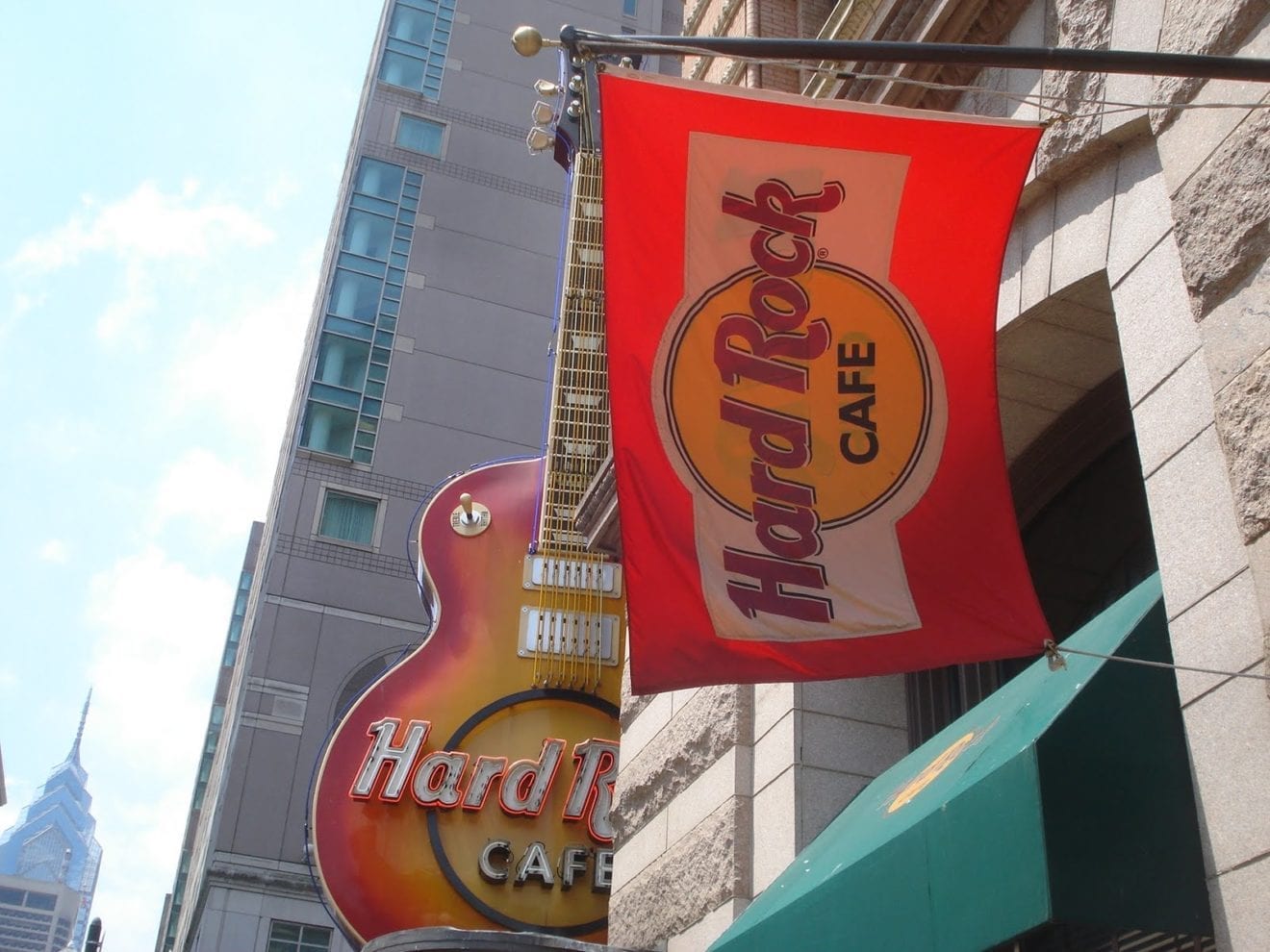
    Bistro Group has acquired the exclusive franchise for Hard Rock Cafe in the Philippines, planning to reintroduce the brand in the region after a year’s absence. The Hard Rock group has high hopes for the partnership given the new local partner’s proven performance in the “Western-driven market.”

    Area franchise development VP Steve Yang said: “The Bistro Group is a strong industry player and with its robust portfolio of brands as well as its track record for more than 20 years, we are confident that they will be a strong partner to help us take Hard Rock Cafe in the Philippines to the next level.”

    The new Hard Rock Cafe will open next month in a 653sqm space at the Conrad S Maison mall in Pasay City, with four to five branches potentially in the works for Cebu and Bonifacio Global City.

    “Putting Hard Rock inside a mall is in response to the current lifestyle trend and is one of the best locations we’ve seen in our operations,” Yang said.

    Hard Rock’s VP for franchise operations and development Anibal Fernandez said the company wants to expand its presence in high-growth markets frequented by locals and tourists.

    “Last year alone we launched cafes in Spain, Austria, South Africa, Andorra, Bolivia, India, Cambodia, Myanmar, Argentina and Nicaragua. In 2018 we are developing in Africa, Middle East, Europe, North and South America, South Asia and China, among others.”

  • Furla opens largest Malaysian store

    Furla opens largest Malaysian store

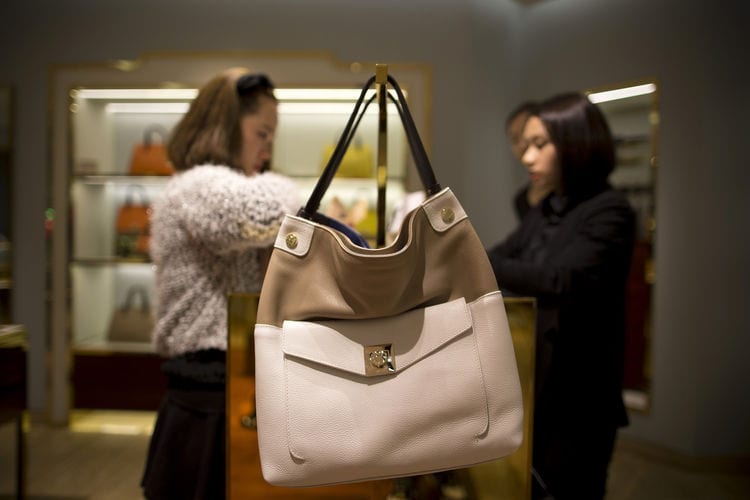
    Italian luxury label Furla has launched its largest store in Malaysia. The new 1290sqft boutique in Kuala Lumpur’s Suria KLCC has been lavishly decked out in rosewood and Italian travertine marble alongside opalescent glass and champagne gold finishing on product displays. Several local celebrities were spotted in attendance at the store’s launch.

    The brand’s new range is now featured in store, including the Furla Cometa quilted camera bag and the Cometa tote. Furla is also offering its Cruise 2019 fur-free collection.

  • Wagyumafia launches in Hong Kong

    Wagyumafia launches in Hong Kong

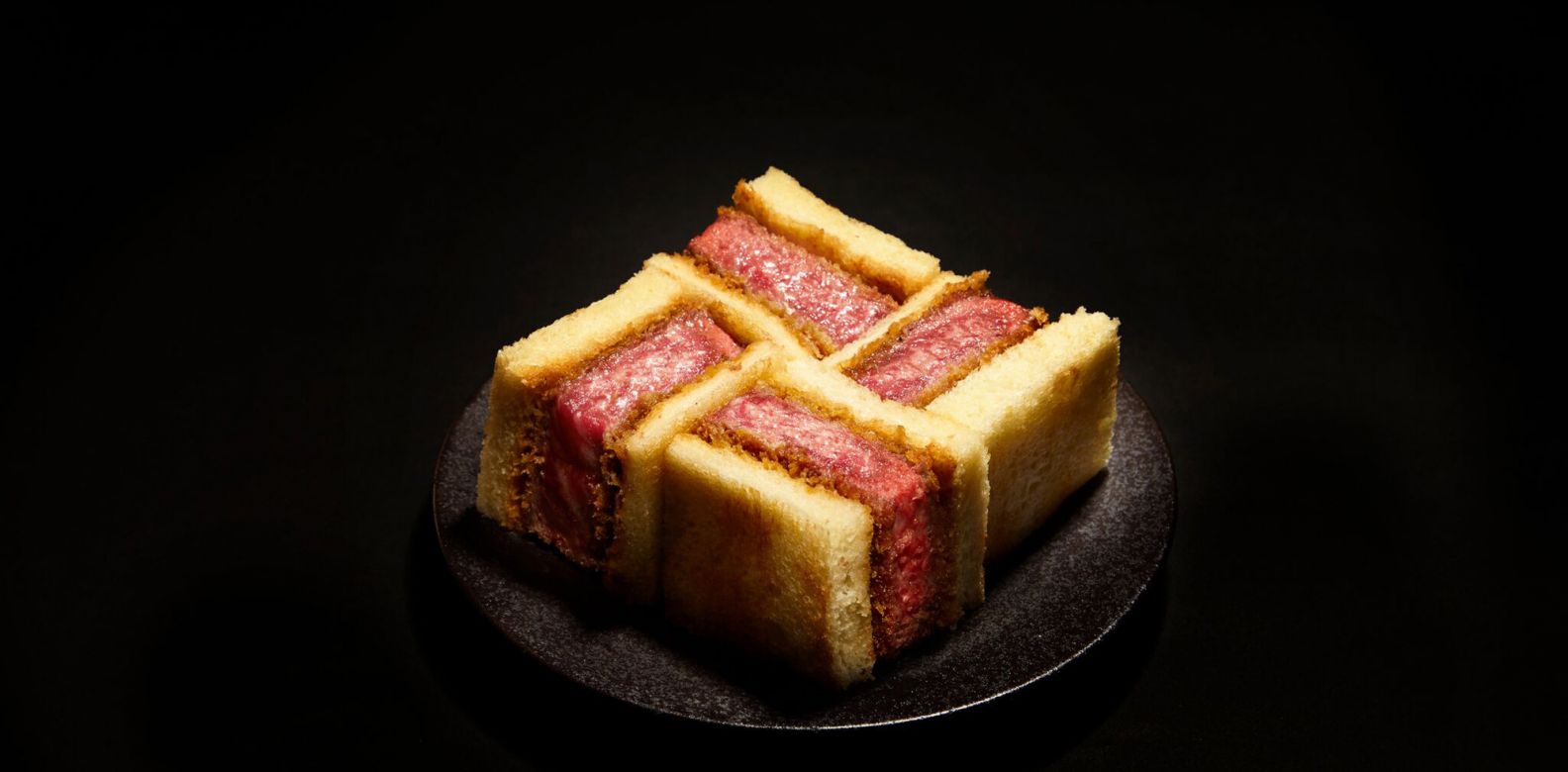
    Japanese restaurant chain Wagyumafia is set to open in Hong Kong’s Wan Chai. It will be the franchise’s first international location since launching two years ago. Wagyumafia is known for its premium beef and members-only business model. The brand has gone through an extended promotion under co-founder Hisato Hamada, who has hosted pop-up events for the franchise in top international locations – including Paris, London, Singapore and New York.

    The new Hong Kong location will be open for 18 members at a time, serving an omakase menu focused on choice Wagyu and Kobe beef yakiniku and shabu-shabu dishes.

    Hamada said “Wagyumafia seeks to buy only the top 1 per cent of Kobe beef. To ensure our premium quality standards are met, we source our products from the top 20 best farmers in Japan.”

    Reservations will be opened to non-members sometime after the first month of trading.

  • Lee Hwa Jewellery experiential concept store has opened

    Lee Hwa Jewellery experiential concept store has opened

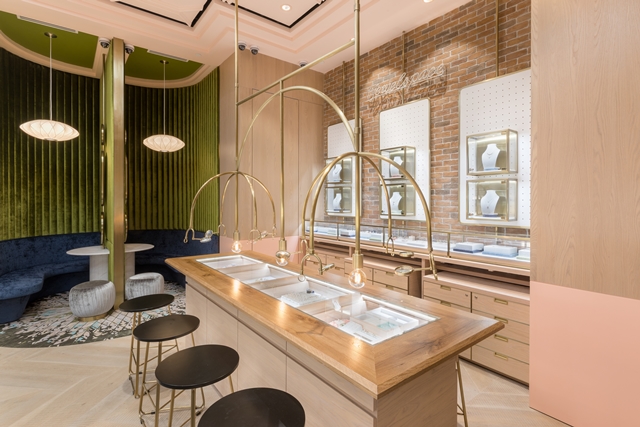
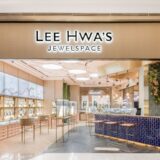
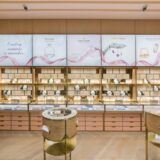
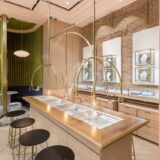
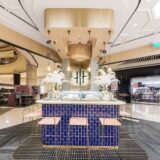
    Lee Hwa Jewellery has introduced a new experiential store inviting customers to “get intimate” with jewellery. In a bid to meet millennial “experience economy” market demand for immersive retail experiences, Lee Hwa’s Jewelspace – a bespoke design concept launched at its newly re-opened boutique at Suntec City – has broken away from the traditional look and feel of jewellery boutiques, resulting in a more contemporary instore experience for customers.

    Built around a gallery-like atmosphere, the brightly-lit new boutique does away with traditional glass counters, instead featuring modern elements such as themed display walls and vertical glass displays, a maker space and interactive countertops that let customers get closer to its range of fine jewellery.

    The store’s layout and concept is inspired by the experiences of visiting an art gallery, spending a romantic day out, and creating bespoke pieces at a workshop.

    Lee Hwa Jewellery’s business director Mavis Toh said today’s retail scene is vibrant, sophisticated and innovative, and the same can be said for today’s consumers, especially the millennials, who are driven by a desire for deeper and differentiated brand experiences.

    “Customers will continue to visit brick-and-mortar stores as long as there are new and interesting reasons to go. As retailers, we aim to provide these reasons with a brand-new bespoke boutique concept that will not only excite them, it will allow them to experience jewellery shopping in an entirely new way.”

    A statement from the brand highlighted retail expert predictions that the personalisation of customer experiences will continue to be a key retail trend as consumers seek out highly personalised shopping experiences that cannot be replicated online. It posed that the trend of personal service is also expected to reshape the retail landscape as brick-and-mortar retailers compete with online retailers for the consumer dollar.

  • Hyundai to unveil new large SUV Palisade

    Hyundai to unveil new large SUV Palisade

    Hyundai Motor’s new large SUV, set to be unveiled at the Los Angeles Auto Show later this month, will be called the Palisade. According to the carmaker Friday, its new model for the 2020 model year will be revealed on Nov. 28 during a press event at the L.A. motor show.

    The company will start taking preorders for the SUV in the Korean market starting at the end of this month, earlier than other countries. Hyundai Motor America said Thursday the car will be available in the U.S. market in the summer of 2019. Hyundai said the SUV was named after Pacific Palisades in southern California, an affluent neighborhood that boasts a series of coastal cliffs. The carmaker is hoping that the Palisade will live up to its premium-sounding name.

    The three-row SUV will offer seven or eight passenger seats, according to a spokesperson from Hyundai Motor. The major focus in designing the car is enabling everybody inside the car, even those in the third row, can enjoy their own space. In some vehicles with third rows, space is tight.

    The carmaker said its new Palisade will offer the most seating space among competing vehicles in the same segment. It also promised diverse seat adjustment options and an easy-to-use interface for adjusting car settings for passenger convenience.

    “For large SUVs, carmakers need to offer more value than just the basic driving performance,” a Hyundai spokesman said. “The spacious interior and intuitive interface for safety and convenience services offered in the car are its competitive edge.”

    The carmaker is expecting a lot from this vehicle, as it in hopes to make the Palisade its flagship SUV model when families are increasingly lean towards bigger SUVs over sedans. The Palisade will replace the Max Cruze (Santa Fe XL overseas) as Hyundai’s largest SUV.

    Specifications and pricing for the Palisade were not released on Friday.

  • Baby Milo Launched Pets Collection Pop-Up Store

    Baby Milo Launched Pets Collection Pop-Up Store

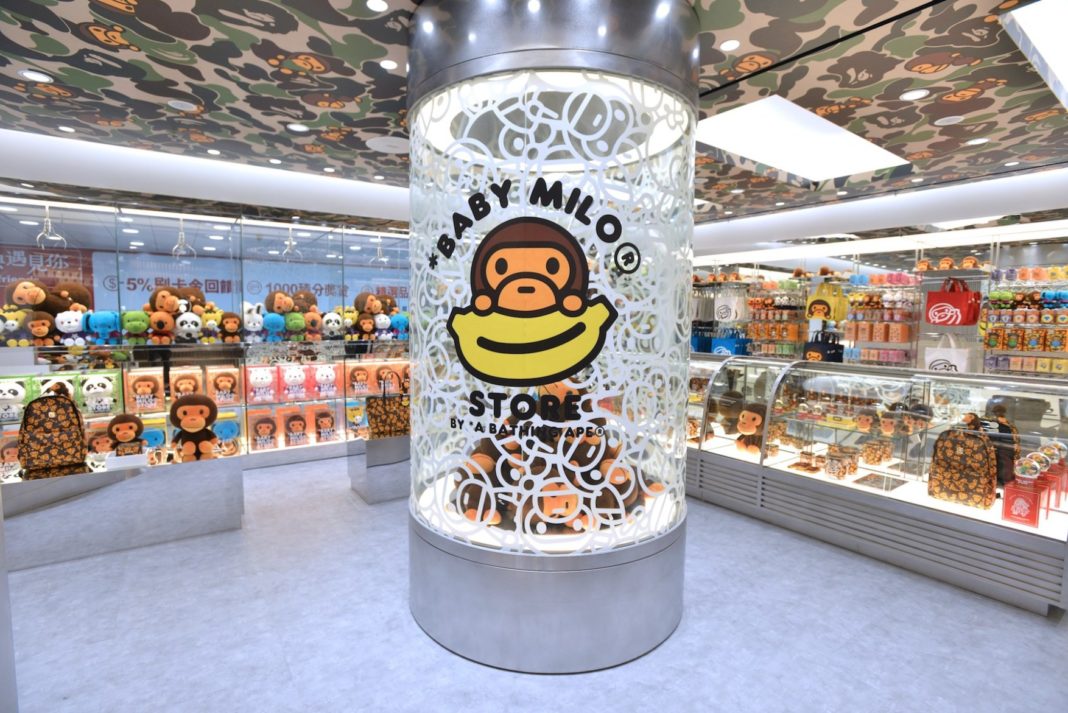
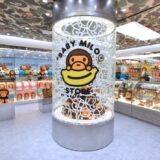
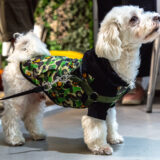
    Japanese apparel brand A Bathing Ape has opened a Baby Milo petwear pop-up in Hong Kong. The pop-up features a ball pool out front for canine friends to play in while attendant humans shop, as well as a quieter pet space out back. Also highlighted in-store is a Baby Milo dog tag engraving station and a flipbook photobooth.

    The pop-up is offering soft goods and toys for pets, including beds, chew toys, leashes, carry bags, and towels, among others.

    The pop-up will run until November 18 at 19 Old Bailey Street, Soho, from noon to 7pm.

    A Bathing Ape is owned by Hong Kong’s I.T Group.

  • Hermes sales growth boosted by Asia

    Hermes sales growth boosted by Asia

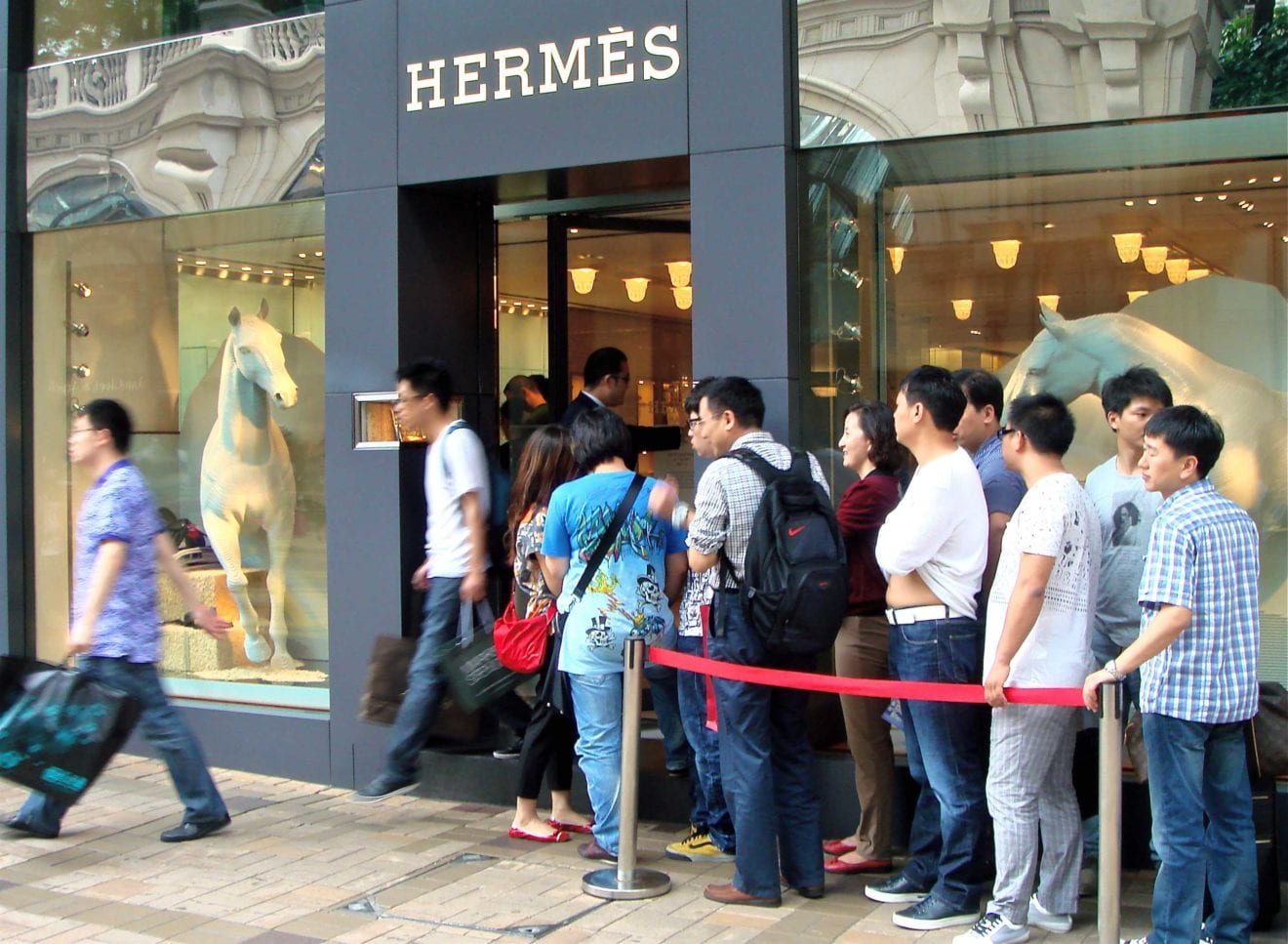
    Hermes sales surged 11 per cent in the quarter to September, with all geographical regions performing well. Asia – excluding Japan – led the way, with sales up 14 per cent. The company reported a “significant increase” in Mainland China with new stores in Xi’an (which opened in September) and Changsha (in May) along with the Landmark Prince’s store in Hong Kong in January helping underpin growth.

    A new commercial website hermes.cn, launched on October 17 and a massive duplex flagship opens tomorrow at Bangkok’s new IconSiam development. In Japan, sales rose 7 per cent.

    Group-wide revenue reached  €4.316 billion at the end of September, with sales through company-owned stores up 11 per cent as well, confirming the trend evident during the first half of the year.

    “Hermes realised a very strong growth over the first nine months of the year, in all regions,” said executive chairman Axel Dumas. “We keep our optimism for the future, but we are also thankful for the past.”

    By product category, Hermes’ ready-to-wear division achieved growth of 15 per cent, aided by the successful launch of the women’s Spring-Summer 2019 collection, presented at the Hippodrome Paris Longchamp. Demand was also high for fashion accessories and shoes.

    Growth in leather goods and saddlery reached 9 per cent, while the silk and textiles business grew by 4 per cent. Perfume sales rose by 9 per cent, watches by 8 per cent and other business lines, encompassing jewellery, Art of Living and Hermes Table Arts, by 23 per cent.