Tag: Macau

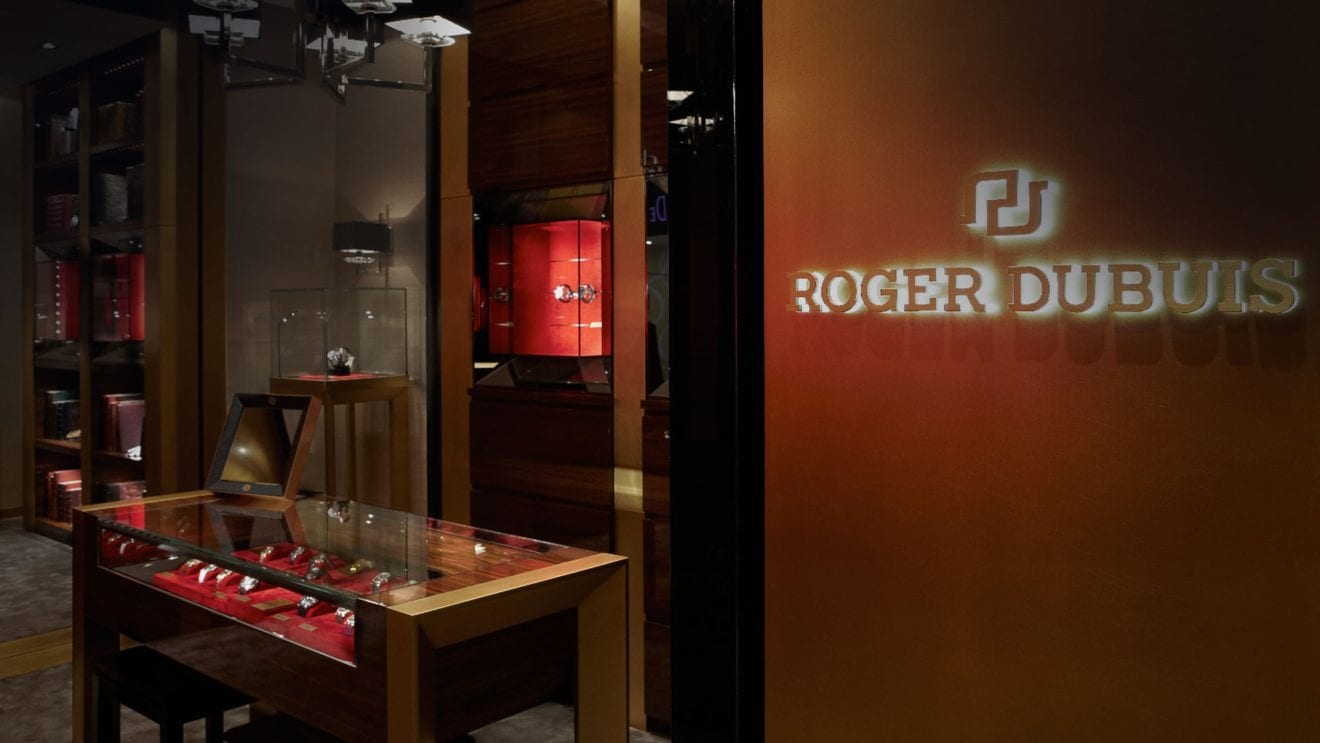
  • Roger Dubuis Hong Kong plans more Macau stores

    Roger Dubuis Hong Kong plans more Macau stores

    Luxury watch brand Roger Dubuis says it will open more stores in Macau and Hong Kong despite the recent contraction of the market.

    Roger Dubuis Hong Kong has four stores and there are a further three in Macau. The Swiss brand debuted here in 2000 and is aiming to be one of the world’s top five luxury watch retailers by 2020.

    Despite price tags ranging from HK$150,000 to HK$10 million, Roger Dubuis is unconcerned by the broader trend and is eyeing the longer term growth opportunity in the SARs and the mainland as the number of Chinese with high disposable income grows.

    Two new stores will open in Macau next year and potentially another in Hong Kong.

    CEO Jean-Marc Pontroué told the Hong Kong Economic Journal a new store will open in Nanjing in the mainland next year as well. That follows the opening of its first mainland store in Beijing last July.

  • Mainland China helps Chow Tai Fook figures

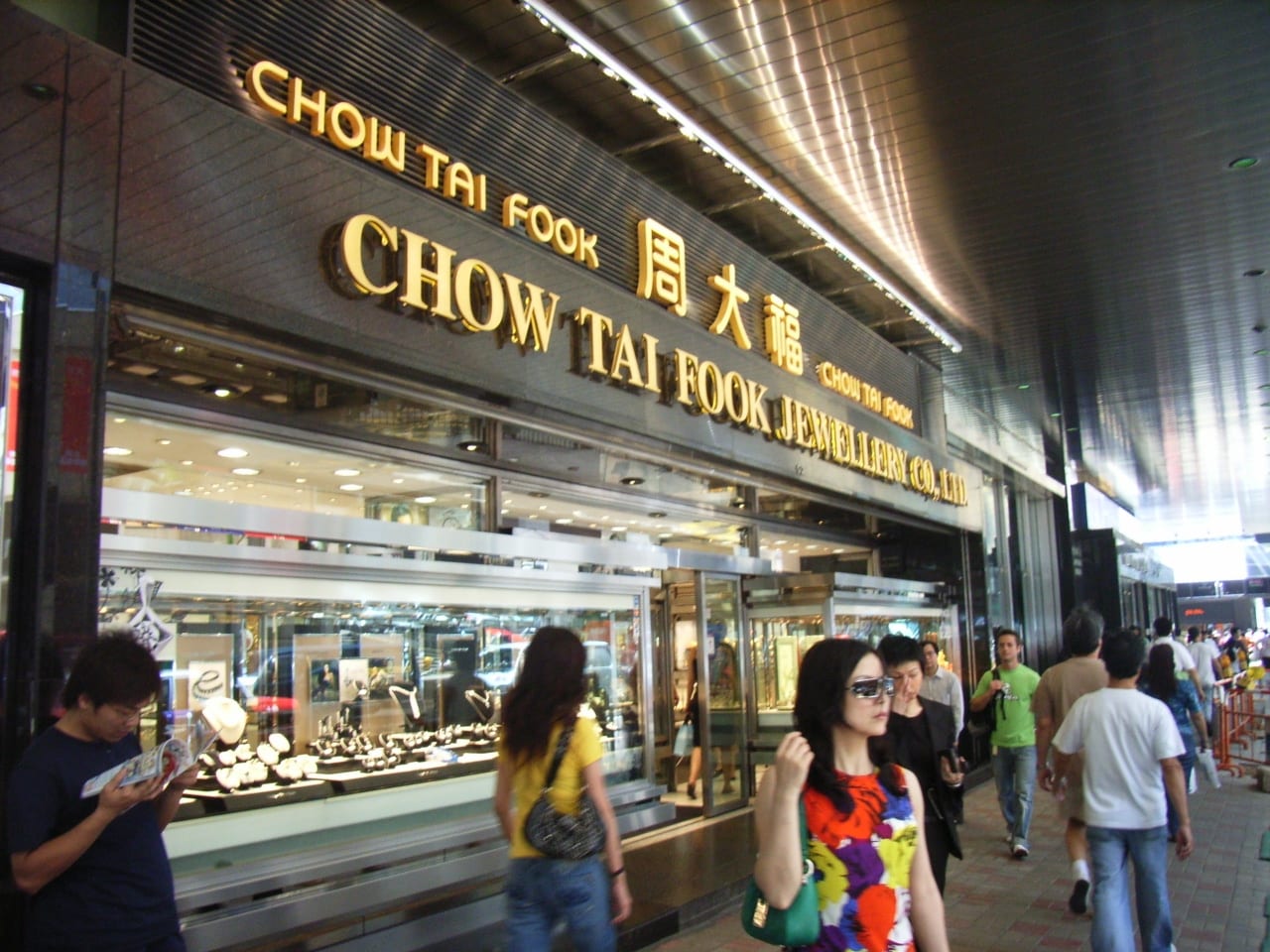
    Mainland China helps Chow Tai Fook figures

    Chow Tai Fook Jewellery Group has reported a four per cent year-on-year increase in retail sales in the three months to September 30.

    The welcome increase was attributed to surge in demand for gold as a result of falling gold commodity price since mid July.

    The Hong Kong listed company says same store sales fell three per cent in value terms and rose one per cent in volume terms.

    Mainland China stores led the growth, with Hong Kong and Macau shops showing a same store decline of 13 per cent and an overall decline of five per cent. Volume fell 18 per cent.

    But in China, same store sales rose six per cent in value and 13 per cent in volume.

    Chow Tai Fook described the Hong Kong and Macau retail market as “continuing lacklustre”.

    Sales of gem-set jewellery there fell 24 per cent on a same store basis, but just four per cent in the mainland.

  • Golden Week loses its glitter in Hong Kong

    Golden Week loses its glitter in Hong Kong

    It was a lukewarm Golden Week for the Hong Kong Special Administrative Region as the number of visitors to the city remained stagnant at levels seen during the same period a year earlier.

    Confounding the SAR’s woes were reports from several leading retailers about sluggish sales.

    The Hong Kong SAR Immigration Department said on Wednesday that during the first six days of the National Day holiday starting Oct 1, the city received more than 1 million visitors from the mainland, or 3.26 percent more than last year.

    The holiday, also known as the Golden Week, is one of the longest nationwide holidays and an important peak season for Hong Kong’s tourism industry.

    Six days into the Golden Week, Hong Kong recorded 2.45 million visitors arriving in the city, 5.82 percent less than the same period in 2014. The busiest day was Oct 2, when 443,640 visitors passed border check points. Among them, 202,703, or 45.69 percent, came from the mainland.

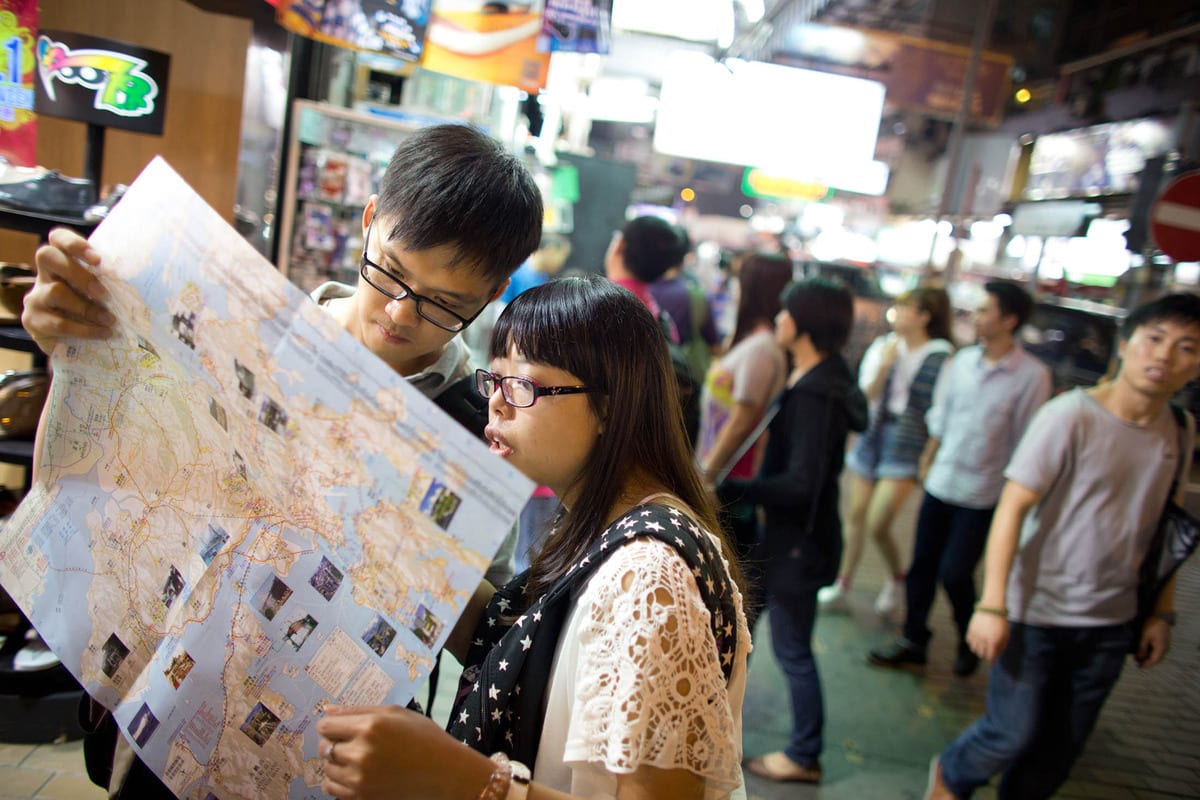
    Yet on the street level, this Golden Week was less glaring than the previous ones. Few mainland shoppers were seen queuing up outside the luxury stores along Canton Road in Tsim Tsa Tsui, one of the city’s prime shopping hot spots.

    “This year Hong Kong received a lot of transit passengers and many other visitors are single-day returns. That is why this Golden Week appears to be quieter,” Joseph Tung Yao-chung, executive director at the Travel Industry Council of Hong Kong, told China Daily.

    According to Tung, the fact that many destinations in the region relaxed visa application thresholds to mainland tourists has changed the game. “It’s now much easier to visit countries such as Japan, South Korea and even the United States. Competition is fierce for Hong Kong,” he said.

    However, Macao, the peer city of Hong Kong, recorded 799,717 mainland tourists from Oct 1 to 6, 6.3 percent more compared with 2014. Total visitors arriving at Macao also increased 1.8 percent year-on-year to 938,197 during the same period.

    Gregory So Kam-leung, secretary for commerce and economic development of Hong Kong, said on Tuesday that the city needs to develop more attractions to stay competitive. He added bad weather also has affected the holiday atmosphere.

    Tung said protests against mainland tourists earlier this year did not drive visitors away, as such activities involved “only very few people” and “Hong Kong in general welcomes tourists”.

    He said that with discounts offered, hotels in the SAR still managed to fill 80 to 90 percent of their rooms. “The key is to do more promotions and attract more overnight visitors. We have confidence in local catering and shopping offers. Hong Kong is still one of the top choices for mainland tourists.”

    Other sectors are not so optimistic. Ahead of the weeklong holiday, the Hong Kong Retail Management Association forecasted “a single-digit to a low double-digit drop in sales value” for most of the member companies during the Golden Week compared with the same period last year.

  • Salvatore Ferragamo confident despite China woes

    Salvatore Ferragamo confident despite China woes

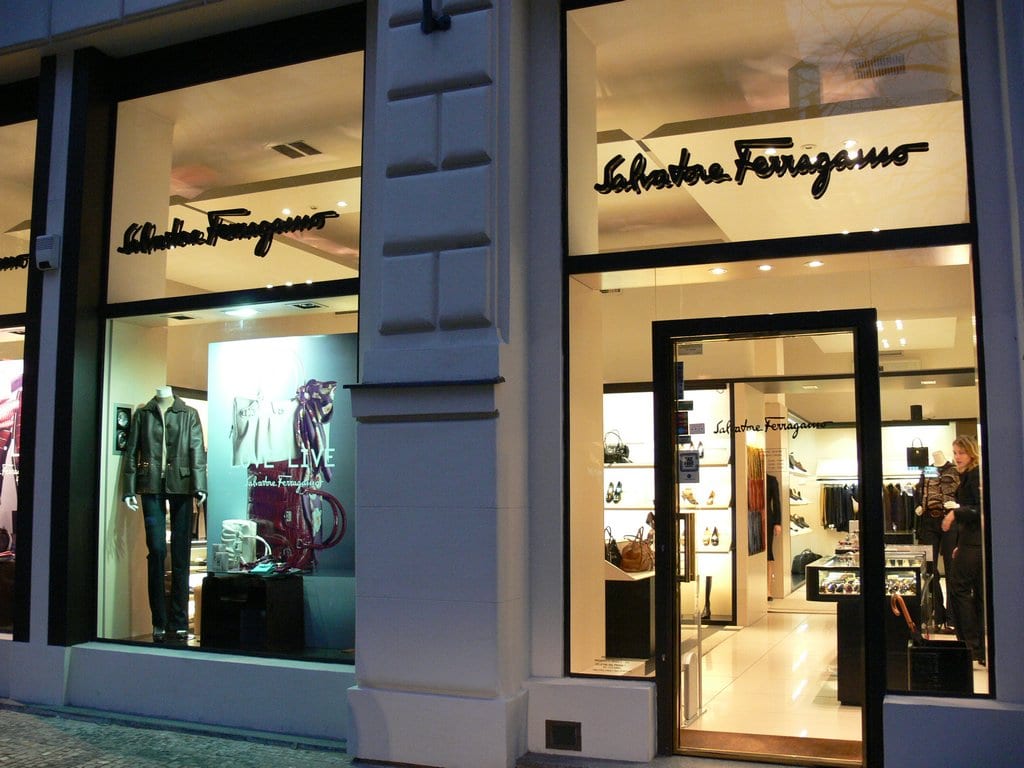
    Italian luxury goods brand Salvatore Ferragamo is confident it can weather the impact of falling sales in China, Hong Kong and Macau.

    The company has admitted to slowing growth in Asia, its largest market, but says it will stick to its previous profit guidance and is confident activities in other markets can balance the impact. That guidance is an EBITDA or about euro 320 million – 27 million more than it achieved in 2014.

    In the first half of this year, Asia-Pacific, the brand’s largest market, was the only one where it posted a sales decline, expressed in constant exchange rates. Most of the damage was done in Hong Kong and Macau where the downturn in luxury spending has been well documented.

    In China, most of Salvatore Ferragamo’s peers are reporting challenging conditions, revising their overall expectations based on slowing luxury and discretionary spending there.

    But Salvatore Ferragamo CEO Michele Norsa told journalists at the Milan Fashion Week: “We’ve been giving a very constant and consistent indication regarding this year.”

    However, the company said it would be reviewing prices in markets where the local currency was under pressure. While he did not name China, he did cite Russia and Brazil as examples.

  • Prada seeking lower rents in Hong Kong, Macau amid China slowdown

    Prada seeking lower rents in Hong Kong, Macau amid China slowdown

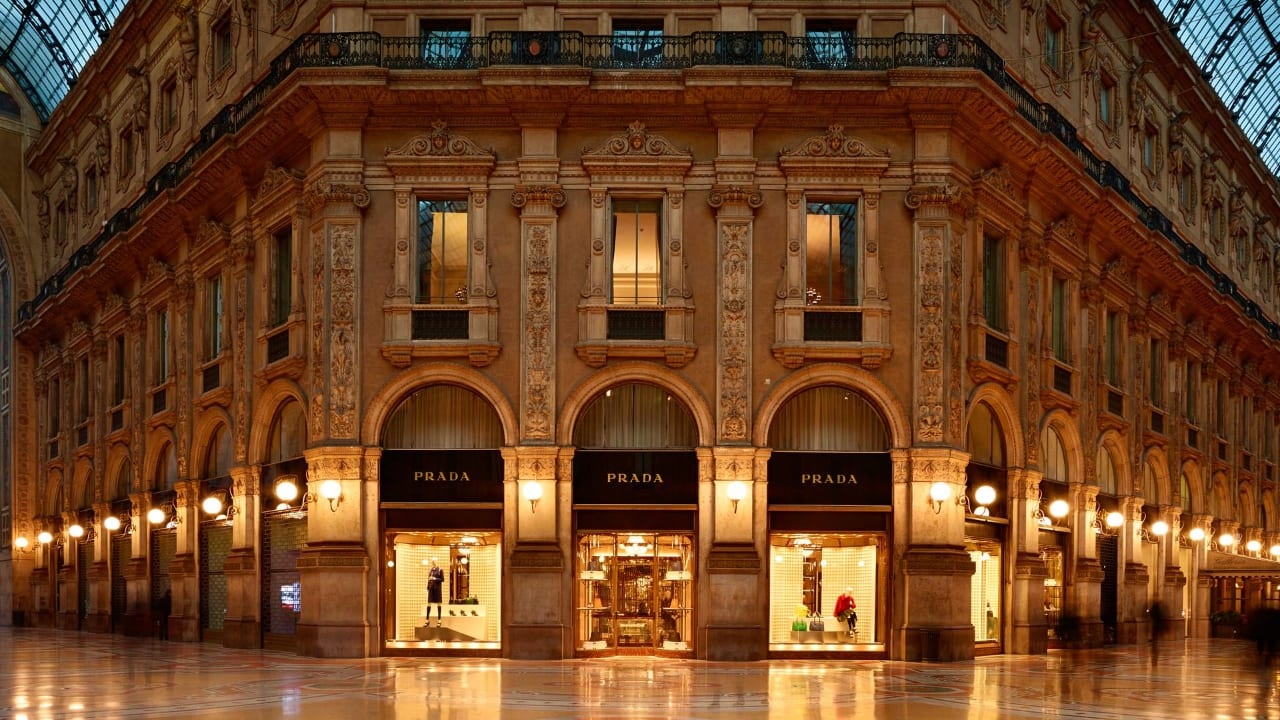
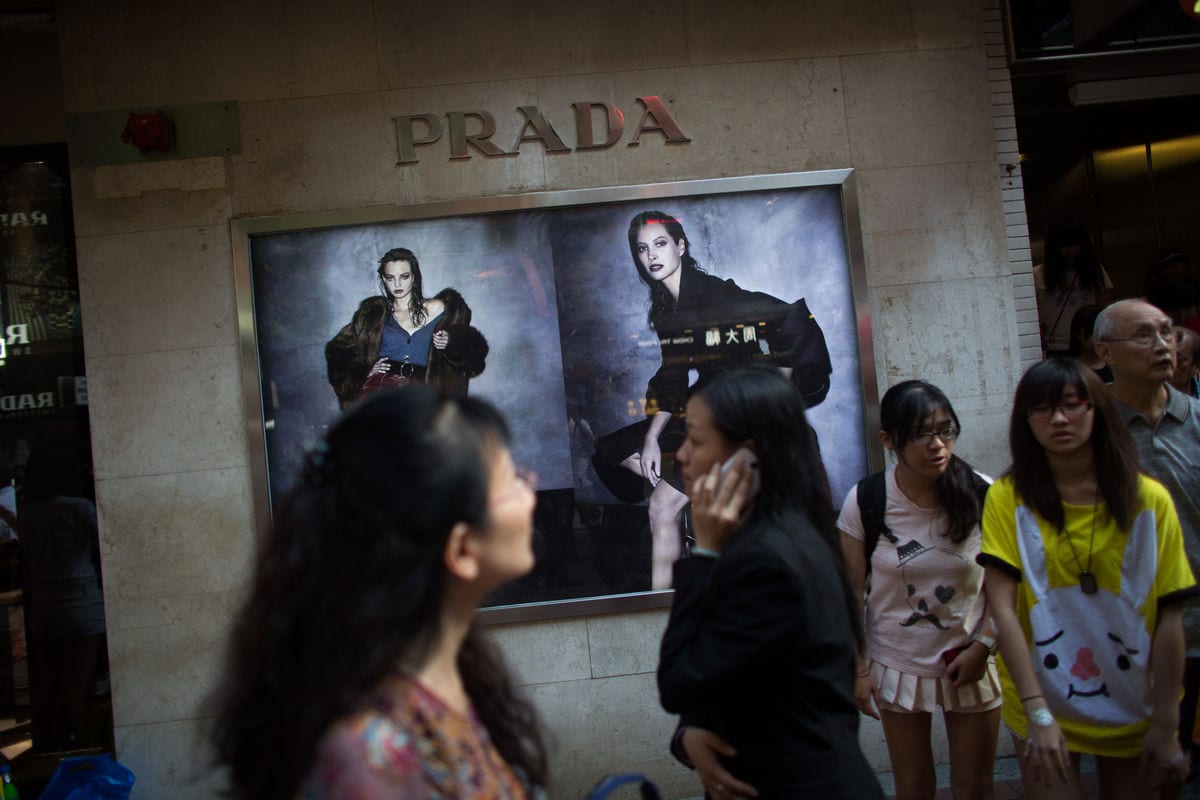
    Italian fashion house Prada is trying to negotiate lower shop rents in Hong Kong and Macau to reflect weak sales and the dwindling flow of wealthy tourists from mainland China, its chairman said last week.

    However, the Hong Kong-listed group does not plan to shut stores in China, which accounts for more than a fifth of its global sales and has been hit by a rout in stock markets and last month’s surprise devaluation of the yuan.

    China’s economic slowdown is hurting the two shopping hubs, forcing several luxury brands to close shops or at least attempt to lower sky-high rents – with little luck so far.

    “Like our competitors we’ve started re-negotiating rents for shops in weak spots such as Hong Kong and Macau but landlords are not being very receptive, they’re rather rigid,” Prada chairman Carlo Mazzi said.

    “China has gone from being an El Dorado to being an interesting market. We believe it can return to be a fairly good market but it’s hard to say how long it’ll take.”

    Asia-Pacific is Prada’s biggest market, representing 36 per cent of total revenues. Greater China alone accounts for 22 per cent, or €774 million (HK$6.67 billion).

    Betting on fast-rising Chinese consumer demand, Prada picked Hong Kong for its market debut in mid-2011 and used the cash to repay debts and fund a costly retail expansion, opening 260 shops worldwide in four years.

    But after being the growth engine of the luxury sector for years, China has become a headache for big brands as its economic growth began to slow. The main stock market index has slumped almost 40 per cent since a seven-year high in mid-June.

    The Milanese group has seen profit margins fall in recent quarters as revenue weakened while costs rose. Retail sales in the Asia-Pacific region fell 17 per cent at constant currencies in the three months to the end of April, rising marginally only thanks to the foreign exchange boost.

    Prada said last month trends in the Asia-Pacific region were little changed due to persistent difficulties in Hong Kong and Macau.

    “Boosting sales is not an easy goal at this time,” Mazzi said. “The phase of massive retail investments is behind us … We need alternatives to the shop network expansion,” he added, citing e-commerce and improving returns at existing shops.

    Luxury groups are still reeling from Beijing’s clampdown on lavish gift-giving and the blow to tourism in Hong Kong from last year’s pro-democracy protests.

    Mazzi expects sales in the former British colony, where Prada has 22 shops, to recover over time but growth rates are likely to be more modest than in the past.

    “We’re limiting expansion projects in Hong Kong and Macau,” Mazzi said.

    But “even with lower sales our Chinese stores continue to have positive – though much smaller – margins. Closing shops in China is not on the table,” he added.

    “Let’s not confuse China with South American markets, knocked down by falling oil prices. China is not down on its knees, it just needs to correct some issues it has with its economy.”

    Prada, which also owns brands Miu Miu and Church’s, has just over 600 stores globally, of which 94 are in Greater China. No clear alternative market has emerged and Mazzi said Prada was not targeting expansion in any particular country.

    “There are uncertainties that hold back investments in markets where we had planned to boost our presence, such as Africa,” he said, also mentioning logistical and political problems in India.
  • Hong Kong and Macau – Bundy’s new export destinations?

    Hong Kong and Macau – Bundy’s new export destinations?

    BUNDABERG Regional Council continues to engage with senior representatives of the Hong Kong Food Association with a view to establishing trade links to supply Hong Kong and Macau with locally grown produce.

    A delegation from the Hong Kong Food Council, Hong Kong Food Hygiene Administrators Association and Food Professionals Association visited Bundaberg from September 9 to 11 at the invitation of Mayor Mal Forman to meet with local horticultural experts and educators.

    Acting Mayor David Batt said the Bundaberg Horticultural Forum provided an exceptional opportunity to showcase the regions extensive produce portfolio.

    “The meeting in Bundaberg has since been followed up by a presentation in Hong Kong with the Hong Kong Trade and Investment Queensland (TIQ) Commissioner, Angela To presenting a detailed overview of opportunities in the Bundaberg Region.

    “It is important that as a region, we access every opportunity that comes our way regarding promoting our potential for investment, development and export.”

    Cr Batt said discussions would be ongoing between the two parties.

    “Hopefully, a further meeting may be organised for later in the year to build on the momentum these recent meetings have established,” he said.

    “The connections we have established with Nanning through our sister city relationship and now the opportunities that are being presented through this growing association with Hong Kong certainly add an exciting dimension to the expansion of horticultural activities through the Bundaberg region.”

    According to Cr Batt any return visit would be held in November to coincide with the 2015 Hong Kong Food Fiesta which runs from November 27 to December 1.

    “This would present an incredible opportunity for local producers who may wish to display their products in such a vibrant marketplace environment,” he said.

    Council economic development spokesman Greg Barnes said council’s economic development unit will continue to nurture the emerging relationship and work closely with TIQ to assist businesses interested in export opportunities with Hong Kong.

    “Anyone interested in promoting their products to the retail and wholesale sectors of the Hong Kong food industry can contact Council’s Economic Development team on 1300 883 699 or email info@investbundaberg.com.au.

    “Alternatively, contact Dion Taylor (0448 197 835) who has been instrumental in co-ordinating and organizing the business to business meetings between local producers and Hong Kong food industry professionals,” said Cr Barnes.

  • Air Asia starts Pattaya-Macau flights in November

    Air Asia starts Pattaya-Macau flights in November

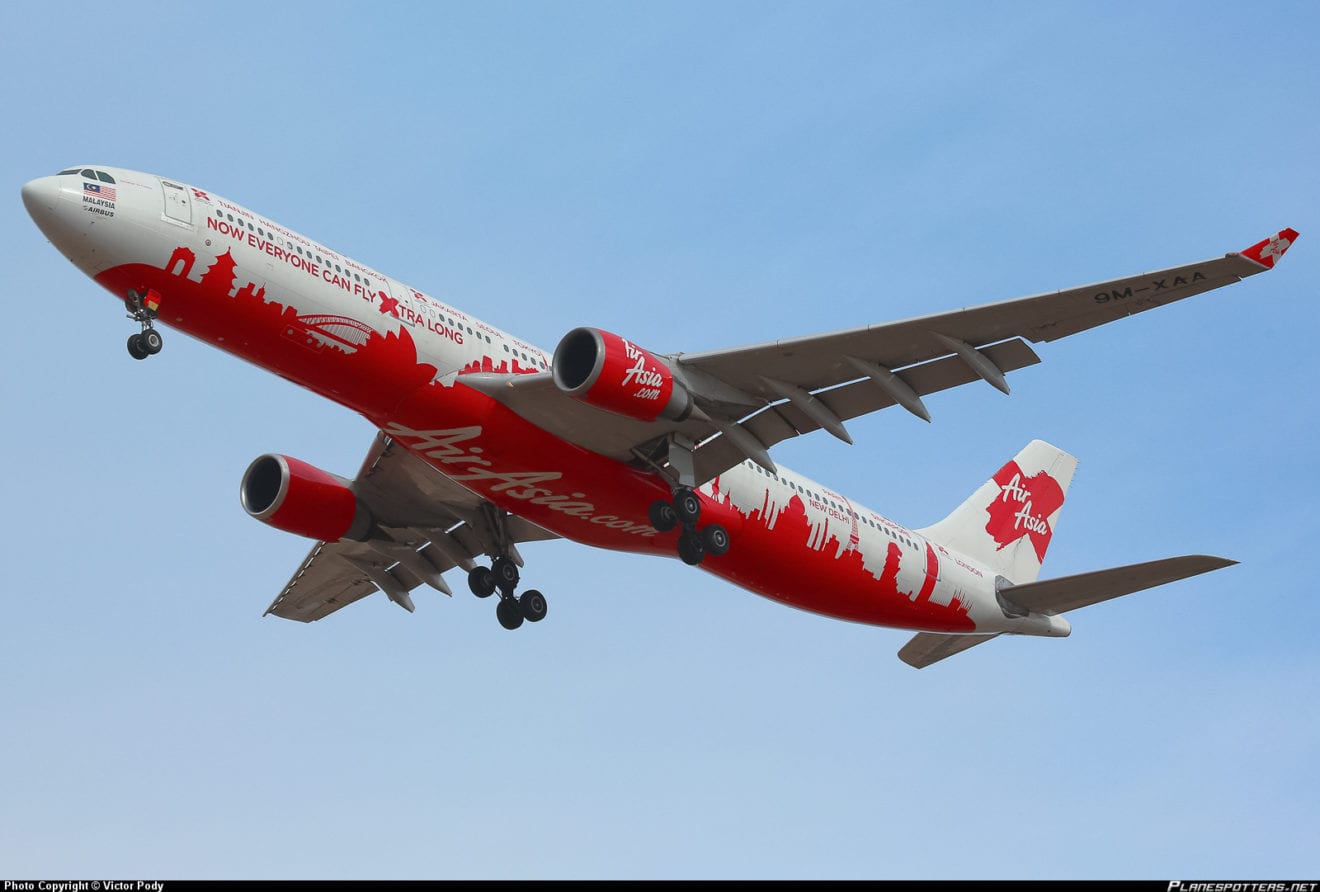
    Air Asia says it will launch on November 27 a service connecting the Thai coastal resort of Pattaya direct with Macau.

    Air Asia’s website says the low-cost airline will make one return flight per day until October 29 next year.

    Air Asia already has four return services a day between Bangkok and Macau, and one return service a day between the northern Thai city of Chiang Mai and Macau.

  • Apple Begins Hiring for Flagship Chinese Retail Store in Macau

    Apple Begins Hiring for Flagship Chinese Retail Store in Macau

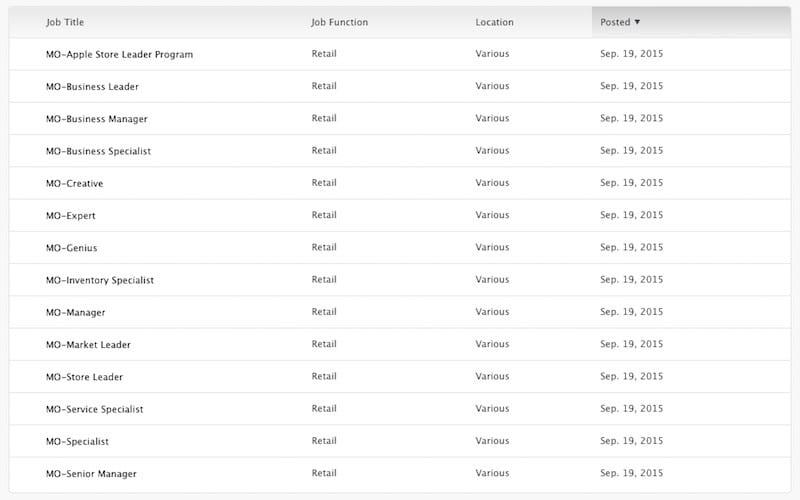
    Apple has posted several job listings for an upcoming retail store in Macau, a Special Administrative Region of China. The store is looking to fill Specialist, Creative, Genius, Store Leader and Manager positions, in addition to hiring for the Apple Store Leader Program and multiple business-related positions.

    Chinese-language newspaper Macao Daily reported in June that Apple is planning to open a flagship store in Macau, which is located across from Hong Kong, but the news went largely uncovered by mainstream media. At the time, the report claimed that Apple had not finalized a location for the upcoming store.

    Apple-Store-Macau
    Apple celebrated the grand opening of its Apple Store in Brussels today, while two new Apple Stores also open in Nanjing, China and Florence, Italy today and September 26 respectively. Apple now operates over 460 retail stores worldwide.

  • Richemont Revenue Beats Estimates on Japan, Europe Demand

    Richemont Revenue Beats Estimates on Japan, Europe Demand

    Richemont, the world’s biggest jewelry maker, said sales growth accelerated as weaker currencies attracted big-spending tourists to Japan and Europe, spurring the stock’s steepest intraday gain in more than two years.

    Sales increased 4 percent excluding currency shifts in the five months through August, the Geneva-based company said in a statement Wednesday. Analysts expected a 1 percent gain, according to the median estimate in a Bloomberg survey. The shares climbed as much as 7.5 percent.

    Sales rose 48 percent in Japan and 26 percent in Europe, offsetting an 18 percent decline in Asia-Pacific. The results mirror comments by peers in the luxury business, such as Hermes International SCA, which reported higher first-half sales, fueled by an acceleration in Japan. LVMH Moet Hennessy Louis Vuitton SE in July posted strong revenue growth in Europe and the U.S., which helped offset a decline in China, Macau and Hong Kong.

    “Japan and Europe more than compensate for the weak development in Hong Kong,” said Rene Weber, an analyst at Bank Vontobel AG in Zurich. “The strong performance of those markets mean the Swiss watch industry can weather the Asian weakness, at least this year.”

    Shares in the Swiss owner of the Cartier jewelry brand, whose full name is Cie. Financiere Richemont SA, rose 6.4 percent to 76.65 francs as of 11:40 a.m. in Zurich. The report bolstered shares in the luxury-goods industry, with Hermes up 4.8 percent and LVMH gaining 3.5 percent.

    Richemont said sales in Hong Kong and Macau were “significantly lower,” while mainland China returned to growth with retail sales growing at a “strong double-digit rate.” The company reports five-month sales figures each year on the day of its annual meeting with shareholders.

    “Part of the crisis in confidence in the watch industry in Asia-Pacific is fragile confidence by independent retailers amid the problems in Hong Kong and Macau,” said Jon Cox, an analyst at Kepler Cheuvreux in Zurich, adding that Richemont’s comments about China were reassuring.

    Still, Richemont said its wholesale business continues to be weighed down by weakness in the Asia-Pacific region, which is still “extremely challenging.”

    Luxury spending in Hong Kong has been suffered since late 2012 when the Chinese government has been discouraging exuberant spending among officials. Political protests in Hong Kong last year forced some stores to shut and weighed on tourism.

    Among other luxury stocks, Swatch Group AG, the maker of Omega watches, rose 3 percent, and Kering SA, which owns Gucci, rose 4.4 percent.

  • ‘Weak’ Hong Kong and Macau hits Prada

    ‘Weak’ Hong Kong and Macau hits Prada

    Continuing volatility in the market and the exchange rate landscape in Hong Kong, Macau and the Asia Pacific region (excluding Japan) has been blamed for Prada’s overall net profit fall of -23% to €188.6m ($212.7m) in the first half of 2015.

    Despite the big challenges in the Asia Pacific region which is Prada’s biggest market, the Milan-based fashion company first half-year revenue growth of +4.2%, thanks to more positive market performances in Europe, The Americas, The Middle East and Japan.

    Consolidated net current exchange rates on the corresponding period in 2014.

    The luxurygoods company says the increase is entirely attributable to the retail channel, as a result of its selective strategy aimed at further enhancing the of its Directly Operated Stores.

    All other regions reported good growth, although the company adds that the Asia Pacific market (excluding Japan) showed the same negative trend as it did in the first quarter of the year, offset by a positive effect.

    Patrizio Bertelli, COO said: “The luxury goods market is undergoing a period of significant change which must be met with a far-reaching, long-term strategy.

    “Our commitment remains centered on creative dynamics and the spirit of innovation, so that we can constantly increase the levels of excellence of our products.

    “In operational terms, we will continue with our thorough review of business processes in order to make them more efficient.”

    While its wholesale business declined by 13%, sales of the group’s retail network grew by 7.6% at current to €1,552.4m ($1,750.7m). The company reported that its 605 Directly Operated Stores (DOS) also benefited from a general improvement in sales performance.

    The European market grew by +12.4% thanks to a steady flow of tourists, together with a recovery in consumption by domestic customers, while the Japanese market outshone the rest of Asia with a +11.7% constant result. Sales in the Americas and the Middle East also improved considerably (both plus +15%).

    In terms of retail channel by brand, Prada recorded a 5.4% rise in sales thanks entirely to the effect, but was badly impacted by the negative economic situation in the Asian market.

    Miu Miu grew with revenues up at both current (+18.7%) and constant (+6%), enjoying a sales boost in the second quarter. The Church’s shoe business also grew by +18.6% and Car Shoe’s result was in line with the same period last year.

    EBITDA for the first half of the year was €440.1m ($496.3m) or 24.1% of net revenues, while EBIT came in at €293.2m ($330.7m) or 16.1% of consolidated net revenues.

    As mentioned, was reported down -23% at €188.6m ($212.7m) or 10.3% of consolidated net revenues.

  • Burberry, Gucci at Macau

    Burberry, Gucci at Macau

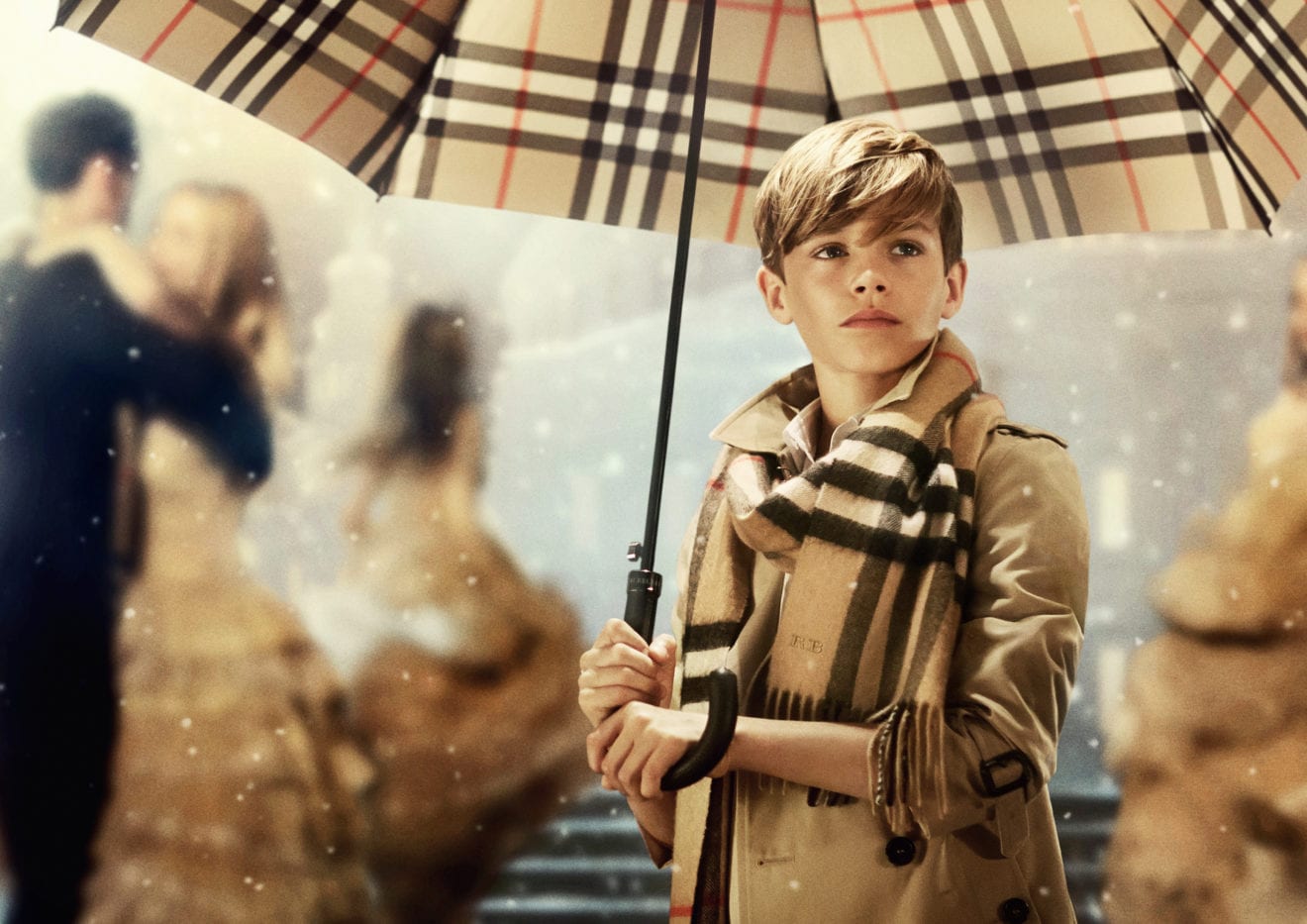
    Burberry, Prada and Gucci head a list of international fashion brands progressively opening at The Promenade shopping centre in the Galaxy Macau.

    The Promenade is part of the stage 2 development of the integrated resort, which opened its doors on May 27. But a number of retail spaces were not complete.

    But on Friday, high-flying British luxury apparel brand Burberry opened its new store there – its third in Macau. And Gucci will follow later this month.

    Prada will open a store at The Promenade in October.

    UK fashion brand Daks and Japanese denim labels Evisu and Moussy will also open stores soon, according to the Galaxy Entertainment Group.

    Louis Vuitton opened a store last month.

    “We are excited to be welcoming top luxury brands to Galaxy Macau for the first time, connecting our increasingly discerning guests with the most iconic retail brands from around the globe,” said Kevin Clayton, chief marketing officer of Galaxy Macau.

  • Online fashion rental store Yeechoo re-launches

    Online fashion rental store Yeechoo re-launches

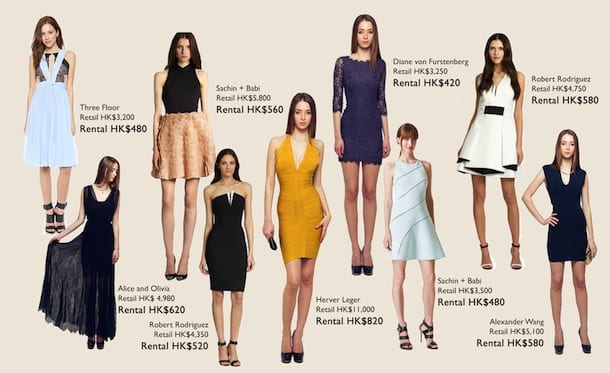
    Online fashion rental store Yeechoo has relaunched, expanding its service outside Hong Kong for the first time.

    The new website was officially released on Monday and from this week the company will ship to customers in Macau, Mainland China, Taiwan and Indonesia.

    The site features new branding and an expanded range of designer and dress collections. It also offers free consultations and trials and makeup demonstrations online.

    “At Yeechoo, what you are choosing is not just a dress, but a set of beautiful experiences,” the company said, revealing its new image.

    “We are Hong Kong/ Greater China’s first online high-end designer dress and accessory rental destination. At only a fraction of the retail price, you get to experience thousands of styles from over 60 luxury brands.”

    It also offers StyleShare, a new initiative it describes as “a pioneer social fashion experience”, allowing customers to borrow ‘pre-loved designer pieces’ and lend  their own, with a community of fashion lovers.

  • Coach to exit landmark location in Hong Kong

    Coach to exit landmark location in Hong Kong

    Leather goods maker Coach Inc. is shutting one of its three flagship locations in Hong Kong, the latest retailer to be hit by the drop in the number of mainland Chinese visitors to the city amid a slowing economy and weaker yuan.

    The store towers above Queen’s Road Central in the central business district of a city where high rents and labour costs, as well as slowing sales, have hit other retailers.

    Coach said the store would close on August 31 but said it remained committed to the Hong Kong and China markets. Earlier this month, Coach said its mainland China sales grew 9 per cent year-on-year to $595 million in fiscal 2015, but growth in Hong Kong and Macau was slower.

    “Sales growth in China was driven entirely by the mainland, as Hong Kong and Macau continued to experience traffic declines from a decrease in PRC (People’s Republic of China) tourists,” Chief Executive Victor Luis said.

    For this fiscal year, China sales growth is forecast to slow to about 5 per cent, the company said. Chinese tourists have been the main customers of Hong Kong’s luxury retailers, but the slowing economic growth and the recent devaluation of the yuan have dented their once voracious appetite for goods ranging from cosmetics to luxury watches.

    Tighter visa rules and a flare up of anti-Chinese sentiment in Hong Kong have also contributed to the decline in mainland visitors. Hong Kong’s retail sales fell for the fourth straight month in June.

  • Milan Station’s interim sales in Macau drop 78.6 per cent

    Milan Station’s interim sales in Macau drop 78.6 per cent

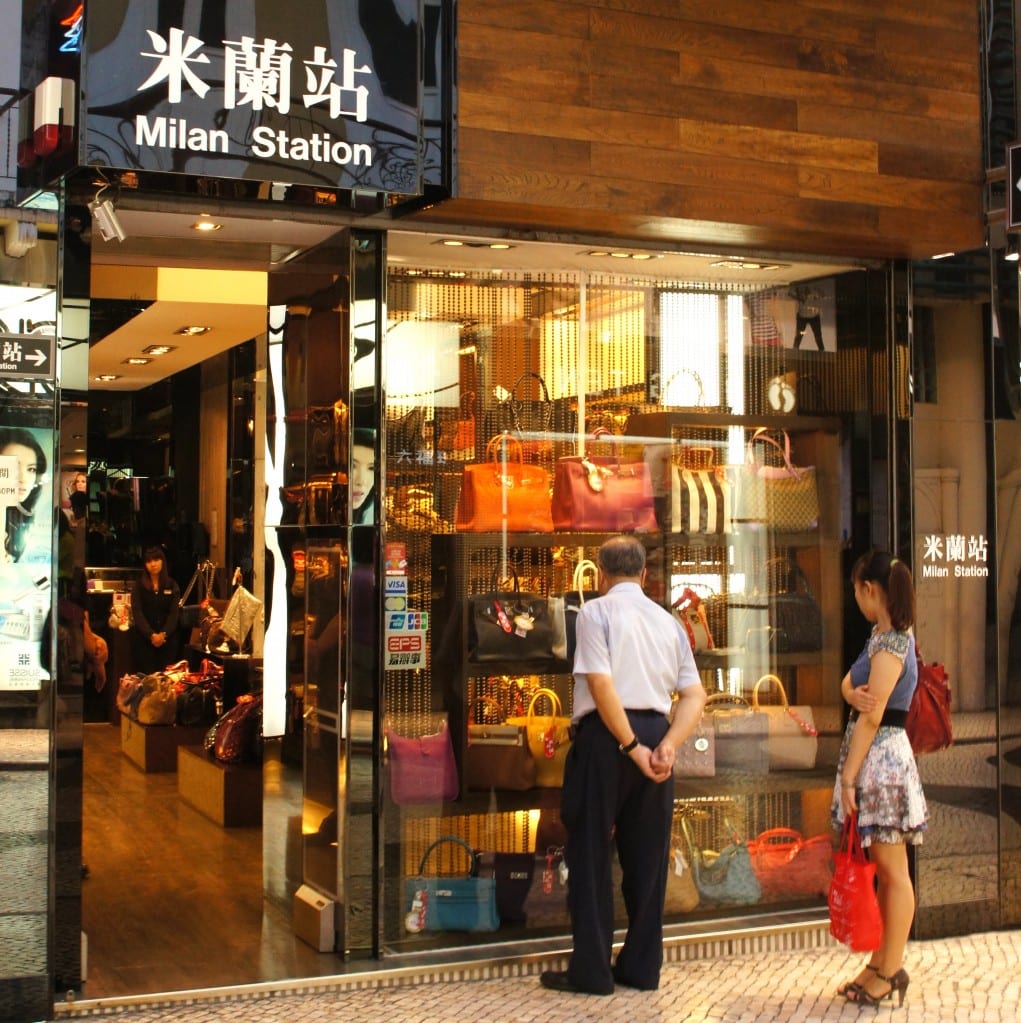
    Luxury handbag store chain Milan Station Holdings Ltd. has reported a sharp 78.6 per cent year-on-year decline in its retail revenue derived from the Macau market for the first six months of this year, the company announced in its results filing with the Hong Kong Stock Exchange.
    The company said its business in the city has been significantly affected as the gambling industry and tourism trade had ‘hit their troughs’. Milan Station’s retail revenue in Macau in the interim period was HK$11.8 million, representing 5.7 per cent of overall sales revenue.

    During the interim period, Milan Station closed its retail stores in Macau; while its points of sale in ‘exclusive clubhouses’ was unsatisfactory.
    By price range of product, revenue derived from Milan Station’s items priced at above HK$50,000 – comprising over half of the company’s sales revenue – saw a 31.1 per cent year-on-year decline to HK$118.3 million. As Milan Station has also sold less in Hong Kong, Mainland China and Singapore, the retailer’s overall retail revenue plunged 36.6 per cent to HK$208.8 million.

    The company said its loss for the period decreased significantly by 65.6 per cent to HK$6.8 million, under what it called ‘effective cost control’ and a one-off gain of about HK$12 million from the disposal of a property.

  • America’s bebe stores to enter Greater China

    America’s bebe stores to enter Greater China

    US-based global specialty retailer of contemporary women’s apparel and accessories – bebe stores, inc. has announced that it has signed a strategic cooperation agreement with Longgoal LLC, a leading Shanghai-based agency of international high-end brands.

    In a press statement, it said the agreement includes a five-year exclusive license to open between 60 and 150 retail and wholesale bebe points of distribution in Greater China, Hong Kong, Macau and Taiwan. The first boutique is expected to open in the summer of 2016.

    “As we continue to expand our international footprint, our entrance into Greater China is a significant opportunity to accelerate that growth and reinforce bebe as a global lifestyle brand for women. We look forward to working closely with the Longgoal team, who have a proven track record of success and operational experience in introducing high profile retail brands to this key market,” said Jim Wiggett, CEO of bebe stores, inc.

    As a part of the agreement, Longgoal will open a minimum of 60 points of sale in Mainland China, including free standing boutiques and bebe shop-in-shops and identify third party retailers in certain provinces of China to sublicense the brand for retail operations. Longgoal is currently identifying potential locations in Shanghai and Beijing, including flagship boutiques. After the five-year exclusive term, Longgoal retains an option for an additional 10 year partnership with bebe based on performance.

    “bebe is truly an iconic affordable luxury brand and one that we are honored to have the opportunity to introduce to women across Greater China in a variety of ways. As style and design are among the top priorities for sophisticated woman in China, we are confident that bebe’s bold design and contemporary fashion will appeal to the ever-changing lifestyle of the confident and sexy modern Chinese woman,” said Madam Celine Chen, Chairwoman of Longgoal LLC.

    bebe plans to locally design and develop up to 30 per cent of the product for China to create trendy fashion styles to reflect the local fashion and suit the bebe woman’s lifestyle in China. In addition, the company anticipates expanding further into licensing agreements for handbags, shoes and intimates in the initial partnership phase.

    bebe complements Longgoal’s current portfolio of retail brands, including GANT, the original American Sportswear brand launched in China nearly a decade ago, and Thomas Pink, the luxury British shirt brand under the LVMH Group.