Tag: Macau

  • Future Bright profit that is no longer “bright”

    Future Bright profit that is no longer “bright”

    The Macau slowdown and foodcourt closures are among factors behind a projected plunge into the red by Hong Kong listed corporate restaurateur Future Bright.

    In a statement to the stock exchange, Future Bright says it expects to report a loss in the order of HK$29.8 million this financial year to December 12. Last year, the group posted a $168.8 million profit.

    The downturn in gambling in Macau and a drop in Mainland Chinese tourists has impacted on sales of the group’s Yeng Kee Bakery food souvenir business and of its restaurants in the territory.

    In addition to that, its three restaurants and 19 foodcourt counters in Huafa Mall across the border in Zhuhai have been closed while the mall undergoes renovation, leading to a substantial drop in cashflow. The company has also written down the value of some of its investment properties.

    Future Bright’s gross operating profit margin this year has fallen from 18.2 per cent in the first quarter to 14.6 per cent in the second, recovering only slightly to 15.1 per cent in the third quarter, to the end of September.

    Most of the losses in the restaurant and foodcourt business occurred in the second quarter with a significant recovery noticeable in the third – especially for its Japanese restaurants which  achieved $80 million in sales (compared with just $65.2 million in the second quarter).

    “The group’s overall performance for the third quarter has been in line with the inflow of visitors to Macau and the slowdown in the Macau Gross Gaming Revenue during the Third Quarter,” the company said.

    That period saw 8.097 million visitors enter Macau, some 147,000 fewer than during the same quarter last year.

    Macau Gross Gaming Revenue dropped 34.3 per cent, impacting on Future Bright’s high end restaurants.

    The company says it is restructuring the Yeng Kee operation, by closing a high rental street shop, opening more kiosks and setting up more consignment arrangements at airports.

    Meanwhile, it opened its first Japanese ramen shop under the brand name of Bari Uma in Causeway Bay in Hong Kong in July 2015 and a new Shiki Hot Pot Restaurant at Studio City, Cotai in the end of October 2015.

  • Dufry Asia aims to double business

    Dufry Asia aims to double business

    Dufry Asia sees huge growth opportunities in the Asia region despite the current softness in the Hong Kong, Macau and Singapore markets.

    In an interview with TRBusiness the CEO of Dufry Group, Julian Diaz, said the company plans to double its sales in Asia Pacific within five years. Currently, the region accounts for just nine per cent of its total business.

    “The situation right now in Asia and in other parts of the world is not going to stop Dufry from going ahead with development,” he told TRBusiness.

    “The reality of the passenger growth over the next 10 years in Asia is that it is going to grow more than any other region in the world.”

    Díaz said Asia presented challenges given it comprises different markets, but Dufry has overcome that in other regions, and is confident it can break through in Asia.

    “I think this is a challenge, but this was also a challenge when we started in the Americas, when we started in Europe, when we started in North America.

    “All these businesses presented their own challenges. I know one thing, we are going to pool resources and the team in order to really develop the company in Asia,” he said.

  • Chinese account for 31% of global luxury sales

    Chinese account for 31% of global luxury sales

    Chinese shoppers now account for 31 per cent of the world’s annual luxury sales.

    According to Bain & Company’s 2015 Worldwide Luxury Report, the overall luxury industry will surpass €1 trillion in retail sales value in 2015.

    The market delivered healthy growth of five per cent year on year (at constant exchange rates), driven primarily by luxury cars (eight per cent), luxury hospitality (seven per cent) and fine arts (six per cent).  Aided by global currency fluctuations and continued jet-setting of “borderless consumers,” the personal luxury goods market ballooned to over a quarter trillion euros.

    That sector – including leather accessories, fashion, hard luxury and fragrance & cosmetics – reached €253 billion in 2015. This represents 13 per cent growth at current exchange rates, while real growth is significantly slowing to between one and two per cent.

    But the report warns that luxury brands will need the right pricing model to win against hard to predict currency volatility in the year ahead, which has impacted heavily on luxury retailers especially.

    While global tourists flocked to Europe and Japan to capitalise on a weak euro and yen, the Americas region, stagnant in real terms, was strongly inflated by the super dollar, thus capturing more than a third (34 per cent) of the global market spend in 2015.

    Meanwhile, Asia registered the worst historical performance (at constant exchange rates), driven by the lacklustre trend of Mainland China and the sharp drop in sales in Hong Kong and Macau.

    “For the last several years, we’ve referenced ‘luxury’s new normal’ with a deceleration of the personal luxury goods market. Now, we are starting to feel the impact of that slow-down,” said Claudia D’Arpizio, a Bain partner in Milan and lead author of the study.

    “The challenge for luxury brands in this environment is how to successfully navigate through hard-to-predict volatility.”

    According to Bain’s research, Chinese consumers continue to spend the largest share of luxury purchases (31 per cent) globally, followed by Americans (24 per cent) and Europeans (18 per cent).

    Chinese consumers are flocking to mature markets in droves, especially Europe, where an analysis of European tax-free shopping data, conducted in partnership with Global Blue, shows Chinese tax-free purchases increased by 64 per cent, particularly among the accessible and aspirational luxury segments, thanks to a weak euro.

    Americans also increased their tax-free spending in Europe by 67 per cent, aimed largely at the high end of the luxury spectrum.  Meanwhile, Russians cut their European spending by 37 per cent, and spending among the Japanese in Europe withered by 16 per cent.

    “Undoubtedly, Chinese consumers play a primary role in the growth of luxury spending worldwide,” said Federica Levato, principal at Bain and co-author of the study.

    “For years, we have known that they spend far more abroad than in Mainland China, but what’s changing is that they’re spending little money in historically popular destinations, such as Hong Kong and Macau, and are instead gravitating to new locales, such as Europe, South Korea or Japan, to benefit from currency fluctuations that drive favorable price gaps.”

    In terms of constant exchange rates, the US market did not deliver.  The “super dollar” was too expensive for many global tourists and though local consumption is growing, it was barely sufficient to offset the lost tourism revenue. Nevertheless, the US is the confirmed largest luxury market in terms of global luxury value, reaching €79 billion; New York City alone outweighed all of Japan.

    Another trend evident this year is the impact of eCommerce, which grew to seven per cent market share in 2015, nearly double its penetration since 2012. Luxury globetrotters have also fuelled the performance of airport retail, which posted 29 per cent growth in current exchange rates (18 per cent in constant exchange rates) and now accounts for six per cent of the global luxury market.

    With the growing middle class in economies such as China seeking good quality and good value, the off-price channel has more than doubled to nearly €26 billion.  Mark-downs are also increasing in prevalence across more than 35 per cent of the luxury market, with a strong relevance in department and specialty stores, as well as online.

    The Price of Luxury

    According to Bain, the number one challenge facing most luxury brands is establishing the right pricing model.

    The rise of eCommerce and global tourism growth create greater transparency around international price differentials. Additionally, price-conscious luxury shoppers are struggling to reconcile the price of luxury products with their real value. As a result, luxury brands must assess how to mitigate volatility and how best to deliver at local and global levels. This includes managing inventory to accommodate fluctuations in tourism and coordinating pricing and mark-downs across markets and channels.

    Luxury brands also face a host of tough issues such as rethinking their store footprint and the role of their stores in a world of growing digitalisation, as well as figuring out how to delight local customers even as masses of tourists flock to stores in mature markets.

    “Relentless price increases over the last decade, aimed at creating a more exclusive position in the market and maximising touristic flows are now starting to backfire on luxury brands,” said D’Arpizio.

    “They face the long-term challenge of rebuilding credibility and trust among consumers, rather than simply making shortsighted, tactical pricing adjustments to benefit from market fluctuations.”
  • Prada Macau opens men only store

    Prada Macau opens men only store

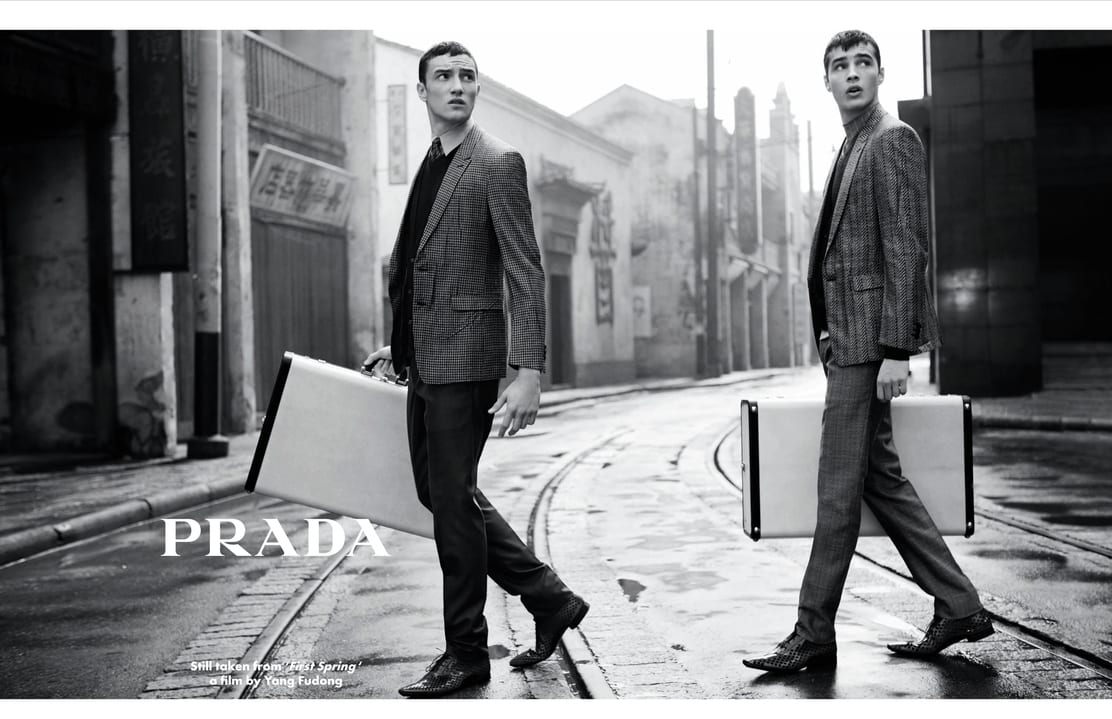
    Prada Macau has opened its fourth store – a menswear-only boutique at Studio City.

    The new space, designed by architect Roberto Baciocchi, covers about 500 sqm on a single level and houses the men’s ready-to-wear, leather goods, accessories and footwear collections.

    A succession of light-coloured stone pillars and light boxes inserted into black granite volumes sets the rhythm of the external facade.

    The internal facade is clad in black granite, while slim burnished steel profiles frame the entrances, windows and light boxes.

    The two entrances open on an area defined by a succession of spaces, each featuring a different atmosphere.

    The area dedicated to the leather goods and accessories collections is characterised by Saint Laurent marble floorboards, ebony-clad walls and polished steel display cases and counters.

    An elegant sitting area, defined by cotto-coloured leather sofas, leads to the space where the men’s footwear and ready-to-wear collections are showcased.

    The space housing the footwear collections is defined by ebony floorboards and polished steel and crystal cases and counters with drawers covered in coloured saffiano leather exalting the product display. Cotto-coloured leather sofas complete the furnishing.

    The Last Room, dedicated to the ready-to-wear collections, is characterised by walls featuring orange encaustic painting, creating an elegant atmosphere.

  • Tse Sui Luen battles the downturn

    Tse Sui Luen battles the downturn

    A shift in focus away from the high end has partly buffered jeweller Tse Sui Luen from the Hong Kong luxury downturn.

    The group has released trading figures for the first half year revealing a decrease in turnover of just 3.6 per cent to HK$1.753 billion. While the decline was attributable to the slump in Hong Kong luxury retailing and the reduced spending by Mainland tourists, Tse Sui Luen defied the downward sales trend thanks to strong growth in its Mainland China franchise business.

    Nevertheless, the profit attributable to owners of the company declined by 40.2 per cent from HK$25.8 million to HK$15.5 million.

    “Due to the growth in our high-end luxury segment in China slowing down, we shifted our focus to the development of the self-consumption market and high craftsmanship gem-setting jewellery in the premium mass market,” explains chairman and CEO Annie Yau Tse.

    “Thanks to the right strategy and an expanded franchise network, we saw the same store sales growth from Mainland China was 2.3 per cent while the whole business grew by five per cent in the region.”

    Tse says the company’s sales in Malaysia grew by 14 per cent in the first half year prompting plans to open one or two more retail stores in the market during the forthcoming year.

    In Hong Kong and Macau, says Tse, the number of tourists from Mainland China dropped in the first half and their spending on luxury products and higher-priced gifts decreased. Instead of buying luxury goods, these customers turned towards more popular commodities in the mass markets.

    “As a result, the sales in Hong Kong and Macau for the period under review decreased by 19 per cent and same store sales growth was minus 20 per cent.”

    Despite the challenging market, the group opened two new stores in Hong Kong – one in Olympian City and the other in Plaza Hollywood, Diamond Hill in the first half. Another two new stores located in Tuen Mun and Wong Tai Sin were opened in October – aimed at local consumers who are end users in the self-consumption product segment.

    Tse Sui Luen says easing retail rents have resulted in a three per cent drop in the group’s rent spend for Hong Kong and Macau shops in the First Half.

    In Mainland China the group plans to increase the pace of store openings in order to better serve its customers. As of August 31, it had 169 self-operated stores and 56 franchised stores. By October 29, that had grown to 175 and 65 respectively, spread across 80 cities. The group plans more than 100 stores in Mainland China during the next two years.

    Tse believes the current market fluctuations in China and Hong Kong-Macau are “cyclical and transitory”.

    “In order to facilitate a more rapid growth of the group’s franchise sales network in Mainland China, we will continue to explore more opportunities to work with local business partners. We also expect our e-business channel to maintain its high growth rate in the second half of this year. We are cautious but confident that based on our solid foundation and the business know-how our experienced management team possessed, we will be able to mitigate the challenges of this cyclical downturn and create value for our shareholders.”

  • Le Saunda Hong Kong sales plunge

    Le Saunda Hong Kong sales plunge

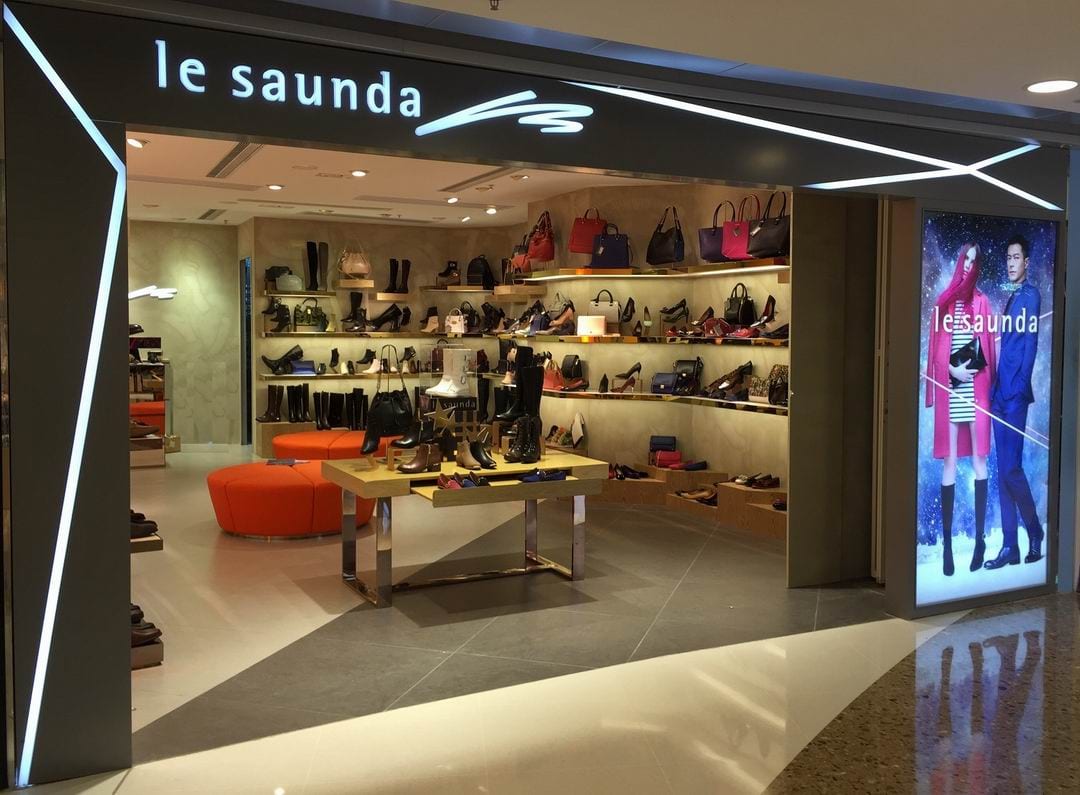
    Le Saunda Hong Kong and Macau sales plummeted 26.6 per cent in the first half of this year as tourist spending declined.

    Le Saunda manufactures and sells shoes, handbags and fashion accessories and sells them in Hong Kong, Macau and Mainland China under the brands of Le Saunda, Le Saunda Men, Linea Rosa and CNE. The company in also involved in property, trade-mark and management services. It has 833 stores, 20 fewer than at the same time last year.

    In its half year results, Le Saunda said sentiment in Hong Kong’s retail market is deteriorating, as the number of tourist arrivals in the city continued to fall and consumer confidence weakened.

    “Meanwhile, unyielding rental for commercial premises further aggravated the burden of retailers.”

    Le Saunda closed five stores in Hong Kong and Macau during the period, reducing the total store network in the two cities to 16.

    It was a better picture in Mainland China, however, where the company achieved retail sales growth of 3.8 per cent.

    Total group revenue for the six months increased by 0.4 per cent to RMB755.8 million and consolidated gross profit decreased by 0.4 per cent to RMB501.8 million. The overall gross profit margin decreased by 0.5 percentage point to 66.4 per cent.

  • Five Manchester City online stores launched in Asia

    Five Manchester City online stores launched in Asia

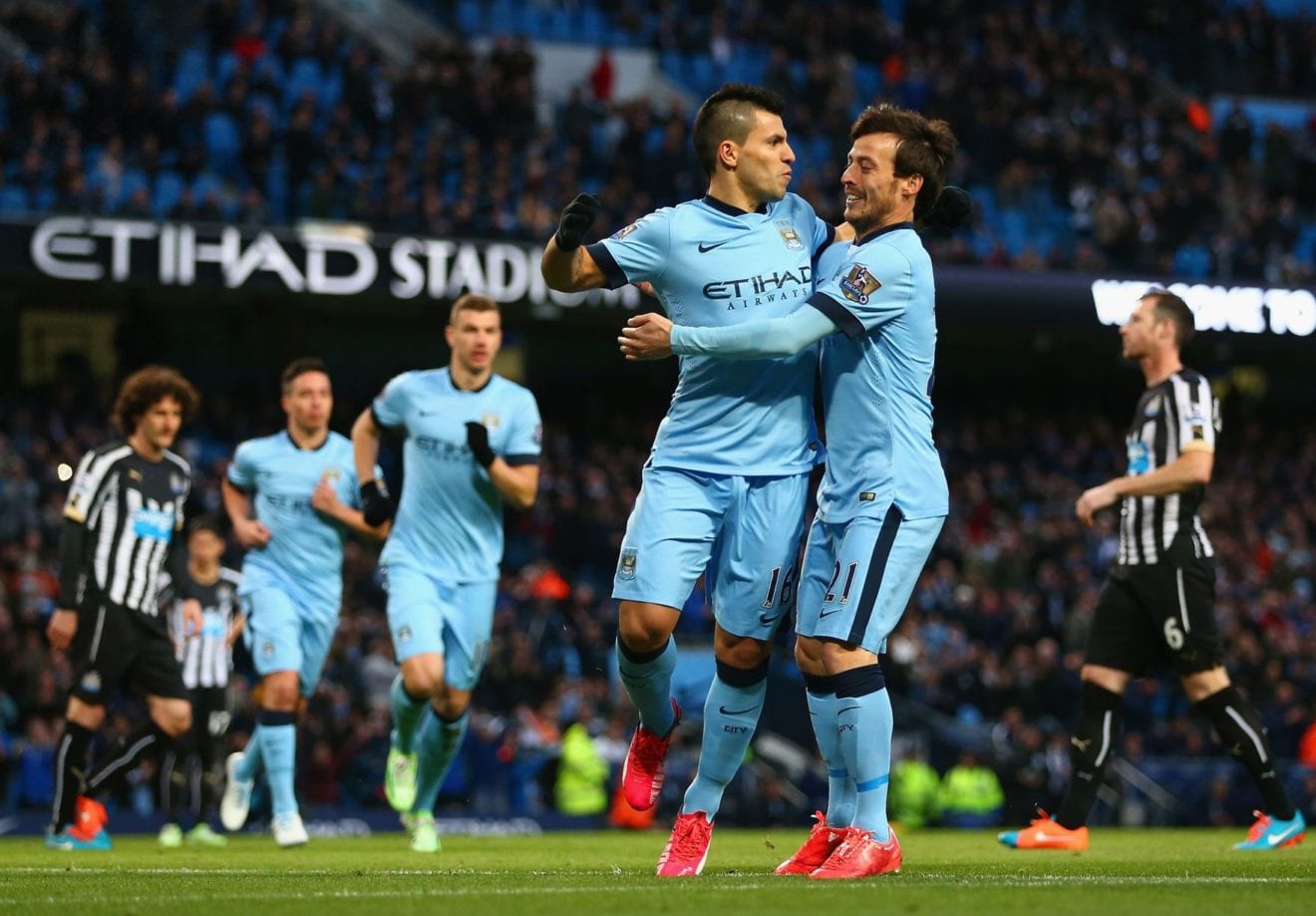
    English Premier League club Manchester City has partnered with EZ Shopnet to launch five online stores serving Asian fans.

    Manchester City online stores will be launched for customers in China, Hong Kong, Japan, Korea andSoutheast Asia.

    As the club’s new online retail partner for Asia Pacific, Hong Kong-based EZ Shopnet will help to meet fast growing demand across Asia Pacific for official Club merchandise. Each of the five stores operates in local languages and currencies, with local customer support enabling the club to get official merchandise to its fans quickly and cost effectively.

    Manchester City is following the lead of rivals Manchester United and Chelsea in cashing in on the growing fan base for EPL across broader Asia. It recently opened a regional management office in Singapore.

    Omar Berrada, group commercial director for City Football Marketing, which brokers Manchester City’s commercial partnerships and manages all of its retail and licensing, said that through EZ Shopnet, the club can get even closer to its growing fan base across Asia Pacific and deliver them a better and quicker service.

    “We have seen an enormous growth in our followers in the region and we are extremely happy that they will have easier access to official City kits and our wide range of merchandise than ever before.”

  • I.T. Limited sales rise despite Hong Kong

    I.T. Limited sales rise despite Hong Kong

    Apparel business I.T. Limited has boosted sales by 5.1 per cent to HK$3.393 billion in the first half year despite a slowdown in Hong Kong.

    But the company recorded a net loss of $31 million due to a non-recurring foreign exchange losspreviously reported totaling $79.6 million. Without that, profit would have increased by 32.8 per cent to $48.6 million.

    Gross profit increased by 1.4 per cent to HK$2.026 billion at a gross profit margin of 59.7 per cent, slightly down on the 61.9 per cent of a year ago.

    In Hong Kong, retail sales slipped 3.6 per cent to $1.571 billion, but I.T. Limited noted that was a lesser fall than the broader apparel market in the city. Same store sales fell by 0.9 per cent.

    But in China, where it has more than 580 stores, the company increased sales by 19.1 per cent to $1.336 billion.

    Total Macau sales rose 6.2 per cent to $101 million despite lower than expected tourist traffic.

    And Japan continued to outperform with total retail sales of HK$222.4 million, representing 6.9 per cent increase in Hong Kong dollars, or 27.5 per cent in local currency.

    The company said in the Hong Kong market, a slow economic recovery alongside diminished inbound tourist traffic growth (from Mainland China in particular), which was attributed predominantly to the strength of the HK dollar and the easing of immigration in multiple tourist destinations such as Europe, Japan and Korea, has placed “unprecedented challenges on the consumer retail market”.

    “Similarly, Mainland China, where domestic headwinds continued to cause considerable impact on consumer appetite and maintained lingering concerns about the economic prospect of the country, demonstrated by the depression of external import demand, has created a challenging economic environment for retailers in the region,” I.T. Limited said in its filing.

    “At this juncture, consumer sentiment across these regions remained weak, and retail sales growth was largely boosted by sales promotions.”

    The company said having a multifaceted business model with “inherent flexibility” will allow it to remain resilient in the face of the market challenges.

    “We also believe that innovation and differentiation are among the most relevant tools to support our position as a fashion leader across our operating regions and allow us to adapt to the rapidly changing fashion markets. To that end, the group continues to focus and invest in further strengthening its fashion platform through a combination of international brands assortment upgrades and new fashion concepts establishment within the in-house brands segment.

    “Today, we have a balanced portfolio showcasing a collection of the latest distinctive international brands alongside multiple innovative in-house brands, all of which have their own unique identities that complement each other well.”

    In the first half year, I.T. Limited’s house brands accounted for 56.8 per cent of its revenue.

  • The Boulevard opens at Studio City Macau

    The Boulevard opens at Studio City Macau

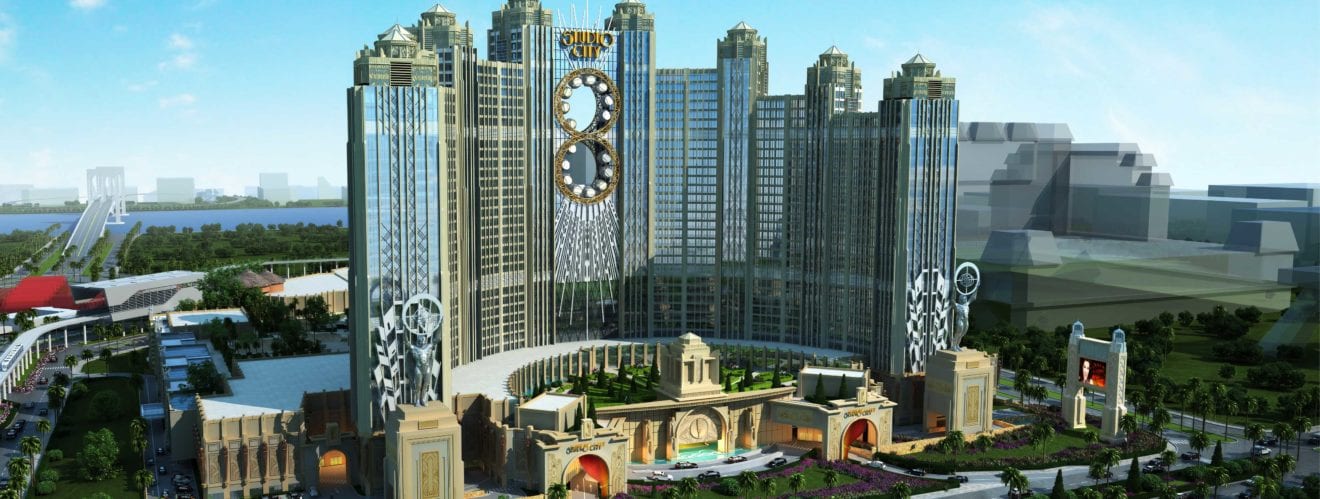
    Two Hollywood legends stepped out at Studio City Macau yesterday to mark the US$3.2 billion project’s formal opening – inlcuding The Boulevard shopping precint.

    Actors Robert De Niro and Leonardo DiCaprio joined Academy award-winning director Martin Scorsese and director and producer Brett Ratner to reveal a historic collaboration in a short film The Audition – a Hollywood production tailor-made to promote Macau’s new destination.

    Academy award-winning director Martin Scorsese and Hollywood legends Robert De Niro as well as Leonardo DiCaprio  revealed the making-of Macau’s first Hollywood production “The Audition”.

    Studio City is a Hollywood-inspired cinematically themed entertainment, gaming, retail and leisure destination, the retail mall named The Boulevard, and managed by Taubman Asia.

    René Tremblay, president of Taubman Asia, says The Boulevard brings an “unparalleled shopping experience” to Macau.

    “The Boulevard features high-energy streetscapes with the thrilling feeling of being in a studio back-lot, with featured streets and squares inspired by iconic shopping and entertainment locations, including Beverly Hills and New York’s Times Square. In this unique space, Taubman Asia delivers a mix of contemporary luxury and bespoke shopping options, all artfully curated by our team of experienced retail experts that has spent years carefully researching the market and creating an experience tailored to the needs of Macau’s many visitors,” said Tremblay.

    Macau in the spotlight for press conference of mega Hollywood short film “The Audition,”  attracting over 300 media from all over the world.

    “As Taubman Asia’s first project in Macau, The Boulevard is strategically positioned to capture the vast retail opportunity of Macau’s preeminent leisure and tourism market. We’re confident in our partnership with Melco Crown Entertainment and the opportunity Studio City holds for Taubman Asia.”

    Meanwhile, the short film launched last night and screening publicly from today, is led by Scorsese and depicts De Niro, DiCaprio and Brad Pitt playing themselves as they vie for the same part in a fictitious movie.

    Studio City Casts a Global Entertainment Spotlight 4

    “When we first envisioned building a cinematically-themed integrated resort in Macau, we wanted to bring the best of the best of entertainment to the world,” said Lawrence Ho, co-chairman and CEO of Melco Crown Entertainment.

    “[So] it made perfect sense to commission a star-studded Hollywood production to fully conceptualise our goal to reimagine entertainment for Asia. We are extremely proud that we were able to work with the world’s greatest director and actors who are true icons of Hollywood, to successfully produce the first Hollywood movie for Macau.”

    The four mega Hollywood stars completed the Chinese title of “The Audition” in Chinese calligraphy; and presented it to Studio City to commemorate the occasion.

    Melco Crown Entertainment’s co-chairman James Packer added: “Studio City’s official opening represents a key milestone in our strategy to develop Macau as a truly world-leading tourism and entertainment destination, I am extraordinarily proud of what we have achieved here.”

  • Belstaff marks Greater China debut

    Belstaff marks Greater China debut

    British luxury lifestyle brand 
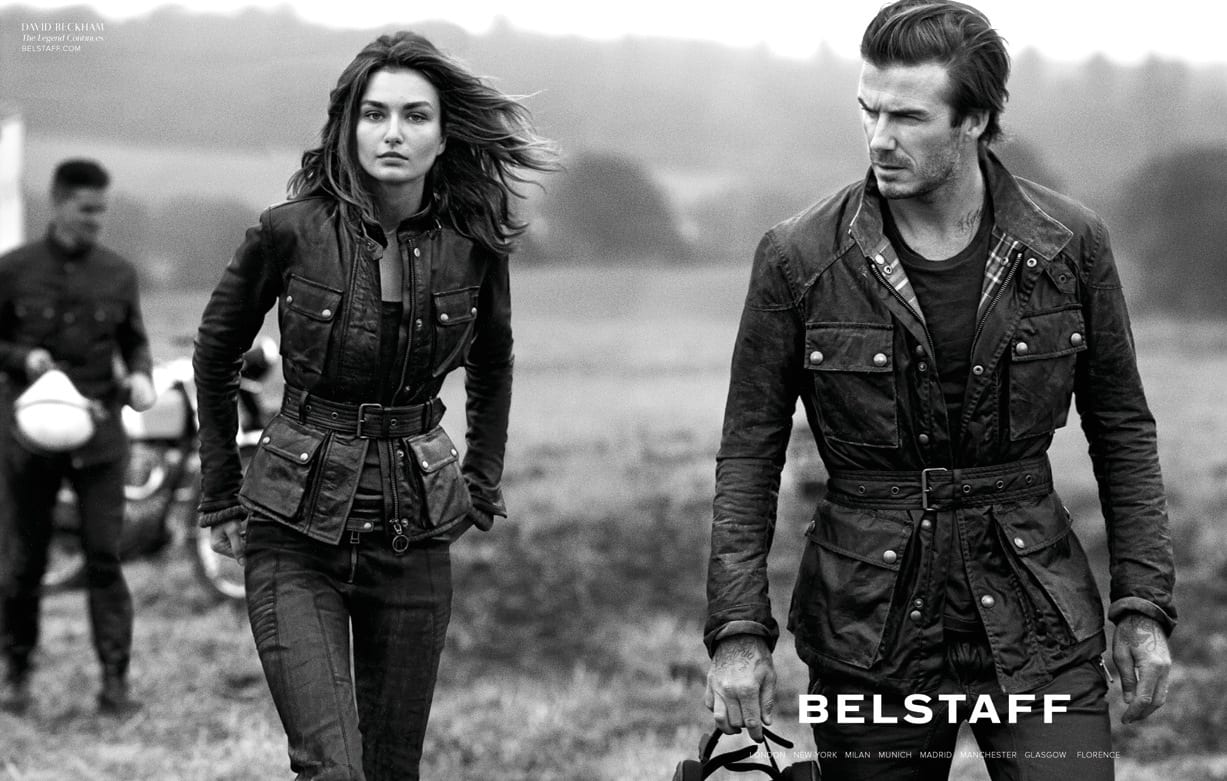
Belstaff has opened its first store in Greater China, inside the Studio City resort in Macau.

    The opening of the Belstaff Macau boutique, on The Boulevard managed by Taubman Asia, follows the launch of Belstaff Korea last year with three stores. The brand will also open stores in Japan from March next year, as it continues to broaden its Asian footprint.

    CEO Gavin Haig said the Macau opening is an extension of Belstaff’s commitment to expand globally.

    “We are pleased to announce this opening in Macau showcasing the continuation of long-term investment for Belstaff in both China and wider Asia over the coming years. Studio City is destined to become a retail mecca within Macau and we are pleased to be a part of this luxury shopping experience.

    “Macau has a great reputation for luxury fashion and it makes sense to start our Chinese offering here, within one of the world’s most dynamic and exciting retail environments.”

    Belstaff has established a strategic partnership with Rainbow Group Macau for the new franchise.

    The store launches with the Autumn/Winter men’s and women’s collections “showcasing British heritage and design innovations, combined with a modern sensibility”. Belstaff’s hand-waxed cotton and leather pieces will be available there, in addition to seasonal ready-to-wear and accessories.

    The Studio City store references elements of the Belstaff House flagship on London’s New Bond St, designed by eminent interior designer and architect William Sofield. The 196 sqm store displays signature Belstaff characteristics including wooden floors, leather seating, custom cork walls and bespoke crafted cabinets to create an ambient and inviting atmosphere.

    Large-scale light boxes display current campaign imagery. The moto-heritage of the brand is referenced with a vintage Royal Enfield bike displayed at the front of the store.

    Archive imagery around the store depicts the brand’s 91-year history, including images of current Global Ambassador David Beckham.

  • Macau Shopping Break to lure tourists

    Macau Shopping Break to lure tourists

    Sands Resorts has launched the Macau Shopping Break promotion in a bid to lure tourists to the Cotai Strip and boost retail spending.

    Timed to coincide with the upcoming festive season, Sands Resorts Cotai Strip Macau has launched a special hotel package – the Macao Shopping Break – allowing guests to maximise their experience at four hotels across the integrated resort, including savings of up to 40 per cent on room rates.

    Guests also have the chance to win some of HK$195,000 in prizes.

    The promotion runs from this week until February 7, with guests able to book rooms for stays during the same period at The Venetian Macao; Conrad Macao, Cotai Central; Holiday Inn Macao Cotai Central and Sheraton Macao Hotel, Cotai Central with packages available from as low as MOP/ HK$1198.

    Guests can also enjoy discounts with our “Shop & Dine Specials” discount booklet redeemable at over 125 specially selected international designer shops and outlets within Sands Resorts Cotai Strip Macao.

    And guests who book rooms via the Macao Shopping Break will automatically be entered into the Macao Shopping Break Lucky Draw Campaign for a chance to win luxurious prizes totalling $195,000. One winner will be drawn every two weeks in bi-weekly draws from Nov. 12, 2015 to Feb. 11, 2016, offering seven prizes including suite accommodation and tempting surprises. Three winners will be drawn in a Grand Draw on February 15, with prizes including suite stays and luxury travel amenities from DFS T-Galleria.

  • Sa Sa profit set to plunge

    Sa Sa profit set to plunge

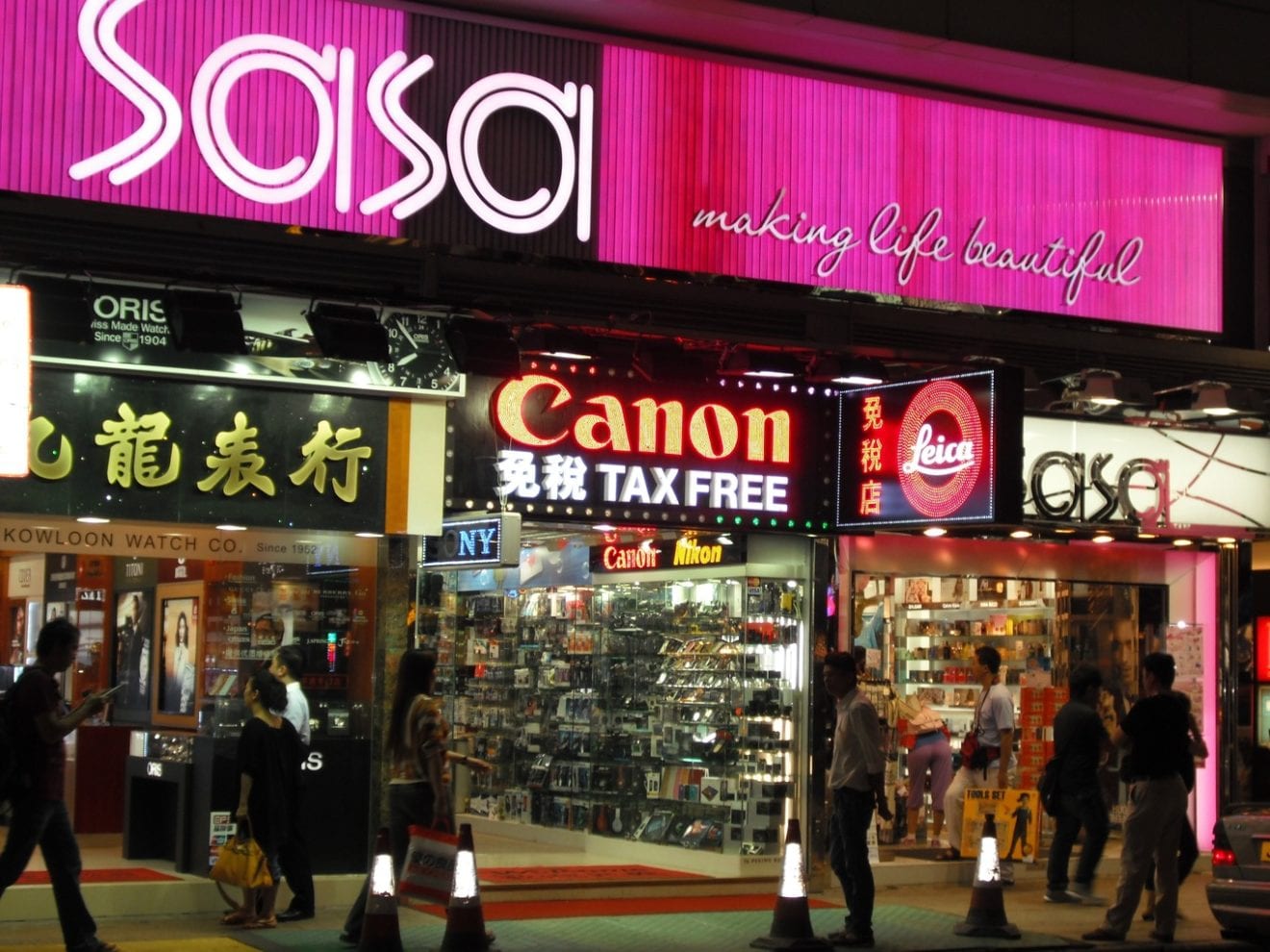
    Beauty products retailer Sa Sa International has warned its half year profits will plunge by 50 per cent.

    A Sa Sa profit warning filed with the Hong Kong Stock Exchange said preliminary analysis of accounts for the six months to September 30 pointed to a record decline in profit for the group.

    It blamed “the worsening operating environment of the retail sector which has led to significant drops in both sales and gross profit and reduced operational efficiency as a result”.

    In the second quarter, to September 30, Sa Sa has reported a 12.4 per cent fall in retail and wholesale turnover.

    “Turnover in Hong Kong and Macau markets declined by 13.2 per cent, while same store sales decreased by 10.1 per cent. The number of transactions decreased by 5.7 per cent, while the average sales per transaction decreased by 7.9 per cent.

    “The group’s retail and wholesale turnover in other markets (including Mainland China, Singapore, Malaysia, Taiwan and sasa.com) recorded a drop of 8.9 per cent during this period.”

    Sa Sa said overall consumer sentiment and Mainland Chinese arrivals “continued to be adversely affected by a number of factors with no significant signs of improvement”.

    “The strength of the Hong Kong dollar and the weaker yuan adversely affected the attractiveness of shopping in Hong Kong for both local consumers and Mainland Chinese visitors. Furthermore, the impact of “one-trip-per-week” policy has gradually gained momentum, leading to a decline of 13.1 per cent and 10.1 per cent in the group’s retail sales and same store sales in Hong Kong and Macau markets during the second quarter respectively.

    “The number of transactions of Mainland Chinese customers decreased by 4.1 per cent, while their average sales per transaction decreased by 12.5 per cent on a year-on-year basis, dragging down the overall performance.”

    Sa Sa says it will work on optimising product offerings and enhancing its customers’ shopping experiences to strengthen its position.

    The company says it will release final results for the half before November 30.

  • Sands China reveals retail mall performance

    Sands China reveals retail mall performance

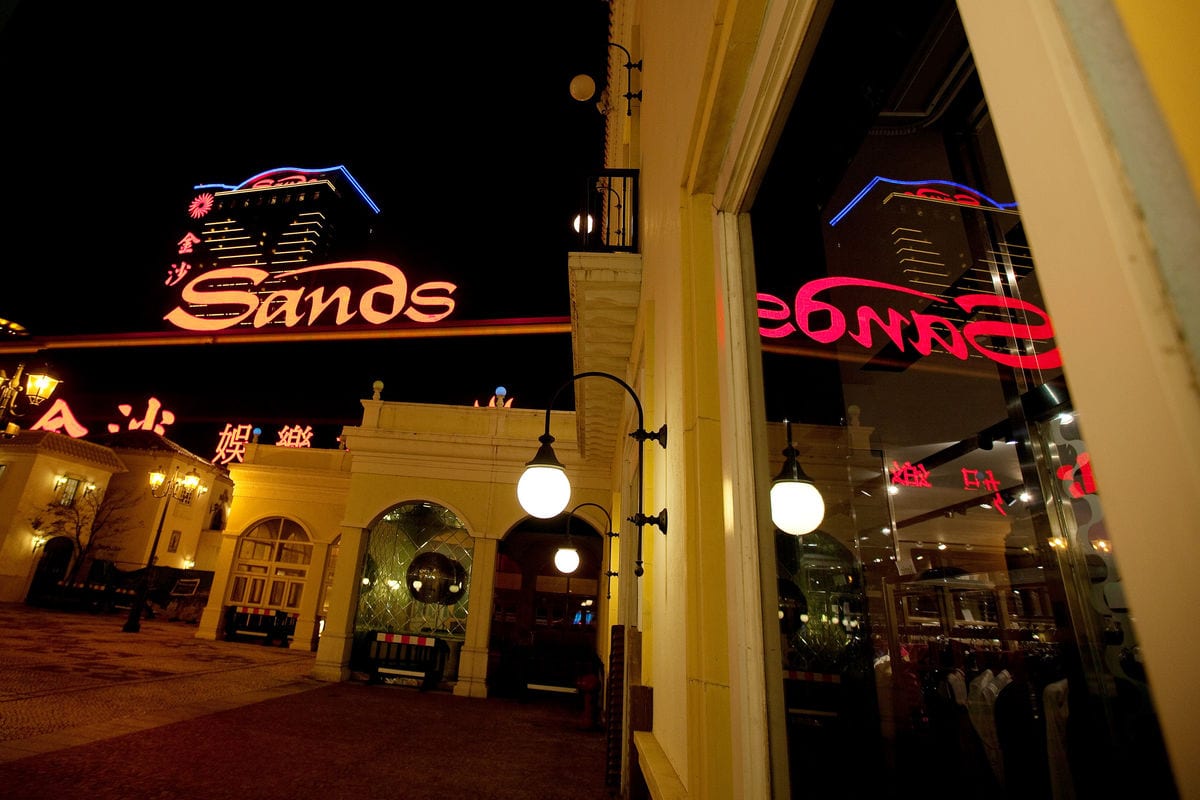
    Sales may be down at Sands China’s shopping malls, but by nowhere near the decline in Macau’s gambling revenues.

    Sands China has revealed that gross revenue from tenants in the company’s retail malls on Cotai (The Venetian Macao, Four Seasons Macao and Sands Cotai Central) and Marina Bay Sands in Singapore was US$139.3 million for the third quarter of 2015, a decrease of 6.8 per cent compared to the third quarter of 2014.

    Operating profit derived from these retail mall assets decreased 5.2 per cent year on year to US$125 million.

    By comparison, total net revenue for Sands China fell 28.8 per cent to US$1.66 billion in the third quarter, down from $2.33 billion in the same period last year.

    As the table below shows, occupancy levels at the end of the three months to September 30 was running at 100 per cent – or close to it – at all the company’s retail properties in Macau. At the Marina Bay Sands, occupancy was at 95.5 per cent, perhaps reflecting an ongoing reshuffle of tenancies in the centre.

    Sands numbers

    The company’s operating profit margin across all the facilities ran at between 87.7 and 94.1 per cent.

    Sheldon Adelson, chairman and CEO of Sands China’s US parent Las Vegas Sands, said while the operating environment in Macao, particularly in the high-end gaming segments, remained challenging during the quarter, the company’s focus on the higher margin mass and non-gaming segments and the geographic diversification of its cash flows allowed the company to again deliver in excess of US$1 billion of adjusted property EBITDA during the quarter and weather this cyclical downturn better than the industry overall.

    “In Macao… we remain confident that our market-leading Cotai Strip properties, which will be complemented in the future by the St. Regis tower at Sands Cotai Central opening in December 2015, and by The Parisian Macao, targeted to open in late 2016, will continue to provide the economic benefits of diversification to Macao, help attract greater numbers of business and leisure travellers, and provide an outstanding and diversified platform for growth in the years ahead.”

  • The Melting Pot eyes Asia

    The Melting Pot eyes Asia

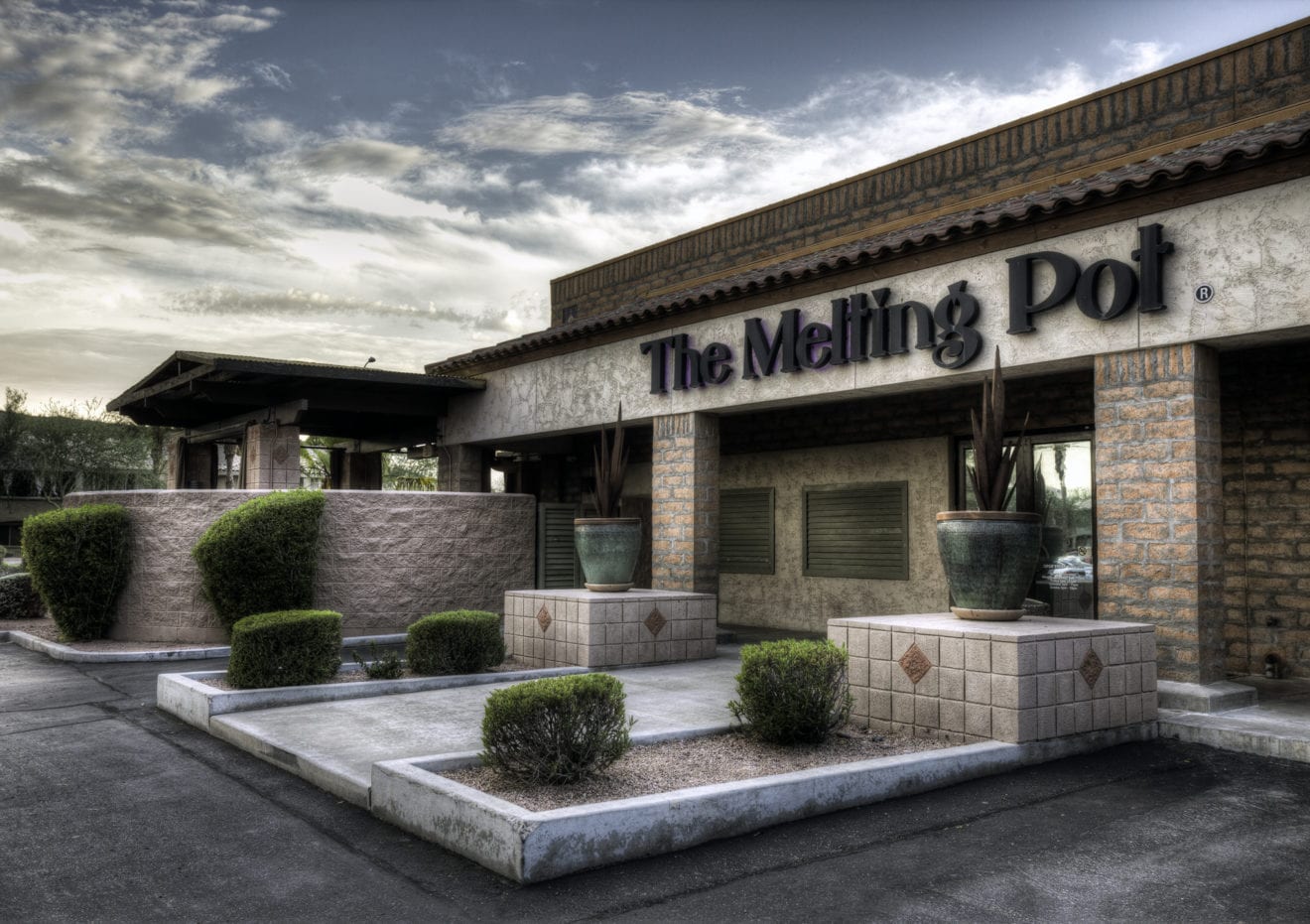
    The world’s largest fondue restaurant chain is looking to expand throughout Asia after early success in Indonesia.

    Franchisees are now actively being sought for The Melting Pot in Hong Kong, Macau, China, Japan, South Korea and India.

    The Tampa, Florida-based restaurateur plans to enter China by opening at least five restaurants in Hong Kong and Kowloon as well as in Macao and numerous cities in Mainland China, including Guangzhou, Shanghai, Beijing and Shenzhen.

    Markets outside Asia, including Brazil, Canada and Mexico, are also in planning.

    The Melting Pot operates more than 125 restaurants across 35 US states, Canada, Mexico, Southeast Asia, and the United Arab Emirates, and has more than 15 locations in development internationally.

    The concept is known for its assortment of flavorful fondue cooking styles and unique entrees served with signature dipping sauces. The menu features a variety of a la carte selections, highlighting customisable options that invite guests to enjoy one, two, three or more courses as they select any combination of individually-priced cheese fondues, salads, entrees and chocolate fondues.

    “The Melting Pot is a proven 40-year American franchise concept that is unlike any other,” said Dan Stone, chief business and people development officer for Front Burner Brands, the chain’s parent.

    “Featuring four distinct courses, guests dip menu items into heated fondue pots at the centre of each table. The concept provides a very social and interactive dining experience that has proven to translate well to multiple countries,” said Stone.

    “We provide our franchisees the necessary training and support to ensure success, as well as expert resources to assist with identifying the best sites for our restaurants. We are ready to do business in Hong Kong and are seeking qualified candidates to build a strong brand presence throughout Hong Kong and the People’s Republic of China over the next few years.”

    The concept will be exhibiting at the Franchising & Licensing Asia 2015 from October 29 to 31 at the Marina Bay Sands in Singapore.

    Earlier this year, The Melting Pot opened its first restaurant in Jakarta, Indonesia and most recently its first Middle Eastern location in Dubai.

    Franchisee candidates or groups should have access to a minimum of US$3 million in capital and at least one partner must be fluent in English. Depending on the real estate site selected, franchisees of The Melting Pot in the US can expect the total investment for one restaurant to be approximately $959,000 to $1.436 million. The initial franchise fee ranges from $45,000 to $60,000 per unit depending on the number of units committed and there is a one-time training fee of $50,000.

  • China wounds Burberry bottom line

    British luxury brand Burberry says Chinese luxury spending patterns have impacted on its sales in the six months to September 30.

    While the brand’s global retail sales rose two per cent to £1.105 billion in the half year, CEO Christopher Bailey described the market as “increasingly challenging” for luxury customers, especially in China.

    “The external environment became more challenging during the half, affecting luxury consumer demand in some of our key markets. In response, we have intensified our focus on driving sales and productivity, while taking swift action on discretionary costs.

    “While mindful of this external volatility, our plans for the festive season position us well to return to a more positive sales trend in the all-important second half. Looking further ahead, we maintain our focus on – and confidence in – the long-term growth opportunities for our business across channels, regions and product categories.”
    Retail revenue was £774 million, up one per cent on a same stores basis.

    But it was a different story in Asia.

    “Asia Pacific delivered a mid single-digit percentage comparable sales decline in the half, impacted by a further year-on-year deceleration in Hong Kong in the second quarter compared to the first, as footfall continued to drop,” the company said in a statement. “Mainland China comparable sales decreased slightly in the half, in the context of weakening consumer sentiment in the market in the second quarter. Excluding Hong Kong and Macau, comparable sales were broadly unchanged year-on-year in the first half.”

    Japan, however, was a standout.

    “Japan saw comparable sales growth well in excess of 50 per cent, albeit off a small base (with total sales now accounting for around two per cent of global retail/wholesale revenue).

    “Good progress was made during the half in expanding our retail presence, with the addition of our sixth free-standing store, in Shinjuku, Tokyo and the opening of a further six department store concessions, bringing the total to 19. We also assumed operation of 10 childrenswear concessions.”

    The company also expanded its beauty distribution, through Sephora globally and with Shiseido in Japan.