Tag: Macau

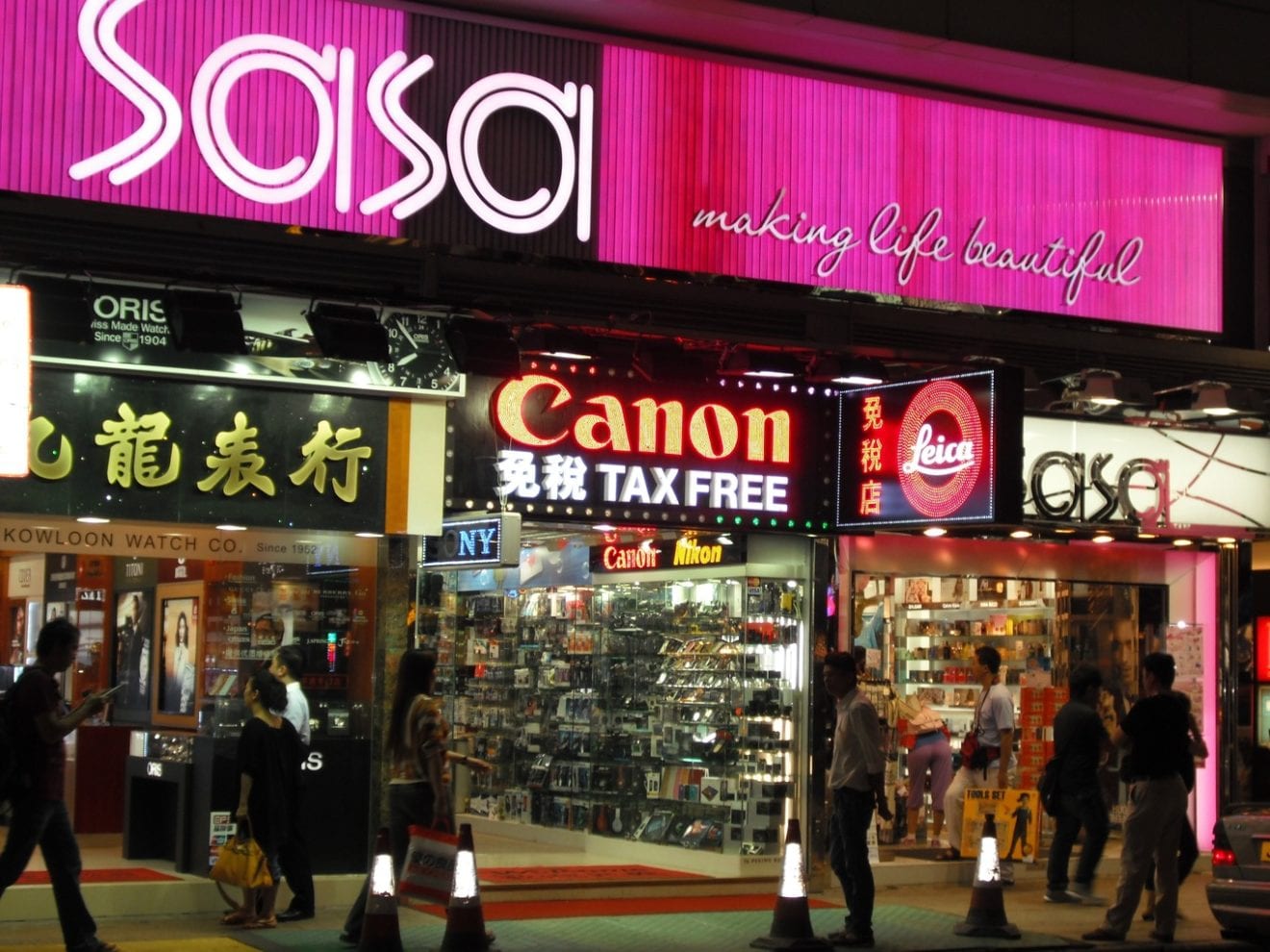
  • Sa Sa feels pinch of Chinese policy

    Sa Sa feels pinch of Chinese policy

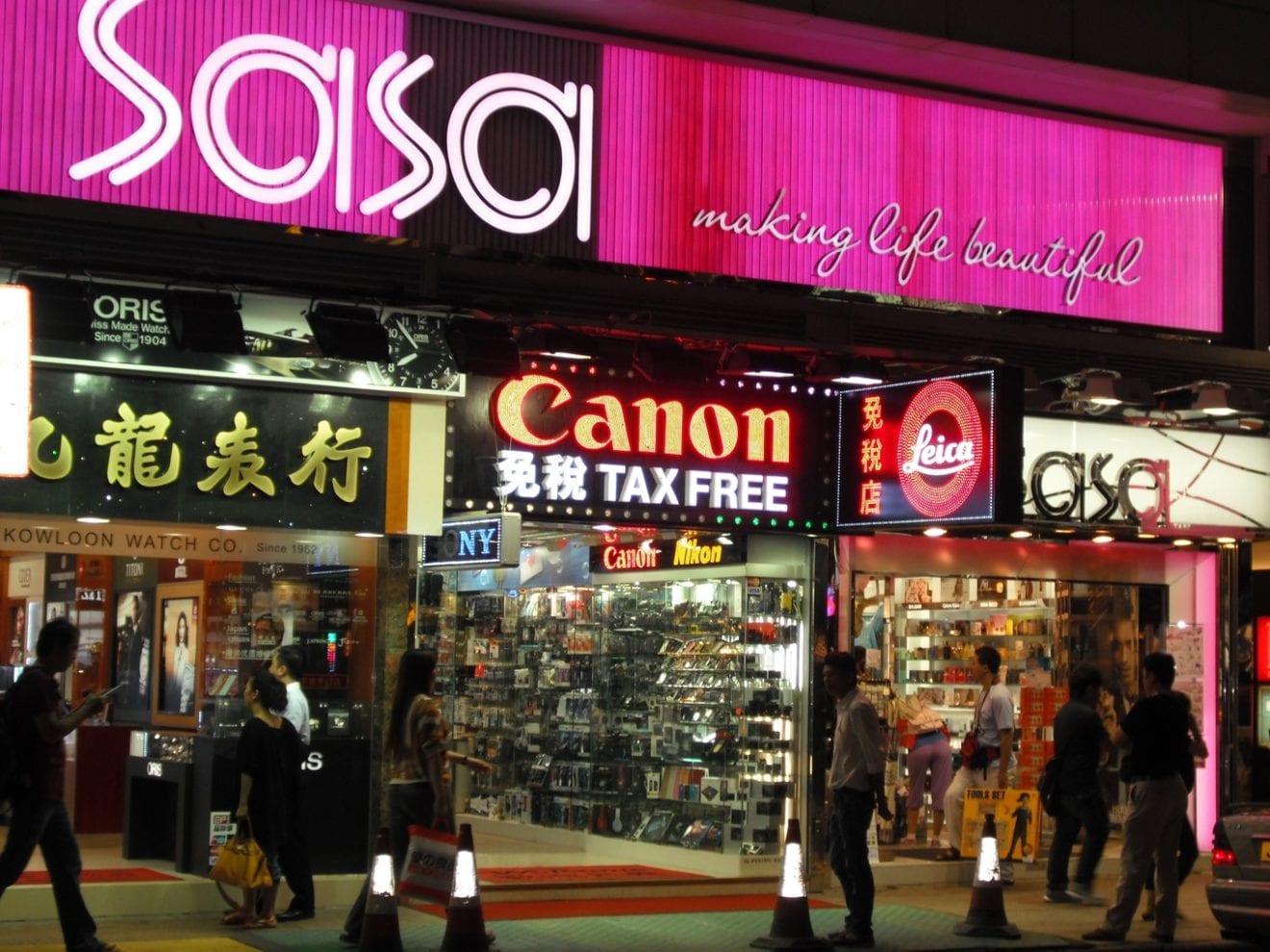
    China’s policy of one trip a week for mainlanders plus the strength of the Hong Kong dollar against a weaker yen have gouged sales for cosmetics retailer Sa Sa International.

    Both its retail and wholesale turnover dropped 14.2 per cent for the third quarter (October 1 to December 31), the company has announced. Turnover declined by 15.8 per cent in the Hong Kong and Macau markets, where same-store sales dropped 12.2 per cent.

    Overall, transactions were 7 per cent weaker, average sales per transaction fell 9.1 per cent and there was a 12.1 per cent dip in same-store sales. The group’s total turnover in other markets, including Mainland China, Malaysia, Singapore, Taiwan and online, dropped 6.7 per cent.

    Chairman/CEO Dr Simon Kwok says the impact of the “one-trip-per-week” policy had gradually gained momentum, leading to a notable year-on-year decline in the number of same-day visitor arrivals.

    “We expect the negative trend will continue to influence the local retail market.”

    In response, he says the group will optimise its product offering and enhance the shopping experience for its customers.

    Back in October, Sa Sa International Holdings already warned that its net profit for the six months to September 30 would be slashed in half because of the sluggish retail scene.

  • Chow Tai Fook sales slide continues

    Chow Tai Fook sales slide continues

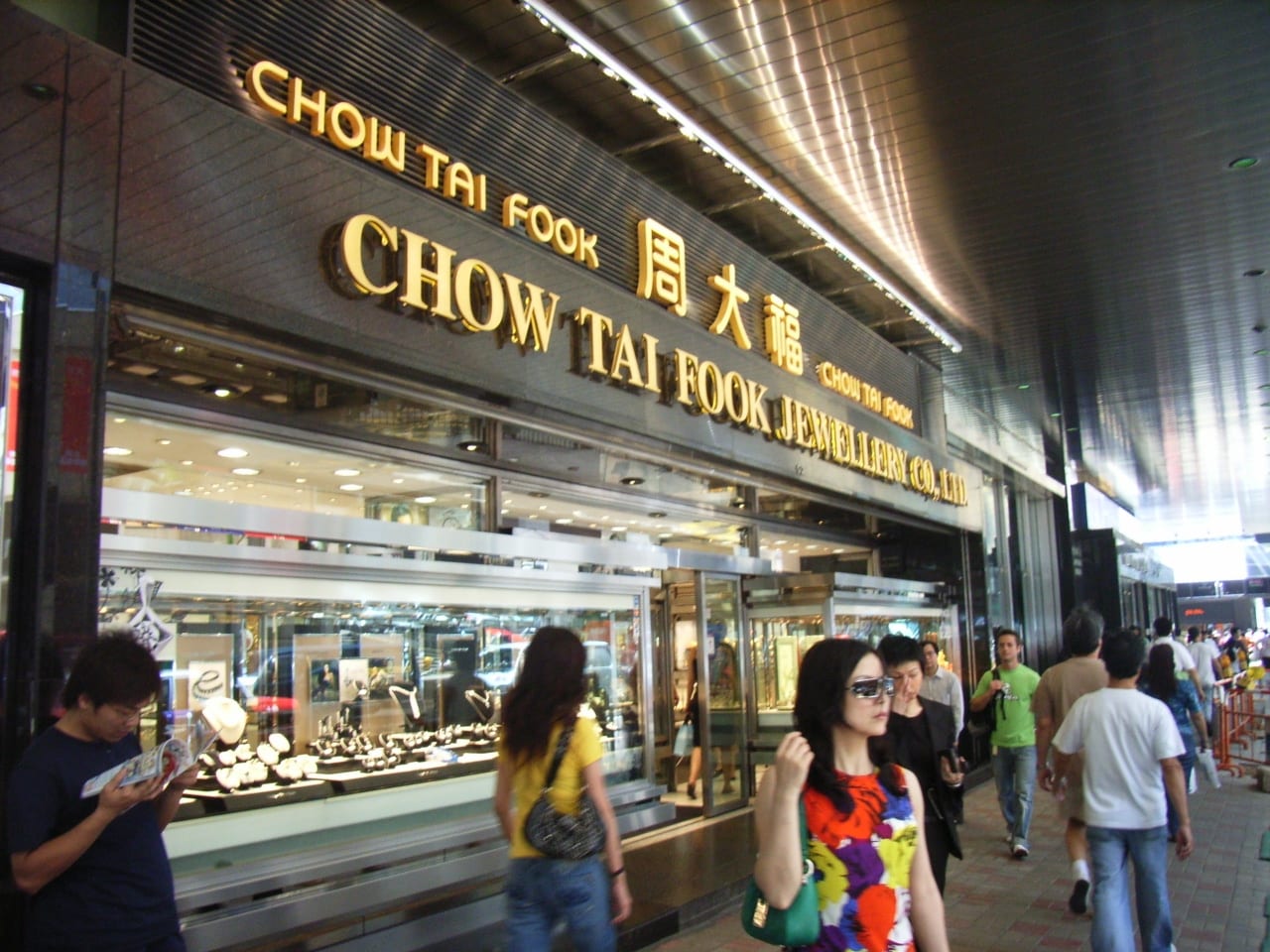
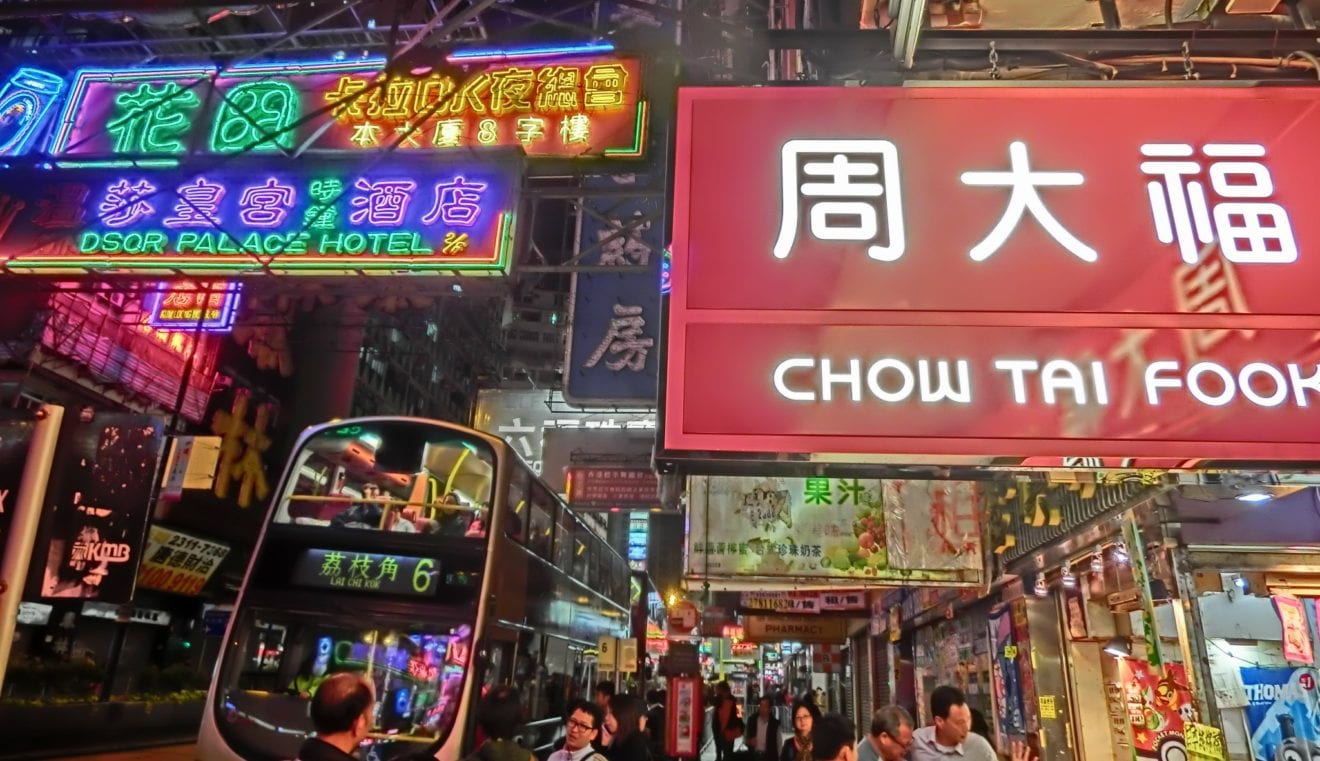
    Jeweller Chow Tai Fook continues to be battered by the declining number of wealthy Mainland Chinese tourists visiting Hong Kong and Macau.

    The Hong Kong listed retailer has revealed its same store quarterly sales slumped 23 per cent in Hong Kong and Macau in the three months to December 31 and by 6 per cent in Mainland China. It said those figures were “similar to the same store sales sales performance” of the preceding quarter.

    In total value, after currency effects were taken into account, total sales fell 11 per cent, compared with 10 per cent in the preceding quarter. Mainland sales, on a constant currency basis, were down two per cent.

    The group opened a net 31 points of sale during the quarter, including 28 jewellery outlets and two watch stores in Mainland China, and a net one store elsewhere, taking its total point of sale count to 2317 as at December 31.

    Meanwhile, Chow Tai Fook MD Kent Wong said on a conference call that the company expects to close five or six stores in Hong Kong during the next three months as it adjusts its network to reflect the changing shopper demographic.

    He said the domestic market remained challenging with the local currency pegged to the US dollar which is widening the gap between the Hong Kong dollar and China’s renminbi.

  • Chow Tai Fook’s Hong Kong, Macau Sales Plunge on Fewer Chinese

    Chow Tai Fook’s Hong Kong, Macau Sales Plunge on Fewer Chinese

    Chow Tai Fook Jewellery Group Ltd., the world’s largest listed jewelry chain, said same-store sales in Hong Kong and Macau plunged 23 percent in the final three months of 2015 as fewer mainland Chinese tourists visited the two cities.

    Same-store sales, for outlets open at least a year, fell 6 percent for those in mainland China, bringing the total decline to 15 percent for the fiscal third quarter ending December, the company said in a statement Friday. The retail sales value for all of the company’s outlets slumped 11 percent in the period, it added.

    The operating environment in China as well as sales outlook for the Lunar New Year holidays in February remain challenging, and the company will continue to focus on cost-cutting measures in the rest of the current fiscal year ending March, Managing Director Kent Wong said on a conference call with reporters Friday.

    “The retail jewelry industry is now in a consolidation stage after the rapid growth in the past decade,” Wong said. “What we can do now is to better control cost structure on both rentals and staff costs, while expanding our high-end product lines.”

    Chow Tai Fook in November declared its first-ever special dividend even as it posted the steepest decline in semi-annual profit since it went public, after its shares fell to about 70 percent before its offer price since its 2011 share listing. China’s economic slowdown, as well as campaigns against corruption and extravagant spending have hurt luxury retailers and casino companies.

    The retailer of gems and watches has said it will shut outlets that do not perform well, but doesn’t plan to lay off workers. Still, the number of employees may fall further after it dropped 8 percent in the first half, reducing staff costs by 13 percent, Wong said Friday.

    Chow Tai Fook Chairman Henry Cheng said in November the company has shelved its overseas expansion plans and will focus on the Hong Kong, Macau and mainland China businesses.

    Mainland Chinese tourists to Hong Kong, who accounted for more than 70 percent of the total in November, have dropped 16 percent in the month, according to the city’s tourism board.

    Chow Tai Fook may request rental reductions of 30 percent on average, for the roughly one-third of its Hong Kong stores that renew their lease agreements each year, it had said in November. Wong said the company is in talks to renew leases for three shops in the city.

    The luxury chain’s retail network expanded to 2,317 points of sales as of end-2015, including a net opening of 28 jewelry, and 2 watch outlets in mainland China. It will open between 50 to 60 points of sales in China in the rest of the fiscal year, Wong said.

    Competitor Chow Sang Sang Holdings International Ltd. said it won’t cut prices even as it expects same-store sales to slide during the Lunar New Year holidays, amid a strong Hong Kong dollar that has turned mainland tourists away, the Standard newspaper reported Friday citing Lau Hak-bun, the company’s general manager of Greater China retail.

    Chow Tai Fook’s Wong also said the company has no plan to cut product prices in the future.

  • Macau gaming revenue falls 34% in 2015 due to corruption crackdown

    Macau gaming revenue falls 34% in 2015 due to corruption crackdown

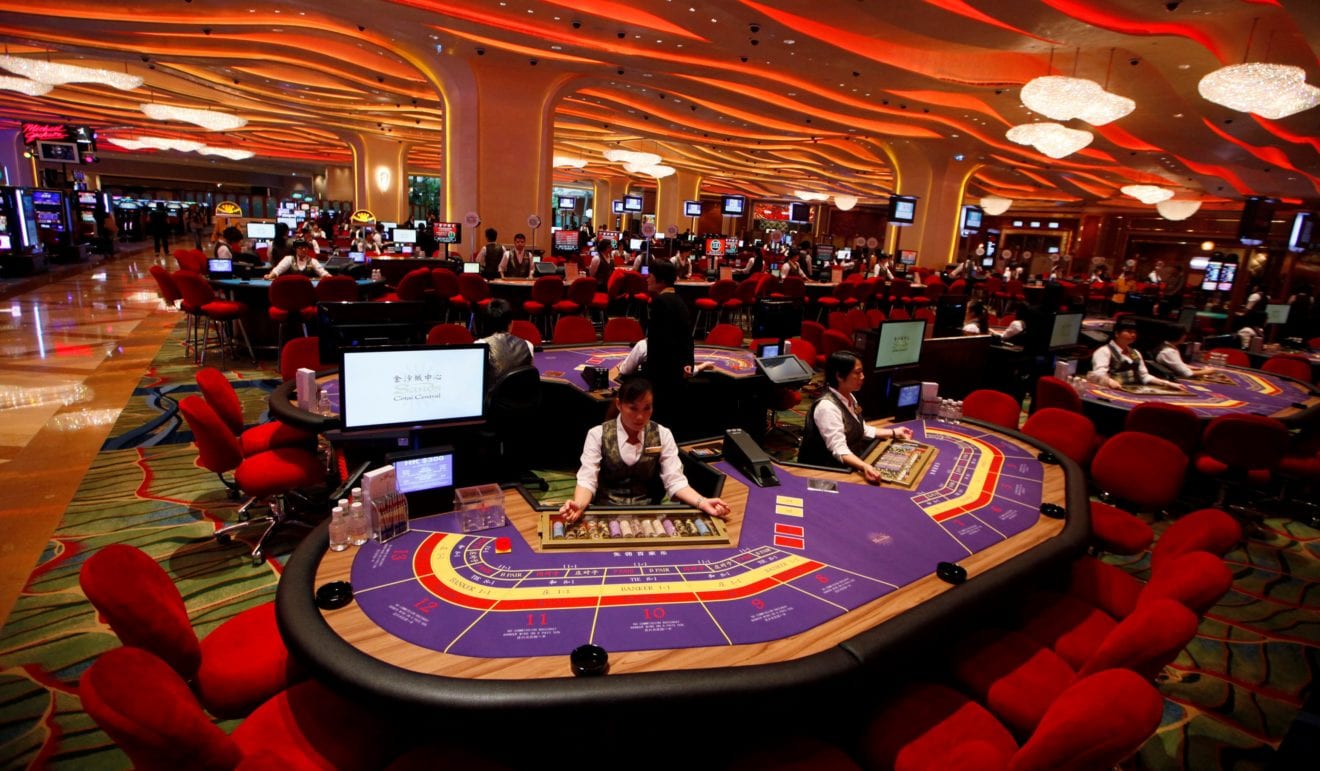
    Macau’s gambling revenue ended 2015 with a whimper, falling for a second straight year as mainland China’s corruption crackdown continued to keep high rollers from the Asian gaming hub.

    Revenue slid 34.3 percent to a five-year low of 230.84 billion patacas (US$28.92 billion), according to numbers released by Macau’s Gaming Inspection and Coordination Bureau. Gaming revenue fell 2.6 percent in 2014.

    December saw gaming revenue fall 21.2 percent, declining for the 19th consecutive month as China suffers a painful growth slowdown and Beijing’s hard-hitting campaign against corruption has hammered Macau’s key VIP sector.

    The figure for 2015 was in line with expectations of nine analysts polled by Bloomberg News who predicted a decrease of 35 percent.

    The city’s VIP section is also expected to fall 13 percent in 2016, analysts told Bloomberg.

    “Macau has been hit hard by China’s anti-corruption campaign which has deterred wealthy customers from visiting Macau,” Aaron Fischer, head of consumer and gaming research at CLSA, told AFP on Saturday.

    “2016 is not likely to be a very good year. However, after a 34 percent decline in 2015, consensus expects revenues to be roughly flat, which is a big improvement,” Fischer added.

    The slowdown in Macau, a semi-autonomous Chinese city, has been in part attributed to a high-profile corruption crackdown led by mainland Chinese leader Xi Jinping with Beijing making it clear it wants the former Portuguese colony to move away from gambling.

    Casino operators in Macau — the only place in China where casino gambling is allowed — are trying to lure mass market visitors to make up for the drop in high-roller gamblers who comprise the bulk of the city’s gaming income.

    This has led to a slew of of mega-projects on former swamp land on the coastal Cotai strip.

    The latest launch was of the Studio City hotel and casino resort in October — featuring the world’s first figure-of-eight rollercoaster — that was fronted by Robert De Niro, Martin Scorsese, Brad Pitt and Leonardo DiCaprio.

    Wynn Resorts founder billionaire Steve Wynn has previously said the situation in Macau was “uncertain.”

    “There’s no question that uncertainty is the plaguing word of the day in Macau,” he said in April.

    Wynn Resorts in November said the opening of its new US$4.1 billion Wynn Palace — a floral-themed 1,700-room resort featuring a lake with gondolas — would be delayed by three months to June 25, 2016.

    Macau soared past Las Vegas as the world’s gambling capital after opening up to international operators in 2001 and raked in more than seven times its U.S. counterpart in 2014.

    However, it is now being forced to follow Las Vegas’ lead and transform from a hardcore gambling hub into a destination with much broader appeal.

  • International Housewares profit slumps

    International Housewares profit slumps

    Hong Kong listed retailer International Housewares has reported a 52.6 per cent slump in profits in the first half year, despite improved sales in key markets.

    The company reported a seven per cent same store sales growth in Hong Kong in the six months to October. Macau revenue rose 16.6 per cent to HK$18.7 million, with same store sales up 2.5 per cent.

    But despite a healthy 6.6 per cent increase in total group sales to $960.4 million, the listed retailer reported a 52.9 per cent fall in profit attributable to shareholders, to just $21.1 million (down from $44.8 million during the same period last year) – a decline flagged in a profit warning in early December.

    It said the decrease was mainly the result of increasing operating costs across the group, weak consumer sentiment in Singapore and Malaysia and an exchange loss arising from the depreciation of the Renminbi fixed deposit.

    International Housewares trades under the retail banners Japan Home Centre (JHC), City Life and Epo Gifts and Stationery. It ended October with 368 stores worldwide, in Hong Kong, Singapore, Malaysia, Mainland China, Macau, Cambodia, Indonesia, Saudi Arabia and New Zealand.

    Despite Singapore’s stagnant retail market, International Housewares reported growth there of 9.6 per cent on a local currency basis, compared with a 6.9 per cent fall in the corresponding period last year. Same store sales grew 0.3 per cent compared with a 6.9 per cent decline last year, reflecting “conservative consumer spending patterns”.

    In Mainland China, sales decreased 11.6 per cent in local currency terms to HK$2.28 million, but comparable store sales growth was a healthy 40.4 per cent, reflecting the closure of underperforming stores.

    And in west Malaysia, revenue was down 46 per cent in local currency; same store sales were down 19.3 per cent.

  • Indonesia Promotes Tourism in Macau

    Indonesia Promotes Tourism in Macau

    Rizki Handayani Mustafa, deputy of Southeast Asian Development at the Tourism Ministry said that Indonesia would promote its tourism industry to Macau in a bid to increase the number of foreign tourists visiting Indonesia.

    “For the first time Indonesia will consider Macau to be a potential tourism market for Indonesia, Rizki told Antara on Thursday, December 10.

    Rizi added that the government would introduce Indonesia with its tourism potentials. Macau travel agent head Xiao Hong said that not many people in Macau knew about Indonesia and how to get there. Therefore, Xiao Hong suggested that Indonesia must conduct more campaigns in Macau.

    “The people in Macau have high expenses, so Macau is very potential as Indonesia’s tourism market. Moreover, many Chinese tourists who visited Macau can continue their trip to Indonesia,” Hong added.

    Bobby A. Rusyandi, general manager of Garuda Indonesia Branch Office of Hong Kong, Macau and Taiwan, said that his airline would work with Ferry operator connecting Macau and Hong Kong to facilitate tourists who want to Visit Indonesia.

    “So, people from Macau who will visit Indonesia with Garuda Indonesia can use a Ferry from Macau to Hongkong, and take Garuda Indonesia from Hong Kong to Jakarta or Hong Kong to Denpasar,” Bobby explained.

    Data from the Tourism Ministry revealed that the number of Macau tourists visiting Indonesia in 2014 stood at 1,622 people.

  • Optical 88 struggles

    Optical 88 struggles

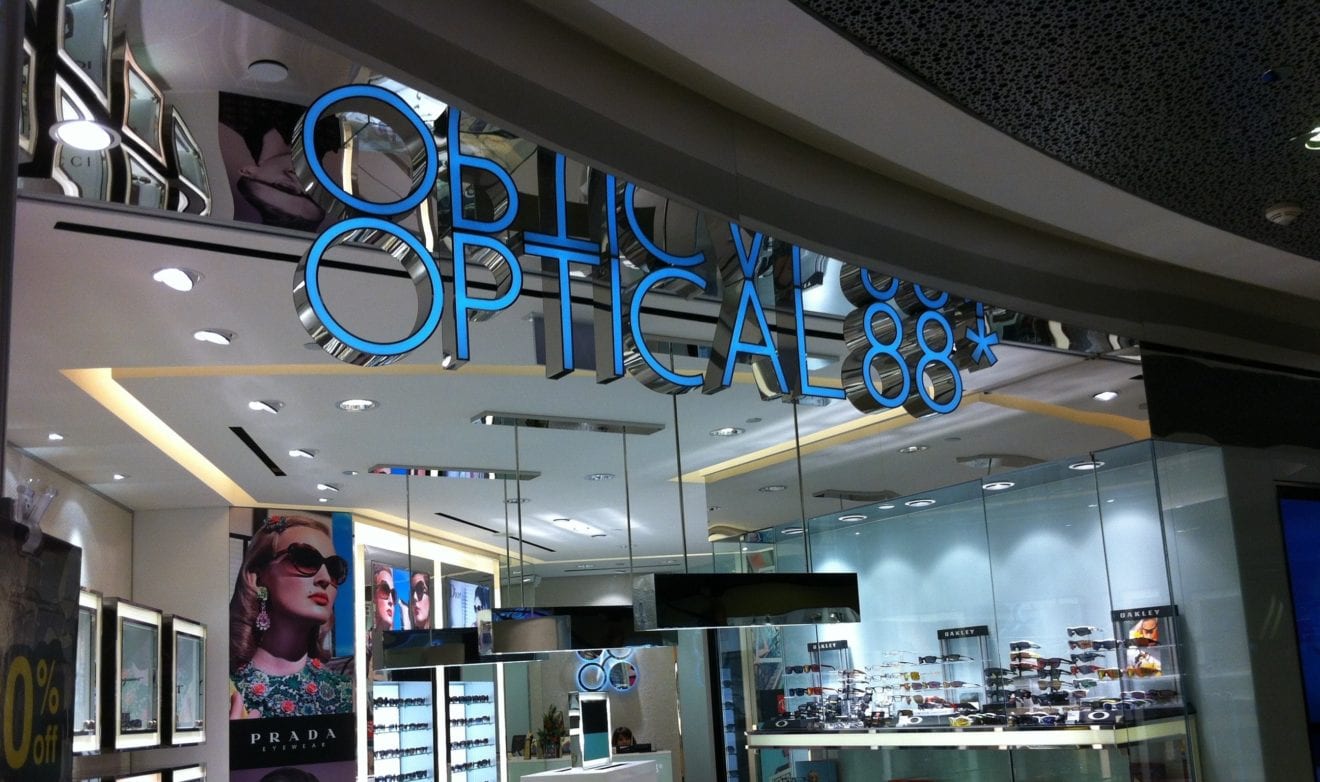
    Eyewear chain Optical 88 has suffered a 10.5 per cent slump in sales in the first half, with profit down 53.2 per cent.

    According to the trading announcement of its parent company Stelux International, sales reached HK$579.1 million and EBIT $18.0 million.

    The company says exchange rate fluctuations and the subdued Hong Kong and Macau markets contributed to the downturn, although the business remains profitable.

    In Hong Kong and Macau turnover decreased by 8.9 per cent and profit by 32.6 per cent, despite efforts in cutting operating costs (other than shop rentals) by around 7.4 per cent. “The turnover performance was impacted by the softened demand from local customers and tourists but gross profit margin remained healthy and stable,” Stelux said in its filing.

    In Mainland China, sales declined by a modest 5.3 per cent. The company says it is building on Optical 88’s professional and healthcare positioning, and will continue to expand the store network in Mainland China in the second half of this year. It aims to accelerate network expansion in the Southern and Southwest regions to further strengthen its market share, paving the way for further expansion into other parts of China.

    Optical 88’s turnover in Southeast Asia dropped by 17.8 per cent (or by 7.1 per cent on a constant currency basis), and a loss of $11.5 million was recorded.

    The introduction of GST in Malaysia in April caused turnover to slip in the first quarter, but the company made up the lost ground in the second quarter.

    Store consolidation and productivity enhancement measures in Singapore paid off this year, with the loss narrowing by 10.7 per cent to HK$7.5 million through reduced operating costs.

    The Thai operations are still profitable, but recorded a drop in turnover by 19.1 per cent caused by the significant decline in consumer confidence and purchasing power in Thailand.

    “Severe competition driven by widespread sales promotions in the market has also led to narrowed margin. The tough market is expected to continue in Thailand, and we will… close non performing shops and continue with our cost control measures, which have reduced our operating costs by 15.7 per cent in the first half,” said Stelux in its filing.

  • Veeko International flourishes despite downturn

    Veeko International flourishes despite downturn

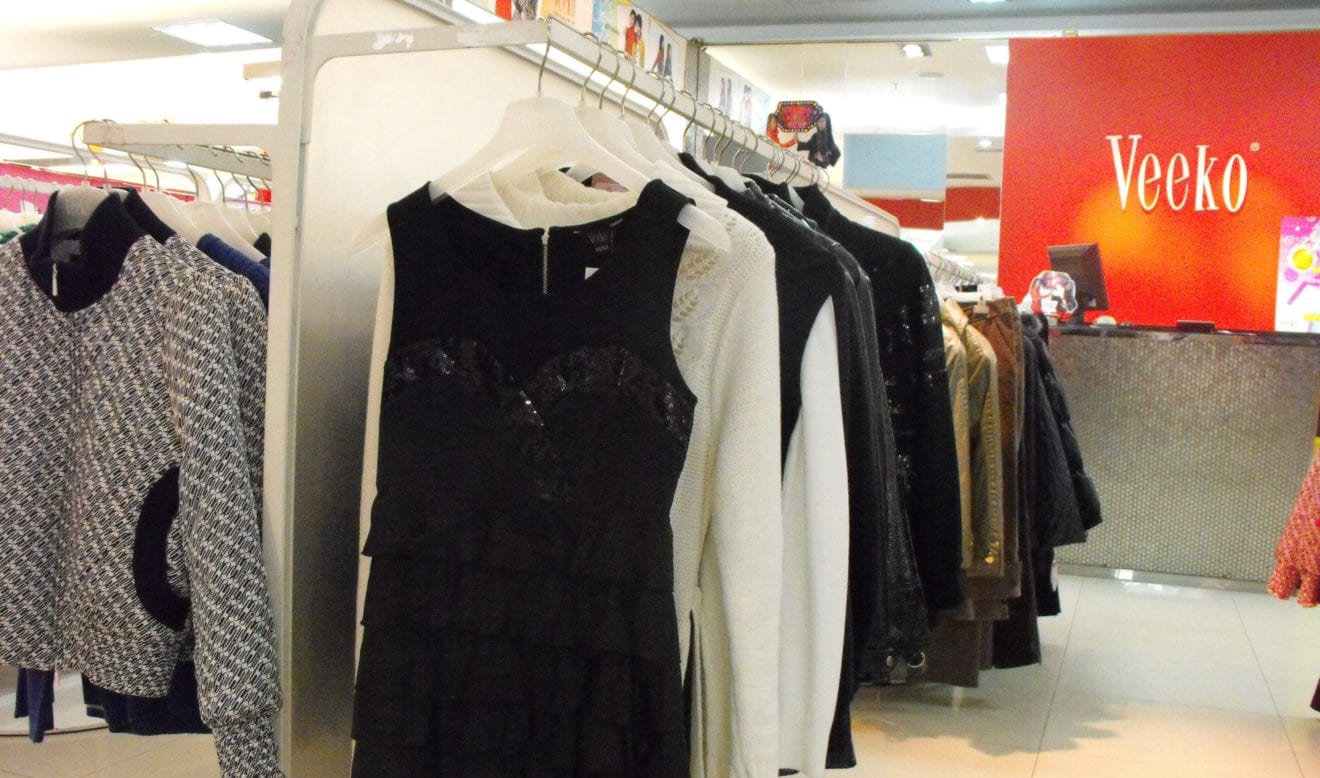
    While its peers suffer from Hong Kong’s lacklustre market, one retailer has achieved a stunning sales boost.

    Veeko International operates 82 Colourmix and one Morimor cosmetics stores and 155 fashion stores in Hong Kong, Macau, Taiwan, Singapore and Mainland China under the Veeko and Wanko brands.

    For the six months to September 30, Veeko International recorded a turnover of HK$1.066 billion – an increase of 23.6 per cent on the corresponding period of last year. Its cosmetics business increased sales by 33.7 per cent over the same period last year, accounting for 77.6 per cent of Veeko’s turnover. Sales in the fashion business slipped two per cent.

    Profit attributable to shareholders reached HK$41.488 million – up 14.9 per cent on last year, driven by a 56.2 per cent increase in profit from the cosmetics business. The fashion business, meanwhile, recorded a $2.68 million loss, a 133.6 per cent downturn on the profit of $7.97 million for the same period last year, largely due to exchange rate losses from overseas markets including Taiwan, Singapore and Mainland China. At constant exchange rates the division would have recorded a profit.

    Veeko says it will continue to expand its Colourmix store network, having added six in the first half.

    A large part of the success of its cosmetics operations is an increase in the average sale from $358 per transaction for the same period last year to $377 per transaction for the current period, – a year-on-year increase of 5.3 per cent. The gross profit margin of cosmetics business for the

    period was relatively unchanged at 35.7 per cent.

    Veeko’s fashion store network was down by a net 19 stores due to a revision of its store networks in Singapore, China and Taiwan.

    Veeko says Hong Kong and Macau accounted for 78.8 per cent of the group’s total fashion retail turnover. Sales in the two territories rose 6.2 per cent year on year, but gross profit margin decreased by 1.7 percentage points to 71.8 per cent.

    Taiwan fashion sales fell 24.9 per cent, due to the closure of eight stores, leaving it with 25 in the market. But same store sales grew by 6.4 per cent.

    In Singapore, sales slumped 26.6 per cent, largely due to the closure of four stores, leaving it with just nine there. Same store sales in local currency slipped 2.6 per cent.

    And in China, turnover fell 19.4 per cent, due to a net reduction of 10 stores, leaving it with 41.

    Veeko says it expects the challenges faced by the retail business will continue during the next half year, with cautious consumption sentiments.

    “The group… believes that opportunities exist alongside with challenges. In an environment which is full of challenges, the best policy is to uplift our competitiveness and lay a good foundation for sustainable growth in the future by maintaining healthy growth of the core business in the long run.”

  • City Chain to close stores

    City Chain to close stores

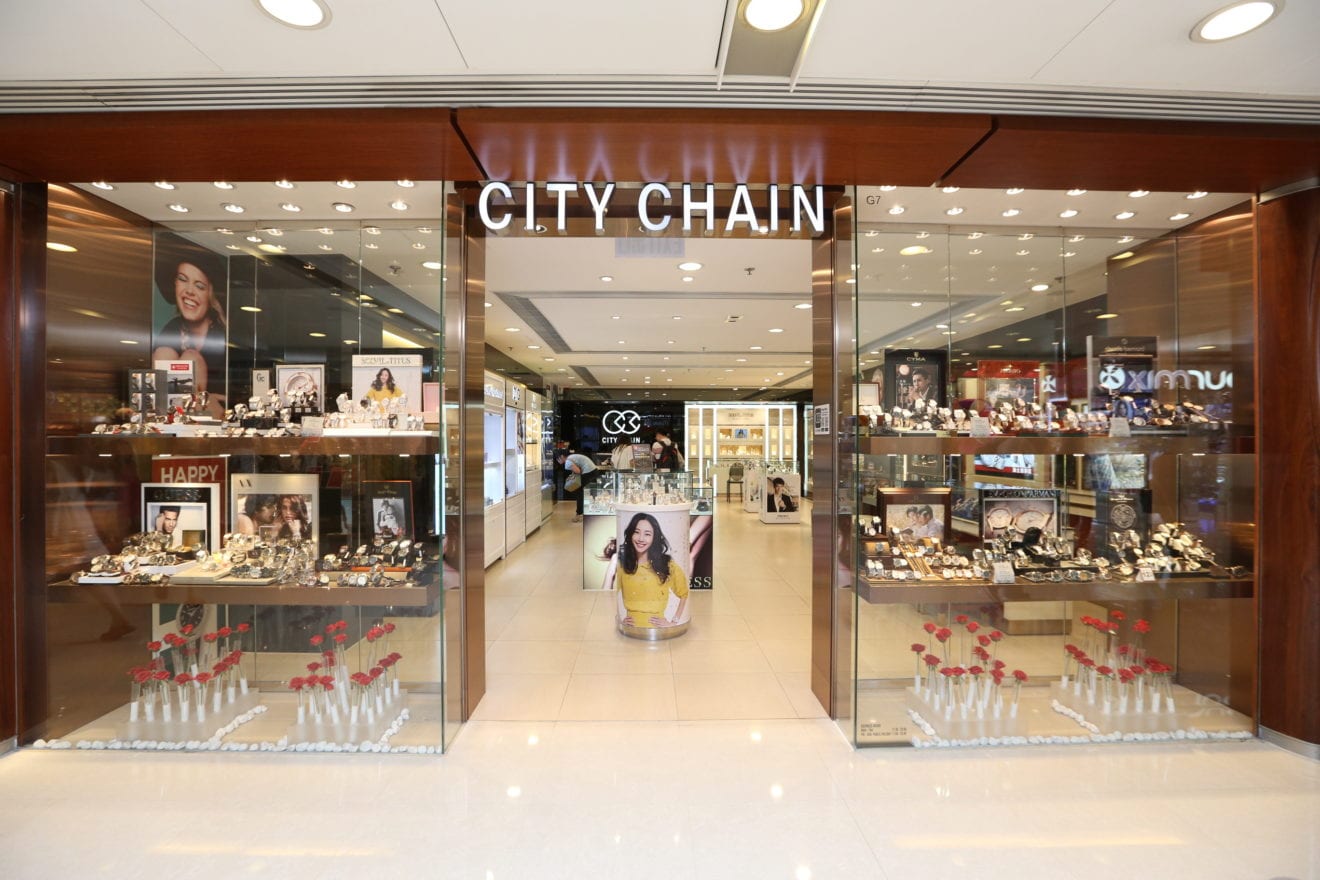
    Hong Kong headquartered watch retailer City Chain plans to close more stores as sales slid 12.1 per cent and profits crashed by 86.4 per cent in the first half year to just HK$15.7 million.

    Parent Stelux says turnover was “sluggish” in Hong Kong, Macau and Southeast Asia, with a narrowed gross margin. But inventory reduced by 16 per cent compared with the end of March.

    The City Chain Group operates stores in Hong Kong, Macau, Mainland China, Singapore, Thailand and Malaysia together with online stores at City Chain Tmall and Titus Tmall. Turnover for the six months to September 30 was $957.9 million.

    “We are rationalising our store portfolio based on shop profitability when considering shop renewal or relocation to achieve lower rental to turnover ratios,” the company said, without providing any indication of how many stores are likely to be culled.

    Already stores have been closed in Singapore and Thailand.

    Sales in Hong Kong and Macau fell 14.2 per cent to $646.6 million due to reduced tourist spending, shop consolidation measures and a high comparable base last year, when the group achieved record breaking monthly sales. That triggered a 56.5 per cent drop in pre-tax earnings to $67.9 million.

    “A combination of factors, namely, a decrease in turnover, narrowed gross profit margin due to stock rationalisation and the time lag in containing operating costs such as shop rentals led to the decline. Operating costs other than shop rentals decreased by around eight per cent despite inflationary pressure. The group continues to tighten operating expenses to adapt to existing turnover levels to improve performance,” Stelux said in its earnings statement.

    It was a rosier picture in Mainland China, now considered “a key market” for the group, which is pursuing a long term growth strategy there.

    First half sales rose 11.2 per cent to $113.2 million despite the slowing economy, driven mostly by positive same store sales growth especially in the Eastern (around 27 per cent) and Southwest regions (around 40 per cent).

    “Due to aggressive price cuts by competitors and a change in stock management strategy, gross profit margins came under pressure. Stock clearance initiatives have proven successful and we are on track towards maintaining a healthier and more competitive inventory balance. Losses, standing at $28.6 million, remained similar to that of last year since most of the uplift in sales was offset by the drop in gross profit margin. Notably, the loss posted by existing operations in Northern China fell by around 57 per cent compared to the same period last year due to restructuring efforts taken in Quarter 2,” the company said.

    “We expect to accelerate network expansion, increasing penetration in regions where we have a presence, and also setting up in multiple second and third tier cities where we do not yet have a presence to achieve economies of scale.”

    Southeast Asian first half sales were adversely affected by weakening economic fundamentals, with poor consumer sentiment and weak local currencies. Turnover dropped by 15.7 per cent to $198.1 million. But in local currency terms, turnover dropped by just four per cent.

    The Southeast Asian operations recorded a loss of $23.6 million, but a large part of that was attributed to the sharp depreciation of the Malaysian ringgit. On an exchange neutral basis the loss would have been $13.2 million, compared with $12.5 million during the same period last year.

    “The retail sector in Malaysia was severely affected by the introduction of GST in April 2015 and the depreciation of Malaysian ringgit. Despite this, turnover in local currency terms remained stable due to successful restructuring and re-merchandising measures adopted.

    “In Singapore, store consolidation and productivity enhancement measures have been very successful and we have seen sales per shop month improving significantly by 22.5 per cent and at the same time operating costs have fallen by 19.6 per cent. This has helped to narrow the loss by 33.6 per cent to $8.3 million.

    “The unstable political situation in Thailand and high household debt ratio has resulted in very low consumer confidence which has continued to fall since January 2015. Due to this, our Thai operations, posted a 24.2 per cent (FX neutral: 18.8 per cent) decline in turnover. We have implemented aggressive store consolidation measures with over 10 non-performing stores closed, and these store consolidation efforts will continue in the second half. Cost control measures were also implemented reducing our operating costs by 22 per cent.”

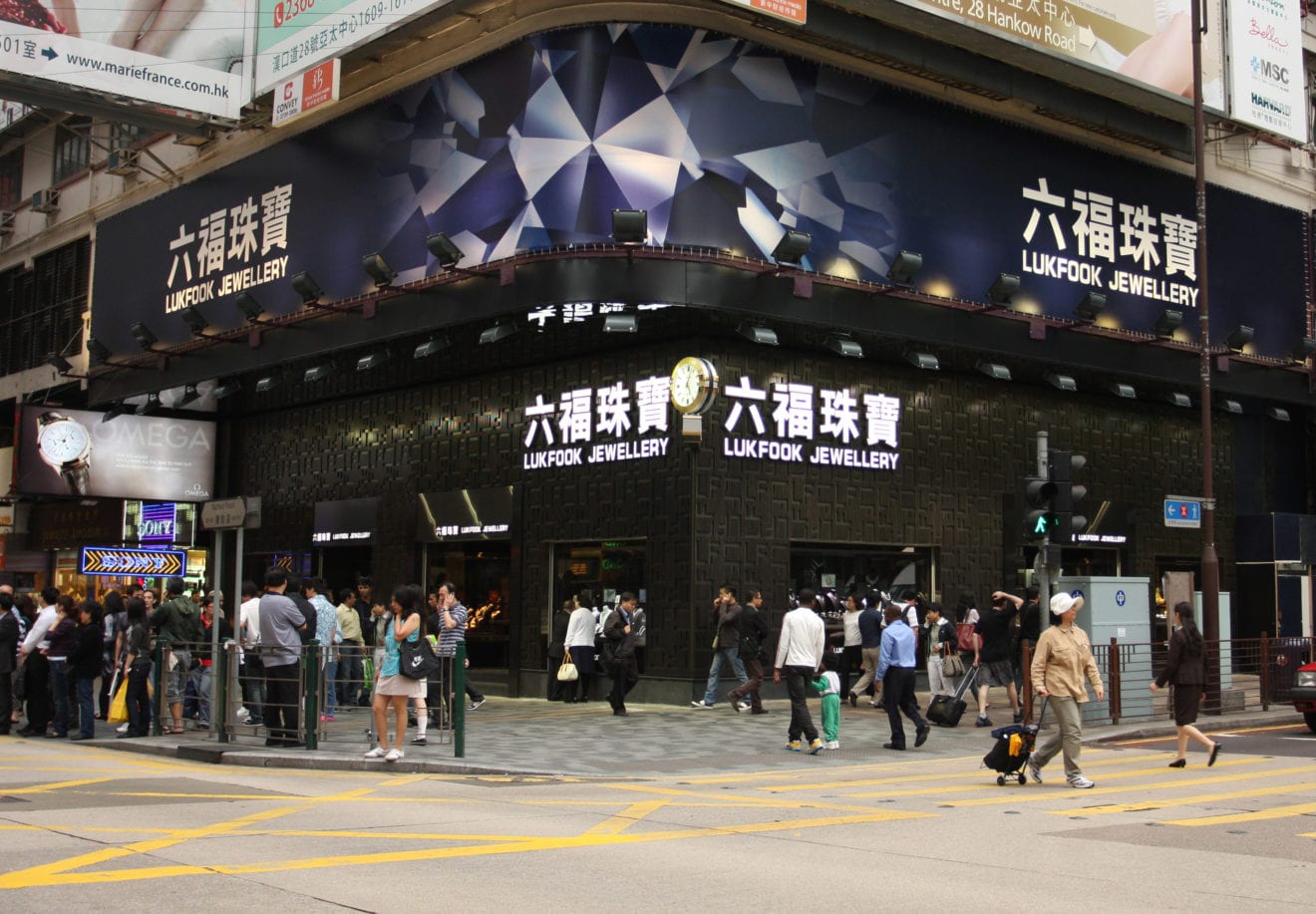
  • Luk Fook profits slump 42% on weak Hong Kong, Macau sales

    Luk Fook profits slump 42% on weak Hong Kong, Macau sales

    Jeweller Luk Fook Holdings is looking to Mainland China to restore growth after a heavy drop in profits due to the Hong Kong and Macau market slump.

    Lukfook Group says its sales declined 7.7 per cent to HK$6.965 billion in the half year to September 30 and profit attributable to shareholders slumped 42.4 per cent to $463 million.

    Same store sales across the business fell 11.6 per cent, largely due to falling sales of gem‐set jewellery products in Hong Kong and Macau. Sales fell 16.2 per cent in Macau alone.

    However in Mainland China, gem-set jewellery sales rose 17.5 per cent, marking the 10th consecutive quarter of positive growth in that market.

    Wong Wai Sheung, chairman and CEO of Lukfook Group said the slowing economic growth in Mainland China, relaxed visa requirements and currency devaluation in Europe, Japan and Korea as well as a strong Hong Kong dollar against other currencies had caused Mainland tourists to switch to overseas for consumption.

    “These adversely affected the retail industry in Hong Kong and Macau and hindered the recovery of the retail business of the group.”

    Hong Kong rents also took their toll on Luk Fook profits.

    “The decrease in revenue, together with the increase in total rental expenses mainly contributed by the high rental of the loss‐making new shops in certain Hong Kong prime locations, resulted in the increase in the total operating expenses to revenue ratio to 14.6 per cent (2014:13.0%),” the company said in its filing.

    The company opened a net total of 29 Lukfook shops (including 23 licensed shops and six self‐operated shops), and four 3D‐Gold self‐operated shops established by the new joint venture (the group has 51 per cent equity) with a licensee in Mainland China. The number of shops in Hong Kong and Macau and overseas remained unchanged. As at September 30, the group had 1412 Lukfook shops globally in Mainland China, Hong Kong, Macau, Singapore, Korea, the US, Canada and Australia; and four 3D‐Gold shops operated in Mainland China.

    Mainland Chinese visitors remained the primary customer group for the Hong Kong retail business, which contributes 60 per cent of the group’s turnover.

    Wong Wai Sheung said with continuing uncertainty in the global economy, the overall operating environment will remain challenging in the short term.

    “However, in the long run, as the per capita income in Mainland China increases, the group believes that there will still be strong customer demand for jewellery products, therefore the group remains positive about the mid‐ to long‐term business prospects. The group will continue to optimise the retail network, maintain the expansion strategy of focusing on the development in the Mainland China market, and further strengthen the cooperation with eCommerce platforms to expand our distribution channels, and also offer more fashionable and affordable jewellery products which are suitable for wearing in workplace, in order to attract middle‐class consumers.”

  • Sa Sa plans new store concepts

    Sa Sa plans new store concepts

    Hit by falling sales in the tourist downturn, Hong Kong beauty retailer Sa Sa plans new store concepts and diversification to restore growth.

    Reporting a 10.6 per cent decline in sales to HK$3.778 billion in the first half of the current year, and a 55 per cent plunge in profit to $153 million, Sa Sa revealed a strategy to “develop other businesses beyond traditional operations”, including tapping the opportunities of O2O and cross-border eCommerce.

    “The group’s O2O initiatives will initially launch in Hong Kong and gradually extend to mainland China. For the China market, the O2O initiatives will significantly broaden product offerings in its physical stores through online sales and cross border fulfillment. The group aims to use different channels and to leverage a variety of online partners to increase online exposure, including operating physical stores to promote O2O in Free Trade Zones, and cooperating closely with major China online operators, all with their unique positioning and correspondingly different opportunities,” the company said in its interim report.

    New store concepts are also on the drawing board.

    “The group’s strategy for new store concepts includes introducing more trendy and lifestyle concepts to attract young and trend-setting customers, much improved product display, and more emphasis on enhancing the shopping experience.”

    Sa sa says it also aims to place more emphasis on the unique shopping experience with Sa Sa through improved product displays, while changing the mindset of its beauty consultants to one that is more receptive to consumer preferences.

    “In addition, the group will substantially strengthen its online marketing efforts, including the use of social media channels to improve interactivity.”

    Hong Kong & Macau

    Sa Sa says its first half year was marked by pressure from a series of negative factors in the retail market of Hong Kong during the first half of the year. Retail sales in Hong Kong and Macau decreased by 11.1 per cent to $3.010 billion.

    “The cosmetics market in Hong Kong continues to face strong headwinds due to the slowing of mainland China tourist arrivals, their reduced spending, and weak local consumption sentiment. The one-visit-one-week policy for mainland visitors is gradually taking its toll on the market, while the strength of the Hong Kong dollar and depreciating yuan will continue to make shopping overseas more attractive for both mainland China and local consumers. Intensifying competition within the cosmetic industry is a further challenge, with ongoing discount and promotion programmes having an ongoing impact on profitability,” the company reported.

    “Although rental pressure is expected to moderate in a slowing market, rental reductions still lag behind weak sales performance. In the face of these challenges, The group rationalised its retail network from 287 to 281, a net decrease of three stores each for both “Sasa” stores and single-brand counters.”

    Mainland China

    In Mainland China, the stores’ profitability continued to improve, but weak operational and product management led to a decline in turnover, as well as an increase in the inventory provision. Overall turnover for Mainland China operations decreased to HK$148.9 million, a decrease of 8.7 per cent in local currency terms, while same store sales growth in local currency decreased by 9.8 per cent for the period. Loss for the period amounted to HK$24.5 million. The group has recognised the need for more management resources to improved management, and is currently using external management resources on a contract basis to allow for more time to develop its own management structure and training. The group is also seconding experienced staff from Hong Kong to improve attractiveness of product offerings and inventory management.

    Taiwan

    Turnover in the group’s Taiwan business decreased to HK$130.2 million during the period, representing a drop of 2.2 per cent in local currency terms. Same store sales fell 8.7 per cent in local currency. The number of mainland China consumers in Taiwan is expected to increase in view of the country’s enhanced infrastructure and retail space, and the introduction of unlimited visa quotas for high-end Mainland Chinese tourists who have greater spending capacity. The group has already opened stores in tourist locations to tap the potential of increasing in mainland Chinese tourist arrivals.

    Singapore & Malaysia

    Flat sales across the Sa Sa Singapore network has prompted a rethink of the brand’s local network.

    In the first half year, Sa Sa reported turnover of HK$112.8 million (S$20.445 million) in Singapore, remaining flat in local currency terms over the same period last year.

    “The group will continue to build scalability and profit potential by closing inefficient stores and opening stores in new malls with good potential,” the company said in its interim trading statement.

    Meanwhile, turnover for Sa Sa Malaysia was HK$141.9 million, an increase of 2.5 per cent in local currency terms over the same period last year. However, same store sales decreased 8.5 per cent in local currency.

    “Sales and profit growth were restrained by the implementation of GST [on April 1], which adversely impacted store productivity during the transitional period. This effect is expected to be normalised in the second half.”

    Chairman’s view

    Chairman and CEO Dr Simon Kwok put on a brave face on the results:

    “Sa Sa has a long track record of delivering outstanding success in all economic climates and in the face of the most severe headwinds and difficulties. We firmly believe that in spite of the current difficult business environment we are now facing, we can still turn challenges into opportunities and further consolidate our competitive advantages. The flexibility of our business model, with an ability to rapidly adapt to new circumstances, markets and trends, will continue to support our position as a leading provider of beauty products in the Asia Pacific. We also believe that the resilience and adaptability of our loyal staff and the forward vision of our outstanding management team will ensure that we deliver sustained, satisfying growth for many years to come.”
  • Bauhaus posts loss as margins squeezed

    Bauhaus posts loss as margins squeezed

    Fashion retailer Bauhaus has reported a net loss of HK$26.6 million for the first half year after sales tumbled in key markets.

    In Taiwan, where it has 95 stores and counters, stagnant retail sentiment and weak consumption presented great challenges, with same-store sales tumbling 18 per cent.

    In Mainland China, where the group has self-managed shops in Beijing, Shanghai, Guangzhou, Nanjing and Suzhou and a franchise network focusing on the second-tier cities, turnover dropped by 4.9 per cent to about $58.4 million and same store sales slipped two per cent.

    And in Hong Kong and Macau, same store sales declined by seven per cent in the first half year.The two territories account for about 73 per cent of the locally listed company’s sales through 90 stores, less than half its total network of 228.

    The group’s turnover is mostly from its major in-house labels like Salad, Tough and 80/20, and licensed brands including Superdry.

    Bauhaus opened seven new stores in  in Hong Kong and Macau in the six months to September 30 as it “continued to enrich its shop portfolio to be more attractive, efficient and competitive”.

    “However, retail performance in many sectors across the region deteriorated, possibly due to less spending from both inbound tourists and local citizens as a result of the growth slowdown in Mainland China, strong local currency and volatile finance markets. In addition, the operating costs in the region still remained high in general, particularly rentals, further cutting profit margin of the retailers.”

    Profit before tax in the two territories dropped by 57.2 per cent to about HK$24.1 million (compared with $56.3 million in the same period last year).

    Bauhaus said in its half yearly results filing that gross profit across the whole business decreased by about 11.1 per cent to $353.9 million, with gross margin declining by two percentage points to about 60.5 per cent.

    “Global economic performance was weaker than expected during the six months. The slowdown of growth in Mainland China together with the strengthening US dollar, which in turn resulted in a strong Hong Kong dollar against most Asian currencies, gradually had an obvious negative impact on inbound tourism and local retail consumption,” the company said.

    However, the group says its sales and results are greatly affected by seasonality, with the first half of the year traditionally less important than the second.

  • Perfect Shape plans more China stores

    Perfect Shape plans more China stores

    Listed slimming and beauty services chain Perfect Shape plans more stores as demand soars in Greater China.

    Perfect Shape provides slimming and beauty services and sells slimming and beauty products in Hong Kong, the Mainland and Macau. The company provides medical beauty services under the brand name of Dr Face, including injection treatments such as Botox, Restylane and Sculptra, as well as laser treatments for hair removal, skin rejuvenation and depigmentation. The company operates more than 60 stores or service centers.

    In the six months to September 30, the group recorded revenue of HK$457.1 million, up 41 per cent year on year. Profit attributable to shareholders was $75.1 million, up $4.1 million year on year.

    The company says combined Hong Kong and Macau revenue soared 85.9 per cent, with Macau sales up 134 per cent.

    The company attributes its success to tapping into the high technology beauty segment in Hong Kong soon after listing in 2012, which is now bearing fruit.

    “Moving forward, management remains optimistic about the group’s prospects in the principal markets of Hong Kong and the PRC, despite modest economic growth anticipated on both sides of the border,” the company said in its stock exchange filing.

    “While the group’s development in Hong Kong remains promising, its business prospects in the PRC shows even greater potential. With an increasingly large number of people who are obese, and generally more and more individuals who are overweight, the need for slimming services will continue to rise. And given that there is a growing middle class, particularly women who care about their appearance, the demand for high technology beauty and slimming services will grow further.”

    Perfect Shape plans to replicate its high tech model in the Mainland market, and thereby provide one-stop services to local customers.

    “Part of the group’s development road map will involve further expansion of its store and business network in Greater China in the coming period. In addition, we will invest still more in our workforce, including enhancing the service quality delivered by our frontline staff through ongoing training and information sharing.”

  • DFS partners with kid’s Make-A-Wish charity

    DFS partners with kid’s Make-A-Wish charity

    For the second year running, DFS Group is partnering with Make-A-Wish International (www.worldwish.org) this December in its #JoyToYourWorld charity campaign to help children fighting life-threatening medical conditions by granting their special wishes.

    Jay Frame, DFS Group’s Vice President Corporate Communications and CSR said: “We are thrilled to partner with Make-A-Wish International for the second year in a row and share the goodwill of our customers, employees and partners to help these children’s wishes come true.”

    The retailer says that crowdsourcing and social media combine in this charity campaign and DFS customers can help to grant wishes by following @DFSOfficial and liking posts tagged with #JoyToYourWorld. DFS says that for every #JoyToYourWorld post that receives 1,000 ‘likes’, it will donate to Make-A-Wish International to help grant up to nine wishes to children around the globe.

    Coinciding and honouring DFS’ 55th anniversary, an equal 55 celebrity ambassadors are supporting this year’s campaign, including past DFS campaign spokespeople Godfrey Gao, Ming Xi, Caroline de Maigret and Perry Liu.

    DFS says: “The mission of Make-A-Wish is to grant the wishes of children with life-threatening medical conditions to enrich the human experience with hope, strength and joy. Since its inception in 1980, Make-A-Wish has collectively granted the wishes of more than 350,000 children in nearly 50 countries. Each wish that comes true inspires these seriously ill children to persevere against their illnesses.”

    Make-A-Wish International President and CEO Jon Stettner said: “We are proud to renew our partnership with DFS and its ambassadors this holiday season to help grant even more wishes to deserving children facing serious illnesses. It’s through the support of partners like DFS and its customers around the globe that make these life-changing wishes possible.”

    Amongst those children DFS helped to grant wishes to last year around Asia was Evan, an eight-year-old from Hong Kong battling acute lymphoblastic leukaemia. He wanted to be an astronaut and lift off was duly granted when he attended NASA’s Space Camp in Alabama, US.

    Then there was Mostafa, a 17-year-old from Japan suffering from congenital biliary atresia and pancreatic cancer. He wanted to be a racing car driver and his wish came true when he sat in a Ferrari 138 driven by two-time Formula 1 champion Fernando Alonso.

    This year, DFS and Make-A-Wish International will grant wishes to children like Wang-yau, a nine-year-old boy from Hong Kong battling spinal muscular atrophy who wishes to travel abroad, or Joanna, a 10-year-old girl from Singapore in treatment for medullablastoma, who wishes to become a pastry chef.

    As part of all this, DFS Group is generously encouraging customers to help out with donation boxes placed within its T Galleria by DFS stores worldwide. These will be available at its 11 T Galleria outlets in Hong Kong (3), Macau (4), Singapore, Auckland, Okinawa and Hawaii as well as its DFS Gallerias in Cairns and Sydney.

    In addition – and again celebrating DFS’ 55th anniversary – 55 celebrity ‘ambassadors and influencers’ have signed up this year to help support the #JoyToYourWorld Campaign. These include famous actors, models, make-up artists, photographers, a princess, an athlete, photographers, fashion bloggers, singers and many more.

  • Inside T Galleria by DFS at Studio City

    Inside T Galleria by DFS at Studio City

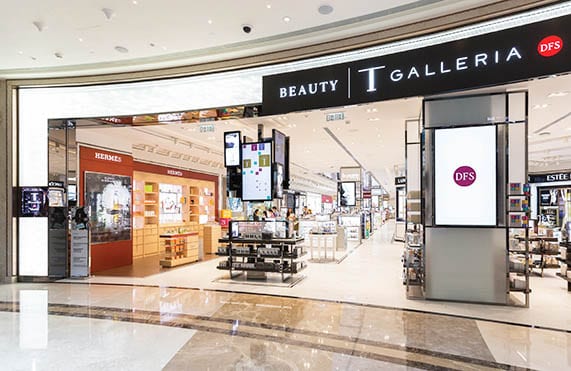
    The new T Galleria by DFS at Studio City in Macau might be the company’s fourth store in the territory – but it still features new brands and firsts.

    T Galleria by DFS, billed as “the Traveller’s Luxury Department Store”, officially opened on October 27. It includes DFS’ new beauty hall concept T Galleria Beauty by DFS as well as a T Galleria by DFS sunglasses boutique in The Boulevard at Studio City shopping district.

    T Galleria Studio Macau City - Sunglasses 1

    Benjamin Vuchot, region president, North Asia for DFS Group, said Macau continues to be an exciting market for travellers “and we’re confident that visitors from all over the world will be delighted by our expansive selection of the leading beauty and sunglasses brands they’ve come to expect from DFS”.

    Focused on cosmetics, skincare and fragrances, T Galleria Beauty by DFS is a holistic, multi-brand beauty hall bringing customers “a world of personal beauty experiences in one prestigious location”. This is the third T Galleria Beauty by DFS store to launch in 2015, the first opening at Galaxy Macau on May 27 and the second in Hong Kong in Causeway Bay on July 10.

    T Galleria Studio Macau City - Beauty perfume

    The 704 sqm T Galleria Beauty by DFS store at Studio City features a selection of 28 world-renowned beauty brands and 10 fragrance brands including Estée Lauder, Giorgio Armani, Hermès, La Mer, La Prairie and Lancôme. In addition, T Galleria Beauty by DFS will also feature popular Japanese and Korean brands including SK-II, Shiseido, Laneige and Sulwhasoo, catering to growing demand for the Korean beauty trend throughout the region.

    The store will introduce cult-favorite Fresh in Macau for the first time, offering the full range of the beauty brand’s popular fragrance, skin, body and hair care products. Dedicated to “natural ingredients, rich textures and addictive scents”, Fresh specialises in creating “a sensorial beauty experience”.

    DFS also brings its Beauty Concierge to T Galleria Beauty by DFS at Studio City, a complimentary highly-bespoke service which focuses on the customer’s personal needs and preferences.

    T Galleria Studio Macau City - Beauty 1

    Customers will discover tailored services covering skin analysis, skin treatments, makeup consultation, personalised services and specialty massages.

    T Galleria Studio Macau City - Beauty 2

    The T Galleria by DFS sunglasses boutique, an award-winning sunglasses store design concept named Best New Store Environment at the 2014 TFWA Cannes Awards, features 16 brands including Ray-Ban, Céline, Dior, Fendi and Gucci. Highlights also include the full Karen Walker eyewear collection and as well as MCM sunglasses, a first for any T Galleria by DFS store in Macau.

    T Galleria Studio Macau City - Sunglasses

    The store features the Loyal T by DFS program, covering over 700 brands in 26 airport and T Galleria by DFS stores in 10 countries across three continents. The multi-tier program connects loyal members with an extraordinary array of increasing benefits and exclusive experiences including personal shopping assistance, concierge services, and pre-order and pre-sale of new beauty brands.