Tag: Macau

  • Currency, tourism hits Bossini profit

    Currency, tourism hits Bossini profit

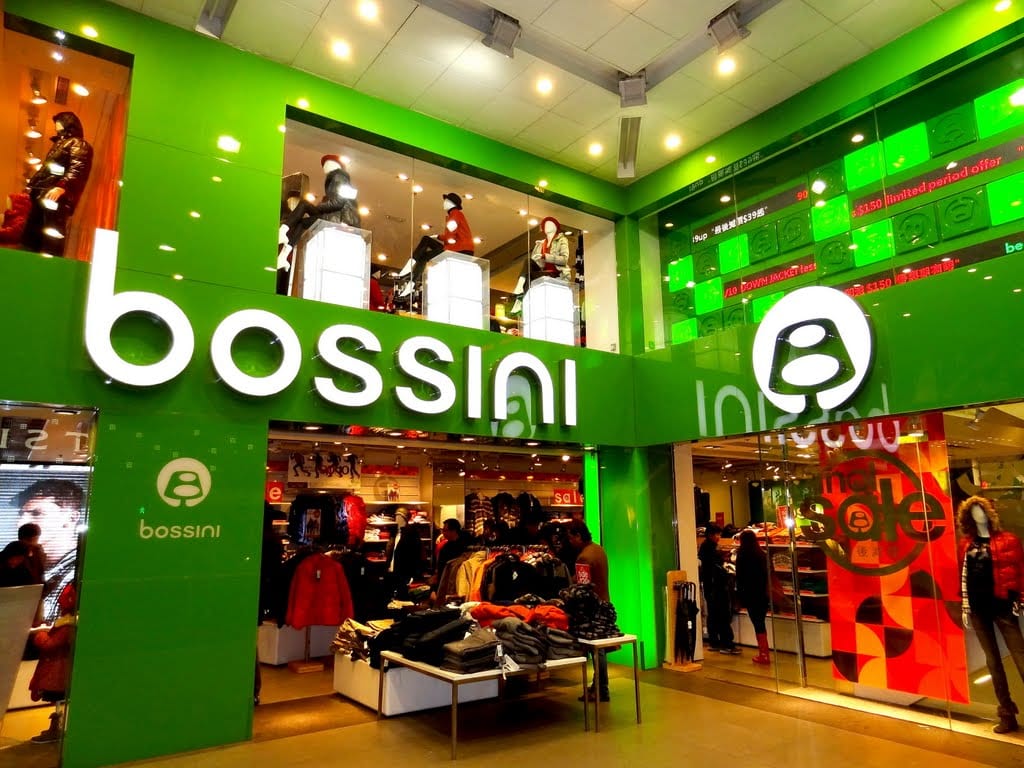
    A strong Hong Kong dollar and fewer tourists to Hong Kong and Macau hit profits for Hong Kong-listed fashion group Bossini International Holdings for the six months to December 31.

    Revenue dipped 13 per cent to HK$1146 million (US$147 million) from $1319 million for the same period in 2014. The gross profit was $543 million ($665 million in 2014), with the Bossini profit attributable to owners sliding from $87 million to just $14 million.

    However, the group says its financial position is still healthy despite an unseasonably warm winter in several core markets and more fierce competition within the apparel retail industry.

    In Hong Kong and Macau, same-store sales declined by 14 per cent, opposed to a 5 per cent growth for the 2014 period. Same-store sales in mainland China dropped by 8 per cent (as against 2 per cent growth), while Taiwan and Singapore same-store sales declined 14 per cent (2014: 8 per cent growth) and 1 per cent (2014: flat) respectively. Overall, same-store sales for the group fell by 12 per cent, following 4 per cent growth for the same period in 2014.

    At reporting date, the group had outlets in 33 countries and regions – 267 (down 10 on June 30, 2015) directly managed stores and 678 (681) franchised stores, giving a total store count of 945 (938).

    Its export franchising business continued to expand with 15 new franchised stores, taking the total to 615 stores across 29 countries. The group also continued launching its licensing programs, a major strategy, including a Star Wars collection and a further collaboration with the Ocean Park Halloween Bash.

    CEO and executive director Edmund Mak says the group expects the demand for value-for-money apparel to grow as economies slow globally.

    “To cope with this, we intend to offer more items that are easy for mix-and-matching, as well as products with better functions under a more competitive pricing strategy over the coming years.

    “The group will also continue to implement further cost-control measures and focus on expanding operations further afield of Hong Kong and Macau to achieve a more balanced portfolio.

    “We will also continue to devote energy to expanding our apparel lines for kids, which has consistently been our competitive edge and would also perfectly complement the recently announced end to the one-child policy in mainland China. Furthermore, we will launch Bossini eyewear in mainland China through franchise arrangements.

    “Going forward, the Group will continue to create appealing, competitive and quality everyday wear that drives sustainable growth, profitability and customer satisfaction. With a firm focus on our “be happy” core brand value, we will continue to strengthen our competitive edge and endeavour to enhance the value that we offer to our shareholders.”

  • Bleak New Year for Chow Tai Fook

    Bleak New Year for Chow Tai Fook

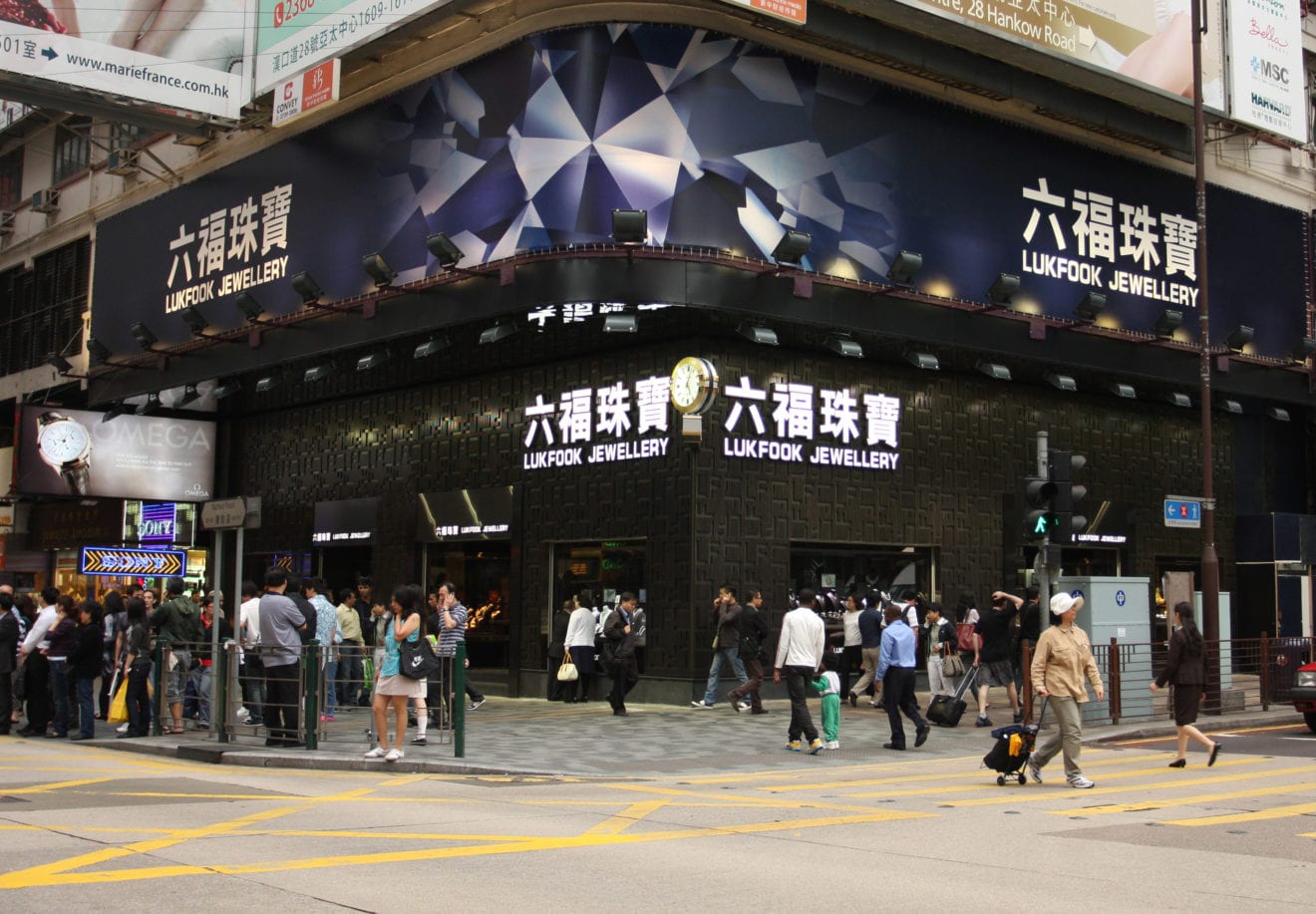
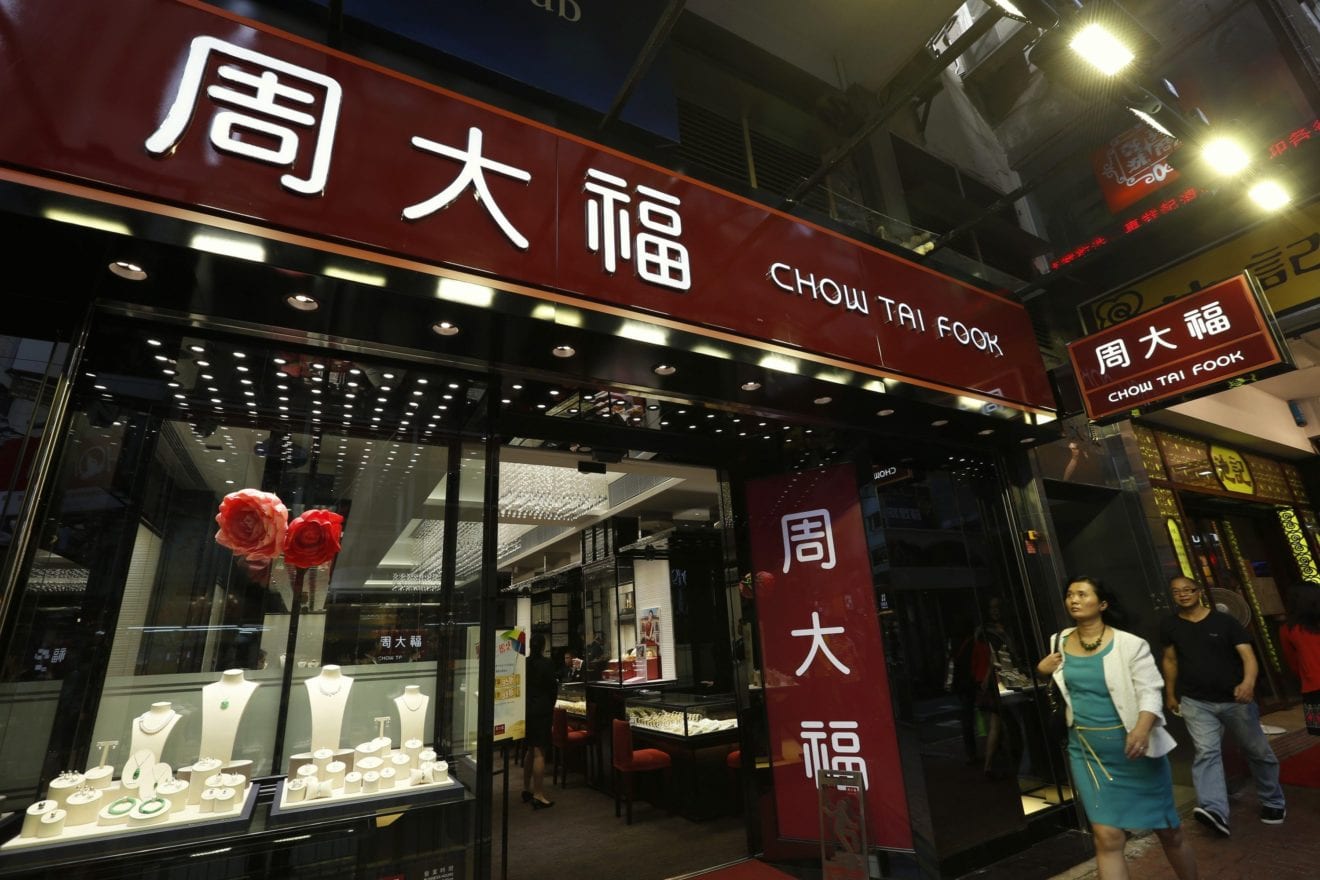
    Chinese New Year sales for the Chow Tai Fook Jewellery Group took a dive in Mainland China, Hong Kong and Macau.

    Unaudited figures for the period, from January 25 to February 14, show the value of retail sales dropped 30 per cent in China and 23 per cent in Hong Kong and Macau – a 29 per cent dip for the group – compared with the previous Chinese New Year.

    Same-store sales dropped 31 per cent in China, 22 per cent in Hong Kong/Macau, and 28 per cent for the group. Same-store sales figures were also broken down into product – gem-set jewellery dropped 30 per cent in China, 3 per cent in Hong Kong/Macau, and 20 per cent for the group, while gold products fell 33 per cent in China, 25 per cent in Hong Kong/Macau, and 31 per cent for the group.

    Chow Tai Fook says the plunge in China was mainly because of more outbound travel from the mainland during the celebration, and a weakening of consumer sentiment for luxury goods because of the economic slowdown and volatility in the stock market.

    It attributes the decrease in Hong Kong and Macau to the drop in mainland tourists to Hong Kong as well as continuing weak retail sentiment in both regions.

    “Management anticipates the retail business environment will continue to be challenging for the fourth quarter and the sales performance will be worse than that of the third quarter,” the company said a statement.

  • Furla Asia-Pacific plans more flagships

    Furla Asia-Pacific plans more flagships

    Luxury Italian brand Furla is planning more flagship stores in Asia as the region delivers strong growth for the 89-year-old family-owned company.

    FURLA CEO_Eraldo PolettoIn an exclusive interview with Inside Retail Asia, Furla CEO Eraldo Poletto explains how the company has bucked the decline in luxury spending in core markets like Hong Kong and Singapore during the past year. Furla achieved 53 per cent growth in total sales (in euro at the current exchange rate) in Asia-Pacific, where it counts 14 markets – Australia, Cambodia, China, Hong Kong, India, Indonesia, Korea, Macau, Malaysia, Singapore, Taiwan, Thailand, The Philippines and Vietnam. Japan, a stand-alone territory in Furla’s accounts, saw sales grow 24 per cent.

    Even discounting sales from new stores, like-for-like growth for Furla Asia-Pacific reached 15.5 per cent last year, yet the region accounts for just 19 per cent of the company’s sales – about €64.4 million ($72.1 million) – suggesting strong growth potential ahead.

    “The consistent strategy we have implemented over the past four years – positioning ourselves as the only Italian and ‘Made-in-Italy’ brand in the premium segment, without accepting compromises in terms of quality – is paying off,” says Poletto.

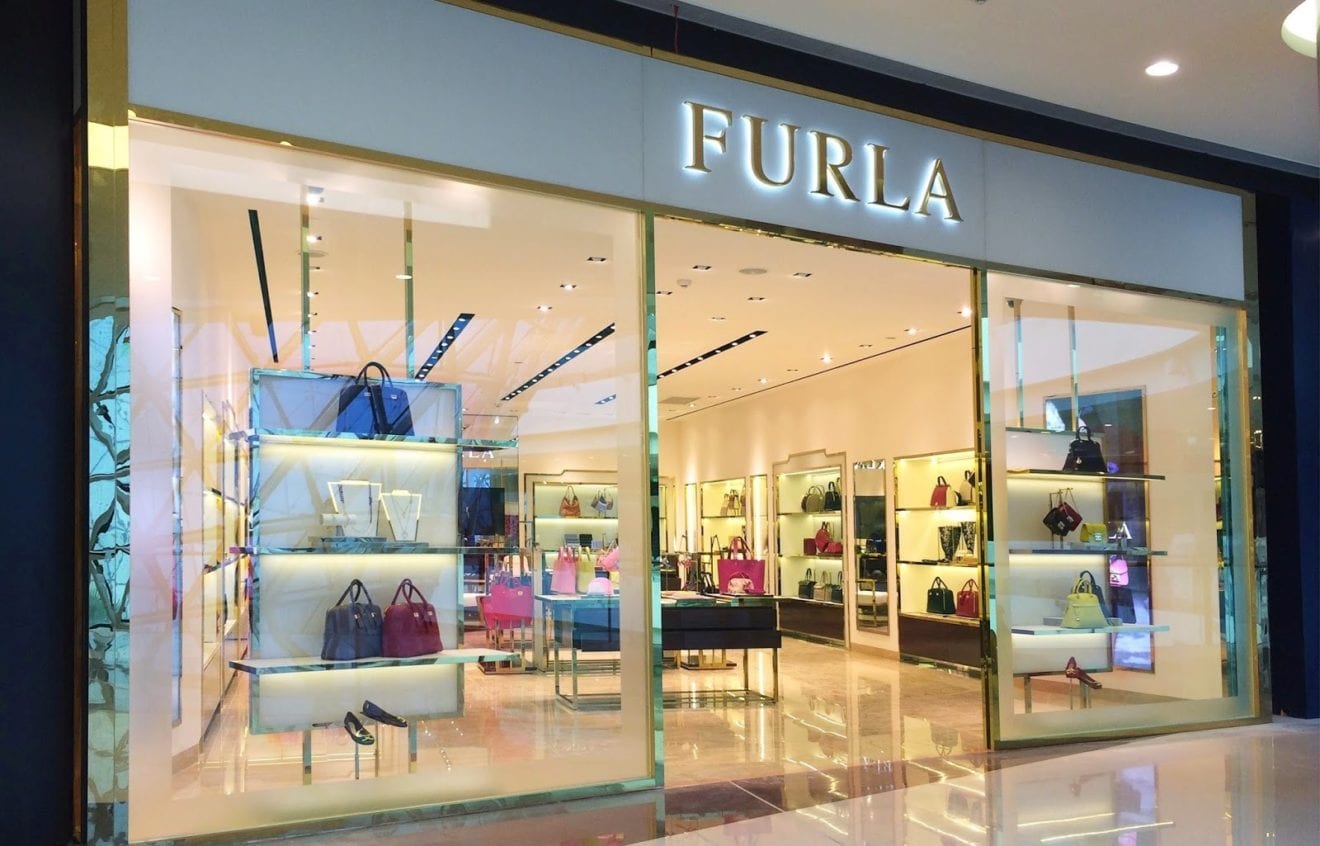
    “We are expanding our footprint with important flagships: Singapore Marina Bay Sands opened in September; Hong Kong Miramall and Shanghai Citic, each with a 300 sqm street facade, opened in December with a luxury retail concept showcasing our full ladies’ and men’s collections.”

    Furla China Flagship Store @ Shanghai Citic Square 4

    He says more flagships will open this year in Australia and Bangkok.

    “Flagships are meant to represent every aspect of the brand in terms of image and product range; however, we are not expecting to open more than five or six flagships in the region, as we are focusing on the profitability of our retail network, and prefer to penetrate the market extensively.”

    In what he terms a “capillary” approach, more standard-sized stores and points of sale will also open across the region.

    Furla China Flagship Store @ Shanghai Citic Square 7

    For the past two years the company has opened or renovated one store a week. It now has 172 points of sale in Asia-Pacific, along with 72 monobrand stores in Japan.

    “In terms of our retail format, our average store size is increasing together with Furla’s total-look collections. Malls and high-street locations complement each other, and in this period of time, rent levels in some markets have decreased substantially because of a drop in demand from luxury, watch and jewellery brands. We are always on the lookout for new opportunities to invest in,” says Poletto.

    “Our retail store concept is also quite special, as it wants to deliver a 360-degree luxury shopping experience while maintaining our the value-for-money approach.”

    Furla China Flagship Store @ Shanghai Citic Square 2

    Asians appear to be embracing Furla’s distinctive quality brand feel and shopping experience. Perhaps surprisingly, the brand has no strategy of differentiating its Asia-Pacific product range from those of other markets.

    “We believe that if a product captures customers’ hearts in one market, its appeal is universal. Our price and product range have always been appealing to a large spectrum of clientele; it is not by chance that our two best-seller styles – Metropolis and Artesia – represent the most affordable and the highest offer of our collection respectively.

    Furla China Flagship Store @ Shanghai Citic Square 6

    “In terms of branding, strong marketing investments – like our collaboration with Mario Testino and a more aggressive digital and outdoor media planning strategy – are making Furla far more visible.”

    Department stores are still an integral part of the Furla sales strategy, especially in China, where that sector is still in its infancy by western standards.

    “The department store culture in Greater China isn’t very strong yet, and there are very few players compared to the shopping mall retail model in western markets. There is most surely room for improvement in this region.

    Furla China Flagship Store @ Shanghai Citic Square

    “The situation is much more developed in Singapore and Australia, and obviously a priority in Korea with Shinsegae, Hyundai and Lotte, where we are present with 10 domestic stores and an aggressive development plan.”

    Furla is also experiencing strong growth in the travel retail sector, which is helping both top-line sales and brand awareness.

    “Travel retail will continue to fuel the growth in APAC,” says Poletto. “Total sales generated by the travel retail channel were up 27 per cent for 2015, and we opened five new locations. We see blooming opportunities in this channel as Asian customers shop worldwide while they travel: it is a great showcase for the brand.”

    In June, Furla will open a directly managed boutique in Hong Kong International Airport.

    Furla China Flagship Store @ Shanghai Citic Square 8

    Southeast Asian focus

    Furla’s strong growth in the region is coming not just from the established markets of Hong Kong, Singapore and Greater China.

    “We have witnessed a significant double-digit growth in Southeast Asia markets including Cambodia, Malaysia, Singapore, Thailand, The Philippines and Vietnam,” says Poletto.

    “In Indonesia, a fast-growing country with a population of 250 million, we have a capillary quality presence with 10 boutiques in five cities. As of today, Furla has 46 stores in Southeast Asia, and we will focus on strengthening our foothold in these markets this year.”

    Furla China Flagship Store @ Shanghai Citic Square 5

    In India, which Furla has entered in a joint venture with Genesis Luxury, the label has three boutiques – one each in Mumbai, Delhi and Calcutta.

    “They are all performing very well with a 50 per cent sales growth increase in 2015,” says Poletto. But the market has considerable challenges.

    “India is a market with very high potential, but also with a huge limits when it comes to infrastructures. There are not enough qualitative shopping malls to cover Indian clients’ high demand for fashion and luxury: this is why Indian consumers represent a key nationality in markets like Dubai, London or Singapore.

    “In terms of expansion, we will tap into all the new relevant real-estate projects.”

    Globally, Furla has 415 monobrand stores, of which 190 are directly owned and 198 franchised. It has 27 travel retail stores and more than 1200 outlets in department stores and multibrand outlets.

    Furla China Flagship Store @ Shanghai Citic Square 10

    Results released today show that Furla’s global turnover reached €339 million last year, up 30 per cent on 2014. The growth was driven across all Furla product categories, including the new men’s collection, women’s footwear collection and eyewear.

    Poletto says that being a family-owned business – an increasingly rare phenomenon in the model luxury retail business – has its advantages.

    “Being 89 years old gives us a great DNA to be around into the future: the real assets are the brand and its heritage, which are translated into equity. The Furlanetto family has very strong values – they have a long-term vision, instead of making opportunistic choices.”
  • Swarovski and DFS put customers in the frame

    Swarovski and DFS put customers in the frame

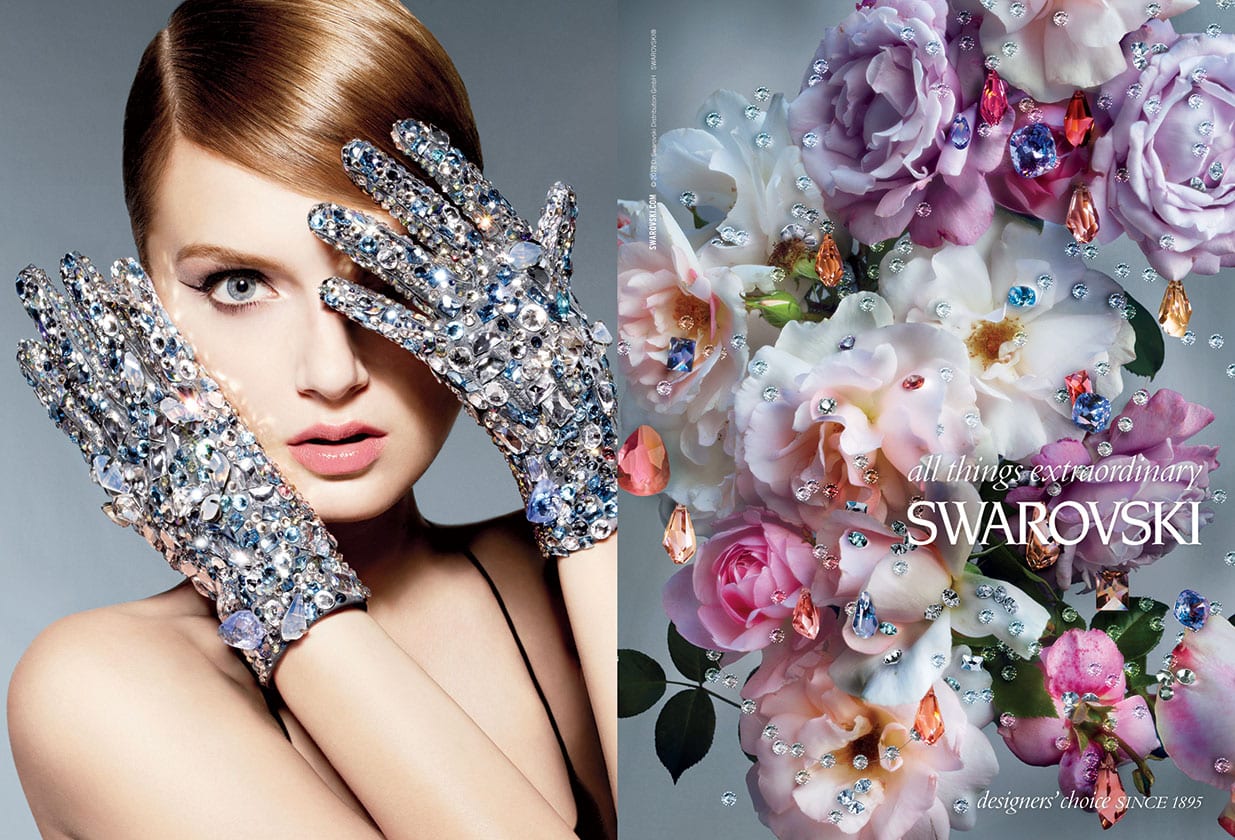
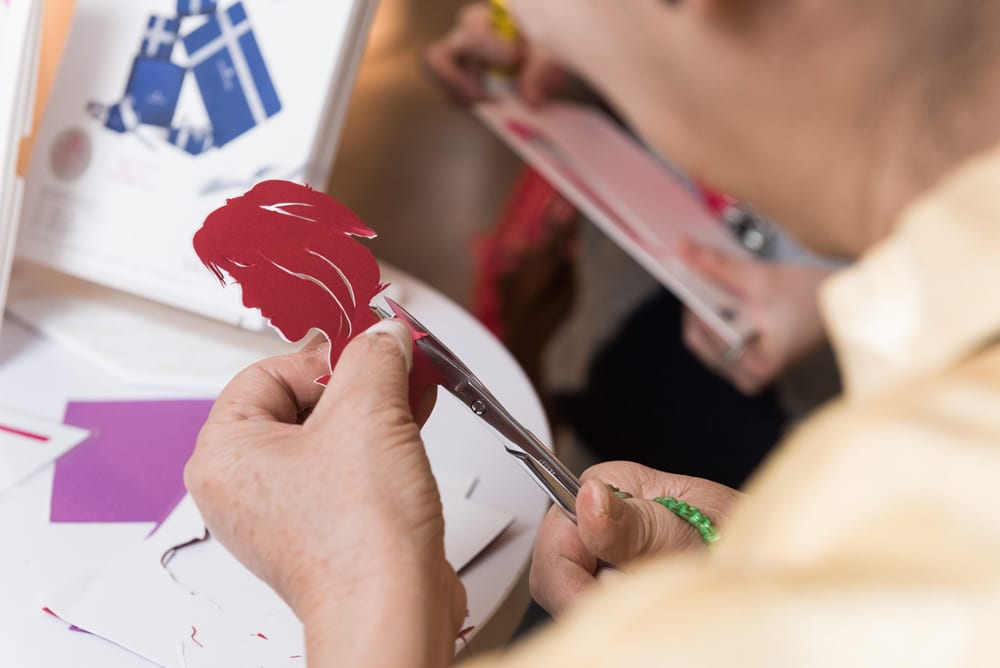
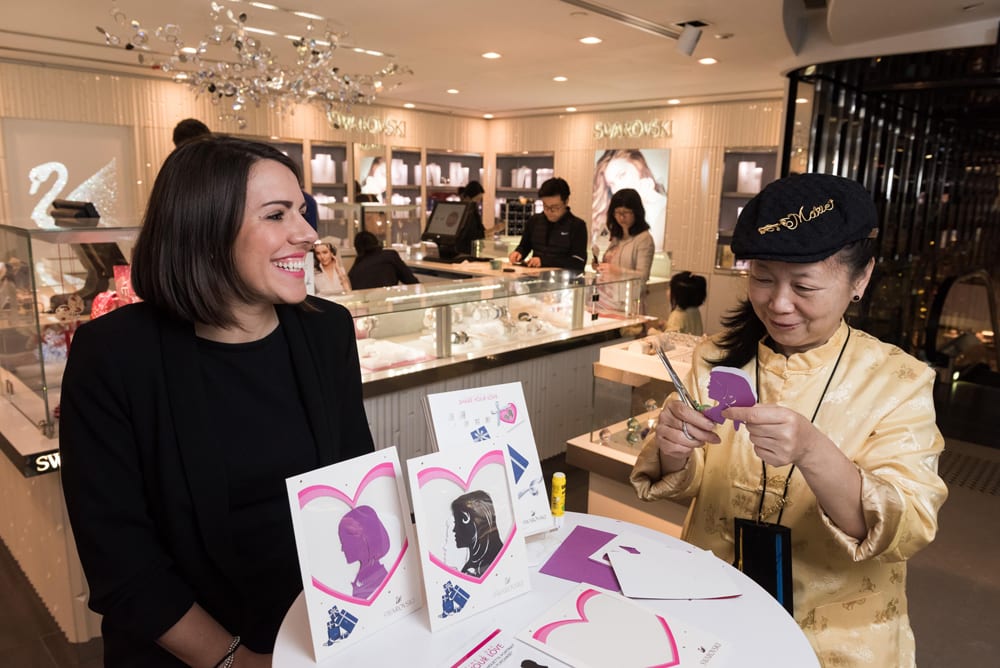
    Throughout February 2016, shoppers who make purchases at selected T Galleria by DFS stores in Hong Kong and Macau can enjoy an ‘exclusive’ silhouette portrait created by local artists as part of a new Swarovski campaign.

    The portraits are gifted in a Swarovski paper frame decorated with the brand’s iconic crystals.

    The service is now available at the T Galleria by DFS stores in Canton Road and Tsim Sha Tsui East in Hong Kong, as well as at City of Dreams and The Shoppes at Four Seasons in Macau.

    Swarovski-DFS-Valentines-Day-offer2

    Karen Tse, Director, Travel Retail Asia Pacific, Swarovski, said: “Swarovski believes that the shopping experience is crucial to how consumers appreciate and value our brand and our exquisite jewellery.

    Swarovski-DFS-Valentines-Day-offer1

    “That is why we have been introducing innovative consumer events such as the Valentine’s Day portrait offer. We
    want to give Swarovski customers an enjoyable memory of visiting our shops and that’s particularly important in prime locations for tourists such as our shops in T Galleria by DFS.”

    Jason Blejwas, Director Merchandise, Sunglasses, Fashion Watches and Jewellery, Global Merchandising, at DFS Group Limited, said: “We’re excited to partner with Swarovski to bring our T Galleria by DFS customers another exciting activation that celebrates our local destinations as well as our fantastic Swarovski product offering.

    “We’re confident this delightful and engaging in-store experience will make for a memorable trip for visitors to Hong Kong and Macau this Valentine’s Day.”

  • Asian retail outlook: “more cautious”

    Asian retail outlook: “more cautious”

    High operating costs – particularly rents and labor in Asia – will ensure retailers are more cautious this year, concludes real estate specialist CBRE.

    In its annual Asian retail outlook, the company’s research department predicts many retailers will shift their strategic focus from expanding their store networks to rationalisation, improving in-store profitability and upgrading to better locations.

    That trend is expected across the broad Asia-pacific market, including Hong Kong.

    “Leasing activity will diverge across markets, with Australia, Japan and New Zealand the most upbeat, whereas Hong Kong and Singapore will continue to struggle,” CBRE concluded.

    “Driven by ongoing urbanisation and wage increases, Southeast Asia will also see solid leasing activity. Demand across the region will be led by food and beverage retailers, while affordable and niche luxury brands will also be active.”

    CBRE also warns the rise of online shopping will continue to force shopping malls to embrace ‘retail-tainment’ and adjust their trade mix to include more experience-oriented retailers to retain foot traffic. Around 63.8 million sqft of new shopping center supply is scheduled to be completed in 2016. Against the sluggish leasing demand and ample new supply, overall retail rents are forecast to experience a mild correction of below 1 per cent in 2016.

    In a broader property outlook, CBRE forecasts that due to Asia Pacific’s steady economic growth – which will continue to outpace the rest of the world in 2016 – investment activity in the region will remain solid, although activity will be limited by asset pricing and availability.

    “The region’s investment market will continue to see strong demand from real estate funds and institutional investors. Institutional investors will continue to invest in Asia Pacific to increase their exposure to real estate for strategic diversification,” said Dr Henry Chin, head of research, CBRE Asia Pacific.

    “That said, Asia Pacific will enter a period of slower growth in the commercial real estate market with activity likely to moderate over the course of the year as it becomes more challenging to source investable stock able to meet investors’ target returns. Interest rates will remain low in 2016 so yields are largely to remain stable across Asia Pacific. However, we are expecting to see a mild yield expansion in 2017 together with the rise in interest rates.”

    The economic slowdown in China – as well as higher-than-expected US interest hike rates, and currency volatility – will also remain a key concern for investors, given the scale of its impact across the whole region.

    “However, macro trends of urbanisation and the rise of the middle class remain largely unchanged and will continue to drive growth across Asia.

    “There are structural investment-themed opportunities for investors to focus on in 2016, such as the growth of e-commerce, regional tourism and demographic changes. Demographic changes will create opportunities in niche sectors such as self-storage facilities, senior and student housing, and data centers,” said Chin.

    “Regionally, active markets will continue to be led by Australia and Japan, whilst India expects to see a positive year following the relaxation of FDI norms at the end of last year.

    “China will also remain on the radar for most international investors although demand will be largely confined to tier I cities. Overall, the long-term outlook remains positive for the region,” he concluded.

    CBRE’s 2016 APAC Real Estate Market Outlook report can be downloaded here.

  • Spring Festival retail gloom

    Spring Festival retail gloom

    Fortune seems to have favoured Macau over Hong Kong during last week’s Spring Festival.

    But both territories suffered from the ongoing change in Mainland Chinese travel habits.

    Data from the Macau Government Tourism Office showed 548,536 tourists arrived in Macau between February 7 and 10 – which equates to a 5.2 per cent increase over last year’s holiday season. Some 70 per cent of them came from Mainland China.

    However, anecdotal reports from Macau shopkeepers say the increased visitor numbers during the Spring Festival retail break did not translate into higher spending in stores.

    According to the Macau Daily Times “a majority” of retailers it spoke to reported “a drastic drop in business” from mainland visitors.

    One – a fireworks vendor – reported a 50 per cent decline in sales, and other retailers selling apparel and beauty products also reported a decline.

    One cosmetics retailer said sales rose 10 per cent, and snack food stores reported trading was on a par with last year.

    In Hong Kong, where retail sales estimates have yet to be reported, the number of Mainland Chinese visitors fell by about 10 per cent – and the number of groups by an alarming 70 per cent, to about 120 groups per day. So clearly, there will have been a negative impact on retail sales for the week.

    Shopkeepers in Mong Kok, where a violent riot erupted on Monday, reported far fewer tourists in the area.

    “From Monday till now, no one would like to come to this area,” one retailer told local news media.

    “There are more police than tourists. My business is not even half as good as last year, what can I do? What should I do after the holiday?”

    But on the mainland, Ministry of Commerce data shows retail sales rose 11.2 per cent during the Lunar New Year ‘Golden Week’ from February 7 to 13. According to the data, sales by retailers and catering firms grew to about 754 billion yuan, or US$114.879 billion.

  • Coach China leads transformation

    Coach China leads transformation

    Coach Inc says its net sales totalled US$1.27 billion for the second fiscal quarter – up 4 per cent year on year, and up 7 per cent on a constant currency basis.

    China was a primary driver of the increase in the three months to December 26, with sales up in the double digits and Japan also performed well for the New York based luxury accessories and lifestyle brands, which also owns Stuart Weitzman.

    Gross margin slipped from 68.9 per cent to 67.4 per cent, but gross profit rose $18 million to $859 million.

    Total Coach China sales rose 2 per cent in dollars and 5 per cent in constant currency with double-digit growth and positive comparable store sales on the Mainland offset in part by continued weakness in Hong Kong and Macau.

    In Japan, sales rose 2 per cent on a constant currency basis, despite a decrease in square footage and consistent with expectations, while dollar sales declined 3 per cent, reflecting the weaker yen.

    “Sales for the remaining directly operated businesses in Asia grew modestly in constant currency but declined in dollars, while Europe remained very strong, growing at a double digit pace in both total and comparable store sales,” the company said in its earnings statement.

    CEO Victor Luis said the result reflects “the most significant progress to date” on the company’s transformation plan despite the difficult retail environment globally.

    “We drove further sequential improvement in our North America bricks and mortar business – led, as expected, by our retail stores, while our outlet store channel also strengthened against a backdrop of lower tourist traffic and a highly promotional environment.

    “Our international businesses posted strong growth on a constant currency basis, highlighted by double-digit increases in Europe, and Mainland China, as well as sales gains in Japan. Overall, our results continue to give us confidence that the cumulative impact of our actions will result in a return to top line growth this fiscal year and positive North American comps by our fourth quarter.

    “We were also excited about Stuart Weitzman’s results during the quarter, which exceeded expectations. Importantly, we are effectively integrating Stuart Weitzman to Coach Inc while continuing to successfully execute the Coach brand transformation,” said Luis.

    “At points of sale, sales in international wholesale locations increased slightly, driven by strong domestic performance offset in large part by relatively weak tourist location results. Net sales into the channel grew significantly from prior year positively impacted by shipment timing to ensure appropriate inventory positions for Chinese New Year,” the company said.

  • The new globetrotters Hong Kong and Macau work to rekindle their tourism spark

    The new globetrotters Hong Kong and Macau work to rekindle their tourism spark

    A stroll down Queen’s Road Central reveals the changes that the drop-off in mainland Chinese tourists has wrought in this once-exclusive shopping area.

    U.S. luxury handbag maker Coach shut down its four-story shop here last August, and its place was soon taken by Adidas, which is preparing to open its first Hong Kong flagship store by June. The German sports brand has also rented a two-story space in Causeway Bay, a prime shopping district, for 3.5 million Hong Kong dollars a month ($449,000), some 30% less than what analysts say the previous tenant paid.

    Mass-market brands like Adidas are fast filling up the space vacated by luxury brands. Spanish fast-fashion chain H&M Hennes & Mauritz opened a four-story outlet in Causeway Bay in October, and a few streets away, HMV has rented a 40,000-sq.-foot (3,716-sq.-meter) space for a crossover music store/cafe.

    PERVASIVE GLOOM

    Hong Kong and Macau have long been the top destinations for mainland Chinese going abroad. With those visitors keeping a tighter hold on their purse strings, the two markets have had to adapt on a dime.

    The change in tourism trends comes against the wider backdrop of China’s economic slowdown, the weakening of the yuan against the U.S. dollar, and Chinese President Xi Jinping’s anti-corruption campaign. In the last two years, China has also tightened rules on the frequency of visits to the two cities, their use as transit stops and visitors’ use of mainland payment cards. Protests in Hong Kong against cross-border bulk shoppers and the death of a visitor during a tour group stop at a jewelry store have put off some would-be travelers from the mainland, as well.

    Three-quarters of Hong Kong’s visitors come from the mainland, but their arrival numbers last year fell almost 3% from 2014. Macau, similarly dependent on China, saw a 4% drop.

    Chinese tourist traffic to the two cities began to soar in 2003 after Beijing opened up the flow of individual visitors from designated mainland cities to compensate for a decline in arrivals related to that year’s outbreak of severe acute respiratory syndrome. Most mainlanders were previously required to travel with tour groups. A year later, the opening of the Sands Macao casino launched an era of gambling competition in Macau.

    Soon, luxury goods stores, pharmacies and other tourist-oriented shops were crowding out those serving local needs. Real estate services company Jones Lang LaSalle estimates mainland visitors now account for a third of Hong Kong retail sales and that they spent an average of HK$3,900 per visit in 2015.

    HARD REVERSE

    The recent downturn is hitting luxury retailers hard because it comes after years of booming sales that saw them open ever more and bigger stores. Burberry said its Hong Kong sales in the October-December quarter fell 20% from a year earlier. The British fashion brand plans to shrink its largest store in Hong Kong from two floors to one.

    Overall sales of jewelry, watches, clocks and similar gift items in the city fell 20.6% in November, according to government figures, while retail sector employment has fallen by 2,663 positions since peaking in late 2014.

    “Christmas sales were already worse than expected,” said Thomson Cheng, chairman of the Hong Kong Retail Management Association and executive director at retailer Lane Crawford Joyce Group. “It will be worrying if we don’t see much recovery during the Chinese New Year [in February], which is a traditional shopping season.”

    Chow Tai Fook Jewellery Group reported that sales in stores in Hong Kong and Macau that have been open for at least a year fell by a quarter in the October-December period. This compares with a drop of 6% for outlets in the mainland. Managing Director Kent Wong Siu-kei said retail conditions will remain “very challenging” and that as a result, the company will close six regular stores and open three discount outlets in Hong Kong and Macau. “Opening outlets will be our future strategy,” he said.

    One factor behind the fall in spending is that prices in Hong Kong and Macau are no longer competitive, due to the Hong Kong dollar’s peg to the U.S. dollar and the link, in turn, of the Macau pataca to the Hong Kong dollar. According to brokerage CLSA, a popular Louis Vuitton handbag costs about 20% more in Hong Kong than in Japan and South Korea and 40% more than in France or the U.K. And unlike those countries, Hong Kong doesn’t levy any sales tax.

    “Hong Kong is not as attractive as I thought,” said Huang Danqin, who was visiting the city for the first time from her hometown of Ningbo, in China’s eastern Zhejiang Province. “Hotels are expensive. The diversity of shopping is also not very interesting compared with Japan and South Korea. I’d rather shop online for handbags these days for better deals.”

    Growing tension between locals and mainland tourists is another headwind for retailers. Protesters in Hong Kong have complained that visiting shoppers cramp the city’s already crowded streets and transport system.

    “This is a capacity issue because of the limited space we have,” said Qiu Hanqin, a tourism professor at Hong Kong Polytechnic University. A slowdown in mainland tourist arrivals could be a chance for Hong Kong to “take a break” and rethink its tourism policies, she said.

    Just an hour’s ferry ride west, Macau, too, is suffering. Gaming revenues declined for the 20th straight month in January and were down nearly a third for all of 2015, to 230.8 billion patacas ($29.6 billion), according to official data.

    With mainland high rollers staying home or heading elsewhere, many of the so-called junket companies that handled their trips to Macau have closed up shop. The government, which depends on casino taxes for most of its income, announced budget cuts of 5-10% on most spending in September, and officials reported a 24.2% decline in third-quarter real gross domestic product from a year before. Li Gang, China’s top representative in Macau, has signaled Beijing is preparing measures to support the city’s economy once again.

    MORE TO OFFER

    Analysts expect the heavy declines in gambling revenue to continue through the first half of 2016. But some think new openings could help stem the slide.

    “We feel like a lot more happening in Macau will attract tourists,” said Aaron Fischer, regional head of consumer and gaming research at CLSA. He expects year-on-year monthly gaming revenues to turn positive by June and ultimately grow 1% for the year.

    The brokerage has a “buy” rating on the Hong Kong-listed shares of Wynn Macau. The developer is set to open the $4 billion Wynn Palace this year, its second casino resort complex in the city.

    In addition to Wynn Palace, three other casino resorts are scheduled for completion this year. But this time, the mantra of “build it and they will come” may not hold true.

    On a weekend visit in January to the newly opened $3.2 billion Studio City casino resort, operated by Melco Crown Entertainment, dealers beckoned visitors to take a seat at one of the many empty baccarat tables. Spots on ferries to and from Hong Kong, which previously needed to be booked in advance, were available on demand.

    Some analysts think Hong Kong could use new draws, especially once the mainland’s first Disneyland theme park opens in Shanghai in June, potentially dampening interest in Hong Kong’s smaller park. “Policymakers in some other destinations have been more active in trying to grab a larger piece of the Chinese tourism pie,” said Mervyn Tang, associate director of Asia-Pacific sovereign ratings at Fitch Ratings in Hong Kong.

    Instead, Financial Secretary John Tsang Chun-wah has signaled that he will include measures to support the local tourism industry in the city’s annual budget to be unveiled Feb. 24.

    Not everyone is discouraged about Hong Kong’s prospects. Tokyo-based Tokyu Malls Development in December opened a HK$20 million Shibuya 109 department store in the tourist district of Tsim Sha Tsui. The company projects sales volume of HK$100 million this year, as it expects Chinese tourist traffic to remain heavy even after recent declines.

    “There is still ample room for selling Japanese brands [in Hong Kong],” said Hiroyuki Wada, president of Tokyu Malls. “Hong Kong will keep its position as Asia’s shopping capital in the long term.”

  • L’Occitane China sales rise, the other drop by 14.5pc

    L’Occitane China sales rise, the other drop by 14.5pc

    Cosmetics and skincare products company L’Occitane International reported China was the main driver of sales in the nine months ended December 31. But Hong Kong and Macau retail sales dropped by 14.5 percent.

    Hong Kong travel retail business also suffered from the lower traffic in the Greater China region. In local currency terms, sales in China recorded the highest growth of 19.1 percent, the company announced.

    Overall net sales in China amounted to 94.8 million euros in the nine months. China remained the fastest growing country and the primary contributor to overall growth, followed by France, Brazil, Russia and Japan, the company reported. Overall group net sales were up by 11.6 percent to 984.7 million euros for the nine months of the financial year 2016. At constant exchange rates, the growth was 5.8 percent, L’Occitane said.

    China, France, Brazil, Russia and Japan were among the countries with highest sales growth in local currencies. Overall same store sales growth was 1.8 percent. Sales through the group’s e-commerce channels grew by 17.7 percent at constant exchange rates.

  • Chinese luxury spend abroad soars in 2015

    Chinese luxury spend abroad soars in 2015

    Mainland Chinese shoppers increased their spending on luxury goods overseas by 10 per cent last year according to new research from Bain & Company.

    The increase comes as a surprise given the significant slowdown in China’s economic growth, the much-publicised clampdown on gift-giving and the struggle of Hong Kong watch and jewellery retailers over the past 12 months.

    Bain & Company’s report, the 2015 China Luxury Market Study says mainlanders are shopping more on cross-border eCommerce and travelling to new destinations to indulge.

    In 2015, they shunned Hong Kong and Macau in favour of places like Japan, where spending soared 200 per cent.

    Bain’s research, which included a survey of nearly 1500 Chinese consumers, found a sizable shift in shoppers’ geographic preferences for luxury shopping in 2015. Japan, South Korea, Europe and Australia were all popular shopping destinations, due to favourable exchange rates and competitive pricing on luxury goods in these markets.

    As overseas travel among Chinese shoppers increased – up an estimated 32 per cent from 2014 – consumer reliance on Daigou, or overseas personal shoppers who buy and send luxury goods to customers in China – contracted. The growing channel choice in 2014, Daigou decreased to an approximately 43 billion RMB market last year.

    Bain attributes the drop to several factors including price adjustments by key brands that reduced Daigou margins, government efforts to tighten control over imports, including Daigou, a weakened RMB, and an increased reliance on other purchase channels – notably cross-border and overseas websites, which accounted for 48 billion RMB of the 293 billion RMB luxury spend overseas.

    The report highlights the increasing popularity of cross-border and overseas websites as luxury shopping channels: nearly half of those surveyed said they purchased luxury goods via these sites last year.

    According to Bain, increased international tourism, and growing comfort and trust in some business-to-consumer (B2C) overseas websites among China’s shoppers helped stimulate overseas purchases. This resulted in a slowdown in China’s overall luxury market, which dipped 2 per cent to 113 billion RMB last year, driven by a decline in watches, men’s wear and leather goods.

    Luxury brands seeking to overcome the economic slump and reinvigorate consumer spending domestically must employ a more tailored, localised marketing strategy, with high fashion content and adjust their pricing to reduce disparities across geographies.

    “We saw notable changes in where and how Chinese consumers acquired luxury goods last year,” said Bruno Lannes, a Bain partner based in Shanghai and author of the report.

    “Buying overseas has been a trend for years, but destinations have changed, and Daigou is declining because of multiple and converging drivers from major industry players, including the government,” he said.

    “Our research found that the industry is quickly adapting to these challenges in an effort to drive more luxury consumption at home through strategies such as global pricing and a greater focus on fashion.”

    A corollary to the drop in domestic sales is a reduction of the store footprint by most brands, with a greater focus on fewer, larger and better located stores. Many brands realise they need to regain their exclusive image, which has been somewhat blurred by over extension.

    As in 2014, the research shows the greater importance of fashion and exclusive designs to win domestically. Brands with a strong fashion heritage and stronger emphasis on original design did well in 2015.

    The survey reveals that nearly 80 per cent of respondents said they normally get information on luxury brands from the internet or apps, and a full 60 per cent identified social media channels Weibo and WeChat as their online source for information on luxury goods. As a result, brands spend, on average, 35 per cent of their marketing budget on digital, and it is growing.

    Looking ahead, Bain expects these and other 2015 trends to continue this year, prompting further challenges, opportunities and requirements for brands:

    • Macro environment expected to remain similar while the rising middle class becomes more sophisticated and knowledgeable about luxury.
    • Overseas channels will stabilise (daigou will decline). Global pricing by leading brands and government efforts to localize consumption will spur domestic growth. Global pricing, will likely spread further to other brands.
    • Luxury brands should strengthen both digital platform building (e.g., Weibo WeChat, apps) and digital content creation, with an emphasis on localisation to reflect local market preferences.
    • Luxury brands must place greater emphasis on making their brand “younger” and more fashionable to capture the next generation of trendy customers. There will also be an increased focus on “exclusivity,” both in product design and store footprint.

    “Despite persistent macro, economic and industry challenges in China, all hope is not lost for luxury brands,” said Lannes.

    “There are plenty of growth opportunities for those with more exclusive and fashion collections, digital platform engagement and digital content creation, as well as with pricing that encourages Chinese consumers to spend locally.”

  • Stelux sales slide in third quarter

    Stelux sales slide in third quarter

    Stelux Holdings International has reported a 12.7 per cent slide in sales in the three months to December 31.

    A large component of the decline was the exchange rate – on a fiscally neutral basis, sales fell a more modest 8.8 per cent, the company has reported to the Hong Kong stock exchange.

    Turnover totalled HK$850.8 million for the quarter, down from the $974.6 million of the same period last year.

    “Our Mainland Optical 88 operations saw turnover growth of around 8 per cent in local currency terms, and the growth momentum from our eGG business in Greater China was sustained, but other business units within the group generally saw turnover decline,” the company reported.

    The main contributor of the decline would appear to be the City Chain jewellery and watch operation which has been hit by changing tourist spending patterns in Hong Kong and weak consumer sentiment in Malaysia, Singapore and Thailand. Stelux did not release figures for that subsidiary.

    The unaudited consolidated turnover of the Group for the nine months to December 31 was HK$2.637 billion, a decrease of 11.4 per cent, or 8 per cent on a foreign exchange neutral basis.

    “The group maintains stable liquidity with reduction of inventory by around 7 per cent and 15 per cent against that as at the end of September 2015 and March 2015 respectively,” the statement concluded.

  • 200m Chinese to travel by 2020 as HK/Macau slow

    200m Chinese to travel by 2020 as HK/Macau slow

    Credit Lyonnais Securities Asia (CLSA) is maintaining its long-standing forecast of 200m Chinese overseas trips by 2020. However, it warns that mainland Chinese travel to Hong Kong and Macau is likely to average only 3% growth in future, while Chinese trips to other locations will grow much more strongly by an estimated 16%.

    CLSA’s latest report says Hong Kong simply has too few new attractions, increased competition, capacity constraints, a strengthening HK$, tension against mainlanders and it also faces a reduction in import tariffs in China.

    This unpalatable cocktail resulted in inbound Chinese tourist numbers to Hong Kong declining by -2% between January and November 2015, compared to the much healthier 16% to 26% annual growth rates experienced in better years between 2010-2014.

    Hong Kong airport large

    CLSA’s highly-anticipated report – ‘2016 Chinese Tourists: Expanding Cultural Horizons’– is the independent brokerage and investment group’s third annual appraisal of the key growth drivers to Chinese outbound travel, as well as the destinations, sectors and stocks set to benefit the most.

    As part of its central Chinese tourist theme it remains bullish on its long-standing forecast of 200m Chinese overseas trips by 2020, despite its prediction that Chinese outbound tourist growth will slow to 9% over the next five years from 17% over the past five.

    Of this 9%, the authors say that travel to Hong Kong and Macau will average 3% growth, whereas trips to other locations will grow on average by 16%. Improved affordability, easing travel restrictions and the increasing desire to travel remain the key drivers underpinning Chinese outbound tourism growth, says CLSA.

    Within its proprietary survey of more than 400 outbound Chinese travellers it found that experiencing foreign cultures, enjoying nice environments, relaxing, and broadening horizons are increasingly more important goals for Chinese tourists compared to shopping. This also supports CLSA’s general structural negative on the future for Hong Kong’s tourism and retail sectors.

    001 aa Chinese Tourism Research Australia

    “…IF MONEY WAS NO OBJECT, THE MOST HIGHLY DESIRED DESTINATIONS FOR CHINESE TOURISTS ARE ACTUALLY THE USA, FRANCE, MALDIVES AND AUSTRALIA – IN THAT ORDER.”–CLSA REPORT.

    Chinese travellers looking for ‘unique cultural experiences’ are most likely to head to South Korea, Japan, Thailand, or the USA in the next three years, says CLSA. South Korea is attractive for its relatively cheap luxury goods and cosmetics, whereas Thailand offers beaches and other cultural destinations.

    CLSA also reveals that if money was no object, the most highly desired destinations for Chinese tourists are actually the USA, France, Maldives and Australia – in that order.

    The report adds that ‘the key risks to growth of outbound Chinese travel figures’ are safety, lower income growth and a weaker Yuan. Within its survey, CLSA said that 75% of survey participants confirmed that safety was the clear number one factor influencing their choice of destination in 2015 – up from 63% in 2014 and 41% in 2013.

    By contrast, mainland Chinese respondents said that lower income growth in China this year could also impact upon their travel plans. Some 60% admitted that they would reduce their outbound trips and 68% adding that they will cut back their travel-related shopping if family income drops.

    Chinese shoppers. Source Global Blue

    “…A WEAKER YUAN WILL ALSO AFFECT TRAVEL PLANS, WITH 43% INDICATING THEY MAY REDUCE THE NUMBER OF TRIPS THEY TAKE IF THE YUAN DEPRECIATES BY 10% IN THE NEXT YEAR. MEANWHILE, 35% SAID THEY WOULD CUT SHOPPING SPENDING…” CLSA REPORT.

    The research also confirmed that a weaker Yuan will also affect travel plans, with 43% indicating they may reduce the number of trips they take if the Yuan depreciates by 10% in the next year. While 35% said they would cut shopping spending. Only 14% said there would be no impact to their travel plans.

    More positively, the report adds that China is the number one contributor to global outbound travel with a worldwide share of 10% and CLSA predicts that this share will reach 14% by 2020. In the current report, it also expects this tidal wave of Chinese tourists to drive major structural growth in the airline, gaming, luggage, retail and internet industries over the next few decades.

    Melbourne Chinese NY activation

    THE OUTLOOK FOR TOP FOUR CHINESE/ASIAN DESTINATIONS:

    AUSTRALIA: In Australia, mainland Chinese visitor numbers are soaring, with this nationality of tourists now accounting for the second-largest source of inbound arrivals to Australia. There were more than one million Chinese tourists visiting Australia between Jan-Nov 2015, surpassing the one million mark for the first time – an increase of 21.6% over the same 12-month period in 2014.

    This has been aided by the removal of constraints to airline-seat capacity growth and the easing of visa requirements (‘albeit on a regional basis that they still appear relatively strict’, says CLSA).

    Chinese tourists spent A$7.7bn ($5.4bn) in Australia over the 12 months to September 2015, more than double the A$3.5bn ($2.4bn) level two years ago, according to Tourism Australia’s estimation. China is Australia’s biggest spending inbound nationality, with expenditure more than double that of the UK – the next most important country.

    Interestingly, the CLSA survey found that Australia ranks as a ‘top-four destination’ for Chinese tourists ‘if money was no object’.

    JAPAN: Chinese visitors to Japan doubled in 2015. Inbound arrivals soared from 2.4m in 2014 to 5m and CLSA is predicting this number will more than double again by 2020 to 11.4m Chinese became the biggest contributor of all foreign tourists in Japan last year, aided by the fact that three out of five of the world’s most popular theme parks are located in Japan.

    Average spending per tourist in 2015 was JPY187,165 ($1,583) but Chinese were the biggest spenders, with an average of more than JPY280,000 ($2,368).

    King Power International Group's downtown Bangkok Srivaree Complex ©

    SOUTH KOREA: According to the research, South Korea is still regarded by Chinese as both a shopping and cultural heaven and CLSA now expects Chinese inbound traffic growth to rise by 28% year-on-year in 2016 due to natural organic growth following the eradication of the Mers virus.

    South Korea is one of the top three destinations for Chinese tourists for the next three years according to CLSA since it meets one of Chinese tourists’ major interests – shopping. CLSA also adds that its appeal to Chinese tourists is considerable, since it is safe, with moderate travel costs and rich in culture and sightseeing.

    THAILAND: One in four tourists visiting Thailand is Chinese, as inbound tourist numbers continue to grow, with visitors from China having grown at an annualised rate of 47.7% over the past five years, outpacing the non-Chinese tourist annualised growth of 7.6%.

    Bangkok continues to be the most popular destination, followed by Phuket, Chonburi, Chiang Mai and Krabi. Thailand is also one of the top three destinations for future outbound trips, according to CLSA’s survey.

  • Where Chinese tourists are spending their shopping dollar

    Where Chinese tourists are spending their shopping dollar

    Mainland China has become one of the main global suppliers of tourists, and that has been paying dividends for retailers globally.

    But as the Chinese are roaming further afield, Hong Kong and Macau retails have seen their sales dropping.

    A fresh analysis from international market research company GFK shows China had 109 million outbound tourists last year… and they spent US$229 billion in retail stores. These statistics consolidate China as one of the main global sources of tourists, both in terms of number of trips and money spent while travelling internationally.

    “At the same time, there have been profound changes in the behaviour of the typical Chinese traveller, with millennials firmly established as the core drivers of spending,” says GFK.

    Because of its cultural similarity, accessibility and lower travel costs, Hong Hong was the preferred destination for Chinese tourists up until 2013. Shopping was a big motivation for visiting. However, since 2014, says the report, more Chinese tourists have been opting for other destinations offering historical and cultural experiences – as well as shopping.

    Air travel and accommodation statistics show that at the start of November, the top five favourite destinations for Chinese travellers were South Korea (visits up 112 per cent since 2011), Thailand (up 263 per cent), Japan (up 157 per cent) and Taiwan (up 54 per cent. Surprisingly, given its loss of retail sales, Hong Kong had 37 per cent more Chinese visitors. This is explained by the new emerging middle class – consumers who do not have enough disposable income to travel further abroad, nor to spend on high-end purchases.

    Europe is the most popular destination outside Asia for Chinese tourists, with 97 per cent more visits in the past four years. This is followed by North America (up 151 per cent) and the Middle East (up 177 per cent).

    “China’s tourists remain strategic to Hong Kong and its businesses, as other destinations are jumping ahead in winning their favour,” says GFK global head of travel and hospitality Laurens van den Oever.

  • Sales lose sparkle for Luk Fook

    Sales lose sparkle for Luk Fook

    In the face of a continuing sluggish market, Hong Kong-based Luk Fook Jewellery posted a 25 per cent drop in overall sales in the three months to December 31 against the previous two quarters.

    Its same-store sales growth (SSSG) for mainland China was down 10 per cent, despite its gemset jewellery products gaining 2 per cent grown. The SSSG of the Hong Kong and Macau market dropped 26 per cent.

    As at December 31, the group had 159 self-managed shops – 96 in China, 47 in Hong Kong, 10 in Macau and six overseas, one being established in Toronto, Canada, in the current quarter. There were 1260 licensed shops in China with one in Korea. Altogether, there were 1420 Luk Fook shops worldwide, including 1356 in China and outlets in Australia and the US.

  • Burberry Christmas sales miss expectations in Macau, Hong Kong

    Burberry Christmas sales miss expectations in Macau, Hong Kong

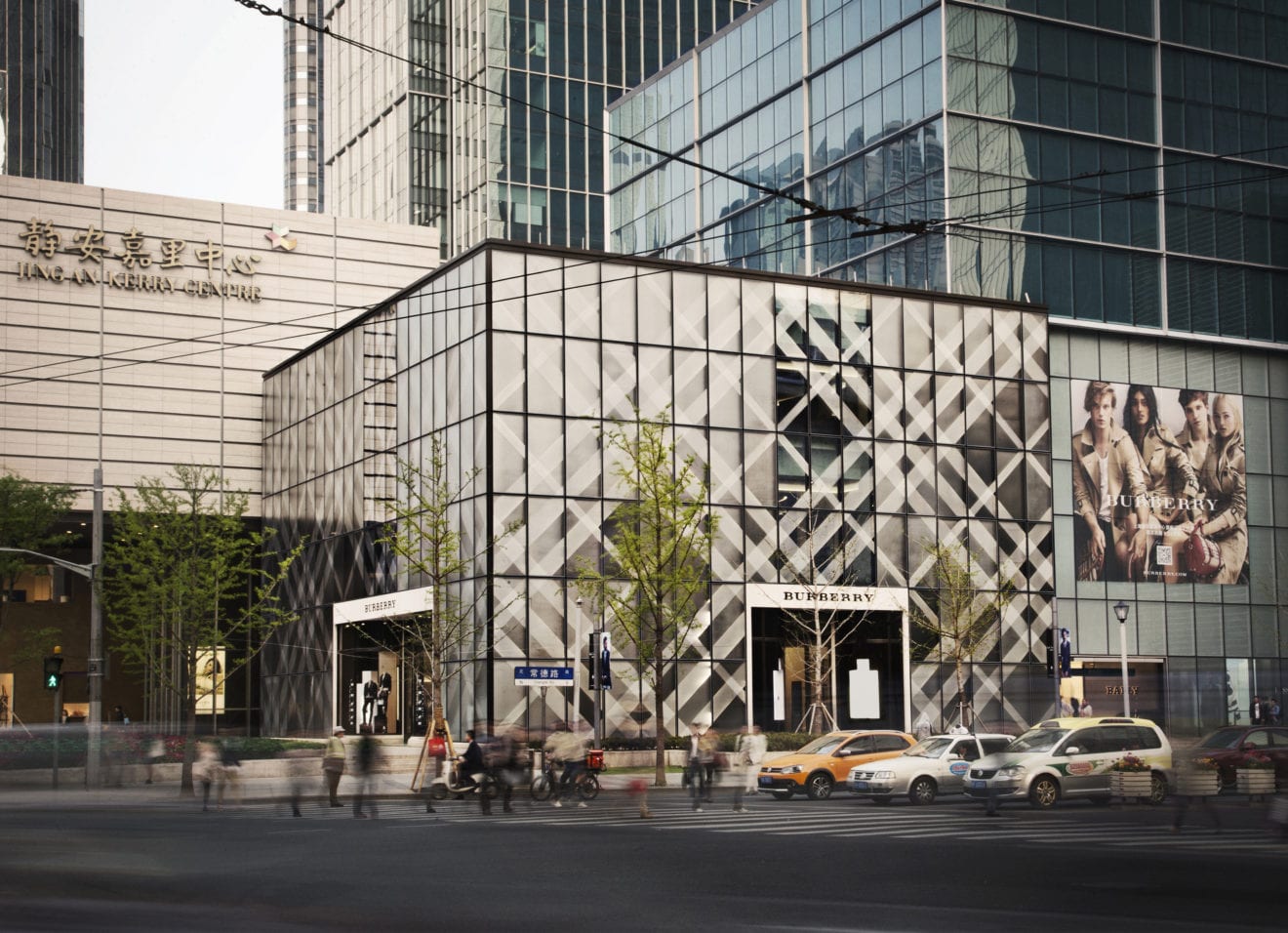
    British trenchcoat maker Burberry Group Plc reported Christmas revenue that trailed its own forecast, hurt by a slump in demand in Macau and Hong Kong.

    Retail revenue fell to 603 million pounds (USD869 million) in the three months through December, London-based Burberry said yesterday in a statement. Analysts predicted 606 million pounds, based on the median of estimates compiled by Bloomberg. Sales were unchanged on a comparable basis, missing internal expectations, compared with a 4 percent decline in the second quarter, Burberry said.

    Hong Kong sales fell more than 20 percent. The U.K.’s largest luxury-goods maker is scaling back stores, cutting bonuses and consolidating products under one label after forecasting earnings will probably fall for a second straight year. Richemont reported Christmas season sales declined for the first time since 2008 .
    Tourist bookings to Europe have declined following the terror attacks in Paris and an unseasonably warm winter has added to challenges facing luxury companies. Burberry is also more exposed than peers to spending by Chinese clients, which is cooling as that country’s stock market slumps.

    The company anticipated in October a return to growth in last part of 2015, driven in part by new products such as lightweight cashmere trenchcoats and ponchos, and new styles of scarves. Bloomberg