Tag: Malaysia

  • Shopper confidence up in Asia-Pacific

    Shopper confidence up in Asia-Pacific

    Shopper confidence in Asia-Pacific elevated in 9 of 14 markets within the first quarter of 2015, in comparison with solely three that rose within the fourth-quarter 2014, in accordance with the Nielsen International Survey of Shopper Confidence and Spending Intentions.

    The 9 markets additionally remained at or above the 100-baseline degree of optimism. India, whose confidence degree has been on the rise for six consecutive quarters, had the very best index rating within the area of 130, a one-point improve from the earlier quarter and a degree that has not been reached since 2011.

    “The city Indian shopper began the yr with constructive sentiment in anticipation of enchancment by way of reforms and stimulus introduced by the brand new authorities,” stated Piyush Mathur, president, Nielsen India Area.

    “These preliminary indicators of optimism mirror anticipation of financial restoration which are but to manifest whenever you take a look at fast-moving shopper items and auto sectors particularly over the previous few quarters. Furthermore, infrastructure, engineering and different industrial sectors are but to collect tempo. The autumn in inflation is predicted to have an effect on disposable revenue over time, however it is going to take time for the sectors to be restored to perceptible and sustainable progress,” he added.

    Massive index will increase have been additionally reported in Taiwan, the place confidence rose 11 factors to 88 —the very best rating since 2011 — and in Japan, which rose 9 factors to 88, the very best rating for the nation recorded by Nielsen since 2005.

    “Taiwan confirmed a robust rebound firstly of this yr after a decline in fourth-quarter 2014,” stated Andy Huang, managing director, Nielsen Taiwan. “The rise in confidence sentiment was pushed by a robust enchancment within the outlook for jobs, which elevated 16 proportion factors from fourth-quarter 2014.

    “Perceptions about private funds and a willingness to spend additionally improved 9 and 10 proportion factors, respectively. Preliminary GDP forecasts, a falling unemployment fee and a stabilizing shopper worth index have been different constructive indicators firstly of 2015, which doubtless contributed to elevated optimism amongst Taiwanese shoppers,” he added.

    Vietnam and Malaysia likewise reported robust confidence boosts of six and 5 factors, respectively, within the first quarter. Vietnam’s rise to a rating of 112 is the third consecutive improve and the nation’s highest rating since 2010. Conversely, China’s index fell one level to 106 within the first quarter, which comes after a four-point decline in fourth-quarter 2014.

    The Nielsen Shopper Confidence Index measures perceptions of native job prospects, private funds and quick spending intentions amongst greater than 30,000 respondents with Web entry in 60 nations.

  • 7-Eleven Malaysia revenue soars

    7-Eleven Malaysia revenue soars

    Listed comfort retailer operator 7-Eleven Malaysia says gross sales soared 23.7 per cent within the first quarter, previous to the April 1 introduction of GST.

    And the corporate, in a press release to the inventory trade, expressed optimism in its instant prospects regardless of a common softening of the retail market because the implementation of GST.

    “We’re assured concerning the future progress prospects for the remaining interval of the present monetary yr as we’re assured of holding onto our market main place whereas our new retailer enlargement plan stays on monitor.”

    7-Eleven Malaysia reported a revenue of RM14.38 million (US$three.93 million). The expansion was attributed to gross sales progress, a 1.9 per cent enchancment in gross revenue margin and a 14.eight per cent progress in different working revenue.

    Income for the quarter rose 11.5 per cent to RM504.99 million ($137.9 million), largely resulting from retailer community enlargement and an improved merchandise combine.

    7-Eleven Malaysia now has greater than 1500 shops nationwide.

  • Courts struggles in “weak” setting

    Courts struggles in “weak” setting

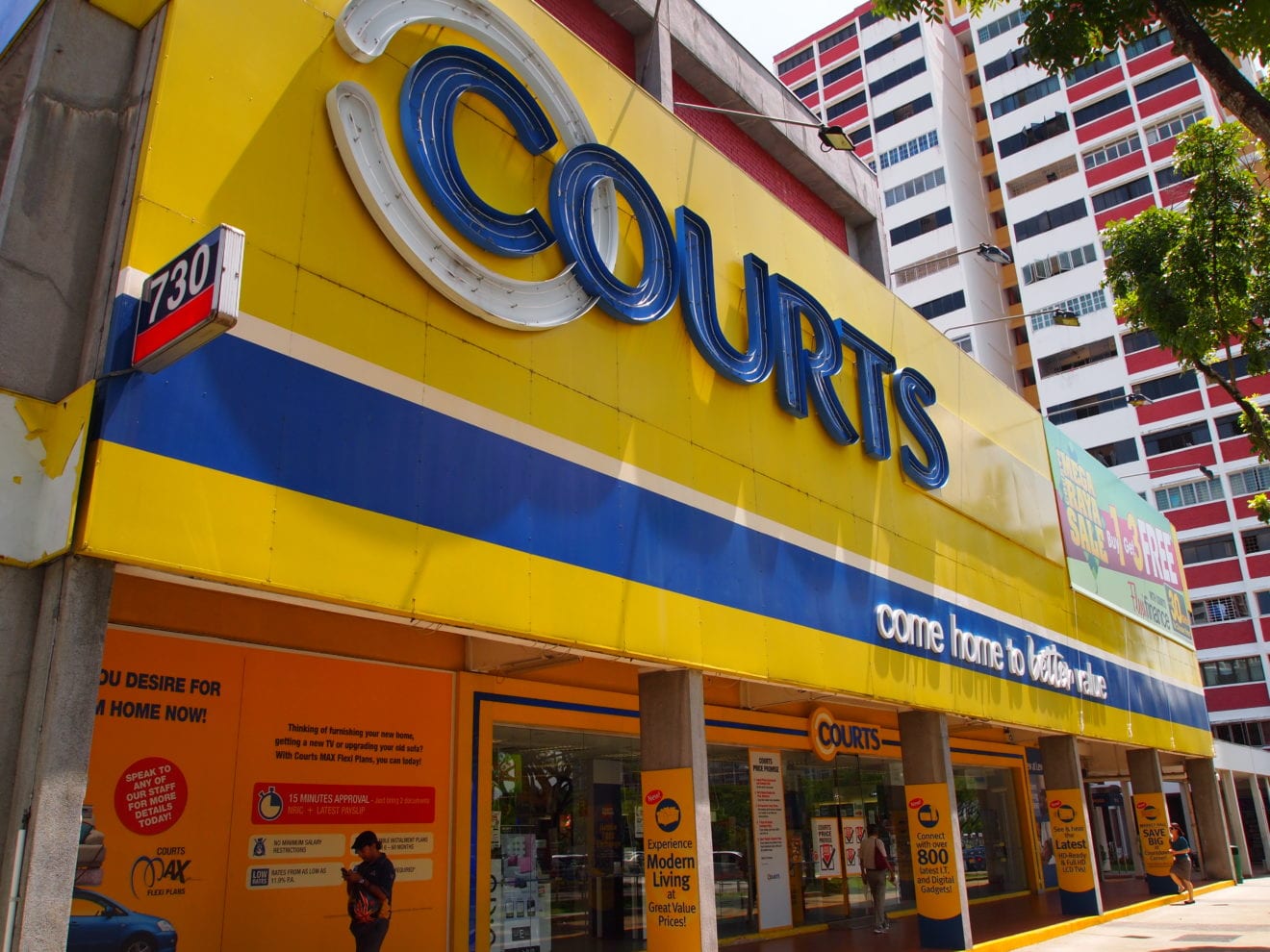
    Singapore-based electronics and homewares retailer Courts has reported a quarterly revenue dip of 16.four per cent in what it describes as a “weak retail surroundings”.

    The listed firm posted a quarterly revenue of S$6.56 million within the three months to March 31, down from $7.84 million in the identical interval a yr in the past.

    Gross sales for the quarter fell seven per cent to S$192.5 million and for the yr to March 31, income fell a pointy 38.7 per cent to S$17.36 million, on gross sales down eight.6 per cent to S$758.5 million.

    “Singapore’s gross sales, which contributed to 66 per cent of the group’s gross sales, registered 11 per cent lower in FY14/15,” the corporate stated in a press release.

    “The lower in gross sales was primarily because of a lacklustre retail surroundings resulting in the autumn in gross sales of all product classes, decrease bulk gross sales of digital merchandise and lowered participation in commerce present days,” Courts stated.

    Malaysia accounted for 33 per cent of group gross sales, however fell by 5.eight per cent largely because of the weaker ringgit and regardless of some panic shopping for earlier than the introduction of gross sales tax on April 1.

    However the firm expressed optimism for the yr forward.

    Two new shops are quickly to open in Indonesia, its latest market, offering essential mass to realize operational effectivity.

    Courts additionally plans to launch right into a fourth market with Singapore media tipping Mauritius because the most certainly risk.

  • 9 keys to reaching Asian shoppers

    Whether or not they’re searching on-line or shopping for in-store buyers have extra selection than ever, forcing retailers and malls to get artistic to draw their consideration.

    With the area’s center class predicted to double to 1.32 billion by 2020, Asian shoppers – and their expectations – are altering quickly.

    Adam Prepare dinner, retail undertaking and improvement providers lead with JLL Asia Pacific, explores a number of the rising developments altering the best way retailers are connecting with shoppers:

    1. The brand new digital buying actuality

    Know-how is now probably the most dynamic pressure within the retail business, opening up new channels and interesting new audiences whereas concurrently feeding new ranges of competitors. Digital Actuality (VR) could also be progressing slowly within the shopper area, however the tipping level of adoption in retail is quick approaching. The 2015 Way forward for Retail Research from Walker Sands discovered that round a 3rd of shoppers would store extra on-line if they might work together with merchandise nearly first. VR know-how is now permitting buyers to expertise a digital trend present, wander round a digital retailer and discover a digital mall with many different improvements to return as retailers experiment with the know-how. It’s poised to generate a completely new sale channel for retailers within the subsequent few years.

    1. Enhanced buyer relationship administration (CRM) know-how

    Because the battle for the buyer greenback intensifies, loyalty will develop into the brand new foreign money of commerce – with slightly assist from know-how. Digital cost strategies akin to Apple Pay and AliPay are getting used together with more and more refined location-based providers like iBeacon – Apple’s indoor positioning system – to provide new ranges of perception into shopping for behaviour. Retailers can now present buyers with real-time info based mostly on their consumer profiles and engagement historical past.

    ShopperTrak just lately introduced a partnership with Shopkick for a purchasing app permitting retailers to work together in real-time with clients whereas they’re buying. There are already 10 million customers on the Shopkick app and greater than 8000 shopBeacons deployed in retail shops. Insights assist retailers join with related shoppers at a precise location and in real-time, which in flip could be refined to take care of loyalty.

    1. Robots in disguise

    Whereas some manufacturers are experimenting with improvements comparable to drone supply, laws are more likely to floor most business drone concepts within the short-term. As an alternative we’ll see the continued rise of robots and humanoids in retail conditions. Already a function in lots of Japanese shops, robotic know-how is enhancing at a meteoric fee. And with rising labour prices, it isn’t onerous to think about a close to future when primary retail duties similar to making espresso or manning an experiential retailer is dealt with by a humanoid. Nippon Enterprise Capital just lately launched a $42 million fund in Japan by to speed up and commercialize humanoid know-how and neuroscience purposes, lots of that are being designed for the retail business.

    1. Cross-border purchasing

    Shoppers are flocking to digital retail markets which are more and more nation agnostic to hunt out the perfect product and one of the best offers. Asian shoppers already spend greater than the worldwide common on cross-border purchasing, and that is solely more likely to improve as a brand new era of shoppers look to spend their disposable revenue.

    1. Model extensions

    Experiential shops reminiscent of Google’s new (and thus far solely) buying expertise in London permit shoppers to play with merchandise earlier than shopping for them, often on-line. However this will typically have the unintended consequence of showing the restrictions of the model’s core merchandise. Thus, one other means for manufacturers to distinguish themselves is to increase their attain past their core providing. Meals extensions have turn into widespread just lately as retailers search to diversify and develop. Ideas such because the bar and cafe inside Alfred Dunhill outlets are a very good instance of clothes manufacturers shifting into the meals and beverage area. Anticipate this development to collect tempo because the battle to maximise dwell time and share of the buying basket heats up.

    1. Menswear

    Traditionally, males are extremely underserved within the style business – and there’s proof that their shopping for preferences are evolving. Bain & Firm estimates menswear progress has outpaced womenswear for the final six years, rising at between 9 and 13 per cent yearly – virtually double that of womenswear. As manufacturers search to take care of progress, we’ll see a re-focusing of the retail business to focus on males. Model partnerships, notably in athletic and sportswear, will proceed to develop and can develop into a key function of retail plans within the brief to medium-term.

    1. The rise of the Asian trend home

    European and American dominance in Asian excessive style has been the norm for a few years, and the overwhelming majority of luxurious manufacturers with robust Asian gross sales are owned by Western companies. Because the retail market continues to develop in Asia, we anticipate to see the rise of an Asian luxurious model -most in all probability within the style area – which can equal or exceed the recognition of Asian-American style icons comparable to Alexander Wang, Vera Wang and Philip Lim.

    With Western designers utterly absent from Shanghai’s Trend Week in 2014, trend critics targeted on rising Chinese language designers, and it’s doubtless that many of those manufacturers will develop loyal clients past China and meet the worldwide trend business by way of the important thing markets of Hong Kong, Tokyo and Seoul. Asian trend designers will quickly be on par with the likes of style homes resembling LVMH, Prada and Michael Kors, and can kick-start a brand new period of Asian retail innovation and management.

    1. The brand new flagship

    Intricately related to the emergence of the experiential development is the resurgence in retailers working flagship shops. Pushed by a want to reconnect with shoppers and the necessity to evolve from a static entity to an attractive expertise, the brand new flagship will re-imagine a retail retailer. It is going to be a press release, a model ambassador. More and more these areas will blur the road between retail and leisure, and develop into locations the place buyers are inspired to play and keep. This development is most noticeable in main markets like New York, Japan, and even Sydney the place single-brand luxurious and quick trend retailers are signing bigger leases and investing extra into the in-store surroundings.

    1. 3D Printers

    We’re on the tipping level of 3D printing and really quickly it’ll grow to be the norm in each facet of our lives. The primary 3D printed constructing was just lately unveiled in China and every thing from automobiles to weapons has adopted. For consumers on the lookout for a personalised expertise on their very own phrases, 3D printing gives an virtually limitless array of choices. Jewellers are already permitting clients to print their very own designs, whereas everybody from cooks to cycle outlets are experimenting with the know-how’s software within the retail area. That is genuinely game-changing know-how, and one that may definitely come to outline retail within the coming years.


  • 11Street Malaysia launched purchasing app

    11Street Malaysia launched purchasing app

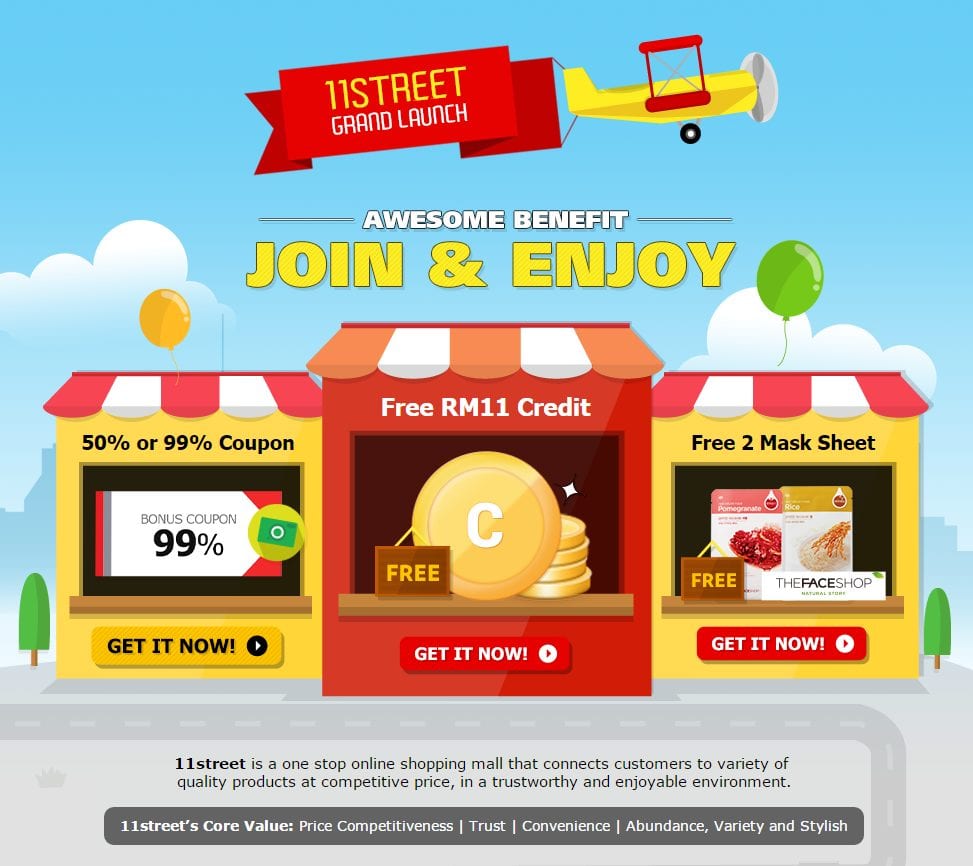
    11street, Malaysia’s latest eCommerce participant, has launched an app to help on-line buying by way of iOS and Android smartphones.

    11street’s CEO, Hoseok Kim stated that the brand new cellular app is the corporate’s newest dedication to ship “a reliable and handy on-line purchasing expertise to Malaysian shoppers”.

    “11street is rising exponentially in Malaysia and quick turning into one of many prime three largest on-line marketplaces with greater than 350,000 product listings you could now view seamlessly utilizing Apple and Android units.

    “Malaysia leads the world in smartphone utilization and it is among the solely 5 nations worldwide to make use of their smartphones greater than computer systems as the first gadget for accessing the Web.”

    Kim stated to be ‘cellular first’ clearly an organization needed to have a user-friendly on-line buying app to raised accommodate the seemingly growing cellular consumers.

    He stated 11street’s cellular app is optimised to reinforce customers’ on-line purchasing expertise based mostly on the expertise the corporate had gained in offering eCommerce providers in Korea and different markets.

    “The important thing differentiator of 11street’s cellular app is its broadly collaborative-curated content material that permits shoppers to entry the recent promoting services a lot simpler, particularly on the ‘Surprising Offers’ part, which provides a Lowest Worth Assure.

    “General, with a nicely categorised and extra intuitive interface, shoppers can navigate and discover out what they love at 11road effortlessly at anytime, anyplace.”

    11street’s cellular app can also be constructed to simply accept bank cards and financial institution transfers upon purchases. Customers can view their membership advantages, examine their order standing, and make the most of their low cost coupons whereas buying on-the-go.

    “11street will constantly improve its cellular apps’ providers to supply higher consumer expertise as immediately greater than 50 per cent of visitors to 11road is from cellular units.”

    Kim concluded: “From the general e-commerce market perspective, it’s plain that mobile-commerce will flourish and we anticipate to see extra shoppers go browsing to 11street by way of cellular units to buy on-line.”

  • Aeon posts 1Q profit growth, sees challenging year

    Aeon posts 1Q profit growth, sees challenging year

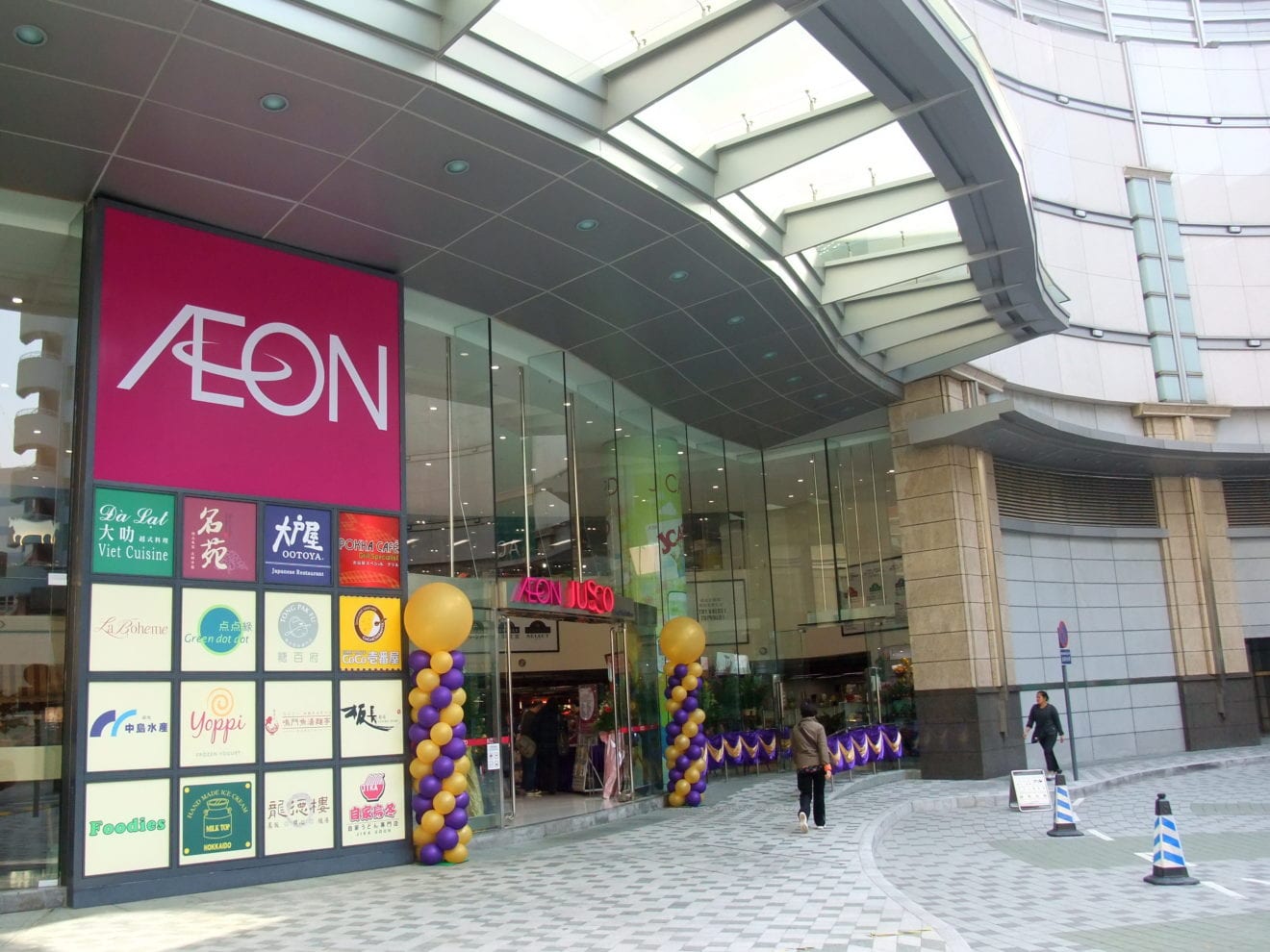
    Aeon chairman Datuk Abdullah Mohd Yusof said nevertheless, the group remains confident in meeting the challenges head-on.

    “After consumers get used to the changes in the new tax system, they will start shopping again, especially in the upcoming festive periods,” he told reporters after the group’s annual general meeting yesterday.

    After enjoying four consecutive years of steady growth, Aeon saw its net profit for the financial year ended December 31, 2014 (FY14) drop 7.9% to RM212.71 million from RM230.96 million in FY13.

    However, its net profit rebounded for the first quarter ended March 31, 2015 (1QFY15), growing 5.4% to RM49.4 million or 3.52 sen a share from RM46.88 million or 3.34 sen a share a year ago. Revenue was up by 17.1% to RM1.11 billion from RM945.51 million in 1QFY14.

    Abdullah blamed the net profit decline in FY14 on the rising cost of living and operation costs, as well as an increase in its capital expenditure (capex) for expansion.

    “The [implementation of the] minimum wage also caused [the] costs to go up. The cost of doing business has risen. We have also been accelerating our expansion to have a bigger market share,” said Aeon managing director Nur Qamarina Chew Abdullah.

    Aeon has set aside RM700 million as capex for FY15, an increase from about RM670 million last financial year.

    Abdullah said the budget had been earmarked for the development of upcoming Aeon malls, namely in Shah Alam, Selangor and Klebang, Melaka, which are slated to open in 4Q15.

    The group will also open malls in Kota Baru, Kelantan by 2Q16, and Kuching, Sarawak in 2Q17.

    The overall occupancy rate of its malls currently stands at 93%, a number that Abdullah said is a “fairly good” average.

    Yesterday, Aeon shares closed 0.96% higher at RM3.16, with some 1.77 million shares traded. It closed with a market capitalisation of RM4.39 billion.

  • ‘Fantastic start’ to Malaysia tax refund scheme

    ‘Fantastic start’ to Malaysia tax refund scheme

    Retail tax refund specialist Global Blue says the first month of the electronic Tax Refund Scheme in Malaysia has got off to a “fantastic start”.

    With the introduction of a six per cent GST on April 1, Malaysia’s government launched a refund scheme for tourists, in line with other Asian economies.

    Nigel Dasler, Global Blue’s head of commercial for South Asia, said the introduction was a “great collaborative effort” with more than 1000 merchants affiliated by April 30.

    However more than 4000 more are still awaiting approval via the Customs Approval portal.

    “It’s is very encouraging to note that the average spend per traveller is over EUR700, making Malaysia one of the highest average spend countries within Global Blue. This, coupled with the strong merchant pipeline and transaction growth validates our decision to enter Malaysia. Malaysia is shaping up to be a strong pillar for our Asia Pacific ambitions and I look forward to its continued development.”

    Gareth Costello (eTFS Programme Implementation Manager), added that local Customs management and officers have fully recognised the benefits of eTFS with over 8000 transactions digitally validated in the first 30 days of production.

    “Our success in Malaysia is due to an exceptionally committed local and international team, which continues to dedicate itself to completing all deliverables and managing a solid handover to operations.”

    Azraf Bin Mohamed Tahir (head of commercial, Malaysia), noted that “it has been an exhilarating experience to see the team working hard and cooperating with colleagues from several continents, succeeding to launch a nationwide project so successfully and on schedule.”


  • Money increase for iprice comparability idea

    Money increase for iprice comparability idea

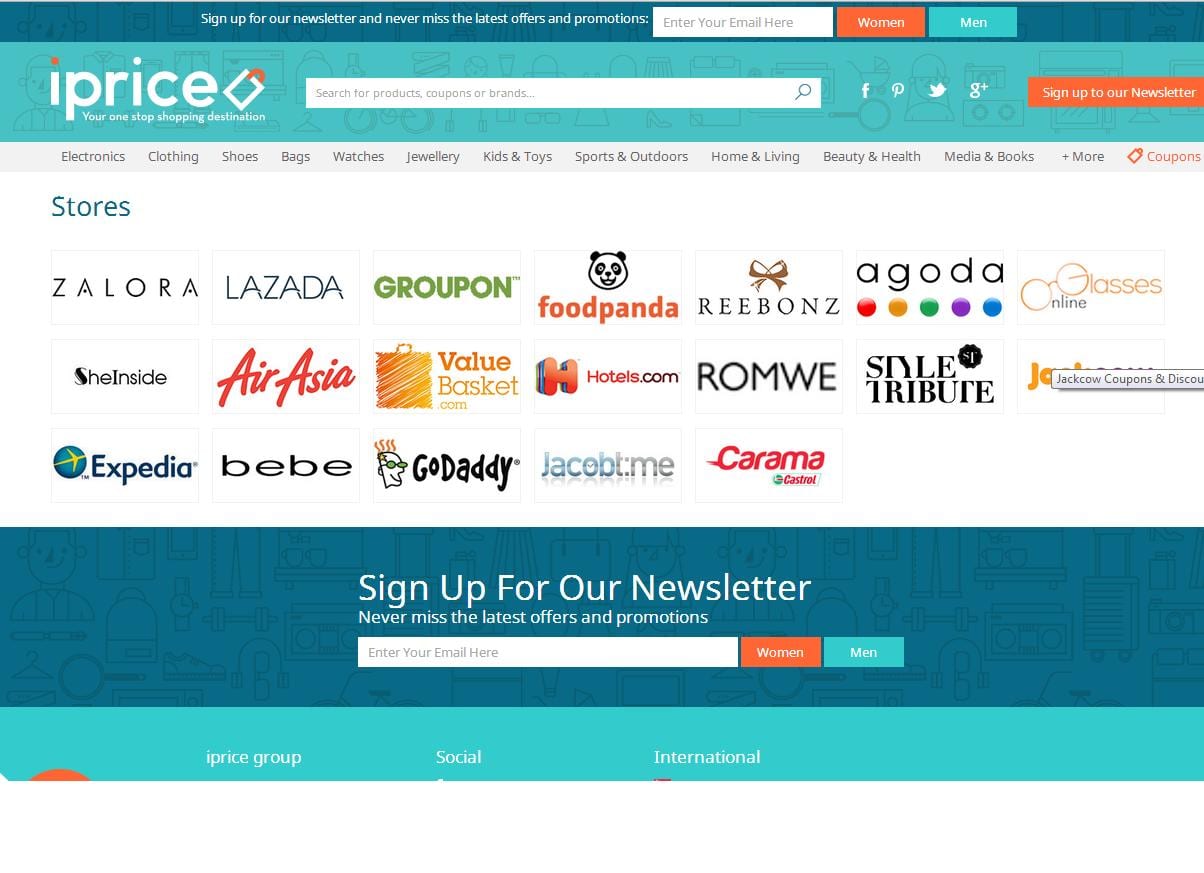
    Iprice Group, a Malaysia-based on-line worth comparability service for consumers, has acquired a $550,000 money funding from an angel investor enterprise capital group.

    Based solely final October, the enterprise is already lively in its residence base Malaysia, together with Hong Kong, Singapore, the Philippines, Thailand, Indonesia and Vietnam. The corporate says its on-line visitors is greater than doubling each month.

    The US$550,000 in funding was invested by from Asia Enterprise Group, a Malaysia-based angel investor, which needs to assist Iprice create “the most important on-line buying group in Southeast Asia”.

    Iprice co-founder Heinrich Wendel says the thought of the web site is to create “a pleasant on-line purchasing expertise” by giving buyers an intuitive and visible option to uncover merchandise.

    “Whereas different websites within the area are all about evaluating costs, we give attention to narrowing down the huge quantity of merchandise to your private choice. Regardless of you’re on the lookout for a blue and black gown, three-inch excessive heels, a strong backpack or a basic Chesterfield couch, we’ll present you the place you will get one of the best supply.”

    Because the younger Web inhabitants within the area is rising by greater than 50 per cent inside the subsequent three years – based on a report by UBS – it can drive eCommerce quantity no less than five-fold by 2020. Tapping into this potential, the web site already provides greater than three million merchandise from over 10,000 native and worldwide manufacturers, sourced by way of trusted on-line shops.

    Consumers flick through the hundreds of thousands of merchandise by classes, manufacturers, fashions and hues, amongst different attributes, to get inspiration. All merchandise are mechanically linked to particular promotions and coupons which might be provided by the respective eCommerce shops. Sooner or later, the corporate says it’ll double down on its machine studying algorithms to additional enhance the “sensible search” and supply particular person suggestions in response to the consumer’s searching behaviour.

    Working from its Kuala Lumpur headquarters, the corporate employs expertise from throughout Southeast Asia, enabling them to deal with the wants of every native market individually.

    For eCommerce shops, iprice supplies invaluable experience in on-line advertising, serving to them to increase their attain to new markets and develop their buyer base. Tito Costa, Zalora Group MD, says he recognises iprice as a robust affiliate associate.

    “Iprice helps internet buyers to seek out what they’ve been on the lookout for and to find new merchandise. They ship excessive changing visitors to Zalora throughout the Southeast Asia area and drive our income considerably,” he stated.

  • AirAsia X cuts frequency to optimise capacity

    AirAsia X cuts frequency to optimise capacity

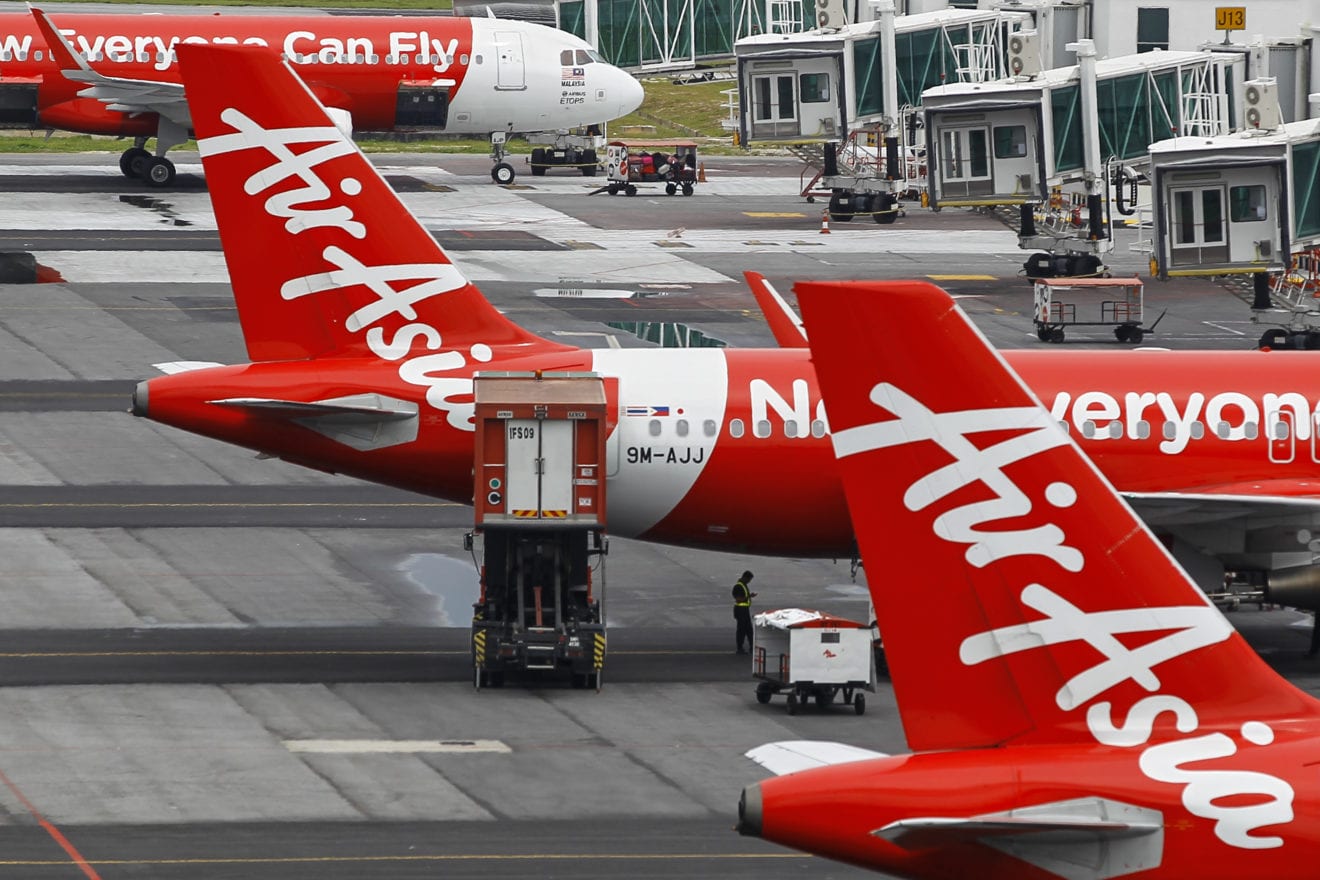
    AirAsia X Bhd (AAX), the long-haul, low cost airline affiliate of the AirAsia Bhd flew a total of 914,970 passengers in the first quarter, down 15% from 1.08 million passengers in the same quarter in 2014.

    According to AAX’s preliminary operating statistics released yesterday, the carrier recorded a load factor of 74% for the first quarter ended March 31, down 12 percentage points from a year ago.

    AAX said it had implemented frequency cut on certain routes, mainly China and Australia, and concurrently terminated loss-making routes – Adelaide and Nagoya – to optimise capacity in line with its turnaround strategy.

    It said the excess capacity from capacity management had been re-deployed to short-term wet lease and charter operations, to maximise revenue.

    AAX said its passenger traffic, as measured by revenue-passenger-KM (RPK), declined 17% year-on-year to 4,431 million in the first quarter from 5.34 billion in the same quarter last year, while available-seat-KM (ASK) capacity decreased by 3% to 6.02 billion.

    This was due to capacity management and slowdown in marketing activities during the first three months of this year with respect to the QZ 8501 incident in December 2014.

    “Consequently, year-on-year load factor during the quarter dropped 12 percentage points to 74% against 86% in the same period last year.

    “Current bookings trends are in line with expectations for a recovery in the second half of 2015,” the carrier said.

    In terms of fleet movement, AirAsia took deliveries of two A330-300s on operating lease during the quarter, bringing its total number of A330-300s to 25, compared with 19 a year earlier.

    On the associate companies, Thai AirAsia X registered strong loads of 82% for its first quarter, with 155,961 passengers carried, implying continued positive pick-up for the popular routes between Thailand, Japan, and South Korea.

    Thai AirAsia X currently operates 3 A330-300s while Indonesia AirAsia X has two A330-300s serving Bali-Taipei and Bali-Melbourne respectively.

  • Microsoft Malaysia builds phone store network

    Microsoft Malaysia builds phone store network

    Microsoft Malaysia will convert 39 Nokia retail stores into a network of Microsoft authorised reseller smartphone shops.

    The company’s GM of mobile devices sales for Malaysia, Singapore and Brunei, Bruce Howe, revealed the plan during the opening ceremony of the first Microsoft Malaysia store at the Suria KLCC shopping centre in downtown Kuala Lumpur.

    Malaysia is the first country in the Asia-Pacific region to see the new telco store format and the conversions are scheduled to be complete by the end of the year.

    “This transition is a big leap for our brand besides giving opportunity in terms of scaling up the retail footprint and widen the Microsoft range in Malaysia,” he said at the launch..

    Microsoft Malaysia chief marketing and operation officer Rukmani Subramaniam described the launch as a “significant development” for the brand.

    “We get feedback from Microsoft customers that its hard to find Microsoft stores in Malaysia, so we ran this transition to give more chances for them visit and learn how to make the most of Microsoft technology,” she said.

    Microsoft, the world’s largest computer software company, acquired the Finnish Nokia telecommunications technology company’s devices and services division business in April 2014, forming a wholly owned Finland-based subsidiary Microsoft Mobile Oy. That company has the rights to use Nokia branding on some phones, but not on the popular Lumia range, which is now sold as a Microsoft handset.

  • Belif Malaysia makes debut

    Belif Malaysia makes debut

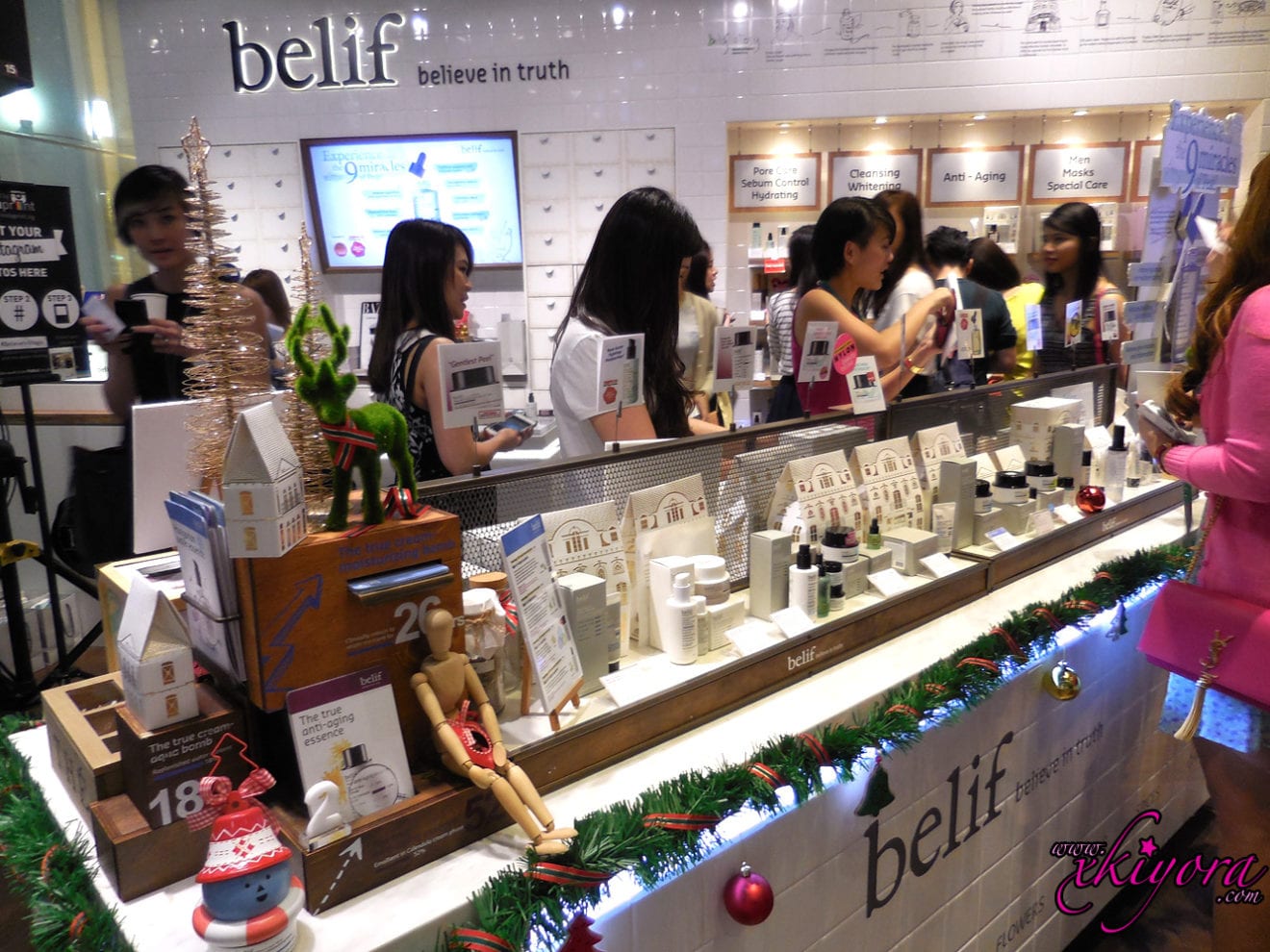
    Korean cosmetics brand Belif has opened its first store in Malaysia in Kuala Lumpur’s Sunway Pyramid Mall.

    Belif Malaysia has been introduced by listed jewellery retailer Tomei which has the rights to other markets in the region but plans to focus on Malaysia for the time being to fully assess its potential.

    Between three and five stores are planned initially.

    Belif is marketed as a herbal lifestyle cosmetics brand based on recipes dating back to Britain in the 1860s and combined with modern day Korean skin science.

    The brand distinguishes itself with packaging which is honest about its ingredients. Each of its products addresses diverse skin types and concerns with formulas that are free of mineral oil, synthetic fragrances, synthetic dyes, synthetic preservatives and animal origin ingredients.

    The debut store in Kuala Lumpur is on Sunway’s ground floor near the Tomei jewellery store.

  • Growing prospensity among Malaysian consumers to shop online

    Growing prospensity among Malaysian consumers to shop online

    Malaysians are joining other South-East Asian consumers in a growing propensity to shop online, particularly for personal care items.

    In a statement today, Nielsen said based on its Global Survey on The Future of Grocery, at least one third of the 518 respondents intended to buy items such as body wash, shampoo and conditioner online within the next six months.

    Other top 10 grocery items which Malaysian consumers would purchase online in the next six months included laundry detergent, dish soap and hand or body lotion, it said.

    It said 16% of the Malaysia consumers would remain vigilant with their online orders for home delivery or using online/mobile coupons for their online shopping (16%).

    Nielsen said only 9% of Malaysian consumers were willing to use a virtual supermarket for their grocery shopping.

    It said the survey also revealed the growth in modern retailing channels such as hypermarkets and supermarkets, putting open-air/wet markets at their expense.

    “Malaysian consumers prefer the modern channel with only 18% keen to patronise open-air or wet markets when buying food and groceries in the next 12 months.

    “A quarter of Malaysians feel that grocery shopping in the retail store is a fun way of spending time with one-self or the family where 24% find grocery shopping to be an enjoyable and engaging experience,” it said.

    Nielsen’s executive director of client service in South-East Asia, North Asia and Pacific, Kaushal Upadhyay, said savvy retailers would look to provide digital strategy that included interaction at each point along the path to purchase.

    “The connected commerce era has arrived where the most successful retailers and manufacturers will be at the intersection of the physical and virtual worlds, leveraging technology to satisfy shoppers however, wherever and whenever they want to shop,” he said.


  • Royal Selangor to open in Chelsea, London

    Royal Selangor to open in Chelsea, London

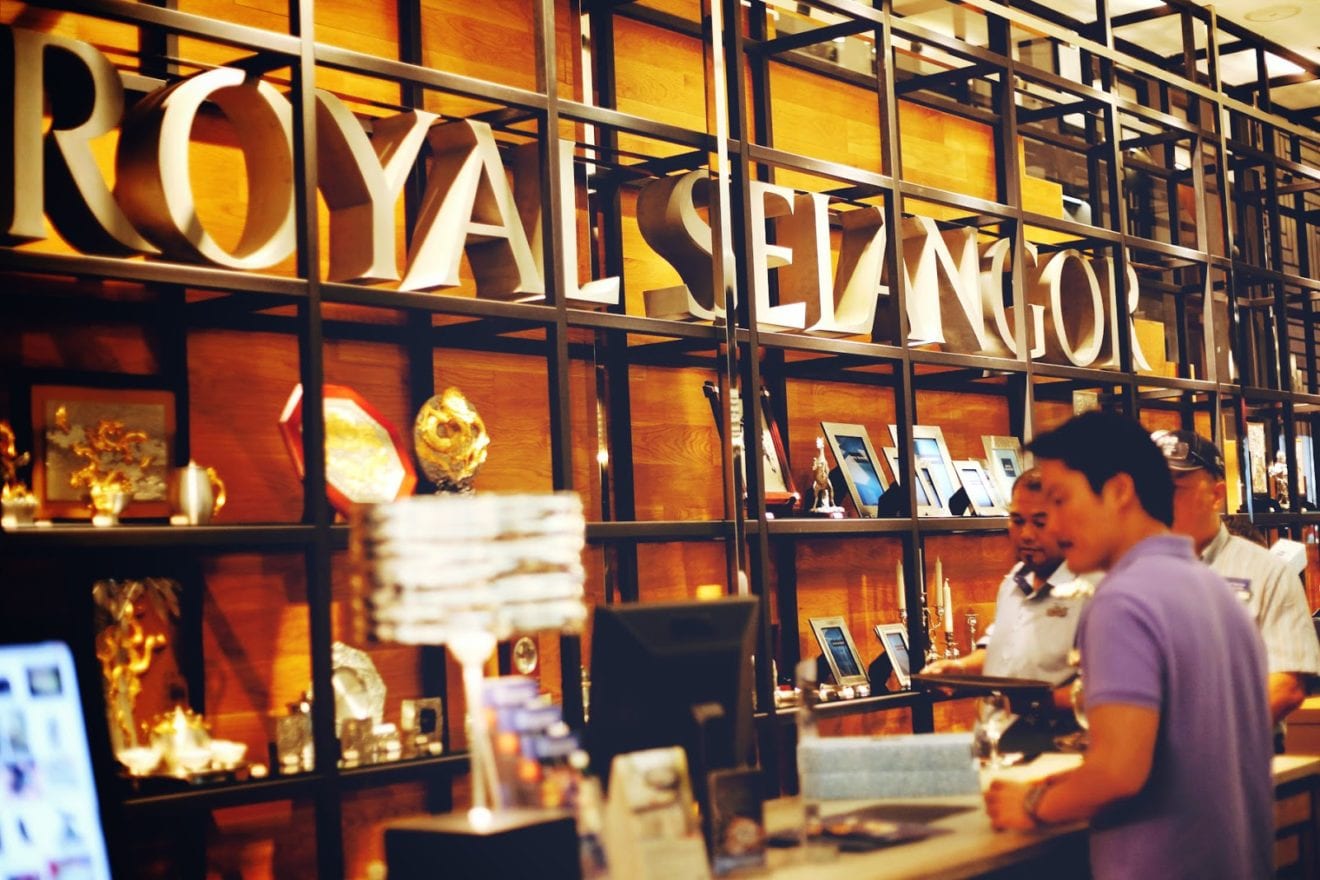
    Malaysia-based pewter brand Royal Selangor is to open its first standalone store in the UK.

    It chose the upmarket London suburb of Chelsea for its debut, a site adjacent to the Designer’s Guild at 261 Kings Rd.

    The 1317 sqft store is due to open as early as June.

    Established in Malaysia in 1885, Royal Selangor is now a global family business with stores in more than 20 countries.  Its UK flagship on King’s Rd will stock customised and designer homewares, as well as ornaments and personalised gifts, all made from pewter. In addition, Royal Selangor’s two complementary brands Selberan jewellery and the 350-year-old sterling silver brand Comyns will both be available in store.

    Royal Selangor is famous for its exclusive collaborations with international designers including Denmark’s Erik Magnussen, Freeman Lau from Hong Kong, and champagne houses Veuve Clicquot Ponsardin, Dom Perignon and Krug. Royal Selangor has also created trophies for numerous Formula One races, the Shanghai ATP 1000 Masters, as well as the Sime Darby LPGA Malaysia Golf Tournaments.

    Peter Coleman, MD of Royal Selangor UK, said the company wanted to launch its first store in a destination that reflects its quality and heritage.

    “The King’s Rd met our requirements perfectly due to the great mix of brands that share a similar ethos to our own and the cachet it holds as one of London’s most significant retail addresses.”

    Richard Everett, estate manager at Sloane Stanley, who brokered the lease deal, said the company is committed to creating a unique mix of retailers with a certain style on the King’s Rd, and the arrival of Royal Selangor is consistent with this strategy.

    “They will appeal to residents and visitors alike, reaffirming the King’s Rd’s position as one of the most important retail streets in London.”

  • Malaysian customs urges small retailers to invest in GST-compliant sales system

    Malaysian customs urges small retailers to invest in GST-compliant sales system

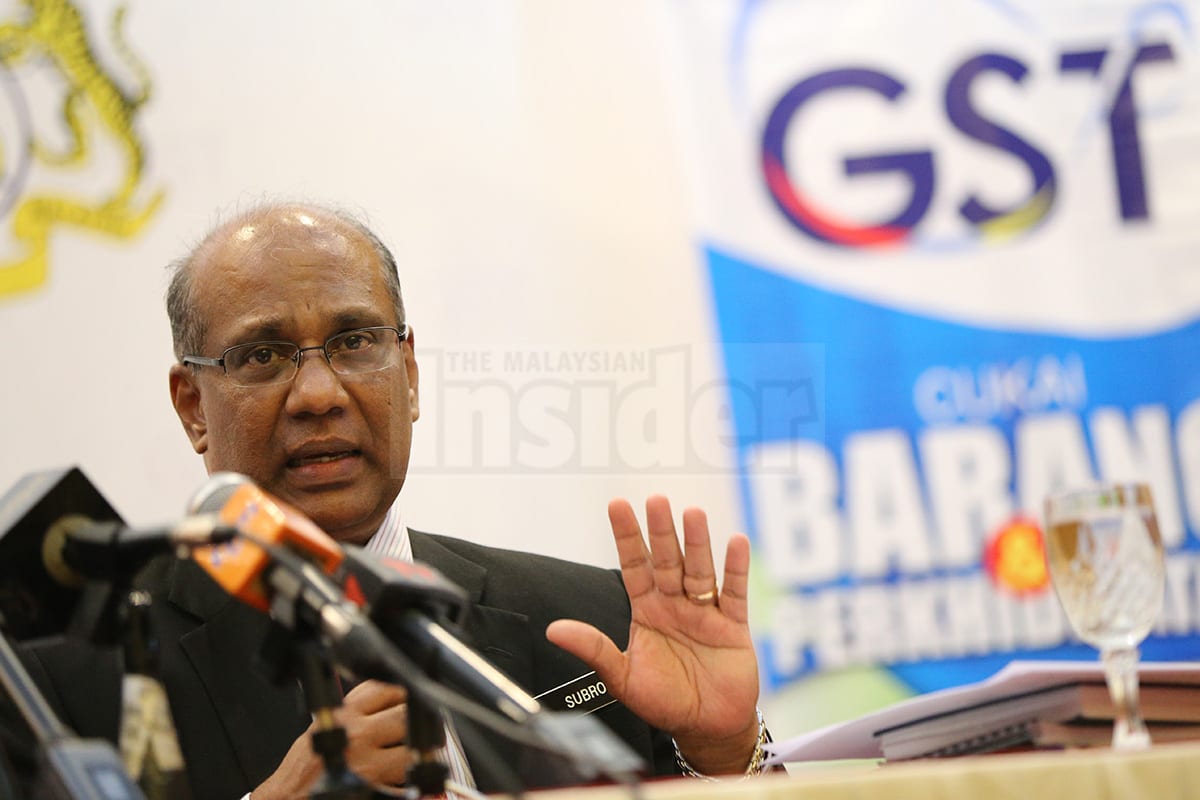
    Installing a point-of-sale (POS) system to issue printed receipts as part of implementing the goods and services tax (GST) will only be a one-time investment, the Malaysian Customs Department’s GST division told operators of small businesses on Thursday.

    GST division director Datuk T. Subromaniam said the system will be usable for a long-term basis and would help businesses identify standard and zero-rated items, adding that adopting POS would cost between MYR3,000 (USD828) and MYR4,000.

    He also said tax deductions were available under Accelerated Capital Allowance (ACA) for businesses on purchases of information communication technology equipment, hardware and training.

  • Starbucks Malaysia earns employer accolade

    Starbucks Malaysia earns employer accolade

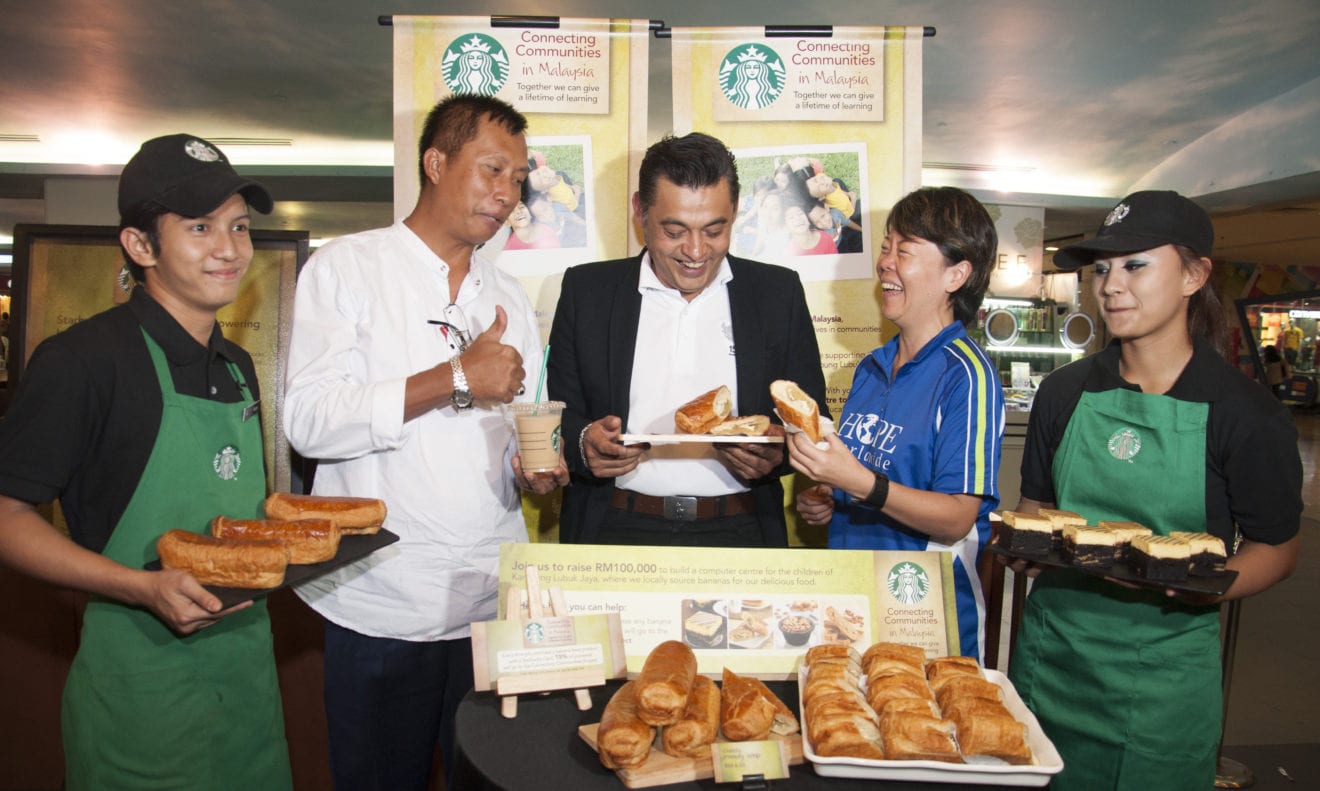
    Starbucks Malaysia has earned top honors for its employment practices at the Aon Hewitt Best Employers of 2015 Awards.

    The Best of the Best award was presented to Starbucks Malaysia at the Awards Presentation and Learning Conference in Kuala Lumpur.

    The Aon Hewitt Best Employers Award is one of the most prestigious awards recognising companies with strong employee engagement, high-performance culture, effective leadership and a compelling brand. Aon Hewitt’s research is conducted over nine months and is active in a dozen Asia Pacific markets, including China, Japan, Australia, and Malaysia. The Malaysian survey was completed in partnership with TalentCorp Malaysia.

    Sydney Quays, MD of Starbucks Malaysia and Brunei, called the honor “one of the most significant recognitions that a company could get in validation to its human resources practices and talent management initiatives”.

    “We’re known for our coffee, but our people make us famous,” Quays added.

    A substantial part of Starbucks recognition was related to the company’s efforts to retain, engage and motivate partners.

    “Retention starts from hiring the right talent,” said June Beh, partner resources and compliance director for Starbucks Malaysia and Brunei.

    “We also highly invest in the training of every partner (employee) empowering them with the necessary skills and knowledge.”

    Starbucks store manager Desmond Soon was given the opportunity last year to lead a district for the company. “This allowed me to create a lasting connection with the community, to be involved in company programs, and to share our amazing stories with customers,” Soon said.

    Starbucks Malaysia opened in Kuala Lumpur in 1998 and today has more than 190 stores across the country.