Retail News CRM

Tag: Malaysia

  • Paradigm Mall to be new JB retail hub

    Paradigm Mall to be new JB retail hub

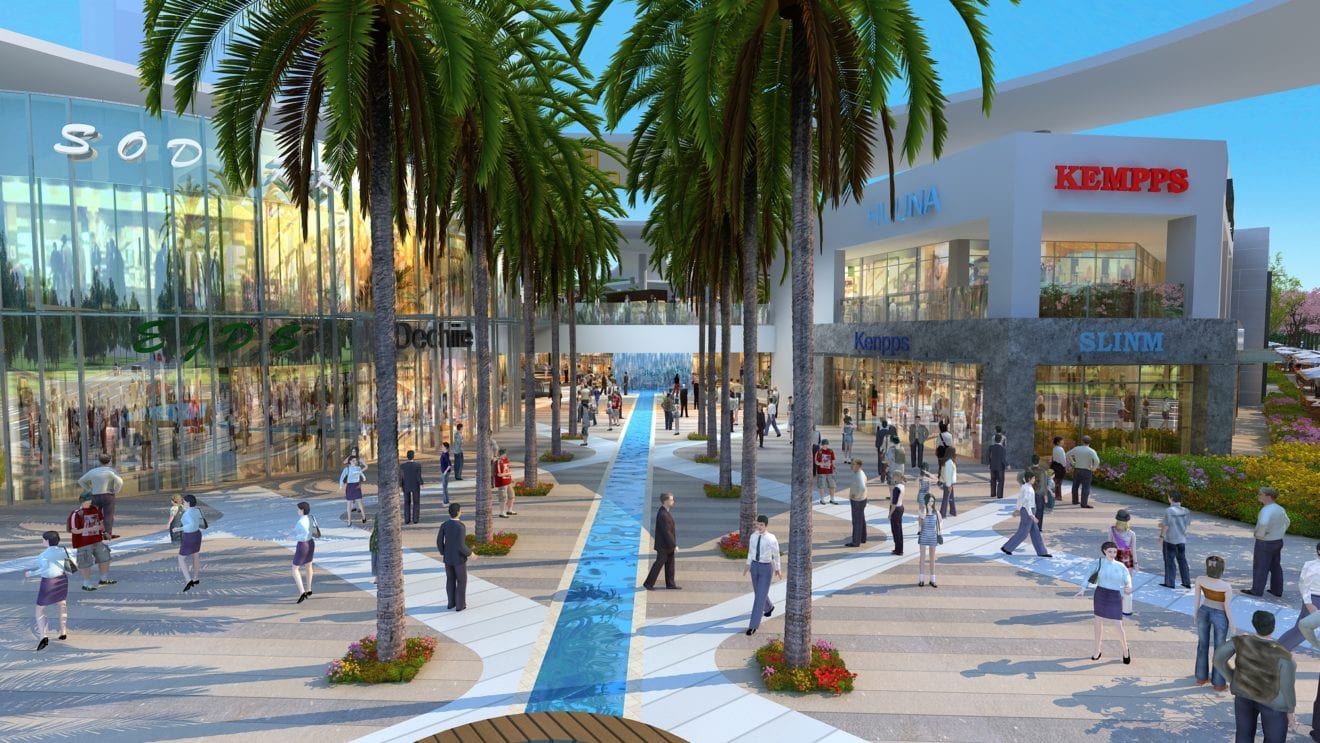
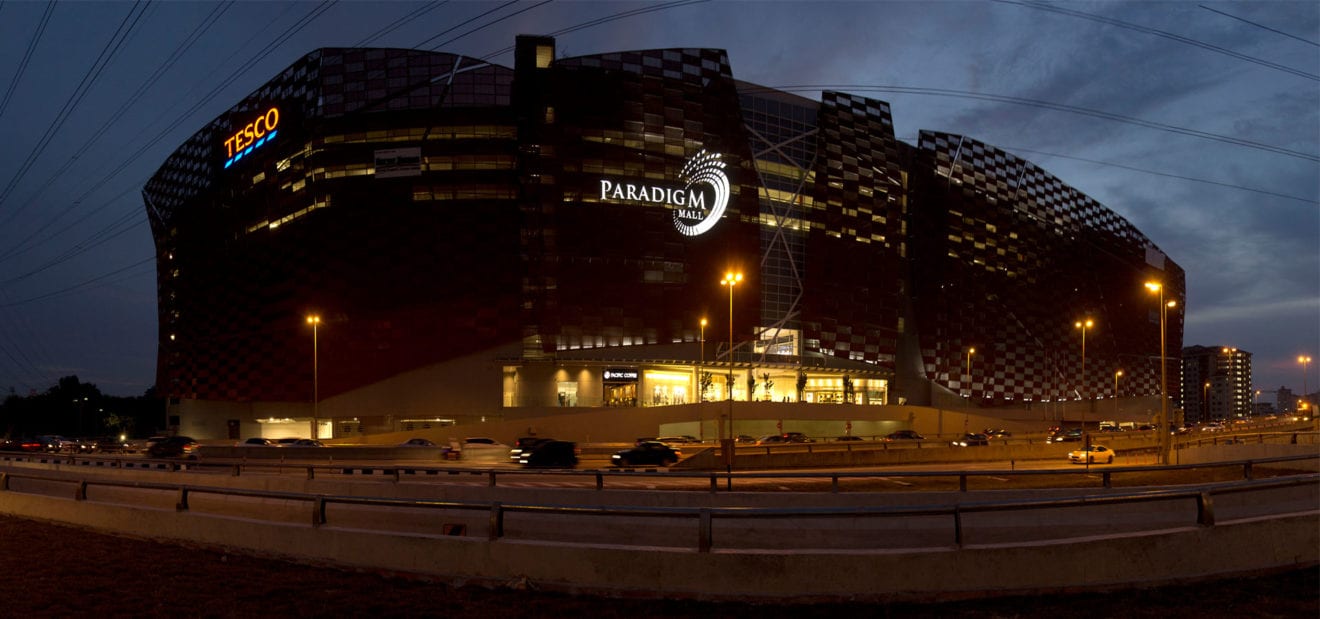
    A new shopping centre announced for Malaysia’s southern city Johor Baru, will be the largest mall in town when it opens in late 2016.

    Paradigm Mall was launched by Malaysia’s Tourism and Culture Minister Datuk Seri Mohd Nazri Aziz. It will be developed by WCT Holdings Berhard.

    The six story, 600,000 sqm mall will house a 16 screen multiplex cinema, an indoor rock climbing facility and an ice skating rink, alongside a large line-up of local and international brands inlcuding department store Sogo and the Village Grocer supermarket.

    Aziz described Johor Baru – a short drive across the border from Singapore – as “untapped potential” suggesting the new mall could help attract Singaporean shoppers to the city.

    “Johor Baru is among the top five shopping areas for foreign tourists, and I hope to work with integrated developments such as Paradigm Mall to promote Malaysia internationally,” he said at a launch function.

    The new mall will also incorporate a four-star hotel and serviced residences.

  • Soo Kee Group launches IPO

    Soo Kee Group launches IPO

    Singapore retail jeweller Soo Kee Group has launched an IPO to raise funds for expansion in Singapore and Malaysia.

    Soo Kee will sell 112.5 million shares at S$0.30 each, which will raise $33.75 million after expenses. The majority of the shares will be placed with just 9 million available for public offer.

    Soo Kee’s strategy is to open new retail stores in prime shopping malls in both countries and expand its product range as it seeks to boost its share of both markets.

    Founded in 1991, Soo Kee retails jewellery and keepsakes through stores branded SK Jewellery, Soo Kee Jewellery and Love & Co. Last year it achieved sales of $134.5 million and turned a profit of $10.8 million.

    The IPO closes on August 18 with shares to begin trading on August 20.

    Group CEO Daniel Lim said the company had always planned to go public “to improve the visibility for the company, so that we can better serve a wider pool of customers”.

  • German giant buys Classic Fine Foods

    German giant buys Classic Fine Foods

    German retailer Metro AG has paid $290 million to buy Singapore restaurant supplier Classic Fine Foods Group from private equity owned EQT.

    CFF operates in 25 cities, including Singapore, Dubai, Hong Kong, Bangkok, Kuala Lumpur, London, Ho Chi Minh City and Jakarta. The deal will expand Metro Cash & Carry’s presence from 26 countries to 36.

    Metro said in a statement the acquisition would strengthen its wholesale subsidiary Metro Cash & Carry by bolting on an experienced food service distribution arm.

    “It provides access to growth and value creation potential in the attractive premium foodservice distribution markets. The transaction covers the operations and all fixed assets of CFF for an enterprise value of $290 million plus an earn-out of up to $38 million depending on the EBITDA performance in 2015 to 2017,” the company said.

    “Metro Cash & Carry aims to strongly expand its FSD operations. With the acquisition of CFF we strengthen our value proposition and enlarge our wholesale market presence fuelling future sales and earnings growth“, said Olaf Koch, chairman of Metro AG’s management board.

    Pieter Boone, CEO of Metro Cash & Carry, added: “With Classic Fine Foods, we found the perfect partner to expand in high growth Asian FSD markets. CFF has a strong market position and a unique exposure to Asian mega cities and Middle East. CFF partners with some of the world’s most sought after fine food producers and has excellent customer relationships in the high margin premium Hotels, Restaurants and Caterers (HoReCa) segment. The acquisition boosts our FSD capabilities widening the services for our HoReCa customers.”

    CFF, founded in 1999, has its own distribution and warehousing network in the cities in which it operates. Metro says post- acquisition, CFF will remain largely independent, maintaining its own sourcing base and distribution network.

  • Malaysian GST hammers retail sales

    Malaysian GST hammers retail sales

    Grocery retailers in Malaysia have reported a slump in retail sales of up to 20 per cent in the second quarter of this year – the three months after the introduction of Malaysian GST.

    Malaysian GST of a modest six per cent was imposed on April 1. Prior to that there was evidence of consumers stockpiling products – especially fast moving consumer goods – many of which the new tax was not applied to anyway.

    The nation’s largest convenience store operator, 7-Eleven, says the scale of the downturn took many retailers by surprise.

    “I think all retailers anticipated a slowdown in sales as a result of GST, but they probably did not anticipate the weak consumer sentiment and low consumer confidence at the same time,” 7-Eleven CEO Gary Brown told The Malaysian Reserve.

    With 1840 stores across Malaysia and 80 per cent of the c-store market, 7-Eleven is well placed to gauge the national spending mood.

    It plans to respond to the downturn in sales by broadening the range of services it offers customers and expanding the in-store experience beyond mere convenience.

    “We will continue to expand our innovative promotion activities and campaigns to reward our existing shoppers and to attract new shoppers.

    “This includes expanding our in-store services such as mobile phone reloads, bill payment, Touch n Go reloads and eCommerce.”

    The 7-Eleven CEO’s comments come just weeks after the Malaysia Retailers Association (MRA) lowered its growth projections for retail sales growth this year for the third time – down nearly one per cent to four per cent.

    While the tax has had an arguably short term effect, the local currency, the Ringgit has weakened substantially during the last six months, causing price increases on imported goods and raising transport costs. The arrival of GST weakened consumer sentiment.

    According to the MRA, retail sales overall declined three per cent in the second quarter after a 4.6 per cent increase in the first quarter, partly due to consumers stockpiling or buying big ticket items before April 1.

    The MRA expects third quarter growth of 4.8 per cent and fourth quarter growth of 6.9 per cent.

    “Malaysian consumers will get used to the GST by the last quarter of 2015. Retail spending will return to normal again by this period. This industry is expected to recover strongly with a 6.9% growth rate,” it said.

    But anecdotal feedback from retailers Inside Retail Asia has spoken with suggests those projections may well be overly optimistic.

    Malaysian retailers say consumers have been slow to resume spending even after recognising the overall impact of GST is lower than they feared.

  • CapitaLand posts healthy quarter

    CapitaLand posts healthy quarter

    CapitaLand Limited has today announced a second half after tax group profit of S$464 million – 5.8 per cent up on the same period last year.

    The property giant, which derives 80 per cent of its revenue from Singapore and China, has a portfolio including shopping malls, serviced apartments, office blocks and hotels trading under a variety of banners.

    In a statement, CapitaLand said its operating profit was 87.6 per cent higher than the same quarter last year on account of gains from the change in the use of development properties for sale in China, namely The Paragon (Tower 5 & 6) and Raffles City Changning (Tower 3). These projects are at prime locations in Shanghai and the group has changed its business plans for these projects from strata-sale to leasing as investment properties.

    The result was impacted by an impairment for a development project in China.

    Revenue increased by 17.8 per cent on the back of higher contribution from development projects in China, partially offset by lower revenue from development projects in Singapore and Vietnam.

    The group says it recorded higher rental revenue from its shopping mall and serviced residence businesses during the quarter.

    Lim Ming Yan, president & group CEO, said CapitaLand’s well-balanced portfolio of investment properties and residential projects will continue to generate recurring income and trading profits for the group.

    “While CapitaLand remains focused on Singapore and China as core markets, it is exploring opportunities to expand in growth markets such as Vietnam, Indonesia and Malaysia. CapitaLand has built a significant scale across diversified asset classes and strong expertise in integrated developments, shopping malls, serviced residences and capital management. Coupled with its technology efforts, CapitaLand continues to strengthen its position for growth,” he said.

  • Online shopping made safe at 11street

    Online shopping made safe at 11street

    Worrying statistics call for stringent safety measures to ensure Malaysians can make their online purchases risk-free. 11street, one of the biggest online marketplaces in Malaysia, has taken numerous steps to ensure safety of its customers with an ESCROW system being the most significant one. 

    “11street constantly strives to address e-shoppers’ concerns by implementing safety-boosting solutions. ESCROW system is a financial instrument of placing a buyer’s money on hold in control and releasing it to the seller only when the delivery of the purchased item is fulfilled, thus protecting buyers from frauds. 11street also takes extra effort and responsibility to penalise any sellers for non-delivery cases,” 11street’s Chief Executive Officer, Hoseok Kim said. 

     “Furthermore, we are Payment Card Industry Data Security Standard (PCI DSS) compliant and with our in-house security system, our website is strengthened with comprehensive capabilities to monitor all products and transactions between buyers and sellers, that allows us to focus on detecting suspicious activities such as counterfeit product listing to minimise online risks while facilitating secured online transactions.” Kim added.

    In light of recent increasing incidents of cybercrimes, 11street developed basic guidelines for consumers to follow in order to stay safe online:

    1.Choose only trustworthy online shopping sites

    Reliable sites offer full information on sellers and customer service support reachable via email and phone. A credible site will also include features such as a return policy in case the buyer is unsatisfied with their purchase, along with a ‘help’ section for shoppers to lodge any complaints. 

    2.Use a secure connection when you place your order

    Look for a lock symbol on the page and check if the web address starts with “https://”, rather than “https://”. This guarantees that encryption is being used and your sensitive information is protected.

    3.Be cautious when making payment  

    Upfront payment is common for online transaction. Yet, legitimate sellers usually offer multiple secured payment methods via bank or credible payment gateway, including credit card payment and online bank transfer to company account rather than personal account. 

    A good practice to ensure that you are buying from legitimate sellers would be to look for their bank partners or multiple secured payment channels that are available when making a purchase. This further enhances the site’s credibility, as they would need to be qualified by banks or the authorities through stringent checks.

    If a site has an ESCROW system in place to assure buyers with delivery, that is another plus point which indicates the credibility of the site.  

    4.Read reviews shared by other customers

    Make an informed purchase and read comments from real customers. You can be sure you’ll find out a lot on their overall shopping experience and the quality of products. Have a closer look at negative reviews and the way they were handled by sellers, as this will give you some insights into their customer service.

    5.Never click on links from spam emails to make purchases

    It is never a good idea to click on a link in an email from someone you don’t know, let alone purchasing from a random website that sent you spam email. Remember to verify the seller before any purchase and never follow links from dubious sources.

    6.Use strong passwords

    If your password can be found on the list of 25 most popular passwords it requires an immediate change. Set passwords that are at least 10 characters long and consist of a combination of letters and numbers. 

    7.Don’t use public computers for online shopping

    Even if you erase your browsing history and log out, your sensitive information may still be accessible to industrious thieves. It is not uncommon for them to install sophisticated software that records keystrokes and then emails that data to the thief on public computers 

    Kim ends, “We believe security is the key to success in the online sphere. All sellers on 11street have been thoroughly vetted and we also flag up suspicious credit cards to banking authorities to ensure that our sellers don’t get tricked as well. In the same manner, customers make payments to bank accounts that have been registered with us. Yet, we advise all online shoppers to take these precautions to make sure their online shopping experience is enjoyable and safe”.

  • Mitsui Outlet mall set for opening

    Mitsui Outlet mall set for opening

    Mitsui Outlet mall, located in Sepang, will finally officially open on July 29.

    The mall commenced trading in May with about 50 per cent of its stores completed. New stores have progressively opened and the first stage of the project is nearly complete.

    Located close to the original Kuala Lumpur International Airport terminal, and alongside a highway, the developers expect it will attract shoppers on stopover and from the nearby cities.

    Mitsui Outlet Park KLIA Sepang is the result of a joint venture (JV) between Mitsui Fudosan Co and Malaysia Airports Holdings. The outlet mall will be managed by the JV company, MFMA Development.

    About 130 stores are expected to be trading by the end of the month, but retailers have been struggling to find staff to work in the mall which is 60km from Kuala Lumpur city and 6km from the airport.

    With Japanese investment, the mall is promoting itself as Japanese-inspired and includes a ‘Japan Avenue’ with traditional arts and crafts, tea and food.

    The developers plan to expand the facility in 2018, as well as 2021, to become the largest outlet mall in Southeast Asia with about 250 stores and floor space of about 44,000 sqm.

    Stores offer luxury and branded products, fashion apparel and accessories, perfumes, cosmetics, confectionery, kids and sports wear, household items and luggage.

    A 24,000sqm foodcourt is included in the first stage of the project.

  • UNIQLO’s ‘look good, do good’ campaign takes off

    UNIQLO’s ‘look good, do good’ campaign takes off

    Whether you want to admit it or not, bumping into someone wearing the same outfit you’re wearing can be awkward. (We may laugh it off, but deep down inside, we are wishing it doesn’t happen again.)

    Thankfully, as part of the Uniqlo Street Tales initiative, the popular casual fashion brand has come up with a unique way of ensuring it doesn’t. All you need to do is download the free UTme! application (it is a new custom T-shirt service) and design your own tee. Then, head down to Uniqlo Bugis+, print out your design and voila! You get to showcase your one-of-a-kind art piece wherever you go.

    This is one of several initiatives by the brand to give back to local communities. So far in Singapore, Uniqlo has gotten more than 50 artistes (such as Rebecca Lim, Desmond Tan), businesses (Tiger Balm, BreadTalk) and personalities (chef Willin Low, fashion icon Daniel Boey) under the Uniqlo Street Tales umbrella to create UTme! T-shirts, retailing at Uniqlo Bugis+ for S$29.90 (RM83.21) for adults and S$24.90 for children’s tees, with all net proceeds from the sale of these tees from now until Aug 10 donated to the Community Chest.

    “I feel great about it. I’ve always known that Uniqlo is very big on CSR (corporate social responsibility) projects but to be able to participate with Uniqlo and at the same time try my hand at designing something, the whole experience just makes it a lot more meaningful,” said actress Lim. “(We are) contributing to something that is close to our hearts, it’s a charity organisation in Singapore so it’s great (to) see Singaporeans buying and supporting the brand and at the same time, supporting this organisation.”

    Cheok Weiling, PR manager of Uniqlo Singapore, said that the brand has seen “encouraging response from customers who are eager to personalise their T-shirts”. But more than that, Heng Li Lang, director of relations & engagement at Community Chest, said that the net proceeds from the sale of these T-shirts would also be matched dollar for dollar by the government under the Care & Share Movement “to build the capability and capacity of the social service sector”. “Through these efforts, Uniqlo has exemplified the spirit of the movement in giving time, talent and treasures towards helping the less fortunate. We are very thankful to Uniqlo for this innovative partnership and look forward to many more years of close collaboration ahead,” Heng said.

    Also doing its part is Swedish fashion giant H&M, which launched Unicoin, “the first currency dedicated to good”. In support of UNICEF, the H&M Conscious Foundation’s Unicoin initiative enables children to help less privileged children gain access to learning opportunities.

    With help from their parents, children would upload a drawing that depicts what they dream of becoming when they grow up to the Unicoin website (https://unicoins.org) in exchange for a Unicoin. The H&M Conscious Foundation then matches each Unicoin with one notebook and pencil, which UNICEF then distributes to children around the world.

    Abby Wee, PR manager of H&M Singapore and Malaysia, said she was encouraged by the “very positive and overwhelming” response so far. “Twenty thousand notebooks and pencils have been sent to children worldwide, thanks to the help from everyone who has supported this initiative. Even though the period to exchange your drawing for a Unicoin has ended, we hope that more people will spread the word in support of every child’s right to early development and education.”

    That is not all. Homegrown brand TANGS said their Shop For Good initiative will return in the last quarter of the year. Launched last October, the initiative saw the company partnering with retailers to raise funds for charities. TANGS donated S$0.50 to the Community Chest with every receipt generated during the period. “As one of the pioneers in the Singapore retail scene, we hope to use our influence to drive lasting social awareness by inspiring and building a strong community of purpose-driven consumers and retail partners,” said Foo Tiang Sooi, chief executive officer of C.K. Tang Limited, adding that the company hoped that this would “empower a new generation of savvy, ethical consumer”.

    Even beauty brands have gotten in on the act. Globally, Clarins has constructed a facility to generate clean drinking water in Madagascar, with the funds for the project coming from the sale of the Katafray bark extract, an ingredient that can be found in Clarins’ HydraQuench range. The French brand has also built schools in Vietnam, thanks to the harvesting of the Vu Sua fruit used in its bust care range. In Singapore, Clarins has been participating in the Singapore Garden Festival since 2006 to raise awareness for sustainable development. (In honour of its contribution, the Singapore Botanic Gardens presented Christian Courtin-Clarins, the chairman of the Clarins Group, with the first Clarins Orchid, the Renanthera Clarins Christian & Olivier, in 2010.)

    “It is our great pride and deep honour to be gifted with an orchid that was specially created for us,” Courtin-Clarins said. “It is not simply a flower, but a validation of the efforts that Clarins has dedicated to sustainable development all these years.”For Estee Lauder Companies, which has brands such as Estee Lauder, Clinique, La Mer, Origins and Bobbi Brown under its wing, championing awareness and support for breast cancer has been one of its aims since the 1990s. The Breast Cancer Awareness (BCA) Campaign, for example, started in 1992 with the creation of the Pink Ribbon, which has been regarded as the universal symbol for breast health. The BCA Campaign has raised more than US$58 million to support global research, education and medical services over the past 21 years.

    “In Singapore, breast cancer is the most common cancer among women. Our colleagues are very committed to building breast cancer awareness among women of all ages and different ethnicities through the BCA Campaign that we run in October every year,” said Lisa Chow, managing director, Estee Lauder Cosmetics. “We have a very dedicated committee formed by our employees who organise fund-raising activities and education programmes in order to reach thousands of women, not only to enforce better knowledge that early detection saves lives but also raise funds to support local research projects or education programmes …”

    While the various brands under Estee Lauder Companies have been crafting what they termed “Pink Ribbon Products”, with a percentage of the profits from the sale of these items going towards the Breast Cancer Awareness Fund, here in Singapore, the Estee Lauder Companies will take going pink to a whole new level this year, by lighting up an iconic building in pink later this year, although the brand has yet to reveal which one.

    Nevertheless, it is nice to know that, in an era when people are taking pains to look good, they can now do good at the same time. ― TODAY
  • Parkson HK to take over Singapore assets

    Parkson HK to take over Singapore assets

    Malaysia’s Parkson Holdings is to sell a 67.6 per cent stake in its Singapore-listed Parkson Retail Asia Ltd to its Hong Kong listed subsidiary Parkson Retail Group Ltd.

    The rearrangement of its assets will net it US$167.2 million, according to the financial press.

    The purpose of the exercise is to consolidate the retail business of the Singapore-based business, which operates in Southeast Asia, with the Hong Kong listed business which operates in China.

    All three companies predominantly trade in the department store business with their formats becoming increasingly aligned across markets.

    The move will also allow Parkson Holdings (Malaysia) to raise cash for investment in business expansion which has not been detailed as yet.

    Parkson is a subsidiary of the Lion Group, headed by Malaysian billionaire William Cheng.

  • Jetstar Asia celebrates 2.5 mln passengers between KL to Singapore

    Jetstar Asia celebrates 2.5 mln passengers between KL to Singapore

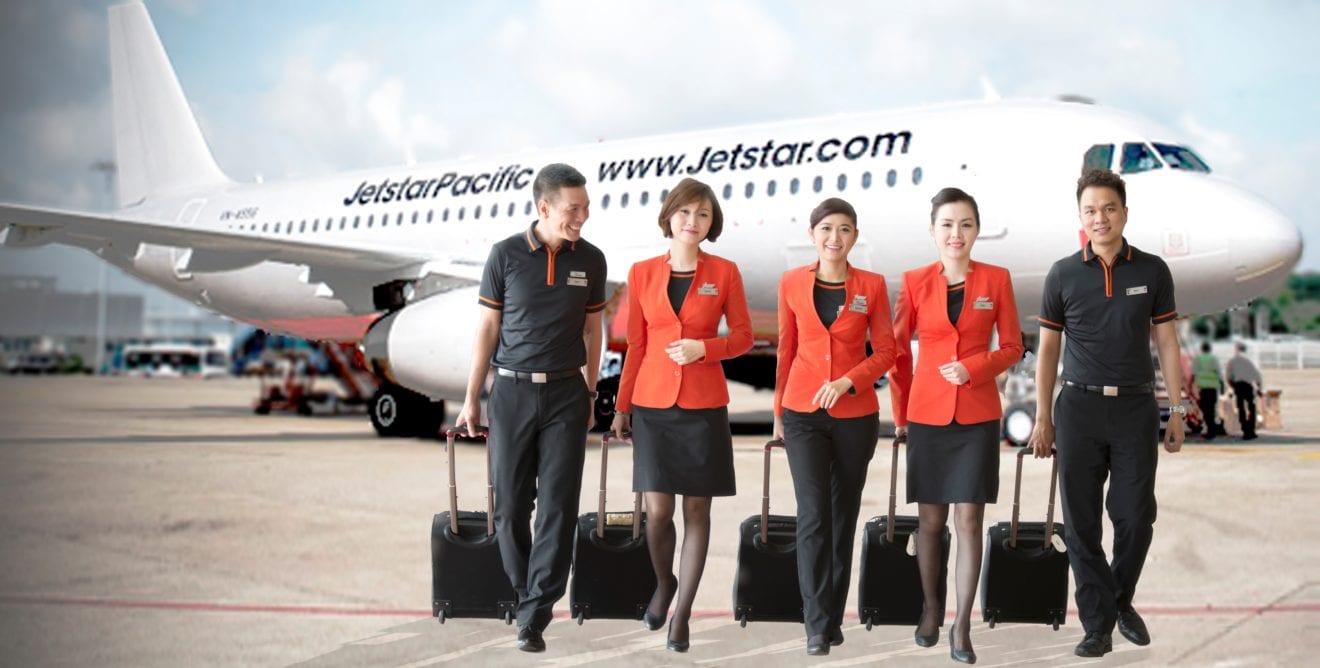
    Jetstar Asia is celebratings its two and a half millionth passenger on the Singapore and Kuala Lumpur route, one of the busiest on the airline’s network.

    In a statement, the low-cost carrier said the milestone coincides with Jetstar Asia’s move of its operations to the klia2 terminal in Kuala Lumpur on July 8.

    Chan Kim Wah, a Malaysian national who works in Singapore, has won himself a RM1,000 flight voucher for being the 2.5 millionth passenger to travel between Singapore and Kuala Lumpur.

    After launching with one daily service in 2008, Jetstar Asia now operates up to 30 weekly services and continues to enhance the travel experience for thousands of passengers who fly between Singapore and the Malaysian capital each year.

    Marking the celebration in Kuala Lumpur, Jetstar Asia Chief Eexecutive Officer Bara Pasupathi said that demand for the route has continued to grow due to the strong business and cultural ties between the two countries.

    “Singapore travellers love visiting Kuala Lumpur, and our commitment to low fares has made more frequent trips for business meetings as well as great food and shopping more affordable.

    “The recent opening of Southeast Asia’s largest factory outlet malls less than two kilometres from the klia2 terminals will serve as new attractions for shopping-savvy Singaporean travellers to visit Kuala Lumpur more often,” he said.

    The malls are part of the KLIA Aeropolis, also known as Malaysia Airports’ airport city master plan.

    Meanwhile, Malaysia Airports Senior General Manager of Operations Services, Datuk Azmi Murad, said: “Airports are no longer just transit points but a destination in their own right.

    “klia2 is a shopping destination with a total of 225 retail and FB outlets throughout the terminal and nearly 200 retail and F&B outlets at gateway@klia2, a shopping annexe to the terminal which aims to cater not only to travellers but to the surrounding community as well.

    “We are delighted to welcome Jetstar Asia to the klia2 terminal today.

    They are joining an increasing number of airlines that recognise klia2 as an exciting, vibrant and convenient terminal especially in terms of its seamless connectivity and world-class facilities.” There are no changes to Jetstar Asia’s schedule and check-in facilities and timings as a result of the move to klia2, and customers can continue to use the enhanced web check-in service straight-to-gate in Kuala Lumpur.

    “The move to klia2, a purpose-built LCC terminal, is an exciting development for Jetstar Asia as our investment in self-service options like straight-to-gate will follow our customers to the new terminal,” Pasupathi noted.

  • Mothercare takes Peoplevox partnership into Asia

    Mothercare takes Peoplevox partnership into Asia

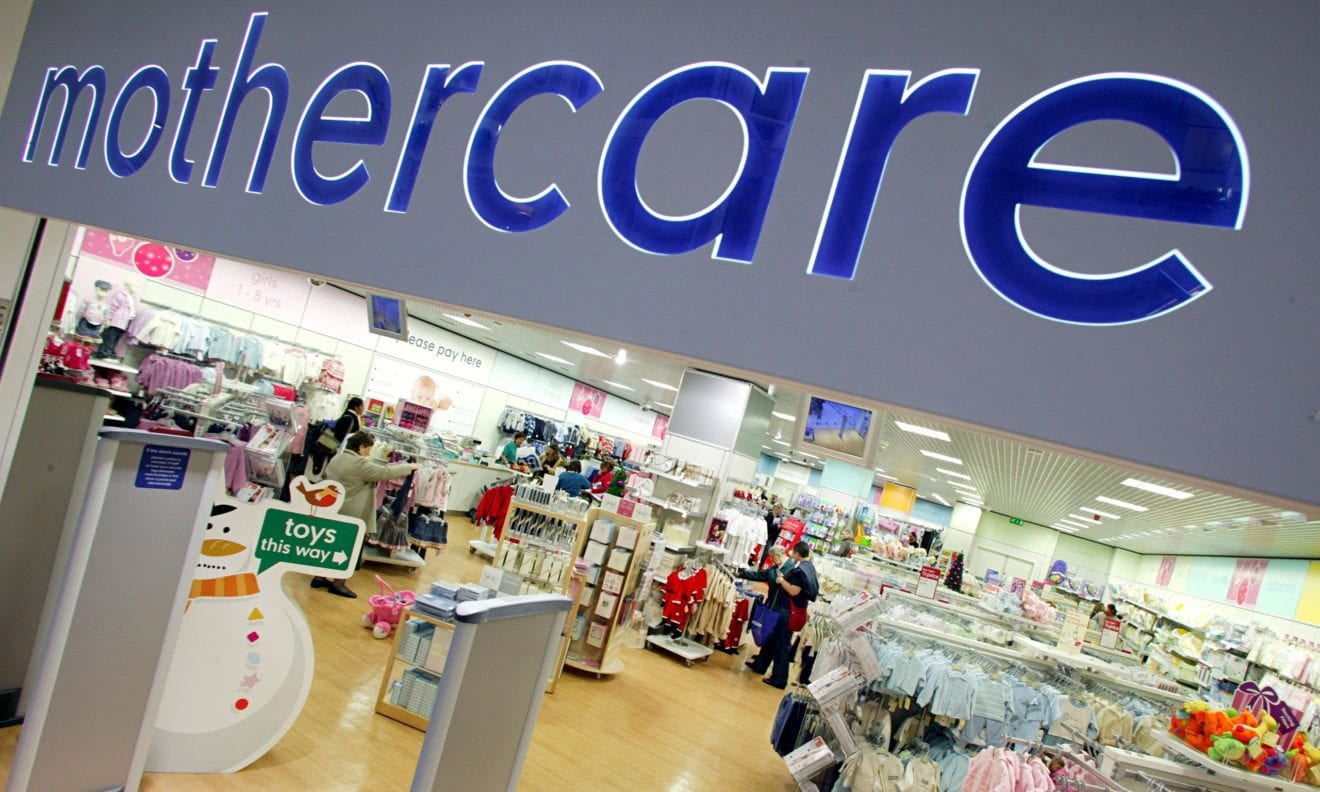
    Baby and maternity products retailer Mothercare is implementing warehouse platform Peoplevox in Asia, following initial success with the system in its Irish business.

    The vendor’s dedicated eCommerce warehouse management system is to be implemented in Mothercare’s Singapore, Hong Kong, Macau, and Malaysia operations, with the retailer hoping to benefit from the company’s “deep functional expertise” as it develops its online presence on a global scale.

    The move comes after Mothercare announced in February that it was among a number of retailers and brands, including country fashion players Barbour and Country Attire, looking to Peoplevox’s self-proclaimed Amazon-style logistics platform to help them compete with the pure-play giant on a global scale.

    Founded by Jonathan Bellwood on the understanding that traditional warehouse management systems are not necessarily the ideal fit for eCommerce operations, Peoplevox has developed a solution that optimises pick routes, eliminating mis-picks, and effectively allows retailers to outsource their stock management processes when entering new territories.

    Elaine Khoo, general manager for eCommerce at Mothercare Singapore, commented: “Peoplevox is an eCommerce warehouse specialist, with impressive pick rates and accuracy levels.

    “We chose them for the software’s capability to support multiple inventory levels and logistics providers, which is important for us operating across different countries.”

    Other Peoplevox clients include fashion retailer Blue Inc, gifts and jewellery business Oliver Bonas and eye-care products supplier Vision Direct.

  • Arcadia Malaysia partner rules out expansion

    Arcadia Malaysia partner rules out expansion

    Wing Tai, the corporate retailer which partners with Uniqlo and a raft of other brands, including the Arcadia Malaysia stores, says it is streamlining its retail business.

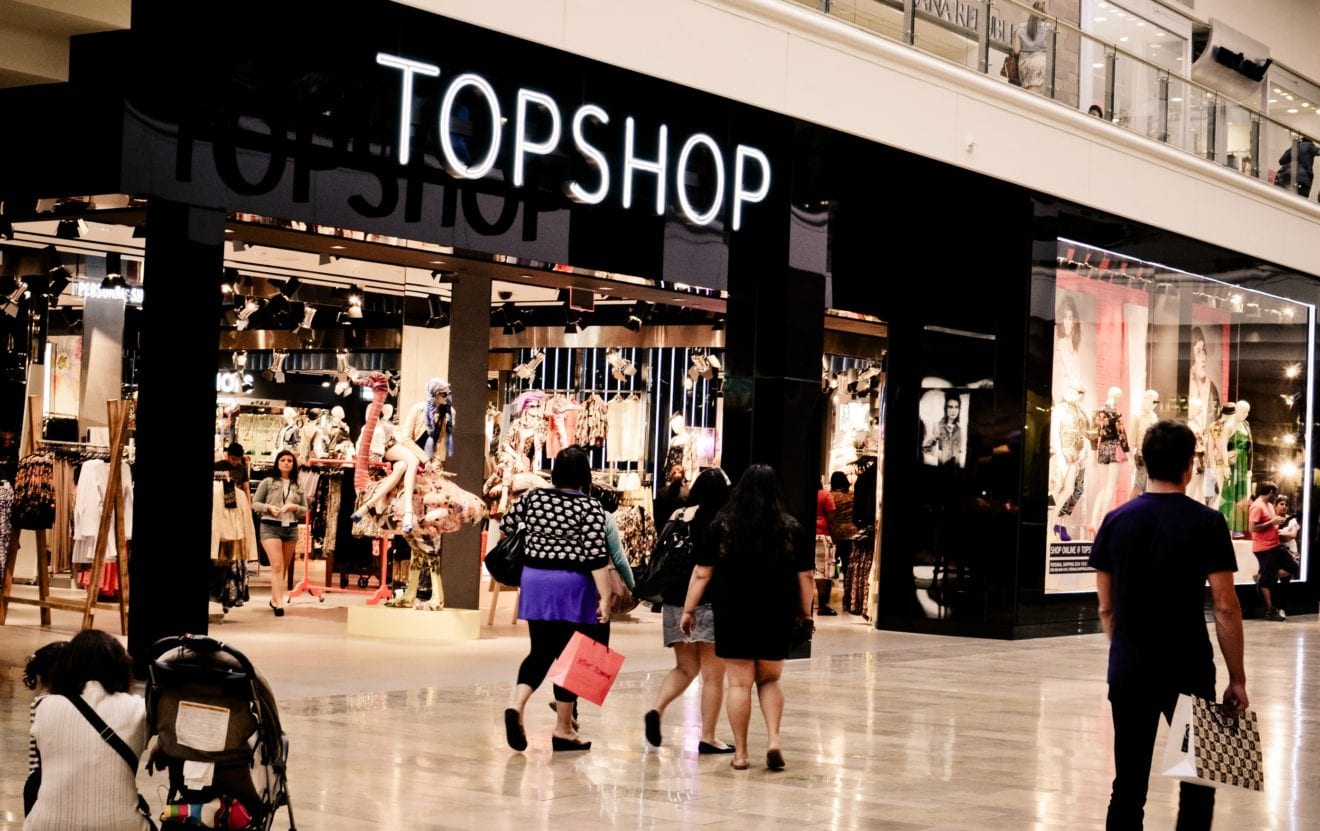
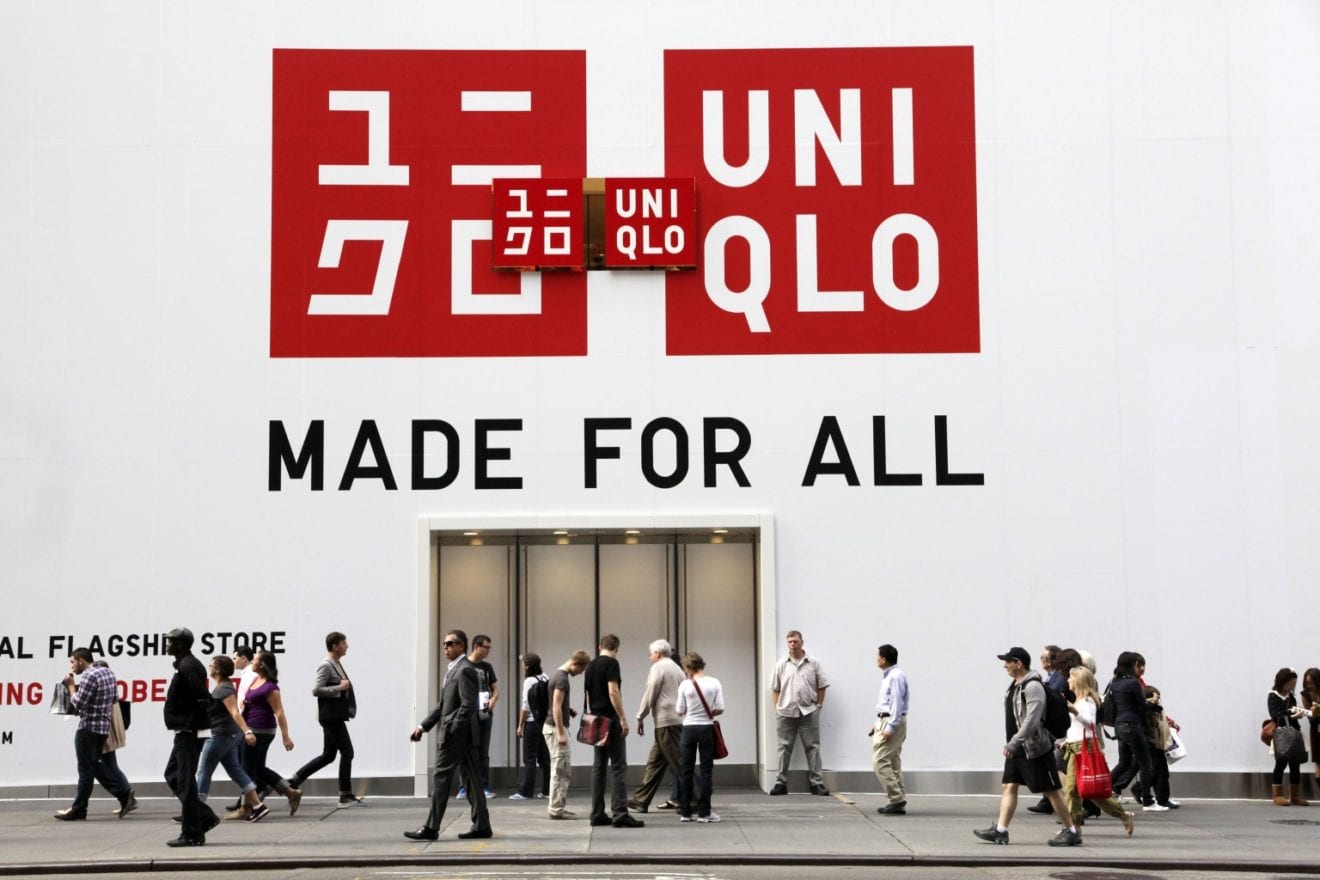
    The listed company has 85 retail stores in Malaysia’s major cities under 12 international brands – Topshop, Topman, Dorothy Perkins, Miss Selfridge, Warehouse, Karen Millen, Pumpkin Patch, Wallies, BCBG, Ben Sherman, Burton and Furla. It also has a 45 per cent stake in the joint venture with Japan’s Fast Retailing, operating 25 Uniqlo stores.

    Wing Tai GM of finance Lee Kong Beng says while the Uniqlo store network, targeting the value driven fast fashion customers, will expand into suburban markets, the Arcadia brands like Topshop and Topman have reached their limits in Malaysia.

    “We will not expand (the Arcadia brands),” he told a press briefing this week.

    He said while there were no current plans to close Arcadia stores, if any store failed to generate positive cashflow or profit it would be cut.

    “For retail, we’d just consolidate because it’s challenging. So no point being a hero, where you open outlets and the sale is not there.”

    Lee said the company was finding the current retail market in Malaysia challenging following the introduction of GST on April 1, which consumers are slowly adjusting to.

    An influx of tourists was bolstering the group’s earnings, with spending holding up in stores in high profile shopping malls.

    “We expect retail sales to pick up because of the weakening of the ringgit, so it’s cheaper to shop in Malaysia rather than in Singapore. It’s a matter of time people get used to GST. We see that (retail sales) are more stabilised now,” Lee said.

  • Uniqlo ‘modest wear range’ targets Muslims

    Uniqlo ‘modest wear range’ targets Muslims

    A new Uniqlo modest wear range designed in partnership with UK designer and blogger Hana Tajima has gone on sale in Malaysia and Singapore.

    The Uniqlo X Hana Tajima Collection is launched today, July 3, at Uniqlo’s 313@Somerset store on Singapore’s Orchard Rd, and online at www.uniqlo.com/sg.

    A promotional campaign is fronted by Malaysian singer Yuna and the range is expected to be launched in Asian markets with large Muslim populations, such as Malaysia and Indonesia.

    Uniqlo says in line with its ‘LifeWear concept’, the collection is designed to meet the needs of women who value comfortable and relaxed wear. This inaugural collection takes inspiration from an international approach in appreciation of diverse culture and style.

    “Although Uniqlo X Hana Tajima caters to ladies who embrace modest fashion, this collection has been carefully designed to suit contemporary tastes and is versatile to complement a fashionista’s wardrobe easily,” the company said in a statement.

    The collection features pants (SG$49.90), skirts ($49.90), rayon blouses ($49.90) and long dresses ($49.90-$59.90) with a comfortable, relaxed fit which Uniqlo says makes them appropriate for an office and perfect as casual outfits.

    “Our conservative customers will certainly delight at the variety of stylish hijab headscarves ($24.90-$29.90), as well as inner AIRism hijab headscarves ($4.90) and headbands ($14.90). AIRism is a Uniqlo patented material that is thin, light and absorbs moisture for extraordinary comfort especially in tropical climates.

    Taku Morikawa, CEO of Uniqlo Singapore, said the Hana Tajima collection illustrates Uniqlo’s ambition of making fashionable, high quality products for all to wear, while enhancing their lifestyle at the same time.

    “We worked with Hana to determine what would be internationally appealing while keeping to the concept of modest wear. We are thrilled with the results of this unique collaboration which produced a desirable collection that does not sacrifice style for utmost comfort.”

    Hana Tajima, who oversaw the design of every piece in this collection, said: “We want to create a collection that not only appeals to modern ladies who prefer to dress modestly, but also an international audience who desire clothes that fit comfortably and look contemporary. My collection is specially designed to allow effortless mix and match for the today’s women to express their own style.”

  • Sportsdirect.com Malaysia expands

    Sportsdirect.com Malaysia expands

    Sportsdirect.com, the leading UK sporting goods retailer, opened its 13th Malaysian store this week.

    The new outlet is in the Oceanus Waterfront Mall in Kota Kinabalu.

    Sportsdirect.com Malaysia plans a further four new stores by November. The foray marks UK-headquartered Sportsdirect.com’s first direct retail investment in Asia, a partnership with Malaysian-owned MST Golf Group of companies, an established regional golf retailer.

    “We are delighted to be opening our next superstore at the Oceanus and to bring a variety of authentic sports brands and categories to Sabah consumers at unbeatable value,” said Sportsdirect.com Malaysia MD Paul Gibbons in a statement.

    At 10,000 sqft, the new store is the largest sports store in Sabah. Sportsdirect.com is a well-known sports shopping destination in UK and Europe with over 900 stores and annual sales revenue of RM15 billion.

    Sportsdirect.com offers a wide selection of global brands in sportswear, footwear and sports equipment, including leading brands such as Nike, Adidas, Puma, Yonex, Li-Ning, Speedo and Arena, alongside its exclusive portfolio of 28 internationally recognised sport, fashion and lifestyle brands including Dunlop, Slazenger, Everlast, Lonsdale and Karrimor.

    Malaysia customers experience the same look, feel and flow of the most modern UK stores, providing the widest and most in-depth range of equipment by brand, technical innovation and value.

    The stores are zoned by key sports categories: the Boot Room for football; Sheruns Heruns for running; Fitness Zone for fitness, cross training, gym equipment, weights, boxing, martial arts and yoga; Racket Centre for badminton, squash and tennis; Swim Shop for pool, beach, water sports and activities; Field & Trek for outdoor and winter, hiking, tracking and camping; the Games Room for table games, darts, table tennis; Big Action for bikes and skates; Men Sports Lifestyle; Women Sports Lifestyle and Kids Sports Lifestyle.

  • New leadership for Foodpanda Malaysia

    New leadership for Foodpanda Malaysia

    Foodpanda, the global mobile food delivery marketplace has appointed new executives to lead the company’s Malaysian subsidiary.

    Joon Chan and Uffe Jordan have been appointed MDs of Foodpanda Malaysia.

    Chan is described as “a seasoned entrepreneur and executor” who after working in the venture capital industry, founded two regional startups and consulted for many across Southeast Asia for Foodpanda’s parent Rocket Internet.

    With Foodpanda having a virtual monopoly on home delivery food services in Malaysia, Chan says he is focused on improving the overall delivery experience of customers.

    “Our main goal is to be the best food delivery service in Malaysia and we will only strive to be the best”, he said.

    Uffe Jordan holds a Master of Science in Finance and Accounting from Copenhagen Business School. He worked more than five years for a Danish private equity firm before joining Foodpanda Malaysia.

    Uffe believes that there is still room for Foodpanda Malaysia to grow and says he will be expanding “the melting pot of restaurants” on Foodpanda, especially Malaysian favorites, with an emphasis of quality over quantity.

    Including the last funding round of US$100 million, Foodpanda globally has now raised over US$310 million since its launch in 2012. After acquiring key competitors in India, Mexico, Russia, Brazil, Eastern Europe and Southeast Asia, the company will use the recent investment to further expand its own delivery activities and improve overall customer experience across its 40 markets.

    Last-mile delivery has been part of Foodpanda’s operations since the beginning, and it says it will now accelerate its efforts to drive customer satisfaction, aiming to offer the most convenient way of ordering food – from the mobile app and online.