Retail News CRM

Tag: Malaysia

  • Parkson’s shares hit 9 ½-year low after sinking into red

    Parkson’s shares hit 9 ½-year low after sinking into red

    Parkson Holdings Bhd’s share price contracted as much as 7.14% to its nine-and-half-year low in the morning trade, making it one of the top losers across the bourse, after the department store operator sank into losses in its latest quarterly results.

    At 2.41pm, Parkson rebounded a little from its intra-day low (RM1.04) to trade at RM1.06, still down six sen or 5.36%, after some 571,800 shares changed hands.

    The current price gives Parkson a market capitalisation of RM1.16 billion.

    In its fourth quarter ended June 30 (4QFY15), Parkson posted a net loss of RM90.95 million or 8.75 sen per share, compared with a net profit of RM26.76 million or 2.56 sen per share last year, largely on weaker retail sentiments.
    This is despite revenue for 4QFY15 rising 5.2% to RM859.04 million, from RM816.51 million last year, mainly due to slightly better figures from China, Vietnam, Myanmar and Indonesia.

    The group’s retailing division registered a weaker set of results for FY15, with revenue increasing only by 4% to RM3.64 billion; while operating profit contracted by 41% to RM190 million, compared with FY14.

    Parkson said its operation in Malaysia saw same-store sales contracting 4.5% for FY15, as consumer sentiments were affected by rising cost of living and the depreciating ringgit.

    For the full year, Parkson’s net profit plunged 69% to RM42.84 million or 4.06 sen per share, against RM138.15 million or 13 sen per share in FY14; while revenue rose 5.4% to RM3.74 billion, against RM3.55 billion last year.

    Despite the lower earnings, Public Investment Bank has upgraded Parkson to ‘outperform’, as it views its weak share price as an opportunity to accumulate, but lowered its target price to RM1.48.

    “We believe the recent slump in share price has deemed Parkson attractive, considering there is still growth in sales and profits going forward, assuming no one-offs incurred,” said the investment bank.

    “We think further weakness in Parkson’s share price is not justified, as the group’s fundamentals remain intact, with more than RM2.7 billion cash and undemanding valuation of 10.6 times and 10 times of financial year 2016 (FY16) and financial year 2017 (FY17) respectively,” it added.

    Additionally, PIVB said the recent announcement of 10 sen per share cash distribution, which will come after its internal reorganisation is completed, is fairly rewarding to shareholders, yielding 8.9% of its current share price

     

  • Burger King Malaysia, Singapore sold

    Burger King Malaysia, Singapore sold

    Burger King Malaysia and Singapore has a new owner after previous franchisor Ekuinas sold out for US$18 million.

    Ekuiti Nasional Bhd (Ekuinas) has sold the operation to Newscape Capital (Newscape) with the agreement of BK Asiapac Pte Ltd, the master franchisor of the Burger King brand in the Asia Pacific region.

    Newscape is an investment company run by experienced retail operators Chua Tia Guan and Lee Thiam Wah. It successfully acquired the rights to Burger King in the two markets after a previous bid by Brahim’s Holdings Bhd was rejected by BK Asiapac in February.

    Abdul Rahman Ahmad, Ekuinas CEO, said the sale would place the Burger King brand with a franchisee with the financial strength and operational expertise to expand the brand’s operations.

    “This exercise has also enabled Ekuinas to successfully complete the restructuring of its F&B portfolio involving our exit from the Quick Service Restaurant (QSR) segment to fully focus and expand on the core Casual Dining and Beverage segments with brands such as Tony Roma’s, Manhattan Fish Market, New York Steak Shack, Coolblog and San Francisco Coffee,” he said in a statement.

    BK Asiapac president David Shear commended Ekuinas’ four year partnership and said the company looked forward to the opportunities working with Newscape.

  • Challenger Singapore shrugs off retail gloom

    Challenger Singapore shrugs off retail gloom

    Listed IT chain Challenger Singapore plans to open new stores this year as sales increase despite the city’s retail malaise.

    Challenger currently operates 45 stores in Singapore, a flagship megastore, 22 superstores and 22 small format stores. The company says it will continue to expand its retail footprint with three new stores planned for the second half of this year. Some stores which are not performing up to expectation will be downsized or closed when their current leases expire.

    Challenger Technologies, Singapore’s largest retailer of IT products and services, has reported a three per cent increased in second quarter sales to $84.7 million.

    It says sales were buoyed mainly by an increase in trade show activities as well as full-year operations for retail stores opened since the second half of 2014.

    These were partially offset by loss of revenue that resulting from its exit from Malaysia in the first half of last year.

    Net profit jumped 21 per cent to $3.5 million, boosted by reduced rental and operating expenses that resulted from the Malaysia exit.

    CEO Loo Leong Thye said although the company had improved its net profit, the IT retail business in Singapore continues to be challenging due to weak consumer spending power.

    “We also face higher operational costs and difficulty in hiring more staff to serve our customers to an expected level of satisfaction.”

  • Clarks steps up in Asia

    Clarks steps up in Asia

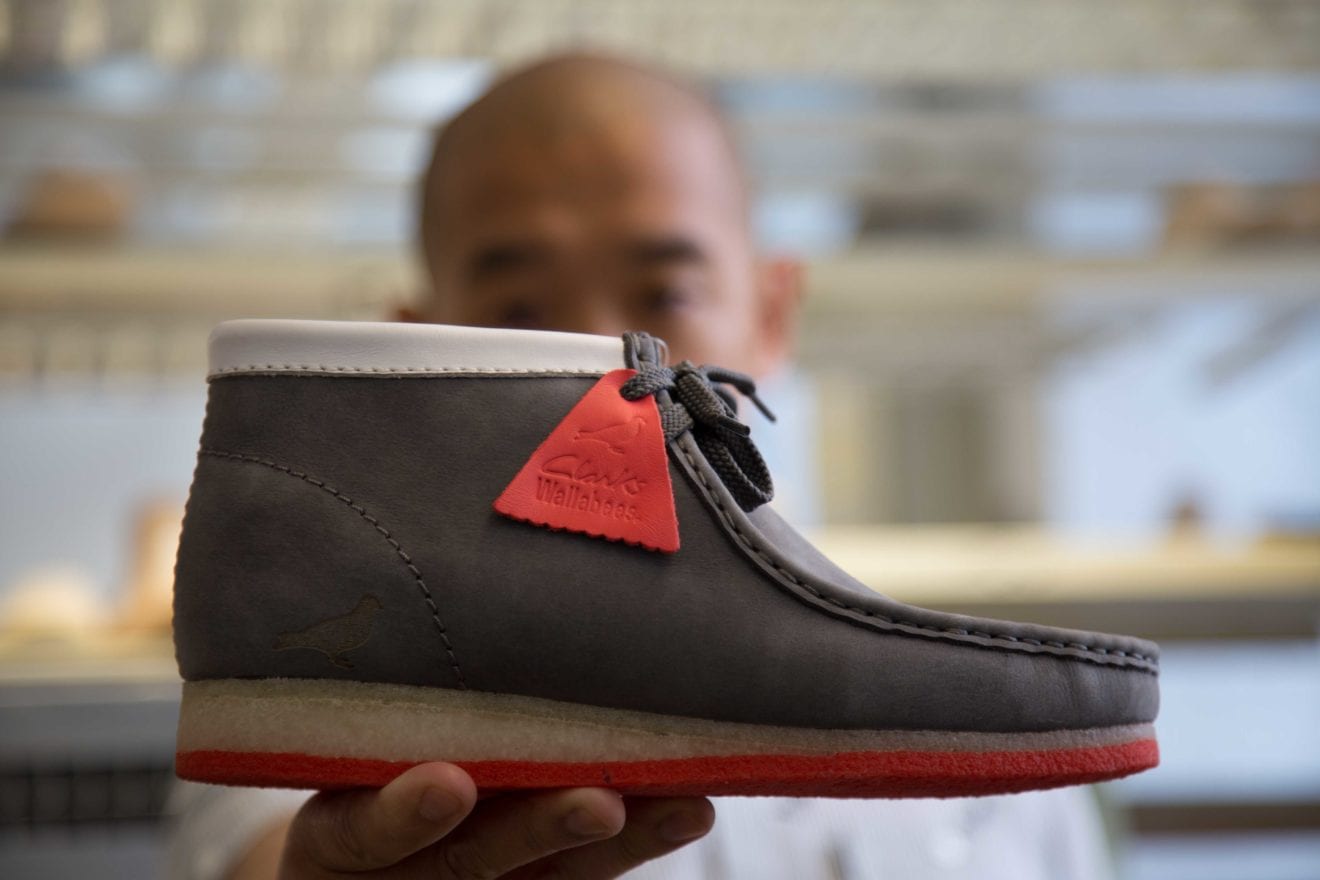
    British footwear brand Clarks says it sees Asia Pacific growth as a “a key strategic focus” for the company.

    The 190 year old, £1.5 billion business, plans to open 100 stores in the region in the next 12 months.

    “As we celebrate a significant birthday, we are as nimble and entrepreneurial as ever and poised for growth,” said Nancy Huang, president of Clarks Asia Pacific.

    “We see great future potential for further expansion and are excited about the possibilities.”

    Clarks, which operates through retail, wholesale, franchise and online channels has a presence in 130 markets worldwide and has been in Asia for 20 years.

    It has a strong footprint in China with 600 points of sale and hundreds of stores across Asia including the markets of India, Japan, Singapore, Malaysia and Indonesia.

    Huang says Clarks’ strong British heritage and reputation for craftsmanship has widely appealed to Asia’s rising middle class. In recent years, the company has invested heavily in building infrastructure, people resources and capabilities in Asia Pacific to support a rapidly expanding set of markets.

    The company will also invest “heavily” in reinvigorating key existing stores in China, Japan and Singapore.

    C&J Clark Limited, owners of the Clarks brand, the privately owned footwear business, was founded in Street, Somerset in the UK by the Clark family in 1825. Still based in Street, the Clarks Group designs, develops and sells a wide range of footwear and accessories for men, women and children. The Clarks brand is renowned worldwide for quality and style with comfort.

  • G-Star Raw eyes Malaysia, Vietnam

    G-Star Raw eyes Malaysia, Vietnam

    Fashion denim brand G-Star Raw says it is considering forays into Malaysia and Vietnam after a successful debut in India.

    G-Star recently opened its first Indian store in Mumbai’s Palladium Mall and plans a network of up to 35 stores by 2020 in partnership with local venture Genesis Luxury.

    “India is an emerging powerhouse, and we want to be part of this growth – particularly as the middle class’ capacity to spend on consumer goods, such as clothing, continues to increase,” a spokesperson for the company told Just Style.

    G-Star Raw already has stores in Australia, China, Japan, Singapore, Thailand, Indonesia and the Philippines.

    “We are looking to expand into Malaysia, and potentially Vietnam, in the future,” the spokesperson said in the interview.

    “We believe the G-Star Raw brand has the potential to grow not only in metropolitan cities, but also in these fast emerging ‘smart cities’.”

  • Uniqlo Malaysia plans seven new stores

    Uniqlo Malaysia plans seven new stores

    Japanese retail giant Fast Retailing is planning to open seven new Uniqlo Malaysia stores.

    Two of the stores are planned for Sabah and Sarawak in eastern Malaysia and will mark the brand’s first foray into the eastern region after establishing a strong network of stores in central Malaysia.

    The seven stores will begin trading between September and November this year.

    Uniqlo said they will be located in the Klang Valley (The Curve), Perak (Aeon Klebang), Kedah (Aman Sentral), Sabah (Imago KK Times Square and Suria Sabah) and Sarawak (The Spring Mall and Vivacity Megamall).

    “The new store openings mark Uniqlo Malaysia’s first entry into East Malaysia, as it looks to provide more Malaysians with high quality, comfortable and stylish clothing at affordable prices,” the company said in a statement.

    Uniqlo Malaysia currently has 25 stores located within the Klang Valley, Johor, Malacca, Pahang and Penang.

    “We are excited with the upcoming new store openings, as it means more Malaysians will be able to purchase and experience our product offerings,” said Uniqlo Malaysia’s co-COO Jocelyn Ng.

    “We remain committed to provide the best shopping experience and make our innovative products, such as Airism and Heattech, more accessible to the communities in these locations.”

  • Malaysian online shopping habits evolve

    Malaysian online shopping habits evolve

    More men are shopping online in Malaysia than ever before. And nearly half of the nation’s online shoppers are doing so on mobile devices.

    Those are two of the key findings of online marketplace 11street’s Online Shopping Index for 2015.

    The split between men and women in the nation’s online shopping community is now 48:52, according to the study based on the four week  Ramadhan and Raya period from June 22 to July 19.

    11street said gross merchandise value (GMV) more than doubled during the Ramadhan and Raya period and in just a few months, 11street has achieved various milestones including a rank of 40 on Alexa

    Hoseok Kim, 11street CEO, says Malaysia is one of the top leading countries in the world when it comes to smartphone Internet access with the number of connected devices per person used by Malaysians which stood at 1.2 devices.

    “As online shopping becomes part of the Malaysian lifestyle, smartphones will play a vital role in enabling shoppers to grab good products and offers online at anytime, anywhere,” said Kim.

    The 11street Online Shopping Index shows that contrary to the popular belief that fashion and electronics are the most sought after categories, Malaysians shop in diverse categories including health & beauty, kids & baby, home & living, grocery, services such as e-vouchers and more. Also, popular items that customers mostly searched during Ramadhan include baby car seats, Tupperware, Bluetooth earphones, and skincare.

    The index found that customers bought from either two or more product categories within a single transaction and that is expected to increase over the next few years.

    By gender, women mostly purchased mobile, tablets, beauty, health and personal products as well as baby and kids items. Men shopped for electronics, sports and leisure items – and kids & baby, especially gear such as baby car seats.

    11street currently carries more than 700,000 products making it one of the largest online marketplaces in Malaysia.

  • Chinese shoppers feel safer online

    Consumers across Southeast Asia and Greater China feel safer paying in a brick and mortar environment as opposed to online; sole exception is China

    According to the inaugural MasterCard Safety and Security Index, consumers across Southeast Asia and Greater China cited identity theft and ATM-related fraud as the top two security concerns when it comes to electronic payments.

    Some 42 per cent of consumers in Southeast Asia (Indonesia, Malaysia, Philippines, Singapore Thailand, and Vietnam) were most concerned with ATM-related fraud such as a stolen card, card cloning or skimming. In the Greater China markets (China, Hong Kong and Taiwan), this figure was 31 per cent.

    But the biggest surprise was in confidence in shopping online. The Index showed that in general, consumers across Southeast Asia, and the markets of Taiwan and Hong Kong still feel safer paying in a bricks and mortar environment than buying online. China differed, being the only market where consumers felt paying online was safer than in a physical store; even more so than in Singapore.

    Almost every consumer polled in the Greater China markets had made an online payment in the past year. Consumers in China (62 per cent) particularly favored the use of digital wallets in online electronic payments over those in Hong Kong (14 per cent) and Taiwan (29 per cent).

    Consumers across Southeast Asia (35 per cent) and Greater China (32 per cent) were almost as equally concerned about identity theft in relation to data breaches. This includes personal data such as bank details, personal IDs, addresses, and signatures that are stolen or compromised through websites. In both regions however, it appears that these concerns do not directly stem from consumers’ own personal experiences but rather, as a result of the perceived severity of fraud based on what was reported in the media.

    MasterCard chart1

    Meanwhile, the Index also reinforced that banks continue to play a critical role in ensuring payment safety and security for consumers in Southeast Asia. This is both, because of the high levels of trust consumers place in banks as well as the reliance that consumers have on banks to help them resolve issues that crop up in this area.  Banks are often the first line of defense and recourse for the affected consumer – nearly half of all consumers in Southeast Asia who experienced ATM fraud first approached their card-issuing banks for advice.

    “The fact that most cardholders have a primary relationship with their banks, has an obvious and deep-rooted correlation to their sentiment, around who they trust most when it comes to ensuring the safety and security of electronic payments,” said Ari Sarker, oo-president, Asia/Pacific, with MasterCard.

    “This was emphatically reflected in the feedback from all the markets in Southeast Asia and Greater China. However, in Singapore in particular, in addition to banks, consumers also placed significant trust in the government, which is a natural outcome given the country’s strong regulatory environment and overall reputation around safety and security.”

    None of the respondents surveyed in Southeast Asia placed any trust in local websites, suggesting that there is still a lot of work to be done by local eCommerce merchants to ensure that they meet global security standards for payments and build consumer confidence on this front.

    In Greater China, aside from banks and governments, merchants were also seen to have a growing responsibility in ensuring payment safety and security, with 28 per cent of consumers in these markets going to merchants as their first recourse in seeking resolution for payment safety and security issues. Furthermore, merchants in these markets were instrumental in solving 40 per cent of all online electronic payment disputes.

    These and other key findings of the MasterCard Safety and Security Index will be discussed at the MasterCard Global Risk Leadership conference in Singapore on August 26 – 27. The 20th edition of this conference will gather global payment risk leaders to share best practices in fighting fraud together, as an industry. The conference demonstrates MasterCard’s commitment in helping partners and customers fight fraud using the latest tools, processes, and technologies so there is no one weak link in the payments ecosystem.

    The survey was carried out across in six markets in Southeast Asia (Indonesia, Malaysia, Philippines, Singapore, Thailand, and Vietnam) as well as three markets in Greater China (China, Hong Kong, and Taiwan). A total of 6600 consumers and 100 merchants were polled online and face-to-face between January and May 2015 on questions relating to the payments security landscape, payments in brick and mortar and online, safety and security payment concerns and experience with payment fraud, among others.

  • RedMart Singapore raises $26.7m

    RedMart Singapore raises $26.7m

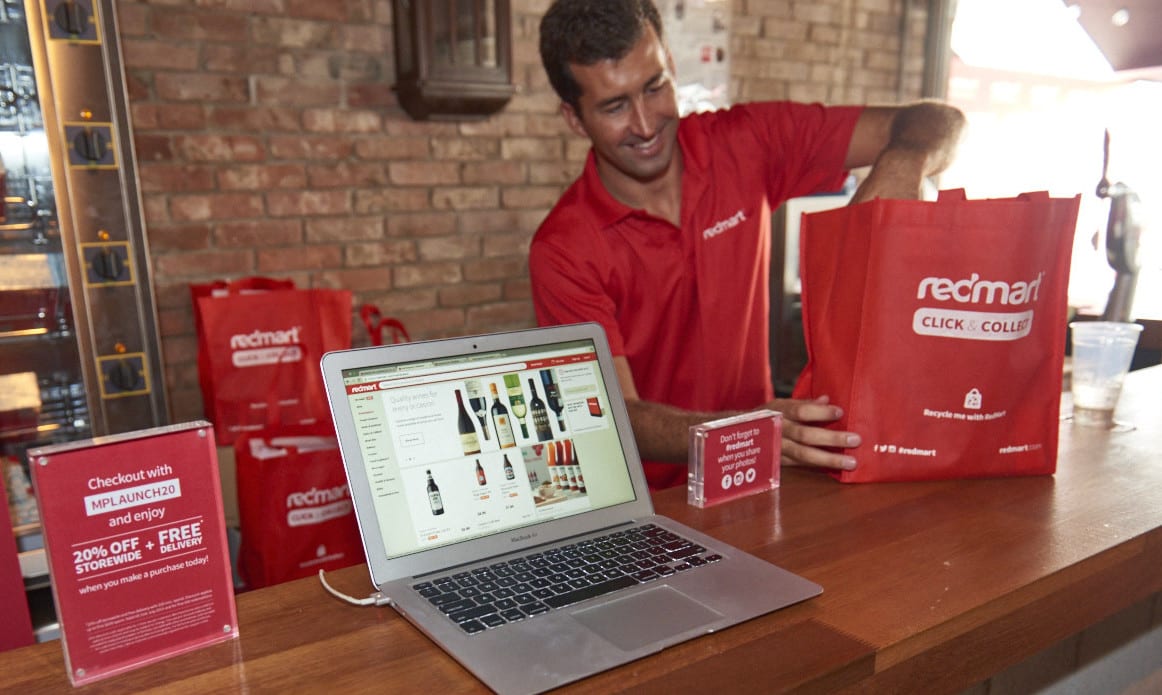
    Singapore online grocer RedMart has raised more capital and appointed a former Amazon executive to drive regional expansion.

    RedMart Singapore has previously indicated an interest in expanding into Vietnam, Thailand, Manila, Hong Kong, Indonesia, Malaysia and Taiwan – but it has not disclosed which markets it sees as a priority with its newly secured funds.

    RedMart has secured US$26.7 million in a round of funding tapping existing shareholders Garena, Softbank Ventures Korea, Visionnaire Ventures and Facebook co-founder Eduardo Saverin. It has also attracted a new investor – Far East Ventures, part of Singapore property developer Far East Organization which is diversifying its investment portfolio eyeing startups and tech ventures.

    The funds will be used to expand into regional markets outside Singapore, a move to be led by new recruit Colin Bryar, a former VP of US eCommerce giant Amazon.

    RedMart Singapore increased sales to US$9.43 million in 2014, but massive investment in infrastructure saw its losses balloon to $29.4 million – a not uncommon scenario of eCommerce startups.

    Bryan will oversee engineering, marketing and operations, taken over from co-founder Vikram Rupani, who takes on the title of President of RedMart.

  • Telent to open Malaysia stores

    Telent to open Malaysia stores

    Chinese outdoor apparel brand Telent says it plans to set up retail points of sale in Malaysia as a first step in a broader Southeast Asian push.

    Telent specialises in the design, manufacture, marketing, brand management and distribution of branded outdoor apparel, footwear and equipment. It is China’s second largest outdoor wear brand measured by retail sales value.

    Telent is undertaking an IPO in Malaysia, issuing 103.39 million new shares at ten US cents each.

    The first new store will open in Kuala Lumpur with other Southeast Asian stores will follow as early as the third quarter of this year, in part funded with the funds raised in the IPO

    Telent Group executive director Hui Tang Tat says the product sales mix percentage in outdoor apparel and outdoor footwear respectively posted 43.8 per cent and 49.5 per cent sales growth last year, while equipment products grew by a more modest 6.7 per cent.

    As of October, Telent had 817 retail points of sale and 23 network distributors across China.

    “The Malaysian market is competitive and building our presence there will offer us a platform and opportunity to expand in this region,” Hui said during a media conference.

    “Perhaps in the next five to 10 years, we can go down the road to tap other Asian markets as we want our brand to be globally recognised,” he said.

  • AirAsia bags gold at Putra Brand Awards 2015 for 6th consecutive year

    AirAsia bags gold at Putra Brand Awards 2015 for 6th consecutive year

    AirAsia Bhd emerged the gold recipient for the “Transportation, Travel & Tourism” category for the sixth consecutive year at the Putra Brand Awards 2015.

    The award was given to AirAsia for the airline’s continued presence as the country and the region’s leading and largest low-cost carrier.

    Elated at having bagged the award, chief executive officer Aireen Omar said AirAsia was committed to further grow its route network as the airline moves from being just a low-cost carrier to a value-carrier.

    The Putra Brand Awards was launched in 2010 by the Association of Accredited Advertising Agents Malaysia to recognise brand building as an integral business investment.

  • 11street Identifies Evolution in Malaysian Online Shopping Trends

    11street Identifies Evolution in Malaysian Online Shopping Trends

    11street (www.11street.my), one of the largest online marketplaces in Malaysia, today showcases its Online Shopping Index, which identified the latest changes in online shopping behaviours of local consumers, as well as specific e-commerce insights during the four-week Ramadhan and Raya period from 22 June to 19 July

    In addition, online marketplace 11street shares that its gross merchandise value (GMV) has surged significantly because of the Raya shopping season. The company has also celebrated notable milestones, one of which is achieving a rank of 40 on Alexa[1] within months since its launch in April this year.

    Hoseok Kim, CEO of 11street says that based on the 11street Online Shopping Index, the market is expecting to see online shopping trends evolving for both men and women in addition to a rapidly growing use of mobile in the future.

    “Malaysia is one of the top leading countries in the world when it comes to smartphone Internet access with the number of connected devices per person used by Malaysians which stood at 1.2 devices. As online shopping becomes part of the Malaysian lifestyle, smartphones will play a vital role in enabling shoppers to grab good products and offers online at anytime, anywhere,” Kim adds.

    Key findings of the 11street Online Shopping Index include the following:-

    More Diverse Online Purchase

    Contradicting to the popular belief that Fashion and Electronics are the most sought after categories, Malaysians shop in diverse categories including Health & Beauty, Kids & Baby, Home & Living, Grocery, Services such as e-vouchers and many more. Also, according to the index, popular items that customers mostly searched during Ramadhan include baby car seats, Tupperware, Bluetooth earphone, and skincare.

    Furthermore, the 11street Online Shopping Index uncovers that customers actually bought from either two or more product categories within a single transaction and it is expected to increase over the next few years.

    Online Shopping is No Longer Just for Women

    The data shows that women are no longer the only gender that drives purchasing trends when it comes to online shopping, whereby 11street shoppers are a healthy ratio of 48 men: 52 women.

    For women, they mostly purchased mobile, tablets, beauty, health and personal products as well as baby and kids items. The changing trends revealed that men shopped online just as much as women. During Ramadhan, their interests lie not only in Electronics, Sports and Leisure items, but also for Kids & Baby items especially baby gears such as baby car seats for their children’s comfort and safety. This also shows that both men and women prioritize their children when travelling during the festive season, which is a positive sign of rising awareness on child passenger safety across the country.

    Mobile is the Future of E-commerce

    There is a progressive move towards mobile as more consumers are becoming connected, and businesses are adopting an omni-channel approach and as a result, spurs positive growth in Malaysia’s e-commerce market.

    According to the index, at least 40 percent of the shoppers are using their mobile devices to shop at 11street. Moreover, during Ramadhan, peak shopping hours began from the breaking fast period until midnight.

    Business Overview and Moving forward

    11street has grown tremendously in Malaysia and received overwhelming response from both local customers and sellers since its inception. Besides its achievement on Alexa rank, it currently carries more than 700,000 products making it one of the largest online marketplaces in Malaysia.

    Kim attributed the growing popularity of 11street to its ability of providing a convenient and enjoyable shopping experience and attractive product offerings at affordable prices. This is especially true for their much highlighted ‘SHOCKING DEALS’, which guarantee shoppers that if they can locate the same product selling at a cheaper price in another online shopping site, 11street will refund them with the price difference of the product at 110%. It is possibly the first of its kind deal in the local online retail market.

    Moving forward, 11street will be developing a combined strategy with focus to continue boost its product variety and price competitiveness while focusing on mobile shopping.

    “With the latest Malaysian online shopping insights in mind, we are committed to support the vital needs of sellers and online shoppers by building a stronger platform, and to enable customers to find what they love at 11street,” ends Kim.

  • Malaysia’s Axiata Boosted by Overseas Business

    Malaysia’s Axiata Boosted by Overseas Business

    Malaysia’s Axiata says profits rose sharply in the second quarter, thanks to contributions from various overseas interests, and claims to have seen improvements in the markets of Malaysia and Indonesia, where it has been struggling amid fierce competition.

    Through its various subsidiaries and affiliates, Axiata Group Berhad serves about 260 million mobile subscribers in Asia, making it one of the region’s biggest operators by customer numbers.

    Axiata reported a 34.2% year-on-year increase in profits after taxation and minority interests, to 611 million Malaysian ringgits ($147.9 million), following strong contributions from subsidiaries in Sri Lanka, Cambodia and India.

    Difficulties in Malaysia and Indonesia triggered a 0.5% dip in revenues over the same period, to MYR4.7 billion ($1.14 billion), but the operator said that Malaysia’s Celcom Malaysia had grown its customer base for the first time since the third quarter last year and that Indonesia’s XL was also making good progress.

    Nevertheless, Dato’ Sri Jamaludin Ibrahim, Axiata’s president and CEO, said there is still work ahead before the operator could feel satisfied with its performance.

    “While Celcom’s IT transformation issues are generally resolved and we are making significant progress in regaining some goodwill that was lost last year, there is still more to be done,” he said in a company statement.

    Axiata blamed declines in the voice and text-messaging businesses for a dip in Celcom’s service revenue but also claimed to have added another 61,000 customers to its subscriber base in the quarter.

    Having launched a series of new pre- and post-paid tariffs, the operator said it is now “regaining market confidence.”

    Axiata serves about 12.3 million customers in Malaysia, down from 13.4 million in the second quarter of 2014, but still generates about 38% of its revenues in the country.

    Celcom believes that upgrades to its IT systems will help it to compete more effectively against rivals including Maxis Communications Bhd. and DiGi Telecommunications Sdn Bhd. , which appear to have been eating into its market share in recent quarters.

    A similar transformation program is under way at XL in Indonesia, where subscriber losses have been even more dramatic over the last year.

    Currently Indonesia’s third-biggest mobile operator, XL revealed that customer numbers fell to about 46 million in the second quarter from as many as 62.9 million in the same period last year.

    In local currency terms, revenues have dropped from 6.1 trillion Indonesian rupiahs ($439 million) to IDR5.6 trillion ($403 million) over the same period.

    XL says its current strategy is to focus on serving heavier-spending customers. It has booked a sharp increase in average revenue per user over the past year — up to IDR32,000 ($2.3) per month from IDR26,000 ($1.87) in the second quarter of 2014 — despite the overall sales decline.

    Axiata’s performance in the much smaller markets of Sri Lanka and Cambodia stood in sharp contrast to the setbacks at home and in Indonesia.

    Sri Lanka’s Dialog grew revenues to 17.7 billion Sri Lankan rupees ($130 million), from SLR16.7 billion ($120 million) in the second quarter of 2014, and saw its customer base balloon from 9.3 million to 10.1 million subscribers over the same period.

    In Cambodia, meanwhile, Axiata revealed that revenues have grown from MYR270 million ($65.4 million) in the first six months of 2014 to MYR420 million ($101.7 million) in the same period this year.

    Axiata was also boosted by the performance of Idea Cellular Ltd. , one of India’s biggest mobile operators, in which it owns a stake of about 20%.

    In its results presentation, the operator indicated that Idea contributed MYR102 million ($24.5 million) to its profit before taxation and minority interests in the second quarter — about a sixth of the total figure.

    Fueled by growth in India’s burgeoning mobile data market, Idea reported a 14% year-on-year increase in revenues in the April-to-June quarter.

  • Wing Tai shrugs off negative sentiment

    Wing Tai shrugs off negative sentiment

    Malaysian apparel retailer and property investor Wing Tai says it remains confident that the nation’s retail sector will bounce back in the wake of the GST-driven retail sales downturn.

    The company has reported a 41.8 per cent slump in profit in the three months immediately following the April 1 introduction of Malaysia’s modest six per cent goods and services tax on considerably sales revenue which more than halved – from RM146.6 million to 66.5 million.

    While the fall in revenue was more attributable to the property division rather than its retail interests, the company noted its retail profit margins were affected by higher import costs due to the weakening ringgit and subdued consumer spending.

    “While the retail (division) outlook is expected to be challenging in 2015 with weak ringgit and soft consumer spending, the retail division will continue to streamline its operations to enhance its performance,” Wing Tai said in its earnings statement.

    “In consideration of the prevailing market conditions and barring any unforeseen circumstances, the group expects to remain profitable for the next financial year,” it said.

  • Courts Asia fortunes improve

    Courts Asia fortunes improve

    Strong sales in Malaysia and Indonesia have buffered electronics and furniture retailer Courts Asia from Singapore’s retail downturn.

    The company has reported a 19 per cent increase in quarterly profit, to S$6 million in the three months to June.

    “Our Malaysia business has seen improving profitability with the success of our credit campaign, whilst the Singapore business is still being impacted by the soft retail environment,” group CEO Terry O’Connor said in the earnings statement.

    The Malaysian success will no doubt surprise shareholders and retail analysts given the nation experienced a sharp downturn in retail sales when the goods and service tax was imposed on April 1.

    “For Malaysia, we remain cautiously optimistic on the medium-term outlook. With the Goods and Services Tax implementation underway for several months now, we expect consumption habits to normalise over the next three to four quarters, though the recent weakening of the ringgit may pose some short-term challenges,” he added.

    The ringgit has slumped from 3.5 to USD1 to 4 in less than six months.

    Malaysia accounts for 35 per cent of Courts’ sales, its Singapore home market 63 per cent.

    Indonesia, accounting for the remaining two per cent, is Courts’ newest market. It has three stores operational now with a fourth due to open by December.

    Looking forwards, O’Connor said he expected consumer sentiment in Singapore to remain subdued over the short term.