Retail News CRM

Tag: Malaysia

  • Uniqlo Malaysia expands footprint

    Uniqlo Malaysia expands footprint

    After making its first foray into East Malaysia by opening two  stores in Kota Kinabalu, Sabah and one in Kuching, Sarawak, Uniqlo Malaysia is opening its first Perak store in the newly opened Aeon Mall Ipoh Klebang.

    This will be Uniqlo’s 31st store in Malaysia as the company increases its reach to make its high quality and affordable apparels more accessible to Malaysians.

    Uniqlo Perak Malaysia 1

    “As we further increase our reach to Malaysians, we want to be a brand that is present in various aspects of our customers’ daily lives. Be it just lounging at home or engaging in sports activities, we want to be the brand that provides clothes which enable them to engage in these daily activities with ease” said Jocelyn Ng, COO.

    Uniqlo Perak Malaysia 2

    Uniqlo Malaysia has lined up two more store openings in Johor and Sarawak, respectively. These will be the second Uniqlo stores for both states, after City Square in Johor Bahru and The Spring in Kuching.

    Uniqlo Perak Malaysia 4

    Uniqlo recently announced its collaboration with Disney to produce items with Disney,  Pixar, Star Wars and Marvel characters, which will be rolled out in its Malaysian network.

  • Asian retailers called into haze campaign

    Asian retailers called into haze campaign

    As the toxic haze caused by Indonesian forest fires continues to enshroud Singapore and parts of Indonesia and Malaysia, the campaign to boycott brands linked to the fires is widening across Southeast Asia.

    Last week, the Singapore Environment Council (SEC) and Consumers Association of Singapore (Case)reached out to more than 3000 companies to get their commitment and declaration that they procure their wood, paper and/or pulp materials from sustainable sources. These include book stores, supermarkets, other retailers and manufacturers of paper and tissue products.

    Today, Consumers International (CI) has stepped in to ramp up the campaign, encouraging retailers and consumers in Indonesia, Malaysia, Singapore and Thailand to boycott brands and suppliers who have not committed to sourcing from companies who reject supplies from irresponsible forest burning.

    Singapore’s largest supermarket operator, NTUC FairPrice has already recalled stock supplied by Asia Pulp & Paper products due to the paper giant’s role in contributing to the toxic haze.

    Today, CI called on all consumers to stop buying products produced by companies involved in the purchase or sourcing of wood, paper and/or pulp products that cause the haze.

    “The global body is concerned that unlike Singapore, companies in Indonesia, Malaysia and Thailand are not declaring their source of procurement of sustainable wood, paper and/or pulp.

    “Every year people in Indonesia, Singapore and Malaysia are suffering under a thick haze of smog which is caused by the burning of forests for production of pulp, paper and palm oil primarily on the island of Sumatra, in western Indonesia and Borneo. The haze is leaving millions of people at risk of respiratory and other disorders. In addition countries in the region are also suffering economic losses and environmental damage including acid rain formation and other effects.”

    CI says that with a lack of information about which companies’ activities are contributing to the haze, consumers should buy products that carry internationally recognised green labels such as Forest Stewardship Certification (FSC) or other independently verified labels that support sustainable production that does not cause harm to the wellbeing of consumers.

    “CI believes that consumers should send a strong signal to the errant companies through their purchasing power and refuse to support companies which are contributing to this environmental disaster by their irresponsible practices.”

    CI has also requested all governments in the region to take a tough stance against companies responsible for haze.

    CI  is the world federation of consumer groups that, working together with its members, serves as the only independent and authoritative global voice for consumers. It has more than 240 member organisations in 120 countries.

  • Corner stores still dominate Asia retail

    Corner stores still dominate Asia retail

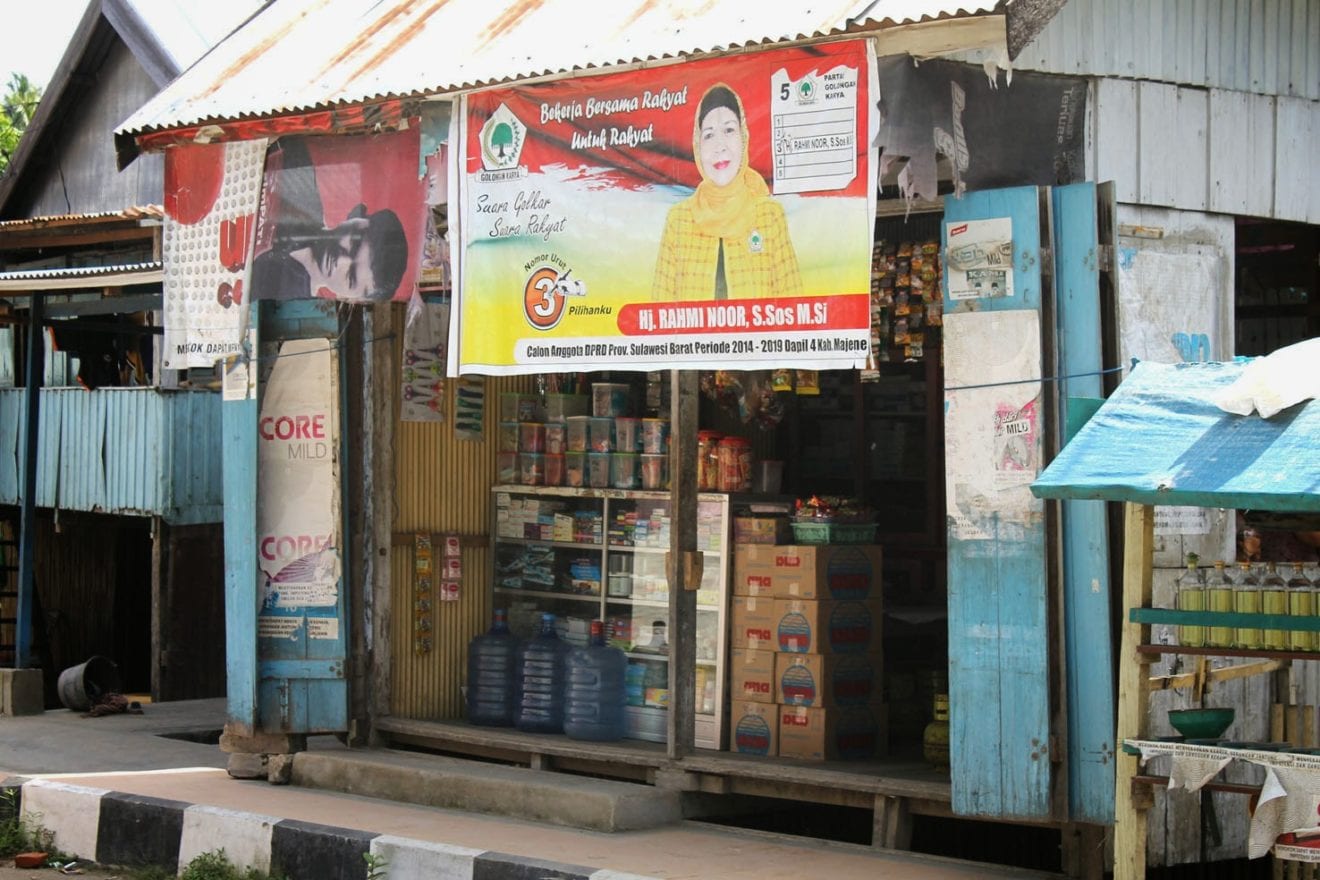
    In Asia retail, the humble corner store is an essential ally to fast-moving consumer goods in the battle for market share and customer loyalty, according to a new report from global performance management company, Nielsen.

    The whitepaper, Maximising Traditions – The Shop. Shopper. Shopkeeper, argues that a better understanding of this fragmented yet ubiquitous traditional trade channel – which comprises more than 5 million outlets in Southeast Asia alone – has the potential to drive sales by putting brands in front of more consumers.

    Nielsen’s research suggests that to better maximise sales, brands should consider a more thorough analysis of their market segmentation, and tap into the understanding of the shopkeeper and shopper.

    Traditional trade channels account for almost half of all grocery sales in Asia and India. In 2014, 47.9 per cent of all retail sales were made through traditional trade channels, compared to 17.2 per cent for supermarkets which account for the second-largest proportion of sales.

    The paper’s author, Connie Cheng, Nielsen’s executive director of shopper solutions for Southeast Asia, North Asia and Pacific, says traditional trade accounts for up to 70 per cent of all retail sales in key markets such as Jakarta, Indonesia, and Ho Chi Minh City, Vietnam.

    “While there’s been a headlong rush into the hypermarket and supermarket retail formats throughout most of Southeast Asia, there are untapped loyalties between brands and consumers shopping at traditional trade stores on every street corner, in every town, village and city,” said Cheng.

    “With almost 50 per cent of retail sales in Asia made at a small, independent grocery store, the research suggests that FMCG brands are leaving money on the table. The key to maximising sales through traditional trade channels is to focus on the relationships between the shopkeeper and the shopper,” she said.

    Maximising Traditions finds that the humble warung in Indonesia, the Philippines’ sari-sari, Malaysia’skedai runcit and Vietnam’s cử a hàng tạp hóa are used by consumers in similar ways. The majority of consumers shop at traditional trade stores for daily meals, snack foods and beverages for immediate consumption, while they are less important for top-up or main shopping trips.

    The whitepaper reveals that the majority of consumers plan their trips to the most conveniently located store in advance, and have a specific brand in mind. Such behaviour highlights opportunities for brands to vary pack formats or leverage loyalty for premium lines to increase basket size.

    When it comes to commonly purchased products, powdered coffee blends, coffee and carbonated drinks top the list in Indonesia, the Philippines and Vietnam, respectively.

    While shoppers clearly tend to view the traditional trade store as an extension of their kitchen pantry, sales of homecare and personal care lines are also common purchases. Laundry items, shampoos, makeup, vitamins, baby-care lines and general household products are the most frequently purchased items at grocery stores in Indonesia, the Philippines and Vietnam.

    The report suggests that marketers need to undertake a more thorough segmentation analysis to maximise market share. Although traditional trade grocery outlets are plentiful in Indonesia, Malaysia, the Philippines, Thailand and Vietnam, the market is fragmented.

    Cheng suggests extending segmentation and tapping shopkeepers for their intimate understanding of hyper-local consumer behaviour.

    “Information on demographics, psychographics and shopper behaviour can help provide actionable information for sales teams,” she adds.

    A better understanding of grocery shoppers can also assist in brand strategy and modelling, potentially unlocking value for brands in regions with a higher average GDP. This may help overcome issues in a fragmented market.

    “There’s an unfortunate and unnecessary disconnect between the desires of brand managers, who may think that bigger is better, and the demands of shoppers utilising Southeast Asia’s most popular channel for purchasing groceries,” continues Cheng.

    “Traditional format stores are as relevant now as they have ever been. By better tapping into consumer behaviour, brands can discover what most Southeast Asians already know; that bigger doesn’t always equate to better.”
  • Biggest Ikea in Malaysia to open in Cheras in November

    Biggest Ikea in Malaysia to open in Cheras in November

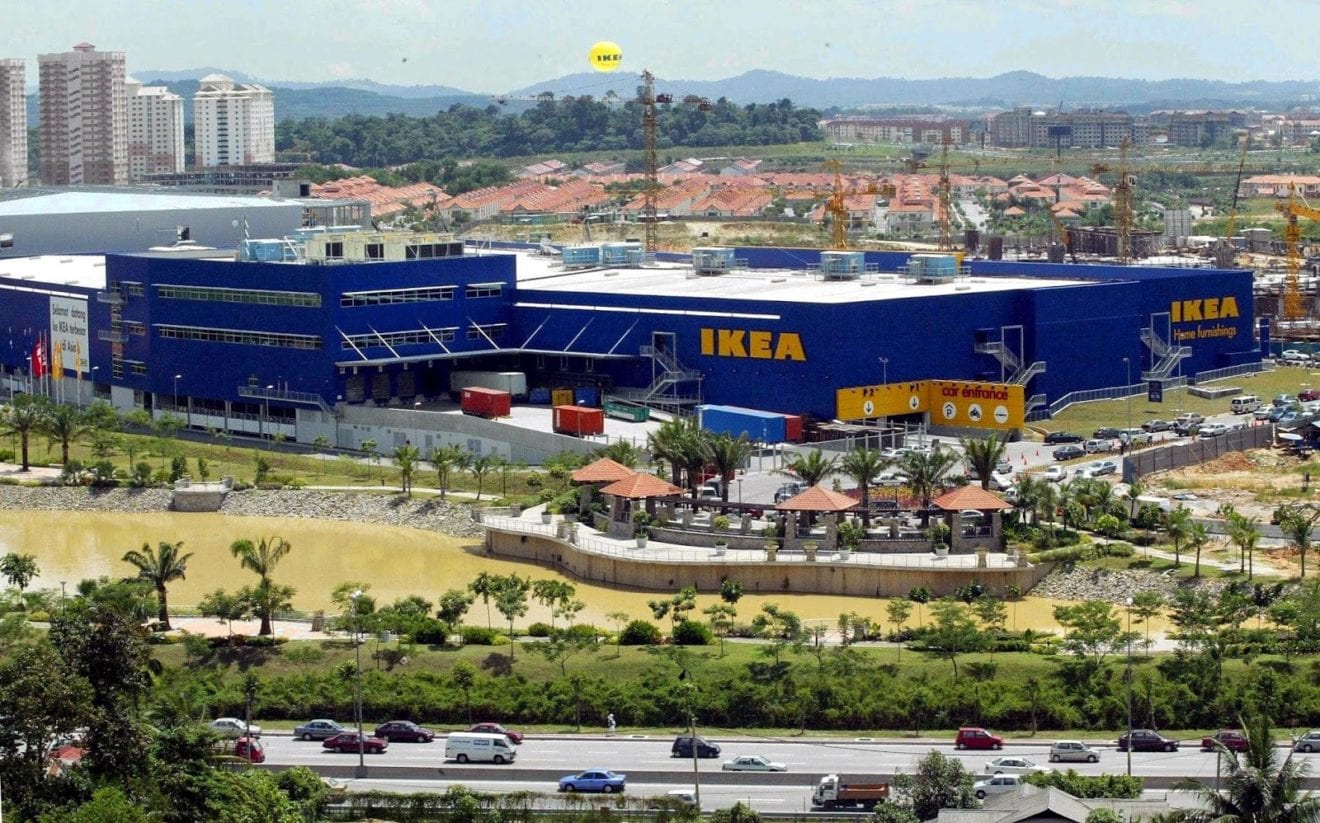
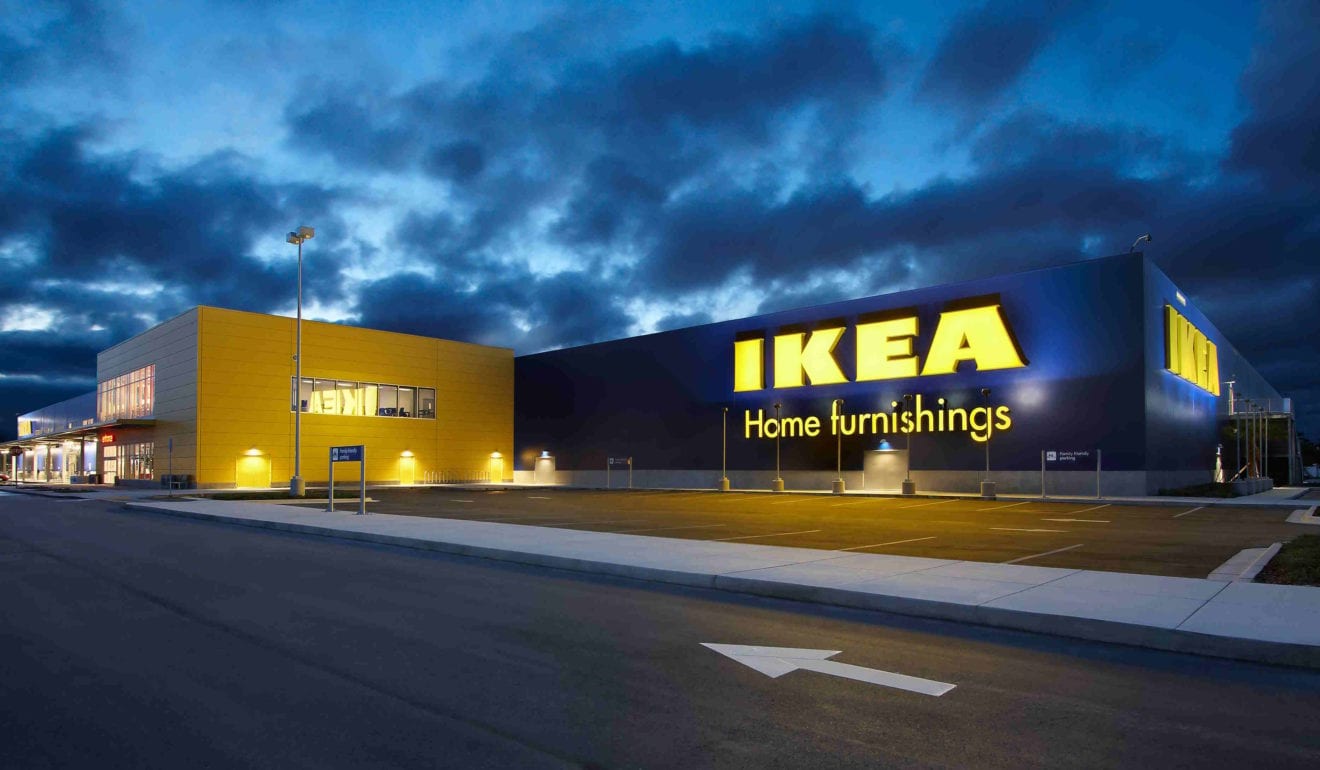
    An artist’s impression of the Ikea store in Cheras. – Pic supplied, September 29, 2015.Ikea Cheras is one step closer to opening its doors as they celebrated the completion of the building with a traditional Swedish thanksgiving event, Roof Capping, yesterday.

    Located in Jalan Cochrane, customers will be able to enjoy Ikea’s distinctive brand of Scandinavian design in a much larger space. Spanning 42,000 square metres, Ikea Cheras is 20% bigger than its Mutiara Damansara store.

    Its location near the city centre as well as major highways and the future Cochrane MRT station also makes it very accessible.

    “Come end November 2015, Ikea Cheras will provide more Malaysians with Swedish home furnishings that are well-designed, functional, affordable and good quality,” said Ikea Malaysia, Singapore and Thailand retail director Mike King at the Roof Capping event.

    The Ikea team is currently in the process of fitting interiors, operational setup and staff training in preparation for its opening.

    To support the project, a recent nationwide recruitment exercise was carried out and met with overwhelming response.

    “With the passionate and committed co-workers we have on-board, this new store ensures more Malaysians will get a chance to enjoy the unique Ikea store experience many have come to know and love,” King said.

    Meanwhile, Bernama reported that the Swedish homefurnishing giant plans to expand further and set up operations in Johor and Penang.

    Ikea Malaysia, Singapore and Thailand retail director Mike King says there are plans to open Ikea stores in Penang and Johor. – Pic supplied, September 29, 2015.Ikea Malaysia, Singapore and Thailand retail director Mike King says there are plans to open Ikea stores in Penang and Johor. – Pic supplied, September 29, 2015.King said the company was currently searching for locations to set up the stores in Johor and Penang.

    “We are working on possible sites for the stores in both states. It is likely to be Johor first and then Penang. I would say that the stores will be opened within this decade,” he said.

    Asked if Ikea also planned to open stores in Sabah and Sarawak, King said the company was always looking at expanding its business but has not made any decisions yet.

    With the opening of Ikea Cheras, Ikea would have five stores in Southeast Asia, with two in Malaysia, two in Singapore and one in Thailand. – September 29, 2015.

  • Lazada promises ‘biggest ever’ online sale

    Lazada promises ‘biggest ever’ online sale

    eCommerce giant Lazada plans a month-long mega sale in six Southeast Asian countries under its now annual promotion ‘Online Revolution’.

    Lazada, part of Germany’s Rocket Internet group, says more than 10 million products will be offered to 550 million consumers in six countries, in partnership with a raft of international and local brands.

    The Online Revolution will launch in full scale in Singapore, Indonesia, Malaysia, the Philippines,Thailand and Vietnam on November 11 and culminate in a three-day finale ending on December 12.

    Brands and merchants in Southeast Asia and other international markets such as China, Hong Kong, the US and the UK will join the sale to offer goods across 13 categories. These categories include new additions such as groceries, liquor and automotive in some markets as well as current favorites such as electronics, home & living, health & beauty, fashion, kids & toys, and travel. Brands that have signed up include Microsoft, Xiaomi, Philips, Tefal, Pierre Balmain, Desigual, Spektre Sunglasses, Date Sneakers and Gas Jeans.

    “We are going to bring the most exciting selling month of 2015 to Southeast Asia. With flash sales, best deals, exclusive promotions and app-only incentives, Online Revolution will give plenty of reasons for consumers to tune in and stay engaged,” said Maximilian Bittner, CEO of Lazada Group.

    “It is a unique opportunity for brands and merchants to reach a large audience and accelerate their growth. We are thrilled to have the strong endorsement from thousands of partners – from sellers and service partners, to banks, and telecoms companies. And, we welcome more to join us in spreading the benefits of online shopping to consumers through Online Revolution,”  said Bittner.

    During the month-long Online Revolution campaign, Lazada will feature weekly product category highlights, a curated brands’ showcase and exclusive promotions with partner banks, on top of daily deals. Beyond online, it will run a TV advertising campaign to keep the Online Revolution branding on top of consumers’ minds.

    To help sellers maximise revenue, Lazada says it has been introducing new and improved services. Its ‘Fulfillment by Lazada’ (FBL) is a network of fulfillment centers, hubs, delivery fleet and service specialists that takes care of the fulfillment of a customer’s order through to delivery, efficiently. This lowers cost for the sellers and allows them to focus on marketing and boosting their business. Lazada, recently, also rolled out a Seller Center Android app. The app comes with enhanced search, notifications and language support, on top of all the Seller Center features to help marketplace sellers manage their business on-the-go.

    Small and medium business owners will also receive support through training, such as in stock planning and packaging capacity, to prepare them for a smooth operation with the expected spike in orders. Last year, sales from Lazada’s Online Revolution on December 12 alone hit more than 10 times that of a normal day.

  • Flyspaces wants to be Southeast Asia’s Airbnb for office and retail spaces

    Flyspaces wants to be Southeast Asia’s Airbnb for office and retail spaces

    Flyspaces bills itself as “Airbnb for office and retail spaces.” The idea is to build a network of offices, meeting rooms, and commercial spaces that businesses and entrepreneurs can lease for short periods or whenever they need them.

    This concept isn’t new, of course. In the US, several startups like Liquidspace and Storefront are dealing with work and retail spaces. There’s also Breather, which lets users stay in quiet rooms where they can work in peace or just breath and chill out, as the name implies.

    But Flyspaces claims to be the first to bring this concept to Southeast Asia. “The idea is already a working model internationally. I just localized it to Southeast Asian markets. I decided to do it ‘cause I myself went through the pain of finding office spaces in Manila, Singapore, Kuala Lumpur, etc, and I’ve noticed the total lack of flexibility,” says founder and CEO Mario Berta.

    Mario, who comes from a sales background, served as regional CEO for Rocket Internet-backed Easy Taxi for 2.5 years and Nova Founders director for six months. He has been based in Asia for six years now, four of them in the Philippines.

    Cherry-picking tenants

    Flyspaces’ entry is timely as the region’s fast growth has heated up the real estate market.

    Citing a report by property consultancy firm Jones Lang Lasalle, Mario says some cities such as Manila and Jakarta have the lowest office vacancy rates in the world – below four percent.

    The huge demand for office spaces has made the market very “pro-landlord.”

    “Landlords can cherry-pick among possible tenants,” he says. “When I was working for Rocket Internet, I had to submit a company profile to every landlord in Manila and I kept being rejected just because the word ‘startup’ was in it. As landlords were afraid of defaulting tenants, they wanted a safe bet. I started labeling it an IT company and finally got a space.”

    As a precaution, commercial landlords would normally ask tenants to shell out six months’ worth of rent as deposit and pay another six months in advance. That lack of flexibility is a challenge for small enterprises and individual entrepreneurs who can’t afford to engage in costly long-term contracts.

    “We want to offer a complete and comprehensive selection of spaces to clients who need them on an hourly, daily, or monthly basis. These clients could be freelancers looking for a better internet connection than a coffee shop, or a company that needs meeting rooms for a couple of hours around town, or a satellite office or brand that is looking to set up a pop-up shop to test a product,” Mario explains.

    For realtors, Flyspaces also offers an attractive proposition: make money out of unutilized space that you need to maintain anyway.

    Expanding footprint

    Since its launch early this month, the company has signed up multinational office space company Regus on its site, as well as several startups providing co-working space in the Philippines, including Aspace, Acceler8, Bitspace, and Penbrothers.

    Apart from the Philippines’ capital Manila, Flyspaces is doing business in Cebu, the country’s second largest city. It will start expanding internationally to all Southeast Asian cities in December, says Mario.

    “We’ve had more than 500 sign-ups in the first seven days,” he said. “Most of these people do not have immediate need for space, but we’ve made a couple of hundreds of dollars in bookings so far.”

    Meeting rooms on the site can be rented for US$10 per hour to US$500 per hour, while offices are leased for US$100 per month per person to US$500 per month per person. Payments can be made via credit card, bank deposit, wire transfer, and soon Paypal. Just like Airbnb, Flyspaces takes a commission of 20 percent of each successful booking.

    Signing up should be a no-brainer for landlords who want to maximize their assets. The challenge for Flyspaces is how to educate the end-users about its service and have them use the platform instead of a normal phone call to landlords to inquire about rooms, says Mario.

  • Parkson Retail restructure knocked back

    Parkson Retail restructure knocked back

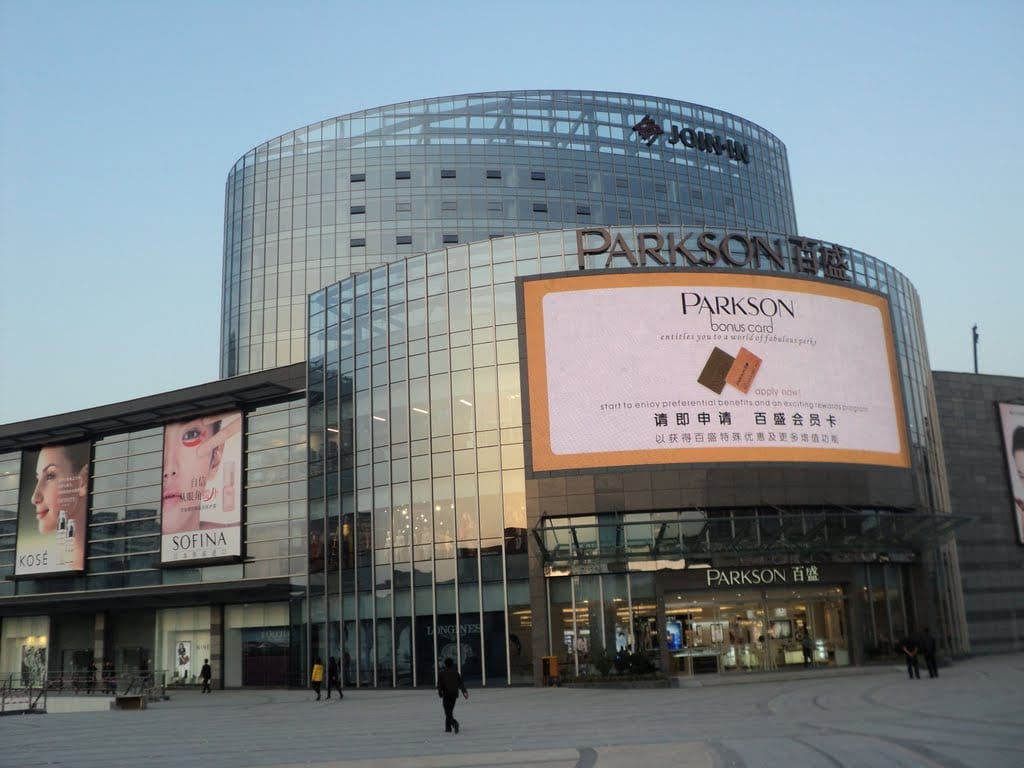
    A plan to simplify the complex ownership structure of Parkson Retail Asia operations has been rejected by independent shareholders.

    The proposal, defeated by a 63.44 per cent vote against at a shareholders meeting on Monday, would have seen the Singapore-listed Parkson Retail Asia parked under Hong Kong listed Parkson Retail Group, which in turn is a subsidiary of Malaysian-listed Parkson Holdings.

    The side effect of the vote is that Malaysian shareholders have missed a proposed cash distribution arising from the internal reorganisation.

    Parkson Retail Asia has 67 stores in Southeast Asia which were to be merged with the Parkson Retail Group network of stores in Greater China.

    Parkson Holdings says the companies will now continue to operate under the status quo.

  • Marrybrown expands to Singapore

    Marrybrown expands to Singapore

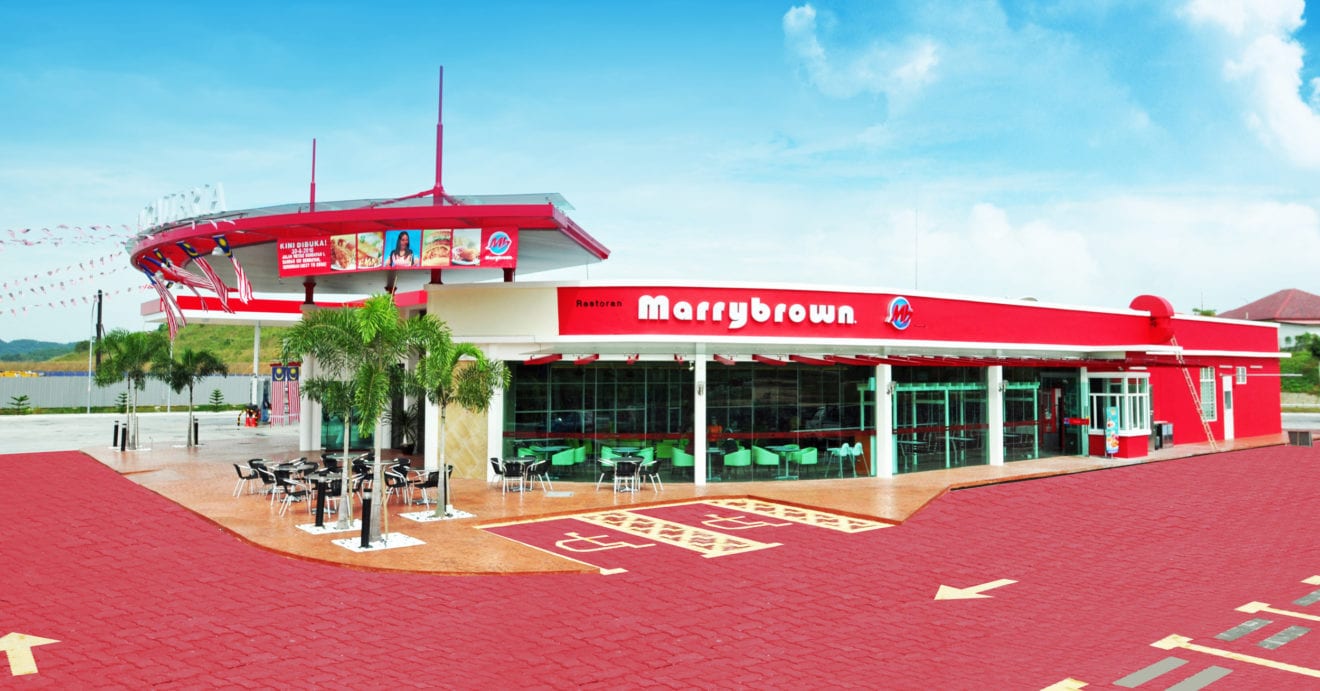
    Malaysia’s Marrybrown has opened its first restaurant in Singapore.

    Marrybrown Singapore has made its debut at the iFly in Sentosa and is the first of a network of 20 stores planned for the city lover the next five years.

    Founded in 1981 and the first Malaysian fast food chain to franchise its business system, the company now boasts 350 outlets. It began serving fried chicken, burgers, finger food, desserts and drinks – all halal – and has now expanded its offer to include local food such as seafood and rice based meals, noodles and the famous Malay dish nasi lemak (sold as Nasi Marrybrown).

    Marrybrown has more than 130 restaurants in Malaysia with the balance overseas, including in China and India. It is expected to open its first outlet in Yangon, Myanmar soon.

    Marrybrown CEO Dato Joshua Liew said many Singaporeans love delicious food, especially Malaysian food.

    “We are proud to open in Singapore and we attribute this success to our unique food culture that tempts the tastebuds of many consumers.”

  • Asian startups got more than $10 billion in April-June quarter

    Asian venture capital-backed companies enjoyed 45% year-on-year growth in capital received during the second quarter of 2015, bringing in more than $10 billion in investments, according to a recent report by KPMG, an audit, tax and advisory company.

    The report notes that venture capital growth is driven by corporations on the hunt for companies with creative innovations. The buyers hope to integrate these innovations with their own businesses. Their activities are expected to continue as it is “cheaper for companies to invest in technologies rather than develop [them] internally,” the report says.

    Eight of every 10 deals in the quarter were made by Asian Internet and mobile companies, according to KPMG.

    Singapore was the top country for Southeast Asia’s venture capital activities, followed by Indonesia and Malaysia. In the second quarter, the republic had deals worth $160.7 million, while Indonesia had deals worth $3.5 million and Malaysia made $2.4 million worth of deals. For 2014, the amount of venture funds attracted by Singapore was around $1.07 billion.

    Terence Lee, managing editor of TechinAsia, an online news organization, said, “Singapore’s business-friendly environment and sound infrastructure is key.” He added that the Singapore government’s initiative to expand its Technology Incubation Scheme in 2012 “most likely led to the spike in investments in Singapore startups.”

    The government program helps to fund incubators that in turn seed startups. Under it, the government co-invests up to 500,000 Singapore dollars (around $350,000) in Singapore-based startups. An incubator can buy out the government’s stake in a startup within three years by repaying the initial capital plus interest.

    Investors have been investing in e-commerce-related companies, which are soaring in popularity in Asia. The online retail market in Singapore, Malaysia, Indonesia and three other Southeast Asian countries is worth around $7 billion. Globally, venture capital-backed companies raised $88.3 billion in 2014.

  • Asia luxury goods market still growing

    The Asia luxury goods market is still growing rapidly despite negative press about Hong Kong, Macau and deteriorating China spending.

    Luxury goods retail sales in Asia-Pacific are expected to reach US$134.9 billion by 2019, growing at a CAGR of seven per cent during 2014-2019, according to the report Luxury Goods Retailing Market in Asia-Pacific, 2014-2019 Market and Category Expenditure and Forecasts, Trends, and Competitive Landscape.

    Japan will remain the largest Asia Pacific luxury goods market amid a slowdown in China and India’s luxury goods market is the fastest growing in Asia-Pacific, driven by rising disposable income, growing fascination towards luxury brands, and the desire of high earners to differentiate themselves from others.

    The report says jewellery, watches and accessories is the largest and fastest growing category in the region, driven by higher spending on jewellery and watches by Chinese, Japanese, and Korean consumers.

    The Hong Kong luxury goods market is struggling due to political unrest and reduced Chinese spending. A luxury tax exemption is expected to boost luxury goods consumption in Indonesia.

    Social messaging apps is a trending marketing channel for luxury brands, as the digital channel is influencing the purchasing decisions and pattern of consumers.

  • AirAsia makes Tune Money its wholly owned unit

    AirAsia makes Tune Money its wholly owned unit

    AirAsia Bhd is acquiring the remaining 60% interest in financial services provider Tune Money Sdn Bhd as well as its entire issued redeemable preference shares (RPS) for RM6.36mil in cash.

    In a filing with Bursa Malaysia, AirAsia said the payment of about RM0.038 per ordinary 10 sen share and RM150,000 per RPS to vendor Tune Money International Sdn Bhd (TMI) would be financed by the company’s internally generated funds.
    TMI and AirAsia share two common shareholders and directors, namely Tan Sri Tony Fernandes and Datuk Kamarudin Meranun.
    AirAsia said Bank Negara had stated on Sept 30 that it had no objections to the transaction.
    On the rationale for the acquisition, it said this would give additional benefits that could only be realised through full ownership and control of Tune Money.
    “Full ownership would allow greater control and facilitate accelerated decision-making with regards to AirAsia priority items that would help support the company’s business plan and commercial objectives.
    “Additionally, once AirAsia increases its stake in Tune Money to above 50%, Tune Money will no longer be classified as an associate and AirAsia will be able to incorporate Tune Money’s contributions to company revenue, which would improve AirAsia’s top line as well as ancillary revenue,” the low-cost carrier said.
    These, it added, were on top of the existing benefits that AirAsia enjoyed through its ownership of a stake in Tune Money, such as lower merchant discount rate, increasing ancillary spend by incentivising guests with meal and baggage discounts, and accelerating deployment of the BIG Loyalty programme by allowing points accrual from purchases outside the AirAsia ecosystem.
  • Tesco Asia sell-off ruled out

    Tesco Asia sell-off ruled out

    Tesco has ruled out selling any more of its Asian operations in the wake of the Homeplus South Korea divestment.

    At least for now.

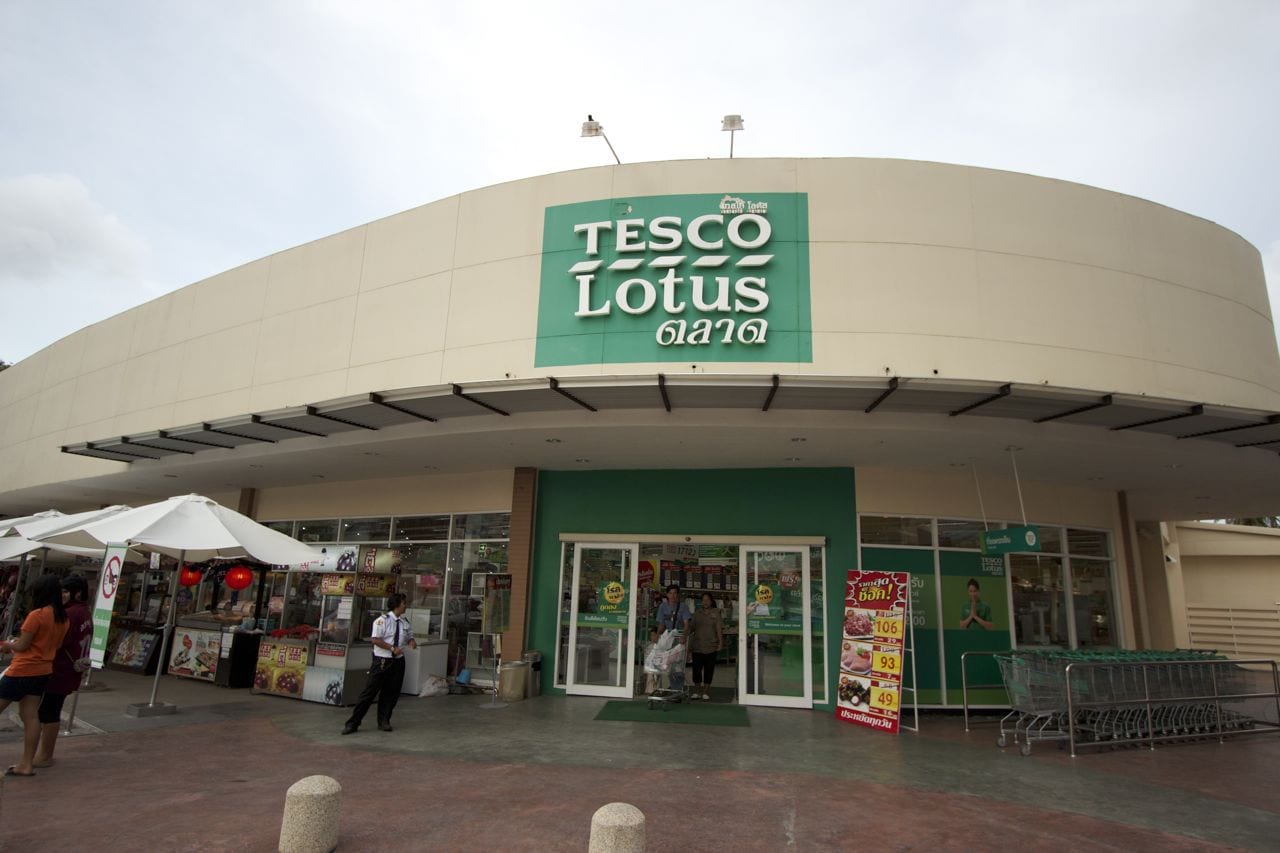
    After the US$6 billion sale of Homeplus and an earlier divestment of a stake in its Chinese operation, Tesco Asia retains a large business in Thailand, trading as Tesco Lotus, and in Malaysia.

    Tesco Chairman John Allan has assured shareholders there are “no immediate plans” to sell off any of the company’s remaining overseas arms, including those in Asia.

    “As we sit here today we believe that we have the right sort of assembly of geographies that we are in,” said Allan.

    “At the moment our intention is to hold what we have and to develop it and make the very best of it.”

    When Tesco’s troubles came to light at the end of last year the company received several opportunistic approaches by parties to buy out the Thai and Malaysian operations. But it ruled out any fire sale at the time and now appears committed to retaining and growing the businesses. The company also has operations in Central Europe and Ireland.

    While Allan conceded he could “envisage circumstances” the company might change its mind, that comment was perceived as a safeguard.

    Selling Homeplus has allowed Tesco to retire about £4.2 billion of its massive £21.7 billion debt mountain.

    The company is still looking for a buyer for its Dunnhumby data business, nine months after it ut the business on the market. Dunnhumby analyses grocery sales data from across the store network and sells it to manufacturers.

    “We have looked at the options around Dunnhumby… We’ve not concluded that. As soon as we conclude it we would announce what it is we intend to do,” CEO Dave Lewis told shareholders.

  • Ikea Malaysia sets Cheras opening date

    Ikea Malaysia sets Cheras opening date

    Ikea Malaysia says its second store located at Jalan Cochrane, Cheras. is on track to open at the end of November.

    The timing was revealed at the store’s roof capping ceremony, a Swedish tradition to celebrate the end of construction and thank neighbours who helped out in the building phase.

    “Come November, Ikea Cheras will provide more Malaysians with Swedish home furnishings that are well-designed, functional, affordable and good quality,” said Mike King, retail director, Ikea Malaysia, Singapore and Thailand.

    “The new Ikea store is part our overall ambition to expand in Southeast Asia. Our entry into Cheras neighbourhood reflects our vision to create a better everyday life for the many people.”

    Ikea Cheras will provide Malaysians with greater convenience and a wide selection of home furnishing inspiration and solutions at incredibly low prices. The store has 41,000 sqm of shopping space, 20 per cent more than the Damansara store. Ikea Cheras is also located a five minute drive from the city centre, accessible from MAJU Expressway and Smart highways, and connects to the Cochrane MRT station (to be completed in 2017).

    As the opening fast approaches, the team is now in the midst of interior fittings, operational setup and co-workers’ training. To support its overall operation, a nationwide recruitment exercise was carried out recently.

    “We had an overwhelming response of which we hired a great mix of over 300 co-workers of various talent and expertise. With the passionate and committed co-workers we have on-board, this new store ensures more Malaysians will get a chance to enjoy the unique Ikea store experience many have come to know and love,” added King.

    Ikea Cheras will be one of the first few retail developments to be ready in the booming township. The new iconic landmark spots the potential in transforming Cheras into a vibrant retail destination, drawing upon the liveliness Ikea brings to Mutiara Damansara with its standalone store since 2003.

  • Where Muslim tourists shop

    Where Muslim tourists shop

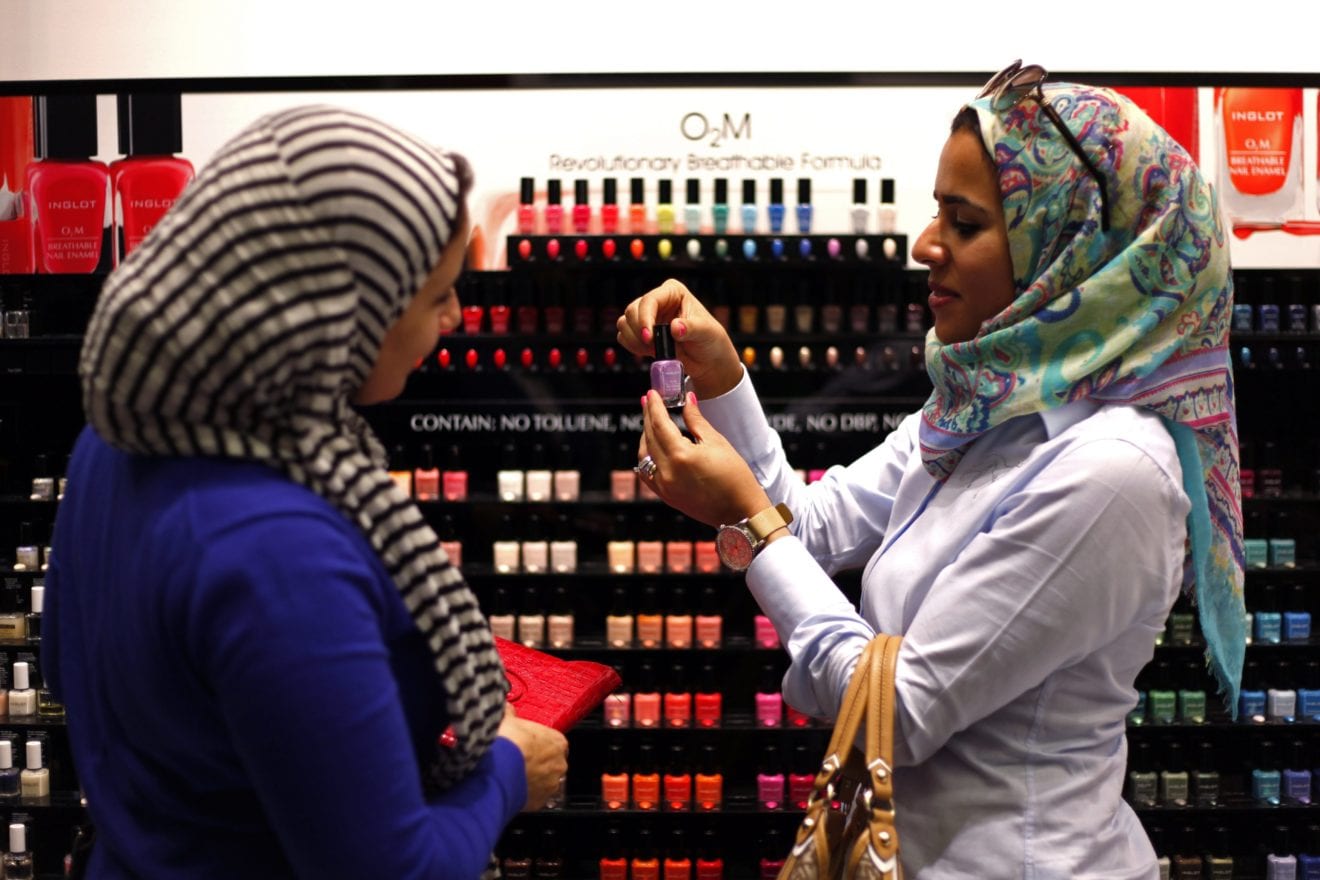
    Muslim tourists spent $62 billion shopping and dining last year – and Asia got a huge share.

    Malaysia and Singapore were the second and third most popular shopping destinations for Muslim tourists last year, lagging behind only Dubai, according to the MasterCard-CrescentRating Muslim Shopping Travel Index 2015 just released.

    Fourteen cities from Asia Pacific made it onto the overall list of 40 destinations.

    The research shows shopping expenditure by Muslims in 2014 amounted to $36 billion, while dining expenditure amounted to $26 billion

    The MTSI 2015 looks at in-depth data covering Muslim travel shopping from 40 international cities creating an overall index, based on a number of criteria. It is the first time detailed insights have been provided on the consumer spending behaviour of Muslim travellers.

    The MTSI 2015 is the latest research collaboration between MasterCard and CrescentRating on this sector following the launch of the Global Muslim Travel Index (GMTI) 2015 earlier this year.

    “The MasterCard-CrescentRating Muslim Travel Shopping Index is a fascinating insight into the shopping habits of Muslim consumers and will prove to be an invaluable tool to the entire sector,” said Fazal Bahardeen, CEO of CrescentRating & HalalTrip.

    “The research looks at two of the most important expenditure components of Muslim travellers which are shopping and dining. The index reveals how important Asia Pacific is to the sector and the vital contribution they are making.”

    The 40 international cities covered in the MTSI 2015 were scored against a comprehensive set of metrics which included suitability as a shopping destination, Muslim friendly services and facilities and ease of travel. Each criterion was then weighted to make up the overall index score.

    Dubai topped the ranking for overall Muslim Travel Shopping with a score of 79.5 followed by Kuala Lumpur with a score of 73.3.  Singapore scored 71.6 on the Index making it the number one ranked city from the non-OIC countries and third in the overall list.

    Bali also made into the top 10 scoring 58.2 closely followed by Penang with 56.9. In total, Asia Pacific contributed 14 cities to the overall top 40 list.

    A significant highlight of the MTSI 2015 was the high number of non-OIC countries featuring in the top 40 list.

    Singapore, secured a rank among the top five overall destinations for Muslim traveller shopping.  This further revealed the potential for non-OIC destinations, with 25 on the list, to attract Muslim travellers by proactively catering to this segment.

    Earlier this year, the GMTI 2015 showed that in 2014, the Muslim travel segment was worth $145 billion with 108 million Muslim travellers representing 10 per cent of the entire travel economy.

    This is forecasted to grow to 150 million visitors by 2020 and 11 per cent of the market segment with a market value projected to grow to $200 billion.

    MTSI 2015 will be updated on an annual basis and will feature more cities in future releases.

    “The MTSI 2015 provides a deeper look at two key components of the traveler consumer experience – shopping and dining. We see this as an important resource not only for us to better understand this significant and fast-growing traveller segment, but also a source of data that will inform and support the efforts of our partners in the travel industry,” said Matthew Driver, group executive, global products and solutions, Asia Pacific, MasterCard.

    Shopping chart

  • The Online Shopping Evolution of ‘Mobile-First’

    The Online Shopping Evolution of ‘Mobile-First’

    You may be surprised to learn that Malaysia leads the world in smartphone usage per capital, and that it is one of only five countries worldwide where 67% use their smartphones as a crucial access point to get online. Additionally, a recent Mobile Shopping Survey conducted by MasterCard, Malaysia ranks third in the rate of growth of mobile shopping in Asia (over 20% from 25.4% in 2012 to 45.6% in 2014) – further indicating that we, as a nation are become increasingly tech-savvy and shopping-savvy too.

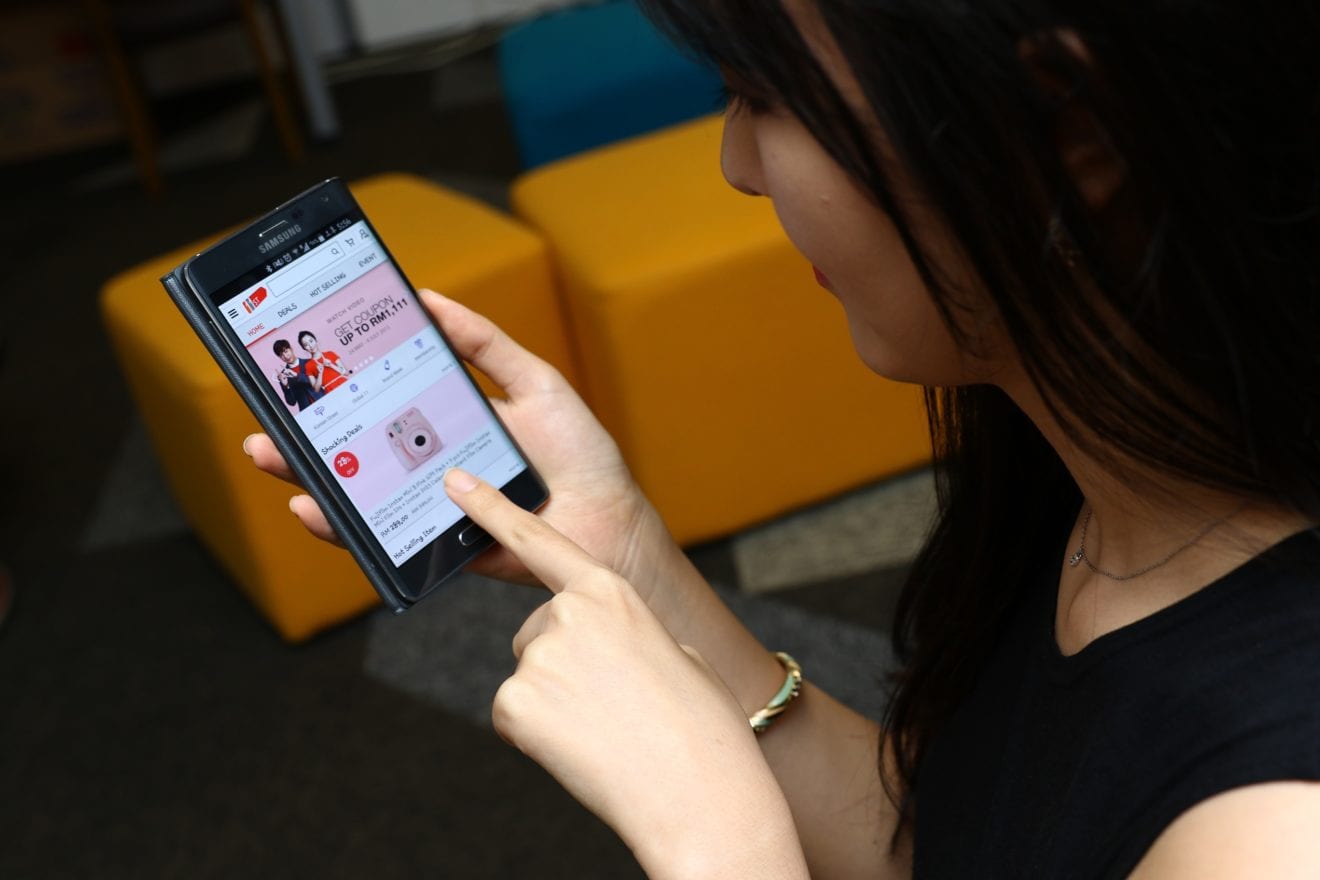
    Today Malaysia, spearheaded by a formidable and fast-growing Gen-Y population, is at the forefront of ‘mobile-first’, the emergent driver of e-commerce in its latest ‘e-volution’. Fresh supporting data by online marketplace 11street (www.11street.my) further confirms that today’s shopping trend is progressively moving toward mobile-first. 11street, one of the largest online marketplaces in Malaysia, recently revealed that close to 50% of their shoppers use smartphones to shop and purchase items online on their site.

    The reasons for the growing popularity of mobile shopping are related to a combination of factors: increased reliance on smartphones as an indispensable go-to tool; more products on offer; new players, and new apps that promise even more speed, ease, convenience, options, and incentives.

    Hoseok Kim, the CEO of 11street, shared some of the other insights gleaned from the company’s Online Shopping Index. He summarizes the main reasons behind the mobile shopping surge in Malaysia:

    Easier access for anytime, anywhere convenience

    Hundreds of thousands of products covering everything from consumer electronics to fashion, from groceries to cosmetics, from kid and baby products to services such as vouchers and much more, are now just a mobile screen click away. Consumers needn’t spend hours out of their busy schedule to shop. They save money on petrol or transportation without the hassle of traffic jams, queues and frustration that comes with it. Items purchased are delivered right to their door – at the home or office – and at a convenient time.

    Exclusive offers

    Companies are constantly providing incentives and inducements in the form of promotions, discounts, and shopping credits exclusively for mobile users. In fact, there is an active market for digital coupons with over 16 billion coupons redeemed worldwide in 2014. The expected rate is set to increase by up to 31 billion in 2019. A key promotion at 11street for mobile shoppers is the ‘Weekend Special Deals’ – it allows those that mostly shop over the weekend to save even more.

    Engaging functions

    Visually engaging displays of products are giving way to more dynamic, interactive content, where shoppers can browse, comment, and share interesting finds with their social circles. At 11street, shoppers are offered a full camera function-enabled product review mode, which allows them to view and post comments with photos for a fun shopping experience. App functions such as ‘first-hand news’ push notifications also provide shoppers with advance notice of upcoming sales.

    User-friendly interface

    Mobile apps that come with user-friendly interface enable consumers to access a desired range of items quicker, with set filters for an intuitive and interactive experience. In fact, it is due to these conveniences that mobile shopping have become a part of the Malaysian lifestyle of which consumers mostly go online when they would like to make a purchase, or conduct pre-purchase research.

    11street for example, has an ‘Event Page’ which summarizes all the promotions making it much easier for shoppers to access hot selling products and services and to see the most price- competitive deals from the moment they log in. This is especially true for the ‘Shocking Deals’ section with Lowest Price Guarantee of which shoppers are promised with the best price possible for a range of products in that section.

    Simplified yet secure payment processing

    Majority of mobile apps today are designed to accept credit cards and bank transfers for online transactions. Shoppers can also view their membership benefits, check their order status, and utilize their discount coupons while shopping on-the-go. As there has been increasing concern on mobile data security, 11street employs various security features that include an ESCROW system to put shoppers at ease. The ESCROW system releases payment to sellers only when the customers receive their products in good condition protecting them from frauds

    The growing popularity of mobile shopping here has not only made 11street’s mobile app a key component of the e-tailer’s business, but positively contributes to the overall growth of Malaysia’s e-commerce landscape by engaging with a wider net of buyers.

    As Malaysia currently has a 140% mobile penetration rate and continues growing, it’s easy to predict that the mobile-first trend will definitely continue to flourish in the country.