Retail News CRM

Tag: Malaysia

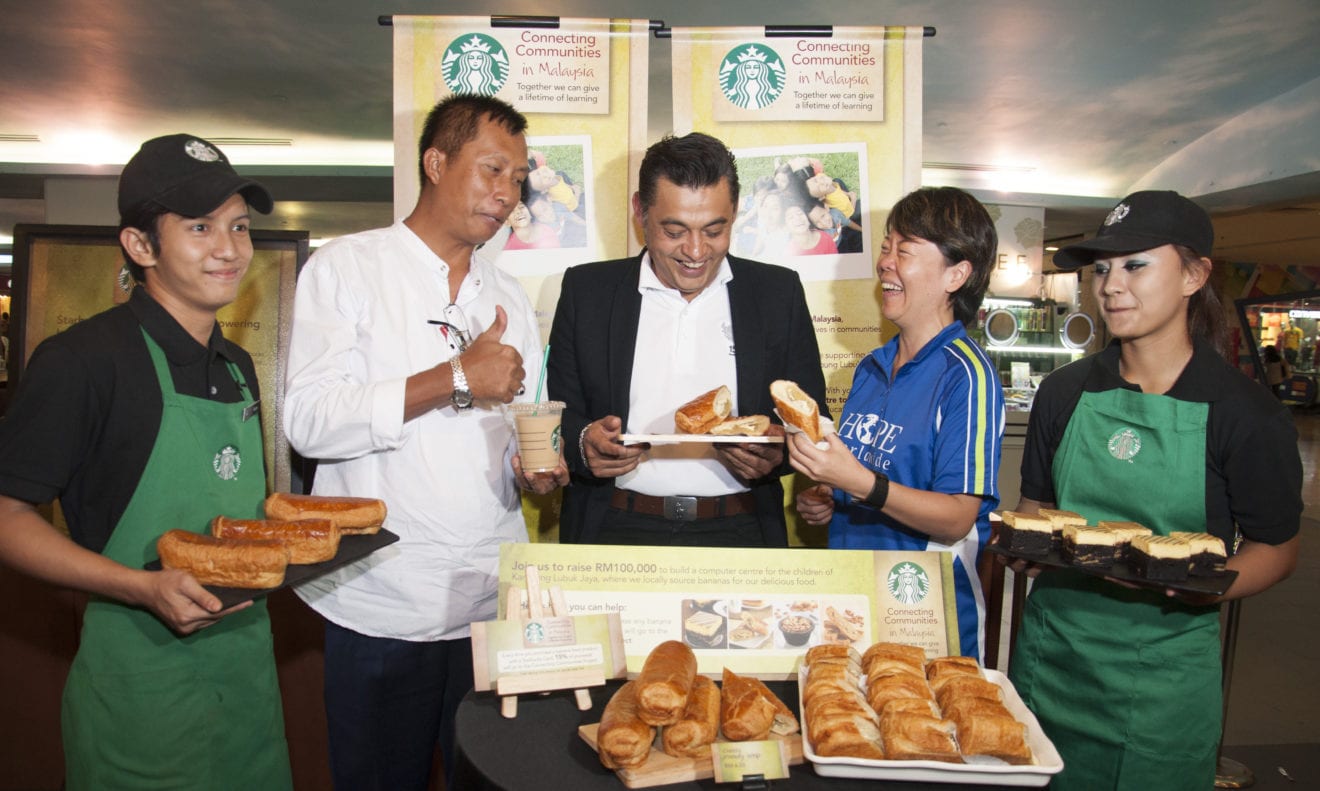
  • Starbucks Malaysia gives back to Malaysian communities with its Connecting Communities Project

    Starbucks Malaysia gives back to Malaysian communities with its Connecting Communities Project

    Weaving with Mengkuang leaves used to be a leisurely pastime of coastal women in Malaysia. Today, a small Malaysian business is revisiting this craft and selling Mengkuang products in Starbucks® stores.

    “Giving back to Malaysian communities is important to our company as well as our partners (employees),” said Sydney Quays, managing director, Starbucks Malaysia. “Featuring products from small villages provides increased exposure and ultimately contributes to the livelihood of local residents.”

    Earlier this year, Starbucks Malaysia developed a relationship with Craft CT 01 Enterprise – a small company is located on the east coast of Malaysia. The business develops products made from Mengkuang, a tropical plant with tall, thorny leaves. Their products including hot cup sleeves, coasters and placemats are currently sold in 50 Starbucks locations throughout the country.

    “We have seen a great deal of interest in the Mengkuang products since we began selling them in our stores,” Quays said.

    Sourcing of Mengkuang products is one outcome of Starbucks Malaysia’s Connecting Communities Project, which has helped farmers and their families since 2013. As part of this project, Starbucks also purchased a sizable amount of fresh bananas from small farmers in the Kampung Lubak Jaya village on the west coast of Peninsular Malaysia. The bananas were used to develop the Signature Banana Chocolate Chip Muffin and Banana Chocolate Decadence, offered in West Malaysia Starbucks® stores.


    “The banana-based food items are quite popular with our customers,” added Quays.

    The first Starbucks® store in Malaysia opened in Kuala Lumpur in 1998. The company reached a milestone of 200 stores in the country this past September.The 200th store, known as Starbucks Ansa, is located in what was formerly the Piccolo Hotel. The store design aims to introduce customers to the Connecting Communities Project through a community table with banana and Mengkuang leaf carvings, a merchandise wall dedicated to Mengkuang products and specially-woven Mengkuang mats that serve as wall hangings.

    “We will continue to find ways to grow our Connecting Communities Project. There is more we can do positively impact the lives of Malaysia’s small farmers and businesses,” said Quays.

  • Launched: 118i Sport by BMW Malaysia

    Launched: 118i Sport by BMW Malaysia

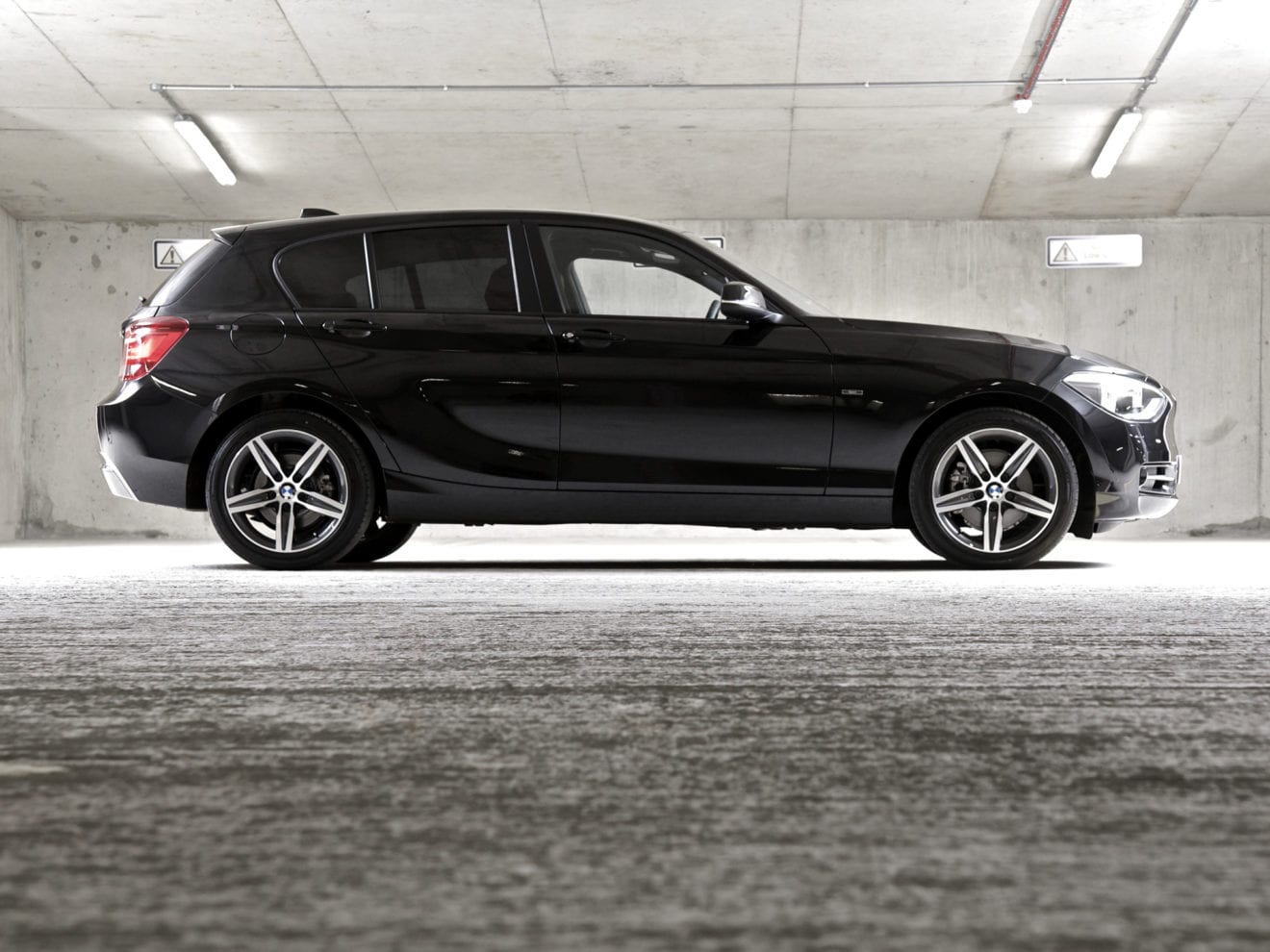
    BMW Group Malaysia has introduced the new BMW 118i Sport. Its estimated retail price (on the road, without insurance with BMW Malaysia’s latest 5-year Unlimited Mileage Warranty and Free Scheduled Service Program) is RM188,800.

    Introducing the latest product offering from BMW Group Malaysia, the group’s managing director and CEO, Alan Harris, said: “The new BMW 1 Series still remains the only rear-wheel drive car in its segment, making the car the most sportier and dynamic option in its class.”

    Harris added that the new 118i Sport now also introduces the segment to a new generation engine with the latest BMW EfficientDynamics technology, the latest driver assistance systems and mobility services courtesy of BMW ConnectedDrive as well as a host of safety features, making the premium segment hatchback also one of the safest in its class.

    Exterior Design

    The proportions, lines and surface design of the new 1 Series bear all the classical hallmarks of a BMW with its set-back passenger compartment, long bonnet and short overhangs, in particular, give the new premium hatchback a uniquely sporting presence. The new car features subtle but key differences to refine yet further the overall package.

    At the front, a new lower apron with larger air intakes and a horizontal bar combines with the reshaped BMW kidney grilles and front ornamental grille in chrome surround with its exclusively designed kidney bars in high gloss black to provide the sight that the new 118i Sport was designed with dynamism and sportiness in mind. Full LED headlamps with low and main beam have also been added to the new variant of the 1 Series.

    At the rear, new tail lamps with the now familiar BMW ‘L’ shape design adopt striking LED technology. Further to this, a single round exhaust tailpipe in chrome matt finish and the rear bumper with specific design elements in black-high further accentuates the sporty expression of the new 118i Sport.

    In terms of wheel options, the new 118i Sport offers 17’’ light alloy wheels Star Spoke 379 71/2 J with 17’’ tyres 225/ 45 R17.

    Interior Design

    The driver-focused cockpit of the new 1 Series is an even more welcoming, sporty, comfortable place to sit, thanks to enhancements to the design and the use of Sensatec Leather for its upholstery. The instrument cluster with red highlight and chrono scaling as well as interior trim finishers in Black High-Gloss with highlight trim finishers in Coral Red Matt further adds the sporty feel inside the car. Further driving this sporty expression inside the car are the sports leather multifunction steering wheel and the sports seats for both the driver and front passenger.

    The BMW Radio Professional and iDrive operating system continues to be standard across the entire range so the all new 1 Series model also features the segment leading freestanding, 6.5-inch Control Display, the controller wheel mounted on the centre console and the direct menu control and favourites buttons.

    The controls arranged below the Control Display have also benefited from detailed refinements. Both the air vents and the controls for the radio and the automatic air conditioning now feature high-quality chrome surrounds. The radio and automatic air conditioning keypads, meanwhile, are set against high-gloss black panelling.

    Engines: An Award Winning Member of the Family

    The new 118i Sport sees the introduction of the new Engine of the Year 2015 award winning 3-cylinder petrol engine to the premium compact segment. The innovative BMW TwinPower Turbo 1.5-litre 3-cylinder petrol engine, which is the same power plant in the all-new BMW i8, delivers a maximum output of 136 hp, torque of 220 Nm and accelerates from 0 to 100 km/h in 8.7 seconds. The combined fuel consumption of the new 118i stands at 5.1 litres per 100 km with C02 emissions of 119 g/km.

    Adding to the dynamism of the its engine capabilities, the new 118i Sport also features the segment leading 8-Speed Steptronic automatic transmission and Driving Experience Control modes with the efficient ECO PRO mode, another class leading feature which makes the 118i Sport stand out from the rest in the premium compact segment.

    As a car built with a sporty expression, the new BMW 118i Sport is also not short in terms of safety features. The compact premium sports hatchback offers complete air bags for front and rear passengers, side air bags for driver and front passengers which are integrated into the front seat backrest and head airbags at the front and rear with curtain head protection and splinter protection capabilities. Doubling up on the safety measures are child seat ISOFIX attachments for the rear seats and a central locking system with electronic immobiliser and crash sensor.

    BMW ConnectedDrive: Connecting the Driver to the Car to the Outside World

    A leading feature amongst its peers in the industry, the new 118i Sport offers Intelligent Emergency Call, Teleservices and Remote Services functionalities.

    A SIM card built into the vehicle enables customers to enjoy optimum connectivity and access to the unrivalled range of services from BMW ConnectedDrive without the need for a smartphone.

    Intelligent Emergency Call, a standard feature in the new 118i Sport, ensures maximum safety on the road. If the airbags are triggered in an accident, this system uses the built-in SIM card to automatically transmit the severity of the accident, the potential risk of injury to the occupants and the vehicle’s location to the BMW Call Centre.

    This information is then used to arrange the best possible emergency response while the Call Centre stays in contact with the occupants if desired. The manual emergency call function also allows rapid help to be summoned for other road users in emergency situations at a touch of an SOS Button.

    Remote Services, on the other hand, transforms the owner’s smartphone into an intelligent and convenient remote control for the vehicle – via the MY Remote app (BMW iRemote app) or the BMW Call Centre. Users can use their smartphone to lock and unlock their car or find it immediately by flashing the headlights or sounding the horn.

    The new 118i Sport is available in colour options of Black Sapphire, Mineral Grey, Crimson Red, Midnight Blue and Alpine White and the new compact premium sport hatchback will be available at all authorised BMW dealerships across the country from next Wednesday, Nov 25.
  • Malaysia’s Caring Pharmacy value soars

    Malaysia’s Caring Pharmacy value soars

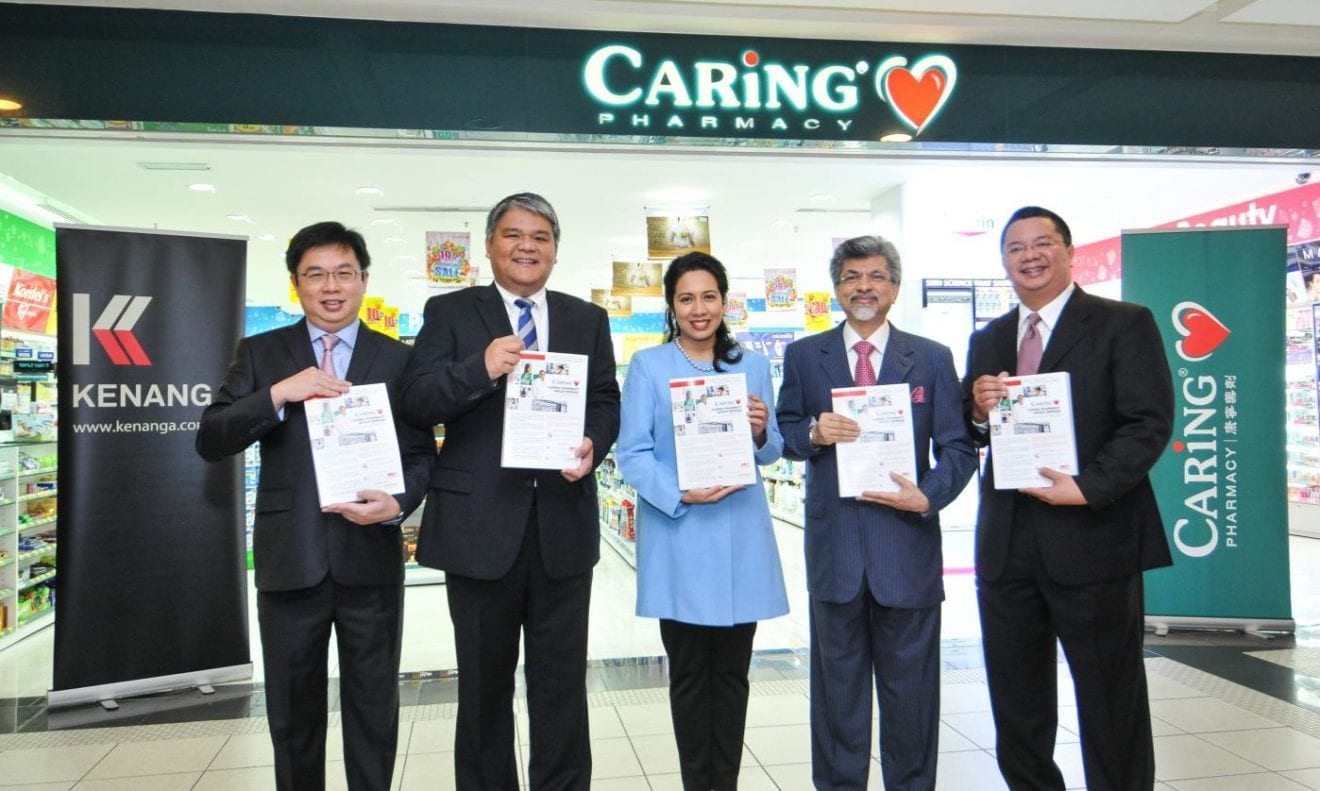
    Malaysian listed retailer Caring Pharmacy has seen its share value soar 85 per cent in just two months.

    And no one seems to know why…

    The company has 106 pharmacies across Malaysia, just two more than it had three months ago, and has projected expansion at a rate of 10 to 12 outlets next year – barely one a month.

    Even more remarkable, is that such a rise has occurred in a depressed retail climate and a decidedly sluggish business environment, at best.

    A survey released by Nielsen this week showed consumer confidence in the country has reached a 10 year low of 78 points – 11 points lower than three months ago. That seems driven by the unpopularity of the GST introduced on April 1 and a massive depreciation in the local currency – in part at least, linked to evidence of massive corruption in government leadership.

    The only theory behind Caring Pharmacy’s sudden popularity is that the chain may have been marked down unfairly in a generally bearish market, and its value is now being restored to reasonable levels.

    Year on year, the company has delivered a net profit in the latest first quarter jumping 83.94 per cent to RM1.02 million from RM 554,000 a year ago.

    One analyst urges caution” Hong Leong Investment Research (HLIR) said Caring Pharmacy could yet face further challenges ahead.

    “We feel there will be more downside risk on its expansion plans due to high competition and start-up costs,” HLIR said in a research note.

    “Also with inflationary cost pressure as well as weak consumer sentiment, we believe its profit margin will be under pressure with longer gestation period.”

  • Genting adds premium cruise brand solely for Asia

    Genting adds premium cruise brand solely for Asia

    Malaysia-listed leisure and hospitality group, Genting, best known for its resorts and casinos, is setting up Asia’s first regionally-based premium cruise brand.

    Within its Genting Hong Kong operation [one of five public companies] which was formerly called Star Cruises, the company has announced the launch of Dream Cruises for Asia, which is one of the fastest growing markets in the world according to cruise association CLIA.

    The region also delivers strong duty free and travel retail spending says analyst CiR. According to its Asian Cruise Travellers report, 73% of Asian cruisers make DF&TR purchases, with almost half (46%) buying fashion/accessories.

    Genting – valued by market capitalisation at over MYR94bn ($22bn) at 31 August – is expected to take full advantage of the high-spending nature of Asian passengers – particularly the Chinese – with a large shopping offer on board Dream Cruises’ first vessel, Genting Dream when it sets sail in November 2016. It will carry 3,400 guests and 2,000 crew, a very high crew-to-guest ratio.

    A sister ship World Dream will follow in November 2017. Both were ordered by Genting Hong Kong and are under construction.

    THATCHER BROWN NAMED PRESIDENT

    The company has appointed cruise veteran, Thatcher Brown as President of Dream Cruises. Brown had been with Crystal Cruise Lines – which Genting bought in May 2015 – since its formation in 1988.

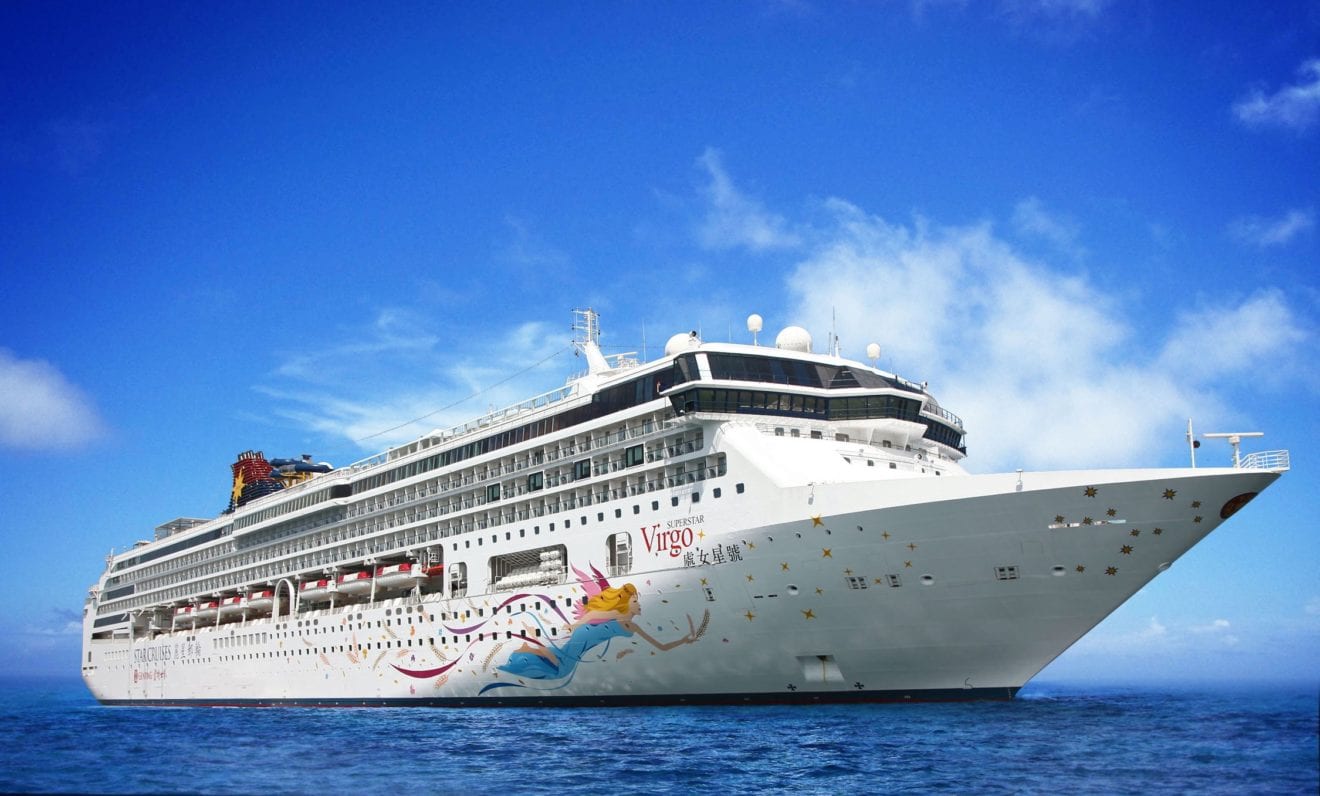
    “The launch of Dream Cruises completes the company’s mission of having a brand for each of the three major cruise market segments: Crystal Cruises for the luxury market, Dream Cruises for the premium market, and Star Cruises for the contemporary market.”At the launch event aboard SuperStar Virgo, a Star Cruises vessel, Genting Chairman and CEO, Tan Sri Lim Kok Thay, said: “Being the first company to offer cruises in China over 20 years ago with Star Cruises, we conceived Genting Dream three years ago to be the only purpose-built premium category new build for the Asian, and specifically Chinese, market.

    THREE CHINESE HOMEPORTS

    Genting Dream will have two exclusive floors of Dream Suites from 32sq m to 183sq m in size with butler services. Around 70% of Genting Dream’s staterooms will have private balconies.

    From next November, Genting Dream’s homeports will be in Guangzhou (Nansha Port), Hong Kong and Sanya and the ship will serve a bih catchment in the Pearl River Delta and Hainan. It will also cater to international guests flying into the airports of Guangzhou, Shenzhen, Zhuhai, Macau, Hong Kong and Sanya.

    Itineraries from Guangzhou will offer a year-round, two-night weekend cruise that calls at Hong Kong and a five-night weekday cruise calling at Halong Bay, Danang and Sanya.

    The Hong Kong homeport will feature a seven-night itinerary calling at Guangzhou, Halong Bay, Danang, Sanya and either Shenzhen or Zhuhai using Nansha Port. The Sanya homeport will also feature a seven-night itinerary calling at Guangzhou, Hong Kong, Shenzhen or Zhuhai using Nansha Port, Halong Bay and Danang.

  • Courts Asia expansion drives huge profit rise

    Courts Asia expansion drives huge profit rise

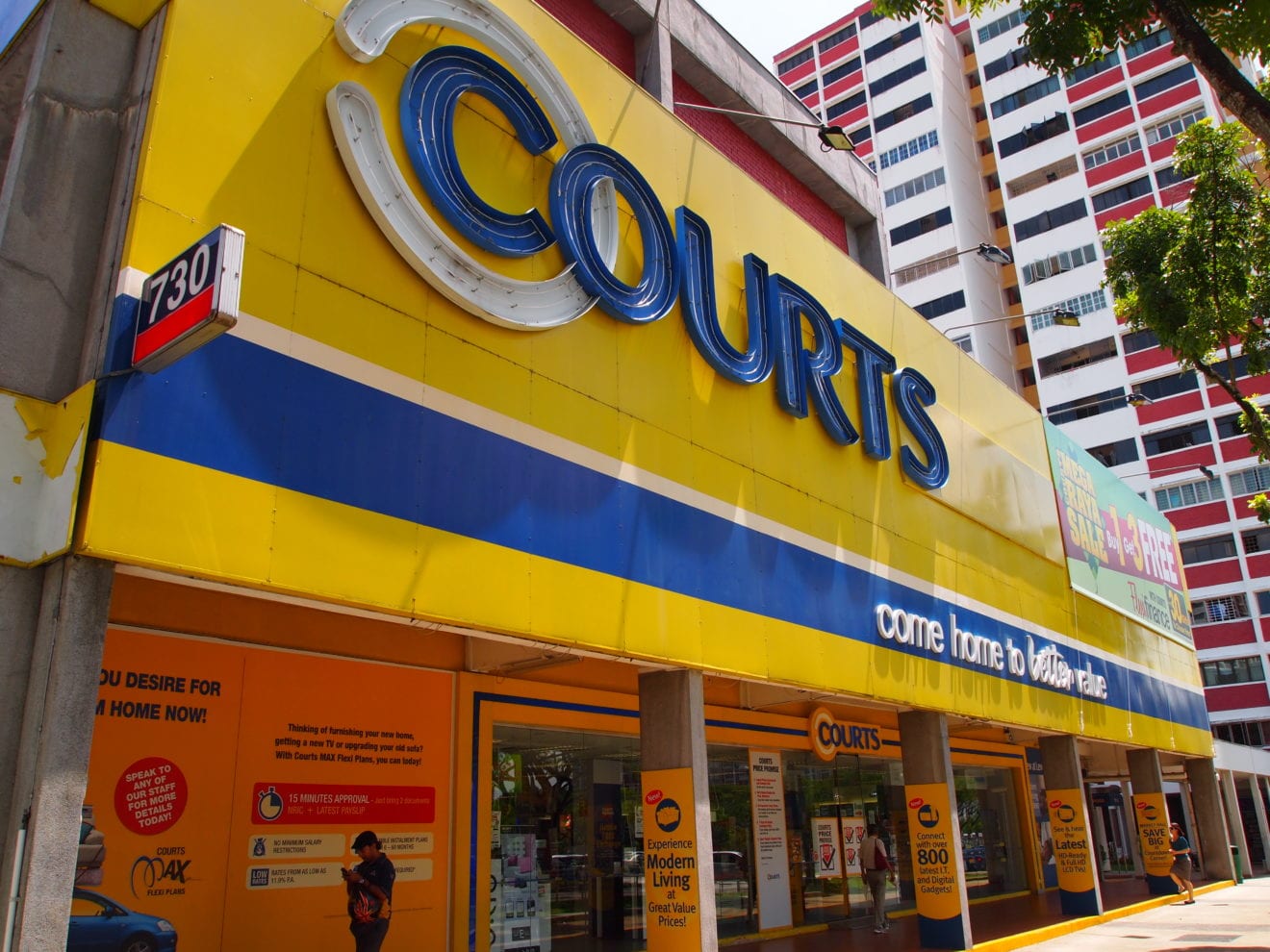
    Courts Asia’s strategy of spreading its interests into neighbouring countries is paying off already.

    The company has today announced a 253 per cent quarterly increase in profit to S$6 million and a 77.8 per cent rise to S$12.1 million for the first half year. Gross profit for the second quarter rose 12.4 per cent thanks to a focus on higher gross profit margin and higher sales.

    While Courts Asia’s second quarter last year was exceptionally challenging, the high growth from a low base should not cast a shadow over an exceptional retail strategy, especially given the almost stagnant nature of the Singapore retail market this year, Courts Asia’s main market, where sales actually slipped 2.6 per cent.

    Revenue in neighbouring Malaysia, its second biggest market accounting for 35 per cent of total sales, rose 13 per cent in Singaporean currency and 27 per cent in Malaysian Ringgit, mainly due to bulk sales for digital products. That in itself is an achievement as consumer spending in Malaysia tanked after the introduction of GST on April 1.

    “Malaysia has continued to post a good showing with active marketing of our refreshed Courts branding and credit campaign nationwide,” said group CEO Dr Terry O’Connor. “Likewise, we will focus on improving store productivity and cost-saving initiatives as we move forward.”

    In Indonesia, where the company is just getting started, sales rose 5.8 per cent with two new stores opening. A fourth new store is due to be trading by Christmas.

    “In Indonesia, we are progressing well and sales from our three stores, namely the Megastore in Bekasi and two smaller stores in Mega Bekasi Hypermall and Bogor, have kicked-in. Our second Megastore, located in BSD City, Southwest of Jakarta, begins operations by December this year. This new store also represents our fourth store in the country, and we expect economies of scale and operational efficiency coming into the next financial year,” said O’Connor.

    In Singapore, Courts is pinning its growth strategy on introducing new retail formats. The first JYSK Danish lifestyle store opened in Bukit Timah in September and US hardware brand ACE Hardware will follow by year’s end. O’Connor says exclusive partnerships with the two brands align with the company’s strategy of offering a comprehensive suite of solutions for the home.

    “We will be expanding both JYSK and Ace Hardware stores islandwide within the next five years.

    “Beyond cost-saving initiatives, we are focused on optimising the productivity and yield of each of our stores. In Singapore, we continue to rejuvenate our retail concepts to meet changing consumer trends and drive healthier margins.

    “Singapore’s retail environment remains subdued, but we expect a continued stream of demand for household appliances and furniture given the expected increase in supply of HDB flats in 2016. This is in line with recent policy changes such as the higher income ceiling and more Central Provident Fund (CPF) grants that have widened the pool of eligible buyers.”

    In both Malaysia and Indonesia, Courts Asia is targeting the burgeoning middle classes.

    “The recently announced Budget 2016 in Malaysia is slated to boost growth and home ownership with the planned construction of 351,000 housing units. We anticipate that this will drive further demand for affordable furniture and household appliances over the medium term.

    “In Indonesia, we plan to leverage on the country’s growing middle class and its strong standing as one of the region’s fastest growing nations by opening a total of six new stores in Indonesia over the next 12 months,” he concluded.

  • Dufry Asia aims to double business

    Dufry Asia aims to double business

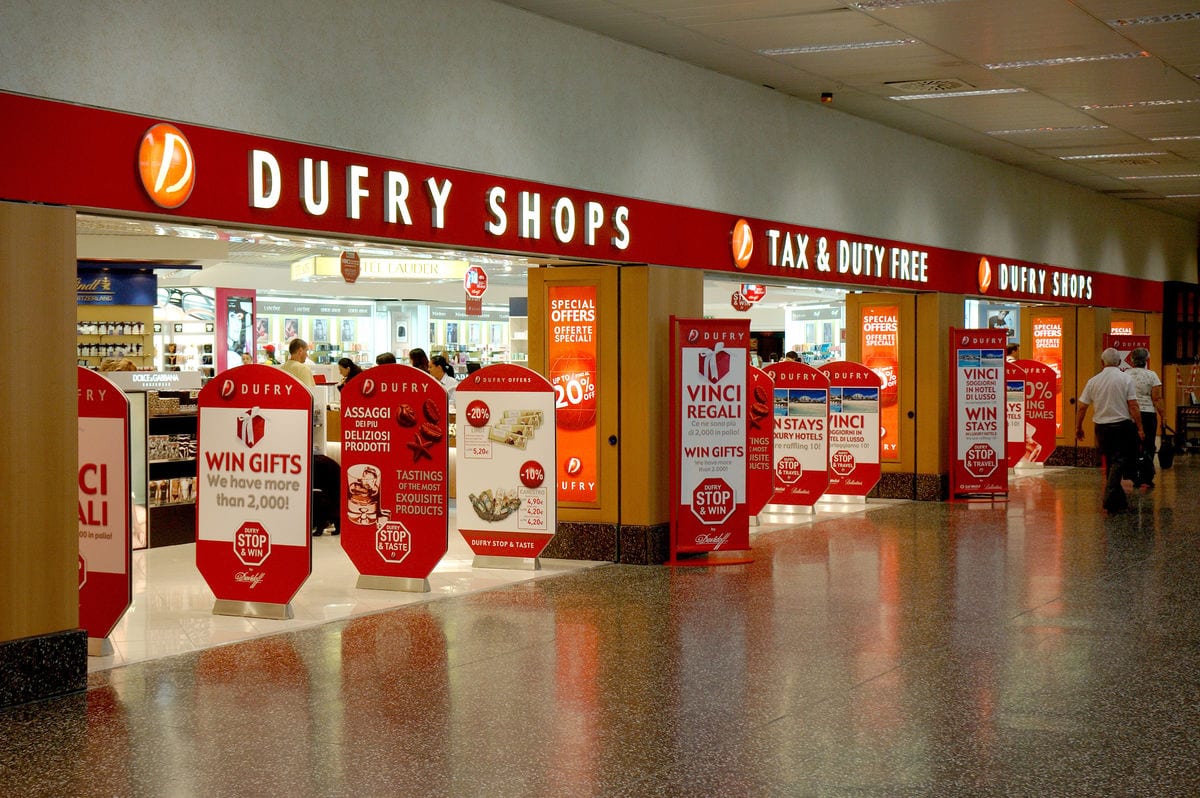
    Dufry Asia sees huge growth opportunities in the Asia region despite the current softness in the Hong Kong, Macau and Singapore markets.

    In an interview with TRBusiness the CEO of Dufry Group, Julian Diaz, said the company plans to double its sales in Asia Pacific within five years. Currently, the region accounts for just nine per cent of its total business.

    “The situation right now in Asia and in other parts of the world is not going to stop Dufry from going ahead with development,” he told TRBusiness.

    “The reality of the passenger growth over the next 10 years in Asia is that it is going to grow more than any other region in the world.”

    Díaz said Asia presented challenges given it comprises different markets, but Dufry has overcome that in other regions, and is confident it can break through in Asia.

    “I think this is a challenge, but this was also a challenge when we started in the Americas, when we started in Europe, when we started in North America.

    “All these businesses presented their own challenges. I know one thing, we are going to pool resources and the team in order to really develop the company in Asia,” he said.

  • Fashion chain M)phosis shutters stores

    Fashion chain M)phosis shutters stores

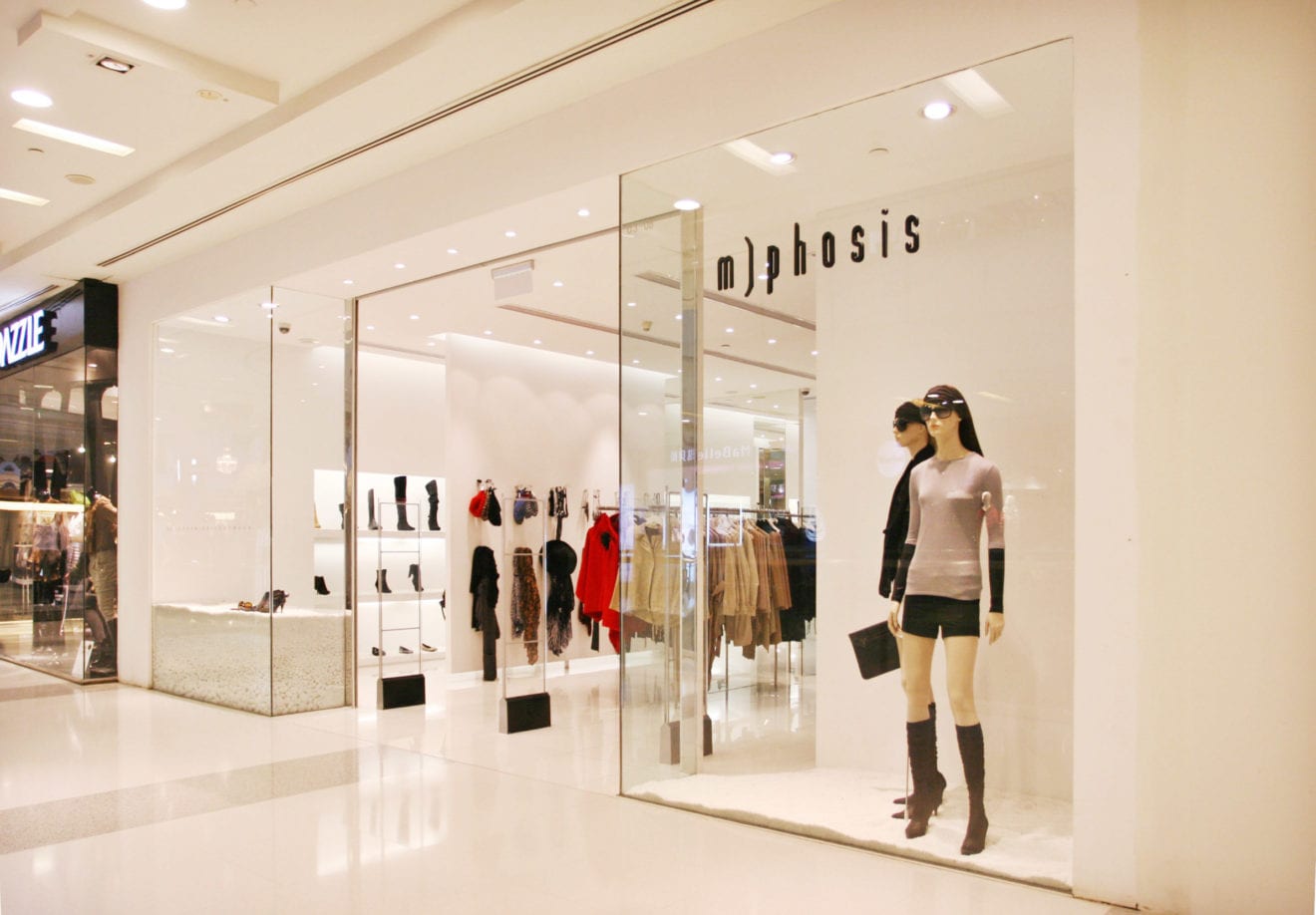
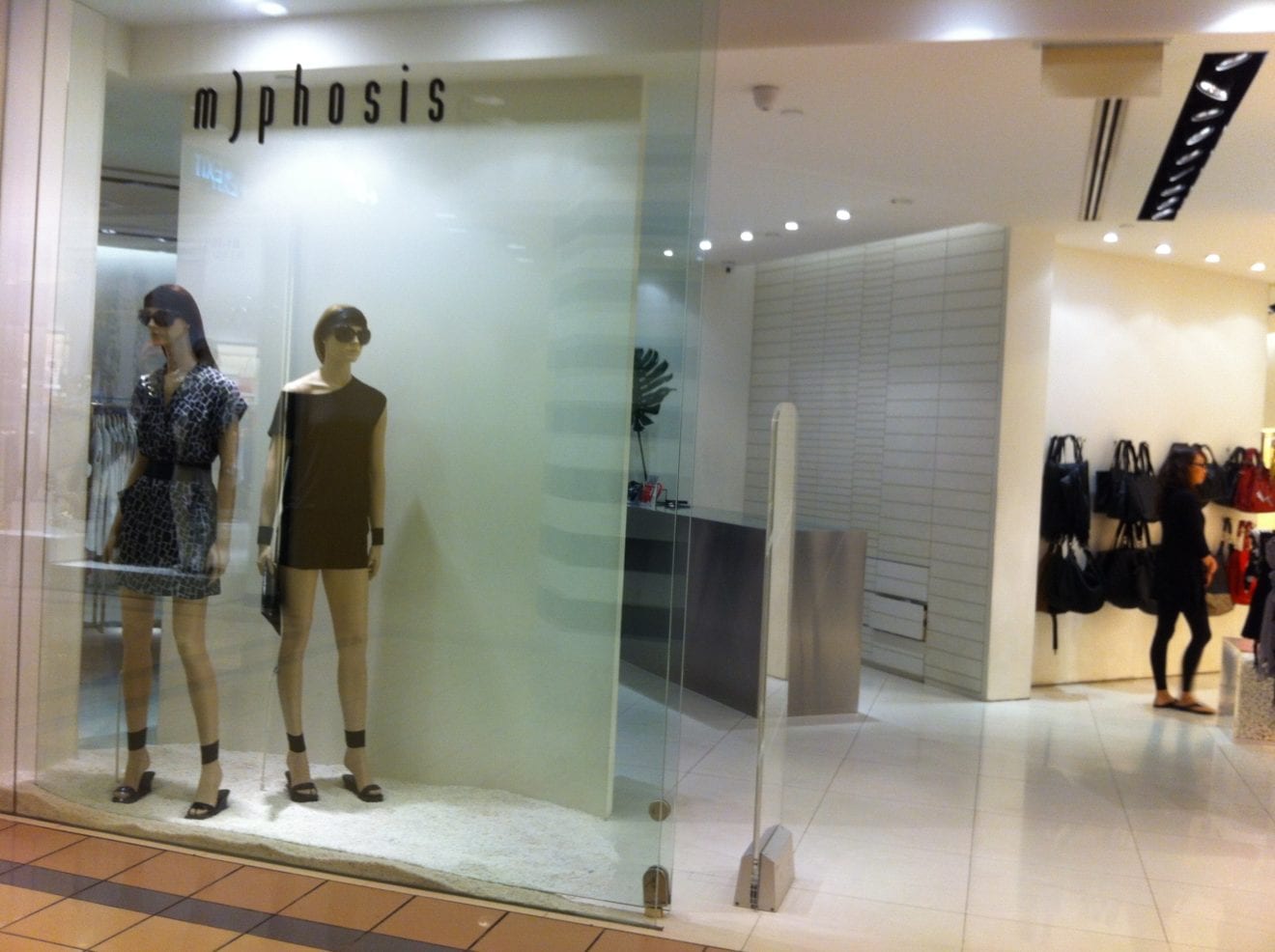
    Singapore-founded fashion retailer M)phosis is reportedly closing all its Southeast Asian stores due to financial challenges.

    The Straits Times has reported the chain is in the process of closing remaining stores in Vietnam, Malaysia, the Philippines and Indonesia – more than 10 in all. Its last Singapore store, in VivoCity, ceased trading at the end of August. Only its China stores will continue to operate.

    The company has not updated its Facebook page since August, but some disappointed fans of the brand have posted messages on the page, ranging from sadness at the retailer’s apparent demise to anger over being left with vouchers which can no longer be redeemed or cashed in.

    Director Hensley Teh confirmed to the Straits Times the brand remains in the China marketplace.

    “We were having a severe cash flow situation. We were not able to continue, despite wanting to. We did everything we could. We thank our customers, who have supported us all these years.”

    M)phosis made its debut in 1994, targeting women aged 18 to 35. At one stage it operated in Australia, Hong Kong, Dubai and Japan and had a network of 30 stores, but it has since retrenched from those markets.

  • Parkson to launch fashion brand LOL

    Parkson to launch fashion brand LOL

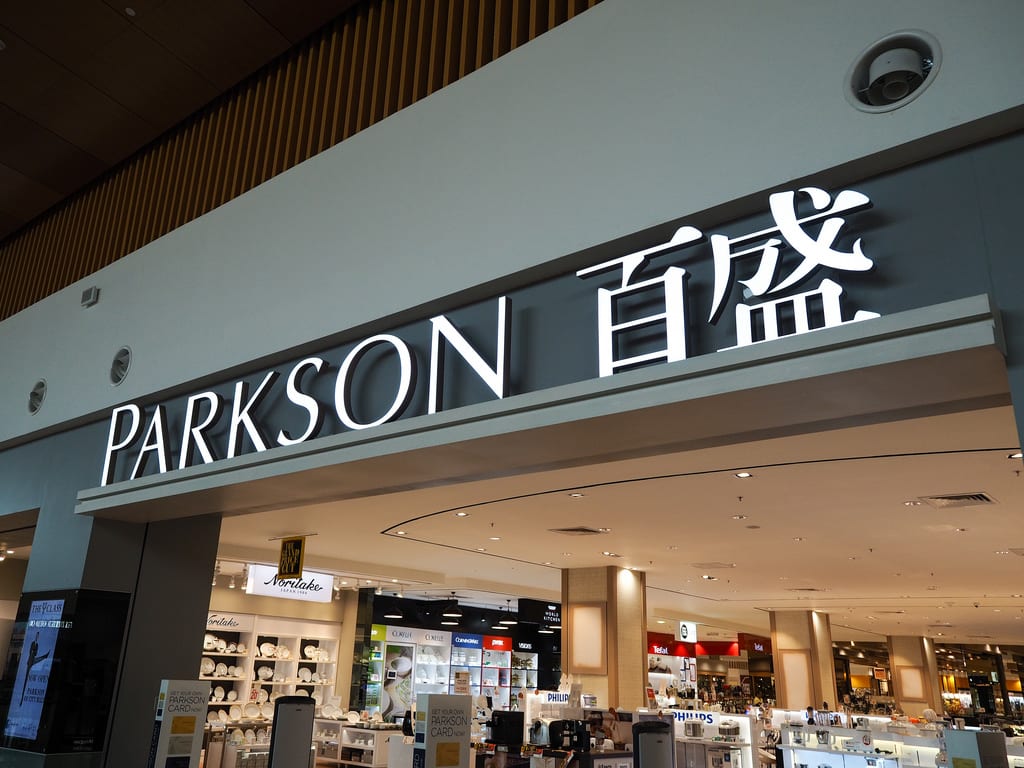
    Malaysian department store retailer Parkson Retail Asia is to launch a new fashion brand LOL, in partnership with a newly established company Super Apparel Supply, jointly owned by Chong Yan Kit and Lim Kin Ann.

    Together the two companies will establish a chain of retail stores branded LOL and selling fashion apparel and accessories, with Parkson owning 70 per cent of the business. Their venture will be established under an existing non-trading Parkson entity.

    Parkson says the JV will give it platform for selling men’s, women’s and children’s apparel, shoes and accessories ”to the mass market”.

    No other information has been released to date, including when and where the first stores will open or whether the brand will be launched outside Malaysia.

    Based on its name and the company’s wording, LOL appears to be a fast fashion or outlet concept, perhaps taking the fight back to Uniqlo which is expanding rapidly in Southeast Asia on a value offer.

  • 11Street – RM11million giveaway for Year End, and new strategies for mobile and shocking deals

    11Street – RM11million giveaway for Year End, and new strategies for mobile and shocking deals

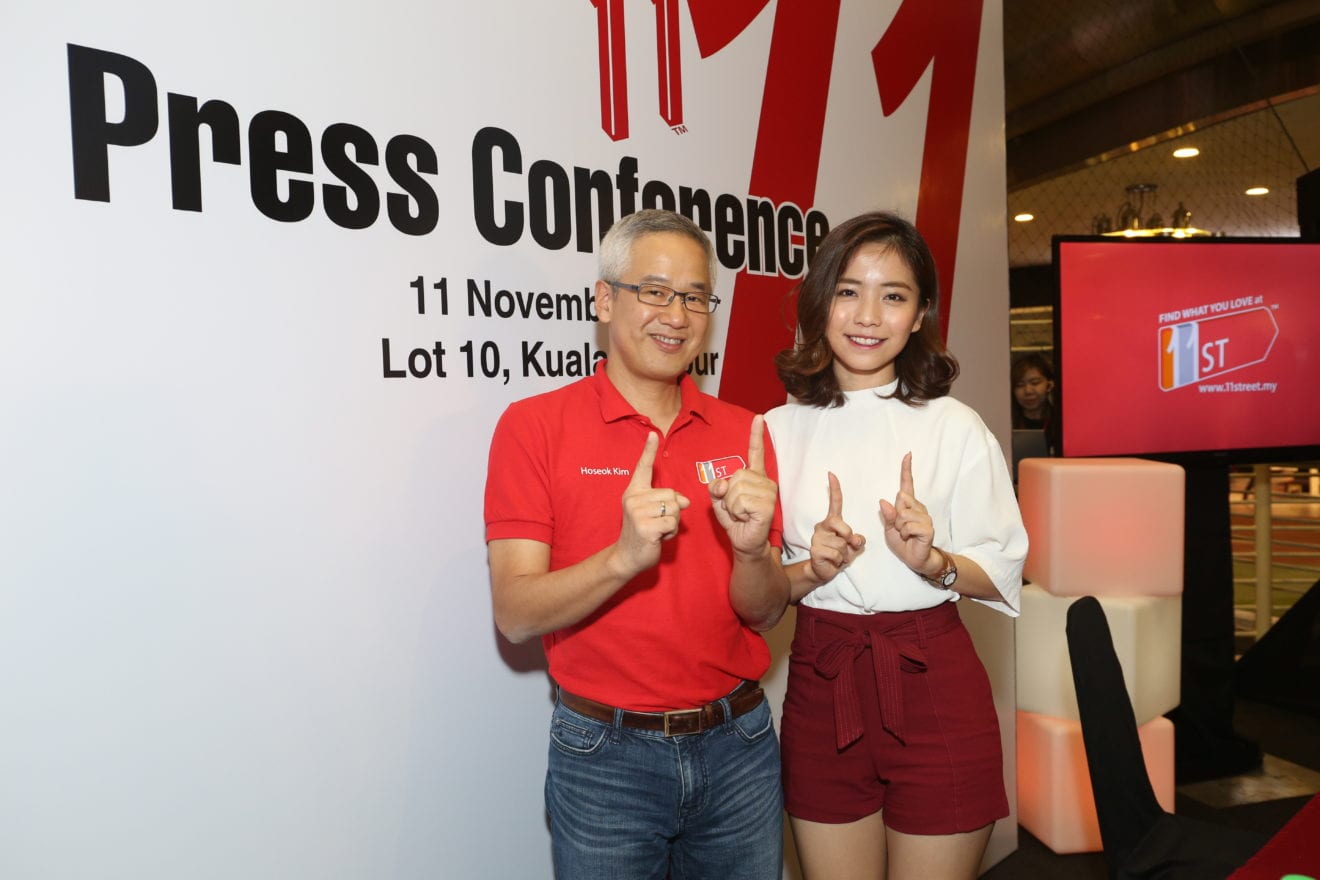
    11street (www.11street.my), one of the largest online marketplaces in Malaysia, revealed new strategic business plans for its mobile app and signature ‘Shocking Deals’ at ‘LOVE 11’ Day, its inaugural Korean – inspired celebration event at Lot 10 today.

    Among the key announcements Hoseok Kim, CEO of 11street, made at the press conference was:

    ·      Unveiling of their biggest giveaway of the year  – deals totalling to RM 11 million up for grabs for Malaysian shoppers. Starting from today until 31 December, shoppers can redeem daily offers of deals and coupons with up to 90% discounts.

    ·      Marking the 11th of each month as ‘LOVE 11’ Day for consumers to enjoy significant giveaways

    ·      One of their top business strategies include doubling its variety of product listings for its ‘Shocking Deals’ promotions to help consumers continue finding what they love at 11street

    ·      Another business focus would be on a stronger mobile app strategy for an enhanced shopping experience with more curated content with an improved user interface and user experience designs with additional personalized features. in line with this, 11street will be offering more mobile exclusive value deals and discounts.

    ·      Exclusive Premiere of Thematic TVC – will be available nationwide via free to air TV networks and 11street’s YouTube channel starting from November 16th.

  • American bistro TR Fire Grill coming to Indonesia and Malaysia

    American bistro TR Fire Grill coming to Indonesia and Malaysia

    TR Fire Grill, a chef-inspired American bistro, is making its way to Malaysia and Indonesia with its artisanal culinary experiences, its first venture out of the United States.

    Its franchisee for Malaysia and Indonesia, Grand Companions Sdn Bhd’s CEO, George Ang said the company planned to invest about RM2.2 million in each of the TR Fire Grill outlets.

    “By June or July 2016, we will have the first restaurant in Kuala Lumpur and it will be followed another two in Jakarta, Indonesia,” he told Bernama in a recent interview.

    He said for both Malaysia and Indonesia, TR Fire Grill would have pork-free menu.

    TR Fire Grill was launched in March 2015 by Romacorp, which owns another American casual dining chain restaurant brand, Tony Roma’s. Grand Companions is also the franchise partner of Romacorp for Tony Roma restaurants in Malaysia.

    On the expansion for Tony Roma’s restaurants in Malaysia, Ang said the company currently operates nine Tony Roma restaurants in Malaysia and planned to add four more with investments of RM2 million each.

    “One new outlet will be opened in Vivacity Megamall in Sarawak and an additional three outlets in Peninsular Malaysia in the next two to three years,” he added.

    Grand Companions, he said was able sustain the volume of patrons for its Tony Roma’s restaurants in Malaysia and expected to lock in sales of RM250 million by end-2015.

    Meanwhile, Romacorp president and CEO, Stephen K. Judge, said Malaysia was one of the key markets for the US-based group.

    He said the group is currently developing new brands to continuously cater to the fast-moving food and beverages market.

  • Dairy Farm struggles in SE Asia

    Dairy Farm struggles in SE Asia

    Dairy Farm International Holdings says softer sales growth and steep cost increases led to weakened margins in the third quarter.

    In an interim management statement, which does not include financial data, the Hong Kong-based pan-Asian retailer says the group faced more difficult economic conditions, and focused on building market share and investing for the long-term health of its businesses.

    Tighter margins and unfavourable exchange rate movements continued to affect the group’s US dollar reported results and led to lower underlying earnings for the period.

    “The group expects similar trading conditions to prevail for the remainder of the year.”

    Dairy Farm says profitability of its Singapore food business – where it owns the 7-Eleven franchise and Cold Storage supermarket chain – fell, principally due to weak performances from newly opened supermarkets and the impact on 7-Eleven of government restrictions on alcohol sales.

    In Malaysia, the introduction of GST and softer consumer confidence dampened spending at itsGiantstores.

    “In Indonesia, despite good sales momentum in July and August, higher labour costs and price investments to attract customers have reduced margins,” the company said.

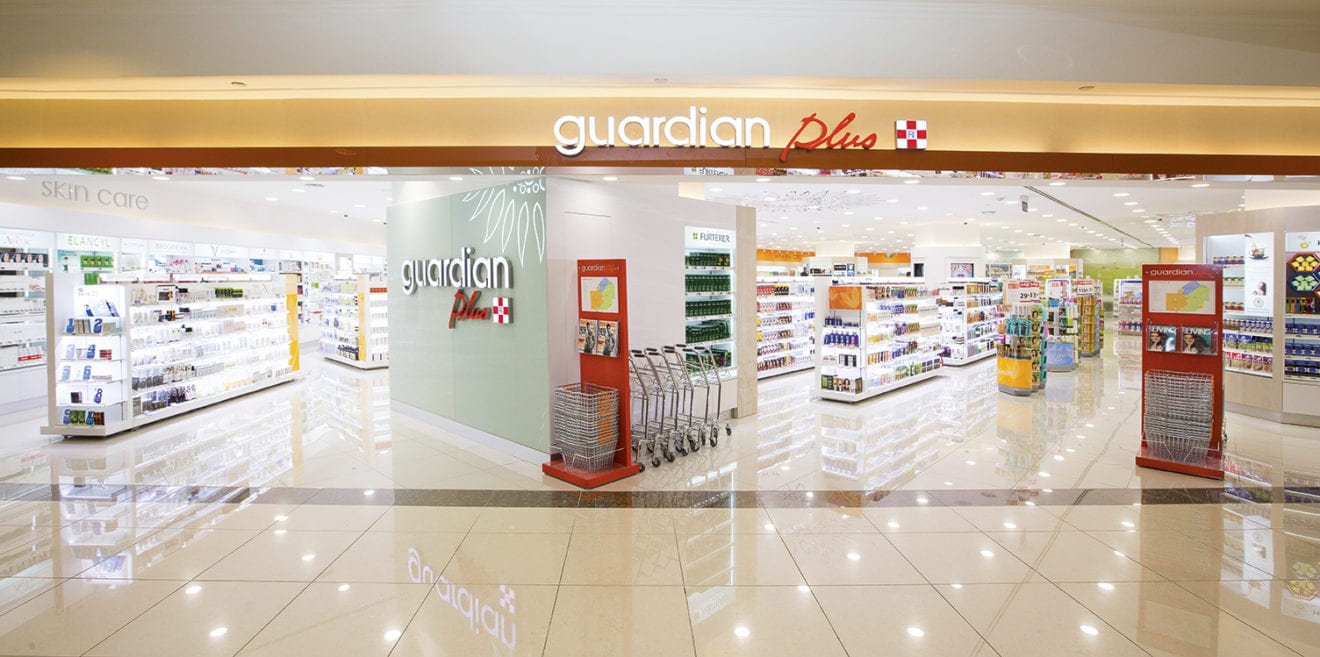
    The Health and Beauty Division – led by the Guardian and Mannings brands – continued to perform well in Hong Kong, despite the slowdown in Mainland Chinese tourist arrivals, and has seen improvements in profitability in Singapore. The overall results were, however, held back by poorer performances in Malaysia and Indonesia.

    Both the Home Furnishings and Restaurants Divisions have increased sales and profits. Ikea performed well in both Hong Kong and Taiwan, and the new Ikea store in Indonesia continues to trade ahead of expectations.

    Restaurant group Maxim’s, which operates Starbucks amongst other brands,  maintained its consistent performance.

    The group is to invest a further US$210 million in Yonghui Superstores in early 2016 so as to maintain its 19.99 per cent stake following a placement by Yonghui of a 10 per cent shareholding to internet retailer, JD.com. The investment by JD.com will provide Yonghui with additional opportunities for expansion into eCommerce.

    “With respect to recent investments, there have been positive contributions from [supermarket chain] San Miu in Macau and from Yonghui in China, despite the challenging trading environment. Meanwhile, progress continues on the integration and repositioning of the Rose Pharmacy business in the Philippines,” the company said.

    “Notwithstanding the challenging conditions, Dairy Farm was able to maintain its cashflow from operating activities through better working capital management.

    Dairy Farm operates over 6400 outlets – including supermarkets, hypermarkets, convenience stores, health and beauty stores, home furnishings stores, cafes and restaurants – employing over 170,000 people, and had total annual sales in 2014 exceeding US$13 billion.

  • Starhill Global REIT boosts revenue

    Starhill Global REIT boosts revenue

    Singapore based Starhill Global REIT has posted a 16.8 per cent increase in revenue in the first quarter, to September 30.

    YTL Starhill Global REIT Management, the manager of the trust, says revenue rose to S$56.8 million and net property income rose 10.2 per cent to $43.6 million. The growth was mainly driven by the full-quarter contribution from the recently-acquired Myer Centre in Adelaide, Australia, and the performance of its Singapore portfolio, partially offset by lower contributions from China and foreign currency movements.

    Starhill Global’s Singapore portfolio, comprising interests in Wisma Atria and Ngee Ann City on Orchard Rd, contributed 60.1 per cent of total revenue, or $34.1 million during the quarter, led by positive rental reversions achieved in previous quarters, partially offset by higher operating expenses.

    The Singapore retail portfolio recorded negative rental reversions of 7.3 per cent for leases committed during the quarter to accommodate new retail concepts, but these accounted for less than three per cent of the revenue, excluding the Toshin master lease at Ngee Ann City Retail.

    Wisma Atria Retail revenue increased 7.7 per cent. Tenant sales at Wisma Atria rose 1.1 per cent year on year, mainly due to contributions from tenants which have recently started their operations at the mall. However, shopper traffic was down 9.7 per cent, as the strata area owned by Isetan remained closed for its renovations.

    Isetan’s new tenant in the basement level, Mango, opened in September 2015.

    The trust’s Australia portfolio, comprising Myer Centre Adelaide and the David Jones Building and adjoining Plaza Arcade in Perth, Western Australia, achieved a net property income of S$8.6 million, 113.2 per cent higher than the previous corresponding period mainly due to the full-quarter contribution from the recently acquired Myer Centre Adelaide, but partially offset by depreciation of the Australian dollar against the Singapore dollar and lower occupancies at David Jones Building. The trust is in negotiations with tenants over redevelopment plans at Plaza Arcade to accommodate anchor tenants and optimise upper-storey space.

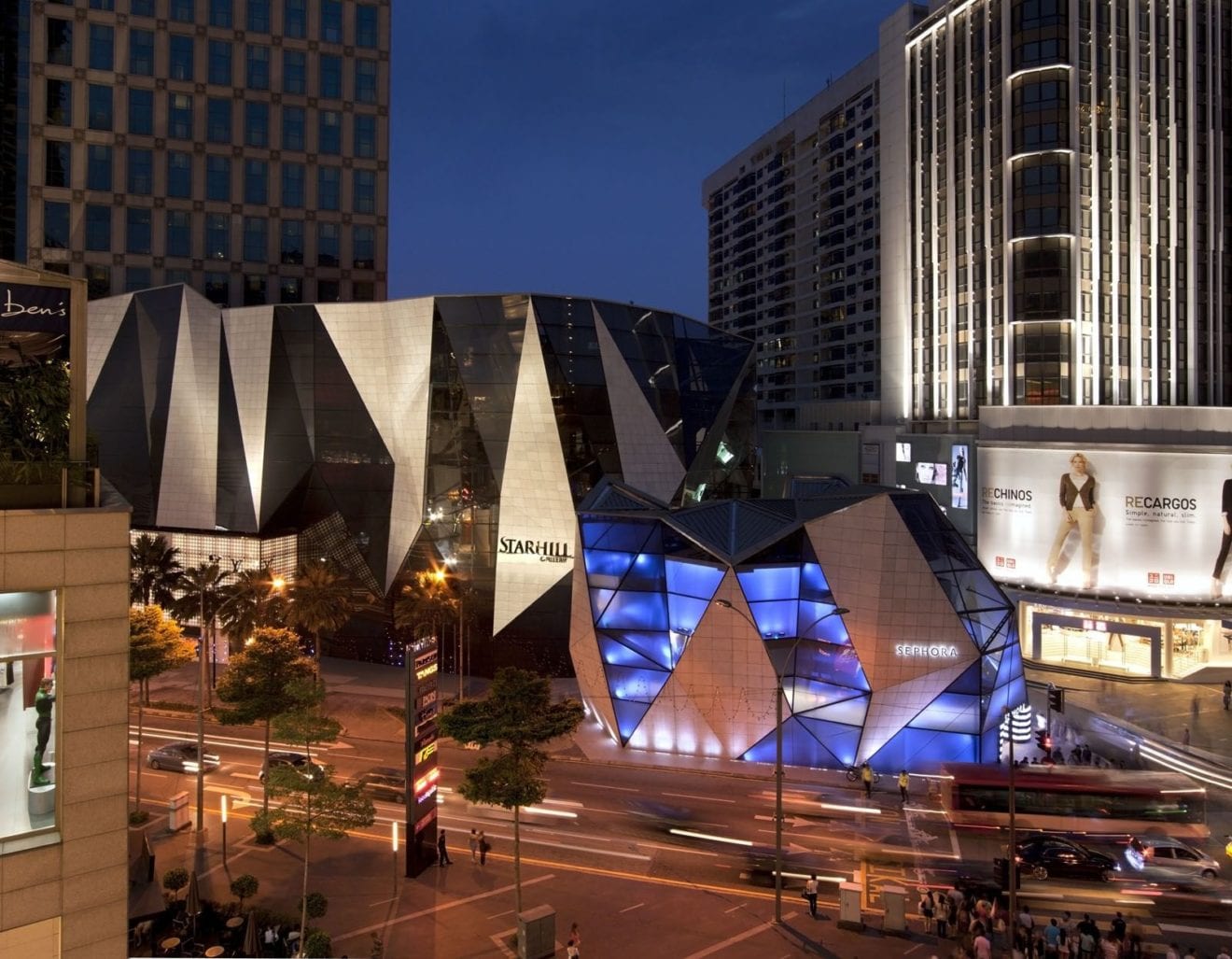
    The trust’s Malaysia portfolio, comprising Starhill Gallery and interest in Lot 10 along Bukit Bintang in Kuala Lumpur, contributed 11.5 per cent of total revenue, or S$6.5 million in the quarter.

    NPI was approximately S$6.3 million, down 16 per cent on the previous corresponding period, mainly due to depreciation of the Malaysian ringgit against the Singapore dollar and reversal of excess provision of property taxes in the previous corresponding period following the revision in property tax assessment.

    Renhe Spring Zongbei in Chengdu, China, contributed 3.4 per cent of total revenue, or S$1.9 million and its NPI was S900,00, a decline of 27.5 per cent.

    “The decline was largely attributed to lower revenue as the high-end luxury retail segment continues to be impacted by the austerity measures the central government has put in place, as well as increasing challenges and competition from new and upcoming malls in the city,” said YTL Starhill Global REIT Management in a statement.

    The Japan portfolio, which comprises five properties located in central Tokyo, contributed two per cent of total revenue and achieved NPI of $900,000, 11.5 per cent higher than in the previous corresponding period, largely attributable to higher occupancies and lower operating expenses, partially offset by depreciation of the Japanese yen against the Singapore dollar.

  • Matta welcomes shifting of AirAsia’s operations to Terminal 1

    Matta welcomes shifting of AirAsia’s operations to Terminal 1

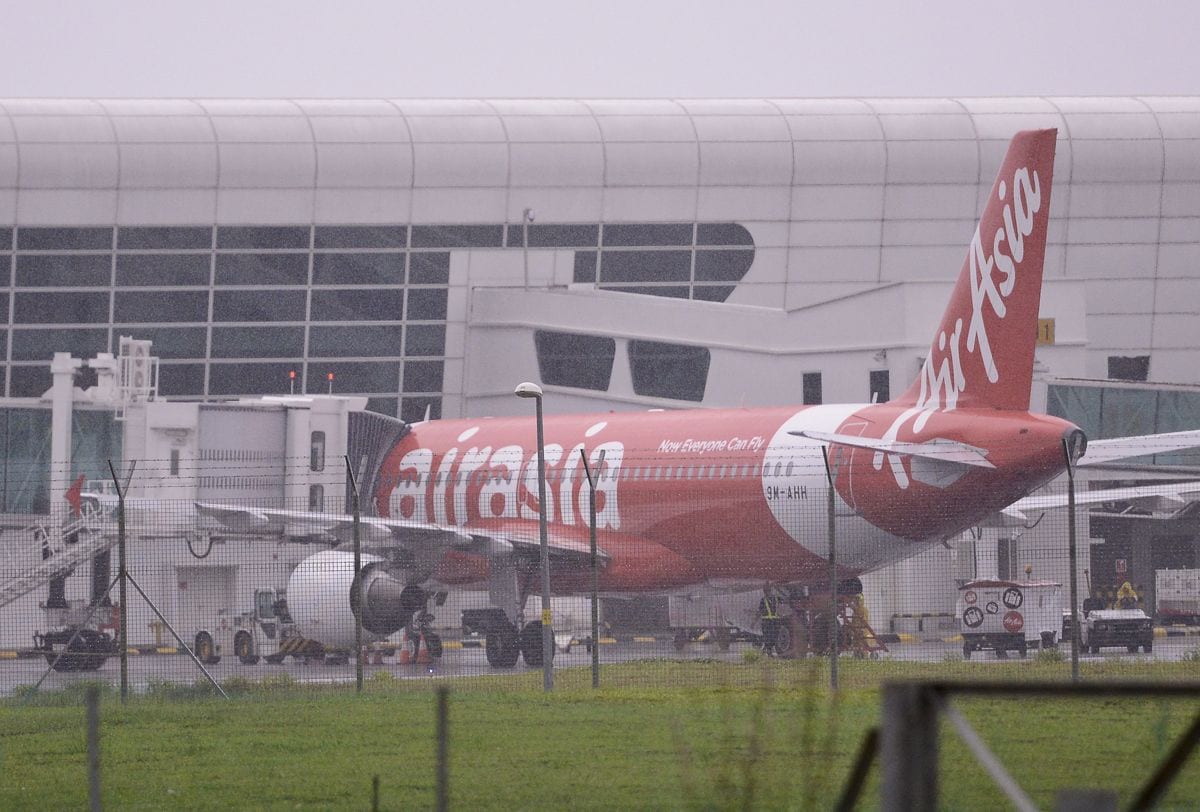
    The shifting of AirAsia’s operations to Terminal 1 next month will certainly be welcomed by passengers, said Malaysian Association of Tour and Travel Agents (Matta) vice president (inbound) Datuk KL Tan. He said the Terminal 2, which the low-budget-carrier is operating now, has poor ventilation, lack of check-in counters, immigration and goods and services tax refund counters, poor toilet facilities, among others.

    The terminal at the Kota Kinabalu International Airport (KKIA) has also exceeded its passenger capacity of two million passengers per annum (ppa), as last year its actual passenger volume was 3.6 million ppa. “This has been a long tussle for some years and we are glad AirAsia Group chief executive officer Tan Sri Tony Fernandes has realised we need to be law-abiding citizens. “Matta Malaysia wishes to thank Prime Minister Datuk Seri Najib Razak for giving the final directive to AirAsia to move to Terminal 1,” he said in a statement.

    The Prime Minister, who officiated the RM1.7 billion Terminal 1 on Sept 16, had delivered an ultimatum to AirAsia to move its operations from Terminal 2, stating the airline had exceeded its timeframe. AirAsia has been involved in disagreements with Malaysia Airports Holdings Bhd since the airline was asked to move its operations back in 2011, with the last deadline being on Aug 1 this year.

  • Five Manchester City online stores launched in Asia

    Five Manchester City online stores launched in Asia

    English Premier League club Manchester City has partnered with EZ Shopnet to launch five online stores serving Asian fans.

    Manchester City online stores will be launched for customers in China, Hong Kong, Japan, Korea andSoutheast Asia.

    As the club’s new online retail partner for Asia Pacific, Hong Kong-based EZ Shopnet will help to meet fast growing demand across Asia Pacific for official Club merchandise. Each of the five stores operates in local languages and currencies, with local customer support enabling the club to get official merchandise to its fans quickly and cost effectively.

    Manchester City is following the lead of rivals Manchester United and Chelsea in cashing in on the growing fan base for EPL across broader Asia. It recently opened a regional management office in Singapore.

    Omar Berrada, group commercial director for City Football Marketing, which brokers Manchester City’s commercial partnerships and manages all of its retail and licensing, said that through EZ Shopnet, the club can get even closer to its growing fan base across Asia Pacific and deliver them a better and quicker service.

    “We have seen an enormous growth in our followers in the region and we are extremely happy that they will have easier access to official City kits and our wide range of merchandise than ever before.”

  • Home-grown label M)phosis shuts stores

    Home-grown label M)phosis shuts stores

    Fashion brand M)phosis, once cited as among the more successful home-grown labels, has shut all its stores in Singapore.

    The Straits Times understands that all its outlets in Vietnam, Malaysia, the Philippines and Indonesia – more than 10 of them – are in the process of folding. Only its stores in China are still open.

    “In China, we are still in the marketplace,” the brand’s director, Mr Hensley Teh, told The Straits Times yesterday.

    “We were having a severe cash flow situation. We were not able to continue, despite wanting to. We did everything we could,” he said, adding that all staff at the affected outlets have been retrenched. “We thank our customers, who have supported us all these years.”

    The last M)phosis (pronounced “emphasis”) outlet to shut here was the one in VivoCity on Aug 25, but many former customers are now angry about being unable to redeem the vouchers they bought.

    STUCK WITH VOUCHERS

    They may have already known that they were going to shut down and they still sold the vouchers.

    MS CECILIA YEO, an upset customer who has $60 worth of unused vouchers

    Ms Cecilia Yeo, 37, said she was sold vouchers in April and was a “lifetime member” of the chain.

    “I am supposed to get 10 per cent discount for a lifetime,” she said, adding that she has $60 worth of unused vouchers.

    “When I bought them, staff told me not to worry about the expiry date. They may have already known that they were going to shut down and they still sold the vouchers. That is not right,” said Ms Yeo, a sales executive.

    Mr Teh said he is “deeply sorry” that not all vouchers had been redeemed.

    The chain had tried to reach out to as many customers as they could, to ask them to make redemptions before the last outlet shut, he said, adding: “We don’t take the matter lightly. But we are not in a position now to make any promises.”

    M)phosis first opened in 1994 at Change Alley.

    Catering to women aged 18 to 35, and selling clean-cut designs in solid colours, it soon expanded to more than 10 outlets.

    By 1998, it had four stores in Jakarta and two in Kuala Lumpur. In 2009, it opened its first boutique in China. It then expanded into Dubai, Japan, Thailand, Vietnam, Australia, Hong Kong and the Philippines. The Dubai, Japan, Australia and Hong Kong stores shut several years back.

    At its peak, the brand had more than 30 outlets in total.

    Ms Sarah Lim, a senior retail lecturer at Singapore Polytechnic, said that stiff competition in the retail market was likely to blame for M)phosis’ downfall.

    “The brand sells many clothes in classic cuts and colours. But there are so many brands out there that sell the same thing.

    “Large international names, like Zara, have similar items at lower prices with better designs,” she said, adding that the firm may have spread itself too thin during the expansion phase.

    Mr Seah Seng Choon, executive director of the Consumers Association of Singapore, said that it would be difficult for customers to get refunds for unused vouchers.

    “If the shop has already shut down here, and there are no other places to redeem the vouchers, there is not much customers can do,” he said, adding that they can choose to hire a lawyer to sue the firm. “But doing this is costly and does not make sense. Also, even if they do that and win, the company may not have assets available for claiming and cannot honour the vouchers anyway.”