Retail News CRM

Tag: Malaysia

  • Food will dominate Damansara City Mall

    Food will dominate Damansara City Mall

    A new shopping centre under construction in Malaysia’s capital city, Kuala Lumpur, plans to set itself apart from rival destinations with a dominating food offer.

    The four story Damansara City Mall, scheduled to open in April 2016, has a net lettable area of 17,652 sqm. And a full 75 per cent of that space will be dedicated to food and beverage tenancies. The balance of the space will be for retail and services.

    Damansara City Mall senior manager Christine Yeap told a recent media briefing the mall is being pitched at the 12,000 working population nearby, along with neighbouring communities of Menara Milenium, Damansara Heights and Bangsar – a combined catchment of around 100,000.

    “The location of the mall is a step ahead of other malls with easy accessibility from nearby areas.

    “We have quick-serve food outlets on the lower ground level for the busy, working crowd as well as a range of new restaurants in the market.

    “Coupled with a mix of tenants as well as interesting architecture and interior, the mall creates a comfortable and safe environment for visitors,” she said.

    The new mall is located at Jalan Johar in Damansara Heights, and the developer is Guocoland (M) Bhd, the property arm of Hong Leong Group. It is designed by Blu Water Studios.

  • Sa Sa plans new store concepts

    Sa Sa plans new store concepts

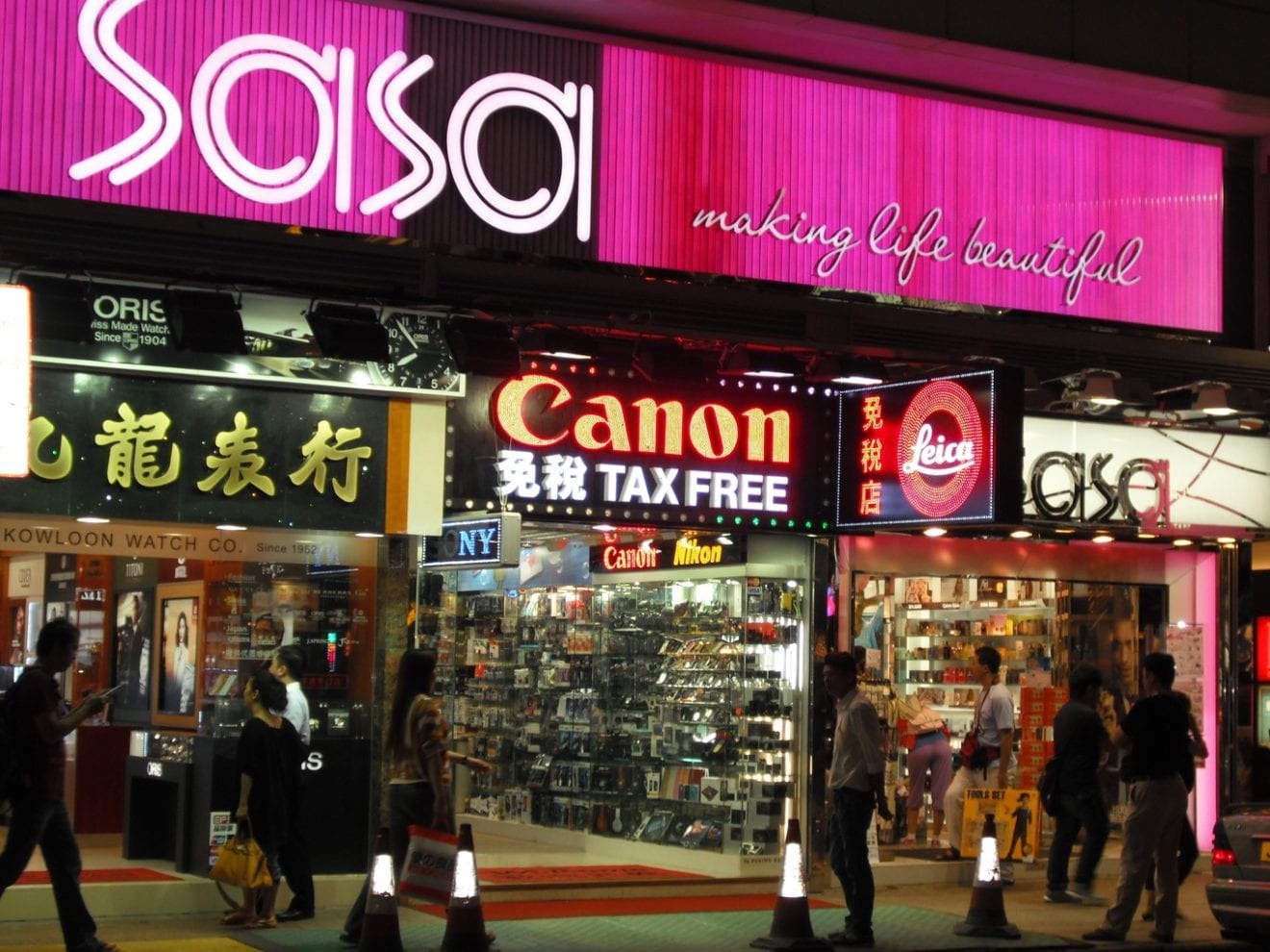
    Hit by falling sales in the tourist downturn, Hong Kong beauty retailer Sa Sa plans new store concepts and diversification to restore growth.

    Reporting a 10.6 per cent decline in sales to HK$3.778 billion in the first half of the current year, and a 55 per cent plunge in profit to $153 million, Sa Sa revealed a strategy to “develop other businesses beyond traditional operations”, including tapping the opportunities of O2O and cross-border eCommerce.

    “The group’s O2O initiatives will initially launch in Hong Kong and gradually extend to mainland China. For the China market, the O2O initiatives will significantly broaden product offerings in its physical stores through online sales and cross border fulfillment. The group aims to use different channels and to leverage a variety of online partners to increase online exposure, including operating physical stores to promote O2O in Free Trade Zones, and cooperating closely with major China online operators, all with their unique positioning and correspondingly different opportunities,” the company said in its interim report.

    New store concepts are also on the drawing board.

    “The group’s strategy for new store concepts includes introducing more trendy and lifestyle concepts to attract young and trend-setting customers, much improved product display, and more emphasis on enhancing the shopping experience.”

    Sa sa says it also aims to place more emphasis on the unique shopping experience with Sa Sa through improved product displays, while changing the mindset of its beauty consultants to one that is more receptive to consumer preferences.

    “In addition, the group will substantially strengthen its online marketing efforts, including the use of social media channels to improve interactivity.”

    Hong Kong & Macau

    Sa Sa says its first half year was marked by pressure from a series of negative factors in the retail market of Hong Kong during the first half of the year. Retail sales in Hong Kong and Macau decreased by 11.1 per cent to $3.010 billion.

    “The cosmetics market in Hong Kong continues to face strong headwinds due to the slowing of mainland China tourist arrivals, their reduced spending, and weak local consumption sentiment. The one-visit-one-week policy for mainland visitors is gradually taking its toll on the market, while the strength of the Hong Kong dollar and depreciating yuan will continue to make shopping overseas more attractive for both mainland China and local consumers. Intensifying competition within the cosmetic industry is a further challenge, with ongoing discount and promotion programmes having an ongoing impact on profitability,” the company reported.

    “Although rental pressure is expected to moderate in a slowing market, rental reductions still lag behind weak sales performance. In the face of these challenges, The group rationalised its retail network from 287 to 281, a net decrease of three stores each for both “Sasa” stores and single-brand counters.”

    Mainland China

    In Mainland China, the stores’ profitability continued to improve, but weak operational and product management led to a decline in turnover, as well as an increase in the inventory provision. Overall turnover for Mainland China operations decreased to HK$148.9 million, a decrease of 8.7 per cent in local currency terms, while same store sales growth in local currency decreased by 9.8 per cent for the period. Loss for the period amounted to HK$24.5 million. The group has recognised the need for more management resources to improved management, and is currently using external management resources on a contract basis to allow for more time to develop its own management structure and training. The group is also seconding experienced staff from Hong Kong to improve attractiveness of product offerings and inventory management.

    Taiwan

    Turnover in the group’s Taiwan business decreased to HK$130.2 million during the period, representing a drop of 2.2 per cent in local currency terms. Same store sales fell 8.7 per cent in local currency. The number of mainland China consumers in Taiwan is expected to increase in view of the country’s enhanced infrastructure and retail space, and the introduction of unlimited visa quotas for high-end Mainland Chinese tourists who have greater spending capacity. The group has already opened stores in tourist locations to tap the potential of increasing in mainland Chinese tourist arrivals.

    Singapore & Malaysia

    Flat sales across the Sa Sa Singapore network has prompted a rethink of the brand’s local network.

    In the first half year, Sa Sa reported turnover of HK$112.8 million (S$20.445 million) in Singapore, remaining flat in local currency terms over the same period last year.

    “The group will continue to build scalability and profit potential by closing inefficient stores and opening stores in new malls with good potential,” the company said in its interim trading statement.

    Meanwhile, turnover for Sa Sa Malaysia was HK$141.9 million, an increase of 2.5 per cent in local currency terms over the same period last year. However, same store sales decreased 8.5 per cent in local currency.

    “Sales and profit growth were restrained by the implementation of GST [on April 1], which adversely impacted store productivity during the transitional period. This effect is expected to be normalised in the second half.”

    Chairman’s view

    Chairman and CEO Dr Simon Kwok put on a brave face on the results:

    “Sa Sa has a long track record of delivering outstanding success in all economic climates and in the face of the most severe headwinds and difficulties. We firmly believe that in spite of the current difficult business environment we are now facing, we can still turn challenges into opportunities and further consolidate our competitive advantages. The flexibility of our business model, with an ability to rapidly adapt to new circumstances, markets and trends, will continue to support our position as a leading provider of beauty products in the Asia Pacific. We also believe that the resilience and adaptability of our loyal staff and the forward vision of our outstanding management team will ensure that we deliver sustained, satisfying growth for many years to come.”

  • AirAsia pushes new regional schedules, secondary hub growth

    AirAsia pushes new regional schedules, secondary hub growth

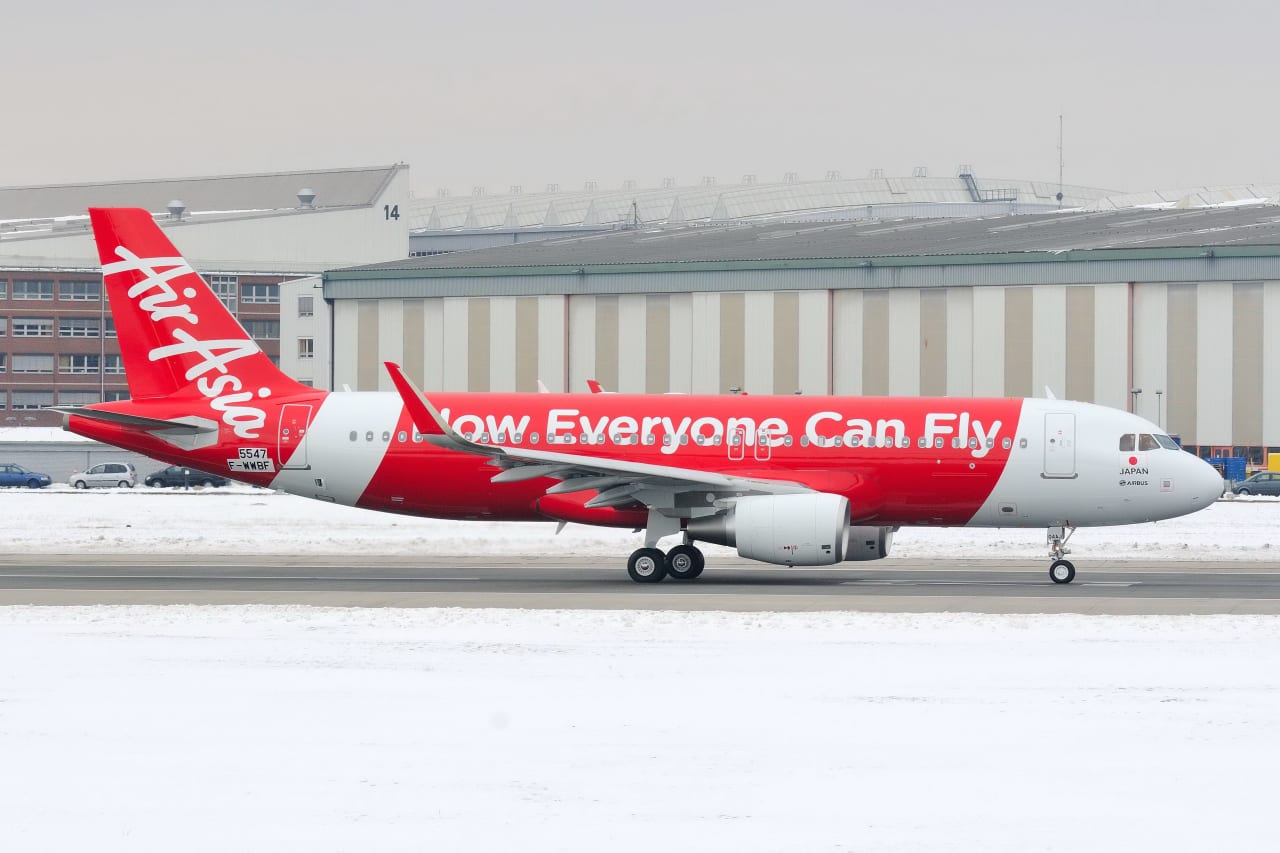
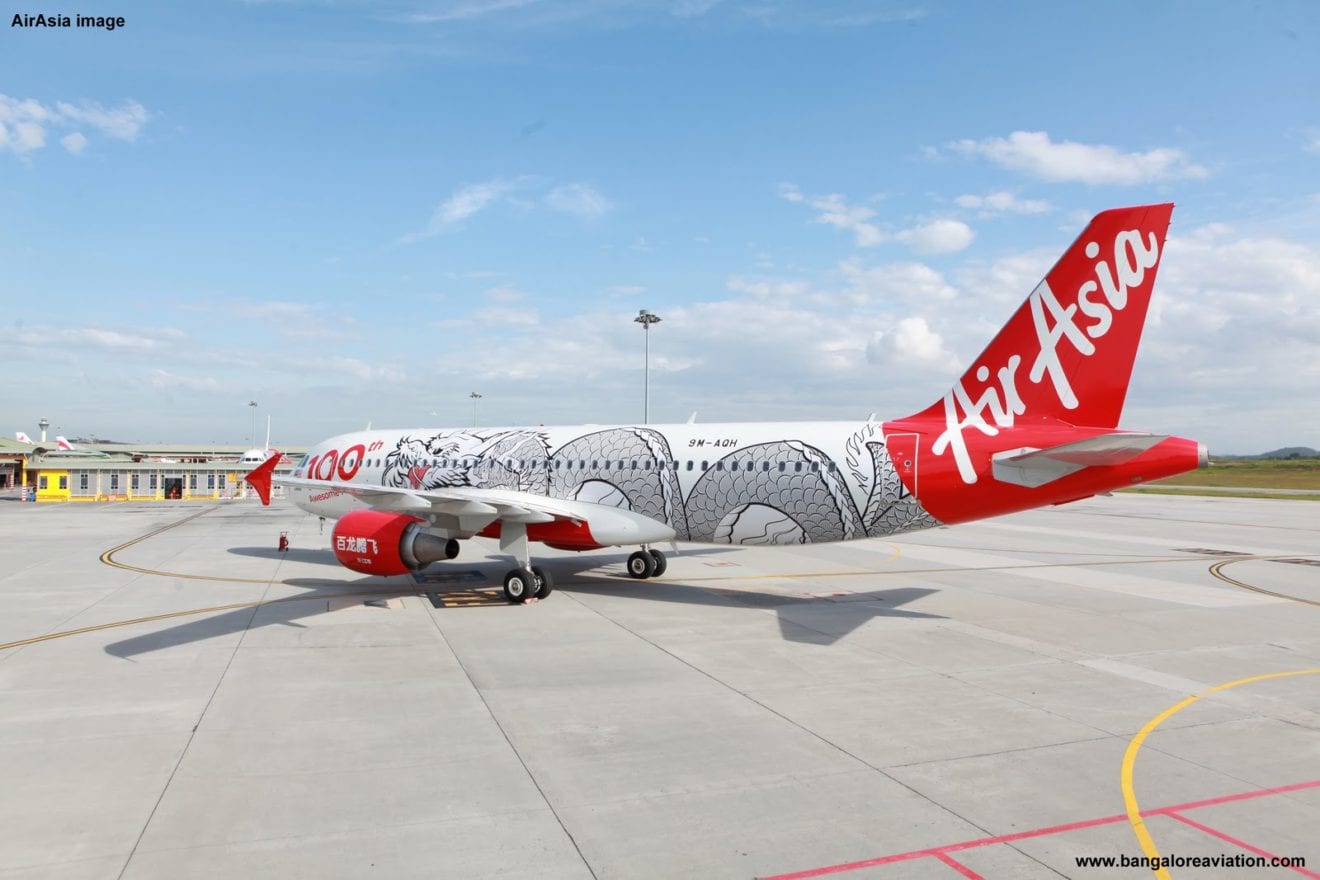
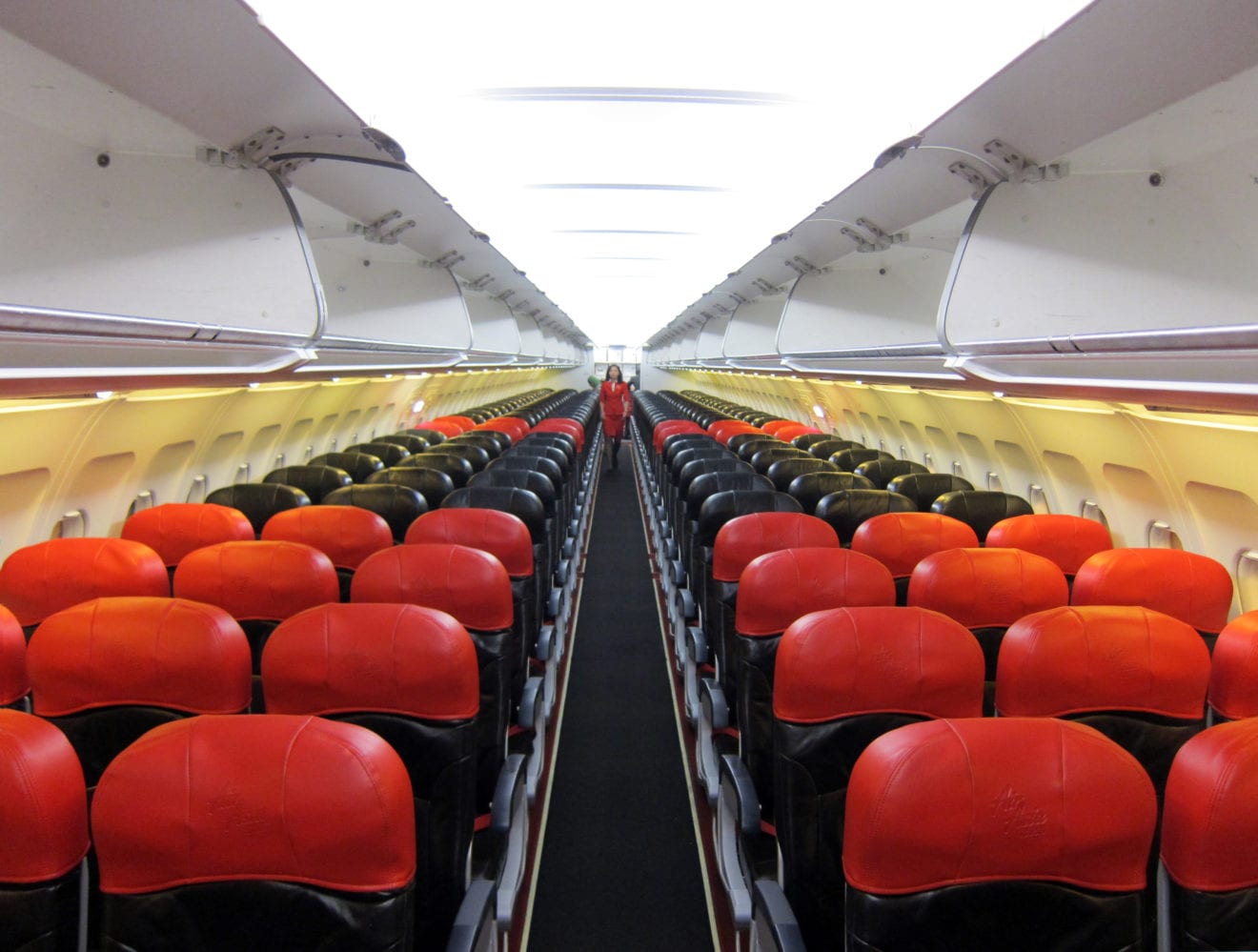
    Malaysia-based low cost carrier AirAsia Berhad plans to launch its latest direct flight between tier-two Chinese city Guangzhou and Langkawi, Malaysia at the end of January 2016.

    The choice of tourist destination Langkawi for the group’s latest international route underlines the company’s strategy to develop services on less heavily serviced routes. The schedule will see 4X-weekly Airbus A320 departures.

    AirAsia CEO Aireen Omar said the airline is focused on expanding its connectivity into China, especially second-tier cities such as the recently launched Changsha-Kuala Lumpur service.

    This secondary city approach is echoed by the AirAsia Group’s introduction of flights from Changsha-Bangkok operated by Thai AirAsia; a Krabi (Malaysia)-Guangzhou (China) service by AirAsia; and a Wuhan (China)-Kota Kinabalu (Malaysia) service, also by AirAsia.

    Additionally, the Thai subsidiary has introduced new international schedules from its newest regional hub at Thailand’s U-Tapao International Airport to Macau, Singapore, and is reportedly looking at new routes to India.

    “We will continue to add more aircraft orders as we go further because we are not only growing in Malaysia, but also in Thailand, Indonesia, the Philippines, India and hopefully in Japan,” Omar said.

    AirAsia is scheduled to take delivery of its first Airbus A320 neo aircraft from the 2016 second half, which Omar said will be used to expand existing regional business as well as act as fleet replacements.

  • First Lulu Group Malaysia hypermarket opening date set

    First Lulu Group Malaysia hypermarket opening date set

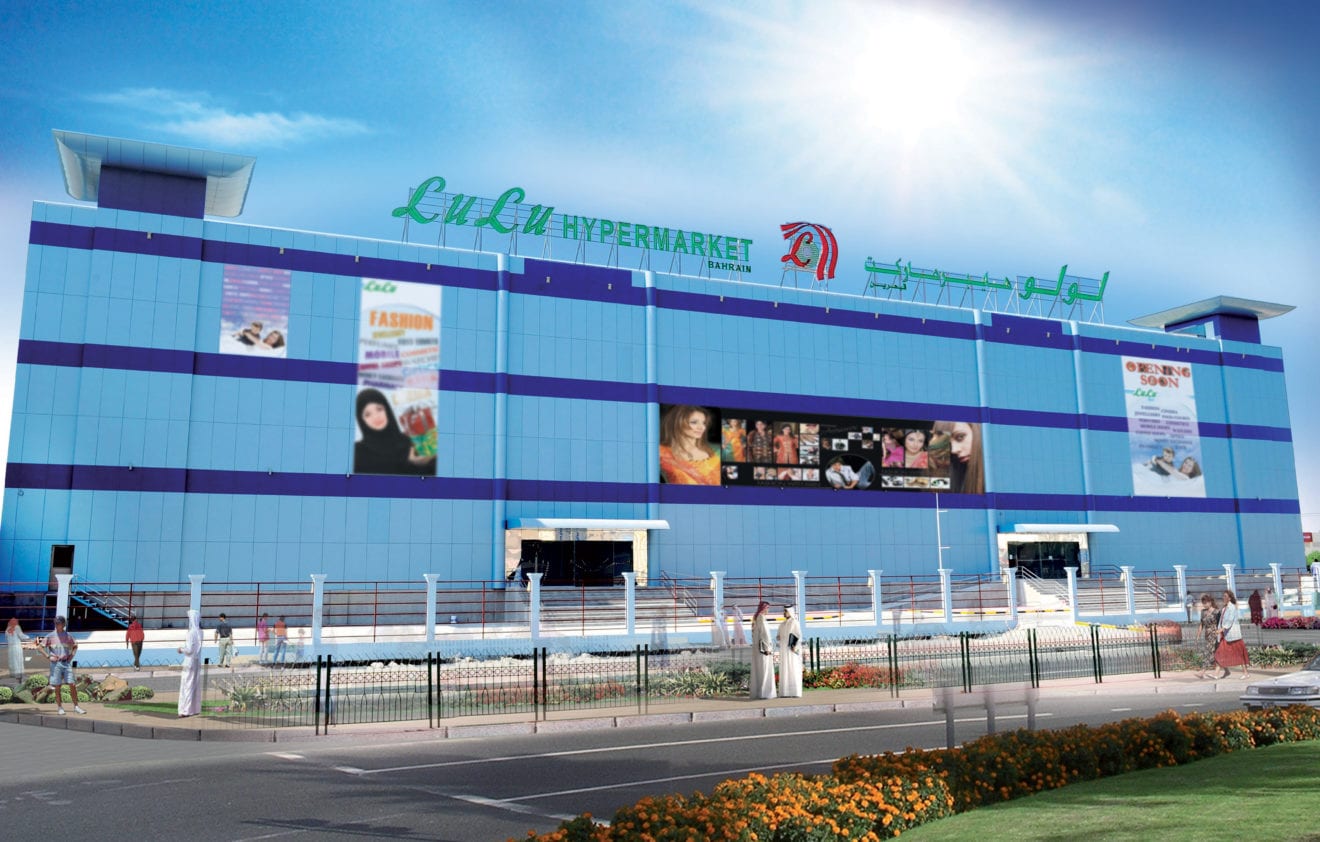
    The first Lulu Group Malaysia hypermarket is scheduled to open in February 2016, the Middle Eastern retailer has confirmed.

    Lulu currently operates 118 hypermarkets and shopping malls in the Middle East and India and positions itself offering quality products, competitive prices and high level customer service. It is ranked by Deloitte as one of the top 10 fastest growing retailers in the world.

    The company confirmed this week during a luncheon hosted by Malaysia’s prime minister that he first hypermarket will open in February 2016 at Jalan Munshi Abdullah in Kuala Lumpur.

    Yusuff Ali Ma with Indian Prime Minister Narendra Modi and Malaysian Prime Minister Najib Abdul Razak during an official luncheon on Monday.


    Yusuff Ali Ma, chairman and MD of Lulu Group said the company will initially invest RM1.3 billion (US$300 million) in rolling out 10 hypermarkets during the next two years and gradually expand to all parts of Malaysia.

    “Today the whole world knows about Malaysia’s economic stability, investor friendly approach, liberalised policies and world-class infrastructure and we are confident about our success here,” he said.

    “Our hypermarkets encompass both supermarket and department store formats and we intend to bring a whole new world of shopping to the residents of Malaysia.”

    Yusuffali said Malaysian staff would be trained in the Middle East so as to replicate the levels of service and expertise the brand is renowned for.

    Lease agreements have been inked with retail developers including Greenhill Resources SdnBhd (Setia City Mall), KLIA Properties (for a new project in Bangi) and PNB Commerce (Perling Mall in Johar Baru). Other hypermarkets will open in Kalandhan Kotabaru, Shaa Aalam, Ipoh, Malaka, Penang and Kuala Tringanu.

    “Works of other hypermarkets have already started with some having completed 60 per cent and some others 70 per cent” he said.

  • A Short Overview of Malaysian Shopping Trends

    A Short Overview of Malaysian Shopping Trends

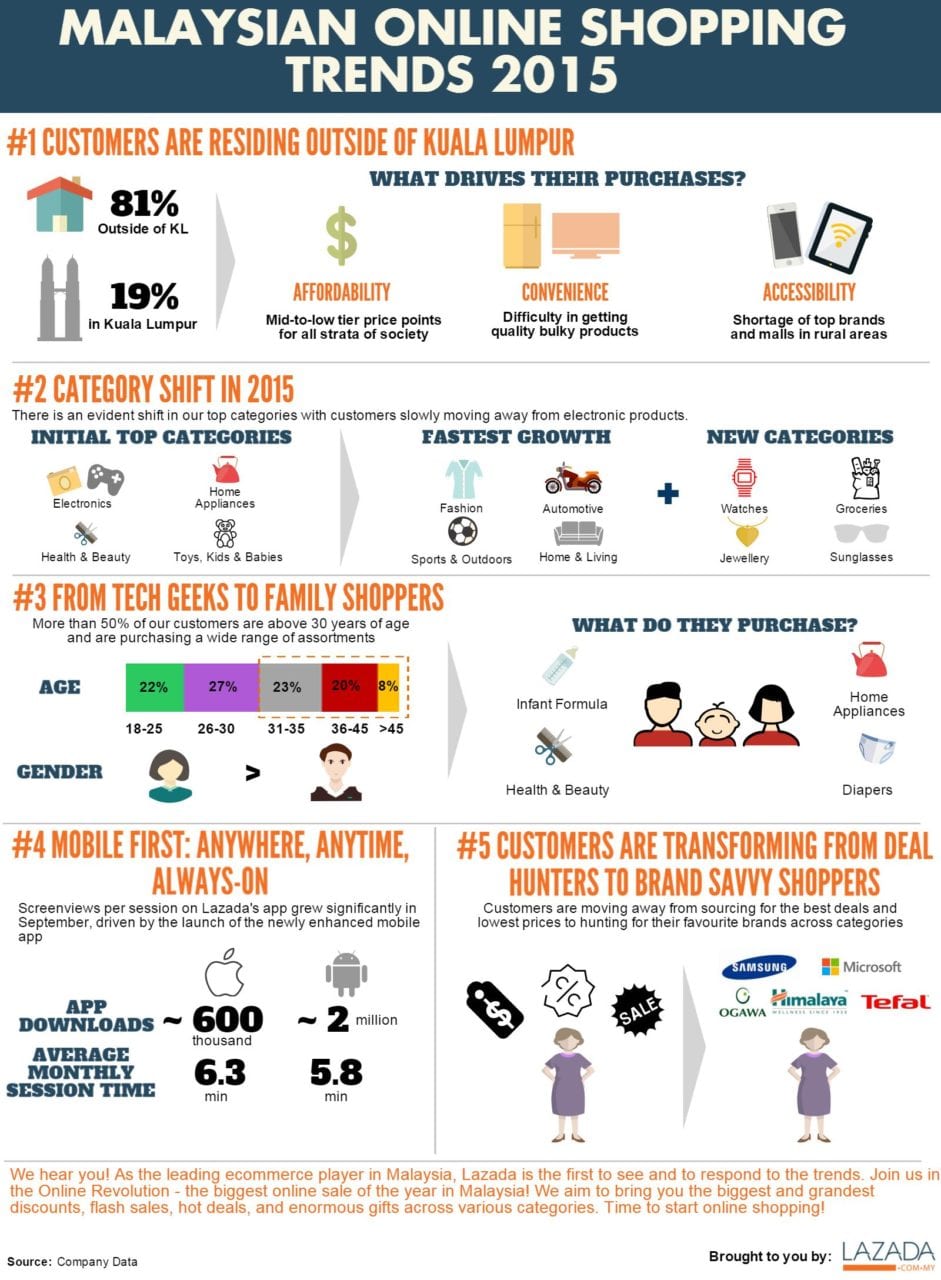
    #1 Majority of our customers are residing outside of Kuala Lumpur

    – There is an evident shift of customers shopping on Lazada with 81% of them residing outside of Kuala Lumpur

    –  Reasons behind this shift include 

        a) Affordability of products – Consumers from various backgrounds are able to purchase products from a wide price-range ( mid to low-tier)

        b) Convenience  – Consumer located outside of KL are able to purchase high- quality bulky products delivered to their location of choice            without having the need to locate these products at the shopping mall and sourcing for delivery trucks

       c) Accessibility – Consumers outside of KL now have access to purchase a variety of top brands online which were previously unavailable 

          at their area. This ensures that they are kept abreast on the best deals and promotions despite their geographical location.

    #2 Category shift in 2015

    – Previously our top selling categories were electronics, home appliances and toys kids and babies. However, there has been a surge in        

      demand in other categories ranging from sports and outdoor, fashion and groceries

    #3 From tech geek to family shoppers

    – Online shopping is commonly associated with the Gen Ys as they are presumed to be tech- savvy and are more comfortable shopping 

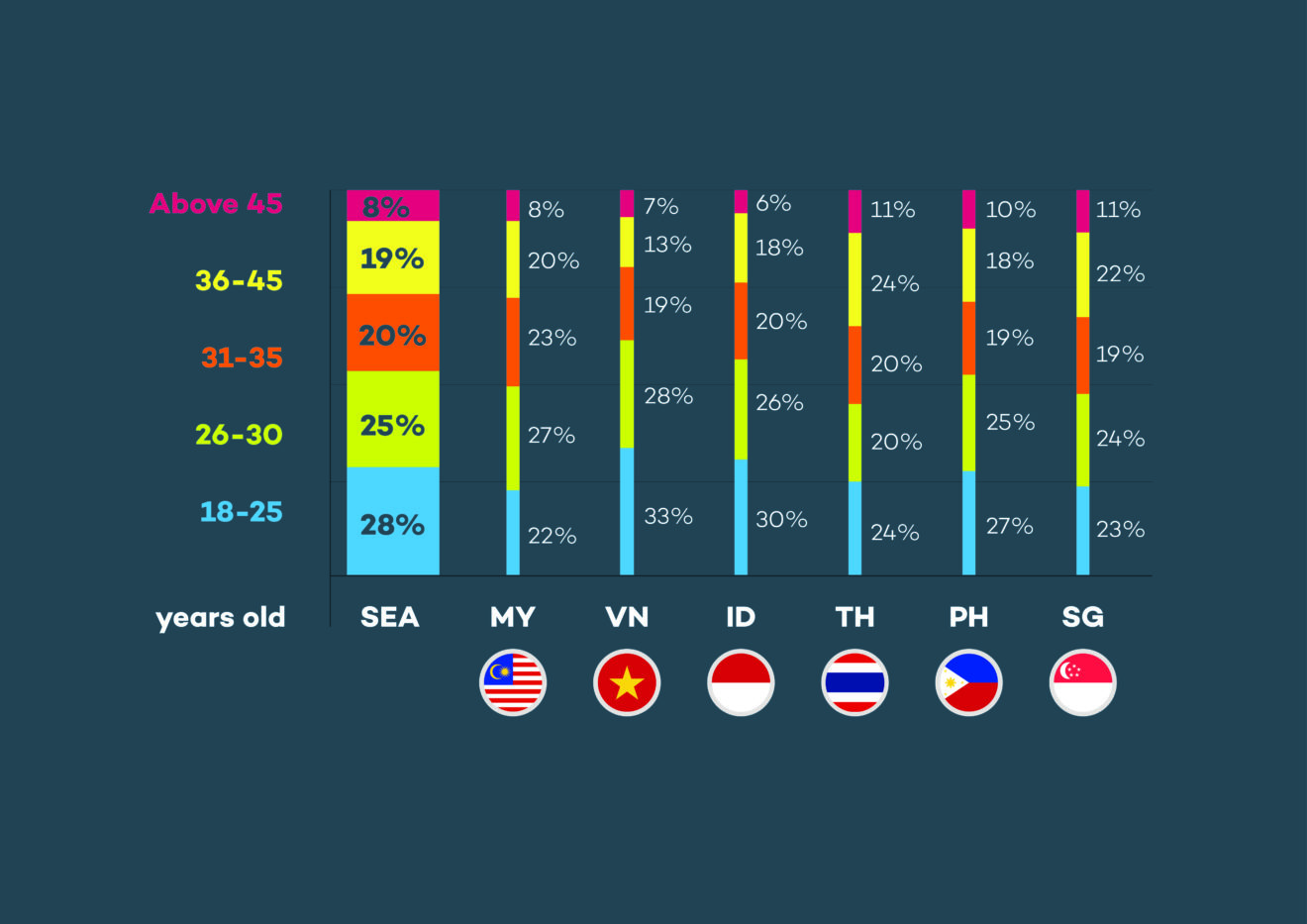
      online compared to the older generations. There has been a change in trend whereby majority of the online shoppers now are aged 30   years and above and are sourcing for a wide range of household related products ( home appliances, baby products etc)

    #4 Mobile-First: Anywhere, Anytime, Always – On

    –  Malaysia is transforming into a digital nation with high mobile penetration across the country. Hence, it comes to no surprise that majority of Malaysians are hooked to their mobile devices to obtain further information on a particular product/ source for the best online deals via mobile platforms.

    #5 Customers are moving away from deal hunter to brand savvy shoppers

    –  Consumers are no longer exclusively shopping online only during sales or are constantly on a lookout for special deals or promotions before purchasing a product. Instead, consumers now have high-brand loyalty whereby they source products from their favourite brands across categories when shopping online.

    Lazada_Infographic-06_age range

    LZD Trends v1

  • Moody’s lowers Parkson Retail Group debt outlook to negative

    Moody’s lowers Parkson Retail Group debt outlook to negative

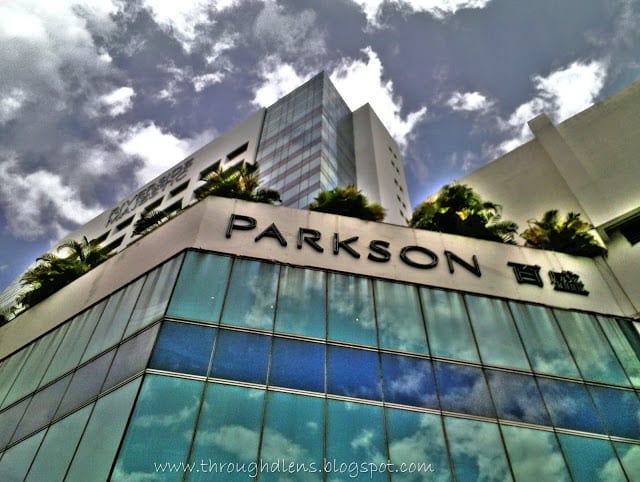
    Moody’s Investors Service has lowered the outlook for Parkson Retail Group Ltd’s Ba3 corporate family and senior unsecured debt ratings to negative from stable.

    In a statement issued on Wednesday, Moody’s has also affirmed Parkson’s Ba3 corporate family and senior unsecured debt ratings.

    A Moody’s vice president and senior credit officer Lina Choi said: “The outlook change reflects Parkson’s weaker-than-expected financial results for 3Q 2015.

    “Our expectation that its profitability and financial leverage will likely remain weak for its Ba3 ratings over the next 12-18 months, given the ongoing challenges apparent in China’s retail market.”

    Parkson, which is listed on the Hong Kong Stock Exchange and one of the largest operators of department store chains in China, reported a normalised operating profit of 86.7mil renminbi — after excluding a one-off litigation penalty of 140mil renminbi — in the first nine months of 2015 compared with 346.4mil renminb in 2014.

    “This decline was due to the consideration that the company faced strong competition during this time and also experienced a 9.4% decline in gross sales proceeds (GSP) in 3Q 2015, a further deterioration from the 3% fall in 1H 2015.

    “Moody’s notes that subdued retail sentiment and strong competition have prompted Parkson to offer more promotions and discounts on its products,” it said.

    Moody’s also estimated Parkson’s profitability — as measured by EBITDA/GSP — would decline to 11% for all of 2015 from 12.7% in 2014.

    At end-2014, it owned and managed 60 stores spread across 34 Chinese cities. It targets the middle-end of the Chinese retail market. It is 53.1%-owned by Parkson Holdings Bhd (unrated), an affiliate of Malaysia’s Lion Group.

    Moody’s said despite the company’s plan to improve profitability through more direct sales, Moody’s expects EBITDA/GSP to fall to around 10%-11% in the next 12-18 months. Such a range would be close to its rating downgrade trigger level.

    The ratings agency also said Moody’s expected Parkson’s retained cash flow (RCF)/net debt to decline to 8% at end-2015 from 11.3% at end-2014 due to the fall in cash holdings.

    It pointed out Parkson’s cash and cash equivalent fell to 3.6bil renminbi in 3Q 2015 from 4.8bil renminbi at end-December 2014 due to increased working capital outflow and capital expenditure on new stores.

    Moody’s expects RCF/net debt to stay around 8% over the next 12-18 months, a level which provides little space from our downgrade trigger of 8-10%.

    At the same time, Parkson’s liquidity remains adequate, although its cash buffer has narrowed. Cash and cash equivalent of 3.6bil renminbi at end-September 2015 could cover its short-term debt of 700mil renminbi.

    Moody’s said Parkson’s Ba3 corporate family rating reflects its competitive position in China’s highly fragmented department store industry, underpinned by its well-recognised brand name and national presence.

    “The rating also considers its low level of collections risk and adequate liquidity profile. However, the rating is constrained by structural challenges, such as intense competition from other retailers, rising rental rates, online retailing and the execution risks associated with its aggressive expansion into lower-tier cities in China.

    “In particular, Parkson’s dependence on leased stores is high, exposing the company to the risk of reallocations and escalating rents. These challenges, together with its ambitious investments in new stores, will continue to pressure its profitability and financial metrics.

    “The outlook could return to stable if Parkson curbs the deterioration in gross sales proceeds, and demonstrates an ability to restore profit margins,” it said.

    Moody’s said the metrics which it would consider for a return to a stable outlook include:

    (1) adjusted EBITDA/gross sales proceeds recovering to above 10%-11%; and (2) adjusted retained cash flow/net debt rising above 10% on a sustained basis.

    The ratings could experience downward pressure if Parkson fails to stabilise its profitability and financial metrics due to: (1) rising competition; (2) reduced bargaining power over its concessionaires/suppliers; or (3) the need to make large investments for store expansions.

    Credit metrics indicative of downgrade pressure include the likelihood of adjusted EBITDA/gross sales proceeds trending below 10%-12% or of adjusted retained cash flow/net debt trending below 8%-10% on a sustained basis.

    Any sign that the company is extending financial support to its parent, the Lion Group, will also pressure Parkson’s corporate family rating.

  • AirAsia swings to Q3 loss, dragged by Indonesia and forex losses

    AirAsia swings to Q3 loss, dragged by Indonesia and forex losses

    Malaysia-based AirAsia, the region’s biggest budget carrier by fleet size, said on Thursday (Nov 26) it suffered a loss in the third quarter, bogged down by foreign exchange losses and its Indonesian operations.

    AirAsia registered a net loss of RM405.72 million (US$95.9 million) in the quarter ending Sep 30. The company had registered a profit of RM5.4 million in the corresponding period of 2014.

    Revenue increased by 15 per cent to RM1.52 billion due to an increase in passenger numbers, fuelled in particular by increased demand from Chinese travellers, AirAsia said. The discount carrier, in a statement, added that foreign exchange losses were RM435.98 million, up from RM152.66 million a year ago.

    AirAsia’s flamboyant boss Tony Fernandes, a former record industry executive, remained optimistic for the rest of the year, insisting that in Malaysia, all signs were “pointing towards rational and sustainable growth in the coming quarters.”

    The company’s Indonesian operations, Indonesia AirAsia, (IAA) took a hit with a drop in passengers and revenue fell by 14 per cent to 1,483.7 billion rupiah.

    “IAA’s turnaround plan was solid but was affected by new regulations,” Fernandes said. “Demand during the quarter was affected due to the negative equity regulation introduced which was widely covered by both local and international media. This created uncertainty and prompted travel agents to divert bookings away from IAA.”

    Meanwhile, the company’s long haul arm AirAsia X posted on Wednesday a third quarter net loss of RM288.19 million. During the same period last year it suffered a net loss of RM210.85 million.

  • Poll finds Asian prefer Christmas shopping online

    Poll finds Asian prefer Christmas shopping online

    Nearly half of Asia’s shoppers said they prefer to do their Christmas shopping online this year, according to a new survey conducted by internet services company Rakuten.

    Of 2500 shoppers polled in Singapore, Malaysia, Indonesia, Thailand and Taiwan, 47 per cent said they preferred to complete their Christmas shopping online – due to convenience (83 per cent), the ease of browsing and comparing of products (55 per cent) and cost effectiveness from attractive rebates and loyalty programs (41 per cent).

    The same shoppers reported an average increase of 20 per cent, in terms of the amount spent online on Christmas shopping in 2014, versus the year before.

    The Rakuten Shopping Secrets Survey 2015 found that 75 per cent of shoppers expect to buy more, or at least, the same number of Christmas gifts online this year compared to the previous year.

    “Our survey found that in general, when shopping for a gift, shoppers look at price (33 per cent) as the single biggest factor influencing their decision of what to buy, followed by the likeability of a gift by the recipient (26 per cent) and practicality of the gift (25 per cent),” said Masaya Ueno, director of Rakuten Asia

    Rakuten has launched a five per cent rebate on everything listed on its shopping sites, every day, with no limit on the amount of rebates, through the Rakuten Super Point program, across all its online shopping sites in Asia.

    This means that if shoppers buy anything on Rakuten sites in Singapore, Malaysia, Indonesia, Thailandor Taiwan, they are given Rakuten Super Points that are the equivalent of five per cent of their purchase value. These points can be used like cash, to offset their next purchase.

    Asians spend on average US$30 on a Christmas gift, and Rakuten says its new cashback scheme would reward shoppers with a $15 voucher if they bought gifts for 10 people.

    Meanwhile, the survey found that while three in five people remembered what they received for Christmas last year, a quarter of them received gifts they disliked. Those gifts ended up being re-gifted (38 per cent), kept somewhere and forgotten about (33 per cent), donated to charity (24 per cent), or being sold off (13 per cent).

    That could be one reason why 27 per cent of Asians find Christmas a stressful occasion, with Singapore shoppers the most stressed (40 per cent), well ahead of shoppers from Taiwan (32 per cent), Malaysia (30 per cent), Indonesia (18 per cent) and Thailand (17 per cent).

    “The year-end season is usually the busiest time of the year for online retailers like us, with shoppers wanting to splurge due to great discounts (62 per cent), liking to start a new year with new things (40 per cent), or rewarding themselves after a year of hard work (33 per cent),” said Ueno.

  • Parkson expands into food to stem losses

    Parkson expands into food to stem losses

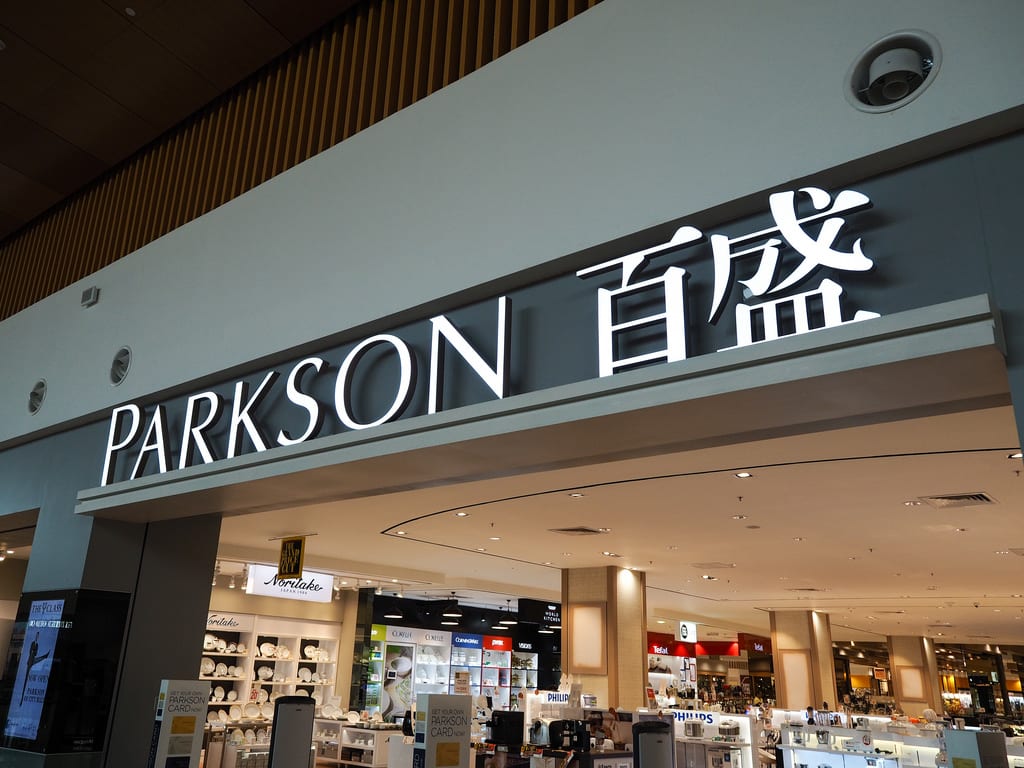
    Hit with a 15 per cent sales slump since the introduction of GST in Malaysia, embattled department store operator Parkson is set to enter new categories – gourmet food, supermarkets, beauty  – and import new fast fashion brands.

    The company has invested RM100 million (US$22.8 million) into a rebranding and repositioning project.

    It will also introduce variations of its reform into other countries where it operates: Vietnam, Indonesia, China, Myanmar and Cambodia.

    Parkson Retail Asia director Datuk Magic Lee said in a media briefing that the group expected sales to fall as much as 15 per cent after GST came into effect and that the company has also been hit by a heavy devaluation of the ringgit.

    “We will keep doing this. Retail needs to keep changing or it will get boring. We will continue investing in new businesses, bringing in new brands, even in food and beverage. We plan to bring in a bakery in the future.”

    Parkson plans to launch three “affordable” fast fashion brands from Korea into Malaysia soon, targeting about RM60 million in annual sales from the stores in stores. Those brands are Spao, Mixxo and Who.A.U. The first concessions will open on November 27.

    Lee says the company plans to build a portfolio of about 100 brands in its apparel offer and will also continue to open new stores throughout the region.

    “At the moment, we are very aggressive in South-East Asia. In Malaysia, we open three or four new outlets each year, and in Indonesia between three and five outlets,” he said.

    “In Southeast Asia, we are still fairly competitive. Competition here [in Malaysia] is not so severe. Many strong brands have not come to Southeast Asia yet, so we can bring these brands in.”

    Lee says while the company expects the weak consumer sentiment in Malaysia to continue, the company plans to remain proactive “so when the market is ready, we are ready too”.

    He hopes the rebranding campaign will fuel at least a 50 per cent rise in sales year on year.

  • Padini fears margin squeeze

    Padini fears margin squeeze

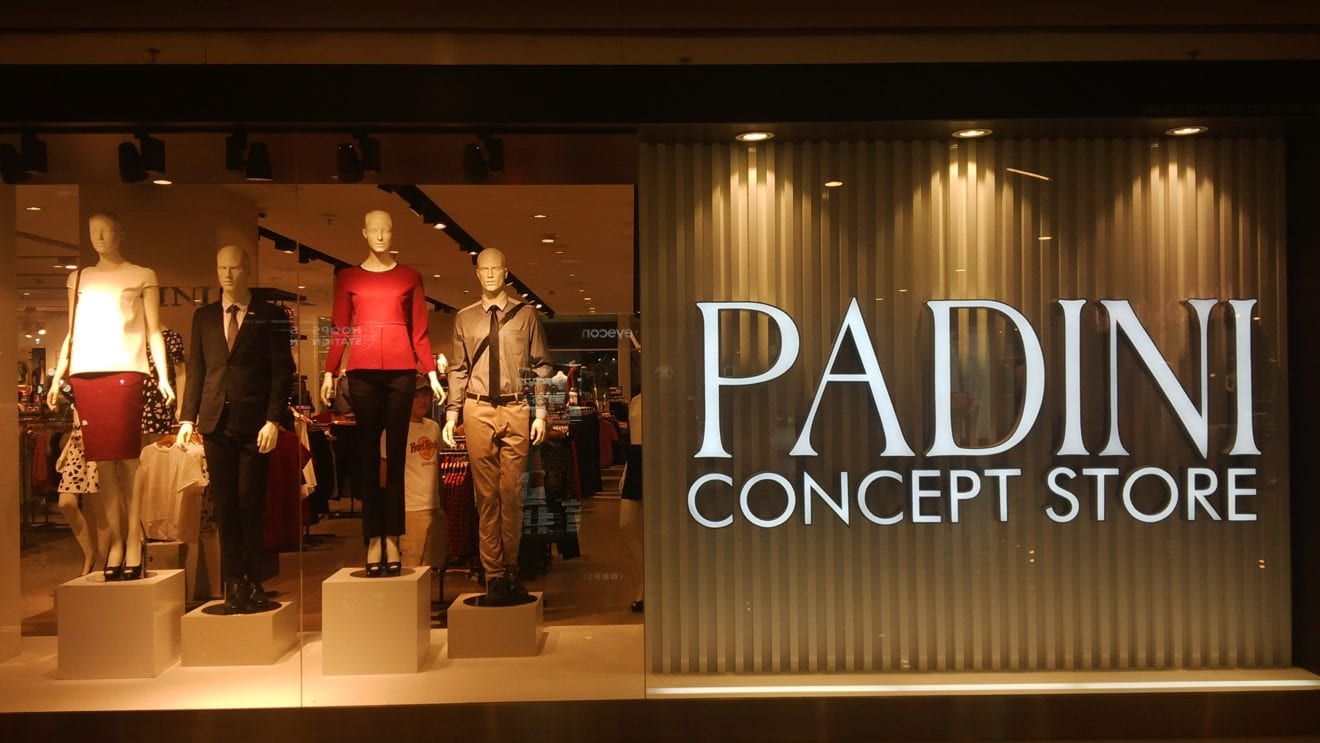
    Malaysia-based Padini Holdings expects an even tougher year ahead as it deals with a double whammy of having to cut prices and pay more for its stock.

    Padini owns the brands Vincci, Seed and Miki as well as stores trading under its own brand.

    The company has revealed margins reduced by between three and five per cent across its brands during the year to June 30 – and it fears even more reductions in the current year. It’s margin is now sitting at around 40 per cent.

    The company has had to absorb the additional six per cent GST applied on retail prices on April 1. At the same time, stock costs have risen due to the rapid deterioration of the value of the ringgit.

    “This financial year is going to be more difficult than FY15 as the weakening ringgit is affecting the cost of goods due to higher import costs,” CEO Chan Kwai Heng said in a news conference after the group’s annual meeting.

    But Chan says the market won’t accept price increases given deteriorating consumer sentiment.

    “We are more focused on driving top-line growth, and have no plans to increase our prices in the short term in order to remain competitive,” he said.

    In the year ahead the company will focus on boosting its online sales (which carry lower overheads than stores), and searching for cheaper supply sources.

    Padini plans to open 16 new stores in 2016, including nine outlet stores, mostly in new malls under construction.

    The company had earlier reported an 11.8 per cent reduction in net profit last year, blamed on aggressive promotional and discounting activities.

  • 11street plans monthly ‘Love 11 Day” discounts

    11street plans monthly ‘Love 11 Day” discounts

    Malaysian online marketplace 11street plans a new mobile shopping app – and a monthly ‘Love 11 Day’ when it plans to launch surprise, snap deals and giveaways.

    The Korean-headquartered online retailer says it is now ranked a top 40 website in the country and its online marketplace now has more than 7 million products on offer.

    11street CEO Hoseok Kim has unveiled an RM11 million giveaway running until December 31. Shoppers can redeem daily offers of deals and coupons with up to 90 per cent discounts.

    Kim said the 11th day of every month was chosen for the promotion because of its symbolic similarity to the company’s brand name.

    Meanwhile, Kim says almost 50 per cent of traffic to 11street is now from mobile devices.

    According to Nielsen, the growth of connected devices have paved the way for a positive increase in the eCommerce sector with 47 per cent of Malaysians using their smartphones to shop online.

    “Today, the 11street mobile shopping app is already one of the most popular apps in Malaysia. Listed as one of the top three shopping apps on the Malaysian Google Play store, we are pleased by this achievement as we have always placed great importance in offering a convenient mobile shopping experience for all users.”

    11street Malaysia - Love 11 day

    He says in 2016, 11street will strengthen its focus to serve mobile shoppers through a two pronged approach by providing more curated content with an improved user interface and user experience designs, along with additional personalised features for greater customer experience. 11street will also be offering more mobile exclusive value deals and discounts.

  • E-commerce market on path of growth

    E-commerce market on path of growth

    Computer and electronics, beauty and cosmetics as well as fashion are potential categories for e-commerce in Thailand. The Thai e-commerce market in 2014 was valued at Bt2.03 trillion, with business-to-business (B2B) deals worth Bt1.23 trillion, business-to-consumer (B2C) valued at Bt0.41 trillion and business-to-government (B2G) valued 0.31 trillion.

    Surangkana Wayuparb, the chief executive officer of Electronic Transactions Development Agency (ETDA), said that the agency has spent seven months conducting the e-commerce survey, covering all industries in Thailand, representing 502,676 people from eight sectors: manufacturing, retail and wholesale, transport, accommodation, information and communication, insurance, art, entertainment and recreation as well as other services.

    B2B e-commerce was valued at Bt1.230 trillion, a contraction of 0.33 per cent over 2014, while B2C was valued at Bt474,648.91 million, a growth of 15.29 per cent over 2014 and B2G was valued at Bt402,883.74 million, growing 3.96 per cent year on year.

    “It is a huge opportunity for e-commerce business in Thailand since the new Thai generation believes in shopping via online channels. The 4G will also be a factor in driving the growth of the e-commerce market in Thailand,” said the CEO.

    The e-commerce market in Thailand was worth Bt2.03 trillion in 2014 of which B2B was worth Bt1.234 trillion or 60.69 per cent, followed by B2C Bt411,715 million or 20.25 per cent and B2G valued Bt387,552 million.

    In 2015, the top three industries expected to generate the most e-commerce are accommodation services, worth Bt658,909.76 million or 38.4 per cent, followed by manufacturing, valued at Bt350,286.83 million or 20.4 per cent, as well as retail and wholesale industry, valued at Bt325,077.48 million or 19 per cent.

    She also said that the top three industries that |gained the highest e-commerce value in 2014 were accommodation services valued at Bt530,159.13 million or 38.1 per cent, followed by manufacturing valued at Bt440,614.78 million, gaining 26.6 per cent, and information and communications valued at Bt264,863.74 million, growing 19.11 per cent.

    Computer and accessories, cosmetics and beauty as well as fashion are the three top categories for online retail and wholesale business.

    Art and entertainment business, games online, music and e-movies are the main categories in the online entertainment business.

    Surangkana said that the global and domestic economies are factors in driving the e-commerce market in Thailand and the government incentives or tax privileges will play a part in driving the e-commerce market of the country as a whole.

    She said that the top four online transactions for e-commerce business in 2014 were e-banking at 54.25 per cent, followed by credit and debit card 22.39 per cent, mobile payment at 14.53 per cent, and others at 8.83 per cent.

    However, mobile payment has high potential for growth because the modern lifestyle will mean using mobiles to pay transaction fees in the near future.

    She said that the total US B2C e-commerce market was valued at US$359.3 billion in 2014. Meanwhile, China’s B2C market was worth $322.1 billion. Japan and Korean were valued at $118.59 billion and $25.4 billion, respectively.

    Thailand and Malaysia had B2C market valued at $11.7 billion and $9.6 billion respectively.


  • AirAsia X to resume Delhi flights

    AirAsia X to resume Delhi flights

    AirAsia X will relaunch flights to Delhi in February 2016, four years after it suspended the service. The Malaysian low-cost carrier has confirmed that it will start operating four weekly direct flights between Kuala Lumpur and India’s capital on 3 February.

    Flights will depart KLIA every Monday, Wednesday, Friday and Sunday at 1900, arriving in Delhi at 2200. The return services will then leave the Indian capital at 2315, arriving back in KL at 0730 the next morning. The flight time is approximately five and a half hours.

    Like all other AirAsia X flights, the Delhi service will be operated using a 377-seat Airbus A330-300 aircraft, offering flat-bed seats in business class.

    AirAsia X pulled out of India in 2012, suspending its Delhi and Mumbai routes due to high operating costs. It will now compete with Malaysia Airlines and Malindo Air on the KL-Delhi route.

  • Enhanced Air Connectivity Will Make Mauritius a Gateway to Asia

    Enhanced Air Connectivity Will Make Mauritius a Gateway to Asia

    Mauritius will become a gateway to Asia through Singapore for the islands of the Indian Ocean and countries of eastern and southern Africa as a result of the agreement signed on 14 October 2015 between Mauritius and Singapore Changi Airport.

    In reply to a Parliamentary Question the Prime Minister, Sir Anerood Jugnauth, said that this ‘Air Corridor’ offers an exceptional opportunity for growth for Air Mauritius as it taps into the tremendous potential of traffic between Asia/South East Asia and Africa. The increase of frequencies into Singapore will dovetail with the Regional Airline project.

    Given that Singapore’s Changi Airport is the seventh largest international airport in terms of passenger and air cargo traffic, this agreement will allow the development of both passenger and cargo traffic between Singapore and Mauritius as well as between Africa/Indian Ocean countries and Asia/South East Asia, using Mauritius and Singapore as hubs, he said.

    The Prime Minister outlined that on the west side of the corridor, Mauritius has already signed Memoranda of Understanding/Bilateral Air Services Agreements with the following African countries: Botswana, Comoros, republic of Congo, Egypt, Ethiopia, Kenya, Madagascar, Malawi, Mozambique, Nigeria, Rwanda, Seychelles, South Africa, Swaziland, Tanzania, Uganda, Zambia and Zimbabwe.

    On the east side Memoranda of Understanding and Bilateral Air Services Agreements have been signed with China, Hong Kong, Indonesia, Malaysia, Thailand and Viet Nam. Mauritius is in the process of finalising a Memoranda of Understanding with Japan with a view to allowing its national carrier to extend its network coverage in Asia by code sharing with its partner airlines to market points in Japan.

    This forceful move will have an enormous impact on the other sectors of the country and will promote trade, business and economic development, thereby catapulting Mauritius to the next stage of growth. Through promotion on international trade and business in the region Mauritius is poised to become a robust regional hub, he said.

  • Air Asia free seat promotion begins today

    Air Asia free seat promotion begins today

    The AirAsia and AirAsia X free seat promotion is back with three million seats on offer to all destinations.

    The promo seats are available at airasia.com from today until Sunday for those travelling between May 1, 2016 and Feb 5, 2017.

    AirAsia group chief commercial officer Siegtraund Teh said in a statement that the new promotion campaign would include many new destinations and connectivity in the airline’s network, such as exclusive routes to Maldives, Kaohsiung (Taiwan), Changsha (China), Goa (India) and Pattaya (Thailand).

    AirAsia BIG members can also enjoy the same priority flight redemption starting from Nov 22 with these introductory fares at airasiabig.com.

    The airline is also recommencing its direct flights from here to New Delhi with four flights weekly, starting from Feb 3.

    Passengers are offered an all-in-fare, from as low as RM399 one way to the Indian capital.

    Teh said AirAsia X’s award-winning Premium Flatbed seats were also on promotion with fares from as low as RM799 one way.