Tag: Malaysia

  • Korea’s CJ Group launches Malaysia shopping channel

    Korea’s CJ Group launches Malaysia shopping channel

    CJ O Shopping Co, a home shopping unit of CJ Group, said Thursday it will launch a new channel in Malaysia in a joint venture with Media Prima TV Networks, a major Malaysian media group.

    CJ O Shopping plans to start airing the new shopping channel in the first half of the year to target rising middle-class consumers in the Southeast Asian nation.

    CJ O Shopping will shoulder 51 per cent of the bill for the 19 billion-won (US$15.7 million) investment, while Media Prima TV Networks will make up the remaining 49 per cent.

    CJ will be in charge of operating the shopping channel, and Media Prima will provide media infrastructure.

    Media Prima TV Networks operates Malaysia’s four leading free-to-air television stations, as well as radio stations and online channels.

    Since launching a Chinese shopping channel in 2004, CJ O Shopping has expanded its global presence in India, Thailand, Turkey, Mexico and four other nations.

  • Jetro helping convenience stores

    Jetro helping convenience stores

    Four major convenience store chains in Japan are teaming up with a government-related body to work on expanding their businesses overseas.

    FamilyMart, Lawson, Ministop and 7-Eleven Japan have formed a council with the Japan External Trade Organization (Jetro) to accelerate their establishment of branches overseas after the Trans-Pacific Partnership (TPP) goes into effect, reports the Sankei Shimbun.

    With the TPP easing restrictions on foreign distributors entering into the markets of partner countries such as Vietnam and Malaysia, the convenience stores hope to devise a system that will enable them to sell Japanese processed food products and commodities in overseas markets.

    Jetro’s task will be to work with foreign governments to resolve problems and collect relevant retail information. It will also help the convenience store chains find partner companies in Asian countries.

  • Balenciaga Malaysia opens second store

    Balenciaga Malaysia opens second store

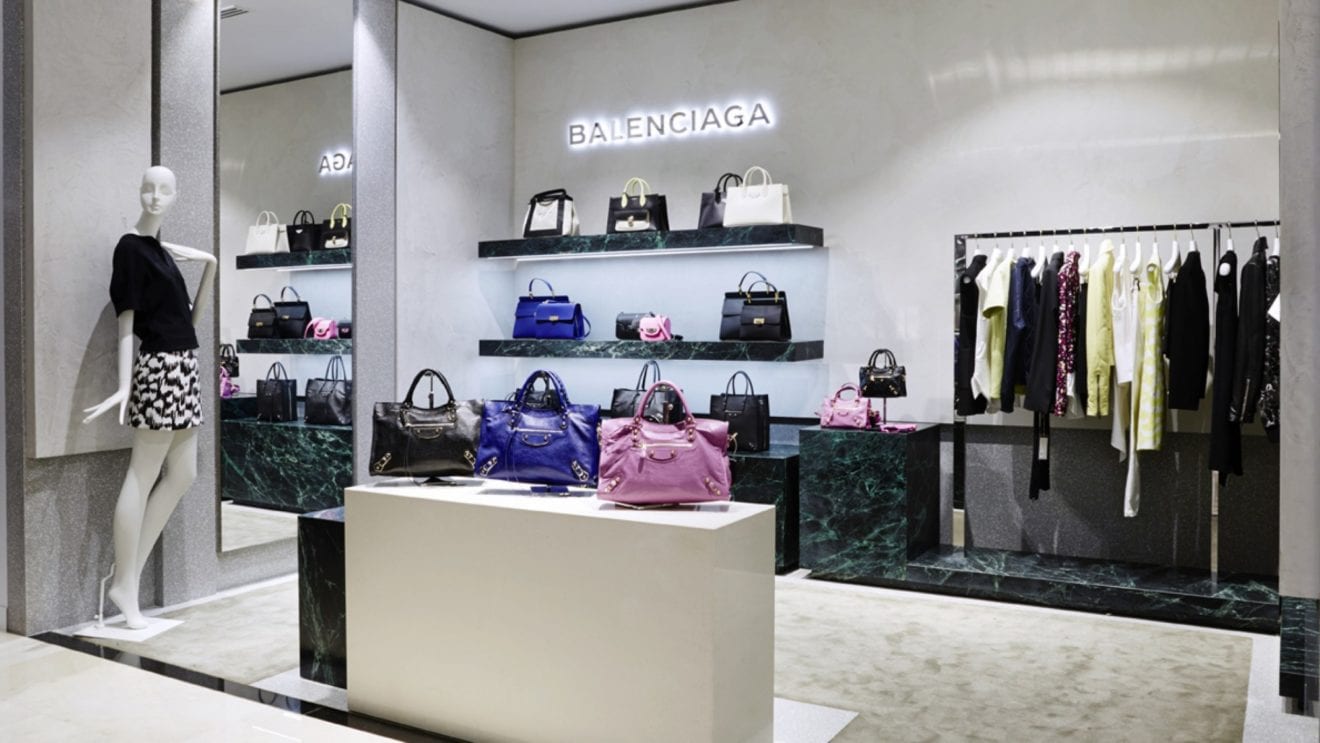
    Balenciaga Malaysia has opened its second boutique – located in The Gardens Mall.

    It is the brand’s first store to stock both the women’s and men’s collection. The brand’s original boutique, in Suria KLCC stocks only the women’s.

    Balenciaga Malaysia 5


    Balenciaga Malaysia 3


    The design and fitout of the new store was inspired by the brand’s Parisian flagship. It features marble, terrazzo, marmorino, limestone and chrome, with contrasting suede carpets and sofas.

    Balenciaga Malaysia 1


    Balenciaga Malaysia 4

    The store has opened with the Autumn Winter 2015 collection, the second to last collection by Alexander Wang, whose last offer if the Spring Summer 2016 range.

    Balenciaga Malaysia 2


    The Spanish-founded luxury fashion brand Balenciaga is now owned by France’s Kering.

  • Malaysian banks in Indonesia to gain from BI rate cut

    Malaysian banks in Indonesia to gain from BI rate cut

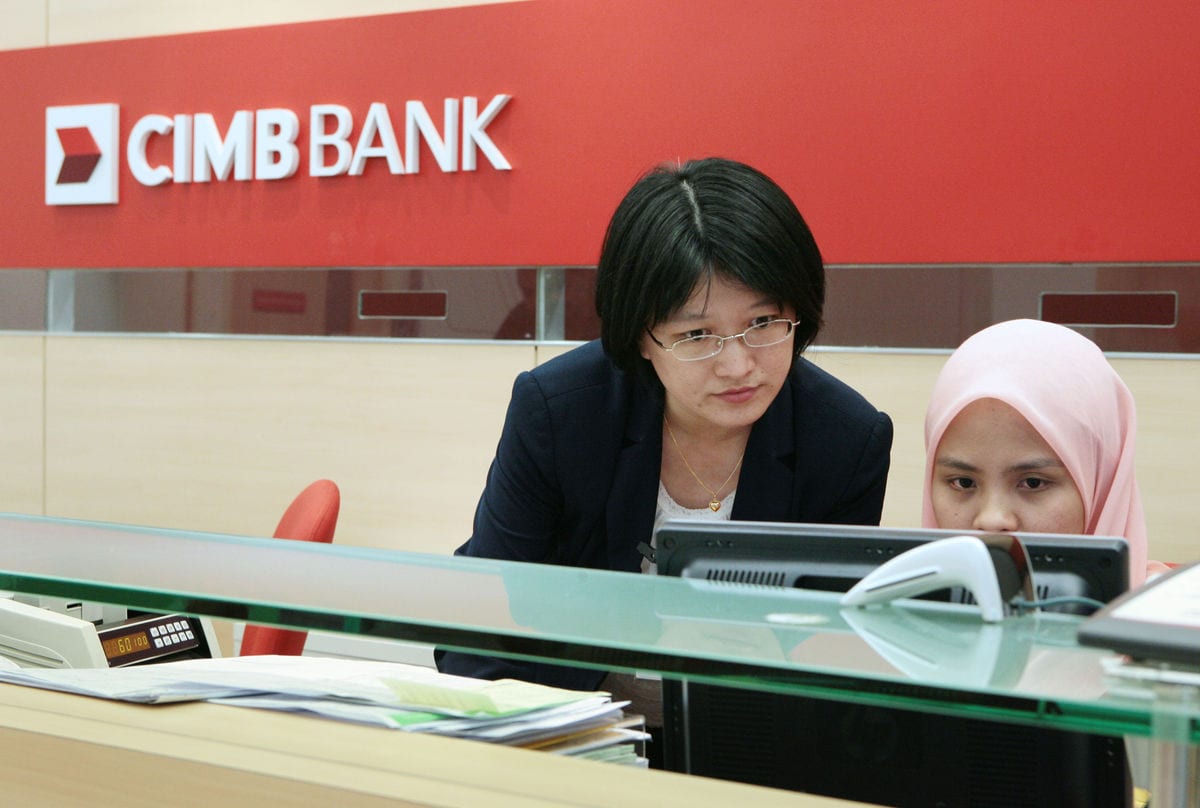
    The interest rate cut by Bank Indonesia (BI) last week and further anticipated rate cuts in that country could be a game changer for Malaysian banks in Indonesia as they could see an uplift in their loan growth and earnings amid a challenging economic environment following weaker commodity prices and slower economic growth.

    Malayan Banking Bhd (Maybank) and CIMB Group Holdings Bhd’s units had been bogged down by provisions due to pressure on their asset quality but this scenario is set to change amid signs of further rate cuts by the Indonesian central bank.

    Maybank operates in Indonesia via PT Bank Maybank Indonesia Tbk and has about 80% shareholding in Maybank Indonesia Tbk while CIMB Group has 97.94% stake in PT Bank CIMB Niaga Tbk.

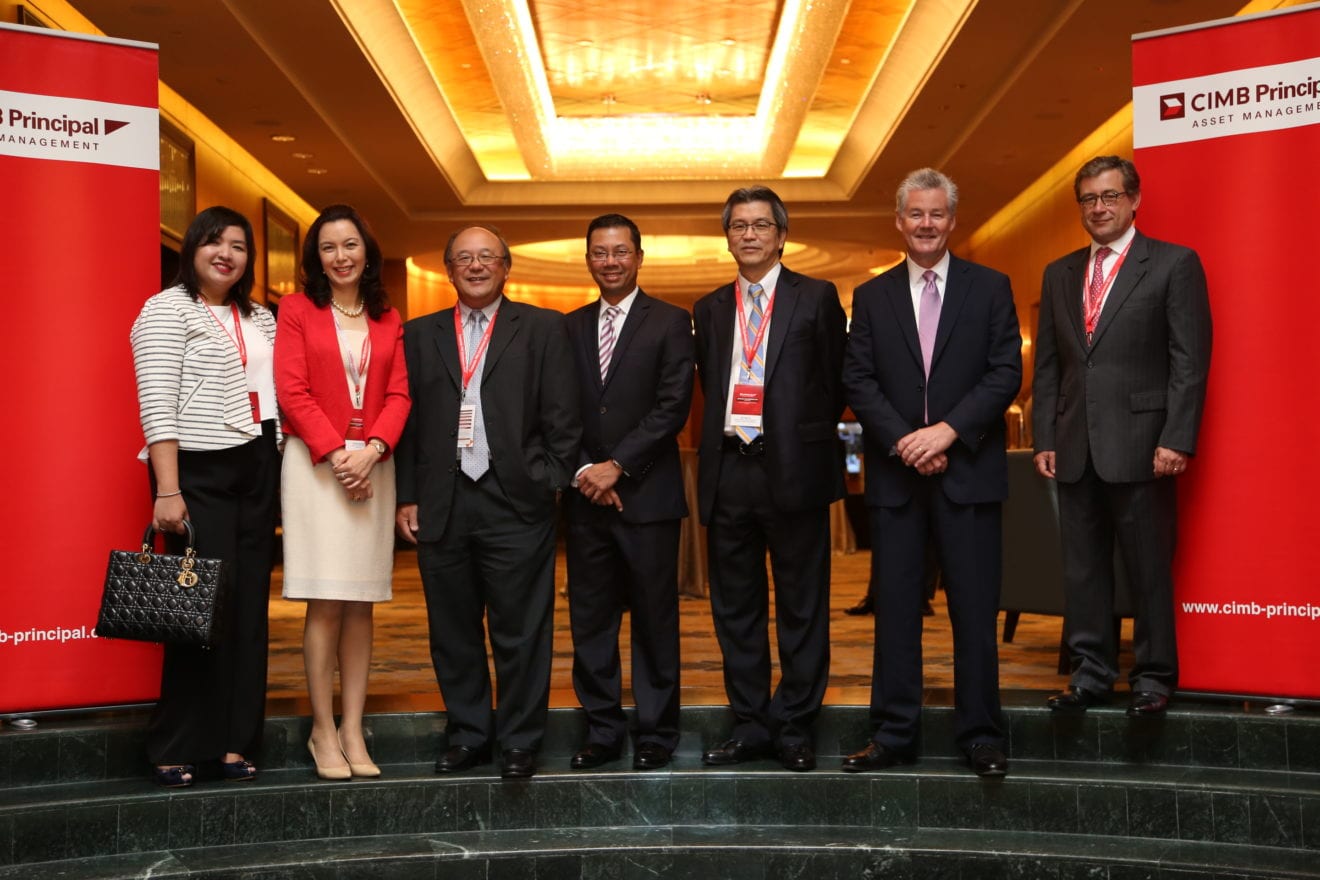
    CIMB Group chief executive Tengku Datuk Seri Zafrul Aziz, via an e-mail, told StarBiz the move to cut interest rates by BI would see further uplift in CIMB Niaga’s loan growth this year.

    “BI is adopting a growth strategy for its 2016 monetary policy. As such, we believe there will be further interest rate cuts this year. We expect CIMB Niaga earnings to improve this year on the back of sustained net interest income, improved non-interest income as well as lower loan provisions,” he said.

    He said the group was still positive on the longer-term growth and opportunities in Indonesia and were placing added focus on the consumer and small-medium enterprise (SME) segments in a bid to boost earnings growth.

    “With the government’s economic policy packages that aim to boost the economic growth in Indonesia, we are cautiously optimistic of our business growth there.

    “On the direction of the gross non-performing loans (NPL) of the industry, it is highly dependent on the macroeconomic shifts from commodity prices, the currency and consumer consumption. For CIMB Niaga, we expect gross NPLs to gradually reduce, going forward, from the high of 2015,” Zafrul added.

    For the third quarter ended Sept 30, 2015, CIMB Niaga’s gross NPL ratio improved to 3.17% compared with 3.35% in the same period a year ago as a result of sales of asset to an affiliated company of CIMB Group. Its loan loss coverage during the period increased to 120.96% from 82.89% a year ago.

    The group’s Indonesian arm posted a net profit of 442 billion rupiah (RM137.4mil) for the third quarter. Comparatively, it recorded 93 billion rupiah a quarter ago.

    The bank kept its position as Indonesia’s fifth largest bank by assets, with total assets standing at 244.29 trillion rupiah, representing a 7.3% increase year-on-year.

    Total gross loans rose 7.2% year-on-year to 178.89 trillion rupiah, driven largely by growth in corporate loans, consumer loans and in micro small-medium enterprise banking, while commercial loans remained flat.

    BI, on Jan 14, announced a 25-basis-point cut in its benchmark policy rate to 7.25% in a bid to lift an economy growing at its slowest rate in six years.

    Zafrul said CIMB Niaga would follow suit with the rate reduction and also make adjustments to its lending interest rate accordingly as the cost of funds would be correspondingly lower.

    He said the banking group has also identified a few key priorities for CIMB Niaga this year. These include looking at ways to optimise its SME franchise, further developing its treasury and market capabilities and growing the consumer banking business while focusing efforts to increase CASA (current account/savings account), improve asset quality and continuing with its stringent cost management initiatives.

    Additionally, Zafrul said CIMB Niaga would play a more active role as the leading digital bank in Indonesia with the support of a new core banking infrastructure.

    Meanwhile, despite weakening asset quality, Maybank Indonesia’s net profit for the nine months ended Sept 30, 2015 increased by 70.7% to 592 billion rupiah (RM187.1mil) from 347 billion rupiah a year ago. Its gross NPL stood at 4.34% in the third quarter from 2.55% last year. The bank posted loans growth of 6.6% to 111.5 trillion rupiah in the nine months from 104.6 trillion rupiah in the same period in 2014.

    On the loan growth for CIMB Niaga and Maybank Indonesia as a result of the interest rate cut, Malaysian Rating Corp Bhd head of banking Sharidan Salleh said: “During the nine months of last year, the two banks’ loans grew by about 7% year-on-year. We expect the banks’ loan growth could be higher in 2016 at about 9%-10% in tandem with the expected higher GDP growth at 5.3% in 2016 from 4.73% in 2015.

    “The economic growth is expected to be supported by Indonesian government-driven infrastructure projects. However, banks’ profits from Indonesian operations could be pressured by provisions and compressed margin. Given the current challenges in the economy, we expect the asset quality of these banks would remain under pressure in 2016.”

    UOB Kay Hian analyst Alexander Margaronis said that based on historical data, significant loan growth in Indonesia might take three quarters to pick up after the first rate hike.

    Furthermore, he said the relationship between time-deposit (TD) rate cuts to BI reference rate cut was 1:1 in the short term with no lag time.

    “As we expect further BI rate cuts down the road, cost of funds could come down further as time deposit rates decrease. This should keep the industry’s net interest margin relatively stable or even higher.

    “In the last major round of rate cuts by the BI (2009-2013), BI reference rates came down by a total of 350 basis points (bps) versus TD rates declining by about 500 bps whereas lending rates came down by about 300 bps,” Margaronis noted.


  • CEO stresses value of physical stores, not just e-commerce

    CEO stresses value of physical stores, not just e-commerce

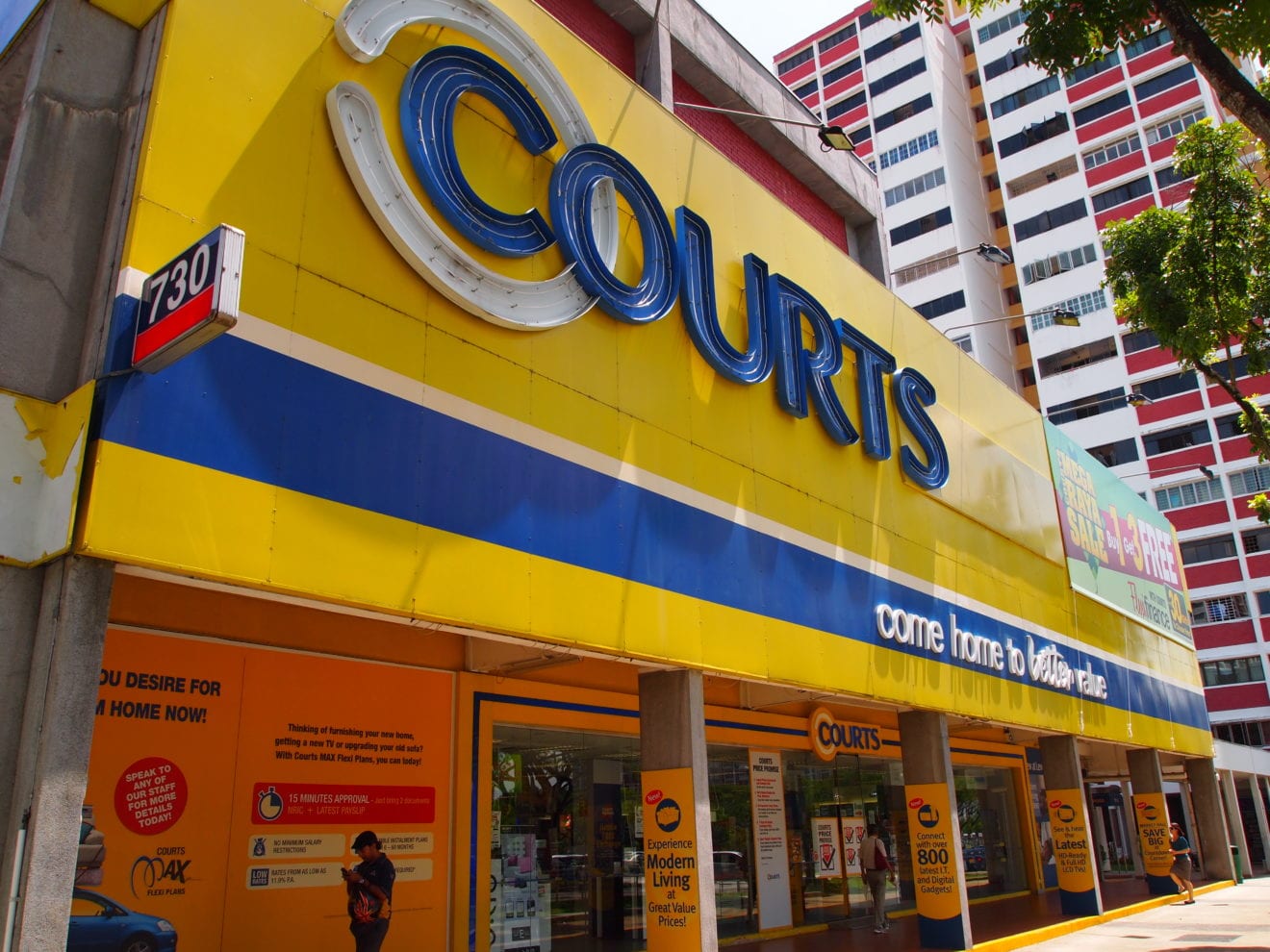
    Electrical goods, information technology and furniture retailer Courts Asia believes that while e-commerce has been gaining popularity, retailers should not neglect their brick-and-mortar operations. The Singapore-based company also sees technology and renting in suburban areas as important revenue sources.

    Terry O’Connor, Group CEO of Courts Asia (Photo by Courts Asia)

    Terry O’Connor, group CEO of the Singapore-based retailer, said that physical stores still play an important role for retailers. “Especially in the case of high-demand products like the latest smartphone, customers want to make sure they get one, rather than waiting for it to be delivered another day,” he said. O’Connor noted that online shoppers do not necessarily prefer delivery, as they may not be home to receive the goods when they arrive. “About half of our customers buy online and then collect (the goods) from the store,” he said.

    Investing in technology is also crucial for retailers to grow their business. Courts Asia recently implemented a queuing system recommended by Google for their online peak periods. “The system stops the website from crashing by having a slightly moderated waiting time of one to two minutes, so everyone effectively ends up transacting faster,” he said. “It has really helped in terms of the conversion rate and reduced some of the abandoned online shopping carts,” he observed. Courts Asia saw higher sales on 2015’s Black Friday and Cyber Monday peak shopping days compared with a year earlier.

    For retailers entering a new market, renting space in suburban areas can reduce costs and gain access to more customers. O’Connor warned that new retailers “will have to pay high rent from day one” if they instead start their business by renting space in the central business district or prime areas. He added that this in turn increases costs significantly and result in the retailer losing out on customers who live outside the city.

    He also suggested that investing in areas that complement the core business is an important step in a company’s expansion. “A lot of retailers that have gone into a completely different field have failed, as it is not their core skill set,” he said. Retailers should go to “the most adjacent category which has a synergy to what they already sell.”

    Courts Asia has grown into one of the largest retailers in Southeast Asia, with 80 stores totaling over 148,600 sq. meters of retail space. Originally named Courts, the company began as a furniture retailer in the U.K. It was established in Singapore and Malaysia in 1974 and 1987, respectively. In 2012, it was renamed Courts Asia and listed on the main board of the Singapore Exchange. In 2014, Courts Asia entered the Indonesian market.

  • Pavilion REIT Malaysia scores second mall in 2016

    Pavilion REIT Malaysia scores second mall in 2016

    Pavilion Real Estate Investment Trust’s manager Pavilion REIT Management has agreed to buy the da:men USJ shopping mall from Equine Park Country Resort and Revenue Concept.

    The RM488 million (US$111.6 million) deal includes the five-storey shopping mall with a lower ground floor of about 420,920 sqft (39,100 sqm) of net lettable area and a two-level basement car park. Both plots are situated on a piece of freehold land that measures 3.499 ha.

    This is the second acquisition by Pavilion REIT already this year. As reported by Inside Retail Asia on January 4, the trust has entered into an agreement to buy the six-storey Intermark retail building from US equity investor BlackRock.

    The da:men mall, still under construction, is located northeast of Kuala Lumpur City Centre, along Jalan Kewajipan, within the locality of USJ 1, Subang Jaya. It is scheduled to open in November.

    The mall is between two major highways, that is the Shah Alam Highway to the north and Damansara – Puchong Highway to its south.

    “The acquisition is expected to be completed by the first quarter of 2016 and is consistent with the investment objective and strategy of Pavilion REIT,” Pavilion said in a statement.

    “It is intended to be fully funded by debt, which will increase Pavilion REIT’s gearing ratio to 23 per cent, which is below the gearing limit of 50 per cent prescribed by the REIT guidelines,” it added.

    When this year’s two new deals are settled, the REIT’s portfolio will reach RM4.9 billion.

  • Online sellers turn Southeast Asia retail industry upside down

    Online sellers turn Southeast Asia retail industry upside down

    Here’s how bad it is in Southeast Asia’s retail industry for sellers. 

    They are paying more to borrow money to keep their business going than consumers do to keep buying from them.

    Courts Asia Ltd., which offers shoppers zero percent long-term credit on higher-end products, has seen its Singapore dollar bond yields rise 28 basis points to 4.34 percent in the past six months and is trying to refinance the note ahead of its May repayment, Bloomberg reports.

    The yield on US currency bonds of Parkson Retail Group Ltd., part of a Malaysian retailer which operates across Southeast Asia, has soared 320 basis points to 10.21 percent.

    Sagging global growth and rising household debt is knocking consumer demand across Southeast Asia, with Indonesian phone seller PT Trikomsel Oke in November becoming the first company to default on Singapore dollar bonds since 2009.

    Retailers that borrowed to finance growth are also losing ground to online market places like Alibaba Group Holding Ltd.

    The median debt load of the region’s retailers rose to 1.75 times operating profit in latest filings compared with 1.3 at the end of fiscal 2014.

    “I have been very careful about some local currency corporate bonds,” said Singapore-based Desmond Soon, co-head of investment management for Asia at Western Asset Management Co., which had US$446 billion under management at Sept. 30 and held Courts Asia bonds as of Nov. 30.

    “Bricks and mortar retailers do have an issue,” Soon said.

    Retail store sales in Singapore dropped for a third month in November, falling 2 percent from a year earlier, Department of Statistics data show.

    Meanwhile, online transactions in the region are growing.

    Singapore Post Ltd.’s domestic e-commerce orders in Southeast Asia and Australia rose 384 percent in the 12 months through November, according to a company presentation.

    Courts Asia, which sells goods from electronics to home furniture in Singapore, Malaysia and Indonesia, began meeting investors last week ahead of its scheduled S$125 million (US$87.1 million) repayment of notes in May. It’s looking to raise funds to help refinance and repay the bond, Courts’s Singapore-based spokeswoman Tammy Teo said.


  • Bina Puri rebuffs offers for Main Place mall

    Bina Puri rebuffs offers for Main Place mall

    Despite its orphan status on the asset register of Malaysian energy company Bina Puri, the Main Place mall in Selangor will not be sold any time soon.

    The Subang Jaya shopping centre has renowned retailers including Uniqlo, Cotton On, Brand Outlet, Starbucks, McDonald’s and Toys R Us on its tenant list, which has a heavy skew to food and beverage.

    In time with an announcement of the company’s latest trading results, group executive director Matthew Tee declared the group had “no plans” to sell the shopping centre.

    “Since the mall opened its door last year, we have received three [acquisition] offers, but we have rejected them all. We are still enjoying the benefit of the retail mall and [we believe] it is too early for us to sell it,” he said at a press conference.

    Bina Puri Holdings Bhd expects its net profit to grow by 20 per cent in the year to December 31, 2016, driven by its construction and power business segments.

    Main Place Mall is recognised in marketing in Malaysia by its distinctive cat logo and character (pictured above). Centre management explains cats have long been revered as “a mythical creature across cultures and traditions”.

    “They are regarded as the guardian of the home and embody domestic goodness. Being ‘Your Neighbourhood Mall’, we want you to feel at home when you’re here and we assure that you will be well taken care of.”

  • CIMB: No more job cuts in Malaysia, Indonesia this year

    CIMB: No more job cuts in Malaysia, Indonesia this year

    CIMB Group will not undertake any more job cuts in Malaysia and Indonesia in 2016 after last year’s mutual separation scheme exercise.

    CIMB Group chief executive Tengku Zafrul Aziz said the bank was now focused on improving productivity and meeting its business agenda.

    “We have done the mutual separation scheme and we are not planning to do it any more here or in Indonesia,” he told reporters after presenting prizes to winners of the CIMB Asean Stock Challenge 2015 in Kuala Lumpur today.

    On Friday, CIMB cut 32 jobs in its Hong Kong investment banking and equities business due to worsening capital market conditions.

    Zafrul said for the first six months of 2016, the bank expected the outlook to be challenging based on the current economic environment.

    “But having said that, I think the bank has started to appreciate because if we look at the capital and equity ratio of all banks in Malaysia, we more than meet the requirement by the central bank.

    “We are also looking at a compatible growth economic growth of between 4.5 and 4.8 percent for the banking industry this year,” he added.

  • Giant Malaysia plans six new hypermarkets

    Giant Malaysia plans six new hypermarkets

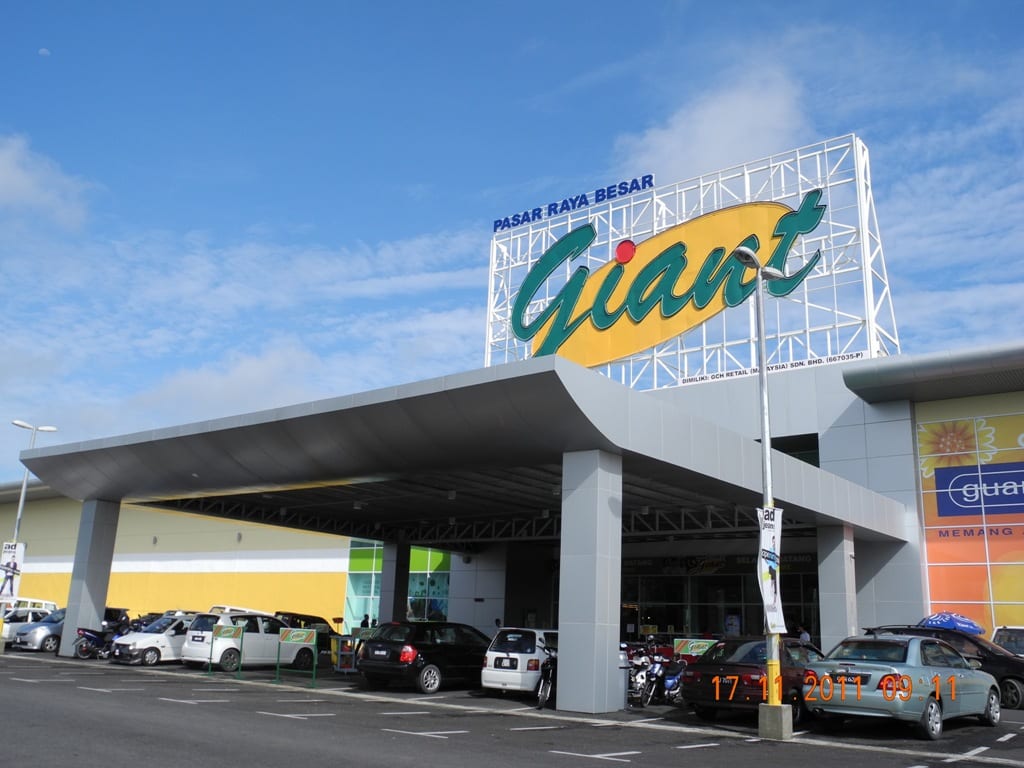
    Malaysian retailer GCH Retail plans to add six stores to its Giant hypermarket network this year and relaunch 28 outlets.

    The new Giant Malaysia stores will open in Setapak (Kuala Lumpur), ICangar (Kedah), Kota Baru (Kelantan) and Jeneh (Terenggam), with the other two sites yet to be revealed.

    Operations director Ernest Potgleter said this week that Giant decided to relaunch its stores after customer complaints they had started to look outdated.

    “We have to revive the business. The stores have not been refurbished for five years, and It is time for a new look.”

    Giant Malaysia serves 23 million customers a week, and Potgleter said the group has to be cheaper than other retailers while providing good service, good products and a good instore environment.

    He was speaking at the relaunch of Giant Hypermarket Shah Alam, in the Selangor state capital, which has been refurbished at a cost of RM2.5 million ($568,000).

    General merchandising director Lee Slew Mei said the store’s layout had been changed to make shopping a one-stop experience for its customers.

    “Child-related products are put together, and we have a seasonal promotional area. A back-to-school promotion is running for six weeks with related products, including stationery, school bags and uniforms, all in one place.”

    At the same time, Giant had brought in new ranges, some of them exclusive, said Lee Slew Mei.

    “We have the O’Fresh range which comes directly from farms in Cameron Highlands. The vegetables do not go through distribution centres so are of better quality and the price is also lower.”

  • Investors sought for top-yielding Oud production project in Laos

    Investors sought for top-yielding Oud production project in Laos

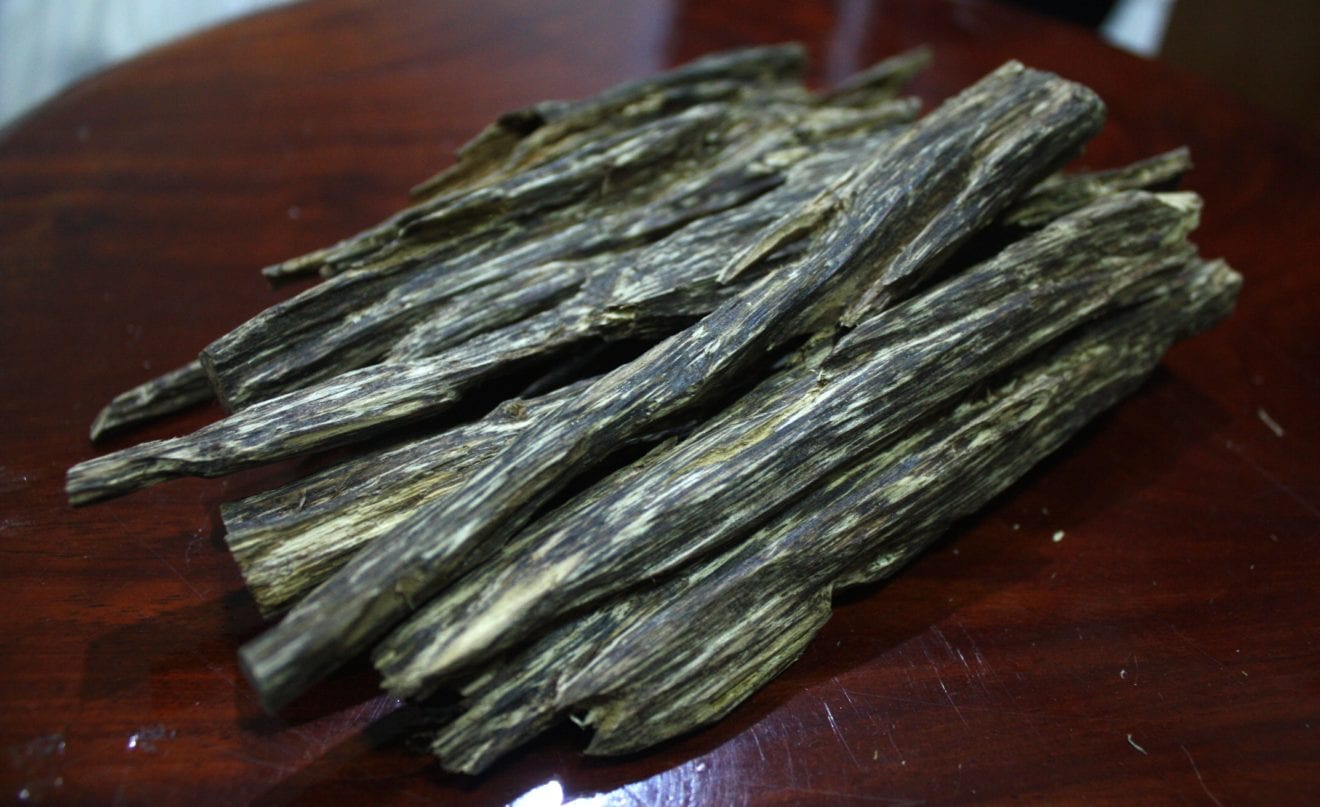
    Two companies from Malaysia are on the lookout for investors to set up a big agarwood tree plantation in Laos to produce Oud oil and other agarwood products for markets in Asia, the Middle East and Europe.

    Agricultural contractor Aseagate on January 6 signed an agreement valued 200mn with forestry management and agriculture technology firm Richwood Capital both companies are based in Kuala Lumpur to operate and run a 2,000-hectare agarwood tree plantation in the central Lao province of Bolikhamsai, one of the largest plantations projects in the landlocked Southeast Asian country so far.

    According to Richwood Capital’s CEO Kendrick Ho Qing Tyat, the project will be implemented in four phases. The initial investment in the first phase is about 18mn for the planting of 200,000 agarwood trees aged between 18 and 22 years at costs of 90 per tree, which should yield a return of 200mn in three years based on calculations that one liter of high-quality agarwood oil fetches at least 14,000 on the wholesale market.Over four phases in the coming six to eight years, with the planting of new trees and new investors on board, the venture’s business plan is to reach a total return of no less than 7.2bn, Tyat said at a press conference in Kuala Lumpur last week. The venture plans to set up its own production plant in Laos or to collaborate with a Lao partner. To produce the resin from which the Oud essence can be distilled, a special technique developed by a Singapore laboratory using a unique and effective enzyme will be deployed to multiply the resin output per tree.

    Main export markets will be the Middle East and China, and also Southeast Asia to tap the big potential that opened up with the recent launch of the ASEAN Economic Community. Top European perfume makers are also on the potential client list. The venture will also sell agarwood leaves, which can be made into tea, and explore ways of producing wood chips from the agarwood trees as well as offer “agriland banking” to investors to tap into the growing ptential of agarwood farming.

    Both companies hailed agarwood as a safe investment, as it was “more resilient to economic fluctuations as compared to stocks and bonds,” and insurance will be purchased to provide protection against possible natural calamities.

    Aseagate has been awarded the sole rights to the management of the agarwood plantation, while Richwood Capital will supply and plant the trees. The plantation concession has been exclusively awarded by the Lao government to the Singapore branch of non-governmental organisation Global Outstanding Chinese 100, or GOC100, an association of international Chinese industrialists, business people and entrepreneurs, which will cooperate with the two Malaysian firms in setting up the plantation and is working out profit-sharing and other details for the collaboration with the Lao government.

    GOC100 in August 2015 signed an exclusive agreement with the Lao Ministry of Agriculture and Forestry for the concession of the plantation which is located within a Lao military base and guarded by the army. Infrastructure-wise, the plantation will benefit from a new railway network linking Laos with China to be set up by 2020.

    Agarwood is increasingly becoming an investment commodity due to its valuable resin of which Oud oil is being distilled. Pure Oud is highly in demand as a natural fragrance throughout East and Southeast Asia, as well as in the Middle East and by global perfume manufacturers. It is a popular fragrance for both men and women in the Arab world, while it is also used in traditional Chinese medicine, by Ayurvedic and Tibetan physicians and as meditation incense by various religious groups. In some Arab cultures, it is also used as inhaled incense as a natural remedy against insomnia.

    What makes investment in an agarwood plantation particularly attractive is the fact that, due to its scarcity, the mature wood is pricier than gold with a retail price of between 5,600 and 10,000 per kilogramme, making it one of the most expensive natural raw materials in the world.

  • Maybank Launches Market Outlook Roadshow Across Malaysia

    Maybank Launches Market Outlook Roadshow Across Malaysia

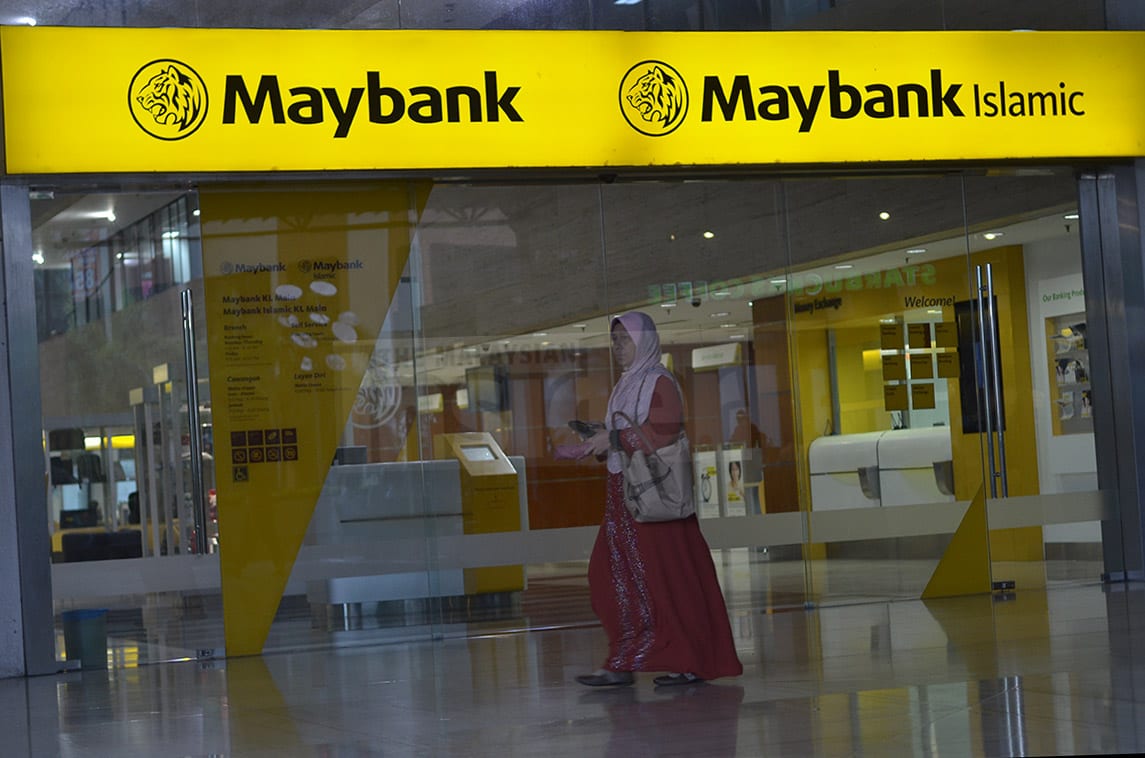
    Maybank Investment Bank has just kicked off their annual Market Outlook 1H 2016 investors’ roadshow across Malaysia for this year’s investment strategies.

    The Market Outlook is aimed to share stock market views and investment strategies on the Malaysian, Hong Kong, and US markets with their retail equities clients, with the roadshows behind held in the multiple states Johor, Penang, Ipoh, Kota Kinabalu, Kuching, Sibu, Seremban, and Kota Bahru and Kuala Lumpur from 9 to 30 January 2016.

    Present during the launch was Head of Retail Equities (Malaysia) CK Lim, Head of Regional Retail Research Ong Seng Yeow, Regional Chartist Lee Cheng Hooi, Head of Retail Research (Hong Kong) Benny Wong and CEO of i-VCAP Mahdzir Othman.


  • Tony Roma’s Malaysia marks 10th outlet

    Tony Roma’s Malaysia marks 10th outlet

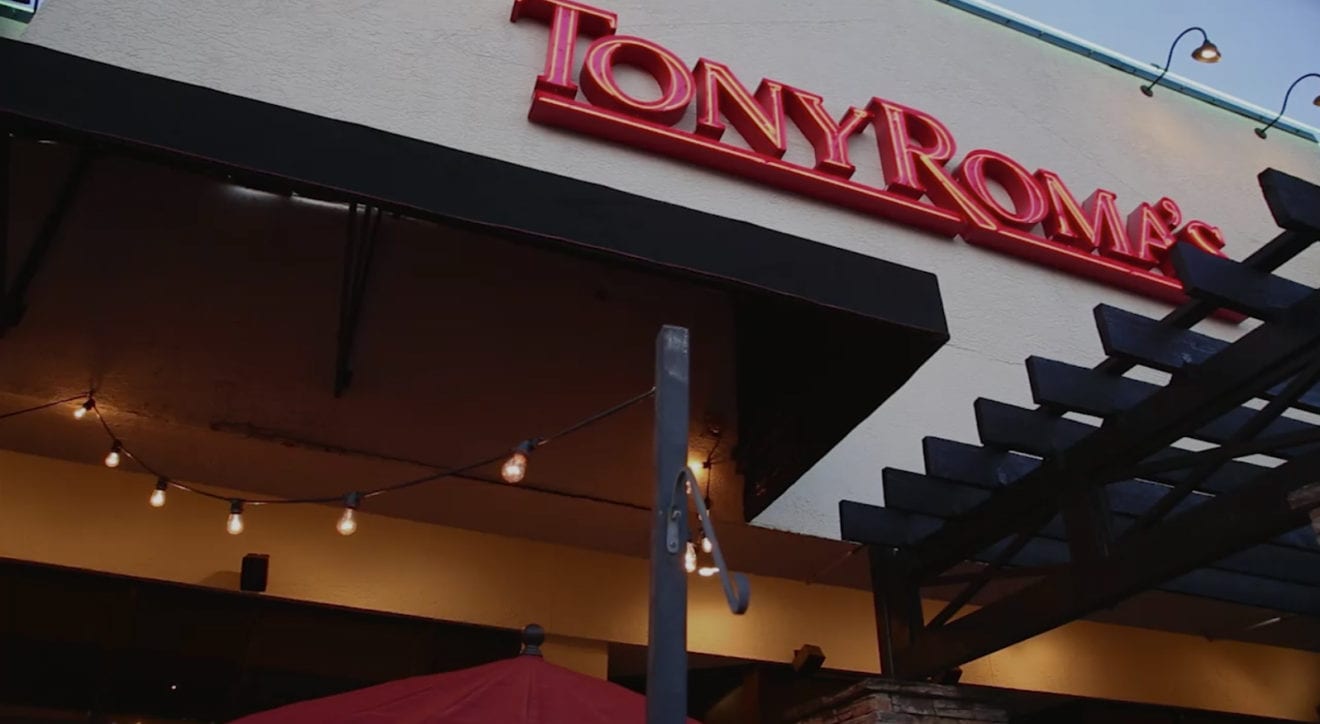
    Kuching, in Sarawak, is home for the 10th and latest Tony Roma’s Malaysia restaurant.

    Romacorp, the parent company of Tony Roma’s based in Orlando, Florida, has announced the opening through its local franchisee Grand Companions.

    “Tony Roma’s has become one of the most recognised brands in Malaysia, and we’re excited to continue to grow the brand and bring our world-famous ribs to fans,” says Romacorp president/CEO Stephen Judge.

    Tony Roma's MalaysiaIn the new Vivacity Megamall in the heart of a bustling residential and business district of Kuching, the 390 sqm restaurant seats nearly 200 diners, and has an outdoor dining area as well as a bar serving beer and wine. The mall itself has four levels of shopping, a department store, supermarket and an eight-screen cinema.

     

    “We are celebrating 10 fantastic years since we first brought Tony Roma’s to Malaysia by opening our 10th restaurant,” says Grand Companion COO Dickson Low.

    “This is the largest stand-alone dining establishment in Kuching, and we’re confident it will be a rousing success.”

    Tony Roma’s is the world’s largest casual dining concept specialising in ribs. It has more than 150 locations in more than 30 countries. The first Tony Roma’s restaurant opened more than 40 years ago in Miami, Florida.

  • Understanding CapitaLand Limited From An Investor’s Perspective

    Understanding CapitaLand Limited From An Investor’s Perspective

    CapitaLand Limited (SGX: C31) is one of Asia’s largest real estate companies with a presence in Singapore, China, Indonesia, Malaysia and Vietnam. It is listed on the Singapore Exchange with a market capitalization of over S$13 billion.

    The company has a diversified suite of real estate businesses. This includes the development of residential and commercial properties, as well as the ownership and management of retail malls, offices, and hospitality properties. In addition, CapitaLand has a number of Singapore-listed trusts under its umbrella and these include:

    • CapitaLand Mall Trust (SGX: C38U), a real estate investment trust (REIT) that owns and manages mainly retail malls in Singapore.
    • CapitaLand Commercial Trust (SGX: C61U), a REIT with a portfolio of predominantly Singapore commercial/retail buildings.
    • Ascott Residence Trust (SGX: A68U), a REIT that holds hospitality-related properties (such as serviced residences) in the U.S., Europe, Asia, and Australia.
    • CapitaLand Retail China Trust (SGX: AU8U), a China-focused REIT that owns a portfolio of retail malls in the country.

    2015 was a year in which the Singapore stock market, as represented by the Straits Times Index (SGX: ^STI), fell by 14%. CapitaLand, however, bucked the trend with a gain, albeit a meagre one of just 1.4%.

    Let’s analyze the company’s financials to understand if it may be a potential investing opportunity now. For this we will be using four metrics, namely the price to earnings (P/E) ratio, price to book (P/B) ratio, net debt to equity ratio, and dividend yield.

    CapitaLand has a trailing 12 months (TTM) earnings per share of S$0.288, according to S&P Capital IQ. With the company’s current share price of S$3.14, this implies a P/E ratio of 11. This is on par with the P/E ratio of the SPDR STI ETF (SGX: ES3) – an exchange-traded fund tracking the Straits Times Index – which stands at 11.

    As at the end of the third-quarter of 2015, CapitaLand has a net asset value per share of S$4.14. This would mean that the company has a P/B ratio of 0.76 at its current share price. What this means is that investors are able to buy the company’s assets, net of all liabilities, at a discount at the moment. Investors might thus be able to get a margin of safety with CapitaLand.

    Moving on, CapitaLand had net debt (total borrowings minus cash) of S$12.5 billion and equity of S$24.5 billion as of 30 September 2015. This would imply a net debt to equity ratio of 51%, which is on the high side, in my opinion.

    Lastly, the company has a dividend yield of 2.9% based on its 2014 annual dividend of S$0.09 per share. It’s worth noting that CapitaLand’s ordinary dividend has been growing over the past few years, rising in 1 cent per share increments in each year from S$0.06 per share in 2011 to S$0.09 in 2014.

    In looking at the four metrics, the negatives appear to outweigh the positives. While CapitaLand’s low P/B ratio may give investors some margin of safety, its high net debt to equity ratio could add some risk. Moreover, CapitaLand’s P/E ratio and dividend yield are not very attractive.

    To sum it up, the four metrics seem to suggest that CapitaLand may not be a potential investing opportunity for investors currently. That being said, a deeper look will still be required before any firm investing conclusion can be reached – the four metrics only represent a useful starting point for further research.


  • Giant to open six new stores and relaunch 28 existing stores nationwide

    Giant to open six new stores and relaunch 28 existing stores nationwide

    Giant plans to open six new stores and relaunch 28 existing stores nationwide to provide a renewed shopping experience for customers next year.

    Among the six new stores to be opened are in Setapak, Kuala Lumpur, ICangar, Kedah; Kota Baru, Kelantan; and Jeneh. Terenggam while the remaining two have yet to be revealed.

    Giant operations director Ernest Potgleter said the company has decided to relaunch its stores after receiving complaints from customers that the stores have started to tool outdated.

    ‘Our customers said we look old. We have to revive the business. The stores have not been refurbished for the past five years and It Is time to give a new look.

    “Giant Malaysia listens to customers and the transformation is tailored with the customer in mind, aiming at providing greater value and customer friendly lay out.

    “We serve 23 million customers a week. You have to give them what they need and customers these days are very demanding. We have to be cheaper than other retailers and provide good service, good products and good environment in Giant stores,” he said at the relaunch of Giant Hypermarket Shah Alam, here, yesterday.

    Potgleter said Giant spent RM2.5 million in capital expenditure to re-furbish the Shah Aim store and the amount would differ according to the size of the stores.

    General merchandising director Lee Slew Mei said the relaunch embraced a change of layout making shopping a one-stop experience for customers.

    “Children-related products are put together and We have a dedicated seasonal promotional area. Now, there is a back-to-school pro-motion running for six weeks and all back-to-school retatect products including stationery, school bags and uniforms are in one place,” she said.

    At the same time, Lee said Giant has brought in many new ranges including those exclusive for Giant.

    We have the O’Fresh range which comes directly from the farms in Cameron Highlands. The vegetables do not go through distribution cen-tres, therefore they are of better quality and the price is also lower,” she said.

    Giant announced a special “Re-launch Promotion”, In conjunction with the relaunch of Giant Shah Alam from December 23 to January 31.