Tag: Malaysia

  • Woodland looking at franchising

    Woodland looking at franchising

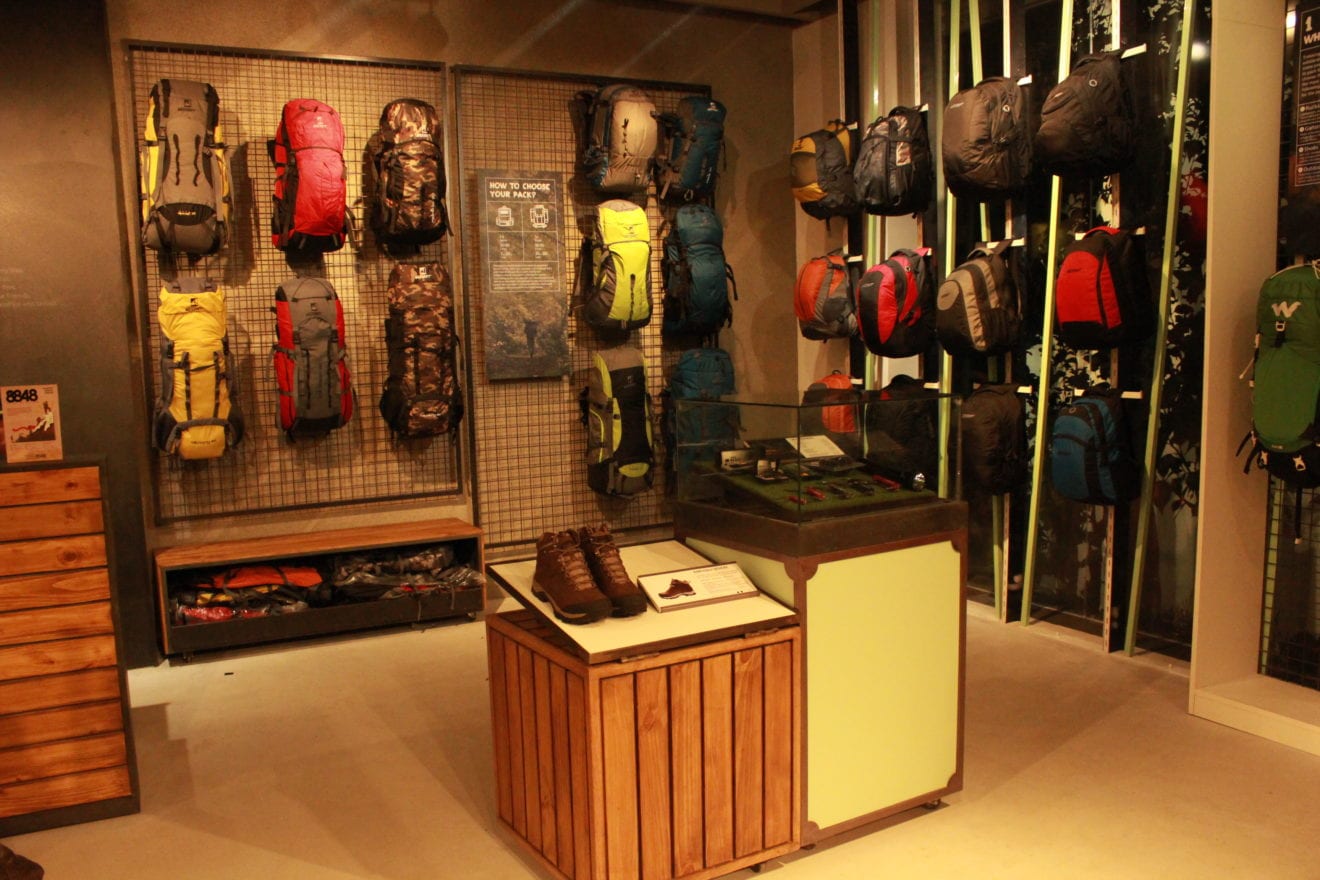
    Indian footwear and outdoor gear brand Woodland is planning to open stores in China, Malaysia and Singapore along with franchising its brand in other markets.

    Woodland is also taking the eCommerce route as part of its expansion, and is hiring social-media teams to run campaigns and online selling platforms in local languages.

    After announcing plans two years ago to launch 25 stores across China, it has subsequently opened “about a dozen stores” in Hong Kong. Its products are available through distributors in Singapore, and the company plans to enhance its global distributor networks. It aims to add at least 10 retail outlets internationally over the next two years.

    While the first few international stores will be company owned, MD Harkirat Singh says Woodland is open to franchisee formats for serious investors. The global stores will be a mix of independent stores and shops in shops.

    Singh says the product line in international markets will be customised to suit the region’s climate. according to the climatic conditions of the region. Woodland looks to tap the fast-growing extreme-weather outdoor gear market both in national and international markets, and claims to already have an 80 per cent market share in this segment in India.

    “While we have grown at an average of 15 to 20 per cent year-on-year in the past two to three years, the outdoor category has grown exceptionally in the past five years, says Singh. “Outdoor gear has become a lifestyle item, making our brand more popular.”

    Founded in Canada in 1992, Woodland is owned by Delhi-based Aero Group, which has its own leather-tanning and production units in Bangladesh, Canada, China, Indonesia, Macau, Malaysia, Sri Lanka, The Philippines and Vietnam, and as well as India.

  • Ensogo mobile marketplace takes wings

    Ensogo mobile marketplace takes wings

    Ten weeks after its launch, the mobile marketplace of Australia-listed Hong Kong-based eCommerce platform Ensogo has reported “exceptional” growth.

    Ensogo connects products for sale to more than 600 million consumers throughout Hong Kong, Indonesia, Malaysia, Singapore, The Philippines and Thailand.

    Ensogo app

    The company says its marketplace’s inventory has rocketed 3000 per cent, with the number of sellers swelling 600 per cent over the first two weeks of January, following a strong fourth-quarter.

    “The introduction of Ensogo’s mobile marketplace represents a game-changing shift for the business,” says co-founder and CEO Kris Marszalek. “Since its launch, we have seen an exponential increase in both new and active sellers, adding hundreds of thousands of products to our offering.

    “Exciting merchandise is a prerequisite to successful customer acquisition and retention, and Ensogo now offers consumers across the region a vastly expanded and truly exceptional range of products at competitive prices.”

    Powerful personalisation technology drives product discoverability while creating individualised shopping experiences on the marketplace, which with its rapid traction underscores the company’s transition away from its legacy services business. Along with changing trends and consumer behaviours in Southeast Asia, the company believes a streamlined offering is critical as the business moves into its next stage of growth. “The eCommerce opportunity in Southeast Asia is enormous, and has immense potential for further growth,” says Marszalek.

  • Charming Charlie to expand Asian network

    Charming Charlie to expand Asian network

    US retailer Charming Charlie has opened its pink doors in the Philippines.

    And following this Asian debut, the US-based fashion retailer is now eyeing Malaysia, Indonesia, Korea and China for expansion.

    The company had first expanded in Canada and the UAE before opening a store in Bonifacio High Street in Manila last year.

    With big and small fashion retailers crowding the Philippine market, Charming Charlie set its pricing at 30 to 40 per cent below its major rivals. Its upscale store houses up to 8000 accessories from jewellery to sunglasses, arranged by color.

    Founded in 2004 by Charlie Chanaratsopon in Houston, the brand seeks to capture the millennial market.

    Charming Charlie is distributed in the Philippines by SSI Group, Inc. and  has over 350 global retail stores.

  • Malaysia among first in world with Retail Workbench iPad app, said Standard Chartered

    Malaysia among first in world with Retail Workbench iPad app, said Standard Chartered

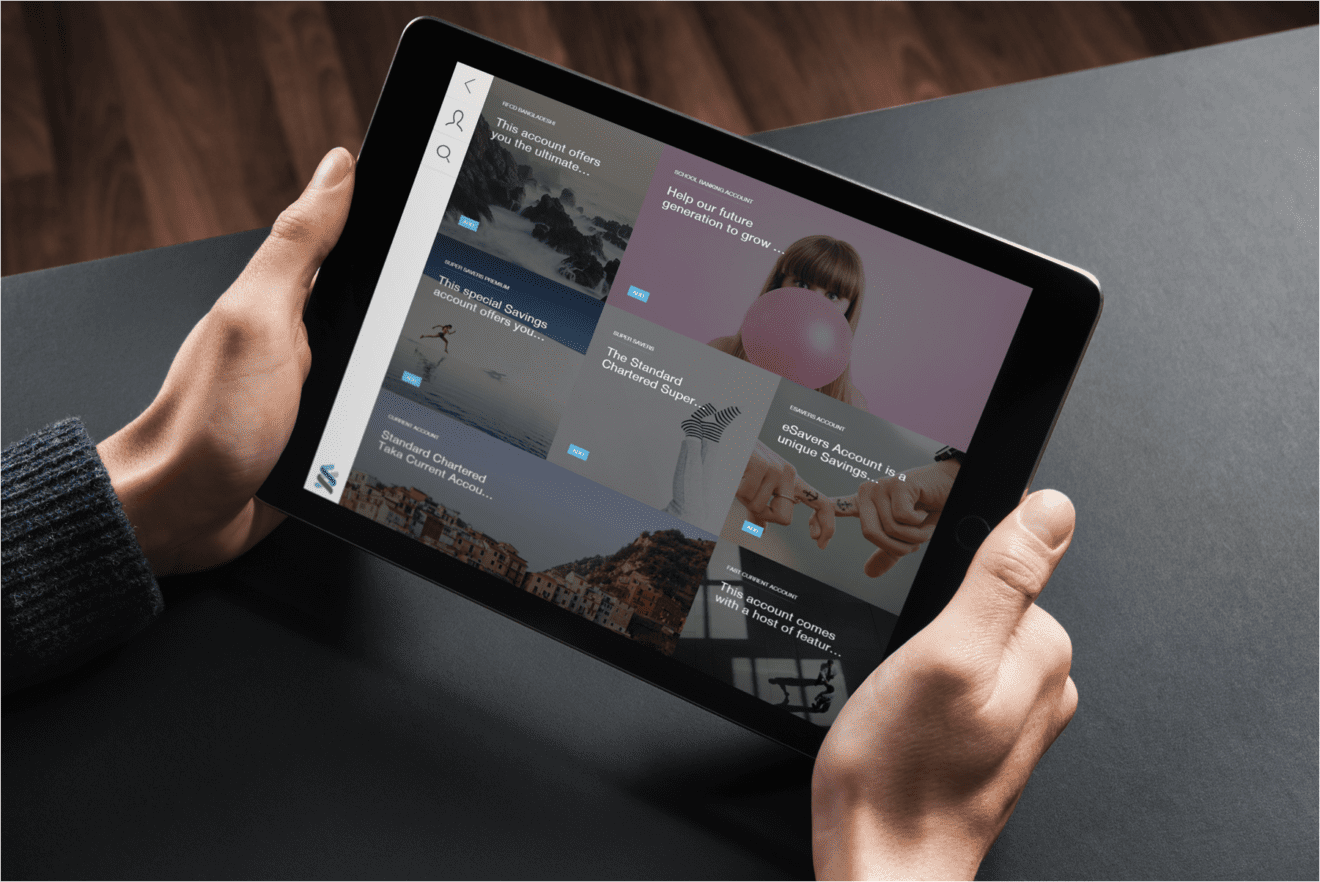
    Malaysia is one of the first six markets to go live with Retail Workbench, a digital tablet-based sales-and-service tool, according to Standard Chartered Bank, which globally launch of its Retail Workbench,

    The iPad tool is also live in India, the UAE, Bangladesh, Nigeria and Kenya, said Aaron Loo, country head, Retail Banking, Standard Chartered Bank Malaysia.

    “Banking should be easy and convenient – that’s what the Retail Workbench is all about,” said Loo, adding that the application is integrated with the Bank’s back-end infrastructure, which will allow sales staff to open an account for a client in any location. Banking services such as loan approvals and credit card issuance will be fast, simple and completely paperless.

    “We are harnessing technology to make banking a seamless experience for both clients and staff. Going paperless fits into the increasingly mobile lifestyle of our clients while improving cost efficiency and productivity by freeing up staff’s time to focus on what really matters, which is serving the client,” he said.

    In addition, Loo said the ‘the bank on an iPad: Retail Workbench’ also puts a set of current and savings account, credit card and personal loan products on one mobile platform – along with product information and marketing brochures – so sales staff can answer questions and respond to client needs in person, at any location.

    He said that with this fully digital device, we can process client requests from anywhere, with the data moving straight through to the Bank’s back-end operations in near real-time. Previously, sales staff could visit clients in person but the paperwork had to be manually entered into the Bank’s systems back at the branch or Bank’s premises.
     

    Aaron Loo - Standard Chartered Malaysia 

    Photo – Aaron Loo, Country Head, Retail Banking, Standard Chartered Bank Malaysia

    This means that clients only need to give their personal data to the bank once to create a profile that can be used for future purchases. Sales staff use the iPad’s built-in camera to securely snap a picture of identity documents so there is no need to fill out multiple forms and no missing data.

    Loo said Retail Workbench has already revolutionised the banking industry in Korea when it was launched in 2014, cutting account opening time in the digitally advanced country to five minutes and credit card issuance to less than half an hour. It has since won numerous industry awards for innovation and outstanding client service.

    Due to differences in local infrastructure, turnaround times and other features of Retail Workbench will vary across the seven markets following the global launch, he added.

    A statement added that Standard Chartered will successively add capabilities and enhance performance in each market over the coming months and equip more sales teams with the device. By the end of 2017, Retail Workbench will be in the hands of staff in 18 markets across Asia, Africa and the Middle East.

     Digitising banking

    The statement added that this global launch marked “a milestone in Standard Chartered’s strategy of using digital technology to deliver a better banking experience to clients. The Bank last year announced it will invest US$1.5bn in technology over three years. Standard Chartered was named the World’s Best Consumer Digital Bank in 2015 by Global Finance magazine and also won Best Consumer Digital Bank in Malaysia in 2010, 2014 and 2015.”

    Standard Chartered Bank, a member of the Standard Chartered Group was established in Malaysia in 1875 and incorporated as Standard Chartered Bank Malaysia Berhad in 1984. Standard Chartered employs close to 7,000 employees in all its Malaysian operations.


  • Malaysia brings tropical touch to Scandinavia

    Malaysia brings tropical touch to Scandinavia

    Malaysian-grown tropical fruits are taking centre stage at retail stores across Scandinavia for the second straight year. The Asian nation’s Agriculture Representative Office in The Hague (PPP The Hague), Netherlands, has extended it marketing activity in the Northern European region, which will see products such as mangoes, durian and jackfruit promoted across stores owned by Swedish retail group ICA AB.

    The campaign kicked off last week, following on from the success of similar promotional activity last year, which helped propel the value of Malaysian agricultural exports to Sweden to RM9,899,050 (US$2.4m), up from RM7,067,625 (US$1.7m) in 2014.

    “This proves that the Swedes have become more inclined towards Malaysian agriculture products, which has a certain uniqueness and quality to it when compared to similar offerings from neighbouring countries,” Mohammad Wafiuddin Esa, Malaysia’s second secretary of Agriculture.

    The promotion is being coordinated by PPP The Hague, ICA AB, DRS Trading and EMA’S International AS.

  • Two-pronged approach for Giordano Vietnam

    Two-pronged approach for Giordano Vietnam

    Vietnam is on the radar for Hong Kong clothing retailer Giordano International, both as a market and supplier.

    With its steady growth in the emerging market, the company is planning to establish a legal entity Giordano Vietnam.

    It is also eyeing the country as a source market for product, while it continues to develop sourcing opportunities in Bangladesh.

    While Giordano still sees opportunities for growth in developing markets such as Indonesia, Malaysia and Thailand, the company says in its annual review that those opportunities are fading.

    Meanwhile, the group has plans to launch digital sales channels outside mainland China this year, initially through the development of its own eShops.

    “Market conditions in Southeast Asia have been challenging in the past two years,” says the group, which improved its merchandising, and therefore profitability, in Singapore last year – “but this will be a tough market going forward”.

    In the 2015 financial year, consolidated sales eased by 3 per cent – but increased by 1 per cent on a constant currency basis. Global brand sales were down 1 per cent for the year, but comparable same-store sales grew by 3 per cent.

    As a strong Chinese New Year offset the impact of 81 store closures, brand sales in the first half of the year grew by 1 per cent. But in the second there was a 3 per cent drop because of unseasonably warm weather in Greater China.
    Gross profit margin declined by 0.4 percentage points to 57.6 per cent, with higher purchasing costs caused by a strong US dollar eroding margins in Southeast Asia and Taiwan.
    “Weak consumer demand in many markets has led to fierce competitive pressure on selling
    prices,” says the group.

    Nevertheless, in the second half of the year, improved purchasing and merchandising resulted in gross margin improving from 57.4 to 57.9 per cent.

  • Toys’R’Us Asia Pacific chief retires

    Toys’R’Us Asia Pacific chief retires

    Toys’R’Us has announced that Monika Merz, president, Asia Pacific, will retire effective May 31. Her successor will be named later.

    Monika-Merz

    As president of Toys’R’Us Asia Pacific, Merz oversees all operations and business activities for the company’s more than 300 stores in Japan, Southeast Asia, Greater China and Australia, responsible for the continued growth, profitability and success of the company in those markets.

    Since she started working at Toys“R”Us, Merz has been instrumental in the development of new store formats and merchandising concepts that have been successfully translated to other markets, ultimately strengthening the company’s position in the global marketplace.

    Dave Brandon, chairman and CEO, described Merz as a highly regarded leader “who has inspired new ideas, demonstrated innovative thinking and unwavering passion for the business and grown our Toys’R’Us brand internationally, even through challenging times and market transitions”.

    Merz’s retirement will bring to a close a remarkable career of nearly 20 years of continuous service to the company. She joined in 1996 as VP and GM, Toys’R’Us, Canada and was promoted to president, Toys’R’Us, Canada four years later. In 2007, she assumed leadership of Toys’R’Us, Japan. Her role was expanded to include responsibility for the company’s stores in Australia in 2011, and, later that year, she gained oversight of the company’s locations and corporate offices in Southeast Asia and Greater China when the company entered a joint venture agreement with Li & Fung to operate these formerly licensed stores.

    “During my time at Toys’R’Us I’ve had many experiences and challenges, but I’ve always been supported by exceptional teams and leaders,” she reflected. “I’m proud of all that we have accomplished and confident that the work we have done to provide a fun and memorable shopping experience for customers will continue after my retirement. After more than eight years in Asia Pacific, I’m now looking forward to returning to Canada and a new stage in my life.”

  • 7-Eleven Malaysia: more sales, lower profits

    7-Eleven Malaysia: more sales, lower profits

    Despite positive sales growth, 7-Eleven Malaysia’s profits have slumped by more than a fifth.

    Higher selling and distribution expenses from store expansion are blamed for 7-Eleven Malaysia Holdings net profit falling 22.21 per cent to RM13.94 million ($3.3 million) in the fourth quarter ended December 31, from RM17.93 million.

    Its revenue increased by 3.87 per cent to RM499.74 million from RM481.12 million for the same quarter the previous year, the group told the stock exchange.
    Its net profit also fell for the full year, by 11.53 per cent to RMB55.8 million from RM63.07 million, while revenue rose 5.98 per cent to RM2 billion from RM1.89 billion.

    7-Eleven Malaysia’s growth in revenue continued to be driven by introducing new stores, improving the merchandise mix and promotional activity, says the company.

    “This growth was achieved despite ongoing retail market negativity caused by the implementation of GST (on April 1, 2015) and weak consumer confidence and spending.”

    However, the group’s selling and distribution expenses for the quarter also increased by RM13.7 million, or 10.3 per cent, mainly because its new stores meant higher staff costs, rental costs, store depreciation expenses and maintenance costs.
    It believes trading conditions for the current quarter will stay challenging.
    “Despite this, we are positive of holding on to our market leading position, while our new store expansion plan remains on track,” says the company.

  • Sephora Malaysia goes online

    Sephora Malaysia goes online

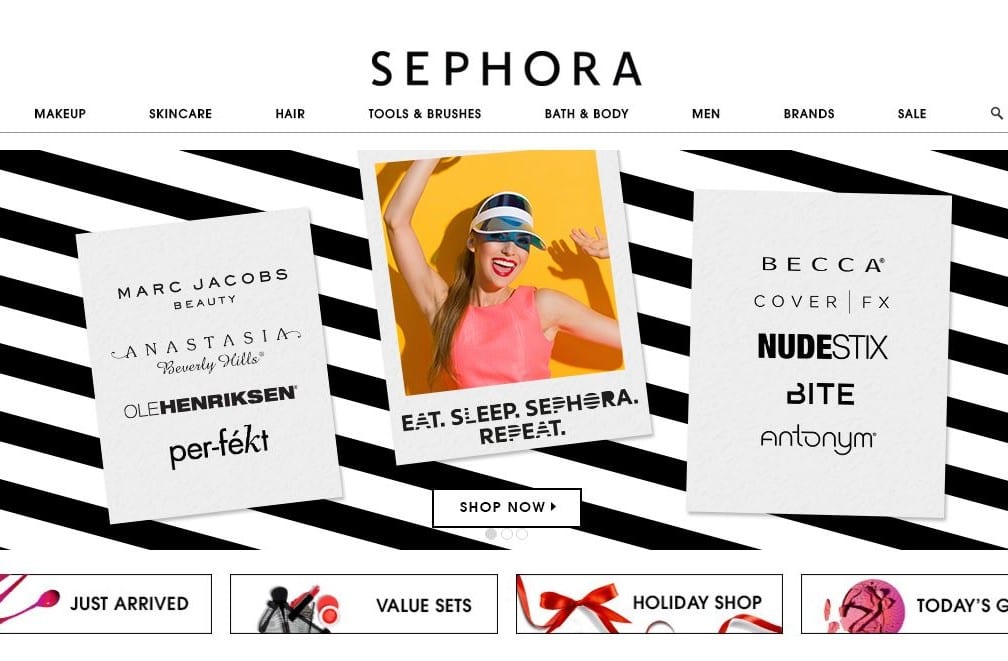
    Cosmetics company Sephora has launched a one-stop online shop in Malaysia following its acquisition of independent beauty eTailer Luxola.

    Luxola founder and CEO Alexis Horowitz-Burdick says the move allows Sephora Malaysia to offer an even larger assortment of beauty products for local customers.
    Sephora Asia president Anne-Veronique Bruel says that investing in Luxola offers a great opportunity to penetrate the online beauty market and accelerate the company’s growth in Malaysia and Southeast Asia.
    As well as a wider brand selection, including products for men, the new online shop will offer advice on beauty trends. It is also offering free delivery for orders worth RM80 or more, and there is a cash-on-delivery option for selected areas in Kuala Lumpur.

  • 11street collaborates with UITOX to bring in 200 brands and 150,000 products to Malaysia

    11street collaborates with UITOX to bring in 200 brands and 150,000 products to Malaysia

    11street (www.11street.my) today announced its latest collaboration with UITOX, the first ever largest online marketplace in Taiwan to introduce 200 élite brands from Taiwan along with around 150,000 products from Taiwanese sellers.

    This partnership signifies the launch of TW Street, UITOX’s official store on 11street, bringing popular fashion brands like OB Design, Pazzo, Toki Choi, and beauty brands such as 1028, Dr Wu, Forbelovedone, Dr Doruxi, and renowned Taiwanese food such as pineapple cake, Gong sugar, red bean water and more.

    11street’s chief executive officer, Hoseok Kim shared that based on observations, the demand for popular overseas products in Malaysia is increasing especially for cosmetics, accessories such as watches, clothing, electronic gadgets, jewelry and personal care goods, which is reflected in the country’s import patterns and the growing needs by consumers[1].

    According to MATRADE’s report on top major imports for 2015, Malaysia’s import just for textiles, clothing and footwear grew more than 60 percent from RM 8.48billion to RM 14.21billion compared over the same period of 2014[2].

    He highlighted, “Partnering with UITOX, 11street is able to introduce more quality international products into the local market, serving as part our commitment to better fulfill Malaysian consumers’ demands with a good mix of local and overseas products.”

    Today, 11street boasts more than five (5) million total product listings which includes a good variety of Cross Border Trading (CBT) products on the online marketplace platform. Majority of these CBT goods come from Korea, Hong Kong, Japan, and United States and the top 3 most purchased categories for CBT products are Health & Beauty, Fashion and Electronics items.

    Robert van Lith, Regional Director of UITOX expressed that this collaboration with 11street marks the debut of UITOX into Malaysia which is greatly exciting! “UITOX thrives on its ambitions to challenge not only the domestic market in Taiwan, but also expand its landscape into the fast-growing e-commerce marketplace in Malaysia. We look forward to engaging with shoppers as we offer Malaysians a taste of popular brands from diverse countries.”

    UITOX was founded in Taiwan in October 2012 and has expanded to China, Singapore, Japan, Hong Kong, Indonesia, Malaysia, Thailand, Vietnam, Philippines, USA, Canada and Netherlands. The successful launch of TW Street in 11street will push UITOX into its second phase of development which will bring more cross border products from other countries. UITOX now has over 5,000 sellers on board with more than USD 224 million of annual gross merchandising value worldwide in 2015, with year-over-year growth of 193% from 2014. 

    In conjunction with its debut on 11street, the products under UITOX will be made available to Malaysian shoppers via various special promotions. Customers can now enjoy free international shipping storewide and a 50% discount on selected items starting from 15 February 2016 onwards. To find out more, please visit TW Street

    11street and UITOX together aim to not only support the increase of quality international brands stepping into the Malaysian market, but prides itself on offering shoppers the convenience of finding affordably priced brands and products that they love.

    “We are thrilled to be partnering with UITOX to offer Malaysians more product variety to help them find what they love, whilst we enrich our product inventory on 11street. This partnership not only enhances our position as a credible partner for international brands, but enables UITOX to connect their sellers from Taiwan with Malaysian consumers that are looking for quality overseas items,” Kim ended.

  • PappaRich expands into Hong Kong

    PappaRich expands into Hong Kong

    Malaysian restaurant chain group PappaRich has opened its first Hong Kong outlet, marking a strategic move in its Asian expansion by leveraging the city’s status as a ‘food paradise’ in the region.

    The PappaRich restaurant at the L-Square in Causeway Bay offers traditional Malaysian cuisine with a sophisticated twist, boasting genuine PappaRich ingredients flown fresh from its Malaysia headquarters, according to the president of PappaRich Asia Pacific Region, Sebastian Low. The restaurant offers, among other dishes, branded Hainan bread as well as the country’s famous durian cheese cake.

    Said Low: “When we were choosing a location for our global expansion, Hong Kong was one of the most promising destinations, not only because of its thriving restaurant and bar scene, but also its dynamic cultural background as an international city. It is the ideal place for us to promote Malaysian cuisine, as well as our food culture, to the world.

    Paparich food

    “The Hong Kong outlet is a joint venture between Tang Palace (China) Holdings and Beppu GroupLimited. With concerted efforts of the professional team and business partners in Hong Kong, we are ready to take the PappaRich brand to the next level.”

    Founded in 2006 in Malaysia, PappaRich has steadily grown from the home country into a franchise network comprising over 100 outlets worldwide. It has 80 outlets in Malaysia and has ventured into overseas markets such as Australia, Mainland China, Singapore, the US, South Korea, Brunei, Indonesia, Taiwan and New Zealand since 2012.

    Associate director-general of Investment Promotion Dr Jimmy Chiang said Hong Kong is renowned as the culinary capital of Asia and many restaurants with different dining options have already established their presence in the city.

  • Wildcraft expands out of India

    Wildcraft expands out of India

    As a first step toward growing its international presence, Indian fashion brand Wildcraft has launched into the Middle East and Southeast Asia.

    It has formed partnerships for its foray into the UAE, Oman and Muscat markets, and online partnerships for Hong Kong, Indonesia, Malaysia, Singapore and Taiwan, reports ETRetail.com.

    Wildcraft unveiled a new brand identity last year while expanding its product portfolio into clothing and footwear. It has also added 130 retail outlets in more than 50 cities across India, giving it more than 3000 distribution points in more than 400 cities in India.

    In Southeast Asia, the brand has partnered with Zalora, part of the Global Fashion Group, giving Wildcraft access to the Hong Kong, Malaysia, Singapore and Taiwan markets. It will use this alliance to initially sell its outdoor gear products.

    Co-founder Gaurav Dublish says the international expansion “is just the start of our growth plans”.

    “The focus, at this point, is to reach countries with similar climatic conditions and geo-proximity.”

  • Retail closures add to Wing Tai woes

    Retail closures add to Wing Tai woes

    Costs related to the closure of retail stores were among the factors contributing to reduced second-quarter earnings for Singapore’s Wing Tai Holdings.

    Store closures caused a 12 per cent rise to S$23.8 million in administrative and other expenses quarter-on-quarter, according to a stock exchange filing by the company.

    Lower rental income and depreciation from its Singapore retail outlets also resulted in a 20 per cent fall in distribution expenses to S$22.2 million from S$27.7 million. No dividend was declared for the quarter.

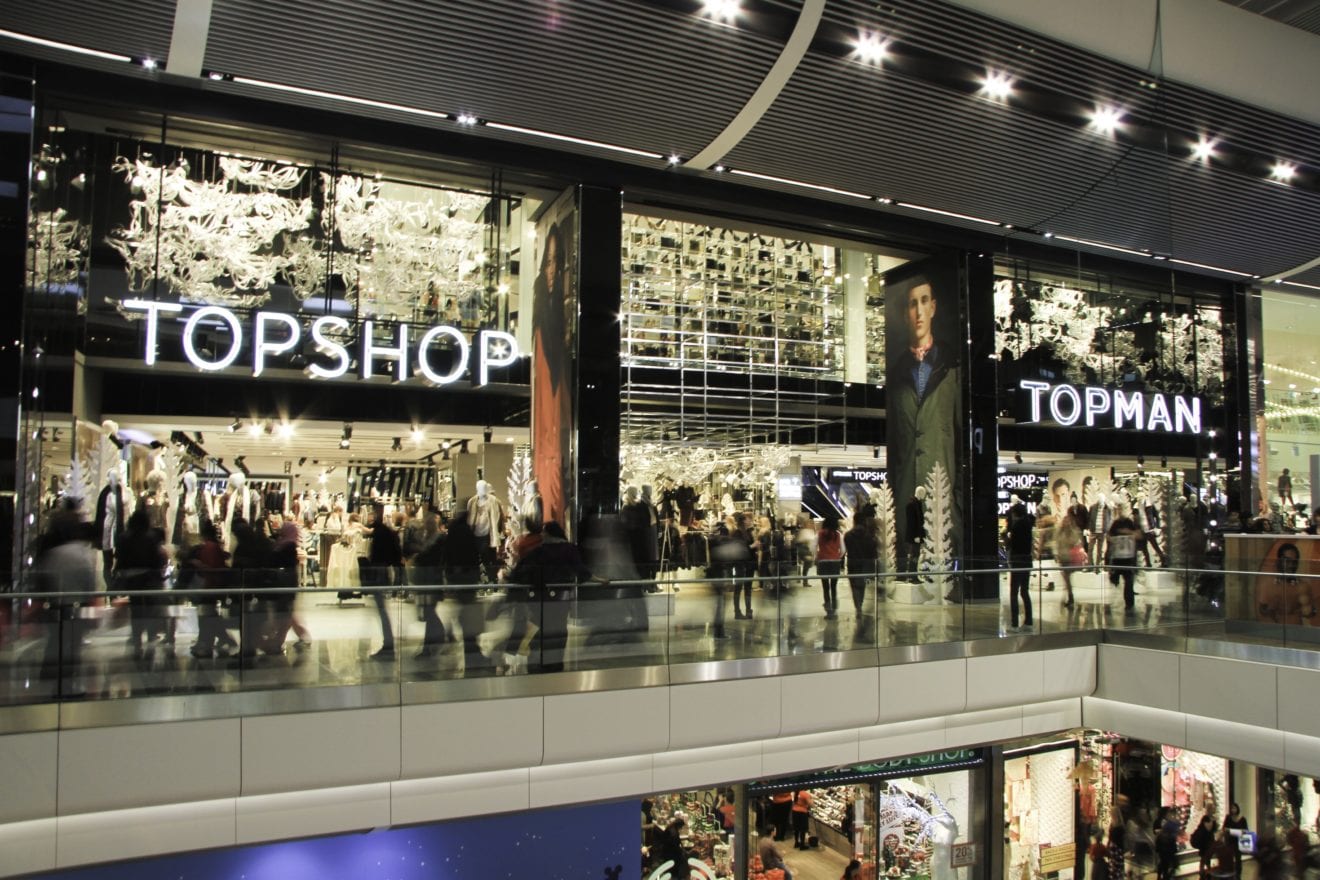
    Wing Tai’s retail division represents the brands Adidas, Fox Kids and Baby, Topshop, BCBGMaxazria, G2000, Topman, Burton Menswear London, I.T., Uniqlo, Dorothy Perkins, Karen Millen, Warehouse, Etam, Pumpkin Patch and Yoshinoya. The company also has hospitality, residential and commercial property interests.

    Also contributing to the second-quarter net profit fall of 85 per cent year-on-year to S$1.08 million were lower contributions from the property development segment and a higher tax rate. These were partially offset by a stronger share of profits from associates/JVs, and lower distribution expenses.

    Overall, the group said earnings had come in below expectations as its operating and sales environment had proved tougher than anticipated. However, it is confident it is well-positioned to ride out the current down-cycle with its portfolio of prime residential and investment assets.

    Cooling measures will continue to weigh on market sentiment in Singapore this year, the group expects, while economic conditions in Malaysia will probably keep sales soft.

  • Malaysia to Invest in Indonesian Startup Companies

    Malaysia to Invest in Indonesian Startup Companies

    Malaysia Venture Capital Management Berhad (MAVCAP) held a meeting with the Indonesian Chamber of Commerce and Industry to talk about e-commerce.  With the revision of negative investment list, it is expected to facilitate the state’s investment towards digital business in Indonesia.

    Communications and Informatics Minister Rudiantara appreciates this intention.  However, he asked that Malaysia not only invests in funding, but also request that the cooperation can simultaneously share knowledge.  “So its not just about money, but also on the know how,” he said in Jakarta on Tuesday, Feb 23.

    Rudiantara said that Malaysia’s intention to invest in the e-commerce sector is normal.  Especially when Indonesia is the largest digital economy in ASEAN.  In order to quickly achieve digital economy by 2020, Indonesia needs knowledge and experts.

    Deputy of Investment Implementation Control of the Indonesian Coordinating Investment Board (BKPM) Azhar Lubis says to build a startup company, this type of financing is actually required.  This is supported by the revision of DNI.

    The financing is a solution if a company wants to develop but has difficulties getting a bank loan, especially when bank loan requires collateral.  “Hopefully there will be many startup companies that can be aided,” said Azhar.

  • Mobile, millennials to drive retail innovation

    Mobile, millennials to drive retail innovation

    Mobile commerce, millennials and faster fulfilment will drive retail innovation this year, according to commercial supply chain specialist Manhattan Associates.

    It predicts a rapid migration to more personalised shopping, with mCommerce presenting big challenges as well as inspiring innovation.

    Emerging Asia is still the fastest-growing region of the global economy, says the company, with strong labour markets and a growth in disposable income expected, especially in Southeast Asia. This means a continued rise in consumer spending along with mounting pressure for retailers to keep up with consumers and their rising expectations.

    “Millennials particularly demand seamless experiences across multiple channels, as well as more and slicker order and fulfilment options,” says Manhattan’s Southeast Asia MD Richard Wright.

    This means retailers must make informed choices about not only what is right for the consumer, but also right for the business.

    Wright says retailers will have to make some fundamental changes this year to address growing consumer demand, expectations for a more personalised shopping experience and increased use of mobile technology.

    “We have identified five key areas in which retailers can focus attention, not only to achieve customer satisfaction but also to drive business growth and profitability.”

    He defines the five key areas as:

    • Making the shopping experience personal and frictionless,
    • Recognising the power of millennials,
    • Embracing mobile technology to achieve customer-centric retailing success,
    • Delivering faster; and
    • Being more flexible with returns.

    “The anonymous shopping experience has had its day,” says Wright. “On the back of digital personalisation success, retailers are turning their attention to the in-store experience, recognising both the rise in customer expectation and the differentiation personal service can offer.”

    He says this experience can range from recipe ideas and ingredients lists in supermarkets to intuitive, customer-inspired fashion recommendations. “Retails have the chance to transform the in-store engagement.”

    Research by the group last month has shown that tailored shopping experiences will encourage more shoppers to engage with the in-store experience. In a consumer survey, 49 per cent of respondents said they would interact more with store staff members if the shopping experience was personalised.

    “When a shopped reaches the point of sale, give them tailored discounts, recommendations based on their shopping history, and even style tips matched to their recent purchases,” the group suggests.

    Manhattan Associates also says personal shopping is back. “It is time for retailers to redefine the role of stores, embrace technological innovation that drives both service enhancements and operating margins, and engineer a cultural shift that will enable staff to reinforce brand value and deliver personalised service across every channel.”

    There is a need to redefine the role of the store assistant. As consumers become ever more connected, store assistants need the knowledge, skills and desire to offer the best possible shopping experience.

    Dissatisfaction impacts brand reputation

    “Failing to give customers what they want will result in dissatisfaction and more complaints, which can have a longer-term impact of brand reputation and sales.”

    In Malaysia alone, says the company, the National Consumer Complaints Centre received 41,531 complaints in 2014, a 28 per cent increase for the previous year.

    Retailers can avoid such dissatisfaction by educating their store staff, but more is needed than just product information, says Manhattan Associates.

    Frontline staff need access to stock levels across all stores, warehouses and distribution hubs so they can sell the entire network of available inventory rather than just the stock in an individual store.

    Having an overview of enterprise stock and being able to offer delivery alternatives will keep customers loyal.

    “We predict that many retailers will being emulating the experiences of companies like Parkson, and change their structure so the store assistant plays a fundamental part in the buying process from start to finish, and acts more as a personal advisor.

    “However, a cultural change such as this cannot happen unless it is championed from the top down. Board-level executives need to buy into the potential results possible from investment in staff and customer experience initiatives.”

    Manhattan Associates believes millennials, who constantly interact with the online world, are frequent yet demanding shoppers.

    “We think it is time for millennials to take the lead on what they would like from a retail experience, and help retailers drive new strategies and initiatives. With 40 per cent of Millennials happy to give up cash completely, and 91 per cent opting to use a self-service checkout, it is clear these 18 to 34-year-olds shop differently to the traditional retail model. They adapt to technology quickly and expect retailers to do the same.”

    Another finding from the company’s research is that customers shopping via mobile devices spend up to 66 per cent more than those solely shop in a store. But as mobile devices now play a more important role in not only browsing and buying, but also paying for goods, the potential is even greater.

    Manhattan Associates predicts that retailers will use more beacons this year to augment the in-store experience.

    “Not only are these devices cost-effective, they communicate directly with smartphones through Bluetooth, meaning stores can lure in passing customers with offers and discounts.”

    Store assistants can also use mobile technologies to enhance the shopping experience. Tablet devices can enable assistants to deliver a personalised experience. They can access an online product catalogue populated with a shopper’s purchasing history, wish lists, online shopping cart and return history, improving their ability to up-sell and cross-sell.

    Meanwhile, POS technology is transitioning from fixed-point transactions to mobile engagement, offering payment acceptance “on the go” for all of a customer’s orders in a single transaction. This can be by cash, cheque, credit or such systems as Apple Pay.

    Advanced mobile POS technology can handle the most complex return situation with the least amount of friction, regardless of which channel initiated the order or how the customer chooses to receive credit.

    While price is the main attraction for 67 per cent of shoppers, across both online and in-store shopping, fast delivery is important for 51 per cent, and flexible returns for 42 per cent.