Tag: Malaysia

  • “11street’s Shocking Deals Come to Life”

    “11street’s Shocking Deals Come to Life”

    With intentions to localise and grow the business, 11street (www.11street.my), one of the largest online marketplaces in Malaysia, will be forming strategic alliances with Celcom as part of the company’s business expansion plans this 2016 with key focus on its revamped shocking deals section and enhanced online shopping mobile app .

    As 11street marks its first full year of business operation this April, the e-commerce giant would like to announce its latest synergy with Celcom at the media conference, tackling the following topics:

    • What is Celcom’s prepaid expansion strategy? How would 11street fit into the plan and vice versa?
    • How could Celcom grow its prepaid subscriber base through an e-commerce strategy?
    • How could the collaboration with Celcom benefit and impact 11street’s business?
    • What are the other 11street’s business expansion plans to Malaysianise the brand?

    Present at the conference is Mr Hoseok Kim, CEO of 11street who will be accompanied by the Chief Marketing & Sales Officer of Celcom Axiata, Zalman Aefendy Zainal Abidin. With this, we would like to cordially invite you to 11street’s Shocking Deals Come to life media conference as the leader in Malaysia’s e-commerce and telco industry discloses their strategies to localise and grow its business in 2016.

    Apart from that, 11street will be officially unveiling their new brand ambassador Zizan Razak, prominent actor-cum-entertainer and Elizabeth Tan, Youtube sweetheart-turned-singer, with irresistible deals through 11street’s 11 Days of Shocking Giveaway.


  • Investors eye Jaya Grocer Malaysia

    Investors eye Jaya Grocer Malaysia

    Jaya Grocer Malaysia is attracting the interest of private equity firms wanting to buy a shareholding of up to 49 per cent.

    Creador, TPG Growth and a Japanese fund based in Singapore have been shortlisted in a deal said to value the supermarket chain at about RM175 million (US$43.8 million), reports The Star. It quotes sources as saying the exercise for the sale of an equity stake began last year.

    Other firms initially interested in a shareholding included the Abraaj Group and Navis Capital Partners.

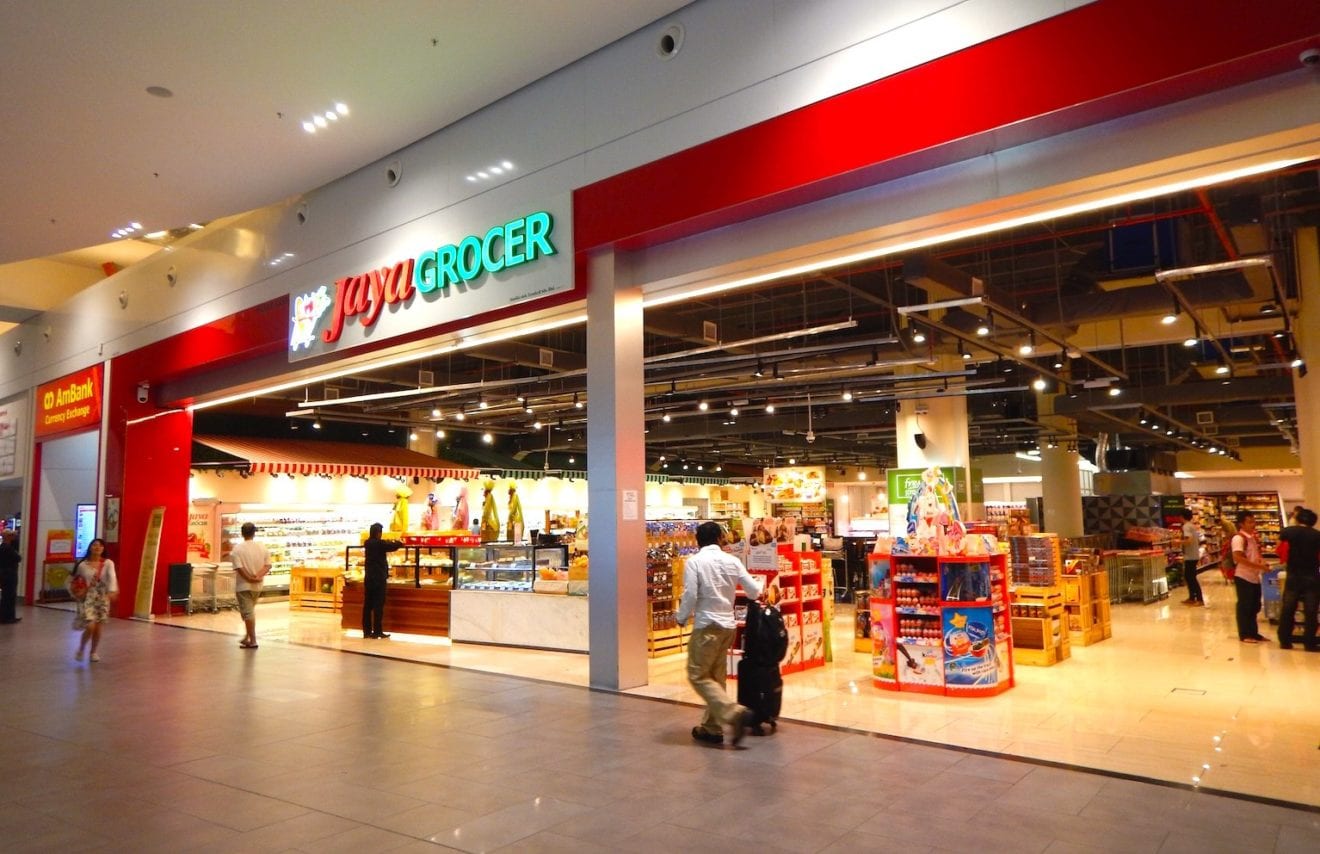
    Jaya Grocer is owned by Trendcell, with its 16 outlets posting RM18 million in earnings last year. The chain opened its first outlet in Petaling Jaya in 2007, and now has outlets in such malls as the Empire Shopping Gallery, KLIA2 and The Intermark.

    Jaya Grocer was founded by the Teng family, which also founded Giant Hypermarket and Teng MiniMarket Centre (TMC) in Bangsar. The family sold the Giant chain to Hong Kong-based Dairy Farm group in 1999 for an undisclosed amount. Meanwhile, TMC has been wholly owned and run by GCH Retail (Malaysia) since 1980. Also run by the Teng family is Pasaraya Hero, launched in 2010.

    It is unclear if the current sale process, being run through an open-bid system by Deloitte, includes these supermarkets.

    Meanwhile, Navis has invested in Jaya Grocer competitor Village Grocer the Big Group, which runs Ben’s Independent Grocer.

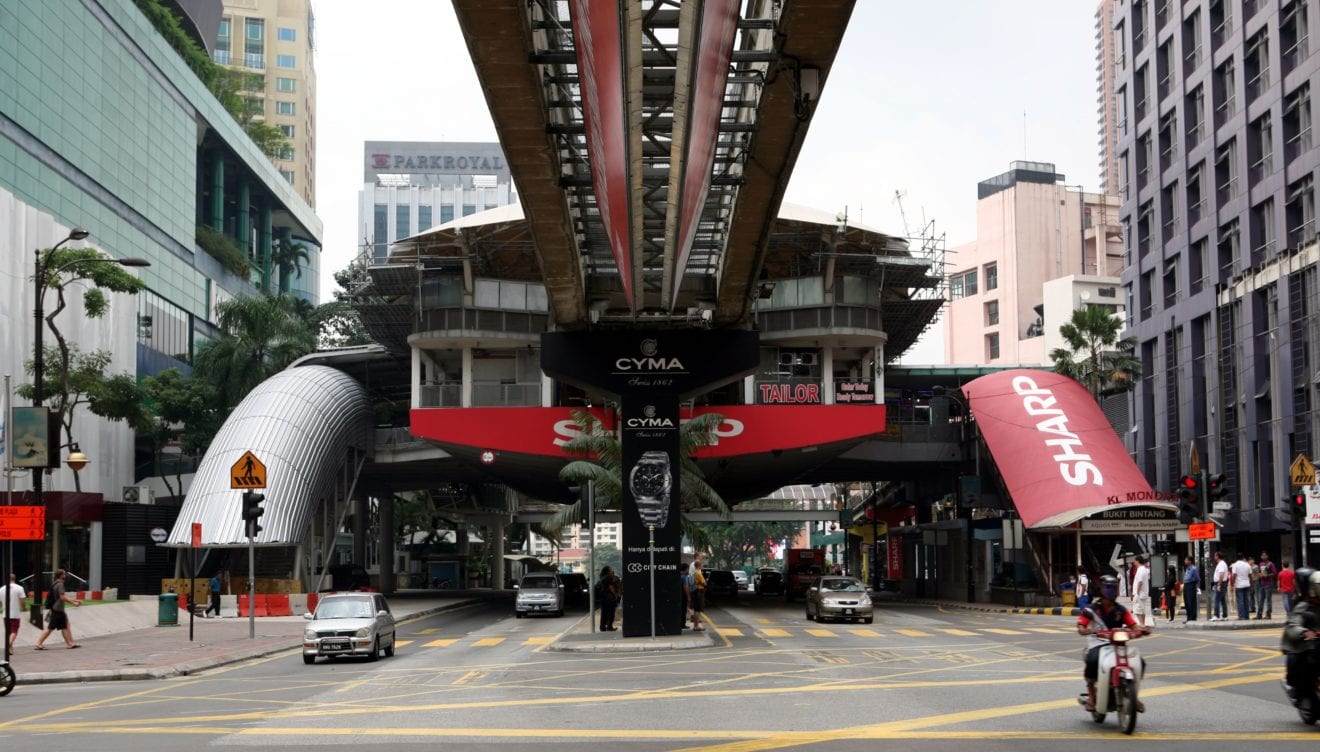
  • New Bukit Bintang mall for Kuala Lumpur

    New Bukit Bintang mall for Kuala Lumpur

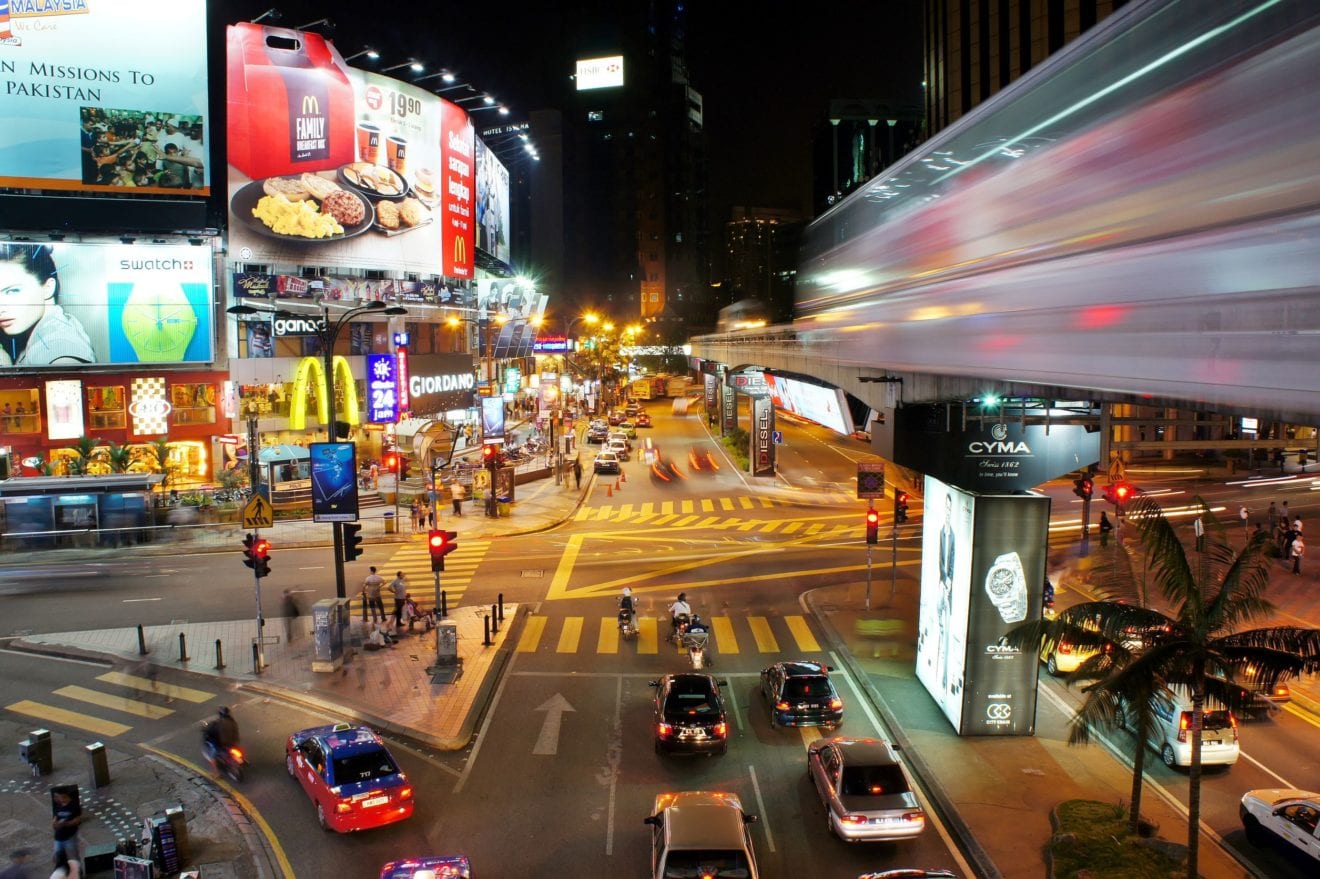
    Retail, entertainment and hospitality brands will feature in a planned City Centre development including a Bukit Bintang mall in Kuala Lumpur.

    “The mall will transform the retail landscape in Kuala Lumpur, catering to all shopping needs with the introduction of home-grown and new-to-market international brands,” says Eco World Development, which is part of the joint venture planning the $400 million project.

    Other signatories to the heads-of-terms agreement signed in Kuala Lumpur are BBCC Development,Mitsui Fudosan (Asia) and Zepp Hall Network. Eco World Development says the project will have an estimated gross development cost (GDC) of RM1.6 billion (US$400 million) and cover 19.4 acres (7.8ha) of mixed residential and commercial development, with UDA Holdings and the Employees Provident Fund (EPF) also as partners.

    Under the agreement, the retail mall will be owned and run through a joint-venture company, Mall JVCo.

    Phase one of the project will be a 45-storey block of strata offices and two blocks of serviced residences, comprising of 680 units, with construction to begin in the third quarter of this year.

    Mitsui Fudosan will jointly develop a 1.4 million sqft (126,000 sqm) lifestyle retail mall, while Zepp Hall is investing in a 2000-seat event hall, the first of its kind outside Japan. Zepp Hall is a subsidiary of Sony Music Entertainment (Japan), and its core business is running venues. Its concert hall will be in the Entertainment Block in BBCC, next to the mall.

    The project is expected to also get underway in the third quarter, and take eight to 10 years to develop. The Mall JVCo is proposed to be equally owned by Mitsui Fudosan Asia and the shareholders of BBCC.

    “This substantial investment by Mitsui Fudosan Asia represents the largest retail investment to date by the group outside Japan,” says Eco World.

    The mall will be developed under the Mitsui Shopping Park LaLaport brand, a regional mall concept conceived by Mitsui Fudosan more than 35 years ago. The concept has evolved from “a place where people gather” to “a place where people interact”.

    BBCC also signed a MoU with Ascott, a member of Singapore’s CapitaLand and the largest international serviced-residence owner-operator in the world, with more than 45,000 units in 290 properties, spanning 100 cities in 27 countries.

  • MRCB to build Giant’s RM56.8m processing and distribution centre

    MRCB to build Giant’s RM56.8m processing and distribution centre

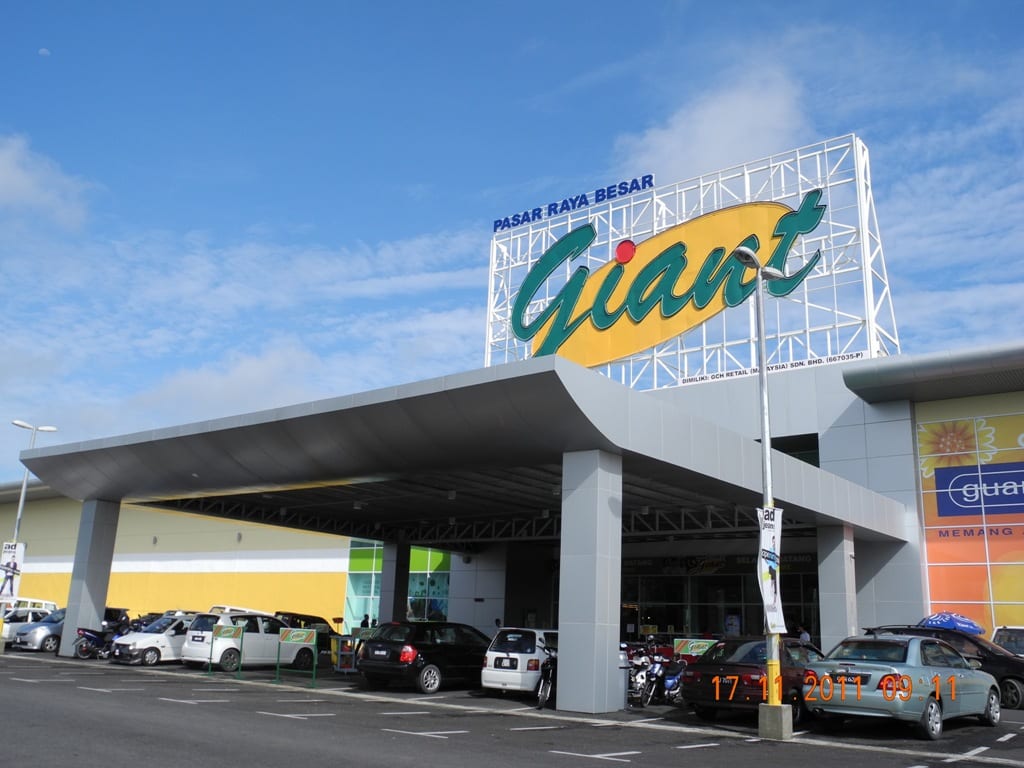
    Malaysian Resources Corp Bhd (MRCB) will build a RM56.8 million cold storage processing and distribution centre in Kajang, Selangor, for the Giant retail chain.

    MRCB’s wholly-owned subsidiary MRCB Builders Sdn Bhd today signed a contract with GCH Retail (M) Sdn Bhd, through Jupiter Lagoon Sdn Bhd, a wholly-owned subsidiary of Hong Kong-based Dairy Farm International Holdings Ltd and an associate of GCH Retail.

    GCH Retail operates the Giant chain of hypermarkets and supermarkets in Malaysia.

    The 140,000 sq ft processing and distribution centre will be built on a five-acre site in Kajang. The distribution centre will be built on a 12-month fast track basis and is expected to be completed in August next year.

    Speaking to reporters after the signing ceremony, GCH Retail regional director for Malaysia and Brunei Datuk Tim Ashdown said it is an important development for the group as it currently has a small fresh food facility measuring 40,000 sq ft in the country.

    “This will allow us to control the supply chain much more actively,” he said, adding that the new facility will further bring down the cost of logistics and deliver lower prices to its customers.

    Ashdown also said the group plans to open five new Giant stores this year.

    Over the years, MRCB has constructed 12 Giant outlets in Malaysia, valued at over RM500 million. A RM52 million outlet in Setapak here is set to be delivered this month.

    MRCB shares closed unchanged at RM1.23 in the morning session with 259,300 shares traded, for a market capitalisation of RM2.2 billion.

  • Aeon Mall plans ASEAN expansion

    Aeon Mall plans ASEAN expansion

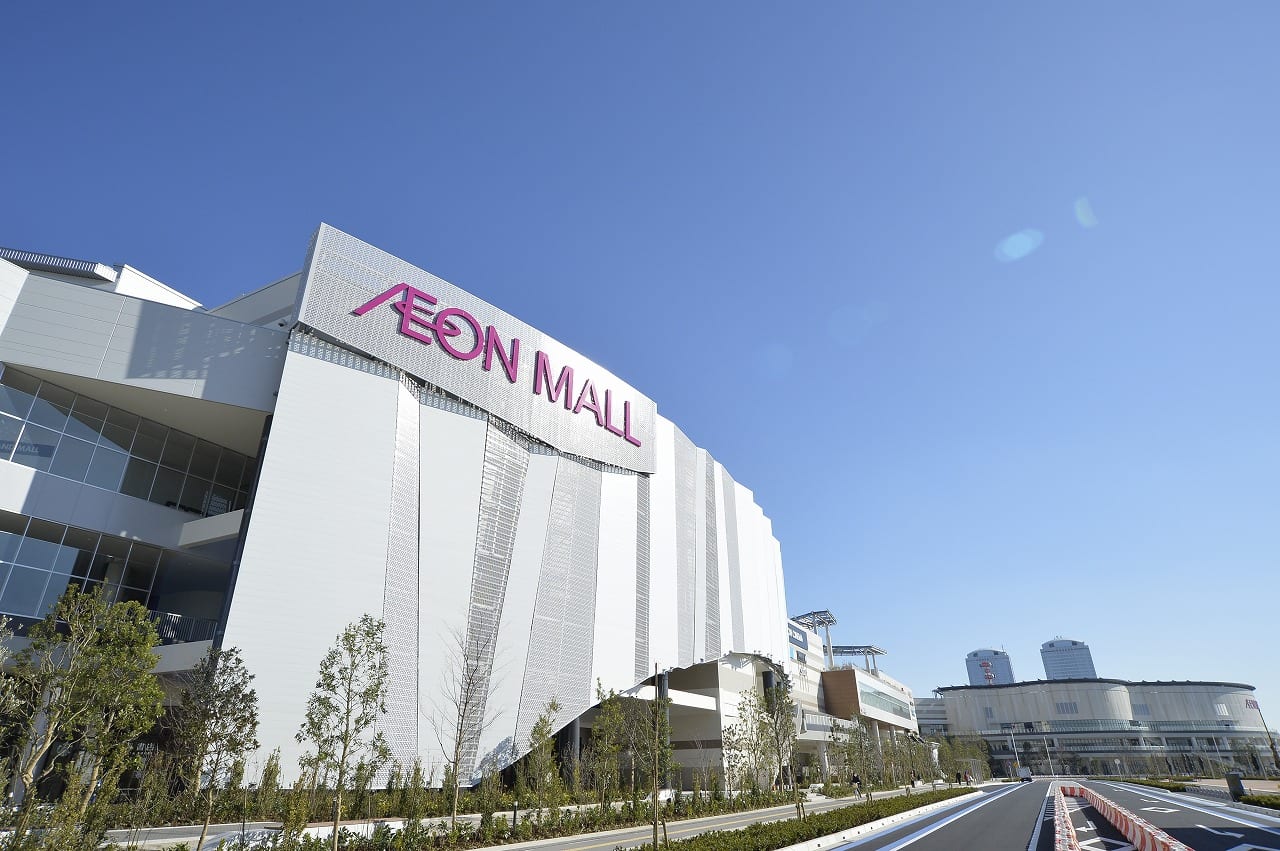
    Japan’s Aeon Mall plans more shopping centres in Indonesia and Vietnam, and is also looking at possibilities in Laos, Myanmar and Thailand.

    Under its 2020 strategy, it is planning five more outlets for Jakarta, after entering the 250-million-strong market with its first Aeon Mall in Indonesia last year, and will also add three more branches in Ho Chi Minh City and another in Hanoi.

    Aeon Mall’s ASEAN division director and executive GM Mitsugu Tamai says the company is also studying the feasibility of business development in Thailand, Laos, Myanmar and Thailand.

    He says the aim is to have its first Aeon Mall in Thailand by 2020, probably on the outskirts of Bangkok. The project would be undertaken either through its own investment or via a joint venture.

    As well as Aeon Mall BSD City in Indonesia, the group has 24 locations in Malaysia and another mall in Phnom Penh, with another on the books for the Cambodian capital. For this, the Japanese retailer will continue its collaboration with Bangkok-based Major Cineplex Group with a Major Cineplex at the mall.

    Major Cineplex chairman Vicha Poolvaraluk says his company is investing about Bt200 million (US$6.5 million) on a 10-screen theatre, including an IMAX laser theatre, as well as 20 bowling lanes.

    Other Thai companies, including Black Canyon Coffee, Fuji Restaurant, Jaspal and S&P, are also interested in opening branches at the mall, which will cover 100,000 sqm in Pong Peay district, and is scheduled to open in the first half of 2018.

    Aeon Mall is also looking at China as a key destination for overseas expansion. It already has 11 malls there, and by 2020 hopes to have more than 10 per cent of its revenue contributed by overseas business, up from 2 to 3 per cent now.

    “With aggressive outlet expansion, the company aims to see a 120 per cent year-on-year increase in terms of revenue from overseas markets,” says Tamai.

  • DRB-HICOM Asia Cargo Express Launches New Aircraft Livery

    DRB-HICOM Asia Cargo Express Launches New Aircraft Livery

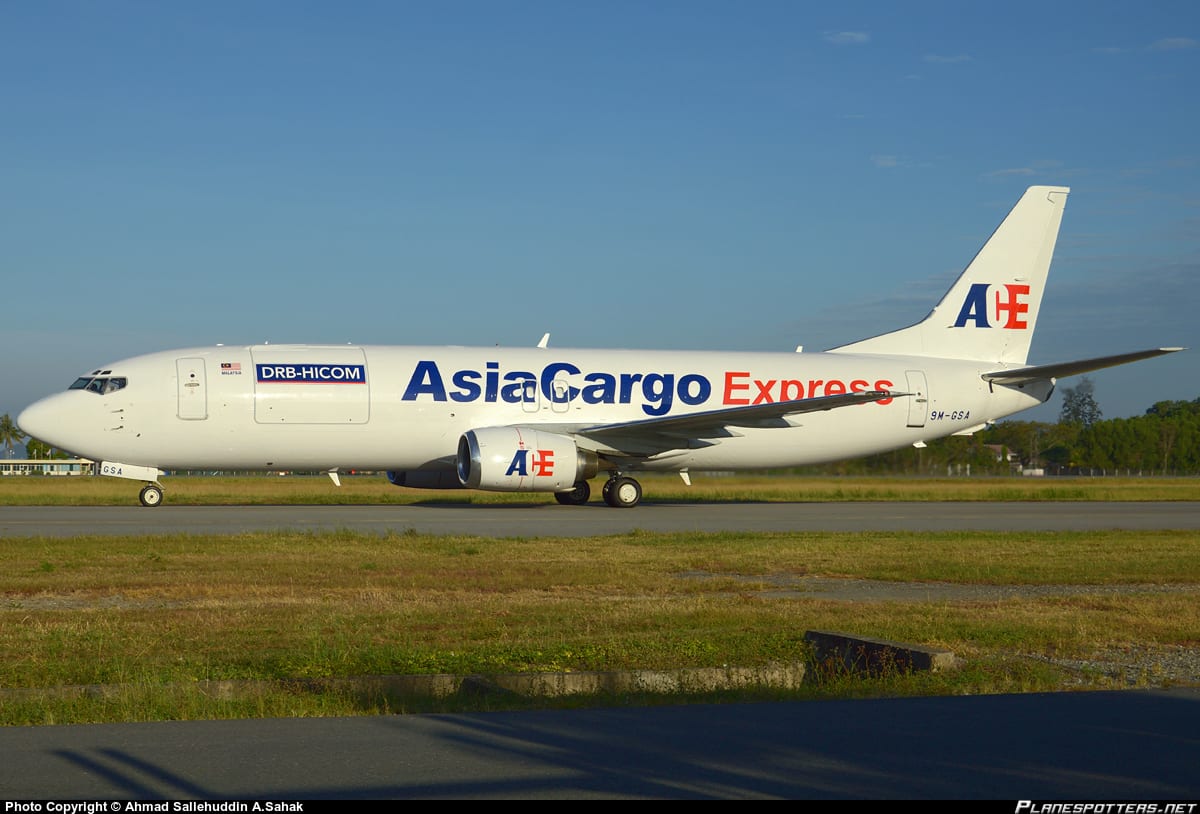
    DRB-HICOM Asia Cargo Express (ACE) has officially launched its new livery and logo for its air freight services at KLIA.

    A wholly owned subsidiary of KL Airport Services Sdn Bhd (KLAS), and a member of the DRB-HICOM Group, ACE currently offers air cargo services between Peninsular Malaysia, Sabah and Sarawak with emphasis on reliability, safety and quality.

    ACE, which was acquired by KLAS in February 2015, is the main service provider for Pos Malaysia, for its courier and mail services between the Peninsular, Sabah and Sarawak, which currently plies Kuala Lumpur, Kuching, Miri and Kota Kinabalu.

    According to DRB-HICOM Group Managing Director, Dato’ Sri Syed Faisal Albar, the services offered by ACE is part of a strategic move by DRB-HICOM Group to provide the regional market with an intermodal logistics solutions and total supply chain management.

    Aiming to be the premier air cargo carrier in the region, plans are in place for ACE to grow its fleet and extend its services to other major ASEAN cities. Currently ACE operates two Boeing 737-400F aircraft, each with a capacity of 18.5 tonnes of cargo and a flying radius of 4.5 hours.

    The IATA 2015 air cargo report forecasts a positive five years outlook with 4.1 per cent compounded annual growth rate.  ACE, with the addition of the third freighter aircraft this year, will be able to extend its services beyond Malaysian shores, contributing to the growth of DRB-HICOM’s logistics business.

    Group Chief Executive Officer of KLAS Group, Mohd Rani Hisham Samsudin added: “KLAS Group is moving towards becoming a fully integrated logistics service provider providing an end-to-end supply chain management solution. Through ACE alone, we target a revenue of not less than RM100 million each year, primarily from increasing our aircraft utilisation and expanding its operations throughout the region,” said Mohd Rani.

    The launch was officiated by the Minister of Transport, Dato’ Sri Liow Tiong Lai. Present at the event was the Chairman of DRB-HICOM Berhad, Brig. Gen. (K) Tan Sri Dato’ Sri (Dr.) Haji Khamil Bin Jamil, Group Managing Director of DRB-HICOM, Dato’ Sri Syed Faisal Albar, Senior Management of DRB-HICOM Group, as well as ACE’s current and potential customers.

    DRB-HICOM has five logistics services companies under its umbrella which include Pos Malaysia, KLAS, Konsortium Logistik Berhad, ACE and DRB-HICOM Auto Solution.

  • eCommerce won’t dent Asian retail real estate demand

    eCommerce won’t dent Asian retail real estate demand

    Growing online sales will not undermine demand for Asian retail real estate, according to the last CBRE study of major international brands.

    For the seventh edition of How Active Are Retailers Globally?, the real-estate company looked at more than 150 major international brands based in Americas, Asia Pacific and EMEA (Europe, the Middle East and Africa) countries.

    China is the top target market in the Asia Pacific (APAC) and fourth-ranked globally, with 27 per cent of retailers looking to expand there. Hong Kong follows in sixth position (24 per cent), Japan in seventh (22 per cent) and Singapore in ninth (21 per cent). The top three globally were Germany (35 per cent), France (33 per cent) and the UK (29 per cent).

    China and Hong Kong maintained their placings, while Japan, Singapore and Australia (11th) all rose higher in the ranking, up from 13th, 18th and 15th positions respectively.

    “Hong Kong will remain a desirable market for retailers, particularly as it continues to serve as a popular shopping destination for mainland Chinese tourists,” says CBRE Hong Kong executive director for retail services Joe Lin.

    “The main difference is a shift from luxury to mid-range brands. This is forcing luxury retailers to consolidate their footprint, leading to a drop in rental cost in prime locations and therefore opportunities for non-luxury retail brands.”

    Most APAC markets saw increased interest for this year, with the exception of China and South Korea. Malaysia (10 per cent), Indonesia (9 per cent), Thailand, Vietnam and The Philippines (all 8 per cent) received more than double the interest they saw last year, when all markets secured between 1 and 3 per cent.

    Asked about the risk factors for the coming year, brands indicated that real-estate cost escalation (56 per cent) and unclear economic prospects (42 per cent) continue to be at the forefront of their minds.

    “We’re seeing more of a challenging economic environment, and concerns such as high operating costs and a lack of quality space means retailers are somewhat more wary this year,” says CBRE head of Asia Pacific research Dr Henry Chin. “However, even as markets such as China and Hong Kong are experiencing a slowdown, we see increasing numbers of opportunistic retailers looking to enter markets like Hong Kong, supported by strong underlying consumer demand.

    “Japan and Australia remain attractive, while Southeast Asia showed strong growth because of opportunities for retailers around an expanding middle class and stronger economic growth.” CBRE senior director and head of retailer representation for Asia Joel Stephen says there are still opportunities for retailers to grow their business in Asia, underscored by the region having four of the 10 most popular destinations. “The goal now for all brick-and-mortar retailers is to build an engaging offer that encourages people to stay longer and spend more.”

    The survey shows that 83 per cent of brands suggest their physical store expansion plans for this year will not be affected by the growth of eCommerce. From a retailer perspective, only 22 per cent of the brands see stiff competition from online retailing as a threat to their business.

    At the same time, retailers are cautiously optimistic on physical expansion. Of those canvassed, 17 per cent have large-scale ambitions, many of them looking to open more than 40 stores this year (up from 9 per cent last year), while 67 per cent plan to open up to 20 stores.

    “A physical store presence in key locations is still critical to the strength of a brand’s image,” says Stephen. “Customers still feel a need to go into stores, to physically touch a product and enjoy the feel-good factor associated with a particular brand experience. The store is integral to the shopping journey and can be used in different ways, such as to click and collect, research of the product or brand, or to test the product. It isn’t solely about the transactional side.”

    A new trend is brands looking to expand into travel hubs, such as airports and train stations, giving them access to high footfall in busy locations. But for APAC retailers, shopping malls are still the preferred destination by far, at close to 90 per cent.

    While globally the key concern for brands in negotiations for premises is lease length, APAC retailers are most concerned with turnover rent clauses (GP). They are also particularly concerned about changing consumer behaviour (40 per cent), which is higher than the global average (31 per cent).

  • Kuala Lumpur MRT retail spaces up for grabs

    Kuala Lumpur MRT retail spaces up for grabs

    Kuala Lumpur MRT retail spaces – 41 spots at 21 stations – have been put to tender.

    The Mass Rapid Transit Corp (MRT Corp) says proposals and bids for the spaces, on the upcoming MRT Sungai Buloh-Kajang line, must be submitted by April 18.

    Commercial land management director Datuk Haris Fadzilah Hassan says the company hopes to announce successful applicants by the end of June.

    About 30 per cent of the units have been set aside for indigenous entrepreneurs, and Haris says the company is seeking retailers for the balance who have “exciting business ideas and services, suitable for commuters with fast-paced mobility and urban lifestyle”.

    Small and local businesses are encouraged to apply, and more retail spaces will become available in the future.

    The Sungai Buloh-Kajang line will open near the end of this year.

  • Indonesia is ASEAN eCommerce sleeping giant

    Indonesia is ASEAN eCommerce sleeping giant

    Indonesia is the most-promising ASEAN eCommerce market, according to Hong Kong-based consultant Paul McKenzie.

    He told a seminar in Bangkok, organised by brokerage and investment group CLSA, that Indonesia has the greatest potential because of its developing infrastructure and private equity advantage.

    Thailand is a little behind, he said, with the eCommerce landscape growing but not to the same scale as Indonesia.

    “It’s simply too early right now for The Philippines – there are not enough big and efficient companies in the market, and Malaysia’s market is just too small,” said McKenzie. However, Malaysia had less of a potential void for eCommerce as offline retail penetration was even higher than China.

    His talk focused on the “e-liftoff”’ of ASEAN countries, corresponding with a CLSA report published last year, and he predicted that the ASEAN eCommerce market would grow in terms of IPO, which would make it more appealing for investors.

    He also spoke about the Line app being essential to eCommerce in the ASEAN region. “More than 60 per cent of Thais 14 years and older are on Line, and mobile is the future of online shopping.”

    He predicted that within the next few years, mobile will be even more important in ASEAN than it now is in China. He said a third of online transactions were made on mobile, and 50 per cent of online browsing was done on mobile, lagging behind China by only a year.

    He said further progress was being hindered by slow data speeds, with users complaining about transactions being dropped and pages not loading. Another problem was that most shoppers in the region did not have credit cards.

    McKenzie said ASEAN countries had being doing well with delivery in the main centres, which meant there was a market for more warehouses or logistical services.

    Meanwhile, 1200 retailers, eCommerce and fulfilment company representatives gathered at the two-day Last Mile Fulfilment Asia conference in Singapore. Speakers included CEO Paul Srivorakul and CLO Mitch Bittermann from the Thai eCommerce solutions provider aCommerce Group, which has started expanding in Indonesia.

    “The changes in the Indonesian market are happening much faster when compared to other regions in Southeast Asia,” Srivorakul says on a company blog. “A lot of investment is taking place in Indonesia’s eCommerce infrastructure, cash-on-delivery networks and third-party logistics (3PL) systems.”

    The company has a presence in four countries in Southeast Asia: its home market as well as Indonesia, The Philippines and Singapore. Of its 200 clients, 120 are in Indonesia. Major clients include BerryBenka, Blibli.com, Elevenia, Mitra Adi Perkasa and L’Oreal. The company has about 500 employees in Indonesia, and runs two multi-client fulfilment centres as well as a 5000 sqm fulfilment centre for Lippo Group’s eCommerce arm MatahariMall.

    The company is also preparing to launch a four-level fulfilment centre in the next two months, which will increase the country’s warehouse capacity by 17,000 sqm, bringing the total to 32,000 sqm.

  • Malaysia Airports partners with Union Pay to boost Chinese spend

    Malaysia Airports partners with Union Pay to boost Chinese spend

    The Commercial Division of Malaysia Airports Holdings Berhad is collaborating with UnionPay International to boost Chinese tourist spending at its airports.

    The move is said to be in line with Malaysia Airports’ Commercial Division’s new strategic direction which calls for a targeted passenger focus. According to Malaysia Airports Holding Senior General Manager Commercial Services Berhad Mohammad Nazli Abdul Aziz, the collaboration also fits in with the significant growth of Chinese passenger traffic.

    Air China, Shanghai Airlines and Spring Airlines were the latest to join the fleet of Chinese airlines flying to Kuala Lumpur and Kota Kinabalu in 2015. Together they connect Malaysia to more than 17 key cities located throughout China.


    “According to statistics obtained from Tourism Malaysia, on average, a Chinese tourist spends approximately MYR3,300 (US$847). If Tourism Malaysia achieves its target Chinese tourist arrivals of over 2 million for 2016, this will translate to more than MYR6.7billion (US$1.72 billion) in tourist receipts. Capturing a fraction of that will contribute positively to our revenue. UnionPay is a fast-growing global payment brand.

    Partnering UnionPay International will allow us to tap into the Chinese tourists.”Nazli said: “The Chinese tourists market is a priority for us given their volume and strong spending power. Last year, total passenger movement between Malaysia and China stood at approximately 5.54 million, the second highest for Malaysia Airports. Much of it is boosted by the fact that we currently have 12 airlines connecting Malaysia to over 17 destinations in China. We expect the Chinese tourists market to increase even further with the visa-waiver programme.

    To further boost tourist spending, Malaysia Airports has signed several new brands at its international gateways. Among the local brands are Noodlelicious, Sofia Iman, Killiney Kopitiam, and Upin & Ipin Café. New international brands include Michael Kors, Pedro, Montblanc and Barry Smith.

    The partnership between Malaysia Airports Holdings Berhad and UnionPay includes the ‘Be Rewarded When You Spend Campaign’, of which the launch coincided with the prize presentation ceremony to mark the conclusion of Malaysia Airports’ Indulge & Explore Campaign.

    UnionPay International Southeast Asia General Manager Wenhui Yang said: “We are pleased to partner Malaysia Airports for the “Be Rewarded When You Spend” campaign. Malaysia Airports is one of the biggest players in Malaysia’s tourism and hospitality industry, our collaboration is in line with our efforts to bring greater value and more exciting privileges to our customers, wherever they go.”

    Foo Yit Kin from Kota Bahru, who claimed the Grand Prize in the Indulge & Explore Campaign, won a six-day trip to participate in a Panda Experience Programme in China.According to data recorded by Malaysia Airports’ recently-concluded Indulge & Explore Campaign, Chinese tourists were among the top three airport spenders. For the three-month duration of the campaign, which ran from 7 December 2015 to 6 March 2016, Chinese tourists spent an estimated MYR1.65million (US$425,000) at KLIA/klia2 combined. On the whole, the campaign saw a +7% increase over the previous year’s initiative.

    In addition to the Grand Prize won by Foo, the Indulge & Explore Campaign also awarded 13 weekly prizes, including Lovina Dolphin trips to Bali and New Leaf Detox programmes in Koh Samui, Thailand. The 13 weekly prize winners were selected throughout the campaign period, with each weekly prize winner also entered to win the Grand Prize.

    According to Malaysia Airports, more than 43,500 travellers from 164 countries partook in the Indulge & Explore Campaign, with top participation from Malaysians followed closely by Chinese tourists.


    Malaysia Airports’ Indulge & Explore Campaign, which was supported by MasterCard, provided the opportunity for shoppers to double their entries when they used their MasterCard.Nazli added: “The Indulge Campaign is an important component of our overall commercial strategy. It underscores our drive towards providing passengers and visitors with the total airport experience. 2016 will see us doing even more to drive the message home.”

    MasterCard Group Country Manager Indonesia, Malaysia and Brunei and Group Head Islamic Payments and Southeast Asia Safdar Khan said: “MasterCard understands that Malaysians love to travel and for many of them, shopping is an integral part of their trip. According to our latest Consumer Purchasing Priorities Survey, nine in ten Malaysians intend to travel in the next year and shopping is among their top three activities when travelling.”

    He added: “Together with Malaysia Airports, we are delighted to have delivered unique travel experiences in conjunction with the Indulge & Explore Campaign over the past decade. We look to continue offering exciting benefits and exclusive rewards to MasterCard cardholders at every step of their journey.”

  • CIMB expects more conducive economy for consumer banking in 2H2016

    CIMB expects more conducive economy for consumer banking in 2H2016

    Collaboration between CIMB and Tesco Stores (Malaysia) Sdn Bhd today, the group’s CEO of group consumer banking Renzo Viegas told pressmen that while the current marketplace remains tough for business, the mass affluent community will still continue to invest.

    “It’s a tough environment, so loan growth will be slower than last year for sure (in terms of) investment products, people are really concerned about the global economy and the Malaysian economy; (there are) a lot of volatility, so people are holding back their investment decisions, but the mass affluent customers will still invest, so the second half should pick up a bit,” he said.

    “(In the) second half (of 2016), the whole economy environment should improve to become more stable and predictable; investment by consumers should also grow, and therefore our wealth management would also do well,” he added.

    On the other hand, Viegas said CIMB is also monitoring its credit quality closely, to avoid any deterioration in the group’s consumer portfolio.

    “All in all, there will still be slower growth, and we are watching the credit quality. So far, there is no deterioration to our credit quality in consumer portfolio. But there are still challenges, and there are still going to [be] opportunities like the launch today,” he said.

    Viegas said the partnership will allow CIMB to benefit from Tesco Malaysia’s three million weekly customers, by the increased accessibility to other products offer by the bank.

    “In the next two years, we hope we can garner half a million new card customers,” he added.

    Earlier at the launching ceremony today, CIMB’s CEO Tengku Zafrul Aziz announced an exclusive five-year strategic partnership with Tesco Stores (Malaysia) Sdn Bhd to come out with the new card services.

    The collaboration will also see CIMB set up its consumer banking kiosks at 38 Tesco stores nationwide. Tesco Malaysia currently operates 55 stores, with about 8,000 employees.

    Zafrul said the partnership between CIMB and Tesco Malaysia represents a winning formula in delivering value to both companies’ customers.

    “Being able to bring our vast suite of products through a seamless and paperless process to Tesco stores, make for a truly compelling value proposition to customers, both current and new. We genuinely believe that this partnership is the start of many great things ahead,” he said.

    The new CIMB Tesco MasterCard members will enjoy an annual fee waiver. From April 1, 2016 to March 31, 2017, one Tesco Clubcard point will be awarded for every RM2 spent on CIMB Tesco MasterCard at other retail outlets.

    Tesco Malaysia CEO, Paul Ritchie, also commented that the partnership, which had taken a year to materialise, is the form of bringing the best of two companies to enhance customers’ shopping trip.

    “With Tesco’s variety in range at fantastic promotions and good prices, and CIMB’s strengths in the financial and banking sector, together we will be able to reward our customers and create value to earn their long-term loyalty,” he said.

  • Eight steps for riding out the economic storm

    Eight steps for riding out the economic storm

    In a few days it will be one year since the implementation of the Goods and Services Tax. Although the GST has been widely unpopular, many economists consider GST as the most efficient way of widening Malaysia’s tax base. Currently, almost everyone pay taxes.

    The Malaysia Consumers Movements commend the Ministry of Domestic Trade, Cooperatives and Consumerism and the Royal Customs Department, who have worked extremely hard in curbing profiteering activity and ensuring that price increases were not excessive. Enforcement officers have acted promptly on complaints lodged against unethical businesses for unfairly increasing prices, while prosecuting a few for related offences.

    The Customs Department has reportedly collected RM51 billion since April last year, as compared to only RM37.2 billion before the GST.

    It is therefore clear that the GST has indeed provided a lifeline to the government but this has come at an expense. Consumers today are grappling with high cost of living issues while business complain of high cost of operating, forcing consumers to tighten their belt and businesses to retrench staff.

    It is important to note that the amount of taxes collected through GST will be highly dependent on the strength of domestic private consumption, which is influenced by consumer confidence in the economy.

    According to industry report compiled by the Retail Group Malaysia, Malaysian retailers are not too optimistic on the growth for the sector in the first quarter of 2016 and expect a negative year-on-year growth of 0.4%. Consumers are fearful of high prices and are increasingly reluctant to spend.

    Bank Negara in its report has projected 4.0-4.5% growth rate in 2016, compared with 5% last year. The Statistics Department indicated that the consumer price index in February rose to a seven-year high at 4.2% from a year earlier. The inflation rate is highest since December 2008 when it hit 4.4%. This rise was attributed to higher costs for food and consumer goods.

    These not very convincing statistics calls for us to review, rethink and refine solutions for riding the projected storm ahead.

    1. Stop the Bickering

    Negative news will have an impact on consumer and investor confidence. What we say and do backfires on us in negatively portraying our country’s image. We must collectively demonstrate political stability, a key factor for investors and consumers. Malaysia practices parliamentary democracy where leaders are elected every 5 years. It therefore ignites sheer concerns when attempts are made to dislodge sitting elected government by force. Street demonstration is not our culture, and it shouldn’t be!

    2. Corruption is Detrimental

    The government must demonstrate political and administrative will when implementing austerity measures and fighting corruption. There is a big time need to plug leakages and tackle corruption. The recent report of misappropriation totalling RM107 million by a senior government official surely sends a wrong message to consumers. Questions surface if there are more of such cases?

    3. Promote Healthy Competition

    It is important for the government to promote competition and speed up further liberalisation of key economic sectors. Monopolies are detrimental and must be dismantled as it harms consumers. There is a need to reassess the approved permit policy. Improve business efficiency by eliminating bureaucratic red tape which significantly increases cost of doing business.

    4. Transparency in Action

    Implementation of policies must be openly deliberated. Stakeholders at all levels must be consulted and their expectations adequately managed. Unilateral decisions must be stopped immediately. The era of government knows best is over. The point being, whenever there is any price revision announcement, it distorts cost elements throughout the supply chain, and more often than not, negatively impacting consumers.

    5. Halt Price Increments

    The government and businesses must pledge not announce any more price increases. Consumers are still grappling to deal with what was announced in 2015 and any new increases will definitely not be of any help.

    6. Ethical Trade Practices

    Businesses must demonstrate integrity in action across the value chain. Profit should not be derived at the expense of consumer suffering. Business leaders must uphold high standards of social responsibility which must go beyond mere CSR or brand-building gimmicks. There is only so much that the government can do to audit. Businesses must own up!

    7. Prudent Consumption Patterns

    Consumers should re-examine our consumption patterns and make adjustments. The era of cheap goods and services is over. Malaysia practices a competitive open market economy and it is therefore unfair to completely shift blame on the government for failing to reduce prices.

    We must avoid wastage and over-consumption, where we purchase things.

    8. Ramp Up Enforcement

    It is commendable that the ministry has done very well in monitoring, tracking and acting against errant businesses which unfairly raise prices. But why only expect the regulators to do the auditing. In the era of social media, we are all empowered to highlight real time issues and ensure they are addressed in a timely manner.

    Name and shame those manipulating the system, why must we keep silent?

    It is time to close ranks and face the storm together as one team. We hold the trump card, in charting the destiny of our nation.

  • Mitsui Fudosan planning big Malaysian mall

    Mitsui Fudosan planning big Malaysian mall

    Mitsui Fudosan will develop a nine-story, 45 billion yen ($397 million) mall in Malaysia with local partners as part of an effort to solidify its overseas earnings base for the future.

    Costlier than the company’s outlet malls in Taiwan and the Chinese city of Ningbo, this will likely mark the biggest project for a commercial facility abroad by a Japanese real estate developer. The plan is to open a LaLaport mall like those of Japan in Kuala Lumpur in 2021.

    Working with Eco World Development Group and two other local partners, Mitsui Fudosan will set up a special-purpose company as early as this year.

    The mall will sit on the 78,500-sq.-meter premises of the Bukit Bintang City Centre, a project co-led by Eco World that includes residential and office space.

    The mall will boast five above-ground floors and four underground floors. Construction will begin in 2017. Retail space will likely total 80,000 sq. meters — close to the 102,000 sq. meters of a major LaLaport mall in Chiba Prefecture. The plan is to draw about 300 businesses to the new facility, among them restaurants, household goods stores and fashion retailers. Tenants focusing on middle-income consumers, including Japanese businesses gaining popularity in Malaysia, will be solicited. Annual sales are targeted at 42 billion yen.

    Mitsui Fudosan intends to apply Japanese know-how to running the mall through such steps as training store managers and introducing a system to track daily sales of each store. In this way, it seeks to distinguish the facility from the competition.

    Malaysia has enjoyed relatively high real gross domestic product growth among members of the Association of Southeast Asian Nations. With the ranks of the middle class seen continuing to expand, the Japanese company expects demand to stay strong.

    Mitsui Fudosan opened an outlet mall near an international airport in Malaysia last year. Tenants catering to middle-income consumers are faring well, and sales have beaten initial expectations. An expansion is now planned, driven by popular demand.

    Mitsui Fudosan’s wide-ranging business domains include commercial facilities, housing, office buildings and hotels. In Japan, the shrinking population limits prospects for demand growth in housing and office buildings. The company is thus strengthening commercial establishments, such as outlet malls, in Asia. And in the London area, it is working on mixed-use facilities.

    The company plans to invest 550 billion yen overseas from fiscal 2015 to fiscal 2017 and to spend about as much on office building and other projects in Japan. Mitsui Fudosan hopes to generate about 12% of its overall operating profit abroad in fiscal 2017, up from just 6.4% in fiscal 2014.

  • Telekom Malaysia launches POP in Laos

    Telekom Malaysia launches POP in Laos

    Telekom Malaysia has arranged to establish a new point of presence in Laos in collaboration with the Lao National Internet Centre (LANIC).

    Under the agreement, LANIC will host and provide infrastructure for the POP via its international data center in Vientiane.

    Telekom Malaysia will use the POP to provide alternative connectivity options to its customers and afdress growing demand for international internet bandwidth in Laos.

    LANIC is an affiliate of the Laos Ministry of Posts and Telecommunications. The new POP will enable services including IPVPN, IP transit and global Ethernet services.

    “This alliance with LANIC will further strengthen our regional footprint in Southeast Asia, Telekom Malaysia VP for product marketing and operations Mohamed Asri Jaafar said.

    “Through the new POP, TM will be able to offer a vast range of services at a competitive price, going in and out from Laos through diversified routes via submarine and terrestrial cables, connecting to our existing on-net network presence.”

    Telekom Malaysia now has 22 POPs worldwide, spanning Asia, Australia, North America, Europe and the Middle East.

  • Bison Consolidated debuts with small discount, but picks up momentum

    Bison Consolidated debuts with small discount, but picks up momentum

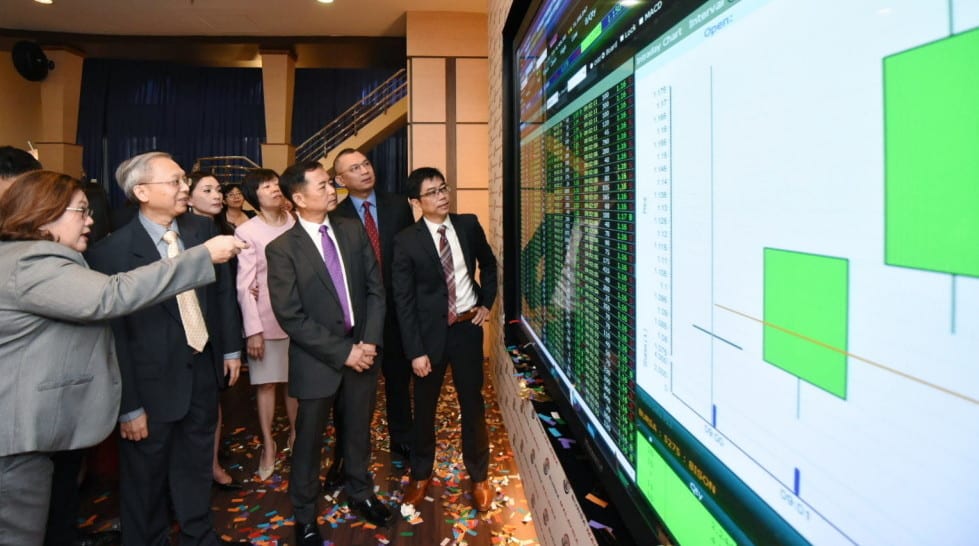
    Save for the first initial public offering (IPO) this year on the Malaysian market, corporate debuts on Bursa Malaysia has seen dampened openings thus far. Convenience retail chain store operator Bison Consolidated Bhd listed on the Main Market of Bursa Malaysia on Tuesday, opening at MYR1.09 on a volume of 2.2 million shares, a small discount to its IPO price of MYR1.10. This was despite encouraging reception prior, where the 15.5 million new public shares offered had been 6.94 times oversubscribed. The counter closed its first trading day positively, however, at MYR1.17, marking a 6.36 per cent premium to the opening price. 68,480,900 shares traded hands.

    Bison is the third Malaysian IPO in 2016, and the last for this first quarter period. The first two had been building materials supplier Chin Hin Group Bhd earlier this month, and Ranhill Holdings Bhd mid-March. Bison is an investment holding company, and through its subsidiaries, it is involved in the business of press and convenience retailing under its main trade name of “myNEWS.com”.

    It also operates eight outlets of WHSmith, under its equal joint venture with UK retailer WHSmith Travel. Managing director Dang Tai Luk told reporters after the listing ceremony that the group intends to open another 115 stores with the IPO proceeds over the next 36 months. It has already opened 20 stores, with another 50 targeted to be opened within 2016. “Our target for 2016 is achievable; we have already identified 30 locations, and are considering another 30 locations. From those numbers, I would say we are targeting to open 70 stores a year,” he said, adding that a key criteria is the population density in the selected locations. Bison seeks to build its network of stores in high-street locations, departing from its old strategy of setting up in commercial buildings and various types of shopping malls.

    Its IPO prospectus noted that the group has 255 outlets, as at February 10, which carry a range of print media, convenience retail products and offer consumer services like electronic payment services and money remittance services. According to Smith Zander International Sdn Bhd, Bison owns an estimated market share of 8.6 per cent in outlet numbers, and 6.6 per cent in terms of revenue for the year 2015. The company is also looking to establish another distribution centre either in the north or south of Peninsular Malaysia, looking at either Penang or Johor states.

    It currently has one 125,000-sq ft warehouse facility in central Peninsular, and Dang noted that the new warehouse will not be bigger than the existing one. “We have always managed our own distribution, and we want to improve and make it more efficient,” he said.

    The management has no plans to expand beyond Malaysia at the moment, as it believes there are more opportunities to tap onto in the domestic market. Bison raised MYR88.68 million ($22.19 million) from the IPO, of which MYR35.55 million or 40.1 per cent will be utilised for the purpose of outlet expansion and enhancing the group’s existing outlets; and MYR14.45 million or 16.3 per cent will be used to improve its nationwide logistics and IT capabilities to support its growing network and product base, the establishment of an additional distribution centre, food preparation and packaging facility and acquiring additional transport equipment. Another MYR32.23 million or 36.3 per cent will be utilised to finance inventory stocking for new and existing outlets as well as other working capital requirements. The proceeds will be utilised for these purposes over the next 36 months. The remaining portion will fund listing expenses.

    CIMB Investment Bank was the principal adviser, managing underwriter and sole bookrunner for the IPO.