Tag: Malaysia

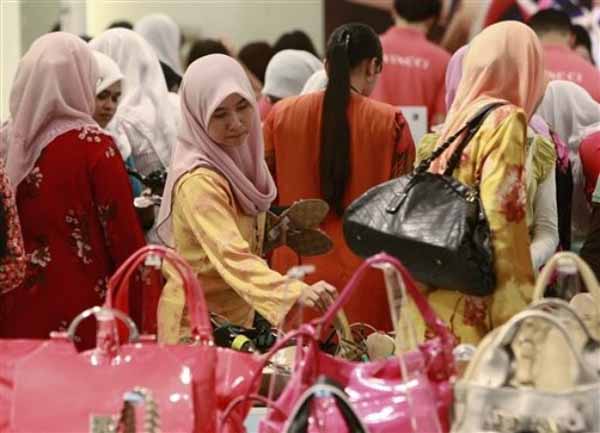
  • Foreign retailers in Vietnam under attack

    Foreign retailers in Vietnam under attack

    Complaints by Ho Chi Minh City businesses about foreign retailers in Vietnam have sparked the prime minister to order an investigation.

    Members of the Ho Chi Minh City Union of Business Associations (HUBA) say the growing number of foreign retailers in Vietnam have a loose rein to expand at a pace that will eventually hurt local companies.

    HUBA has sent at least two letters to the government raising questions about the legality of some business activities by foreign retailers, reports Thanh Nien News.

    Vietnam laws forbid foreign businesses to distribute products such as rice, cane sugar and cigarettes, but these items are still available at the supermarkets and convenience stores of most foreign retailers, including South Korea’s Lotte and Big C, Tuoi Tre reports.

    Following the complaints, Prime Minister Nguyen Xuan Phuc has ordered relevant agencies to check into foreign retailers, including mergers and acquisitions.

    Media reports say Mega Market Vietnam, which owns Metro wholesale stores, is expected to be first to face the scrutiny. The stores were originally run by Germany’s Metro before being acquired by Thailand consumer group TCC this year.

    Statistics show that Vietnam is home to more than 700 supermarkets and 132 shopping malls, mostly in the main centres of Hanoi and Ho Chi Minh City.

    Meanwhile, Hanoi Association of Supermarkets chairman Vu Vinh Phu says a supermarket in the northern city of Hai Phong had its revenue fall 30 per cent six months after a foreign superstore opened.

    Foreign companies now control more than half of Vietnam’s retail market, says the association, and many producers complain they are struggling to have their products in foreign supermarkets mainly because the retailers ask for high discounts, says HUBA vice-chairman Pham Ngoc Hung.
    Meanwhile, products from countries such as Japan, Malaysia, South Korea and Thailand are becoming more and more popular.

    Vietnam’s retail sales rose 10.6 per cent from 2014 to VND2469 trillion (US$109.4 billion) last year, official figures show.

  • Index Living Mall sets plan for Asean market

    Index Living Mall sets plan for Asean market

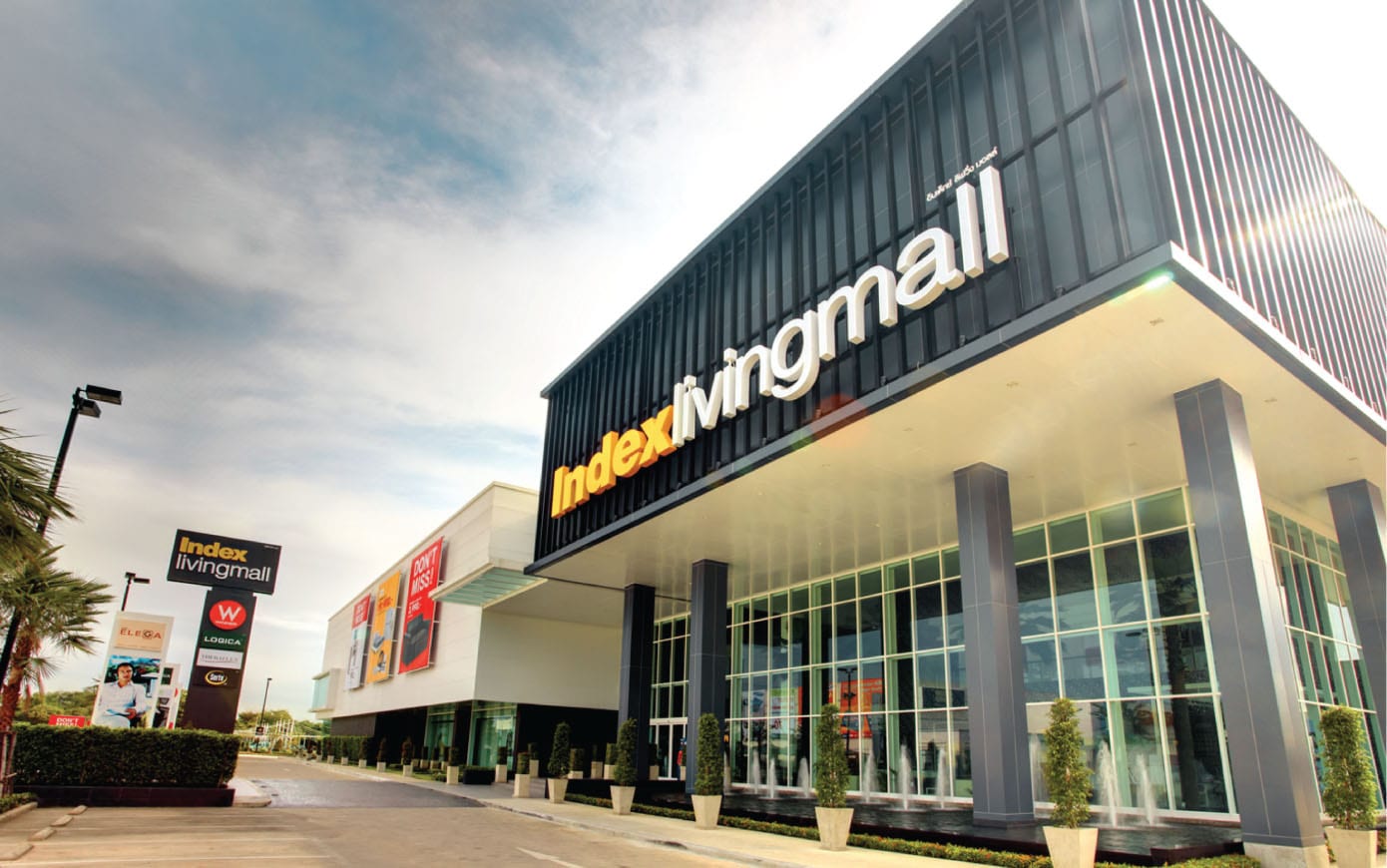
    Thai home-furnishings manufacturer and retailer Index Living Mall has set a strategic plan to open at least one store in a new Asean market every year.

    The company expects the sales contribution from Asean countries to increase significantly from the 6 to 7 per cent estimated for this year to 10 per cent within three years.

    MD Kridchanok Patamasatayasonthi says the expansion is in line with its vision to be the No. 1 player in Southeast Asia in terms of brand awareness in its segment.

    In Thailand, Index Living Mall opened a branch in Nakhon Pathom in February with 7500 sqm of retail space, and another store will open in Chachoengsao next month covering 5500 sqm.

    “We also plan to open another store in Bangkok next January,” says Kridchanokshe.
    Index Living Mall has also opened stores in Malaysia and Vietnam.

    Malaysia’s first store is in IOI City Mall in Putrajaya, followed by another outlet at Aeon Mall in Shah Alam in March, and at Aeon Mall in Kota Bahru last month. The expansion in Malaysia is through a joint venture with Japan’s Aeon Group, and the fourth store will open in Johor Bahru next year.

    In Vietnam, where the brand has had a presence for four years, the company has appointed a new local franchisee to expand its network. The first Index Living Mall in Vietnam under the new partnership, at Vincom Mega Mall in Ho Chi Minh City, opened in January, followed last month by a store at Hanoi’s Vincom Mega Mall.

    “We are negotiating with a potential joint-venture partner in the Philippines and a potential franchisee in Indonesia for partnership deals expected to be finalised next year,” says Kridchanok.

    Index Living Mall posted THB2.5 billion (US$71.242 million) in sales revenue in the first quarter of this year, a 10 per cent increase compared with the same period last year. The company targets THB10 billion in sales this year, up 10 per cent over 2015.

    It has also opened a concept store at Don Mueang International Airport, Sky Living by Index Living Mall – 400 sqm of retail space showcasing its products and accessories.

    After the renovation of the airport’s Terminal 2 to accommodate the growing number of domestic passengers, Index Living Mall aims to create direct customer experiences by providing a premier passenger lounge designed around a variety of room settings, as well as a Kids’ Zone.

    The first Index Living Mall store opened more than 20 years ago, and there are now 26 retail locations throughout Thailand.

  • Bison expands to Myanmar with 2 outlets at airport

    Bison expands to Myanmar with 2 outlets at airport

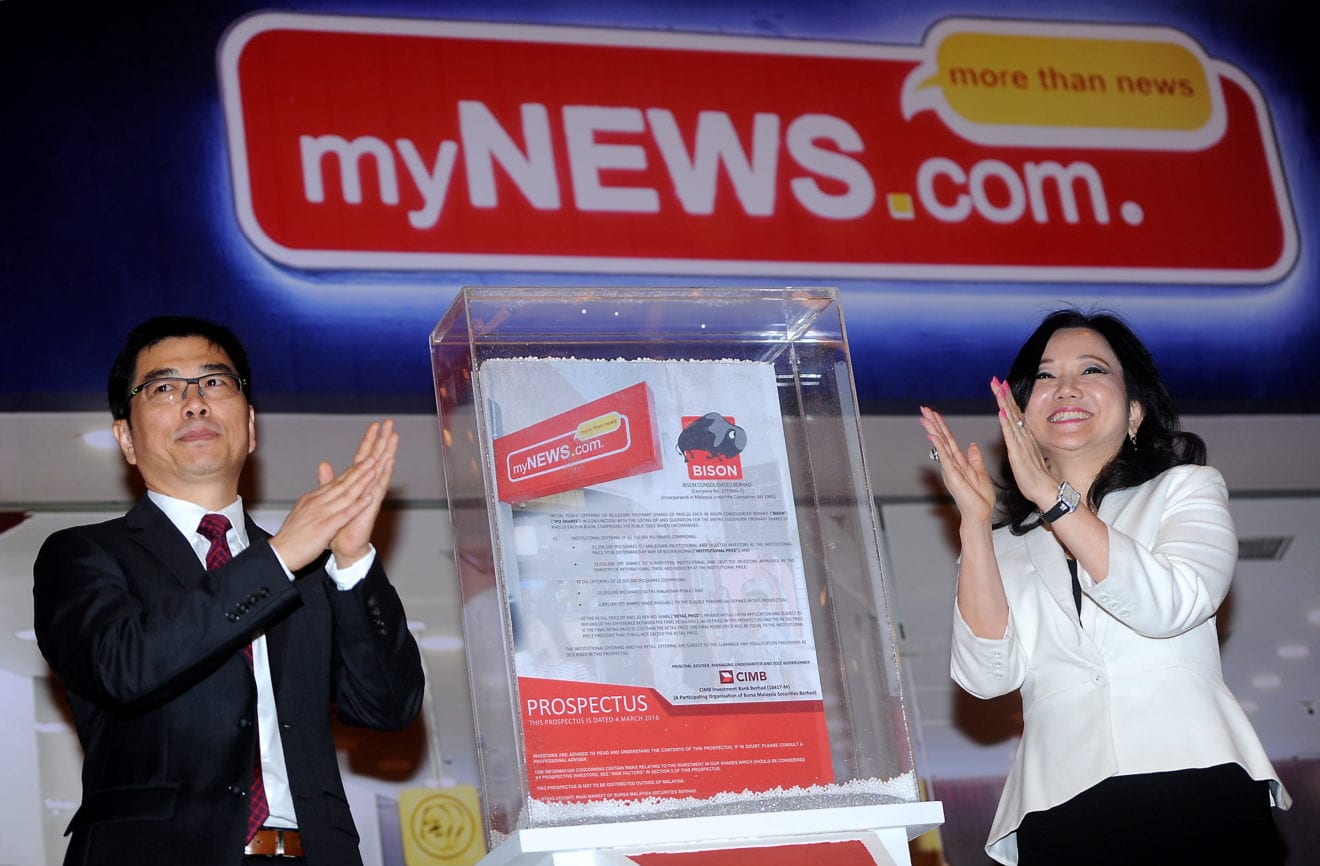
    Bison Consolidated Bhd is expanding its myNEWS.com press and convenience retail brand to Myanmar via a management agreement (MA) with Singapore-based SMI Retail Pte Ltd.

    In a filing with Bursa Malaysia yesterday, Bison said its wholly owned subsidiary Bison Stores Sdn Bhd has signed the MA with SMI Retail, a wholly owned subsidiary of Singapore-listed Singapore Myanmar Investco Limited.

    SMI Retail intends to establish two myNEWS.com outlets at the new terminal of Yangon International Airport and has agreed to enter into the MA to appoint Bison Stores as the independent contractor to provide management services and advisory support.

    Under the MA, Bison Stores agrees to grant SMI Retail a revocable, non-exclusive, non-transferable license to the proprietary business format and retail management and control system developed by Bison Store.

    The MA is valid for five years and is renewable for a further five years upon mutual agreement. SMI Retail’s right to use the Intellectual Property Right is derived solely from the MA.

    If required, SMI Retail will provide assistance in obtaining registration of any trademarks or other intellectual property rights need in Myanmar.

    SMI Retail will also pay Bison Stores a minimum monthly management fee or a percentage of the gross revenue of the business, whichever is higher. All salaries, remuneration, related expenses and costs of secondment of the outlet management and support staff will also be borne by SMI Retail.

    The MA is subject to approval of any other relevant authorities or any other third parties with respect to the implementation of the MA, if required.

  • Guess Malaysia goes white in KL

    Guess Malaysia goes white in KL

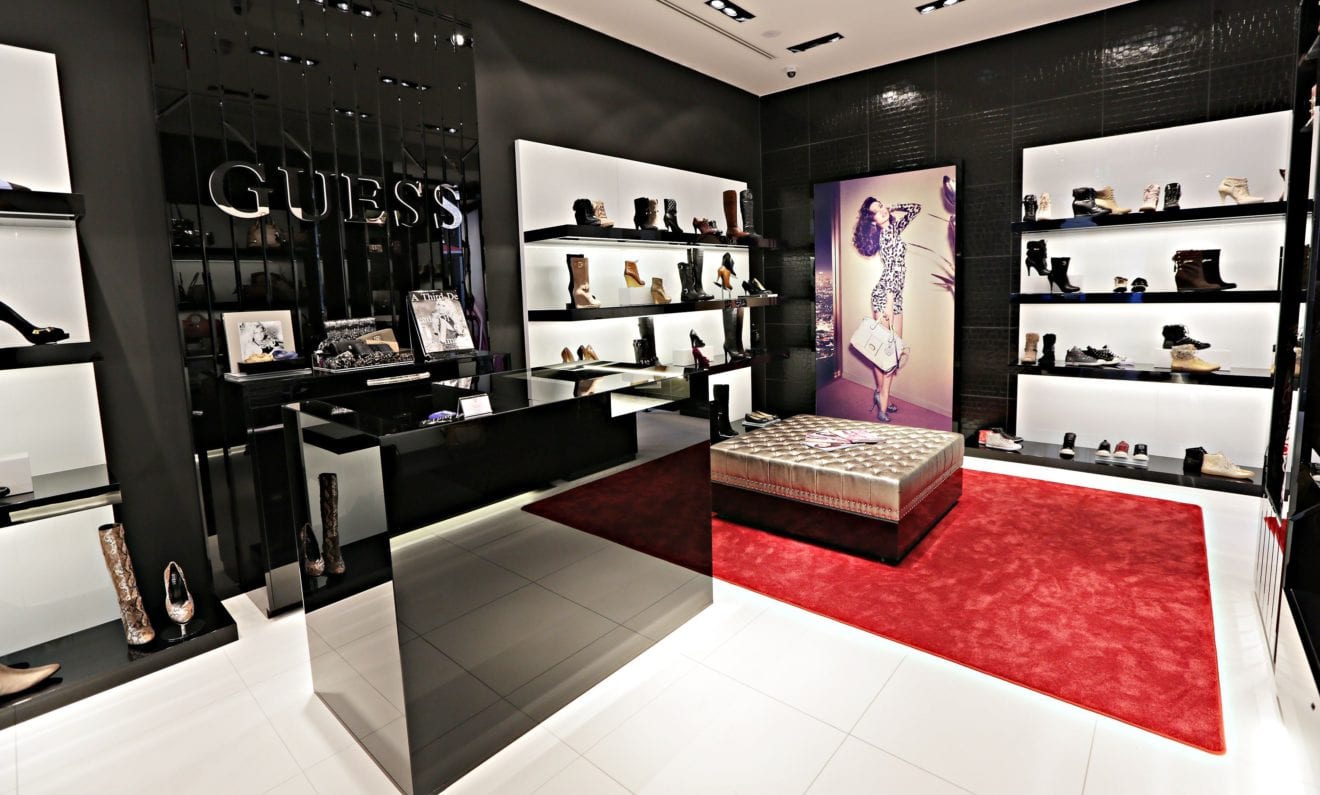
    Fashion brand Guess Malaysia has revamped its Suria KLCC branch to incorporate its contemporary white store concept.

    US-headquartered Guess, launched in Malaysia in 1992, now has 33 stores in the market – 20 Guess, seven Guess Accessories and six Guess Kids.

    Its its new minimalist 2300 sqft (214 sqm) space, Guess KLCC carries ready-to-wear styles for men and women, accessories and jewellery, and its more exclusive apparel (the Guess Pavilion KL flagship is the only other outlet in Malaysia carrying the exclusive collections).

    Denim is still a big focus for the brand, and the new store features a “denim menu” arranged according to the wash of the jeans.

  • ZALORA Ties the Knot with Customers through Oracle Marketing Cloud

    ZALORA Ties the Knot with Customers through Oracle Marketing Cloud

    ZALORA, the largest e-commerce fashion company in Southeast Asia, has extended its partnership with Oracle Marketing Cloud. ZALORA has relied on Oracle Marketing Cloud technology since 2013 to send its customers targeted and personalized marketing communications at scale.

    ZALORA is the fastest growing online fashion retailer in Asia, operating across eight countries (Singapore, Indonesia, Malaysia & Brunei, the Philippines, Thailand, Vietnam, Hong Kong and Taiwan). The e-commerce platform works with a good mix of over 500 international and local labels, providing consumers with a diverse range of apparel, footwear and accessories, tech products, beauty essentials, sporting equipment and more.

    “We are happy to have achieved the success we have today, and want to continue offering the best-in-class customer experience across our digital channels. For us it is not just about understanding our customers preferences, but making sure we listen and respond to their digital body language to develop a personalised dialogue with each and every customer,” said Joshua Tan, Head, Regional CRM, ZALORA.

    ZALORA communicates with more than 10 million app users, 7 million Facebook fans, 500,000 Instagram followers, 120,000 Twitter followers, and over 2.2 million email, call and online chat requests. Today, the platforms cater to the varying customer profiles where ZALORA provides individualized experiences for each of their customers’ interests.

    “Our earlier marketing efforts were batch and blast, but as the business evolved, we saw the need to respond to increased expectations from our customers for a personalized dialogue. Being able to orchestrate individualized communications and make informed, data-driven decisions is key. Having the right tools makes our job much easier, that’s why we chose to extend our investment in Oracle’s Marketing Cloud technology,” said Mr. Tan.

    With Oracle Marketing Cloud, ZALORA is able to speak to customers in a relevant and personalized way. Automated programmes equip ZALORA with the ability to analyse customer behaviour and better understand how to incentivise customers.

    ZALORA has since managed to half the time needed for lead conversion to capture a larger customer base, which has resulted in a multifold increase in revenue. Oracle’s marketing cloud technology allows ZALORA to create automated programmes that have helped reduce the resources previously required.

    “ZALORA is an innovative company that appeals to a young, constantly engaged audience. We are happy that Oracle Marketing Cloud is able to support their marketing organisation with a platform that allows them to intelligently and creatively communicate a cohesive brand message across channels, and deliver a world-class customer experience,” said Paul Cross, Group Vice President, Customer Success, Oracle Marketing Cloud Asia Pacific.

    ZALORA currently has 10 automated programmes in place and has plans to expand the number of triggered touchpoints with customers, to further enhance cross-channel marketing and grow their customers into strong brand advocates.

  • Lazada Malaysia claims double-digit growth

    Lazada Malaysia claims double-digit growth

    Online retailer Lazada Malaysia claims it had at least double-digit growth in sales last year, yet is still losing money.

    It was a challenging year for retail, says CEO Hans-Peter Ressel of Ecart Services Malaysia, the company behind Lazada Malaysia.

    He says the focus is now on making Lazada’s service more accessible to the “general masses”, particularly those in east Malaysia, starting with improving its logistics and distribution centres in east Malaysia, where the company had 80 per cent sales growth last year.
    However, this growth was lower than in other regions, which saw at least 110 per cent year-on-year growth, says Ressel.

    He says Lazada would appeal to most Malaysians because of its affordability, accessibility and convenience. With its complex supply chain, Lazada and its 10,000 third-party sellers can now offer products below store prices, and many of the 5.5 million items on sale are not even available in stores in Malaysia.

    Lazada had the most application downloads of e-tailers in Malaysia, 2.3 million as at the end of December. Second is 11street.my at half of Lazada’s downloads, while fashion application Zalora had 700,000 downloads.

    Malaysia has 10.3 million smartphone users, according to mobile marketing firm Vserv.
    Ecart Services wants to double its items in inventory to 10 million stock-keeping units this year. The company will also have a third warehouse 16 times larger than its first warehouse in Subang Jaya, plus there is another warehouse and distribution centre in Sarawak.

    Ecart Services’ new loss blew out by 72.94 per cent to RM87.54 million (US$22.28 million) in the financial year ended December 31, but its its top-line growth of 142.22 per cent saw record sales of RM114.81 million from RM47.4 million the previous year. Ressel says the company has yet to break even.

    Following Alibaba Group Holdings’ purchase of Lazada Group, founded by Germany’s Rocket Internet in 2012, Ressel said he looks forward to more synergies between the two eCommerce giants.

    “With Alibaba’s eCommerce knowhow, systems and processes, we will also be better able to help our sellers grow their businesses.”

  • BritishIndia store closes with a flourish

    BritishIndia store closes with a flourish

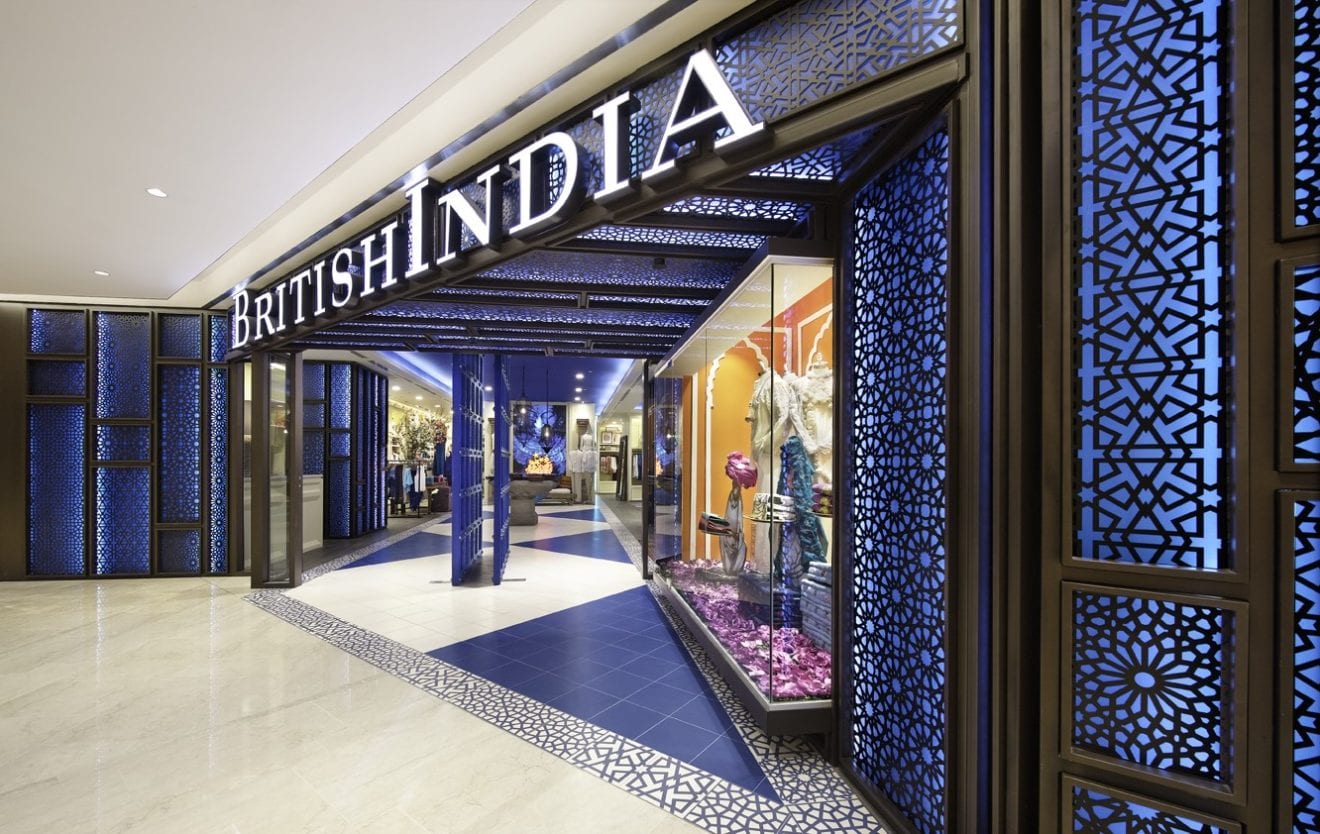
    Thousands of BritishIndia Malaysia customers grabbed a bargain as they farewelled the fashion store in Suria KLCC over the past week.

    BritishIndia farewell sale

    The fashion brand’s farewell sale offered 50 per cent off all items, ending its presence in the mall since 1998.

    BritishIndia farewell

    Built from scratch in Malaysia more than 20 years ago, BritishIndia now has more than 40 stores, in shopping centres in Singapore, Thailand and the Philippines.

    There is still a presence in Malaysia, with stores in 1Utama Petaling Jaya, Bangsar Shopping Centre, Mid Valley Megamall, Pavilion Kuala Lumpur, Publika Kuala Lumpur, SACC Mall in Shah Alam and Sunway Pyramid.

    Meanwhile, the brand says it is seeking further expansion overseas.

    The brand has been embroiled in a long drawn-out court case with Suria KLCC management over it lease terms.

  • Samsung Galaxy S7 arrives in Malaysia

    Samsung Galaxy S7 arrives in Malaysia

    Samsung Malaysia Electronics Sdn Bhd announced the official arrival of the much-awaited Samsung Galaxy S7 into Malaysia.

    Since its global unveiling, the highly anticipated Galaxy S7 and S7 edge have constantly been dubbed as the perfect smartphones – a flawless combination of performance and quality.

    Samsung Malaysia Electronics vice-president of Mobile and IT Business Unit, Lee Jui Siang said in a statement that: “When we launched the Samsung Galaxy S7 edge back in March, we were very pleased to receive an overwhelming response. Since then, many have asked about its sibling the Galaxy S7 and have expressed purchase intentions; as such, we decided that it was time to bring in the Galaxy S7.”

    Apart from its 5.1-inch Quad HD Super AMOLED display, the Galaxy S7 packs the same impressive features as its dual edge sibling, the Galaxy S7 edge.

    Despite the slightly smaller screen size as compared with the Galaxy S7 edge’s 5.5-inch display, Samsung still manages to emote the same feeling of sleekness and sophistication into this version with the same full 3D glass and metal body. The Samsung Galaxy S7 will be available in Malaysia from today at Samsung experience stores and selected Maxis stores.

    Offered at a recommended retail price of RM2,699 (inclusive of 6% goods and services tax), the device is available in three colours – black onyx, gold platinum and silver titanium.

  • Applecrumby & Fish wins $300k funding boost

    Applecrumby & Fish wins $300k funding boost

    An online boutique that offers all-natural and organic baby products, Applecrumby & Fish has obtained a fresh round of seed funding worth $300,000 from Silicon Valley’s VC 500 Startups.

    The Malaysian company aims to use the money to establish itself as the top-of-mind site for safe baby essentials, reports Tech in Asia. Founded by husband and wife Sean and Jesmine Tan in Kuala Lumpur in late 2012, Applecrumby & Fish started out with 900 products. These have increased tenfold, and free same-day delivery is offered in its home market.

    Like other parents, the Tans resorted to importing their preferred baby products. After having their first child in 2011 they fell in love with organic brands not easily available in Malaysia.

    “We are very sensitive to the needs of parents who are looking for the best they can afford for their baby, at fair prices,” says Sean.

    Applecrumby & Fish sells skincare products, toiletries, food, supplements, gear and toys. Its brands include Bellamy’s, Drypers, Enfa, Gerber, MamyPoko, Putto, Spectra, Stephen Joseph and Quinny, and there are plans to add other brands not unavailable online.

    Its new funding will help it develop an in-house brand for baby products, starting with wipes and nappies. The company also wants to boost its content marketing and gear up for its launch in Indonesia as well as Brunei.

    As well as those markets, it ships to Singapore, Thailand and the Philippines.

    Applecrumby & Fish was among startups in the annual 10-week Distro Dojo program in Malaysia. Led by 500 Startups, the program focuses on customer acquisition, growth and distribution.

    Applecrumby & Fish graduated at the top of the program last month, increasing its site traffic by more than 200 per cent and tripling its revenue in less than four weeks.

    Meanwhile, the Tans aim to disrupt the diaper and wipes industry of South-East Asia with their inhouse brand, says Digital News Asia.

    “We have done our research and there is nothing quite like our brand in the market, not at our kind of non-premium pricing but with premium quality,” says Jesmine, who is also COO.

    She says the company has had 300 per cent year-on-year growth in terms of revenue, and aims to hit RM6 million (US$1.5 million) by the end of this year.

    Before launching Applecrumby & Fish, the Tans were property investors who also freelanced as interior designers. Despite Applecrumby & Fish sounding similar to US retail giant Abercrombie & Fitch, the name stems from their daughter’s first word at the age of six month, “apple”.

    “She would walk and crawl, dropping crumbs of food everywhere she went, hence crumby, while her favourite food was steamed fish,” says Jesmine.

  • BookMeds invited to move into Malaysia

    BookMeds invited to move into Malaysia

    Hyderabad-based startup BookMeds, which allows customers across India to order medicines online and have them delivered from their nearest pharmacy, may move into Malaysia.

    Launched in December 2013, BookMeds is now the third-largest online pharmacy chain after Apollo and Medplus. With a presence across 18 cities, it serves more than 15,000 customers and 400-plus pharmacies.

    Now BookMeds has been chosen by the Malaysian government’s Magic Accelerator program to explore entry into Malaysia.

    “The pharma-retail model in Malaysia is similar to that of India, offering BookMeds a great opportunity,” says BookMeds founder/CEO Mohammed Abubakr.

    Apart from finding workspace and accommodation, Magic provides advice on setting up a working model for Malaysia. “Initially, we will be targeting the urban population of Kuala Lumpur, then expand across Malaysia,” says Abubakr.

    Meanwhile, BookMeds is in discussions with venture firms to raise $2 million for its continuing expansion across India, with more than 50 cities as targets. Previously, the company raised seed funding from Flipkart VP Ravi Krishnaswamy and Xtream IT CEO Javed Sikander, along with angel funding from Back Office Associates CEO Krish Datta.

  • Profit of CIMB’s Indonesian ops grows by over three times

    Profit of CIMB’s Indonesian ops grows by over three times

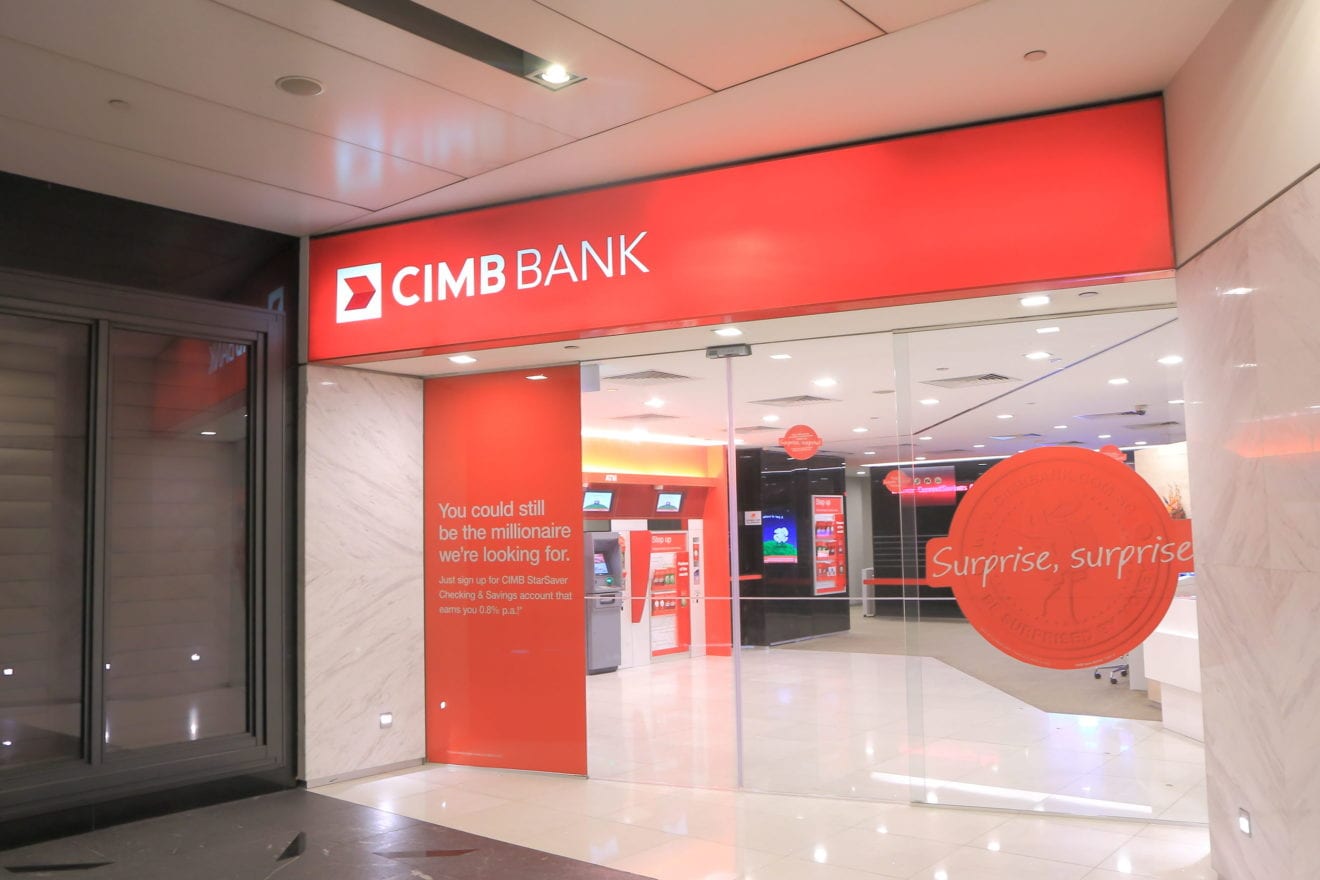
    CIMB Niaga said in a statement, posted by its parent on Bursa Malaysia’s website, that the improved net profit came on the back of a 1.4% yoy increase in net interest income and a 18.5% yoy jump in non-interest income, mainly due to improved foreign exchange and capital market businesses.

    Operating expenses and provisions declined by 1.4% and 7.3% on a yoy basis respectively. “While we remain cautious given the economic situation, we hope our positive performance this quarter will provide a strong base for our results going forward. Our operating income held up well through strong contributions towards non-interest income from an uplift in the treasury business.

    “Our credit card business continued to garner market share, while current account and savings account (CASA) balances grew strongly, bringing about a CASA ratio of 52.05%.

    “CIMB Niaga capital ratio strengthened to 18%. Our improved capital position should hold us in good stead to face the market and economic uncertainties,” said CIMB Niaga president director Tigor M. Siahaan in the statement.

    With total assets of 231.67 trillion rupiah (RM68.54bil) as of March 31, CIMB Niaga maintained its position as Indonesia’s fifth largest bank by assets.

    Total gross loans were lower at 171.02 trillion rupiah (RM50.60bil) as at March 31 as the bank maintained a conservative growth strategy.

    Despite the slower growth in CIMB Niaga’s loans, several business segments posted positive expansion such as personal loans and credit cards.

    “We continue to pursue our aspiration of being a leader in digital services by focusing on customer experience and optimising the use of the latest technology to bring value to our clients,” Tigor said.

    In the syariah banking segment, CIMB Niaga’s Islamic business unit’s total financing stood at 7.60 trillion rupiah representing a growth of 13.9% yoy with third-party deposits of 8.16 trillion rupiah as at March 31.

    CIMB Niaga’s capital adequacy ratio (CAR) strengthened to 18% as at March 31, 2016.

    “The government has proposed some positive changes since the start of the year to boost the economy. Bank Indonesia cut interest rate to 6.75% from 7.50% and the government has also lined up several economic stimulus packages for 2016. I’m confident that as CIMB Niaga remains focus in the areas of asset quality, cost efficiency and CASA growth, the bank will be primed to capitalise on opportunities when the economy improves,” added Tigor.

  • Bank Negara unit MyClear to set up new retail payment platform

    Bank Negara unit MyClear to set up new retail payment platform

    The Malaysian Electronic Clearing Corp Sdn Bhd (MyClear), a wholly-owned subsidiary of Bank Negara Malaysia (BNM), is developing a new real-time retail payments platform to serve both as a catalyst and enabler for innovative payments in Malaysia.

    BNM deputy governor Datuk Muhammad Ibrahim said the enhancement, which is expected to launch in 2017, would adopt a multi-currency system that leveraged on the SWIFT messaging system for large value payments.

    “The enhanced Real-Time Gross Settlement System (RENTAS) would cater for multiple messaging formats including the internationally-recognised ISO 20022 which supports the transmission of richer remittance data and facilitates interconnectedness with other economies within the region,” he said in his keynote address at the Malaysia E-Payment Excellence Awards (MEEA) in Kuala Lumpur on Monday.

    He said BNM would continue to foster an enabling environment for infrastructure building and network expansion, adding the enhanced platform also promoted effective competition among industry players to spur the development of innovative solutions, provide greater choices and value proposition to the public and, in the process, lower costs.

    Meanwhile, MyClear managing director Peter Schiesser said the retail payment platform initiative is in line the implementation of faster payments in the United Kingdom, Singapore and Sweden.

    The platform has also delivered significant economic benefits, as well as new immediate payment initiatives in Australia, the United States and the European Union, he added.

  • Celcom excludes Nokia from 4G upgrade project

    Celcom excludes Nokia from 4G upgrade project

    Malaysia’s Celcom Axiata has excluded Nokia from its new five-year 4G network upgrade project, cutting its selection of vendor partners down to just Huawei and Ericsson.

    The company has signed an infrastructure agreement with Huawei and Ericsson for a project expected to have capex costs of up to 2.2 billion ringgit ($566.7 million).

    Celcom’s existing network infrastructure was built based on a three-partner collaboration of Nokia, Ericsson Malaysia and Huawei. But Celcom chief of operations Ramanathan Sathiamutty said the operator is cutting its partners down to two to streamline partner management

    Under the new contract, Ericsson and Huawei will be responsible for the full turnkey delivery of a radio access network to support the 4G rollout and prepare for the introduction of 5G.

    Celcom has budgeted between 1.8 billion and 2.2 billion ringgit as capex for the rollout. The amount spent will be contingent on whether Malaysia introduces spectrum refarming for the 900-MHz and 1800-MHz bands – if refarming is announced, the budget will be 2.2 billion ringgit.

    The operator said the upgrade will allow the company to offer broader coverage with fewer sites, allowing it to realize group-level cost savings.

  • Local retail sector seen growing 4% this year

    Local retail sector seen growing 4% this year

    Retail Group Malaysia (RGM) is projecting a 4% growth rate for the local retail sector this year, as it believes that consumers will still continue to spend in spite of the global economic uncertainty.

    RGM managing director Tan Hai Hsin said while consumers are cautious, they will continue to spend on goods and services that are important and relevant to them.

    “People are still spending on their children’s education even though it is not cheap. The MATTA Fair is also still doing well as people are still traveling,” he said in a talk in conjunction with the StarProperty.my Fair 2016 i-City edition yesterday.

    Tan said the outlook for the local retail sector this year is expected to be challenging.

    “There is no major stimulus. It’s also not an election year, this year. Right now, we’re relying on the global economy and if it’s down, it will affect us.”

    According to RGM’s Malaysia Retail Industry Report last month, the local retail industry recorded a measly year-on-year sales growth of 1.3% in the fourth quarter of last year.

    RGM said the year-end school holiday and festive season did not lift the buying spirit of Malaysian consumers, adding that the higher cost of overseas travelling due to weaker ringgit did not encourage more domestic spending.

    “The weak ringgit performance during the last quarter of 2015 had resulted in higher import costs. Higher import costs led to increased retail prices. Increased retail prices had further deteriorated the purchasing power of Malaysian consumers.

    “Despite heavy price discounts and aggressive promotions, retailers could not raise the consumers’ spending.

    “During this latest quarter, they suffered further decline in profit margin growth,” he added.

    For the full-year 2015, RGM said the Malaysian retail industry grew by a mere 1.4% as compared to the same period a year ago. The total retail sales turnover for 2015 was RM96.2bil.

    “Last year was the worst annual retail growth rate since 2010. In 2009, the retail industry growth rate was 0.8%,” RGM said.

    According to National Property Information Centre’s (Napic) 2015 Property Market Report, the retail sub-sector recorded a slight improvement in occupancy to 82.4% in 2015 from 81.8% in 2014, with a take-up rate amounting to more than 780,000 sq meters.

    The StarProperty.my Fair 2016 i-City edition, which is being held at i-City from April 22 to 24, will feature projects including i-Soho, i-Suite, Liber­ty Tower and Parisien Tower in i-City, and 8Kia Peng at Kuala Lumpur city centre.

    Besides talks and fun activities, 1,000 visitors will receive complimentary theme park tickets given daily.

  • Astro Malaysia chief eyes digital dominance in Southeast Asia

    Astro Malaysia chief eyes digital dominance in Southeast Asia

    Rohana Rozhan, the chief executive of Astro Malaysia Holdings, has never shied away from a challenge. As a young girl, she was determined not to be outdone by the boys she grew up with. Now, she is engineering an Internet-powered expansion for the pay TV operator.

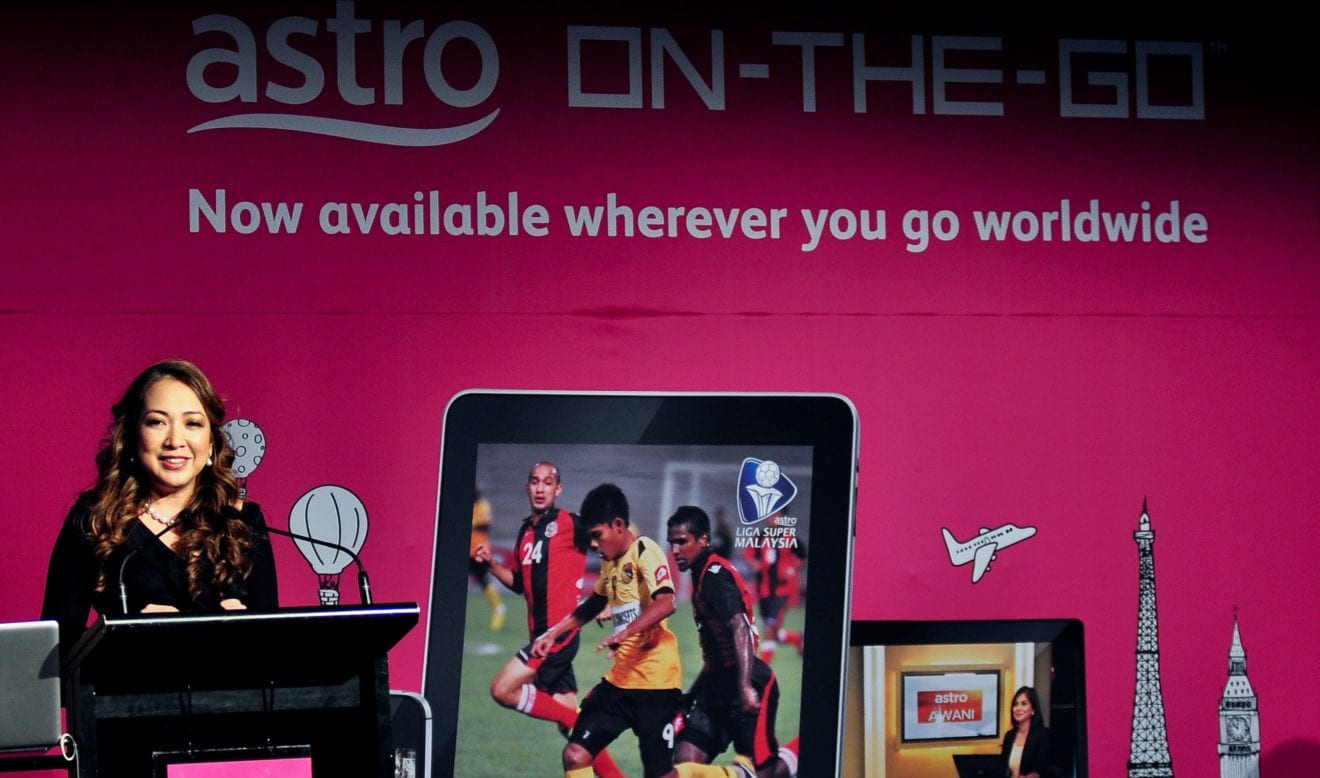
    On March 18, Astro announced the launch of Tribe, its latest digital offering. “Tribe is going to differentiate [us] because it’s going to cater to fan bases,” Rohana said.

    Tribe is an over-the-top service, which delivers TV shows and other digital content directly over the Internet. The service debuted in Indonesia in partnership with Axiata Digital Services, a unit of Malaysian telecommunications giant Axiata Group. Astro is looking to launch Tribe in up to three Southeast Asian countries.

    In addition to such content as South Korean TV shows and Asian films, Tribe also offers live events, such as sports matches. Tribe is optimized for mobile viewing, so users can watch their favorite shows anytime on their smartphones or other devices.

    “I think we have slowly evolved,” Rohana told the Nikkei Asian Review at Astro’s headquarters in the suburbs of Kuala Lumpur.

    THE PINK “PIRANHA”   Dressed in pink and carrying a glittering pink smartphone, the 53-year-old Rohana cuts a striking figure in her black-paneled office. On the wall is an eye-catching caricature of her as a “Game of Thrones”-like character, complete with a dragon perched on her left shoulder.

    Nicknamed “Rohana the Piranha” by the neighborhood boys she grew up with, she is now one of Malaysia’s top female corporate leaders, whose ranks also include Aireen Omar, the chief executive of AirAsia, and Nur Qamarina Chew Abdullah, the managing director of the local unit of Japanese retail giant Aeon.

    Rohana has been involved in Astro’s growth from its early days.

    The company started out as a direct-to-home pay TV service in 1996 and now has radio stations, magazines and film production companies under its umbrella. A year ago, it partnered with South Korean multimedia retailer GS Home Shopping to enter the home shopping business.

    Before joining Astro, Rohana worked for a decade at consumer goods conglomerate Unilever in the U.K. and Malaysia. Before that, she studied accounting and economics at the University of Kent, and later completed the Advanced Management Program at Harvard Business School in 2006.

    Although normally an intensely private person, she gave a glimpse of what drives her in her acceptance speech for the Toastmaster’s Golden Gavel Award in 2014.

    She described how, as a child, she fought to be treated as an equal among the boys in her hometown in the state of Sabah, on the island of Borneo. “When you are young, you are quite arrogant,” she said. “Thinking arrogantly that I am as good as any boy and as good as my brothers, I couldn’t [accept] that they were sent to the U.K. at the age of 13 to pursue their studies whilst I was actively encouraged to stay at home to look after everyone and to consider becoming a teacher.”

    She eventually won a scholarship to study in the U.K.

    Rohana was the chief financial officer at Astro when the company was listed in 2003 as Astro All Asia Networks. In 2006, she was promoted to chief executive of the media group’s satellite division, MEASAT Broadcast Network Systems.

    For the fiscal year through January, Astro’s revenue rose 5% on the year to 5.47 billion ringgit ($1.4 billion), while net profit climbed 18% to 615 million ringgit.

    The company delisted in 2010 following a buyout by reclusive Malaysian billionaire Ananda Krishnan and Malaysian sovereign fund Khazanah Nasional, but it relisted at $1.5 billion in 2012 as Astro Malaysia Holdings. Today, Astro has a market capitalization of 15 billion ringgit.

    Astro is now watched in 67% of Malaysian households. “In terms of pay TV market share, we have about a 95% to 96% market share, so we are in a very strong position at the moment,” Rohana said. “In a couple of years, it wouldn’t be a stretch to say that we will be at 80% [of household penetration].”

    With the traditional pay TV market all but saturated, Rohana said she expects subscription-free satellite TV to play an increasingly important role in bolstering the company’s domestic business. Astro began offering this service in 2011 via set-top boxes sold separately from its regular services.

    The service has proved popular among the growing number of viewers who prefer to pay for only the programs they want to watch, rather than subscribe to bundles of channels.

    Rohana said the bulk of Astro’s revenue growth will eventually come from subscription-free satellite services as the company evolves to meet this “piecemeal” style of content consumption.

    “We have every intention of growing the traditional business,” Rohana said, “but it’s so much harder now to sustain our share of the customer wallet [and] most importantly, our share [of] our customers’ time.”

    In addition to market saturation, the company also has to deal with the fact that the emergence of Internet-based smartphone viewing has significantly eroded TV’s position as the “king of media.”

    Management consultancy McKinsey said the availability of  OTT often results in consumers canceling their pay TV subscriptions, known as cord-cutting, or else subscribing to a smaller and cheaper bundle of personalized services, known as cord-shaving. Both of these developments spell trouble for a traditional pay TV operator like Astro.

    Astro CEO Rohana Rozhan

    That’s where Tribe comes in. The new service should help Astro go head-to-head with other Internet-based services and provide the company with a springboard for regional growth.

    But the playing field is already a crowded one.

    In Malaysia, other providers of OTT services include Telekom Malaysia’s HyppTV, local startup iflix, which has already expanded to Thailand and the Philippines, global player Netflix and PCCW-backed Viu.

    Meanwhile, Singapore-based HOOQ, which currently operates in the Philippines, India, Thailand and Indonesia, is planning to enter Malaysia after it launches services in its home market this year. India-based TV channel and content producer Zee Entertainment Enterprises has established itself in Indonesia and Thailand, and is eyeing Philippines as the next step in its Asian expansion strategy.

    Nevertheless, Rohana, who has been Astro’s chief executive since 2011, is confident that her company still has room to grow as it prepares to celebrate its 20th anniversary in September. Her hopes for Tribe in this regard are particularly high. “If you look [beyond] Malaysia, if we are going to make it, we have to do original, local language, differentiated programming, and we are going to have to do more of it. If we are going to do more of it, we need to find bigger scale.”

    Such tailored content, she believes, is crucial to gaining local audiences. “If you take the Malaysian market, our view is Netflix is a complementary service to us. It is not in direct competition.” She explained that Netflix’s library largely consists of international programming, while Astro offers programs in the languages spoken in Malaysia — Malay, Chinese and Tamil — as well as live domestics sports and other events. It plans to produce local language content for Tribe in other regional markets.

    Astro estimates that its viewers spend five hours daily watching its programming, with 80% of that time spent on local language offerings. The company produces TV series, reality shows and films in-house or in cooperation with local vendors. Astro plans to use these existing capabilities and infrastructure as it expands into other regional markets in cooperation with telecommunication providers. “If we do our jobs right, we will not have and pay for the content that Netflix has and paid for. We will focus on what they are not offering,” Rohana said.

    She said that understanding shifts in technology and media consumption behavior is crucial to planning a future strategy. “All I need to do is to watch my son. By watching him, you can see how kids move away from that living room experience [of watching TV] with their parents.”

    Even in the digital age, however, Rohana’s priorities remain the same. She emphasizes three factors: customers, content and experience. Her time spent at Unilever, she said, has helped her in understanding consumers in-depth. “We’re no longer that young, and with that realization comes a lot of things, [like] consumption and how that shifts, we’ve seen [its] evolution,” she said. “We believe that in order for us to be sustainable, [and] to continue resonating with our customers, the best way is to simply reflect the customer base.”

    DIFFERENT STRENGTHS   The company’s 4,700-strong workforce reflects the ethnic makeup of Malaysia: Nearly half of its employees are Malay, 25% Chinese and 21% Indians. Almost half of them are under the age of 30, and the workforce is almost evenly divided between men and women, with women making up nearly 40% of the board of directors.

    Rohana has sought to make Astro a diverse organization in order to become regionally competitive. “We are quite proud of the fact that it’s not only about gender. We call it diversity and complementarity. Ultimately, my dream for Astro is to basically respect the fact that each of us can bring something to the table.”

    For Southeast Asia, the test is to understand the needs of each local market and for Astro to differentiate itself in each one. “It is not a static, one-size-fits-all proposition at all. The reality is we [ask] what do we need to do [and] how do we reinvent ourselves to be part of that conversation [for the next] generation.”