Tag: Malaysia

  • Furla Asia-Pacific plans more flagships

    Furla Asia-Pacific plans more flagships

    Luxury Italian brand Furla is planning more flagship stores in Asia as the region delivers strong growth for the 89-year-old family-owned company.

    FURLA CEO_Eraldo PolettoIn an exclusive interview with Inside Retail Asia, Furla CEO Eraldo Poletto explains how the company has bucked the decline in luxury spending in core markets like Hong Kong and Singapore during the past year. Furla achieved 53 per cent growth in total sales (in euro at the current exchange rate) in Asia-Pacific, where it counts 14 markets – Australia, Cambodia, China, Hong Kong, India, Indonesia, Korea, Macau, Malaysia, Singapore, Taiwan, Thailand, The Philippines and Vietnam. Japan, a stand-alone territory in Furla’s accounts, saw sales grow 24 per cent.

    Even discounting sales from new stores, like-for-like growth for Furla Asia-Pacific reached 15.5 per cent last year, yet the region accounts for just 19 per cent of the company’s sales – about €64.4 million ($72.1 million) – suggesting strong growth potential ahead.

    “The consistent strategy we have implemented over the past four years – positioning ourselves as the only Italian and ‘Made-in-Italy’ brand in the premium segment, without accepting compromises in terms of quality – is paying off,” says Poletto.

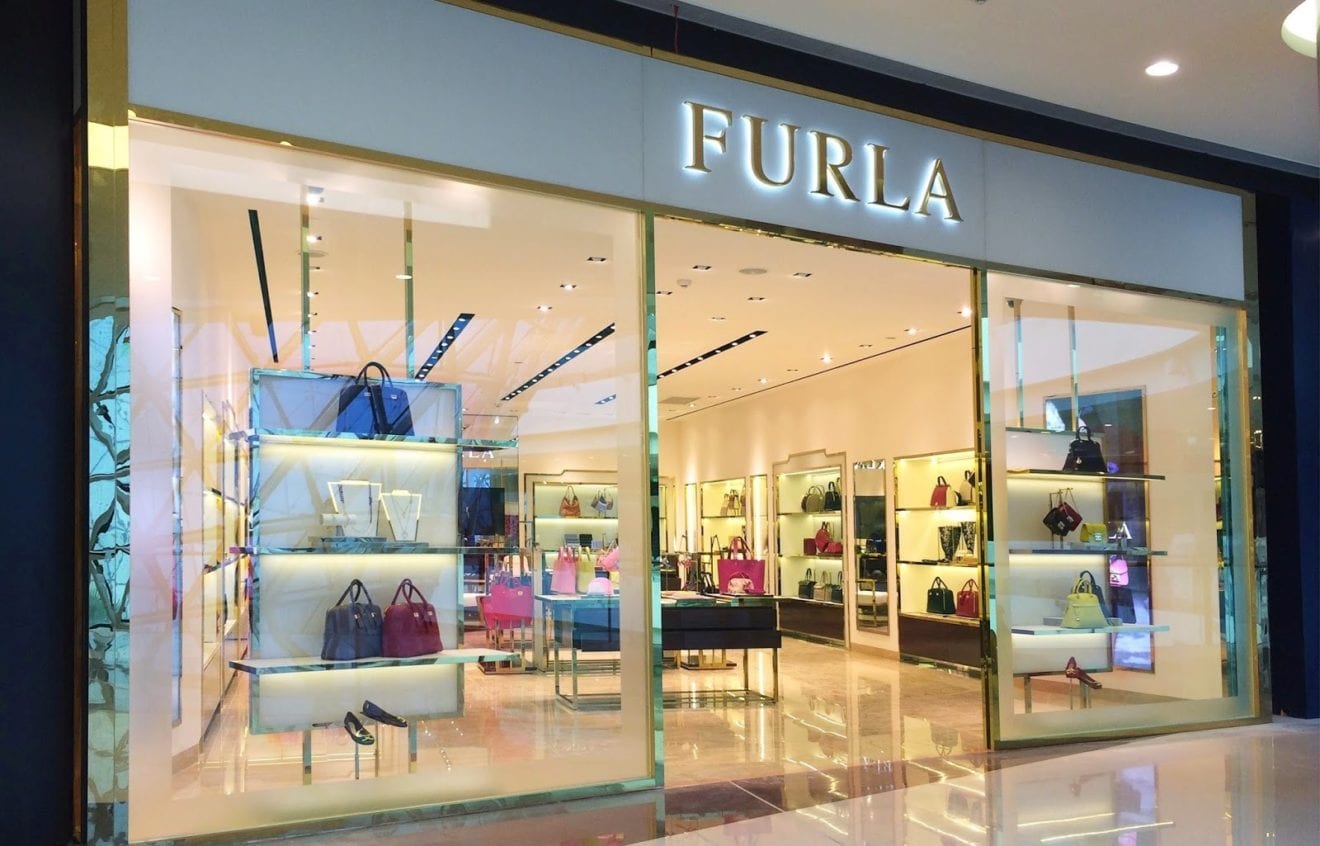
    “We are expanding our footprint with important flagships: Singapore Marina Bay Sands opened in September; Hong Kong Miramall and Shanghai Citic, each with a 300 sqm street facade, opened in December with a luxury retail concept showcasing our full ladies’ and men’s collections.”

    Furla China Flagship Store @ Shanghai Citic Square 4

    He says more flagships will open this year in Australia and Bangkok.

    “Flagships are meant to represent every aspect of the brand in terms of image and product range; however, we are not expecting to open more than five or six flagships in the region, as we are focusing on the profitability of our retail network, and prefer to penetrate the market extensively.”

    In what he terms a “capillary” approach, more standard-sized stores and points of sale will also open across the region.

    Furla China Flagship Store @ Shanghai Citic Square 7

    For the past two years the company has opened or renovated one store a week. It now has 172 points of sale in Asia-Pacific, along with 72 monobrand stores in Japan.

    “In terms of our retail format, our average store size is increasing together with Furla’s total-look collections. Malls and high-street locations complement each other, and in this period of time, rent levels in some markets have decreased substantially because of a drop in demand from luxury, watch and jewellery brands. We are always on the lookout for new opportunities to invest in,” says Poletto.

    “Our retail store concept is also quite special, as it wants to deliver a 360-degree luxury shopping experience while maintaining our the value-for-money approach.”

    Furla China Flagship Store @ Shanghai Citic Square 2

    Asians appear to be embracing Furla’s distinctive quality brand feel and shopping experience. Perhaps surprisingly, the brand has no strategy of differentiating its Asia-Pacific product range from those of other markets.

    “We believe that if a product captures customers’ hearts in one market, its appeal is universal. Our price and product range have always been appealing to a large spectrum of clientele; it is not by chance that our two best-seller styles – Metropolis and Artesia – represent the most affordable and the highest offer of our collection respectively.

    Furla China Flagship Store @ Shanghai Citic Square 6

    “In terms of branding, strong marketing investments – like our collaboration with Mario Testino and a more aggressive digital and outdoor media planning strategy – are making Furla far more visible.”

    Department stores are still an integral part of the Furla sales strategy, especially in China, where that sector is still in its infancy by western standards.

    “The department store culture in Greater China isn’t very strong yet, and there are very few players compared to the shopping mall retail model in western markets. There is most surely room for improvement in this region.

    Furla China Flagship Store @ Shanghai Citic Square

    “The situation is much more developed in Singapore and Australia, and obviously a priority in Korea with Shinsegae, Hyundai and Lotte, where we are present with 10 domestic stores and an aggressive development plan.”

    Furla is also experiencing strong growth in the travel retail sector, which is helping both top-line sales and brand awareness.

    “Travel retail will continue to fuel the growth in APAC,” says Poletto. “Total sales generated by the travel retail channel were up 27 per cent for 2015, and we opened five new locations. We see blooming opportunities in this channel as Asian customers shop worldwide while they travel: it is a great showcase for the brand.”

    In June, Furla will open a directly managed boutique in Hong Kong International Airport.

    Furla China Flagship Store @ Shanghai Citic Square 8

    Southeast Asian focus

    Furla’s strong growth in the region is coming not just from the established markets of Hong Kong, Singapore and Greater China.

    “We have witnessed a significant double-digit growth in Southeast Asia markets including Cambodia, Malaysia, Singapore, Thailand, The Philippines and Vietnam,” says Poletto.

    “In Indonesia, a fast-growing country with a population of 250 million, we have a capillary quality presence with 10 boutiques in five cities. As of today, Furla has 46 stores in Southeast Asia, and we will focus on strengthening our foothold in these markets this year.”

    Furla China Flagship Store @ Shanghai Citic Square 5

    In India, which Furla has entered in a joint venture with Genesis Luxury, the label has three boutiques – one each in Mumbai, Delhi and Calcutta.

    “They are all performing very well with a 50 per cent sales growth increase in 2015,” says Poletto. But the market has considerable challenges.

    “India is a market with very high potential, but also with a huge limits when it comes to infrastructures. There are not enough qualitative shopping malls to cover Indian clients’ high demand for fashion and luxury: this is why Indian consumers represent a key nationality in markets like Dubai, London or Singapore.

    “In terms of expansion, we will tap into all the new relevant real-estate projects.”

    Globally, Furla has 415 monobrand stores, of which 190 are directly owned and 198 franchised. It has 27 travel retail stores and more than 1200 outlets in department stores and multibrand outlets.

    Furla China Flagship Store @ Shanghai Citic Square 10

    Results released today show that Furla’s global turnover reached €339 million last year, up 30 per cent on 2014. The growth was driven across all Furla product categories, including the new men’s collection, women’s footwear collection and eyewear.

    Poletto says that being a family-owned business – an increasingly rare phenomenon in the model luxury retail business – has its advantages.

    “Being 89 years old gives us a great DNA to be around into the future: the real assets are the brand and its heritage, which are translated into equity. The Furlanetto family has very strong values – they have a long-term vision, instead of making opportunistic choices.”

  • Pernod Ricard Asia troubles parent

    Pernod Ricard Asia troubles parent

    Despite difficulties in Asian travel retail, particularly in Korea, liquor supplier Pernod Ricard reports solid first-half 2015/2016 results totalling €5b ($5.7b) and organic growth of 3 per cent.

    It says the results represent a continued gradual improvement apart from difficulties for the Chivasbrand in the pernod Ricard Asia portfolio.

    There was a negative mix driven by geography – growth in India vs. a decline in China. Overall in Asia, the company had 5 per cent growth (or 4 per cent, taking into account the changing dates of the Chinese New Year) with double-digit growth in India. However, China declined by 2 per cent (down 8 per cent adjusting for Chinese New Year).

    “Our half-year results are solid, delivering a continued improvement in sales,” says chairman and CEO Alexandre Ricard. “Our strategy has remained consistent and is driving results, in particular in terms of innovation.”

    He says the company plans to continue improving its performance and will continue to support priority markets, brands and innovations.

    Pernod Ricard includes Cambodia, China, India, Indonesia, Malaysia, Sri Lanka, Thailand, The Philippines and Vietnam in its emerging markets, and lists its top 14 brands for organic growth as Absolut, Ballantine’s, Beefeater, Chivas Regal, Havana Club, Jameson, Kahlua, Malibu, Martell, Mumm, Perrier-Jouët, Ricard, Royal Salute and The Glenlivet.

    Formed in 1975 by the merger of Ricard and Pernod, the company has a workforce of about 18,000 people. Its decentralised organisation has six brand companies and 80 market companies in each key market.

  • Rakuten Singapore axes eCommerce site

    Rakuten Singapore axes eCommerce site

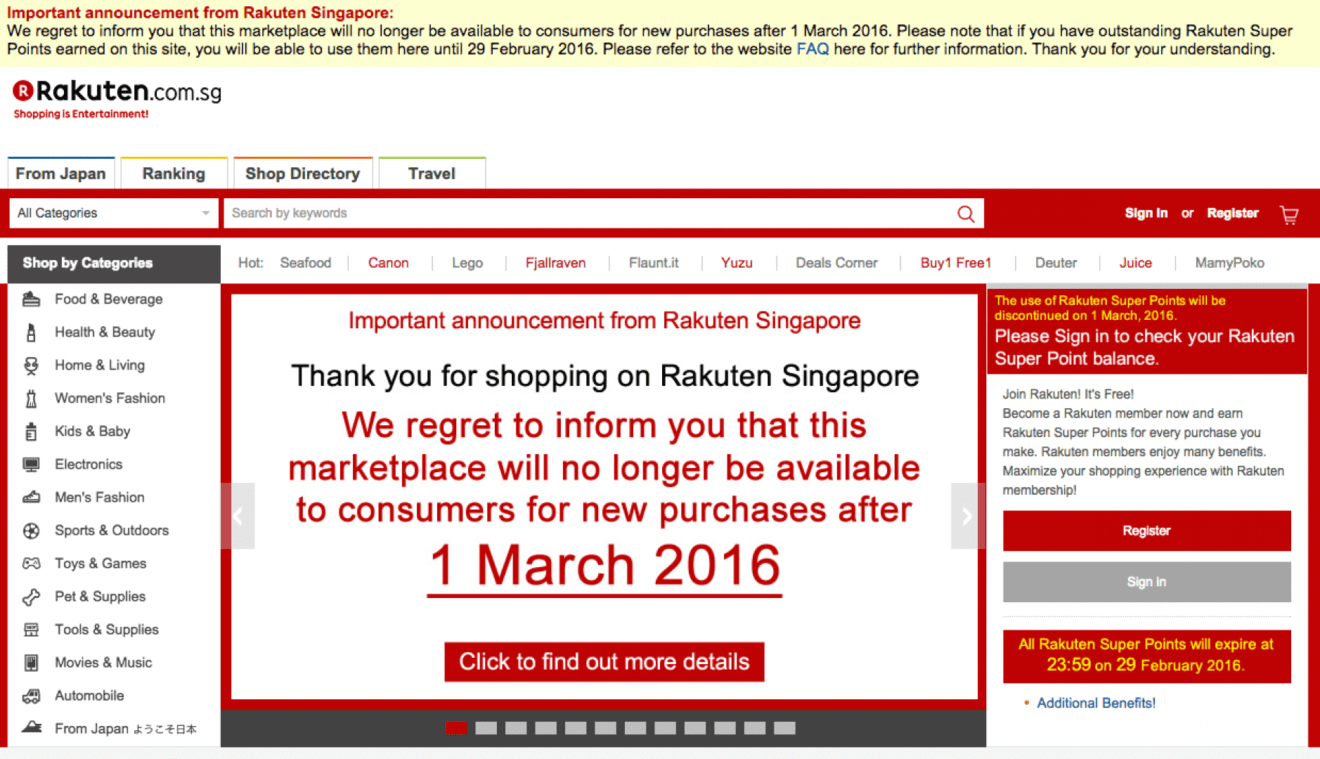
    Japan’s online retailing giant Rakuten is to close its eCommerce websites in Singapore, Indonesia andMalaysia on March 1.

    And it is reportedly seeking a buyer for its Thailand business Tarad.com which it bought in 2010.

    The decisions follow a disappointing trading result which has prompted the business to refocus on its domestic operations and scale back unprofitable overseas activities. The company reported net profit for the year fell 38 per cent year-on-year to 44.3 billion JPY (US$393 million) on revenue of 714 billion JPY ($6.3 billion) – up 19 per cent, largely due to writedowns of its Kobo, Southeast Asian and other struggling divisions.

    Some 30 staff in Singapore had their employment terminated on Friday, just five days into the Lunar New Year. By the time the sites are wound down, about 150 staff will have been axed in the three markets, but the company will retain a regional headquarters in the city state.

    Rakuten’s apparently profitable Taiwan business will continue to operate.

    Tech website Techcrunch reported the three eCommerce sites to be shuttered will be replaced by a new product in Southeast Asia, “a consumer-to-consumer app called Rakuma” which, Rakuten said, has grown 20 per cent month-on-month in Japan.

    “That concept sounds a lot like (indeed, the same as) Carousell, the app that Rakuten Ventures is an investor in. Singapore-based Carousell is currently in three countries in Southeast Asia but, as we reported late last year, it is trying to raise a $50 million round to expand its service significantly across Asia.”

    No further details of the Rakuma concept, which is mobile-based, have been released, with the project still under development.

    In a statement to Reuters, Rakuten said the new concept was a consumer-to-consumer business model, rather than the aggregation-based business-to-business-to-consumer format of the closing Rakuten sites.

    “In Southeast Asia, as the market itself changes and adapts, we are looking toward C2C (customer to customer) and mobile business models for eCommerce and other businesses,” Rakuten said.

  • Asian retail outlook: “more cautious”

    Asian retail outlook: “more cautious”

    High operating costs – particularly rents and labor in Asia – will ensure retailers are more cautious this year, concludes real estate specialist CBRE.

    In its annual Asian retail outlook, the company’s research department predicts many retailers will shift their strategic focus from expanding their store networks to rationalisation, improving in-store profitability and upgrading to better locations.

    That trend is expected across the broad Asia-pacific market, including Hong Kong.

    “Leasing activity will diverge across markets, with Australia, Japan and New Zealand the most upbeat, whereas Hong Kong and Singapore will continue to struggle,” CBRE concluded.

    “Driven by ongoing urbanisation and wage increases, Southeast Asia will also see solid leasing activity. Demand across the region will be led by food and beverage retailers, while affordable and niche luxury brands will also be active.”

    CBRE also warns the rise of online shopping will continue to force shopping malls to embrace ‘retail-tainment’ and adjust their trade mix to include more experience-oriented retailers to retain foot traffic. Around 63.8 million sqft of new shopping center supply is scheduled to be completed in 2016. Against the sluggish leasing demand and ample new supply, overall retail rents are forecast to experience a mild correction of below 1 per cent in 2016.

    In a broader property outlook, CBRE forecasts that due to Asia Pacific’s steady economic growth – which will continue to outpace the rest of the world in 2016 – investment activity in the region will remain solid, although activity will be limited by asset pricing and availability.

    “The region’s investment market will continue to see strong demand from real estate funds and institutional investors. Institutional investors will continue to invest in Asia Pacific to increase their exposure to real estate for strategic diversification,” said Dr Henry Chin, head of research, CBRE Asia Pacific.

    “That said, Asia Pacific will enter a period of slower growth in the commercial real estate market with activity likely to moderate over the course of the year as it becomes more challenging to source investable stock able to meet investors’ target returns. Interest rates will remain low in 2016 so yields are largely to remain stable across Asia Pacific. However, we are expecting to see a mild yield expansion in 2017 together with the rise in interest rates.”

    The economic slowdown in China – as well as higher-than-expected US interest hike rates, and currency volatility – will also remain a key concern for investors, given the scale of its impact across the whole region.

    “However, macro trends of urbanisation and the rise of the middle class remain largely unchanged and will continue to drive growth across Asia.

    “There are structural investment-themed opportunities for investors to focus on in 2016, such as the growth of e-commerce, regional tourism and demographic changes. Demographic changes will create opportunities in niche sectors such as self-storage facilities, senior and student housing, and data centers,” said Chin.

    “Regionally, active markets will continue to be led by Australia and Japan, whilst India expects to see a positive year following the relaxation of FDI norms at the end of last year.

    “China will also remain on the radar for most international investors although demand will be largely confined to tier I cities. Overall, the long-term outlook remains positive for the region,” he concluded.

    CBRE’s 2016 APAC Real Estate Market Outlook report can be downloaded here.

  • Courts Asia continues to defy downtown

    Courts Asia continues to defy downtown

    Electronics and furnishings retailer Courts Asia has reported a modest 0.3 per cent increase in profits for the third quarter – against a background of a stagnant domestic market.

    The company’s sales grew a healthy 6.1 per cent – mostly due to increased sales of high value electronics such as iPads and smartphones. Total revenue was S$204.7 million; net profit $4 million.

    “In Singapore, the macro environment is very much against the consumer market at the moment,” CEO and executive director Dr Terry O’Connor said during a conference call briefing on the result.

    “The [Singapore] economy is going through some restructuring in terms of the residential property market, the total debt servicing ratio, the labour market and restrictions,” he said.

    However, O’Connor remains upbeat about the domestic market, predicting the “sluggish” current trading environment would eventually pass.

    Singapore, which accounts for nearly 70 per cent of Courts Asia’s sales, saw sales grow 7.9 per cent and in Malaysia sales rose 20 per cent. Indonesia, which now accounts for 1.7 per cent of Courts Asia’s sales, reported an increase of 6.1 per cent.

    The company’s gross margin fell by 2.4 percentage points to 29.7 per cent which O’Connor said was due to a shift in the sales mix towards electrical goods and a higher ratio of bulk sales which return smaller margins.

  • ShopBack Malaysia Hosts Biggest Cashback Sale to Encourage Malaysians to Shop and Save via Cashback

    ShopBack Malaysia Hosts Biggest Cashback Sale to Encourage Malaysians to Shop and Save via Cashback

    ShopBack Malaysia, the top Cashback site in Southeast Asia, will be offering up to 100% Cashback to supplement Malaysians’ online shopping on its first birthday, 22 February 2016. From everyday essentials to quirky gadgets, Malaysians are encouraged to get the 24-hour exclusive deal from over 500 online retailers through Shopback.my.

     Gil Carmo, Country Head of ShopBack Malaysia says: “Cashback is a very popular saving tool for online shoppers in the West. Ever since ShopBack introduced the concept in Southeast Asia, many shoppers have benefitted from it whereby Malaysian shoppers have cashed out more than RM 4M in 2015 alone.

    Our current pool of local shoppers makes up about 1% of Malaysia’s population – that means there are still enormous opportunities for us to reach out to the rest and educate them to utilise ShopBack to earn more savings.”

    Popular online retailers such as Agoda, Booking.com, Groupon, HappyFresh, Hermo, Lazada, Qoo10, Photobook Malaysia, Supermodel’s Secrets, Taobao, and Zalora are joining this biggest cashback sale from past midnight (00:01) on 21 February 2016 till midnight (00:00) on 22 February 2016.

    Shoppers can expect discounted deals, exclusive promo codes, contest, and Cashback from 50% to 100% on special home electronics, mobile gadgets, travel packages, hotel accommodations, beauty and fashion, as well as grocery items on the event day.

    “More Malaysians are buying online nowadays and similar to the traditional retailers’ loyalty programme, ShopBack Malaysia helps shoppers to save even better because we reward with cash rather than credit. Registration is free and shoppers can get Cashback in just two simple steps – sign up/log into your account, select online retailers and proceed to shop. Shopper will receive an email on the earned amount within one day, and it can then be transferred to local bank account once the status becomes redeemable. It is a totally hassle-free process.” Gil added.

    ShopBack entered Malaysia on 22 February 2015 and it has emerged as the top Cashback site in the country, as well as in the SEA region. It works together with a comprehensive range of over 500 international and local online retailers to reward shoppers with hard cash after they made a purchase online through the platform.

    For more information, please visit www.shopback.my or follow us at Facebook www.facebook.com/shopbackmalaysia.

  • Dior Homme Kuala Lumpur debut

    Dior Homme Kuala Lumpur debut

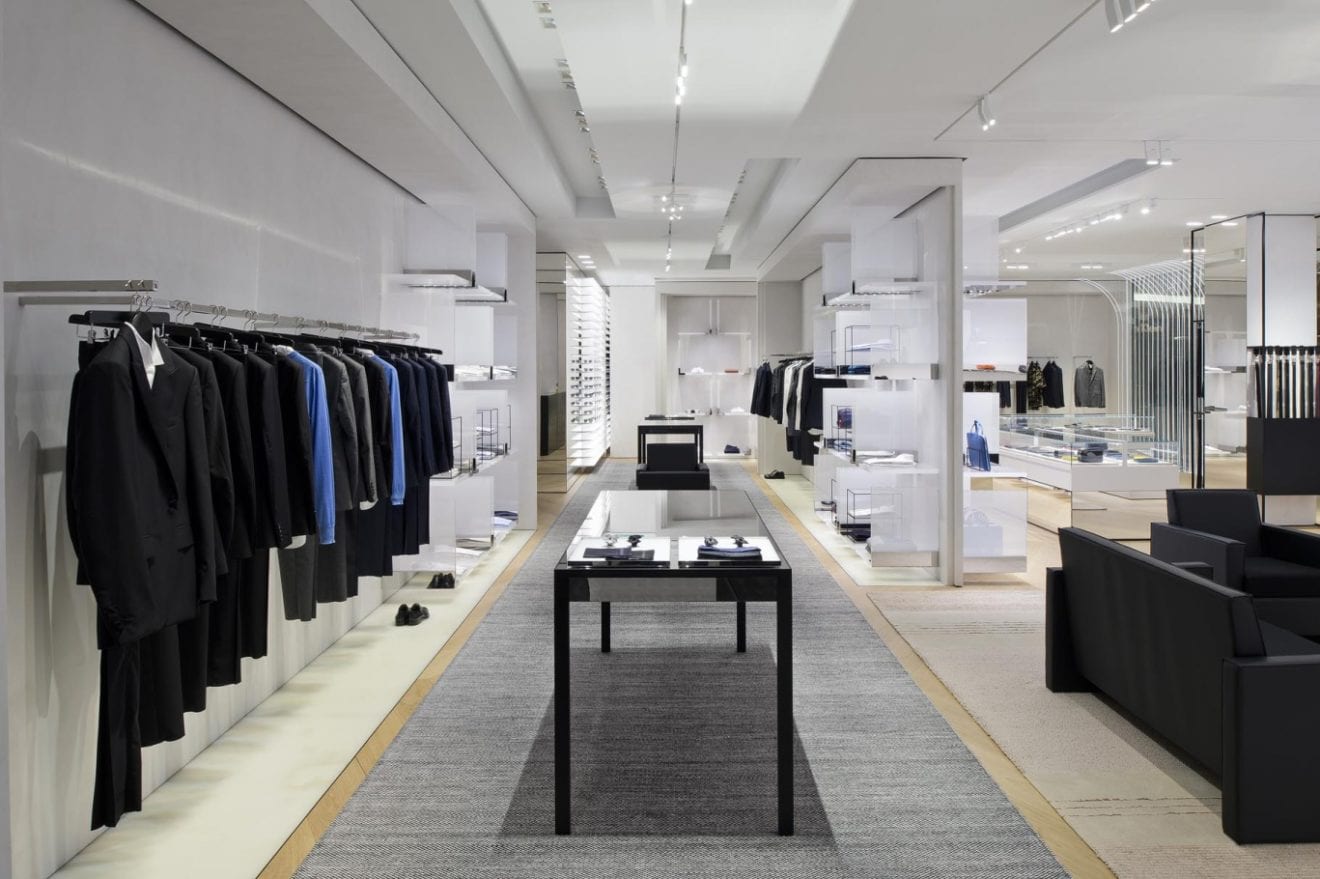
    The first Dior Homme Kuala Lumpur boutique has opened, inside Suria KLCC shopping centre.

    While Dior has several boutiques in the Malaysian capital, this is the first store dedicated to the French luxury label’s men’s range.

    White dominates the new boutique’s interior design, contrasting with hardwood floors and black accents, all of which allow the product to be the hero.

    The store stocks ready-to-wear collections, leather goods, footwear, eyewear and jewellery.

    To mark the Dior Homme brand’s arrival in Malaysia, a limited edition clutch numbered from 1 to 10 was released.

  • Parkson Retail Asia profit down 71.6% in Q2

    Parkson Retail Asia profit down 71.6% in Q2

    Department store operator Parkson Retail Asia has posted a second quarter net profit of $2.9 million, down 71.6 per cent from the same period a year ago.

    Revenue in the three months to Dec 31 fell 12 per cent to $103.5 million, driven by a 7.3 per cent fall in same store sales growth in Malaysia and 5.2 per cent fall in same store sales growth in Myanmar.

    Some new stores were also in their first year of operations, which is an initial loss-making period, the group said.

    Earnings per share stood at 0.43 cents, down from 1.51 cents a year ago.

    Net asset value per share was 27 cents as at Dec 31, up from 22 cents as at June 30 last year.

    “The Malaysia operations for the next reporting quarter may encounter muted consumer sentiment, however, this drag will be buffered by progressive normalisation of sales post-GST (Goods and Services Tax ),” the group said in a statement to shareholders after market close on Feb 3.

    It said that it expects Vietnam’s retail environment to improve in the second half, while demand from Indonesia’s middle class will remain robust.

    “The Myanmar operations may be affected by the possible closure of FMI Centre, where the store is located, for re-development. However, the landlord has not confirm on the timing for the redevelopment,” the group added.

  • Criteo notes eCommerce spike

    Criteo notes eCommerce spike

    In the two weeks leading up to the Chinese New Year, eCommerce sales in Asia grew by 40 per cent with 25 per cent more consumers shopping online.

    Three in 10 transactions were completed on a mobile device, according to performance marketing technology company Criteo in Hong Kong. Its findings are based on an analysis of 174 million online transactions in Hong Kong, Malaysia, Singapore, Taiwan and Vietnam.

    “Because of the traditional practice of wearing new clothes to symbolise a new beginning, consumers are doing a tremendous amount of online shopping two weeks before Chinese New Year,” says Criteo South-east Asia/Hong Kong/India/Taiwan MD Yuko Saito. “Based on 2015 data, sales on mobile devices in particular have hit record numbers.”

    In its eCommerce Industry Outlook 2016, Criteo cites three trends impacting Asian shoppers during the Chinese New Year season…

    Smartphone shopping will keep gaining ground: Smartphones are the first point of internet access or brand interaction for many consumers. In South-east Asia, Hong Kong, India and Taiwan, on aggregate, more than 45 per cent of online transactions are happening on mobile devices, compared to 29 per cent in the second quarter of last year. Indonesia was the highest at 56 per cent, followed by Singapore at 45 per cent.

    Retailers will see a high web influence on their in-store sales: Most consumers are researching online before or while visiting a store. According to Google, 80 per cent of 10 shoppers use a smartphone inside the store to help them with product research and price comparisons. Criteo says retailers can acquire a better view of customer behaviour by connecting with them via branded apps or beacon technology, before matching each customer’s email ID with loyalty programs at in-store POS terminals.

    Instant delivery services will become common: Order fulfilment will be a big focus for retailers this year, with many offering delivery options to match Amazon’s Prime Now service. Both online and “click-and-brick” retailers will be trying this strategy through specialised third-party eCommerce logistics providers. Faster delivery at lower charges will also drive growth of cross-border shopping.

    “During special occasions like Chinese New Year, we observe instances of intensive, last-minute shopping, where consumers take less time to consider a purchase and require products to be delivered on short notice for personal use or gift-giving,” says Saito. “Taking a three pronged approach – engaging consumers on the mobile web or on mobile apps, leveraging consumers’ web-browsing data to deliver personalised in-store and mobile shopping experiences, and investing in instant delivery services will be crucial to increasing sales conversions.”

  • Saté Kampar Opens Next Week

    Saté Kampar Opens Next Week

    East Passyunk Avenue has very little to do with Asian cooking. Besides two Chinese-American take-out joints, Bing Bing Dim Sum is as “Far East” as Passyunk goes, operating under deliberately inauthentic pretenses. Saté Kampar (1837 East Passyunk Avenue) is Malaysian through and through, and conversely, authenticity runs through its veins.

    Ange and John Branca are officially opening Saté Kampar next Wednesday, February 10 — a date decided by Ange’s grand aunt. “She decides the opening date. That’s also a way of involving her. Everyone in my family contributed to the restaurant in one way or another.”

    The Brancas’ restaurant is a family affair, Ange’s godmother was a recipe writer and preservationist, her aunts and uncles were restaurant owners back home, though owning a restaurant is a little different in Malaysia. “It’s more casual, a communal effort. If one member of the family cooks, then they cook for the whole town.”

    Ange wants to do the same for Philly. Born in Kampar (she visits often), Ange and her family moved to Kuala Lumpur when she was two years old. She received her college degree in Scotland, moved to the States to pursue a career in business accounting, and met her husband, John, rock climbing at her brother-in-law’s gym. After climbing to the top the corporate ladder at Deloitte and IBM, Ange decided to retire to pursue her dream of owning her own Malaysian restaurant in Philadelphia.

    “I wanted to do something that isn’t work, something I’m passionate about. When I retired I wanted to bring home the idea of family, my background, this food.”

    And she really brought it home. Almost everything in the restaurant is imported from Malaysia, from the marble-topped custom tables typical of a Malaysian restaurant, to an ornate wooden cabinet in the front of the restaurant, containing Malaysian goodies available for retail purchase. Plates and silverware are common to that of the markets and carts that line the streets back home. A mural by Jared Bader depicts a street food scene on Jalan Alor in Malaysia’s capital Kuala Lumpur. “We wanted to bring the street food scene inside.”

    The restaurant’s namesake item, saté — skewered and grilled marinated meats — will be flamed over custom grills loaded with coconut shell briquettes (again, imported from Malaysia). And since southeast Asia has an enormous Muslim population, there will be a separate halal grill for practicing guests searching for a taste of home. But while saté is the focus, the rest of the menu is meant for sharing. Back in December, the Brancas gave Eater a sneak peek of those share items as preliminary guidance for a cuisine mostly unfamiliar to those that stroll the Avenue known primarily for French and Italian restaurants. With a new cuisine, comes a new education, and the Brancas are ready to teach.

    Despite being BYOB, Saté Kampar will offer specialty drinks at the bar: pulled teas, “kopitiam” (traditional coffee house drinks), mix-your-own Ribena sodas, Milo (a regionally popular chocolate malt drink), and most impressively, freshly-hallowed coconuts, poked with straws.

    Stay tuned for pictures and menus, and mark your calendars for next Wednesday’s unveiling. With Perla’s impending opening just down the street, East Passyunk’s dining scene is primed for a heavy dose of diversity.

  • Tokyu Hands pops up in KL

    Tokyu Hands pops up in KL

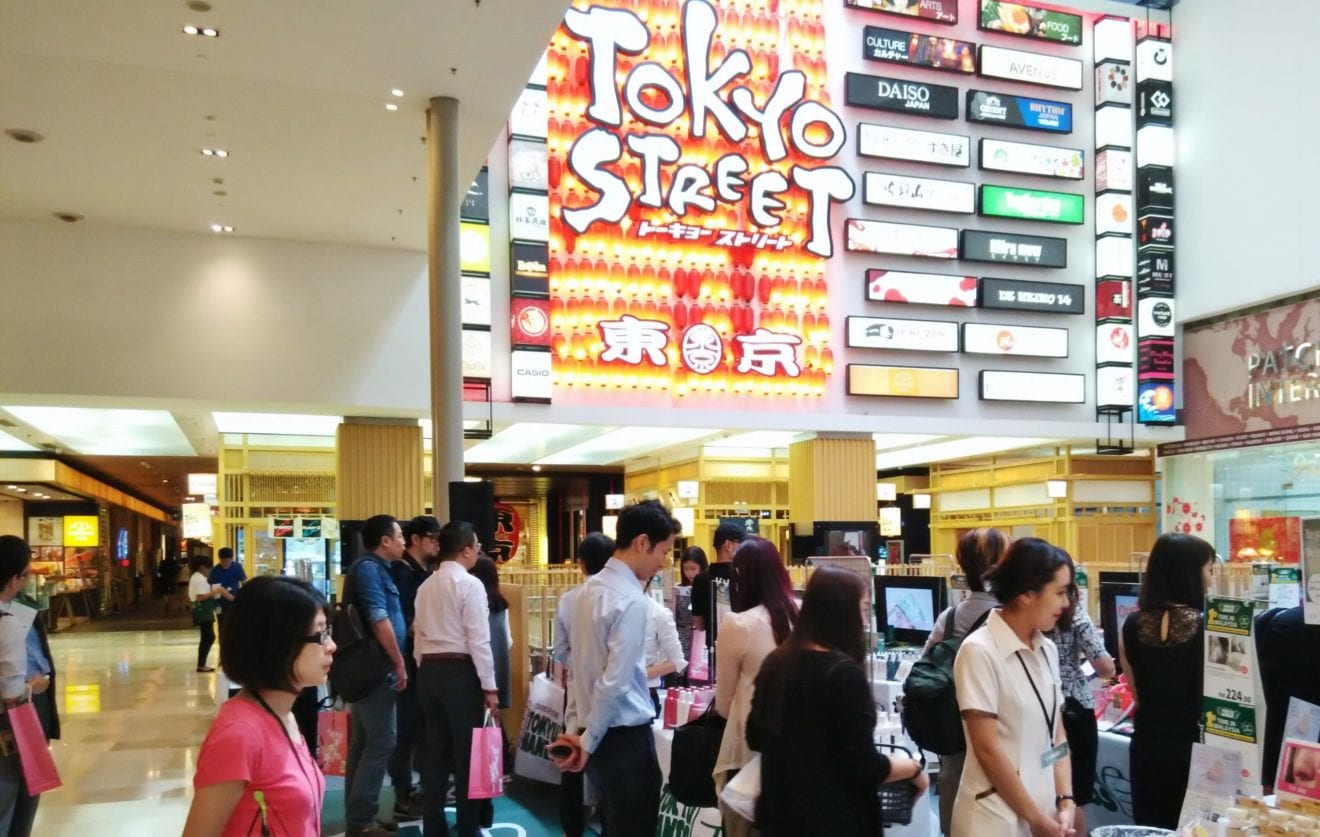
    Innovative Japanese lifestyle store Tokyu Hands is testing the Malaysian market through a pop-up store in Kuala Lumpur.

    Open for two weeks until February 3, the pop-up store at Tokyo Street in the Pavilion shopping centre in downtown Kuala Lumpur is introducing more than 500 lifestyle products to Malaysia. The items range from household, stationery, skincare and cosmetics products to items that are particularly Japanese.

    Tokyu Hands GM Shinji Fujikawa says the company wants to explore the retail market and understand consumer trends in Malaysia, reports The Star.

    “This will be a great platform to build our brand.”

    pavilion-tokyu-hands-live-demostration

    Store manager Takuya Furumaki says it is also a good opportunity for the brand to gauge the viability of its products.

    “As Malaysians are quite familiar with Japanese culture, we are confident our products will do well.”

    Tokyu Hands opened its first store in Shibuya, Tokyo, in 1976. It now has 40 stores throughout Japan, plus a presence in Singapore and Taiwan.

    At the pop-up store’s launch, guests learned more about some of its stock through demonstrations and presentations featuring the most popular or useful items favoured by Japanese buyers, according to Tokyu Hands International Business Division buyer Marie Kusumoto.

    Pavilion Kuala Lumpur marketing director Kung Suan Ai says that shoppers at Tokyu Hands do not just buy a product.

    “You buy into an experience that enriches your life.”

  • Malaysia, Indonesia & Thailand to shore up rubber price

    Malaysia, Indonesia & Thailand to shore up rubber price

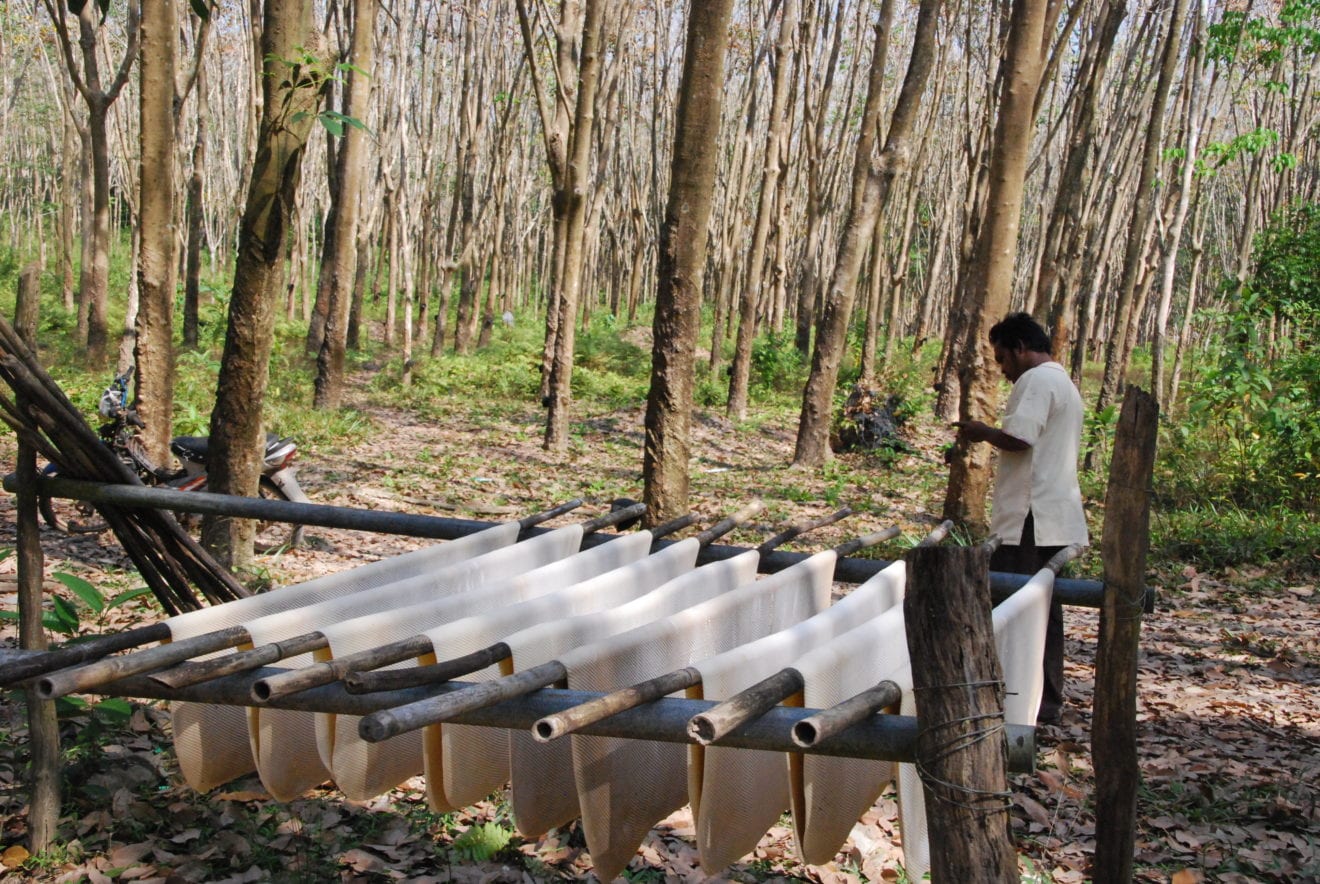
    Asia’s top rubber producers have agreed to cut exports by 615,000 tonnes for six months from March, moving to lift prices that have tumbled to their lowest since the global financial crisis amid excess supply.

    Benchmark rubber futures in Singapore and Japan rallied 2-3% on the news. The benchmarks sank in January to their lowest levels since end-2008 to early 2009.

    Thailand, Indonesia and Malaysia, which produce nearly 70% of the world’s natural rubber, said in a joint statement that the move was to address a decline in rubber prices which has had “a direct effect on the income of rubber smallholders in our three countries.”

    Thailand will cut exports by 324,000 tonnes, Indonesia by 238,740 tonnes and Malaysia by 52,260 tonnes, according to a statement from the International Tripartite Rubber Council (ITRC), which groups the three producers.

    The total cuts account for nearly 6% of global natural rubber output.

    “The three countries’ ministers believe that cutting exports and boosting domestic use of rubber will drive up prices and fix the price slump, making prices fair for rubber farmers,” Thailand’s agriculture ministry said in a statement.

    Previous efforts by major rubber producers to cut exports or output have only had a fleeting impact on prices amid a slowdown in top rubber importer China. In 2014, the ITRC members also agreed to cut exports to curb excess supply.

    Before that, they collectively cut shipments by 300,000 tonnes in 2012-13, or roughly 3% of 2012 global output. The intervention only briefly supported prices and Indonesia called for the pact to be discontinued.

    Besides cutting exports, the three countries today also agreed to increase domestic consumption of rubber – including for road and railway construction.

    “We are optimistic with joint implementation of these measures, rubber price will recover and continue to be fair and remunerative to all smallholders and other stakeholders in the natural rubber industry,” the ITRC said in the statement.

    Thailand, the world’s top rubber producer and exporter, will cut its rubber exports by 50% starting March, said the Rubber Authority of Thailand.

    “The three countries will cooperate in cutting exports by 615,000 tonnes from March to August,” said Chao Songarvut, acting director of the Rubber Authority of Thailand, adding that the move was to drive up prices.

  • Bluetooth Beacons – Malaysia’s Retail Future

    Bluetooth Beacons – Malaysia’s Retail Future

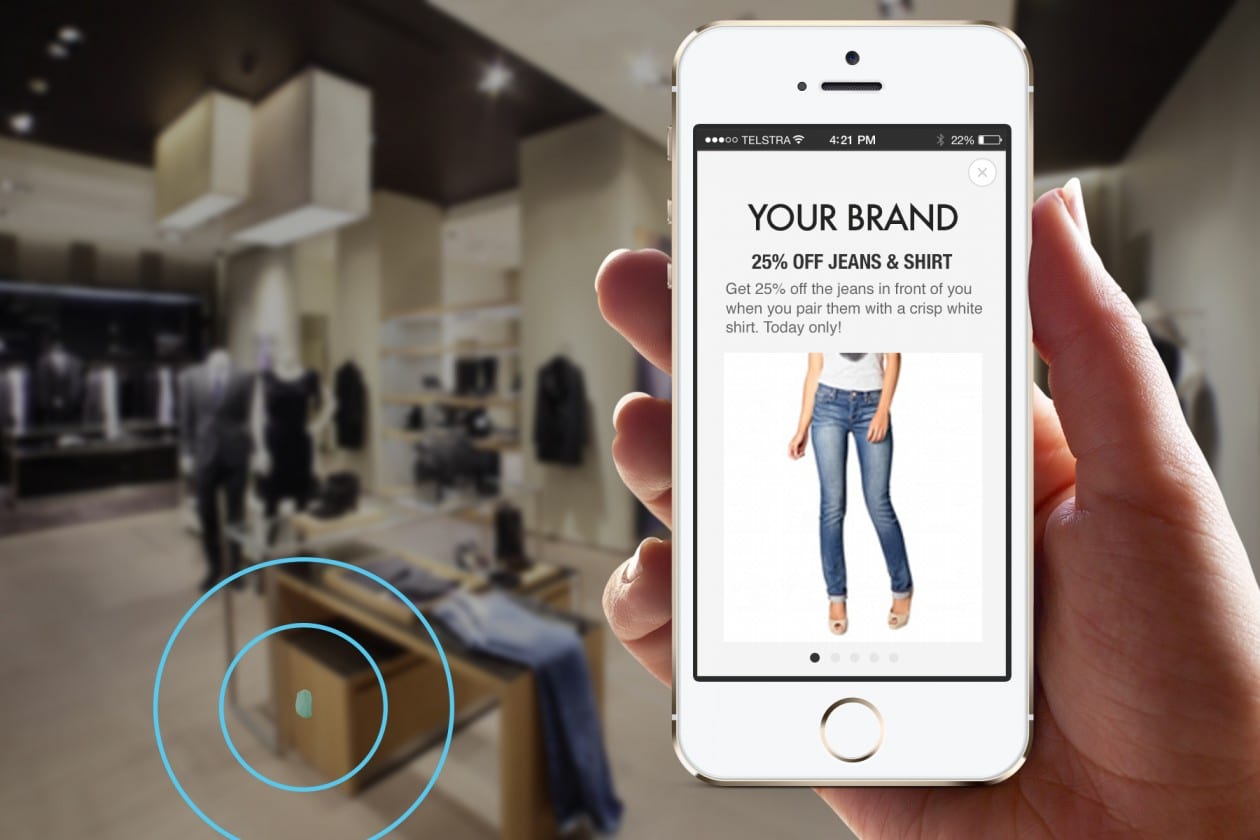
    Picture the following scenario: You walk into your favourite apparel store and your smartphone beeps with a push notification “Welcome back Linda! Only for today, we are giving you a 20% discount on all skirts”. You decide to finally get that blue skirt you have your eyes set on for weeks and decide to take a stroll through the accessories section when you stop to admire a particular necklace, after a few seconds of contemplation, your smartphone beeps again with the message “Hey Linda! Get a necklace to match your outfit, we’ll throw in a 30% discount on any necklace of your choice”. You leave the store with a new skirt and necklace at a bargain.

    You end up a happy customer, and the apparel store makes additional sales –  a win-win situation for all involved.

    The above situation may sound like a utopian future where the Internet of Things (IoT) have become a reality. However, the future is closer than we know it with the arrival of iBeacons by Apple in 2013 and Google unveiling Eddystone Beacons in July 2015.

    What Are Bluetooth Beacons?

    Beacons are transmitters which have the ability to sense nearby portable smart devices and “talk” to them via push notifications. Beacons are the most accurate form of locational based tracking device and may work with existing GPS and WiFi tracking capabilities to further enhance location tracking via triangulation.

    How Do They Work?

    Beacons use Bluetooth Low Energy (BLE) proximity sensing to broadcast universally unique identifiers (UUID) which are picked up by compatible apps and operating systems (OS). This means that users will need to have beacon-compatible apps (a relatively simple process can enable any app to be beacon-compatible) installed and have their Bluetooth switched on in order for their smartphones to interact with these beacons.

    Why Would Users Leave Their Bluetooth Switched On?

    This is a question which frequently surfaces during discussions with potential beacon adopters. It is true that a majority of smartphone users never and might even hesitate to turn on or leave their Bluetooth switched on due to the concern that the Bluetooth would contribute to a huge drain on their battery life.

    That is until 2011 when the new BLE technology were incorporated into the new iPhone 4S smartphones and subsequently, all smartphones released after that period. With the new Bluetooth Smart standard, worries of Bluetooth drainage on phone battery life were a thing of the past as the power needed to power Bluetooth is now so low that it is negligible.

    Other than that, most smart devices that are making their way into our everyday life such as smart wearables (e.g. Fitbit, Jawbone, Apple Watch), Bluetooth-enabled car audios, and smart kitchen appliances require the use of Bluetooth-enabled smart devices.

    With over 10,000 Bluetooth-enabled products listed with Bluetooth SIG along with the immense growth (>100% in 2014) of the Smart Home, Consumer Electronics and Beacons markets, coupled with the growing number of users coming to understand the new Bluetooth technology as well as the growing need of users to have Bluetooth-enabled to run their everyday smart lifestyles, 24/7 Bluetooth-enabled devices will soon be a lifestyle choice much like the 24/7 WiFi-enabled devices which are part of everyday life now.

    What It Means For Retail Businesses

    With the ability to understand what interests consumers and know when they are in the proximity, brick and mortar retailers can now interact digitally with potential customers to encourage more foot traffic into their outlets and achieve higher sales conversion by sending the right message, to the right people, at the right time.

    However, the use of beacons in retail businesses does not stop at pushing promotional messages and general information. With beacons, retailers are also able to provide a personalised shopping experience to each individual customer as seen in the aforementioned story above. Depending on the nature of the business, beaconised businesses will have a a plethora of uses for beacons such as, helping customers navigate a store and providing in-store concierge services by utilising the tracking abilities of beacons. Think shopping on Amazon or Zappos, but in real life.

    press-beacon-product-2.ae0092e2

    The longer a retailer adopts the beacon technology, the more they will begin to understand their customers – who they are, what their preference is, where they like to shop, are they high or low spending customers. This is all possible as more and more data on these users are collected and analysed -allowing businesses to produce individualised ads and engage in behavioural retargeting.

    With the arrival of beacon technology, retailers with physical outlets will finally be able to gather data on their customers in real life in real time and run the most effective and efficient campaigns to target the most relevant consumer segments while providing a highly personalised shopping experience. The future of retail globally, especially here in the South East Asian region and in Malaysia, is in beacons and any retailer slow to adopt this breakthrough tech as part of their arsenal will be at a huge disadvantage moving into the future.

  • The Golden Rules to Buying the Best Resale Value Condo

    The Golden Rules to Buying the Best Resale Value Condo

    As you look into the condo market in Malaysia, always keep in mind that you should exercise utmost care. Remember, that although a condominium may appear aesthetically stunning and neat from the outside, some condo buildings are dens of problems arising from poor construction to mismanagement and unexpected repairs left unattended due to a lack of reserve funds. To avoid buying into such a property, here are a few golden rules if you are looking to invest in a condo as an investment vehicle or residence.

    Do Not be Rushed to Buy a Condo

    Buying on impulse is part of human nature, especially when people see something that look good. They will usually make a purchase before making a thorough inspection of the item they are buying, later to discover defects the seller was not aware of or failed to mention. Likewise, if you are an overeager condo buyer, you are likely to run into problems when you rush to complete the transaction without thoroughly examining the unit.

    People rushing to buy a condo are more likely tempted by:

    • The allure of becoming homeowners
    • Sales pitches pressure and developer promises that are too lofty
    • Not realizing that owning an apartment does have its problems
    • Not understanding what communal ownership entails

    Beware; There are Condo Bargains that Come With High Fees 

    If you find a condo unit selling at rock bottom price, but with unusually high fees, think twice before negotiations start. Some troubled condo complexes will sell their units for cheap rates due to poor construction or mismanagement, often also due to real-estate market drop. Such complexes deplete their reserve fund to cover repairs and maintenance. They will compensate for their low selling prices by charging higher than usual monthly maintenance fees.

    Avoid Low Down Payments

    To enjoy lower mortgage and associated monthly payments and enjoy greater chances of refinancing in the future, put more money in as down payment. Avoid advertisements that allow you to make down payments as low as 3 percent. Low down payments require that borrowers pay an extra fee for mortgage insurance which can add up to thousands of ringgits making the purchase that much more expensive.

    The best down payment should be of about 25 percent the value of the condo, and this will not attract private insurance fees. In addition, this will protect you from mortgage renewal should interest rates increase or your unit’s value decreases on the market. If a unit value drop during mortgage renewal, your only choice is to apply for a high-ratio mortgage using equity in your property – your initial down payment.

    No matter the size of your down payment, make sure it is not borrowed. Ideally, it should be from your savings. Borrowing cash for a down payment is risky since it create inequity in your budget and can place you in a risky position, much like those buying condos at low down payments. Remember the following:

    • If you do not have a solid down payment, do not commit to buy
    • Money should not be borrowed for down payment
    • A solid down payment should be from your savings, wait till you have enough
    • There are always great opportunities to own property at Property Guru. The longer you wait, the better you choice will be

    Verify the Physical Facts 

    Inspect your prospective condo unit carefully, especially the well-being of the complex. Each complex is different depending on its builder and developer. Construction quality also varies. Verify the reputation and experience of the complex builder. When buying into an existing property at Property Guru, find out from the residents if there have been any unexpected repair problems recently and whether they anticipate future repairs.

    Take note of utility billing. If each unit is billed separately, you will have more control over the energy you consume and monthly expenses. While some complexes are self-managed, others are run by contracted management companies. If the latter is true in your case, investigate the management company to establish their reputation.

    To conduct checks, hire a qualified home inspector and an attorney. If the complex is poorly constructed or managed, you will be glad that you spent the money.

    You have to consider all the facts carefully before you make any form of commitment in what may be the biggest investment you make. Take a deep breath, if necessary; sleep over your decision for a few days. Otherwise, you might succumb to developer or real estate broker pressure as they seek to make a sale for a commission.

    In addition, do not let others make the decision for you. Read the rules above for days and even weeks. When you adhere to them, you will develop the buying skills that will enable you make educated decisions before putting your signature to paper.

  • Berrybenka beefing up eCommerce

    Berrybenka beefing up eCommerce

    With demand from Hong Kong, Brunei and Malaysia, Indonesian fashion brand Berrybenka is taking steps to beef up its eCommerce services.

    It will also be opening more pop-up stores outside Jakarta, its main stronghold, The Jakarta Postreports.

    CEO Jason Lamuda says the brand is also aiming improve customer relations through digital media. It aims to step up customer interaction this year through messaging apps, improve its mobile app, and partner with convenience store ChainIndomaret on a possible new payment mechanism.

    He says this will help promote Berrybenka as a national fashion eCommerce platform. “Our goal in the end is to not only become the most notable fashion brand in Indonesia, but to also help promote the creation of local brands.”

    Berrybenka has 1.5 million subscribers in its database, with demand from Hong Kong, Brunei and Malaysia through sister company Hijabenka. Berrybenka has partnered with around 1000 small and medium enterprises.

    In Indonesia, the company plans pop-up stores in Medan, North Sumatra, Makassar in South Sulawesi, Yogyakarta, Semarang in Central Java, Manado in North Sulawesi and Balikpapan in East Kalimantan. Medan will have the first of the new outlets, opening on Thursday.

    Also being considered are eCommerce hubs for Surabaya, East Java and Bandung, West Java.

    About 90 per cent of Berrybenka sales comprise local products. Between 2013 and 2014, the company had 150 to 200 per cent revenue growth, with a further 200 per cent growth between 2014 and 2015.