Tag: Malaysia

  • Coronavirus lockdown to slash Malaysian retail sales

    Coronavirus lockdown to slash Malaysian retail sales

    The six-week-long coronavirus lockdown is expected to slash Malaysian retail sales by 60.7 percent this month as non-essential stores are forced to close.

    Retail Group Malaysia, which calculates data on behalf of the Malaysia Retailers Association, estimates that retail sales for the full year will drop by 5.5 percent, should the government’s Movement Control Order be lifted at the end of this month. It has already been extended from March 18 until April 28

    RGM’s MD Tan Hai Hsin told The Edge that the majority of the nation’s retailers are recording zero sales this month. “This has never happened before in history”.

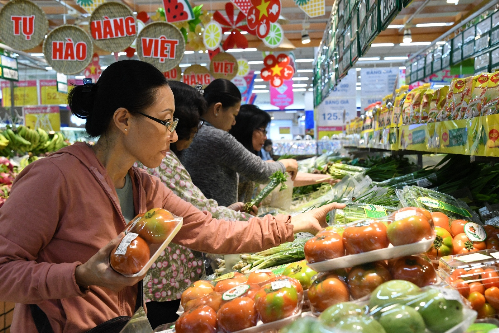
    While online sales have surged in Malaysia since the coronavirus struck the nation, and consumers are spending more on food and groceries, categories like jewelry, furniture and luxury goods have been decimated.

    Last year, Malaysian retail sales grew by 3.7 percent to RM107.5 billion (US$24.8 billion), but RGM is now forecasting RM101.6 billion ($23.45 billion) for the full year, a figure which must take into account a rebound once the lockdown order is lifted.

    The MRA estimates 209,000 stores have been forced to close during the lockdown and 90 percent of stalls and markets have been affected, which previously accounted for 63 percent of the nation’s total retail sales. The remaining 126,000 stores classified as essential include supermarkets, hypermarkets, convenience stores and pharmacies.

    Meanwhile, RGM has estimated that operating costs, including staff and store overheads, are likely to reach RM20.48 billion (US$4.7 billion) during the lockdown which retailers will have to carry in the absence of sales.

    It is, as yet, unclear the volume of online sales during the period and whether these will help mitigate in part the sales decline of any non-essential retailers.

  • Demand overwhelms grocery-delivery services in Malaysia, Singapore

    Demand overwhelms grocery-delivery services in Malaysia, Singapore

    Online grocery-delivery services in Malaysia are facing overwhelming demand, with some firms forced to suspend or limit delivery operations.

    A 600-per-cent spike in orders recorded last month was fuelled by panic buying while stay-at-home orders remain in force throughout the territory.

    Jaya Grocer suspended online deliveries in response to the surging demand, while Tesco is still operating as usual but has requested customers who have pre-booked delivery slots to cancel orders if they expect not to be at home so as to free up resources for other buyers. Restrictions have been put in place allowing only three items per customer across every product line.

    Local hypermarket chain Mydin has asked customers to avoid panic buying due to delays in restocking supplies. It has placed restrictions on buying to ensure that all customers can make purchases.

    “This situation has stemmed from the sudden growth of demand, and hypermarkets and grocery stores were not prepared for this outage,” said Malaysia Retail Chain Association VP Datuk Liew Bin. “The delivery team could not complete their rounds, although some of them work from morning to night to deliver all the customers’ orders.”

    Liew added that many independent sellers and small farmers now have found their own way to sell their goods, with some trading directly with buyers via instant messenger apps such as Whatsapp and food ordering platform Oddle.

    The situation is similar in Singapore, where Lazada’s RedMart e-commerce grocery unit refused to accept new orders for a period earlier this month. The Singaporean public had been advised by the island’s government to purchase groceries online.

    Online grocery-delivery services “now have to deal with a new situation where demand for essential items outpaces operational capacities,” said Insignia Ventures founding managing partner Yinglan Tan. “Players that manage shorter supply chains may be more equipped to handle the stress.”

    Shoppers “have been buying four to 10 times more food staples, 3.5 to five times more paper products, and two to six times more personal care and household cleaning supplies,” said Lazada Singapore CEO James Chang.

    Since the temporary suspension of operations, RedMart has limited orders to 35 items, blocked customers from adding items once an order is placed, and has stated that orders exceeding 100 kg may be canceled.

  • Malaysian retail expected to contract

    Malaysian retail expected to contract

    Retail Group Malaysia (RGM) predicts Malaysian retail sales will contract by 3.9 percent year-on-year in the first quarter of this year.

    The estimate is based on footfall having halved during the coronavirus outbreak, contradicting RGM’s expectation earlier this year that Malaysian retail sales could rise by 0.4 percent.

    “In the event the global coronavirus outbreak and domestic political turmoil take more than the next few months to resolve, it will further affect the retail consumption pattern in Malaysia drastically,” said Tan Hai Hsin, MD at RGM.

    He said it was unable to estimate the likely retail industry growth figure for this year while preparing the report because of the unpredictable changes of the coronavirus outbreak and the new ruling government policies.

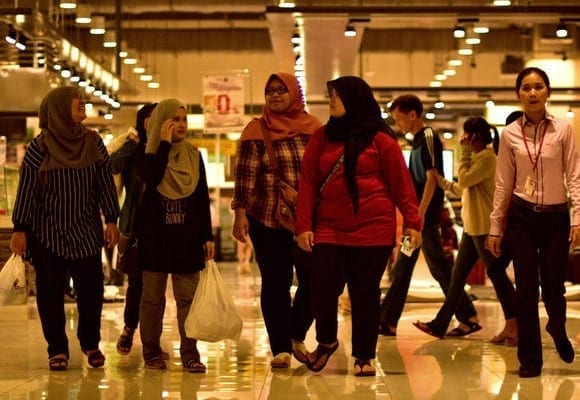
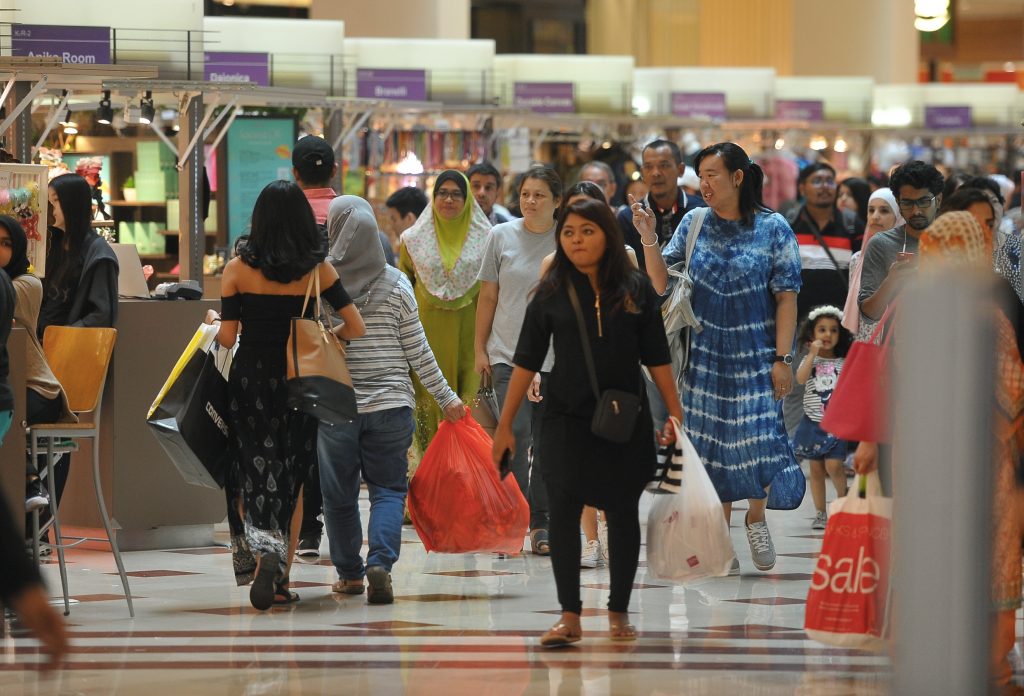
    Although shopping traffic has dropped significantly in the country, some shopping malls have remained open to the public to provide essential goods and services.

    Aeon Mall’s tenants, including pharmacies, banks and POS Malaysia, will continue to operate, however, food & beverage tenants will only provide takeaway and delivery services. Aeon Retail’s outlets will also provide dedicated check-out lanes for senior citizens, the disabled and pregnant women to ensure that they can shop for their daily needs in “a safe and worry-free environment”, the company said in a statement.

    Meanwhile, 1 Utama Shopping Centre said on its social media that its essential service tenants such as supermarkets, pharmacies or convenience stores will remain open, and reassured consumers that there is no need to start panic shopping.

    In the final quarter of last year, Malaysia’s retail sales increased 3.8 percent year on year with the best growth in the pharmacy and personal care categories. The worst-performing sector was supermarkets and hypermarkets which witnessed a 2.8-per-cent full-year decline.

  • Australia’s Hey Yogurt lifts off in Malaysia

    Australia’s Hey Yogurt lifts off in Malaysia

    Australian probiotic yogurt brand Hey Yogurt is planning to launch 100 outlets in Malaysia this year following its Nasdaq listing in February.

    The brand – which combines Australian yellow peaches with grain and yogurt and is marketed as a low-sugar, low-fat health food – has been operating in Singapore since January, where it has already achieved sales of more than 1000 cups per day.

    Hey Yogurt is already preparing its first stores in Kuala Lumpur, Malacca and Johor Bahru.

    The popularity of the drink during an economic downturn brought about by the coronavirus epidemic may be related to recent findings that the Lactobacillus bacteria found in yogurt has positive benefits for the immune system when blended with probiotics, according to a German study cited by the brand.

  • Malaysia Lockdown Hits Singapore Lenders

    Malaysia Lockdown Hits Singapore Lenders

    Singapore banks could face further headwinds after Malaysia announced a nationwide lockdown that will last till the end of March.

    High connectivity to Malaysia is expected to weigh in for Singapore banks, most notably UOB and OCBC which source 11 and 14 percent of pre-tax profits from the country, respectively. The two had already flagged earlier that credit costs could rise 25-30 basis points based on assumptions that the outbreak lasts till mid-2020.

    At UOB, credit costs could jump 80 basis points if the outbreak extends beyond mid-2020, according to a report citing CFO Lee Wai Fai though he said that it is a «highly unlikely» possibility. At OCBC, CFO Darren Tan said that revenue growth would be «relatively muted» but added that strong capital ratios, funding and liquidity would help the lender stay resilient in this period.

    Although DBS said the impact from Malaysia’s lockdown would be limited due to a smaller presence in the market, it is still expected to feel the broader effects of the outbreak. DBS’s chief executive Piyush Gupta recently announced a modest 1-2 percent revenue reduction which its institutional banking head Tan Su Shan called a moving target.

  • Robinsons may quit one Kuala Lumpur site

    Robinsons may quit one Kuala Lumpur site

    Singaporean department-store chain Robinsons may close one of its locations in Kuala Lumpur before its lease expires due to lackluster performance.

    The store launched a four-story 20,000sqft space in The Shoppes in Four Seasons Place less than two years ago, which has failed to live up to the firm’s expectations in terms of footfall. Its other outlet in the city has been operating since 2007.

    Robinsons has reportedly approached other department store operators in the territory to take over the space, including Parkson – which vacated its longstanding space in the neighboring Suria KLCC mall just last year.

    According to a report in The Edge, discussions between tenant and landlord are ongoing to determine the firm’s exact date of departure, which is likely to be in the third quarter this year. Robinson’s has filed widening financial losses in recent years.

  • Malaysian retail expected to contract

    Malaysian retail expected to contract

    Retail Group Malaysia (RGM) predicts Malaysian retail sales will contract by 3.9 percent year-on-year in the first quarter of this year.

    The estimate is based on footfall having halved during the coronavirus outbreak, contradicting RGM’s expectation earlier this year that Malaysian retail sales could rise by 0.4 percent.

    “In the event, the global coronavirus outbreak and domestic political turmoil take more than the next few months to resolve, it will further affect the retail consumption pattern in Malaysia drastically,” said Tan Hai Hsin, MD at RGM.

    He said it was unable to estimate the likely retail industry growth figure for this year while preparing the report because of the unpredictable changes of the coronavirus outbreak and the new ruling government policies.

    Although shopping traffic has dropped significantly in the country, some shopping malls have remained open to the public to provide essential goods and services.

    Aeon Mall’s tenants, including pharmacies, banks and POS Malaysia, will continue to operate, however, food & beverage tenants will only provide takeaway and delivery services. Aeon Retail’s outlets will also provide dedicated check-out lanes for senior citizens, the disabled and pregnant women to ensure that they can shop for their daily needs in “a safe and worry-free environment”, the company said in a statement.

    Meanwhile, 1 Utama Shopping Centre said on its social media that its essential service tenants such as supermarkets, pharmacies or convenience stores will remain open, and reassured consumers that there is no need to start panic shopping.

    In the final quarter of last year, Malaysia’s retail sales increased 3.8 percent year on year with the best growth in the pharmacy and personal care categories. The worst-performing sector was supermarkets and hypermarkets which witnessed a 2.8-per-cent full-year decline.

  • Laura Ashley may call in administrators

    Laura Ashley may call in administrators

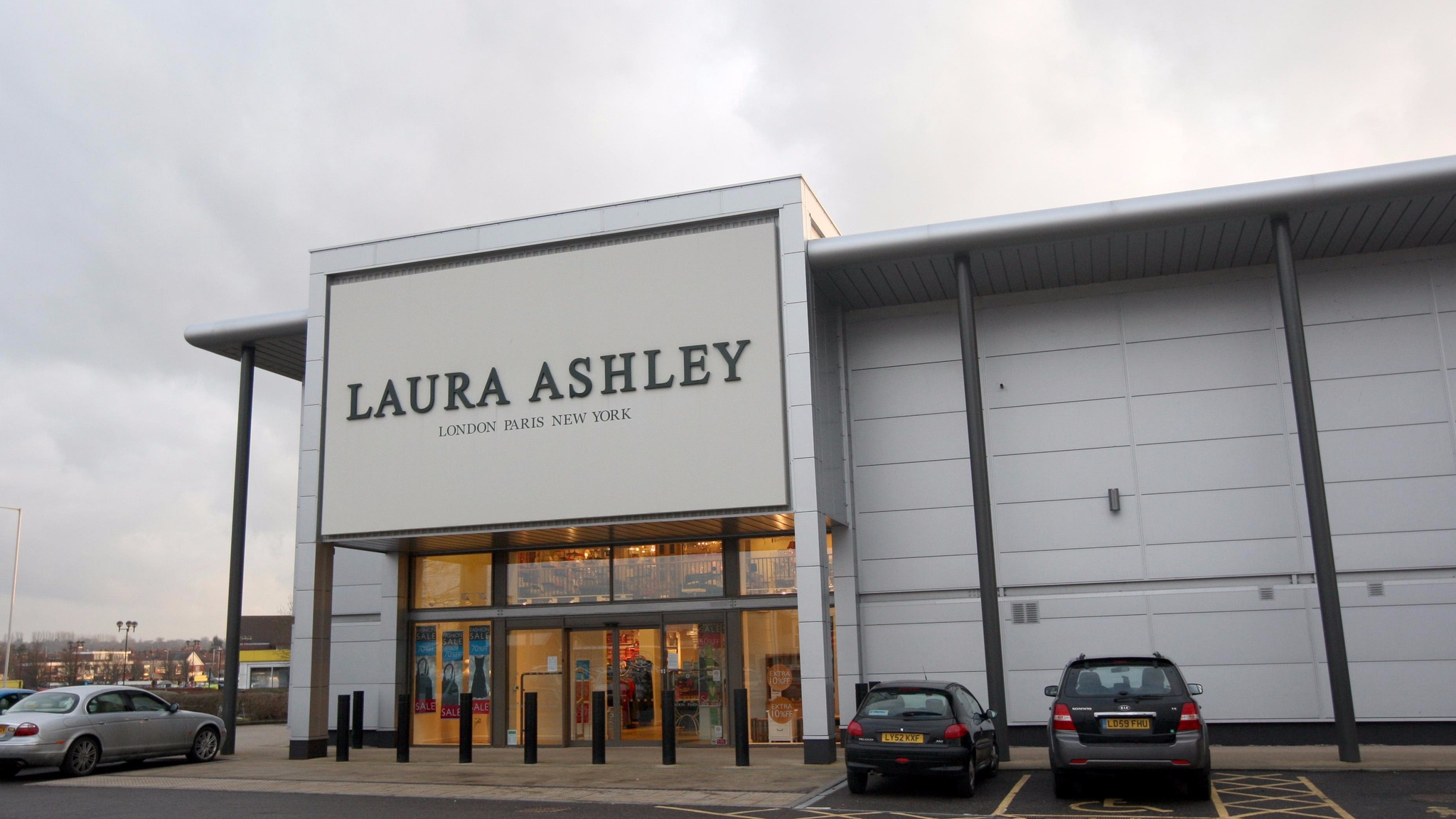
    Malaysian-owned clothing and home furnishings retailer Laura Ashley may go into administration if it fails to secure £15 million (US$18.44 million) in loans from Hilco Capital.

    According to reporting in Retail Gazette, the firm is currently in talks with the Homebase garden center business owner for the emergency loan to avoid collapse by the end of this month. The business has said its operations have not been strongly affected by the coronavirus outbreak but has otherwise experienced a challenging year’s trading.

    The firm suffered a 166-per-cent loss in the December financial half-year, with a sales drop of 10.8 percent amidst poor market conditions and the spectre of Brexit. Last year, the business lost 60 percent of its share value.

    The firm currently operates 150 UK stores and around 2700 staff will be affected if the business fails.

  • Shopee starts selling fresh foods online in Malaysia

    Shopee starts selling fresh foods online in Malaysia

    Shopee Malaysia has launched a fresh food grocery delivery service, including vegetables, seafood, and poultry.

    Ian Ho, regional MD of Shopee, says Malaysia’s e-commerce market is in a hyper-growth stage. “For us, that means it is not time to slow down. We are identifying more areas to tap into, such as the fresh segment, to create a more dynamic online shopping and selling environment. We aim to empower and drive inclusive economic growth by working directly with fishermen and farmers in rural Malaysia for this project,” he said.

    Fresh foods will initially be available in the Klang Valley area of Greater Kuala Lumpur in a pilot program before Shopee Malaysia rolls the service out nationwide.

    The e-commerce company is partnering with local brands including Fresh Tap and Fish Club, the latter of which will sell fish from Pontian fishing village, vacuum-packed and blast frozen immediately after scaling and filleting to maintain freshness.

    Orders from Fresh Tap and Fish Club bought via Shopee Malaysia will be delivered within one to three days.

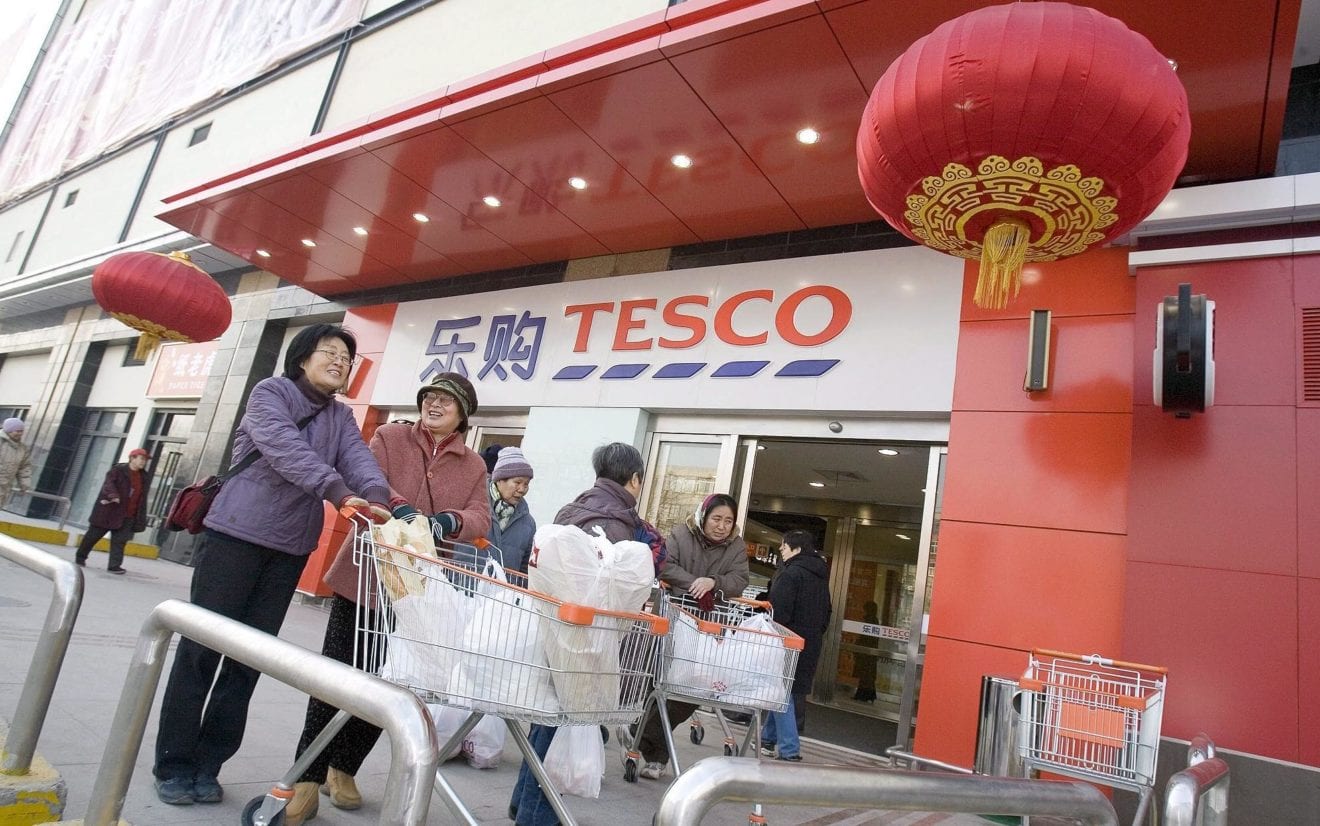
  • Tesco executives mull final bids for Thai, Malaysian businesses

    Tesco executives mull final bids for Thai, Malaysian businesses

    Tesco executives and advisors will this week start evaluating offers for its Thai and Malaysian businesses following Friday’s deadline for binding offers.

    However, with the asset valued somewhere in the region of US$9 billion, there is no certainty any of the bids will be accepted. A decision is expected this month.

    Tesco has yet to confirm how many bids were received, but analysts expect a three-way battle between some of Thailand’s largest companies: CP Group, controlled by Dhanin Chearavanont, Central Group, controlled by the  Chirathivat family, and TCC Group, controlled by property and beer magnate Charoen Sirivadhanabhakdi. Another potential bidder is petroleum group PTT which is expanding its Cafe Amazon network regionally and has an interest in diversifying from its core petrol-retailing business.

    Tesco operates about 2000 supermarkets and convenience stores in Thailand and a further 74 in a Malaysian joint venture with Sime Darby Group.

    For Central Group, which last month raised US$2.5 billion in an IPO of its retail business, the Tesco operation would have substantial synergies with its supermarkets and convenience-store business.

    CP Group, meanwhile, has an interest in effectively buying back the Thailand operations, which evolved from the supermarket business it sold to Tesco in 1997 to raise cash during the Asian Financial Crisis. CP owns the Sam Makro grocery warehouse business with 130 stores along with the Thai 7-Eleven franchise which now numbers more than 11,000 stores.

    In the half-year to August 24, the Tesco businesses in Thailand and Malaysia achieved sales of $3.3 billion and an operating profit of $219 million.

    Exiting the Southeast Asian business may come with complications. Thailand’s government has already flagged its interest in a sale to existing local entities, commenting that the deal must not violate anti-monopoly laws.

  • 7-Eleven Malaysia hits all time sales record

    7-Eleven Malaysia hits all time sales record

    7-Eleven Malaysia set a full-year sales record last year after revenue rose 6.4 percent to $33.76 billion.

    Much of the growth came from network expansion, but same-store sales rose 2.5 percent, despite declining cigarette sales. The company opened 165 new stores last year, 41 of those in the last quarter, taking its network to 2411. Other factors were higher footfall and an increase in the average transaction. Fresh-food sales grew more than 28 percent year on year.

    Profit attributable to shareholders was up 5.4 percent.

    7-Eleven Malaysia CEO Colin Harvey said the company had kept costs in check, reducing them from 29 percent of turnover to 28.4 percent, despite an increase in the minimum wage.

    “We are confident that continuous implementation and improvement of our strategic roadmap in strengthening the key areas of assortment, supply chain, operational excellence, store base and digitally enabling the organization will continue to deliver positive results despite challenging headwinds,” he said.

  • Malaysia’s 99 Speedmart starts in Singapore

    Malaysia’s 99 Speedmart starts in Singapore

    Malaysian convenience-store chain 99 Speedmart has opened three mini-market stores in Singapore.

    According to IGD, the 99 Speedmart stores in Singapore follow the same concept as Malaysia’s stores and range in size from 250 to 500sqm. They trade from 10am to 10pm daily.

    Besides normal grocery items, shoppers also can find Malaysian products displayed closer to the back of the stores.

    In Malaysia, 99 Speedmart operates more than 1500 grocery stores.

    “The retailer’s success is driven by low prices, carrying a narrow range of top-selling brands and great store visibility,” explains IGD senior retail analyst Soo-Eng Tan. “A quick look into its flagship store in Singapore suggests that it is pursuing the same strategy there.”

    99 Speedmart in Singapore aims to expand its retail network further this year. The company has acquired sites in commercial areas and light industrial parks.

  • Malaysia’s Sunway Malls delays coronavirus response

    Malaysia’s Sunway Malls delays coronavirus response

    Malaysian shopping-center operator Sunway Malls is taking an extended period to consider its position on rental rebates to its retail tenants amidst the coronavirus outbreak.

    The firm says it will follow the guidance of the Malaysia Shopping Malls Association, which has recommended a longer period of observation to fairly assess the situation.

    Sunway Malls said while retailers in Hong Kong and Singapore are seeking rental relief, their current predicament is different to that of Malaysian retailers since the rents in Hong Kong and Singapore are five-to-10-times higher than in Malaysia.

    The company also said its seven malls are largely driven by local consumption (more than 90 percent) rather than by tourist spending, so there has been less impact from fewer tourists visiting the country during the virus crisis.

    “There is no significant decrease in footfall when comparing last year’s post-festive season footfall with this year’s,” said the statement. “Sunway Malls’ statistics show that the virus outbreak had caused a slight decrease in footfall during the initial weeks, but it has since normalized and our footfall has remained stable and resilient.”

    Sunway Malls acknowledged the uneasiness caused by the virus, although described the situation as cautious rather than regressive.

    “By far, the situation in Malaysia is largely controlled, contained and relatively low in relation to other affected countries,” it said.

  • Indonesian beauty brand Natasha Skincare to launch in Malaysia

    Indonesian beauty brand Natasha Skincare to launch in Malaysia

    Indonesian beauty brand Natasha Skincare to launch in Malaysia

    Indonesian beauty brand Natasha Skincare is to launch in Malaysia after forming a local joint venture with JCG Investment.

    The new company, Natasha Beverly, will launch this month in Kuala Lumpur’s trendy Bangsar, opening a four-story facility housing a medical aesthetic clinic, medi-spa, chiropractor and physiotherapy services. It will be the sole distributor for Natasha products in Malaysia and Singapore.

    Currently, among the leading beauty brands in Indonesia, where it has more than 100 outlets, Natasha Beverly will sell natural science beauty treatments and products for teenagers, men and women. It is known in its home market for its Halal-certified products.

    JCG’s executive director and CEO Ang Kok Huan says bringing the brand to Malaysia is part of a strategy to grow and expand its existing medical aesthetics, cosmetic surgery, healthcare and wellness businesses.

    “We have been proactively looking for strategic partners and business opportunities to further deepen our group’s core businesses and expand our geographical reach,” he said. “Last year we welcomed Malaysia-based Beverly Wilshire Medical Group led by its executive chairman Dato Francis Ng; and now we have inked our relationship with Natasha – the leading beauty brand in Indonesia.

    “We look forward to working with more like-minded partners to build our Group into a leading medical aesthetics, cosmetic surgery, healthcare and wellness brand in the region.”

    In the long term, doctors and operators working for the business will hold 10 per cent of the company’s shares.

  • Laura Ashley loss doubles but received a financial lifeline

    Laura Ashley loss doubles but received a financial lifeline

    Embattled Malaysian-owned fashion and lifestyle retailer Laura Ashley has reported a 166-per-cent increase in half-year loss to £4 million, citing lower sales of home furnishings and Brexit uncertainty in its key UK market.

    But on a positive side, the company has reached an agreement with its lender Wells Fargo to draw down funds necessary to continue trading as it continues to restructure.

    Group sales fell by 10.8 percent to £109.6 million. While the company blamed the closure of three stores for the decline, same-store sales were down 10.4 percent. Online sales fell by 15.5 percent.

    “The decline in total revenue was due to the market headwinds and weaker consumer spending during the period, which led to a decline in sales of bigger ticket items,” the company said in a result filing.

    “Whilst these results are disappointing, we believe that with the right focus and support, Laura Ashley has a strong future and can be successful again.

    “In the autumn of 2019, we carried out a strategic review of the business to set the future direction of the company and return Laura Ashley to the great British brand that is known and cherished around the world. This includes reconnecting with our traditional values and our strong British heritage.”

    Meanwhile, the company denied reports that it would receive investment funding from Japanese retailer Muji.

    Georgina Sreeves, an associate retail analyst at GlobalData, said that while ‘Laura Ashley’s £20 million lifelines from Wells Fargo gives the company chance of recovery, its results reveal just how much work it will have to do to secure a long term future.

    “Once a British icon, the brand has since lost its charm and notable styles,” she said.

    In an attempt to re-establish its footing in the ranks of British fashion, Laura Ashley recently partnered with British luxury brand, Barbour and launched collaborations with Urban Outfitters and Rag & Bone which Sreeves said will boost Laura Ashley’s relevance. But it needs to do more.

    “The brand should consider a revival of its vintage pieces and prints that have been lost in the attempt at modernizing its image. To garner attention, Laura Ashley should follow suit of Argos, and publicize the archives of its once-famous home decoration catalog, and create capsule collections inspired by its vintage past. To supplement its sustainability, which currently is only held up by its use of local suppliers, the brand should consider creating garments out of leftover, unwanted material, just as Laura Ashley did when the brand was founded.”

    Sreeves added that its hopes to expand in Asia to offset difficulties it is facing in the UK will likely face delays due to the impact of coronavirus on consumer spending.