Tag: Malaysia

  • Aeon Malaysia reports second-quarter loss likely due to virus outbreak

    Aeon Malaysia reports second-quarter loss likely due to virus outbreak

    Japanese mall brand Aeon’s operations in Malaysia have reported a net loss of US$2.3 million for its second fiscal quarter this year.

    The losses, which followed a first-quarter net profit of $1.8 million, are being considered as an effect of the coronavirus outbreak and the movement control orders executed in the territory and subsequent closures of non-essential tenants, along with lower rental pricing. It is a drop of 19.9 percent from the same period last year.

    Aeon MD & CEO Shafie Shamsuddin said that recent months had been a tough journey while expressing gratitude to the group for managing to bounce back in May and June.

    Aeon Malaysia’s current priorities include enhancing its safe-shopping environment with its personal shopper and home delivery services, as well as the launch of its online virtual mall. The group’s malls expanded their drive-thru services to more locations following an introduction of the service using personal shoppers in March.

  • 7-Eleven Malaysia keeps profit levels as before Covid-19 outbreak

    7-Eleven Malaysia keeps profit levels as before Covid-19 outbreak

    Convenience-store chain 7-Eleven Malaysia has maintained its profitability despite the impact of the coronavirus pandemic.

    Profit for the first half of the current financial year from the brand’s convenience-store and pharmaceutical businesses hit US$5.8 million and $1.4 million respectively. The group’s consolidated profit after tax for the half-year was $3.35 million.

    The business remained healthy despite the Covid-19 restrictions that enforced restricted hours and the temporary closure of some stores. Stores are still unable to trade 24 hours.

    While the business remained profitable, most product categories recorded lower revenues, with the exception of tobacco, which grew 22.7 percent during the reporting period.

    The group expects to explore further opportunities for growth in the second half of its financial year as trading conditions gradually recover.

  • Malaysian Starbucks operator posts loss due to Covid virus outbreak

    Malaysian Starbucks operator posts loss due to Covid virus outbreak

    Malaysian F&B franchise operator Berjaya Food Berhad, which operates Starbucks, Kenny Rogers Roasters, and Jollibean in the territory, has reported a loss of US$1.82 million for the last financial year.

    The firm’s Malaysian stock-exchange filing attributes its losses to the impact of the coronavirus pandemic, which saw movement control orders in effect within the country between March and June.

    “Even though the group’s sales were recovering at a fast pace when Malaysia entered into the Recovery Movement Control Order (RMCO) phase which started on 10 June 2020, the group still recorded a much lower sales in the current quarter under review,” the company reported in the filing.

    The period hardest hit corresponds with a contraction of 17.1 percent of Malaysia’s total GDP, the worst since 1998.

  • Malaysian retail on the recovery track

    Malaysian retail on the recovery track

    Malaysia’s retail sector is projected by the government to reach 80-per-cent recovery this year, up from the current 70 percent.

    Statistics department figures showed improved employment numbers during the recent period since the lifting of Malaysia’s movement control order to counter Covid-19. The country’s unemployment rate was down by a record 5.3 percent month on month during May, but was recently measured at an improved 4.9 percent.

    “Subject to the second lockdown, the [retail] sector will be normalized, with local consumption to be the growth driver for the country,” said Minister Datuk Seri Mustapa Mohamed following a private conference with retailers. The Edge reports he also urged Malaysians to support home-grown products.

    Around 90–95 percent of mall retailers are back in business within the country, as mall footfall hit 80 percent of levels recorded prior to the coronavirus outbreak.

  • AirAsia resumes KL-Singapore flights under RGL scheme

    AirAsia resumes KL-Singapore flights under RGL scheme

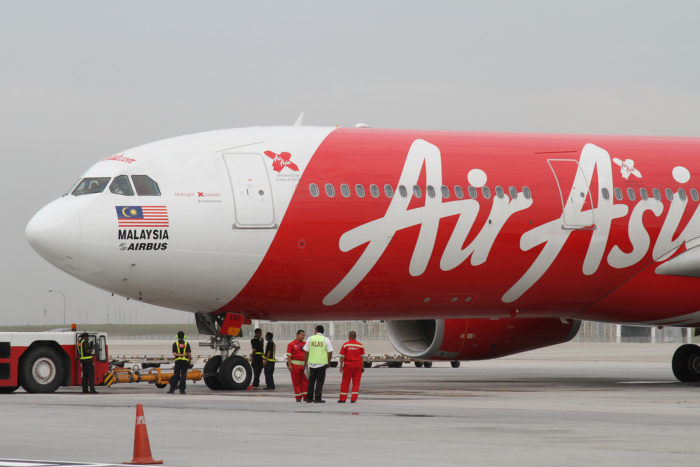
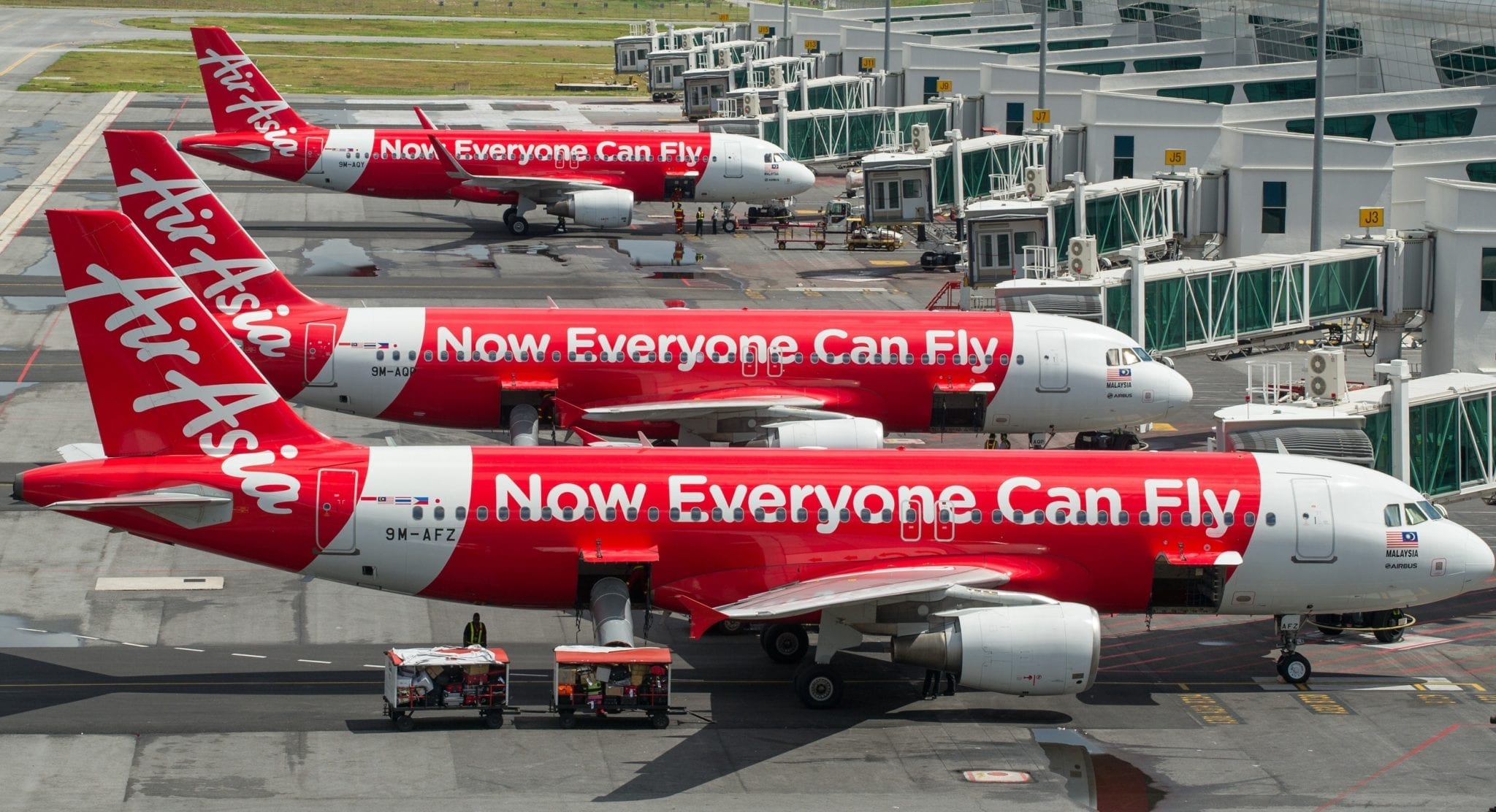
    AirAsia resumed its Kuala Lumpur to Singapore flights today, allowing cross-border travel for essential and official travellers, following the implementation the Reciprocal Green Lane (RGL) scheme by both countries.

    AirAsia Malaysia CEO Riad Asmat said both countries have taken relentless efforts and strict discipline in containing the spread of Covid-19, and the RGL is a first step towards reviving the economy, especially for those who have essential travel needs between both countries.

    “We look forward to seeing more ‘travel bubbles’ and ‘green lanes’ formed between countries with low infection rates or active cases, and proven pandemic curbing systems to facilitate the need for air travel.

    “At the same time, we urge all guests to adhere to the required regulations and follow the safety measures for a safe flying journey,” he said in a statement today.

    The flight departed from klia2 today at 11.50am to Changi International Airport, and returned to klia2 at 2.35pm.

    He said AirAsia will continue to review the suitability of introducing more frequencies between the two countries.

    “AirAsia would like to remind guests of travel requirements set by both countries under the RGL scheme, all inbound and outbound travellers for essential business and official travel between Malaysia and Singapore via the RGL are required to check their eligibility and travel requirements before their scheduled departure,” he said.

    More information on the matter is available on AirAsia’s Travel Requirements page.

  • AirAsia’s charter flights to boost Malaysia’s medical tourism

    AirAsia’s charter flights to boost Malaysia’s medical tourism

    AirAsia is set to grow its medical tourism business by providing charter flight services from Indonesia, giving patients and medical tourists from Indonesia greater access to medical treatments and health services in Malaysia.

    On August 14, AirAsia welcomed its first international medical charter flight from Medan into Penang International Airport. The next medical charter flight from Indonesia will be from Jakarta to Kuala Lumpur on August 24.

    AirAsia set to grow medical tourism business with charter flight service from Indonesia

    The medical charter service will be expanded to other cities in Indonesia and soon develop into an end-to-end service offering under the AirAsia.com platform.

    AirAsia.com CEO Karen Chan said that the carrier is committed to connecting people to their critical needs amid Covid-19 travel restrictions.

    “These are stressful times for families with members suffering from chronic illnesses that require specialized medical treatments. AirAsia is working closely with medical institutions and government authorities to ensure inbound patients have a seamless traveling experience from Indonesia to Malaysia,” she said.

    She added that the airline will continue to work with strategic partners like Island Hospital in Penang, and with the full support of Malaysia Healthcare Travel.

    According to Chan, Indonesia as a country accounts for the highest inbound healthcare tourists arriving into Malaysia.

  • Malaysian jeweller looks online to boost sales

    Malaysian jeweller looks online to boost sales

    High-class Malaysian jeweler Aurora Italia International will extend its e-commerce efforts to build sales growth in the coming year.

    The firm, which recently listed on the Bursa Malaysia Securities Leap Market, will diversify its points of sale to expand its brand awareness and customer base via online channels. It will also boost strategic distribution alliances with strong marketing affiliates.

    Aurora’s product range is sold in Malaysia and Singapore, as well as the US, the UK, Indonesia, Hong Kong, and the Middle East via several channels, including own-branded physical stores and on online shopping platforms.

    “The Covid-19 pandemic has resulted in e-commerce business generating increased sales as people shift their spending habits towards online platforms,” said Aurora Italia MD Datin Wira Yvonne Lim. “We saw an increase in online shopping for products including jewelry products during the Movement Control Order.”

    Online sales performance within the industry is believed to be the reason why stores with e-commerce infrastructure operated continuously during the early months of 2020, according to Lim.

    The firm’s listing has seen the equivalent of US$729,000 in funding raised, more than half of which will be used to launch three new retail concept stores in China, Hong Kong, and Thailand.

  • ShopBack teams up with Shopee Malaysia to launch Shopee Affiliate Marketing Solutions

    ShopBack teams up with Shopee Malaysia to launch Shopee Affiliate Marketing Solutions

    ShopBack, Asia-Pacific’s top rewards, and discovery platform, together with Shopee, Malaysia’s no.1 e-commerce platform, has jointly launched Shopee Affiliate Marketing Solutions (AMS) today. This initiative is aimed at helping brands accelerate the growth of their e-commerce stores while bringing more value to consumers in the form of product discovery and savings.

    This partnership enables participating brands to list their Shopee Official Stores directly on the ShopBack Malaysia platform, thereby allowing them to determine the cashback amount to reward customers. Previously, users received sitewide cashback when purchasing from Shopee through the ShopBack platform. Now with Shopee AMS, users will earn additional storewide cashback on their purchases from participating brands, on top of receiving the usual sitewide cashback.

    In Malaysia, ShopBack generated around 1.5 million monthly orders for over 500 merchants in Q2 of 2020. Since its launch, ShopBack Malaysia has rewarded its users with over RM60 million in cashback. Starting today, the brands participating in Shopee AMS will be able to leverage ShopBack Malaysia’s extensive reach and promote their Shopee Official Stores to over 3 million users.

    “We are thrilled that Shopee has trusted ShopBack to be one of their key partners in Malaysia. This collaboration will see two industry leaders coming together to work towards the common goal of driving value to merchants and users. ShopBack can help to bridge the gap between online shoppers and their favorite brands on Shopee, while allowing them to earn extra cashback on their purchases. This partnership is also a great way to expand our merchant line-up to give our users more options to discover and earn cashback. We look forward to working closely with Shopee to help more brands grow their digital presence and sales,” said Eddy Han, Country General Manager, ShopBack Malaysia.

    Shopee took a data-led approach in selecting the first 13 brands from various categories to participate in Shopee AMS. The shortlisted brands are Amazfit, Anker, Anlene, Anmum, Aukey, DirectD, Fernleaf, fitbit, Jabra, Realme, Skullcandy, Tefal, and tronsmart, which are popular among local shoppers. ShopBack users will be able to earn up to 7.5% cashback when they purchase from any of these brands.

    “We are delighted to be taking our partnership with ShopBack to the next level. The COVID-19 pandemic has accelerated the rate of digital adoption, and as a result we have seen an increase in the number of new businesses joining Shopee to bring their product offerings online. Through this partnership, brands will be able to leverage ShopBack’s extensive user base in Malaysia to drive traffic to their Official Stores on Shopee and promote their products. This will be especially useful for brands that do not have their own online stores. ShopBack will serve as an additional marketing tool for them to cut through the noise and drive awareness and sales in a targeted way,” said Ian Ho, Regional Managing Director, Shopee.

  • All eyes on AirAsia X’s 1Q2020 results

    All eyes on AirAsia X’s 1Q2020 results

    Airasia’sfinancial performance in the first quarter of the year was below expectations, owing to the double whammy of the Covid-19 pandemic and low oil prices, which led to fuel hedge losses.

    As analysts predict more pain ahead for Asia’s largest budget airline, many anticipate losses at its long-haul affiliate AirAsia X Bhd to be worse and for AAX to be in greater need of a cash injection to stay afloat.

    AAX is due to release its first-quarter 2020 earnings results by this month after it was granted an extension of time by Bursa Malaysia. Until then, two analysts The Edge spoke to say they are not revising their full-year revenue and earnings per share (EPS) estimates given the volatile and uncertain market environment.

    In February, analysts raised concerns over AAX’s balance sheet. It had a cash balance of only RM358 million as at Dec 31, 2019, and borrowings of RM6.32 billion.

    With only RM224 million in shareholders’ equity and a market capitalization of RM394.07 million at last Thursday’s close, there is an urgent need for fresh capital injection, they say, adding that AirAsia may need to step in to provide support to AAX.

    “AAX can leverage on AirAsia Group’s balance sheet. AirAsia is still in a net cash position, giving it more room to maneuver. However, AAX focuses on long-haul flights and its flights remain grounded as the nation’s borders remain closed to overseas visitors and even then, people may not be prepared to fly long haul anytime soon,” an analyst from a foreign house tells The Edge.

    According to an investment banker, AirAsia is “still bankable”. The narrative is, however, different from AAX as its long-haul, low-cost airline model remains questionable, he adds.

    AAX’s net loss increased 62% year on year to RM489.48 million in the financial year ended Dec 31, 2019 (FY2019), owing mainly to lower-than-expected revenue. Revenue declined 4% y-o-y to RM4.39 billion in FY2019, owing to fewer passengers carried because of lower demand from 1QFY2019 to 3QFY2019.

    Since AAX’s listing on Bursa in 2013, only two of its financial years (FY2016 and FY2017) have been profitable.

    Year to date, the stock has declined 41%, closing at 9.5 sen last Thursday.

  • Bata Malaysia donates 60,000 pairs of shoes

    Bata Malaysia donates 60,000 pairs of shoes

    As a global leader in shoes, Bata feels a special responsibility towards all its stakeholders including the communities in which it operates across countries and regions. This is why Bata commits to donate 1 million pairs of shoes to frontliners and their families globally; the front-liners fighting the Covid-19 with admirable courage and dedication every day. The donation will impact a number of countries, in Europe, Latin America, Africa, Asia-Pacific and India.

    In Malaysia, Bata has committed to donate 60,000 pairs of Bata shoes to Polis DiRaja Malaysia in appreciation of their services to the country in facing this pandemic. The Malaysian police forces have been one of the pivotal services in combating the Covid19 pandemic in Malaysia. During the lockdown period from March 18th till May 4th, the police forces had been working in high gear in rain and shine to ensure that we, the general public adhere to the Movement Control order. It is their sacrifice that contributed to the containment of the spread of the Covid19 virus in Malaysia at large.

    Bata Malaysia is giving away 7,500 pairs of men’s shoes, 16,500 pairs of ladies shoes, 11,000 pairs of sports shoes, 14,000 pairs of children shoes and 11,000 pairs of school shoes in total with an estimated value of RM 3.6million (total 60,000pairs) to Polis Diraja Malaysia. “We are extremely grateful for their contribution to the nation, and now in return we hope that our donation of shoes will bring cheer to the police personnel and their families” said Ajay Ramachandran, Managing Director of Bata Malaysia.

    Receiving the Bata shoes on behalf of PDRM was The Inspector-General of Police Malaysia YDH KPN Tan Sri Dato’ Seri Panglima Abdul Hamid bin Bador, and The Deputy Inspector-General of Police Malaysia Yang Berbahagia Dato’ Pahlawan Mazlan Mansor.

  • Don Don Donki kicking off in Malaysia

    Don Don Donki kicking off in Malaysia

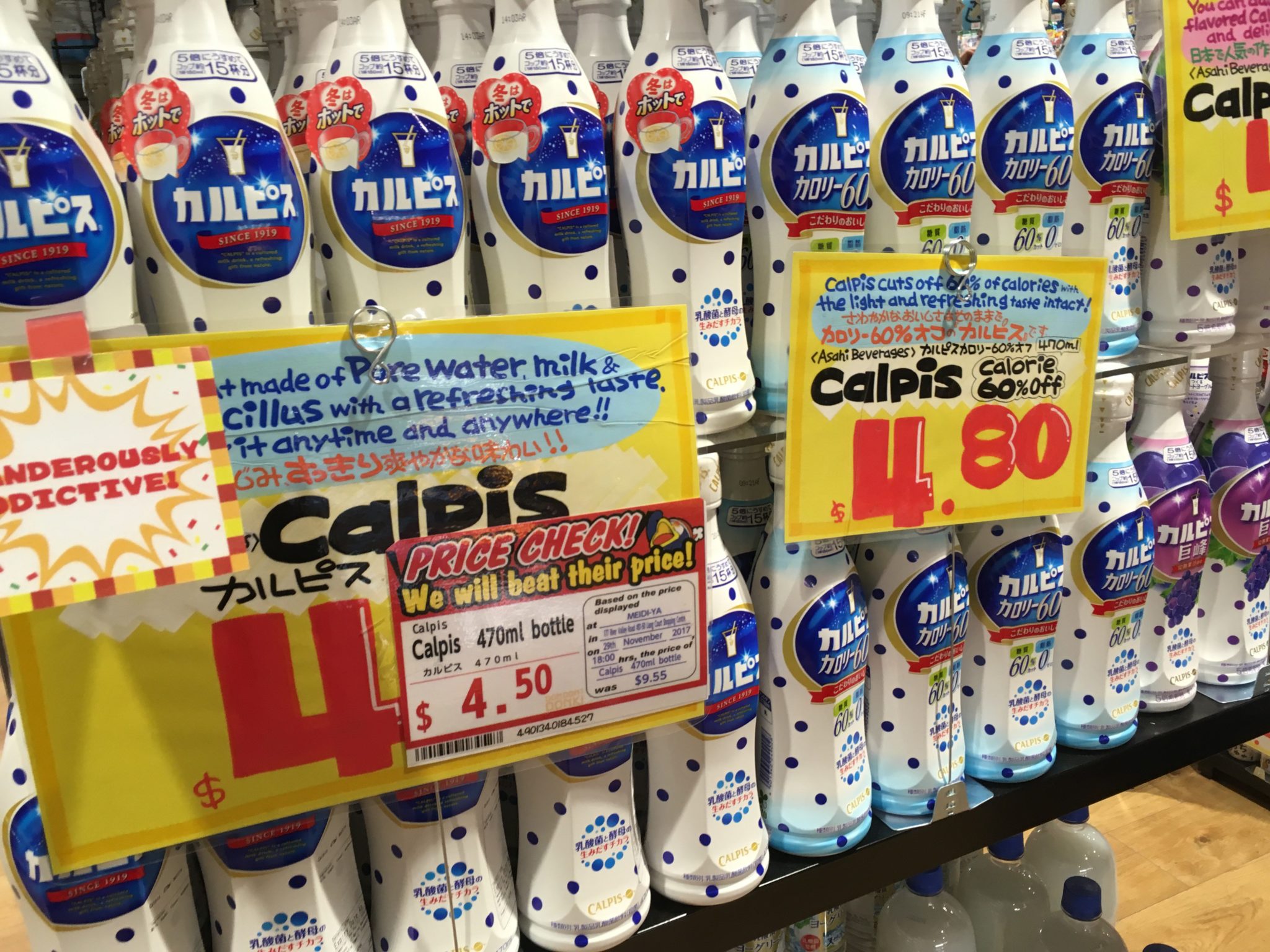
    Japanese discount retailer Don Don Donki is to launch its first store in Malaysia next year.

    Located in Lot 10 shopping center, the Don Don Donki Malaysia store spans three floors, offering a wide range of Japanese goods and globally-sourced products.

    “Pan Pacific Retail Management is strategic in choosing our mall for its location to attract not just the locals but also to capture the heavy tourist traffic from the dense cluster of hotels in and around Bukit Bintang,” said Joseph Yeoh, vice president of YTL Land, which operates Lot 10.

    The store will anchor the new entrance of Lot 10, which will be directly connected to the Bukit Bintang MRT station.

    The Don Don Donki Malaysia Lot 10 store is expected to be completed in the last quarter of this year and open its door to the public in early next year.

    “Its dynamic concept is an excellent addition to our tenant mix which reinforces our mall’s youthful vibes of Meet, Play, #LoveLot10,” he said.

    Since its launch in Southeast Asia in 2017, Don Don Donki has progressively expanded across the region with seven outlets in Singapore and two stores in Bangkok. The Japanese chain has also opened three stores in Hong Kong in just one year.

  • Karl Lagerfeld opens first standalone store in Malaysia

    Karl Lagerfeld opens first standalone store in Malaysia

    Karl Lagerfeld has opened its first store in Malaysia, located at the Pavilion shopping center in Kuala Lumpur.

    The new store offers a wide range of the brand’s items including apparel for men and women and fashion accessories such as handbags, bucket hats, and runners.

    Karl Lagerfeld Malaysia’s first store features a modern design with floor-to-ceiling glass doors and wooden floors. Steel racks and colorful carpet are used inside the store.

    Karl Lagerfeld is sold through more than 100 mono-brand points of sale around the world, including flagships in Paris, New York, Moscow, London, Dubai, and Shanghai.

    The global online store on Karl.com reaches 96 countries.

  • Malaysia’s AirAsia in talks to raise more than $230m

    Malaysia’s AirAsia in talks to raise more than $230m

    Malaysian budget carrier AirAsia Group Bhd on Thursday said it was in talks to raise more than 1 billion ringgit ($234.52 million) in funds, a day after its auditor cast doubt on its ability to continue as a going concern.

    AirAsia, like other airlines, has been slammed by the coronavirus pandemic that has hammered demand for air travel. Its auditors have said its 2019 earnings were prepared on a going concern basis, which is dependent upon recovery from the crisis and the success of fundraising efforts.

    AirAsia said it was considering various fundraising options, including debt and equity, and looking to at least halve cash expenses this year.

    “We have been presented with proposals in various forms of capital raising, be it debt or equity, and are in ongoing discussions with numerous parties, including investment banks, lenders, as well as interested investors in seeking a favorable outcome for the group,” the airline said in a statement.

    Some financial institutions have indicated they would support a funding request of over 1 billion ringgit, it said.

    A part of the funding would come from a Malaysian government guarantee loan program, AirAsia said, adding its subsidiaries in the Philippines and Indonesia have also applied for loans.

    The airline has begun to cut jobs and salaries to save costs, and is working on extensions with lessors, it said.

    Earlier this week, the airline posted a first-quarter loss of nearly $200 million, its biggest quarterly loss since its 2004 listing.

    AirAsia has also sought payment deferrals from suppliers and lenders and halted all deliveries of Airbus SE jets this year.

    Equities research firm CGS-CIMB said AirAsia would need 3 billion ringgit in new funding to maintain a healthy cash position, adding capital-raising efforts could result in shareholder dilution.

    AirAsia’s shares rose 5%, after dropping as much as 17% in the previous session.

  • Taco Bell opens in Malaysia soon

    Taco Bell opens in Malaysia soon

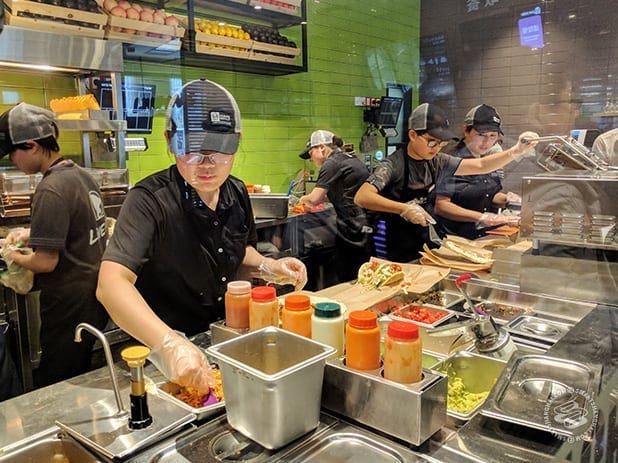
    American food-food chain Taco Bell is set to launch in Malaysia at Tropicana Gardens Mall in Kota Damansara.

    The opening has yet to be officially announced, but hoardings have appeared on a retail space within the mall announcing its imminent opening.

    Taco Bell will be operated by QSR Brands, which holds the Malaysian license for KFC and Pizza Hut, which are both owned by Yum Brands.

    While Taco Bell had outlets in Singapore that were subsequently withdrawn just over a decade ago, the franchise has recently announced intentions to expand in the Asia-Pacific market, where it already has locations in Thailand and the Philippines.

    The brand has also revealed intentions to enter Indonesia, while Thai operator Siam Taco is said to be eyeing Cambodia, Laos, Myanmar and Vietnam.

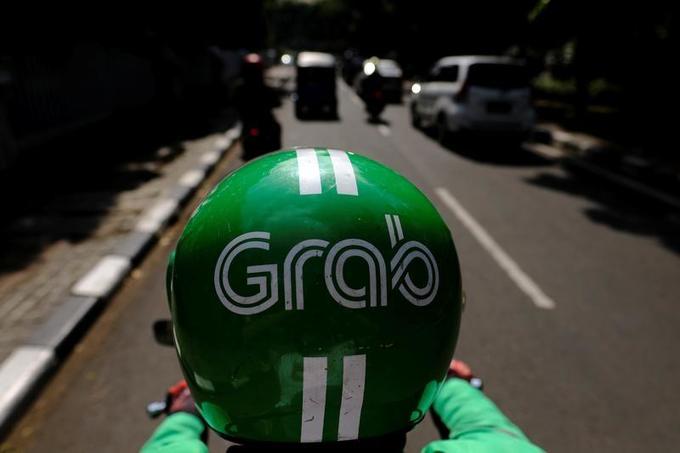
  • Grab Malaysia sees ‘instant retail’ reducing need for physical stores

    Grab Malaysia sees ‘instant retail’ reducing need for physical stores

    Grab Malaysia is expanding its instant retail service after studying customer demand for goods during the nation’s Covid-19-related social-distancing initiative.

    According to Grab Malaysia MD Sean Goh, many convenience stores and grocery retailers were able to treble their sales using the GrabMart delivery service during the lockdown restrictions. Now, as the country’s retailers are allowed to open their doors again and normal trading resumes, Grab believes more consumers are seeking safe, reliable ways to shop for daily needs without visiting stores.

    “While we saw a clear uplift to safe, instant deliveries for food, drinks, snacks, and other essential goods via GrabFood, GrabMart, and especially ‘Pasar’ on GrabMart, we see a new challenge for retailers,” explained Goh.

    “The ‘new normal’ will potentially affect retailers who traditionally rely on high foot traffic and walk-ins – from health and beauty retailers, toys, gifts, and stationery shops to florists. This is a gap where we believe GrabMart is able to step in and address while helping to make the government’s upcoming Shop Malaysia Online initiative a success.”

    GrabMart was launched last November, before anyone foresaw the emergence of Covid-19.

    Goh said that after the government’s movement controls were put in place, many retail chains signed up to GrabMart, not just in the grocery and food categories, but pharmacies, health & beauty, eyewear, books, stationery and gift retailers.

    He believes this has caused consumers to evolve into ‘on-demand shoppers’ who are already accustomed to using mobile technology for their daily needs, and increasingly expect faster speed and safety for their retail purchases. Grab is delivering most goods from retailers in less than 30 minutes for a charge as low as US$1.20 (MYR5).

    Goh believes the convenience of services like GrabMart and the rapidly increasing adoption of apps by consumers to order online will substantially reshape retailing.

    “It is no longer sustainable for businesses to keep expanding their retail presence to get closer to their customers’ homes. Together, we can realise our nation’s vision for a more robust digital economy as businesses adjust seamlessly to the new norm,” he said.

    “We are excited to expand and help more businesses transition seamlessly to adopt instant retail.”

    Grab Malaysia operates GrabMart in Kuala Lumpur’s Klang Valley, Johor Bahru, Kota Kinabalu, Kuching, Ipoh, Melaka and Penang.