Tag: Malaysia

  • Dell backtracks on Singapore retail exit, leaving Malaysia

    Dell backtracks on Singapore retail exit, leaving Malaysia

    According to the company, they will transition out of the retail market in Singapore and Malaysia; however, customers can still purchase items via the company’s online store. An internal memo revealed the company’s intention, stating that they will cease their bricks-and-mortar retail locations in these two countries, following a review of a number of the markets they currently operate in. As a result of this withdrawal, new orders will no longer be accepted by Dell from retail stores; however, any existing contracts and agreements will still be honored by the company.

    Although customers will not be able to purchase new Dell products in physical outlets, they will still be able to purchase these via their online store and will be able to get their hands on older products and product lines in a number of retail locations.

    The company commented: “Dell Technologies has announced plans to transition out of the retail market in Singapore and Malaysia. Customers will still have access to the full complement of our products and services through Dell direct.”

  • CIMB Restructures Singapore Business

    CIMB Restructures Singapore Business

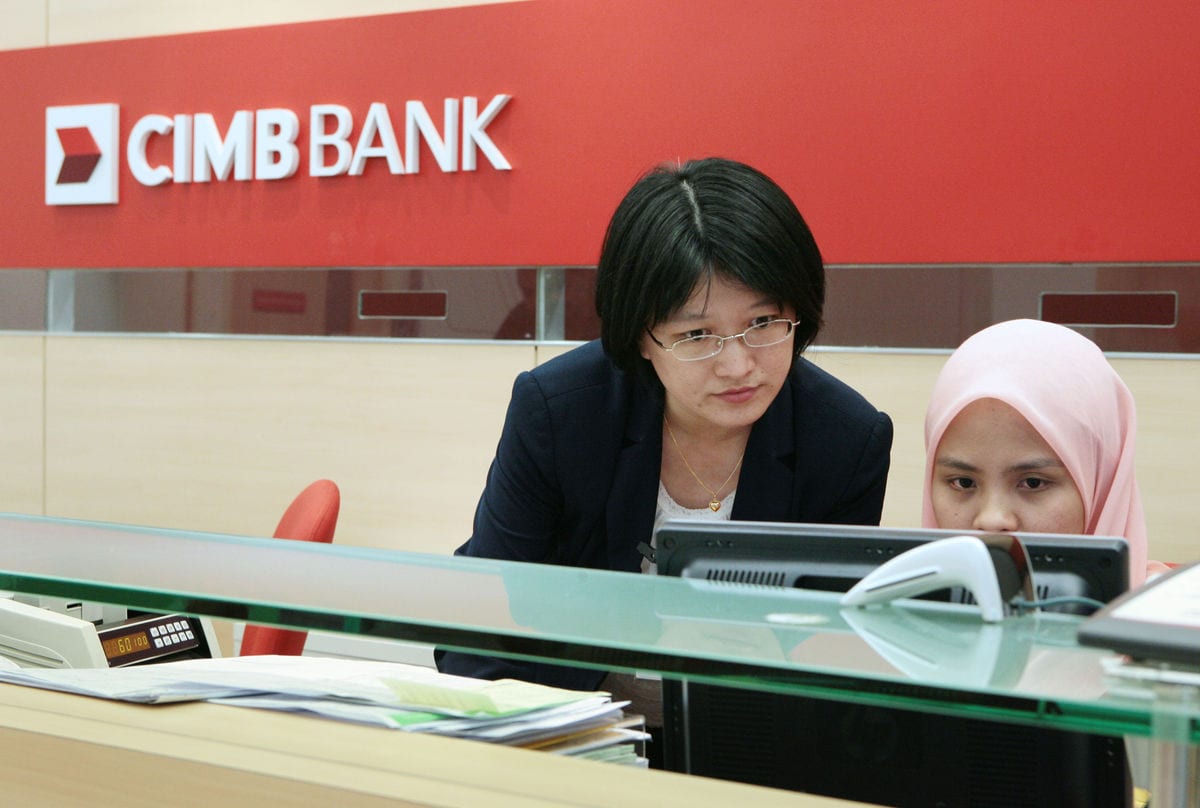
    The Malaysian bank is letting go of three business heads in Singapore, following a review of its operations.

    Changes are afoot at CIMB Singapore, as the bank has moved to ax its consumer, commercial and corporate banking heads: Josandi Thor, Yong Jiunn Run and Lai Ven-Li, citing an internal memo viewed by the portal.

    The bank cited the poor performance brought about by the pandemic, which required it to reshape its business portfolios to drive cost efficiency across the bank. The bank said it recently adapted its Forward23 five-year growth plan, launched in 2018, in response to the pandemic.

    CIMB Singapore’s posted losses of 939 million ringgit ($229.42 million) for the first half of the year, largely due to impairments.

    However, there have been talks of restructuring since the middle of the year and the possibility of wider layoffs.

    An observer told the publication that CIMB Singapore CEO Victor Lee, who was appointed earlier this year, was looking to restructure the senior management team and bring in people he had previously worked with.

    Given the business pivots moving forward, we have carefully deliberated with group management on the optimal structure to deliver our Forward23+ strategy. This entails streamlining the leadership structure and reducing the CEO’s span of control to focus on key areas impacting the business, Lee said in the email.

  • Suria KLCC revamps its food court

    Suria KLCC revamps its food court

    Suria KLCC in the heart of Kuala Lumpur has unveiled its newly refurbished food court, which was designed to adapt to the Covid-19 era.

    Incorporating the space formerly occupied by department store Parkson, the Signatures food court boosts seating to more than 1500 while still ensuring enough space to comply with physical distancing requirements.

    Dining options have also been expanded with 23 food court outlets, six kiosks and seven restaurants. The revamped food court is equipped with a 5G infrastructure, and sports device-charging sockets.

    “A lot of thought and effort went into improving Signatures to what it is now,” said Andrew Brien, CEO of Suria KLCC.

    “Nothing has been left to chance, from the standard operating procedures to ensure hygiene, all the way to aesthetics capable of satisfying new norms for a long time.”

  • Dell quits retail in Singapore, Malaysia moving online only

    Dell quits retail in Singapore, Malaysia moving online only

    It appears retail stores in Malaysia and Singapore will not be carrying Dell products in the near future. According to an official statement from the company, Dell will “transition out of the retail market in Singapore and Malaysia,” though that doesn’t mean you cannot buy a Dell laptop anymore in these two markets.

    This news was first shared by Lowyat.NET, which has received an internal memo sent to Dell retailer partners in Malaysia and Singapore. According to the memo, Dell is exiting the retail market in these two countries after the company reviewed its presence in a number of regions. As such, effective immediately, Dell will no longer accept new orders from retail stores.

    Of course, any form of an existing contractual agreement between Dell and its retail partners – as well as customers – will still be honored despite this move.

    Now, it’s worth noting that this does not mean retail stores will immediately cease the sales of Dell products. You can still head to your local retail store and pick up a Dell laptop, but if you want the latest product offerings from the company, you can only get them from Dell’s Malaysian online store.

    Speaking of which, that will be the only channel to get new Dell products – for those in Malaysia and Singapore – moving forward. These include the latest XPS 13 and XPS 13 2-in-1 with Intel’s 11th generation Tiger Lake processors. Basically, retail stores will only be carrying older Dell products from now on.

    In the grand scheme of things, this does not affect the availability of Dell products in Malaysia and Singapore; you can still purchase them directly from the company on its online store. Of course, this does mean you won’t be able to try out new Dell laptops at retail stores in the near future.

  • Eslite opening mega store in KL, Malaysia

    Eslite opening mega store in KL, Malaysia

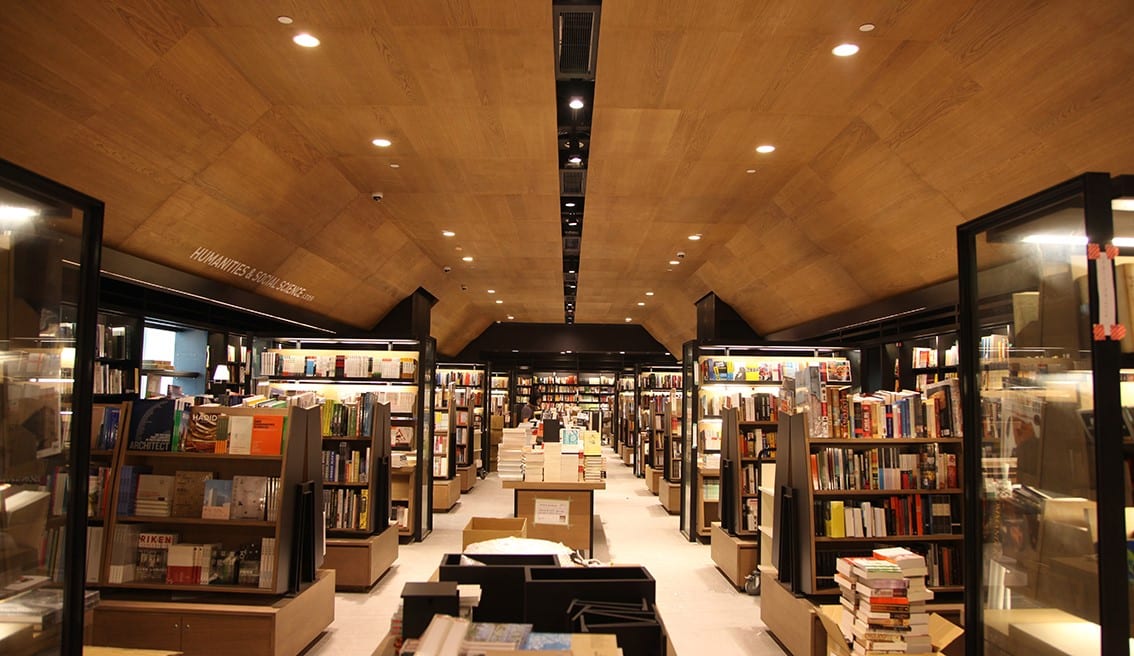
    Eslite Spectrum Corp (誠品生活), which runs the Eslite bookstore chain in Taiwan and abroad, yesterday inked an agreement with Malaysia’s YTL Corp Bhd to open a branch in downtown Kuala Lumpur in 2022.

    The two sides signed the partnership via a teleconference to launch the Taiwanese bookstore brand in YTL’s mixed-use property The Starhill in Bukit Bintang, a central business district in the Malaysian capital.

    Despite the company’s aim to grow its business abroad, Eslite Spectrum chairwoman Mercy Wu (吳旻潔) said that she was initially hesitant about expanding to Malaysia when the world was in the grip of a pandemic.

    “I decided to take the step at the urging of YTL Corp, the largest conglomerate in Malaysia whose founder, Yeoh Tiong Lay (楊忠禮), was an immigrant from Kinmen and had long supported Chinese culture and education,” Wu told a news conference in Taipei.

    Joseph Yeoh (楊恭賢), vice president of YTL hotels and property wing, said from Kuala Lumpur he was confident that Eslite would succeed in Malaysia, as many people there would still prefer in-person shopping once the COVID-19 pandemic is over.

    YTL has a global footprint with nine shopping malls in different parts of the world and the collaboration with Eslite could lead to other partnerships in the future, Joseph Yeoh said.

    “We will first focus on the current project,” he said.

    The upcoming flagship Eslite branch at The Starhill would be a 2,000 ping (6,600m2) space featuring a bookstore, as well as retail, food and beverage sections, Wu said.

    A Taiwanese team is in charge of its interior design, in line with the company’s mission to integrate the humanities, arts and creativity into life, Wu said.

    “Our initial hesitation stemmed from our insistence on doing the best we can to live up to a reputation of being the top cultural brand across Chinese societies,” Wu said.

    Kuala Lumpur, dubbed the World Book Capital City by the UN, is an ideal destination for expansion, as Malaysia has topped the list of foreign visitors from Southeast Asia for the past 10 years, she said.

    Malaysians have long embraced cultural diversity, with Chinese constituting the second-largest ethnic group, making Malaysia a major export market for Taiwanese books, she added.

    The new Eslite branch is expected to help drive cultural tourism in Malaysia and benefit the two partners, Wu and Yeoh said.

  • Singapore and Philippines to Boost Data Connectivity

    Singapore and Philippines to Boost Data Connectivity

    Bangko Sentral ng Pilipinas and the Monetary Authority of Singapore have agreed to promote the adoption and implementation of policies to aggregate, store, process, and transmit data across borders for banks and non-bank financial institutions.

    While the increasing use of data in financial services and the increasing use of technology to supply financial services offer a range of benefits, they also pose new and complex risks for markets and challenges for policymakers and regulators, the two sides said in a joint announcement on Monday.

    Data mobility in financial services supports economic growth and the development of innovative financial services, and benefits risk management and compliance programs, by enabling stronger supervision of cross-border money laundering, terrorist financing patterns, and proliferation financing while strengthening defense against cyberattacks and allowing the regulators to manage and assess risk on a global basis, the statement noted.

    The two regulators said that covered institutions should be allowed to transfer data, including personal information, across borders by electronic means to facilitate business activities, and the location where covered institutions can store and process their data should not be restricted as long as BSP and MAS have full and timely access to the data necessary to fulfill their regulatory and supervisory mandate.

  • Foodpanda grows q-commerce with more than 2,500 7-Eleven stores  across Singapore, Malaysia, Taiwan and the Philippines

    Foodpanda grows q-commerce with more than 2,500 7-Eleven stores across Singapore, Malaysia, Taiwan and the Philippines

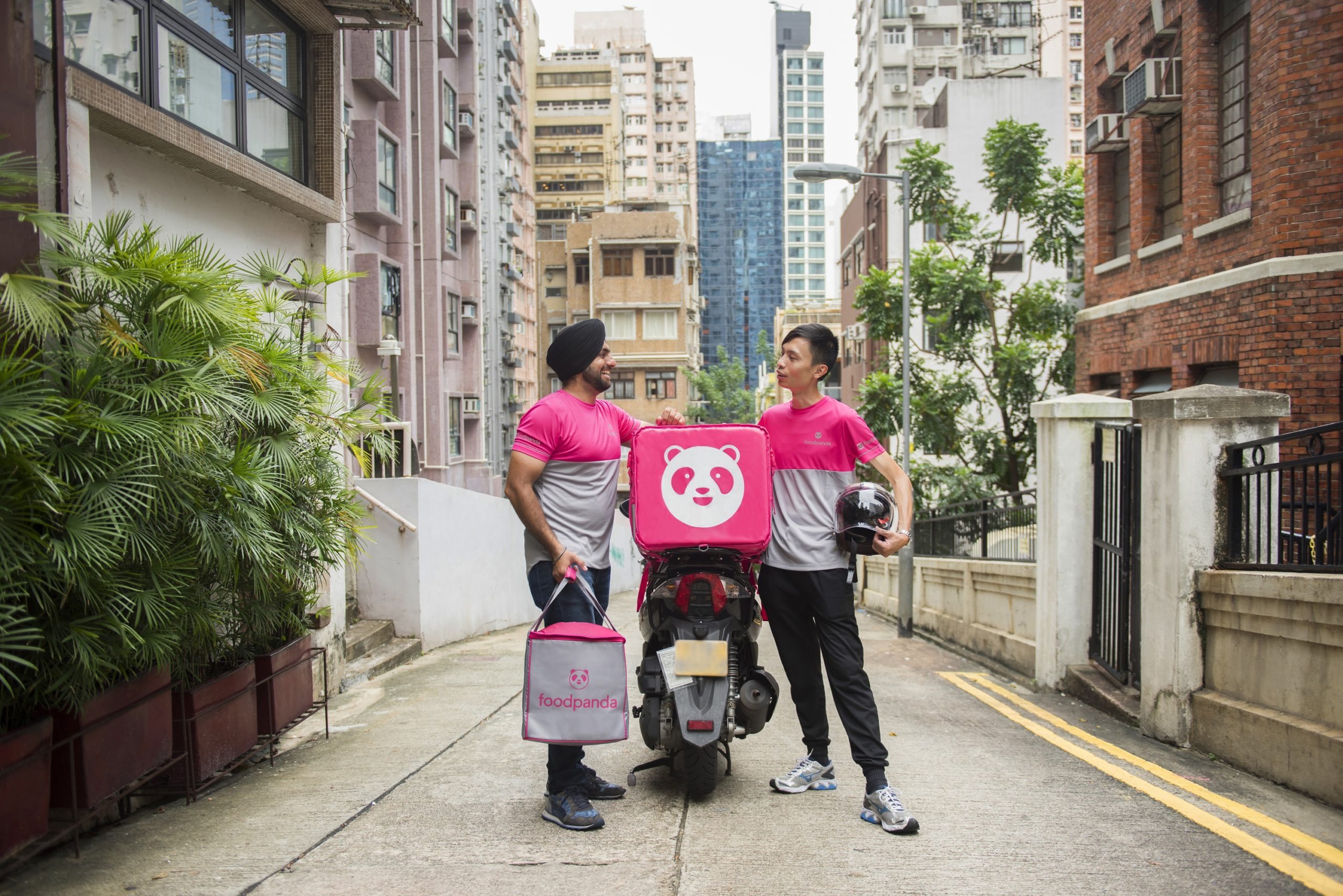
    What’s more convenient than a convenience store? An online one, of course – delivering food, and essentials to customers’ doorsteps quickly, at the touch of a button. foodpanda, the leading delivery platform in Asia Pacific, marks a new milestone with the announcement of more than 2,500 7-Eleven stores on its app, making the leading convenient store available in Singapore, Taiwan, Malaysia and the Philippines.

    With this partnership, foodpanda brings hundreds of 7-Eleven items including hot food, ready-to-eat insta-meals, snacks and alcohol and even pre-paid mobile phone cards into customers’ hands within an average delivery time of 20 minutes. Deliveries can be made anytime, anywhere, 24/7 via foodpanda.

    In the beta phase for integration into the foodpanda “shops” feature, the number of 7-Eleven orders on foodpanda shops grew 50% month-on-month over the past six months. 7-Eleven stores on foodpanda offer over 1,000 unique items on average across the four markets.

    The most convenient convenience store, powered by technology

    As a pioneer in quick commerce, or q-commerce, foodpanda believes in using technology to better the lives of their customers. With 7-Eleven – a brand synonymous with convenience – on the foodpanda platform, consumers enjoy easy access to the choice and variety for their daily essentials.

    In the Philippines, the largest variety available from a 7-Eleven store via foodpanda is almost 1,600 unique items. In Taiwan, consumers have a preference for post-dinner orders from 8pm to midnight, especially for snacks. We see similar trends across the other markets in Asia as foodpanda continues to provide consumers with better varieties and access to on-demand convenience.

    Industry watchers like IGD have predicted growth in online grocery retail with more brick-and-mortar retailers partnering with delivery and technology companies to grow their online footprint, even prior to the COVID-19 pandemic. This is in line with the rise of the ‘convenience economy’ over the past few years, as consumers get accustomed to food and grocery deliveries. COVID-19 has accelerated this evolution and process. IGD reported that online grocery penetration is expected to remain at elevated rates post-COVID-19 as consumers stay home more. The report also predicts that consumers will continue using online deliveries when social distancing measures are lifted to save time.

    As a leading platform for on-demand deliveries in the Asia Pacific region, foodpanda supports the entire delivery ecosystem to ensure that it satisfies consumers’ appetite for greater choice and convenience through its expansion plans. This partnership underscores foodpanda’s dual focus on growing its core food delivery business as well as its q-commerce offerings.

  • 7-Eleven Malaysia appoints CEO team

    7-Eleven Malaysia appoints CEO team

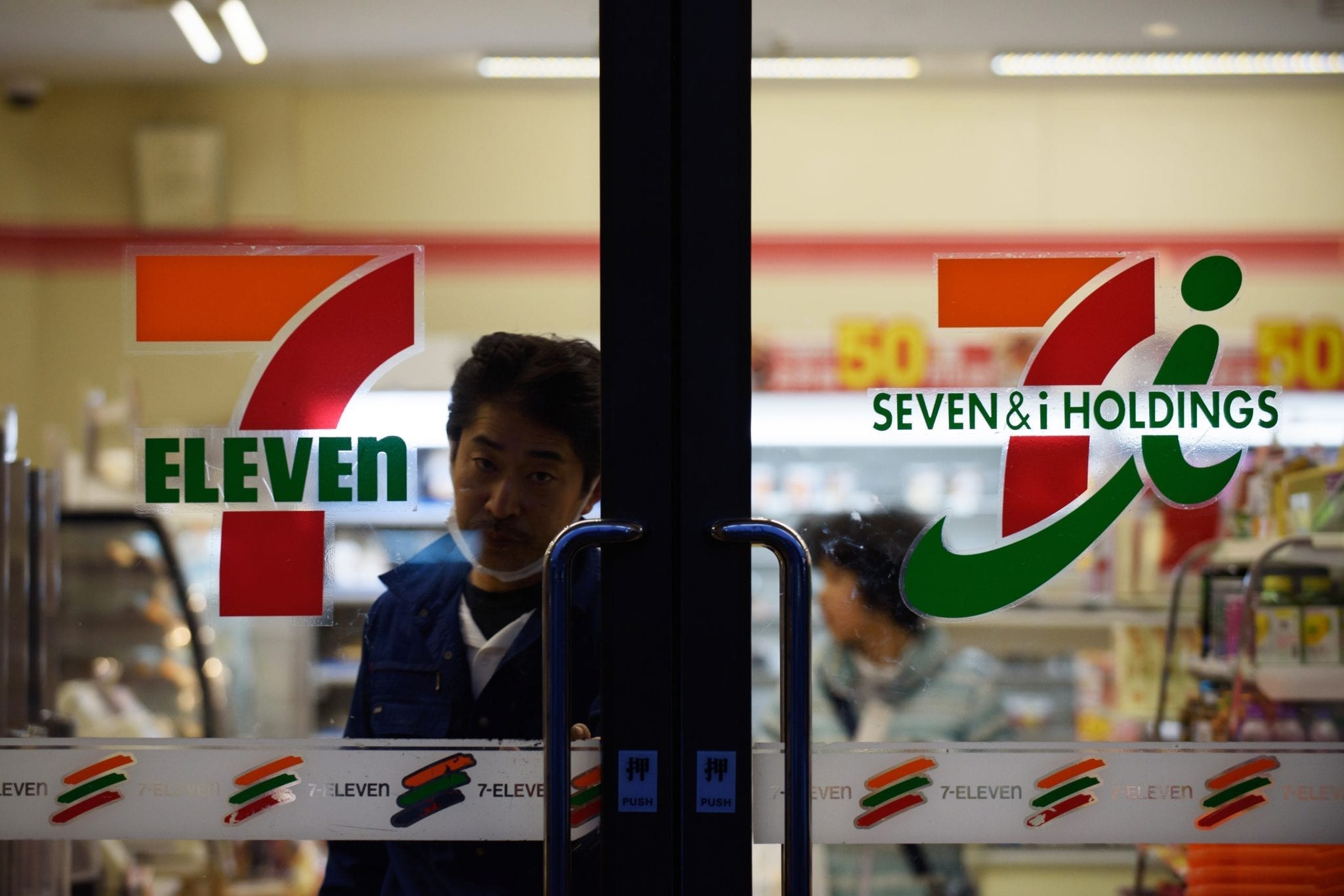
    7-Eleven Malaysia Holdings Bhd has appointed CFO Wong Wai Keong and executive director Tan U-Ming as the co-CEOs for the company, effective Dec 1, 2020. Wong will also be appointed as an executive director of the company, effective Nov 1, 2020.

    They will jointly succeed Colin George Harvey, who will relinquish his post as executive director and CEO effective Dec 1, 2020 for health reasons. Harvey will continue with the company in his new capacity as an advisor and consultant.

    7-Eleven Malaysia chairman Tan Sri Abdul Hamid Embong said Wong and Tan’s combined 15 years of experience with the company will provide the strength and stability needed to weather through the uncertain economic conditions caused by the Covid-19 pandemic.

    Wong was appointed as CFO of the company in March 2018. Prior to joining 7-Eleven Malaysia, he was the group finance director of SyAqua Group Inc overseeing the Asian markets and Florida, USA where he was involved in the organization expansion and was instrumental in transforming the group into an integrated functional business. He has previously held management roles in Avon Cosmetics, KFCH Marketing, Ayamas Food Corp, Abbott Laboratories, and Wyeth. He was also a lead application consultant with JD Edwards.

    Wong is also a member of the Chartered Institute of Management Accountant, the Malaysian Institute of Accountants, and the Chartered Global Management Accountants.

    Tan was appointed as a director of 7-Eleven Malaysia Sdn Bhd in 2008, where he was responsible for overseeing the merchandising, supply chain, procurement and marketing functions. He was appointed to the position of executive director in 2011. Tan was appointed to the board of 7-Eleven Malaysia in August 2013. He currently holds directorships in other private companies of various industries.

  • CapitaLand Malaysia Mall Trust hurt by Covid-19

    CapitaLand Malaysia Mall Trust hurt by Covid-19

    Shopping center operator CapitaLand Malaysia Mall Trust suffered a 17.2 percent hit to quarterly income, which was knocked down to $6.08 million for the third quarter.

    The fall was largely attributed to higher levels of vacancies and the rental relief granted to tenants under Malaysia’s Recovery Movement Control Order – an order that has been extended until the end of the year to slow the resurging transmission rates of Covid-19.

    “In light of the prevailing cautious business and consumer sentiments exacerbated by Covid-19, the operating environment for Malaysia’s retail industry continues to be challenging in the near-term,” CapitaLand Malaysia Mall REIT Management chairman David Wong said.

    “We will continue to keep a pulse on the evolving situation and closely engage with our tenants. In addition, we will focus our efforts on stabilizing the portfolio through proactive asset and lease management to build greater resilience in CMMT’s retail ecosystem.”

    And, with foot traffic recovering to around 58 percent of normal levels and tenant sales to 82 percent, the firm is keeping a cautious eye on the near-term market conditions.

    CMRM’s CEO Low Peck Chen said the business focus in the short term is in strengthening its operational efficiency and supporting its tenants in adapting to the new normal brought on by the Covid-19 pandemic.

    “Notwithstanding near-term challenges, we remain positive on CMMT’s long term prospects on the strength of our income- and geographically-diversified assets.”

  • The Starhill reveals high-end tenants ahead of reopening early next year

    The Starhill reveals high-end tenants ahead of reopening early next year

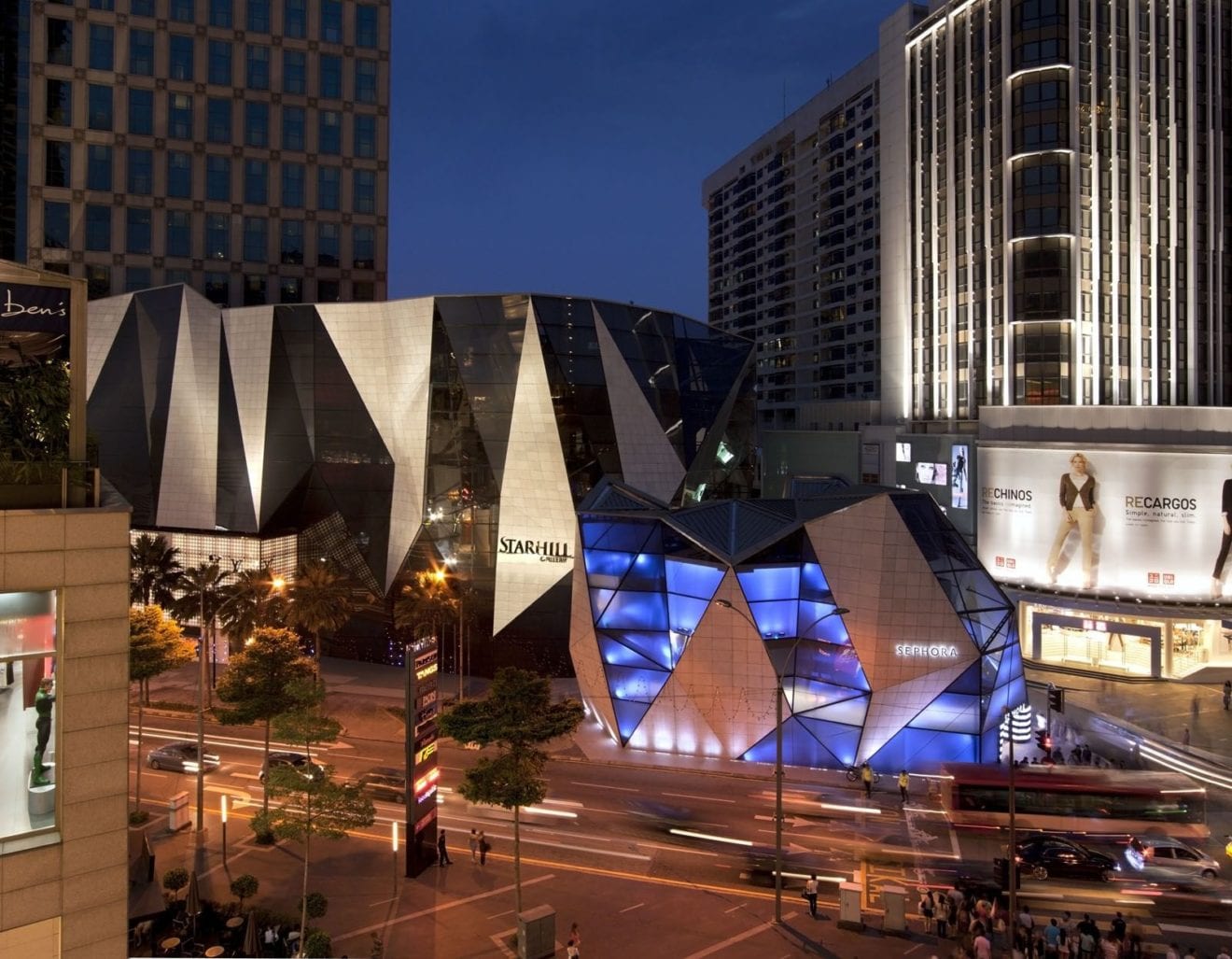
    The iconic Starhill Gallery, which is part of a portfolio of retail assets owned by Singapore-based Starhill Global Real Estate Investment Trust (SGREIT) will undergo a transformation and revealed as The Starhill – Home of the Tastemakers in 2021.

    The mall, the most luxury retail establishment in the Bukit Bintang shopping district was developed by YTL Corp Bhd more than two decades ago.

    It opened in 1996 and houses more than 100 renowned luxury timepiece and jewellery brands, as well as other contemporary luxury labels.

    The mall was renovated in 2005, with renowned American architect David Rockwell at the helm of the project, which resulted in its current glass dome-like façade.

    YTL Land & Development Bhd vice president Joseph Yeoh said the mall will be partially closed (from October this year) for renovation with some brands continuing to operate.

    Yeoh said, the completion of phase one renovation is scheduled for the second quarter of 2020 in tandem with the relaunch of Shook!, Lu Yu Tea House and Jogoya.

    The soft opening of new stores and other food and beverage outlets is scheduled in the last quarter of 2020.

    Hospitality and retail experience under one roof

    Yeoh said the mall, after undergoing the transformation will redefine Kuala Lumpur’s shopping scene in a new concept that infuses hospitality into the retail experience.

    The mall, which sits directly opposite Pavilion KL, is connected to YTL’s five-star JW Marriott Kuala Lumpur hotel by a “Time Tunnel”. The link bridge also connects to YTL’s The Ritz-Carlton Kuala Lumpur.

    Yeoh said, with Kuala Lumpur remaining among the top five most popular tourist destinations in the Asia Pacific region alongside Tokyo, Seoul, Bangkok and Singapore based on Mastercard Destination Index 2019, it is crucial for The Starhill to optimize the cross cultivation of experiences between the retail and hospitality floors to offer unique shopping offerings for hotel guests from the two luxury hotels.

    Key to the refurbishment is to improve spatial layout, circulation and overall shopping experience; all interior common areas will be fully refreshed.

    A new double-volume entrance atrium will feature a lush green wall with multiple LED screens projecting brand videos of The Starhill and tenants to welcome all visitors.

    The central atrium will also be overhauled to include a new connecting bridge plying across the sun-lit atrium and cantilevered balconies designed as pop-up space.

    The Bukit Bintang facade will be given a facelift with new LED screens and a new café terrace on level one overlooking the new piazza.

    Yeoh said, the concept of The Starhill reinforces the group’s positioning as the place to be in Bukit Bintang.

    “The Starhill bucks the city’s cookie-cutter mall trend, going boutique-sized at 300,000 square feet of retail space to cultivate a more personalised retail ambience which is warm yet discreet when others have gone mega with an anodyne take on the shopping experience. Today, discerning shoppers seek special access and discoveries but most importantly, they want meaning, authenticity and connection and this is what we set out to achieve in The

    Starhill,” he said.

    YTL has partnered with top consultants from the region.

    Yeoh said, the consortium comprising Cistri (Singapore), Husband Retail Consultant (Hong Kong), Kokai Studio (Shanghai) and Eight Partnership (Hong Kong) – expert retail, design and branding consultants have meticulously studied the fluid landscape and identified transformative, game-changing strategies for The Starhill over the last two years.

    “With fast-changing values and consumption behavior among savvy and socially-connected consumers, the transformation to become The Starhill is in line with the need for retail malls to constantly evolve and differentiate to stay at the forefront of the changing retail landscape,” said Yeoh.

    More luxury rooms after the transformation

    The JW Marriott Kuala Lumpur will add 162 rooms to its current inventory on the upper floors of The Starhill.

    The Starhill, facing Jalan Gading and Jalan Bukit Bintang, will be distinguished by four floors of experiential retail space and three more floors of hotel rooms creatively converted from former retail space in the upper levels of the mall.

    Offering new and stylish accommodation, the new extension will be seamlessly integrated with the lower retail space in one vertical seven-floor development – a first in Asia that truly breaks down the boundary between retail and hospitality.

    Combining JW Marriott Kuala Lumpur and The Ritz-Carlton, Kuala Lumpur, there will be over 1,100 rooms seamlessly connected to The Starhill in two year’s time contributing excellent footfall to the retail floors, said Yeoh.

    The Starhill, coupled with the new hotel rooms, will officially launch in 2021.

  • MyNews to open 500 CU convenience stores across Malaysia

    MyNews to open 500 CU convenience stores across Malaysia

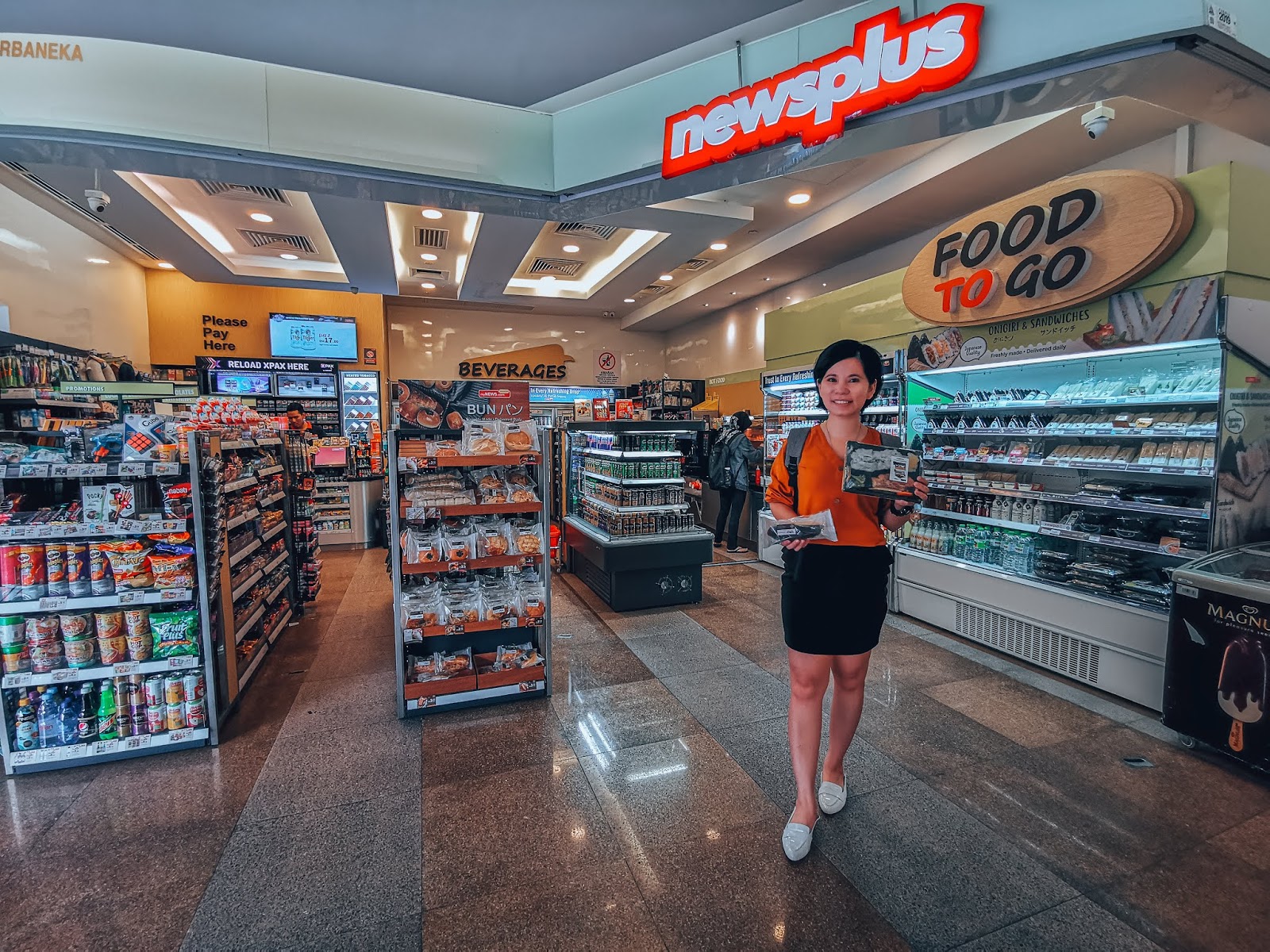
    Home-grown MyNews Holdings Bhd, which already operates some 570 stores, is bringing a South Korean convenient store brand to the Malaysian market.

    At its headquarters in Kota Damansara, the convenience store operator announced that its wholly-owned subsidiary MYCU Retail Sdn Bhd had signed a licensing agreement with BGF Retail Co Ltd, which runs the CU line of convenience stores in South Korea.

    There are some 15,000 CU stores in the republic.

    MyNews chief executive officer (CEO)-cum-founder Dang Tai Luk said the group will open 500 CU stores in five years’ time, with the first set of stores set to be open in Malaysia by early 2021.

    When asked about the geographical location spread of the new stores, Dang said the group will look at launching the stores in bigger cities first.

    “The Klang Valley is where we would start our CU journey,” he said, noting that onboarding the CU stores is part of the group’s expansion strategy.

    In the first year, Dang said, the group will be looking at opening 30 to 50 CU stores first to monitor how they perform.

    He noted that CU will be using MyNews’ food processing center (FPC) and, as a result of this, the center’s utilization rate will be increased to around 70%, partly aided by CU products at end-2021, from 35% currently.

    The group expects the CU stores to break even in two to three years’ time, with MyNews spending RM30 million to RM40 million in capital expenditure (capex) on the stores.

    In terms of earnings contribution, he noted that group will see higher revenue as a result of the new stores that are expected to achieve better gross margins when compared to the MyNews stores, whose margins tend to be 30% to 40% currently.

    He noted that there is a gestational period for the CU stores and that initially the MyNews outlets will continue to be the group’s main earnings contributors, but opined that as the CU stores grow, they will contribute more to the bottom line.

    Dang was not concerned about oversaturation in the convenience store market, noting that the market in Malaysia is still young and growing with the penetration rate still low.

    The licensing agreement will last for 10 years, with an option to renew for another 10 years.

    There are currently 570 MyNews stores at the moment. When queried about whether it will slow the launch of MyNews stores in favor of the CU stores, Dang noted that the group will monitor the situation and adjust its portfolios accordingly.

    MyNews was last traded at 67 sen, with a market capitalization of RM457.04 million.

  • Malaysia’s Mr DIY seeks to raise US$360 million

    Malaysia’s Mr DIY seeks to raise US$360 million

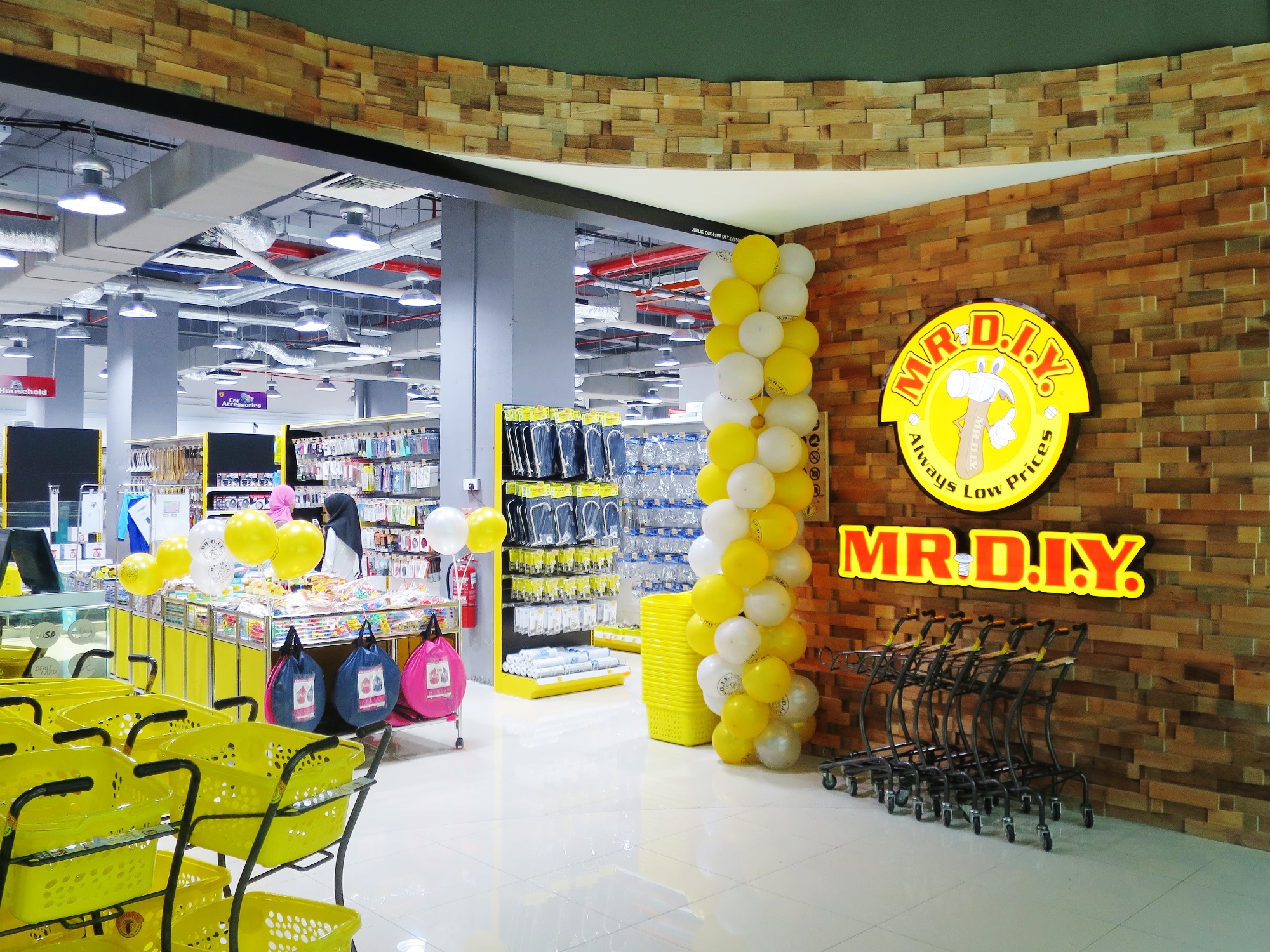
    Malaysian home improvement retailer MR DIY Group opened the books for its 1.5 billion ringgit ($361.71 million) initial public offering (IPO) on Tuesday, the country’s largest listing in three years.

    The company fixed the offer price at 1.60 ringgit per share, giving it an estimated market capitalization of 10 billion ringgit. The bookbuild period will last seven working days, before pricing on Oct. 14 and listing on Oct. 26.

    MR DIY joins a number of other Southeast Asian companies planning IPOs this year, including Thailand’s Siam Cement Group Packaging and Philippines’ Converge ICT Solutions Inc, a trend that signals an uptick in fundraising activity in underperforming markets.

    The MR DIY listing is on track to be the largest in Malaysia since Lotte Chemical Titan raised 3.77 billion ringgit in July 2017.

    Offering up to 941.5 million shares, representing around 15% of its enlarged issued share capital, MR DIY said it planned to use the IPO proceeds primarily to repay bank borrowings.

  • Berluti opens first Malaysian store in KL

    Berluti opens first Malaysian store in KL

    French men’s fashion house Berluti has opened Malaysia’s first store in Kuala Lumpur in partnership with Indonesian retail firm Time International.

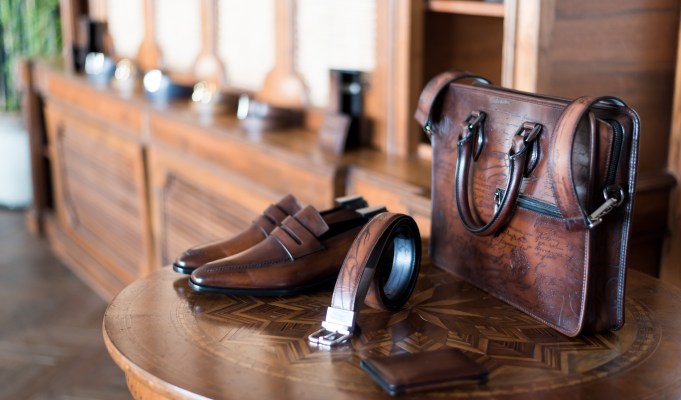
    Located at Suria KLCC, the Berluti store occupies a 105sqm space, offering a selection of men’s shoes, leather goods, ready-to-wear and accessories.

    The store’s facade features a wooden-patterned wall and a display box showing the latest Berluti collection. The interior design uses a warm brown beige palette to highlight the masculinity elements.

    “The ‘full-grain’ club ambiance flawlessly complements the speakeasy reference of the Patina Wall, a genuine ode to Berluti’s savoir-faire,” the company said in a statement.

    “This store shows our commitment to build and expand the brand’s presence in Malaysia and celebrate the iconic French brand with our clients,” said Irwan Danny Mussry, president and CEO of Time International.

    The store also houses the Fall/Winter 2020 ready-to-wear and accessories collection and the Maison’s first patterned canvas collection designed by Artistic Director Kris Van Assche.

  • Swarovski opens Crystal Studio concept store in KL, Malaysia

    Swarovski opens Crystal Studio concept store in KL, Malaysia

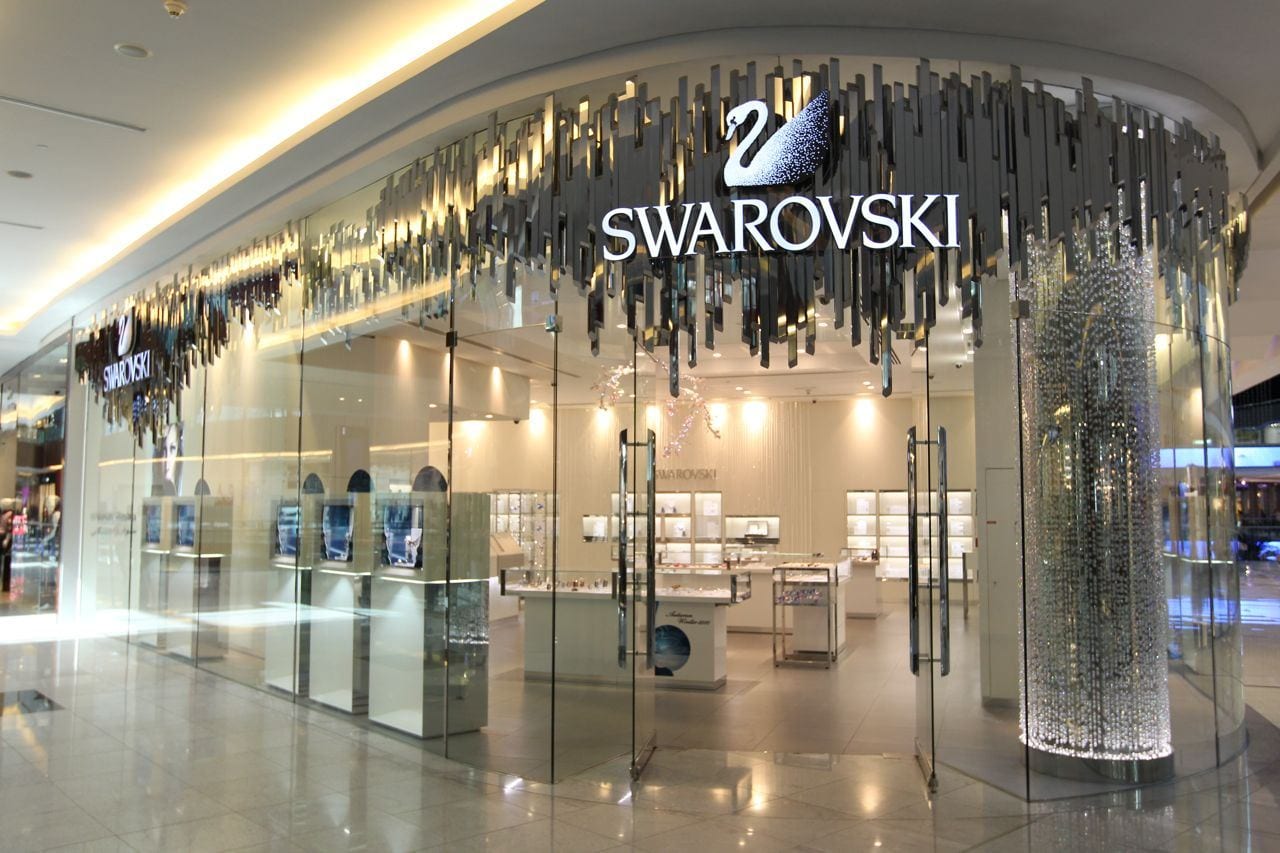
    Swarovski has launched Southeast Asia’s first Crystal Studio concept store, in Kuala Lumpur, Malaysia. Located in Mid Valley Megamall, the store offers interactive digital touchpoints throughout the store, including shop window screens and interactive tablets.

    Designed by Patricia Urquiola, the store concept “follows the last store redesign 10 years ago and heralds a new phase in Swarovski’s differentiated approach to the retail experience,” the company said.

    “The new Swarovski retail concept truly puts consumers at the center,” said Michele Molon, EVP omnichannel and commercial Oo/erations. “We are breaking the traditional distance between staff and customers, facilitating an interactive and continuous dialogue with them.”

    The store theme color is an incorporation of a warm color palette and Swarovski’s signature blue. Crystal Studio Malaysia houses a Crystal Bar, a station where customers can view new products with in-store experts.

    “Innovation, creativity, and the customer are at the core of this exciting new store concept,” said Robert Buchbauer, chairman and CEO, consumer goods business.

    “Before we started working on the aesthetics, we focused on functionality, with the ambition being to meet the digital demands of our consumers while offering them a unique and immersive brand and shopping experience,” he said.

  • Online platform ready to recover lost Malaysia Airports retail earnings

    Online platform ready to recover lost Malaysia Airports retail earnings

    Malaysia Airports Holdings has launched a travel retail e-commerce platform shopMYairports, aiming to recover some US$67 million from sales lost through its airport network due to passenger volumes plummeting.

    Still smarting from the loss of $671 million in revenues from retail in the year prior to the advent of Covid-19, the airport operator is hoping for significant potential growth from the initiative, which is part of a broader Airports 4.0 plan for digital transformation to enhance passenger retail experiences and support the recovery of its airport retail tenants.

    The move serves to allow consumers to buy travel-exclusive and duty-absorbed products online, having purchases delivered directly to their homes.

    “The launch of shopMYairports is an important step in our journey to make our airports future-ready,” said group CEO Datuk Mohd Shukrie Mohd Salleh.

    “As Malaysia’s main airport operator, we have to ensure that we remain agile and relevant while navigating within a fast-changing consumer landscape.”

    Future services available on the platform are expected to include click-and-collect services, allowing travelers to pick up purchases at designated airport counters, and concierge services to deliver products to passengers’ boarding gate or aircraft seat.