Tag: Malaysia

  • StanChart Keeps Affluent Clients Engaged Amid Border Closures

    StanChart Keeps Affluent Clients Engaged Amid Border Closures

    The bank is deploying digital functionalities to keep clients stay engaged with relationship managers and investment advisors while travel is halted.

    Since April, almost half of its affluent clients have been using the bank’s My RM app, with significant usage from International Banking clients, Standard Chartered said.

    Embedded within its online and mobile banking platforms, My RM allows file sharing, screen sharing, and audio call functions, so clients can interact with their relationship managers directly, schedule appointments, and authorise investment transactions securely anywhere.

    With over 30 percent of the bank’s affluent clients in Singapore being international, having the right channels to stay in contact with clients is crucial, especially during these times, the bank said in an announcement on Friday.

    International Banking is a growing business for Standard Chartered with assets under management growing 30 percent over the past year, despite headwinds, according to the bank.

    To cater to this growth and tap on Singapore’s reputation as an international wealth hub, Standard Chartered plans to double its relationship managers and double its International Banking business in the next five years.

  • Deloitte Hands Over 1MDB Settlement to Malaysia

    Deloitte Hands Over 1MDB Settlement to Malaysia

    The latest chapter of the Malaysian government’s asset recovery efforts follows effective settlements recently achieved.

    The Malaysian government has received a remittance from Deloitte totaling RM336 million ($80 million) in relation to 1Malaysia Development (1MDB) matters, the country’s finance ministry said on Thursday.

    The auditor, the first to face penalties related to the scandal-ridden fund, was fined in 2019 for breaches related to a bond issuance by 1MDB.

    To date, the country has received RM16.386 billion of seized and repatriated 1MDB funds into its Trust Account, which is used primarily to repay and service 1MDB and subsidiary SRC’s remaining debts, the statement said.

    It is currently awaiting RM2.83 billion from local lender Ambank, and is currently in settlement negotiations with another auditor, KPMG.

    Last month, the Malaysian government filed civil suits against multiple domestic and global entities including J.P. Morgan, Deutsche Bank and Coutts, with the aim of recovering about RM96.6 billion ($23 billion) that the government says are linked to the fund.

  • Malaysia’s AirAsia X gets shareholder go-ahead for restructuring plan

    Malaysia’s AirAsia X gets shareholder go-ahead for restructuring plan

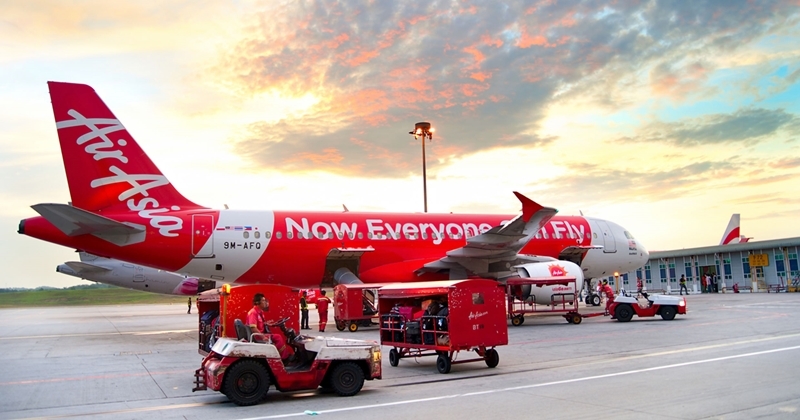
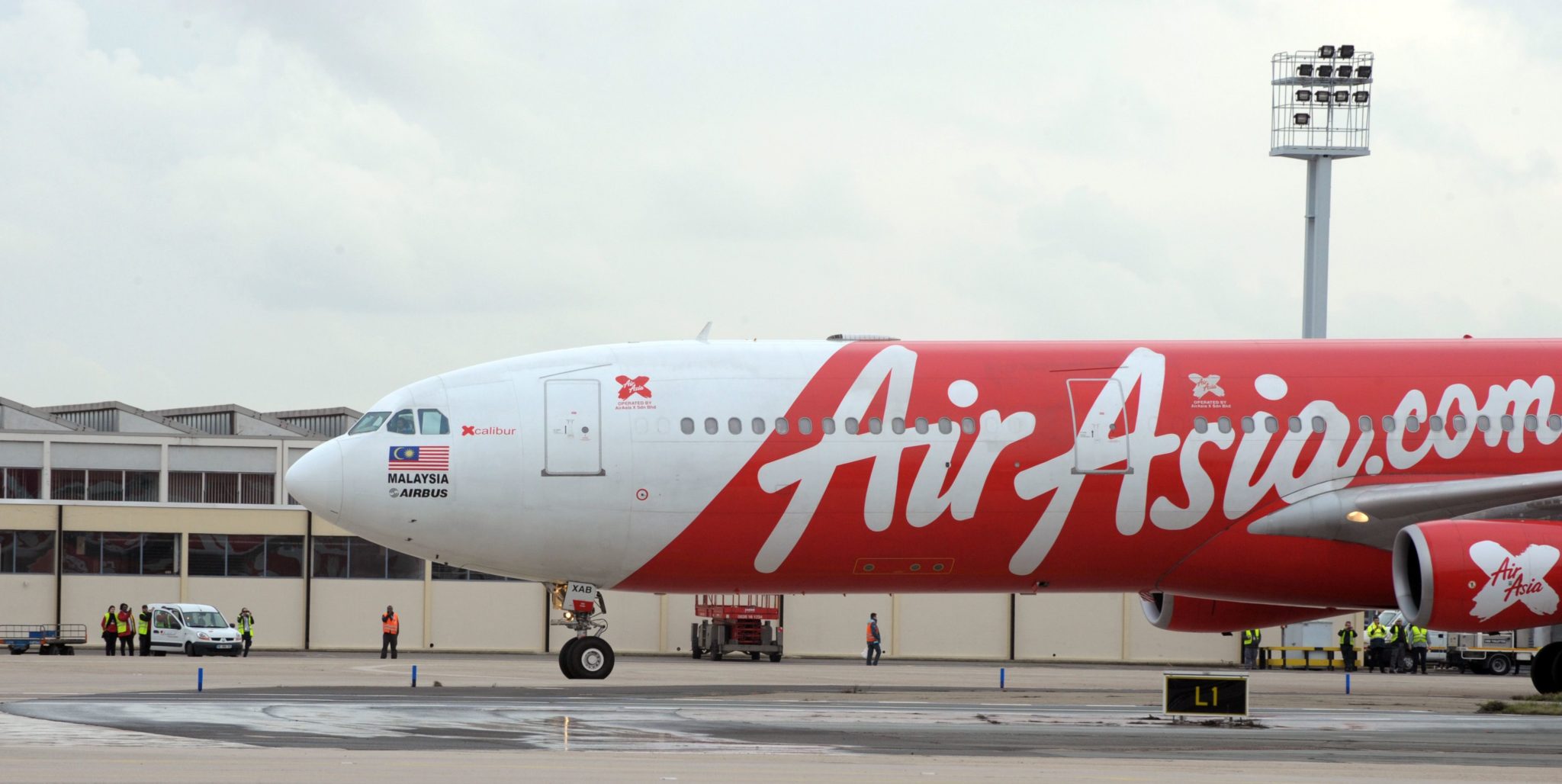
    AirAsia X Bhd shareholders have approved the Malaysian budget airline’s debt restructuring, it said on Tuesday, allowing it to pursue a scheme it viewed as key to survival.

    Shareholders of the long-haul affiliate of AirAsia Group Bhd approved all resolutions at an extraordinary general meeting, including a rights issue and a share subscription for new investors to raise 500 million ringgit.

    AirAsia X last October proposed restructuring its 64.15 billion ringgit ($15.6 billion) debt into a principal amount of 200 million ringgit and having the rest waived.

    The airline said in a separate statement that the resolutions were passed with at least a 99.8% margin, and marked a major milestone in its restructuring progress.

    “These approvals have been obtained simultaneously with final negotiations being held with creditors,” it said, adding that with advisers New York-based Seabury Capital it had been “in active and productive” talks with lessors and others.

    A Malaysian court in February granted the airline leave to convene separate meetings with its different groups of creditors within six months, to vote on its scheme.

    The meeting is scheduled for late July or August, AirAsia X said.

    In March, the court also granted AirAsia X a three-month order against any proceedings that may be filed against it, which could have slowed down its restructuring.

    Planemaker Airbus last year joined more than a dozen creditors to challenge the debt restructuring plan, telling the court it stands to lose more than $5 billion worth of orders if the scheme goes through.

    Other challengers include lessor BOC Aviation (BOCA), which called for a debt-to-equity swap.

    Airbus said it cannot comment on the airline’s ongoing restructuring plan, while BOCA did not immediately respond to an emailed query seeking comment.

    AirAsia X in February proposed a separate restructuring program for its aircraft lessors that aims to address their concerns about forward commercial agreements and the viability of the airline’s business after recapitalization.

  • Nokia chosen by Allo for gigabit fiber network in Malaysia

    Nokia chosen by Allo for gigabit fiber network in Malaysia

    Nokia announced that it has been chosen by Allo, an Information and Communications Technology service provider in Malaysia, to deploy a gigabit fiber network in the states of Melaka, Johor, Negeri Sembilan, and East Coast of Malaysia.

    The deployment, which includes Nokia’s Gigabit Passive Optical Network (GPON) solution and Access Management System, will be completed by end of Q2 2021 covering nearly 150,000 home passes. When completed, the end-users will be able to enjoy a high-speed broadband network and applications that require high capacity. The future-ready fiber network will enable Allo to increase its revenue as it will be able to support new use cases like smart cities, smart poles, edge automation, 5G backhaul, and enterprise services.

    Nokia’s solution will enable Allo to better manage bandwidth in line with the requirement for different services. The fiber network will support the convergence of more services and users on the same infrastructure, allowing Allo to bring down operating expenses and enhance revenue.

    With the new network, Allo will be able to acquire relevant insights into network utilization as the network grows and new technology enablers are added. Nokia’s solution will also help Allo benefit from network simplification and easier management of the network.

    Rodzi Ahmad, Chief Executive Officer at Allo, said: “We are pleased to partner with Nokia to bring the next generation of fiber services to our enterprise and residential users. By utilizing Nokia’s expertise, we will be able to accelerate the rollout of fiber services over the next two years. This enables us to offer high-speed broadband to a greater number of people in keeping with the vision of Malaysia’s fiberization initiative. Together Allo and Nokia will continue working towards the ultimate goal of improving broadband connectivity in Malaysia.”

    Stuart Hendry, Head of Enterprise for Asia Pacific and Japan at Nokia, said: “We are excited to work with Allo on this crucial initiative for the rollout of the next-generation fiber services. Our field-proven solutions will help Allo support the growing demand for bandwidth and provide network flexibility. Nokia’s solution will enable Allo to bring down costs and offer new and exciting services to its customers. The initiative will help build a future-ready network capable of meeting the ever-growing data demand.”

    In addition to the GPON roll-out, Allo is also conducting field trials with Nokia’s next-generation XGS-PON products which could be deployed where the network requires even greater bandwidth, up to 10Gbps symmetrical.

  • Malaysia’s AirAsia X posts record quarterly loss, eighth in a row

    Malaysia’s AirAsia X posts record quarterly loss, eighth in a row

    Malaysian long-haul budget airline AirAsia X Bhd reported a record loss for the first three months of the year and its eighth quarterly loss in a row as the coronavirus pandemic devastated demand for air travel.

    The airline, an affiliate of AirAsia Group Bhd on Thursday reported a net loss of 5.67 billion ringgit ($1.37 billion) in January-March, more than 10 times the loss of 549.7 million ringgit seen in the same period last year.

    The loss was primarily attributable to the impairment of assets, it said in a statement.

    AirAsia said it has assessed the recoverability of its assets in light of the COVID-19 pandemic and its restructuring process and impaired those assets by 5.28 billion ringgit.

    The airline has been looking to reconstitute 64.15 billion in debt, and said the asset impairment does not impact the restructuring.

    “Appropriate accounting entries will be made on a successful restructuring that will reflect more appropriately the assets and liabilities based on the final agreed restructuring terms,” it said.

    It also said it remains committed to resuming commercial operations as soon as possible on the successful completion of the restructuring plan and the opening of international borders.

    The airline has changed its financial year-end from Dec. 31 to June 30, expecting the outcome of the restructuring to be known then. It said the basis of preparation for its audited financial statements will clear and be of more value to shareholders at that point.

  • Taco Bell makes Malaysian debut

    Taco Bell makes Malaysian debut

    Indulge your guilty pleasures with time-tested regret eating when Taco Bell opens its first Malaysian outlet next month at the Cottage Walk commercial center in Cyberjaya, Selangor.

    Rather than coming to Petaling Jaya as originally announced, the American fast-food chain, famous for cheap Tex-Mex cuisine often consumed to wash down a night of partying, will bring its cheese-heavy range of tacos, burritos, quesadillas, and nacho bowls to KL’s startup bros starting April 2.

    “Malaysians can look forward to an exciting and globally-famous Taco Bell experience which offers a twist to familiar Mexican favorites such as tacos, burritos, and more,” Taco Bell said in a press statement. The Cyberjaya outlet will be open 10 am to 10 pm daily for dine-in and takeaway.

    Of course, like most fast-food chains that have opened their doors in Malaysia, can we hope to see localized versions of Tex-Mex fare like rendang tacos as a Ramadan special, maybe?

    Although the California-based chain last year named Petaling Jaya for its first location, a company representative told Coconuts over the phone that renovation of the site is not completed.

    Dozens of Malaysians took to Twitter to express their glee.

    “Yeay! I always see this in movies but now it’s coming to Cyberjaya,” @Thewaterlilies wrote.

    Be careful what you wish for, as any of Taco Bell’s biggest fans would readily warn.

  • Microsoft to establish first datacenter region in Malaysia to support economy

    Microsoft to establish first datacenter region in Malaysia to support economy

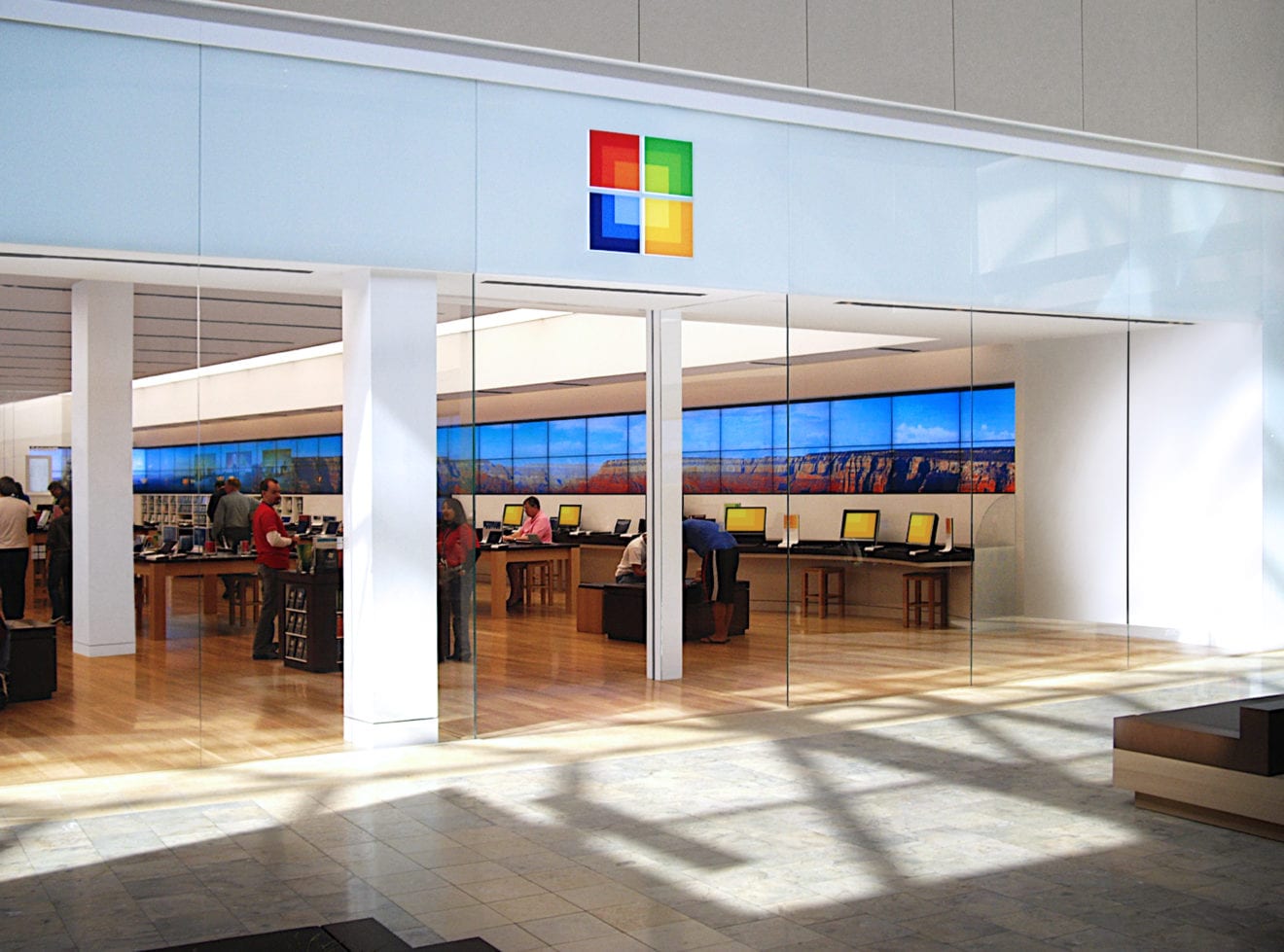
    Microsoft Corp. announced its “Bersama Malaysia” (Together with Malaysia) initiative, which marks a significant commitment to empowering Malaysia’s inclusive digital economy and advancing the nation’s digital transformation across the private and public sectors. As part of the plan, Microsoft will establish its first datacenter region in the country to deliver trusted cloud services locally, with world-class data security, privacy, and the ability to store data in-country. Microsoft also announced plans to skill an additional 1 million Malaysians by end of 2023 to help create economic opportunities for people and businesses in the digital era. Finally, Microsoft will help form the MyDigital Alliance Leadership Council to collaborate on cloud-first and digital-native policy recommendations.

    Today’s announcement represents a significant milestone in Microsoft’s 28-year history in the country and supports the Government of Malaysia’s MyDigital goals to transform the country into a regional leader in the digital economy. According to IDC’s research, Microsoft’s investment in Malaysia will help generate up to USD 4.6 billion in new revenues for the country’s ecosystem of local partners and cloud-consuming customers over the next four years. Additionally, the research estimates Microsoft, its partners, and cloud-using customers will together contribute more than 19,000 new direct and indirect jobs.

    “Today’s announcement represents a major milestone for Microsoft in the 28 years we have been operating in Malaysia. We share the Government’s commitment that digital transformation must be inclusive and responsible. As such, we pledge to empower 1 million Malaysians with digital skills, helping them to take advantage of the opportunities this new investment will bring. Building digital infrastructure is fundamental to advancing a nation’s digital economy. The upcoming datacenter region will be a game-changer for Malaysia, enabling the government and businesses to reimagine and transform their operations, to the benefit of all citizens,” said Jean-Philippe Courtois, Executive Vice President and President, Microsoft Global Sales, Marketing and Operations.

    “We are proud to cement our partnership with the nation to accelerate its digital economy. Public-private partnerships are key enablers to propel Malaysia’s digital economy forward. Microsoft’s Bersama Malaysia initiative reflects our joint commitment in support of the nation’s MyDigital aspirations, as we empower every person and every organization in Malaysia to achieve more. With over 200 employees and 2,000 partners in the country, we will continue to support a digitally-enabled government, empower businesses to build resilience digitally, and bridge the digital opportunities for Malaysians. Together, we stand with Malaysia,” said K Raman, Managing Director of Microsoft Malaysia.

    Digital infrastructure and partnerships to advance Malaysia’s digital economy

    Microsoft will establish its first datacenter region in the Greater Kuala Lumpur area and deliver access to the full Microsoft Cloud, which includes:

    • Microsoft Azure, enabling anyone to invent with purpose using cloud services and capabilities that span computing, networking, databases, analytics, AI and Internet of Things (IoT);
    • Microsoft 365, to connect, collaborate, work remotely and learn online with innovative productivity tools;
    • Dynamics 365 and Power Platform, to rapidly build and manage critical enterprise business solutions at scale with intelligent business applications.

    The new datacenter region will also deliver Azure Availability Zones, providing additional resilience options for highly available applications, and support Microsoft’s sustainability goals. Microsoft has a global commitment to shift to 100 percent supply of renewable energy by 2025. This means Microsoft will have power purchase agreements for green energy contracted for 100 percent of carbon-emitting electricity consumed by all its datacenters, buildings, and campuses, including the planned Malaysia datacenter region.

    Microsoft will work with the government, startups and enterprises to support the country’s digital transformation goals. Specifically, Microsoft in partnership with the Social & Economic Research Initiative (SERI) has established the MyDigital Alliance Leadership Council to collaborate on cloud-first and digital-native policy recommendations. The Alliance’s first meeting discussed digitalization in the education sector to nurture a globally competitive Malaysian digital workforce. Additionally, Malaysia’s leading companies, Petroliam Nasional Nerhad (PETRONAS) and Celcom Axiata Berhad have committed to helping advance Malaysia’s nation building and digital ambitions, as well as using the Microsoft Cloud from the new datacenter region when available.

    “The partnership with Microsoft underlines PETRONAS’ commitment to nurturing a sustainable pipeline of a future-ready workforce equipped to support Malaysia’s digital economy. As a progressive energy and solutions partner enriching lives for a sustainable future, continuous human capital development will be integral to our ability to operate and compete. We look forward to accelerating efforts in upskilling local talents, with a view to creating an inclusive digital future for the benefit of both the people and the nation,” said Tengku Muhammad Taufik, President and Group Chief Executive Officer, PETRONAS.

    “Telecommunications and technology sectors are key lifelines to the nation’s digital economy. A world-class cloud service will become the epitome that shapes the future path in our pursuit towards becoming a digital economy powerhouse in the region. We highly applaud Microsoft’s plans to establish its first datacenter region in Malaysia, providing access to secure, scalable, highly available, resilient and sustainable cloud services for the government, and across multiple industry verticals. As the anchor telco tenant, we look forward to bringing the benefit of this datacenter to our customers and partners. In partnership with Microsoft, we will continue to serve our customers by offering secure and reliable cloud services, leading towards the development of a striving digital ecosystem and achieving the nation’s digital aspirations in a way that is sustainable,” said Idham Nawawi, Chief Executive Officer of Celcom Axiata Berhad.

    Microsoft, together with its local partner Enfrasys Solutions, has been appointed by the Malaysian Administrative Modernisation and Management Planning Unit (MAMPU) to provide cloud services to the Malaysian public sector agencies through 2023. Microsoft will also partner with Censof Holdings, Silverlake Group, and Web Bytes to accelerate digital transformation in the nation’s key industries, including financial services, retail, food and beverage, as well as the public sector.

    Empowering Malaysians with inclusive opportunities

    As part of the Bersama Malaysia initiative, Microsoft is committed to equipping individuals with equal opportunities to thrive in a cloud and AI-enabled digital economy. To achieve this, Microsoft will skill an additional 1 million Malaysians by December 2023. This includes work with the Human Resources Development Fund (HRDF), Social Security Organization (SOCSO), Junior Achievement Malaysia, TalentCorp Malaysia, MAMPU, Grab Malaysia, Biji-Biji Enterprise and local universities to reach people of all socio-economic backgrounds, including young adults and people living with disabilities. This commitment is a continuation of Microsoft’s global skills initiative since July 2020, which has reached more than 110,000 Malaysians to date.

  • Citigroup to exit consumer banking in Vietnam

    Citigroup to exit consumer banking in Vietnam

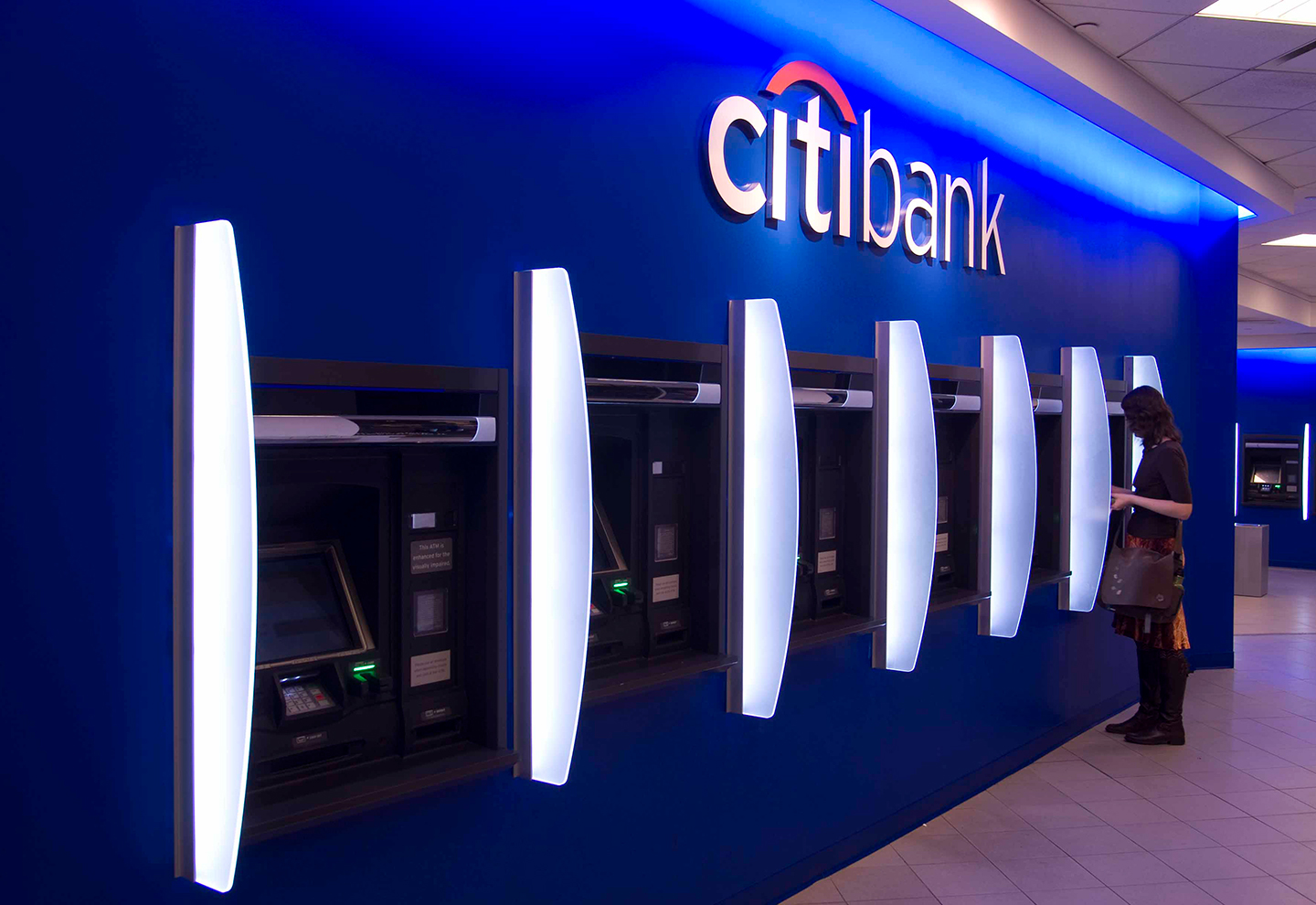
    America’s Citigroup will exit 13 international consumer banking markets, including Vietnam, to shift its focus to four wealth centers.

    The move is part of the bank’s strategic decision to direct investments and resources to businesses with the greatest scale and growth potential, it stated, adding its main markets will include Singapore, Hong Kong, the United Arab Emirates and London.

    Apart from Vietnam, 12 other markets to be affected are Australia, Bahrain, China, India, Indonesia, South Korea, Malaysia, the Philippines, Poland, Russia, Taiwan and Thailand.

    “While the other 13 markets have excellent businesses, we don’t have the scale we need to compete. We believe our capital, investment dollars and other resources are better deployed against higher returning opportunities in wealth management and our institutional businesses in Asia.”

    The bank has not specified when it would leave Vietnam.

    Citigroup in 1994 became the first U.S. financial institution licensed to open a branch in Hanoi. It opened its second branch in Ho Chi Minh City in 1998.

  • Foodpanda to drive Covid-19 vaccination awareness campaign across Asia

    Foodpanda to drive Covid-19 vaccination awareness campaign across Asia

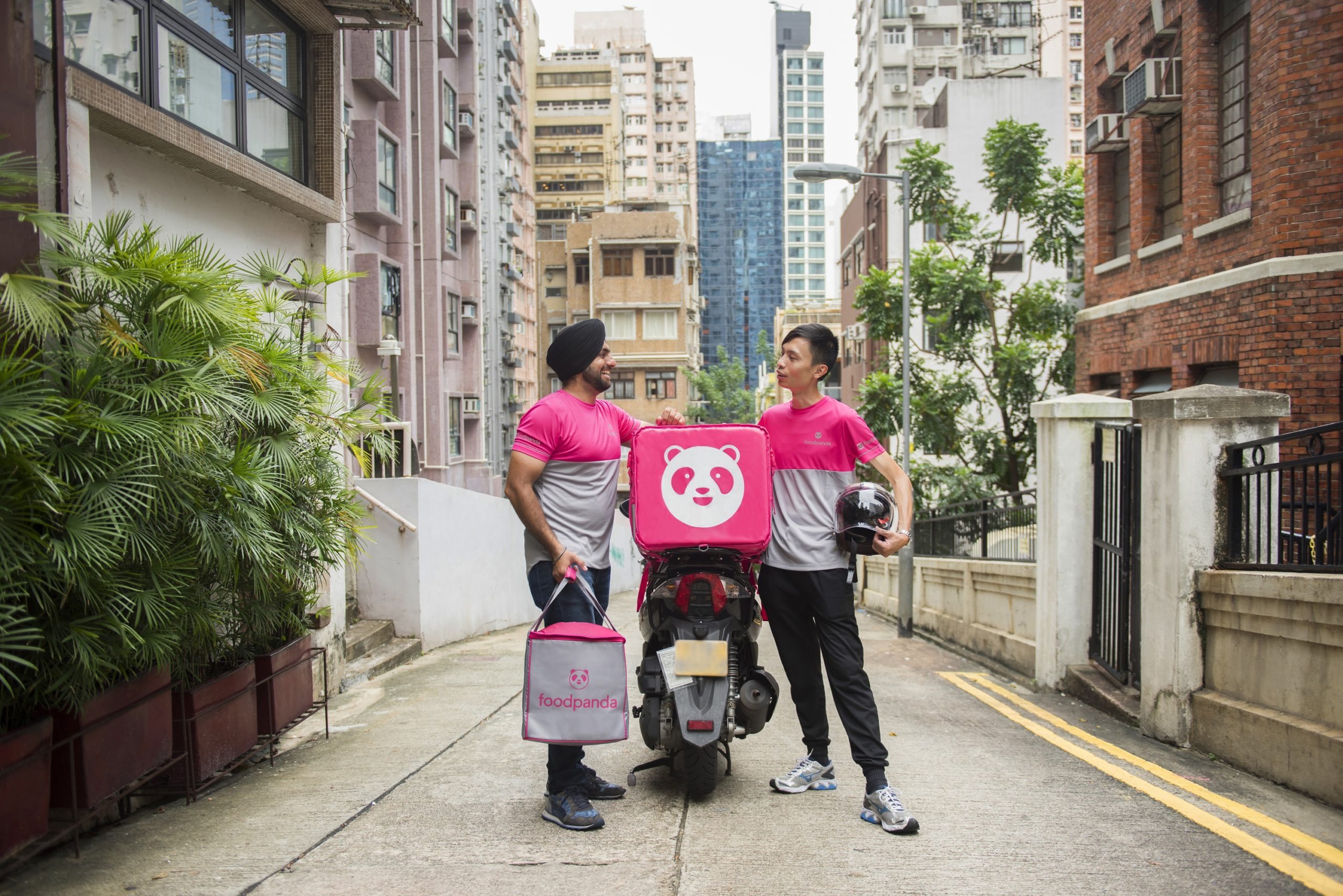
    Food and grocery delivery service Foodpanda has launched a Covid-19 vaccination awareness campaign across Asia in the lead-up to WHO’s World Immunisation Week. The campaign, which aims to reach more than 10 million people across Asia, will include a series of content across digital and social media channels, providing information and resources on local vaccination programs.

    It will be rolled out in phases across Singapore, Malaysia, Thailand, Hong Kong, Cambodia, Japan, Bangladesh, Pakistan, and the Philippines.

    “The region’s battle with Covid-19 is ongoing, and we have to stay vigilant on keeping our ecosystem safe,” said Jakob Angele, CEO of Foodpanda. “Leveraging existing channels with our network of riders, merchants, employees and customers, we can raise greater awareness around fighting misinformation and share information around local vaccination programs so that our entire delivery ecosystem can be informed and mobilized.”

    Besides its social media campaign, Foodpanda will also join hands with local authorities to support vaccination programs in Singapore, Cambodia, and the Philippines.

    “We will continuously explore ways to play a part in the fight against Covid-19.”

  • Flash Coffee to open 300 outlets after fresh funding round

    Flash Coffee to open 300 outlets after fresh funding round

    Tech-enabled coffee chain Flash Coffee has raised US$15 million in its Series A funding led by White Star Capital, aiming to launch 300 stores this year.

    The Series A round sets the total capital raised by Flash Coffee to US$20 million. Investors include Delivery Hero-backed DX Ventures, Global Founders Capital, and Conny & Co.

    The raised funds will be used for accelerating Flash Coffee’s expansion plan in Asia. According to David Brunier, CEO of Flash Coffee, the company will enter into seven new markets this year: Hong Kong, Taiwan, South Korea, Japan, Malaysia, the Philippines, and Vietnam.

    “Our dream is to have a Flash Coffee every 500 meters in all major Asian cities,” said Brunier.

    “We will also build a regional HQ in Singapore and expand our regional tech hub in Jakarta to 50 people to support our vision of fully leveraging technology to improve customer experience, proactively drive growth and significantly increase operational efficiency.”

    Launched in January last year, Flash Coffee business model focuses on grab-and-go physical storefronts that rely on technology, allowing significant cost savings. The company now operates 50 outlets across Singapore, Thailand, and Indonesia.

  • Malabar to open 56 stores most sit in Asia

    Malabar to open 56 stores most sit in Asia

    In India, the expansion will span Tamil Nadu, Telangana, Andhra Pradesh, Karnataka, Maharashtra, Delhi, West Bengal, Uttar Pradesh, Odisha, and Kerala, and globally, new outlets will open in Singapore, Malaysia, Oman, Qatar, Bahrain, and the UAE.

    In India 12 new stores are slated to open in Q1 of the fiscal in Chennai, Lucknow, Hyderabad, Mumbai, Pune, and Bengaluru, and in small towns like Eluru, Mancherial, Solapur, and Ahmednagar. Globally, new shops will open in Little India in Singapore, Kuala Lumpur and Penang in Malaysia, Ruwi, Baushar and Al Khoudh in Oman, Jeryan Jenaihat and Rawdat in Qatar, Bab al Bahrain in Bahrain, and in the UAE in Al Zahia and Muweilah in Sharjah, and Silicon Oasis and Dubai Gold Souk Dubai.

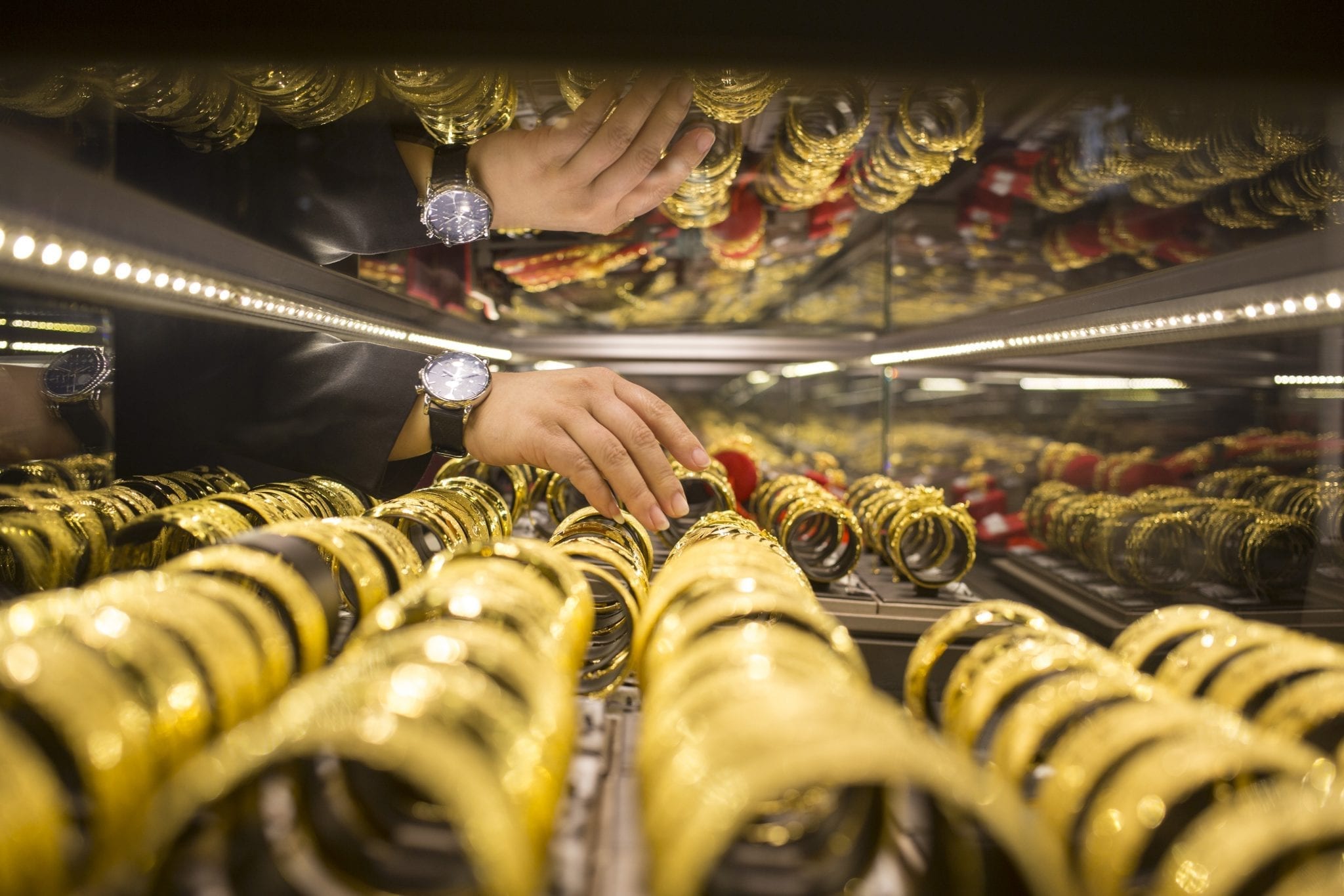
    Malabar Group Chairman, MP Ahammed, said: “In over 25 years, we have transformed from a small retail jewelry business to a global player across the verticals of gold and diamond jewelry retail, manufacturing, and multi-retail business. Transparency and customer trust have been our growth pillars and the new expansion will take us to the next level.”

    He said the new stores will offer an unparalleled customer experience in line with the Malabar Promise of incomparable quality and service assurance. The group’s goal is to be the number one jewelry retail brand in the world in terms of showroom numbers and turnover.

    Abdul Salam KP, Group Executive Director of Malabar Group, said: “In line with our social commitment, the expansion will create 1,750 new jobs. We follow industry best practices, ethical sourcing, and professional fund management.”

    “The expansion will strengthen the group’s retail footprints in territories where it has a strong presence,” said Shamlal Ahamed, Managing Director, International Operations of Malabar Gold and Diamonds.

  • CU opens first store in Malaysia in collaboration with MyNews

    CU opens first store in Malaysia in collaboration with MyNews

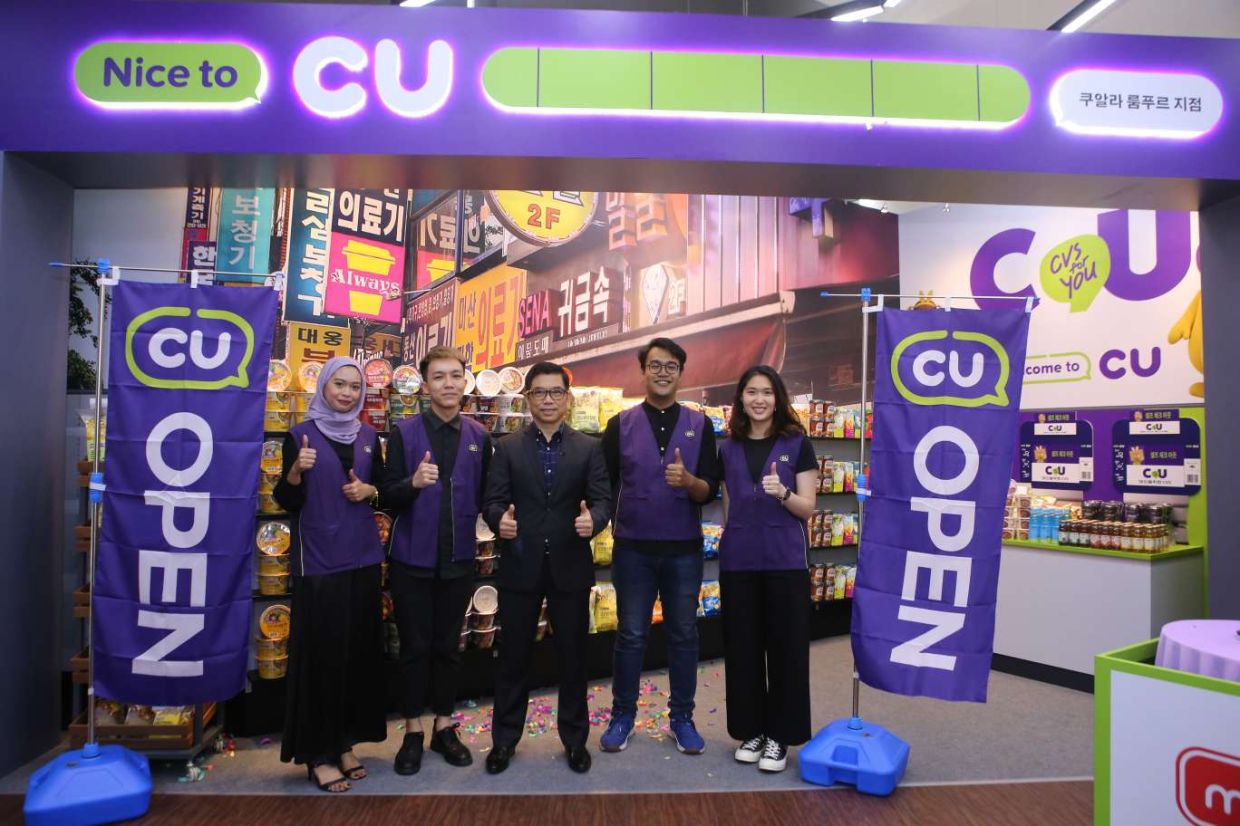
    CU has opened the doors of its first store in Malaysia, signaling a full-fledged entry into the country. CU is one of the big three convenience store chains in South Korea in terms of the number of stores, and the chain is owned by South Korean company BGF Retail Co Ltd.

    CU announced today that it opened its first store in Kuala Lumpur, making Malaysia the second foreign market the convenience store chain made an entry into after entering Mongolia in 2018. Malaysia’s first CU store has opened inside a shopping mall in Kuala Lumpur’s middle-class neighborhood. The store is large-sized, measuring approximately 165 square meters.

    The opening ceremony of the store was attended by prominent individuals such as Lim Hyung-geun, head of BGF Retail’s overseas business department, myNEWS Holdings Bhd CEO Dang Tai Luk, South Korean Ambassador to Malaysia Lee Chi-beom, and Kwon Young-jin, a director at the Korea Trade-Investment Promotion Agency (KOTRA).

    CU used BGF’s global system exclusively for overseas business for the first time in making the entrance into the Malaysian market. The South Korean convenience store chain is aiming to be the first of its industry to not only bring South Korea’s convenience store model built on decades of knowledge and experiences but also South Korean IT technologies to overseas markets.

    CU’s entry into Malaysia marks the first attempt to introduce a South Korean convenience store’s brand and system to a foreign company that operates local brands of its region. It is also an instance where a company in the retail and distribution industry was able to bear fruit from its pursuit of establishing a business in the Southeast Asian region. CU’s entrance into Malaysia is also quite significant in that the move throws a challenge to 7-Eleven, a powerhouse in the traditional convenience store business.

    With about 2,400 stores under its belt in Malaysia, 7-Eleven is the No. 1 company in its industry in Malaysia. In second place is myNEWS Holdings, a partner company of BGF, with 530 stores across the country. Japanese convenience chain FamilyMart is ranked third with about 200 stores in the country.

    CU has set a goal to open 50 new stores within a year and aspires to become No. 1 in the industry in the mid- to long-term by adding more than 500 stores over the next five years.

    CU is gearing up to expand the number of its new store openings following the opening of its first store in Malaysia, and at the same time, it is preparing to gradually convert existing myNEWS.com stores into CU stores. As a result, it is expected that CU’s stores and Japanese convenience stores will be duking it out for market share of the Malaysian convenience store market in the future.

  • Malaysian online grocery player Jocom lists in Singapore

    Malaysian online grocery player Jocom lists in Singapore

    Singapore’s first regulated private securities exchange and a member of leading integrated private market ecosystem CapBridge Financial, today announced the direct listing of Jocom International Holdings, operator of leading Malaysia-based M-commerce platform JOCOM. The JOCOM mobile app connects over 500 vendors providing over 15,000 products with about 3 million customers across the whole of Malaysia.

    About 26.7% of JOCOM total shares outstanding were listed on 1X at an aggregate value of S$5.6m. The 1X listing process was conducted entirely online and facilitated by the CapBridge platform.

    Mr Joshua Sew, CEO of JOCOM, said, “In the past year, the demand for our integrated M-commerce solution has grown exponentially across both consumers as well as merchants and vendors.

    JOCOM has enabled traditional businesses to tap on the power of digital technology to engage existing and new customers, connecting many rural farmers and traders with affluent consumers seeking quality products in a convenient way. With this listing on Singapore’s 1Exchange, we look forward to going further to serve our shareholders, customers, and partners with even more innovative mobile commerce solutions.

    Mr Choo Haiping, CEO of 1X, said, “We are pleased to welcome JOCOM, Malaysia’s fastest-growing mobile commerce platform. For many customers, JOCOM’s specialist mobile app has been a reliable, convenient, and efficient one-stop-shop for their groceries and lifestyle needs. JOCOM has also contributed greatly to the digital transformation of many traditional businesses in Malaysia, through its accessible mobile commerce solutions. JOCOM can count on the 1X platform as it continues on its growth journey.”

    Based in the global financial hub of Singapore, 1X is the first regulated private securities exchange with a Recognised Market Operator license granted by the Monetary Authority of Singapore (“MAS”). 1X is part of CapBridge Financial, backed by Singapore Exchange (“SGX”), SGInnovate, South Korea’s Hanwha Investment and Securities Co, Hong Kong’s Cyberport Macro Fund, and AMTD Digital.

    Mr Mohamed Nasser Ismail, Senior Vice President and Global Head Equity Capital Markets, SGX, witnessed the listing and added, “As a strategic partner and shareholder of 1X, SGX is pleased to witness the continued interest by many growth companies to seek a listing on the private exchange. I am heartened at the listing of JOCOM, which adds to the vibrancy of the broader capital markets and provides shareholders and other interested investors a market for tradeable private equities. We look forward to supporting JOCOM and other such companies to prepare for an eventual public listing when they are ready.

    The direct listing on 1X was marked by a virtual gong-striking ceremony this morning, attended by representatives from JOCOM, placement agent CapBridge Pte Ltd, trust administrator Equiom Singapore, as well as a strategic partner and shareholder SGX.

    On 1X, private companies and funds have the flexibility to list a portion of their shares in the form of tradeable private equities. A direct listing on 1X enables companies to simply convert their existing shares to tradeable shares, in a cost-effective and efficient manner. This regulated asset class traded on 1X provides investors additional portfolio diversification with higher-than-market returns potential while giving shareholders options for exits.

  • Hoolah Joins Visa in Supporting Local Businesses Through  Where You Shop Matters Initiative in Malaysia

    Hoolah Joins Visa in Supporting Local Businesses Through Where You Shop Matters Initiative in Malaysia

    hoolah, Asia’s leading omni-channel Buy Now Pay Later company today announced that they will be joining Visa’s Where You Shop Matters campaign. Through the partnership, hoolah will work together with Visa to support local small and micro businesses (SMBs) in growing their online presence through social commerce, as well as enabling Malaysians to support homegrown brands by providing consumers with its Buy Now Pay Later (BNPL) payment option.

    With Malaysia’s economy seeing a projected contraction of 5.8% in 2020[1] due to the pandemic, private consumption has also taken a hit as purchasing power shrunk throughout 2020. Recognising this, hoolah is further accelerating its efforts in this partnership with Visa to help retailers recover quickly. In line with the Malaysian government’s efforts to accelerate nationwide digitisation and widen digital payments adoption among Malaysian consumers and merchants, hoolah aims to aid retailers and encourage consumers to spend responsibly for a speedy economic recovery.

    hoolah solves merchants’ biggest challenges of driving conversion, basket increase, customer traffic, and loyalty with a sustainable omnichannel BNPL solution that operates seamlessly, and in the most cost-effective way. Furthermore, the onboarding process is completely fuss-free for them as it is entirely digital, allowing them to deploy hoolah on their physical and online stores contact-free and with ease.

    To support the local businesses in succeeding in a post-pandemic recovery world, hoolah will be waiving transaction fees for the first 100 orders paid with hoolah through a Visa card, when merchants sign up for hoolah through Visa’s Where You Shop Matters initiative.

    By helping newly onboarded merchants save on merchant transaction fees, they are able to pass on these savings through exclusive discount codes to customers who complete their purchase through hoolah with a Visa card.

    Arvin Singh, COO and Co-Founder of hoolah said, “We are excited to be embarking on this meaningful partnership with Visa, as it further solidifies our dedication in building meaningful engagements in our hoolah ecosystem between our partners, merchants and consumers. We’re delighted to be able to support local SMBs in Malaysia and grow their businesses with our omnichannel BNPL solution, as we push forward together in this time of recovery and growth.”

    Ng Kong Boon, Visa Country Manager for Malaysia said, “With the enforcement of yet another round of movement control order and the declaration of a nationwide state of emergency, we believe that where Malaysians choose to shop can have a big impact. Frequenting local retailers not only helps businesses to survive and even thrive, but it also helps spur the nation’s economy which benefits the society. With these newly formed partnerships, we look forward to seeing more new and existing merchants joining the Where You Shop Matters program. Through this, we hope to be able to bridge Malaysians’ needs with our merchants’ myriad of offerings.”


  • Malaysian firm to buy stake in five solar farms in Vietnam

    Malaysian firm to buy stake in five solar farms in Vietnam

    A subsidiary of Malaysia’s largest power utility, Tenaga Nasional Berhad, plans to acquire a 39 percent stake in five Vietnamese solar power projects from Singapore’s Sunseap Group.

    The farms were built last December in southern Vietnam and have a total capacity of 21.6 MW.

    After selling 39 percent to TNB Renewables, likely this month, Sunseap will own a 51 percent stake in them.

    President and CEO of TNB, Datuk Bahrain Din, said the deal would mark TNB’s entry into Vietnam’s fast-growing renewable energy and utility market.

    Sunseap Group owns projects in Singapore, Australia, Vietnam, China, Taiwan, and Cambodia.

    In 2019, it completed the $150-million solar farm, the solar power plant CMX Renewable Energy Vietnam, one of the country’s largest in central Ninh Thuan Province.

    TNB has projects in the UK, Kuwait, Turkey, Saudi Arabia, Pakistan, India, and Indonesia, and expects to have 8.3 GW of renewable energy by 2025.

    Of the foreign investors in Vietnam’s renewables sector, the majority are from Thailand.

    In 2020 Thailand’s Super Energy Corporation Public Company invested $456.7 million to build four solar plants in southern Vietnam, Loc Ninh 1, 2, 3, and 4.

    Gulf Group increased its ownership of two solar farms in the southern province of Tay Ninh from 49 percent to 90 percent in the second quarter of last year.

    In 2019, AC Energy, a subsidiary of the Philippines’ Ayala company, and Vietnam’s BIM Group established BIM/AC Renewables to develop projects in the central Ninh Thuan Province.