Tag: Malaysia

  • Tune Protect and AirAsia to unveil travel protection for foreign travellers into Langkawi and Thailand

    Tune Protect and AirAsia to unveil travel protection for foreign travellers into Langkawi and Thailand

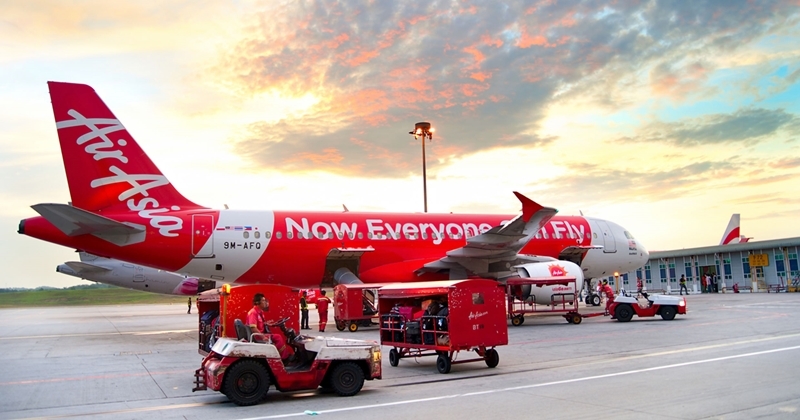
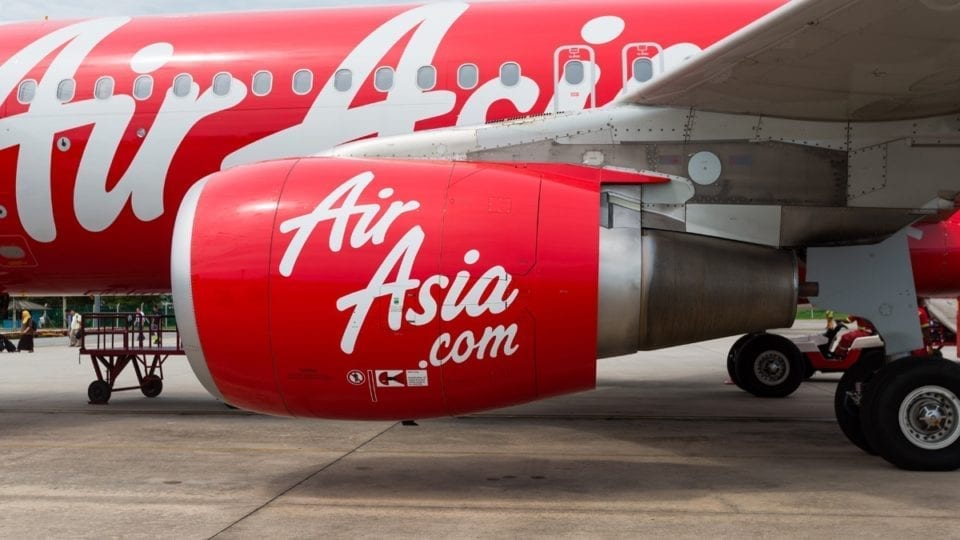
    In an industry first, Tune Protect and AirAsia have launched the Covid Travel Pass as an added convenience for air travelers to meet the mandatory insurance coverage set by the governments for fully vaccinated international travelers flying into the countries. Kicking off with Langkawi, Malaysia, and various tourist destinations in Thailand, the service will be expanded to include other countries and destinations in due course.

    Currently, travelers flying AirAsia into Langkawi, Malaysia, and destinations in Thailand can subscribe to the Covid Travel Pass when booking their flight tickets on the AirAsia super app, post-flight purchase subscription options are also available before travelers depart. The introduction of the Covid Travel Pass plans is timely as they also meet the year-end travel needs of AirAsia’s guests who wish to head to their much-awaited holidays and the impending opening of regional and international borders.

    The Covid Travel Pass plans are complete with enhanced COVID-19 coverage to satisfy the Malaysian government’s requirement for international travelers coming into Langkawi to have mandatory insurance coverage of USD 80,000 while for Thailand, the required mandatory coverage is USD 50,000.

    “As Malaysia and Thailand open their international borders, AirAsia is prepared to meet the rise in the pent-up travel demand especially towards the end of the year as a peak travel period. Traveling today comes with a new set of protocols and we want to reassure our guests that we are ready to welcome them with the right travel protection products provided by Tune Protect while observing strict and disciplined protocols to ensure the safety of our passengers in-flight and beyond so that they can have total peace of mind,” said Bo Lingam, Group CEO of AirAsia Aviation.

    AirAsia has spent a period of downtime in travel over the past one-and-a-half years to further improve and revamp its flight procedures and processes. In the highest interest of safety and well-being of all its guests and employees, AirAsia will accept only fully vaccinated guests onboard its flights, and likewise, ensure only fully-vaccinated employees will operate flights and be on duty at the airport terminals.

    Despite mostly not flying for a good part of the past 18 months, all AirAsia’s aircraft are properly maintained according to procedures set by the manufacturer. AirAsia has set up an in-house maintenance, repair, and operations (MRO) unit called Asia Digital Engineering that provides services not only to AirAsia but also other airlines. Likewise, all its pilots and cabin crew are regularly sent for mandatory refresher courses and ongoing retraining so that they are always on top of their job.
  • Grab’s Ride-Hailing Services Disrupted In Southeast Asian Countries

    Grab’s Ride-Hailing Services Disrupted In Southeast Asian Countries

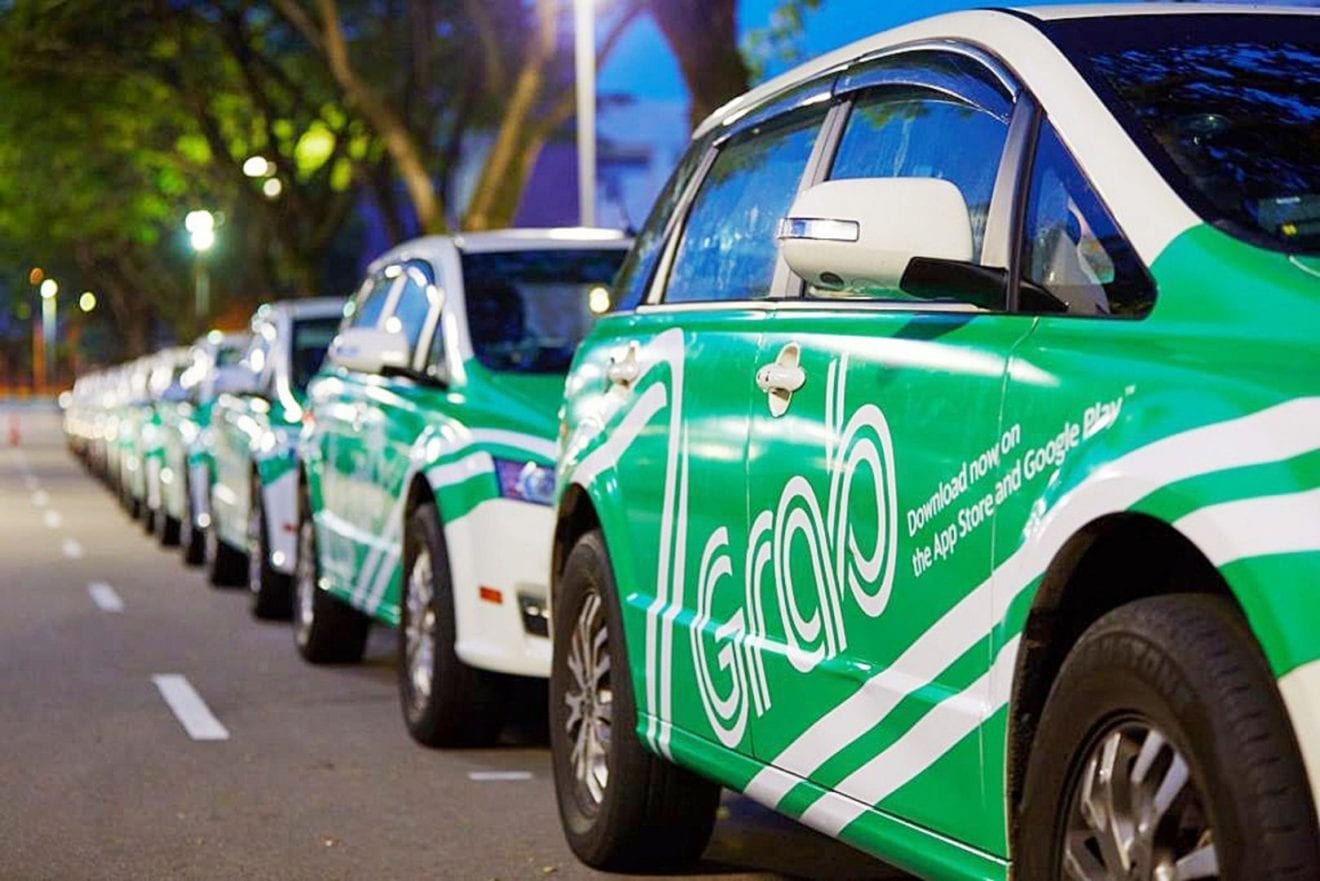
    Southeast Asia’s Grab on Tuesday said it was experiencing disruption to its services, with customers and drivers in Singapore, Indonesia, and Malaysia complaining that they were having trouble using the app’s ride-hailing functions.

    “Some of our services are not accessible at the moment,” Grab posted on its Facebook page.

    “We are looking into this and we will update when the app is back up and running.”

    Grab operates Southeast Asia’s most popular “super app”, which provides ride-hailing, food, and grocery delivery, and payments in over 400 locations in eight countries.

    “We are experiencing some technical difficulties with the app and our engineers are working to recover the issue,” Grab said.

  • Maybank IB lifts AirAsia outlook on reopening of major markets

    Maybank IB lifts AirAsia outlook on reopening of major markets

    While the Thai operations of AirAsia Group Bhd continue to drag on the earnings of the low-budget airline group, the falling rate of Covid-19 infections in the region offers optimism for a longer-term recovery, says Maybank Investment Bank Research.

    Thai AirAsia recently reported wider third-quarter losses of THB2.1bil resulting from a suspension of its flight operations to mitigate a third wave of the Covid-19 pandemic in the country

    A “spectre of PN17 classification” looms over the Thai carrier, said Maybank IB, even as the Thai airline embarks on recapitalization and restructuring initiatives. Consequently, Maybank IB forecasts that AirAsia may take a huge hit in the coming financial year.

    “For FY22E, our core net loss estimate is twice than before largely due to AAGB recognizing the huge MYR1.1b in previously unrecognized losses from TAA,” said Maybank IB.

    Over the longer term, the research firm emphasized a swing in the group’s net profit to the black in FY23, underpinned by the decelerating rate of Covid-19 cases in the region.

    There has been a resumption of mass travel in all four of AirAsia’s major markets, including Malaysia, which historically contributed 70% to 80% of group profits.

    Meanwhile, Maybank IB also noted that the Malaysian aviation industry is consolidating, which is positive for Malaysia AirAsia fares.

    “We forecast FY23E to swing to a core net profit of MYR255m from a core net loss of MYR439m before due to higher MAA fares.

    “With a profitable FY23E, we hope AAGB will no longer be classified as a PN17 listed issuer by then (if it is classified as such on 7 Jan 2022),” it said.

    Adding to the future prospects, Maybank IB said AirAsia may also list its digital assets, which will unlock a lot of value for the group.

    Given the improved outlook, the research firm upgraded AirAsia to “buy” from “sell” and raised its target price to RM1.36 from 36 sen previously.

  • AirAsia to reopen all Malaysian routes, push for overseas flights

    AirAsia to reopen all Malaysian routes, push for overseas flights

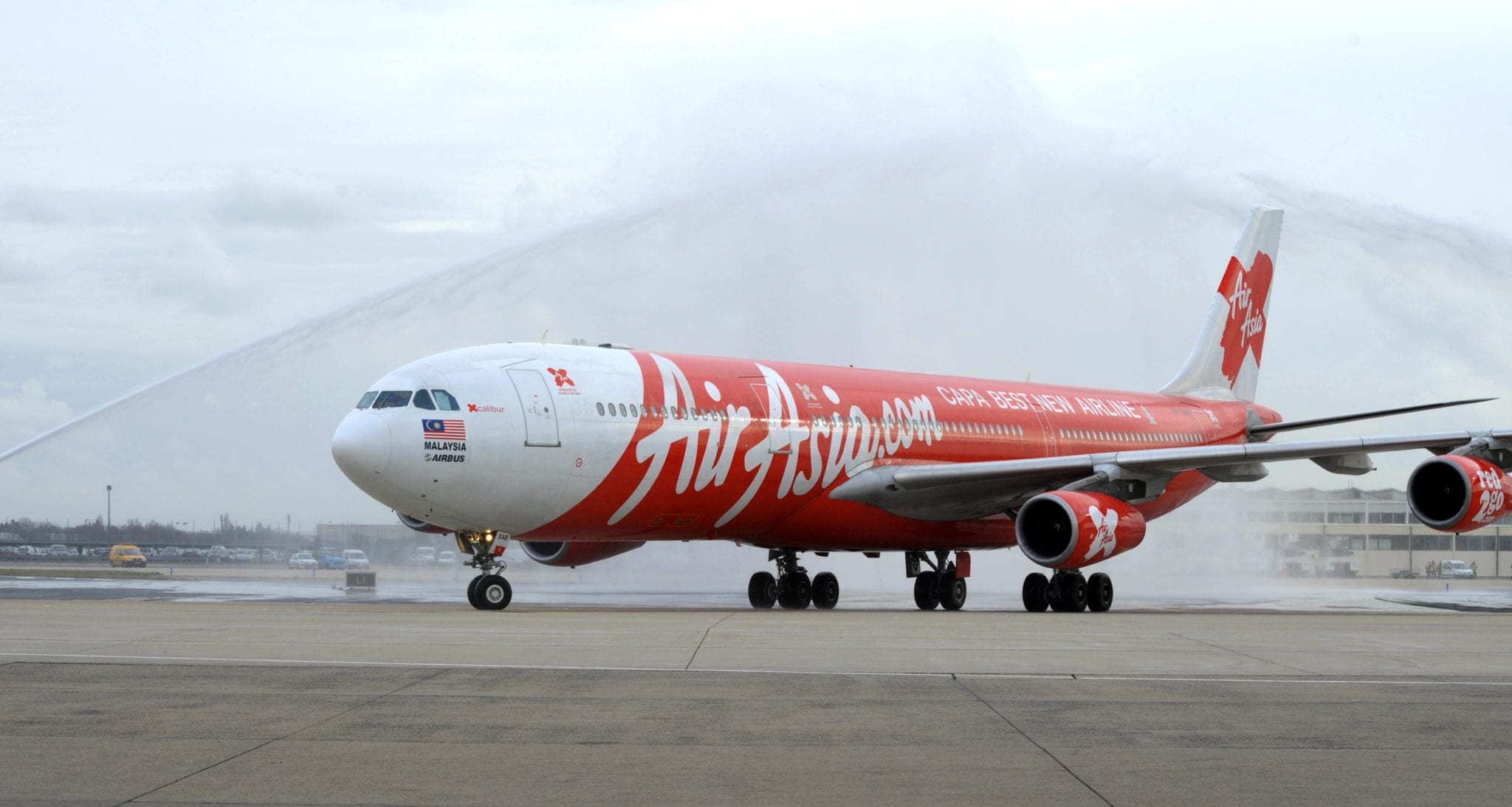
    AirAsia sees brighter skies ahead after Malaysia lifted interstate travel restrictions, with the low-cost carrier also pushing to restart international flights to Thailand, Sri Lanka and the Maldives as early as next week, its president told Nikkei Asia.

    Bo Lingam, AirAsia Group’s president for airline operations, said in an interview Monday that the company is “very relieved” with the government’s decision to reopen domestic borders as it will benefit both the carrier and its workforce.

    The airline aims to go big on domestic travel by reaching a pre-pandemic capacity of 39 local routes and 169 daily flights by late November, according to Bo.

    “We will open all domestic destinations that we were flying pre-COVID by the end of next month, involving over 45 aircraft,” he said.

    The comments came after the federal government on Monday allowed interstate travel nationwide. The airline was hit hard by the coronavirus pandemic, with hundreds of its employees retrenched and aircraft idled after domestic and international borders were closed and travel limited.

    The government of Prime Minister Ismail Sabri fully reopened state borders in the Southeast Asian country for the first time this year, allowing millions of residents to travel for business and leisure. Fully vaccinated Malaysians can also head overseas without police approval.

    Air travel is indispensable in Malaysia as the country’s states are spread across the Malay Peninsula as well as the island of Borneo to the east across the South China Sea.

    “The resumption of domestic service will be extremely good financially, for the airline as we would be able to pay pending bills from our suppliers who have been very nice to us to date,” Bo said.

    He added that the carrier is also looking to begin commercial international flights to Thailand, Sri Lanka and the Maldives as soon as next week.

    “We have applied for permissions in these countries and expect to receive them next week, after which we can sell tickets and fly passengers,” he said.

    AirAsia’s share price jumped almost 10% on Monday, settling at 1.28 ringgit — the highest since February 2020 and outpacing the Bursa Malaysia index’s gain of almost 1%. On Tuesday, the airline’s shares fell 3% to 1.25 ringgit at midday.

    The airline’s net loss in 2020 ballooned to 5.1 billion ringgit ($1.2 billion) from red ink of 315.8 million ringgit in 2019. Revenue also plunged from 11.9 billion ringgit in 2019 to 3.1 billion ringgit last year.

    For the first half of 2021, the airline reported a net loss of 1.3 billion ringgit from 1.8 billion ringgit net profit during the same period of last year. Revenue, meanwhile, tumbled to 686.8 million ringgit from 2.5 billion ringgit.

    AirAsia was recently granted a federal government-guaranteed 500 million ringgit loan under a framework introduced to assist companies directly affected by the pandemic. The loan was part of the 2 billion ringgit fundraising exercise mooted by the airline’s founder Tony Fernandes last year.

    The airline carried 19 million domestic passengers in 2019 but that plunged to 6.3 million last year. It has flown less than 1 million passengers between January and October this year as controls on movement were strengthened to curb the third and fourth waves of coronavirus infections.

    Bo also said the airline would reinstate some 300 employees currently on furlough to operate the domestic flights. Since last year, the airline has reduced head count by not renewing contract workers, retrenchments and furloughs.

    “We would exhaust employees under furlough first, then look at rehiring those we had laid off as the capacity grows,” he said.

    Experts say that while the return of interstate travel is undoubtedly a plus for AirAsia and competitors including Malaysia Airlines, it is far from a panacea.

    Brendan Sobie, an independent analyst at Sobie Aviation, believes domestic passenger traffic could approach pre-pandemic levels by the end of this year, though heavy competition and overcapacity — similar to the industry situation before the pandemic — will weigh on further growth for the carrier.

    “All airlines in Malaysia were unprofitable in 2019 and while domestic demand may now recover, many of the issues from prior to the pandemic have not been resolved, making a return to profitability difficult,” he said.

    Shukor Yusof, an aviation consultant at Endau Analytics said the surge in domestic travel demand would help AirAsia, though “it won’t be anywhere enough to fix its battered bottom line.”

    While Shukor said the Malaysian travel resumption itself is not an indication of a revival for the airline industry in Southeast Asia, he does view AirAsia as the carrier with the best long-term potential for post-pandemic growth.

    “It’s a critical stage as key countries for tourism — Indonesia, Thailand, the Philippines — are still struggling to control the virus and there’s little coordination amongst ASEAN members to find a solution to allow intraregional air travel,” he said.

    According to Sobie, Malaysian carriers need a recovery in both international and domestic travel to heal financially.

    “There is now light at the end of the tunnel and the overall sentiment is more positive but the road to recovery will be long and filled with twists and turns,” he said. “The darkest days should be behind AirAsia but the outlook remains relatively challenging.”

  • Siam Piwat takes Thai retail concepts to Malaysia with Pavilion Group

    Siam Piwat takes Thai retail concepts to Malaysia with Pavilion Group

    Thai mall operator Siam Piwat has partnered with Malaysia’s Pavilion Group to take Thai retail concepts to the new Kuala Lumpur lifestyle mall Pavilion Bukit Jalil.

    The launch of Siam Piwat brick-and-mortar stores in Malaysia is part of its plan to further expand its global reach. The partnership will see the debut of three Thai brands – IconCraft, Ecotopia and Absolute Siam.

    “This collaboration will not only open up additional sales channels for SMEs to help them expand beyond online or e-commerce platforms but will also help drive the Thai economy,” said Usara Yongpiyakul, CEO of retail business group at Siam Piwat.

    “This new partnership to introduce Thai products to an overseas market will make Siam Piwat’s another significant stride towards building a solid network with powerful business leaders.”

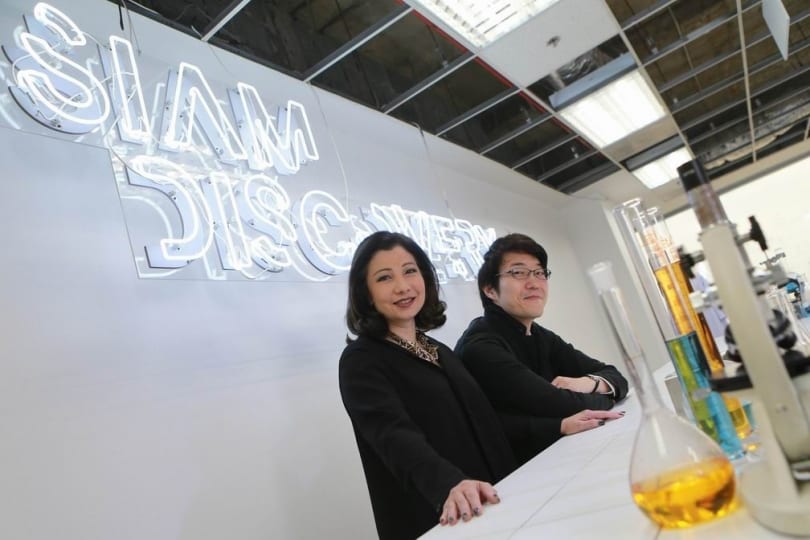
    Dubbed ‘Discover Siam’, the store is situated on the third floor of the shopping centre, spanning 1200sqm. The Siam Piwat store is scheduled to open on December 3.

    Meanwhile, Ecotopia provides products for an eco-conscious community, and IconCraft offers Thai crafted items from more than 800 local creators, designers, and local communities. Absolute Siam is a multi-brand concept store, featuring a mix of more than 60 fashion and lifestyle brands under one roof.

    “Malaysia and Thailand have very close ties and share not only borders but also various cultural similarities,” Yongpiyakul added. “We believe that this collaboration is just the beginning and will lead to even greater things, such as joint efforts to boost the region’s economy and initiatives to showcase and nurture the uniqueness and magnificence of ASEAN nations.”

    Siam Piwat is the owner and operator behind Thailand’s major retail developments, such as Siam Paragon, Siam Center and Siam Discovery, and a joint venture partner in IconSiam and Siam Premium Outlets.

    “We recognise the value and delicate magnificence of Thai culture and the creativity of Thai artisans, designers, and creators,” said Dato’ Joyce Yap, CEO of retail for Kuala Lumpur Pavilion, the retail planner of Pavilion Bukit Jalil.

    “These new stores will provide Malaysians and international visitors the chance to experience a hint of Thai culture without leaving KL.”

  • Malaysia’s AirAsia X reports record quarterly loss of $5.9bln

    Malaysia’s AirAsia X reports record quarterly loss of $5.9bln

    AirAsia X—the long-haul affiliate of Malaysian tycoon Tony Fernandes’ AirAsia Group—reported its biggest-ever quarterly loss as travel restrictions aimed at curbing the further spread of Covid-19 grounded the budget carrier’s planes.

    The airline posted a net loss of 24.6 billion ringgit ($5.9 billion) in the three months ended June 30 following the suspension of flights since the height of the pandemic in April last year, the company said in a statement to Bursa Malaysia on Monday. That’s the ninth consecutive quarterly loss reported by the airline and compares with the 305 million ringgit net loss posted a year ago.

    The losses were exacerbated by an accounting provision of 23.8 billion ringgit to creditors, with the airline already in default. “The contractual liabilities for which the provision is made will be waived upon the successful completion of the proposed debt restructuring exercise,” AirAsia X said.

    AirAsia X has been negotiating with creditors to restructure its debts amid mounting losses brought on by the pandemic. It has also been discussing returning some of its aircraft to lessors as part of a fleet downsizing exercise aimed at focusing operations on mature routes and terminating flights to unprofitable destinations.

    Airlines and other travel-related industries are among the hardest hit by the pandemic as countries around the world closed their borders to contain the virus. AirAsia Group has been pivoting into digital businesses as Covid-19 travel restrictions drag passenger and cargo traffic lower.

  • Singapore and Malaysia to Link Real-Time Payment Systems

    Singapore and Malaysia to Link Real-Time Payment Systems

    The link will enable more seamless payments for the high volume of remittances between the two neighbors, which reached S$1.3 billion ($960 million) in 2020.

    Singapore and Malaysia’s central banks will be embarking on a phased linkage of PayNow and DuitNow, their national real-time payment systems, the Monetary Authority of Singapore (MAS) said in an announcement.

    In the first phase, to be launched in the fourth quarter of 2022, customers of participating financial institutions will be able to make real-time transfers using a mobile phone number and make retail payments by scanning a PayNow/DuitNow QR code.

    The linkage will subsequently incorporate a wider range of features and participants. Both regulators will also explore the feasibility of integrating innovative features such as distributed ledger technology-based solutions to catalyse greater efficiencies in payments clearing and settlement between participating banks, the announcement said.

    Singapore’s remittance corridor with Malaysia is the city-state’s largest remittance corridor. The two countries also saw 12 million travelers crossing the border pre-pandemic.

    The PayNow-DuitNow linkage will be an important infrastructure to support cross-border payment needs of individuals and businesses, as well as the growing digital economic activity between both countries, Sponendu Mohanty, MAS chief fintech officer, said.

    The linkage also allows MAS and counterpart Bank Negara Malaysia (BNM) to incorporate the use of distributed ledger and smart contract technologies in the wholesale cross-border payments space, he added.

    Earlier this month, MAS also announced that it is working to connect PayNow to India’s Unified Payments Interface (UPI) by mid-2022.

    Singapore and Thailand have also connected their payments infrastructures to enable cross-border peer-to-peer transactions.

  • Rocket Internet-backed Flash Coffee plans Asia-wide rollout

    Rocket Internet-backed Flash Coffee plans Asia-wide rollout

    The tech-enabled coffee chain, Flash Coffee, is accelerating its Asian expansion plan, making its Hong Kong debut this month and committing to opening its first stores in Japan and South Korea later this year.

    Launched last year, Flash Coffee already operates more than 100 locations across Indonesia, Thailand, Singapore, Taiwan and Hong Kong. The chain aims to increase its network to more than 300 stores, expanding its footprint into Malaysia, Vietnam and the Philippines next year.

    The Hong Kong launch follows Flash Coffee’s Series A funding round led by tech investment firm White Star Capital last April where it successfully secured US$20 million from a range of investors, including Rocket Internet, whose subsidiaries include Global Fashion Group and HelloFresh.

    Located at Golden Centre in Sheung Wan, the chain’s first Hong Kong store is – like its others – designed to “fit the needs of the ‘new normal’ and cater to a bustling lifestyle”. Customers can order through a mobile app and pay before picking the order at the store or have it delivered. Meanwhile, Flash Coffee connects its customers and baristas through individualized consumer and barista mobile apps, matching the order with a nearby pick-up outlet.

    The chain also offers a digital coffee loyalty program on the app, offering gamified challenges and personalized rewards.

    “Hong Kong is already recognized as a city that is willing to embrace technology,” said Jonathan Tsao, MD at Flash Coffee. “Over the past few decades the city has also built up a reputation for its love of premium coffee – but so far, this has only been available at premium prices.

    “Flash Coffee intends to shake things up, by offering a new coffee culture built around technology, affordability, and digitally-driven customer-focused solutions.”

    The launch of Hong Kong’s first Flash Coffee store will be followed by a series of new store openings in Causeway Bay, Mong Kok and Wan Chai by the end of next month. The coffee chain aims to reach 50 stores in the territory by mid-next year.

  • Full flight load to Langkawi signals strong rebound for domestic air travel

    Full flight load to Langkawi signals strong rebound for domestic air travel

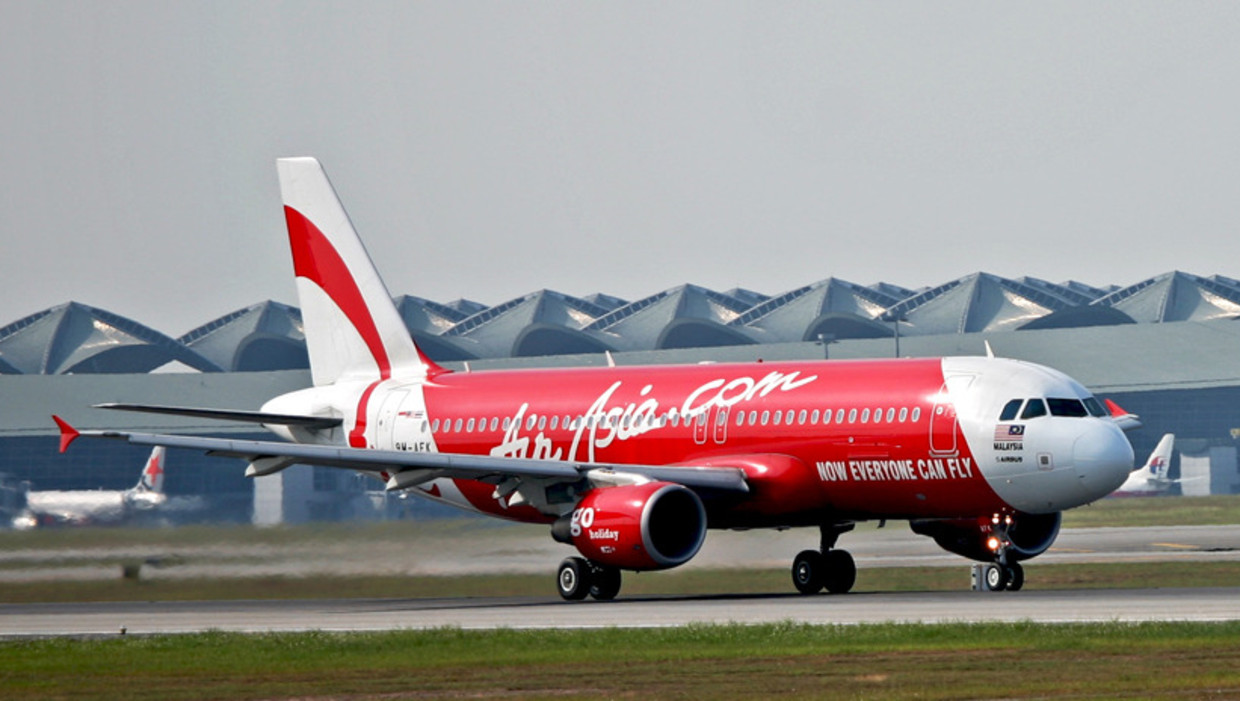
    AirAsia’s inaugural service from Kuala Lumpur to Langkawi on Thursday (Sept 16) morning under the travel bubble recorded a 100% flight load, the carrier says, signifying a strong rebound for domestic air travel.

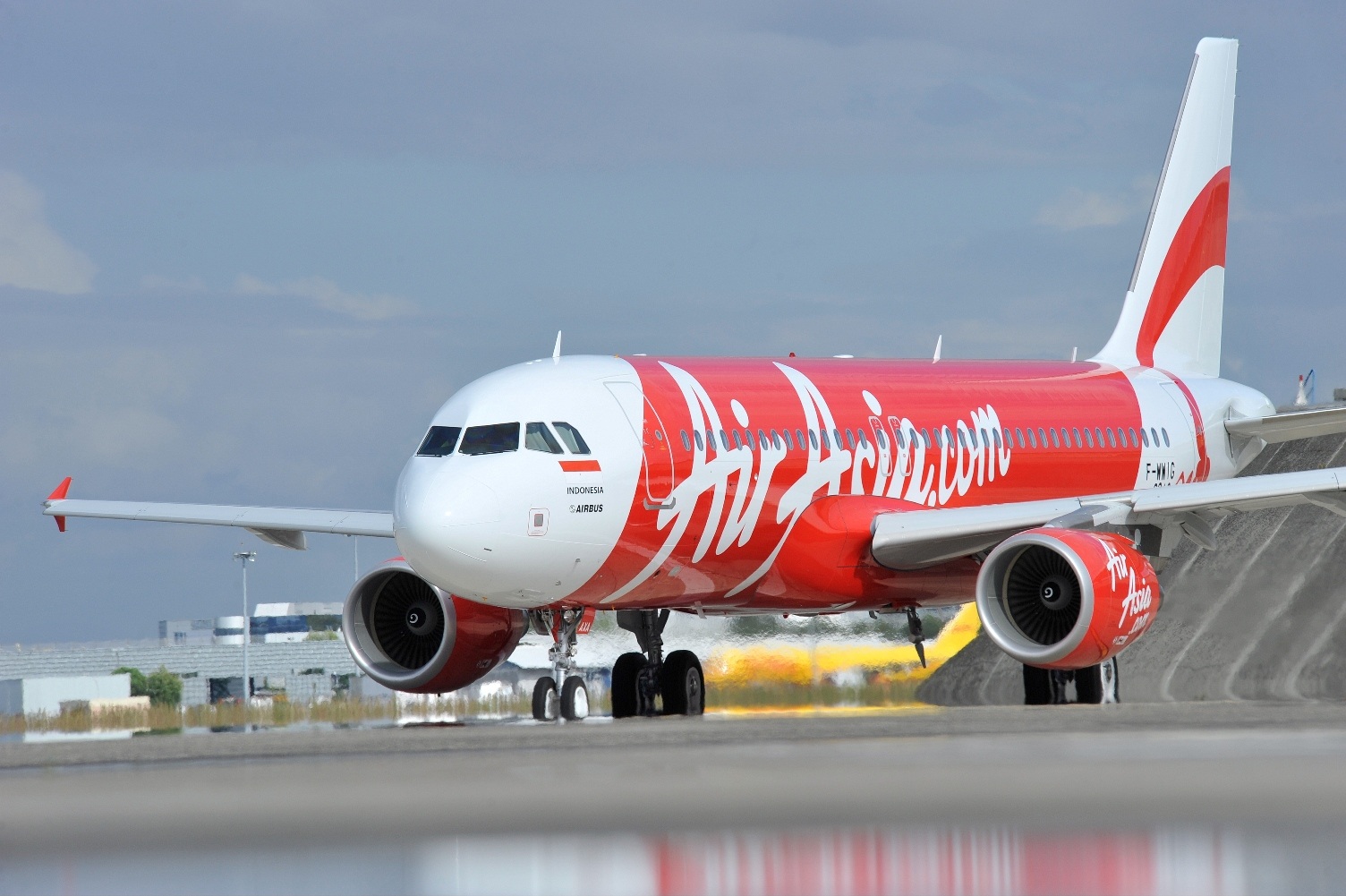
    The low-cost carrier said the maiden flight, the first of nine scheduled daily flights from Kuala Lumpur, left KLIA2 at 9.50am utilising an Airbus A321neo.

    “Aside from Kuala Lumpur (63 flights weekly), AirAsia also has flights to Langkawi departing from Penang (14 times weekly), Johor Baru (seven times weekly), Ipoh (three times weekly) and Kota Baru (three times weekly), making a total of 90 weekly flights,” it said in a statement.

    AirAsia Malaysia chief executive officer Riad Asmat said over 200,000 seats to Langkawi were sold in less than a week.

    “To facilitate this movement, we have prepared extensively and implemented robust and comprehensive health and safety protocols to ensure all of our guests can travel safely, with our 100% vaccinated crew and frontliners.

    “After months of preparation, we are thrilled to get the country flying again and are ready to scale up our operations to meet overwhelming demand.

    “We hope more travel bubbles will be established across the country soon in line with the accelerated vaccination roll-out, and eventually across the region when it is safe to do so,” he added.

  • Malaysia’s Industronics to launch online pre-owned watch platform

    Malaysia’s Industronics to launch online pre-owned watch platform

    Industronics Bhd is tapping on the US$17 billion pre-owned luxury watch market through Ecgo International Ltd, its wholly-owned subsidiary in Hong Kong.

    This follows the launch of Industronics’ luxury watch e-commerce platform, watch-exchanges.com.

    Executive director Datuk Chu Boon Tiong said based on data and overall market performance, the pre-owned luxury watch market showed promising growth prospects.

    “We are excited to capitalize on the growing trend with the launch of WatchExchange and aim to pave the way for a streamlined trading platform that will not only revolutionise the transactions of pre-owned luxury watches but drive further growth in this industry,” he said in a statement today.

    WatchExchange aims to be the first luxury watch e-commerce platform that issues authenticity certificates for pre-owned luxury watches in Malaysia and Asia Pacific.

    Some of the leading brands profiled are Audemars Piguet, Hublot, Patek Philippe, Tag Heuer, IWC, Omega, Jaeger LeCoultre, Panerai, Rolex and Breitling.

    Chu said pricing and demand for pre-owned luxury watches had been so strong over the last few years that even high-end watch brands were moving into the pre-owned market themselves.

    “However, the biggest challenge for the pre-owned luxury watch market lies in authenticating the watches.

    “Our role here is to ensure that the shoppers can safely purchase luxury watches on WatchExchange without having to worry about the security and authenticity of the pre-owned luxury watches,” he said.

    Industronics, with its team of professional and experienced watch appraisers, said it wanted to create a professional, safe trading environment that would elevate customers’ experience of purchasing pre-owned luxury watches to a new level.

    The company will set up offices in China, Hong Kong, Japan, Singapore, Malaysia, the United States, Canada and Europe, where sellers worldwide could visit for physical appraisals of their watch collections.

    The success of WatchExchange will depend on excellence in several key areas namely stability, sustainability, search engine optimization (SEO) and new media marketing.

    This will also require extensive funding to carry out both online advertising and offline promotional activities.

    Chu believes the competitive advantage for WatchExchange lies in the company’s ability to build a “unicorn” ecosystem around the region.

    “We do not think that the strength of the platform lies solely in the certification and authentication guarantees.

    “We intend to replicate the business models globally via partnerships with a locally listed company in the respective countries.

    “Among the markets that we are looking into are Malaysia, Singapore, Indonesia, Hong Kong, China and several emerging markets in Europe. Once our ecosystem matures, we will have so much more to offer to our customers, in terms of the variety of brands, models, and other services,” Chu said.

    According to a management consultancy firm Bain & Company, the global pre-owned luxury watch market was valued at US$17 billion in 2018.

    However, less than 20 per cent of that market is in the Asia Pacific region, while only 25 per cent of the total pre-owned luxury watch sales were online transactions.

    Euromonitor International, an independent strategic market research provider, estimates the value of retail sales of timepieces in Malaysia to grow by five per cent per annum between 2019 and 2022, to reach up to RM2.5 billion.

    Industronic is looking to set up a fund in Hong Kong to raise RM250 million from potential investors.

    Proceeds raised will be utilised to purchase different brands of luxury watches for resale on the company’s platform.

    Industronics aims to invest around RM25 million or 10 per cent of the total funding required, together with the Hong Kong Cyberport Fund, which will invest an equivalent amount or at a 1:1 ratio.

  • Malaysia Targets KPMG Partners for 1MDB Damages

    Malaysia Targets KPMG Partners for 1MDB Damages

    The Malaysian government is seeking billions of dollars in damages from KPMG partners as part of an ongoing pursuit to recover 1MDB-linked funds.

    Malaysia is seeking over $5.6 billion from 44 current and former KPMG partners over alleged breaches and negligence relating to the 1MDB scandal, according to a  report citing court documents.

    This is equivalent to the sum that was allegedly siphoned from 1MDB between 2009 and 2014 which the plaintiffs argue could have been flagged earlier if KPMG had conducted a proper audit.

    The plaintiffs alleged that about $3.2 billion were misappropriated from 1MDB and its subsidiaries while KPMG served as an auditor which is part of the broader $5.64 billion lost in total.

    They seek the full amount misappropriated including interest accrued and additional costs.

    KPMG was 1MDB’s auditor until 2013 when it refused to sign off on 1MDB’s accounts and was replaced by Deloitte which subsequently paid an $80 million settlement to the Malaysian government.

    KPMG denied the allegations leveled against the firm over its audit of 1MDB’s financial statement from 2010 to 2012.

    All allegations as reported in the news are refuted and the claim will be vigorously contested, KPMG said, adding that it was disappointed with the lawsuit.

  • Malaysia’s AirAsia to buy Gojek’s Thai business for $50 million in shares

    Malaysia’s AirAsia to buy Gojek’s Thai business for $50 million in shares

    Malaysian budget carrier AirAsia Group will buy Indonesian ride-hailing and payments firm Gojek’s business in Thailand in return for $50 million of shares in part of the airline’s digital business, the companies said on Wednesday.

    The deal will give Gojek a 4.76% stake in AirAsia SuperApp, valuing the division at around $1 billion, more than the pandemic-hit airline’s current market value of $868 million at a time when it has been looking to raise more capital.

    The agreement with the Indonesian startup unicorn comes just a week after AirAsia applied for a digital banking licence in Malaysia, signaling a shift in focus towards digital business as most of its fleet remains grounded amid coronavirus restrictions.

    “By taking on Gojek’s well-established Thai business, we’ll be able to turbocharge our ambitions in this space to become a leading Asean challenger super app,” AirAsia Chief Executive Tony Fernandes said in a statement.

    AirAsia SuperApp, a lifestyle platform for travel, e-commerce and financial services, is one of three companies under the AirAsia Digital group. The others are logistics venture Teleport and the BigPay fintech business.

    Gojek’s Thai business, which includes ride-hailing, food delivery and payments, is its smallest overseas operation and has a far smaller share of that market than food delivery market leader Grab.

    Gojek will focus on increasing investment in Vietnam and Singapore after the deal is completed, the statement said.

    Gojek’s Thai business was loss-making in 2019 and 2020, according to accounts provided with the deal announcement.

    Nikkei Asia earlier reported that AirAsia was in talks with Gojek to acquire its Thai business.

  • Fintechs Challenge Traditional FIs in Malaysia Digital Bank Race

    Fintechs Challenge Traditional FIs in Malaysia Digital Bank Race

    A crowded field of contenders are vying for the five licenses on offer by Bank Negara Malaysia. The race for digital banking licenses digital banking license is heating up, with more than a dozen applications involving over 50 companies submitted before the closing date on Wednesday.

    With the exception of a few players, most of the digital banking aspirants have not publicized their aspirations. However, a Grab-Singtel joint venture and Singapore-based investment solutions firm iFAST Corporation confirmed their applications on Thursday.

    The notification on the grant of the license will be made by the first quarter of 2020, Bank Negara Malaysia said.

    Among the contenders are also Malaysian conglomerate Sunway, which teamed up with Tencent-backed Chinese firm Linklogis and Bangkok Bank. Likely applications also include e-commerce giant Sea Group, gaming company Razer Fintech and telco Axiata, which previously expressed an interest in the license.

    At least five banks — CIMB Group Holdings, Affin Bank, Hong Leong Bank, AMMB Holdings and Standard Chartered Bank Malaysia — had signaled their interest in pursuing a digital banking licence in Malaysia.

    AirAsia’s fintech unit BigPay also announced its bid for a license on Thursday. The company is partnering with Malaysian Industrial Development Finance – a unit of the country’s largest asset manager Permodalan Nasional – and Singapore-based private equity firm Ikhlas Capital.

    BigPay was launched in 2018 by AirAsia as an e-wallet, hoping to leverage the low-cost carrier’s dominance in regional air travel in Southeast Asia.

    BigPay Bank will allow us to execute deeper on our mission to build a connected financial future for Malaysian consumers and entrepreneurs, Salim Dhanani, CEO and founder of BigPay, said in the announcement.

  • Malaysia’s AirAsia applies for digital banking license

    Malaysia’s AirAsia applies for digital banking license

    Malaysian budget airline AirAsia Group Bhd said on Thursday its fintech unit has bid for a digital banking license in the country as part of a consortium.

    BigPay, the unit, has partnered with Malaysian Industrial Development Finance Berhad – a unit of the country’s largest asset manager Permodalan Nasional Bhd – and private equity firm Ikhlas Capital.

    Singapore-based Ikhlas was founded by Nazir Razak, the former chairman of CIMB Group Holdings.

    The consortium also includes a foreign conglomerate with fintech expertise, AirAsia said in a statement.

    Citing sources, Reuters reported earlier on Thursday that AirAsia and its partners were among the bidders for up to five digital banking licences that the Malaysian central bank has said it will issue by early 2022.

    Other bidders include a joint venture between ride-hailing-to-fintech group Grab and Singtel, telecoms operator Axiata and a consortium backed by Chinese tech firm Tencent.

  • HSBC Names Malaysia Head of Wealth and Personal Banking

    HSBC Names Malaysia Head of Wealth and Personal Banking

    HSBC has appointed a successor for the role of wealth and personal banking head in Malaysia after it was left vacant for three months.

    HSBC named Renee Bullock-Cann as head of wealth and personal banking (WPB) in Malaysia, according to a statement, succeeding Tara Latini who was named head of WPB in the U.S. in April.

    Bullock-Cann reports to HSBC Malaysia chief executive Stuart Milne and APAC regional head of wealth and personal banking Greg Hinston.

    Bullock-Cann was most recently the head of distribution for WPB in Malaysia after relocating to the country in 2019. Previously, she was head of WPB for HSBC Bermuda.

    According to HSBC, Malaysia is a priority market for the bank which has made various investments including $18 million from 2018 to 2020 to improve branches and client experience; $40 million from 2021 to 2023 to add tech capabilities to branches; the creation of 200 new roles; and the roll-out of various digital services.

    Our ambition is simple: we want to be the bank that Malaysians turn to for their international needs, Milne said.

    We will leverage our unparalleled international network, enhance our range of wealth solutions and focus on building our digital capabilities including our mobile functionality, our in-branch technology, and our people’s digital skills.