Tag: Malaysia

  • Starbucks plans rapid expansion in Thailand

    Starbucks plans rapid expansion in Thailand

    Starbucks Thailand has announced an expansion strategy, which calls for opening 30 new coffee shops in Thailand every year until 2024 – 90 in all – according to Bangkok Post.

    The company claims to be prepared to expand again this year, after sales improved during the first half of this year. In addition, Starbucks Thailand also says it will concentrate on expanding its digital platform channels, add more drive-thru locations, and introducing novel beverages.

    Nednapa Srisamai, MD of Starbucks Thailand, told the Bangkok Post that the brand’s well-known profile in the country created an opportunity to expand the network. While a major regional tourist destination, Thais also have a coffee-drinking culture.

    Starbucks began its operation in Thailand by opening its first coffeehouse in July 1998 and was acquired under the joint venture between Dairy Farm subsidiary Maxim’s and Singapore-headquartered Fraser & Neave (F&N) in 2019 in a deal valued at US$500 million.

    Last year, the brand introduced its largest store in the region, Starbucks Reserve Chao Phraya Riverfront, located at IconSiam in Bangkok.

    Starbucks also plans to strengthen its digital presence after partnering with Grab earlier this year to launch Starbucks Rewards aiming to enhance the customer experience in Southeast Asia’s six largest markets – the Philippines, Thailand, Singapore, Malaysia, Indonesia and Vietnam.

  • AirAsia launched food delivery and ride-hailing in the Philippines

    AirAsia launched food delivery and ride-hailing in the Philippines

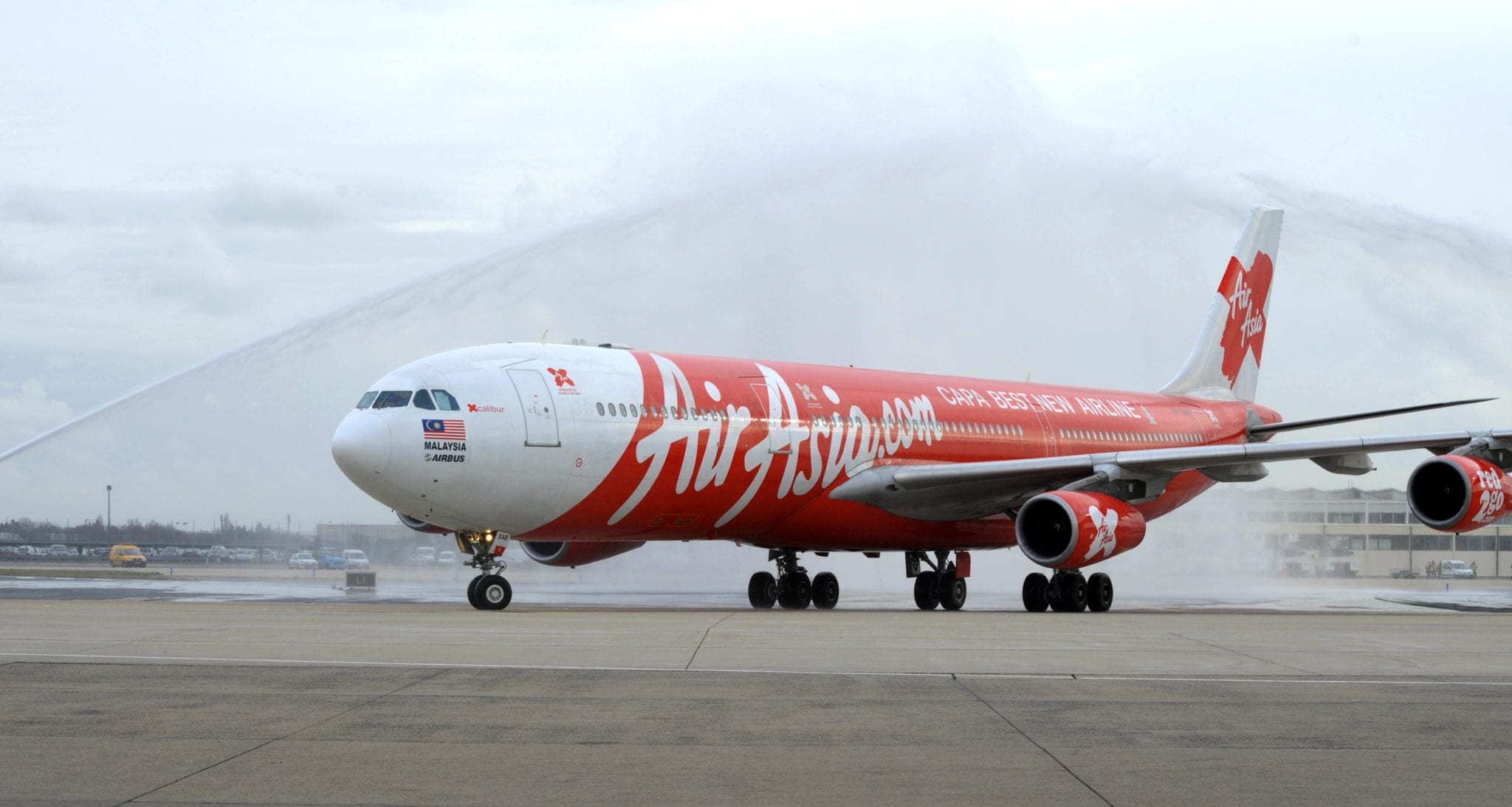
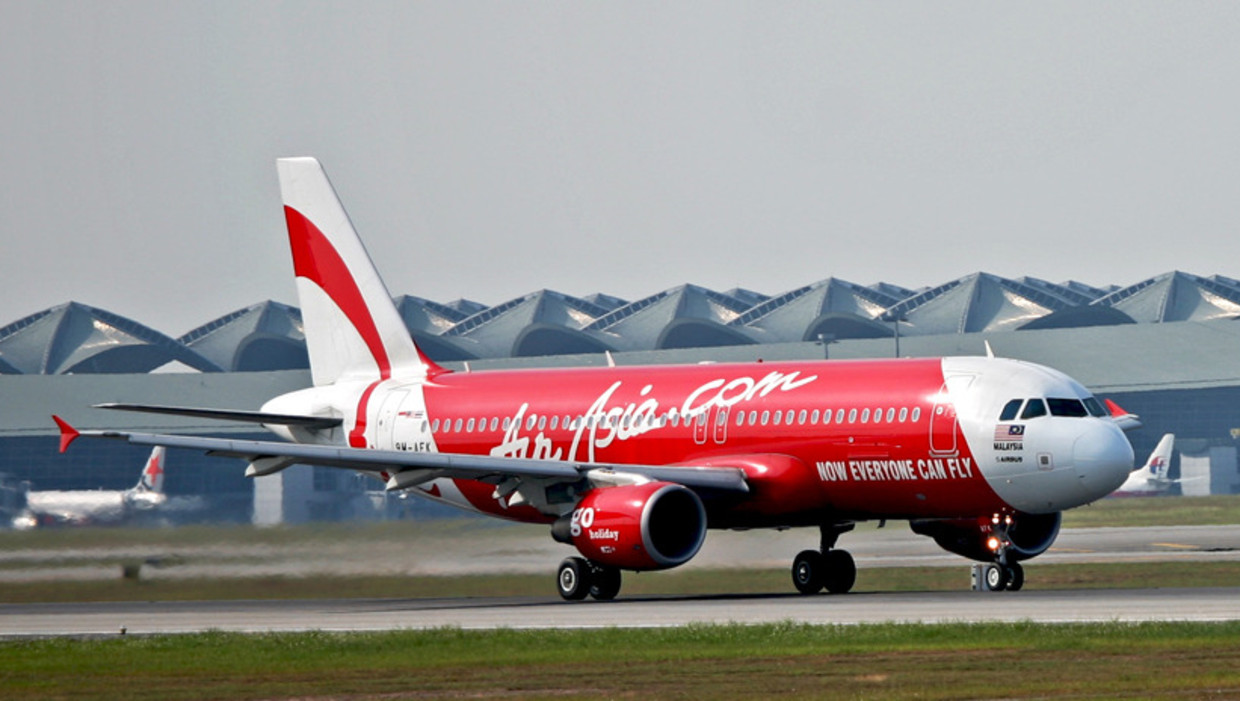
    Malaysia-based multinational low-cost airline AirAsia has expanded its portfolio by including two new businesses set to launch in the Philippines’ capital, Manila, by the end of 2022.

    AirAsia Super App will soon operate a ride hailing and food delivery service after it already secured a franchise from the Land Transportation Franchising and Regulatory Board (LTFRB) for its ride-hailing service.

    The app officially launched in the Philippines in April 2021 and expanded its services to other Asian markets, including Malaysia, Indonesia, Singapore, and Thailand.

    The platform offers a full suite of services and comes with an integrated rewards programme and a mobile app. It offers affordable flight and hotel bookings, ecommerce capabilities, food and parcel delivery, ride hailing, financial and health services, as well as on-demand education, among others.

    The super app AirAsia aims to boost digitalisation in the APAC region while setting the tone for a cashless economy and catering to the underbanked population category.

  • Celcom-Digi Merger Granted Clearance By Malaysian Authorities

    Celcom-Digi Merger Granted Clearance By Malaysian Authorities

    Malaysia’s communications regulator has given Celcom and Digi the greenlight to advance on their proposed joint venture.

    According to a statement released by Digi, Telenor Group’s Malaysian subsidiary, the two major telecom operators have “received a Notice of No Objection from the Malaysian Communications and Multimedia Commission (MCMC)” to go ahead with the proposal.

    The notice came a year after Celcom and Digi submitted the merger application to the government. With it, both companies are now moving forward to deliver improved network quality and coverage. The merged companies are expecting to invest in network expansion to back the increasing demand for data and digitalization.

    Furthermore, Digi and Celcom are now planning to boost 5G capabilities.

    Chairman of Axiata, Tan Sri Shahril Ridza Ridzuan, was quoted in the statement as saying, “We thank the MCMC for their approval and guidance to reach this significant milestone. We reiterate our commitment to ensure that the proposed merger delivers benefits to the nation as a whole. It is aimed at combining the best of Celcom and Digi so that our customers and community have good options in accessing solutions to participate more equitably in this digital era.”

    Meanwhile, Digi’s Chair of the Board of Directors, Haakon Bruaset Kjoel, added,  “Today brings us a step closer to creating a strong Malaysian company with the combined scale, experience, network, and innovation leadership to drive Malaysia’s digital growth in the coming years. Together, Celcom and Digi will bring better innovations to meet our customers’ growing digital needs and for all participating in the digital economy to capture new growth opportunities in a fast-changing world. We will now focus on completing the remaining necessary steps to conclude this transaction and work on delivering a seamless integration programme to bring the vision and value of the merged entity to reality for the benefit of many.”

    The completion of the merger will now be determined by the decision of the Securities Commission, Bursa Malaysia, by both Axiata and Digi shareholders, and other customary terms and conditions. The new merged company will then be named Celcom Digi Berhad and will continue to be listed on Bursa Malaysia.

  • Miniso opens first Malaysian flagship store

    Miniso opens first Malaysian flagship store

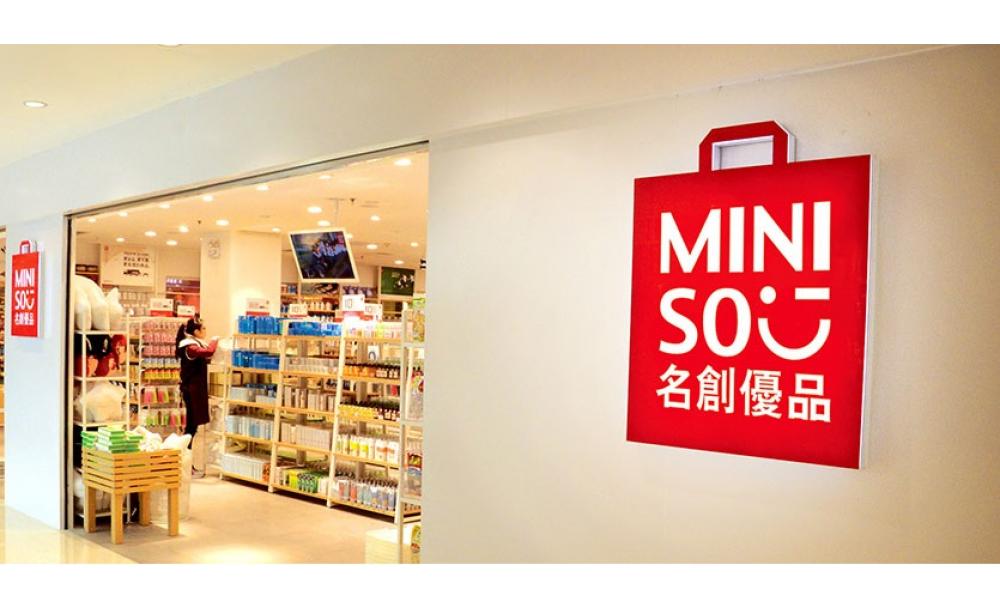
    On June 17, lifestyle retailer MINISO introduced a brand-new store format through the launch of its first flagship store in Selangor, Malaysia. The 684.6m2 retail space is located in Setia City Mall, one of the largest shopping complexes in Shah Alam, Selangor.

    The new store concept, referred to as MINISO 3.0, puts an emphasis on a family-friendly shopping experience. Every member of the family has somewhere to shop and something to enjoy in the store.

    The biggest difference between the flagship store and other MINISO stores is its brand-new toy section. It presents not only popular licensed products from world-renowned intellectual property owners, but also MINISO’s original MINI Family collection.

    The toy section occupies 20% of the retail space in the store and appeals to shoppers the most. This section also incorporates trendy and modern design in the decor and display, featuring a unique plushie wall, blind box wall, and a play area for building bricks.

    “The dedicated toy section allows every MINISO customer to experience the immense fun and joy brought about by our toys, while enjoying the treasure hunt shopping experience in our store,” said Vincent Huang, Vice President of International Business Department at MINISO. “The flagship store truly speaks our belief – ‘Life is for fun’.”

    In addition to toys, the Selangor flagship store has a fragrance feature wall showcasing a variety of MINISO’s scented products, including perfumes and home fragrances.

    This addition was made after MINISO noticed many Southeast Asian consumers were more interested in shopping for fragrances or scented products. One study put that figure at around 72%. Pricewise, the majority of products available in the store range from RM10 to RM20.

    “Malaysia is a melting pot of ethnicities, religions and cultures. These inspire MINISO to reflect diversity in our products and stores,” Vincent added. “MINISO first entered the Malaysian market in 2016 and saw huge potential in the country. We’re delighted to announce the grand opening of our first and biggest flagship store here. I’d like to take this opportunity to thank our customers who have supported MINISO over the years, and our partners who have grown with us.”

  • Paris Baguette enters Malaysia, building its first halal-certified centre

    Paris Baguette enters Malaysia, building its first halal-certified centre

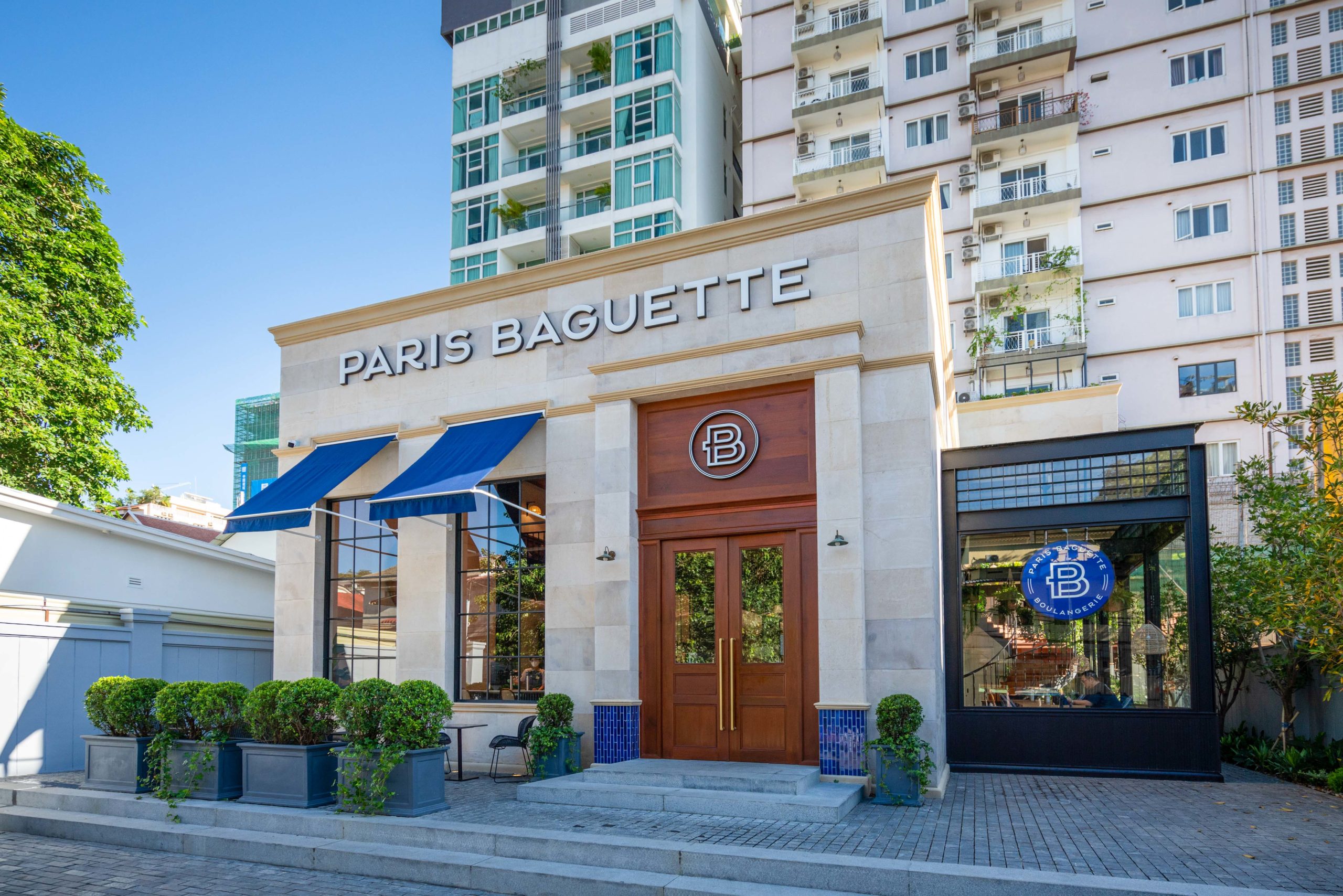
    SPC Group-owned Paris Baguette Singapore has partnered with Berjaya Food Bhd, the operator of Starbucks in Malaysia, to roll out Paris Baguette stores across the country this year.

    The joint venture, which Berjaya Food will own 50 per cent, is part of SPC Group’s strategy to further strengthen its presence in Southeast Asia. Malaysia will mark Paris Baguette’s eighth international destination, after Vietnam, the US, China, France, Cambodia, Singapore and Indonesia. The country’s first Paris Baguette store will launch in Klang Valley by the end of this year.

    Under the partnership, the South Korean retailer aims to open more than 600 stores in Southeast Asia by 2030. The chain is also eyeing expanding to the UK and China. Paris Baguette currently owns more than 4000 units globally.

    SPC Group is also set to open Paris Baguette’s first halal-certified bakery manufacturing and distribution centre in Johor, Malaysia next year as the South Korean retailer aims to tap into the US$2 trillion halal food market.

    About RM130 million (US$29.5 million) will be invested in the construction of the Johor-based facility, which will commence this year’s third quarter. Spanning 16,500sqm, the centre will be located at Nusajaya Tech Park, which connects to international airports and seaports in both Singapore and Malaysia.

    “The SPC Centre, Johor, will act as a cornerstone of our Southeast Asia business expansion and aid in the venture into the Middle East,” said Huh Young-in, chairman of SPC Group.

    The Johor-based SPC centre will manufacture about 100 items such as bread, cake and dessert to supply to Paris Baguette outlets in Southeast Asia countries, including Singapore, Vietnam, Cambodia and Indonesia.

  • Subway plans to open 500 stores in Malaysia with new franchisee

    Subway plans to open 500 stores in Malaysia with new franchisee

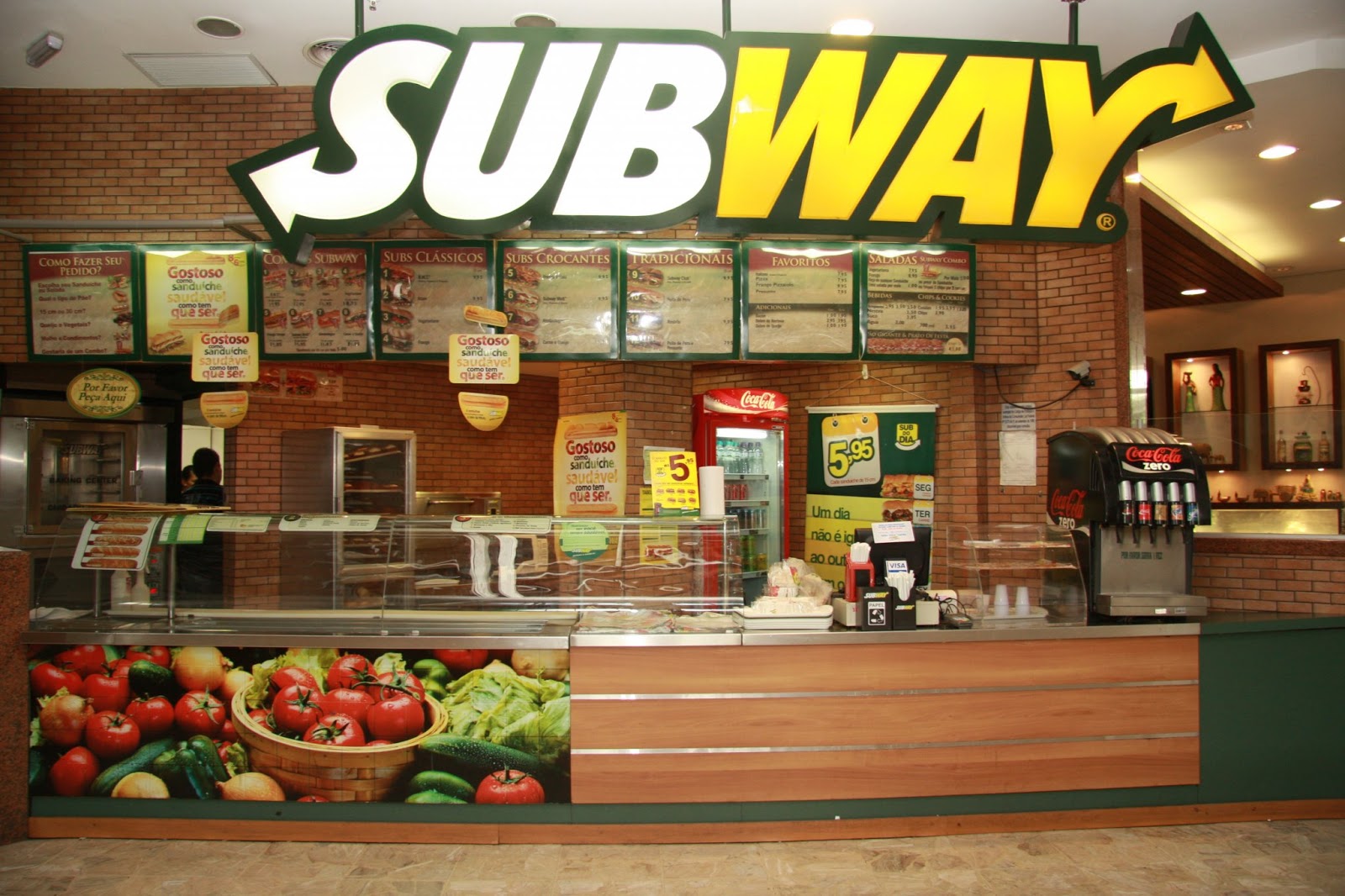
    Subway has inked a new master franchise agreement with Pegacorn to open 500 new locations across Peninsular Malaysia over the next 10 years. This triples the number of Subway restaurants in the market and steadily increases the annual restaurant count.

    According to Subway, this partnership is the third of its kind for the brand in Southeast Asia, following recent master franchise agreements in Indonesia and Thailand, and will significantly increase the total future restaurant commitment in the region. Pegacorn has been a partner to Subway in Malaysia since 2019.

    There will be an increase of Subway non-traditional locations across Malaysia, such as airports, hospitals, petrol stations, and convenience stores. New and updated existing restaurants will feature Subway’s modern “Fresh Forward” design and enhance convenience for the consumer with drive-throughts and “Grab & Go” options.

    The agreement with Pegacorn is part of Subway’s multi-year transformation journey to build a better Subway and improve across all aspects of the brand as the business expands its presence globally. Subway plans to double its current network of restaurants in APAC from about 3,300 today to over 6,000 in the next five years.

    Subway CEO John Chidsey said the APAC and SEA markets continue to be a huge opportunity of growth for Subway and an essential part of its international growth strategy. “Pegacorn has proven to be a well-resourced, strategic and successful local operator that has the local insight and experience needed to expand Subway’s presence in Malaysia,” he added.

    Meanwhile, Pegacorn CEO, Kin Siong Kon, said: “We have seen increased demand from guests in Malaysia for Subway’s craveable sandwiches, wraps and salads and are committed to growing the business to make Subway even more accessible to communities across the country.”

    The team in Malaysia introduced a new mascot named Sabweh alongside its Ramadan campaign in March. Sabweh debuted on limited-edition Raya packets and was the brainchild of social media artist Ernest Ng, known for his “Don’t like that la bro” comic series.

    Hang Ee Laine, head of marketing, Subway, Southeast Asia, said previously that the partnership with Ng is a key milestone for the brand in its efforts to bring Subway closer to Malaysians. Meanwhile, its spokesperson also told A+M then that Ng had previously designed the Sabweh character for one of his comics and the character was very popular with Malaysians. Subway felt that the art piece deserved a bigger stage and engaged Ng to create a series of limited-edition Raya-themed versions of Sabweh.

    Across the border, Costa Coffee reentered Singapore through a partnership with Subway after a three-year hiatus. This adds on to Subway’s breakfast options and alignts with its campaign #Talkofthemorning, which aims to encourage Singaporeans to lean into their love of coffee and breakfast as a driver of meaningful connections with one another.

  • AirAsia Resumes Flights Between Kuala Lumpur and Siem Reap, Cambodia

    AirAsia Resumes Flights Between Kuala Lumpur and Siem Reap, Cambodia

    AirAsia has resumed flights between Kuala Lumpur and Siem Reap, Cambodia. The airline will operate the route with two flights per week on Mondays and Fridays. Flight AK540 is scheduled to depart from Kuala Lumpur International Airport 2 (klia2) at 13:05, arriving in Siem Reap at 14.20. The return flight, AK541, is timed to leave Siem Reap at 14:55, arriving back in Kuala Lumpur at 18:10.

    Cambodia was one of the first countries in the region to relax its entry requirements for foreign travel, reopening the Kingdom to fully vaccinated international travellers without the need for quarantine or COVID19 testing at all international gateways and checkpoints in November 2021.

    HE Thong Khon, Minister of Tourism, Cambodia, said, “Cambodia is now truly open for all vaccinated tourists and we welcome AirAsia guests back to our great country with open arms. Tourism is a significant driver of our economy and social development, we thank AirAsia for their continued support to stimulate and grow air travel to our key leisure destinations. Cambodia, the Kingdom of Wonder, invites travellers from all walks of life to feel its warmth, safely and hygienically.”

    The Siem Reap flights follow AirAsia’s resumption of flights between Kuala Lumpur and Phnom Penh, the Kingdom’s capital city, in January.

    “Prior to COVID19, Siem Reap was one of the most popular destinations in ASEAN as a key tourist hub for globetrotters from all over the world,” said Riad Asmat, CEO AirAsia Malaysia. “AirAsia started the route in 2018 and flew close to 170,000 passengers in 2019. We are confident that these new services will continue to be very popular in the future. In response to strong demand, we are also planning more flights and destinations in Cambodia with services to Sihanoukville scheduled to take flight on 2 June. AirAsia welcomes the initiatives taken by the Cambodian government to ease travel restrictions to allow more seamless travel to Cambodia. We look forward to flying more leisure seekers from near and far to the country soon.”

    For entry into Malaysia, all international tourists and travellers are required to take a pre-departure COVID19 test within 2 days of departure and purchase COVID19 travel insurance (for short-term foreign visitors). Unvaccinated or partially vaccinated travellers are required to spend 5 days in quarantine.

    For entry into Cambodia, there are no pre-departure, post-arrival COVID19 tests or quarantine requirements for fully vaccinated travellers. Travellers are only required to show proof of being fully vaccinated. Fully vaccinated travellers from Malaysia who wish to travel to Cambodia must meet the requirements set by the Cambodian Government prior to purchasing their flights and upon arrival.

  • AirAsia resumes routes from India to Malaysia, Thailand; AirAsia X starts ops to Korea and India

    AirAsia resumes routes from India to Malaysia, Thailand; AirAsia X starts ops to Korea and India

    AirAsia announced that it is resuming flights from India to Malaysia and Thailand with flights now available from April and May 2022 onward. Six new routes from India to Malaysia include Bengaluru to Kuala Lumpur (KL) and Chennai to Kuala Lumpur,  Tiruchirappalli to KL from 5 April, Kochi – KL commencing 18 April, Kolkata – KL commencing 23 April and Hyderabad – KL commencing from 1 May, 2022.

    Five new routes launching India to Thailand will include Bengaluru-Bangkok (Don Mueang) commencing on 4 May, Chennai-Bangkok (Don Mueang) on 4 May, Kolkata-Bangkok (Don Mueang) commencing on 2 May , Kochi-Bangkok (Don Mueang) commencing on 1 May , and Jaipur-Bangkok (Don Mueang) on 1 May.

    Manoj Dharmani, AirAsia’s Regional Commercial Head for India, Sri Lanka & Bangladesh, acknowledged that “AirAsia’s resumption of international flights has been highly anticipated by both the airline and its guests. With Malaysia and Thailand reopening and travel restrictions being lifted, AirAsia will be continually re-introducing international services, starting from April 2022. In this regard, India, Malaysia, and Thailand are countries with significant potential in terms of stimulating tourism and reigniting the economy. We believe that our flight resumption will bring great opportunity and support to the countries’ economic recovery.”

    AirAsia X launching new services to South Korea and India

    Following the  resumption of passenger  services to Sydney, Australia in February, AirAsia X (AAX) is expanding its flight  network from Kuala Lumpur with new services to Incheon (Seoul), South Korea and New Delhi, India commencing from 20 April 2022. Flights to Incheon (Seoul) will initially be operated weekly on Wednesdays and returning on Thursdays. Flights to New Delhi will resume twice weekly on Wednesdays and Sundays returning on the same days. Both services are on sale now for travel between 20 April 2022 to 30 June 2022, with additional services to be added in the near future. Guests with outstanding bookings or unused credit during the pandemic, will be able to use these for future bookings, by updating their original flight booking for future travel or by utilising their credit account to book the flights.

    CEO of AirAsia X Benyamin Ismail said: “After two long years, we are thrilled to return to the skies once again with the best value airfares for medium haul travel. Now that the world is finally opening up, we are gradually resuming flights to our key markets, starting with Sydney recently and now also to South Korea and India, with more popular destinations to be announced soon. We are confident our return to these markets will be well received, particularly for those longing to visit friends and family again or for much anticipated leisure travel. With Malaysia’s international border reopening last week on 1 April, and quarantine free travel both ways on our new services, it is also the perfect time to welcome back international tourists, providing a significant boost to the nation’s tourism sector and the economy, as we did pre-pandemic.”

  • Malaysia confirms utilizing SWN model for 5G implementation

    Malaysia confirms utilizing SWN model for 5G implementation

    The Malaysian government is sticking to its plan of deploying 5G through a single wholesale network (SWN). In a joint statement from the ministries of finance and communications and multimedia, up to 70% equity in the wholly state-owned 5G company, Digital Nasional Berhad (DNB), will be available to telcos.

    Malaysian finance minister Tengku Zafrul Aziz emphasized that the maintenance of the SWN model is the government’s firm stance on policy continuity. “The implementation of 5G will drive the country’s socio-economic transformation and this is estimated to contribute RM 659 billion to the value of GDP until 2030,” Aziz explained.

    The finalized decision has come in contrast to the concerns among wireless carriers that a single, shared 5G network could hamper digital competitiveness. Nonetheless, the government will retain a 30% equity stake in DNB while the majority of the stakes are intended for operators. It is worthy to note that this special-purpose vehicle company was established in early March 2021 to drive 5G infrastructure development in Malaysia.

    Accessing DNB’s 5G network is estimated to cost less than what major local telecom operators such as Celcom Axiata, Digi, Maxis, and U Mobile have incurred during 4G rollouts. In line with this, DNB has offered free 5G services to service providers until March 31 as part of its commercial trial. Aiming to achieve 80% coverage of populated areas by 2024, the trial is bound to be extended until June 30 to allow more operators to sign up.

    Access to high-quality 5G services would accelerate the recovery of the post-pandemic Malaysian economy. Moreover, “the SWN model will help bridge the urban-rural digital divide to enable all Malaysians to enjoy high-quality 5G services and be widely available to them through telecommunications companies,” said Malaysian communications and multimedia minister Annuar Musa.

    In retrospect, the Malaysian government refused the prior recommendation of having a dual wholesale network (DWN) model and selected Ericsson to develop the country’s 5G network infrastructure.

  • Malaysia’s retail sales record double-digit growth in the fourth quarter

    Malaysia’s retail sales record double-digit growth in the fourth quarter

    Malaysia’s wholesale and retail trade recorded the highest monthly sales value amounting to RM120.5 billion in December, with annual sales recording a four percent growth to reach RM1.3 trillion in 2021 compared with the preceding year, according to the Department of Statistics Malaysia (DOSM).

    On a month-on-month comparison, the sales value of wholesale and retail trade rose 2.5 percent, supported by the reopening of various economic sectors including interstate travels. Recall that sales for the whole of 2020 contracted by 5.9 percent ― a historical low.

    In a statement today, chief statistician Datuk Seri Mohd Uzir Mahidin said 2021’s performance was underpinned by wholesale trade, which increased 6.4 percent to RM641.8 billion, followed by retail trade which expanded 4.4 percent to RM533.6 billion.

    In contrast, the motor vehicles sub-sector recorded lower sales compared with 2020, down by 8.2 percent to RM124 billion. Against 2019 pre-pandemic sales, the sector contracted 2.0 percent.

    On a monthly basis, the 3.5 percent rise in wholesale and retail trade in December was contributed by the retail trade sub-sector, which expanded 3.5 percent to RM48.5 billion, due mainly to the six percent growth in non-specialized stores to RM18 billion.

    However, retail sales in specialized stores remained negative, contracting 3.1 percent. The index for retail Internet sales for December recorded a 20.7 percent growth compared to a year ago.

    On a wholesale level, trade also expanded with a 4.1 percent growth to RM57.6 billion in December 2021 driven by an 8.1 percent expansion to RM11.5 billion in food, beverages, and tobacco, followed by agricultural raw materials and live animals with 14.7 percent growth to RM4.7 billion.

    Similarly, other specialized wholesale increased 2.3 percent to RM22.5 billion.

    On a month-on-month basis, wholesale trade grew 2.2 percent, contributed mainly by household goods which rose 4.4 percent.

    Meanwhile, Mohd Uzir said the 1.5 percent growth recorded in the motor vehicles sub-sector was attributed mainly to car parts and accessories sales which rose 11.7 percent to RM3.5 billion. December motor vehicle sales slipped 4.5 percent.

    On a quarterly comparison, the fourth quarter of 2021 (Q4 2021) saw wholesale trade expanding 5.1 per cent to RM169.7 billion, underpinning the wholesale and retail trade combined. Retail trade saw a 5.0 per cent growth to RM142.6 billion.

    Quarterly motor vehicle sub-sector also grew 5.3 per cent to reach RM42 billion.

    In another statement, Mohd Uzir said volume index of the wholesale and retail trade rebounded 1.4 per cent in Q4 2021, bringing the overall performance of this index for 2021 to 2.1 per cent.

    The increase was attributed to motor vehicles sub-sector, which rose 3.7 per cent, followed by retail trade at 2.0 per cent. However, wholesale trade inched down marginally by 0.03 per cent in the period.

    For quarter-on-quarter comparison, the volume index jumped 16.3 per cent, supported by motor vehicles which surged 136.9 per cent.

    Compared to Q4 2019, the volume index expanded by 2.1 per cent.

    “As for seasonally adjusted volume index, wholesale and retail trade soared 15.3 per cent as against Q3 2021.

    “All sub-sectors recorded positive growth namely motor vehicles (137.1 per cent), retail trade (8.5 per cent) and wholesale trade (6.0 per cent),” he noted.

    Mohd Uzir added that volume index of wholesale and retail ended 2021 with 124.1 points after a 2.1 per cent growth due to wholesale trade and retail trade, which grew 3.8 per cent and 3.4 per cent, respectively.

    As for pre-pandemic comparison, the sector remained below 2019 figure with a negative 4.2 per cent, pulled down by motor vehicles sub-sector, which slipped 10.2 per cent.

  • AirAsia Group loses appeal in airport case

    AirAsia Group loses appeal in airport case

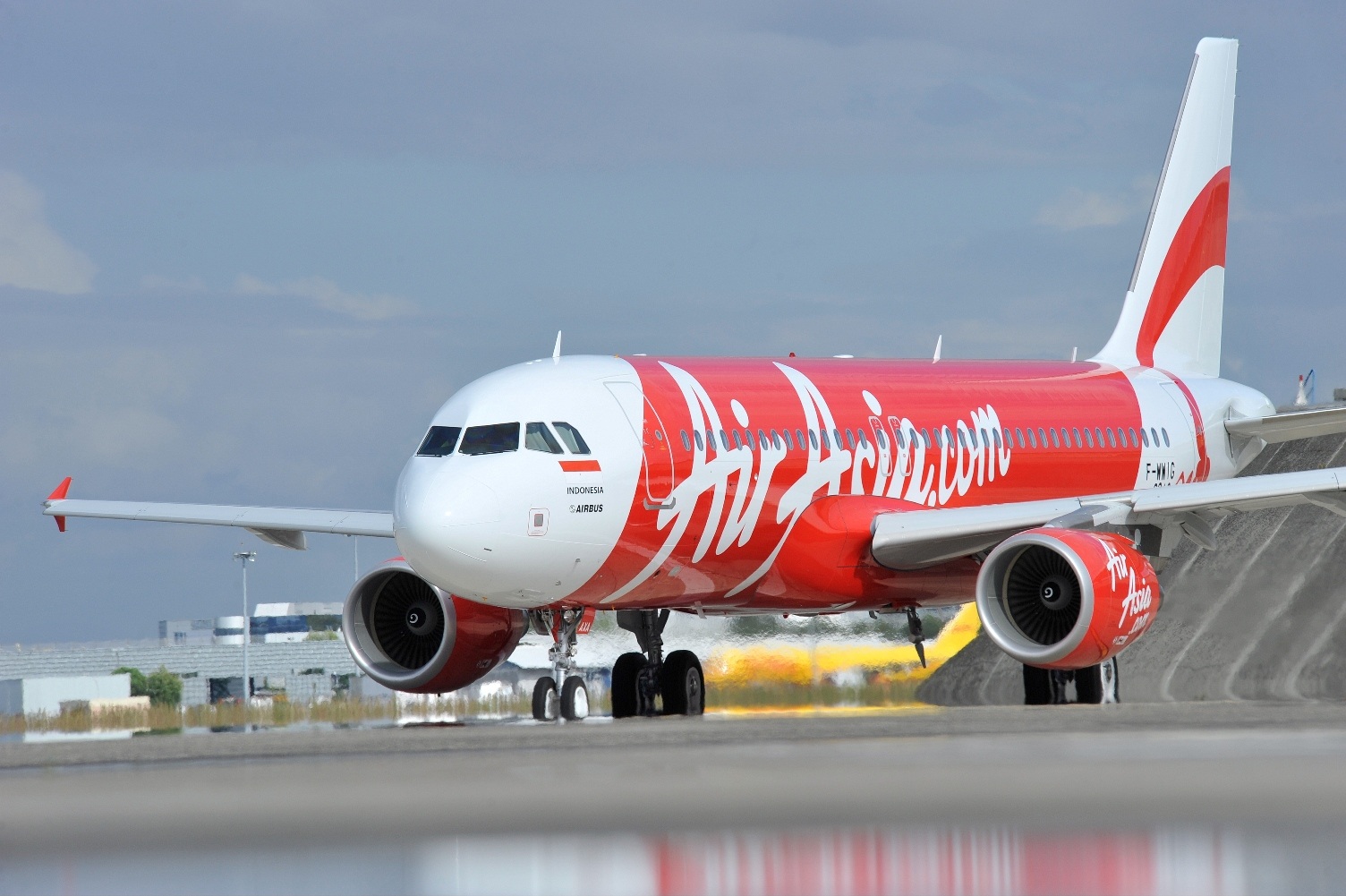
    The Court of Appeal of Malaysia has dismissed attempts from AirAsia (AK, Kuala Lumpur Int’l) and AirAsia X (D7, Kuala Lumpur Int’l) to set aside a High Court ruling in favour summarily – without a full trial – of Malaysia Airports Holdings over outstanding passenger service charge (PSC) payments, Malaysia’s Daily Express and The Edge Markets reported.

    A three-member bench unanimously confirmed on March 3 that the High Court was correct in granting the state-run airport operator a summary judgement for a total of MYR41.55 million ringgit (USD9.95 million) against the two low-cost carriers, comprising the outstanding charges, late payment fees, and costs.

    The airlines had lodged three appeals each in an effort to strike out the rulings, and so the appeals court ordered them to pay additional costs of MYR10,000 (USD2,400) per appeal, totalling MYR60,000 (USD14,400).

    Malaysia Airports’ claim against AirAsia and its long-haul affiliate is for alleged unpaid passenger service facilities charges at the rate the Malaysian Aviation Commission (Mavcom) regulator set in 2016 and amended in 2017 and 2018.

    According to the plaintiff, the defendants had signed a contract on these fees and other conditions for the use of Kuala Lumpur Int’l Airport, rules that were also revised in 2017. The two carriers deny having accepted the terms of the contracts, however, claiming they had raised objections to the plaintiff but had been ignored.

    The Capital A (formerly AirAsia Group) airlines have argued that the rate for the charges in the current regulations is a ceiling rate, not a fixed rate, and that the amount payable was to have been negotiated between the parties.

    “We are of the opinion, and we agree with the findings of the learned High Court judge, that AirAsia’s actual dispute is not one between two aviation service providers but between AirAsia and [Mavcom] itself, because it is the commission that had prescribed the applicable PSC rate, and [Malaysia Airports] collects the same. Specifically, AirAsia’s actual dispute is against the decision of the commission to equalise the PSC rates” between Kuala Lumpur Int’l terminals one and two, the appeals court ruling said. “Accordingly, AirAsia should have addressed its PSC dispute by judicial review against the commission’s statutory decision to increase the rate.”

    AirAsia X has also been the target of a Malaysia Airports Holdings lawsuit initiated in October 2020 to demand payment of MYR78.16 million (USD18.7 million) in alleged lapsed charges related to the long-haul low-cost carrier’s debt restructuring scheme. Malaysia Airports is a secured creditor of AirAsia X, it has argued, so it should have been excluded from the carrier’s debt reshuffle. Nevertheless, the airline obtained court approval in December 2021 to restructure the debt.

  • AirAsia X to resume flights between Kuala Lumpur and Sydney

    AirAsia X to resume flights between Kuala Lumpur and Sydney

    AirAsia X (AAX) has unveiled plans to resume flights between Kuala Lumpur and Sydney on Feb 14. Flights will initially be operated weekly on Mondays from Kuala Lumpur to Sydney, returning on Tuesdays. Flight D7 228 is scheduled to depart from Kuala Lumpur at 19:25, arriving in Sydney at 06:30. The return leg, flight D7 229, is slated to leave Sydney at 08:30 and arrive back in Kuala Lumpur at 14:15.

    “Following our travel downtime over the last two years, and the recent completion of our restructuring process, we are thrilled to be able to relaunch and commence our gradual return to the skies. This would not have been possible without the overwhelming support from our guests and creditors and we thank them for their patience and understanding,” said Benyamin Ismail, CEO of AirAsia X. “Without any domestic routes AAX has been significantly affected by the pandemic. We now see light at the end of this long tunnel and we are working hard to operate again in all of our key markets, as one of the world’s leading low-cost medium-haul operators. Starting with flights to and from Sydney, we will progressively continue to honor outstanding bookings and Credit Accounts for our guests and creditors in other markets as soon as possible.”

    The airline has confirmed that it will prioritize full redemptions for customers affected by the restructuring. AAX customers can reinstate their flight booking and utilize their credit account to book the flights.

    Captain Suresh Kumar Bangah, COO of AirAsia X, said, “We have been very active on all-cargo flights throughout the pandemic and this has been a lifeline for us. For the first time, we are adding on passengers to supplement cargo revenue in our push to be a major combination carrier in this part of the world. Whilst take-up will be gradual, it can only get better in the coming months as more people return to the skies. We are ready for that pent-up demand.”

  • Ferns N Petals Reaches Another Touchpoint by Flowering Out in Malaysia

    Ferns N Petals Reaches Another Touchpoint by Flowering Out in Malaysia

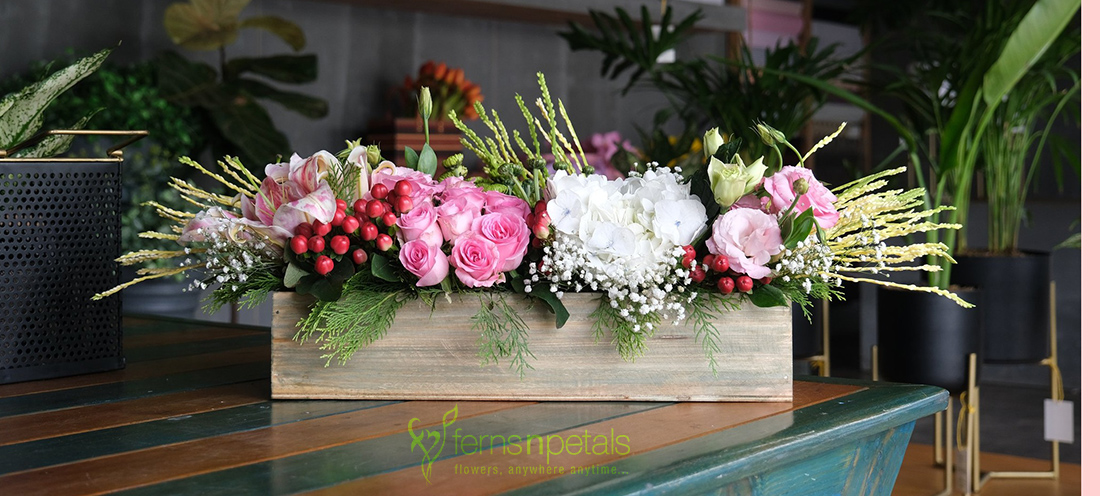
    Ferns N Petals is India’s gifting brand that is taking mighty strides forward. After 28 years and marking a presence in 10+ countries, this renowned gifting brand is now operational in Malaysia too.

    From a single store in 1994 in Delhi (India), Ferns N Petals has now tapped into a global pool of customers because of its variety of gifting solutions. The customer can order flower bouquets to the budget-friendly gift items such as personalised cushions and indoor plants. All in all, it is a multi-category gifting brand attracting millions of customers.

    Other than India and Malaysia, the company is fully operational both online and offline in the UAE, Qatar, Singapore, Saudi Arabia, Philippines, etc. It is also providing its customers with multiple delivery options to provide a hassle-free experience. Moreover, their customer reviews say a lot about their impeccable services.

    “Doesn’t matter whether you are in Kuala Lumpur, Johor Bahru, Putrajaya or Shah Alam, you can easily get the gift of your choice delivered to any part of the country, or even internationally” says a spokesperson of the company.

    Though there are many biggies in the field, Ferns N Petals has been able to maintain its position by anticipating the needs of its customers in the beginning stage. When COVID hit and almost all businesses took a backseat, the company came up with the concept of ‘Experiential Gifting’ with its virtual gifts. People were able to send their wishes while maintaining social distancing.

    With each passing day, the company is adding new categories and gift options such as premium gifts, balloon decoration services and seasonal/occasional gift hampers.

  • Malaysia’s Raya Airways denies acquisition talks with AirAsia

    Malaysia’s Raya Airways denies acquisition talks with AirAsia

    Malaysian air cargo carrier Raya Airways has denied being in talks with budget airline AirAsia Group Bhd for an acquisition, it said in a statement on Monday (Jan 24).

    The company said the news reported over the weekend about ongoing talks was factually incorrect.

    The weekly reported that the airline has approached businessman Ishak Ismail whose family owns Raya Airways, to acquire the carrier, and are in early conversations.

    “After consulting with Raya’s shareholders and Board of Directors, we would like to clarify that Raya and its subsidiaries/affiliate companies are not in any talks with AirAsia Group Berhad or any other parties for the acquisition of the Company or any part of its businesses,” it said.

    The carrier said its operational and financial position is strengthening and it is committed to the next stage of growth.

  • Higher telecommunications towers to counter Malaysia flood

    Higher telecommunications towers to counter Malaysia flood

    Minister Annuar Musa had commissioned the Malaysian Communications and Multimedia Commission (MCMC) to undertake the task of raising telecommunications towers to ensure that towers do not have equipment at the ground level for areas susceptible to flooding.

    This would ensure that towers are intact even when water levels rise to 10 feet so that residents trapped on the rooftops of their houses can call for help.

    Last week, Musa said that more than 800 telecommunications towers had been affected nationwide, of which more than half had been repaired. While some took a faster quicker to repair, others required a longer time as submerged equipment needed replacement.

    Selangor, Negeri Sembilan, and Pahang were severely affected by the floods. Telekom Malaysia (TM) resorted to shutting down the power supply and network equipment as a precautionary measure in some of these areas. TM set aside RM13 million to replace free, damaged customer premise equipment (CPE) and network components, on top of providing a 2-week waiver on subscription from customer bills amounting to approximately RM5 billion.

    Meanwhile, Celcom is offering free replacement of damaged broadband equipment for both fiber and wireless broadband services. The free replacement is available until the end of January.

    Maxis has also stepped up on relief efforts, mobilizing teams to mitigate network disruptions, as well as sending food boxes and SIM packs to flood relief centers. In addition, support is provided to dealers whose stores had been affected so that operations can resume earlier.