Tag: Malaysia

  • FamilyMart Malaysia to open 300 halal-certified stores

    FamilyMart Malaysia to open 300 halal-certified stores

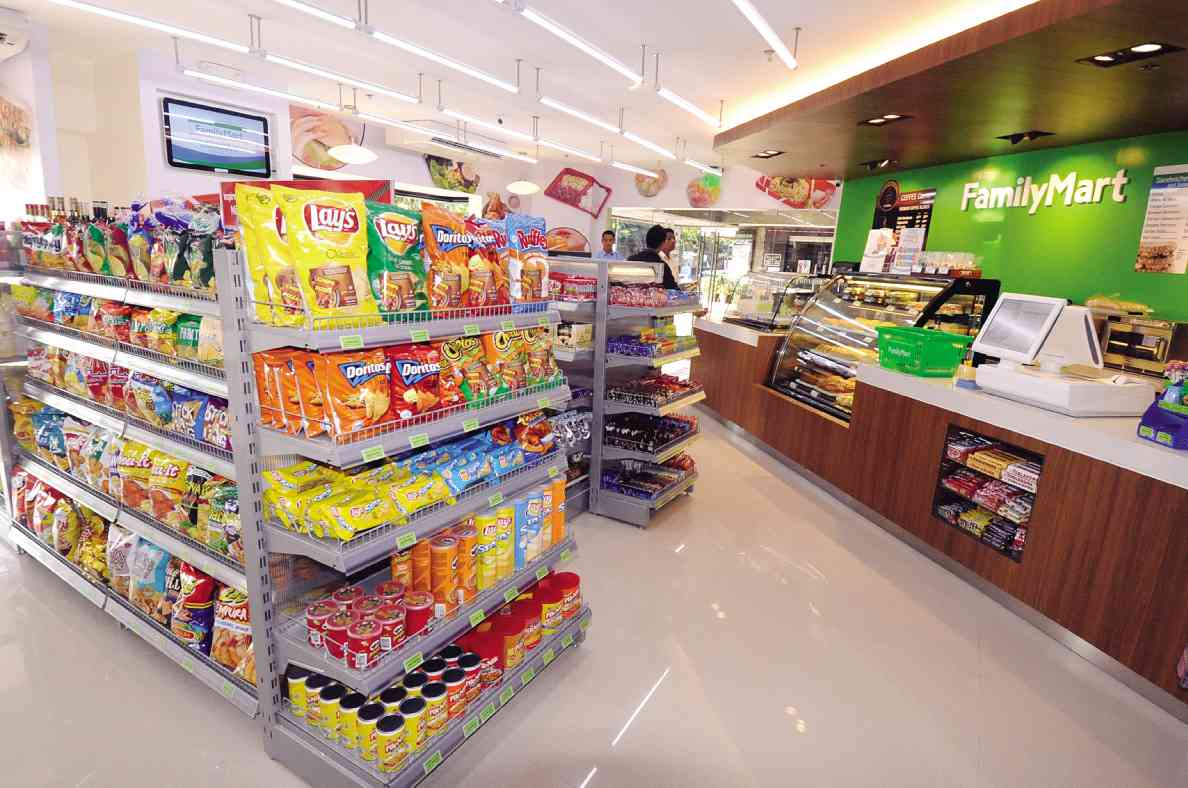
    In a statement shared today (May 10) by FamilyMart Malaysia, the convenience store chain announced that its FamiCafé in Menara U, Shah Alam, has obtained halal certification from Jabatan Kemajuan Islam Malaysia (JAKIM).

    This makes it the first convenience store café in Malaysia to receive this certification. Based on a check on the Halal Malaysia Official Portal, other convenience store cafés such as 7 Café and emart24, are not halal-certified by JAKIM.

    According to the statement, the halal certification aligns with FamilyMart Malaysia’s ongoing effort to ensure that its customers have total peace of mind while shopping and dining at its premises.

    It also added that other FamilyMart Malaysia stores will undergo halal audits in stages as guided by JAKIM, and that the process has already begun at two other stores.

    Subsequently, as a result of the certification, it stated that all new FamiCafés will automatically adopt the layout guided by JAKIM while existing ones will be converted to incorporate the changes required.

    The company aims to have the FamiCafés in 300 stores halal-certified by 2025 with the halal-certified concept serving café beverages and ready-to-eat food prepared in-store.

    There are currently 16 FamiCafés in Malaysia, with an overall target of 50 planned by the end of 2023.

    “We are very excited to be the first convenience store café in Malaysia to be halal-certified as part of our continuous improvement to enhance customer experience and provide value to them.”

    “Our journey to obtain halal certification in our stores is the next step in providing greater assurance and confidence for customers to shop and dine with us,” it shared.

    FamilyMart Malaysia’s central kitchen, operated by QL Kitchen, has been certified halal by JAKIM since 2019. As of April 30, 2023, 172 FamilyMart branded food products have been registered halal on JAKIM’s official halal portal.

    Meanwhile, in alignment with the announcement, FamilyMart Malaysia has also shared that it has stopped the sale of alcohol from all stores to provide an added assurance for all Muslim customers.

    In addition to the halal certification, FamilyMart stated that the team is expanding to the east coast of Peninsular Malaysia and that the company is currently securing identified locations to meet the demands of its fans in the region.

    It plans to open 20 stores by the end of 2023 and expansion is already underway in various parts of Kuantan, Pahang.

  • AirAsia Xpanding Services To China And Australia

    AirAsia Xpanding Services To China And Australia

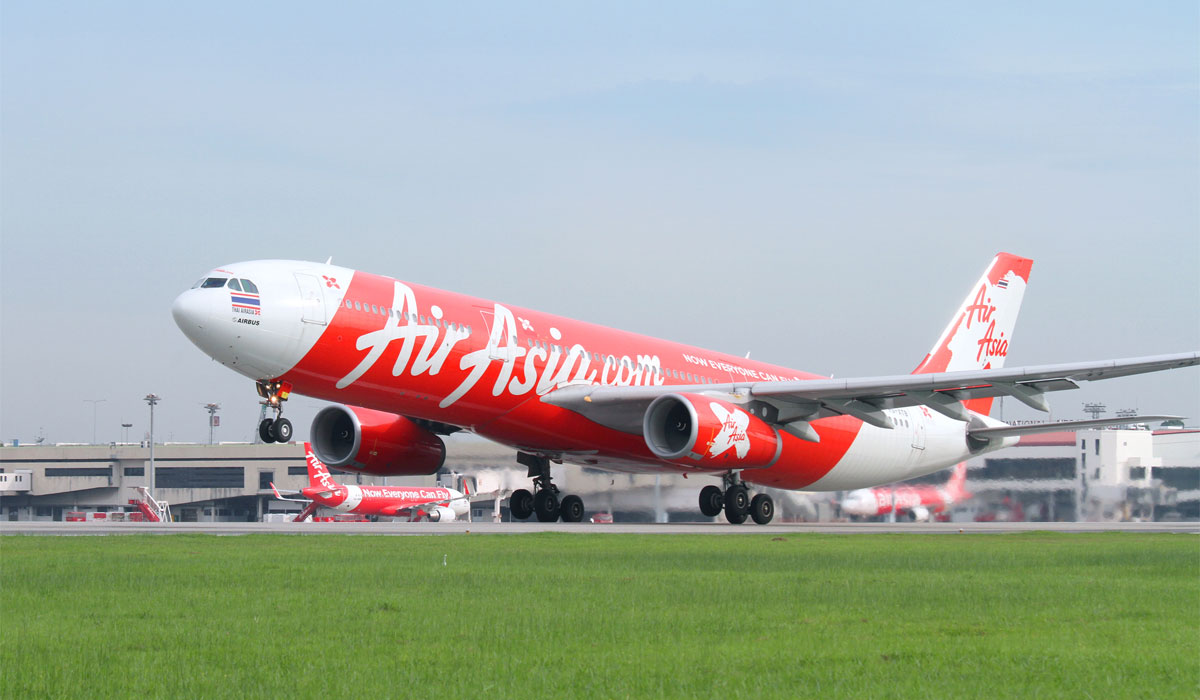
    Australians have another way to get to Asia now AirAsia X restarted its Kuala Lumpur to the Gold Coast service yesterday. The nostalgic service retraced AirAsia X’s first-ever route, launched over 25 years ago.

    AirAsia X started the Kuala Lumpur to Queensland’s Gold Coast in November 2007, but it has been suspended for more than two years due to the pandemic restrictions. The Gold Coast is one of Australia’s premier tourist destinations for domestic and international travelers and has been one of AirAsia X’s most popular destinations.

    Radar24.com, flight D7200 departed Kuala Lumpur International Airport (KUL) on Friday at 23:43 for the 6,500 kilometers (4,000 miles) flight to the Gold Coast. The flight was operated by a nine-year-old Airbus A330-300, registration 9M-XXK and manufacturer serial number 1433.

    After 7:51 hours of flying, it landed at Gold Coast Airport (OOL) at 09:34 yesterday morning. The A330-300 was on the ground for just over two hours before departing at 11:36 and arriving back in Kuala Lumpur at 17:44. It then returned to Australia as flight D7288, arriving at Sydney Airport (SYD) at 09:45 this morning.

    Fleet data from ch-aviation.com shows that AirAsia X (AAX) has a fleet of thirteen A330-300s, with three inactive. The data shows it also has 20 Airbus A321XLRs, 15 A330-900neos, and one A330-300 on order.

    AirAsia X CEO Benyamin Ismail was on the flight. He said it was a crucial day for the airline that will “strengthen the ties between Malaysia and Australia.

    “The Gold Coast will always hold a special place in our hearts, and what makes this announcement even more of a major milestone is that AAX is now the only airline connecting Kuala Lumpur directly to the Gold Coast and to Queensland on the whole.

    “Our newest route now provides the most affordable and convenient air travel option for guests who want to explore one of Australia’s most popular tourist destinations and for Australians seeking to visit Malaysia or continue on throughout Asia with our vast global network, including to leisure favorites like Singapore, Thailand, Vietnam, India and more.”

    In March, AAX resumed flights from Kuala Lumpur to Shanghai and Hangzhou in China and restarted services to Beijing. Flight D7342 departed KUL on March 30th at 19:15 and landed at Beijing Daxing International Airport (PKX) at 00:55 on Friday. The Airbus A330-300, registration (M-XBF), left Beijing at 03:32 and, after a 5:49 hour flight, landed in Kuala Lumpur at 09:21.

    The route will operate twice weekly and will stimulate business travel and tourism in both directions. Now that China has resumed issuing tourist visas, AAX believes it will see a surge in demand for flights between KL and PKX. AirAsia X last operated the route on April 12th, 2020, although it operated in and out of Beijing Capital Airport (PEK).

    The airline plans to ramp up Beijing frequency to four flights weekly starting from June 1st to meet growing forecast demand. Beyond that, AAX is planning more expansion to more unique, less traveled destinations in China soon.

  • Ninja Van Unveils White Paper on Live Selling in Southeast Asia

    Ninja Van Unveils White Paper on Live Selling in Southeast Asia

    Ninja Van Malaysia, a tech-enabled logistics company, has released its first-ever white paper on Live Selling in Southeast Asia. The white paper introduces Live Selling as one of the up-and-coming Southeast Asia’s e-commerce trends and shares Live Selling insights collected from over 1,000 Ninja Van’s e-commerce sellers across Malaysia, Singapore, Indonesia, The Philippines, Thailand, and Vietnam.

    While Live Selling is still a nascent industry in most Southeast Asian countries, the increase in the number of Live Selling solutions shows that the new retail trend shaping the future of e-commerce is here to stay – and sellers are taking note.

    In Malaysia alone, 40% of live sellers conduct their sessions daily, ranking higher than its regional neighbours Singapore (17%), Indonesia (23%), and Vietnam (27%). Additionally, 47% of live sellers in Malaysia conduct each session for up to 2 hours.

    “Live Selling is an interesting marketing tactic for e-commerce sellers,” says Winston Seow, chief marketing and enablement officer, Ninja Van Group. “It’s the only tactic that can fast-track shoppers’ purchase journeys from awareness straight to conversion. Live Selling also gives e-commerce sellers the ability to build relationships at scale with their shoppers, both new and existing.”

    One in three of the surveyed Southeast Asian e-commerce sellers is now doing Live Selling, spending up to six hours weekly conducting Live Selling sessions. Most of the early adopters of Live Selling are from low-involvement product categories such as fashion, beauty & personal care, food and beverages, as well as home & living.

    While Shopee (27.0%), Facebook (25.5%), and TikTok (22.5%) are ranked as the top three Live Selling channels, the close margins signal that the champion has yet to emerge in Southeast Asia. This could be explained by the fact that on average, the surveyed e-commerce sellers use two channels for Live Selling, presumably to maximise their outreach to shoppers.

    Live Selling also offers e-commerce sellers a new way to better connect with customers. “Since we started Live Selling, we’ve seen an increase in our sales and have built a stronger relationship with our customers.

    “We sell over 1,600 household products made from different materials and through our live sessions, we’re able to engage directly with our customers and answer any questions they may have about our products. I believe this makes for a more positive shopping experience for our customers, allowing them to make informed decisions about their purchases,” says Tan Jie Xian, Digital E-commerce marketing executive at Elianware.

    The white paper also explores the challenges of Live Selling, such as keeping Live Shoppers engaged, preparing on-set logistical requirements, as well as sales and post-sales arrangements. Recommended solutions are included too.

  • Budget carrier MYAirline to begin competing against AirAsia in December 2022

    Budget carrier MYAirline to begin competing against AirAsia in December 2022

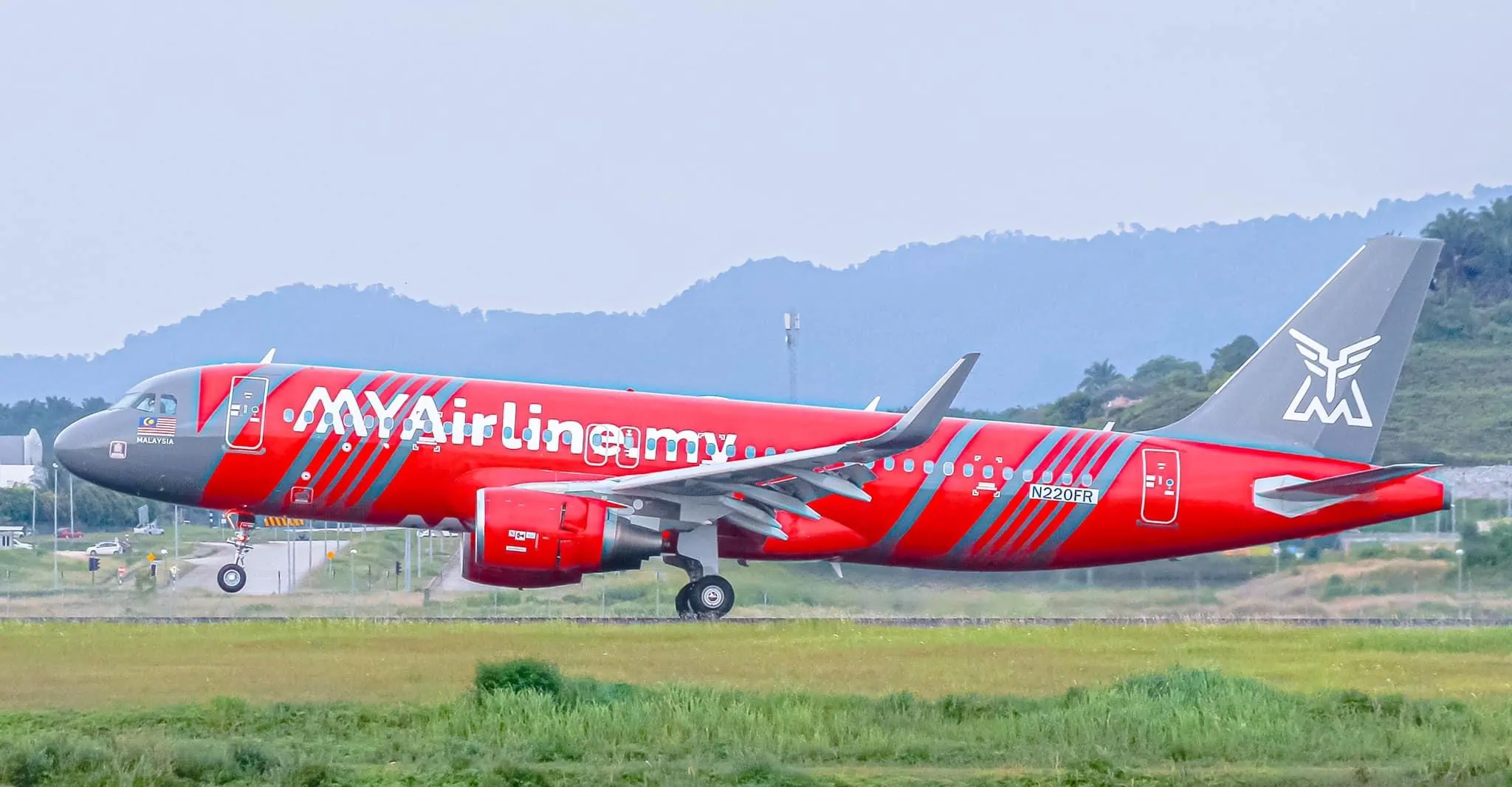
    After much anticipation, it’s been revealed that new Malaysian low-cost carrier MYAirline will begin flying in December 2022, with reports having confirmed approvals from the Malaysian Aviation Commission (Mavcom) and Civil Aviation Authority (CAAM) for the company to start selling tickets.

    Also, the airline took to its social media pages to hint at its very first flight destinations, which will most likely include Malaysian cities such as Kuching, Kota Kinabalu, and Langkawi, judging by the graphics in its posts.

    This comes after the airline’s CEO Rayner Teo said that MYAirline would seek domestic air traffic rights, with flights to begin very soon after approvals.

    “We’re hoping to start flying before the end of this year,” he said. “We’re looking at domestic destinations within the Peninsula.”

    The airline — which currently has 330 employees and is still hiring — will look to start off its operations with three Airbus A320 aircraft flying from Kuala Lumpur International Airport 2 (KLIA2).

    While all of the airline’s planes are currently under lease, Teo also revealed that the airline has the goal of increasing its fleet to 50 aircraft within the next four years.

    As an aside, he mentioned that starting the company during the height of the COVID-19 pandemic was crucial to helping it learn from competitors about how to operate such a business and serve its customers better.

    “A lot of feedback that we hear is that it’s hard to reach the airline after you have purchased a flight ticket,” heMYAirline explained. “As for us, we’ll ensure that our passengers can communicate with us effectively.”

    “We won’t be looking at chatbots, but rather focus on human interaction. On-time performance is also something that we’ll focus on.”

    With the travel industry now opening up around the world following the pandemic, flyers in Southeast Asia (especially Malaysia) will more than likely be pleased at the arrival of more competition in the space, especially when considering the many well-documented issues faced by travelers dealing with more established rivals like AirAsia.

  • Malaysia to test air cargo community system at KUL

    Malaysia to test air cargo community system at KUL

    Efforts are coming in all forms to support Malaysia’s competitiveness in its transport and logistics sectors as plans to introduce a platform that will connect stakeholders of Kuala Lumpur International Airport are underway.

    Air cargo software provider Kale Logistics Solutions and tech company Dagang NeXchange (DNeX), through its subsidiary Dagang Net, have signed a partnership agreement to introduce the Airport Cargo Community System (ACS) platform in Malaysia.

    The ACS is a neutral and open platform, enabling intelligent and secure information exchange between public and private stakeholders and is planned to be integrated with other community systems such as the National Single Window (NSW) and Port Community Systems (PCS) for trade facilitation.

    Vineet Malhotra, co-founder and director at Kale Logistics Solutions, said the latest development presents a powerful case that cargo community platforms need to integrate to bring greater value. And the plan is to create a global network of smart logistics hubs, starting in Malaysia.

    “Our role is to support businesses, especially SMEs, by providing an efficient and comprehensive global logistics network that can serve a larger international customer base and reduce trade barriers.”

    DNeX says the partnership with Kale complements Dagang Net’s capability to grow trade facilitation e-services for air mode through the ACS platform.

    “The ACS enables seamless electronic transactions, equipped with intelligent and secure information exchange among stakeholders to enhance the airport community competitiveness,” commented Tan Sri Syed Zainal Abidin Syed Mohamed Tahir, Group Managing Director.

    “This, in turn, can contribute to efforts in improving Malaysia’s competitiveness in its transport and logistics sectors as well as overall operational efficiency, connectivity, and productivity across the country’s supply chain,” he noted.

    Dagang Net has been using electronic Customs-related services to ease trade facilitation and streamline international trading processes for imports and exports, trade and logistics industries, and this initiative is aligned with the company’s direction, he added.

    Both Kale and Dagang Net are part of the Pan Asia e-Commerce Alliance (PAA), a 16-member regional e-commerce alliance in Asia that aims to promote and provide secure, trusted, reliable and value-adding IT infrastructure and facilities for efficient global trade and logistics.

  • Carlyle eyes investing in Malaysia’s Caring Pharmacy

    Carlyle eyes investing in Malaysia’s Caring Pharmacy

    Multinational private equity investor Carlyle Group is reportedly in talks with Caring Pharmacy to acquire a majority stake in the Malaysian drugstore chain.

    According to DealStreetAsia, the deal is projected to reach more than US$300 million in size.

    Earlier this year, Caring Pharmacy’s majority owner, 7-Eleven Malaysia Holdings was said to be in talks with several potential Japanese investors about a potential divestment of Caring Pharmacy. The chain was previously estimated to be worth around US$400 million.

    Established in 1994 by five pharmacists who were course-mates in the School of Pharmacy at Universiti Sains Malaysia (USM), Caring offers pharmaceuticals, healthcare, and personal care products. As of 2019, the company had more than 120 stores nationwide.

    7-Eleven Malaysia recently forayed into the Indonesian pharmacy business through a joint venture between Caring Pharmacy and PI Era Prima Indonesia.

  • AirAsia enhances facial recognition system at KLIA2

    AirAsia enhances facial recognition system at KLIA2

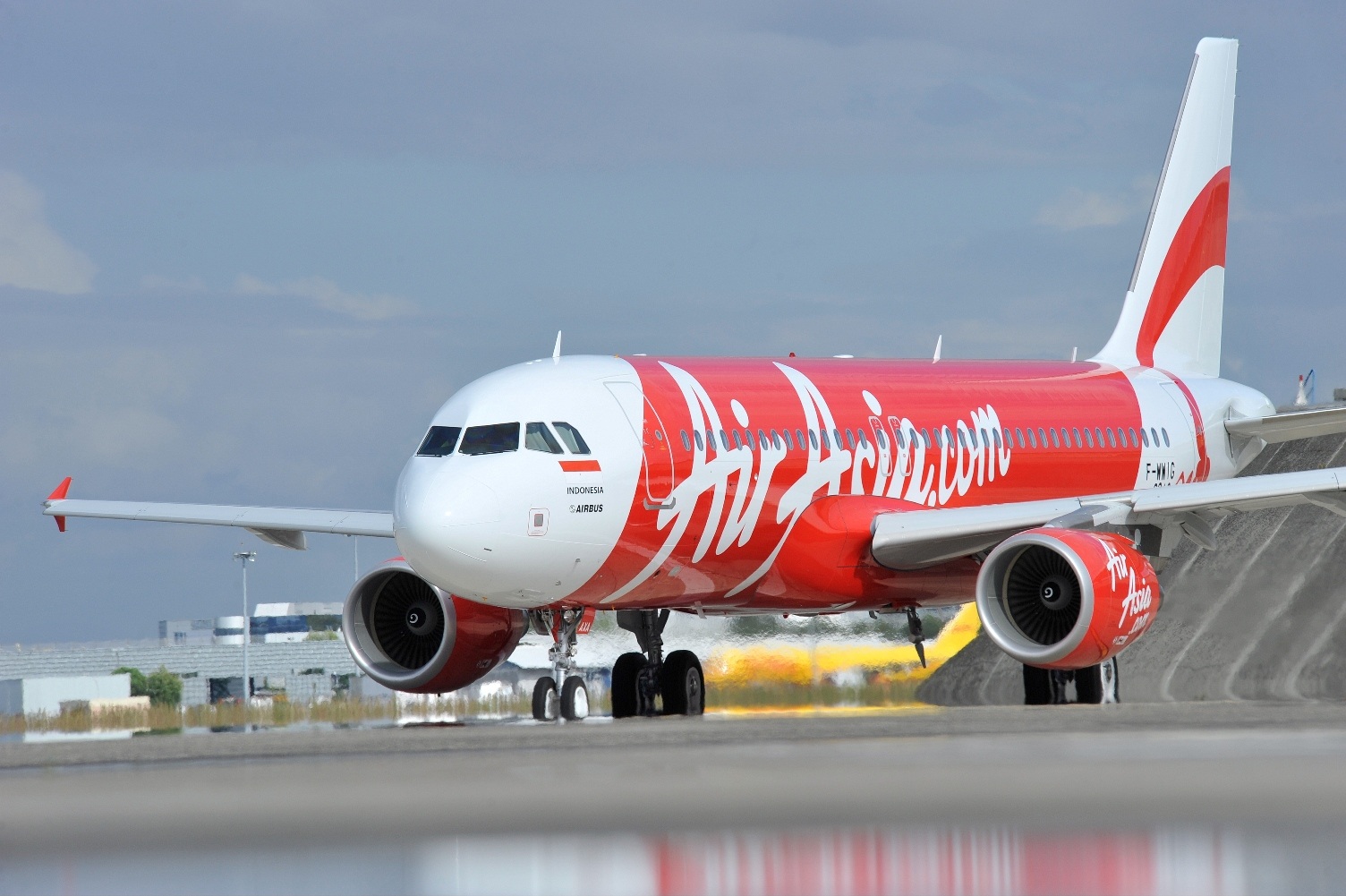
    AirAsia has enhanced its facial recognition system, FACES, by integrating it with Malaysia Airports EZPaz technology at Kuala Lumpur International Airport (KLIA2), offering an end-to-end contactless journey for passengers.

    FACES is now available across key customer touchpoints including mobile enrolment, check-in counter, pre-security check and boarding, for select domestic travel in the start-up phase. Passengers who have enrolled for FACES via the airasia Super App can now travel seamlessly from arrival at the airport, departure gate to the flight, without having to present their boarding pass after self-check-in.

    In addition to making the journey through the airport more seamless with contactless document checks and significantly less queuing time, FACES also increases operational efficiencies, safety and security for the airline.

    AirAsia Malaysia, CEO, Riad Asmat, who will be speaking at the upcoming FTE APEX Asia Expo in Singapore on 9-10 November, commented: “As we are back painting the skies red, it is more important than ever for AirAsia to be focusing on implementing digital innovations that take the hassle out of air travel, providing a more seamless and efficient customer experience. It is also an opportune time for our facial recognition system to take centre stage following the government’s recent announcement of face masks no longer mandatory at public places and in flight.

    “As a digital and contactless procedure, which includes online check-in anywhere, anytime in the world with a click of a button, FACES is a definitive game-changer and a revolutionary enhancement to help restore confidence in air travel. From today, the new technology is available on selected flights from our main hub in klia2 as a start, and there are myriad of opportunities for us to expand FACES at other touchpoints such as self bag drop at the airport, payment features on our airasia Super App and many others across our airline and digital businesses.

    “Delivering the best value, choice and innovation has always been in our DNA and we are thrilled to join forces with Malaysia Airports to make the airport future-ready at a time where demand for air travel is rapidly returning to pre-pandemic levels. We look forward to deploying our contactless FACES technologies in  every  airport we operate to in the near future to make flying more convenient, efficient and seamless than ever before.”

    Enrolment for FACES can be done on the airasia Super App with a passport or a National identification card and a one-time verification process at dedicated airport counters W15 and W16 at KLIA2. Alternatively, guests can also enrol for FACES at the same counters.

  • Malaysia’s 5G Journey Back on Track for Wider Coverage

    Malaysia’s 5G Journey Back on Track for Wider Coverage

    Four Malaysia mobile operators, namely Celcom, Digi, YTL and TM, have finally sealed agreements to take up 65% of the government-owned 5G agency, Digital Nasional Berhad (DNB), to roll out the country’s 5G services.

    Ahead of their impending merger, both Celcom and Digi will take a 12.5% stake each, while YTL and TM will each have a 20% stake. The remaining two telcos, Maxis and U Mobile, have also agreed to purchase wholesale capacity from DNB, after talks of the two operators retracting their decision to take stakes in the government agency as they reportedly did not see benefits in being minority shareholders.

    5G is an important pillar in the digital economy. In an effort to realize 5G, a state-controlled 5G single wholesale network by Digital Nasional Berhad (DNB), owned by the Ministry of Finance Malaysia, was established in March 2021 to undertake the deployment of 5G infrastructure and extend 5G as a wholesale network.

    However, the road toward 5G has not been smooth sailing, as all stakeholders find it difficult to see eye to eye on how 5G is to be deployed in the country.

    Earlier this year, mobile operators debated with the Malaysian Communication and Multimedia Commission (MCMC) over terms for the country’s wholesale 5G network, with the four largest operators – Maxis, Celcom Axiata, U Mobile and Digi – pushing for two wholesale networks.

    Jointly, the operators countered the government’s proposal to seek at least a 51% stake in DNB, citing concerns over unaffordable 5G pricing for consumers and enterprise as an initial stumbling block. However, the government did not waver on its August 31,   deadline. It believes that a shared network will be more cost-effective and enable infrastructure development to speed up. On the contrary, some industry players are of the opinion that this deprives operators of the competitive advantage of differentiating their services.

    However, after initial hesitations, all six mobile operators in the country agreed to the 5G agreement, but with Maxis and U Mobile deciding to retract their decisions at the eleventh hour.

    While all six mobile operators have now firmed up their decision to move forward, the MCMC foresees challenges ahead for state-level rollouts owing to bureaucratic red tape by local authorities.

    By the second quarter, Malaysia’s 5G rollout had reached 27%. While this indicates progress made in terms of 5G service coverage, MCMC’s Chief Operation Officer, Datuk Mohd Ali Hanafiah Mohd Yunus, noted that there is still room for improvement when it comes to addressing the requirements of local councils and states for resolving bureaucracy issues.

    Deputy Minister of Communications and Multimedia Datuk Zahidi Zainul Abidin has even called for the 5G contract to be given back to MCMC as telcos have not been aligned with the government. Zahidi also encouraged the public to inform MCMC if an area has poor internet access so that telcos can be instructed to place transmitters at respective sites.

    “We at MCMC can only ask them or implore them to place these transmitters to increase the strength of the transmitters while DNB don’t have the authority to force them or reprimand them for not doing so,” Zahidi said. “That’s why I kept saying in this house to give this 5G rollout project back to the MCMC so we can then instruct these telcos to follow our instructions as we have an Act to compel them to do so.”

    Gaining Momentum in 5G

    According to IDC, there will be 6.2 million IoT connections in Malaysia by 2025, nearly doubling from just 3.9 million connections in 2020. In the report, IDC stated that “IoT alone will generate significant IP traffic, which further highlights the need for expanded backhaul bandwidth to support both 5G cell sites but also fixed aggregation at factories, stadiums, and various government and smart city locations.”

    As 5G penetration takes root in Asia, Malaysia is reportedly aiming to extend approximately 80% of 5G network coverage in populated cities, including Kuala Lumpur, Cyberjaya and Putrajaya by the end of this year, with plans to extend 5G to other cities by the end of 2024. As defined by MCMC, “populated areas” refer to areas with at least 20 people per square kilometer.

    In a recent report by Opensignal, Kuala Lumpur has the second highest 5G download speed of 376.6 Mbps among 11 cities in Asia Pacific, behind only Seoul, with a 5G download speed of 453.1 Mbps. The report cited that the reason behind Kuala Lumpur’s high ranking is that YTL Communications’ Yes 5G is the first and only operator offering commercial 5G services in Kluang, Malaysia, and hence, DNB has a lighter 5G network load compared to other Asia-Pacific cities.

    According to the Malaysian Investment Development Authority, Malaysia is expected to have 2.1 million 5G subscribers by 2025, or an estimated penetration of 6.6 5G subscribers per 100 people. By then, 5G is projected to contribute about RM5.3 billion to Malaysia’s gross domestic product.

    Mohd Ali Hanafiah has said that the country is on track for Phase 1, which spans 2020 to , with Phase 2 to be scheduled for the end of 2022 through 2025. Under this project, Malaysia aims to lay out plans for private and public sectors to provide wider coverage and a better broadband quality experience for its people, as 5G adoption grows.

    Investments for Phase 1 of the project are estimated at RM28 billion. 60% will be funded by the private sector, while the government will contribute to the remaining 40% via the Universal Service Provision (USP) fund to ensure that rural areas will be well covered to bridge the digital divide.

  • Malaysian bubble tea chain brewing up rapid expansion, to revisit IPO plans

    Malaysian bubble tea chain brewing up rapid expansion, to revisit IPO plans

    Malaysia’s Loob Holding, which owns Southeast Asia’s biggest bubble tea brand by stores, will consider plans for a share listing once it reaches its target of operating 1,000 Tealive stores in the country by 2024, its top executive said.

    “By then, we may consider an IPO if the timing and pricing are attractive,” Bryan Loo, Loob’s chief executive officer, told Reuters in an interview.

    Loob, which opened its 800th Tealive store in Malaysia last month, had previously planned for a Malaysian IPO but put it on hold due to the coronavirus pandemic in 2020, according to a media report.

    In June last year, Loob gained funding from Malaysian private equity fund Creador, which bought a 30% stake in it but the companies did not provide financial details.

    “With Creador on board, our options for funding have indeed widened very much,” Loo said, adding that Loob was “adequately funded” for its current planned expansion.

    “So the question of whether we will go for an IPO and if so, in which market, is best re-visited a year from now,” said Loo, who founded Loob in 2010 and launched Tealive in 2017.

    Tealive makes and sells beverages ranging from pearl milk tea to coffee and has expanded to countries including Vietnam, the Philippines, Australia and the United Kingdom.

    The expansion comes a time when Malaysia’s economy grew at its fastest annual pace in a year in the second quarter, with consumer spending picking up strongly following the easing of coronavirus restriction. Other milk tea brands such as CHAGEE and KOI have also expanded rapidly in the Southeast Asian country.

    Loob is also gearing up to double Tealive’s store count in the Philippines annually, with a target of 300 stores by 2024 from 25 currently, Loo said.

    Besides Tealive, Loob also owns sparkling water maker Sodaxpress, kombucha brand Wonderbrew and coffee brand Bask Bear Coffee. Loob is expanding at a rate of 100 Tealive and 100 Bask Bear Coffee outlets a year in Malaysia, according to Loo.

  • Malaysia new budget airline aims for cheaper fares than AirAsia

    Malaysia new budget airline aims for cheaper fares than AirAsia

    Malaysia’s MYAirline plans to begin commercial operations by the end of this year, with its CEO saying it can sell cheaper fares than domestic rival AirAsia — the region’s leading low-cost carrier.

    CEO Rayner Teo sees demand for low-cost air travel rising as Asia emerges from COVID pandemic restrictions. MYAirline hopes to stand out with cheaper tickets, better real-time customer support and punctual flights.

    “We believe we can easily offer cheaper flights based on cost structure,” Teo, also the carrier’s co-founder, told Nikkei Asia in a recent interview at its humble operation center above a shopping mall in Subang Jaya, near the capital Kuala Lumpur.

    Although MYAirline is the David to AirAsia’s Goliath, Teo and senior management are confident of their strategy, with some of them having gained experience at the airline owned by the Tony Fernandes-led Capital A.

    Kathleen Tan, MYAirline’s chief executive adviser, logged 13 years working for Fernandes, who with another investor led the purchase of AirAsia in 2001 which eventually shook up the region’s travel industry with low cost fares and no frills service.

    MYAirline’s cabin operations manager Mohd Izwan Razak, meanwhile, was on AirAsia’s payroll for 17 years. Teo himself worked at the airline for 15 years until July 2019, leaving as the group head of sales.

    Teo said he had not planned to fill MYAirline with ex-AirAsia staff, but that he had simply recruited those who had lost their jobs or been placed on furlough, including pilots and cabin crew, over the last two years when airline operations were drastically reduced because of the pandemic.

    MYAirline, which has received a license to operate from the Civil Aviation Authority of Malaysia, plans to start with three secondhand Airbus A320s, but aims to increase its fleet size to 50 within the next five years.

    “We have signed some attractive deals with very large lessors,” Teo said, though he declined to provide details.

    Capital A’s Fernandes has refrained from commenting when asked recently by reporters about the MYAirline venture and the competition it could bring.

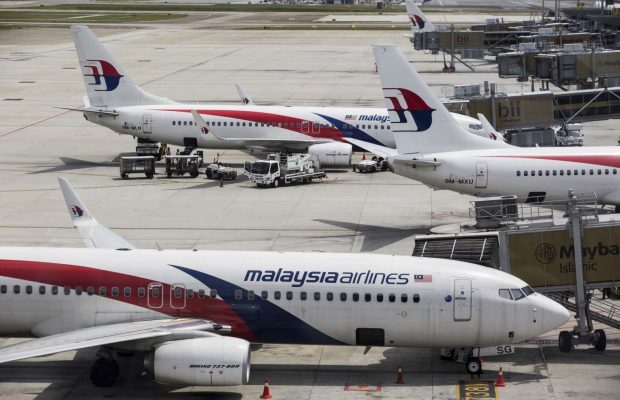
    Analysts say that MYAirline faces some challenges in competing on cost in an environment that includes established carriers AirAsia and Malaysia Airlines.

    “The airline is being marketed as an ultra-low-cost carrier, which is an interesting concept as AirAsia’s average cost per seat is one of the lowest in the industry and hard to beat,” said Shukor Yusof of Endau Analytics.

    Separately, Brendan Sobie, an independent aviation analyst, said that the start of MYAirline will intensify competition and bring back the problem of overcapacity that plagued Malaysia before the pandemic. Citing Malaysia Airports figures, Sobie said domestic passenger traffic in the country in August was at just 66% of pre-COVID levels in August of 2019, with international traffic at an even lower 38%.

    “There will be some stimulation as fares decline, possibly to pre-COVID levels, but this is hardly sustainable given today’s high fuel cost environment,” he said. “Prior to the pandemic domestic yields were very low and none of Malaysia’s domestic airlines was profitable.”

    Teo said the airline will use Kuala Lumpur International Airport as its central hub, plying domestic routes before expanding to international destinations after one year.

    A check with the Companies Commission of Malaysia showed that MYAirline has two million shares at one ringgit each, amounting to 2 million ringgit ($430,000) in paid-up capital. Private firms Zillion Wealth and Trillion Cove Holdings — both owned by local businessman Goh Hwan Hua — have stakes of 88% and 10%, respectively, in the airline. Teo owns the remaining 2% share.

    According to the website of money lender Trillion Cove, Goh who is listed as its CEO and director, has more than 20 years of experience managing information technology and application-related businesses in Malaysia, Thailand, Singapore and Indonesia. The site said he had been involved in various industries, including e-commerce, e-ticketing, fintech, retail and tourism.

    Teo said owning a commercial airline has been a longtime dream of Goh’s.

    “He has been asking me for the last seven years about the idea of forming an airline, and my answer has always been the same to him, that there are many ways to waste your money,” Teo said.

    “But in October 2020, when he (Goh) asked again, I thought this was the best time” to start preparing, he added, referring to the collapse in the global aviation sector due to travel restrictions and border closures.

  • Malaysian retail sales set new record

    Malaysian retail sales set new record

    Malaysia’s retail sales saw recorded growth in the second quarter of this year, surging 62.5 percent year on year, according to Retail Group Malaysia (RGM).

    The strong growth was estimated to result from the Hari Raya festival and the ease of Covid-19 operating restrictions. Given the swift growing pace, Malaysia Retailers Association and Malaysia Retail Chain Association project sales in the third quarter will have an average growth rate of 61.7 per cent.

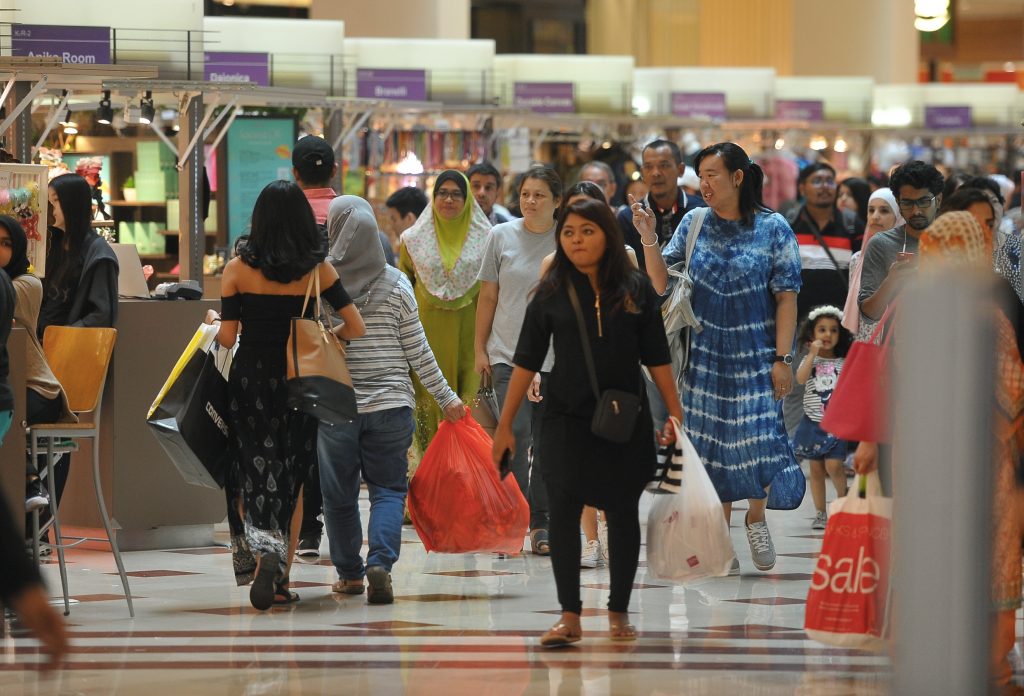
    “Hari Raya Aidilfitri was celebrated nationwide on May 3 and 4. This period had accelerated the pace of recovery of Malaysia’s retail industry,” RGM said in a statement. “Shopping centres and main commercial centers throughout Malaysia started to attract large shopping crowd three weeks before Hari Raya. The peak was one week before Hari Raya.”

    Fashion and accessories accounted for the highest growth, increasing 152 percent year on year during the quarter. Retail sales of the department stores and supermarkets jumped 59.7 percent.

    Other sub-sectors, including furniture, electronics, and healthcare, also enjoyed double-digit growth.

    RMB also added that Malaysian consumers’ purchasing power has been affected due to inflation. The manpower shortage has also influenced retailers’ sales and operation hours.

  • AirAsia X swings to operating loss in fourth quarter

    AirAsia X swings to operating loss in fourth quarter

    AirAsia X posted an operating loss in its financial fourth quarter, as it warns of headwinds such as high fuel prices amid a return in travel demand.

    For the three months to 30 June, the long-haul, low-cost operator was MYR691 million ($154 million) in the red, reversing the operating profit it posted in the previous quarter, where its earnings were boosted by a write-back related to restructuring.

    Revenue for the quarter was MYR107 million, the bulk of which – at MYR96.8 million – came from cargo services.

    Owing to a change in its financial year, the carrier did not provide figures for the previous corresponding period in 2021.

    However, in its results statement or the three months to 30 June 2021, AirAsia X was deeper in the red, posting an operating loss of MYR24.5 billion. Revenue for that quarter stood at MYR72 million.

    The Malaysia-based airline’s cash burn continues during the quarter, where it ended the period with MYR22 million. This is significantly lower than the MYR68 million it began the quarter with.

    As for affiliates, Thai AirAsia X – itself in business restructuring – was MYR41.5 million in the red, while Indonesia AirAsia X, which has suspended operations, posted a MYR1.5 million loss.

    AirAsia X is in the process of restarting passenger operations after being grounded during the pandemic. The carrier previously told FlightGlobal it intends to restart one-stop London operations by around Christmas, after a hiatus of over a decade. Other cities include Istanbul, Dubai and Jeddah.

    “The planned routes have been taken into account on routes with high cargo loads and demand, which will contribute positively towards the financial performance of the company,” says AirAsia X.

    It warns of challenges in the current operating environment, including high fuel prices, the weakening of the Malaysian Ringgit against the US Dollar, as well as the slower-than-expected reopening of key North Asian markets like China and Japan.

  • Thailand, Malaysia Among the New Google Cloud Regions in APAC

    Thailand, Malaysia Among the New Google Cloud Regions in APAC

    Google has announced that it is planning to expand its cloud services in more countries in the Asia Pacific, including Malaysia and Thailand.

    The company said in a statement that the move is to meet the growing demand for cloud services in the region.Google is bringing three new Google Cloud regions to Malaysia, Thailand and New Zealand — on top of six other regions that were previously announced: Berlin, Dammam, Doha, Mexico, Tel Aviv and Turin.

    It said that these new cloud regions represent their ongoing commitment to supporting digital transformation across Asia Pacific. It added that it will continue to invest in expanding connectivity throughout the region by working with partners in the telecommunications industry to establish subsea cables — including Apricot, Echo, JGA South, INDIGO and Topaz — and points of presence in major cities.

    When launched, these new regions will add to the internet giant’s 34 cloud regions currently in operation across the globe, 11 of them located in Asia Pacific. They deliver what Google says to be high-performance services running on the cleanest cloud in the industry.

    It added that enterprises across industries, startups and public sector organizations across Asia Pacific will benefit from key controls that enable them to maintain low latency and the highest security, data residency and compliance standards, including specific data storage requirements.

    “The new Google Cloud regions will help to address organizations’ increasing needs in the area of digital sovereignty and enable more opportunities for digital transformation and innovation in Asia Pacific. With this announcement, Google Cloud is providing customers with more choices in accessing capabilities from local cloud regions while aiding their journeys to hybrid and multi-cloud environments,” said Daphne Chung, Research Director, Cloud Services and Software Research, IDC Asia/Pacific.

  • AirAsia and Malaysia Airports Resolve Their Legal Disputes

    AirAsia and Malaysia Airports Resolve Their Legal Disputes

    In an attempt to revive air travel in the country, AirAsia and Malaysia Airports Holdings have decided to end all of their legal disputes. The two parties released a joint statement a few days ago saying that they have found “common ground to reach an amicable outcome” for their multiple disputes and plan to work together for the recovery of the industry.

    On August 10th, Capital A Berhad (the holding company of AirAsia Aviation Group Limited) and Malaysia Airports Holdings announced that they have mutually agreed to end all of their legal disputes for the sake of the country’s travel and tourism industry.

    Malaysia Airports Holdings Berhad (MAHB) Managing Director, Dato’ Iskandar Mizal Mahmood said,

    “We are pleased to confirm that all parties are dropping proceedings. There are no longer any legal proceedings or material litigation from MAHB against AirAsia Berhad/AirAsia X Berhad.”

    Capital A CEO Tony Fernandes was also happy with the decision and added,

    “As the world recovers from the pandemic, and substantial losses in the aviation sector in particular, it is integral that all stakeholders work together to stimulate the air travel revival. As two major players driving the aviation ecosystem, it is more important than ever that MAHB and our Malaysian based airlines AirAsia Berhad and AirAsia X Berhad, show solidarity in making Malaysia’s aviation industry competitive and attractive again.”

    The parties involved are believed to have put their differences aside for the benefit and success of all the aviation stakeholders, such as airlines, airports, and passengers, and to stimulate Malaysia’s tourism and economic growth.

    According to ch-aviation, one of the lawsuits was filed by the airport group for outstanding Passenger Service Charge payments amounting to MYR41.55 million ringgit (USD9.1 million) against AirAsia and AirAsia X.

    But the airline group contested that the airport operator had revised the fees in 2016, breaching a contract between the two sides.

    Another dispute involved the two LCCs filing a case against Malaysia Airports alleging losses and damages sustained between 2014 and 2018 due to negligence, multiple disruptions, and poor conditions at KLIA2, the second terminal at Kuala Lumpur airport where these airlines operate

    Spending time and resources on court cases is never an easy decision, more so in the wake of the pandemic, which crushed the airline industry in the last two years. But there have been green shoots lately as various stakeholders commit to bringing the industry back to good health.

    Tourism Malaysia is encouraging various programs and events such as the ‘World Top Gourmet Awards 2022’ and other similar initiatives to bring back tourist revenue and strengthen the economy. For that, there must be a cordial relationship between the country’s major airline group and airports.

    With the disputes ending, the hope is that AirAsia’s main hub at Kuala Lumpur International Airport will work seamlessly and be more affordable for millions of passengers each year.

  • Maxis Records Strong Q2 Performance

    Maxis Records Strong Q2 Performance

    Maxis recorded a strong second quarter performance, delivering solid growth across all segments within its core consumer business as well as good momentum in its enterprise business.

    Service revenue increased to RM2,084 million, up 4.3%. Of which, revenue for the consumer business grew 4.4% to reach RM1,698 million, while the enterprise business yielded RM386 million in revenue, up 4%.

    With more Malaysians increasingly relying on converged connectivity and digital experiences at home, work and on the go, Maxis continues to attract customers with highly relevant solutions to meet their digital lifestyles. This resulted in increased revenue across the company’s mobile and fixed offerings, with market leadership in both postpaid and prepaid mobile.

    Concurrently, Maxis’ enterprise business maintained its growth momentum this year on the back of its core mobile strength. Maxis has been focused on playing a key role in supporting SMEs and enterprises in their digitalization ambitions through holistic converged ICT offerings and strategic collaborations.

    With a strong commitment to supporting the nation’s digital ambitions, Maxis continued to invest in its All-Ways Connected network (Maxis’ Rangkaian Menyeluruh) during the quarter, with a significant portion of these investments going toward fulfilling Jalinan Digital Negara (JENDELA) aspirations, upgrading its core network capacity and providing the best network experience for its customers. This has resulted in higher customer satisfaction levels than the previous quarter, with a touchpoint Net Promoter Score (TP-NPS) of +64 points.

    “Our solid performance across all segments underlines our sharp focus on our strategy and agility, and we are well-positioned for continued growth in a rapidly changing and competitive telco landscape. We are focused on continuously improving our converged network performance and leveraging our strong talent pool in striving to deliver the best innovation and services to our customers,” commented Gökhan Ogut, CEO, Maxis.