Tag: Malaysia

  • LaLaport to make Southeast Asian debut in Malaysia

    LaLaport to make Southeast Asian debut in Malaysia

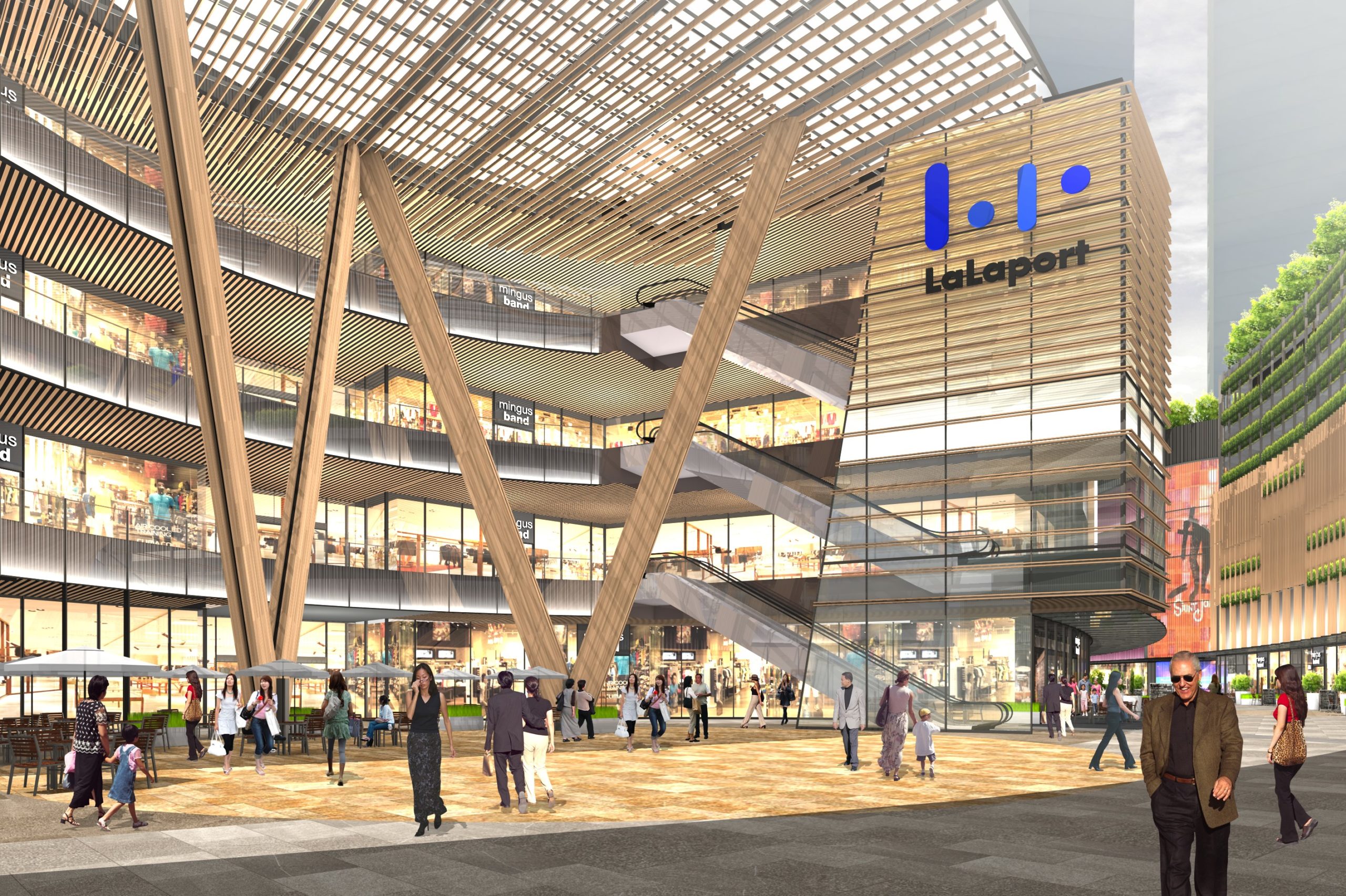
    Japanese lifestyle shopping mall, Lalaport, is set to open its first Southeast Asian location in Malaysia next month at Bukit Bintang City Centre (BBCC).

    The Mitsui Fudosan-owned shopping mall is set to open its doors to the public on January 20, featuring a tenant mix of about 400 stores from global and Japanese brands, including those making their first appearance in Malaysia such as Nitori and Nojima.

    LaLaport BBCC marks the chain’s second international location after Mitsui Shopping Park LaLaport Shanghai Jinqiao, and will also be one of Lalaport’s largest commercial facilities in the world with more than 82,600sqm of floor space.

    Inspired by ‘modern simplicity’ and ‘Japanese flavor’ design concepts, LaLaport BBCC brings to life a “stylish appearance befitting city center locations complemented by a warm interior design conducive for shoppers to spend the entire day in comfort”.

    The complex features five floors above ground and five floors below including four floors of basement parking. LaLaport BBCC also presents a 1700sqm rooftop garden equipped with a roofed step stage and surrounded by greenery and trees.

    A large F&B floor houses supermarkets, ‘Depachika Marche’ for take-away foods, and a cafeteria. Meanwhile, the ‘Gourmet Street’ offers a fresh al fresco dining experience for shoppers while the large ‘Garden Dining’ food court on Level 4 boasts a 1400-seating capacity. There is also an event space dubbed ‘Wow Plaza’ located at the center of Gourmet Street.

  • Grab to buy Malaysia’s Jaya Grocer grocery chain

    Grab to buy Malaysia’s Jaya Grocer grocery chain

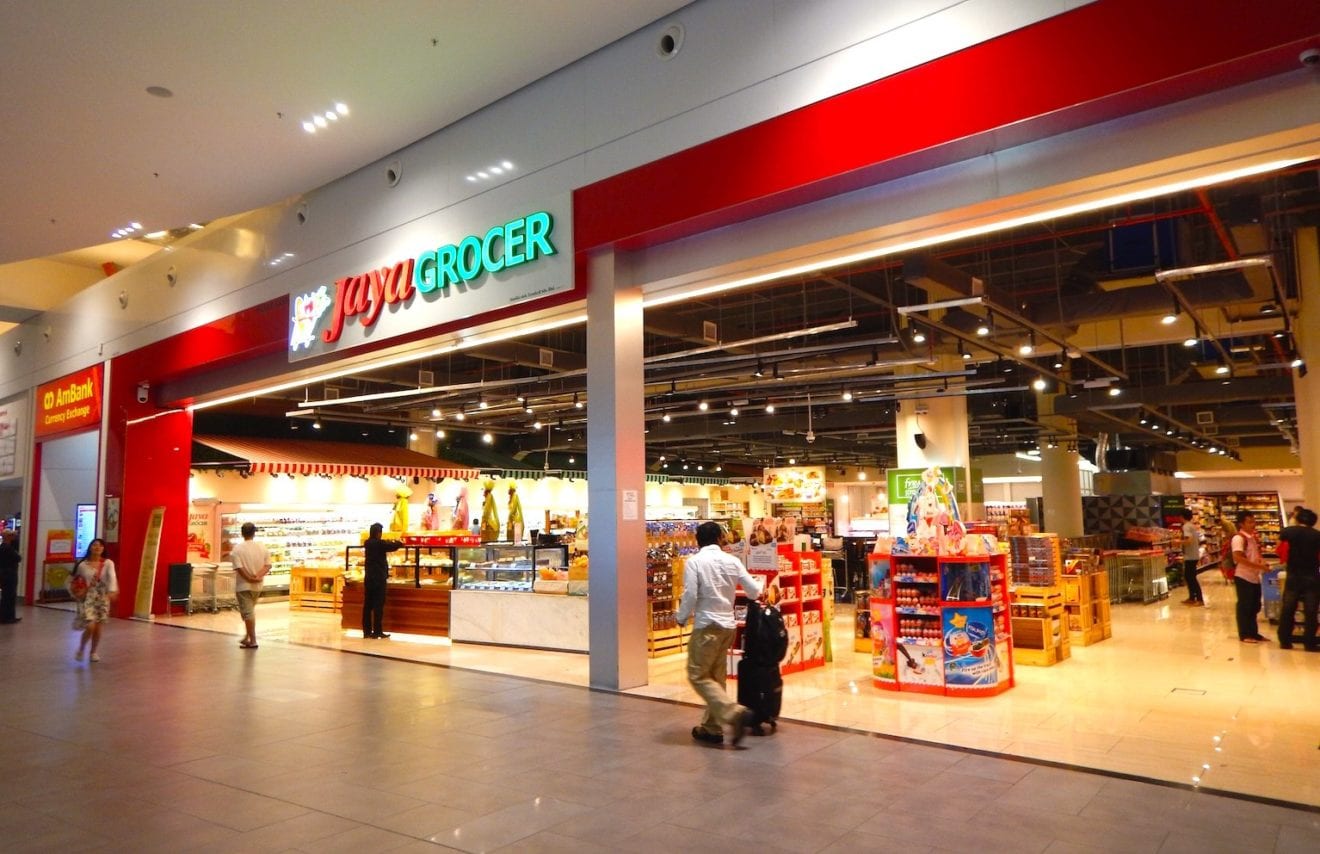
    Southeast Asian ride-hailing and food-delivery giant Grab is to acquire Malaysian grocery chain Jaya Grocer, according to a filing with the US Securities and Exchange Commission.

    Under the agreement, Grab will acquire Jaya Grocer’s ordinary shares and 75 per cent of preference shares. The company also has the option to buy the remaining 25 per cent of the preferred shares of Jaya Grocer after the closing of the transaction.

    In addition, Grab plans to partner with a local investor which will own 50 per cent of the voting shares in Jaya Grocer. The deal, the value of which has not been disclosed, is expected to close in the first quarter of next year.

    “Following closing, Jaya Grocer is expected to become a subsidiary of GHL (Grab Holdings Limited) and its financial results will be consolidated by GHL,” the company said in the filing.

    The acquisition follows Grab’s IPO debut on the Nasdaq earlier this month.

    Jaya Grocer was founded in 2007 by the Teng family with its first outlet opened in Petaling Jaya. It was acquired by the Asean Industrial Growth Fund in 2016. Last month, the private-equity firm sold its stake back to the Teng family.

    Jaya Grocer currently operates 40 stores across Peninsular Malaysia, with the majority being located in the Klang Valley near Kuala Lumpur.

  • Malaysia to finalize single 5G network decision

    Malaysia to finalize single 5G network decision

    Malaysia will finalize plans to pursue a single wholesale 5G network by January. This week, Malaysia’s communications minister Annuar Musa revealed that the cabinet is considering allowing several 5G providers after telcos voiced concerns that this would stifle competition.

    In February, the government announced plans to switch to a single wholesale network after initial plans to apportion spectrum to telcos. Under the existing plan, Digital Nasional Berhad (DNB), a state-owned company is mandated to deploy a national network to speed up 5G deployment and reduce deployment costs. However, this could risk hampering Malaysia’s digital competitiveness.

    In September, Julain Gorman, head of Asia Pacific, GSMA said, “Malaysia has a thriving mobile economy and a growing digital sector, but the Single Wholesale Network model proposal risks that. 5G technology is ready to be deployed rapidly, and Malaysian operators have already made significant infrastructure investments.”

    The GSMA expressed that “a nationalized monopoly will replace the competitive wholesale market” and render the industry “entirely reliant on wholesale access from DNB for 5G services”.

    In the meantime, DNB will be offering wholesale 5G services to telcos for free. This would commence next week and end 31 March 2021.

  • Don Don Donki opens largest Southeast Asian store yet

    Don Don Donki opens largest Southeast Asian store yet

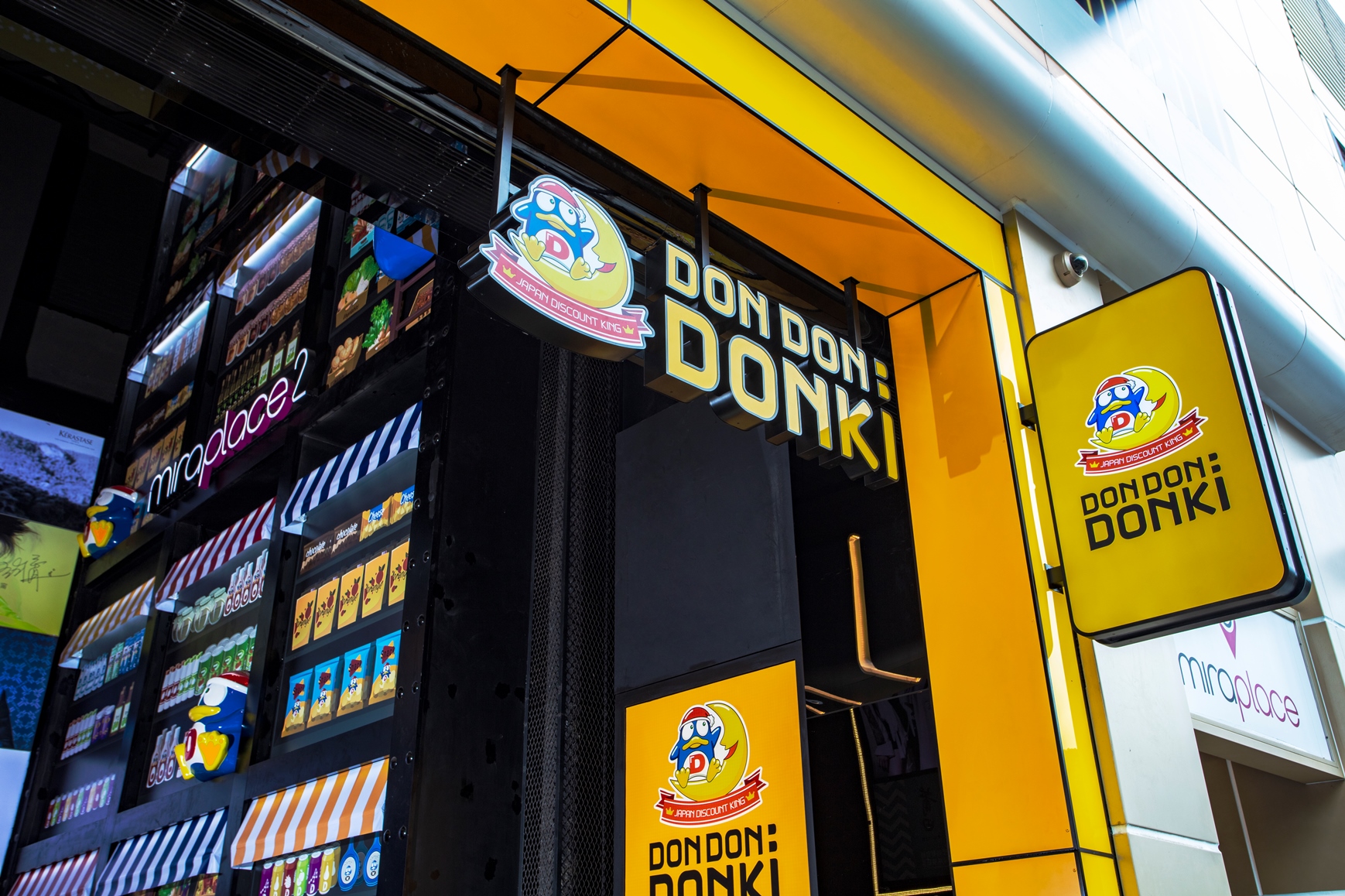
    JONETZ By Don Don Donki just opened its second outlet in Malaysia today, 10 December, and it’s the biggest one yet — in fact, it’s the biggest store in ASEAN

    Spread across two levels in Tropicana Gardens Mall, the outlet features new sections, such as CosmeDONKI, a yatai food court, and a fully certified halal area.

    CosmeDONKI is a Japanese cosmetic shop that sells Japan’s bestsellers of high-quality health and beauty products, while yatai is a food kiosk section, where shoppers can enjoy Japanese street food.

  • The Reason why Mad Mex is exiting Singapore and Malaysia

    The Reason why Mad Mex is exiting Singapore and Malaysia

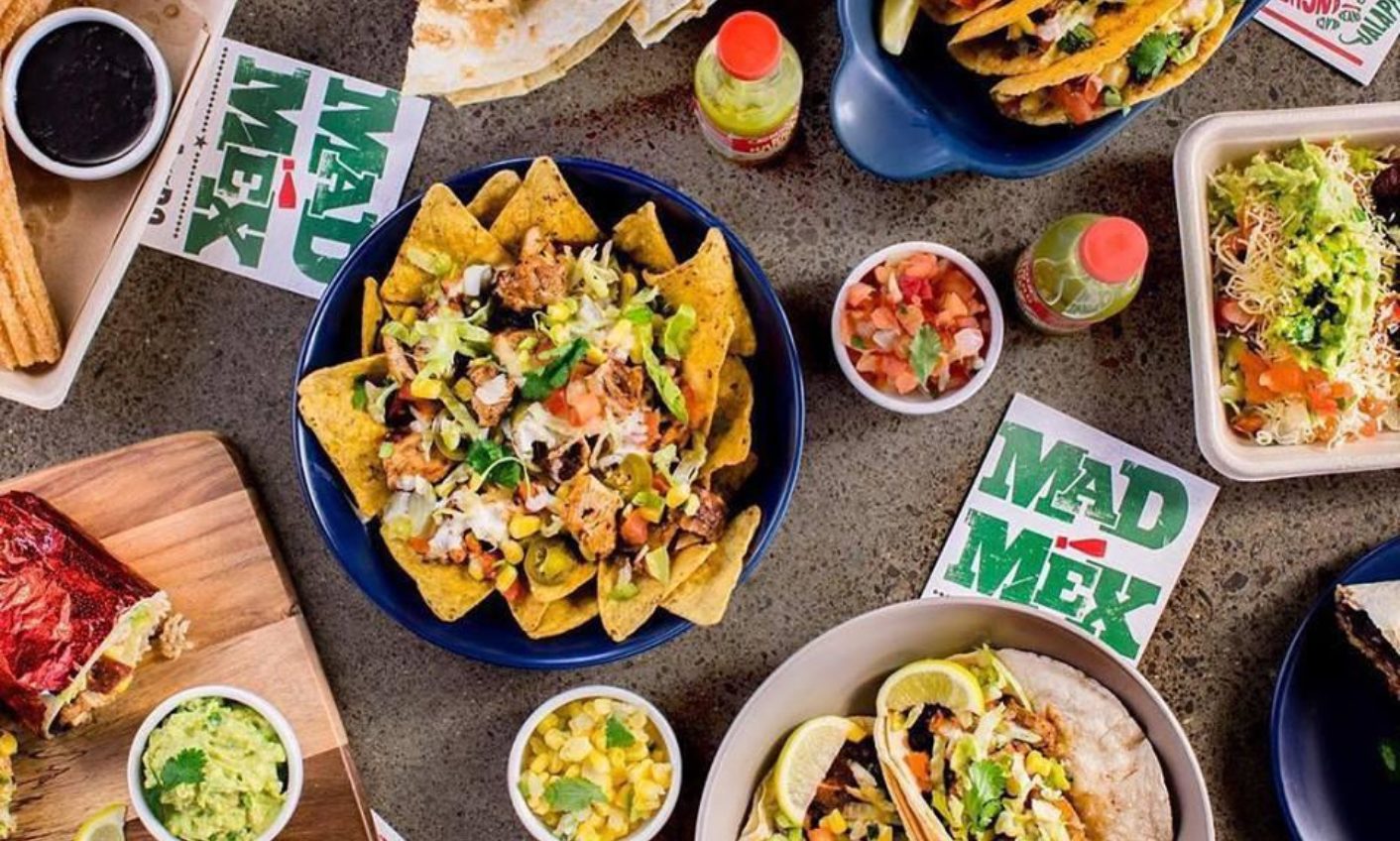
    Australian food chain Mad Mex is taking a taste of Mexico to Singapore and Malaysia with the announcement of its global expansion.

    The group’s plans to go international kick-off in Singapore this week with a brand-new store and will continue when its Malaysian store opens in December this year.

    The Marina Bay financial district in Singapore will be Mad Mex’s first location outside of Australia and New Zealand.

    The launch of the restaurant also heralds in a new partnership for Mad Mex with restaurant group 4Fingers. The partnership will see Mad Mex and 4Fingers leverage each other’s’ local market knowledge in Singapore, Australia, Indonesia, Thailand and Malaysia.

    The push into Singapore and Malaysia follows Mad Mex’s successful expansion into New Zealand in 2013. The company now has 15 restaurants in New Zealand and has plans for three more openings in 2019.

    The expansion comes off the back of considerable growth for the business. Over the last 12 months the company has served over four million burritos across the company’s 70 Australian and New Zealand restaurants.

    The company also revealed that during FY19 the company had strong like for like sales growth of 6.5 percent and 70 consecutive weeks of sales growth in Australia making the year the business’ strongest financial year to date.

    Founder and CEO Clovis Young says the success of Mad Mex in the face of tough retail conditions is to be commended.

    “The results of our team have delivered is truly remarkable and a demonstration of the passion and enthusiasm our restaurant team have for the food and the brand,” says Young.

    “The last 12 months have been very tough for retailers, so this performance really is exceptional.”

    “The expansion into APAC comes at an exciting time for Mad Mex. southeast Asia is in the midst of a food revolution towards healthy eating, and we believe Mad Mex’s healthy and quality positioning will resonate with local customers. We are very excited by the opportunity and we have big plans for the next five years. Watch this space.”

  • Adidas’s biggest brand centre in SEA launches at Sunway Pyramid

    Adidas’s biggest brand centre in SEA launches at Sunway Pyramid

    Adidas Malaysia has unveiled its largest brand center in Southeast Asia at Sunway Pyramid. Spanning 1575sqm and two stories, Adidas Sunway Pyramid worked with renowned Malaysian graphic designer, Valen Lim, to create localized experience zones in the store.  The brand incorporates Malaysian design elements, such as prominent local landmarks in the store interior, representing the Adidas Trefoil logo that mimics an authentic old-school local shop front. Adidas also collaborated with Sunway Pyramid.

    The brand incorporates Malaysian design elements, such as prominent local landmarks in the store interior, representing the Adidas Trefoil logo that mimics an authentic old-school local shop front. Adidas also collaborated with Sunway Pyramid to celebrate the launch with the medal of honor bestowed on Sunway Pyramid’s lion head.

    “The ongoing business expansion journey we are in is in line with our mission to be the best sports brand in Malaysia,” said Sharmin Photographer, country manager at Adidas Malaysia. “Despite the pandemic having been very tough for most of us, we emerge stronger as we continue to persevere with our consumer-first mindset.”

    The brand offers a range of sports performance and sports style products, together with an in-store customization zone.

    Meanwhile, the ‘sustainability zone’, designed to educate consumers on marine plastic pollution, is furnished with structures that are produced using reclaimed wood and recycled yarn to support our commitment.

    “The adidas Brand Center has been designed to meet the needs across all age groups and highlights the breadth and depth of the brand,” said Photographer.

  • Phillip Futures to Offer Stockbroking in Malaysia

    Phillip Futures to Offer Stockbroking in Malaysia

    PhillipCapital’s derivatives broking arm in Malaysia has entered into a business sale and purchase agreement with Alliance Investment Bank to purchase its stockbroking business.

    The strategic partnership arrangement will allow Phillip Futures to expand its Futures, Options, and Contract for Difference broking services to include Stocks and Exchange Traded Funds to the Malaysian investors, according to an announcement on Monday.

    The bank will leverage PhillipCapital’s global trading platforms and market access to enhance services to its customers, and both parties will explore collaboration opportunities, the announcement said. The deal is expected to conclude in the first half of 2022, subject to approvals.

    «PhillipCapital global network’s strong focus on Asia puts us in good stead to market Asia to the world. With its strategic importance of Asia, Malaysia has many unique investment opportunities to offer,» Andy Lim, group managing director of PhillipCapital Malaysia, said.

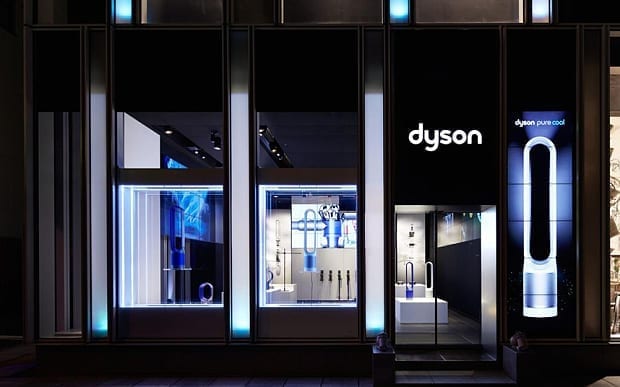
  • Dyson splits with Malaysia supplier, stoking concern over migrant worker treatment

    Dyson splits with Malaysia supplier, stoking concern over migrant worker treatment

    A transient drive right by the border from Dyson’s contemporary headquarters in Singapore is the boomtown constructed round its enterprise: a Malaysian industrial declare dominated by its finest supplier, ATA IMS Bhd (ATAI.KL).

    ATA, one amongst Malaysia’s high electronics manufacturing companies and products suppliers, rode Dyson’s success in excessive-close vacuum cleaners and air purifiers, supplying parts for a firm that got right here to story for 80% of its income.

    Ten contemporary and former workers, and a former ATA govt, tell the expansion got right here at an unseen mark: its mostly migrant workforce worked up to 15 hours a day, had been repeatedly requested to skip relaxation days to support up with set aside a query to, and had been coached to cowl correct working and dwelling prerequisites from labour inspectors and Dyson.

    In interviews over the final two months, the workers furthermore tell ATA, which analysts tell is Dyson’s finest global contract producer, employed hundreds of foreigners without work permits.

    After questions from Reuters on Nov. 18, Dyson final month stated it might perchance perhaps well pull its enterprise from ATA in six months, citing a up to date fair audit on prerequisites for workers and allegations by an unidentified whistleblower.

    ATA stated in a observation it turned into as soon as audited by the To blame Industry Alliance (RBA), a physique broadly engaged by electronics corporations to behavior factory audits. RBA hires third-social gathering auditors for the inspections. It declined to comment.

    On Nov. 29, ATA stated it had viewed the summary of Dyson’s audit, which stumbled on sad dwelling prerequisites, considerations of retaliation and unpaid allowances, among varied components. It described the findings as “non-conclusive” and stated it turned into as soon as reviewing them. Reuters has no longer viewed the audit.

    ATA declined to comment, and referred Reuters to its most recent public statements.

    Dyson stated on Tuesday it wouldn’t comment as a result of accusations associated to ATA.

    Malaysia on Wednesday stated it might perchance perchance perhaps well mark ATA over complaints it had received by the labour department. It did no longer tell what the charges or complaints had been about or whether or not they associated to the workers’ accusations about its Dyson factories.

    The country’s human resources minister, M. Saravanan, stated compelled labour allegations at Malaysian corporations had been hurting international traders’ confidence in merchandise manufactured there. He had earlier stated the federal government turned into as soon as investigating Dyson’s resolution to interrupt up with ATA.

    After Dyson’s hurry, ATA shares dropped 60%. Some analysts accept as true with raised doubts about ATA’s skill to attract contemporary customers, and on Nov. 29 a observation from the firm forecast income declines and mark cuts.

    With Dyson’s departure, six workers and shopkeepers interviewed within the Johor Bahru industrial declare stated they feared they might perchance perhaps lose their livelihoods.

    “There’s now not one of these thing as a screech of a job right here anymore,” stated one off-responsibility ATA employee, carrying his royal-blue factory work shirt on a up to date Sunday. Love others, he requested now to now not be diagnosed for dismay of reprisal.

    ATA officially employs round 8,000 workers, although four ATA workers and the former govt estimated its workers had been as excessive as 17,000 unless lately, including these without permits. Most of 17,000 had been from Bangladesh and Nepal, according to the workers and govt.

    ATA’s factories are concentrated in adjoining industrial parks in suburban Johor Bahru, a 30-minute drive to Singapore, the put Dyson is headquartered.

    ATA posted document income of 4.2 billion ringgit ($991.74 million) for the fiscal 300 and sixty five days that resulted in March. Dyson, owned by British billionaire James Dyson, accounted for nearly $800 million of that.

    Analysts tell the increased scrutiny of Malaysia might perchance perhaps well expand production charges and deter traders. The United States has banned six Malaysian corporations within the final two years over accusations of compelled labour.

    “Cost will definitely hurry up because of loads extra care must be taken into story, no longer fine on recruitment but furthermore employee accommodation. The ramifications are vastly increased charges for labour,” stated Vincent Khoo, head of Malaysia compare at brokerage UOB Kay Hian.

    Malaysia, which makes every little thing from iPhone parts to semiconductors, is reliant on electrical and electronics manufacturing in disclose for exports and economic tell. Between January and October 2021, such merchandise accounted for 36% of total exports.

    Foreigners manufacture up about 10% – 1.48 million – of Malaysia’s workforce, according to government info, although that percentage is increased within the manufacturing sector. The federal government and labour teams estimate hundreds and hundreds extra undocumented migrants.
  • 7-Eleven Malaysia ventures into Indonesia’s pharmacy market

    7-Eleven Malaysia ventures into Indonesia’s pharmacy market

    7-Eleven Malaysia Holdings Bhd has teamed up with a listed company on the Jakarta Stock Exchange to set up a retail pharmacy chain in Indonesia.

    SEM, in a filing today, said its 75% owned Caring Pharmacy Retail Management Sdn Bhd has entered into a joint venture with PT Era Prima Indonesia (EPI) to establish the business.

    Caring would take a 50.1% stake in the JV.

    SEM said the total funding of the proposed JV was about RM8.55mil. “The proposals represent an opportunity for the SEM Group to venture into the pharmaceutical industry in Indonesia,” it said.

    EPI is a subsidiary of listed firm PT Erajaya Swasembada Tbk, a distributor and retailer of mobile communication products.

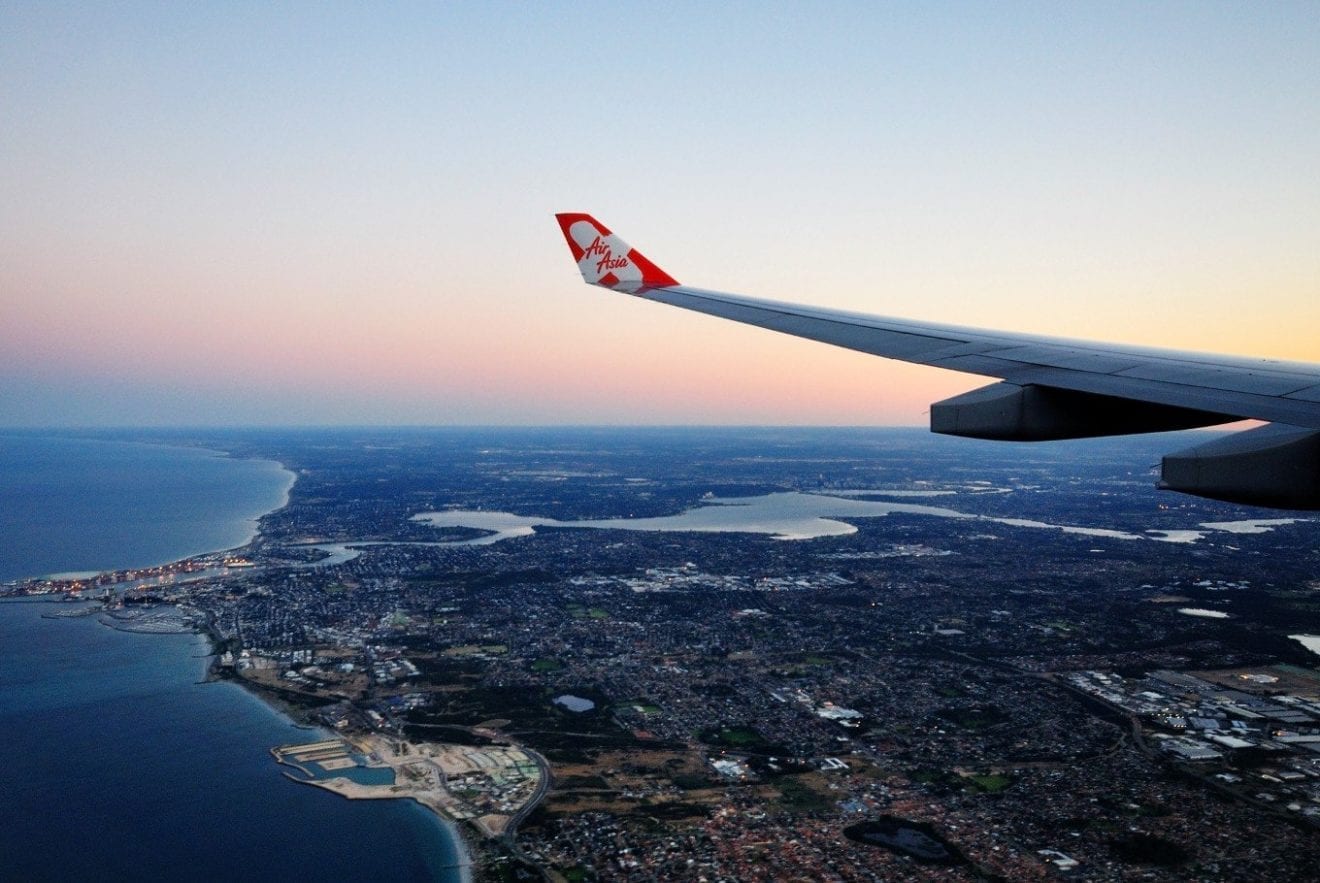
  • AirAsia rebuilds capacity in core Malaysian domestic market

    AirAsia rebuilds capacity in core Malaysian domestic market

    For AirAsia there has been a welcome recovery in Malaysian domestic demand in the last part of 2021 as internal travel restrictions ease in the group’s most important market.

    Third-quarter operating statistics made a fairly grim reading for AirAsia. The effects of the COVID-19 delta variant caused the governments in the group’s major Southeast Asian markets to impose limitations on domestic travel. This was particularly true in Malaysia and Thailand, where the AirAsia units based in those countries had to suspend most of their remaining operations.

    In Malaysia, the number of new daily cases peaked at more than 600 in late Aug-2021, according to the Our World in Data website. However, the daily case count had fallen again to 173 by 24-Nov-2021.

    At the same time, Malaysia’s vaccination rate continues to climb, with 76.3% of the population fully vaccinated as of 25-Nov-2021. The fully vaccinated rate for eligible adults is above 90%.

    These two factors combined – daily case numbers and vaccination rate – prompted the government to lift many of its interstate travel restrictions in the fourth quarter.

    For AirAsia, this means its Malaysian domestic operation can ramp up, which is important, given that the airline’s international operations remain largely halted.

  • Vietnam’s e-commerce traffic higher than Thailand, Malaysia

    Vietnam’s e-commerce traffic higher than Thailand, Malaysia

    E-commerce web traffic from Vietnam is double that of Thailand and triple that of Malaysia in Q3, showing high demand for online shopping amid the pandemic, a report has found.

    Digital consumption has become a new habit as the number of online vendors increases, with Vietnam becoming “a star” on the Southeast Asian e-commerce market, according to the Q3 market report by iPrice Group.

    Vietnam is set to exceed Thailand by 2025 to become the second-biggest internet economy in Southeast Asia with a scale of $57 billion, behind Indonesia at $146 billion, according to the e-Conomy Southeast Asia 2021 report by Google, Temasek, and Bain & Co.

    However, foreign companies are still dominating Vietnam’s e-commerce market in terms of web traffic.

    Singapore’s Shopee accounted for 57 percent of traffic in the third quarter, followed by another Singaporean company Lazada at 16 percent.

    Vietnamese startup Tiki ranked third with 13 percent of traffic.

    The report also pointed out Vietnamese consumers interact on the social media pages of e-commerce platforms more frequently than Thai but less than Malaysians, showing the importance of Facebook in promoting brands in Vietnam.

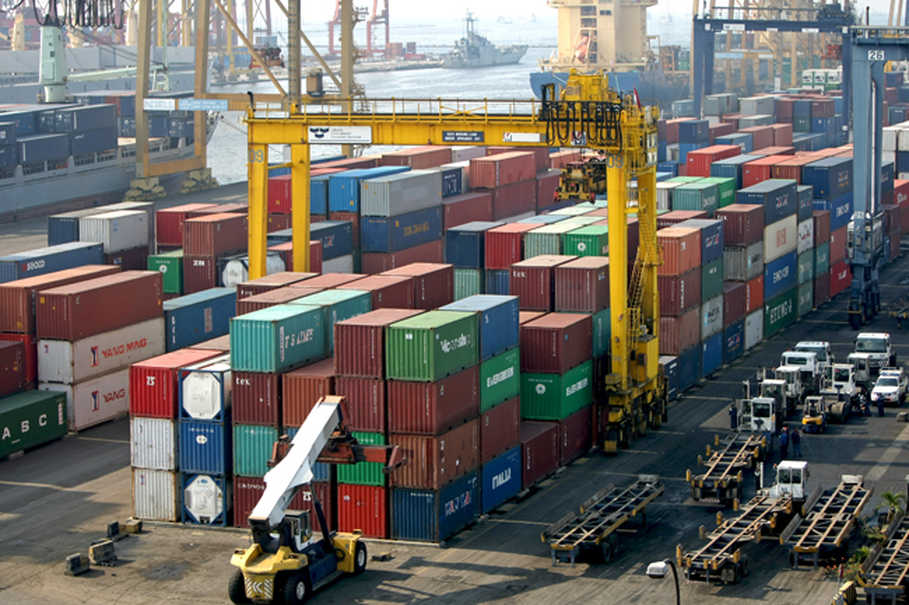
  • Vietnam shipping company begins service to Malaysia, India

    Vietnam shipping company begins service to Malaysia, India

    The Vietnam Maritime Corporation has launched a container shipping route to Malaysia and India.

    The route from Vietnam’s Hai Phong Port to Malaysia’s Port Klang, India’s Calcutta, Port Klang, and SP-ITC International Container Terminal in HCMC takes 10 days less than foreign shippers’ itineraries, VIMC said.

    It is the first time Vietnamese container ships are sailing through the Malacca Strait to the Indian Ocean to transport cargo to Malaysia and India, both large import and export markets for goods and raw materials for Vietnamese enterprises.

    VIMC said it plans to expand its large-tonnage container ship fleet and operations in the region as well as globally.

    Amid the Covid-19 outbreak, Vietnam’s importers and exporters have been hit by the high freight rates demanded by foreign shipping lines and finding it hard to book their services.

    Freight rates to Europe and North America have surged by four to eight times to around $20,000 for a 40-foot container.

    Many Vietnamese shipping companies saw profits surge in the third quarter as a result of the rising freight rates.

    VIMC reported revenues of VND4.127 trillion ($179.4 million), up 71 percent year-on-year, and profits of VND760 billion, compared to a loss of nearly VND30 billion in the same quarter last year.

    According to the Vietnam Maritime Administration, the country’s ports handled over 535 million tons of cargo in the first nine months of this year, a year-on-year rise of 3 percent.

  • Malaysia PM launches Huawei’s Customer Solution Innovation Center

    Malaysia PM launches Huawei’s Customer Solution Innovation Center

    The newly refurbished and upgraded Huawei Customer Solution Innovation Center (CSIC) has been officially launched by prime minister, Dato’ Sri Ismail Sabri Bin Yaakob, as part of celebrations to commemorate Huawei’s 20th anniversary in Malaysia.

    The state-of-the-art technology and solutions displayed in Huawei Technologies (Malaysia) Sdn Bhd’s (Huawei Malaysia) CSIC also aim to assist the nation in becoming the ASEAN Digital Hub.

    Huawei’s CSIC was designed as an Information and Communications Technology (ICT) Hub and Centre of Excellence to drive the industry’s open ecosystem and accelerate digital economy transformation in Malaysia.

    The CSIC, located in Integra Tower at the heart of Kuala Lumpur, aggregates the company’s over 120 reference applications and services globally.

    Huawei’s customers and partners are able to leverage this innovative platform to design and test technology solutions, verify new business models, and nurture innovative applications and services to both the public and private sectors.

    Present during the ceremony was the chief executive officer of Huawei Malaysia, Michael Yuan.

    Delivering the keynote address during the launch, Dato’ Sri Ismail Sabri said the CSIC is a testament to Huawei Malaysia’s commitment to the nation’s digital transformation.

    “Thank you Huawei for accelerating digital transformation and strengthening the development of Malaysia’s innovative platforms since 20 years ago. For that, I would like to wish Huawei a happy 20th anniversary! We will always appreciate and value your contribution towards the nation’s digital talent development.”

    “I was informed that most of Huawei Malaysia’s employees are local. Talents are a crucial part in accelerating digital transformation for the nation,” he said.

    The prime minister added that he believes Malaysia has the capacity and capability to achieve 100% digital inclusivity, especially among the vulnerable communities.

    “I am proud to say, in embracing the concept of Keluarga Malaysia, Huawei has taken an important role in helping the government address this matter. I hope more corporations will come forward to follow in your footsteps,” he said.

    Yuan said that through the CSIC, Huawei Malaysia would continue to bring global experiences to serve the needs of the ICT industry in Malaysia and to assist local stakeholders in succeeding in their businesses.

    “This center will act as a catalyst to accelerate Malaysia’s digital transformation and to capitalize on the potential of advanced technologies and assist in driving investments in the digital economy for the nation at the same time,” added Yuan.

    He further pointed out, “It is our belief that a better-connected Malaysia will have a prosperous future. We are currently in a period where ubiquitous connectivity is no longer a luxury, but a vital requirement for a country to achieve fully developed status. Therefore, we look forward to growing together with Malaysia, to playing an integral part in the nation’s technology-based economy and to building a better future for all Malaysians.”

    Among the business-to-business solutions available and showcased at the CSIC included Huawei’s 5G solutions around the world, including those for smart cities and autonomous vehicles as well as Huawei’s Smart Education system, including hybrid learning, which increases participation and engagement between students and teachers, and allows for some students attending class in-person while others join virtually.

    Cloud computing was another highlight – where Huawei is working with Telekom Malaysia Bhd (TM) on their Alpha Edge, the only Malaysian-owned cloud and AI infrastructure and services to enterprises and government institutions that ensures data sovereignty.

    Also showcased were agro-tech systems with AI technology that could save time, monitor quality, as well as predict yield and output. This included the production of premium caviar in Malaysia using this technology.

    The CSIC also displayed network infrastructure devices that utilize the latest technological advances in 5G and telecommunications as well as Huawei’s RuralStar, which overcomes the technical challenges of connecting remote areas, bringing connectivity to hard-to-reach communities.

    Huawei also presented the Huawei RuralStar solution to Dato’ Sri Ismail Sabri as part of its corporate social responsibility initiative to bridge the digital divide in the prime minister’s constituency of Bera.

    This initiative is part of Huawei’s global vision of bringing digital to every person, home and organization for a fully connected, intelligent world.

  • Dyson ditches Malaysian supplier over labour practices

    Dyson ditches Malaysian supplier over labour practices

    Dyson has terminated its relationship with supplier ATA IMS Bhd following an audit of the Malaysian company’s labor practices and allegations by a whistleblower, the British firm famed for its high-tech vacuum cleaners told Reuters.

    Dyson said it had commissioned an audit of working conditions at ATA earlier this year, the results of which were received on Oct 4.

    In addition, it was informed in September of a whistle-blower making allegations about unacceptable actions by ATA staff and immediately commissioned an international law firm to undertake a further investigation, Dyson said.

    “Despite intense engagement over the past six weeks, we have not seen sufficient progress and have already removed some production lines,” Dyson said in a statement to Reuters. “We have now terminated our relationship with six months’ of contractual notice.”

    ATA, which makes parts for Dyson’s vacuum cleaners and air purifiers, did not immediately respond to a request for comment.

    According to ATA, Dyson accounts for almost 80 percent of its revenue.

    ATA had in May denied allegations of forced labor at its factories after a prominent rights activist said US authorities were going to scrutinize the company’s work practices.

  • McDonald’s Malaysia plans to open 200 more outlets

    McDonald’s Malaysia plans to open 200 more outlets

    McDonald’s Malaysia is set to roll out 200 stores across the country, increasing its nationwide network to 500 by the end of 2026.

    MD and local operating partner, Azmir Jaafar, told local reporters that the fast-food chain is hiring 10,000 workers as part of its expansion plan. New locations will be opened away from the 310 existing ones.

    McDonald Malaysia has also committed to serving halal food across all its restaurants. The chain established an internal halal committee in 2013 to monitor full compliance with the standards and guidelines imposed by the Department of Islamic Development Malaysia (JAKIM).

    “This committee works closely with relevant officials at JAKIM to obtain advice and guidelines for the preparation of halal, quality and clean food,” Jaafar said. “The committee is also responsible for employee training to provide a clear understanding of the concept of halal.”

    Since its launch in Malaysia in 1983, McDonald has employed 15,000 employees and served more than 13.5 million customers monthly.