Retail News CRM

Tag: malls

  • Sunway Malls Revolutionizes Shopping with Malaysias First AI-Powered Smart Mall

    Sunway Malls Revolutionizes Shopping with Malaysias First AI-Powered Smart Mall

    Sunway Malls, one of Malaysia’s leading shopping center operators, has launched a pioneering artificial intelligence (AI) system designed to transform its locations into the nation’s first “smart malls.”

    The innovative AI network will work in tandem with Sunway’s existing ‘Internet of Things’ (IOT) framework to enhance operational efficiency and productivity while simultaneously enriching the consumer experience. This technological advancement builds on the successful integration of IOT at the Sunway Pyramid shopping center in Subang Jaya last year.

    Embracing Digital Transformation

    HC Chan, Group Managing Director of Sunway Malls, emphasized the growing importance of digital technology in the business landscape. He explained that the precision, timeliness, and relevance provided by this technology facilitates more insightful and strategic responses in an intensely competitive market.

    According to the company, all 16 Sunway Mall locations will be incorporated into a comprehensive IOT network. This integration will facilitate a cohesive management system that relies on automated, data-driven insights for decision-making processes. The company pledged to allocate resources “intelligently,” anticipating and resolving maintenance issues before they become problematic.

    Expanding Technological Features

    The extensive technological upgrade will introduce a range of features, including a 5G network, smart toilets and escalators, AI-enabled CCTV, and digital sustainability initiatives.

    Furthermore, Sunway Malls will launch a new AI customer chatbot and the Sunway Super lifestyle app, designed to enhance the customer experience. These digital services will offer smart parking, in-mall navigation, and a virtual shopping assistant, revolutionizing the shopping experience for customers.

    Questions & Answers

    What is the purpose of Sunway Malls’ new AI ecosystem?
    The AI ecosystem has been developed to enhance operational efficiency and productivity, while also improving the consumer experience at Sunway’s shopping centers.

    What other technological features will be introduced in the smart malls?
    In addition to the AI and IOT systems, the smart malls will feature a 5G network, smart toilets and escalators, AI-enabled CCTV, digital sustainability programs, and a customer chatbot.

    How is the decision-making process influenced by this digital transformation?
    Decision-making at Sunway Malls will be guided by a unified management system that uses automated, data-driven insights, allowing for intelligent resource allocation and proactive maintenance issue resolution.
  • Don Don Donki to Bid Farewell to HarbourFront Centre Location amid Singapore Malls Redevelopment Plan

    Don Don Donki to Bid Farewell to HarbourFront Centre Location amid Singapore Malls Redevelopment Plan

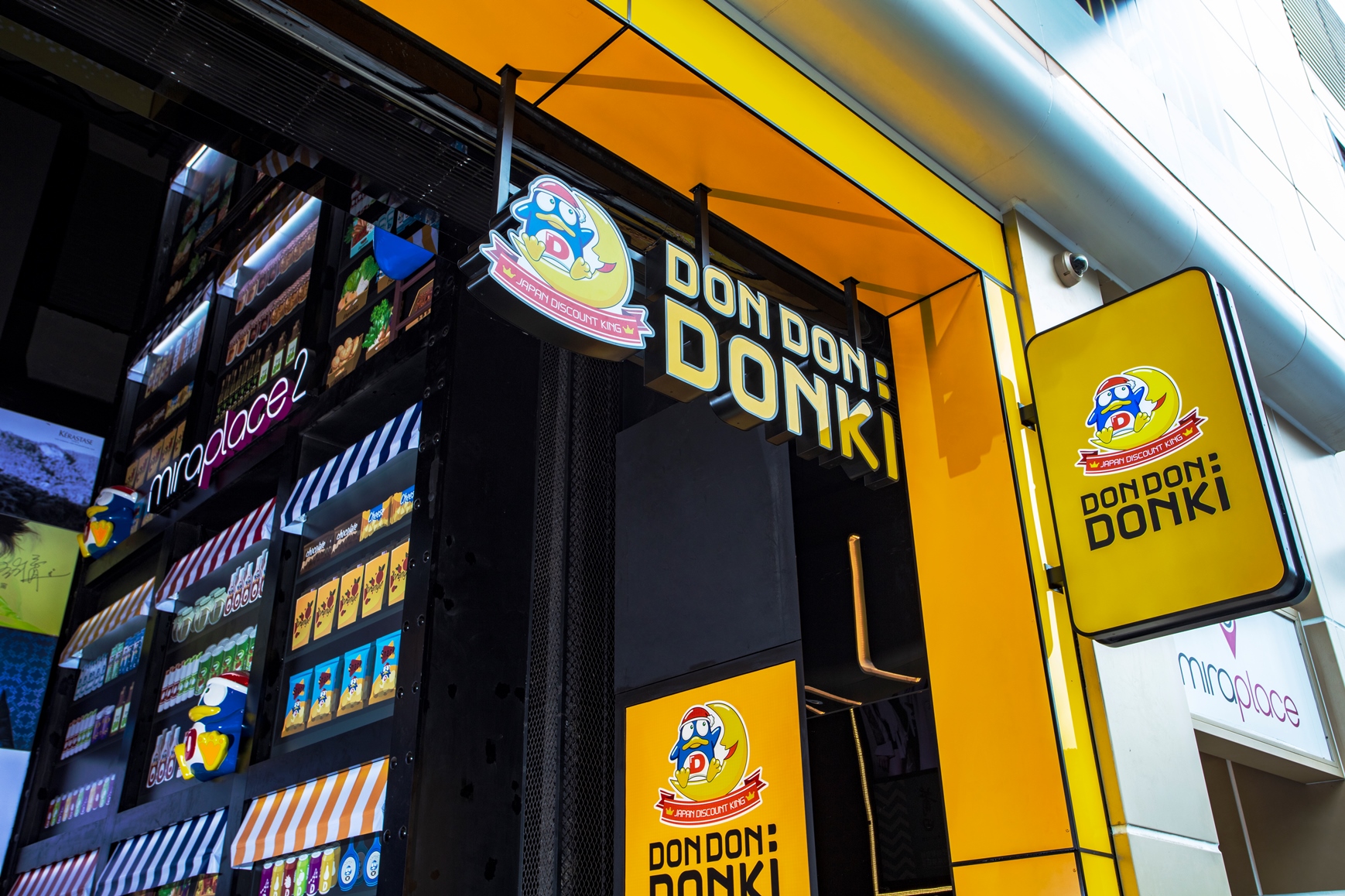
    The Japanese retail giant, Don Don Donki, has disclosed plans to close its outlet at HarbourFront Centre in Singapore this July. Shoppers will be in for a treat as select items will be sold at clearance discounts, some with up to 70% off.

    The store, popular amongst commuters, visitors venturing to Sentosa, and late-night shoppers eager for sushi, bentos, and Japanese snacks, is due to shut its doors for the last time on July 19. The imminent closure aligns with the anticipated redevelopment of the mall. The outlet is strategically located on the third floor of the mall, just above the bustling cruise center.

    A Transformation for HarbourFront Centre

    HarbourFront Centre has a storied past and is on the brink of another major transformation. Initially opened in 1978 as the World Trade Centre, the centre underwent renovations and was relaunched as HarbourFront Centre in 2003. The current redevelopment plans aim to transform the centre into a 33-storey mixed-use development, integrating retail and office spaces along with an elevated waterfront park.

    The redevelopment project ties into the larger Greater Southern Waterfront initiative, a visionary plan to revolutionize Singapore’s southern coastline into a lifestyle and recreational hub.

    Business as Usual for Other Outlets

    Despite the closure, Don Don Donki continues to operate its remaining 16 outlets across Singapore. These include locations at Orchard Central, Jem, Tampines 1, Suntec City, Waterway Point, and 100 AM. The chain was first introduced to the local market at Orchard Central in December 2017. Since then, it has flourished, with one exception – the Downtown East mall outlet, which closed this March after nearly five years in operation.

    Questions & Answers

    What is the current discount available at the Don Don Donki outlet at HarbourFront Centre?
    There are clearance discounts on selected items, with some discounted by up to 70%.

    What is the future plan for HarbourFront Centre?
    The centre is set to be redeveloped into a mixed-use development, comprising retail and office spaces, along with an elevated waterfront park.

    What will happen to other Don Don Donki outlets in Singapore?
    Don Don Donki’s remaining 16 outlets in Singapore, including those at Orchard Central, Jem, Tampines 1, Suntec City, Waterway Point, and 100 AM, will continue to operate as usual.

  • Pop Mart’s Aggressive US Expansion: Over 20 New Stores Set to Boost Presence in American Malls

    Pop Mart’s Aggressive US Expansion: Over 20 New Stores Set to Boost Presence in American Malls

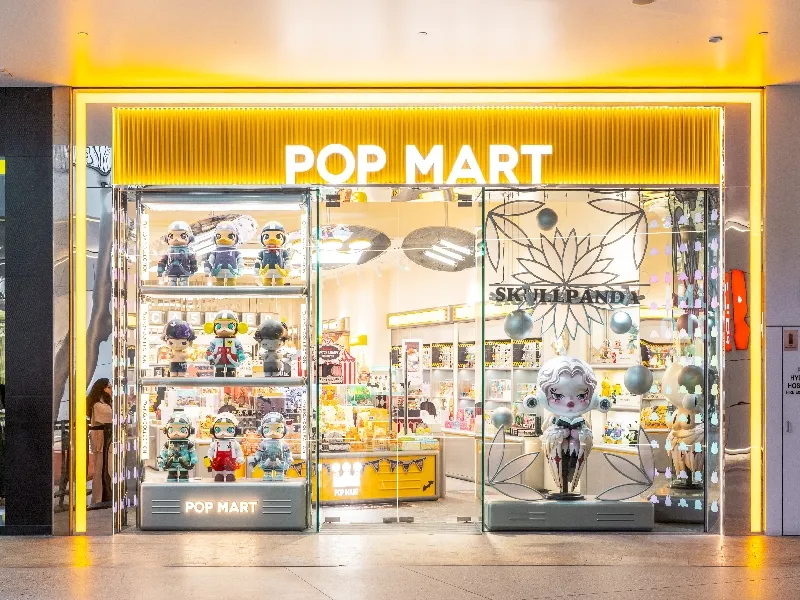
    Pop Mart, renowned for producing the popular Labubu figures, is set to expand its presence in the United States. This decision has been well-received by the corporation’s shareholders.

    Pop Mart has unveiled an ambitious plan to inaugurate more than 20 new outlets across malls in the United States. The company intends to join forces with Simon Property Group to realize this expansion. With the completion of this initiative, Pop Mart’s total outlets in the U.S. and Canada will exceed 60.

    Pop Mart marked its initial foray into the U.S. market by launching its first store in the American Dream Mall, New Jersey, in September 2023. By 2024, the firm had expressed intentions to manage as many as 200 stores within the region.

    The company observed a decline in its share price from its peak in August. However, the announcement of the U.S. expansion and subsequent investment brought about a significant turnaround. The company’s shares noticed a single-day increase of 10% – marking the most substantial growth since August 20.

    The first half of the previous year saw a dramatic 1142% year-on-year revenue increase in the U.S., amounting to US$315 million. This figure considerably surpassed the 135% growth recorded in China during the corresponding period.

    Questions & Answers

    What is Pop Mart’s expansion plan in the United States?
    Pop Mart has announced plans to open more than 20 new stores in American malls in collaboration with Simon Property Group.

    What was the response of Pop Mart’s shareholders to the U.S. expansion plan?
    The shareholders responded positively to Pop Mart’s U.S. expansion plans, evident from the 10% single-day increase in the company’s shares following the announcement.

    How did the U.S. market contribute to Pop Mart’s revenues in the first six months of last year?
    The U.S. market contributed significantly to Pop Mart’s revenues during the first half of last year, with a year-on-year increase of 1142% amounting to US$315 million.

  • Lotte Shopping Expands Horizons with Plans for New Shopping Malls Across Vietnam

    Lotte Shopping Expands Horizons with Plans for New Shopping Malls Across Vietnam

    South Korean retail behemoth Lotte Shopping is poised to expand its footprint in Vietnam, planning to open two to three new large-scale shopping malls in key cities by 2030. This initiative emphasizes Vietnam’s burgeoning significance within Lotte’s global strategy for growth.

    The announcement, made by Lotte Shopping CEO and Vice Chairman Kim Sang-hyun during the “CEO IR Day” event in Seoul on September 15, aligns with the company’s ambitious “Transformation 2.0” strategy. This roadmap is designed to bolster international operations while also embracing innovative, technology-driven retail ventures as pathways for future growth.

    Currently, Lotte Shopping has established a solid presence in Vietnam with three department stores and 16 supermarkets, complementing its operations in Indonesia, which include one department store and 48 supermarkets. The company highlights the triumph of its flagship Lotte Mall West Lake Hanoi, opened in 2023; it serves as a prototype for upcoming premium shopping complexes. Kim expressed ambitions to replicate this successful model in other major cities throughout Vietnam.

    As of now, Lotte’s international ventures contribute 13% to its consolidated revenue and account for 18% of its operating profit, illustrating a robust growth trajectory. The company targets an overseas sales milestone of 3 trillion KRW (approximately US$2.2 billion) by 2030. Key components driving this expansion include initiatives such as retail consulting and collaboration with local partners to leverage distribution systems across Southeast Asia.

    In 2024, Lotte Shopping reported substantial figures, with revenue hitting KRW 13.98 trillion and an operating profit of KRW 473.1 billion. By 2030, the company anticipates reaching a revenue target of KRW 20.3 trillion, along with a goal of boosting its operating profit to 1.3 trillion KRW, nearly tripling its profit compared to levels recorded in 2024. Sounds like a retail thriller in the making!

    The CEO IR Day drew over 100 participants, including asset management experts, institutional investors, securities analysts, and banking officials. It served as a platform for Lotte to present its performance goals and strategic plans aimed at enhancing its corporate value.

    Questions & Answers

    What is Lotte Shopping’s plan for expansion in Vietnam?
    Lotte Shopping intends to open two to three large-scale shopping malls in key Vietnamese cities by 2030, as part of its broader international growth strategy.

    How does Lotte Shopping currently operate in Vietnam?
    In Vietnam, Lotte Shopping operates three department stores and 16 supermarkets, while also establishing a successful presence with its Lotte Mall West Lake Hanoi, which opened in 2023.

    What financial goals has Lotte Shopping set for 2030?
    Lotte Shopping aims to achieve KRW 20.3 trillion in revenue and increase its operating profit to 1.3 trillion KRW by 2030, significantly boosting its current profit levels.

  • Tokyo Mall Transforms Retail Experience with Stunning Mount Fuji Views and Lush Rooftop Gardens

    Tokyo Mall Transforms Retail Experience with Stunning Mount Fuji Views and Lush Rooftop Gardens

    An ultramodern shopping mall has officially opened its doors in Tokyo, aiming to attract shoppers not just with products, but also with memorable experiences. Located near Takanawa Gateway City in the Minato ward, this new destination launched on September 12 to fanfare and enthusiasm.

    With more than 2,000 eager shoppers braving the lines, the vibrant atmosphere was palpable as they flocked to explore this innovative complex. NEWoMan Takanawa promises a unique retail environment, blending the latest in shopping technology and design with curated experiences that go beyond traditional retail norms. The mall aims not only to drive foot traffic but also to reshape how consumers interact with brands.

    As competition intensifies in Japan’s retail landscape, particularly in urban centers, NEWoMan Takanawa stands out with its approach. This isn’t just a place to buy; it’s an invitation to immerse in the brand ambiance, perhaps even sipping artisanal coffee while scrolling through a hand-picked selection of the latest fashion items. Imagine browsing through stores that feel more like interactive art installations than conventional shops.

    The opening comes at a crucial moment for retail, particularly as the industry seeks innovative strategies to engage shoppers in a post-pandemic world. As consumers increasingly seek experiences rather than just transactions, NEWoMan Takanawa looks poised to meet this demand with a lineup of events and exhibitions that will continue to draw visitors long after the opening day excitement fades.

    The complex is part of a larger trend in Asia’s retail sector towards experiential shopping, a shift that has seen malls evolve into lifestyle destinations. And while shoppers are well aware that they can find goods online, NEWoMan Takanawa brings a distinct flair that may just remind them why in-person shopping can still be a delightful treasure hunt.

    Questions & Answers

    What unique offerings does NEWoMan Takanawa provide to shoppers?
    NEWoMan Takanawa combines shopping with experiential elements, creating an inviting atmosphere where customers can engage with brands in creative ways, such as through events and interactive installations.

    How has the pandemic influenced the retail strategies of new malls in Japan?
    The pandemic has prompted a shift towards experiential shopping, encouraging malls like NEWoMan Takanawa to focus on creating memorable experiences that entice customers back to physical stores.

    What was the public’s reaction on the opening day of NEWoMan Takanawa?
    The opening day saw over 2,000 people lining up to enter the complex, showcasing a strong enthusiasm from the public and a clear desire to embrace a new shopping experience.

  • China’s Wanda to sell 48 malls in US$6.9 billion deal

    China’s Wanda to sell 48 malls in US$6.9 billion deal

    In a bid to aid its liquidity amidst a challenging real estate market, the China-based real estate tycoon, Dalian Wanda Group, is strategizing to liquidate 48 of its shopping complexes.

    Details of the Deal

    In this context, a joint venture steered by Hong Kong’s PAG investment firm will procure shares in 48 regional firms that undergird Wanda Plaza malls throughout the country. The venture includes other prominent players such as Tencent Holdings, Sunshine Life Insurance, Taikang Life, and a subsidiary of the e-commerce behemoth JD.

    Dalian Wanda Group anticipates a hefty return of 50 billion yuan (equivalent to US$6.94 billion) from this transaction, which is slated to be finalized in the second half of the current year.

    About Dalian Wanda Group

    Dating back to its establishment in 1988, and headquartered in Beijing, Dalian Wanda Group has emerged as one of China’s leading real estate developers. The diversified business operations of the group also span across a film company, a sports entity, and a children’s entertainment venture.

    Questions & Answers

    What is the purpose behind Dalian Wanda Group’s sale of its 48 shopping malls?
    The sale is primarily aimed at raising funds amidst a challenging real estate market.

    Who are the prospective buyers of these shopping malls?
    A joint venture led by Hong Kong-based investment firm PAG, involving Tencent Holdings, Sunshine Life Insurance, Taikang Life, and a division of JD, is set to acquire shares in the 48 regional entities backing Wanda Plaza malls across China.

    What is the expected monetary gain from this transaction for Dalian Wanda Group?
    The group anticipates to receive 50 billion yuan, equivalent to US$6.94 billion, from this deal.

  • SM Prime to add 440,000sqm of retail space with four new malls

    SM Prime Holdings Inc (SMPH), one of the largest property developers in the Philippines, is set to open four shopping malls this year, adding 440,000sqm of retail space.

    The company plans to open SM City Caloocan, with 94,000sqm of gross floor area, in the first half of this year. In the second half, it intends to open SM City J Mall in Mandaue City, Cebu, SM City San Fernando La Union, and SM City Laoag, each spanning 111,000 to 123,000sqm.

    Aside from the new shopping malls, the property developer said it will refurbish and extend existing malls.

    “It’s an ongoing thing with SM Prime’s malls,” said Timothy Daniels, consultant for investor relations and sustainability at SM Investments Corp, the parent company of SMPH.

    “They always do it. They come back every few years, and they renovate and expand.”

    In 2023, SMPH reported a 33 per cent increase in net income to AU$1.09 billion from $826.16 million in 2022, as consolidated revenues jumped 21 per cent.

    Mall business accounted for 56 per cent of total sales, followed by residential business with 34 per cent, and other business segments, which include hotels, offices, and convention centres, with 10 per cent.

    Mall revenues totalled $1.97 billion last year, up 30 per cent from $1.5 billion in 2022. Operating income rose 28 percent to $1.03 from $801 million.

    In line with its expansion plan, SMPH has earmarked $3.3 billion for 2024 capital expenditures as it continues to explore acquisition opportunities and investments.

    Frederic DyBuncio, president and CEO of SM Investments, attributed the company’s success to Filipino consumers’ healthy spending patterns, particularly in fashion, dining, and entertainment.

    “SM’s performance as a group last year reflected our ability to stay close to our customers and address their needs regardless of uncertain economic conditions,” he added.

    SMPH currently operates 85 malls in the Philippines with 9.2 million sqm of gross floor area and eight malls in China with 1.6 million sqm of gross floor area.

  • Jakarta’s malls reopen – but only to the vaccinated

    Jakarta’s malls reopen – but only to the vaccinated

    Indonesia’s capital Jakarta allowed retail malls to reopen last week to an exclusive crowd – shoppers vaccinated against coronavirus.

    With restrictions still in place in much of Indonesia, Jakarta’s malls are allowed to operate at 25-per-cent capacity to try to keep the economy moving, but customers must prove via a smartphone application that they’ve received at least one vaccination.

    That puts them in a select group, with just one in five Indonesians given a shot so far under a mass-immunization program that started in January.

    “This is a positive measure for the shopping mall. So that visitors can be assured that everyone who enters the mall has been scanned and considered safe and healthy,” said Eka Dewanto, GM of Pondok Indah Mall in north Jakarta.

    Indonesia is fighting to contain a long-running outbreak fuelled by the Delta variant, with more than 3.8 million cases and 115,000 deaths recorded overall, one of Asia’s worst epidemics.

    Like many countries in Asia, Indonesia has struggled to secure vaccines fast enough amid fierce global competition, heightened by the rapid spread of the Delta variant.

    Housewife Ilona Refita, 43, approves of the application used to enter the malls and just wants to get on with life.

    “It’s impossible for us to keep staying at home and not doing things that are supposed to be done, right? We should protect ourselves,” she said.

    Student Salsabilla, 23, said the application was good, but she was uncomfortable that her whereabouts were being recorded.

    “I did wonder why my location needs to be tracked,” she said. “That worries me.”

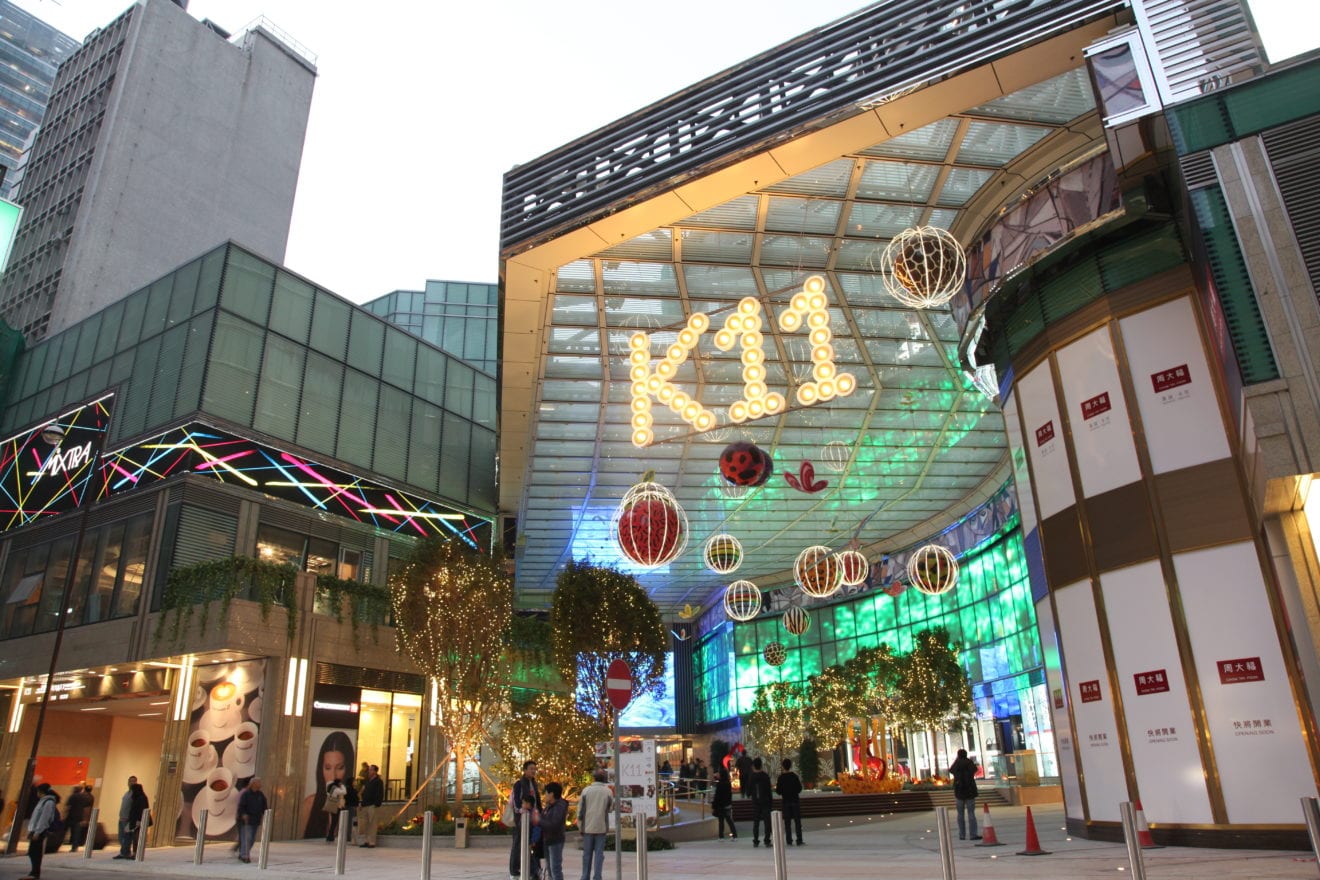
  • How art and apps drove growth for K11 malls

    How art and apps drove growth for K11 malls

    How art and apps drove growth for K11 malls – before and after pandemic. Revenge consumption has helped K11 shopping centres across Mainland China and Hong Kong flourish in the wake of the Covid-19 pandemic as the company worked to attract customers back to spending mode – and away from rival malls.

  • Mall vacancy rates in the Philippines set to rise

    Mall vacancy rates in the Philippines set to rise

    Mall vacancy rates in the Philippines will rise to 12 percent this year, predicts real estate consultancy company Colliers.

    The company says falling footfalls due to the Covid-19 pandemic and a move by consumers online are impacting the business of physical stores.

    According to Colliers, mall vacancy rates in the Philippines are also rising because more retailers have created their own e-commerce platforms or joined major social media channels to boost online sales.

    “By expanding online strategies and partnering with apps to facilitate seamless delivery, retailers should be able to offset any softer retail demand due to the Covid-19 pandemic and the government’s implementation of a lockdown,” said Colliers Philippines.

    Meanwhile, data from the Philippine Payments Management shows online payments rose significantly in April, with a recorded rate of 32.2 percent growth from 6.7 million InstaPay transactions.

    However, the company’s survey from March found that more than 80 percent of respondents still want to keep shopping in brick-and-mortar stores.

  • Chaos, privacy fears as Bangkok malls reopen doors

    Chaos, privacy fears as Bangkok malls reopen doors

    As Bangkok malls reopened in line with relaxed lockdown rules, Thais are being forced to download a tracking app to enter properties, sparking privacy concerns.

    Consumers rushed to return to shopping as usual from Sunday following two months of restricted movement, with most venues requiring the use of hand disinfectant and fask masks as a condition of entry as well as instituting temperature checks on all mall-goers. In some malls, consumers were photographed and registered before being allowed entry, and in other cases entry to individual stores was controlled by a QR code scanning system.

    Customers and retailers were asked to concede to restrictions on the number of shoppers allowed in retail spaces and an alcohol ban on in restaurants. Robots measuring customer temperatures were seen roving around some crowded food courts, as tables were divided by plastic and cardboard barriers to enforce social distancing.

    Disposable plastic gloves were provided to customers while shopping at some malls, with UV machines being used for the sanitation of shopping bags.

    “We are pleased to see Thailand’s success in handling this crisis which enables us to resume operations,” said The Mall Group CEO of The Emporium and Executive Committee Kriengsak Tantiphipop, “but, for us as for our clients, this comes with a strong sense of responsibility and a need to adapt to the new normal.”

    The nationwide mall reopening saw lengthy queues outside popular venues in Bangkok and in the provinces even before opening hours, with overcrowding forcing some businesses to temporarily close, overwhelmed by the number of shoppers. The Ikea store in Bang Na closed its doors as a means to control high shopper traffic, while Future Park Rangsit monitored consumer numbers based on scans of a QR code upon entry.

    Major mall operator Central Pattana reopened all 33 branches of its shopping centers nationwide under tight density control measures, limiting crowds to one person per five sqm. The owners of Bangkok malls reopened are continuing to offer rental discount rates to tenant stores over the next three to six months, with customer traffic in the early phase of the reopening expected to be just 25–40 percent of normal.

    According to a report in the Bangkok Post, some customers faced difficulties registering their details on an app designed to boost safety by reporting on store congestion. An average of 4635 people were using the app per minute. The app, named “Thai Chana” (“Thailand Wins”) is designed to be used by the Thai government to trace social contacts in case of a new outbreak of the coronavirus. The government will send messages via the app if a coronavirus case is discovered in a specific venue.

    One foreign consumer described the app to Inside Retail Asia as “shocking” reflecting widespread concern about the tracking feature of the app. However, government authorities rushed to assure consumers the app would only be used to identify people who potentially came into contact with a Covid-19 infected person if a patient was identified as having been in a store.

    Bangkok malls reopened following a slowing down of Thailand’s outbreak, with only three new cases announced on Sunday, and total cases just cresting 3000. The impact of the virus and subsequent lockdown is expected to see the Thai economy contract by more than six percent.

  • Singapore malls waive rents as shutdown commences

    Singapore malls waive rents as shutdown commences

    Singapore mall operators are waiving rents for tenants as the city-state enters a shutdown period to control the spread of the coronavirus.

    The waiver is being extended to all tenants at Suntec City, including those permitted to remain open for business, such as supermarkets and pharmacies, and is being funded entirely by the landlord. Suntec will also pass the government’s property tax rebates on to all retail tenants during the one-month period.

    “As a portion of these savings had been passed on in March, the balance will subsequently be passed on to all tenants in the form of rental rebates for the period from May 1 to May 31,” read a statement from the firm. The total value of all benefits passed on by the mall operator is roughly equivalent to the value of three month’s rent.

    City Developments has also announced it will pass on the “full quantum” of rebates to its 426 mall tenants, covering more than SG$17 million (US$12 million) in property tax and rental rebates.

    A full 100 percent of rent will be waived for the current month, while next month’s rents will be slashed by 50 percent, with more support potentially offered depending on how the coronavirus situation evolves.

    “Tenants facing severe cash flow issues will be given more flexibility in rental payments,” said the firm.

    Singapore’s lockdown is expected to extend through to May 4.

    Meanwhile, Singapore-headquartered CapitaLand has reported that as at the end of March, about 80 percent of the stores in its Mainland China malls had reopened. The group’s four malls in Wuhan, which closed at the end of January due to the virus outbreak there, reopened last Friday (April 2) after receiving the clearance from local authorities.

  • Singapore government urges citizens to avoid malls, observe safe distancing

    Singapore government urges citizens to avoid malls, observe safe distancing

    The Singapore government is instructing local consumers to defer non-essential visits to malls.

    The move is part of a strategy to encourage social distancing in the midst of the coronavirus outbreak and includes advice to all Singaporeans to consider shopping for household items online.

    Foreign nationals working as caregivers or maids, have been asked to stay in their homes on rest days.

    These directives follow the state’s introduction of social-distancing mandates last week, which forbid gatherings of more than 10 people and require individuals to stand at a distance of at least one meter apart in non-transient settings, such as in supermarkets.

    Venues with seating are instructed to ensure seats are kept at one-metre distances, with those at closer fixed points to be marked as not to be used.

    Business operators and individuals who fail to abide by the new regulations face fines of up to SGD10,000 (US$7000) and/or jail time up to six months.

  • Malls in India seek government aid during shutdown

    Malls in India seek government aid during shutdown

    Malls in India affected by the coronavirus outbreak are seeking a bailout from the government to compensate for losses incurred during a mandatory shut down period through to March 31.

    The decision has affected both retailers and developers in the various states that have implemented the ban on trading during the affected period in a bid to slow the spread of the virus.

    “A shut down like this effectively means that there are all kinds of expenses to be borne by everybody; malls may not get rent and would not be able to service loans they have taken for creation of the mall, capital expenditure, etc,” said Retailers Association of India CEO Kumar Rajagopalan in a report. “It’s all going to be a big loss. The government needs to look into this and support these entities to save lakhs of jobs”.

    A representative body for malls in India is seeking a lending window, a moratorium on loan repayments or to allow banks to reschedule debt, as well as a potential waiver of property tax and electricity charges.

    Industry experts have expressed skepticism that footfalls will return to normal within the next few months no matter how brief the shutdown period may be, which is likely to impact rental negotiations for retailers, as well as the deferment of new mall openings.

    Observers of the situation have commented that any five-day halt to business will erase the month’s profits for retailers.

    “Mall operators stand to lose 20 to 25 percent of their annual revenue assuming that a rent-free period is given to retailers,” read an ICICI Securities report. “In our view, the most likely scenario is that mall operators and retailers may share the losses given that malls have now become a relationship-based business with the same retailer having presence across malls.”

  • South Korean malls remain calm and patient

    South Korean malls remain calm and patient

    Panic buying is spreading like wildfire among a number of countries as fear of the coronavirus deepens.

    But large shopping malls in South Korea, however, are as peaceful as in the pre-coronavirus era.

    Experts argue that prior experiences in dealing with various epidemics, such as Severe Acute Respiratory Syndrome (Sars) in 2003 and Middle East Respiratory Syndrome (Mers) in 2015, has allowed retailers to maintain a stable supply of everyday necessities at shopping malls.

    Rapid technological advancement in online delivery and distribution systems thanks to the fierce competition among retailers has also helped maintain supply despite the surge in demand, some argue.

    “Despite the coronavirus outbreak, we are maintaining a delivery speed of half a day or one day at the latest. This is top class even on global standards,” said a source familiar with the e-commerce industry.