Retail News CRM

Tag: malls

  • Lulu Group opens Y Mall at Thrissur India

    Lulu Group opens Y Mall at Thrissur India

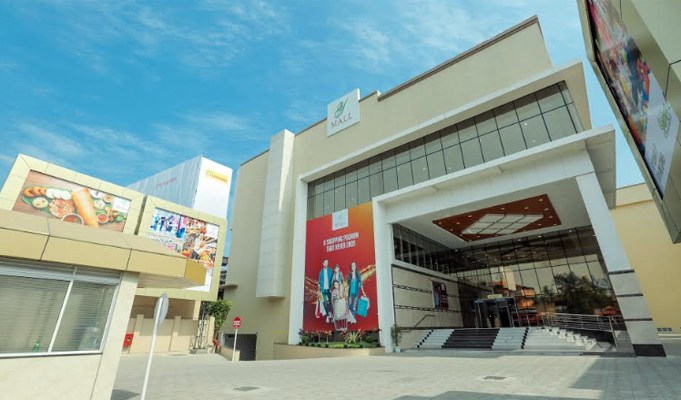
    Lulu Group Chairman and Managing Director, M.A. Yusuff Ali dedicated the newly-opened Rs 250 crore mall project – Y Mall to his home town on 29 December, 2018. M.A.Yusuff Ali’s grandchild, Ayan Ali cut the ceremonial ribbon, officially inaugurating the mall. Speaking at the inaugural event, M.A.Yusuff Ali said that the 2.5 lakh sq.ft Y Mall at Triprayar in the Thrissur district of Kerala and the 4.6 acres of land on which it has been constructed is his endowment towards worthy initiatives.

    He declared that Y Mall will be under the ownership of the ‘Y Foundation’ and the profits from the mall will be contributed towards various charitable activities under the foundation, including assistance for the places of worship in the town, who will collectively receive Rs 19 lakhs every year from the profits of Y Mall.

    This will be in addition to the various charity works under the Y Foundation, Y Mall will provide an incredible shopping, dining and entertainment experience for all the people in and around Triprayar. The Mall is within easy reach from Ernakulam, Calicut, Thrissur and almost all landmarks and prominent facilities.

    The mall features Lulu Xpress Freshmarket, which houses everything from food and grocery, ready to eat food, mobile and electronics to home décor. Home to over 40 international, national and local brands in the categories – watches; footwear; men, women and kids fashion, lingerie and innerwear, denims and casuals, accessories, eyewear, mobile and electronics,  books/gifts/toys; beauty and wellness; bags and more, the mall
    has everything to satisfy a shopper’s needs.

    Customers can visit Kerala’s first ToysRus store at Y Mall along with brands like 1946, Baby Care, Label M, My G, Jockey, Vismay, Wrangler, Sylcon, Lens and Frames, Arabian Souk, WCDI, Blackberrys Casuale, Ajmal Perfumes, La Femi, Blossom, American Tourister, Super 99 and Lulu Forex. Bank of Baroda and salon services are expected to commence within a month or two. Café Coffee Day is located on the ground floor of the mall and Chennai Ananda Bhavan on the second floor.

    The 225 seater food court is a food lover’s paradise with brands like Baskin Robbins, ChicKing, Burger Hub, Fujian Express, Dosa Tawa, Tea Stop, Pulp Factory and Chak De serving a variety of cuisines including Chinese; North and South Indian; Burgers and
    Fries, Arabic, Juices and ice creams.

    Half of the third floor is dedicated to the entertainment zone by Sparkys, which hasinnumerousvideo games; bump-a-car; carousel rides; a soft play area and many more fun-filled rides. The mall has basement parking provision and spacious open parking area for more than 800 vehicles.

    Equipped with prayer halls, feeding room, reserved parking spaces and washrooms for differently abled; special parking for pregnant women; bag, umbrella and helmet park zones;
    ambulance, ATM, money exchange and more, Y Mall is a destination for travellers and localities alike.

  • Retailers, mall operators embrace high technology

    Retailers, mall operators embrace high technology

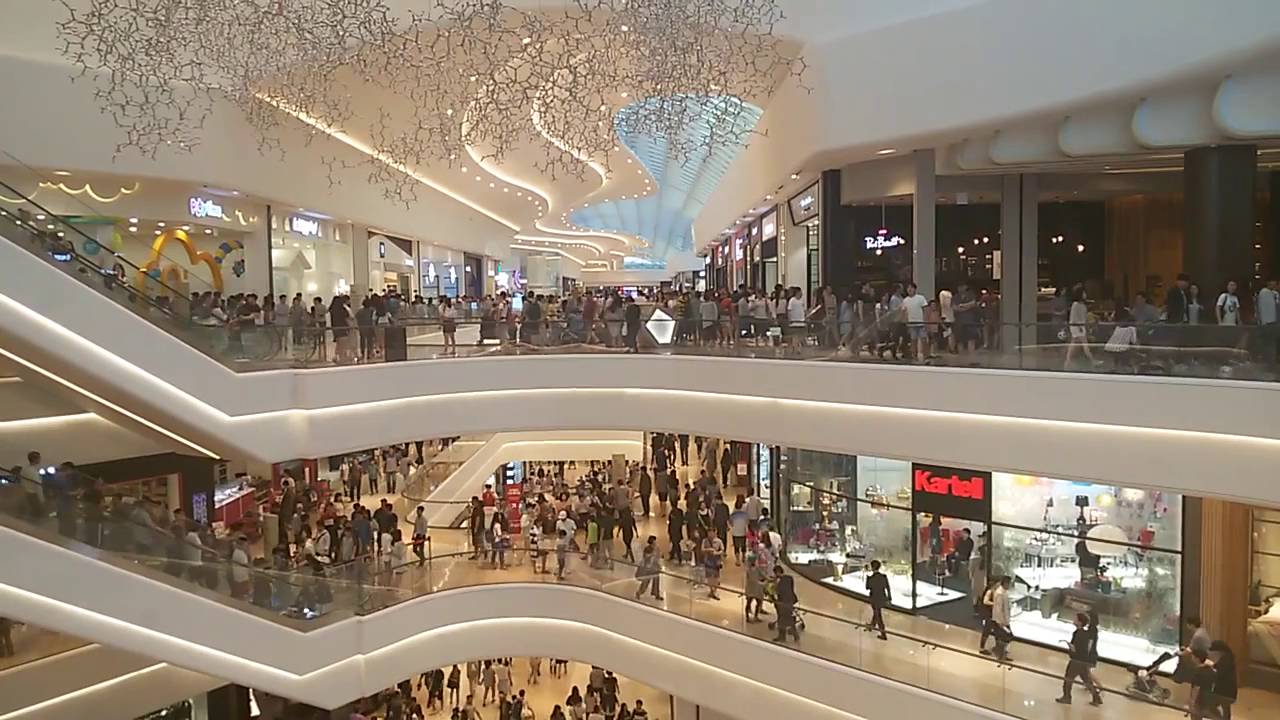
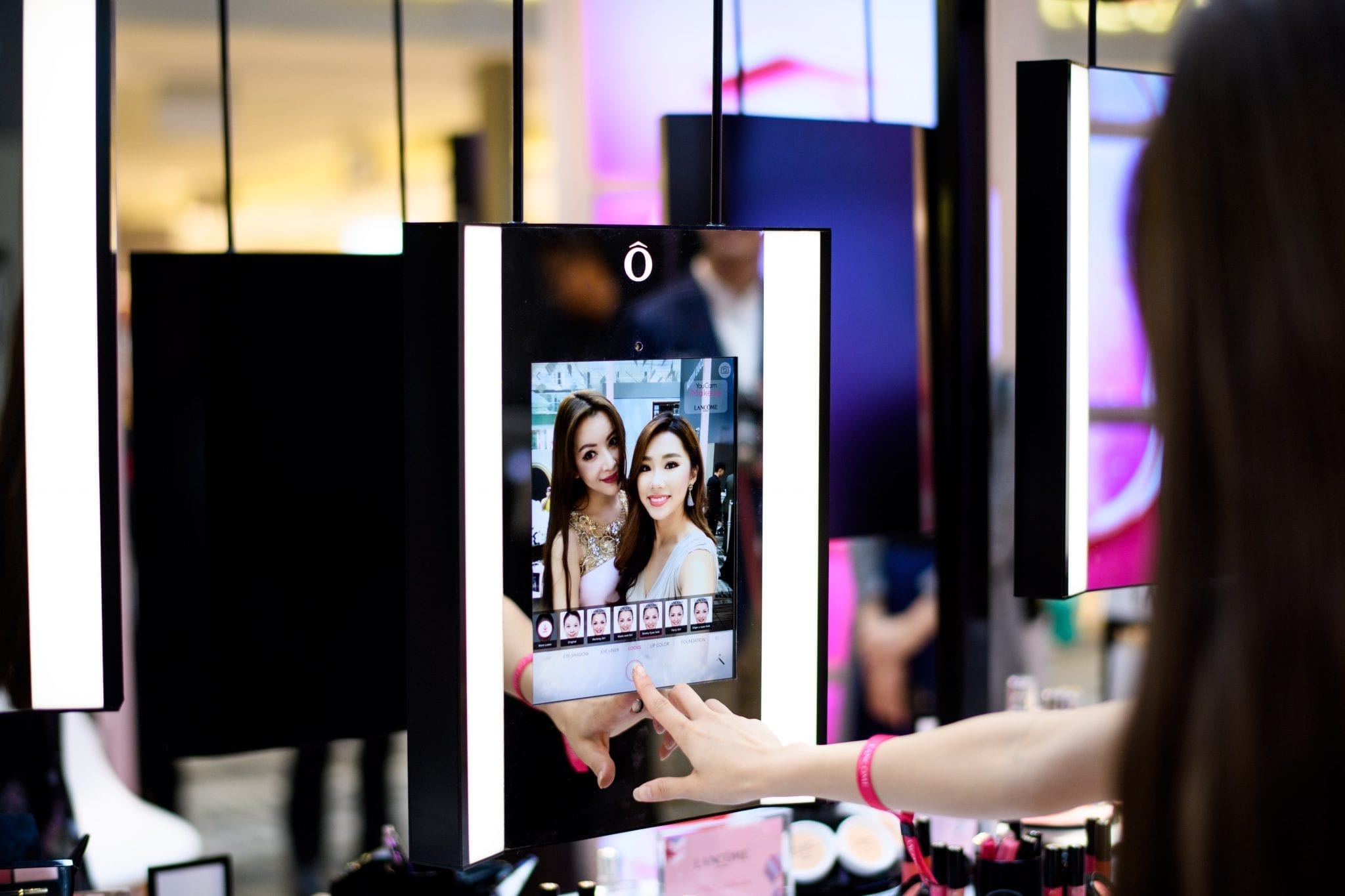
    Malaysian retailers and mall operators are jumping on the technology bandwagon, adopting technologies such as shopper tracking systems and facial recognition cameras, using data analytics to capture important shopper information. Sunway Velocity Mall general manager centre management Danny Lee said the mall completed the installation of its shopper tracking system in early December that identifies a unique ID of each mobile phone carried by shoppers, and is testing the system now.

    “It enables us to know how many times a person comes to the mall and where they go. At the same time it tells us the number of shoppers at the mall and is able to give us an accurate count of how many people visit the mall every week or month. This is phase one.

    “This will then later link into us getting data of who they are so that we can use that as an intelligence system to know our customers and to push promotion to them. For example, we’d be able to detect automatically if it’s your birthday today when you visit the mall, and if there’s a special promotion in certain outlets during your birthday, you’d get certain discounts. We’ll be working on that in phase two,” Lee said recently.

    “How the system works is that it will detect shoppers who carry smartphones. The shoppers’ travel history, traffic pattern will be recorded. Insights of shopper traffic flow in the mall, visit frequency (new traffic or returning traffic) and dwell time can be viewed on the online portal. There is also provision for integration with mobile application (to identify shopper profile to offer more personalised engagement), as well as additional reports based on user requirement.”

    Adding that it has a formula to include children and discount double counting, Lee said Sunway Pyramid had rolled out the shopper tracking system first, followed by Sunway Velocity.

    “It lets us know whether our campaign for a period of time is effective or not compared to other campaigns. In this mall (Sunway Velocity), we have 55-56 sensors throughout the mall. So it covers different zones and it can track where a person goes to, from one zone to another, and capture how many people are there. At what time, how many people are there in this atrium… we’re able to generate reports on that,” explained Lee.

    He revealed that the set-up costs for this system range from RM120,000 to RM150,000, with recurring costs of RM10,000 every month per mall.

    “Some malls have (this system) but not many have this in the Klang Valley, compared with malls in Singapore that have a lot more.”

    Meanwhile, MRCA Academy, the training arm of the Malaysia Retail Chain Association (MRCA), is promoting awareness on technology adoption, especially in the areas of facial recognition and data analytics, to help MRCA members be more efficient in running their retail businesses.

    MRCA Academy deputy chancellor Stan Singh-Jit, who is also National ICT Association of Malaysia councillor, said technology will be a catalyst that will help retailers grow their business and that it is a tool that retailers should take advantage of.

    Stan is the founder and principal consultant of Ironhorse Asia Sdn Bhd, which provides solutions for in-store point-of-sale requirement, head office merchandising needs, warehousing, supply chain management, web-store, internet business, social media consultation, maximising return on investment via customer analytics, harnessing on merchandising analytics, among others.

    He said while the recording of images is illegal due to the Personal Data Protection Act, there is another facial recognition technology that captures the identity of shoppers in a different way.

    “It tails the person… it tells you whether the shopper is a male or a female and gives you the person’s age group. If I have data today that tells me the people that come to my store, their age and gender groups, I’m able to do more of what I’m selling. This is an important factor that is missing in the retail scene.

    “Facial recognition can tell whether the person is a staff or supplier. If a customer walks past your store but doesn’t walk in, it can also tell you how many people didn’t come into your store. It’s a way to find out why people don’t come in. And if my store is here but you spend more time looking at the merchandise there, that tells me a story,” explained Stan.

    He said this method differs from a footfall counter machine, which counts every walk-in, walk-out and hence the latter may not produce accurate numbers.

    He disclosed that since this facial recognition technology is new, there are five proofs of concept for such technology in the Klang Valley at the moment, of which one is for a department store. He said that a camera may cost some RM130. A department store may have three to four floors and many cameras on each floor.

    “All good things about buying begins at the store and there are many touchpoints in the store. As a customer walks into the store, how do you capture those points… how do you prioritise the value…. we’re helping MRCA members to understand the technology and how they can use it,” he said.

  • The highs and lows of Indian retail real estate in 2018

    The highs and lows of Indian retail real estate in 2018

    2018 saw further liberalization of FDI policies, repositioning Indian retail on the global investment map and attracting a large number of global retailers into the country. In H1 2018, private equity investments into Indian retail swelled to over US$ 300 million, denoting a bracing growth of 54 percent over the previous year.

    Worryingly or encouragingly (depending on one’s viewpoint) online retail also witnessed exponential growth in 2018. In fact, online retailing is now expected to be at par with physical retail over the next 5 years. With India positioned to become the world’s fastest-growing e-commerce market, online retail in the country is driven by robust investments and deepening internet penetration in the country.

    As per ANAROCK data, the top cities with significant retail growth in 2018 included MMR, NCR, Bengaluru and Hyderabad
    New retail supply in 2018 was limited to 5.1 mn. sq. ft.
    Interestingly, apart from the top metros tier 2 & 3 cities played a significant role in India’s retail growth story in 2018

    Saturation of the metros due to limited space availability, mounting rental values and escalating infrastructure issues fuelled retail growth in smaller cities like Ahmedabad, Bhubaneshwar, Jaipur, Lucknow, Thiruvananthapuram, etc. New malls that became operational in the smaller cities in 2018 range from anything between 200,000 to 18,00,000 sq. ft. in size, amply vouchsafing the increasing appetite for organized retail in the hitherto underserved cities.

    In response to the huge potential in these markets, both domestic and international brands made deep forays into them via the online route, followed by more gradual offline presence. This disparity is hard to ignore and sends out a clear signal to investors and mall developers – physical retail deployment must pick up considerable pace in these smaller markets in the coming years.

    Other Sunshine Sectors

    The logistics and warehousing sector transformed rapidly in 2018 after the Government granted the coveted infrastructure status to logistics in November 2017. In fact, warehouse stock supply is expected to see substantial increase over the next two years owing to implementation of GST, the Government’s determined infrastructure push and increased interest from national and international investors. Overall, strong economic fundamentals, proactive reforms and increasing use of technology will continue to boost the sector.

  • JR East’s Atre to open first shopping mall outside Japan in Taiwan

    JR East’s Atre to open first shopping mall outside Japan in Taiwan

    The East Japan Railway is launching its first overseas shopping mall in Taiwan next month. The mall is opening under JR East’s station complex management subsidiary Atre, following an extended consideration of alternative international locations that included Thailand, Malaysia and the US. Taiwan was was chosen for its affinity with Japanese brands, which will occupy around 60 per cent of the mall’s 51 stores.

    The mall will open in Taipei Nan Shan Plaza’s Breeze Center on January 10.

    “We have no specific targets or plans at this point on how many shopping malls we want to develop outside Japan,” a spokesman for East Japan Railway said.

    The firm has 29 malls to date within Japan.

  • Arch Capital tops Taiwanese shopping mall acquisition

    Arch Capital tops Taiwanese shopping mall acquisition

    Arch Capital Property Advisors has bought a Taiwanese shopping mall for US$450 million on behalf of private investors. The deal marks the Hong Kong-based company’s first foray into Taiwan’s retail property business. After settlement, Arch Capital will assume management of the property.

    The target property – Taimall Shopping Center in Taoyuan – has been acquired on behalf of an unnamed institutional investor, which has partnered with Taiwanese investment trust Millerful REIT.

    The 100,000sqm mall is Taoyuan’s largest, home to more than 300 retail stores, a cinema and sports complex.

    Arch Capital Property MD James Chou said that his company saw “a rare opportunity to acquire an established premium retail asset offering stable income and sustained revenue growth potential over the longer term” in the Taiwan deal.

    Taiwan-listed Millerful largely focuses on the commercial sector, and reportedly has plans to buy more shopping centres, hotels and office buildings.

  • Roberto Cavalli brings “New Species” to HK

    Roberto Cavalli brings “New Species” to HK

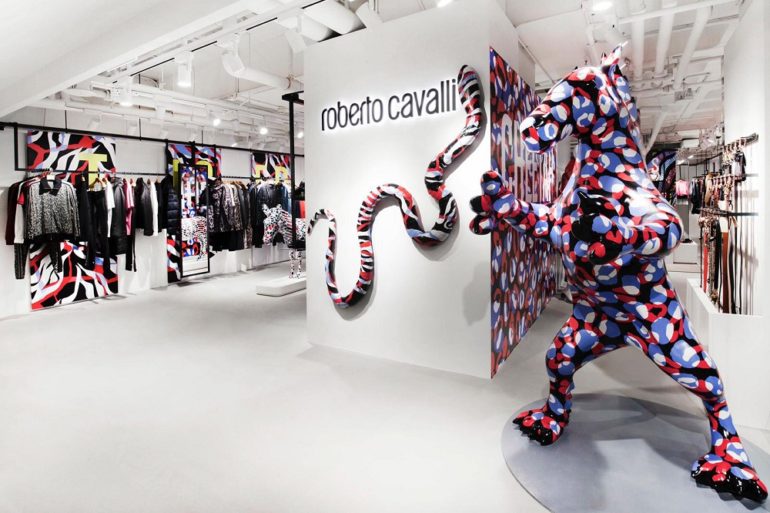
    Friday 14th , December Roberto Cavalli brought “New Species” by Paul Surridge to Hong Kong. The Italian luxury fashion, accessories, and lifestyle brand, has unveiled a 360-degree Instagrammable pop-up store at the Harbour City Shopping Mall in Hong Kong.

    The new pop-up store by its Creative Director Paul Surridge marks a new start for the brand, going back to its roots with the animalier prints but in a total new look to embrace novelty.

    The pop-up store concept “new species” is inspired by Paul Surridge’s latest collection, characterized by Roberto Cavalli’s famous animalier prints reimagined to create new species.

    It is a mix-and-match of different animal prints highlighted with vibrant colours.

    The pop-up store brings to live the colourful collection by Paul Surridge and materializes it into sculptures welcoming visitors in a canva-like space, in which products stand out as art pieces ready to interact.

    The setting was conceived to accommodate a range of activities, bridging the soul of the Italian brand and “create-your-own spirit” designed for Hong Kong customers to meet their demand for unique products.

    The key-element of this space is the omnichannel experience given by the creation of digital touchpoints disseminated in the whole space to enhance the interaction between the online and offline experience of the brand. The concept is the result of the collaborative work of the brand with the creative agency Branding Records.

    To mark the opening of the pop-up store, Roberto Cavalli has given the privilege to HK customers to touch and feel the V1PER Sneakers; including two limited edition styles available exclusively here in Asia after the global launch with Kim Kardashian: Hollywood app.

    The V1PER sneaker combines high-tech and traditional materials, which are mixed with apparel fabrics. The iconic style is defined by a customized chunky rubber sole, which is moulded with an exclusive technology to obtain an intriguing 3D python texture.

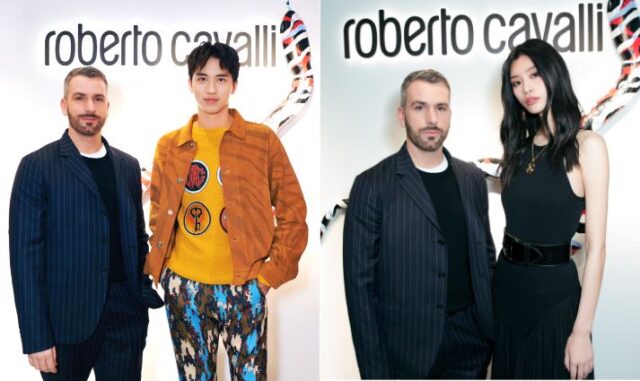
    During the VIP party, which welcomed hundreds of celebrities, influencers, and guests from the fashion scene had the chance to meet Paul Surridge, Creative Director of the Roberto Cavalli Group.

    “Hong Kong is an ever fascinating metropolis that always inspires me. I am especially fascinated by the vibrant energy and passionate liveliness of the city and its openness to the young generation of luxury consumers. Hong Kong is a natural choice for the Asian launch of the V1PER Sneakers as this special style is injected with a dynamic and urban edge, echoing my impression of this spirited town.” said Paul Surridge.

    At the party, also the new appointed General Manager, Ivan Perra, who has kick-started its new adventure in the company with an unforgettable night.

    Everything, from the music, to the canapes were tailored to match the new, fresh, young mood of Roberto Cavalli. Hong Kong and Asia played a major role in the brand positioning, and in the past years have been the theatre of several activities.

    Also, Gian Giacomo Ferraris, Chief Executive Officer of the Roberto Cavalli Group commented: “Hong Kong as a global financial hub with a skyscraper-studded skyline is an important market for Roberto Cavalli. The strategic positioning of Harbour City and the opulent retail environment enable us to reach to a wide spectrum of affluent and sophisticated shoppers. Our new pop-up store reflects a young and fresh concept of luxury shopping today, which I trust will be appreciated by our loyal patrons and new clients both locally and globally. ”

    We look forward to the upcoming brand activations that Roberto Cavalli has reserved to Asian customers.

  • Le Eco Auctioning Beijing Mall on Taobao for RMB2.3B

    Le Eco Auctioning Beijing Mall on Taobao for RMB2.3B

    Chinese tech firm LeEco has put a Beijing shopping centre up for auction on Chinese e-commerce platform Taobao. Experiencing financial difficulties, yet determined to uphold its online trading practices, the firm has listed the 50,000sqm Beijing Shimao Gongsan Plaza at a reserve of RMB2.3 billion (US$334 million). The move follows legal action by mortgagor China Citic Bank against LeEco for failing to meet repayment obligations.

    The auction opens on Taobao’s distressed asset channel, which saw an 88 per cent rise in listings in October against the backdrop of China’s enormous bad debt market. Under supervision of the courts, the auction will start on January 7 at 10 am and run for 24 hours.

    The property was expected to sell last year to leading Chinese developer China Vanke, but was not traded due to unmatched expectations in price.

  • Sunway Pyramid celebrates christmas with Jolly Rainbow theme

    Sunway Pyramid celebrates christmas with Jolly Rainbow theme

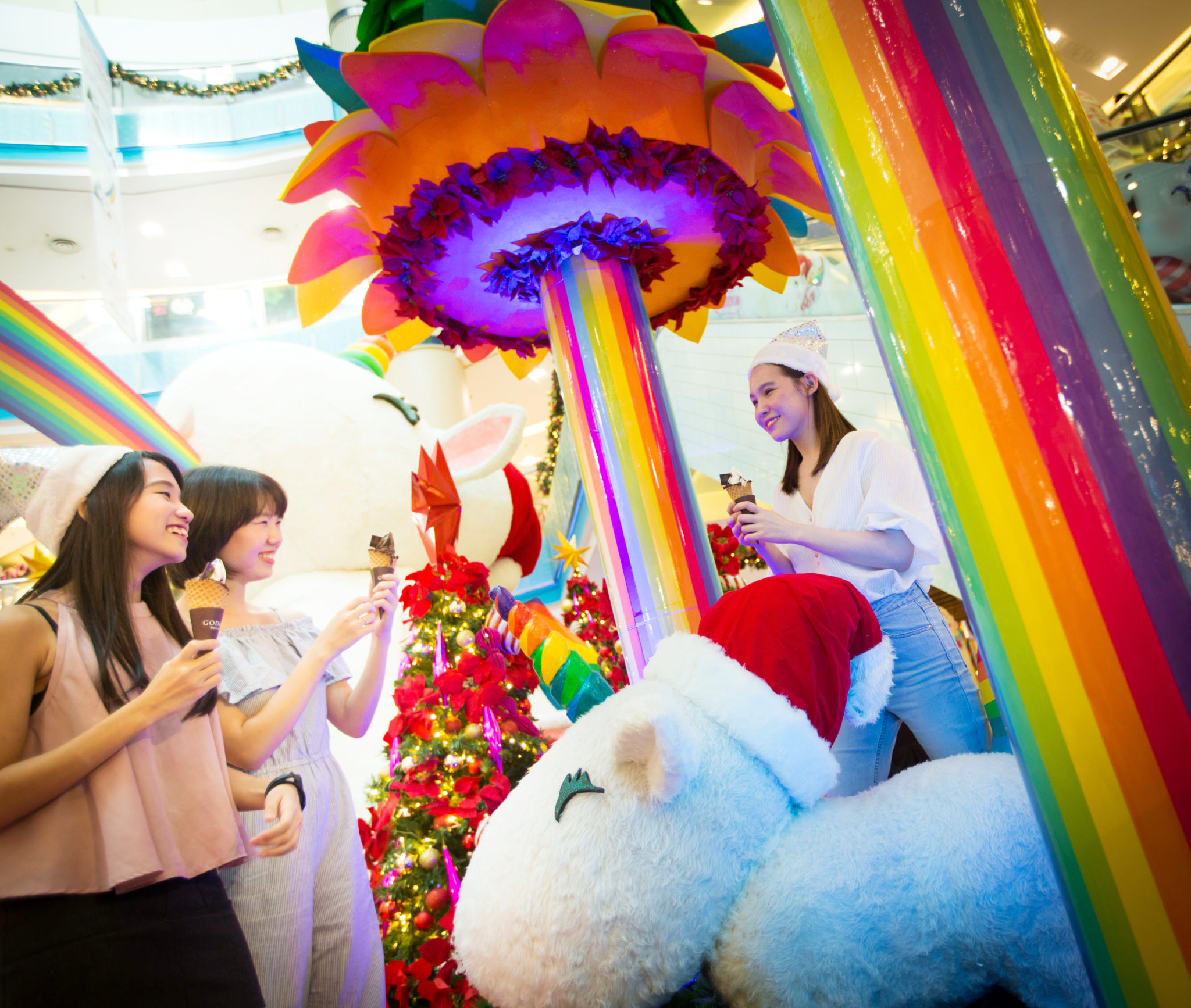
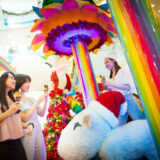
    Jolly Rainbow Christmas Fun Factory is now installed at Sunway Pyramid, this event will be on from 23 November 2018 till 1 January 2019 at the LG2 Blue Concourse. Themed Jolly Rainbow which signifies fresh beginnings and hope, get ready to embark on a fun, colourful and interactive Christmas journey as you enter the concourse.

    Here, visitor can grab a Christmas passport from the Rainbow Booth to begin. Next, experience unicorn in the centre of the concourse. Visitor can colour the Christmas unicorn and characters, enter the dome and watch it come alive on the walls.

    Another fun is the Rainbow Slide installed in the dome. The slide will create a colourful rainbow on the interactive rainbow slide, and its suitable for all ages.

    View the full gallery below (5 images) :

  • Starfield Korea opens dog lounges for shoppers

    Starfield Korea opens dog lounges for shoppers

    Starfield, a shopping and theme park franchise operated by South Korean retail giant Shinsegae Group, has opened the country’s first ‘dog lounges’ for customers and their pets. The dog lounges offer specially designed sofas for pets as well as their owners, restrooms for pets, and dog hooks where customers can temporarily leave their pets when they have to go to the restroom themselves.

    The lounge also provides separate resting areas for customers and pets divided by a glass wall. Resting areas for pets have house-shaped sofas, authentic grass floors and restrooms.

    “Starfield was South Korea’s first shopping mall chain to allow pets, but we were always aware of the lack of convenience facilities for customers and pets,” said Choi Jae-kyun, operations manager at Shinsegae Property.

    “Now, we can proudly present ourselves as a pet-friendly shopping mall that both customers and pets can enjoy.”

  • Lotte opens premium outlet in Giheung

    Lotte opens premium outlet in Giheung

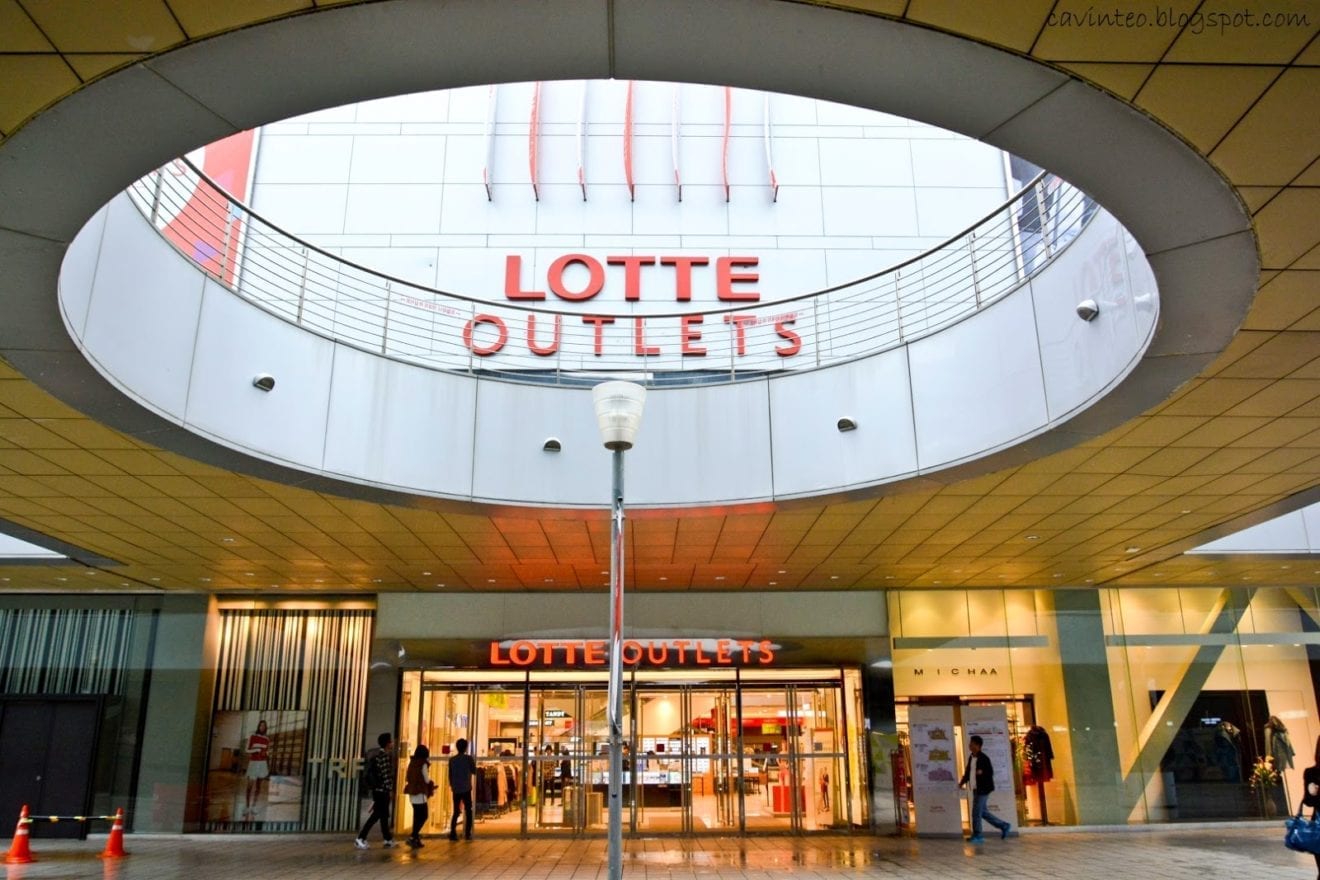
    South Korean retail giant Lotte opened this week a new premium outlet in Giheung, Gyeonggi Province – the second-largest among its branches nationwide and the latest addition to large-scale malls launched by retailers here in hopes of raising offline sales. Lotte is pinning hopes on the latest outlet’s location, citing three highways and five major roads passing through Giheung.

    It aims to attract some 25 million shoppers in and around the region including Yongin, Suwon, Dongtan and Bundang in Gyeonggi Province.

    Chung Hoo-sik, an official in charge of the Giheung outlet, said that the shopping mall is geared toward consumers in their 30s and 40s who have children and live in southern Gyeonggi Province.

    “We found that 30- and 40-something customers from those areas have strong spending power. To attract them, we put entertainment facilities like an outdoor playground and entertainment zones for their kids (inside the outlet),” said Chung at a press conference on the launch.

    Built on 150,000 square meters of land, Lotte’s premium outlet in Giheung features 300 brands and is equipped with 3,000 parking lots. It is Lotte’s sixth premium outlet.

    The outlet has an indoor surf shop, Flow House, spanning 490 square meters. Lotte said it also houses Asia’s biggest Nike store in a 1,983-square-meter space.

    With an increasing number of people visiting multiplexes or shopping malls, retail giants like Shinsegae and Lotte have been opening large-scale malls in the outskirts of Seoul.

    Lotte opened a premium outlet in Goyang, Gyeonggi Province, in October last year, two months after Starfield Goyang was launched. Lotte opened its premium outlet in Paju in 2011, nine months after Shinsegae opened its store.

    “We see it as an industry trend to open a mega mall or a premium outlet because there are consumer needs for convenient shopping and enhanced lifestyle,” said Lee Jung-hye, who designed the outlet, adding that Korea’s premium outlet market is valued at 20 trillion won (US$17 billion won).

  • Central i-City to open on Jan 12

    Central i-City to open on Jan 12

    Central i-City is scheduled to open on January 12 as the largest shopping mall in Selangor’s state capital of Shah Alam, Malaysia. A joint venture between Thai retail property developer CPN Ventures and Malaysian developer I-City Properties, the 940,000sqft mall was constructed on an investment of RM850 million (US$204 million) and features 350 lettable stores, three levels of basement parking and six retail levels. Some 73 per cent of available retail space has already been leased, with the remaining stores expected to be taken up by early next year.

    CPN Ventures assistant VP of marketing Siegfried Shaun Dela Pena Tan said: “The mall is expected to transform retail experience for Malaysians. [It caters] to a more affluent target segment attracting shoppers who will spend more, appreciate better and be driven by quality. We expect that the mall will serve more than 900,000 residents in Klang and a further 700,000 in Shah Alam.”

    Central i-City Shopping Centre is CPN’s flagship project in Malaysia and first international project.

    I-Berhad executive chairman Tan Sri Lim Kim Hong said: “We are bullish about the retail market.

    People are unfazed by the economy. They are still shopping and dining out. The mall has a good tenant mix and 25 per cent of the total number of retail shops comprises food and beverage outlets.”

  • Thai flagship store opened in Coupang

    Thai flagship store opened in Coupang

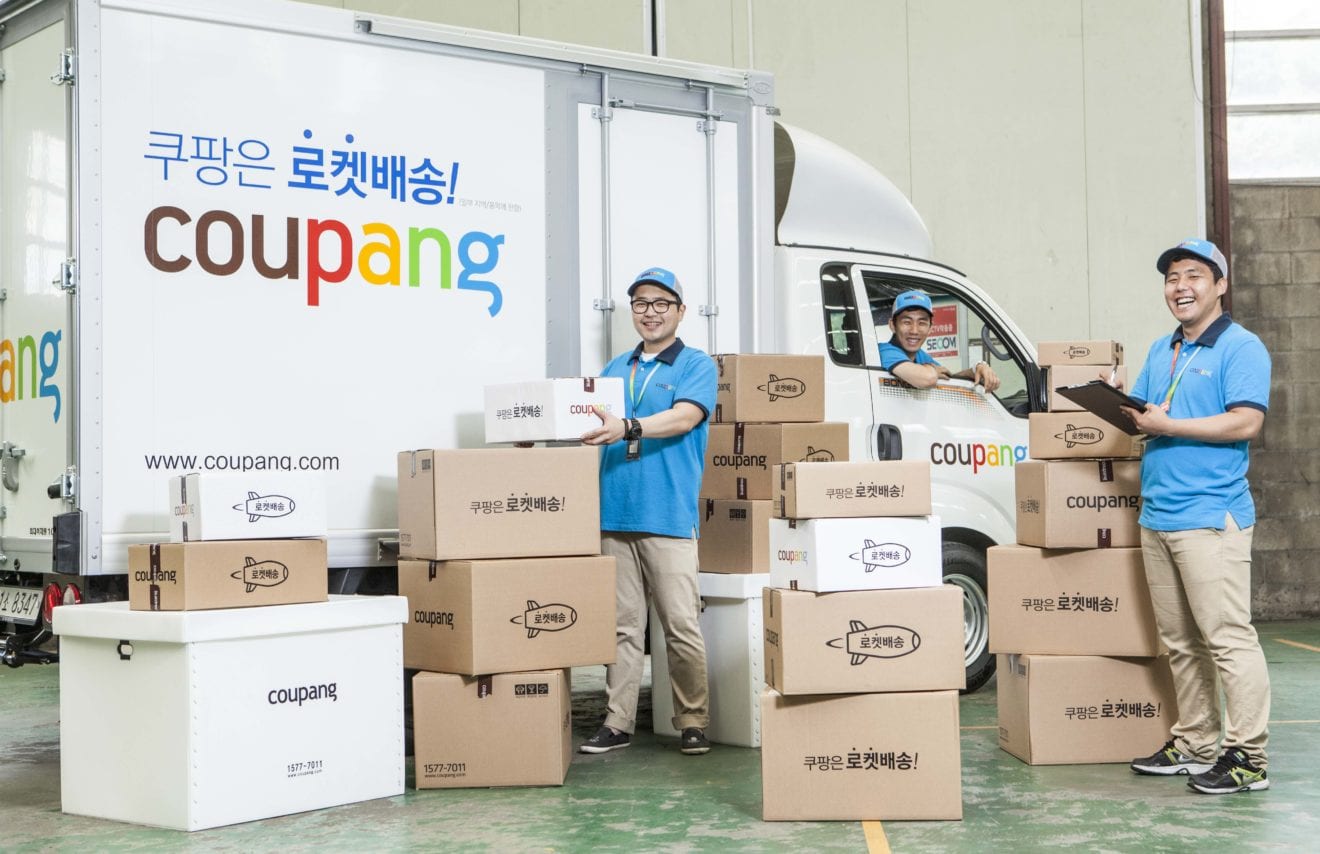
    South Korean e-commerce firm Coupang is planning to launch a flagship store in Thailand to boost the online sales of Thai-sourced products. Thailand’s Ministry of Commerce has been promoting Thai products on the platform since August, which has brought in more than THB118 million (US$3.57 million) for mostly food and beverage items. The ministry has just met with Coupang executives to seal an agreement to expand cooperation, resulting in the establishment of a Thai Mall on the platform.

    It is expected that the new partnership could result in an increase in sales to more than THB 200 million (US$6.06 million) over the coming year, a rise in export volumes to Korea by 7 per cent. Thailand’s total exports to South Korea were valued at $4.66 billion last year, an increase of 14.4 per cent from the year previous.

    Commerce Minister Sontirat Sontijirawong said “South Koreans know Thai brands from travelling here”, with 1.5 million of them visiting Thailand annually.

    Coupang is South Korea’s largest and fastest-growing e-commerce firm. It recently received an investment of US$2 billion from the SoftBank Vision Fund. It offers more than 120 million items for sale and 4 million available for guaranteed one-day delivery.

  • Bangkok’s IconSiam launches tonight

    Bangkok’s IconSiam launches tonight

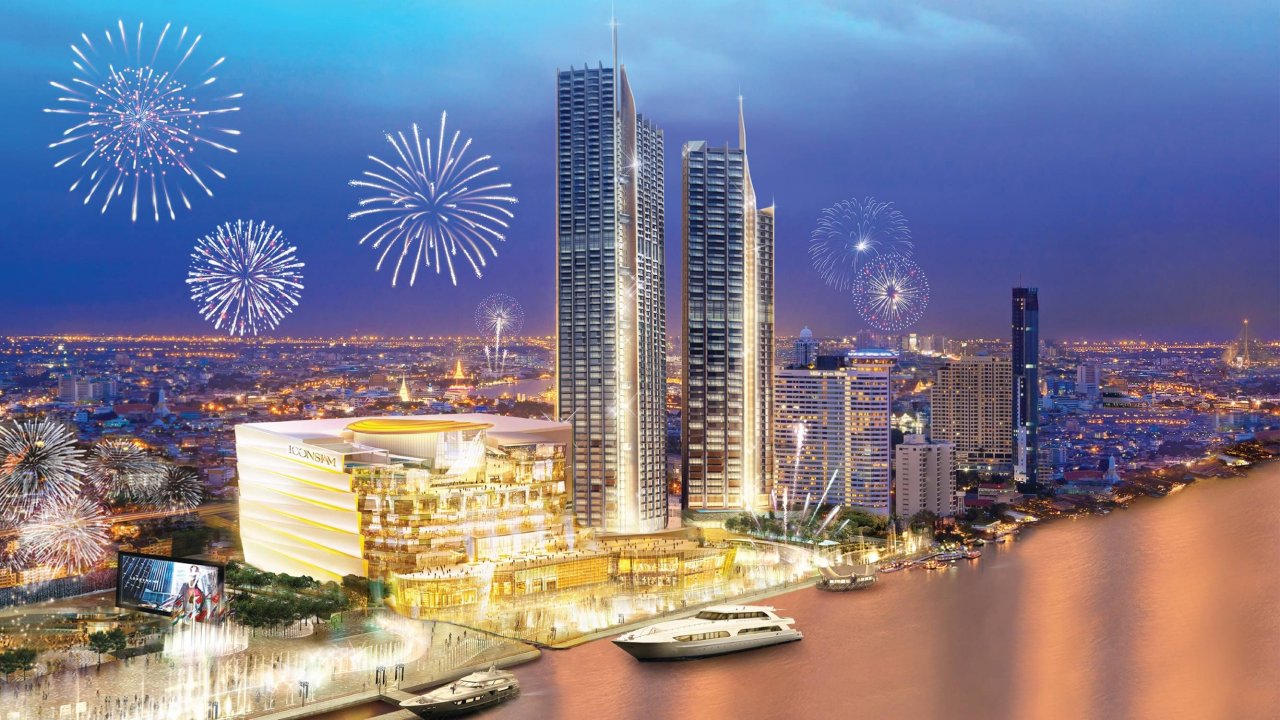
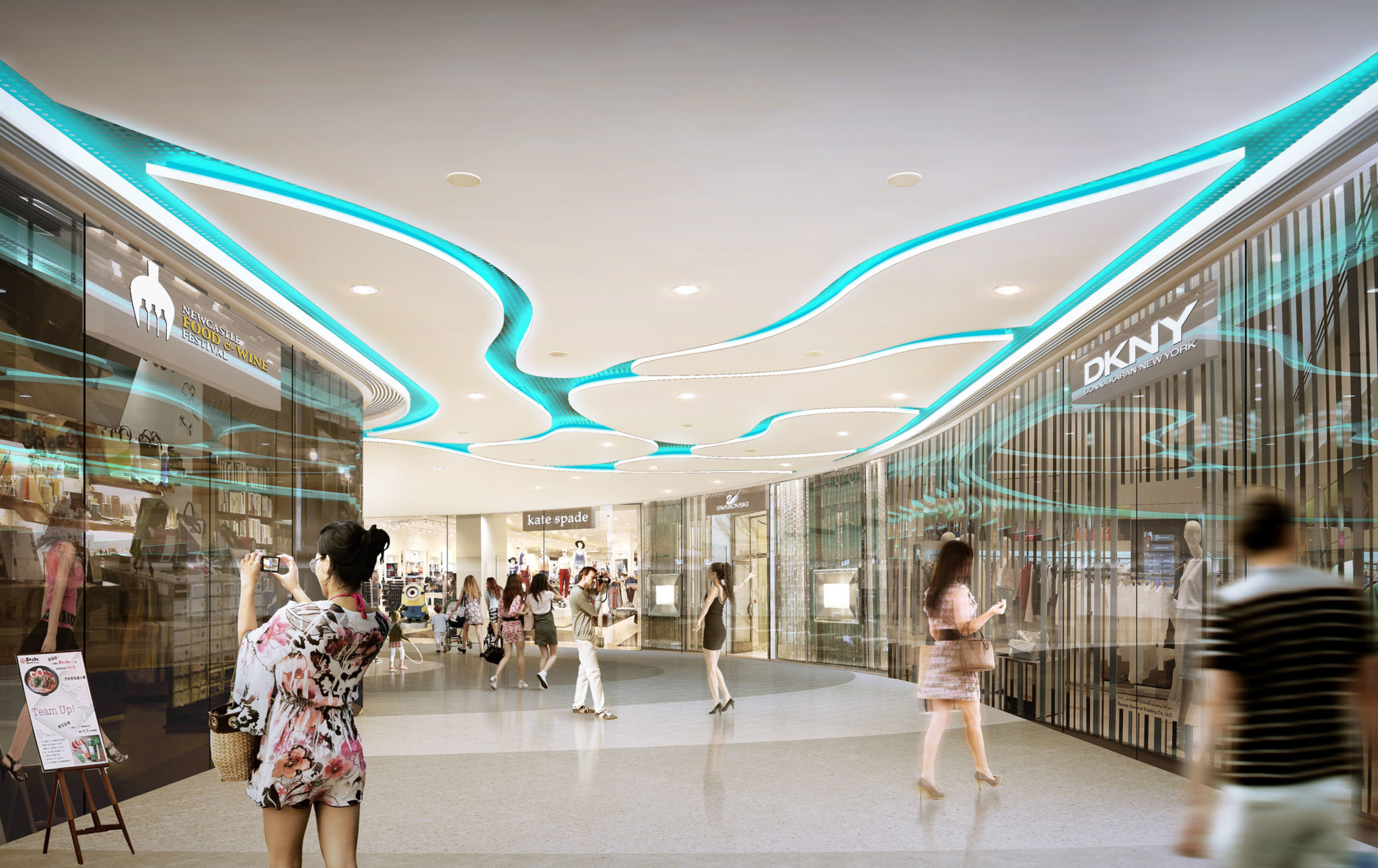
    Six years in design and construction, Bangkok’s US$1.6 billion IconSiam development will finally be officially launched tonight before opening its doors to the public tomorrow morning. With 500 stores, more than 100 restaurants and 14 cinema screens, a luxury apartment tower and a Mandarin Oriental hotel, the ambitious development is probably the most significant addition to Asia’s retail landscape in decades.

    Tonight, 10,000 businesspeople, retailers, media and guests have been invited to an opening ceremony which kicks off a weekend of festivities costing US$30 million. A fleet of 1500 drones organised by Intel will take to the sky above the Chao Phraya River and a “famous US singer” whose identity is being kept a closely guarded secret, will perform on stage somewhere along the 400-metre riverfront promenade of the building.

    Tickets to the invitation-only event, which also features a raft of Asian entertainers, fireworks, light and water shows, have been trading online for 10,000 THB (US$300), despite never being sold in the first place.

    Tomorrow, thousands of Thais are expected to visit the 750,000sqm venue, with stores offering rewards for early customers – like H&M issuing a 20,000 THB voucher to its first – and Apple is expected to draw long queues for its first official retail outlet in Thailand.

    About 80 per cent of the stores at IconSiam will be open for business tomorrow, the balance opening in ensuing weeks as fitouts are completed and approved by offshore head offices. But the project is still not complete. Several stories above the retail and dining area remain under construction, scheduled to open in July. They will house a world-class 6500sqm River Museum, a 3000-seat concert hall and other community facilities.

    Defining IconSiam is not easy.

    “It’s not a mall. It’s not a mixed use project,” IconSiam MD Supoj Chaiwatsirikul said last night. “It’s a destination.”

    The story of how IconSiam investors acquired the 8.8 hectare riverfront site gives an insight into how the project evolved into much more than a shopping centre. The owners of the land had been approached many times over the years, including by cashed up foreign developers. But they wouldn’t sell – until Siam Piwat CEO Chadatip Chutrakul talked to them, promising to create something that could showcase Thai culture and history to the world and be something all Thais could be proud of.

    Since then, IconSiam’s operational team have worked with Thais literally the length and breadth of the country to involve them in the project. Artworks and sculptures have been selected from 100 artists, mostly Thai, to appear throughout the complex, a 1.6 hectare space called SookSiam (“a city of Thai happiness”) will feature products and cultural heritage of the nation’s four regions, showcasing their handicrafts, performing arts, food, beverages “and local wisdom” in a single destination promised as “immersive, emotional and entertaining”.

    “IconSiam inaugurates a globally innovative model for destination development that moves the project away from being a mall or a mixed-use complex to being an inspiring destination,” explains Chutrakul.

    “It’s a place to regenerate and refresh, to be inspired and seek new ideas, and a place to discover the best of Thailand and the best on offer from around the world.”

    Unprecedented coordination has taken place with city and government authorities to enhance the transport system surrounding the site. A new skytrain track – aptly called the Gold Line – is under construction linking two other rail routes and which ultimately will make it a 20-minute railway journey from downtown Bangkok to the river. The company has built its own wharf in front of the building and worked to enhance a network of 73 river piers making it easier to reach the venue. Some 45,000 Thais travel along the river using public transport every day and they are starting to find that more convenient than ever.

    Work is continuing with landowners and hotel properties along the waterfront to create a public walkway, opening up the riverfront to the people for the first time in centuries.

    SiamPiwat’s Siam Paragon shopping centre which, when neighbouring properties Siam Center and Siam Discovery are added, create the city’s largest single shopping destination, attracts about 250,000 visitors on a typical weekend day. The company expects IconSiam to draw as many as 400,000 once the project is fully operational. About 60 per cent of those will be Thais, the balance tourists, although it is obvious from the size and scale of the luxury duplexes facing the river – bearing brand names including Louis Vuitton, Gucci, Cartier and Hermes – that the ratio will be quite different zone-by-zone: This part of the project is very clearly designed to appeal to the growing legions of Chinese tourists heading to Thailand.

    Another key retail drawcard of IconSiam will be the country’s first Takashimaya department store spread over several levels and including a comprehensive food and grocery offer as well as fashion and accessories.

  • China’s Mosaic Xi’an mall opened door

    China’s Mosaic Xi’an mall opened door

    Pradera Retail Asia has opened Mosaic Xi’an mall in China’s Xi’an city.

    The new 120,000sqm mall is Pradera’s fourth retail asset in China and targets the 20-45 age group with international fashion tenants and entertainment/F&B providers. Already 80 per cent leased, it will hold a one-year promotional program to establish the location in the local market.

    “Mosaic Xi’an creates an innovative shopping experience, so as to satisfy consumers’ booming demand for situating more creative means of entertainment in malls,” said Pradera’s CEO Alison Rehill-Erguven.

    The accents on entertainment are designed to draw customers from the surrounding region who may otherwise shop online.

    “Experiential business is critical for the overall industry,” said Rehill-Erguven. “When more and more shopping centers are transforming into ‘one-stop’ shopping experience centres, we go further to provide the latest advancements in entertainment, F&B and fashion, as well as events, customer service and technology, leading young customer groups on an unforgettable, entertaining journey.

    “Technology has inevitably changed the retail industry; consumers still want to shop in the stores to feel and touch the products … We must not underestimate the power of human interaction and the need for it.”

    Renowned as China’s ancient capital, Xi’an is located in the central Chinese province of Shaanxi. It is surrounded by 14th century city walls, an architectural feature that has been reflected in the design of the new mall.

    Pradera already operates three Mosaic retail properties in Shanghai, Qingdao and Chongqing respectively.


  • High occupancy pays off for CapitaLand China malls

    High occupancy pays off for CapitaLand China malls

    High occupancy rates of the CapitaLand China malls portfolio helped deliver a 10.5 per cent increase in distributable income in the three months to September. CapitaLand Retail China Trust Management Limited (CRCTML), the manager of CapitaLand Retail China Trust (CRCT), says income reached S$23.6 million this year, compared with $21.4 million the same quarter last year.

    CRCTML CEO Tan Tze Wooi said China’s retail sales rose 9.3 per cent year on year during the first nine months of this year to RMB 27.4 trillion (US$3.93 trillion), while urban disposable income and expenditure per capita grew 7.9 per cent and 6.5 per cent respectively.

    “China is now growing from a larger base and its long-term fundamentals remain strong,” he said. “With our quality portfolio of malls offering holistic lifestyle experiences, CRCT will stand to benefit from China’s improving household income and rising consumer aspirations.”

    During the latest quarter, CRCT achieved a 2.2 per cent increase in net property income to $36.7 million, driven by broad-based rental growth and effective cost management.

    Wooi said the trust’s portfolio achieved an occupancy rate of 97.7 per cent at the end of September and rental reversion was “a robust 12.1 per cent”.

    “Our active asset management strategy with a tailored approach for each mall is progressing well. Rock Square registered a strong positive rental reversion above 20 per cent for the third consecutive quarter by bringing in 25 prominent international and domestic brands, many of which are new-to-market in Haizhu District.

    “To differentiate CapitaMall Qibao’s offerings, we increased its exposure to the resilient learning and education sector by more than three times over the last five years. We also expanded the rooftop playground to host more interactive activities that are popular with children, further enhancing CapitaMall Qibao’s attractiveness to young families.”

    CRCT is the first China shopping mall Real Estate Investment Trust (Reit) in Singapore, with a portfolio of 11 shopping malls: CapitaMall Xizhimen, CapitaMall Wangjing, CapitaMall Grand Canyon, CapitaMall Shuangjing in Beijing; Rock Square in Guangzhou; CapitaMall Xinnan in Chengdu, Sichuan Province; CapitaMall Qibao in Shanghai; CapitaMall Minzhongleyuan in Wuhan, Hubei Province; CapitaMall Erqi in Zhengzhou, Henan Province; CapitaMall Saihan in Hohhot, Inner Mongolia; and CapitaMall Wuhu in Wuhu, Anhui Province.