Retail News CRM

Tag: malls

  • Chinese mall opens ‘nursery’ room for husbands

    Chinese mall opens ‘nursery’ room for husbands

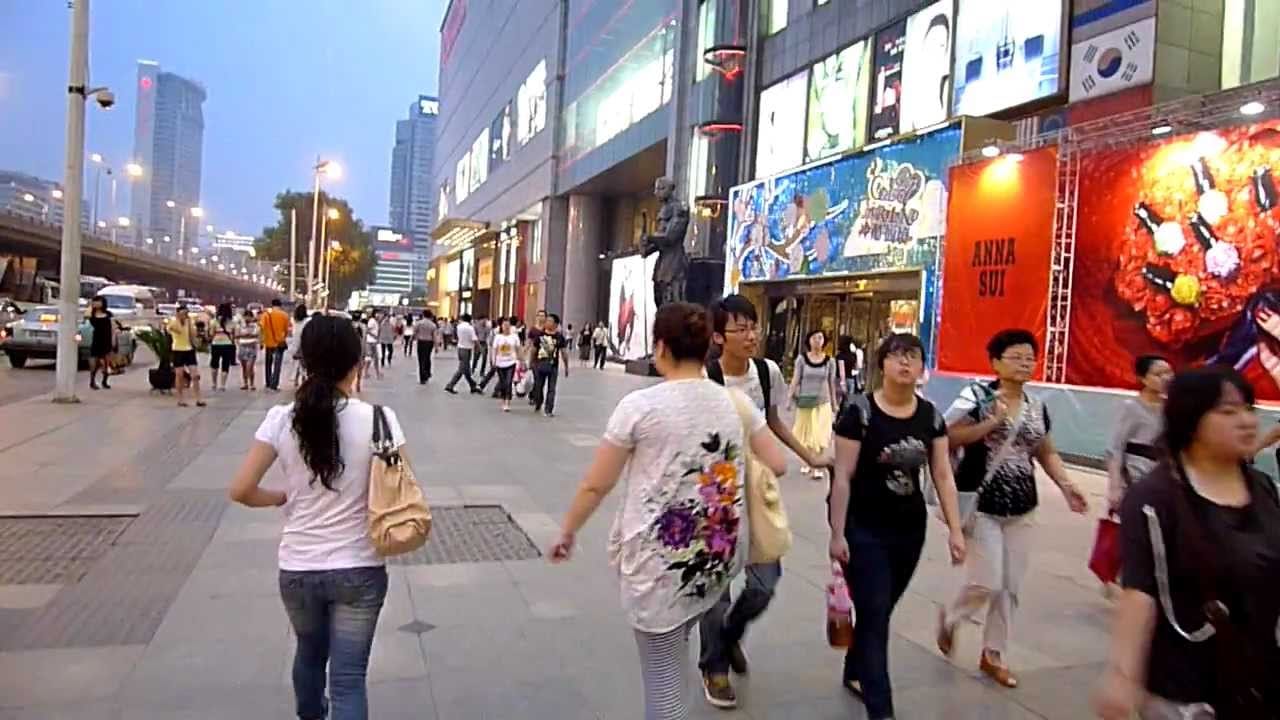
    A new mall in Shanghai has set aside a space for what it is calling a ‘husbands nursery’, where it hopes bored spouses will hang out while their wives are shopping in the mall, China Central Television (CCTV) reported.

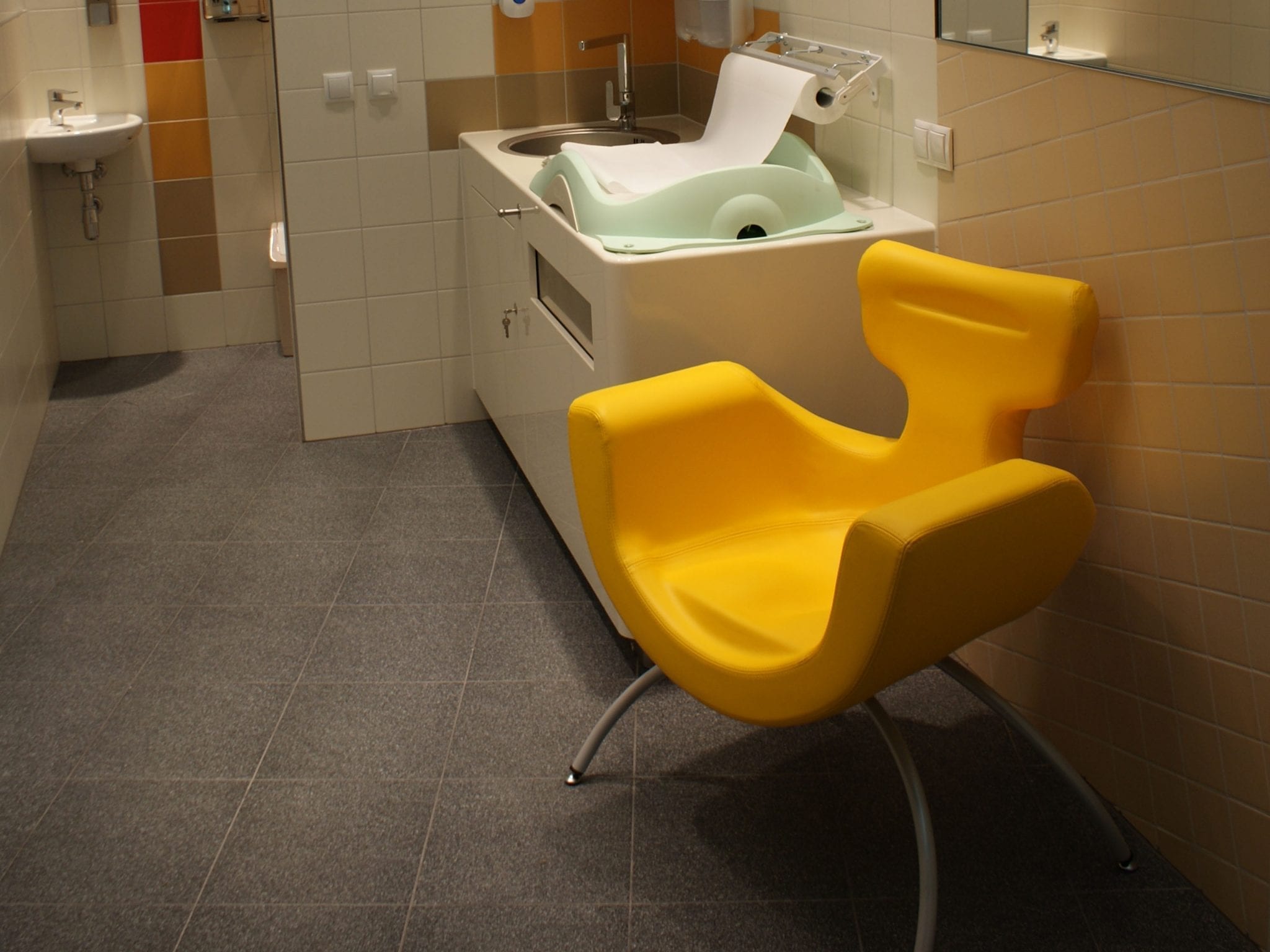
    This ‘husbands nursery’, on the third floor of a shopping mall in Shanghai which opened on October 30, “is equipped with multiple leisure facilities, including magazines in its reading area, and a television,” supposedly for men to relax, CCTV said. But what those running the mall may not know is that Chinese men – the mainland’s biggest online shoppers – will likely be racking up credit card debt sitting in the ‘husbands nursery’ and splurging on themselves.

    “Mainland men are more likely to splurge on themselves when making purchases over the internet than women – who focus more on buying daily necessities,” according to a May 2016 survey.

    The survey was conducted by Ant Financial Services, an affiliate of the Alibaba Group that owns the South China Morning Post. Its findings are contrary to popular perception that it is women who go on shopping sprees, buying cosmetics and clothes. And, the study also found that women are buying more daily household necessities, while men are splurging on personal-care products and leisure goods.

    “Male online shoppers prove to be more hedonistic and the level of online spending by men is higher than women,” Ant Financial said in its report published in May.

    The survey said that women still bought a greater number of goods and services on the internet, but that they were buying more daily necessities for household use. Men’s online spending on entertainment, sports, dining and travel was 26 percent higher than the spending of women, and that women’s online purchases were aimed at running more efficient households.

    Ant Financial conducted the survey in partnership with the China Academy of New Supply Side Economics. The survey was based on data collected by Alipay, China’s online payment giant operated by Ant Financial, which has 450 million users.

  • CBRE Research urges landlords to engage

    CBRE Research urges landlords to engage

    Online and offline retailing in Southeast Asia is expected to merge further, according to a new study by CBRE Research Singapore.

    Its report It’s All About Place-making urges landlords to play their part to stay ahead in a fast-changing retail landscape where consumers transit seamlessly from physical to digital platforms.

    CBRE Research projects that nearly 4 million sqm of city retail stock across Malaysia, Singapore, Thailand and Vietnam will be completed in the next three to five years. CBRE studied retail stock in Bangkok, Hanoi, Ho Chi Minh City, Jakarta, Kuala Lumpur and Singapore.

    “Some retail developments across these six cities have had to shut down in the face of high vacancy rates and low footfall as they failed to capture consumers and retain tenants,” says the report. “One suggestion is for landlords to acquire eCommerce platforms or set up logistics networks to give consumers the fully integrated omnichannel experience.”

    Established shopping centres with online platforms that provide “click-and-collect” or “store-to-door” services give consumers a higher sense of reliability and earn trust as well, says the report.

    “Both physical and online-only retailers are also more inclined to expand their footprint in these shopping centres in their bid to incorporate an omnichannel strategy.”

    Wave of change

    Combining both online and offline channels is one of five strategies CBRE Research recommends to landlords as Southeast Asian economies cope with structural shifts in the face of disruptive technologies.

    This wave of change has affected retail sales across the markets, with CBRE Research using the PLACE acronym…

    Place-making: Conceptualising shopping developments with the consumer’s experience at the forefront. A good social experience makes a strong positive association on the consumer and is tougher to replicate on the digital platform, says the company.

    Leveraging technology: Landlords should take advantage of the high internet and smartphone penetration among SEA consumers to improve the offline shopping experience. Technology can provide consumer insights and interaction while helping boost foot traffic and sales.

    Actively engaging: Forging personal connections with consumers is imperative for landlords to stand out from the competition and gain loyalty. Tenant engagement, and landlords need to find ways to show support.

    Combining channels: Landlords can break down the silos between online and offline by helping tenants incorporate an omnichannel strategy through vertical and horizontal integration, such as acquiring an eCommerce platform or setting up a logistics network to fulfil delivery needs.

    Engaging digital tenants: Landlords should seek to lease space to up-and-coming eCommerce retailers as they are likely to be more savvy about digital marketing and in tune with modern consumer needs.

    New needs

    “The onus of ensuring that stores in shopping centres remain an important and relevant touch point for consumers should not lie with retailers solely,” says CBRE Research Singapore/Southeast Asia head Desmond Sim. “The roles of the asset manager, landlord and shopping centre need to evolve to cater to the new needs of retailers and consumers amid stiff competition.

    “This task is all the more urgent as the market is anticipating a surge in internet use among developing countries, particularly Indonesia and Vietnam where mobile phone use has the greatest potential to increase.”

    Store-based retailing will stay the key point of purchase among SEA consumers in the next five to 10 years and account for at least 90 per cent of total sales value, says CBRE Research. However, landlords will face increasing pressure to make every visit to the shopping mall a memorable experience.

    With its headquarters in Los Angeles, CBRE Group is a commercial real-estate services and investment firm with more than 400 offices worldwide.

  • Sunway Malls to Activate Pokémon Go Lure Modules

    Sunway Malls to Activate Pokémon Go Lure Modules

    Starting tomorrow, Sunway Malls will be activating Pokémon Go lure modules at certain hours and at certain Poké stops for Pokémon Go fans. The participating malls from the Klang Valley are Sunway Pyramid, Sunway Putra Mall and Sunway Giza Mall. Sunway Carnival Mall in Penang will participate in the campaign as well.  

    The campaign will last for 2 weeks, and might extend if the response is good.

    “Since Pokémon Go was released on Saturday, some of our malls have seen some form of increase in footfall. Sunway Pyramid for example, have had an increase of 5% of shoppers as compared to the weekend before, Sunway Putra Mall has seen an increase of 12% whilst Sunway Giza Mall has seen an increase as well,” says Kevin Tan, Chief Operating Officer of Sunway Malls.

    All Sunway Malls will activate their lure modules campaign, with Sunway Pyramid taking the lead today itself. The lure hours and location will be shared with the public in the mall itself and in their social media sites.

    Sunway Pyramid will also run a Best Costume contest this coming Saturday, 8pm where the best dressed Pokémon Go costume can win surprise gifts from the mall. Retailers of the malls are spotted sporting their own rewards for Pokémon Go players.

    Ever since the introduction of GST (Goods & Service Tax) April last year, Malaysians were subsequently hit by the removal of petrol subsidy, sugar, inflation and drop in currency value. The retail and mall industry has been hit with lower consumer confidence, lower consumer spend and certainly lower footfall for certain malls. Hence, various malls in Malaysia are stepping up their game in attracting shoppers’ footfall.

    It is widely known that malls in general have high traffic during the festive period and school holidays, but the introduction of Pokémon Go has certainly spiked up the footfall for the non-peak season.

    While it’s still too early to determine if sales have increased for Sunway Malls following the higher footfall, the malls under the brand are amongst the first in Malaysia to jump into the trend.

    Sunway Pyramid’s Facebook fanpage was the first Malaysian mall facebook page to feature the various Pokémon shoppers and gamers can find in the mall and attracted high organic reach without advertisement spend. Sunway Carnival Mall followed suit with similar posts while Sunway Putra Mall and Sunway Giza featured guides in their fanpage.

    “As Pokémon Go is taking the world by storm, we hope Pokémon Go gamers take necessary safety precaution and be constantly aware of their surroundings. We wish no untoward accidents befall on them,” Kevin cautions.

    “We can’t control where the Pokémon would appear and if they would appear near railings, escalators, steps or at open air car park such as the roof top, we hope they would remain aware of their surroundings,” he said.

  • Father’s Day call for men’s health service

    Father’s Day call for men’s health service

    A legislator has called on the government to set up a men’s health-care service that combines physical and psychological treatment to help middle-aged men with sexual health problems.

    Civic Party lawmaker Kwok Ka-ki, a urology doctor, made the call on Father’s Day.

    Many men aged 30 or above are faced with diseases of the reproductive system, including erectile dysfunction and benign prostatic hyperplasia, Kwok said.

    He noted that there used to be a male health department in Kwong Wah Hospital, a public hospital in Yau Ma Tei, during the 1990s, but the services were withdrawn due to a lack of resources.

    Health-care centers for men are run by the nonprofit Family Planning Association of Hong Kong in Tsuen Wan, Wan Chai and Ma Tau Chung.

    “The male health services provided by the Family Planning Association of Hong Kong are not cheap. A tablet to treat erectile dysfunction could cost up to HK$100. Grassroots citizens may not be able to afford it,” Kwok said.

    While Kwok urged the Hospital Authority to set up male health centers, he also advised the government to integrate counselling services into the men’s health-care services.

    “Most cases of sexual dysfunction in men are caused by psychological problems, such as stress from work and family, and can be treated with sex therapy,” he said.

    Kwok said health clinics with sex therapy services are very common in Europe and America.

    “When men go to see urology doctors in Hong Kong, they can only get assistance on their physical health, but not on their sexual or marriage problems.”

    Kwok suggested the government set up combined clinics, offering, for example, one-stop urology diagnostic services and sex therapies for men.

    Meanwhile, people celebrated the hottest Father’s Day yesterday in 55 years inside air-conditioned malls shopping, boosting retail store sales.

    The Hong Kong Observatory issued the very hot weather warning at around 7am. It recorded a temperature of 34.2 degrees Celsius at around 2pm, making yesterday the hottest Father’s Day since 1961.

    A salesman at electrical goods chainstore Fortress in Tai Koo Shing said the sales volume has increased by 30 percent this year, with most families purchasing mobile phones in the mid- price-range, HK$2,000 to HK$3,000.

    “Although the increase is pretty similar to that of last year, it is still better than that on Mother’s Day,” he added.

    Catering businesses seemed to be benefiting from the day as well.

    House of Canton, a traditional Chinese restaurant at Cityplaza, said the first round of their tables at 6.30pm had been fully booked, with only a few tables left for the second and third rounds.

  • Jakarta shopping centers lack inter-connectivity

    Jakarta shopping centers lack inter-connectivity

    Jakarta may have hundreds of shopping malls, but the city has a long way to go to compete with global shopping destinations like Singapore or Hong Kong, as its malls lack interconnection.

    Property consultant firm Savills Indonesia head researcher Anton Sitorus said recently that malls and shopping centers lacked interconnection as they had been developed in scattered locations all over
    the city, explaining that such conditions were unfavorable for the retail sector.

    Anton said the city had a number of traditional shopping districts like Tanah Abang in Central Jakarta and Mangga Dua in West Jakarta, Anton agreed.

    “However, modern retailers are scattered in many places. Even if some malls are next to each other, the developers have not considered connecting them,” he said.

    Anton said inter-connectivity was one of the main factors required to create an iconic shopping district and boost the market, citing the 1.9 kilometer Orchard Road shopping belt in Singapore as a prime example of a successful interconnected shopping district.

    “15.1 million foreigners visited Singapore in 2014, 41 percent of them visited Orchard Road,” he said.

    He emphasized that other well known shopping belts in the world such as the Avenue des Champs-Élysées in Paris and Fifth Avenue in New York also boast interconnection between shopping centers.

    Anton said a consortium of developers in Jakarta had attempted to create a similar concept on Jl. Satrio in South Jakarta. “However, because of the economic crisis in 1998, the plan was canceled,” he said, adding that since then developers had only built free-standing malls. “The initial Jl. Satrio concept had sidewalks along which shoppers could easily walk between various shopping malls,” he said.

    Most shopping malls in Jakarta do not provide pedestrian facilities as the management prioritize cars. Even when the distance between malls is less than 500 meters, there is no walkway connection.

    The Jakarta administration is currently mulling over plans to widen the sidewalk on Jl. MH Thamrin, Central Jakarta, but the road is mostly occupied by office buildings, not shopping malls.

    Anton said that if the city hoped to develop its retail sectors, it would be necessary to have shopping belts. “It is a good strategy. Retail will be the first sector to revive after the economic slowdown,” he said, adding that the sector also showed good resistance during times of crisis.

    Anton said resilience was the result of various factors, including purchasing power in society, government domestic business incentives, the significant wealth of individuals as well as growing middle class.

    “Although the economy is slowing, Jakartans keep shopping. Malls are packed during weekends and when there are bazaars or fairs scheduled,” he said.

    Currently, there are almost 200 malls located throughout the capital. Shopping tax return company Global Blue revealed in January that Indonesians have been listed among the top four global shoppers, behind Chinese, Middle Eastern and Russians consumers.

    The top five destination countries for shopping were listed as the UK, France, Italy, Japan and Singapore.

    Rosaline Stella Lie, Savills retail senior director, said Indonesian consumers had high purchasing power but emphasized that the price of luxury goods in Indonesia were not competitive.

    “Therefore, the rich love shopping abroad,” she said.

    Rosaline said although the luxury tax was slashed for branded items, the price had remained high due to other costs like import duty.

    Rosaline said the price should be competitive so high-end brands would be eager to open outlets in Jakarta. “More shopping districts will be developed but most of them will be in Greater Jakarta due to the city administration moratorium [2012],” she said.

    She added that shopping districts should be located downtown, near the central business district, as the area offered easy access.

  • Lotte to expand investment in Indonesia

    Lotte to expand investment in Indonesia

    Lotte Group Chairman Shin Dong-bin will meet Indonesian President Joko “Jokowi” Widodo during his three-day state visit to Korea which began Sunday.

    According to a Lotte official, Sunday, Shin and Widodo will have a meeting at Lotte Hotel in central Seoul today, to discuss advancements of the group’s investment and business in the country.

    President Widodo is expected to promise full support for the group’s advance into the country.

    Lotte Group is currently operating a Lotte Department Store with two duty-free stores and 41 Lotte Marts as well as Angel-in-us cafes and Lotteria fast food restaurants in Indonesia.

    Especially, Lotte Shopping Avenue that opened in the capital city of Jakarta in 2013 has reportedly gained huge popularity among Indonesians. Lotte Shopping Avenue is a shopping complex consisting of the group’s affiliates such as its department store, duty-free store and Lotteria.

    In 2010, Lotte Group’s petrochemical unit Lotte Chemicals entered the Indonesian market by acquiring Southeast Asia’s leading petrochemical company Titan Chemicals.

    Lotte Group also signed a memorandum of understanding with the country’s largest conglomerate Salim Group in a bid to enter Indonesia’s e-commerce market. The two groups are expected to establish a joint corporation by the end of this year and launch the service next year.

    President Widodo is also expected to have a summit with President Park Geun-hye on the same day and meet other Korean businessmen. He is accompanied by Coordinating Minister for Economic Affairs Darmin Nasution and Trade Minister Thomas Lembong.

    Foreign Minister Retno Marsudi and Head of the Investment Coordinating Board Franky Sibarani came ahead of their president.

    Widodo met with the Indonesian community in Korea at the Indonesian Embassy on Sunday morning.

    Indonesia is now one of the world’s top ten manufacturing countries and a core member state of the Association of South East Asian Nations (ASEAN) where over 2,200 Korean firms are conducting business.

    Korea is reportedly the fifth-largest investor in Indonesia, with total investments reaching $1.2 billion while trade between the two countries peaked at $30 billion in 2011.

  • Dubai retail sales to beat global cities in 5 years

    Dubai retail sales to beat global cities in 5 years

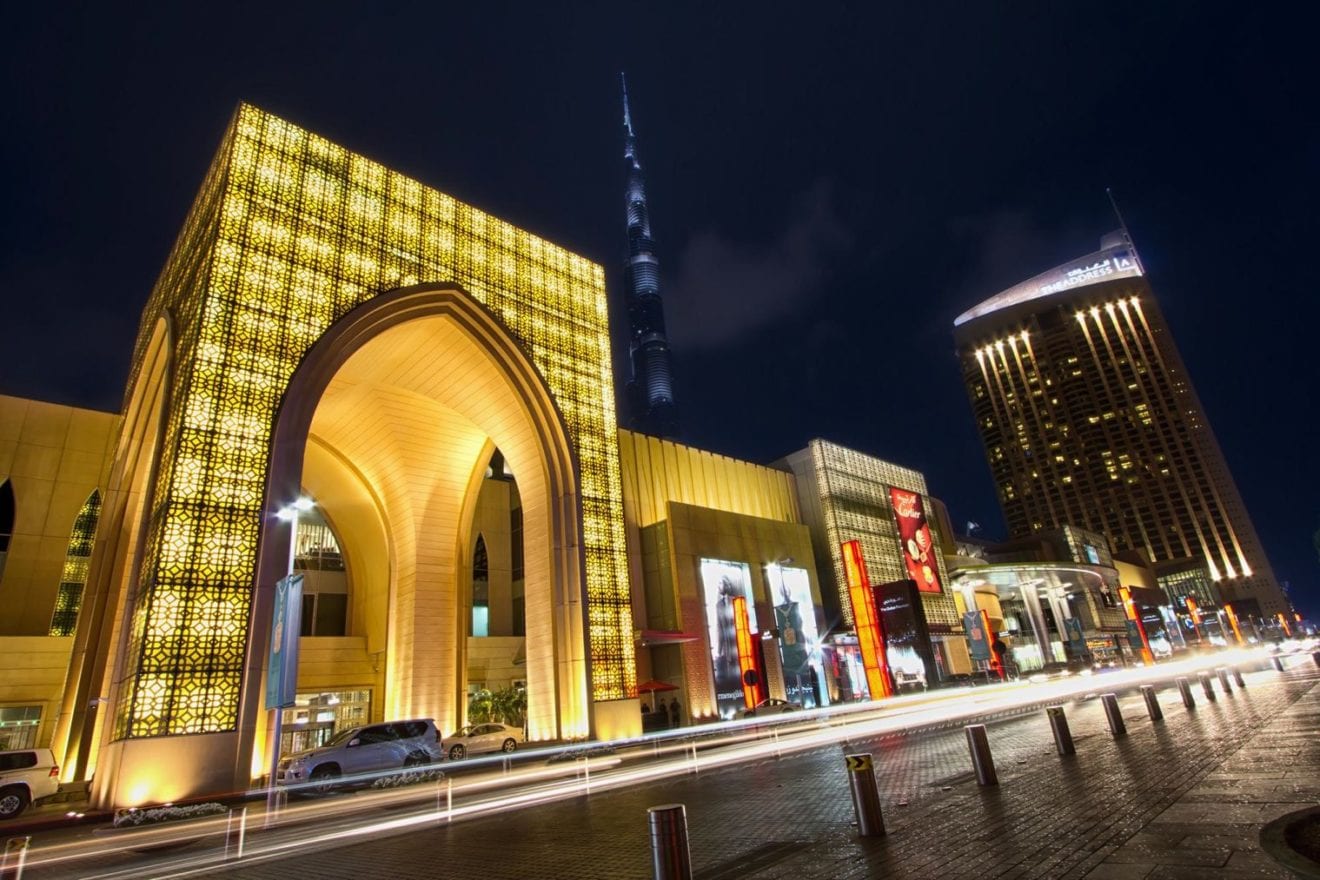
    The Dubai Mall ranks higher than London’s Regent Street and New York’s Fifth Avenue in the overall quality of its retail offerings. It’s also ahead of the Champs-Elysees in Paris, according to the latest Global Retail Destination from Savills, a UK consultancy.

    In terms of city rankings, New York leads the way, ahead of London and Hong Kong (tied in second place) and followed by Dubai.

    “Dubai is forecast to report the strongest growth in retail sales over the next five years of the seven global cities examined, potentially challenging London’s West End’s current global position,” the Savills report says.

    According to a survey in the report, 88.4 per cent of people said Dubai has the best choice and quality of shops in the world.

    The number of overnight visitors to Dubai, between 2016 and 2020, is expected to increase by 9.7 per cent.

    Mastercard’s Global Destination Cities Index 2015 estimates there were 14.3 million overnight visitors to Dubai last year, who spent $11.7 billion at an average of $819 per person. This is behind New York’s average spend of $1,416.

    “Dubai is now perceived as a top global retail destination,” said David Godchaux, who heads Core which is the local partner of Savills. “But this is only the tip of the iceberg as we now start seeing developers trying to improve the shopping experience not only for tourists as in the past 15 years, but also for residents.

    “This trend of moving away from the ‘bigger is better’ approach, to more user and resident friendly retail developments, bringing a real city experience and European-style shopping to areas of Dubai similar to those found in London, Paris and Milan.”

  • Parkson confident new China mall will do well

    Parkson confident new China mall will do well

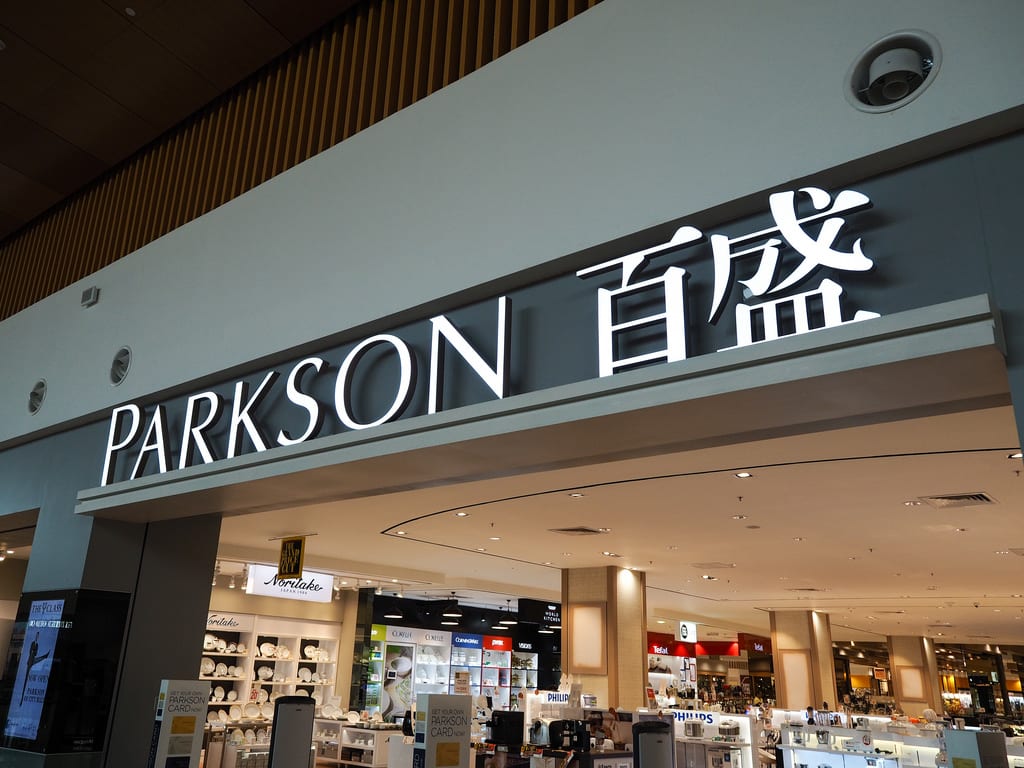
    Parkson Retail Group Ltd (PRG), a unit of Parkson Holdings Bhd, is confident its new shopping mall in Qingdao, China, which opens later this month, will attract strong retail interest, even as rapid economic growth in China cools down.

    The Asian Development Bank has predicted the Chinese economy to grow 6.5% this year. Retail sales in the world’s second largest economy expanded 10.6% in the first two months of this year.

    PRG currently operates and manages 57 department stores in China, of which two are located in Qingdao, including the new Lion Mall, expected to open its doors later this month,

    The group has already forked out close to RM1bil for the acquisition of the mall from Shanghai Industrial Qingdao Development Co Ltd, via its indirect unit Qingdao Lion Plaza Retail Management Co Ltd.

    For the financial year ended June 30, 2015, the group’s China operations contributed about 70% to both the revenue and profits of Parkson Holdings.

    Parkson said its first store in Qingdao has been in operation since 1998 and has since established strong brand equity, providing the platform for the group to further increase its market share and strengthen its foothold in the fast-growing market with the new mall.

    “In order to maintain the group’s competitive edge and continue to further capitalise on the growth of the retail industry in Qingdao, there is a need to further expand its operations in the east side of Qingdao city where Lion Mall Qingdao is located,” a spokesperson from Parkson told StarBiz.

    “With the ideal size and modern infrastructure, Lion Mall will provide a fully integrated shopping experience to customers, with comprehensive offerings such as Parkson department store and Foodpark serving as one of the anchor tenants, coupled with cinema, fast fashion brands, international cosmetics and accessories brands, F&B, entertainment and other amenities,” the spokesperson said.

    The mall will be located at the Laoshan district of Qingdao, which is the new financial and commercial hub of the city, and will be part of a fully integrated development project, known as Beer City Project.

    It has a total gross floor area of about 230,000 square metres, of which about 130,000 square metres are for retail use and the balance for ancillary and 2,000 car park lots.

    The spokesperson said the mall had a planned exit gate to be directly linked to the subway line M2, which is currently under construction and will commence operations next year.

    The company has spent some 1.5 billion yuan (RM905.78mil) on the acquisition, including the costs related to payment of underground land premium, following a new law imposed by the Government there.

    In January 2015, the Qingdao Government implemented the management rules which set out, among other things, the procedures and requirements for registration of titles to properties situated underground.

    It also outlined the mandatory payment of land premium to the Government for those underground properties which are to be used for commercial purposes.

    Following this new ruling, Parkson had entered into a supplemental agreement on Feb 25, 2016 to provide for the additional land premium payment.

    On the group’s future plans, the spokesperson said an upcoming Lion Mall Phnom Penh in Cambodia was currently under construction with foundation works almost completed.

    “Another development is Parkson City Centre in Phnom Penh where Parkson has taken a lease of 36,500 square metres in the building and will open the first Parkson department store in Cambodia together with other sub-tenants in the fourth quarter of 2016. Notable names within Parkson City Centre are Golden Screen Cinema making its debut in Cambodia, and Giant Supermarket opening its second store in the country,” he said.

  • China’s neighbourhood malls a bright spot in sluggish retail sector

    China’s neighbourhood malls a bright spot in sluggish retail sector

    While operators of luxury shopping centres in China are scratching their heads for ways to attract affluent buyers, property consultants say one-stop neighbourhood shopping malls have become bright spots in the industry.

    There are many such retail centres in the suburbs of Beijing and Shanghai, as well as in some 1.5 tier cities, said Steven McCord, head of research for JLL North China. These malls mainly serve the everyday needs of residents in local neighbourhoods, with amenities such as restaurants and entertainment facilities.

    “They are a one-stop shop [where] people can get what they need. These malls are close to where they live so the need to go to city centre is less frequent,” said McCord.

    Some neighbourhood malls that opened in the last two years include Jinyu Vanke Square, BHG Lippo Mall and Livat (Ikea Xihongmen).

    Property consultants said tenants might consider these malls as business opportunities.

    The juxtaposition of a building boom amid softening retail sales growth has sparked concerns about an oversupply of retail space in China.

    According to CBRE, tier-1 cities such as Shanghai and Guangzhou will see a peakin new supply. Almost half of new supply in these cities will be located in completely new areas. For example, Shanghai’s Hongqiao business district will experience a first wave of new supply, which is expected to reach 200,000 square metres this year.

    At the same time, the prevalence of online shopping has forced operators and retailers to rethink their strategies.

    The domestic economic slowdown and fast e-commerce growth are weighing on bricks-and-mortar retail, according to CBRE.

    Retailers continue to focus on expanding their e-commerce platforms. Online retail sales surged by 33.3 per cent year-on-year in 2015.

    Retailers of luxury brands and luxury mall operators also face other challenges, including mainland Chinese buyers shopping overseas and competition from discount outlet malls, according to McCord.

    CBRE said as the urban population continues to spread to the suburbs, tenants may see new opportunities arising from mature residential areas where modern commercial facilities are lacking, and in regions where there is an emerging population.

    In view of the rapid increase in consumer income in tier-2 cities, retail businesses in these cities will not only focus on setting up in traditional downtown areas, but will also take advantage of the rapid development of community businesses.

  • Lippo-Sponsored Investment Trusts to Acquire Property Assets in Yogya, Bali

    Lippo-Sponsored Investment Trusts to Acquire Property Assets in Yogya, Bali

    They are held under one “right to build” title certificate as the local government is not allowed to subdivide the property and issue separate strata title certificates.

    Siloam Hospitals Yogyakarta offers 240 hospital beds, while Lippo Plaza Yogya offers a 66,098-square-meter gross floor area (35,965 square meters for the mall area and 30,133 square meters for parking), which is already occupied by various tenants, including a movie theater operator, food sellers and a hypermarket. This mall has been in operational since June 2015.

    Separately, LMIRT alone will acquire Lippo Mall Kuta, a retail mall component worth Rp 800 billion, situated on Bali Island, Indonesia’s most popular tourism destination.

    Lippo Mall Kuta has been in operation since 2013, offering 21,132 square meters of commercial space occupied by tenants selling international and local brands such as Nike, Bata, Quiksilver, Planet Sports, Matahari Department Store, Hypermart and Cinemaxx.

    “I’m pleased to report that we have signed a contractual sales and purchase agreement for two of our malls and one of our hospitals to our REITs, which will yield up to Rp 1.7 trillion [worth of transactions],” Ketut B. Wijaya, president director of Lippo Karawaci, said in the company’s statement.

    REITs are investment funds that own, operate and profit from real estate through property or mortgages.

    They are also traded on exchanges, such as the Singapore Stock Exchange.

    The move, according to Ketut, is part of the company’s “light assets program” in which the property developer recycles capital that has achieved sustainable income in order to reduce operating costs and maximize profits.

    Since the funds are listed in Singapore, the plans are still pending approval from regulators in Singapore, the Monetary Authority of Singapore and Singapore Exchange Securities Trading Limited, according ot the statement.

    The Jakarta Globe is affiliated with LMIRT and First Reit through the Lippo Group.

  • Aeon opens B300m mall in Si Racha

    Aeon opens B300m mall in Si Racha

    Aeon (Thailand), the local operator of MaxValu supermarkets and Tanjai minimarts, has resumed its investment with a big retail project after suspending its expansion since 1997.

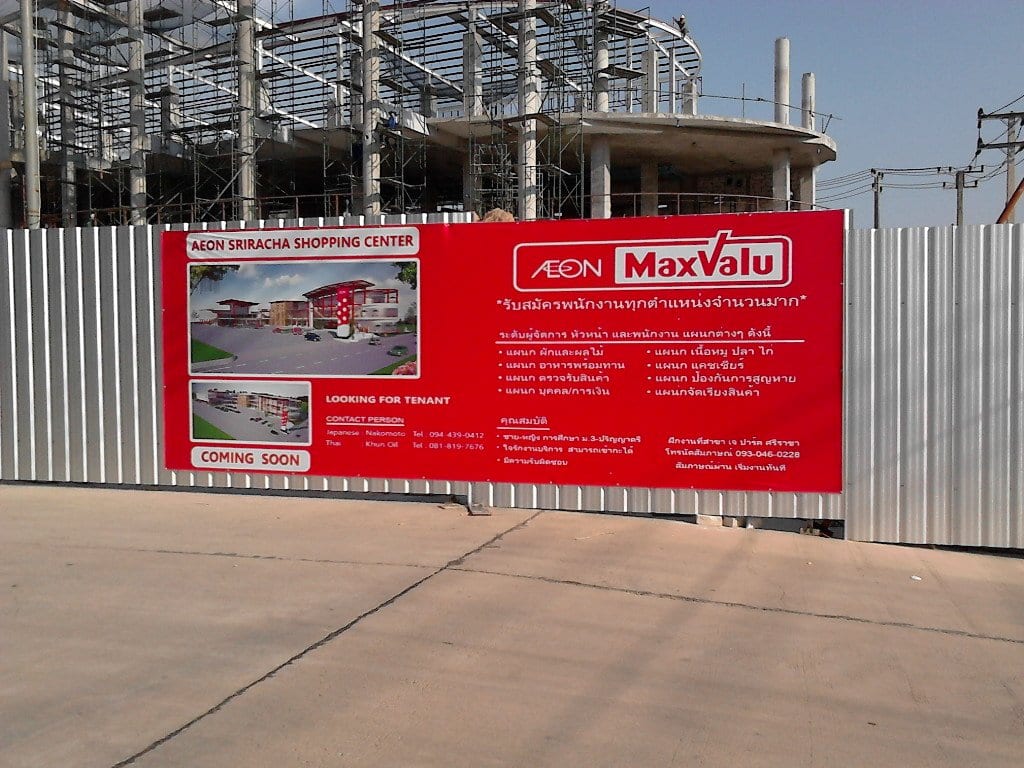
    The company will today have the soft opening of Aeon Sriracha shopping centre in Chon Buri’s Si Racha district to serve growing demand from Japanese expats working nearby.

    The move is part of Japanese parent Aeon Group’s efforts to expand its retail business in Asean with an expectation to drive sales to reach US$16 billion by 2020, a company source said.

    Before Thailand, Aeon Group opened various retail formats in the Asean market including Indonesia, Vietnam and Cambodia.

    The company spent about 300 million baht to develop Aeon Sriracha near Assumption College Sriracha.

    The three-storey shopping centre has saleable space of 11,000 square metres and will serve Thai and Japanese customers who work and live nearby.

    “Major frequent customers will be Japanese housewives who have free time to shop and dine at our shopping centre. They like shopping in a Japanese ambience,” the source said.

    Aeon Sriracha is surrounded by 1,300 households of Thai and Japanese people with high spending power. It has parking space for 220 cars.

    The shopping centre houses 21 tenants providing services related to Japanese lifestyle. MaxValu supermarket provides service around the clock, while other anchors are Ringer Hut Nagasaki Champon, a Japanese fast food restaurant chain with more than 600 branches worldwide, and Tackle Berry, Japan’s largest used fishing gear chain.

    Si Racha district also has Japanese community mall J-Park Sriracha.

    The artist impression of the Aeon Sriracha shopping centre.
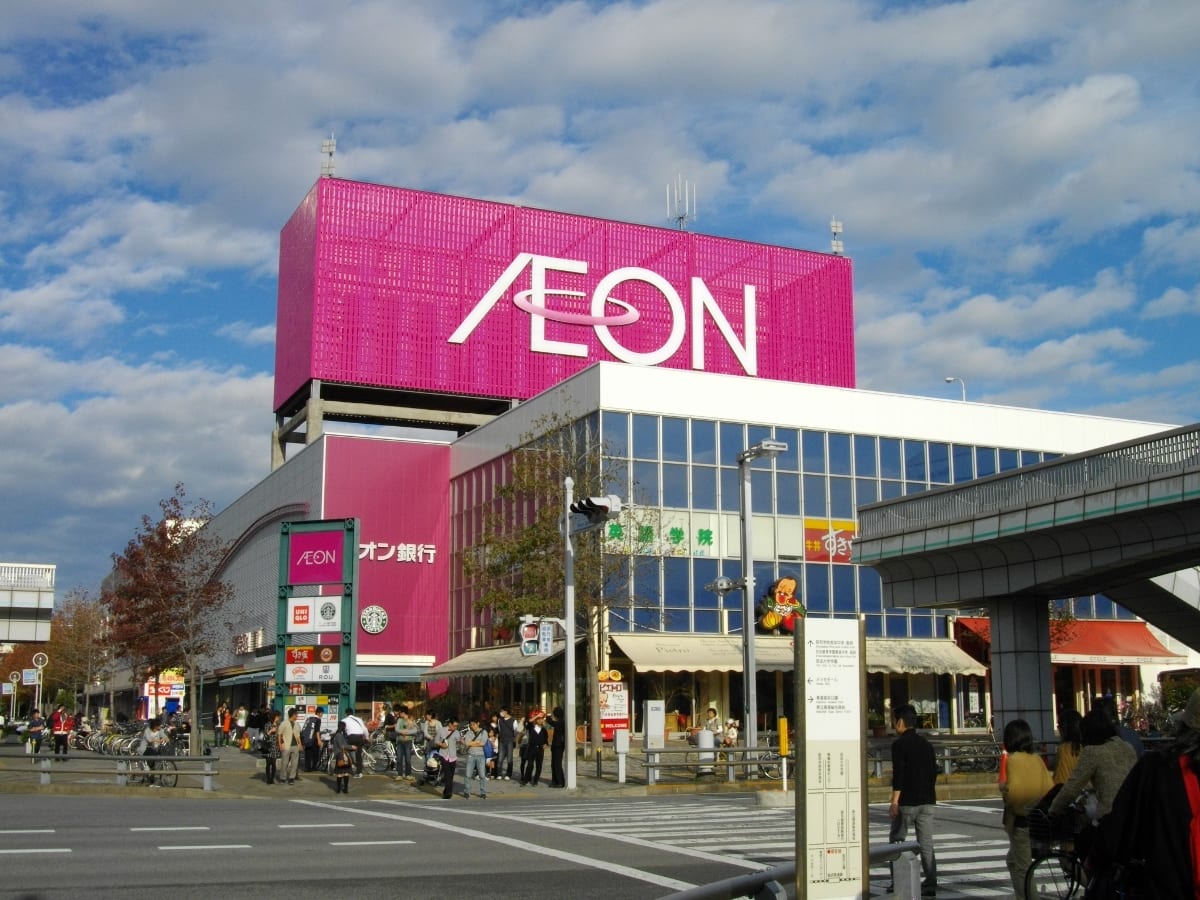
    This is the first time in 18 years that Aeon (Thailand) has invested in a big retail project in Thailand after suspending its expansion plan due mainly to the 1997 financial crisis.

    Aeon Group has had a presence in Thailand for more than 30 years.

    Aeon (Thailand) now operates 78 retail outlets here, with 48 Tanjai minimarts and 30 MaxValu supermarkets.

    Apart from developing its new complex in Si Racha, the company will strengthen its food and information technology facilities to support its aggressive expansion in Thailand from now until 2020.

    It has plans to expand its retail business outside Bangkok, particularly in Northeastern provinces such as Ubon Ratchathani and Udon Thani, in a bid to tap opportunities from booming border trade after the launch of the Asean Economic Community by year-end.

    Aeon (Thailand) had earlier announced plans to open 40 MaxValu stores next year.

    After that, it will add 100 outlets each year for four years until 2020 for a total of 500 branches.

    Of the 500 stores, 400 will be Tanjai minimarts and the remaining 100 will be under the MaxValu supermarket brand.

    Sales at MaxValu supermarkets are estimated to reach 6.6 billion baht this year.

  • Aeon Hanoi sets opening date

    Aeon Hanoi sets opening date

    Aeon Hanoi will open its doors on October 28.

    The Japanese-based multinational shopping centre operate and retailer Aeon says the new centre will host 180 retail stores including its supermarket and department store anchors and a mix of local and Japanese brands.

    Aeon Hanoi will be Aeon’s third store in Vietnam, following its debut in Ho Chi Minh City two years ago, and a second mall in Dong Nai, an industrial city near Ho Chi Minh City. The company has already announced a fourth to be built in Ho Chi Minh City, scheduled to open in 2016.

    The Hanoi mall will cover 9.6 hectares in the suburb of Long Bien.

    Besides its focus on fashion and specialty stores, the centre will host restaurants and a foodcourt serving cuisine from Vietnam, Japan, Thailand and Korea on the third floor.

  • Central Pattana plans four new malls

    Central Pattana plans four new malls

    Thai shopping centre operator Central Pattana has announced plans for another four or five shopping malls to be completed by 2018.

    The company says it has allocated THB30 billion (US$838 million)  for the new properties – which it says are in addition to a raft of previously announced planned properties.

    Central Pattana is the listed property development subsidiary of Central Group which owns shopping centres the length and breadth of Thailand and in Italy, Germany and China.

    The new malls will be built in the capital city of Bangkok and in larger regional cities. It has already announced plans to build centres in Phuket, Nakhon Ratchasima and Nakhon Si Thammarat.

    “CPN still aims for further expansion in major economic cities, as well as locations with potential business both in Thailand and neighbouring countries to demonstrate its sustainable growth,” said CFO Naparat Sriwanvit.

    Besides its Thai plans, the company is proceeding with a Malaysian joint venture to open a shopping mall in Kuala Lumpur and it is conducting feasibility studies on entering Vietnam and Indonesia.

    Parent Central already operates a Central Department Store in the Indonesian capital of Jakarta and the group has assets including a joint venture electronics chain and a department store in Vietnam.

    CPN runs 26 shopping malls in Bangkok and in major provinces, including Hat Yai.

  • Chinese drive Europe outlet malls

    Chinese drive Europe outlet malls

    Chinese travellers are poised to become the biggest global spenders at McArthurGlen designer outlets in Europe.

    Fashion-conscious travellers from China and across Asia are spending big at McArthurGlen’s  20 Designer Outlet centres located across Europe, with Chinese visitors poised to become the most prolific spenders in 2015.

    The company, a joint venture with US property giant Simon, says total tax-free sales at McArthurGlen Designer Outlets reached a record high in 2014, reflecting a more than quadrupling of sales to international travellers over the past four years.

    “Impressive sales growth was seen from Chinese shoppers, up 36 per cent, and from Korean travellers, whose spending increased 32 per cent” the company said.

    The projections for future Chinese spending overseas are even more impressive. In 2014, 109 million Chinese tourists spent US$164 billion worldwide, while 174 million Chinese tourists are tipped to spend $264 billion annually by 2019, according to Bank of America Merrill Lynch.

    “These upward global spending figures are being reflected in sales at McArthurGlen’s Designer Outlets. In 2014, Chinese shoppers accounted for 25 per cent of total tax-free sales, ranking second overall behind Russian travelers (29 per cent). Korean visitors ranked third, with five per cent of total tax-free sales.

    “In 2015, Chinese visitors will likely overtake Russian tourists as the number one international spender.”

    McArthurGlen Designer Outlets is responding to the burgeoning Chinese interest by increasing its digital engagement with consumers in China. A dedicated page is about to be launched on social media channel WeChat, and McArthurGlen also re-launched its Sino-Weibo page. In addition, the McArthurGlen App and The Guide is available in 12 languages, including Chinese.

    Anthony Rippingale, McArthurGlen’s head of tourism, says the company’s sales to international shopping tourists are increasing twice as fast as for overall tax-free retail sales in Europe.

    “We are noticing particularly impressive growth from Korea and China, whose shoppers rank first and second for average transaction value for international visitors.”

    Across all international shopping markets, the most popular McArthurGlen Designer Outlets in 2014 for tax-free shopping were: Serravalle (near Milan, Italy), Roermond (near Düsseldorf, Germany), Parndorf (Vienna, Austria), Noventa di Piave (Venice, Italy) and Castel Romano (Rome, Italy).

    In June, McArthurGlen will open its first centre outside Europe, in Vancouver, Canada.

    “The latter will be of special interest to Chinese shoppers after the announcement of the new 10-year Canada visa plan for Chinese guests was announced in March,” the company said.

    McArthurGlen Group, Europe’s leading owner, developer and manager of designer outlets, was founded in Europe by Kaempfer Partners in 1993. Since then, the company has developed nearly 600,000 sqm of outlet space, with a current value of more than euro 3 billion, and manages 20 McArthurGlen Designer Outlets across eight countries: Austria, Belgium, France, Germany, Greece, Italy, the Netherlands and the UK.

    In 2013, McArthurGlen became a joint venture between the world’s largest retail developer, Simon Property Group, and Kaempfer Partners.

  • 25 new Bangkok malls set for 2015

    25 new Bangkok malls set for 2015

    At least 28 new community malls will be opened in Bangkok and suburban areas in 2015-16 in response to growing urbanisation and changing lifestyles.

    Community malls accounted for the biggest growth in the retail sector last year. Over a half or 147,000 square metres, out of the total new retail space of 282,600 square metres, came from community malls.

    Surachet Kongcheep, associate director of Colliers International (Thailand) Co, said 25 new community malls with over 320,000 sqm were slated to open this year. Among them, 14 projects are in western Bangkok including Kalapapruek, Ratchapruek and Phetkasem Soi 48