Retail News CRM

Tag: malls

  • Malaysia to reach 700 malls by end of the year

    Malaysia to reach 700 malls by end of the year

    Malaysia can expect to have close to 700 shopping malls trading by the end of next year, according to Malaysia Retail Chain Association (MRCA) president Datuk Seri Garry Chua. The malls will represent a net lettable area of 170 million sqft in total, potentially higher than current market demand.

    In an report, Chua said: “Currently we have about 560 Malaysian malls operating nationwide with total net lettable area of about 135 million sqft. The occupancy for majority of the malls in Klang Valley is between 85 and 87 per cent and that is considered okay if compared with neighbouring countries like Singapore.

    “One way to fill the malls, both new and existing, is tourism. The government has to do a lot more in getting tourists from around the world to come here, especially from China.

    “Chinese tourist spend about US$260 billion globally. They are the biggest spenders.”

    Chua added that tourism is likely to be the largest contributor of GDP worldwide by the 2030s. Its impact on Malaysian retail could contribute to industry growth from the current 10 per cent of GDP to 15 per cent within the next five years.

    The MRCA is estimating an average growth of 6.1 per cent during the third quarter of this year compared to the same time last year.

    “There is huge potential in the local retail industry, despite concerns of a glut in retail space,” said Chua.

    “For future retail, it will have to encompass a lot of digital and concept stores. The malls must be interactive. It must have things like artificial intelligence where you have robots moving around and interacting with people.

    “There should be new dynamics in shopping. Mall owners must keep abreast with latest trends. Pricing and design must be right, especially for fashion brands.

    “Malls are also adding more and more food and beverage (F&B) outlets. Previously, tenant mix comprised 20 per cent of F&B but today, it is 30 per cent,” he said.

  • Sunway Malls wins best in Asia award

    Sunway Malls wins best in Asia award

    Sunway Malls has been recognised as one of Malaysia’s best companies to work for in Asia. HR Asia, Asia’s most authoritative publication for senior HR professionals – created the HR Asia Best Companies to Work for in Asia platform, where best practices and inner workings of companies are investigated to understand what distinguishes them from the rest. The Awards covered 12 markets across the region, and culminated with an award ceremony recently to celebrate the winners.

    Sunway Malls’ vision is “to create experiences that enrich lives” and this vision is extended to our external stakeholders and our employees. Sunway has 4 core values as the guiding factors to our vision; Integrity, Humility, Excellence and Togetherness. Through constant innovation and brain storms, the company take into account the employees’ needs and aim to provide to our best of ability.

    Their first mall, Sunway Pyramid is 21 this year. Sunway Carnival, opened in 2007, is undergoing expansion, Sunway Giza is our friendly community mall opened in 2009 whilst their newer malls are Sunway Putra Mall and Sunway Velocity Mall. To date, Sunway has amassed 54 renowned international and national awards.

  • L Catterton makes exit from China mall operator Sasseur

    L Catterton makes exit from China mall operator Sasseur

    International private equity firm L Catterton has substantially divested from Chinese mall operator Sasseur Cayman Holding. The firm has reduced its shareholding from 58.86 per cent to just 1.36 per cent, as part of ongoing efforts to optimise its portfolio. Sasseur Cayman is the sponsor of listed Sasseur Reit.

    L Catterton Asia chairman Ravi Thakran said: “We continue to strongly believe in the long-term growth prospects of Sasseur and the opportunities it offers to investors in terms of exposure to China’s fast-growing outlet mall industry. We will continue to support the company’s growth initiatives as a Sasseur shareholder.”

    In a separate statement, Sasseur said that growth prospects for China’s outlet sector remain solid – projected to expand at approximately 25 per cent annually for the next five years – with the fastest sales growth among the retail segments in China, even outpacing that of e-commerce.

  • A Game changer in the retail fraternity and a boon to the new tech-savvy customers

    A Game changer in the retail fraternity and a boon to the new tech-savvy customers

    A lucid vision of how technology could impact the retail landscape in the near future was visible when both online and offline retailers started embracing the meaningful improvements technology was bringing in. The progress of the digital native population further led to its progression in the retail sector. In fact, every segment of retail became so digitally efficient, that in no time technology had dramatically altered how we shop. Right from the first point of purchase to the last mile of purchase, from supply chain to the multiple selling channels, from cashless modes of payments to the hassle-free door-step delivery of products and services to customers; everything has been fused with an efficient, innovative and incredibly compelling technological approach.

    In fact, buying and selling are no longer about being relevant, driving growth or boosting profits, instead, it has moved beyond and away from objectifying the whole shopping experience by giving it a customized and personalized value proposition.

    Malls today have become such places that are supporting and providing a wholesome technological retail experience. It has evolved into a new retail experience that incorporates an exploratory experience around people as they shop, dine, entertain and browse around. It has reshaped customer expectations and is entertaining their experiences with evolved mechanisms. New retail is about creating a constant connection with the entire ecosystem no matter where a shopper is.

    Remember the time, when going to a mall was about entering an air-conditioned multi-storeyed building offering a variety of brands in one place. It was the most fascinating experience for the longest time, as everything was available under one roof. We would simply make a purchase and walk out of a store without talking to anyone. That was just about it. There was no interaction or engagement.

    Soon these malls started offering a host of services like valet parking, baby changing and baby feeding rooms, currency exchange options, pharmacy stores, access for differently able with assistance, wheelchairs, prams accessibility, tailoring services, dry cleaning, driver’s lounge, car wash services, child safety bands and what not to entice customers to come to the mall and stay. This marked the debut of constant customer engagement programme in order to ensure footfall.

    As the cultural mindsets and preferences of customers evolved we moved to a phase that was about innovation and creation. Customers had started gaining access to a plethora of information. They had become information savvy to the extent that before buying anything they were searching and reading about the brand, about the quality, checking reviews and comparing prices online through their smart-phone/ digital devices.

    This began to prove that customers were no longer looking for generic items. They wanted high-quality, personalized experiences that were tailor-made for them but at the same time easy and hassle-free for them. They were looking for quick and easy interaction with personalized engagement. Thus the shopping mall experience had to evolve by strategically providing a twist to a simple mall visit.

    There was a sudden shift from emails to SMS’s that helped streamline the engagement approach. Using social media as a conversation platform with the audience involved the likes of Facebook Messenger or WhatsApp. It was a great way of simplifying the information stream. The messenger functionality and an automatic response was informing costumers about particular deals, discounts, promotions and offers pertaining to their favorite retailers. At the same time, a great user experience with convenience was being built in as well. WiFi’s and wallets for payments within the mall provided high levels of performance and customer satisfaction.

    Sensors in their parking lots were installed to provide drivers with a visual indicator to detect how many parking spots were available on each level. They installed inventions like video walls, digital kiosks, and digital directories to offer quick and easy guides to help shoppers find what they’re looking for at a multi-level mall. While giving a brand consistency and an opportunity to up-sell there was an inexplicable connection being created.

    But, this wasn’t enough. As technology progressed, so has digital disruption. We have reached an era where a proliferation of digital tools like apps, tablets, laptops, is transforming a shopper’s communication, engagement, an opportunity for collaboration, feedback and delivery procedures. They have started spending even more time on smart-phones and mobile devices and got accustomed to easy-to-use, high-quality digital products. Capturing their attention or pulling them out of their comfort zone into a unique physical space became a herculean task. There was a need to develop a new approach to the existing retail process that could not only help the business but also create a better experience for the entire ecosystem. Something, that could fulfill the current desire of reaching out to millennials, manually and technologically. Rather create moments of intense connection which resonated profoundly with their mindsets.

    The new retail revolution hit base. The application of technology today is being used as a medium of re-imagining ways where one can deliver value to consumers while staying relevant in a supremely-connected market. Tools that are providing convenience, personalization, and a seamless, immersive experience without having consumers to look beyond their smartphones.

    New retail, rather this game changer of a strategy enforces the likes of virtual reality, augmented reality, and even artificial intelligence, into creating digital and consumer connections. Adoption of fast-evolving smart technologies for providing in-store, interactive experiences that are fulfilling a mobile-savvy consumers’ desires, is enhancing and elevating the array of possibilities and experiences one witnesses at the mall. The application of phygital is using micro-targeted marketing strategies in order to build an unequaled experience for customers to interact and get further involved with the mall.

    Imagine the exciting possibility to shop online while being physically present in the brand’s outlet. Or the fact that while window shopping, you receive a message regarding a sale with a discount voucher just meant for you? Once inside, why bother changing in and out of several attires, AR will help you decide, what looks good on in terms, of clothes, makeup, accessories through virtual trial rooms. Virtual displays across the malls will even let you shop seamlessly online or in-store. Imagine placing an order, collect, return, or exchange products via the web, mobile, desktop, as well as through physical stores. A lot is happening whilst keeping the customer engaged in an entertaining way.

    Even before they enter a mall, while passing one, the digital connectivity through Bluetooth and GPS entitles them to a personalized message from the retailer urging them to check out what is happening in the mall or a store. They are attracting shoppers and keeping them engaged with unique and relevant proposals. Now, isn’t this information enriching a customer’s shopping journey by delighting them no matter where they are without them having to move their eyes from their digital tool? That is the way new retail is changing the way consumers interact with and buy products. It is blending the physical and virtual worlds together by giving them access to information on their digital tools that make them believe in the purchase they are making.

    And why just consumers, it is giving retailers the opportunity to bring in greater levels of operational efficiency and customer centricity in their business models. It is ultimately benefiting from the continued business of a satisfied customer When a customer sees’s a mall enhancing all their senses – touch, sight, sound, and taste combined with speedy access to give an experience one could never imagine before, they ultimately increase their loyalty.

    Brands on the other hand, who are also employing these tactics are gaining instant gratification with constant consumer interaction in order to stay competitive. Item’s with embedded software or technology is connecting people and places together and enabling them to exchange data. It is helping them predict trends, forecast the demand for certain products, optimize the best pricing strategy in order to maintain a competitive edge and identify the customers who are likely to be interested in particular products by working out the best way to involve them. Keeping everyone up-to-date, ensuring no one misses an opportunity, stay relevant or ahead of your competitors, everything is becoming streamlined and convenient for everyone.

    It is this interesting shift in customer buying patterns that get into existence implementation of many technology practices which were otherwise deemed to be a far-fetched dream. Malls and brands realized the imperativeness to adhere to a more rapidly evolving customer need by bringing in new advancements that involve easier access to products and easier advertising from brands. New Retail is a game changer in the retail fraternity and a boon to the new tech-savvy customer in every possible way. It is continuing to evolve, grow and reshape our shopping world.
  • Cirque du Soleil to create mall-based events with ‘Creactive Centres’

    Cirque du Soleil to create mall-based events with ‘Creactive Centres’

    Circus-cum-theatre company Cirque du Soleil has developed a family entertainment concept suited to shopping malls.

    The first show will open in Toronto in September next year after a deal was struck with property group Ivanhoe Cambridge. Talks are ongoing about additional locations inside Canada and the entertainment company is also scouting for locations internationally.

    Cirque du Soleil is renowned for stunning multi-sensory shows featuring combinations of dance and traditional human circus acts like high-wire walking, trapeze stunts, trampoline acts, juggling and clown performances. Traditionally its shows are held in giant circus tents which travel the world for short-term runs and longer-term contracts in casinos. The image above is from a Russian show.

    The family entertainment centre is the latest example of traditional shopping centre operators looking for a new drawcard to malls suffering from declining foot traffic and shrinking department store chains.

    The Cirque du Soleil ‘Creactive Centres’ will help the company diversify, build its brand recognition and most importantly help landlords fill empty spaces once filled by department stores. It will also sell Cirque-branded merchandise.

    Marie-Josee Lamy, Creactive’s producer, says the centres will take up about 2200sqm of space (24,000sqft).

    “Our fans regularly express their wish to experience Cirque du Soleil from an insider’s perspective. We make that possible by inviting families to jump on stage, offering them another way to explore our creativity beyond our live shows.”

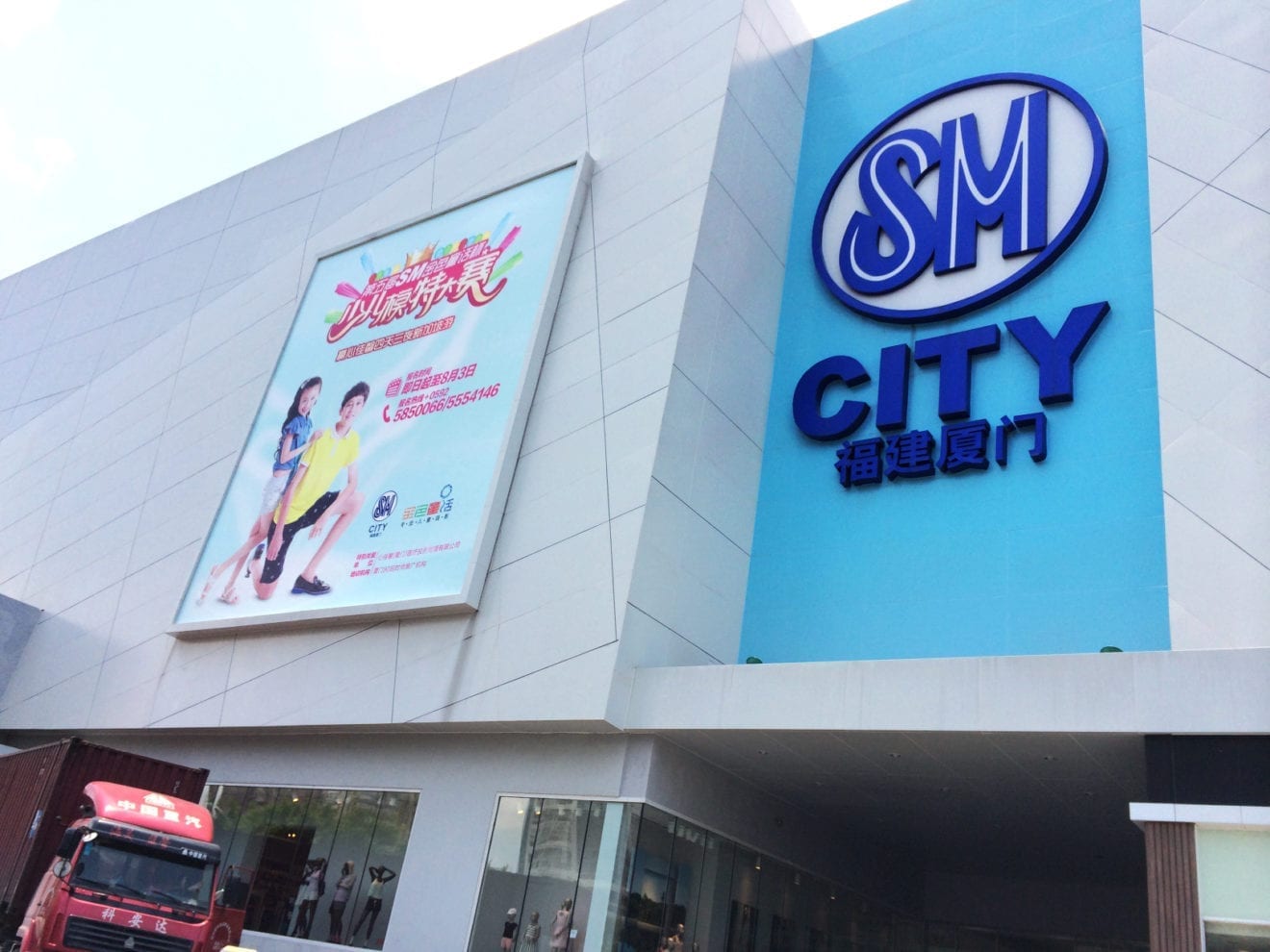
  • SM Prime revenue going up

    SM Prime revenue going up

    Rental revenues from mall expansions and consistent improvement in same-mall sales have helped boost income for integrated property company SM Prime Holdings.

    For its third quarter, the company had 16 per cent year-on-year net income growth to PHP5.6 billion (US$110.5 million). This led to a 15 per cent increase in net income in the first nine months to PHP20 billion.

    Consolidated revenue was up 12 per cent to PHP64.6 billion, while overall operating income grew by 16 per cent to PHP30.1 billion.

    “Our performance in the third quarter is a testament to the buoyant overall economy that benefits the whole property market,” says SM Prime president Jeffrey Lim.

    Mall revenues for the first nine months showed 10 per cent growth to PHP38.5 billion, with the malls contributing 60 per cent of consolidated revenues. Mall rentals went up by the same percentage to PHP32.8 billion, primarily because of expansions and openings over the past two years. Same-mall sales were steady with 7 per cent growth.

    Cinema and event ticket sales eased by 3 per cent to PHP3.3 billion, whereas revenues from amusement and merchandise sales surged by 26 per cent to PHP2.4 billion.

    Consolidated mall operating income improved by 12 per cent to PHP21.3 billion, with the operating margin maintained at 55 per cent.

    SM Prime has 65 shopping malls in the Philippines and seven in China, and will open two more malls this year, SM Center Lemery in Batangas and SM Center Pulilan in Bulacan, taking its provincial property count to 44 from 38 a year ago.

  • Mixed quarter for CapitaLand Malaysia Mall Trust

    Mixed quarter for CapitaLand Malaysia Mall Trust

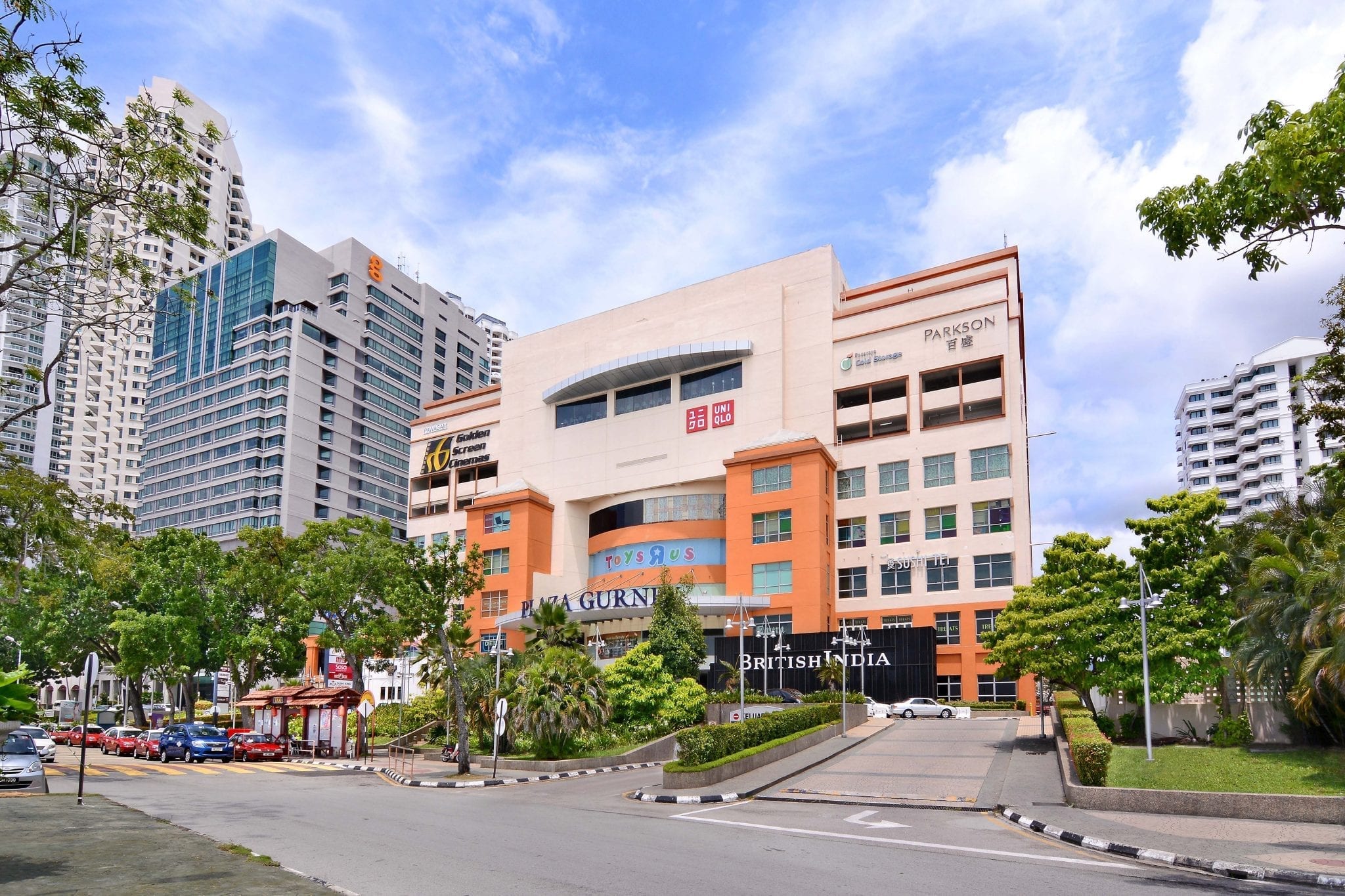
    In a third quarter of mixed results, CapitaLand Malaysia Mall Trust (CMMT) saw its net property income fall 2.2 per cent year on year to RM60.1 million (US$14.1 million).

    East Coast Mall and Gurney Plaza turned in stronger performances to partially mitigate lower contributions from the trust’s Klang Valley shopping malls.

    Cautious consumers and growing competition from new malls have affected Malaysia’s retail sector, says chairman David Wong of CapitaLand Malaysia Mall REIT Management (CMRM), which manages the trust.

    “Our Klang Valley malls continued to be affected by the increased supply of retail space in the vicinity,” says CMRM CEO Low Peck Chen.

    She says a reconfiguration of the basement level at Gurney Plaza to increase the F&B offering is expected to contribute to income from the fourth quarter.

    “At Tropicana City Mall, a Japanese restaurant was added to the standalone F&B cluster

    adjoining the office tower. Another restaurant will join the cluster next month to make a total
    of four F&B outlets, all of which have extended hours past midnight to better meet the needs of consumers.

    “Shoppers at The Mines will also find more shopping and entertainment choices on Level 4 following reconfiguration works.”

    Meanwhile, a rejuvenation of the 40-year-old Sungei Wang Plaza is expected to start soon.

    “During the quarter under review, we organised several family-oriented experiential marketing
    activities to enhance the shopping experience, which drew more visitors to our malls.”

  • Global shopping center completions rise, led by China

    Global shopping center completions rise, led by China

    CBRE’s annual study of global retail development found that builders completed 12.5 million sq. m. of shopping centers globally last year, up 11.4% from 2015. China dominated the top ten most active global markets with seven Chinese cities making the list. Melbourne ranked number ten—the only non-Chinese city in Asia Pacific to have made the top ten.

    Developers completed more retail centers across the globe last year than in 2015, yet momentum appeared to wane in many countries as retailers strive to find the right balance of brick-and-mortar and e-commerce operations.

    “In the omnichannel era, retailers are focused on ensuring that they have the optimal mix of brick-and-mortar stores and e-commerce operations, so they are using sophisticated analytics and market knowledge to choose the best store sites rather than the most store sites,” said Anthony Buono, Chairman of CBRE’s Global Retail Executive Committee.

    Meanwhile, construction activity overall has slowed in many markets amidst a more cautious approach by investors and occupiers. The global pipeline of retail centers under construction declined by 22% y-o-y to 33.5 million sq. m. at the end of last year, according to the CBRE report.

    The Asia Pacific region, particularly China, remains the global hotspot for retail construction totaling 26.6 million sq. m.—79% of the global total. Of this, China accounted for 19.7 million sq. m.

    More than 90% of Asia Pacific cities hosted large-scale retail construction in 2016 compared to 56% of cities in the Americas and 14% in Europe, the Middle East and Africa.

    “The Chinese retail market is showing some signs of recovery. Leasing demand is stabilizing despite oversupply concerns,” said Joel Stephen, Senior Director, Advisory & Transactions, Retail, CBRE Asia. “Retail markets are thriving across Asia Pacific, with strong demand supporting construction in markets like Melbourne, Brisbane and Ho Chi Minh City.”

    China’s largest volumes of retail space under construction are in Shenzhen and Shanghai, which together account for about 40% of the pipeline in China. Elsewhere, retail construction remained relatively limited in India, especially tier-one cities like New Delhi and Mumbai, whilst major retail markets in Asia such as Tokyo, Hong Kong and Seoul, are all anticipating mix-used development in their CBD locations.

  • Funan woos consumers with cutting edge showsuite ahead of 2019 opening

    Funan woos consumers with cutting edge showsuite ahead of 2019 opening

    The public can get a preview from this Sunday of what to expect when Funan mall opens its doors in the final quarter of 2019.

    Funan, an integrated development redeveloped from the former Funan DigitaLife Mall in the heart of Singapore’s Civic & Cultural District, has scored a retail sector-first with a one-of-a-kind experiential showsuite, landlord CapitaLand Mall Trust said at the launch of the suite yesterday.

    Located at the junction of High Street and Hill Street, the two-storey showsuite brings to life a new live-work-play paradigm with cutting-edge immersive virtual reality simulation technology.

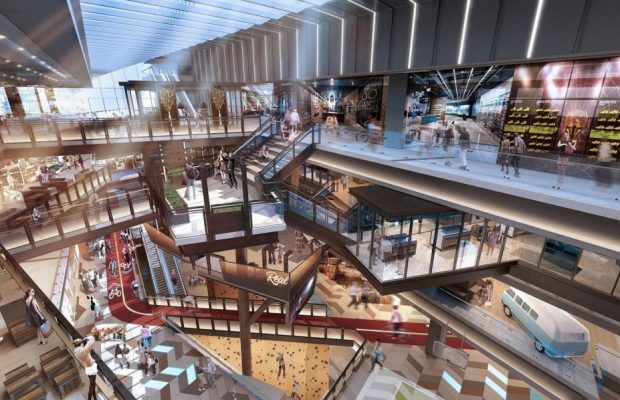
    It incorporates design elements reflective of Funan’s centerpiece “Tree of Life”, a wood-and-steel structure extending from Basement 2 to Level 4 that will house a variety of open platforms and studios that promote new forms of retail, experimentation and social learning, CapitaLand Mall Trust said.

    The showsuite will open to the public daily from 11am to 9pm, from this Sunday, which coincides with this month’s edition of car-free Sunday SG in the Civic District.

    In conjunction with opening festivities, visitors can expect activities that include watercolouring and terrarium workshops, conversations with creative entrepreneurs, and an exclusive InstaMeet helmed by popular Instagrammer Yafiq Yusman, known for his unique perspective on architectural photography on the social media site.

    “Funan sets out to be an aspirational and experiential space that fosters collaboration among complementary partners, to spark inspiration and discovery for consumers.

    “And this commitment to break new ground has been carried through to the way Funan’s showsuite is designed — accessible, community-centric and experiential,” said Mr Wilson Tan, CEO of CapitaLand Mall Trust Management.

    With a project development expenditure of S$560 million, Funan will have a total gross floor area of 887,000 sq ft, including 500,000 sq ft for retail, 266,000 sq ft for offices and 121,000 sq ft for 279 apartment units.

    Funan has received commitments for about 25 per cent of its total retail net lettable area of 324,000 square feet, the landlord said.

    Local theatre company W!ld Rice’s 380-seat theatre spanning 18,000 sq ft will be Singapore’s first theatre venue within a commercial complex that is designed, managed and programmed by a theatre company.

    Some of the other key tenants at the new Funan include IT retailers Newstead Technologies and AddOn Systems, supermarket chain FairPrice Finest, cinema operator Golden Village, Kopitiam food court and rock climbing facility Climb Central.

    Well-known photography store TK Foto will have a dedicated test zone for drone filming.

    Funan, which will have one floor entirely dedicated to IT, aims to merge smart shopping technologies such as drive-through collection for products ordered online, a pick-up concierge and a basement storage facility for retailers.

    In a separate announcement yesterday, Challenger Technologies said it will open its flagship store at Bugis Junction Basement 1 this weekend. Challenger, the largest homegrown IT products and services provider in Singapore, had closed its 53,000 sq ft flagship megastore at Funan DigitaLife Mall in late 2015 after CapitaLand Mall Trust said it would redevelop the mall.

    The new 14,000 sq ft flagship brings the total number of Challenger stores in Singapore to 40. The flagship store offers a smart, interactive experience featuring 15 lifestyle concept zones backed by data analytics to guide shoppers in their purchases. The integrated retail space, with carefully curated merchandise, experiential areas and engaging displays, aims to draw shoppers in to explore and experience before making an informed purchase, Challenger said.

  • Alibaba hub spells trouble for malls

    Alibaba hub spells trouble for malls

    A veteran economist foresees trouble for traditional retailers when the Alibaba Group sets up its logistics hub in Malaysia. Speaking to Retail News, Hoo Ke Ping said the hub, which is expected to be operational at the end of 2019, would threaten the survival of shopping malls and small-time traders.

    He noted that traditional retailers were already facing competition from their online counterparts, but he said the hub would pose a more significant challenge.

    He described Lazada, the Alibaba-owned online retailer, as among the most competitive with its pricing and said it would be a challenge for mall-based retailers to match it because they could not avoid overheads like rent, utilities and wages.

    Hoo also said there was an oversupply of shopping malls, with many struggling to find occupants for their retail spaces.

    Last month, a news report quoted Savills Malaysia managing director Allan Soo as saying the retail market could take up to four years to improve due to the oversupply in retail spaces.

    The Klang Valley alone has 160 malls and hypermarkets, including seven megamalls. Seven more megamalls are in the pipeline.

    Hoo also noted that Pos Malaysia, which currently handles parcel deliveries for Alibaba, was building up its capabilities to tap into the e-commerce market.

    In a press interview in February, Pos Malaysia CEO Mohd Shukrie Mohd Salleh said the group was in the process of beefing up its capabilities and infrastructure so it could provide a full range of eFulfilment services required by the industry.

    The term “eFulfilment” describes the people, processes and technology used in delivering an online order to a customer.

    Hoo said Alibaba’s Malaysian logistics hub would accelerate the shift towards e-commerce.

    Recently, Reuters reported that the hub will function as a centralised customs clearance, warehousing and fulfilment facility for Malaysia and neighbouring countries and would speed up clearance for imports and exports.

    “This means it will be easier for people to sell and move their goods within the country,” Hoo said. “So the prospects for shopping malls and even small retailers in rural areas don’t look so good.”

    He noted that the situation was not unique to Malaysia.

    “The same thing is happening in the United States as more businesses switch from brick and mortar stores to the online market,” he said, citing the likes of women’s clothing chains The Limited and Bebe.

    According to a Business Insider report, The Limited shut down all of its 250 stores, laid off 4,000 workers and moved its business online. Bloomberg reported last month that Bebe was planning to take a similar route.

  • Mall directory website GoToMalls.com launches in Indonesia

    Mall directory website GoToMalls.com launches in Indonesia

    While e-commerce has been growing at a substantial pace in Indonesia, its effect of turning away shoppers from offline retailers is yet to be felt.

    Malls still dominate the daily life of Indonesians, who prefer the experience of going to physical stores.

    Demonstrating the strong grip that malls and offline stores have on the local market, Singapore-based company DominoPos Pte Ltd launched on Tuesday a real-time proximity marketing and digital media platform named GoToMalls.com.

    Offering a comprehensive geo-located, profile-based smart directory of malls and stores in Indonesia, the website aims to enhance the online and offline business in shopping complexes by reviving offline transactions, bringing “the community’s spirit back to the malls through digital media support.”

    “What we are doing with GoToMalls.com is actually assisting all the offline retail brands to publish their own call-to-action campaigns, promote their products or services on a digital platform and fully utilize their target audience,” GoToMalls.com CEO Bruno Zysman said.

    The website provides its users with a comprehensive reference about shopping malls, stores and promotions. It lists up to 375 malls and shopping complexes, along with 19,000 stores.

    To ease their entry into the Indonesian market, the site has partnered with telecommunications operator PT Indosat, also known as Indosat Ooredoo, and ride-hailing app provider Grab.

    Aside from Indonesia, GoToMalls was deployed in DominoPos’ home country of Singapore in February. It also plans to expand into other countries.

  • Aeon to spend $200 mln for 2nd mall in its Hanoi expansion plan

    Aeon to spend $200 mln for 2nd mall in its Hanoi expansion plan

    Vietnam is considered Aeon’s priority destination in Southeast Asia with the largest number of shopping centers to date.

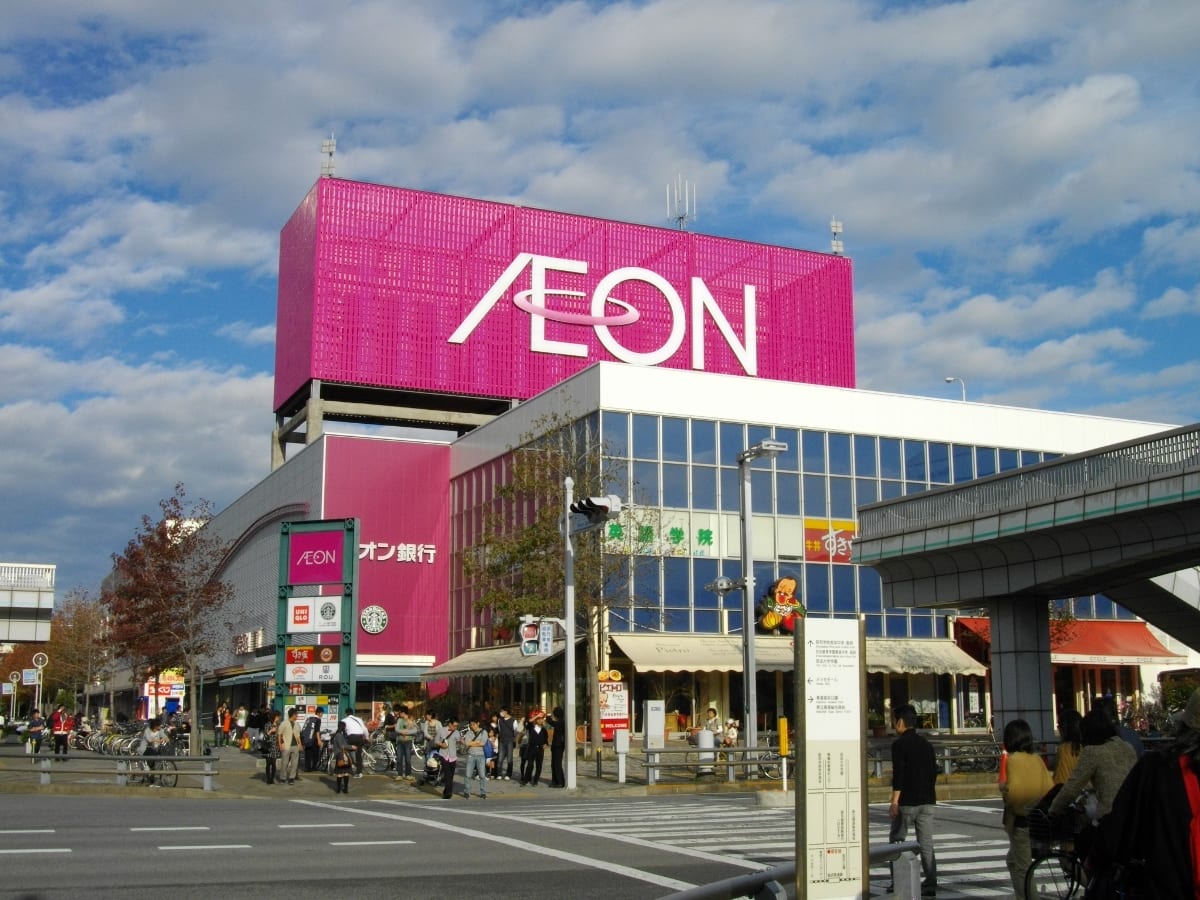
    Japanese retailer Aeon is planning to pour $200 million into its second shopping mall in Hanoi this year, a company official said, which would see its investment in Vietnam’s capital nearly doubling.

    The new facility covers an area of 9.5 hectares (23.5 acres) in Ha Dong District, Hanoi’s largest suburb by population. It is scheduled to come into operation at the end of 2019.

    That will be the fifth shopping mall Aeon has opened in Vietnam, after its first unit was launched outside Ho Chi Minh City’s downtown in January 2014.

    Vietnam’s retail market, drawing attention by retail giants such as Japan’s 7-Eleven, Swedish fashion firm H&M and Thailand’s Central Group, is listed in the top five in Southeast Asia and ranked 11th globally in terms of growth rate, based on the A.T. Kearny 2016 Global Retail Development Index.

    Vietnamese people are gradually shifting away from traditional retail channels to modern retail stores and centers. Spending at supermarkets, convenience stores, and shopping malls, as opposed to traditional local shops, is expected to rise to 40 percent of consumer spending by 2020, from 25 percent currently, government data show.

    The government has projected the retail market’s value to hit $179 billion by 2020, up 52 percent from last year.

    Aeon is the largest retailer in Asia with a network of around 300 consolidated subsidiaries and 26 equity-affiliated companies, ranging from convenience store chains and supermarkets to shopping malls and specialty stores.

    In Southeast Asia outside Vietnam, the Japan-based company is also running one shopping mall in Cambodia and two others in Indonesia. It plans to open the second facility in Cambodia in the summer of 2018 and two more in Indonesia within that year.

  • Lippo Malls Indonesia Retail Trust posts 7.6% rise in Q4 DPU

    Lippo Malls Indonesia Retail Trust posts 7.6% rise in Q4 DPU

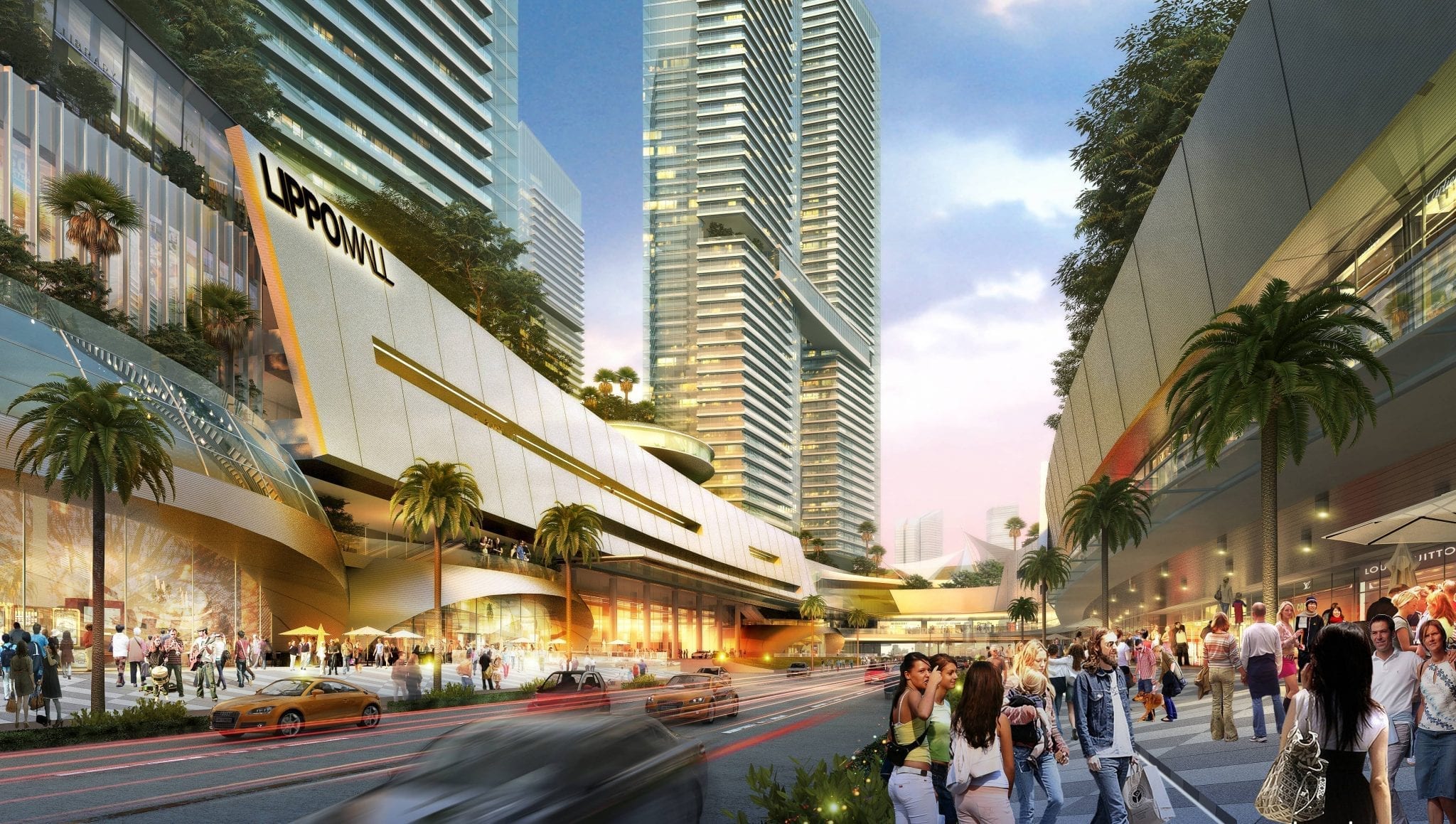
    Lippo Malls Indonesia Retail Trust (LMIRT) posted a distribution per unit of 0.87 cents for its fourth quarter 2016, an increase of 7.4 per cent from a year ago.

    Its net property income went up 10.9 per cent to S$44.6 million. For the full year ended 2016, LMIRT’s net property income rose 8.4 per cent to S$171.9 million.

    For Q4 2016, total gross revenue went up 9.1 per cent to S$48.7 million year on year, mainly due to positive rental reversion within the existing malls.

    The trust recently completed the acquisition of Lippo Mall Kuta, expanding its portfolio to 27 properties and asset size to S$1.9 billion.

    Viven Sitiabudi, executive director of the Reit manager, said: “With our shopping malls registering a consistently high occupancy rate of 94.3 per cent, we expect a stable stream of rental income going forward.”

  • Bangkok to get 14 new malls as Thailand gets the shopping bug

    Bangkok to get 14 new malls as Thailand gets the shopping bug

    Retail space, in particular shopping malls, will continue to grow this year, with health, beauty and pharmacy stores becoming the new retail battlefield.

    Fourteen retail projects will open in Bangkok and its suburbs this year, adding a total of 272,800sqm of space, said Mr Surachet Kongcheep, associate director of Colliers International Thailand. Of the total, five are shopping malls totalling about 178,640sqm, seven community malls totalling 51,850sqm, one department store of 36,000sqm, and one retail plaza with 6,310sqm in an office building.

    Colliers said the seven community malls due to open in Bangkok this year are We Retail Nana with 2,100sqm on Sukhumvit Road, ZY Walk Chula Soi 5 (4,500sqm) on Banthadthong Road, Happy Avenue Don Muang (4,053sqm) on Songprapa Road, Canapaya (17,094sqm) on Rama III Road, Landmark Mahachai (5,000sqm) on Rama II Road, Muang Thong City Park (phase 1, 17,000sqm) on Chaeng Watthana Road, and Hyde Sukhumvit (2,100sqm) on Sukhumvit Road. Fewer community malls are opening this year compared to the past few years, following the lacklustre performance of some community malls in the past one to two years.

    The five shopping complexes to open are Iconsiam, a luxury retail project developed by a joint venture between Siam Piwat Co, the operator of Siam Center and Siam Discovery, and Magnolia Quality Development Corp, the real estate developer under Charoen Pokphand Group, on Charoen Nakhon Road with 51,500sqm, Show DC on Rama IX Road, Ikea@CentralWestgate in Nonthaburi’s Bang Yai district, Gaysorn II near Ratchaprasong intersection with 6,000sqm and G Tower with 7,140sqm on Ratchadaphisek Road. Meanwhile, one department store to be opened this year is Iconsiam with 36,000sqm. Pearl Bangkok is a retail plaza on Phahon Yothin Road with 6,311sqm.

    Outside of Bangkok, several retail projects are set to open upcountry this year. Central Pattana Plc plans to open at least three shopping complexes with one each in Samut Sakhon’s Maha Chai district, Nakhon Ratchasima and Phuket. Robinson Department Store Plc plans to develop three new branches this year. Two are lifestyle shopping complexes in Phetchaburi and Kamphaeng Phet provinces, and the location of the third has not been disclosed.

    TSCA president Wallaya Chirathivat said new investment in shopping malls during 2016-17 has declined to 70 billion baht (S$2.83 billion), down from 100 billion over the past four to five years. Retail investment slowed due to economic slowdown at home and abroad.

    Mr Chatrchai Tuongrattanaphan, adviser to the Thai Retailers Association, said he believes consumer purchasing power will gradually improve this year.

    “The health and beauty sector will be the new retail battlefield this year because Thailand is gearing towards an ageing society, and when people earn more, demand for health and beauty products also rises,” he said.

    The local health and beauty business in 2016 is expected to be valued over 280 billion baht. Health and beauty store chains are Boots, Watsons, Tsuruha, Pure and Matsumoto Kiyoshi.

    Siam Makro Plc, the operator of Makro cash-and-carry stores under CP Group, will slow the opening of new stores in Thailand and shift focus to nearby countries instead. Siam Makro recently set up a subsidiary, Makro Ros, to operate its cash-and-carry store operations in Cambodia. The opening of Makro stores in Cambodia will be under a joint venture with a local partner.

    Domestically, Siam Makro will focus on opening Makro Food Service stores to cash in on the continuing growth of the hotel, restaurant and catering business.

    Meanwhile CP All Plc, the operator of 7-Eleven convenience stores, is expected to open some 700 new stores this year, on a par with last year. Mr Chatrchai said he expects Thailand’s retail market — currently worth 3.4 trillion baht — to grow by 3 per cent last year, and growth in 2017 will probably be higher.

  • Sunway Malls wins Gold Awards for Best Experiential Marketing Awards Malaysia

    Sunway Malls wins Gold Awards for Best Experiential Marketing Awards Malaysia

    Sunway Malls picked up two Gold Awards in front of 700 malls professionals, retailers and affiliated industries players at the inaugural Malaysia Shopping Malls Association’s (PPK) Best Experiential Marketing Awards 2016.

    Sunway Malls emerged as winners in two out of the three categories that saw 37 entries from 21 malls. The group beat competition from Mid Valley Megamall, Pavilion KL, Gurney Plaza and Gurney Paragon to clinch top spots.

    Sunway Pyramid picked up gold in Category C (malls above 1 million sq ft nett lettable area) for its marketing campaign “Captain America: Civil War” while Sunway Putra Mall’s “Kung Fu Panda Pawsome March” top Category B (malls with 500,001 to 999,999 sq ft nett lettable area).

    Both malls had teamed up with Disney’s Marvel and 20th Century Fox respectively to create various themed attractions that included out-of-mall activation, character appearances, life-size characters display, movie set inspired decorations and interactive sessions in their experiential marketing campaigns.

    “As malls become increasingly a focal place for the public, it’s imperative that they resonate and connect with shoppers at emotive and experiential levels,” said H.C Chan, CEO of Sunway Malls and Theme Parks.

    Malaysia mall industry is already facing intense competition as additional 27.28 mil sq ft retail space is being built to the existing 148.85 mil sq ft, bringing up the total retail space of 178.13 mil sq ft. in the country, according to National Property Information Center (NAPIC) data. This has resulted malls to adopt experiential marketing to stay competitive.

    For Sunway Pyramid, the campaign saw a 9.7% increase in traffic with 1.2 million shoppers interaction over the 24-day campaign period. Social engagement metrics scored 27.6 million reach with RM250,000 worth of publicity generated.

    Sunway Putra Mall’s footfall reached 800,000 during the campaign with RM200,000 worth of publicity generated while social media reach stood at 2 million.

    COO Kevin Tan said the Gold awards are a testament of the team’s hard work in the last few years. “The awards give us confidence that we are on the right path and doing the right things and we will forge forward with more confidence,” he added.

    The panel of judges included professionals from Branding Association from Malaysia, Tourism Malaysia, Focus Malaysia, Malaysia Institute of Architects and Lion & Lion.

    Judge Meredith Wallace, the Social Media Head of Lion & Lion commented “The entries were creative, inspired and showed a true understanding of today’s modern shoppers.”

    Malaysian malls over the years had gained recognition for their grand decorations and creative marketing campaigns that enhance shoppers’ shopping experience. PPK Malaysia’s inaugural AWARDS 2016 for BEST EXPERIENTIAL MARKETING were to honour these efforts for the best marketing programmes held in the past year.

    Qualified entries based on the malls’ marketing programmes held from 1 July 2015 to 30 June 2016 comprising experiential festival celebrations, themed events, sales promotions, public relations, advertising, new and social media, community etc. Judging were based on objectives and strategies, creativity, action plan, results, budget and cost effectiveness.