Tag: Market

  • Philippines set to be Asia’s fifth largest retail grocery market

    Philippines set to be Asia’s fifth largest retail grocery market

    The Philippines will soon be the Asia’s fifth largest retail grocery market, according to data released today.

    Speaking on the first day of NRCE, the 24th National Retail Conference in the Philippines, today, IGD Asia-Pacific program director Shirley Zhu said the market will grow by an average of 9.3 per cent year-on-year between 2016 and 2021.

    Grocery retail sales in the Philippines are set to amount to PHP7.08 trillion (US$149.99 billion) by 2021 from PHP4.53 trillion (US$95.98 billion) in 2016, the international grocery research organisation’s data concludes.

    Zhu says the growth will be driven by a growing population, strong domestic consumption and a buoyant economy, lifting it from sixth to fifth, behind China, India, Japan and Indonesia.

    “The Philippines is an exciting market to watch. Modern trade currently accounts for about 20 per cent of total grocery retail sales and is growing rapidly,” said Zhu.

    “We expect to see fast growth in both the number of outlets and sales for modern grocery retailers.”

    Domestic multi-format retailers dominate modern trade and have shown robust growth over the last five years, with SM Retail, Puregold and Robinsons the dominant grocery retailers in the country. SM Retail, for example, is focusing on expanding its mid-sized and small-format stores. In 2016, the retailer opened 144 stores, only one of which was a hypermarket, while 111 opened under the Alfamart minimarket fascia, through a joint venture with Indonesia-based PT Sumber Alfaria Trijaya. SM Retail continues to expand beyond Metro Manila; in 2016, 80 per cent of its store openings were outside this area. Meanwhile, Puregold and Robinsons share a similar ambition to expand further beyond the Luzon area with their multi-channel strategies. 7-Eleven, the fastest-growing retailer in the Philippines according to IGD data, is also expanding its stores into smaller towns across the nation.

    “Driven by more disposable income and increasingly urbanised lifestyles, Filipino shoppers are demanding more convenience in their grocery shopping. As a result, convenience and online are the hottest channels in the market,” said Zhu.

    “The number of c-stores in the country is set to increase as domestic retailers continue to drive this part of the market, bringing in more convenience banners to the country. One of the reasons that demand for convenience stores is so high is because of the rising number of business process outsourcing, or call centres, in the Philippines. These are centred mainly in urban areas, operate 24 hours a day and tend to employ young people with disposable income, who want to shop for their groceries as conveniently as possible.”

    Zhu said online grocery shopping in the Philippines is still in its infancy, but many bricks and mortar retailers have already been experimenting with their own ecommerce solutions.

    “Lazada, the leading ecommerce platform in Southeast Asia, has been operating in the Philippines since 2012 and now has 6 million users in the country. The ecommerce company reportedly plans to go into grocery in the next two years.”

    Looking into the future, Zhu predicts there will be fewer ‘mom and pop’ stores – locally known as sari-sari stores – and there is no doubt that the convenience and online channels will be on a fast growth trajectory over the next few years.

    “There is a wealth of opportunity for retailers and suppliers looking to grab a slice of the action in this rapidly evolving market.”


  • DHL, FC Bayern expands cooperation in gaming market

    DHL, FC Bayern expands cooperation in gaming market

    DHL and Germany’s FC Bayern Munich yesterday announced the expansion of their cooperation with innovative activations within the video gaming market, specifically in the FIFA 18 game set to launch in September 2017.

    This is DHL’s bid to tap on the massive potential of the computer games market, which analysts predict will grow its revenue from US$493m in 2016 to US$1.1b in 2019.

    In 2015, DHL helped the club to launch its online flagship store on Tmall Global. As the team’s official logistics partner and e-commerce full service provider, DHL plays a key role in delivering official merchandise to FC Bayern fans in China.

    During the team’s 2017 Audi Summer Tour to Shanghai, Shenzhen and Singapore, the Bavarian club confirmed its desire to further engage with its fan base in China, providing fans with the latest club merchandise, such as jerseys and other FC Bayern products.

    FC Bayern is one of the world’s biggest football club with over 280,000 members and one of the most successful, having won five UEFA Champions League titles, three Club World Cup trophies as well as 27 German national league championships.

  • Philippines convenience-store market among the least mature in Asia

    Philippines convenience-store market among the least mature in Asia

    The Philippines convenience-store market is one of the most unsaturated in Asia.

    The country had one store for every 35,000 people last year – a ratio similar to China – whereas in Indonesia, Malaysia and Thailand that figure ranges between 5500 and 10,000 people. In developed Asia, Japan and South Korea have around 1700 people to each store.

    With per-capita income growing about 5 per cent a year in the Philippines, the number of convenience stores has risen by 21.5 per cent a year over the past five years.

    Convenience-store sales have risen 20 per cent each of the past five years, double the rate of normal retail sales.

    With the nation’s historic ties to the US, 7-Eleven leads the way in the Philippines. The chain is licensed by Philippine Seven, which owns 45 per cent of the 1995 stores and franchises out the rest.

    Japan’s Nomura works through Robinsons Retail Holdings, which has exclusive rights to the Ministop chain for the Philippines.

    Only 7-Eleven has anything of an e-commerce presence in the Philippines, says the report, delivering goods from the country’s largest online-sales platform, Zalora Philippines.

  • Personal consumer credit becoming lucrative business

    Personal consumer credit becoming lucrative business

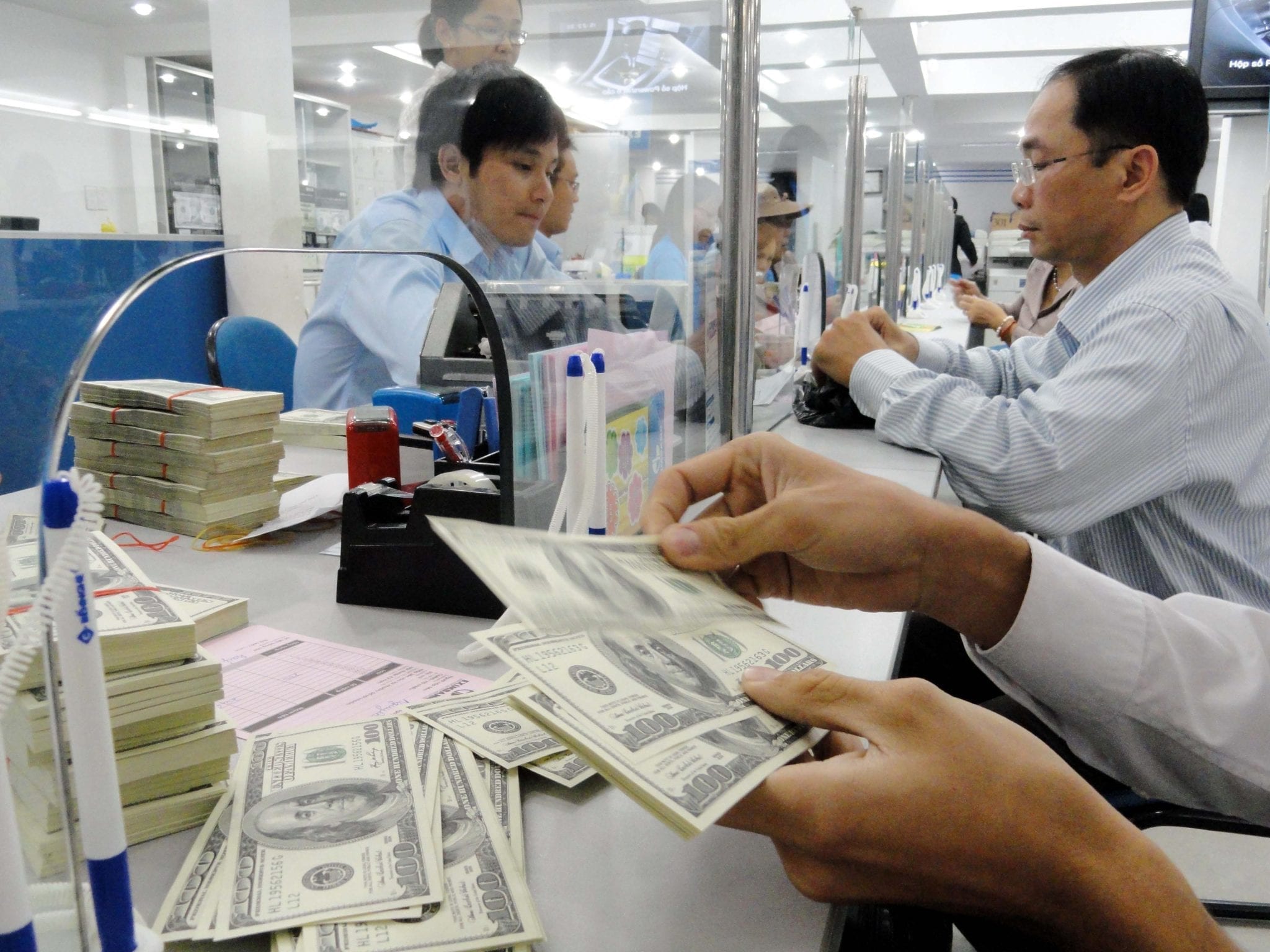
    FE Credit is leading the consumer finance market with $1.4 billion worth of loans provided in 2016, accounting for 48 percent of market share.  Its rivals, Home Credit, HD Saison and Prudential, hold 15.7 percent, 12.2 percent and 8.1 percent, respectively, according to StoxPlus. The other well-known names in the market are Mirae Asset Finance, JACCS and Toyota finance.

    The consumer finance market has become bustling thanks to high demand from borrowers and readiness by commercial banks and finance companies. Since customers are in both large cities and rural areas, it is easy for finance institutions to expand the market and disperse risks.

    Lending to fund personal consumption is lucrative, which accounts for 42.5 percent, followed by lending to fund household goods (28 percent), and transport means (19.6 percent).

    Regarding the growth rate, lending to fund transport purchases and house upgrading witnessed the highest growth rate of 42 percent each in 2016.

    Business Monitor International (BMI) predicted that the consumer finance market would perform well in 2016-2019, as personal income has growth rate of 13.2 percent per annum.

    Also according to BMI, consumer finance targets people of working age, expected to reach 56.2 million by 2020. The figure was 54.4 million in 2015.

    The consumer finance assets were reported as making up 12.4 percent of total assets in 2016.

    By the end of the year, the finance consumer value had reached VND598.5 trillion, an increase of 30 percent over 2015. This included VND453.1 trillion worth of loans provided without mortgaged asset requirement.

    Consumer finance in Vietnam in 2016 made up 9.8 percent of GDP. Meanwhile, the figure was 320 basic points higher in regional countries.

    Regarding credit types, the cash is predicted to decrease from 89 percent in 2016 to 81 percent of total outstanding loans by 2019 as the market share will fall into credit cards.

    Regarding the market structure, consumer finance is undertaken by retail banks and finance companies. Commercial banks tend to set up subsidiaries specializing in consumer finance or to take over existing companies.

    MB Bank in March 2016 took over Song Da Finance Company (SDFC) and renamed it MCredit. Later, in November 2016, after joining hands with Shinsei Financial from Japan, MCredit once again changed its name to MB Shinsei with 51 percent of capital contribution from MB Bank.

    In recent years, Vietnam has not granted licenses to companies providing only consumer finance services, which was a barrier to market admission.

  • Vietnam among top 6 most-attractive retail markets

    Vietnam among top 6 most-attractive retail markets

    Vietnam has been named among the Top 6 most-attractive retail markets in the world this year by A.T. Kearney in its Global Retail Development Index (GRDI), following India, China, Malaysia, Turkey, and the United Arab Emirates (UAE).

    It outstripped populous markets such as Indonesia (8th) and countries with good retail markets in recent years, such as Thailand (30th), Philippines (18th), Kazakhstan (16th), and Saudi Arabia (11th).

    This is evidence that Vietnam’s retail market is again attracting foreign investors, as it was outside of the Top 30 in 2002, then 6th in 2009, 14th in 2010, and 23rd in 2011, according to A.T. Kearney.

    The reason why Vietnam is in the Top 6 is that its investment laws are open and promote its attraction among foreign retailers.

    The government has permitted foreign retailers to own 100 per cent of capital in the country’s retail sector and has adopted priority policies to attract them.

    This is reflected in a 12.5 per cent increase in foreign investment in 2016. The recent free trade agreement (FTA) signed with the EU is expected to push investment even higher.

    Retail sales have also increased significantly in recent times, reaching $118 billion in 2016, up 10.2 per cent against 2015.

    “It’s a suitable time for Vietnam to boost up its economy, which is shifting towards private enterprise and high-value export items, and this is expected to increase incomes and consumption in the long term,” said Mr. Soon Ghee Chua, AT Kearney’s Southeast Asia chief.

    He also believes that government incentives, urban and middle-class population growth, a young population, and GDP growth expected at 6.6 per cent this year gives foreigners plenty of reason to be optimistic about Vietnam.

    E-commerce also contributes significantly to retail revenue in the country, which is expected to increase 22 per cent this year, and online discounts and promotions are boosting sales. AT Kearney notes, however, that businesses will have to be careful and have a long-term strategy to sustain this growth.

    Foreign retailers are expanding their business systems in the domestic market. According to A.T. Kearney, convenience stores and mini-marts are the fastest growing segments. Circle K and FamilyMart entered the market in 2009 and are expanding rapidly. FamilyMart expects to have more than 800 stores by 2020 and 7-Eleven will open its first store in Vietnam this month under a franchise agreement with Seven System Vietnam, and aims to open 1,000 stores over the next ten years.

    According to forecasts to 2020, modern retail channels will increase up to 45 per cent, the country will have about 1,200-1,300 supermarkets, the number of trade centers will also increase to over 300, and convenience stores will number in the thousands.

    The GRDI was first published in 2002, ranking 30 developing countries on their attractiveness for retail investment.

    It analyzes 25 factors related to macroeconomics and retail, to help retailers identify global strategies and identify emerging market investment opportunities. The study not only indicates the most attractive markets today but also potential markets in the future.

  • Private jet market warming up

    Private jet market warming up

    The news that Thai Aerospace Services has been chosen by Honda as the distributor of HondaJet in the SE Asian market has caught public attention.

    HondaJet was launched in December 2015; the manufacturer received 100 orders from all over the world.  The plane is offered to businessmen who want to save time on traveling. It entered the US market after FAA granted a certificate on meeting technical requirements.

    A representative of the Civil Aviation Authority of Vietnam (CAAV) said CAAV has not received any information from Honda about bringing HondaJet to Vietnam.

    To put a new airplane model into exploitation, manufacturers will have to work with local aeronautical authorities and fulfill procedures to obtain a license.

    Besides, every aircraft has to satisfy a series of requirements to obtain two other kinds of certificates, including ownership registration and certificate on meeting requirements to fly.

    The manufacturers also have to prove they can satisfy requirements on radio communication systems.

    “This is important for small private airplanes, because the planes have low flying range. They make noise and affect residential quarters if they fly at night,” an official from CAAV explained.

    For the last 10 years, Vietnam has been the target of many private plane manufacturers and lessors, from luxury planes such as Bombardier Inc (Canada) to helicopters such as Azur Helicopter (France).

    Analysts commented that Vietnam is a market with the number of super-rich people expected to increase by 170 percent in the next 10 years, to 540. The super-rich are defined as ones with total assets of over $30 million.

    The analysts said it would not be a problem for Vietnamese businesspeople to spend several million dollars to buy airlines. Doan Nguyen Duc, a well-known businessman, once owner two private airplanes. However, the maintenance costs and the licensing fee are big challenges.

    Jet owners will have to obtain licenses for every flight, while the owners of helicopters with low flying range will have to obtain approval from the Ministry of National Defence.

    Some years ago, Jussi Hoikka, Commercial Manager of Vinacopter, a distribution firm,  commented that though the Vietnamese average income per capita remains at “low average” level, the demand for private aircraft in Vietnam would soar in the time to come.

    One of the Vietnamese businessmen who first ordered a private helicopter in Vietnam is Chair of the Hoa Phat Group, Tran Dinh Long.

    Long placed the order about the private helicopter with Eurocopter, of which Vinacopter is a subsidiary, in Singapore in 2008.

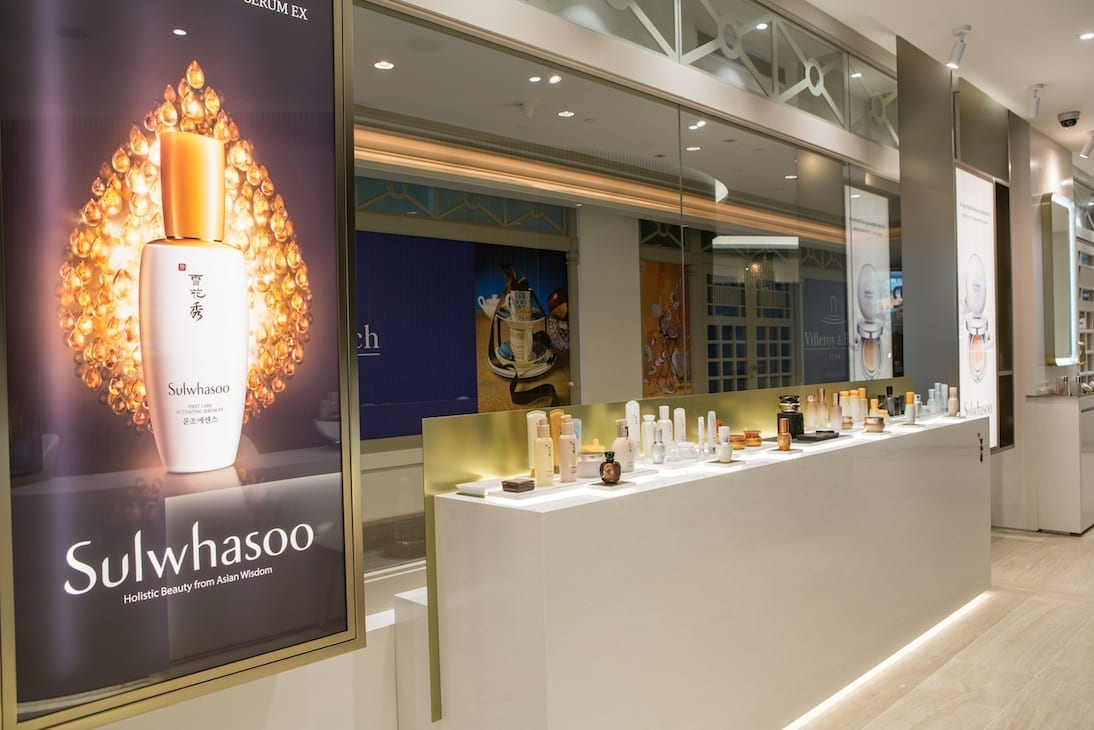
  • Sulwhasoo to enter French cosmetics market

    Sulwhasoo to enter French cosmetics market

    Amorepacific’s cosmetics brand Sulwhasoo will launch an independent store at France’s largest department store chain Galeries Lafayette this September.

    The French upmarket department store is the largest chain of its kind in the country, and is famous for selling designer labels and luxury beauty brands favored by customers with deep pockets.

    It will offer the brand’s best-selling products, such as its First Care Activating Serum and Concentrated Ginseng Renewing Cream, which are Sulwhasoo’s signature products.

    The store will be designed with oriental herbal medicine motifs, and traditional raw materials such as ginseng displayed, with an aim to attract French customers based on philosophy and authenticity as Korea’s leading cosmetics brand. Sulwhasoo’s products will also be sold on Galeries Lafayette’s online mall.

    The entry into Galeries Lafayette is a meaningful challenge for Amorepacific in that it will target the French market, also known as the birthplace of beauty products. AmorePacific’s first entry into the French market was the export of the “SOON” brand in October 1988.

    In August 1990, AmorePacific established a local corporation in Chartres, produced the Liricos brand and made a discreet foray into France. However, due to the lack of consideration for local customers and the loss of sales rights, the two brands were in a crisis.

    AmorePacific then established a strategy to target the fragrance category in the French cosmetics market. AmorePacific established a factory equipped with ultra-modern facilities in Chartres in April 2004 and took over the luxury brand “Annick Goutal” in August 2011 to strengthen its perfume brand portfolio. The firm is now expanding their perfume business into new overseas markets.

    By entering Galeries Lafayette, Sulwhasoo will continue to strengthen its presence as a true global brand not only in Asia and the Americas but also in the European market, delivering Korean beauty and value throughout the world.

  • APeJ Ethernet switch market grew 21% in Q4

    APeJ Ethernet switch market grew 21% in Q4

    The APeJ Ethernet switch market grew 21% during the fourth quarter, with vendor revenues of $131.23 million, IDC research indicates.

    Increased spending from the enterprise segment due to technology refreshes drove the overall LAN market in Q4 2016.

    There was a significant increase in uptake of L3 and ADC switches in both the enterprise and service provider segments in Q4 2016. Investments in the government, education, telecom, professional services and BFSI were the key drivers for growth this quarter.

    But the router market witnessed a year-on-year decline of 4% to $69.2 million.

    The router market was propped up mainly by investments from the service providers for 4G rollouts and technology refreshes in Q4 2016. Increased uptake of high end router from the service provider segment and the enterprise segment drove the market.

    With the evolving network environment and the huge amount of data available, adoption of advanced analytics in this area is becoming mainstream. This will enable efficient network management for improved performance. Also in 2016, there was an increased uptake of SDN deployments and NFV POCs.

    Cisco continues to be dominant in Q4 2016 with a 65.74% market share, followed by Huawei and HPE. Avaya posted a significant growth in Q4 2016 mostly due to increased investments in the enterprise space.

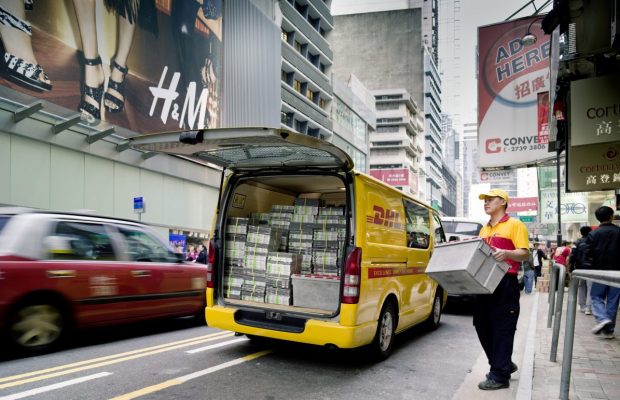
  • DHL Express forays into Sarawakian market

    DHL Express forays into Sarawakian market

    International express services provider, DHL Express, has set up a direct presence in East Malaysia through the establishment of a new Gateway in Kuching yesterday.

    As the only international express services company with a direct presence in Sarawak, the new and upgraded Gateway caters to the increasing demand for international trade, supporting businesses operating in and out of the state.

    The Kuching Gateway serves as a clearance point for inbound shipments entering the state, before they are sent to DHL’s four Service Centers in Miri, Bintulu, Sibu, and Kuching for deliveries.

    Strengthening DHL’s network of 23 service centers, 90 service points and 6 gateways in West Malaysia, the Kuching Gateway improves the efficiency and responsiveness to meet the increased demands of customers in Sarawak.

    Speaking at the official launch of the Kuching Gateway, Christopher Ong, Managing Director of DHL Express Malaysia & Brunei said, “Previously operated through an agent, we took over the operations in Sarawak to enhance our services and interact directly with our customers.

    “The new facility delivers top-notch productivity and operational efficiency, with improved speed, reliability and flexibility. This will enable our customers in Sarawak to have greater access to international markets.

    “To provide our customers with peace of mind when they ship with us, we have invested heavily to ensure that the facility is built to TAPA “A” certification standards, to meet our global criteria for operational efficiency, quality and security.

    “The Kuching Gateway provides direct access to our global network of more than 220 countries and territories, allowing businesses in Sarawak to trade in the global marketplace more efficiently than ever before,” he added.

    The official launch of the Kuching Gateway was witnessed by over 30 guests including officers from The Royal Malaysia Customs Department in Kuching.

    DHL offers a portfolio of logistics services ranging from national and international parcel delivery, ecommerce shipping and fulfillment solutions, international express, road, air and ocean transport to industrial supply chain management.

    With about 350,000 employees in more than 220 countries and territories worldwide, DHL connects people and businesses securely and reliably, enabling global trade flows.   it offers specialised solutions for growth markets and industries including technology, life sciences and healthcare, energy, automotive and retail.

  • Global smart transportation market expected to reach US$237,701 million by 2022

    Global smart transportation market expected to reach US$237,701 million by 2022

    According to a new report published by Allied Market Research, titled, “Smart Transportation Market by Solution and Service: Global Opportunity Analysis and Industry Forecast, 2014-2022,” the global smart transportation market was valued at US$63,667 million in 2015, and is expected to reach US$237,701 million by 2022, growing at a CAGR of 18.6 percent from 2016 to 2022. Cloud services segment is anticipated to dominate the market during the forecast period. Europe was the dominant region, accounting for approximately 33 percent share of the smart transportation market revenue in 2015.

    Rise in number of vehicles results in high traffic congestion, leading to the requirement of smart transportation network to ease traffic congestion, enhance the safety, sustainability, and efficiency of transportation network. In addition, most consumers are now demanding smart transportation options that can easily navigate the roads with the least possible scope of congestion. The increasing government support and investments towards development of smart cities provides a major boost to the market. For instance, the Government of India aims to develop 100 smart cities by using smart technology to improve the efficiency of services and meet the residents’ needs. However, the need for high capital investment, owing to the complete restoration of the existing transport system, restrains the market growth.

    “Smart transportation system is a necessity, owing to the rising demand for efficient transportation networks worldwide. These systems have witnessed the highest growth in cloud services segment, due to the advancement in technology and increased demand for storage, access, and management of data remotely. In addition, parking management systems are expected to increase their market share at a notable rate. Asia-Pacific and Brazil possess enormous opportunities for the players operating in the smart transportation systems market.” states Sheetanshu Upadhyay, research analyst at Allied Market Research.

    The solutions segment is divided into hybrid ticketing management system, parking management & guidance system, integrated supervision system, and traffic management system. In 2015, traffic management system accounted for the largest revenue, owing to rapid urbanization and the emerging concept of smart cities and smart traffic. However, the parking management system market is anticipated to witness the highest growth, with a CAGR of 18.8 percent from 2016 to 2022.

    The service segment is further divided into business, professional, and cloud services. In 2015, cloud services generated the largest revenue, owing to rapid increase in demand for cloud services smart transportation system. However, this segment is anticipated to witness the highest growth over the forecast period, with a CAGR of around of 18.8 percent  from 2016 – 2022.

    Europe held the largest market share in 2015, and is anticipated to maintain its dominance throughout the forecast period. This is due to increase in demand for smart transportation and concern of users towards the environment. Additionally, investments in emerging smart cities would create growth opportunities for the smart transportation market in the region.

  • Tencent Offers Integrated Solutions to Help  eCommerce Companies Win in the China Market

    Tencent Offers Integrated Solutions to Help eCommerce Companies Win in the China Market

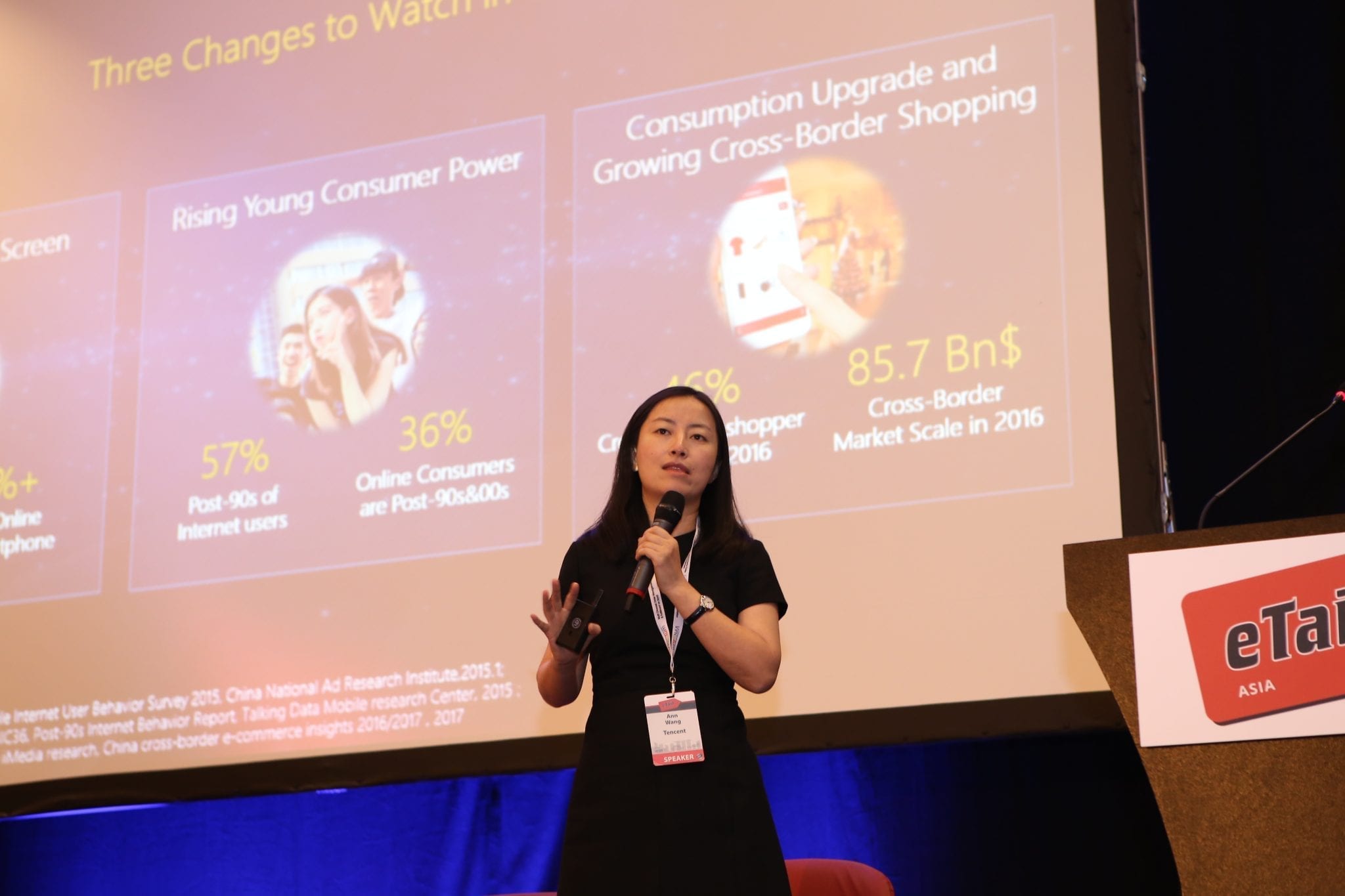
    Speaking today at eTail Asia 2017, a leading platform to help online retailers in Asia build a successful ecommerce business, Ann Wang, General Manager of Performance Advertising Solution, Online Media Group, Tencent, shared insights into China’s unique Internet market environment and consumer behaviors. Wang revealed the Tencent platform’s strength and offered three pieces of advice to help ecommerce companies win in China as the country shifts toward a consumption upgrade.

    In China, 90% of Internet users access the Internet via smartphone, and more than 75% shop online via smartphone. The ongoing consumption upgrade is further stimulating the development of China’s ecommerce market, particularly overseas online shopping. According to statistics, the total volume of cross-border online shopping in China reached US$85.7 billion in 2016, while the number of cross-border online shoppers grew 46% in the same year. The growth of ecommerce in the post-1990s and early 2000s is the main force behind the huge rise in overseas online shopping.

    According to Mary Meeker’s Internet Trends 2016, Chinese mobile users spend more than 55% of their online time on Tencent platforms, including QQ, Qzone, WeChat, v.qq.com and Tencent News. With its focus on social interactions and content, Tencent has built a self-sustained ecosystem, powerful data capabilities and holistic scenarios for quality communications among its users.

    According to Wang, Tencent provides more open, connected data, which links ad exposure to brand attitudes, consumer behavior and sales. Tencent’s algorithms also help marketers engage consumers across scenarios, and elevate pertinence by dynamic and contextual messages, allowing them to reach the broadest coverage of Chinese netizens.

    In her speech, Wang offered three valuable tips for marketers, which she believes can help global brands build a successful business in the increasingly dynamic China market:

    • Build a mobile-first ecosystem: Use all the tools available, including online ecommerce platform solutions, payment services and customer management to set up a mobile-oriented business ecosystem.
    • Go with an integrated marketing approach. Wang suggests marketers partner with a fully integrated platform to get the best of both brand advertising and performance advertising. One good example is Tencent’s co-creation of blockbuster IP with a popular cosmetics brand. The brand’s target audience loves to watch super-realism dramas and movies, worships movie stars, and are willing to consume and spend. Partnering with Penguin Pictures’ self-produced series “Revive,” the cosmetics brand made the leading actress its endorser and incorporated the brand appeal where appropriate. At the same time, it encouraged fans to try out its product used by celebs in the series. What’s more, it hosted offline celebrity meet-up sessions, thus winning the hearts of many fans. After only seven episodes, its Tmall store’s daily sales volume increased 400%.
    • Use the power of online marketing to boost traffic in offline stores. When a luxury automotive brand opened new stores in Hangzhou, it launched geo-targeted ads through WeChat Moment. Both the number of customer information acquisitions and store visits increased significantly as a result of the campaign.

    eTail Asia is the region’s premier event for senior eCommerce and Multichannel Directors of leading retailers. Each year, Asia’s biggest names attend to network and get a 360° perspective on the most pressing challenges and opportunities in digital retail. Also speaking at the event this year were representatives from Google, L’Oreal, Adidas, and Philips, to name just a few.

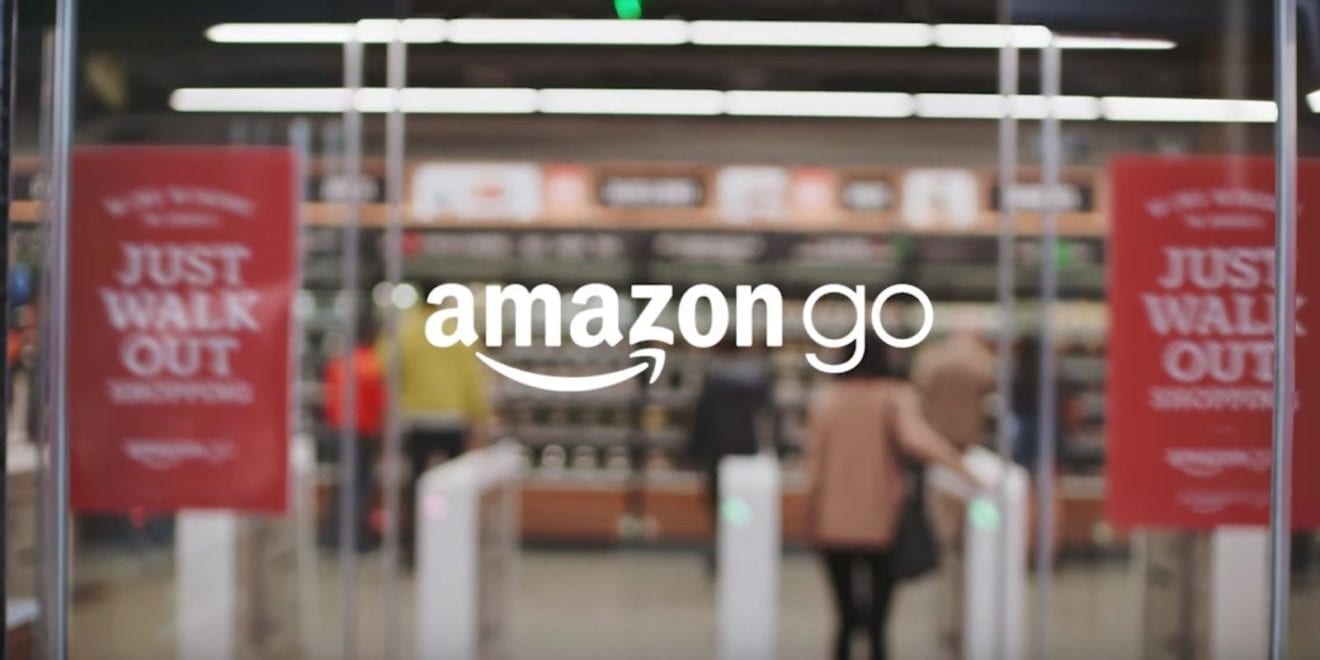
  • Amazon Languishing in China Online Retail Market after More than 10 Years

    Amazon Languishing in China Online Retail Market after More than 10 Years

    It has been more than decade since Amazon entered China but, despite being in the country for such a long time, Amazon has struggled to make its mark in one of the largest online retail markets in the world. According to e-marketer, China is expected to overtake United States as the world’s largest retail market, and the gap is expected to grow even wider in the next few years.

    But Amazon has not even made a dent in the Chinese market, which is completely dominated by the homegrown Amazon clone, Alibaba.

    To be fair to the Chinese e-commerce giant, Alibaba services the same online retail market, but follows a completely different model for its e-tail operations. Alibaba is more of a technology platform that facilitates transactions between buyers and sellers, and assumes the role of a supervisor when it comes logistics.

    Amazon is more of a hands-on retail player with strong buying and selling activities of its own. The result: Alibaba’s operating margin keeps crossing 30% every now and then, while Amazon hardly ever gets close to 5%.

    As you can see from the chart above, despite having the best e-commerce technology in the world, Amazon only has a 0.8% share of the Chinese market to show for it. Tmall, Alibaba’s B2C portal, controls more than half the market. Along with its competitor, JD.com, they control nearly 80% of the market, leaving very little for any other player.

    One big advantage of e-tail is that once you get the lead, it’s very hard to topple you from that place. And it becomes even harder if you are the kind of company that keeps pushing the boundaries. Alibaba may have copied a lot of Amazon’s moves, but it changed the model to fit its needs, and its platform has evolved nicely over the years.

    In the United States, despite big box retailers pouring billions of dollars every year into e-commerce initiatives, nobody is able to come close to Amazon. And one of the reasons for that is the huge lead that the e-commerce giant has over every other retailer. Since Amazon has the bulk of online shoppers, it’s natural that sellers gravitate to them, making Amazon even stronger in the process.

    The more the GMV (Gross Merchandise Volume) moves, the higher Amazon’s margins go. Amazon then reinvests even more into its business, transferring some of the benefits to its customers, who are more than happy to keep ordering. It’s a self-feeding cycle that keeps Amazon at the top of the e-tail industry in United States.

    Now, replace Amazon with Alibaba and the United States with China in this scenario, and add an extremely favorable government to the mix, and it’s easy to see why Alibaba sits at the top of the e-commerce pile in the People’s Republic – and why Amazon has to be satisfied with a sliver of market share.

    In the world of online retail, those who play catch-up will always play catch-up, or so it would seem.

  • Indonesia Dominates Global Retail Coffee Market

    Indonesia Dominates Global Retail Coffee Market

    Indonesia increases its dominance over the global retail coffee market with an average sales growth of 19.6 percent each year throughout the last five years, followed by India (15.1 percent average growth) and Vietnam (14.9 percent average growth in second and third position, respectively.

    The data gathered by Mintel also revealed that the growth of the global retail coffee market in 2016 had reached 2.7 percent from the previous 2.5 percent in 2015. Meanwhile, Asia continues to dominate the fastest growth in the global coffee market.

    According to the data, the slowest growth in the global coffee market throughout 2011-2016 is recorded by Finland with a -3.7 percent average growth, followed by Australia with a 0 percent growth, Poland with a 0.1 percent growth, Dutch with a 0.5 percent growth, and Belgium with a 0.5 percent growth.

    Mintel’s Global Drinks Analyst Jonny Forsyth, stated that Asia’s coffee market is increasingly growing following the high level of innovations in various processed coffee products in the region. Throughout the same period, the number of newly introduced coffee products in Asia grows by 95 percent.

    In comparison, the number of new tea products introduced in Asia in the same period only grew by 55 percent. Jonny asserted that the numbers showed that the majority of Asian citizens have shifted from the tradition of consuming tea to coffee.

    “In 2016, there was a drastic increase in the number of new coffee products that rivals the previously booming tea product in Asia. It is true tea drinking tradition has been the main obstacle for Asia’s coffee products. But, currently there are many tea-coffee hybrid products that have been introduced in order to solve the problem,” Jonny explained.

  • Korean multiplex chain leads booming movie market in Vietnam

    Korean multiplex chain leads booming movie market in Vietnam

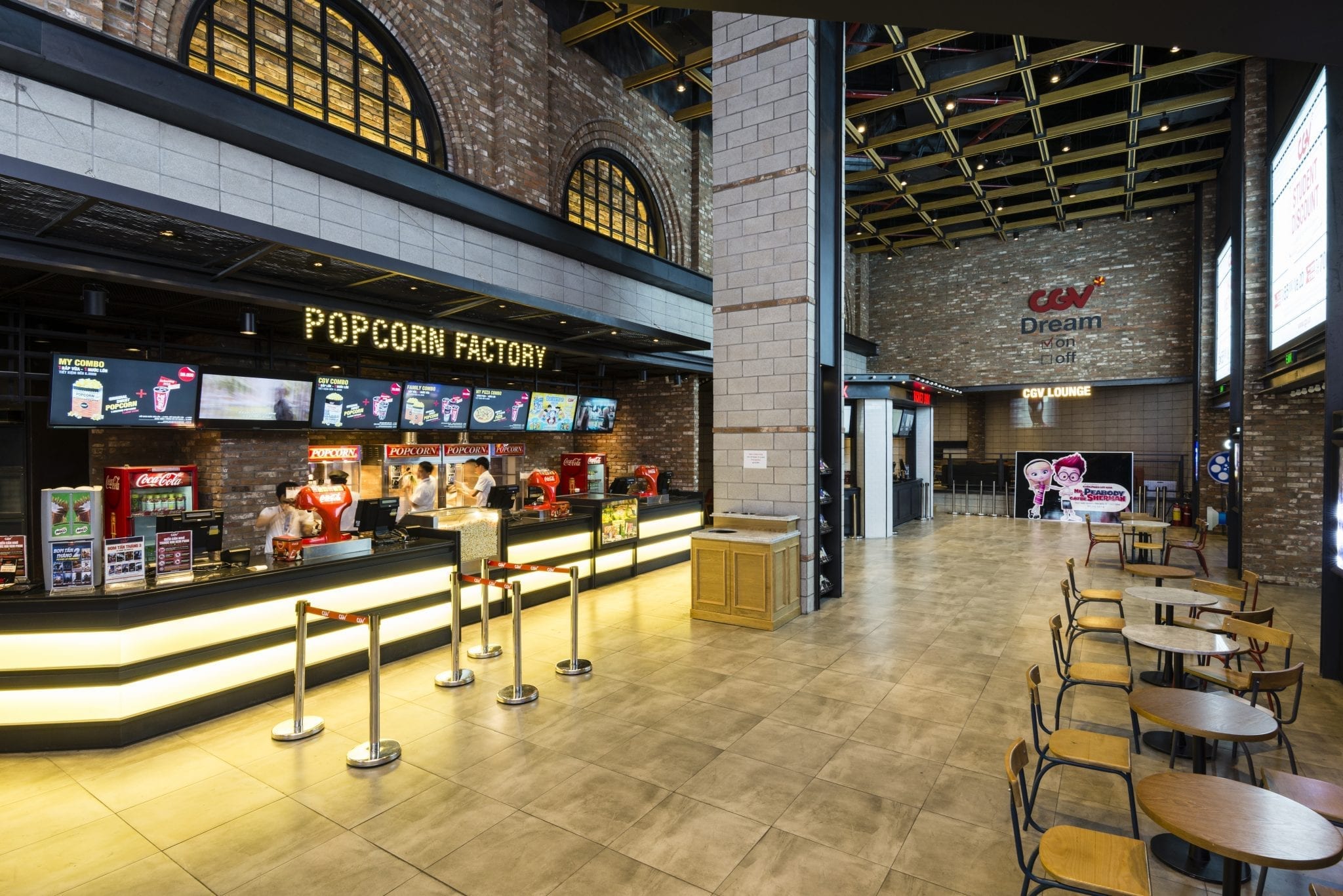
    CJ-CGV has quickly emerged as the dominant cinema chain with more than half of the market share. South Korean multiplex chain CJ-CGV, which currently has 38 cinemas and 247 screens in Vietnam, managed to triple its net profit last year to VND93.4 trillion ($4 million).

    The chain has aggressively expanded in Vietnam since 2011 when it spent $73.6 million to acquire an 80-percent stake in Megastar, one of the biggest local operators at the time.

    After the acquisition, CGV maintained an impressive growth rate with revenue hitting VND870 billion in 2012 and VND1.1 trillion in 2013, equivalent to year-on-year increases of 45 percent and 27 percent. The operator also reported substantial growth in net profit, generating on average VND120 billion per year; three times higher than the best achieved by Megastar.

    In the next two years, despite steady revenue growth, CGV recorded a significant decline in net profit due mainly to massive investments in new cinemas and foreign exchange fluctuations.

    Its 2014 revenue only matched 2013, and net profit tumbled by 40 percent to VND70 billion. In 2015, while revenue soared by 60 percent to VND1.76 trillion, net profit slumped by 55 percent to VND31.5 billion.

    CGV has established itself as the leading distributor in the country. It has won exclusive distribution rights to handle movie releases for giant film studios like Universal, Paramount, Disney and Warner Bros, and also topped the distribution rate for local movies.

  • IDX Closes on Regional Election Day

    IDX Closes on Regional Election Day

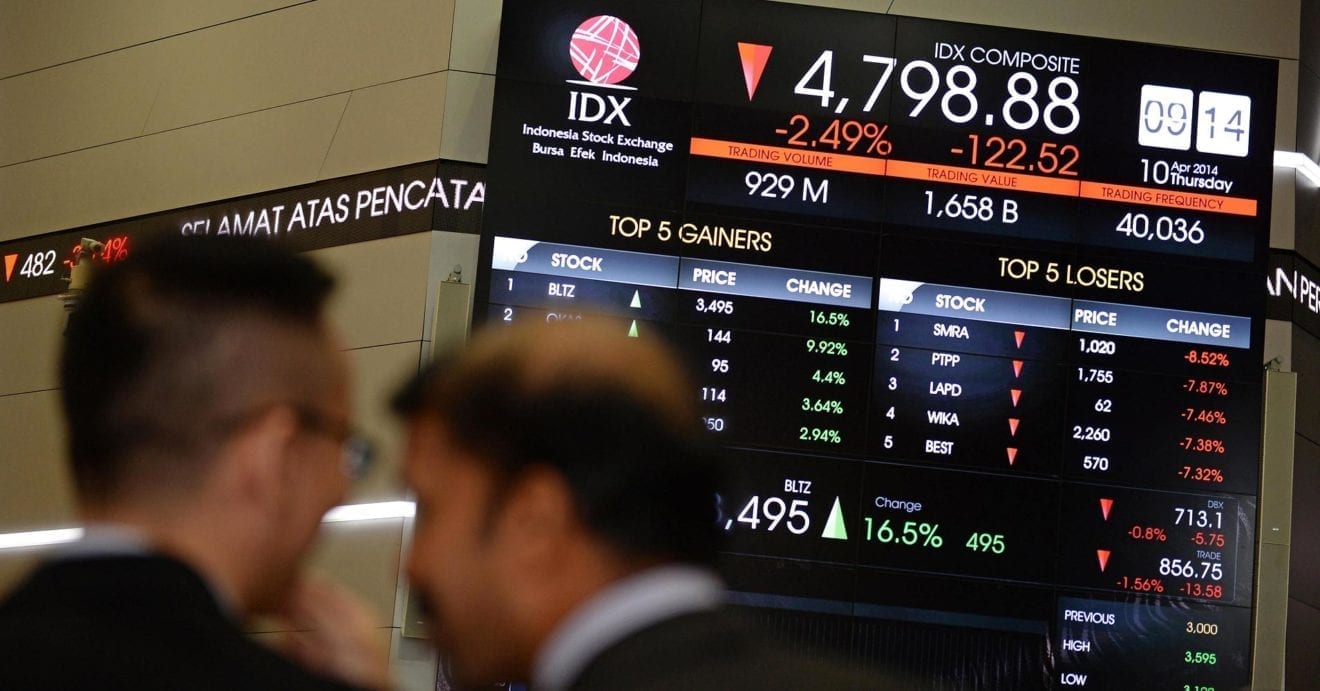
    The Indonesia Stock Exchange (IDX) will close on the simultaneous regional election day, February 15, 2017, the IDX website page stated. Earlier, Vice President Jusuf Kalla had asked Indonesians to use their voting rights and vote for credible candidates to improve their respective regions.
    JK said that election is a peaceful, responsible, and clean democratic process that ensure individual right to vote. He expects to see a smooth democratic process during the simultaneous regional elections. “Let’s go to the polling station with a smile, happiness, and peacefully vote for leaders who can lead us to a better life,” he said.