Tag: Market

  • Indonesia can weather financial market volatility

    Indonesia can weather financial market volatility

    Despite concerns about volatility in the financial markets for the remainder of the year, experts are upbeat that Indonesia can withstand the turmoil, citing sound fiscal and monetary conditions as the prime driver of hope.

    The domestic bond market is particularly a concern as investors will remain jittery over how the global economy will develop given the lack of clarity in the policies of US president-elect Donald Trump.

    JPMorgan Securities Indonesia managing director and head of investment banking David Dharma Thomas said global investors were currently waiting for policy direction from Trump, who promised an expansive fiscal policy through infrastructure spending next year to propel growth.

    With expected higher economic growth in the US, he said inflation was predicted to surge, and thus encourage the US Federal Reserve to raise its fund rate.

    “The market has already priced in the potential higher rates in the US. With the new president-elect, I think it’s very likely for the Fed to basically increase the rate sooner rather than later,” he said.

    Such a situation would put pressure on Indonesia’s US dollar bond market, David said, as most of the debt papers’ pricing was based on US Treasury bills with 10- to 30-year tenors.

    Yields for 10- and 30-year Treasury bills stood at 2.12 percent and 2.93 percent, respectively, at close of trading on Nov. 10, according to Indonesia Bond Pricing Agency (IBPA) data.

    David said most of the holders of Indonesia’s US dollar bonds were foreign investors through global fund managers. This will encourage them to benchmark the local yields versus the higher-yielding assets offered in more mature markets, specifically those in the US.

    “When rates in the US are going up, obviously people will demand better yields from emerging market papers including from Indonesia,” he said, adding that there would always be risks of capital reversals during volatile times.

    However, David believed the government and Bank Indonesia (BI) had done well enough to cushion the impact of the volatility, such as through the tax amnesty program that was received positively by investors as a means of improving state revenue and foreign fund inflows through repatriation.

    He said the government’s plan to issue bonds for the 2017 allocation early, at the end of this year, would also help the government anticipate the risks that may unfold next year.

    Mega Capital Indonesia fixed income analyst Adra Wijasena said a Financial Services Authority (OJK) regulation issued earlier this year requiring insurance firms and pension funds to invest a minimum 20 percent of their funds in government bonds (SBN) had also helped ease the risks of fund outflows.

    “The policy has lowered the volatility risk and reduced foreign domination,” he said, adding that 38 percent of Indonesia’s government bonds were still held by foreign investors.

    Adra acknowledged global volatility had cut investors’ appetites for sovereign bond (SUN) auctions planned before year-end.

    If the incoming bids turned out to be below expectations, he said, the government would have to pay higher yields, which would then lead to higher costs of funds.

    “If the auction is not successful enough, the government can offer the debt through a private placement scheme,” he said, pointing to a scheme in which the government directly sold its debt papers to certain state institutions, such as BI, the OJK, regional administrations and major dealers.

    Edward Lee, the head of Southeast Asia equity capital markets with Deutsche Bank believed the financial market remained attractive despite the global turmoil as could be seen by Indonesia’s stock index outperforming its peers this year as a result of substantial fund inflows.

    The inflows amounted to between US$2.6 billion and $2.7 billion yearto-date, higher than the $1.7 billion in the same period last year.

    “There are clearly external factors beyond the control of the government, but I think with respect to the measures the government took on the macroeconomy, we feel that backdrop will be supportive of a continued improvement of the stock index and the whole environment of corporate earnings,” he said.

  • Save the Date for Volvo Group Capital Market Day 2017

    Save the Date for Volvo Group Capital Market Day 2017

    The Volvo Group invites financial analysts and institutional investors to the Volvo Group Capital Market Day, to be held in Eskilstuna, Sweden on May 23, 2017.

    The Capital Market Day on May 23 will start at 9:00 a.m. at Volvo CE Customer Center in Eskilstuna, Sweden, and finish with a dinner in the evening. The program will include presentations by the CEO and the Executive Management as well as the possibility to test drive products.

    A formal invitation with a complete agenda and registration information will follow in early spring 2017. Further information will also be made available on the Volvo Group website well in advance of the event.

    The Volvo Group is one of the world’s leading manufacturers of trucks, buses, construction equipment and marine and industrial engines. The Group also provides complete solutions for financing and service. The Volvo Group, which employs about 100,000 people, has production facilities in 18 countries and sells its products in more than 190 markets. In 2015 the Volvo Group’s sales amounted to about SEK 313 billion (EUR 33,4 billion). The Volvo Group is a publicly-held company headquartered in Göteborg, Sweden. Volvo shares are listed on Nasdaq Stockholm.

  • Indonesia promotes tourism branding at World Travel Market

    Indonesia promotes tourism branding at World Travel Market

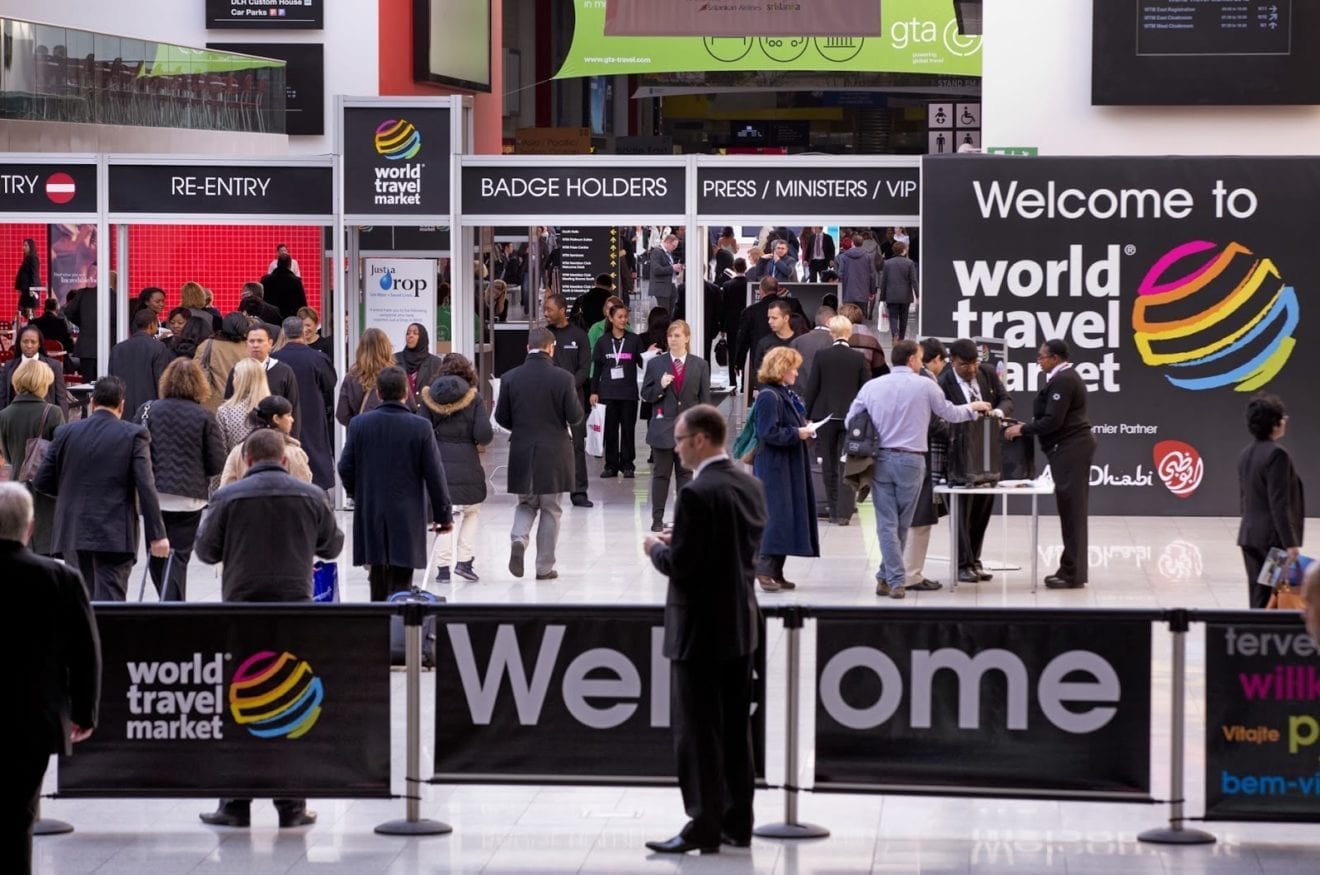
    The Tourism Ministry is promoting a tourism brand of Wonderful Indonesia at the global travel fair of World Travel Market (WTM) in London from November 7 to 9, 2016.

    By promoting the event, the ministry is featuring the beauty of Banyuwangi (East Java) images on five decker buses from October 31 till the end of November, according to a statement from the Tourism Ministry received by ANTARA here on Wednesday.

    Indonesia has signed an agreement as the prime sponsor of the travel fair. Tourism Minister Arief Yahya said the agreement will help in promoting Indonesian tourism.

    “WTM is a global travel fair. As in 2015, around 50 thousand tourism professionals from 183 countries participated in the fair,” the minister said.

    He added that WTM was an effective and efficient media to promote Indonesia and its tourism brand of Wonderful Indonesia in the global market.

    With a visa-free policy and deregulation on yacht or cruise ship travelling to Indonesia, the government expects 20 million foreign tourists by 2019, nearly double the target of 10.4 million set in 2015.

    At the fair, the Indonesian delegation will showcase UNESCOs world heritage of Borobudur Temple, Prambanan Temple in Central Java, diving spots in Raja Ampat in Papua, as well as golf, spa and shopping tour in Jakarta and Bandung (West Java).

    The UK and European Union are very important markets, as the number of potential tourists is quite great. Each tourist would stay at least for 10 days on average and would spend a huge amount during their trip.

  • RFID market is growing

    RFID market is growing

    IDTechEx Research has tracked the RFID market since 1999. IDTechEx find that in 2015, the total RFID market is worth $10.1 billion, up from $9.5 billion in 2014 and $8.8 billion in 2013. This includes tags, readers and software/services for RFID cards, labels, fobs and all other form factors, for both passive and active RFID. IDTechEx forecast that to rise to $13.2 billion in 2020.

    In retail, RFID continues to be adopted for apparel tagging – that application alone will demand 4.6 billion RFID labels in 2016 – which still has some way to go with RFID penetrating about 15% of the total addressable market for apparel in 2016. RFID in the form of tickets used for transit will demand 800 million tags in 2016. The tagging of animals (such as pigs, sheep and pets) is substantial as it continues to be a legal requirement in many more territories, with 420 million tags being used for this sector in 2016.

    In total, IDTechEx expects that 8.9 billion tags will be sold in 2015 and 10.4 billion in 2016. Most of that growth is from passive UHF RFID (RAIN RFID) labels. However, in 2015 UHF (RAIN RFID) tag sales by value will only be 11% of the value of HF tag sales, mainly because HF tags where used for security (such as payments, access etc) have a higher price point versus the cheaper, usually disposable UHF (RAIN RFID) tags used for tagging things.

  • Government to revitalize 1,000 traditional market centers in 2017

    Government to revitalize 1,000 traditional market centers in 2017

    The government will build and revitalize 1,000 traditional market centers in 2017 at a total cost of Rp3.7 trillion Fund.

    The Trade Ministry would build and revitalize 272 of the markets with the Aid Task Fund and 52 carry over project from 2016, Trade Minister Enggartiasto Lukita said.

    The remaining 728 units would be built and revitalized with the Special Allocation Fund (DAK) and fund from the Ministry of Cooperatives and Small and Medium Enterprises..

    Enggartiasto said the trade ministry had carry over projects to be implemented in 2017 was as a result of the cut in the budget for all ministries and government agencies including the trade ministry.

    “We will give priority to development of small traditional markets . The development and revitalization program would follow standardization of market and system of management,” he said.

    With the system the markets would be well maintained, he added.

    “Currently the traders pay fee but there is no accountability of the fee from the market management. The market management charges fee but the fund is not used to improve the service and for the maintenance of the market,” the minister said.

    In 2015, the government plans to build and revitalize 1,017 traditional market centers, including 182 units to be financed with TP fund, 770 units with DAK and 65 units with fund from the the Ministry of Cooperatives and Small and Medium Enterprises.

    Implementation of the plan in 2016 reached 99 percent with 1,002 units of market built and revitalized.

    In 2016, development of traditional markets with TP fund, 168 units with a budget of Rp1.46 trillion and 710 units within DAK of Rp1.006 trillion.

  • Take a bite out of the Indonesian digital pie

    Take a bite out of the Indonesian digital pie

    Recent research has highlighted the potential increase in digital ad spend in Indonesia over the next five years. Brands yet to venture into Indonesia’s booming digital ecosystem must expedite their entry strategies to ensure getting a share of this lucrative pie.

    A report has highlighted the growing potential of digital retail from Indonesia. This is attributed to the increasing use of mobile devices, especially with cheaper smartphones enabling a greater population to access the digital sphere. This rapid growth projects digital ad spending to increase to 20.4% of all media ad spending by 2018, up from 10.7% in 2016. This report illuminates the expanse of Indonesia’s digital ad market that could be further developed, and have an emergent interest in the technology amongst local advertisers.

    With the largest population in Southeast Asia, an exponential increase in digital adoption, and a seemingly insatiable appetite for e-commerce and social media, Indonesia is the puzzle every brand wants to solve.

    However, does this mean the death of the traditional advertising and offline retail? Are you as a marketer confident in leaving your brand in the hands of the bots?

    While digitisation has revolutionised the marketing function in Indonesia, brands cannot assume that a digital presence is the solution to building market share. Because of the increase in digital ad spending cited above, the question of effective brand engagement is more crucial than ever.

    So what can brands do to continue engaging their consumers beyond their finger-tips and into their hearts and minds? And more importantly, how can you build loyalty in a competitive market like Indonesia?

    Going beyond Digital

    The consumer journey is not limited to just the digital sphere. Rather than situating offline and online as extreme entities, they should be treated as a continuum. Take the example of Zalora. Marketed as the leading online apparel retailer in Asia, Zalora launched several pop-up stores in order to let consumers try their items before buying, thereby reducing return rates.

    Strategic alliances between logistic services and e-commerce consumer brands like Zalora are revolutionising the customer experience. The traditional is not dead. It is revamped with renewed excitement. Digital is an essential medium for marketers to reach out to their audience. This is more so imperative in the emerging scene of digital marketing in Indonesia to start with the right foot in.

    To take a first-hand look at how leading marketers are tackling Indonesia’s digital frontier, be involved in Digital Marketing Indonesia that is happening on 24th and 25th November at Mandarin Oriental, Jakarta.

  • Taiwan Cargo Market Stays Flat

    Taiwan Cargo Market Stays Flat

    With the Asian Development Bank lowering its forecast for Taiwan’s economic growth in 2016 to 1.1%, perhaps it shouldn’t come as a surprise that operators in the freight industry have been disappointed with how the market has performed.

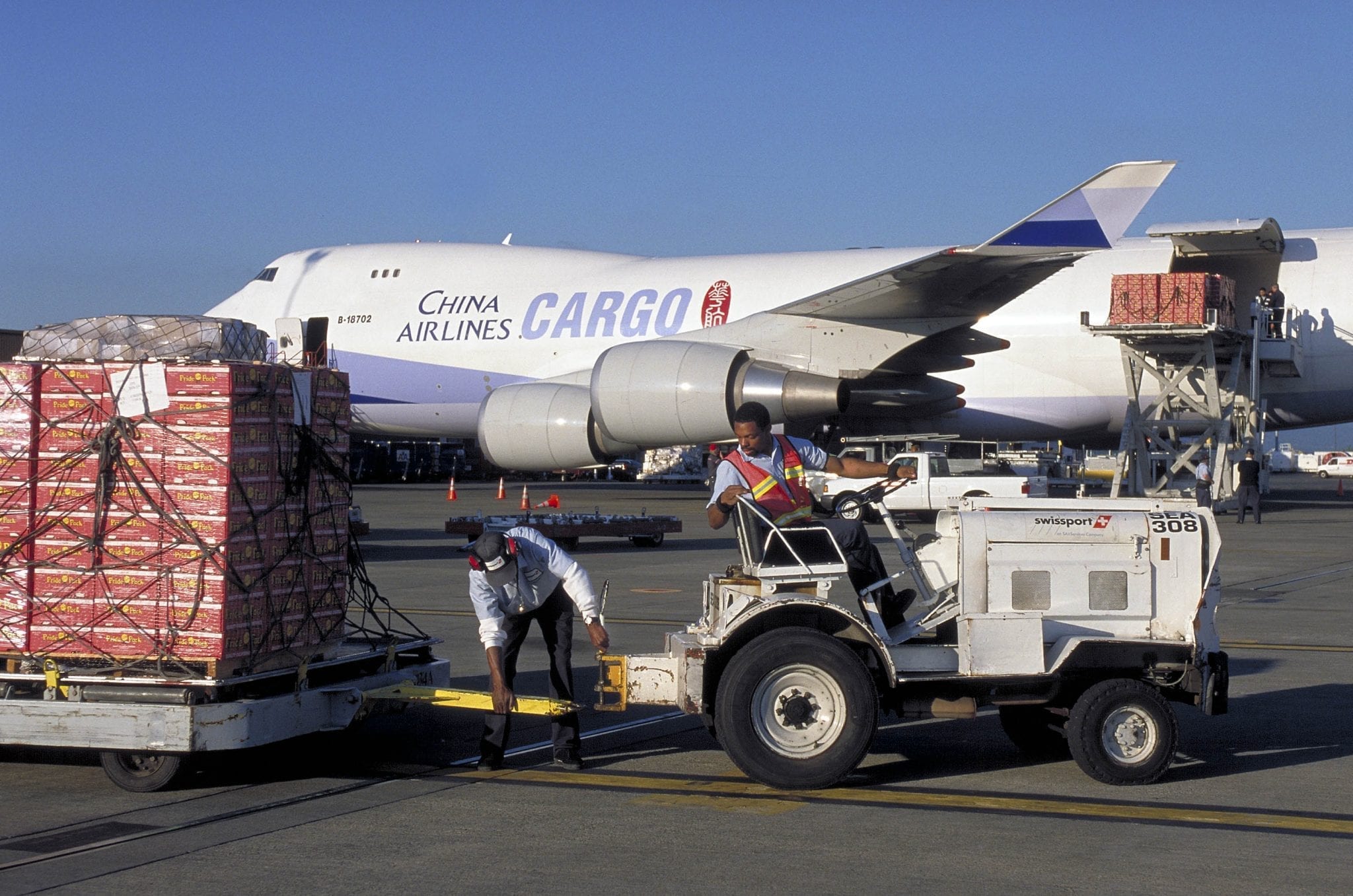
    Eddy Liu, vice president of cargo at China Airlines, says that the company’s first-half results were below expectations.

    “So far, air cargo demand has stayed flat and expansion in available freight capacity continues to outpace the growth in demand,” says Liu. “Under these circumstances, air cargo yields are slowly declining, consistent with persisting weakness in load factors, keeping downward pressure on our cargo business performance.”

    China Airlines is finding ways to address these weakening conditions to remain competitive. “We’re not only making efforts to improve the product mix by expanding the proportion of high-yield freight such as pharmaceuticals, aircraft parts and special cargo, but also focusing on developing and maintaining relationships with freight forwarders,” says Liu. “Furthermore, CI adopts revenue management tools to enhance the sales and space-control functions. In the next 12 months, the aforementioned strategies will still be the main priorities for us.”

    According to the International Air Transport Association, while annual growth in freight tonne kilometres rose to 5% year-on-year in July 2016, FTKs have overall only grown about 3% since the beginning of the year.

    “That’s why we put a lot of focus on the soaring e-commerce market and on strengthening our partnership with post offices and integrators,” says Liu. “Except working closely with postal agencies, particularly China Post and its brokers, Vietnam Post and Malaysia Post, CI also cooperates with UPS, FedEx, DHL, and SF Express to further enhance our revenues and business diversification. In addition, CI has been dedicated to exploring the freight-to-post business since the Taiwan Customs Administration permitted the addition of postal bags to transhipment cargo from March 31, 2015.”

    Another way in which the airline hopes to improve its competitiveness is with its order for 14 Airbus A350-900s. “The A350-900 is fuel-efficient and its payload capability is about 20% higher than other long-range aircraft,” says Liu. “Our new A350-900s will primarily be deployed on long-haul routes to Europe such as Amsterdam, Rome and Vienna, and to the United States, enabling CI to save cost and provide more useful cargo capacity if used on regular passenger operations.”

    The first frame was originally scheduled to be delivered in July 2016, but has since been pushed back to the end of September by Airbus because of production delays.

    “We have temporarily deployed other existing airplanes such as the Boeing 747-400, A330-300 and A340-300 in place of the new A350-900s,” says Liu. “So far there has not been any significant impact on our cargo operations.”

    The carrier is also growing its operations in Southeast Asia and the Indian subcontinent, which Liu says are two main drivers of the global economy and where demands for international shipments are still increasing.

    On top of passenger flights, China Airlines Cargo now serves Hanoi and Ho Chi Minh City four times a week each with 747-400Fs, and resumed dedicated main-deck capacity to Delhi with a weekly 747-400F flight from August 28, 2016.

    Liu says that, given the state of the global economy and the slowdown in the Asian manufacturing sectors, one might expect export growth in Taiwan to flatten out, but that hasn’t necessarily been the case.

    “Fortunately, the increasing global popularity of sports and recreation, as well as growing demand for electric vehicles, means that Taiwan’s functional textiles and electric-vehicle components will become key drivers of air cargo exports,” he says. “Moreover, air shipments of forged wheels, vaccines and semiconductor equipment are also rising.”

    On the other end of the cargo spectrum, the Taiwanese shipping industry has been experiencing similarly challenging conditions.

    “Affected by the slowdown of the world economy, Taiwanese exports suffered 17 straight months of decline, according to statistics released by Taiwan’s Ministry of Finance in early July,” says Lawrence Lee, president of Evergreen Marine Corporation. “In spite of the local market downturn, Evergreen Line managed to secure customer support and achieved a moderate increase in lifting performance during the first half of this year.”

    The first and foremost priority for Evergreen Line in the next 12 months, according to Lee, is to closely watch market developments and optimize service deployment so that company can return to a healthy level of profitability and maintain a sustainable service to its customers.

    Facilitating that is the completion of both the expanded Suez Canal and the expanded Panama Canal during 2016, which has enabled Evergreen to offer more capacity, shorter transit times and improved reliability.

    “We’ve been deploying 8,500 TEU L-type vessels on Far East-US East Coast all-water services since June, replacing Panamax ships of around 4,200 TEUs,” says Lee. “Our internal research indicates that the eco-friendly L-class vessels can offer the equivalent capacity of two traditional Panamax ships while at the same time reducing fuel consumption by 40% and lowering carbon emissions by the same percentage. These efforts are recognized by our customers, especially those who care about the carbon footprint in their supply chains.”

    Evergreen is also counting on its alliance strategy to help it tackle changes in the market. While it is currently still part of the CKYHE Alliance with COSCO Container Lines, “K” Line, Yang Ming and Hanjin, Evergreen announced in April 2016 that it would link up with CMA CGM, COSCO Container Lines and Orient Overseas Container Line to form a new alliance called the OCEAN Alliance, scheduled to begin in April 2017.

    “Our approach is to choose the most suitable partners that can provide complementary services to our network,” Lee says. “Such cooperation can produce synergy, enhance our competitiveness and enable us to cope with changing market demand. Together with the partners of the OCEAN Alliance, we can optimize our service network, expand port coverage, provide more direct sailings and shorten transit times. Most importantly, our service networks can be optimized to enhance our cost competitiveness.”

    In an environment with minimal growth but maximal competition, cost management has become ever more crucial and Lee is wary of how the market will play out in the short term.

    “Low cargo demand and tonnage oversupply have resulted in unsustainable freight rates and imposed heavy pressure on shipping companies,” he says. “Unless the global economy can regain growth momentum and produce sufficient cargo to reduce the gap between capacity demand and supply, the global shipping market, including the local market in Taiwan, is unlikely to pick up in the year ahead.”

  • Telecoms billing market on pace to $14b in 2022

    Telecoms billing market on pace to $14b in 2022

    The global telecom billing and revenue management market is expected to reach$14.2 billion in 2022 with a CAGR of 8% from $7.6 billion in 2014.

    The factors that are favoring the market growth include, hastily growing telecommunication sector, deployment of innovative services and increasing number of customers, whereas factors such as quick growth of subscribers, network clogging, plunge in quality of services, and fallout of services area are inhibiting the market growth.

    North America and Europe have the highest adoption of billing and revenue management in the telecom ecosystem and regions such as Asia-Pacific, Middle East and Africa along with Latin America offer a lot of opportunities for the vendors.

    Countries in Asia Pacific such as China and India have large subscriber bases and ever changing regulatory scenarios, thus creating demand for billing and revenue management solutions.

    The global telecom billing and revenue management market is segmented on the basis of deployment type, service, software, and geography. On the basis of deployment, the market is segregated into on-site and cloud.

    On the basis of service, the market is categorized into system integration, planning and consulting services, operations and maintenance services, managed services and others. The market is segmented on the basis of software into negotiation, revenue assurance, partner management, fraud management, billing and charging and others.

    The key players in the global telecom billing and revenue management market include Accenture, Cisco, Oracle, Ericsson, Hewlett-Packard (HP), SAP, Huawei Technologies, NEC, Amdocs and Comverse.

  • Public cloud market set to grow 17% in 2016

    Public cloud market set to grow 17% in 2016

    The worldwide public cloud services market is projected to grow 17% in 2016 to $208.6 billion, according to Gartner.

    The highest growth will come from IaaS, which is projected to grow 43% in 2016. SaaS, one of the largest segments in the global cloud services market, is expected to grow 22% in 2016 to reach $38.9 billion.

    “There’s no question there is great appetite within organizations to use cloud services, but there are still challenges for organizations as they make the move to the cloud,” said Sid Nag, research director at Gartner. “Even with the high rate of predicted growth, a large number of organizations still have no current plans to use cloud services.”

    IT modernization is currently the top driver of public cloud adoption, followed by cost savings, innovation, agility and other benefits. The focus on IT modernization indicates a more sophisticated and strategic use of public cloud services.

    Security and/or privacy concerns continue to be the top inhibitors to public cloud adoption, despite the strong security track record and increased transparency of leading cloud providers.

    Most organizations are already using a combination of cloud services from different cloud providers. While public cloud usage will continue to increase, the use of private cloud and hosted private cloud services is also expected to increase at least through 2017.

    The increased use of multiple public cloud providers, plus growth in various types of private cloud services, will create a multi-cloud environment in most enterprises and a need to coordinate cloud usage using hybrid scenarios.

    Although hybrid cloud scenarios will dominate, there are many challenges that inhibit working hybrid cloud implementations. Organizations that are not planning to use hybrid cloud indicated a number of concerns, including integration challenges, application incompatibilities, a lack of management tools, a lack of common APIs and a lack of vendor support.

  • Toyota with Daihatsu gets ready to enter small-car market

    Toyota with Daihatsu gets ready to enter small-car market

    The world’s largest carmaker, Toyota Motor, is finally getting ready to enter the Indian small-car market and challenge the dominance of Maruti Suzuki and Hyundai Motor in their bread-and-butter segment. The Japanese automaker and its unit specialising in small cars, Daihatsu Motor, are expected to drive in a new range of vehicles to India starting 2020-2021.

    A few days ago, Toyota and its fully owned Daihatsu unit announced plans to establish an internal company that will be responsible for compact vehicles for emerging markets, from product planning to production preparation. India is an integral part of this move. The structure of this new internal company is likely to be formed by January, 2017.

    The groundwork has already been done through various studies commissioned over the years, said people in the know of the plans. The Toyota-Daihatsu combine will target the A and B segments, where vehicles are typically priced below Rs 10 lakh. This segment, where Toyota currently has only a limited presence here with the Etios range, is the mainstay for Maruti and Hyundai Motor India.

    The branding for the products is yet to be defined. The new cars under the venture may be branded Toyota or Daihatsu, or it could be an all-new brand in line with how Toyota introduced a ‘Scion’ brand in North America in 2003 — the brand was discontinued this year.

    Through the proposed internal organisation, the objective is to develop and launch competitive compact vehicles in emerging markets based on Daihatsu’s approach to manufacturing affordable, high-quality products. While the small car champion will take the lead responsibility in this new initiative, in India, it will seek to gain from the parent’s understanding of the market.

    Vikram Kirloskar, vice chairman of Toyota Kirloskar, the Indian unit of Toyota, told ET that the initial target of the new company would be Asian countries and that joint decisions would be made to enable the effective use of both companies’ existing bases of operation.

    “We are happy to note that India is among the countries being considered as the responsibility of Daihatsu as the Indian market has strong need for compact vehicles in the B Segment and A Segment which is Daihatsu’s strong point. The priority would be to strengthen operations in each country by first enhancing the collective capabilities of the Toyota Group,” he said.

    More details on the initiative will be known by January of 2017, when the formal structure will be defined, Kirloskar said, while declining to comment on products or timelines.

    A person in the know of the plans said the vehicles would come around 2020 and conform to the BS-VI emission guidelines that would come into effect that year.

    It makes sense for Toyota to launch compact cars in India around 2020, by when the market would grow more than 70% from now and the buying power of the middle class would be much higher, said Gaurav Vangaal, senior analyst for forecasting at IHS Markit Automotive. “But then, countering the already strengthening Maruti and Hyundai won’t be an easy task, though the cars will be from Toyota,” he added.

    Daihatsu will be responsible for the development, procurement and production preparation for compact vehicles for emerging markets based on “DNGA”, a Daihatsu vehicle architecture now being defined, and Toyota will support these efforts by providing knowledge and resources. The business plans will be formulated jointly and, in India, the Toyota-Daihatsu combine is likely to use Toyota’s existing facility on the outskirts of Bengaluru. It factory has an annual capacity to produce 3.1 lakh vehicles and is being underutilised.

    Kirloskar said Toyota is learning about Daihatsu’s strengths, such as its work processes and approach to manufacturing at both its production and development workplaces. Daihatsu, on the other hand, is receiving various kinds of support related to the evolution of automobile manufacturing, such as information related to advanced technologies, starting with hybrids.

    “We are hopeful that by sharing and unifying strategies for the future, mutual synergies will be steadily achieved and result would be seen in India as well,” he added.

    Daihatsu has twice in the past attempted to enter the Indian market — first in late 2000 and then a few years later.

    According a person in the know of Toyota’s plans, the sourcing executives of Daihatsu have already met vendors to discuss a few projects.

    Another said future growth for the company would likely come from Asia. “The needs of these markets are different from the developed world; they can be catered only through Daihatsu’s small car,” he added.

    Daihatsu will launch a new generation Agya or Ayla — a small car sold in Indonesia — by 2019 and it is the same car which is being explored for the Indian market, said year another person. “The company has also studied the possibility of launching the B segment SUV for India.”

  • High-end luxury car market hit hard

    High-end luxury car market hit hard

    The bottom may already be falling out of the high-end luxury car segment because of the gloomy economy, but Indonesia’s tax amnesty scheme seems to be exacerbating the situation.

    This segment groups super sports car and ultra luxury limousine brands, namely Ferrari, Lamborghini, McLaren, Aston Martin, Rolls-Royce and Bentley.

    From January to August this year, a total of 91 of these cars were registered here, according to the Land Transport Authority. This is down 27 per cent or about a quarter from the 125 units registered in the same period last year.

    This is in stark contrast to the total year-to-date registrations for the overall car market, which soared 71 per cent from 33,673 to 57,468.

    According to some dealers, the high-end luxury car segment has been particularly quiet in the past couple of months since the start of the Hungry Ghost Festival, a period when prospective buyers traditionally refrain from making big-ticket purchases.

    Pang Cheong Yan, managing director of Wearnes Automotive, said: “Generally, people are becoming more cautious as they are not sure how long this current economic climate will continue.”

    Mr Pang, who is in charge of the Aston Martin and Bentley brands, added that it did not mean that this group of buyers is “less rich”.

    “They are just not willing to spend on discretionary items.”

    Melvin Goh, chief executive officer of EuroSports Global, said that the wealthy are being “more careful with their spending”. EuroSports distributes Lamborghini and Zonda, among other brands.

    Mr Goh said: “Business sentiment is weak and this has affected the Lamborghini business. Fortunately though, we have the LP580-2 Coupe and Spider priced below S$1 million and these are still selling.”

    Mr Goh explained that the S$1 million mark is a psychological barrier for many people, so anything just below it becomes a “magic number”.

    Besides the economy, however, some dealers said that Indonesia’s tax amnesty scheme is also hurting their business.

    The director of a high-end luxury brand, who declined to be named, said that as many as 30 per cent of his customers are wealthy Indonesians and “this group is gone”.

    He said that many are “scrambling for cash” to pay the taxman after having declared their assets to the authorities.

    “As for the rest who still have spare cash, they won’t spend until they are in the clear.”

    The head of another high-end luxury dealership agreed. He said that while the large majority of his customers – up to 90 per cent – are Singaporeans, some of the remaining 10 per cent are also feeling the heat from the tax amnesty issue.

    “For now, they are not going to be seen spending any of their money on expensive cars.”

  • Minister asks Garuda to be more aggressive in international market

    Minister asks Garuda to be more aggressive in international market

    Minister for State-Owned Enterprises Rini Sumarno has asked national carrier PT Garuda Indonesia to act more aggressively, especially in promoting itself in both local and international markets.

    “The Minister asked us to continue to enhance our synergy with other state-owned enterprises in expanding Garudas infrastructure and services,” said CEO of Garuda Indonesia Arif Wibowo, after a meeting with Minister Rini Sumarno in the Ministrys offices in Jakarta, Tuesday.

    During the meeting, which was also attended by the Ministrys Deputy of Finance, Survey and Consulting Gatot Trihargo, Garuda was asked to be more aggressive in their future development, including by strongly cooperating with their subsidiary business, Citilink.

    “To dominate the domestic, regional and international market, Minister Rini Sumarno emphasized the importance of connecting time between flights, as well as adding more routes to the existing ones, especially to tourist destinations,” he added.

    In relation to that, he further explained that the airline is planning to open a new route from Jakarta to Labuan Bajo, East Nusa.

    “Direct flights from Jakarta to Labuan Bajo, East Nusa will officially start Oct 27. A route to the same destination has actually been operating from Denpasar, Bali. The new route from the capital city to Labuan Bajo can become the bridge to direct connections to our international routes,” he reiterated.

    In its initial phase, the new route from Jakarta to Labuan Bajo will operate daily at 10 am.

    “If the demand for it continues to rise, we can then add more flight times there,” he remarked.

    According to the Ministers directives that seeks additional domestic, regional and international flights, he said, the airline have brought in 50 Boeing737 MAX airplanes, while Citilink brought in 50 Airbus A320 airplanes.

    “We need to be more aggressive in adding more narrow body airplanes, in order to strengthen our domestic networks,” he stated.

    On the same occasion, Garuda and Citilinks market share also moved forward, as it is hoped to reach 50 percent in the domestic market, compared to its value at the moment, which is 44 percent.

    “The Minister wants us to also dominate the domestic market. We are asked to calculate it in detail, so we can reach that target. As for the international market, Garuda is targeted to dominate 50 percent of the Chinese and Middle Eastern markets, whereas, at the moment, we hold about 38 percent of it,” he noted.

    Additionally, the national carrier will open a new international route from Denpasar, Bali to Chengdu, China starting January 2017.

  • Healthcare SCM market worth US$2.22 billion by 2021

    Healthcare SCM market worth US$2.22 billion by 2021

    A market research report “Healthcare Supply Chain Management Market by Component (Software (Inventory (Order and Warehouse Management), Purchasing (Supplier, Strategic Sourcing)), Hardware (Barcode, RFID)), Delivery Mode (On-premise, Cloud) and End User – Global Forecast to 2021″, published by MarketsandMarkets, studies the global market during the forecast period of 2016 to 2021. This market is expected to reach USD 2.22 Billion by 2021 from USD 1.45 Billion in 2016, at a CAGR of 8.9%.

    This market is expected to reach US$2.22 Billion by 2021 from US$1.45 Billion in 2016, at a CAGR of 8.9%.

    Factors such as the Unique Device Identification (UDI) initiative by the FDA, rising adoption of cloud-based solutions, increasing pressure faced by hospitals to improve operational efficiency and profitability, and compliance of the G1 system standards in various countries are driving the growth.

    Moreover, the superior supply chain performance, mobile-based solutions, and counterfeiting of drugs in the pharmaceutical industry are expected to offer significant growth opportunities for players. On the other hand, the high price of the healthcare supply chain management (SCM) software and fragmented end-user market are expected to restrain the growth of this market.

    In this report, the market is segmented on the basis of component, delivery mode, end user, and region.

    Based on applications, the market is segmented into bariatric surgery, gynecological surgery, general surgery, urological On the basis of component; the global Healthcare Supply Chain Management Market is broadly segmented into software and hardware. The software segment is estimated to account for the largest share in 2016, while the software segment is projected to grow at the highest CAGR in the forecast period.

    Based on delivery mode, the market is segmented into web-based, on-premise, and cloud-based delivery modes. The web-based segment is estimated to account for the largest share of the global Healthcare Supply Chain Management Market in 2016. Web-based models help to reduce operational and administrative expenses. This advantage is contributing to the large share of this segment.

    Based on end user, the market is broadly segmented into manufacturers, providers, and distributors. The manufacturers segment is estimated to account for the largest share of the global Healthcare Supply Chain Management Market in 2016. The providers segment is projected to grow at the highest CAGR.

    Geographically, the Healthcare Supply Chain Management Market is divided into North America, Europe,Asia-Pacific, and the Rest of the World (RoW). In 2016, North America is estimated to account for the largest share of the Healthcare Supply Chain Management Market, followed by Europe, Asia-Pacific, and the RoW (rest of the world). The North American market is also projected to grow at the highest CAGR and serve as a revenue pocket for companies offering healthcare supply chain management solutions.

    Prominent players in the global Healthcare Supply Chain Management Market are SAP SE (Germany), Oracle Corporation (U.S.), Infor Inc. (U.S.), Global Healthcare Exchange (GHX) (U.S.), McKesson Corporation (U.S.), TECSYS Inc. (Canada), Jump Technologies, Inc. (U.S.), and LogiTag Systems Ltd. (Israel).

  • Indonesia to overtake Brazil and Mexico as 4th largest smartphone market in 2020

    Indonesia to overtake Brazil and Mexico as 4th largest smartphone market in 2020

    Global prospects for wearable electronics continue to be strong with retail value sales projected to grow by 138% to become a US$45 billion dollar industry in 2021, remaining the worlds second best-selling product behind smartphone

    Euromonitor International’s new data released Tuesday on the global consumer electronics industry also said new products like smart wearables and wireless speakers and innovations like Ultra HD and convertible laptops resonate with the shift in consumer preferences.

    These products command higher retail selling prices, helping boost profit margins of manufacturers and retailers, says Head of Consumer Electronics at Euromonitor International, Wee Teck Loo.

    While wearable electronics demand is growing, Emerging markets like India and Indonesia provide plenty of untapped opportunity for smartphones due to the huge pool of feature phone upgrades.

    Indonesia is projected to overtake Brazil and Mexico as the fourth largest smartphone market reaching almost $1 billion dollar sales in 2020, adds Loo.

    The top-10 smartphone markets in 2021 are projected to be: 1. China 2. India 3. US 4. Indonesia 5. Brazil 6. Russia 7. Mexico 8. Japan 9. Philippines 10. United Kingdom

  • India becomes Honda’s biggest 2 wheeler market

    India becomes Honda’s biggest 2 wheeler market

    Riding on a sustained double-digit growth in scooter volumes, Japanese auto major Honda has seen India emerge as its biggest two-wheeler market this financial year.

    Honda Motorcycle and Scooter India (HMSI) recently overtook the company’s volumes from the Indonesian market.
    Into the sixth year of the split with its Indian partner Hero, HMSI has sold 1.23 million units during the April-June quarter, 16 per cent more than the 1.06 million units sold in Indonesia.
    The corresponding volumes for India and Indonesia last year was 1.01 million and 1.03 million units, respectively. With this increased volume, India now brings 29 per cent of Honda’s global two wheeler sales compared to 25 per cent a year ago.
    In Indonesia, for instance, it commands 80 per cent share; the share in Vietnam is 70 per cent of the market.

    “Considering the low two-wheeler penetration in India, we believe that it will continue to lead the global two-wheeler market, as new demand will continue to come from rural and semi-urban areas in the future. The road infrastructure is increasing rapidly while public transport is not able to meet daily commuting needs of millions,” said Y S Guleria, senior vice-president, sales and marketing, HMSI.

    Honda is the second-biggest two-wheeler player in the Indian market.

    It is also present in the passenger vehicle market, where it is the sixth-largest player and has a five per cent share.

    In the two wheeler market, however, Honda enjoys a 28-per cent market share though Hero MotoCorp is the leader with a 37-per cent share. In the scooter segment, Honda sits on a strong 59-per cent share. It is this segment that is driving the company’s India volumes.

    Scooters account for two-thirds of HMSI’s India sales, up significantly from 54 per cent a year ago. The scooter market has grown 24 per cent this year so far on a rising base, helped by double digit growth for last two consecutive years. Motorcycles, as a segment, did not do well for last two years due to weakness in rural markets on sub normal monsoon. That is set to change this year.

    Improved sentiments in rural markets due to good rainfall and higher wages of the government employees will be positive growth triggers for the industry. Guleria said the Indian market has been showing constant growth in recent years while other big markets such as Indonesia and Brazil have been showing downtrend due to their economic slowdown.
    HMSI saw a capacity addition in June this year with the opening of its dedicated scooter plant in Gujarat that added 1.2 million unit annual production capacity. HSMI aims to end this year with total sales of 5.4 million units, up 26 per cent from last year’s 4.28 million units. Honda globally is expected to sell 18 million units this year.