Tag: Marketing

  • ANA Introduces Framework to Standardise Retail Media Measurement

    ANA Introduces Framework to Standardise Retail Media Measurement

    The Association of National Advertisers (ANA) has unveiled a new framework designed to tackle measurement challenges within the rapidly expanding retail media sector. This initiative comes as over US$100 billion is now invested globally in commerce media, with retail media networks struggling to provide consistent and comparable performance metrics across platforms.

    The ANA’s Retail Media Measurement Standardization report proposes a path towards a unified measurement ecosystem. It advocates for common standards across diverse retail media networks, increased transparency in performance calculations, and a greater reliance on independent third-party measurement providers. Leading brands, including PepsiCo, Hershey’s, Clorox, Kimberly-Clark, Mondelez, Bayer, and Intel, contributed to the framework’s development through the ANA’s Retail Media Working Group.

    Addressing Fragmentation in Retail Media

    Retail media has become one of the fastest-growing segments in the media mix, attracting significant brand investment. However, the fragmented nature of the ecosystem makes it difficult for marketers to compare the effectiveness of their spending across different platforms. This new framework seeks to establish a foundational measurement standard, allowing brands to better understand what truly drives results and to optimise their media strategies more effectively.

    For retailers and brands operating in Asia-Pacific, where e-commerce and digital retail media are also experiencing explosive growth, standardisation is crucial. As platforms like Lazada, Shopee, and regional supermarket chains expand their advertising offerings, consistent measurement practices would enable brands to allocate budgets more strategically and demonstrate clear returns on investment across diverse Asian markets. This move by the ANA provides a potential blueprint for similar efforts in the region, helping to mature the retail media landscape.

    Call For Transparency And Independent Verification

    The framework highlights three key areas for improvement: the establishment of common measurement standards that all retail media networks can adopt, enhanced transparency regarding how performance metrics are calculated and presented, and a wider acceptance and use of independent third-party measurement solutions. These recommendations aim to instill greater confidence among advertisers and foster healthier competition within the retail media space.

  • Australian Retail Media Growth Needs Surgical Approach, Not Broad Strokes

    Australian Retail Media Growth Needs Surgical Approach, Not Broad Strokes

    Australian retailers and brands are being urged to adopt a more precise, data-driven approach to retail media, moving away from traditional broad-stroke advertising. Experts from Omnicom and Flywheel Australia highlight that significant growth in the Australian market is often missed by conventional spending, which fails to identify specific products, shopper segments, and critical moments that drive compounding sales.

    According to Mohammad Heidari Far, Managing Director of Flywheel Australia, the unit of precision required for effective retail media is much smaller than most current strategies allow. He emphasizes that treating diverse shopper groups, such as grocery, marketplace, and quick commerce customers, as a single audience is a misstep. Instead, surgical growth begins with identifying the initial product a customer buys, as this ‘point of market entry’ can predict their long-term value (CLTV) to the brand portfolio.

    Targeting Hidden Growth Pockets

    This refined approach relies on connecting product-level purchase data directly to a customer’s identity, transforming targeting from probabilistic guesswork into a near-deterministic process. An example cited involves a consumer health group with two related brands. Cross-purchase analysis revealed that 24 per cent of new-to-brand customers for the first brand bought a product from the second brand within three months, often on a different day, showing a sequential path that a single-brand view would not typically detect.

    Such insights allow brands to deliberately engineer customer journeys rather than leaving them to chance. Other insights reveal that shoppers who convert more than a day after seeing an advertisement tend to have larger basket sizes, indicating that plans solely focused on same-day returns may undervalue their most valuable customers.

    using Data and Automation

    In Australia, precision data access varies significantly. While Amazon offers self-service access to product and customer signals, similar insights from other major retailers typically require collaboration with their internal media teams, introducing potential delays and interpretation layers. Far suggests that brands should utilize mature environments like Amazon to develop frameworks and ‘muscle memory’ for precise targeting, preparing them to exploit similar capabilities as other retail media networks in the region evolve.

    Managing thousands of micro-segments manually would be overwhelming, so automation is key. Flywheel Commerce Cloud provides a standardized layer that handles repeatable decisions, freeing human teams to focus on critical judgement calls, such as identifying key ‘front door’ products or strategic cross-brand paths to fund. This blend of automation and human insight proved effective for the consumer health brand, which re-sequenced its plan around these signals for a major sales event. By retargeting first-brand buyers with the second brand at opportune moments and applying negative targeting at pharmacy retailers to ensure incremental sales, the brand saw new-to-brand sales rise by 47 per cent and return on ad spend more than doubled year-on-year. This precision also led to a fall in cost per click during peak trading due to hour-by-hour bidding adjustments.

    The Australian retail market is highly concentrated, with five major retailers commanding roughly a third of all sales. In this environment, brands that can surgically identify and pursue growth opportunities will gain a competitive edge over those with broader, less targeted spending. The focus shifts from simply measuring sales volume to understanding customer entry points that can build sustained growth over several years.

    Retailers across the Asia-Pacific region, many of whom are developing their own retail media networks, could benefit from similar data-driven strategies. As e-commerce penetration and digital advertising grow across markets like Southeast Asia and India, the ability to turn broad customer data into actionable, surgical campaigns will be a crucial differentiator for brands seeking to optimize their marketing spend and deepen customer relationships.

  • Starbucks Korea Hit Hard by Backlash over Controversial Marketing Campaign

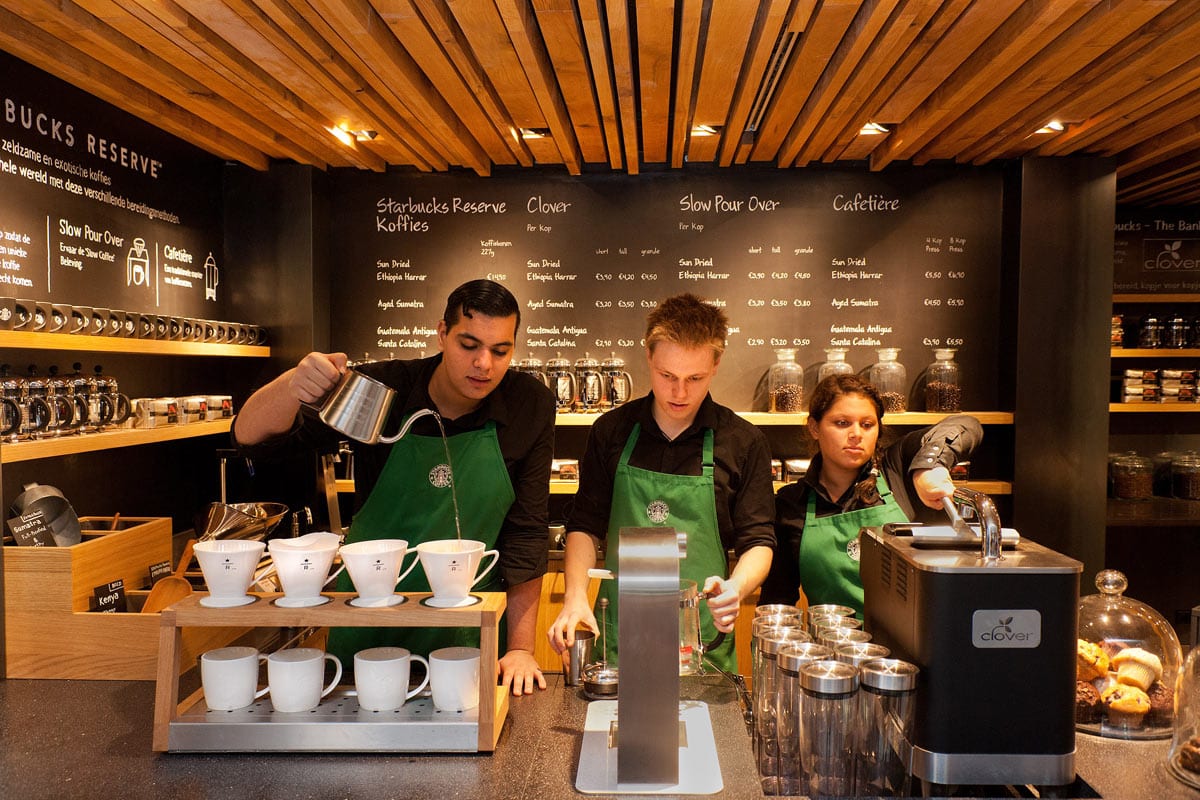
    Starbucks Korea Hit Hard by Backlash over Controversial Marketing Campaign

    In the second quarter, Starbucks Korea’s operator, SCK Company, suffered an operating loss due to a decrease in sales. This followed negative reactions to an ill-received marketing campaign and the suspension of its high-profile summer promotion.

    The operating loss for the second quarter amounted to 18.4 billion won (US$13.4 million), in contrast to the 40.3 billion won operating profit registered in the same period the previous year and the 29.3 billion won profit of the preceding quarter.

    The summer promotional campaign, regularly held in June by SCK, the Starbucks Korea operator, was conspicuously absent this year. This decision was confirmed during an earnings announcement made by E-Mart, SCK’s parent company.

    In a related incident in May, Starbucks Korea came under fire for their ‘Tank Day’ tumbler campaign, which coincided with May 18, triggering criticism for its inappropriate reference to the 1980 Gwangju pro-democracy uprising. In response to the public outcry, Starbucks Korea suspended the campaign and issued an apology.

    As a result of the controversy, the Shinsegae Group, the parent company of Starbucks Korea, dismissed the head of Starbucks Korea. Following this, the group reported a “very significant” drop in sales. They further addressed the issue by implementing historical awareness and social sensitivity training for their staff.

    Despite these events, E-Mart did not directly attribute the controversy or the subsequent calls for a boycott as the immediate cause for the decline experienced in the quarter.

    Questions & Answers

    What was the operating loss of Starbucks Korea’s operator, SCK Company, in the second quarter?
    The operating loss of SCK Company in the second quarter was 18.4 billion won (US$13.4 million).

    What was the controversy regarding Starbucks Korea’s marketing campaign?
    The ‘Tank Day’ tumbler campaign by Starbucks Korea faced criticism for its inappropriate reference to the 1980 Gwangju pro-democracy uprising, leading to public outcry and a subsequent boycott.

    How did the parent company of Starbucks Korea respond to the controversy?
    The Shinsegae Group, the parent company of Starbucks Korea, dismissed the head of Starbucks Korea following the controversy. They also reported a significant drop in sales and initiated historical awareness and social sensitivity training for their staff.

  • Starbucks Korea HQ Searched amid Controversial Marketing Investigation

    Starbucks Korea HQ Searched amid Controversial Marketing Investigation

    South Korean authorities have recently conducted a search at the main offices of Starbucks Korea. The search forms part of an ongoing inquiry into a contentious marketing campaign released earlier this year that led to extensive criticism.

    The campaign in question is alleged to have made reference to the 1980 military imposition on pro-democracy advocates in Gwangju, an action that sparked a significant public outcry due to its perceived insensitivity. As a result of the public backlash, Starbucks Korea reported a drastic dip in sales in May.

    The Shinsegae Group, the parent company of Starbucks Korea, had previously submitted documentation and other pieces of evidence. However, the recent search aimed to uncover additional documents and evidence not included in the earlier submission.

    Implications on Shinsegae

    The controversy has also had an adverse effect on the Shinsegae Group, with the aftermath leading to a decrease in its share value. The chairman of Shinsegae, Chung Yong-jin, issued a public apology in response to the controversy surrounding the marketing campaign. The retail giant also terminated its contract with Starbucks Korea’s chief, Sohn Jeong-hyun, attributing his dismissal to his responsibility for the inappropriate marketing endeavor.

    Both Starbucks Korea and Shinsegae have confirmed their understanding of the search as part of the ongoing investigation into the company.

    Questions & Answers

    **What was the cause of the investigation into Starbucks Korea?**
    The investigation was launched in response to a marketing campaign released by Starbucks Korea. The campaign reportedly referenced the 1980 military crackdown on pro-democracy protestors in Gwangju, which led to widespread public criticism due to its perceived insensitivity.

    **What was the impact of the controversial campaign on Starbucks Korea?**
    The backlash from the controversial campaign caused Starbucks Korea to report a significant decrease in sales in May.

    **What action did Shinsegae Group take in response to the controversy?**
    In the wake of the controversy, Shinsegae’s chairman, Chung Yong-jin, issued a public apology. The group also dismissed Starbucks Korea’s chief, Sohn Jeong-hyun, attributing his dismissal to his role in the controversial marketing campaign.

  • Will Australia Clamp Down on Infant Formula Ads? Exploring New Federal Consultation on Marketing Restrictions

    Will Australia Clamp Down on Infant Formula Ads? Exploring New Federal Consultation on Marketing Restrictions

    Australian Government Considers Infant Formula Marketing Regulations

    The Australian federal government recently invited public responses to a consultation paper, exploring the potential introduction of laws to limit or completely halt the marketing of infant formula across the country. This open consultation has been set to terminate by April 10.

    Since February 2025, manufacturers of Australian infant formula have been adhering to an agreement, albeit voluntary, to avoid advertising formula milk products for babies who have not yet reached their first birthdays. The unstated goal of this agreement was to encourage and safeguard the practice of breastfeeding.

    However, with recent statistics indicating a lower-than-expected rate of breastfeeding in the country, the government has decided against renewing the voluntary arrangement. Instead, it is now considering implementing stricter measures.

    While these new measures do not directly advocate breastfeeding, they are designed to curb marketing strategies that present formula milk as a similar or better alternative.

    Our evaluation of online ads for infant formula aimed at Australian parents shows that companies exploit parental fears. This also illustrates the issues arising from a voluntary arrangement.

    The Problem with Formula Advertising

    Breastfeeding offers substantial health benefits to both the mother and baby. These include safeguarding newborns from gastrointestinal and respiratory infections, lowering the risk of obesity and type 2 diabetes in later life, and reducing the likelihood that mothers will develop ovarian and breast cancer.

    For these reasons, Australian guidelines advise exclusive breastfeeding for the first six months after birth. The World Health Organization recommends continued breastfeeding for the first two years.

    In Australia, while breastfeeding rates are high at birth, they swiftly decline. Only 37% of babies were reported to be exclusively breastfed by six months in 2022.

    There are various factors contributing to a mother’s decision not to breastfeed, but advertising of formula products is a key concern. Such advertising has been shown to create confusion among parents about the nutritional benefits of formula versus breast milk, decrease breastfeeding initiation and duration, and present formula as a superior choice in the face of breastfeeding difficulties.

    Formula milk is crucial and often the only option for those who cannot breastfeed. However, it is also costly and can place financial stress on families, especially during the first year of a child’s life.

    Online advertising differs significantly from traditional ads. Online, ads are targeted based on people’s search and browsing histories or life events, reaching new or expecting parents at times when they may be most uncertain or susceptible to suggestion.

    Infant Formula Advertisements: What Are They Promising?

    The ADM+S Australian Ad Observatory, which we and our colleagues manage, collects data on ads encountered by Australians online in order to understand how digital advertising systems work.

    In 2022, we collected ads from 1200 Australian adults who voluntarily installed a plug-in on their browsers to capture ads while they browsed Facebook. Since 2025, we have been collecting ads from about 300 Australians who use an app to share ads that appear while they scroll through Facebook, Instagram, TikTok and YouTube on their phones.

    In this analysis, we studied ads collected in both years and identified 158 ads promoting formula products from local and international brands.

    We found brands used various tactics to attract parents. Some highlighted positive customer reviews or offered complimentary downloadable cookbooks and baby-proofing guides for homes.

    Other ads were in collaboration with prominent retailers, directing people to online shopping interfaces with “buy now” buttons.

    Most formula brands made some claims about the nutritional or behavioural benefits of their products. These claims exploit the anxiety parents often feel about their children meeting nutritional, sleep and developmental milestones.

    Some manufacturers claimed their product was fortified with vitamins and prebiotics that would “improve gut health” or help a toddler sleep longer at night.

    Others claimed their formula would give mothers “a moment of calm” or strengthen their toddler’s immune system. This is despite scientific evidence showing that breast milk can provide necessary antibodies to a sick child in real time.

    Starting early: The Problem with the Voluntary Advertising Agreement

    Many ads used images of very young toddlers who could easily be mistaken for infants aged 12 months or under. In one case, we found an ad explicitly promoting formula designed for babies under 12 months.

    This, along with the use of images of very young children to market ‘toddler milk’ (formula marketed for children aged one to three years), underscores some of the problems with a voluntary advertising agreement.

    Since toddler milk marketing was exempt, brands could target parents of newborns. This would generate brand awareness and consumer trust, potentially leading a parent to choose to start their child on formula instead – or earlier than they otherwise would.

    Enforcement has also been a challenge. The penalties for violating the agreement – listing the breach on the Department of Health website – have not been viewed as severe enough by the Australian Competition and Consumer Commission.

    Moreover, the digital advertising environment offers little visibility into what marketing is actually in circulation or who is being exposed to it.

    Outside of specialised research tools like our Ad Observatory and the Australian Internet Observatory, there is no systematic method for observing infant formula ads appearing on personalised social media feeds.

    Potential Government Actions

    The government is mulling over several options:

    Maintaining the status quo – no regulation.
    Introducing legislation mirroring the former voluntary agreement, preventing promotion of infant formula (for babies aged 12 months or under).
    Introducing legislation that also restricts toddler milk marketing (for children aged one to three years).
    We have provided all our data to the government to assist in the decision-making process. However, while the ads we discovered provide a glimpse behind the scenes, they likely underestimate the extent of formula marketing happening online.

    Infant formula can be a critical, sometimes life-saving, intervention for families in need. However, health interventions do not require persuasive advertising to fulfil their purpose.

    The essential policy question is whether a product designed to support infants should be promoted through the same marketing systems selling snack foods, cosmetics and financial products.

    Questions & Answers

    Why is the Australian government considering legislation to restrict infant formula marketing?
    The Australian government is considering this move due to concerns over lower-than-expected rates of breastfeeding in the country. There is a belief that marketing strategies by formula manufacturers might be presenting formula as a preferable choice to breastfeeding, potentially influencing parents’ decisions.

    What are the key issues with formula advertising?
    Formula advertising may cause confusion among parents about the nutritional benefits of formula versus breast milk. Ads may also suggest that formula is a superior alternative when facing breastfeeding challenges. Furthermore, these ads may exploit parents’ anxieties about their children’s nutritional and developmental needs.

    What are the potential options the government is considering regarding the regulation of infant formula marketing?
    The government is considering several options: maintaining the current situation with no regulation; introducing legislation similar to the former voluntary agreement that prevents the promotion of infant formula for babies aged 12 months or under; or introducing legislation that also restricts the marketing of toddler milk for children aged one to three years.


  • Nespresso Stirs Up Retail Innovation: Merging Experiential Marketing with Everyday Coffee Culture

    Nespresso Stirs Up Retail Innovation: Merging Experiential Marketing with Everyday Coffee Culture

    In the current retail landscape, the focus has shifted from transactional success to experiential design. Retail spaces are no longer merely about selling products but aim to evoke emotions and offer unique experiences. High-end pop-ups and roving coffee vans are becoming more common as retailers transform retail into a theatrical performance, driven by lifestyle trends and emotional resonance.

    This transformation is evident in Nespresso’s recent marketing initiatives. NespressoGo, a mobile, multi-city campaign, has redefined Australia’s morning coffee rituals. Nespresso’s successful marketing approach has always been centered around the idea of coffee as an experience rather than just a product. The brand’s boutique design, packaging, and storytelling have transformed a daily habit into a premium lifestyle experience.

    In spring, Nespresso launched its silver van onto Bennelong Lawn, introducing a ‘Happy Hour’ campaign. The campaign, featuring sunrise run clubs, live DJs, and iced lattes, was designed to appeal to a new generation that thrives outdoors and online.

    The campaign was inspired by the cultural shift among Gen Z and millennials toward early mornings as a time for wellness, creativity, and connection, according to Burcu De La Cruz, Nespresso ANZ’s marketing manager for brand, communications, and sustainability. The success of earlier campaigns in Bondi and Collingwood inspired the brand to expand the concept nationally with sunrise pop-ups in Sydney, Melbourne, and Brisbane, in collaboration with run clubs.

    This strategic expansion of Nespresso’s retail experience allowed the brand to interact with consumers outside traditional retail environments. This strategy aligns with Nespresso’s broader goal of combining luxury with accessibility, creating immersive brand moments that reflect changing consumer lifestyles. De La Cruz notes that these lifestyles are rapidly evolving, with morning culture at its peak and a growing preference among young Australians for iced coffee and digital-first engagement.

    Many of the experiences offered by Nespresso were designed to be “social-media friendly,” creating a wider reach through influencer and user-generated content.

    The Return of Presence

    Post-digital retail trends highlight a renewed desire for physical, sensory connection. Consumers are starting to perceive friction in shopping as a luxury, and in response, retailers are creating experiences that leave a lasting impression.

    Examples of this trend include Mecca’s ‘beauty atelier’ in Australia and Nike’s House of Innovation concept stores globally. These experiential stores merge brand architecture with entertainment, encouraging visitors to create content as they shop.

    Experiential retail is also a thriving data strategy. Pop-ups and events provide live behavioral insights that cannot be replicated through e-commerce. For instance, Nespresso’s roaming van serves as a research lab, gathering social metrics and demographic data while embedding itself in community activities.

    This trend upends traditional retail norms by prioritizing connection over transaction and brand immersion over brand awareness.

    The Future of Feeling

    As AI personalization and one-click checkout become more commonplace, emotional engagement is emerging as the new brand differentiator. Future retail success may depend on brands’ ability to shape mood as effectively as they manage inventory.

    Nespresso and other forward-thinking brands are creating experiences that ‘move’ rather than simply sell. The goal, as De La Cruz states, is to “blend luxury with accessibility” – to make the extraordinary feel commonplace. Today, retail is defined not by its shelves but by its stages, where commerce, culture, and community converge for a shared coffee at dawn.

    Questions & Answers

    What is the current trend in retail?
    The current trend in retail is moving towards experiential design, where retailers aim to create unique experiences and evoke emotions rather than solely focusing on selling products.

    How are brands like Nespresso adapting to these trends?
    Nespresso is creating immersive experiences that blend luxury with accessibility. They’re leveraging ‘social-media friendly’ events and mobile campaigns to engage with consumers in their lifestyle habits, particularly those of younger demographics.

    What does the future of retail look like?
    The future of retail is likely to prioritize emotional engagement and brand immersion. As aspects like AI personalization and one-click checkout become standard, brands will need to distinguish themselves by creating experiences that resonate with consumers on an emotional level.

  • Mondelez Harnesses Ai To Cut Marketing Costs And Revolutionize Tv Advertising

    Mondelez Harnesses Ai To Cut Marketing Costs And Revolutionize Tv Advertising

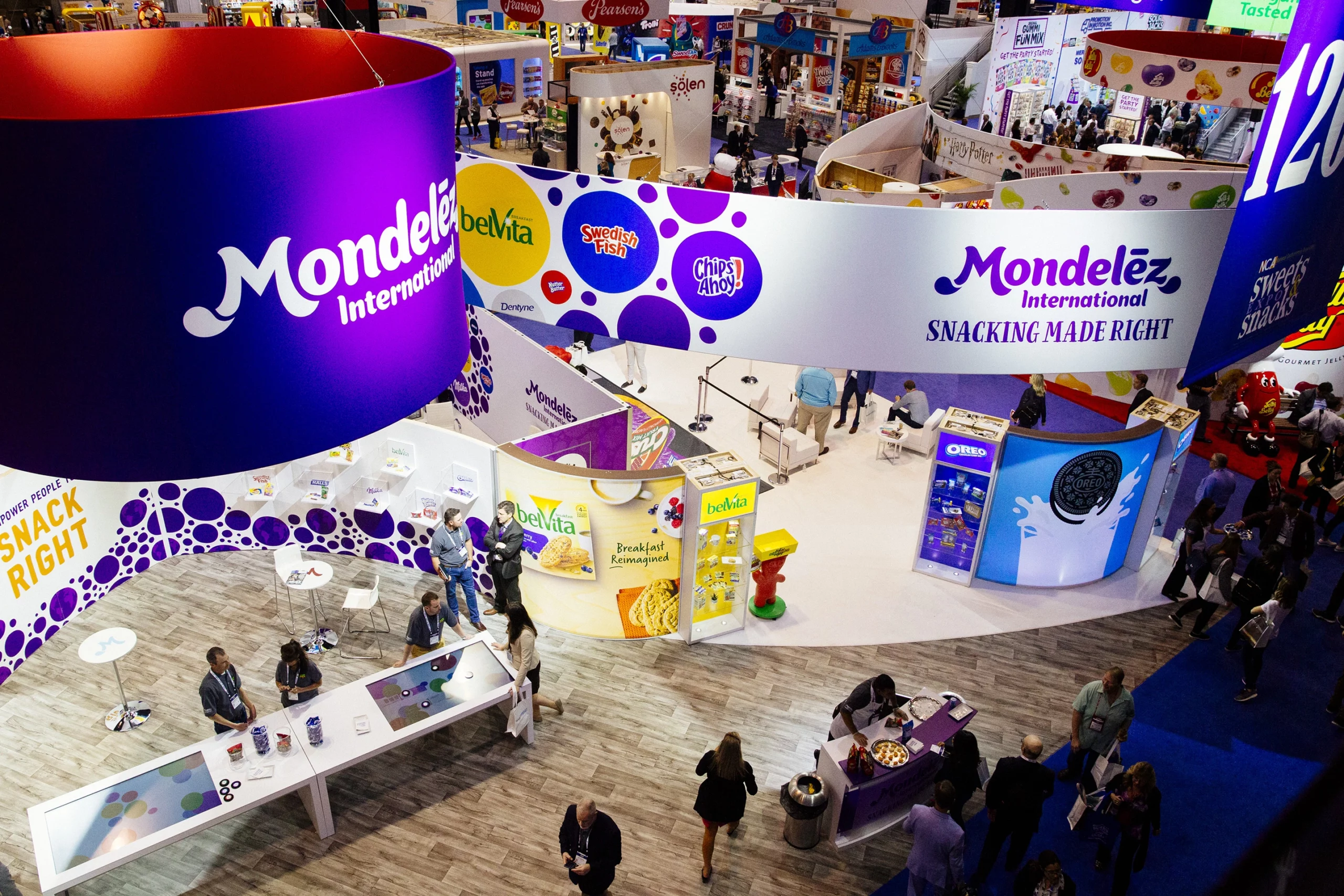
    Mondelez, the renowned snack producer, has taken a step forward in leveraging artificial intelligence (AI) to reduce the expenses involved in creating marketing content by 30% to 50%. They have collaborated with advertising firm, Publicis Groupe, and IT company, Accenture, to develop an innovative AI tool.

    Revolutionizing TV Ads with AI

    Jon Halvorson, Mondelez’s global senior vice president of consumer experience, revealed the company’s ambitious plan to use this tool for generating short TV commercials which can be broadcasted as early as the upcoming holiday season. Notably, the company also has its sights set on creating ads for the 2027 Super Bowl.

    The manufacturer of Cadbury chocolate has invested more than $40 million into this AI initiative. Halvorson predicts the tool’s ability to create more intricate videos would lead to an increase in cost savings.

    Adopting AI amid Economic Challenges

    Like many consumer goods companies dealing with tariffs and decreasing customer budgets, Mondelez is turning to AI as a solution to reduce the fees associated with advertising agencies and accelerate product development and sales cycles.

    Other industry players such as Kraft Heinz, the maker of macaroni and cheese, and beverage giant Coca-Cola have also been experimenting with AI for their advertising efforts.

    AI-Powered Social Media Content

    Mondelez has been using the AI-generated content on social media platforms for their Chips Ahoy cookies in the US and Milka chocolate in Germany. A short eight-second Milka video featuring waves of chocolate flowing over a wafer has been used, with varying backgrounds tailored to the specific consumer group being targeted.

    The costs for creating such animations usually run into hundreds of thousands of dollars. With the new AI tool, however, Halvorson suggests the expenses are significantly lower.

    Upcoming AI Initiatives

    In November, Mondelez’s Oreo will utilize the tool for product pages on Amazon and Walmart in the US. The company also plans to use the tool in the near future for its Lacta chocolate and Oreo lines in Brazil, as well as Cadbury in the UK.

    Tina Vaswani, VP of digital enablement and data for the company, assures that the content created by the AI tool will be manually reviewed to prevent any potential issues. Mondelez follows strict rules against promoting unhealthy eating habits, vaping, overconsumption, emotionally manipulative language, and offensive stereotypes in their content.

    Questions & Answers

    How much has Mondelez invested in the AI tool?
    Mondelez has invested over $40 million in the development of the AI tool.

    How does Mondelez plan to use the AI-generated content?
    Mondelez has utilized AI-generated content for social media promotions and plans to use it for TV commercials, as well as product pages on Amazon and Walmart.

    What measures has Mondelez taken to ensure the quality of AI-generated content?
    Every piece of content generated by the AI tool is reviewed by humans to prevent any inappropriate or offensive content, adhering to company guidelines.

  • GAP’s Katseye Campaign Dominates Summer 2025: The Power Of Nostalgia And Celebrity In Retail Marketing

    GAP’s Katseye Campaign Dominates Summer 2025: The Power Of Nostalgia And Celebrity In Retail Marketing

    The summer of 2025 was a season marked by memorable retail marketing campaigns. One instance that caused a significant stir was the American Eagle campaign featuring Sydney Sweeney, a popular actress from the series “Euphoria”. Another campaign that went viral was Gap’s launch featuring the girl group Katseye. These campaigns created a major buzz in the retail industry, one after another, throughout the summer.

    The Most Effective Campaign

    Among the numerous campaigns that ran during the summer, there was a particular focus on identifying the most effective in capturing consumers’ attention and boosting sales metrics. A consensus among four retail analysts and marketing experts identified the Gap campaign featuring Katseye as the standout event of the season.

    According to Christine Russo, principal of Retail Creative and Consulting Agency (RCCA) and host of the retail podcast “What Just Happened”, the key themes of this summer were denim and celebrity. Three of the most viewed and impactful ads incorporated these elements: Gap x Katseye, American Eagle x Sydney Sweeney, and Levi’s x Beyoncé. Russo singled out the Gap x Katseye campaign as the most impactful, attributing its success to perfect cultural timing, and a blend of Gap’s nostalgic appeal with a modern, inclusive Gen Z appeal.

    By capitalising on the celebrity status of an internationally recognised girl group, nostalgic storytelling, and an emphasis on inclusivity, Gap’s campaign stood out among the myriad denim campaigns that took place this summer.

    Factors Contributing to Gap x Katseye Campaign’s Success

    Melissa Minkow, CI&T’s global director of retail strategy, remarked that it’s rare for a viral campaign to be universally loved. Yet, she noted that Gap’s Katseye campaign received high praise across the board. A catchy, nostalgic song choice, captivating dancing, and versatile denim showcasing were contributing factors to its success.

    Minkow explained that the campaign was creative, without veering into esoteric territory, and included elements that appealed to multiple generations, including Gen Alpha, Gen Z, millennials and Gen X. The choice of Katseye, a rising group adored by younger consumers, underlined the importance of choosing a celebrity who is not only globally recognised, but also culturally aligned with the brand.

    Bethany Paris Ramsay, a brand strategist and marketing consultant, concurred with Russo and Minkow, stating that the Gap x Katseye campaign was arguably “one of the strongest retail marketing plays we’ve seen in years”. The campaign was able to feel both nostalgic and fresh; a combination that is incredibly challenging to achieve in today’s trend-weary market.

    Ramsay compared the Gap x Katseye campaign favorably to American Eagle’s Sydney Sweeney ‘great jeans’ campaign, which she believed missed the cultural mark and felt forced. The Gap x Katseye campaign was not merely about selling a product, but about reaffirming brand identity in a manner that was aspirational yet accessible. This, Ramsay emphasised, is the aim of retail marketing at this time.

    Performance of the Gap x Katseye Campaign Post-Launch

    Russo highlighted post-campaign metrics as indicative of success. While both American Eagle and Gap campaigns went viral, the staying power of each was evident a few weeks after release.

    Gap’s Katseye campaign generated 8 billion impressions across various social media platforms, as stated by Gap Inc CEO Richard Dixon. The campaign also prompted significant user-generated content, with fans recreating Katseye’s dance moves or making light-hearted parody videos. In comparison, the American Eagle Outfitters campaign dropped to much fanfare but did not have a lasting social impact.

    Other Noteworthy Campaigns in Summer 2025

    Despite Gap’s clear victory in the unofficial marketing battle of the summer, other campaigns also made notable impressions.

    Melissa Minkow spotlighted Chamberlain Coffee’s collaborative campaign with Pinterest as another excellent marketing strategy for the summer. This was the first time either brand had collaborated with another, and the campaign benefited from the celebrity-brand synergy.

    Neil Saunders, Global Data’s managing director, highlighted Nike’s recent “Why Do It?” campaign as another standout marketing moment of the summer. The campaign spoke to the younger generation’s fears and aspirations, showing that Nike was looking to create a stronger cultural connection.

    Questions & Answers

    What made the Gap x Katseye campaign so successful?
    One major reason for its success was its ability to blend nostalgia with a fresh appeal that resonated with both long-time Gap loyalists and a younger audience seeking authenticity and originality.

    What were the post-launch metrics of the Gap x Katseye campaign?
    Gap’s Katseye campaign generated 8 billion impressions across various social media platforms, indicating its widespread reach and impact.

    Which other campaigns were highlighted as notable?
    Other campaigns that stood out during the summer of 2025 included American Eagle’s featuring Sydney Sweeney, Chamberlain Coffee’s collaboration with Pinterest, and Nike’s “Why Do It?” campaign.

  • Central Marketing Group Aveda Distribution Rights In Thailand, Enters High-end Haircare Market

    Central Marketing Group Aveda Distribution Rights In Thailand, Enters High-end Haircare Market

    Central Marketing Group (CMG), a division of Central Retail, has recently attained exclusive distribution rights for Aveda in Thailand, marking a significant step into the high-end haircare market.

    A Strategic Move

    This development resonates with the increasing demand for luxury beauty products in the market. CMG anticipates a surge in its beauty sales, projecting a growth rate exceeding 15% by the year’s end.

    Ty Chirathivat, CMG’s president, indicates that the premium beauty sector in Thailand has showcased robust growth, amounting to over THB 23.7 billion ($733.5 million), haircare products alone contribute more than THB 403 million ($12.5 million).

    “This is indicative of a notable shift in consumer behaviour towards a more comprehensive approach to self-care, where beauty and wellness are closely linked,” Chirathivat explains.

    Aveda: A Commitment to Environmental Responsibility

    Chirathivat adds that the inclusion of Aveda, renowned for its plant-based formulas, allows the retailer to cater to the evolving preferences of younger consumers. These consumers increasingly favor brands displaying a strong commitment to environmental responsibility.

    “Integrating Aveda into our product line fortifies CMG’s beauty segment. We aim to broaden both our physical and digital distribution channels, while initiating comprehensive marketing strategies encompassing brand activations and community involvement,” states Chirathivat.

    Aveda, currently a subsidiary of The Estee Lauder Companies, was founded in 1978 by Horst Rechelbacher. His pioneering concept of holistic beauty led to the creation of this brand, which specializes in botanical beauty products. The brand has gained recognition for its use of ethically sourced ingredients and support of sustainable initiatives.

    Launch Across Thailand

    CMG has introduced Aveda in 10 different locations throughout Thailand, which include Central Department Stores and Central Online, along with major shopping centers nationwide. This strategic placement is designed to bring Aveda’s products closer to the customers.

    Questions & Answers

    What does CMG’s acquisition of Aveda’s distribution rights signify?
    The acquisition marks the company’s entry into the premium haircare market, aligning with the increasing demand for luxury beauty products.

    Who is the founder of Aveda?
    Aveda was founded by Horst Rechelbacher in 1978.

    What kind of beauty products does Aveda specialize in?
    Aveda specializes in botanically-based beauty products, with a strong commitment to ethically sourced ingredients and sustainable initiatives.

  • Swiggy’s Losses Double Amid Marketing Surge And Delivery Challenges

    Swiggy’s Losses Double Amid Marketing Surge And Delivery Challenges

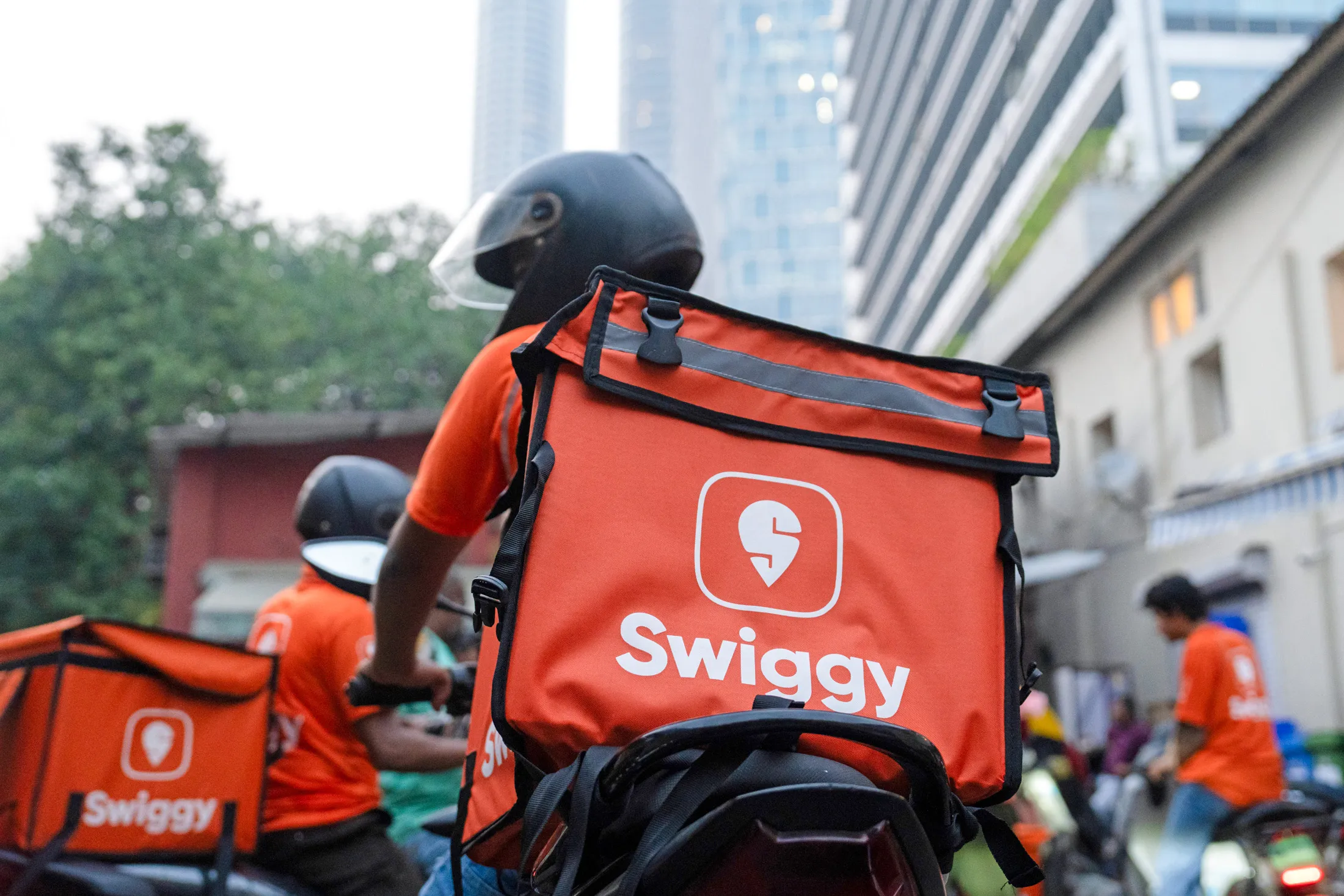
    Swiggy, one of India’s leading online food delivery platforms, has reported a near-doubling of its quarterly loss compared to the same period last year. This increase in losses is attributed to a significant rise in marketing expenditures aimed at securing a larger customer base in an intensely competitive market.

    Growth Strategies and Challenges

    In its decade-long presence in the market, Swiggy has maintained its position among the top contenders in the food delivery industry through continuous investments in marketing, platform enhancements, and customer loyalty programs. The company is also directing funds into its rapid retail division, Instamart, as part of efforts to expand its network of stores, fortify logistics, and provide enticing discounts.

    However, the company’s operations have been affected by issues relating to a shortage of delivery partners, a situation exacerbated by unanticipated monsoon rains in India. Concurrently, the need for sustained, high levels of marketing investments has been necessitated by persistent competition.

    The competition is not just limited to the food delivery sector. The rapid retail sector in India is becoming increasingly crowded, with competitors such as the Tata-backed BigBasket and Amazon vying for market share. Furthermore, Swiggy faces additional competition in the food delivery space from the ride-hailing platform, Rapido, where Swiggy holds a 12 per cent stake.

    Financial Performance

    Despite these challenges, Swiggy’s total revenue for the quarter ending June 30 increased by 54 per cent, amounting to 49.61 billion rupees (US$566.2 million). However, consolidated expenses also saw a significant jump, up by around 60 per cent to 62.44 billion rupees, with sales promotions more than doubling. Consequently, the company’s consolidated net loss for the quarter rose to 11.97 billion rupees, a significant increase from the 6.11 billion rupees loss reported in the same period last year.

    Expansion and Order Value

    Despite these financial setbacks, Swiggy continued to expand its geographical reach, adding three new cities to its network to stand at a total of 127. The company also added 41 stores and increased the size of existing ones. The gross order value from its food delivery segment climbed by approximately 19 per cent to 80.86 billion rupees in the June quarter. Meanwhile, Instamart’s gross order value saw a massive surge of nearly 108 per cent, reaching 56.55 billion rupees.

    Questions & Answers

    What factors contributed to Swiggy’s increased quarterly losses?
    Increased marketing spend to attract customers in a fiercely competitive market, along with the expansion of its quick-commerce arm, Instamart, significantly contributed to Swiggy’s increased losses.

    What challenges did the company face recently?
    Swiggy experienced a shortage of delivery partners due to earlier than anticipated monsoons in India. Additionally, the company faced stiff competition, necessitating high marketing investments.

    Did Swiggy see any growth despite these challenges?
    Yes, Swiggy reported a 54 per cent surge in total revenue for the quarter ending June 30. The company also expanded its services to three new cities, added 41 stores, and saw a substantial rise in gross order value from both its food delivery segment and Instamart.

  • Air Asia encourages traveller wanderlust with ‘Live life unexpected’ campaign

    Air Asia encourages traveller wanderlust with ‘Live life unexpected’ campaign

    Air Asia and Malaysian experimental marketing agency/consultancy firm Entropia have launched a new brand campaign encouraging travellers to be more spontaneous in their travelling.

    Under the tagline ‘Live life unexpectedly’, the integrated campaign comes in support of the Visit ASEAN@50 tourism campaign was launched by the Association of Southeast Asian Nations or ASEAN.

    Launched across the 10 ASEAN countries, the online video follows a young female tourist’s journey through south-east Asia with the aim of appealing to consumers’ “wanderlust and boundless spirit”.

    Spencer Lee, AirAsia Berhad head of commercial said: “AirAsia as a brand has always stood for discovering the unexpected, the exciting. We are also the only airline to fly directly to all 10 ASEAN countries. We are excited to roll out this campaign and invite people to spread their wings and explore new experiences with AirAsia.

    “As the ASEAN Airline Partner for the Visit Asean@50 campaign, we hope to promote ASEAN as a single yet diverse destination to as many people as possible. Our product, the AirAsia ASEAN Pass was created for the very same purpose; to enable seamless movement within this region.”

    Formally launched in Kuala Lumpur last July, Entropia positions itself between the advertising agency and consultancy model.

    The company is led by  Prashant Kumar, who left his role as president of Asia World Markets at IPG Mediabrands in March 2016, joining Entropia two months later.

    At the time he said: “Brands must enhance human happiness. So must data and technology. In the age of anticipatory data, Creative prototyping and curative technology, there is a historic opportunity to be different. Entropia hopes to chance upon ways we can do that – with consistency and scale.”

  • Schneider Electric Expands Home Electrical Portfolio to Meet Homeowners’ Aspirations for Smarter Living

    Schneider Electric Expands Home Electrical Portfolio to Meet Homeowners’ Aspirations for Smarter Living

    Schneider Electric, the global leader in digital transformation of energy management and automation, has reaffirmed its commitment to the home electricals market with a wide range of innovative new products to communicate the differentiated value proposition to homeowners, retailers, electricians, home builders, architects and more.

    With a sharp focus on innovation, localization, and category leadership, the company has identified homes as an important growth engine for its overall business. India’s residential market is projected to grow at a CAGR of over 10%[1], driven by rising incomes and greater demand for smarter living. Schneider Electric is leveraging this growth by expanding its consumer-focused portfolio and enhancing brand visibility, positioning itself to lead the smart home revolution in India.

    The company has unveiled its new integrated marketing campaign “Bring Home the Smart.” to communicate with the homeowners. The high-octane marketing campaign forges a deeper emotional connection with homeowners and other key stakeholders like retailers, builders, architects, and electricians. Rooted in the cultural shift where homes have become sanctuaries of peace, convenience, and care, the campaign redefines smart living as a source of ease, intelligence, and reliability. The campaign, thus, moves beyond the functional messaging to highlight Schneider Electric’s global strengths in technology and innovation to create meaningful offers for the Indian market.

    Schneider Electric’s direct engagement strategy is built on three core pillars: strengthening channel partnerships, launching differentiated products, and investing in consumer awareness and brand-building. At the heart of this strategy is a new campaign that highlights the company’s innovative home automation range. Key offerings include the Miluz Zeta switches with an industry-first Air Quality Indicator (AQI)—a unique feature that monitors indoor air quality in real time; Miluz Zeta motion-sensing LED foot lamps, designed to enhance safety and convenience throughout the home, lighting the way to safer nights where every step is guided; and the Wiser Smart Home Automation solution, which seamlessly adapts to diverse lifestyles. Wiser offers advanced features such as GPS-enabled appliance control and an energy management system, enabling smarter, more efficient living. These innovations exemplify Schneider Electric’s commitment to blending intuitive technology with everyday usability and elegant design.

    Ms. Sumati Sahgal, Vice President – Home & Distribution, Schneider Electric India, added: “This is a defining moment in our journey to build stronger brand affinity with Indian consumers. Our switches and home automation range are thoughtfully designed to meet the evolving needs of today’s households—where design, convenience, safety, and sustainability go hand in hand. With ‘Bring Home the Smart’ campaign we aim to make smart living more accessible, intuitive, and delightful for every Indian home.”

    Mr. Rajat Abbi, Vice President – Marketing, Greater India, Schneider Electric, said “With our new ‘Bring Home the Smart Campaign’, we’re redefining smart living by shifting the narrative from complexity to intuitive comfort — where intelligent technology seamlessly integrates into everyday life, empowering consumers to focus on what truly matters. Through this integrated marketing campaign, our aim is to creatively communicate the differentiated value proposition of our innovative offers to our customers.”

  • Pattern Creators Launches Next-Gen Ambassador Marketing

    Pattern Creators Launches Next-Gen Ambassador Marketing

    Leading global ecommerce and marketplace accelerator Pattern, today announced the launch of ‘Pattern Creators’ to help Australian brands reach new audiences, build brand equity and create engaging user-generated style content  through ambassador-led marketing. Pattern Creators, is fuelled by its own proprietary software ‘Current’. The platform centralises all aspects of creator marketing, enabling brands to truly scale their ambassador programs, from recruitment and product seeding to content approvals, campaign management and revenue tracking.

    In 2024, social media is a crucial source of product information for consumers, with around a third (36%) of Australians using their social networks to find information about brands and products.

    “Today’s consumers have a highly tuned radar for inauthenticity. They seek genuine and credible voices. Influencers bring a level of relatability and trust that is unparalleled, making them a critical component in any modern marketing strategy. Pattern Creators helps to bridge the gap between consumer trust and brand engagement and by leveraging authentic ambassador connections, brands can grow awareness and their customer base,” said Merline McGregor, General Manager of Pattern Australia.

    An increasing number of brands are partnering with micro-influencers to promote products, as 67% of Australian brands looked to increase their influencer budgets from the start of 2023. This surge in investment reflects the fact that 61% of Australian brands planned to repeat partnerships with influencers, highlighting the need for brands to build their own team of creators, rather than repeatedly sourcing new individuals who don’t have an ongoing affiliation with the brand.

    “In a world where social media platforms like TikTok and Instagram thrive on authentic user-generated content, over highly polished branded content, Pattern Creators enables brands to seamlessly engage with existing and potential customers on a deeper level. It does this by generating robust AI-driven ambassador prospect lists with a few simple prompts, allowing brands to identify influencers who can genuinely and effectively tell a brand’s story,” commented McGregor.

    Pattern Creators enables brands to centralise their influencer management across central functions including recruitment, product seeding, contracting, reporting, content approvals and communications. This allows brands to truly scale their ambassador programs, reducing the time and effort typically required to source and manage bespoke influencer talent and content production.

    Measuring the true impact of ambassador marketing can be challenging, but Pattern Creators has transformed this process. It allows brands to develop their own direct relationship with ambassadors to negotiate diverse commission models, utilise promo codes, and monitor affiliate links, providing clear insights into how an influencer’s endorsement translates into product sales.

    “Traditional influencer management platforms typically rely on a pool of existing ambassadors shared amongst all brands. What sets Pattern Creators apart is that we recruit unique creators specifically for each brand we work with,” explained McGregor. “We also ensure that the brand themselves directly own the relationship with these ambassadors. This approach results in unique and authentic partnerships resulting in quality content production, reflecting the individual needs and identity of each brand.”

    “Brand leaders understand that scaling a community of creators is incredibly challenging. Our platform supports brands to navigate these complexities much more effectively. By developing strong ambassador programs, this solution sets brands up for success in the next frontier of social media marketing,” McGregor concluded.

    For more information about Pattern Creators and how it can elevate your brand, reach out at au@pattern.com.

    About Pattern Inc

    Pattern is the category leader in global ecommerce and marketplace acceleration. Since 2013, Pattern has profitably grown to more than 1,400 employees operating from 24 global locations – including Melbourne, Sydney and the Gold Coast – to help leading brands achieve accelerated growth on D2C websites and global ecommerce marketplaces. As well as being one of the largest Amazon sellers in the world, we are also present on Tmall, JD.com, eBay and other ecommerce marketplaces. We act as the authorised Amazon seller to more than 200 brands globally, buying their stock to sell on the marketplace and taking care of every aspect of their Amazon presence. For more information, visit https://au.pattern.com/

    Media Contact

    Corinne Nolte

    Mulberry Marketing Communications

    cnolte@mulberrymc.com

  • Successful Marketing Strategies For Beginners in 2023

    Successful Marketing Strategies For Beginners in 2023

    Let’s say you’re planning a road trip. You’ve got your snacks ready, you’ve got a banging playlist prepared, but you don’t really know where you’re heading. That’s what doing marketing without a strategy is like. You might have all the energy and all the cool ideas, but without a destination in mind or a roadmap to get you there, chances are you’re not going to end up where you want to be.

    Same thing in marketing. A marketing strategy is like your roadmap. It tells you who your customers are, what they want, and how you can reach them. Without a strategy, your marketing efforts might just be shots in the dark, and you could waste a lot of time and resources without getting the results you’re after.

    However, developing a good marketing strategy takes a lot of work and requires a deep understanding of your market. And if you’re juggling so many things, you might feel overwhelmed by the task. This is where marketing assignment help from special essay writing services can save you. These services can help you understand and develop effective marketing strategies. This way, you will nail your assignments and also gain practical knowledge that you can apply in real-world situations. 

    Do Beginners Need a Marketing Strategy?

    Starting a new venture without a marketing strategy means getting to your destination will be a challenge. Whether you’re launching a small business or you’re a student dipping your toes into the world of marketing, having a strategy is crucial, even for beginners.

    Consider your marketing strategy as your guide. Basically, it’s a plan that outlines your goals, identifies your audience, and lays out the tactics you’ll use to reach them. It’s something akin to grading college papers, where teachers evaluate students based on their understanding of the subject, their approach to the task, and how effectively they’ve communicated their thoughts.

    Much like the feedback process in grading, where teacher comments for students’ writing can guide improvements and new learning paths, a good marketing strategy can do the same for your business or project. It provides you with a framework for understanding what works, what doesn’t, and where you need to focus your efforts for maximum impact. In essence, it’s like a personalized feedback loop for your efforts.

    Marketing Strategies in 2023-2024

    There are a plethora of strategies that beginners can leverage, which go beyond understanding your audience, content marketing, and social media.

    You’re writing a research paper, you need to understand your subject in depth. In marketing, your subject is your potential customers. Who are they? What do they need or want? Answering these questions allows you to tailor your efforts to the people most likely to engage with your brand or product.

    Content marketing is another strategy that’s just as relevant for marketers as it is for students. When you’re writing essays, you’re trying to engage your reader, communicate a message, and persuade them to see things from your perspective. The same applies to content marketing. You’re creating and sharing valuable content that attracts and retaisn an audience. And ultimately, it drives profitable customer action.

    Social media marketing is also a must-consider strategy. With so many people active on various social platforms, it’s an excellent avenue to reach a broad audience, much like a presentation in a large class. It allows you to engage directly with your audience and build a community around your brand.

    Email Marketing is another powerful tool that shouldn’t be ignored. It’s like the academic advisor’s regular updates for a student – direct, personalized, and informative. With a compelling subject line and an engaging message, you can build relationships with customers, promote your brand, and boost sales.

    Last but not least, Influencer Marketing has been a game-changer. By partnering with influencers, brands can leverage the trust and authority these individuals have built with their audience. It’s like a respected student leader endorsing a club or event on campus. What does that mean? Their word carries weight.

    Choosing a Strategy

    Actually, you don’t always get the answer right on the first try. And that’s absolutely okay. The important part is to learn from it, just like getting feedback on an essay. So test out different strategies, analyze the results, and then refine your approach based on what you learn.

    Besides, you shouldn’t adopt a strategy without considering your resources. This includes your team’s skills, budget, and time. Not every strategy requires a big budget. But of course, each one requires an investment of some sort.

    By the way, you need to know your customers inside and out, what they need, what they want, and how they communicate. This knowledge will help you create a message that resonates with them and choose the right channels to deliver it.

    Picking the right strategy is a continuous process that involves three main elements. They are learning, adapting, and evolving. But you’ll be well on your way to success with:

    • a clear understanding of your audience
    • a realistic view of your resources
    • a commitment to learning
    • a willingness to seek help. 


  • Digital marketing trends for China in 2022

    Digital marketing trends for China in 2022

    Digital marketing trends are always evolving in China and without the set features of global platforms like Google and Facebook, Chinese digital companies are often leading the rollout of promotional and ecommerce features on their platforms. Therefore, it is very important to stay on top of  these trends to leverage the most value out of every marketing dollar.

    Live streaming shopping format

    Livestreaming is one channel that has become extremely popular in China. In 2020 alone, $1.2T of sales were generated through livestreaming with $151B generated on Singles’ Day which is a big shopping day in China. Platforms from Alibaba and Tencent are pushing this medium and social media applications like Douyin have also added very successful livestreaming options with integrated online stores. KOL marketing in China has become part of the strategy for major brands and you will find celebrities and even diplomats using the medium to get information out and sell for brands, report Ashley Dudarenok from Alarice International, a digital marketing agency specialised on the Chinese market.

    Rise of Bilibili

    Another interesting development in the social media space has been the rise of Bilibili as a force to contend with. Originally started as a community for those interested in anime and videogame culture, the site has grown to 171 millions monthly users. Bilibili offers brands the chance to target younger demographics directly and keep track of the trends popular among the young in China. 70% of users on the platform are below the age of 24 and this allows brands to push out very relevant content. Collaborations with KOLs and content creators on this platform will also reap huge benefits.

    WeChat mini programs

    WeChat mini programs allow brands to create a customized interactive experience for their followers. The number of people using WeChat mini programs has risen by 11% to 829 millions monthly users from 2019 to 2020 and continues to grow. The huge variety of applications that can be created on the platform can range from the useful, like productivity apps to the inspirational, like stories told through games. Leveraging this open form tool will be integral to marketing strategies as we move forward.

    Existing brands’ goals

    Brands should also examine case studies of other companies that have made successful forays into China. Some of the trends that these brands are focused on include:

    Brands want to create private traffic

    Over the last few years of international brand penetration competing with domestic companies, advertising and therefore, acquisition costs in China have skyrocketed. On Tmall, the customer acquisition cost more than doubled from 207RMB to 536 RMB from 2018 to 2019. So, brands have started to work out strategies to reduce reliance on traffic from external platforms like WeChat and ecommerce platforms. This means creating owned properties like blogs and email lists where customers can be contacted directly instead of having to rely on traffic from external sources.

    Brands want to reach lower-tier cities and young consumers

    Another area of growth has been targeting demographics where there is still market share to be won. Lower-tier cities have increasing mobile network penetration and spending power which makes them very attractive. This is a strategy being used by Pinduoduo, an emerging ecommerce platform looking to compete with Alibaba and Tencent. Using a combination of low prices and social features, the company has seen the most growth year on year compared to Alibaba and Tencent. Targeting younger consumers has also been on the agenda for many brands and platforms like Bilibili allow for this.

    Conclusion

    Having an appreciation that consumer expectations and buying culture in China can be very different from other countries is very important to success.