Tag: Marketing

  • Huawei discount phone promotion leads to anger

    Huawei discount phone promotion leads to anger

    Huawei discount phone promotion has backfired causing shops to be shuttered and one indignant shopper arrested.

    The Chinese company promoted that its Huawei Y6 Pro 2019 model would be discounted from S$198 to $54 for consumers aged over 50 for three days beginning last Friday. But when hundreds of would-be buyers arrived at the company’s 27 stores across the island on Friday morning they were told stock had run out before opening hour, causing many to wonder if there was ever any stock in the first place, or the brand was adopting a bait-and-click tactic to get customers into stores. Instead of the $54 Y6, disappointed shoppers were offered another discount on a Huawei Mate 20, a promotion due to start on Saturday and since canceled.

    Police were called to some of the stores where angry customers were demanding Huawei stick to its promise. A woman, aged 53, was arrested for trespass after refusing to leave one store.

    A Huawei spokesperson said the ‘Sold Out’ signs were put up by store employees before opening time in response to seeing the long queues formed outside.

    “We are truly sorry to have disappointed those who have shown your support from early morning… Y6 Pro 2019 handsets have been sold out island-wide and have recorded an unprecedented surge of demand,” Huawei said.

    “The company would like to thank members of the public for their continued support and regrets the insufficient supply for the masses.”

    “How can it be that you are telling the public there is no stock before the store opens or the promotion starts?,” one customer asked. “Are you trying to fool people and make use of the nation’s 54th anniversary?”

    Huawei launched the promotion celebrate the generation of Singaporeans that made great contributions to the nation’s development, ahead of the country’s 54th National Day on August 9.

    The company did not reveal how many of the handsets were sold during the Huawei discount phone promotion or how many were available at each outlet.

  • Starbucks buys stake in retail-technology startup Brightloom

    Starbucks buys stake in retail-technology startup Brightloom

    Starbucks Coffee Company has announced a deal with Brightloom (formerly Eatsa), a San Francisco and Seattle tech company that is working to create a best-in-class end-to-end digital customer experience platform for the restaurant industry.

    Starbucks is granting Brightloom a software license to select components of Starbucks’ proprietary digital flywheel software. In connection with the licensing agreement, Starbucks will take an equity stake in Brightloom and receive a seat on the company’s board of directors.

    Brightloom will combine its existing technology assets with software licensed from Starbucks’ digital flywheel. The combination will lead to the development of a cloud-based software solution for the restaurant industry that will connect customers to their favorite restaurant brands – particularly valuable given the recent hypergrowth of mobile ordering and third-party delivery platforms.

    Brightloom plans on making the software solutions available to Starbucks’ global license partners and will open this platform up to the entire restaurant industry of merchants. Starbucks will continue to drive software development of the Starbucks digital flywheel for all its company-operated markets.

    “We’re delighted to partner with Brightloom and drive a broad innovation agenda that extends relevant customer experiences from brick-and-mortar to a digital-mobile customer connection,” said Starbucks CEO Kevin Johnson.

    “At Starbucks, we have experienced first-hand the power that comes through digital customer connections that are relevant to the customer. The results we’ve seen in customer loyalty and frequency within our digital ecosystem speak for themselves, and we’re excited to apply these innovations toward an industry solution that elevates the customer experience across the restaurant industry.”

  • Alibaba’s flash sale and marketing platform Juhuasuan has launched

    Alibaba’s flash sale and marketing platform Juhuasuan has launched

    Alibaba’s flash sale and marketing platform Juhuasuan has launched an upgraded version of Jutudi, a digital initiative to help Chinese farmers optimise their supply chain and offer consumers better deals.

    Juhuasuan is Alibaba’s sales and digital marketing platform, enabling brands and merchants to broaden their reach to consumer segmentations across China through online and offline campaigns. Brands design and hold flash sales through the platform, using analytics and recommendations powered by Juhuasuan, to identify the most preferred product assortment for targeted regional consumers. It also offers a group-buying option to offer limited-time best deals to consumers.

    The Jutudi initiative first debuted in 2014, allowing consumers to become “virtual farmers” by “purchasing” a small plot of land online from the growers. The farmers would ship the produce to the consumer when the crop ripened. The new Jutudi moves to help boost farmers’ digital competitiveness, offering farmers and cooperatives science-backed analytics to improve their crop and supply chain management.

    Currently, 20 different cooperatives from a dozen provinces around China have joined the initiative. The plan is to widen the reach to at least 1,000 farming cooperatives within two years.

    “Going beyond flash sales and promotional campaigns, the new Jutudi offers the farmers a solution that taps into the Alibaba digital economy, giving farmers broader opportunities to move their produce,” said Tmall and Taobao marketing GM Liu Bo. “Supported by the entire Alibaba ecosystem, Jutudi uses the algorithm from Alibaba Cloud to help farmers plan their crops and harvest. Our smart-logistic network, Cainiao, offers expedited delivery services to ensure freshness. Moreover, consumers can take advantage of flash sales on Juhuasuan to get the best bargains.”

    One example is peaches from Hubei Province – by collaborating with Juhuasuan, peach growers there sold 100 tons of fresh peaches within just two hours last month. The performance encouraged the farmers to embrace other digital tools offered by the Alibaba ecosystem, such as leveraging Alibaba Cloud’s AI technology to standardise their crop management. As a result, costs for the farmers decreased by 10 per cent.

    Juhuasuan further boosted the region’s value chains by connecting the peach growers to Three Squirrels, a China-based food conglomerate and snack maker that turned fresh peaches into popular dried fruit snack packets to be sold on Taobao and Tmall.

    Based on Juhuasuan’s flash sale and collective buying model, Jutudi lets consumers pre-order agricultural products before the harvest. The platform works directly with the cooperatives or the farmers. By bypassing the middlemen and traditional wholesalers and distributors, subsequent savings are passed on to consumers. For many items, the discounts can be 30- to 50-per-cent lower than regular prices.

    For farmers, the pre-sale model confers a higher degree of certainty that at least a portion of their crop will be sold. Once orders have been locked down, the farmers can harvest and pick fruits or vegetables according to the orders they’ve received. This can help prevent surpluses or shortages, and also reduces cost. Another benefit of the model is that consumers can always get fresh, in-season produce. According to the platform, the farm-to-table journey time can be as short as 48 hours once the order has been placed.

    Harnessing consumer insights from Tmall and Taobao, as well as data from Alibaba Cloud, Jutudi can boost farmers’ ability to forecast what would be popular in the coming year and approximately how much to plant to meet future demand. Traditionally, farmers plan their crop based on sales of the previous season. This often incurs the risk of overproduction or underproduction. However, by using data and scientific insights provided by Jutudi, farmers can more accurately predict the next hot items. Such predictions are especially crucial for farmers of specialty crops to capture niche market share.

    An example is the pumpkin growers in desert areas of Gansu province. Based on data and shopping trends provided by the platform, farmers now know through some light processing, they can turn the whole pumpkins into easy-to-carry microwave meals targeting office workers. The explosive popularity of these pumpkin meals have encouraged pumpkin farmers to double their crop area from the current 396 acres in preparation for next year’s sales.

    Juhuasuan has successfully promoted an array of agricultural products. In the past six months, through flash sales, 330 tons of lychees from Hainan Province, 165 acres of fresh roses and 3 million mandarin oranges from Yunnan Province were completely sold out within 72 hours.

  • Craveable Brands bought by Hong Kong private equity company

    Craveable Brands bought by Hong Kong private equity company

    A Hong Kong-based private equity company has bought out restaurant operator Craveable Brands as the Australian company steps up its foray into Asia.

    PAG Asia has paid an undisclosed amount to acquire the business from Archer Capital and other minority shareholders.

    Craveable Brands owns the Red Rooster chain of fried chicken fast-food restaurants and Oporto, a Portuguese chicken quick-service restaurant which will open its first outlet in Vietnam this week. Oporto stores are already operating in Singapore and Sri Lanka.

    Craveable Brands has more than 580 stores, including a third, smaller chain Chicken Treat.

    “Craveable Brands is a terrific asset in the Australian QSR market, owning three iconic brands with significant scale,” said PAG chairman and CEO Weijian Shan in a statement announcing the purchase. “We see great opportunities for Craveable and look forward to working with management on the next stage of portfolio innovation.”

    Archer Capital managing partner Peter Gold said his team had built the Craveable Brands business into a US$560 million company since acquiring it in 2011.

    “We have had a great experience partnering with the management team led by Brett Holding and countless hardworking franchisees who have transformed the brands and customer experience.”

    The current Craveable Brands management team will be retained.

  • Precision marketing set to surge in Apac

    Precision marketing set to surge in Apac

    Asia Pacific is poised for growth in data-driven marketing (“precision marketing”) given the increasing base of 2 billion online users and expected rise of advertising budgets in the next five to 10 years.

    The conclusions arise from the latest report by research company Nielsen, A Digital Giant Awakens, which surveyed marketing leaders across Asia-Pacific markets on their next-level strategy and implementation road-map, revealing investments in precision marketing are likely to increase in the next year from 14 per cent of marketing budgets to about one-fifth of spends (19 per cent) going beyond social, search and mobile toward newer applications.

    In the next six months the top three platforms where advertisers across the Asia Pacific region will be allocating their marketing spends are Facebook/Instagram (60 per cent), Google/Youtube (43 per cent) and mobile (42 per cent). Meanwhile, investments in advanced applications are increasingly gaining pace, particularly for data-science/modelling (36 per cent), high-quality third party data (32 per cent) and analytics to measure ROI (28 per cent).

    The survey, conducted across top leading advertisers in the region, found precision marketing is enabling advertisers to understand consumers’ purchase journeys, personalised communications and consumer profiling.

    Key factors accelerating the progress of precision marketing include better quality and reliability of data, clear demonstration of ROI for advertisers and further education to stay ahead in the game.

    “With advancements in technology and popularity of digital media there is tremendous headroom for growth in precision marketing across Asia Pacific,” said Nielsen’s MD media North Asia Ranjeet Laungani. “Precision marketing is capable of driving marketing applications out of predictive analytics and forecasting results and it is strongly recommended for advertisers to consider in their repertoire of new-age tools.”

    The report spotlights Data Management Platforms (DMPs) as pivotal technology enablers for advertisers to successfully implement precision marketing in their overall strategy. Such platforms manage and unify multiple streams of disparate consumer data and assist in consumer profiling and targeted messaging, thereby limiting spends on media waste.

    The challenge for advertisers remains to show quick wins during early stages of DMP engagement.

    Data science and analytic prowess are top attribute advertisers in Asia Pacific look for while evaluating a data management platform.

    “Currently the space is under-invested, however, broadening expert ecosystems, presence of higher quality datasets, and presenting more success stories will drive up confidence and adoption in the industry,” added Laungani.

    “The void in awareness and education can be filled by agencies, media owners and advertisers by maintaining an eye on the long-term and short-term potential of precision marketing.”

  • Lazada brand refreshed with New Slogan and Tagline

    Lazada brand refreshed with New Slogan and Tagline

    Southeast Asian e-commerce platform Lazada has launched a new brand campaign – Go Where Your Heart Beats.

    This is the first refresh of the Lazada brand in five years, representing an attempt to elevate the role of the company beyond a transactional shopping platform to a “lifestyle destination”. The move is underpinned by the brand’s “shoppertainment” strategy to enhance the shopper experience, its seller empowerment efforts and ongoing engagements with local community segments.

    The campaign kicked off yesterday with a series of films following the personal journeys of three individuals made possible through Lazada, and introduced the firm’s new brand identity that reflects a more youthful, energetic and dynamic look and feel. It features a new heart logomark, typeface and new palette of Lazada colours.

    “As this region’s e-commerce pioneer, we first introduced Lazada in Southeast Asia to provide effortless shopping online,” said Lazada Group CEO Pierre Poignant. “Seven years on, we are the e-commerce leader that aims to serve 300 million customers by 2030.

    “We are elevating the role of Lazada beyond just a transactional shopping platform, to a lifestyle destination that can enable and progress hopes, dreams and desires – whether you’re a seller or a shopper.”

    The new Lazada brand identity was developed by Superunion Singapore and the accompanying campaign was conceptualised and developed by Wunderman Thompson Singapore.

  • Antipodes and Alibaba form strategic partnership

    Antipodes and Alibaba form strategic partnership

    New Zealand skincare brand Antipodes has announced a strategic partnership with Chinese e-commerce giant Alibaba.

    Announced at the Alibaba E-commerce Expo in Auckland last week, the partnership will see the two companies work together to bring a targeted range of skincare products to Chinese consumers via Alibaba’s Tmall Global e-commerce platform.

    Antipodes has been working with Alibaba to access the China market for the past five years, and it recently co-developed a product with the company, which has debuted exclusively on Tmall.

    “This is such a special product,” Elizabeth Barbalich, the founder and CEO of Antipodes, said about the Kiwi Seed Gold Luminous Eye Cream.

    “[I]t is made using 23K gold, a formulation that is soft and dissolvable. This means it is absorbed straight into the skin to calm, soothe and illuminate, instead of sitting on the skin’s surface as a 24K gold product would.”

    Antipodes has developed a devoted following both at home and abroad for its high-performance, organic skincare products. And Chinese consumers have responded well to its “green” reputation.

    “We have worked with Antipodes for more than five years and over this time the brand has developed a number of ‘hero products’ popular with Chinese consumers,” Maggie Zhou, Alibaba Group’s managing director of Australia and New Zealand, said.

    “With New Zealand’s pure and green image, Kiwi products continue to grow in popularity with Chinese consumers and on Alibaba’s marketplaces.”

    Tmall is a premium online retailer for the China market. The company has been seeking the best local brands to partner with via its Australia and New Zealand operations recently.

  • Shopeline, Asia’s Biggest Smart Commerce Platform, Strengthens Foothold in Southeast Asia

    Shopeline, Asia’s Biggest Smart Commerce Platform, Strengthens Foothold in Southeast Asia

    Shopline, the global smart commerce platform, has today announced the official expansion of its operations to Malaysia. The news follows the closure of a successful US$2 million funding round earlier this year, led by CDIB Capital Group and Alibaba Hong Kong Entrepreneurs Fund, and reaffirms SHOPLINE’s confidence in the Southeast Asia market.

    The start-up, originally founded in Hong Kong, enables merchants to easily set-up online stores, and offers a wide selection of shop designs, payment gateways, and shipping carriers tailored to the needs of local and cross-border merchants. It has grown over the last six years to become the market leader in Asia, helping more than 150,000 entrepreneurs, SMEs and large enterprises such as Durex, Bee Cheng Hiang and Hiwalk go digital. In 2018, SHOPLINE’s merchants reached over 200 million customers.

    The Southeast Asian Digital Opportunity

    Figures from the latest annual Global State of Digital report by Hootsuite and We Are Social revealed an explosion in online engagement across the region, with the Philippines, Thailand, Indonesia and Malaysia all ranking in the top 10 countries on the world’s internet usage index.

    Meanwhile, a recent study by Google and Singapore’s Temasek Holdings predict that Southeast Asia’s internet economy will be worth in excess of US$240 billion by 2025, with e-commerce accounting for 40 percent (US$102 billion), up from 2018’s US$23 billion spend.

    Against this backdrop, the opportunities presented by the booming Southeast Asian digital economy are immense. However, in order to successfully leverage its potential, businesses need to not only ensure they’re in the mix, but that they also provide a seamless and integrated online to offline experience.

    With a strong following in its native Hong Kong, along with offices in Taiwan, Ho Chi Minh City and Shenzhen, SHOPLINE now adds Kuala Lampur to its network, and has plans to further expand its footprint across the region.

    Empowering businesses and merchants in Southeast Asia with smart, omni-channel tools

    Having already supported several launch partners in beginning their online ventures, SHOPLINE will expand its Malaysia offering in the coming months to include its range of online to offline (O2O) solutions, which enable merchants to connect across channels and optimise the customer’s shopping experience.

    Services will include the SHOPLINE Kiosk, a CRM tool that allows users to sign up for membership with a mobile number or email in seconds; the SHOPLINE Broadcast Center, a marketing automation tool enabling merchants to reach customers via Facebook’s chatbot, SMS and email; and Shoplytics, a proprietary smart analytics dashboard that allows merchants to visualise and analyse data related to their store’s web traffic, revenue, product performance, customers, marketing and promotion campaign performance.

    Later this year, SHOPLINE will further look to introduce its cloud-based point-of-sale (POS) system tailored for retailers, enabling them: to keep an accurate record of store transactions; track and manage store inventories; generate real-time sales performance reports; track staff performance and manage payroll; manage membership and more–creating a unified omni-channel solution over multiple store locations.

    Tony Wong, Co-founder and CEO of SHOPLINE said: “We’re delighted to be setting up camp in Kuala Lumpur. Underpinned by strong governmental support and a huge jump in mobile and internet penetration, we see incredible potential in Malaysia, and indeed the wider Southeast Asian digital economy. SHOPLINE is committed to helping our partners – our merchants – grow with us. By introducing our comprehensive range of O2O and POS solutions to new markets, we hope to equip more merchants with the tools they need to go digital and go global, creating a smooth and holistic shopping experience across offline and online channels.”

    He added: “This is an exciting time for the SHOPLINE team. We have grown from a three person team to a company with over 200 employees across the globe. Each office recruits local team members with deep insight into their respective markets, allowing us to provide tailor-made solutions to satisfy our merchants’ individual needs and Malaysia is no exception.”

  • Visa and LINE pay to partner on next-generation fintech solutions

    Visa and LINE pay to partner on next-generation fintech solutions

    Visa (NYSE: V), the global payments leader, and LINE Pay Corporation, operator of digital wallet and fintech services on the LINE messaging app, today announced a strategic partnership that will see them create new financial services experiences for their collective user bases of millions of consumers and merchants worldwide[1].

    The two companies will collaborate across multiple areas, including:

    • Everyday consumer payments: LINE’s 187 million global monthly active users will be able to apply for a digital Visa card from within the LINE app, and over time, add any of their existing Visa cards to make seamless payments from their mobile phone.  The companies will also offer consumers additional and enhanced experiences like integrated loyalty programs and tailored offers and new payment capabilities for users when they travel overseas.
    • Solutions for merchants: Through Visa, LINE Pay consumers will be able to use LINE Pay branded capabilities at Visa’s 54 million merchant locations worldwide, enabling them to take advantage of LINE Pay offers and services. They will also be able to see these transactions in their LINE Pay digital wallet, even where LINE Pay is not directly accepted. In addition, Visa and LINE Pay will collaborate on ways for merchants to interact with the LINE Pay service as well as LINE Pay digital wallet, supporting the continued growth of globally interoperable payments.
    • Fintech services: LINE Pay and Visa will develop new experiences based on blockchain that enable B2B and cross-border payments and alternative currency transactions.
    • Marketing: Ahead of the Tokyo 2020 Olympic Games, Visa and LINE Pay will partner on exclusive marketing campaigns and promotions to contribute to Japan’s acceleration towards a cashless society in the lead-up to and after the Olympic Games.

    Messaging apps are a fast-growing frontier in digital commerce, as consumers look for more of their everyday tasks, like payments, to be integrated with the apps where they’re spending more of their time. As consumer preferences shift further towards a single app from which they can do everything – transfer money, make an online purchase, pay bills, book travel, and order food – LINE Pay and Visa’s partnership will make that seamless experience a reality for millions of users while ensuring LINE Pay and Visa further drive the expansion of globally interoperable, open-loop payments.

    This new partnership extends the existing relationship between Visa and LINE Pay, which includes co-branded LINE Pay Visa cards in Taiwan and to be launched later this year in Japan.

    “The Visa co-brand program that currently serves 2.3 million customers in Taiwan is one of Visa’s fastest-growing programs globally,” said Chris Clark, Regional President, Asia Pacific, Visa.  “We are excited to extend this momentum to a range of new solutions in more markets around the world.  As the LINE Pay team continue to enhance the utility of the LINE messaging application for consumers’ everyday lives, we are impressed by the potential of LINE’s distribution power and consumer loyalty to further drive the growth of the global, open-loop payments ecosystem to benefit all players on our network – consumers, merchants, and issuing and acquiring banks.”

    “LINE Pay is more than just a payment method. As we transition to a cashless society, LINE Pay is focused on delivering added value to LINE’s users around the world and business partners,” said Youngsu Ko, CEO of LINE Pay and LINE’s Fintech Company. “With Visa’s global network and infrastructure, LINE Pay users will be able to enjoy the advantages of that innovative, worldwide network.”

    As payments move away from traditional plastic cards into smartphones, connected devices, and other digital formats, Visa is working with its partners around the world to enable new consumer experiences that are based on digital cards and extending its network to collaborate with new players. This includes the Visa fintech fast-track program, which makes it quicker and easier to build and deliver new commerce experiences on Visa’s payments network.

  • AirAsia transitioning to asset-light business model

    AirAsia transitioning to asset-light business model

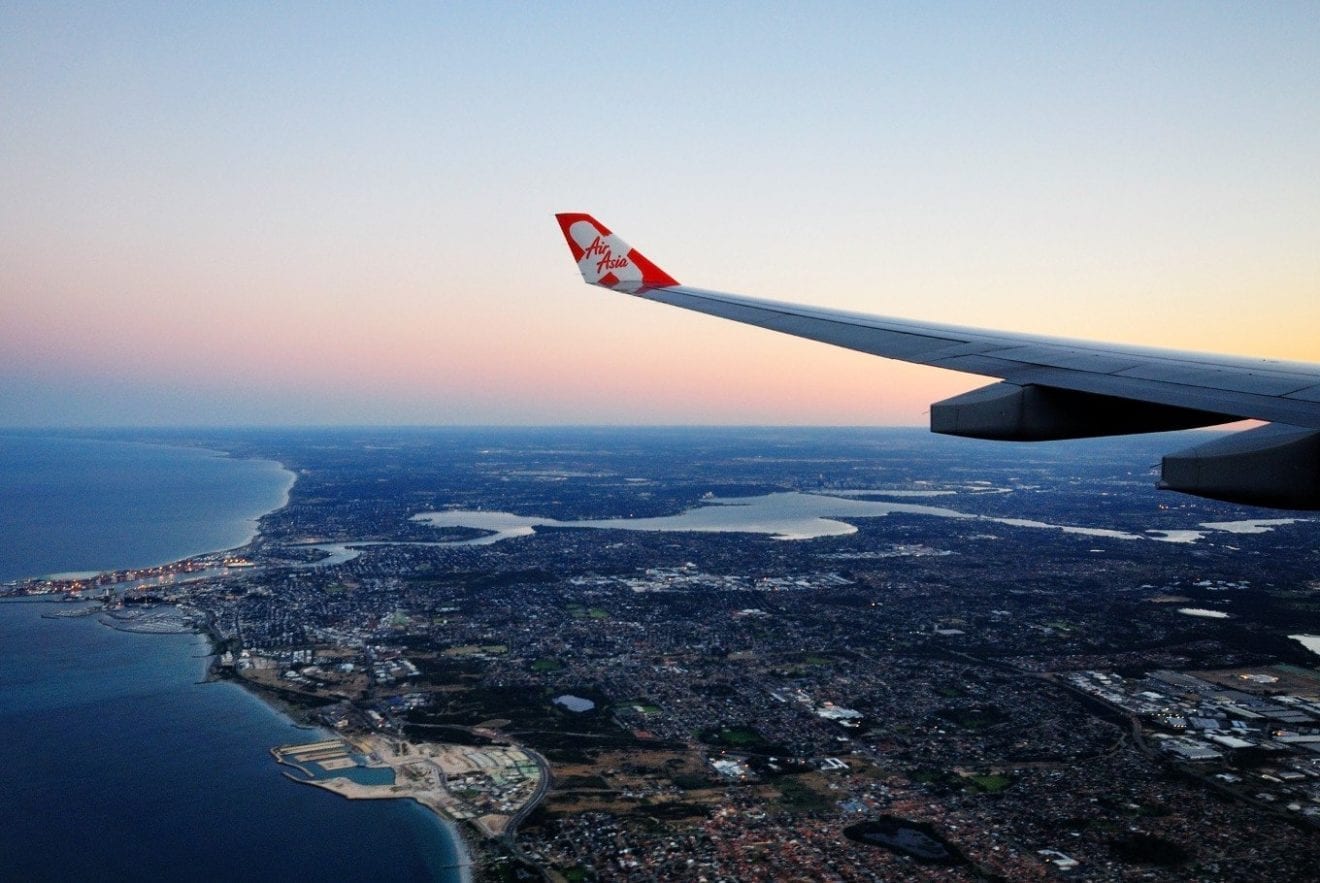
    AirAsia is moving from the traditional model of owning aircraft to become an asset-light airline. The company plans to fully shift to the new model by completely withdrawing from aircraft ownership, a move that would bring the obvious benefit of lowering its financial liabilities.

    During AirAsia’s conference call with analysts last Wednesday, its management said it is targeting to sell another 19 aircraft this year.

    AirAsia is also focusing on its “digitalization” agenda, management added.

    The analyst said AirAsia would be looking to secure a deal similar to what it achieved last year when it went into sale and leaseback agreements that helped it raise a lot of funds.

    AirAsia’s management expects to raise around RM1.5bil from the sale and leaseback of its remaining 19 aircraft.

    Last year, the airline group sold 79 aircraft and 14 aircraft engines to US private investment firm Castlelake LP in a deal worth RM4.38bil.

    Following the success of the sale, AirAsia had last week announced a bumper dividend of 90 sen a share, which is worth more than RM3bil in total payout.

    For shareholders of AirAsia, this strategy has worked out well. AirAsia began its aggressive sale and leaseback programme and dishing out dividends around 2017.

    Here’s an interesting fact: AirAsia shareholders who bought the company shares on Jan 2, 2017 would have paid RM1.78 per unit. Since then, that’s exactly how much the airline has paid back in dividends, giving back those investors their entire cost of buying those shares.

    “AirAsia is a different company now. It is transitioning into an asset-light model, focusing its services through its platform and on-the-plane experience as well as its mobile wallet,” an analyst said.

    Going forward, though, not all analysts have a positive view on the airline’s earnings growth prospects.

    Going by Bloomberg data, analysts have a varied target price on AirAsia’s shares, ranging from RM1.56 to RM5.20.

    For the first quarter ended March 31, AirAsia posted a 92% drop in net profit to RM96.09mil compared with RM1.14bil recorded last year, when it recorded extraordinary gains. Its shares closed at RM2.88 last Friday.

    CIMB Research analyst Raymond Yap expects AirAsia’s future earnings to be under pressure, stemming from rising operating costs and higher depreciation as well as interest expenses due to the Malaysian Financial Reporting Standards 16.

    He added that other risks included higher fuel prices and a weaker ringgit against the US dollar.

    “The poor results will likely shock the market and cause analysts to slash their earnings forecasts, although the share price may be supported in the next two months by the 90 sen special dividend per share,” he said in a report.

    Yap has recommended investors to sell their positions in AirAsia prior to the dividend ex-date on June 30.

    “We recommend investors to take advantage of any share price upside post-announcement of the 90 sen special dividend to sell into strength, and to sell their AirAsia holdings prior to the dividend ex-date on June 30, 2019, to avoid the rush out of the door,” he said.

    Although AirAsia’s management has highlighted that it is targeting to continue with special dividend payments to shareholders for every two years, Yap believed the group is unlikely to declare additional special dividends in the near future beyond the 90 sen per share it had announced.

    “Continued losses at AirAsia India and Indonesia AirAsia may require the group to provide further equity injection or continuous working capital support,” he said.

    A different view is held by Nomura Research analyst Ahmad Maghfur Usman, who has the highest target price of RM5.20 for AirAsia shares. He expects AirAsia’s core earnings in financial year 2019 (FY19) to double to RM1.37bil compared with RM656mil last year.

    “We remain optimistic on the earnings outlook on the back of lower fuel costs, coupled with the turnaround from its Asean affiliates, while we expect losses from India to narrow on improved scalability as passenger volumes increase,” he said in a research note.

    For this year, AirAsia is targeting to add 18 aircraft including additional 11 for AirAsia India.

    In terms of its digital business, AirAsia is targeting to roll out remittance and lending products and expand its BigPay offerings to other Asean countries this year.

  • Ted Baker Boost Store Network in China with JV

    Ted Baker Boost Store Network in China with JV

    Fashion brand Ted Baker has formed a joint venture to expand its network in Mainland China, Hong Kong and Macau.

    A new company will take over the three Ted Baker China stores already operating in Hong Kong and the six on the mainland. It will operate all Ted Baker future stores, concessions and online channels in the three geographical markets.

    Ted Baker will invest about RMB30 million (£3.4 million) in the new venture, which will be co-owned with Shanghai LongShang Trading Company (LS). LS will assign its rights under the JV to a newly incorporated Hong Kong investment vehicle to be wholly owned and formed by LongGoal Holdings and Infra-Apparel Group.

    Lindsay Page, acting CEO of Ted Baker, said the company is excited about the growth potential for the brand across China.

    “Over recent years we have invested in introducing the Ted Baker brand to Chinese customers, and we are confident that the creation of this JV will build on this platform and deliver meaningful long-term growth. In LongGoal and Infra-Apparel, we have extremely capable partners that bring local market expertise to our brand and already well-established design, buying and merchandising skillset.”

    Page said the brand firmly believes China has the long-term potential to become one of the largest single global territories for the Ted Baker brand.

    The Ted Baker China JV will have six directors, evenly split between Ted Baker and the JV Partner. The JV is expected to break-even in the 2021/22 financial year.

    In a statement, Ted Baker said LongGoal and Infra have a wealth of experience in digital marketing, e-commerce operations and building successful joint ventures in China.

    Infra-red has expanded the Golfino brand to 60 stores across China during the last five years and has strong digital-marketing and e-commerce operations experience.

    LongGoal is the current distributor of Gant, operating more than 165 directly owned and 25 sub-franchised locations in China, along with 44 directly owned and franchised Bebe stores.

    The new joint venture will be focusing on expanding the Ted Baker brand into tier 2 and 3 Chinese cities.

    Chen Xiaoling, chairwoman of LongGoal, said Ted Baker’s global lifestyle appeal has resonated well in China, and the company is confident in its ability to grow it further and faster.

    “In more than 20 years, LongGoal has amassed an infrastructure and presence in more than 65 cities, which presents a strong, compelling and proven platform that Ted Baker China can leverage. The transformational JV we’ve forged brings together a leading brand, strong management team and unparalleled opportunity to expand Ted Baker into cities that desire its fresh vision of style,” she said.

    Jing Yin, co-founder and chairwoman of Infra, described Ted Baker as an amazing brand that her company has admired for a long time.

    “[Ted Baker] has already demonstrated its relevance and appeal in the Chinese market. Our knowledge and experience in building fashion brands through stores, concessions and online should prove invaluable to Ted Baker and we look forward to working together.”

    The new venture is condition on approval from Chinese regulatory authorities.

  • WhatsApp Business officially rolling out for iPhone

    WhatsApp Business officially rolling out for iPhone

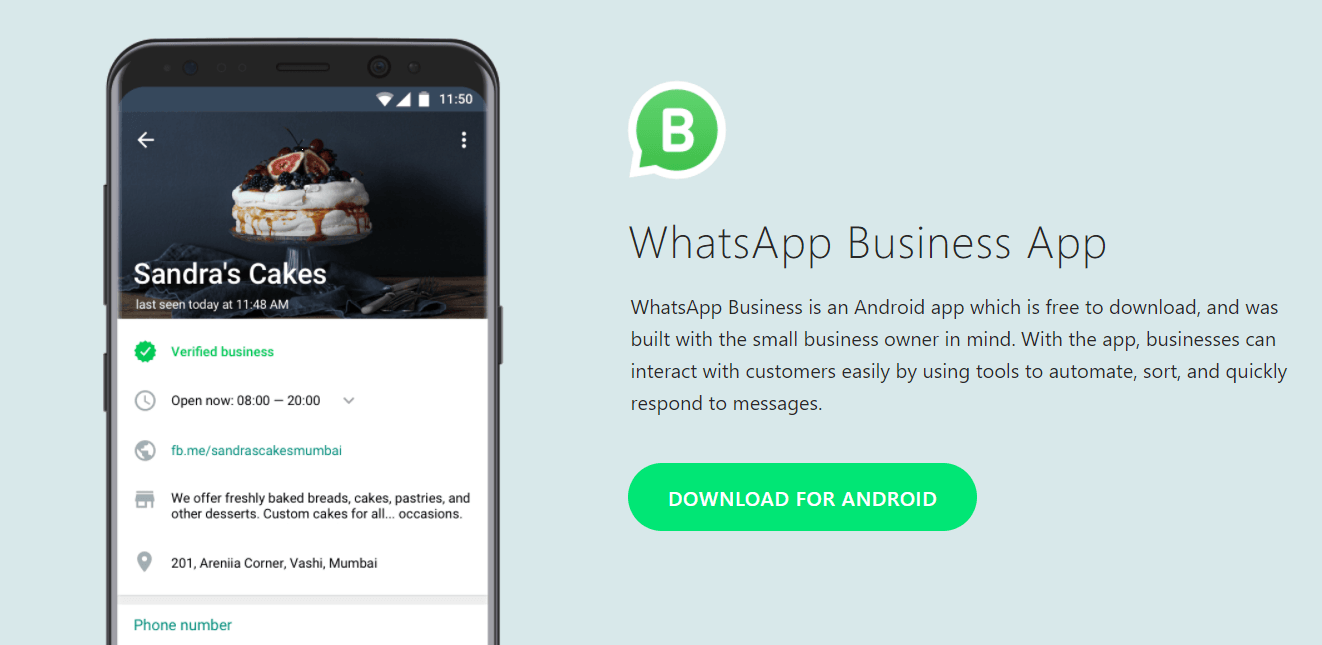
    We reported two weeks ago that WhatsApp Business might be finally coming to iOS devices, as many users from several countries found the app listed in the App Store. Initially launched on Android, WhatsApp Business is now officially rolling out for iPhone, the company announced in a blog post

    Of course, the app is available for free via App Store, but you’ll have to create an account before you can take advantage of all the business-centric features it has to offer. Keep in mind that WhatsApp Business will first be available in Brazil, Germany, Indonesia, India, Mexico, the UK, and the United States, but WhatsApp said the app will be made available worldwide in the coming weeks.

    With WhatsApp Business, you’ll be able to share useful information about your business, including its description, email and store addresses, as well as website. Also, thanks to the integrated messaging tools, you’ll be able to respond to customers very easy via quick replies, greeting messages, and away messages.

    Last but not least, WhatsApp Business is a cross-platform service, which means you’ll be able to chat from your desktop to manage conversations and send files to customers, not just from your iPhone or Android smartphone.

  • Six great marketing lessons Learned from MarketingPulse

    Six great marketing lessons Learned from MarketingPulse

    “Great ideas should be scary,” advocates Marcelo Pascoa, head of global brand marketing at Burger King, one of the keynote speakers at the recent MarketingPulse event in Wanchai. “When new things come to be, it is often associated with fear. So, my advice to marketers is: be very afraid! If you sleep well the night before your project launches, then the promotion wouldn’t be too spectacular.”

    Pascoa’s projects are known to be bold and daring, even making fun of competitors in the market. One example was a marketing stunt in which people were asked to open the Burger King app at a McDonald’s to win a free burger. As a result, there was a huge leap in interest in the Burger King app and it became the most downloaded app on the store. He said that knowing your work aligns with the brand value is key when facing challenges and criticism. “My biggest fear is being irrelevant. Marketers live in fantasies where they control everything, but social media has proved that we cannot control everything.”

    MarketingPulse second edition

    Pascoa was one of many speakers at the second edition of MarketingPulse, Asia’s premier conference for marketers and brands, held at the Hong Kong Convention and Exhibition Centre. Organised by the Hong Kong Trade Development Council (HKTDC), the key morning session at the event, “Dear Brands, Let’s Sail to the Future!”, featured a heavyweight line-up of industry experts who shared their tricks and tips on how to keep ahead of marketing trends to develop successful brand stories.

    Respect cultural differences

    Endeavor is a brand focusing on entertainment, sports and marketing services. Bozoma Saint John, the company’s chief marketing officer, shared her success stories at Endeavor and in previous high-profile marketing roles at Uber and Apple Music.

    St John recounted some of the marketing stunts that helped to push her brands, from inviting Beyonce to perform at the Super Bowl and promoting Apple Music’s breakup song services through private chat messages between three famous black actresses, to featuring two superstar athletes sharing their thoughts on cultural differences during an Uber ride. These stunts were not only successful in capturing the attention of consumers, but also raised discussions on cultural issues relevant to society as a whole.

    “I am addicted to popular culture,” she declared. “I am always fascinated by the latest and most trendy things and would like to know how they come to be and how they connect with history. People working in the marketing sector represent various cultural differences between different places. We have to know its meaning, why it comes to be, and how cultures interact in order to use popular culture as a marketing tool.”

    Saint John pointed out that there are currently tensions in society which make it important for marketers to understand different communities well and build connections through various emotions in order to avoid controversies such as cultural appropriation.

    Think before you speak

    One of Hong Kong’s best-known creative talents, Juno Mak, creator at Kudos Films, began his presentation by sharing his experience in the entertainment industry and explaining how marketing became part of his everyday life.

    “We do not need to be a businessman to do marketing, as we are already marketing ourselves in our daily lives − our sitting posture, our favourite colours, and our watches, these are all making a promotion out of a life. When you know yourself better, you will know how to do marketing,” he said.

    Mak also made the bold suggestion that we should abandon two things: our resumes, and thoughts that come from the mouth, not the head.

    “Things you write in your resume are tasks completed in the past. But we have to think: what’s next? We should also give up on thoughts that come from our mouths, as they might be copies of other people’s ideas. Thoughts should come from your head − a creation that you agree with.”

    Storytelling techniques

    Jonathan Mildenhall, co-founder and CEO of TwentyFirstCenturyBrand and former chief marketing officer at Airbnb, offered the audience a whole new definition of marketing in the 21st century. “Marketers create assets for the company, including its finance, consumers, employees and cultural assets. Marketing with a clear focus creates unparalleled value,” he said.

    Mildenhall emphasised that storytelling techniques are key to any marketing campaign.

    “I am 100 per cent a supporter of emotional storytelling. If a marketing campaign does not contain a story behind it, it is only market pollution. Stories help us build a signature super-brand that people care about.”

    He shared his experience at Airbnb to illustrate how consumption begins with emotion − for example, bringing the room in a Van Gogh painting to life, or sharing true stories from the community to bring out cultural values.

    “We rationalise our choice of consumption after we create the emotion,” he explained.

    Understanding local tastes

    Keiei Sho, executive officer, GM of overseas business division at Calbee, distributed his company’s popular grilled corn sticks to conference visitors to demonstrate how market tastes can change.

    “People used to say that the corn sticks were too hard and that consumers would not like them,” he said, before revealing that sales were now in the region of US$300-400 million. Sho recounted Calbee’s history, explaining that after the Second World War, Japan was left with devastated industries and faced food shortages. Calbee stepped in to manufacture prawn crackers using the flour left behind by the US Army and shrimps from the Seto Inland Sea, which proved to be a hit.

    The company continues its creative legacy, recently working with 47 Japanese prefectures to create a successful campaign by developing 47 different flavours of chips.

    “We collaborated with local governments to learn about local tastes, hoping to know what would resonate with consumers, while showcasing promotions from various prefectural governments on the back of the bag,” he explained.

    Using its advantages in the areas of food safety and convenient packaging, the brand has continued to push the envelope by launching breakfast food items to attract Chinese visitors and promoting Kyoto’s breakfast culture using online celebrities.

    Embracing consumer insights

    The lingerie brand created by Michelle Cordeiro Grant, founder and CEO of Lively, has embraced the concepts of female empowerment and body acceptance. The company created a new definition of what sexiness means, building a brand that brings community, experience and products together.


    Advocating “high style and comfort”, the brand has been communicating with 100 brand ambassadors right from the start to learn about consumers’ needs and elicit useful feedback. Many of Lively’s new underwear lines are launched in accordance with customer preferences.

    Grant said Lively is an experience-focused brand, with its retail stores devoting only 30 per cent of the space to products while the rest is used for events such as hip-hop experiences and movie nights.

    “Lively is an organism with a human soul,” she said. “Normally, females purchase underwear once or twice a year, while our consumers purchase underwear on average four to five times per year. This shows that they are purchasing not out of their ‘needs’, but their ‘desires’.

    “This is key to how we create our market share.”
  • Home-and-living brand Jiyoujia debuts in Singapore

    Home-and-living brand Jiyoujia debuts in Singapore

    Alibaba’s e-commerce platform Taobao has launched its home-and-living channel, Jiyoujia in Singapore.

    Marking the brand’s first foray into an overseas market, products are on show at Taobao Home store at NomadX store.

    “Singapore is an important market for Taobao, and we continue to witness strong and sustained demand for the home-and-living category here by shoppers,” said Mickey Xiong, country director for Southeast Asia, at Taobao.

    “In fact, the home-and-living category is our fastest-growing segment here.”

    Jiyoujia also launched its Home Lab portal, one week after its debut in China. Using the portal, curated sets of Jiyoujia products are recommended to customers, promoted through interactive digital showcases. Surfers can hover over each item for more information.

  • Myer axes 50 management staff and fresh marketing lead

    Myer axes 50 management staff and fresh marketing lead

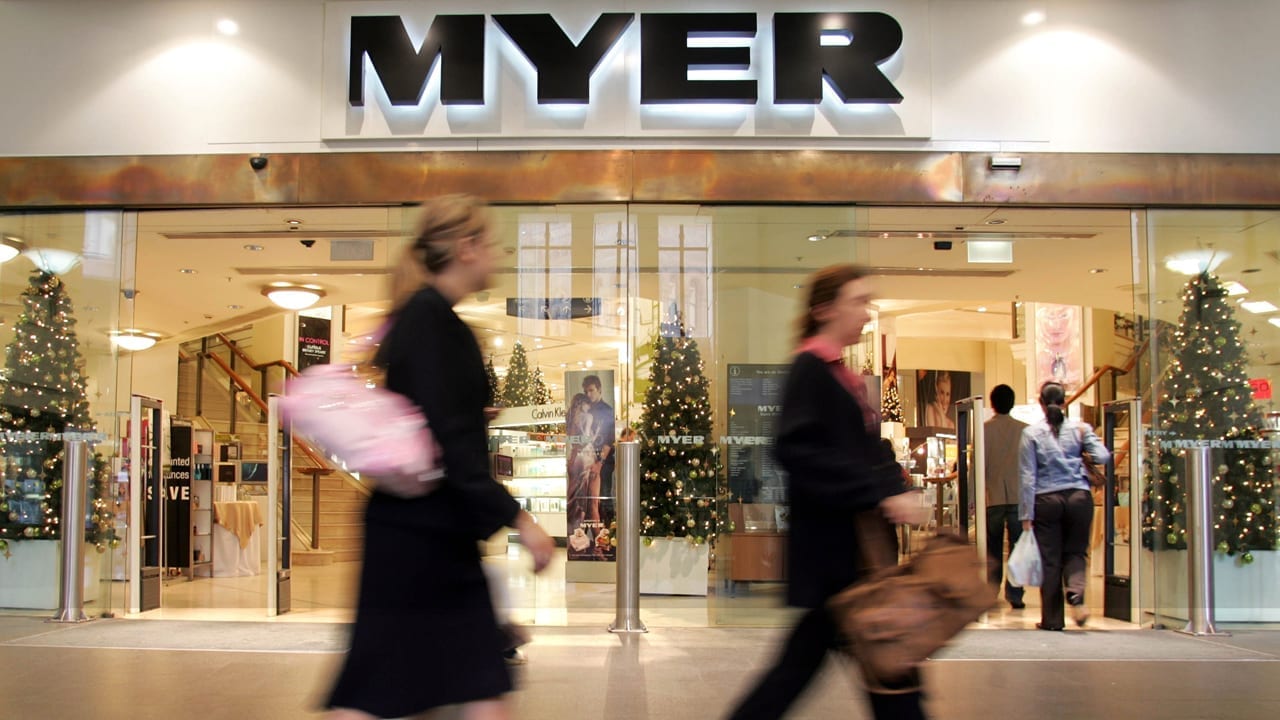
    Myer has cut a further 50 positions from its store management and store support team, including group general manager of marketing Andrew Egan. The cuts are the second round of large scale lay-offs for the department store in the last eight months, with over 30 executive positions cut last August, in order to reduce costs and barriers between the business and its customers – bringing the total number of executives lost within the last year in the realm of 80.

    “We have to place the customer first, in every decision we make and every action we take,” a Myer spokesperson said.

    “From doing a thorough review of our entire store management structure and a further review of the store support office… as a result of this, a number of administrative and management roles will be leaving the business to align our structure more closely with our customers.”

    No customer facing team members have been affected by the cuts.

    According to the spokesperson, this will enable the business to operate in a more efficient manner, improving the financial performance and shareholder value delivered.

    Myer recently posted a rise in net profit for the first half FY19, increasing 3.1 per cent to $41.3 million, signalling that the brand’s customer-first turnaround strategy has some legs.

    The retailer improved store layouts over the half-year, and launched the ‘My Store’ marketing campaign, which chief executive John King said had been received well by customers.

    Despite this, Egan, who led the launch of the ‘My Store’ campaign, as well as the department store’s recent Christmas campaign, has been let go in this recent round of lay-offs.

    “We thank Andrew for his contribution to Myer and particularly to our marketing and advertising team,” the spokesperson said. “We wish him all the best for the future.”